Now Reading: Where is Armenia pulling the South Caucasus region?
-
01
Where is Armenia pulling the South Caucasus region?
Where is Armenia pulling the South Caucasus region?

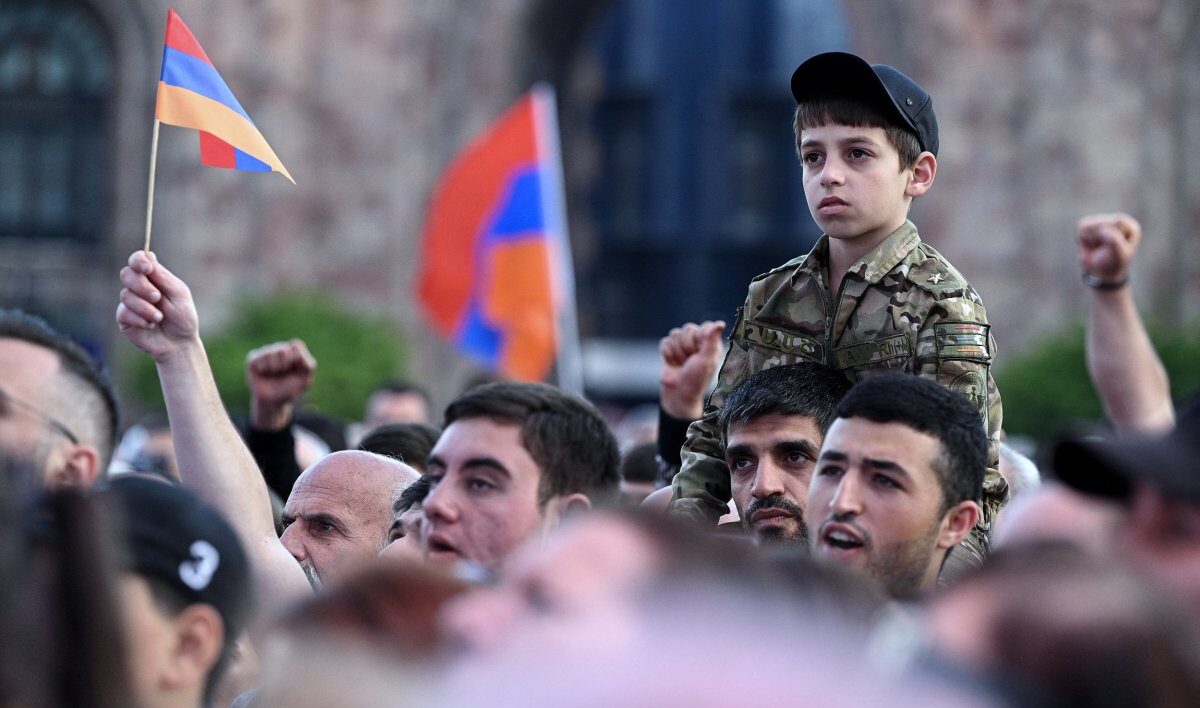
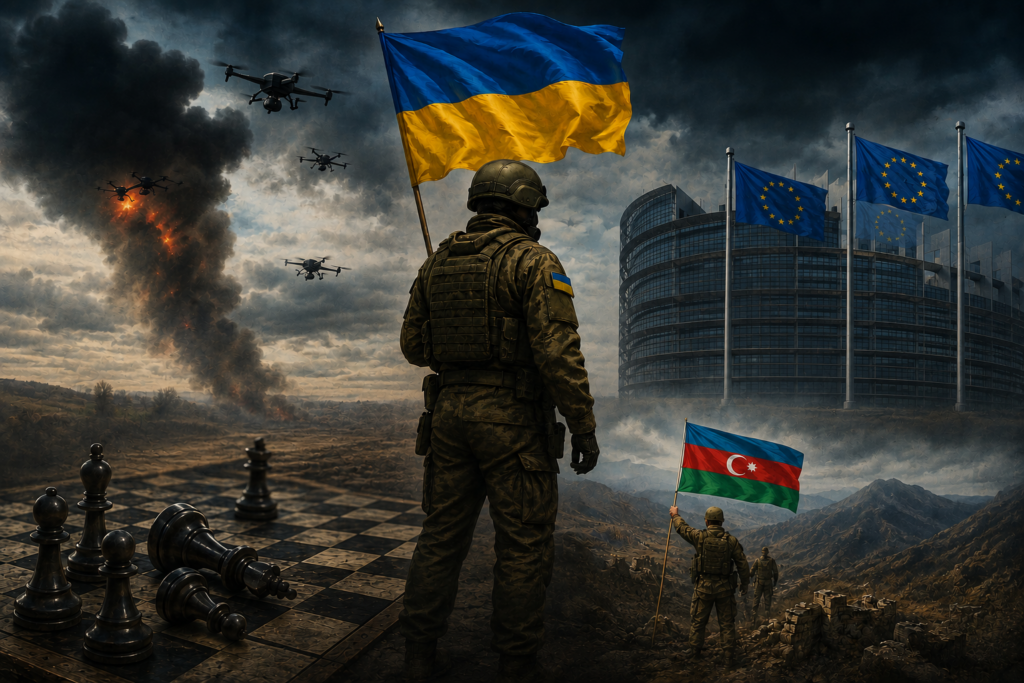
A lobbyist paid by the Armenian government, former NATO Secretary General Anders Fogh Rasmussen, has published an article on the future interaction between the West and Armenia. This widely publicized article, written in the office of the Secretary of the Armenian Security Council, reflects the main expectations of Armenia’s military-political leadership.
So, what are Armenia’s expectations?
- Rasmussen demands that the EU and the US link the participation of leaders at COP29 with pressuring Azerbaijan on the peace treaty issue;
- By referring to Karabakh as a disputed territory, Rasmussen calls the departure of Armenians from Azerbaijan “population transfer”;
- Armenia is almost presented as the author of the peace treaty;
- Most importantly and interestingly, Rasmussen calls on the EU to: Threaten Azerbaijan with consequences if aggression towards Armenia begins; Further strengthen political, economic, and defense assistance to Armenia through funding from the European Peace Fund; Specifically mention Germany, which according to Rasmussen, should follow France’s example and provide military assistance to Armenia (!!!); Strengthen the EU mission and ensure its access to Azerbaijani territory (!); Support the “Peace Intersection,” i.e., the opening of communications according to the Armenian scenario.
In return for all this, Rasmussen mentions military exercises with the US, “new economic relations between Armenia and the EU,” and Armenia’s desire to leave the CSTO (where did he see that?!).
So, what do we have?
The vision of Armenia presented through Rasmussen reflects a desire to transform Armenia from a Russian outpost into a Western outpost. Once again, we see that Armenia’s natural interests, which should be based on geography, resources, and history, are being replaced by the interests of external sponsors. Armenia prioritizes the interests of extra-regional actors over the expectations of its immediate neighbors. For example:
- Increased European and US involvement in Armenia’s security system creates sparks in relations with Russia and Iran;
- More Western weaponry in the Armenian Armed Forces creates tension in relations with Azerbaijan;
- Increased French influence in Armenia provokes hostility from Turkey and Azerbaijan;
- Armenia’s demand to use Western resources to pressure Azerbaijan triggers a counter-reaction from Azerbaijan;
- The confusion surrounding the “Peace Intersection” has led to a tough stance from Iranian leadership…
And the list could go on…
Armenian leadership needs to understand that such a position is unsustainable and is tied to the fluctuating interests of specific sponsor countries. Rasmussen urges Germany to follow France’s path, as Macron’s position is unstable, which could lead to stagnation in military-technical cooperation between France and Armenia. Or consider the exhausting expectations from the US election outcomes, where Armenia is banking on a Democratic victory…
Stability in the security system can only be achieved with specific neighbors – Azerbaijan, Turkey, Georgia, and Iran.
Armenia does not have a border with Russia, and the threats from Russia that worry the Armenian leadership could be mitigated by building stable relations with neighbors!
Moreover, military equipment alone won’t help, no matter how much is bought… Armenia had Iskanders, and how did that help during the 44-day war?
The experience of the last 25 years has shown that being an outpost and being used against neighbors can have an effect for a certain period but leads to inevitable disaster. Armenia needs to learn to be a subject, avoiding irritation and threats to its neighbors. All this again boils down to accepting a neutral status, as noted in previous texts.
The expected changes to Armenia’s Constitution offer a chance for making crucial decisions for Armenia. This opportunity should be seized, as the region should not become a conflict zone.
Related Posts
Previous Post
Next Post
- Aliyev says Turkic world is emerging as a major center of influence
- Baku hosts Turkic World Week honouring landmark 1926 Turkological Congress

- EU envoy holds talks in Baku ahead of high-level engagement with South Caucasus
- Europe must not lose Azerbaijan: Oleksiy Goncharenko on the risks of confrontation between Baku and the Council of Europe
- A leader forged by patience and victory