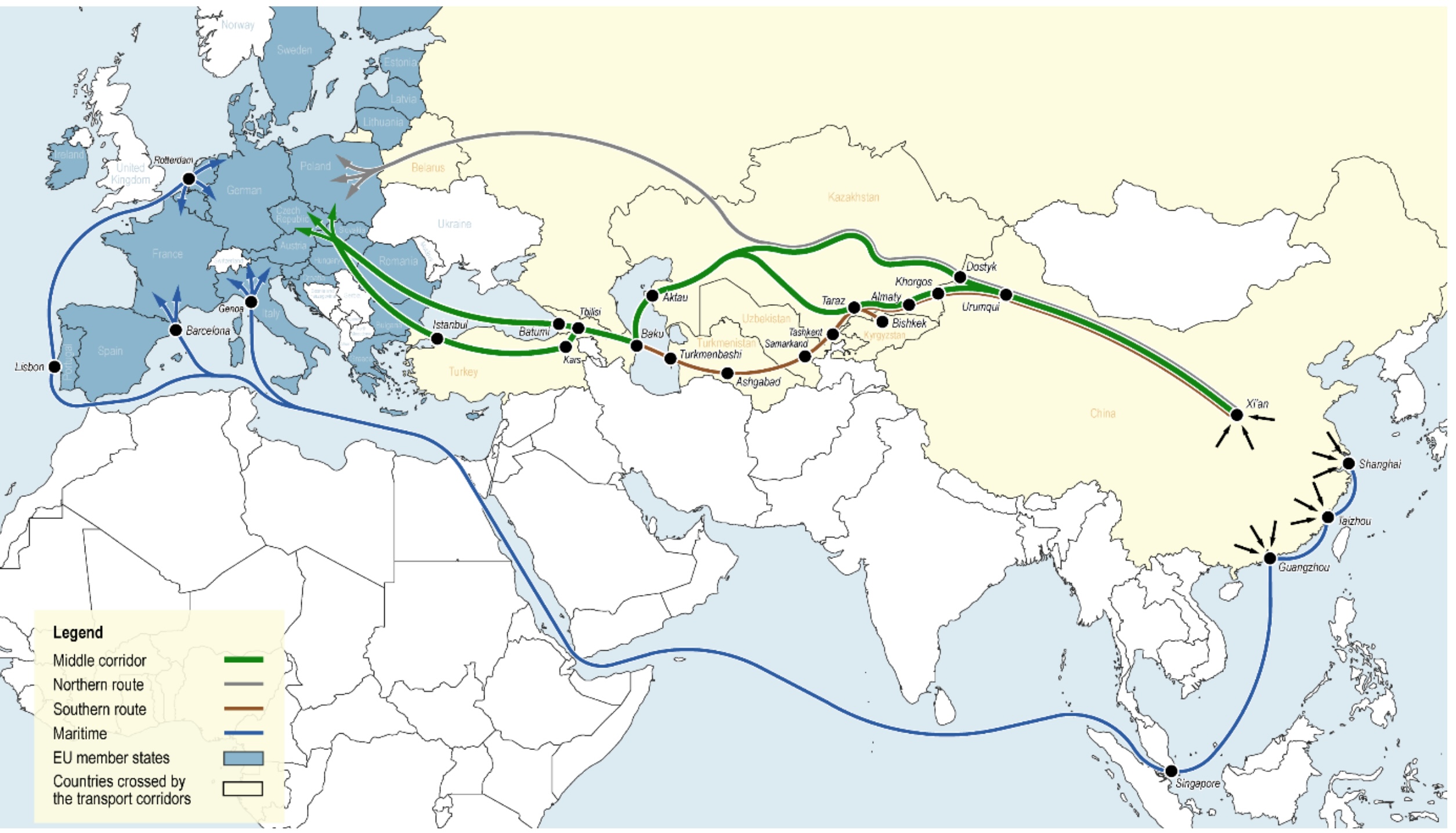
Azerbaijan’s logistics transformation continues to gain momentum as the Middle Corridor becomes an increasingly important part of the wider Eurasian transport architecture.

Azerbaijan’s logistics transformation continues to gain momentum as the Middle Corridor becomes an increasingly important part of the wider Eurasian transport architecture.

Azerbaijan is strengthening its role as one of the key air transit corridors between Europe and Asia, with international flight traffic through the country rising sharply in recent years.

Azerbaijan Railways will increase passenger capacity on the Baku–Tbilisi–Baku route due to strong demand during the summer season.
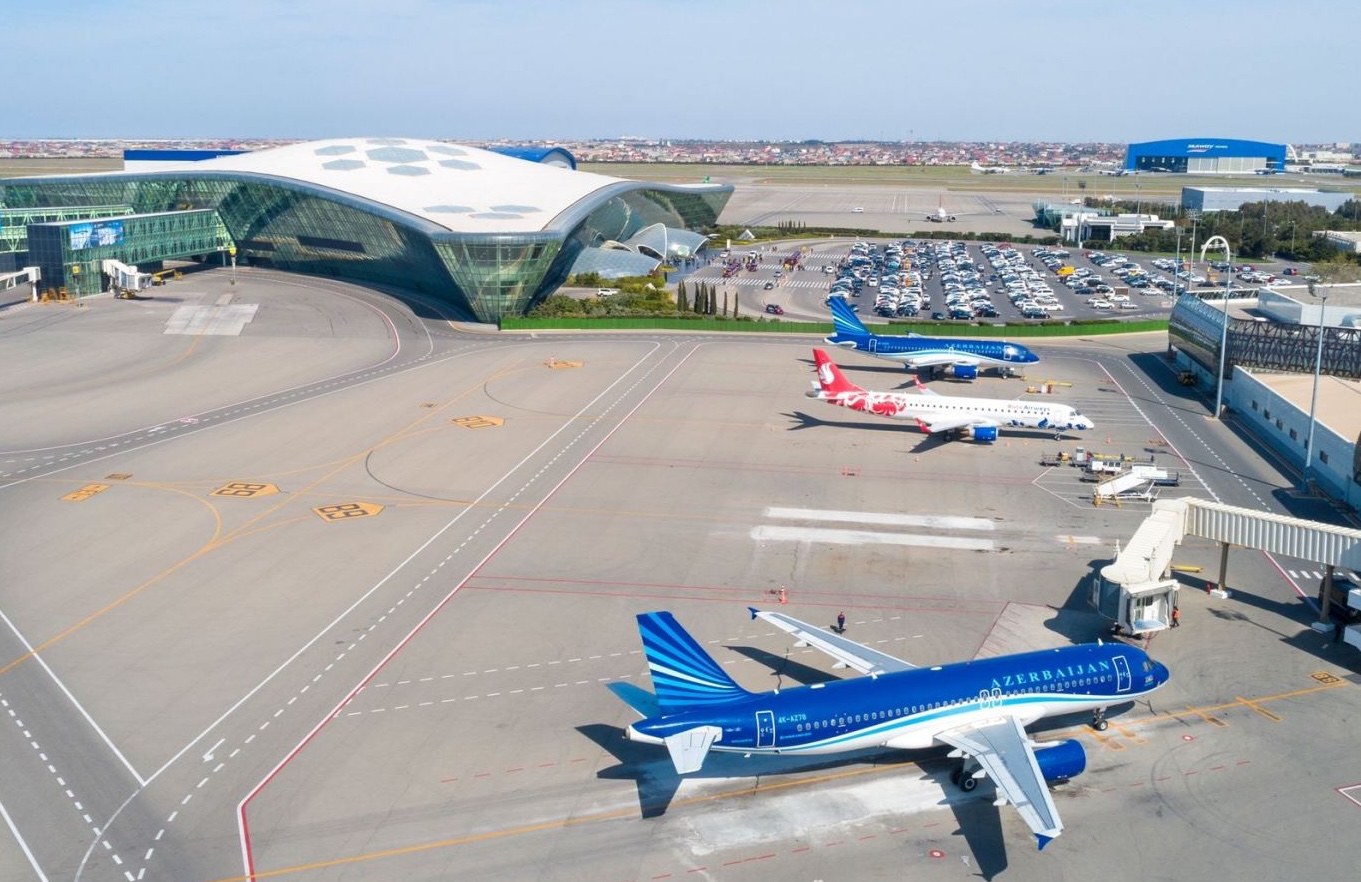
The worsening conflict in the Middle East has added a new layer of pressure to the global aviation industry. Alongside security risks and disrupted routes, airlines are now facing a growing shortage of aviation fuel, a problem that is already affecting both passenger and cargo transportation.
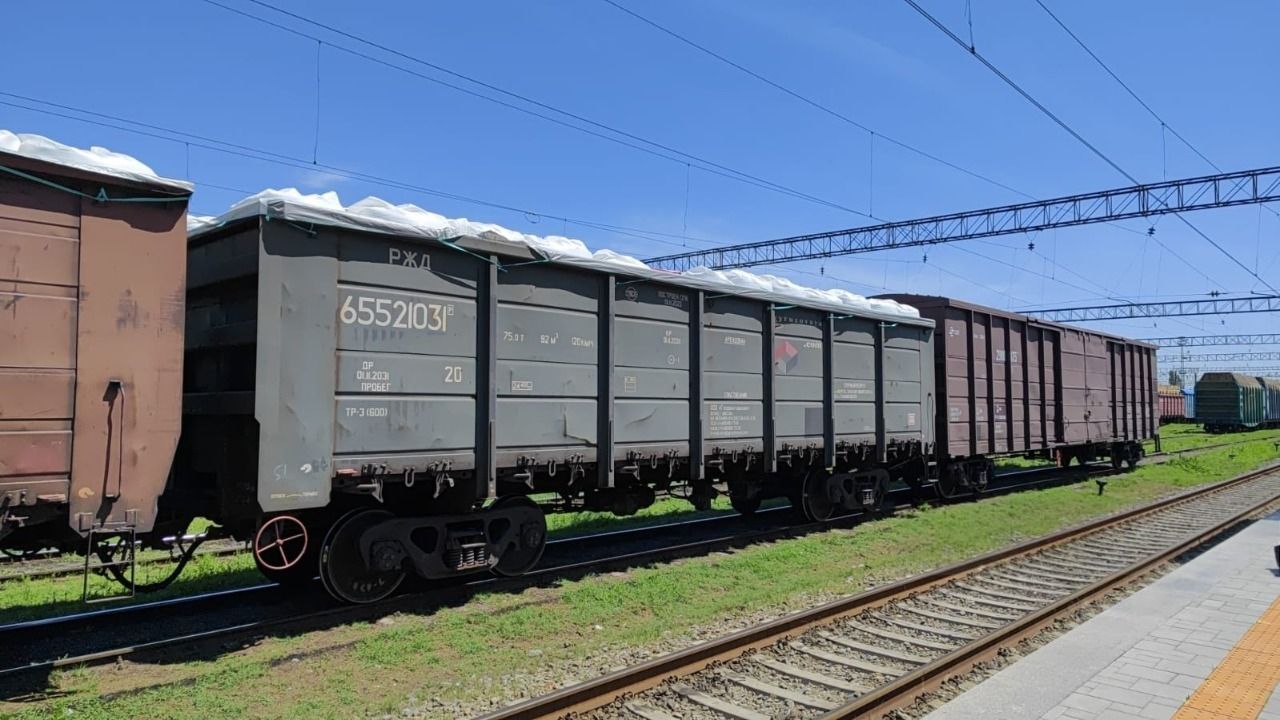
Twelve rail wagons carrying 828 tons of fertilizers and six wagons loaded with 414 tons of anthracite have been sent from Russia to Armenia through Azerbaijani territory.
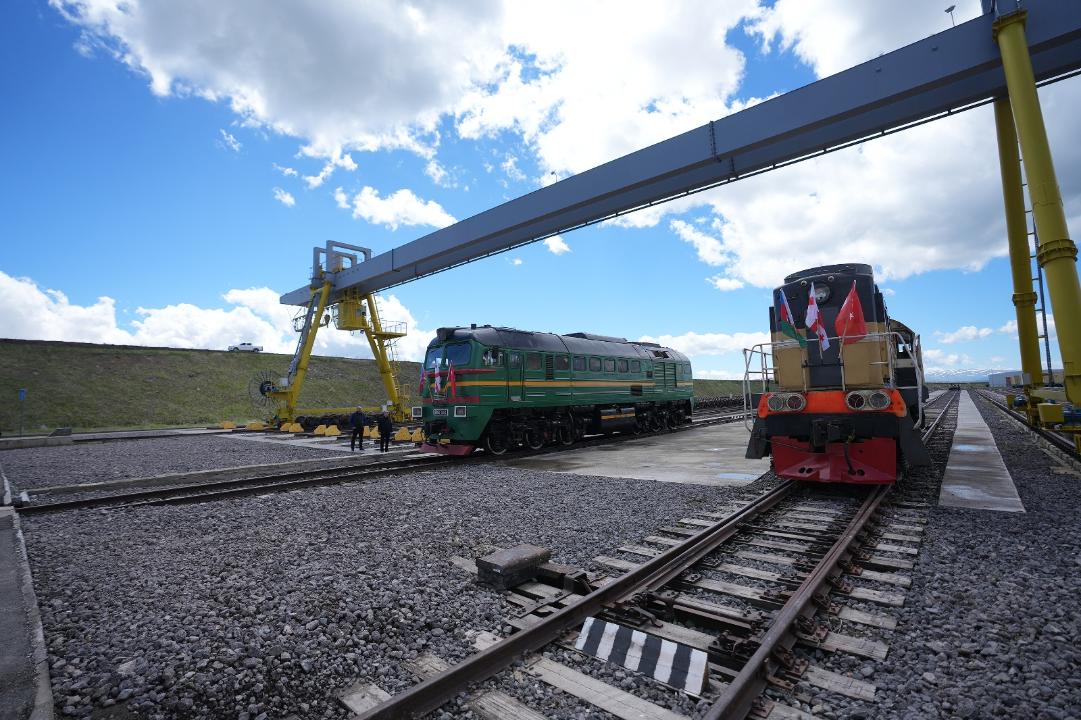
Kazakh Deputy Minister of Transport Zhanibek Taizhanov attended the official opening ceremony of the modernized Baku-Tbilisi-Kars railway on June 2 at the Akhalkalaki railway station in Georgia.

On June 2, the long-awaited ceremony marking the commissioning of the Baku–Tbilisi–Kars railway after the completion of a large-scale reconstruction of the Georgian section of the line took place in Tbilisi. Representatives of Azerbaijan, Georgia and Türkiye attended the event, underscoring the project’s strategic importance for the further development of the Middle Corridor.
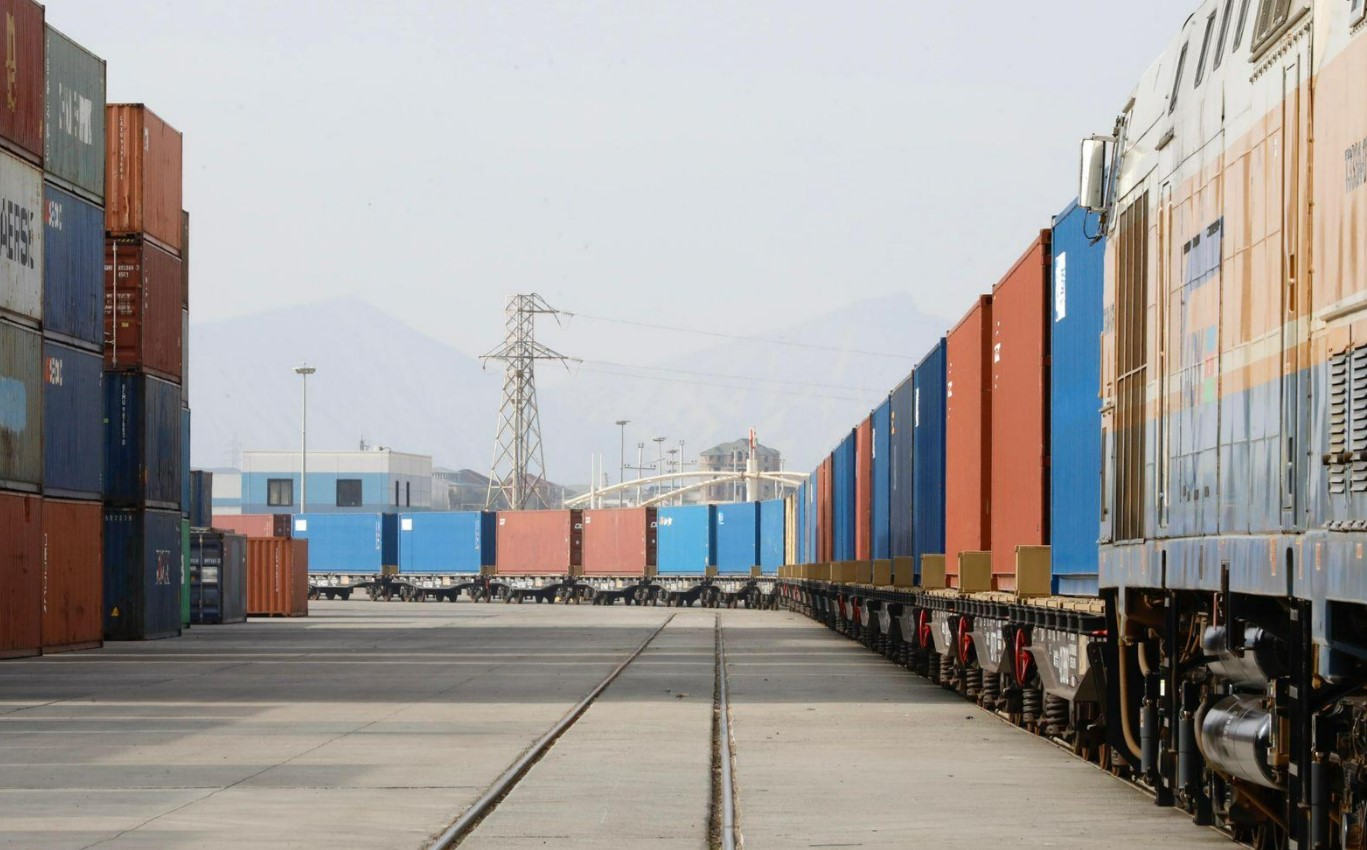
China plans to increase freight shipments to Europe through the Trans-Caspian International Transport Route, also known as the Middle Corridor, bypassing Russian territory, Ukraine’s Foreign Intelligence Service reports.

Today, another shipment of wheat and fertilizer will be sent from Russia to Armenia via Azerbaijan.
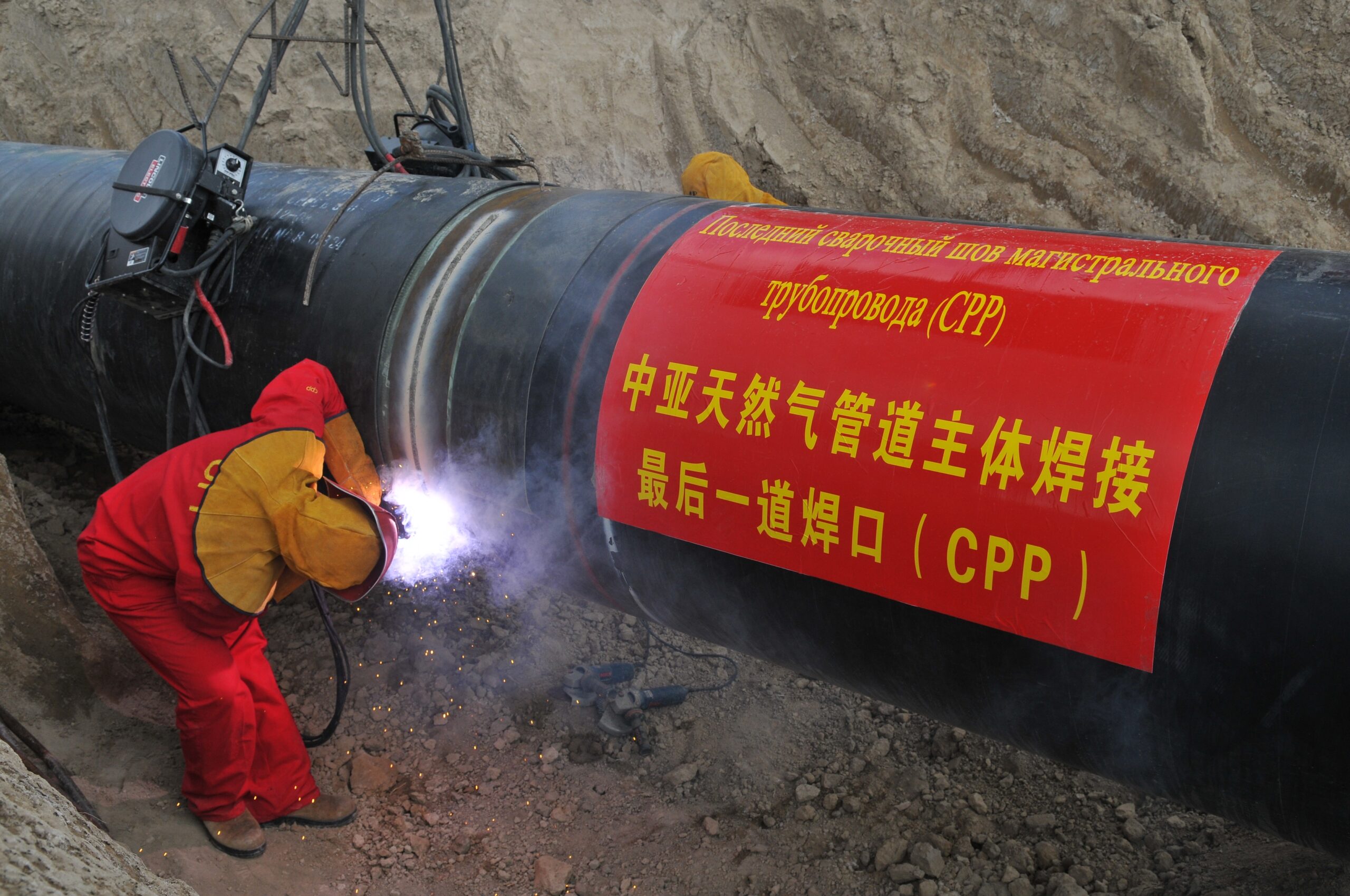
The conflicts in Ukraine, Iran, and Afghanistan are undermining the viability of Central Asia as an energy and transport hub.
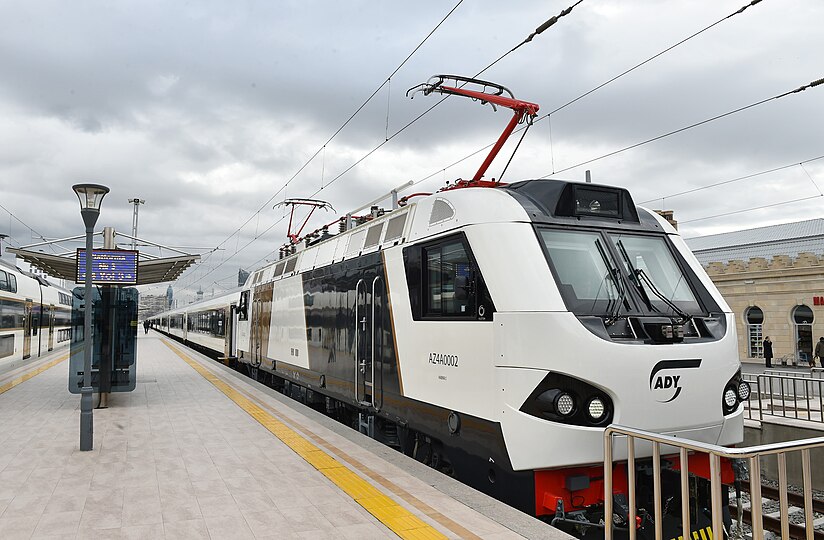
Azerbaijan Railways CJSC is discussing the possibility of resuming passenger train service on the Baku–Tbilisi route, the company said in a statement.

The Serbian national airline operates flights from Belgrade to the capital of Azerbaijan twice a week – on Wednesdays and Sundays, while flights from Baku are scheduled for Thursdays and Sundays.
Amid global logistical disruptions, Azerbaijan is emerging as a strategic node state linking East-West and North-South corridors. Through long-term infrastructure investment, regional diplomacy, and transport diversification, Baku has strengthened its role in Eurasian connectivity, despite geopolitical resistance, regional rivalry, and competing visions for the South Caucasus transport architecture and beyond.

Silk Way West Airlines is marking the 10th anniversary of its operations to Japan, underlining the importance of the Japanese market within its international network and reaffirming its long-term commitment to cargo connectivity through Baku.
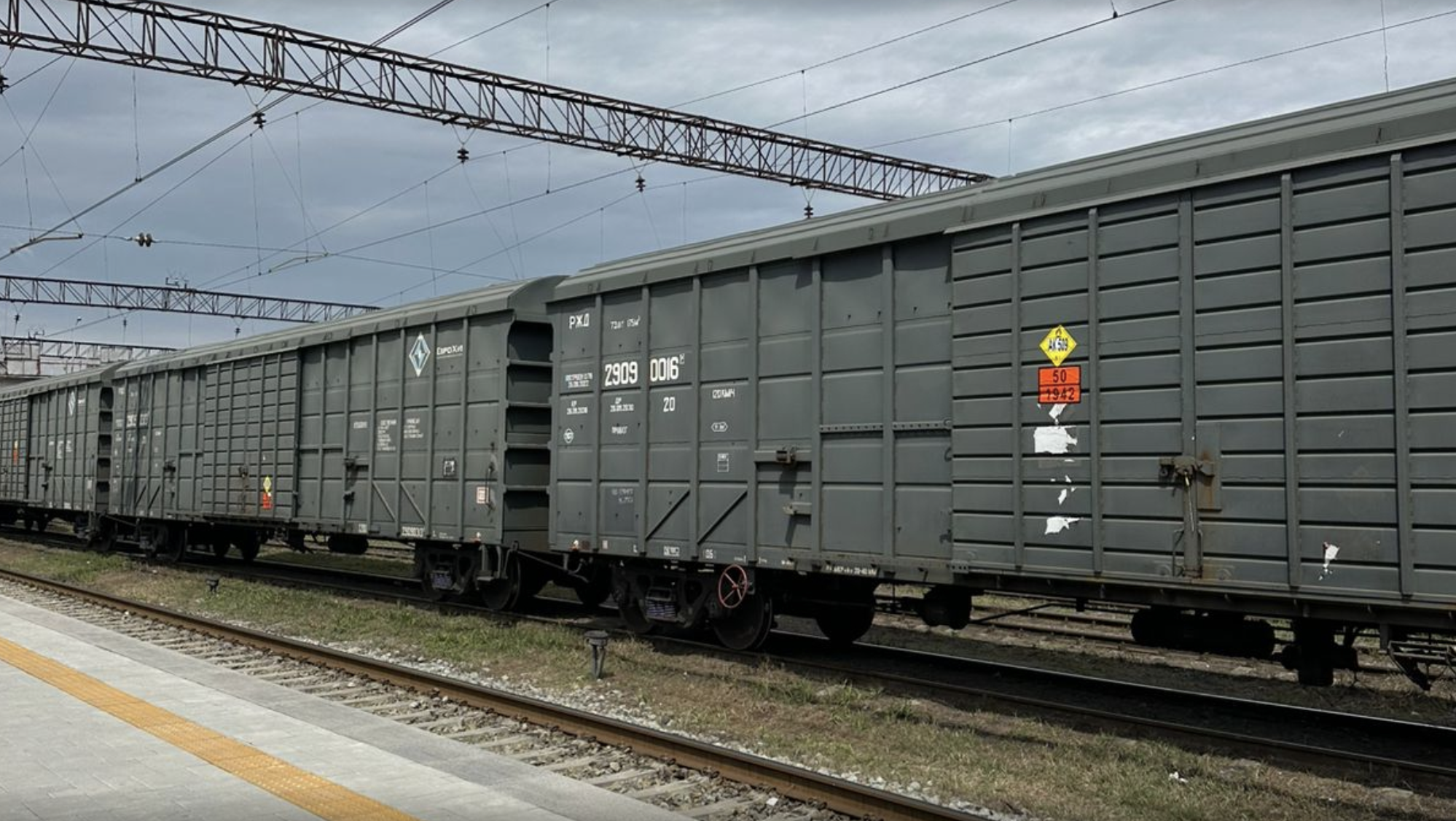
Another shipment of cargo was sent to Armenia via transit through Azerbaijani territory.
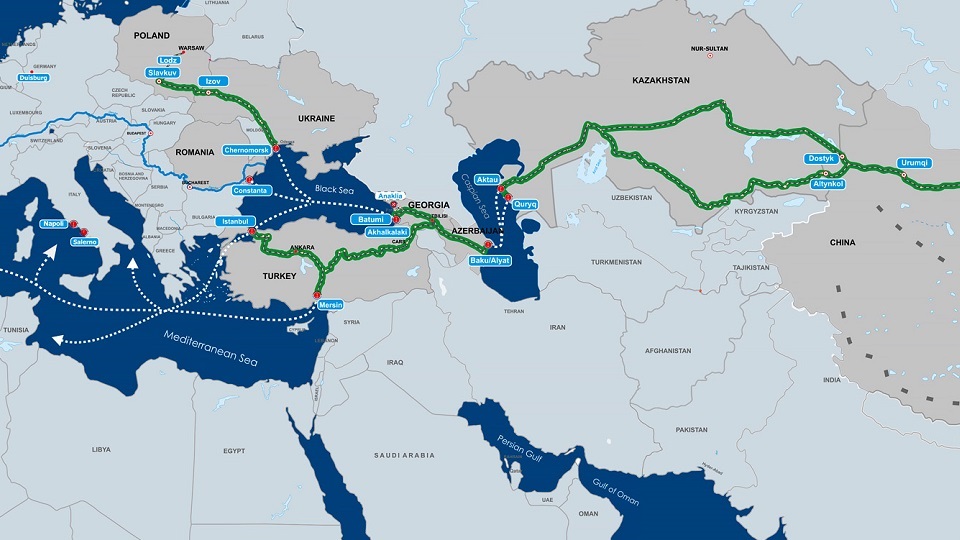
There has recently been a lot of interest in the Middle Corridor’s growing importance as a key transit route connecting European and Asian markets for goods, energy and the movement of people.
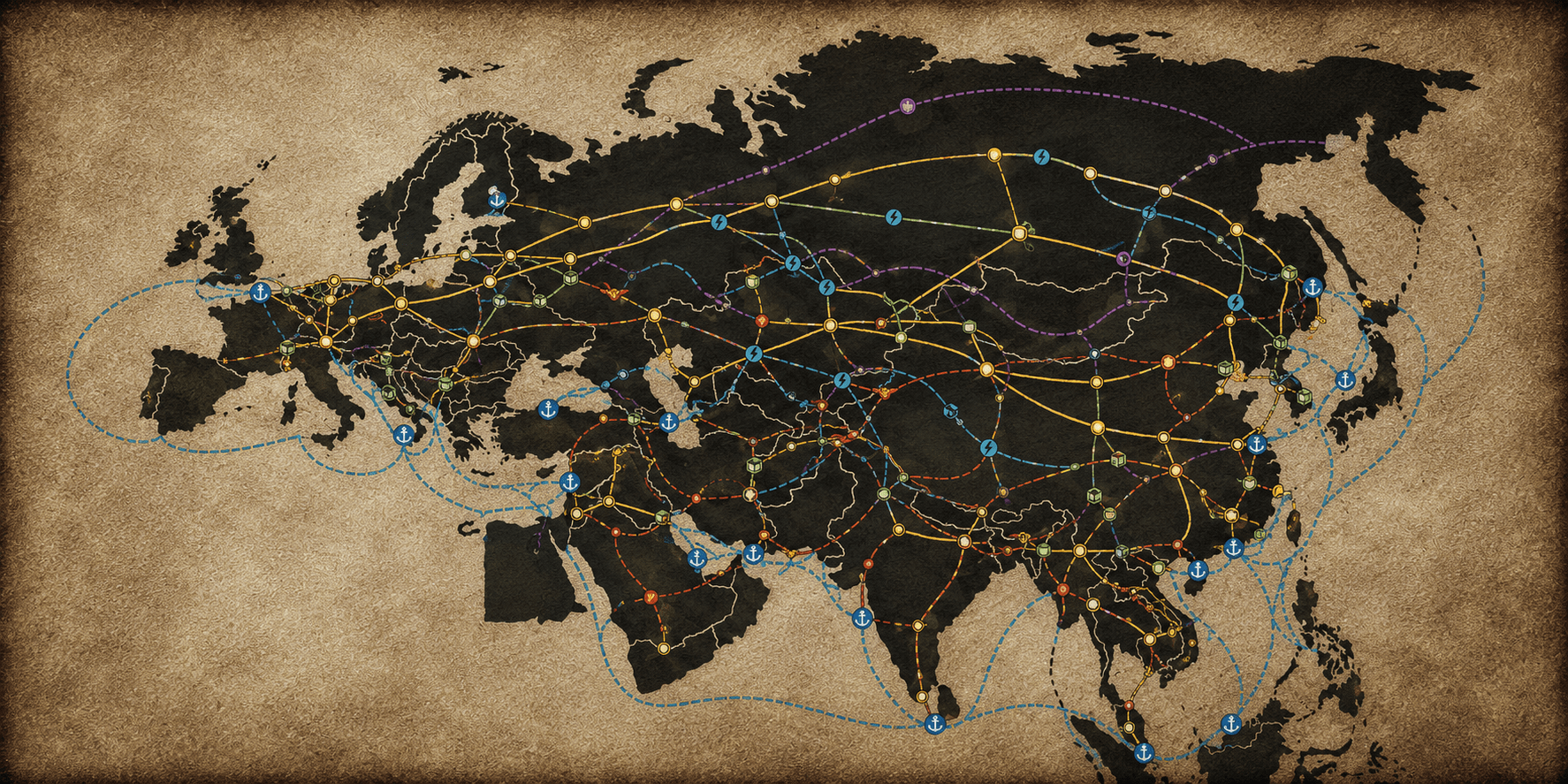
In recent years, the Middle Corridor trade route has gained significant momentum amid tectonic geopolitical shifts across Eurasia.
On April 7 Kazakhstan’s Foreign Minister Yermek Kosherbayev visited Tbilisi to hold talks with Georgian Foreign Minister Maka Bochorishvili and sign a 2026–2027 foreign-ministry cooperation program.

The implementation of Azerbaijan's National Airspace Strategy (NAS) is projected to be completed by the end of 2026, Farhan Guliyev, Director of Azeraeronavigation (AZANS) Air Traffic Control Department of CJSC Azerbaijan Airlines (AZAL), said in an article published on the official website of the International Air Transport Association (IATA).

In today’s geopolitical reality, transport corridors no longer function merely as economic lines serving cargo transportation, but have become one of the key instruments shaping the strategic position of states.

Kazakhstan President Kassym-Jomart Tokayev’s proposal of Turkestan city as a venue for Iran-war negotiations shows how directly the conflict had already begun to affect Central Asia itself.
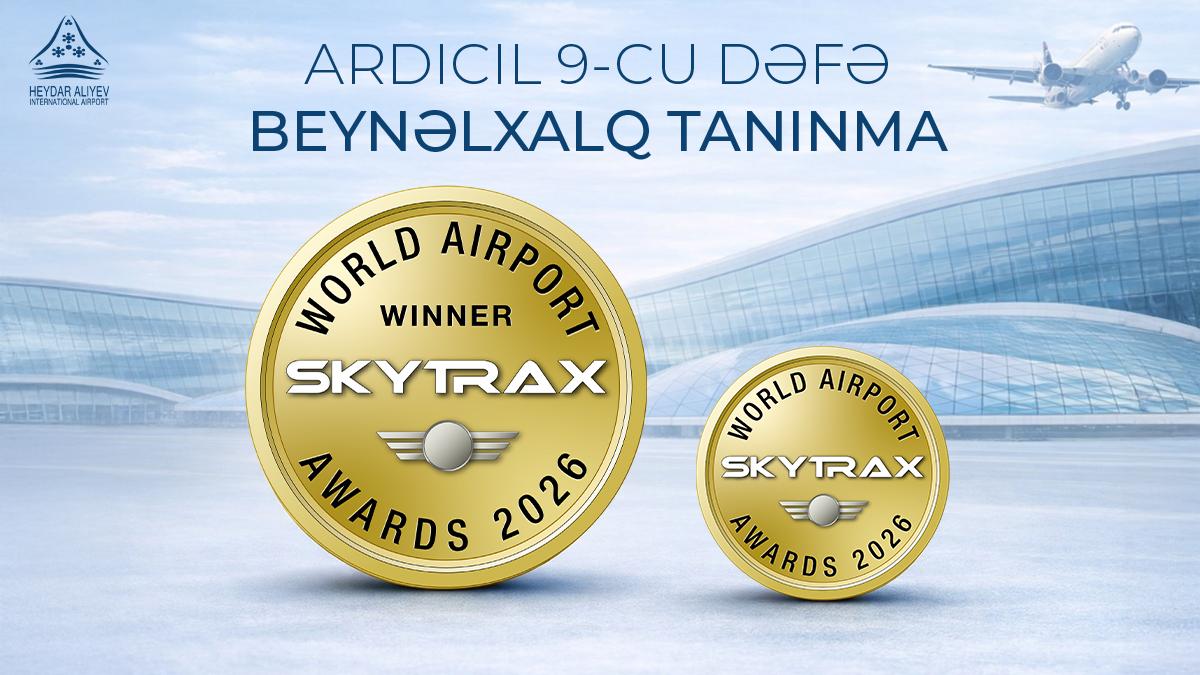
Heydar Aliyev International Airport has once again reaffirmed its status as a leading airport in the region by receiving the prestigious “Best Airport in Central Asia and the CIS” award at the Skytrax World Airport Awards 2026.
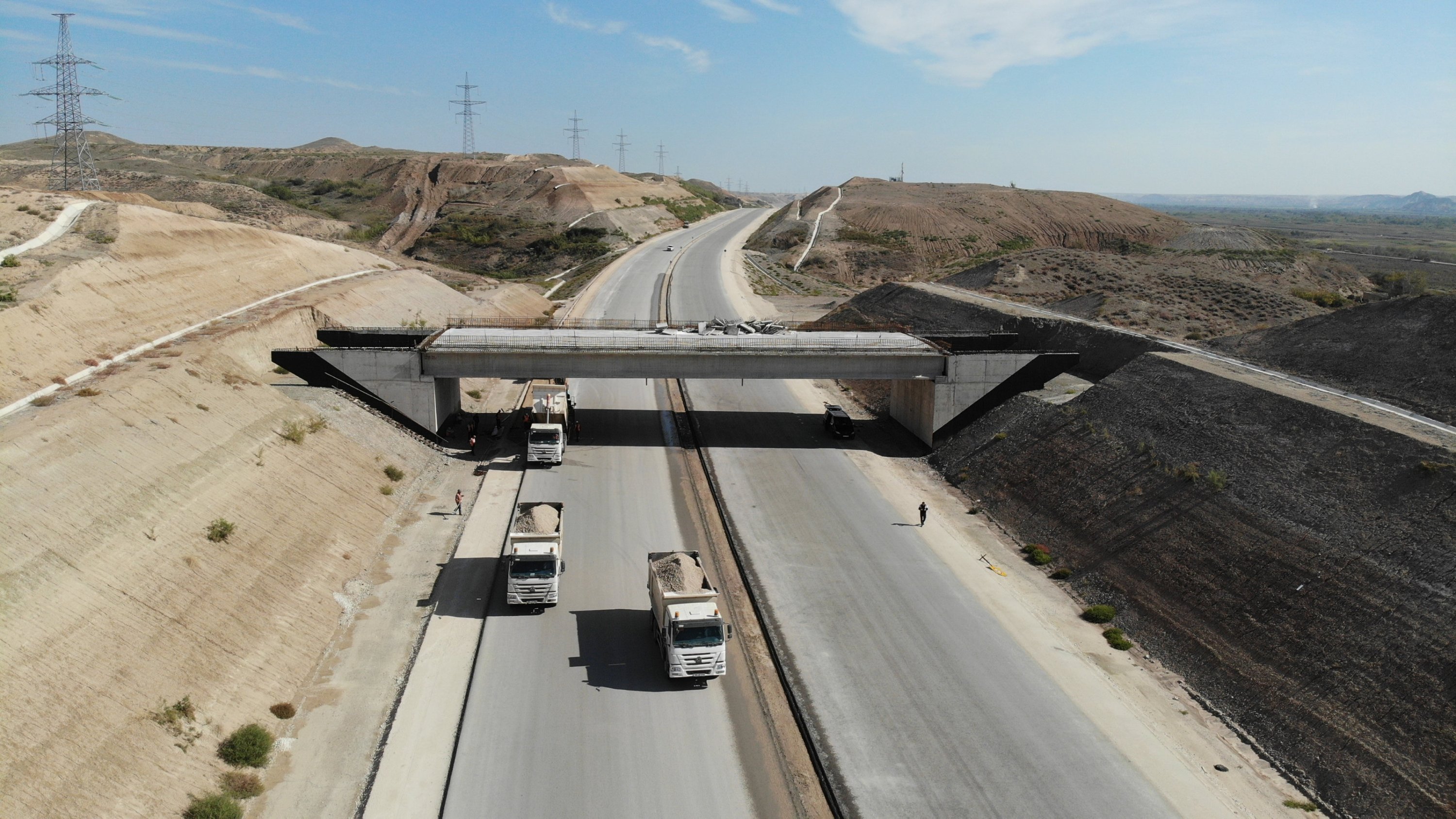
Armenia’s Prime Minister Nikol Pashinyan spoke to the European Parliament in Strasbourg on March 11 and said he has no intention of delaying TRIPP, the newly proposed South Caucasus route through southern Armenia to be integrated into the existing Middle Corridor.
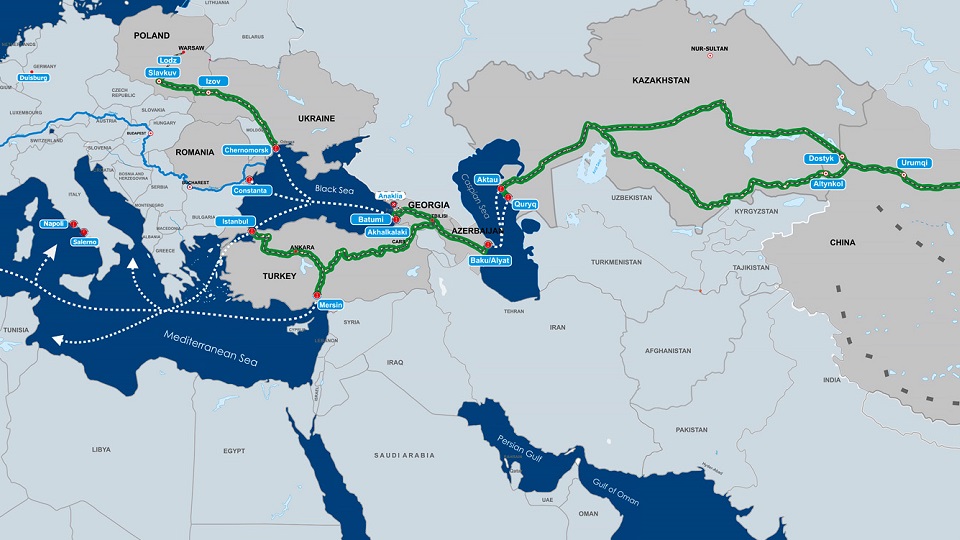
The Middle Corridor could become a key route for container transportation in the event of a closure of the Strait of Hormuz.