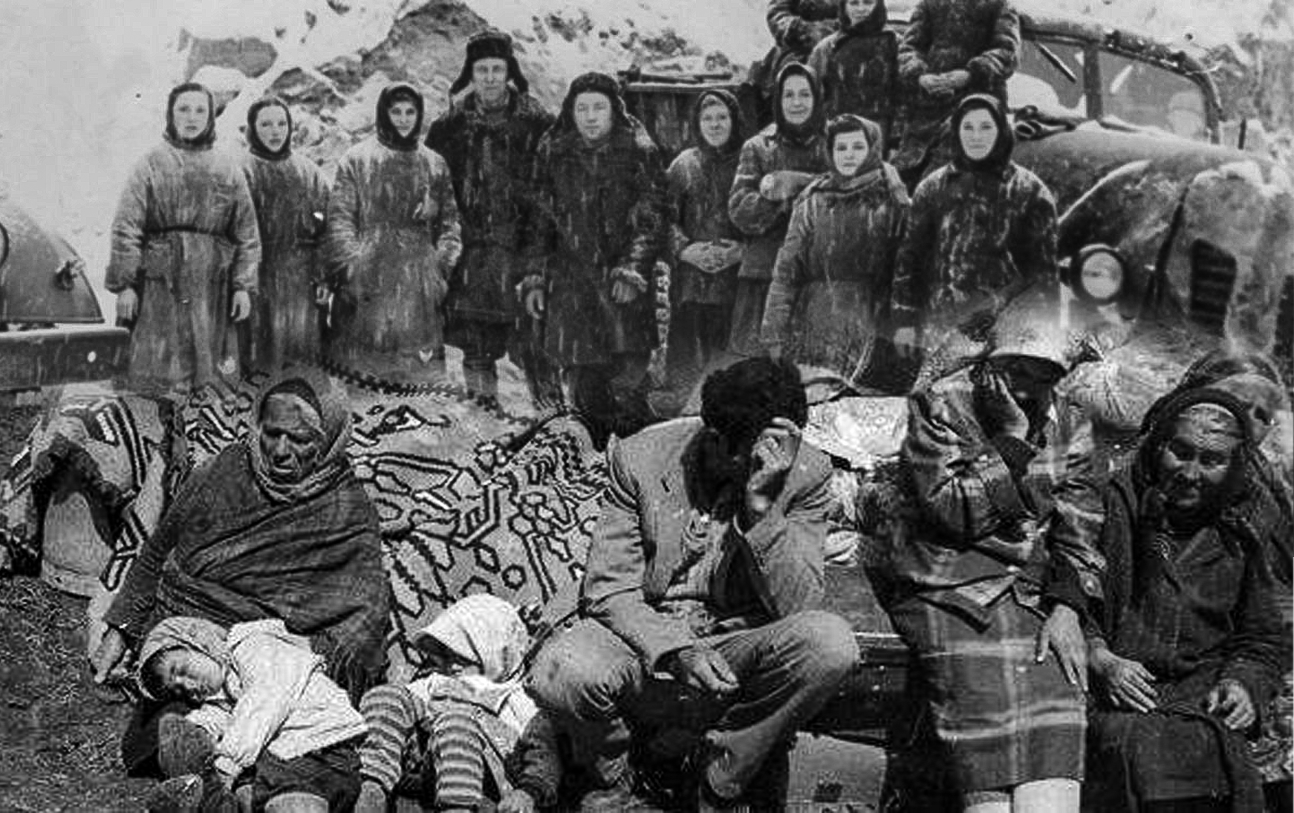
Human history is not only a story of progress and the triumph of freedom. It is also a sequence of monstrous crimes committed by totalitarian regimes that, hiding behind ideology, mercilessly destroyed entire peoples.

Human history is not only a story of progress and the triumph of freedom. It is also a sequence of monstrous crimes committed by totalitarian regimes that, hiding behind ideology, mercilessly destroyed entire peoples.
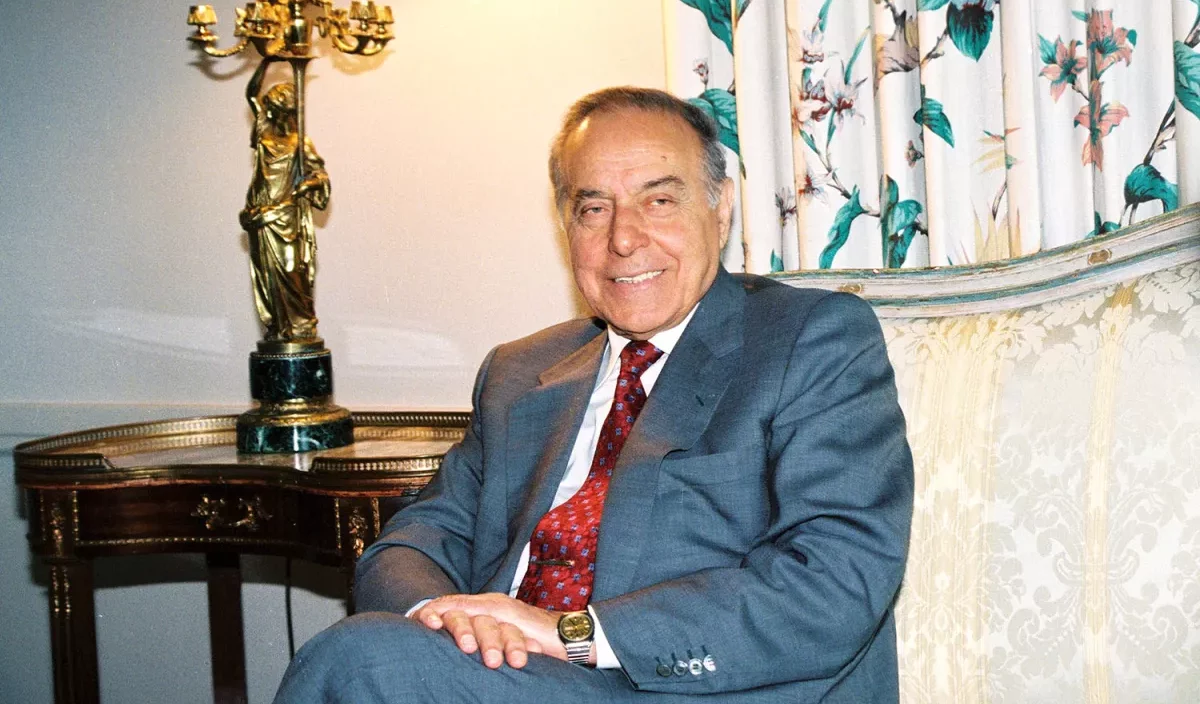
The national leader of the Azerbaijani people, Heydar Aliyev, was and remains in the memory of his compatriots and many others who knew him as an extraordinary personality.
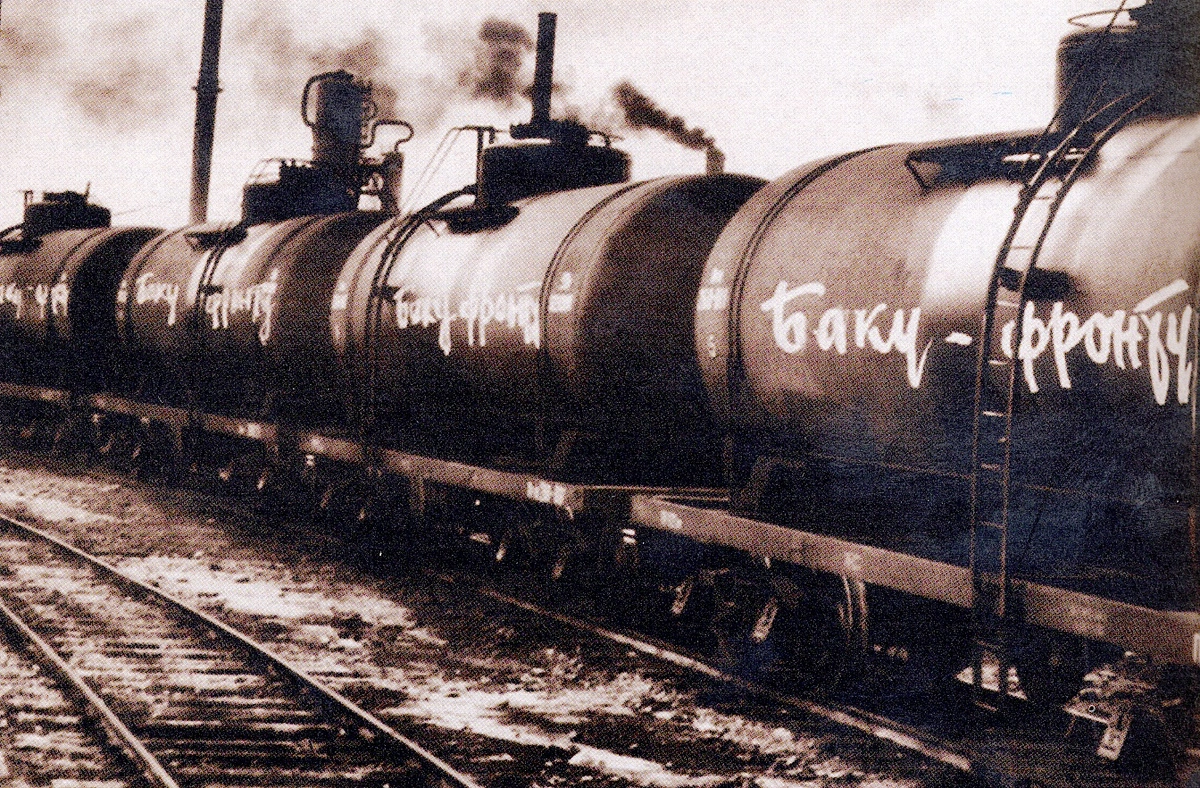
Every year on May 9, millions of people commemorate Victory Day — the defeat of fascism in World War II, achieved at the cost of more than 20 million lives.
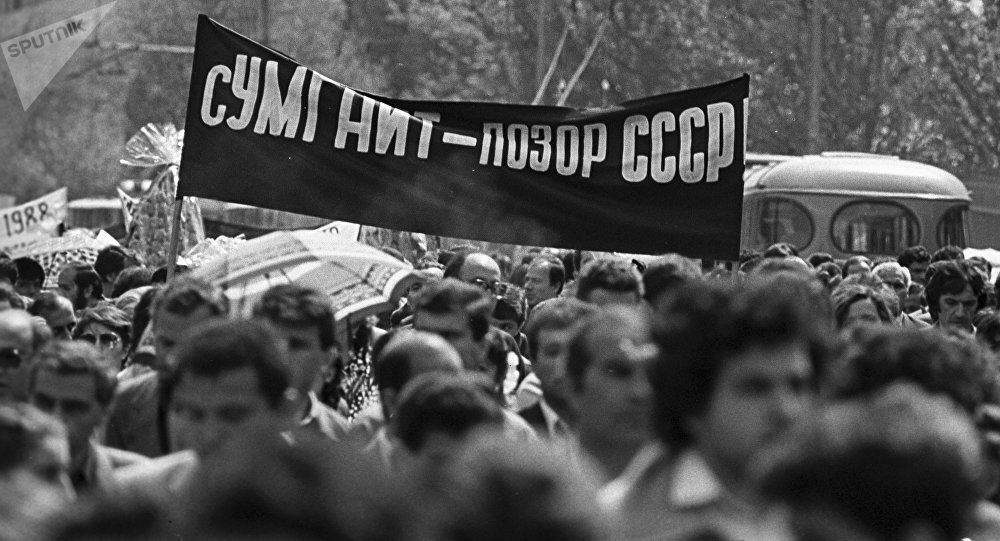
A controversial perspective on the 1988 Sumgait events, portraying them as a calculated provocation that reshaped the course of the Karabakh conflict.
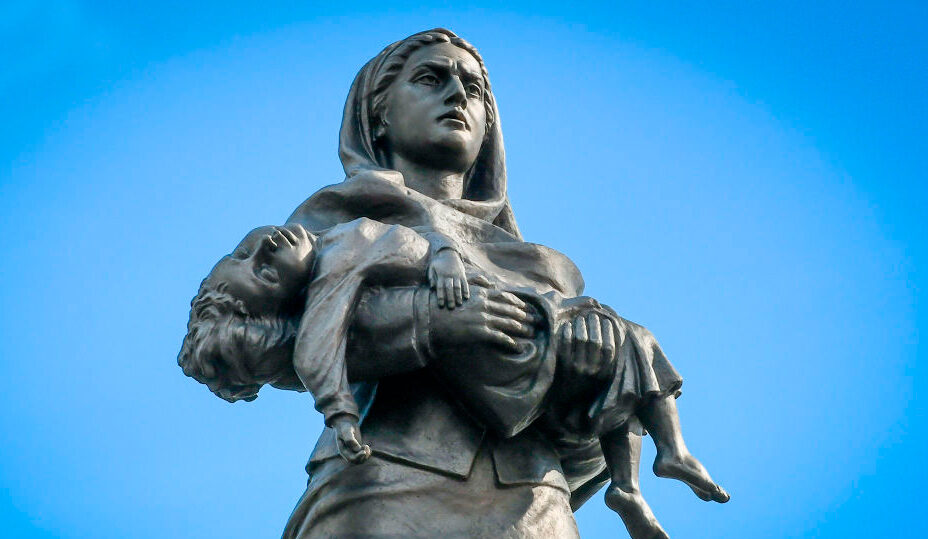
Thirty-four years have passed since the tragedy of Khojaly, yet time has not diminished its meaning for Azerbaijan.
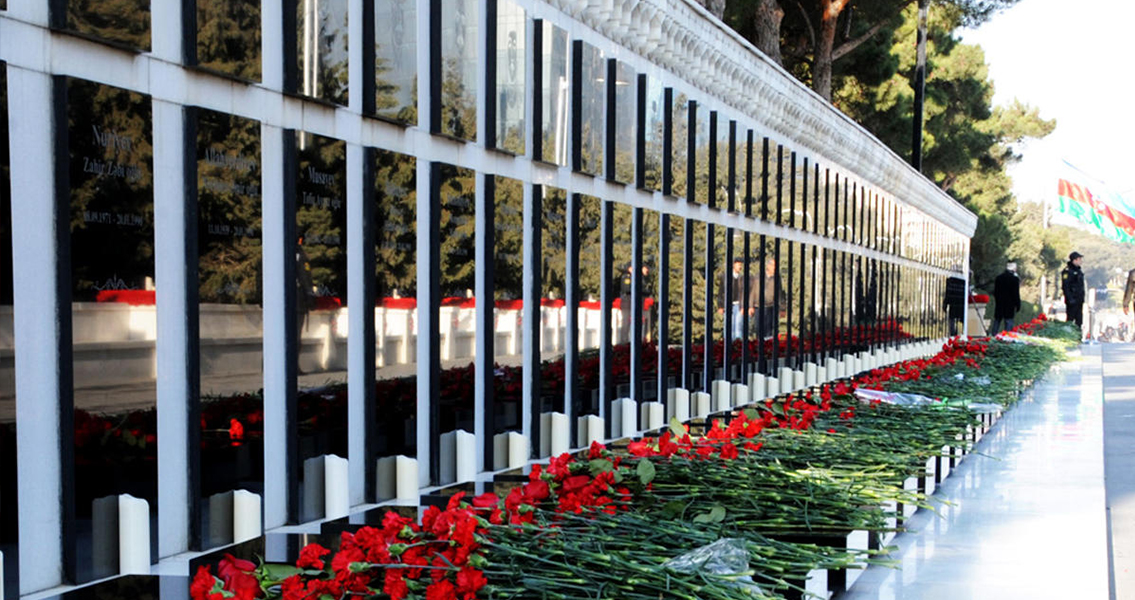
36 years have passed since the day that divided Azerbaijan’s history into a “before” and an “after.” A punitive operation by the Soviet army in a Soviet city.
"Our Kazakh colleagues have gathered thousands of maps, including hundreds of medieval ones that depict the territory of Azerbaijan."
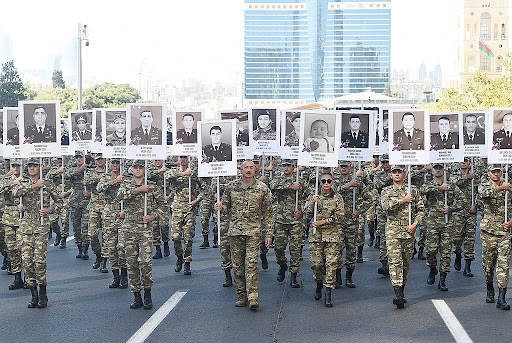
September 27, 2020. Early Sunday morning. A day that, according to Armenian strategists’ plans, was supposed to mark the start of “a new war for new territories.”
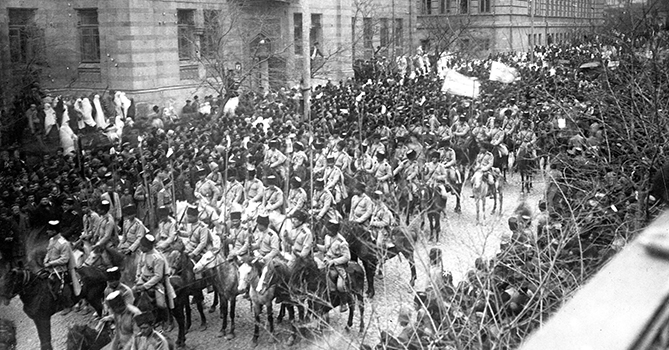
On September 15, 107 years will have passed since the liberation of Baku from Bolshevik–Dashnak occupation.

“What history could you possibly have? You never had one and you never will!” — comments like this flooded social media after news broke that Azerbaijani schools will teach the history of Azerbaijan in the native language.
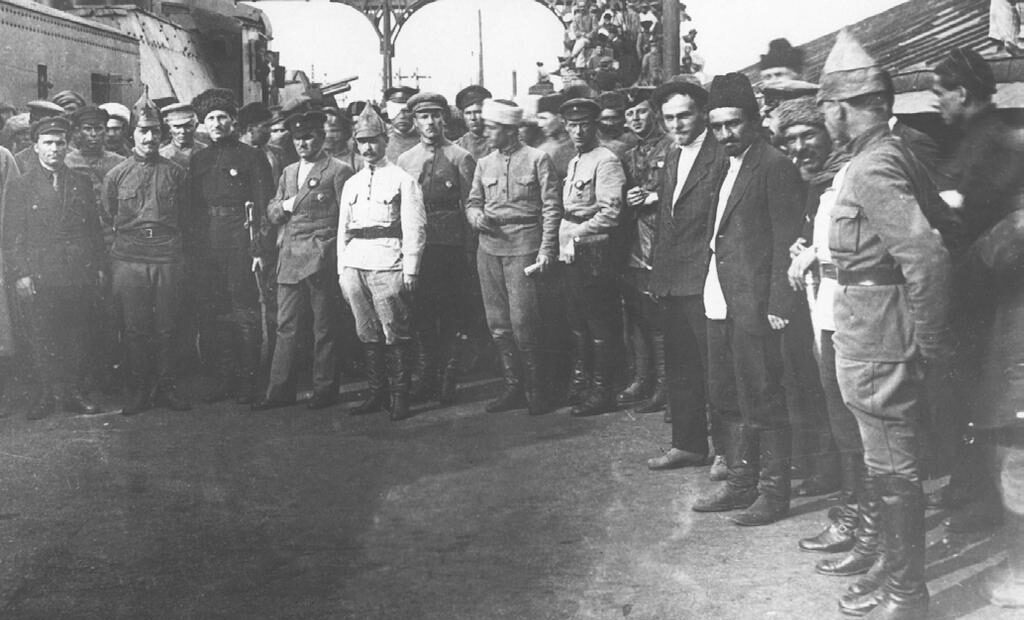
In a recent interview with Saudi Arabia’s Al Arabiya TV channel, the head of state recalled an undeniable historical fact: in 1920, the Russian army—by then Bolshevik—invaded Azerbaijan and occupied the country, putting an end to the Azerbaijan Democratic Republic.
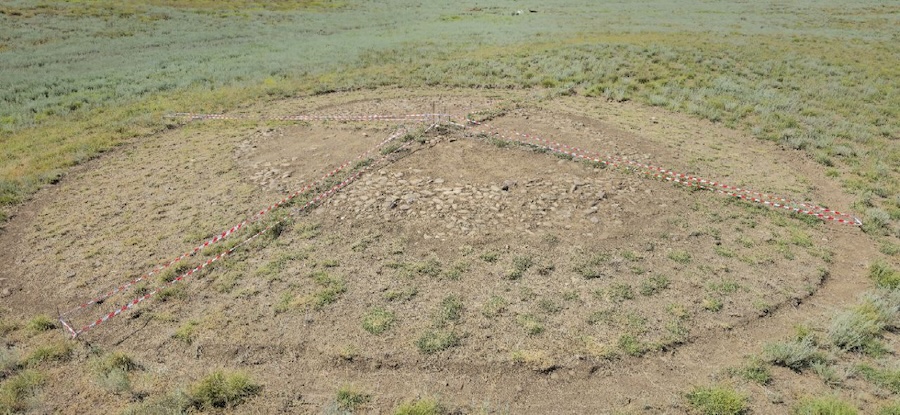
The success of the excavation is also educational. Participants included students and faculty from Baku State University, ADA University, and regional institutions, along with local museum staff and history teachers.
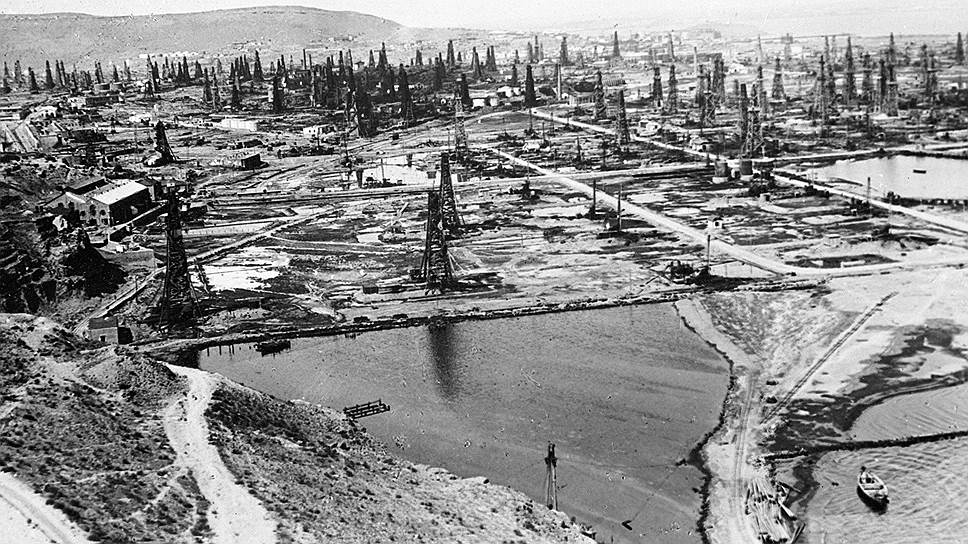
Long-standing ambitions of Armenian political and nationalist circles to seize Azerbaijani oil — from the 1918 Baku massacre and Soviet occupation to Nazi collaboration and modern geopolitical schemes.
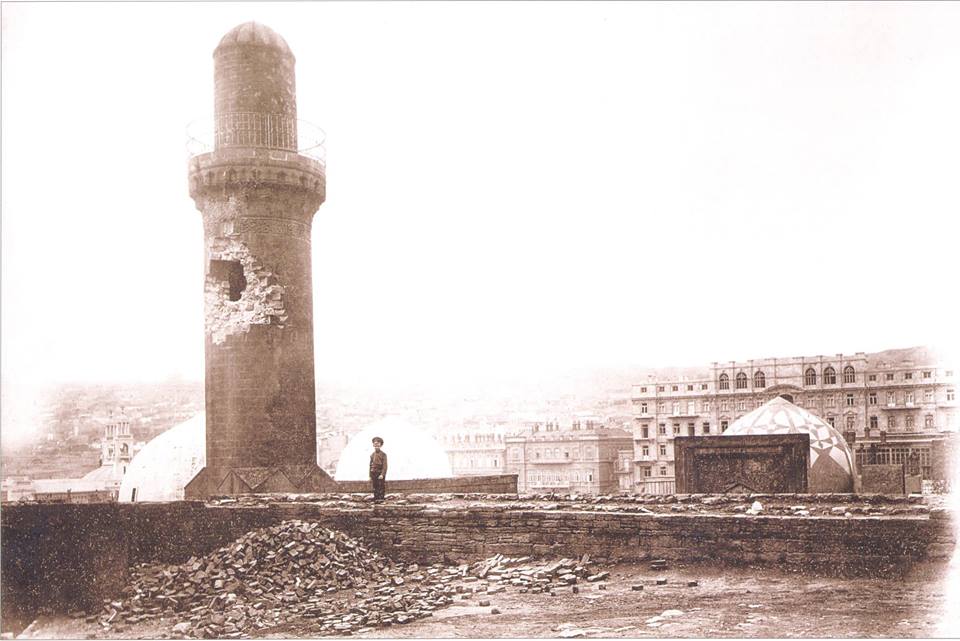
March 31, 2025 marks 107 years since one of the most tragic and sorrowful events in Azerbaijan’s history — the genocide committed in March 1918 by Armenian Dashnaks with the support of the Bolsheviks against the peaceful Azerbaijani population.
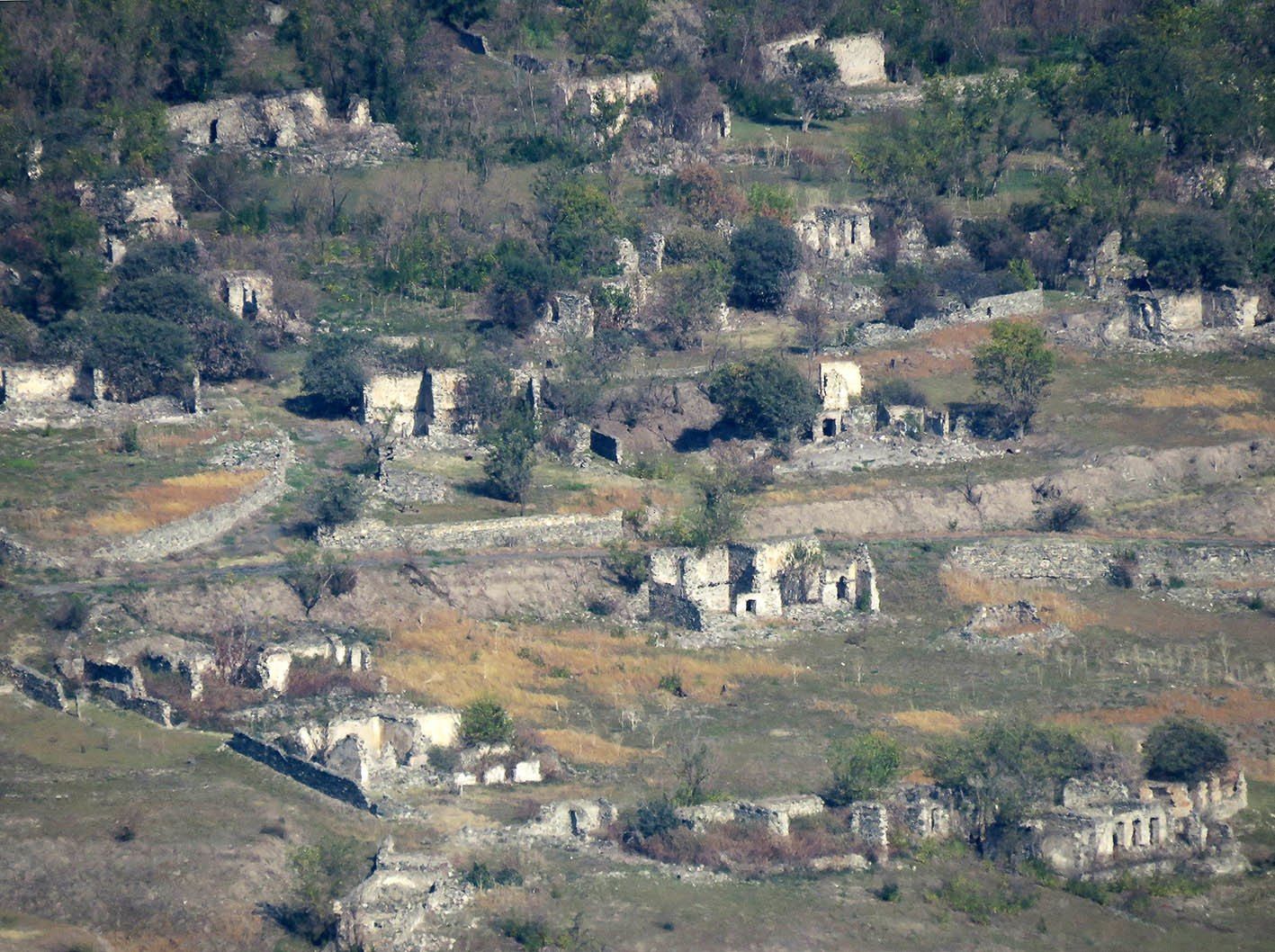
March 24, 1990, is one of the darkest days in the history of Azerbaijan. Thirty-five years ago, Armenian militants attacked the Azerbaijani village of Baganis Ayrim in the Gazakh district on the border with Armenia.
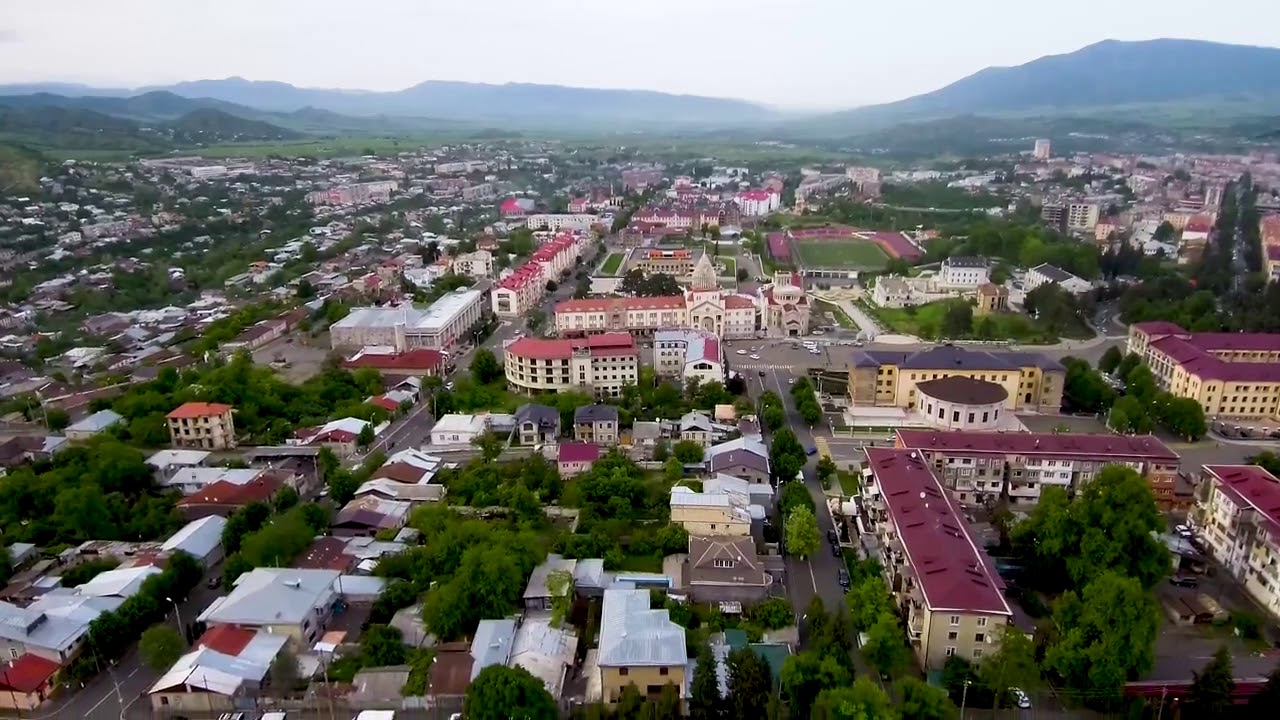
The "Azerbaijani Nuremberg Trials" continue to reveal sensational insights. This time, Arkadi Ghukasyan made headlines by providing information about the demographic situation in Karabakh in 1992.
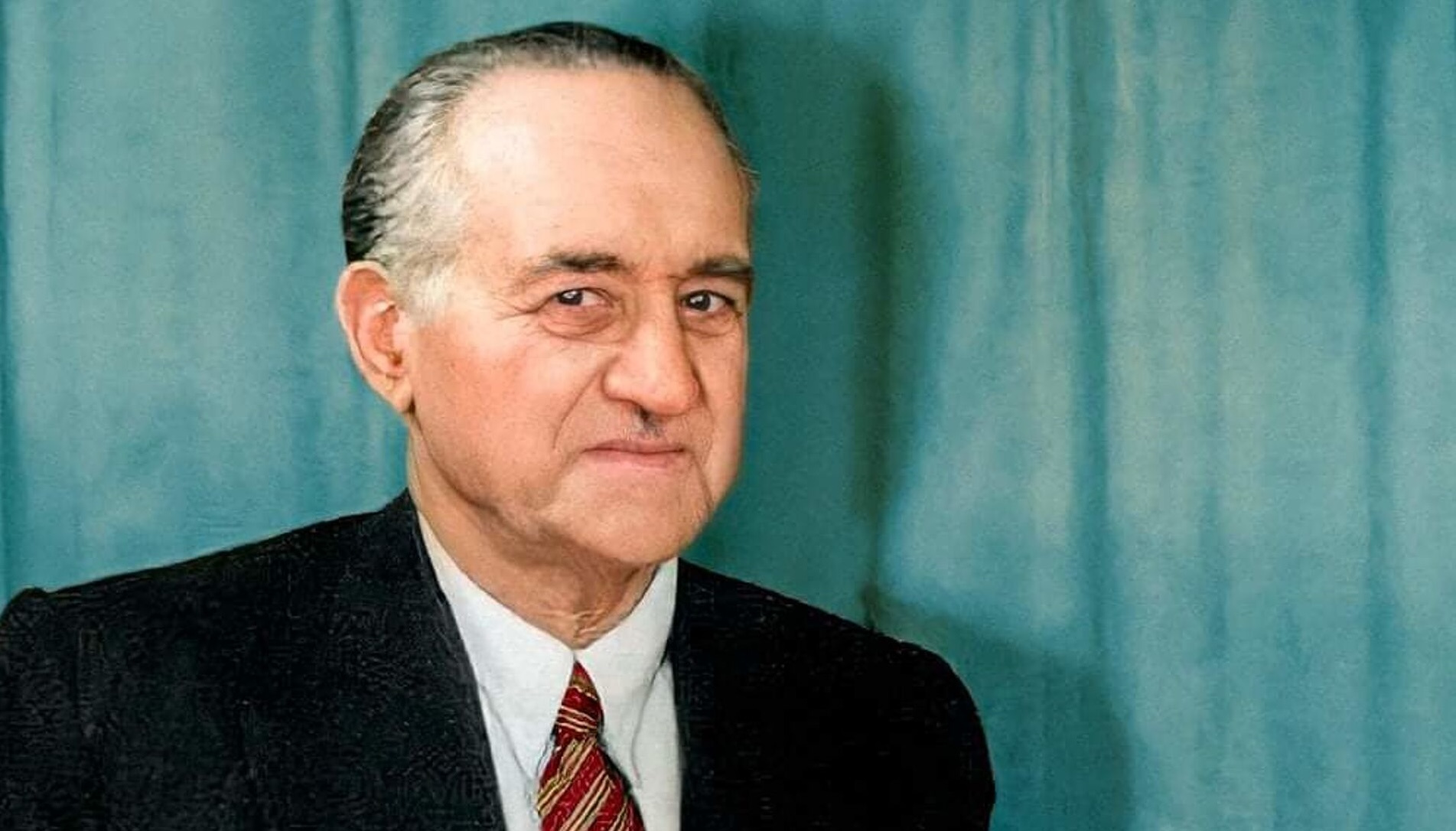
Today is the anniversary of the passing of Mammad Amin Rasulzade, one of the founders of the Azerbaijan Democratic Republic.
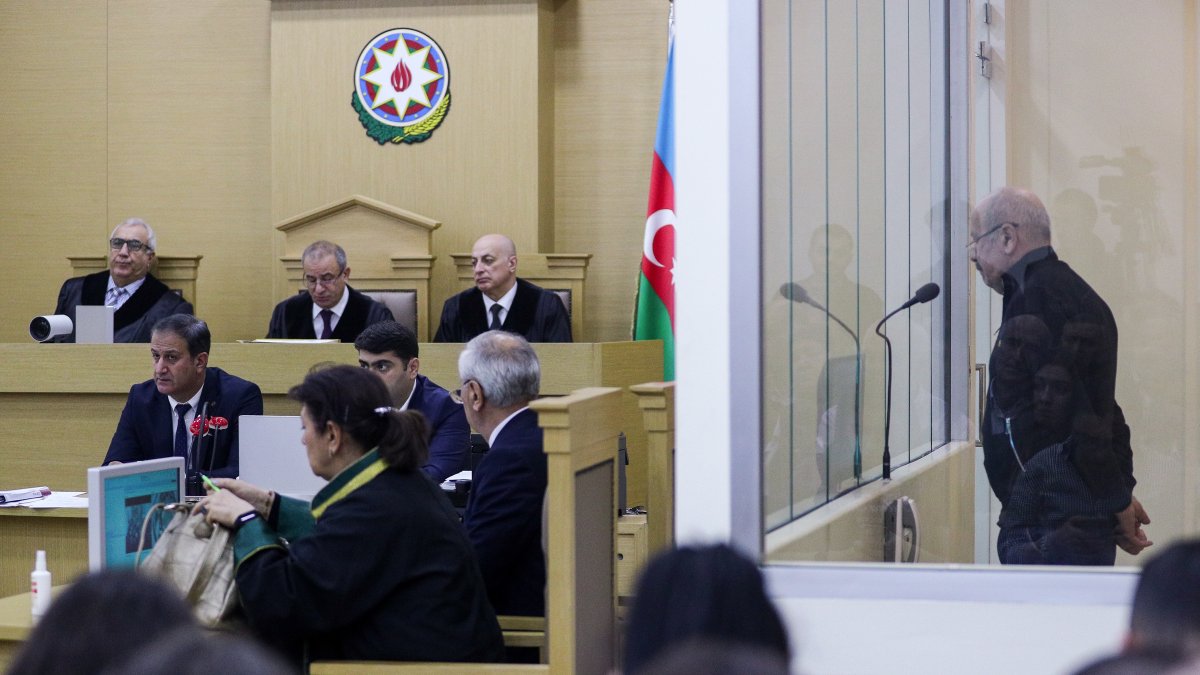
We stand in solidarity with the victims and families of the Khojaly Massacre, where hundreds of Azerbaijani civilians were killed by Armenian forces.
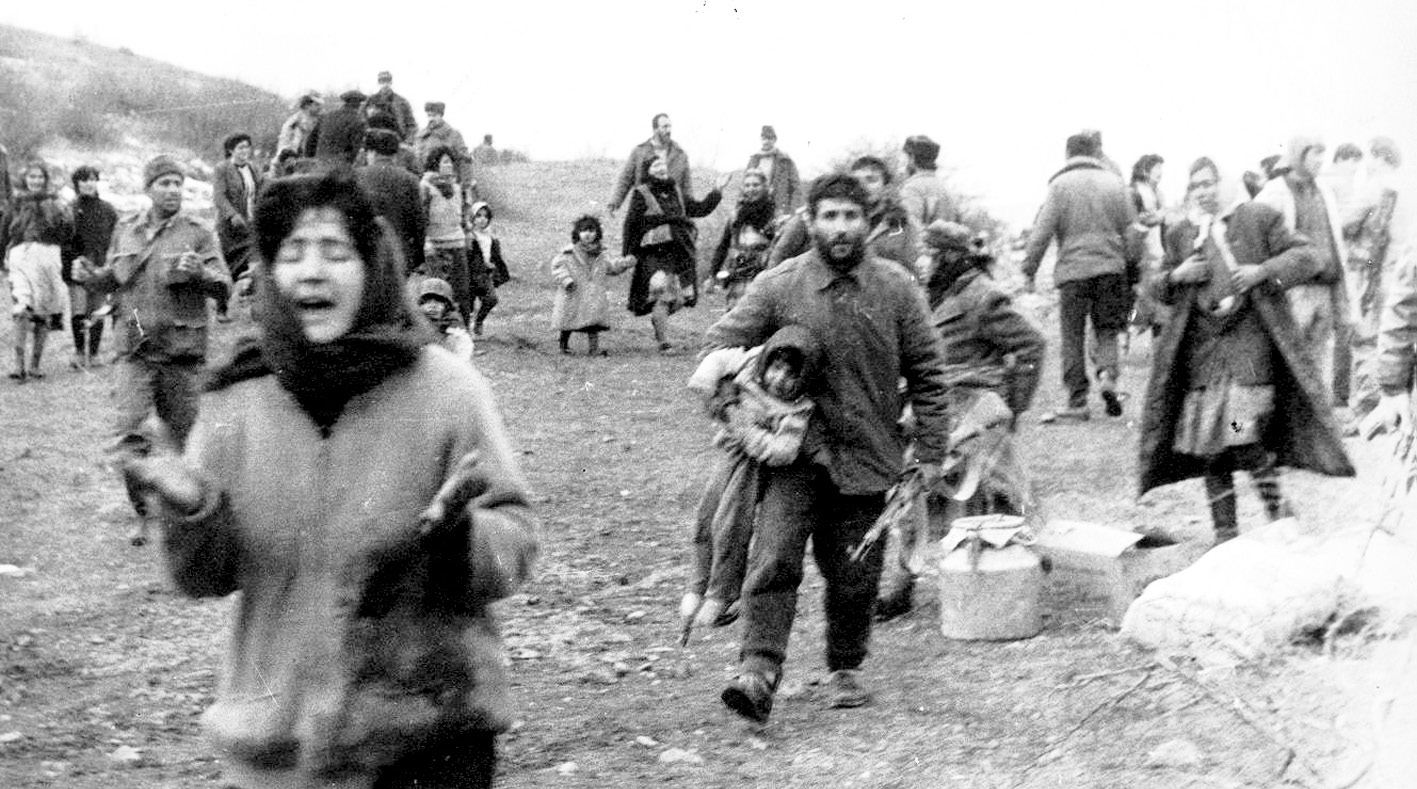
The occupation and ethnic cleansing of Azerbaijan’s Karabakh region and seven surrounding districts in the early 1990s by the armed forces of Armenia involved immeasurable atrocities and extreme violence.
In response to Kocharyan's proposal in Davos, Heydar Aliyev stated that the issue of the "genocide" had never been part of the Armenian-Azerbaijani agenda, and he would not raise this issue with Ankara.
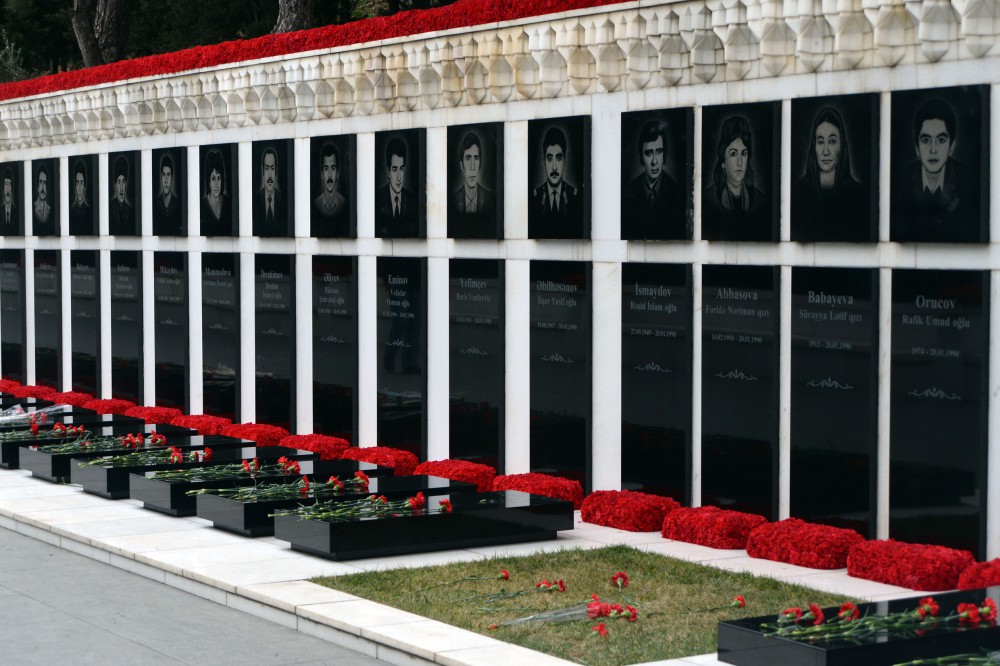
35 years have passed since the bloody events of January 20, 1990, in Baku, which became a symbol of Azerbaijan's struggle for freedom, independence, and territorial integrity.
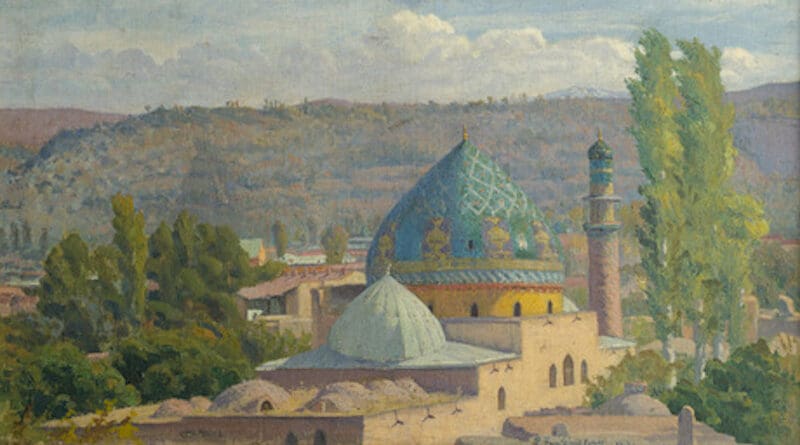
Architecture, and renaissance in literature go hand in hand through the excellent literary school of Nizami Ganjavi and Muhammad bin Suleyman Fuzuli.
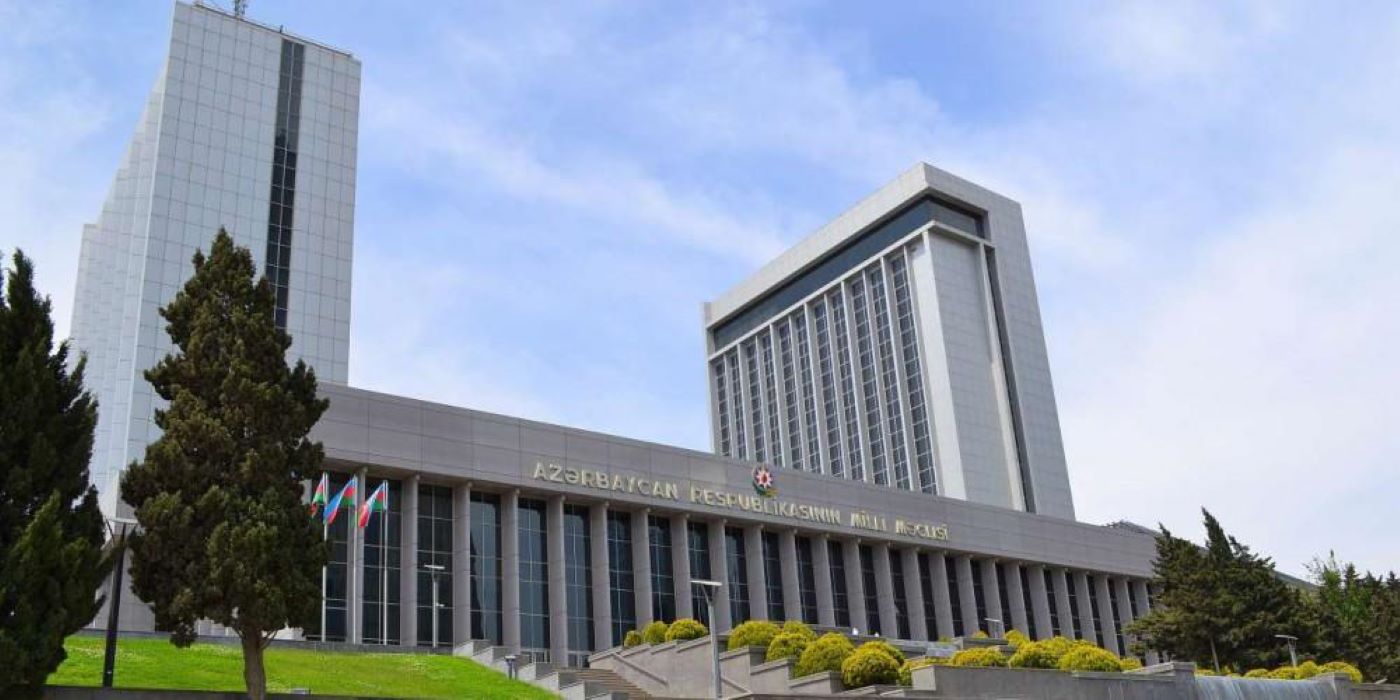
The Azerbaijani Parliament is now marking one of its most significant historical milestones: the 106th anniversary of the inaugural session of the Parliament of the Azerbaijan Democratic Republic, the first democratic and secular state in the Muslim world.
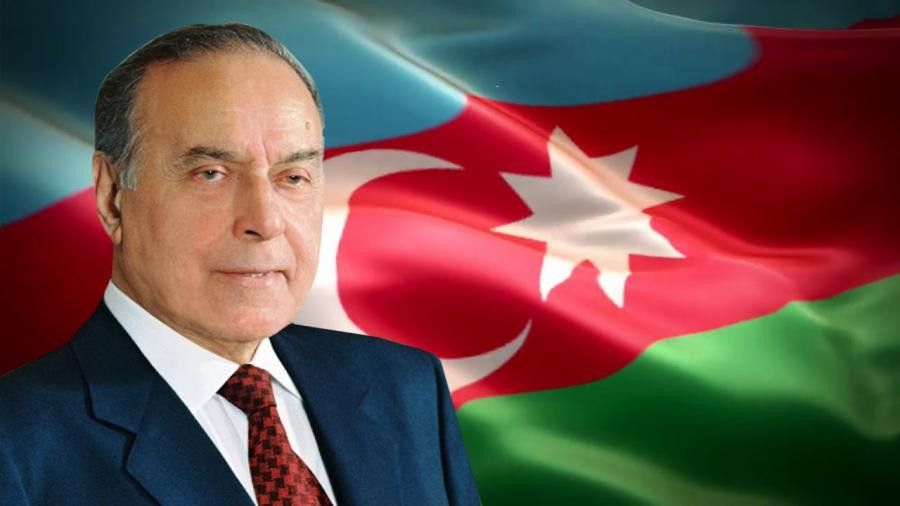
On December 12, 2024, 21 years have passed since the death of Heydar Alirza oglu Aliyev, an outstanding statesman who played a key role in the establishment and development of modern Azerbaijan.