
Now Reading: Pragmatic Europe is queuing up in Baku
-
01
Pragmatic Europe is queuing up in Baku

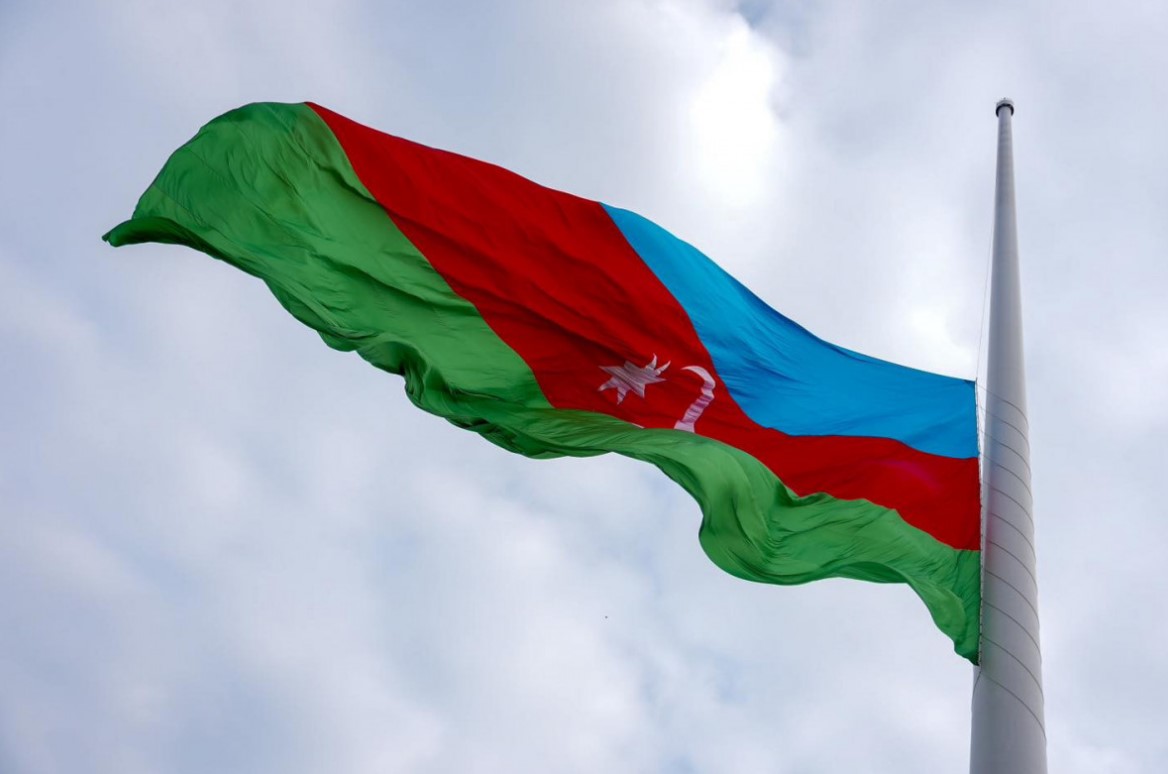
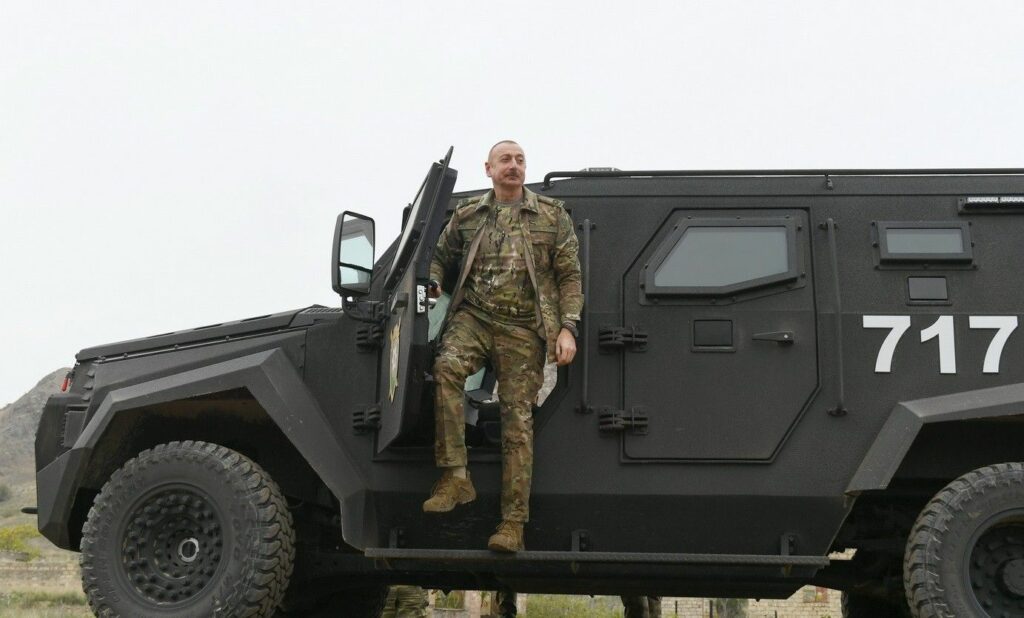
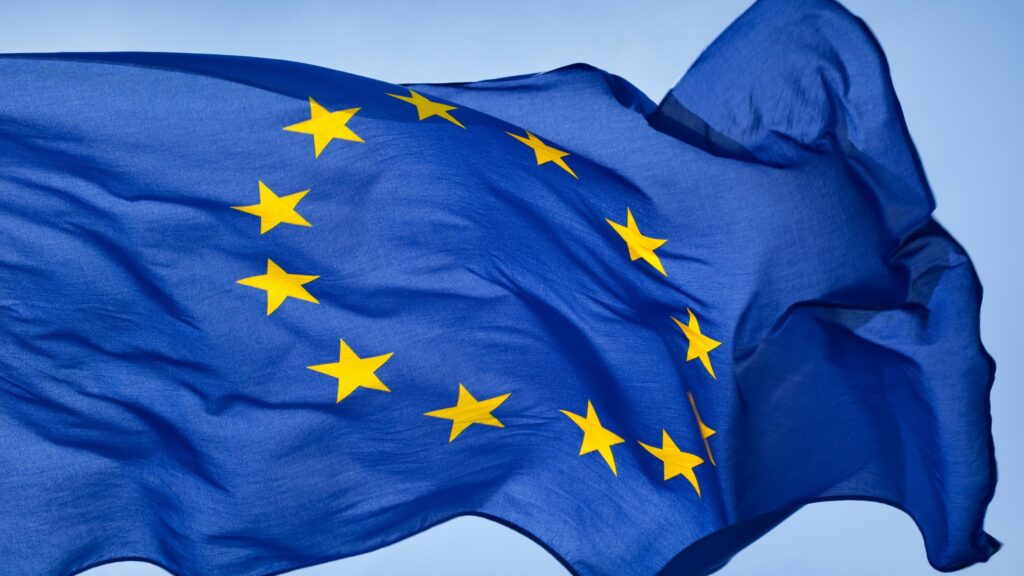
Pragmatism versus declarations — it is precisely in this logic that the gap between the rhetoric of European institutions and the real policy of key EU states in the South Caucasus is becoming increasingly visible today. While the European Parliament keeps churning out one critical resolution after another against Baku and fueling an information wave with an obvious political bias, European leaders are acting far less theatrically, without “democratic” dramatics, and quite openly. They are literally lining up for contacts with Azerbaijani leader Ilham Aliyev. This dissonance has long ceased to be accidental.
Such an obvious contrast can no longer be explained away as a mere difference of opinion. Rather, it points to a deep split within Europe itself. The Brussels bureaucracy has decided to play at values and loud statements, while the governments of leading countries are counting money, betting on energy, and calculating risks. And this, one might say, is what concerns European society more, and what is more necessary and important for the citizens of the Old Continent.
In this pragmatic system of coordinates, Azerbaijan is not an object of criticism, but an indispensable and reliable partner. It is therefore clear why real decisions are made not in the hall of the European Parliament, but in the course of bilateral negotiations.
No matter how much MEPs exercise themselves in resolutions, reports, and other complaint-laden documents and loud formulations, reality stubbornly strikes back against these declarations and pseudo-critical wording. The reality is that Europe cannot do without Azerbaijan as a key link in its energy security. This is no longer a matter of sympathies or political preferences, but a hard economic necessity. The Southern Gas Corridor, the increase in supplies, and participation in new logistics chains are turning Baku into one of the pillars of European stability.
And those European parliamentarians who have become firmly hooked on support from interested circles may bark from the rostrum until they lose their voices, adopt resolutions, and perform moral superiority, but economic issues will always dominate. When energy security, industry, and social stability are at stake, ideological constructions quickly move into the background. That is why a completely different tone is heard behind the scenes of European politics — one marked by pragmatism, restraint, and an extremely concrete message.
Visits to Baku, negotiations, agreements — this is real politics. Not loud texts, but real contracts. Not declarations, but supply routes and cubic meters of gas. Not spineless and legally meaningless resolutions, but signatures under real documents with a practical perspective behind them. Here, Azerbaijan finds itself in a position of strength, not in the role of an “object of pressure,” as certain European structures try to portray it.
Against this background, the actions of the European Parliament look increasingly detached from reality and increasingly biased. Its resolutions do not merely ignore objective factors; they also create a distorted picture of the region. This is no longer politics, but an information campaign in which facts are adjusted to fit a predetermined line — and who sets that line is obvious to everyone.
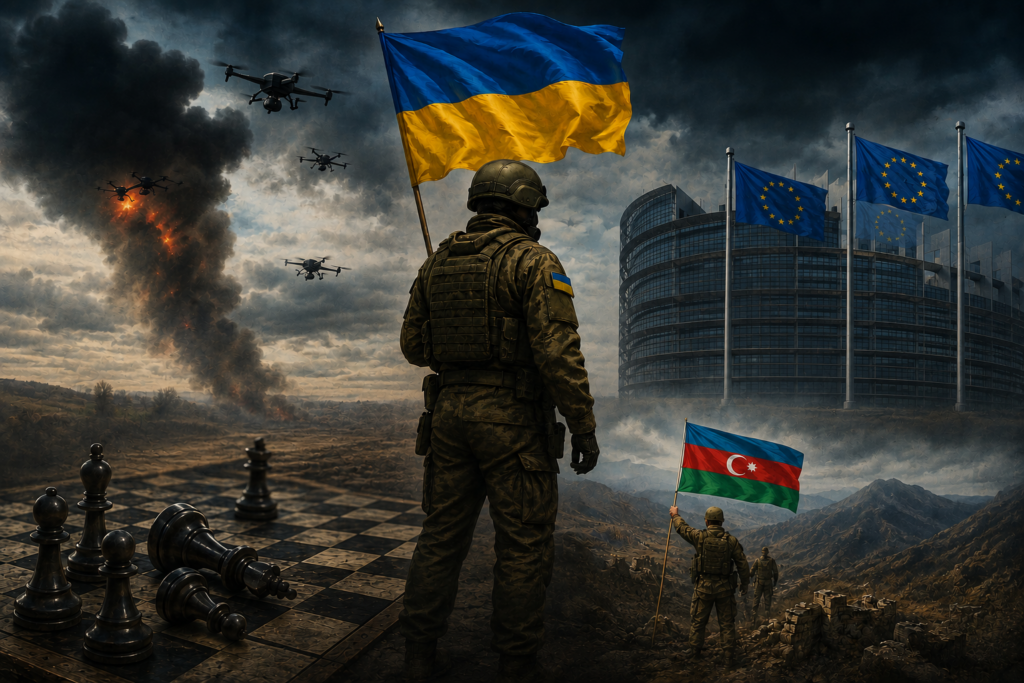
Incidentally, there is also a separate line: the bet on Armenia. Brussels is increasingly promoting Yerevan as a “democratic outpost,” generously handing out political advances and demonstrating emphatic support. Yet behind this lies not so much faith in values as convenience, because Armenia is perceived as a more manageable and dependent “partner.”
Unlike Armenia, Azerbaijan and Georgia pursue independent policies and do not fit into the role of “junior partners.” They are not prepared to play according to someone else’s scripts — and it is precisely this that irritates part of the European establishment. Independence here turns out not to be an advantage, but a pretext for pressure.
In the end, an openly cynical but entirely clear picture emerges. The European Parliament may toughen its rhetoric, but the real Europe — the one responsible for the economy and energy — has already made its choice. And this choice is dictated not by slogans, but by interests.
Preaching about “values” is not forbidden, but when winter comes and energy prices rise, all conversations quickly return to the plane of pragmatism. And in this plane, Azerbaijan becomes an urgent necessity, not an alternative. No matter how much some may try to disguise this with resolutions, the fact remains: without Baku, Europe’s energy architecture begins to crack loudly and ominously.
Alla Zeydullayeva
Related Posts
Previous Post
Next Post

- Aliyev says Turkic world is emerging as a major center of influence
- Baku hosts Turkic World Week honouring landmark 1926 Turkological Congress

- EU envoy holds talks in Baku ahead of high-level engagement with South Caucasus
- Europe must not lose Azerbaijan: Oleksiy Goncharenko on the risks of confrontation between Baku and the Council of Europe
- A leader forged by patience and victory