
Now Reading: BP starts major deep-gas production project at ACG
-
01
BP starts major deep-gas production project at ACG

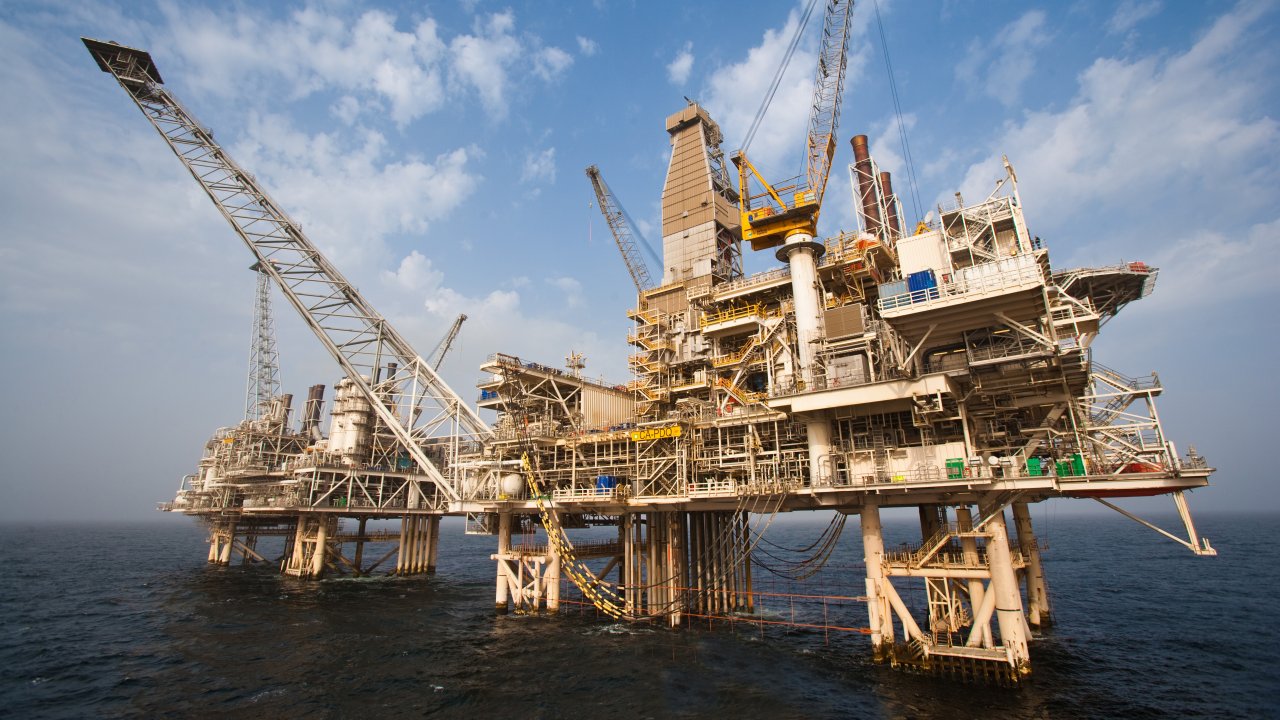
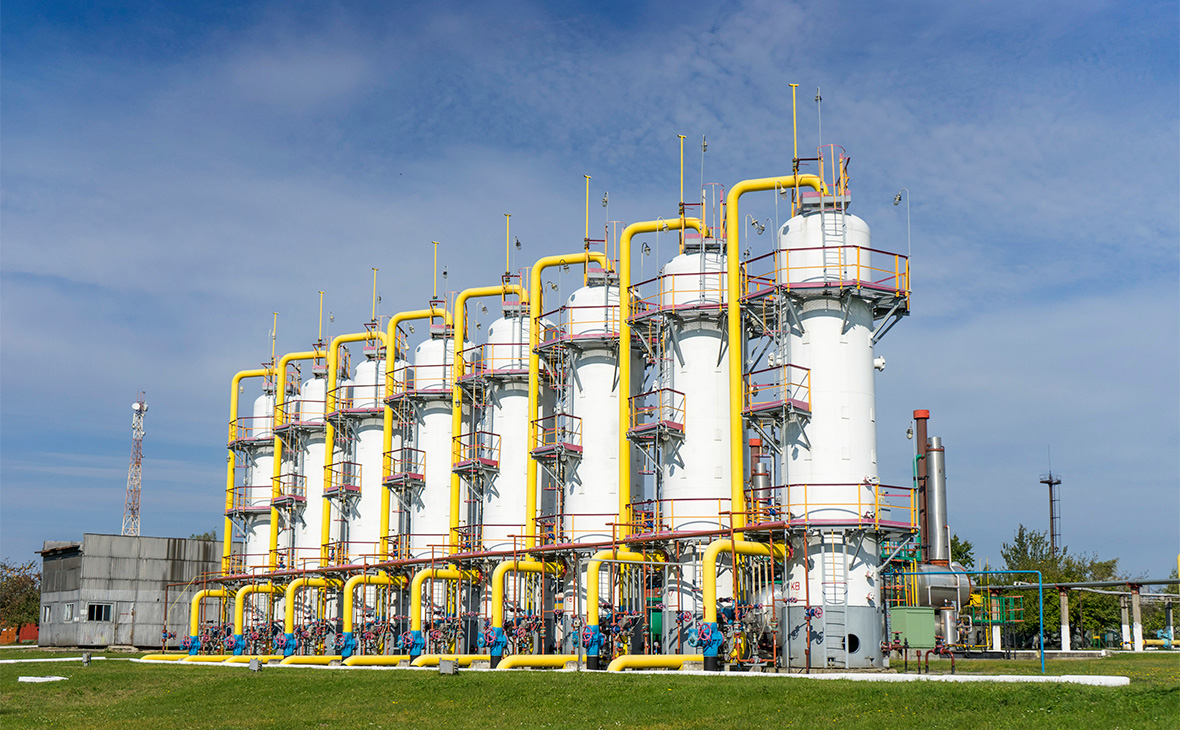
BP, the operator of the Azeri-Chirag-Gunashli field development project, has started production of non-associated natural gas at ACG in the Azerbaijani sector of the Caspian Sea, BP-Azerbaijan reported.
The launch marks the beginning of the first commercial gas production operations at ACG, one of the world’s largest oil fields. Until now, the block has been primarily known for oil production, but the start of deep-gas development opens a new stage in the project’s history.
The first well targeting deep free-gas reserves was drilled from the existing West Chirag platform. BP describes it as an important step toward unlocking the large deep-gas potential of the ACG block.
Along with initial production, the well will provide key reservoir and flow data needed to assess the field’s gas reserves and prepare future plans for full-scale development.
The well was drilled last year and targeted two priority deep reservoirs: the shallower Nadirgirmaki Sand Suite and the deeper Podgirmaki Sand Suite. It confirmed gas reserves in the Nadirgirmaki formation and revealed high-pressure gas reserves in the Podgirmaki formation.
Initial production has started from the Podgirmaki Sand Suite. At this stage, operations also include testing of the well and reservoir.
The gas and condensate produced from the well will be transported to the Sangachal terminal through the existing ACG infrastructure. BP says the integration of oil and gas processing systems will allow existing offshore facilities to be used more efficiently.
Recoverable non-associated gas reserves at ACG are estimated at around 4 trillion cubic feet, with potential upside of up to 6 trillion cubic feet.
BP’s regional president for Azerbaijan, Georgia and Türkiye, Joe Christofoli, said the launch is an important milestone for Azerbaijan and the ACG partners. According to him, after almost three decades of oil production, ACG is entering a new phase as an integrated oil and gas field, with the potential to support Azerbaijan’s plans to expand energy supplies to Europe and contribute to the country’s energy transition efforts.
Related Posts
Previous Post
Next Post
- Aliyev says Turkic world is emerging as a major center of influence
- Baku hosts Turkic World Week honouring landmark 1926 Turkological Congress

- EU envoy holds talks in Baku ahead of high-level engagement with South Caucasus
- Europe must not lose Azerbaijan: Oleksiy Goncharenko on the risks of confrontation between Baku and the Council of Europe
- A leader forged by patience and victory