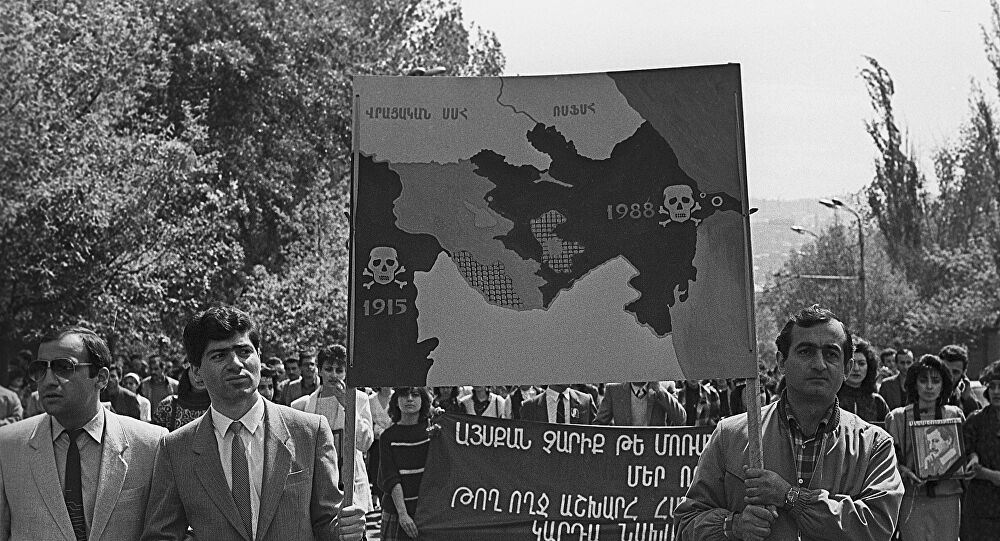
According to the State Statistics Committee of the Azerbaijan SSR, by the beginning of February 1990, 186,000 Azerbaijanis, as well as 11,000 Kurds and 3,500 Russians, had fled from Armenia to Azerbaijan.

According to the State Statistics Committee of the Azerbaijan SSR, by the beginning of February 1990, 186,000 Azerbaijanis, as well as 11,000 Kurds and 3,500 Russians, had fled from Armenia to Azerbaijan.
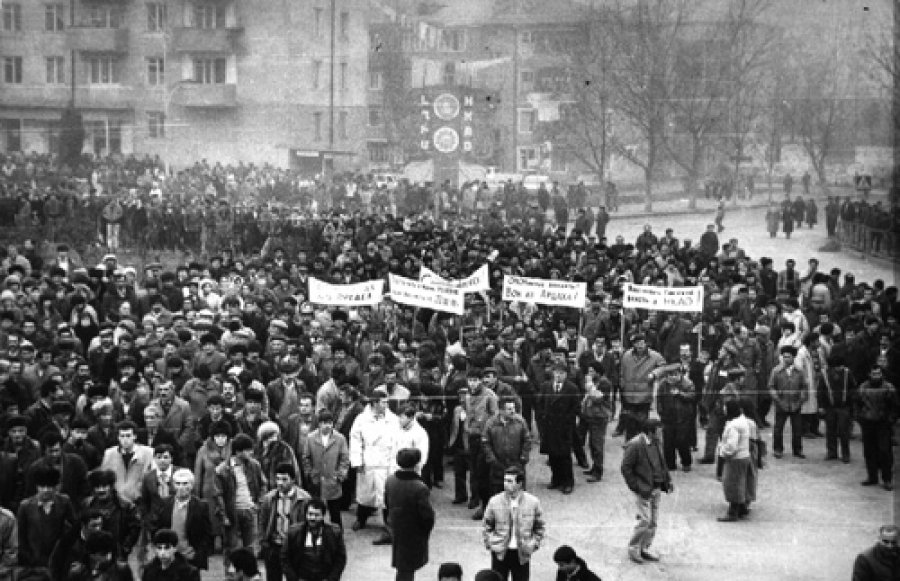
The Sumgayit events aggravated the conflict, exacerbated interethnic confrontation, pulling an increasing number of people from both sides into its orbit. Making the most of the tragedy, the zealots of the “genocide” tried to discredit Azerbaijan and sought moral and public support in the country and the world, thus trying to gain a political advantage in the struggle for Karabakh. The separatists achieved their main goal: the conflict was becoming irreversible and irreconcilable, finally entering a bloody phase.
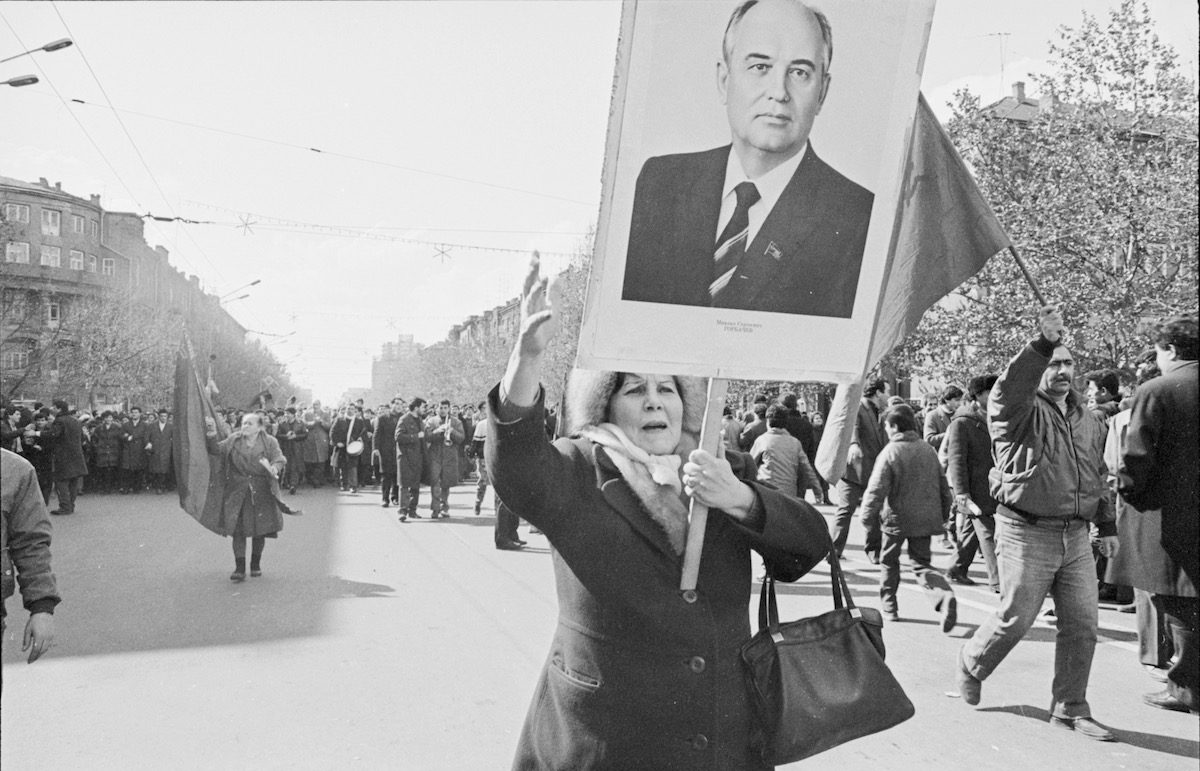
Starting from late 1987, the Azerbaijani population of Armenia was subjected to severe moral and psychological pressure, threats, and there were instances of physical violence used against persons of Azerbaijani nationality.
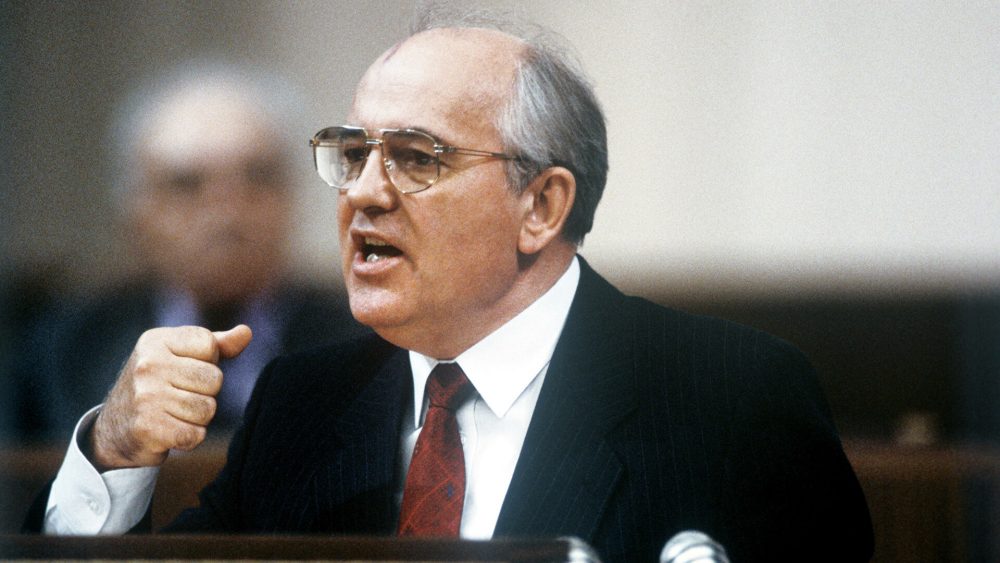
The Armenian propaganda was supported by active political and organizational work. Under the guidance of emissaries from Armenia, the organizational foundations of the separatist movement were being created, which were later legalized in the NKAO under the names "Krunk" and "Karabakh".
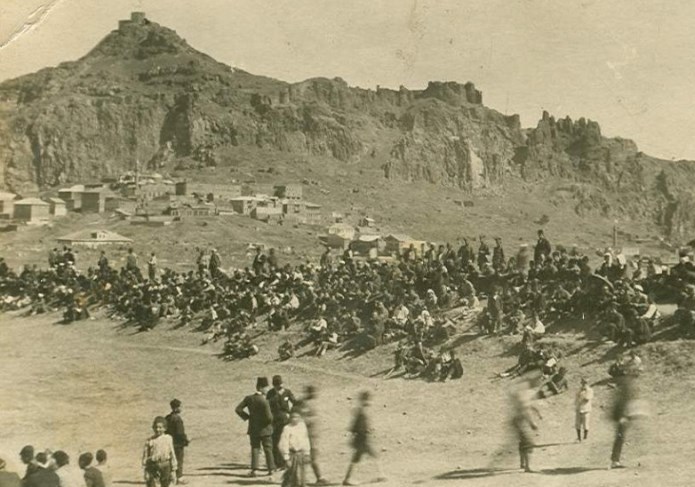
According to the data of Narkhozuchet (the national economic accounting agency) and the Ministry of Agriculture of the Armenian SSR, 25,000 Azerbaijani families, or about 110,000 people, lived in Armenia before the resettlement in 1948. Of these, only 9,000 families, or 35,000 people lived in lowland regions, the remaining 75,000 inhabiting mountainous regions of the Armenian SSR.
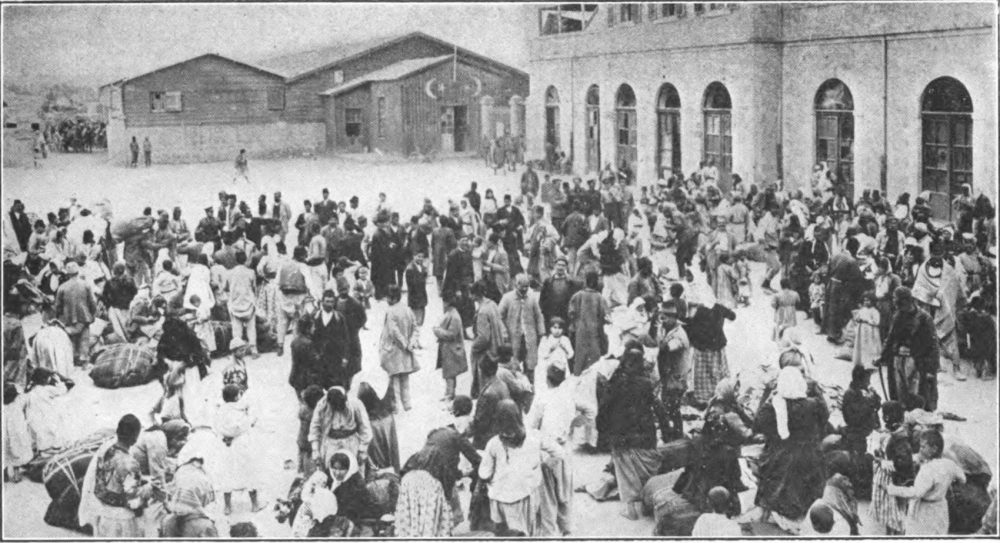
Ethnic deportations in the Soviet Union occurred during the time the country was ruled by Joseph Stalin. Starting on the eve of World War II, ethnic deportations took on the most tragic proportions in the war years and continued after the war ended.