
Armenia and Azerbaijan facing growing economic, political and security risks as the Iran war enters its third week, according to a report published by Carnegie Endowment for International Peace.
Armenia’s Prime Minister Nikol Pashinyan spoke to the European Parliament in Strasbourg on March 11 and said he has no intention of delaying TRIPP, the newly proposed South Caucasus route through southern Armenia to be integrated into the existing Middle Corridor.
On the eve of upcoming elections in Armenia, the European Union announced its decision to deploy a “rapid response team to counter hybrid threats.” In a statement, EU High Representative Kaja Kallas emphasized that the request for such assistance came from the Armenian authorities themselves.
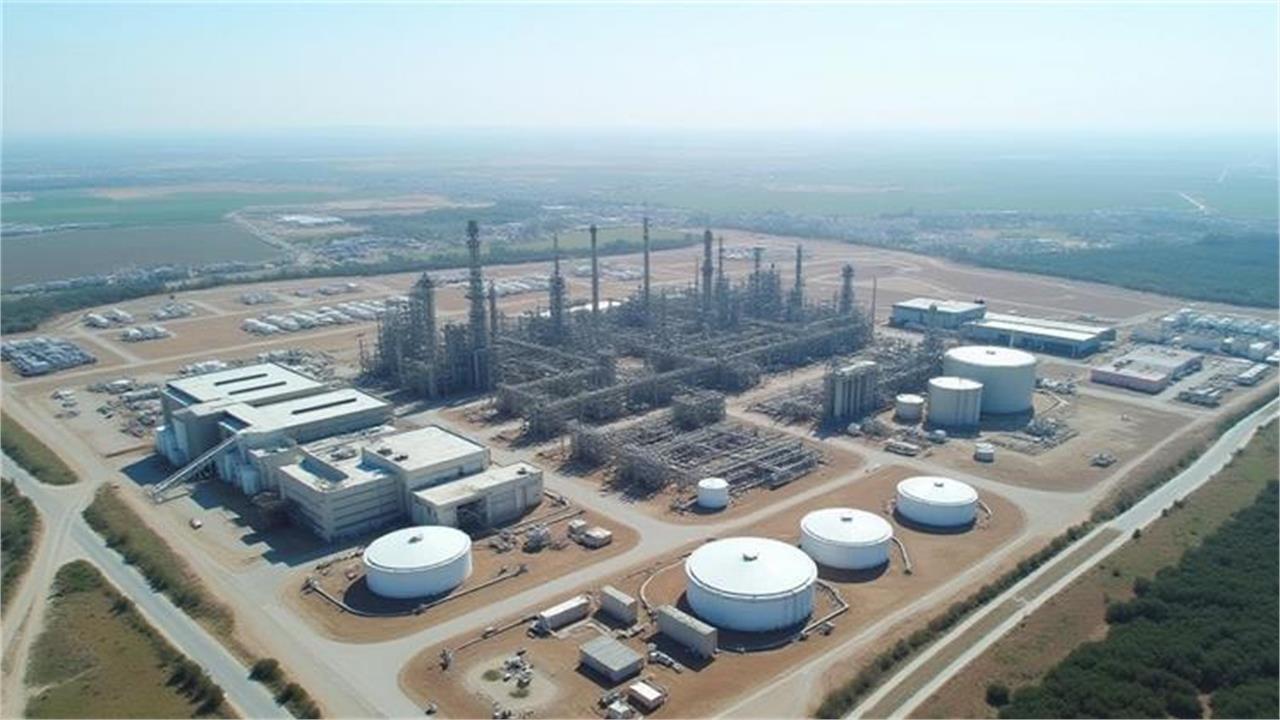
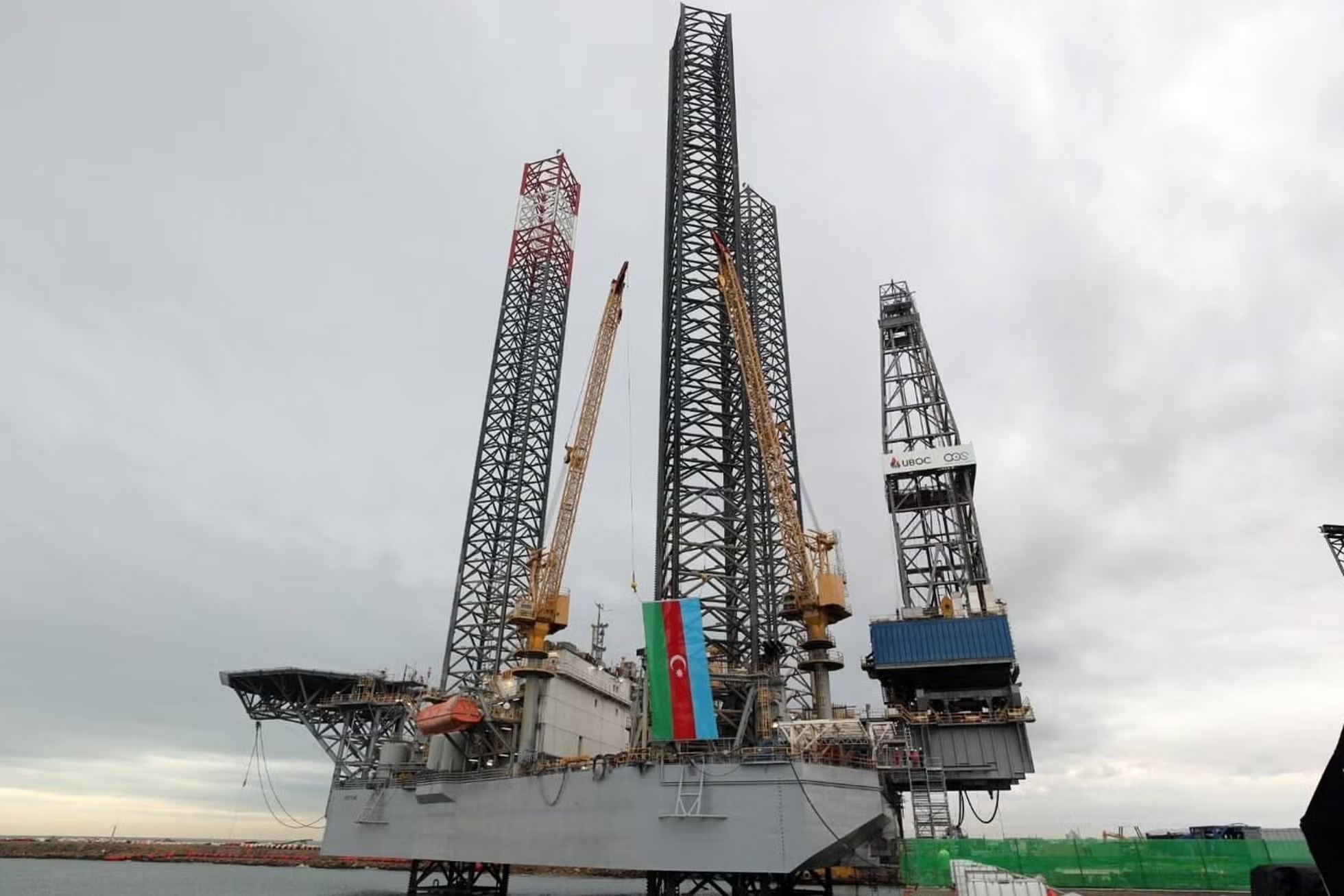
TotalEnergies expects first gas from the expansion of its Absheron gas and condensate field in Azerbaijan to flow in September 2029.
The South Caucasus region, located between the East and the West, has historically served as the border area of several states and as a place where different peoples have lived together. For centuries, through the Silk Road, this region contributed to the strengthening of economic relations between states and cultural ties among peoples, creating conditions for people to live here in prosperity.
While there is as yet no indication that large numbers of Iranians have fled their country as a result of the Israeli-American attacks, the possibility that many will if the war continues for any length of time is worrying countries near Iranian borders, including in particular Armenia, Azerbaijan, and Georgia.
The Middle Corridor could become a key route for container transportation in the event of a closure of the Strait of Hormuz.
Energy corridors crossing the South Caucasus, particularly those linking Azerbaijan and Türkiye, are gaining increasing strategic importance as global energy markets shift and countries seek alternatives to traditional supply routes.
"Azerbaijan deserves special attention from the European Union as an island of stability in a region under pressure," former Prime Minister of Belgium Yves Leterme said at the Southeast Europe and Trans-Caspian Business Summit.
On March 15, the "South-East Europe and Trans-Caspian Business Summit," co-organized by The Economist magazine, was held as part of the ongoing 13th Global Baku Forum.
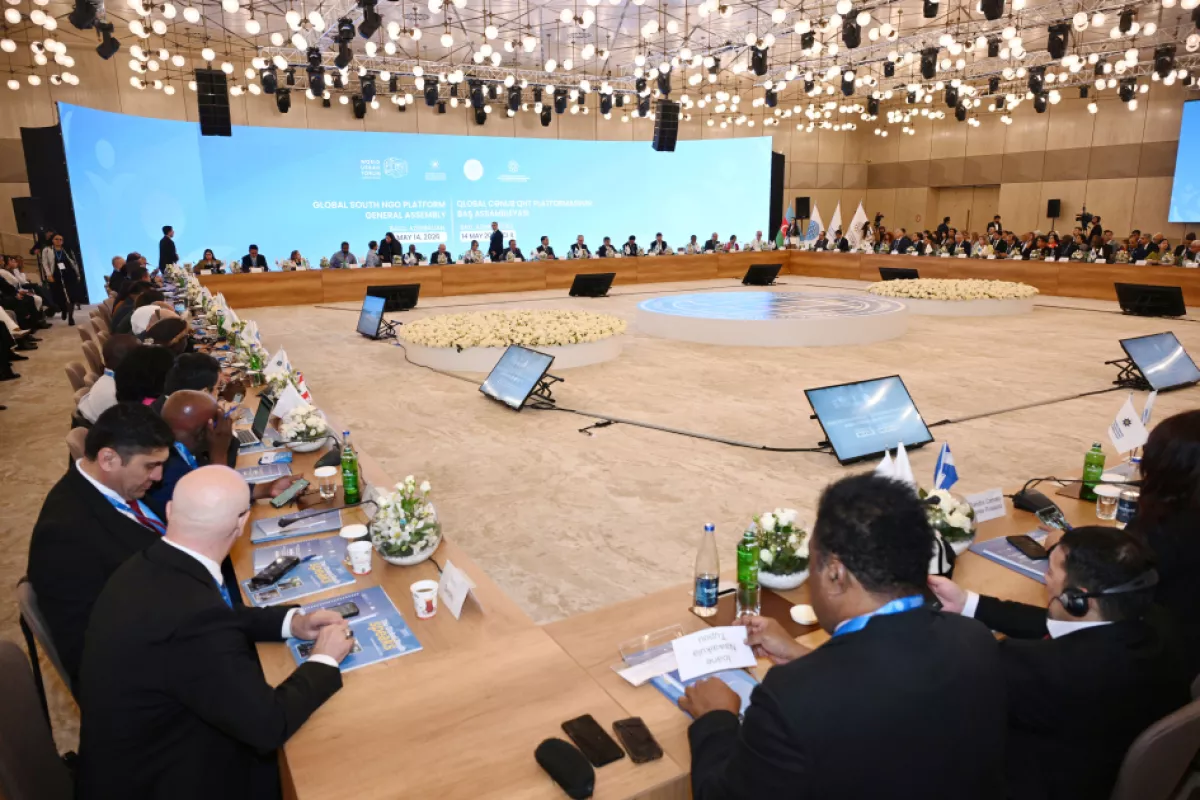
On March 12–13, the XIII Global Baku Forum titled “Overcoming Divisions in a Transitional World” was held in Baku under the patronage of the President of the Republic of Azerbaijan, Ilham Aliyev, and organized with the support of the Nizami Ganjavi International Center.
The large-scale military operation by the United States and Israel against the Iranian regime has triggered sharp volatility in global energy markets.
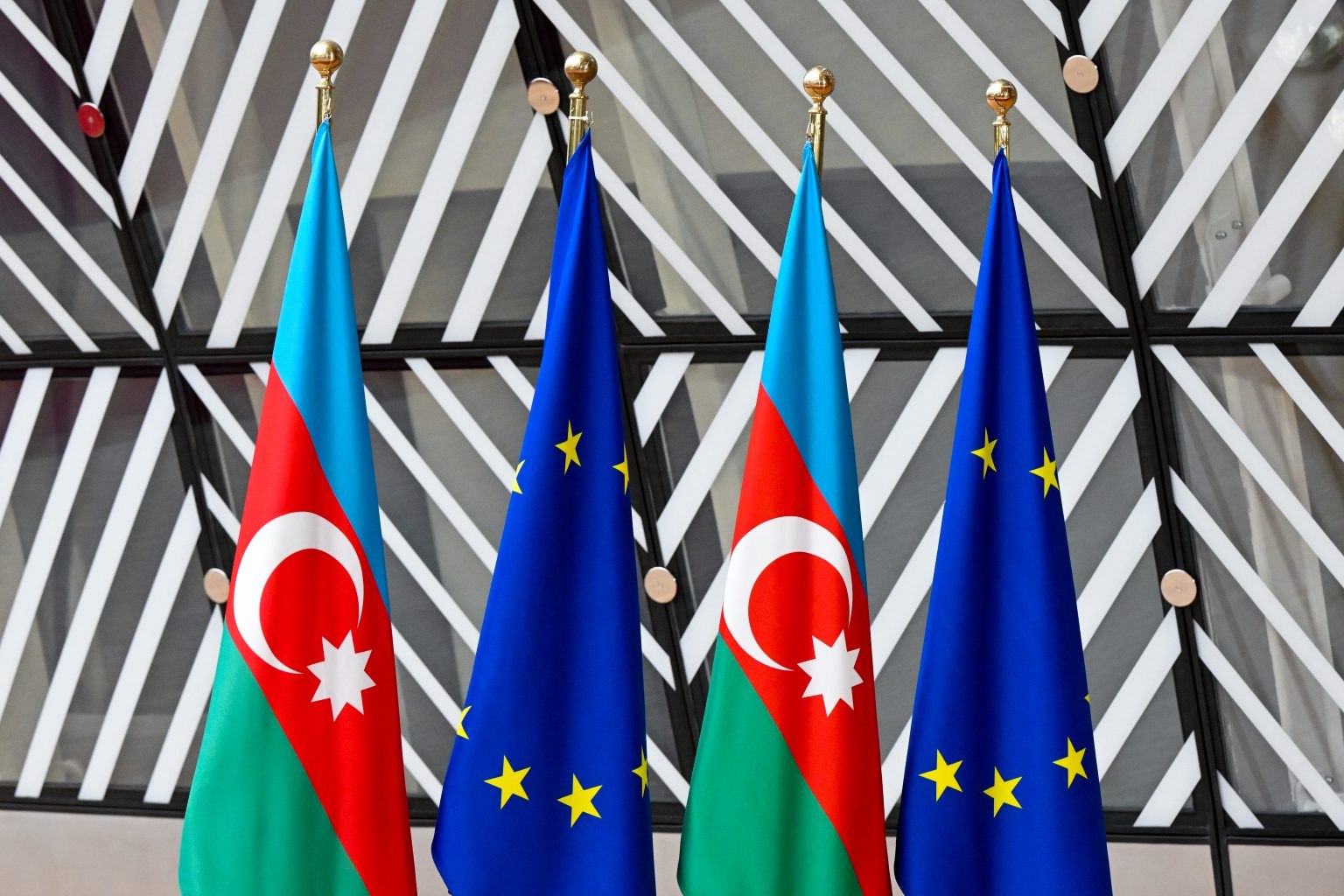
The visit of the President of the European Council, António Costa, to Azerbaijan and his negotiations with President Ilham Aliyev have been described by many analysts as a turning point in the development of relations between Azerbaijan and the European Union.
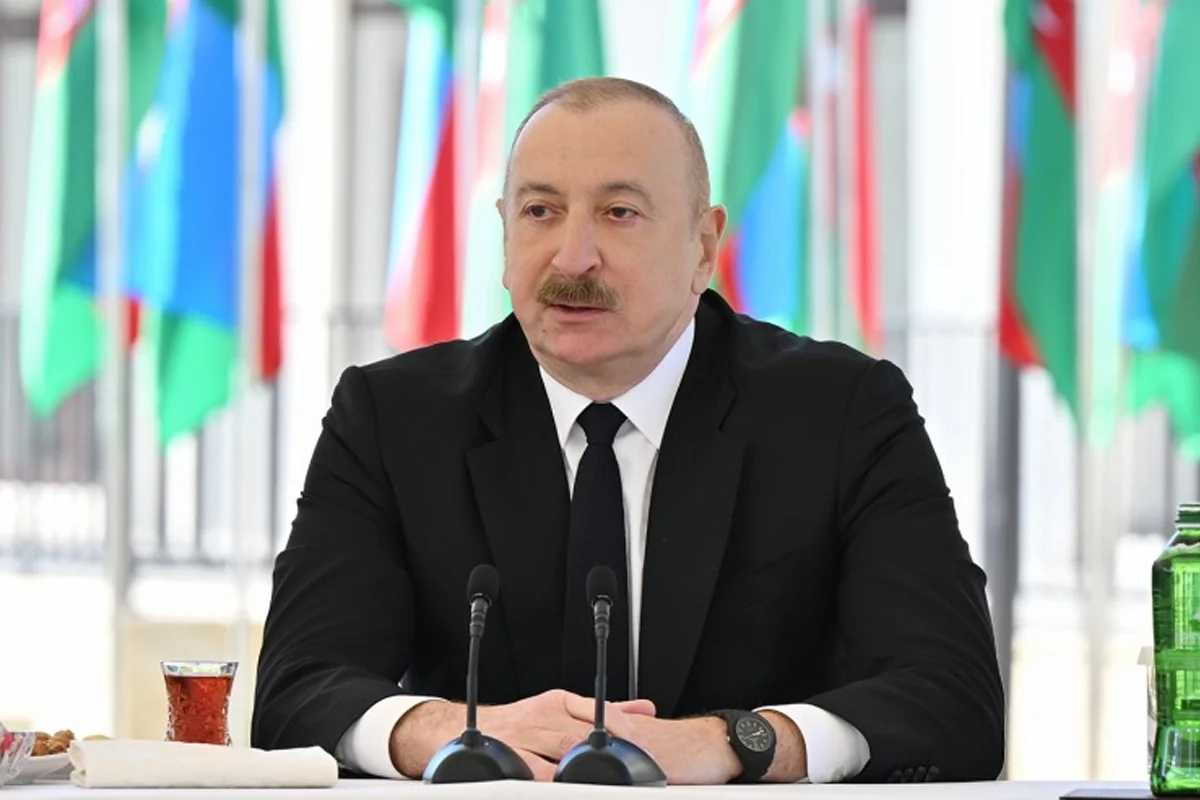
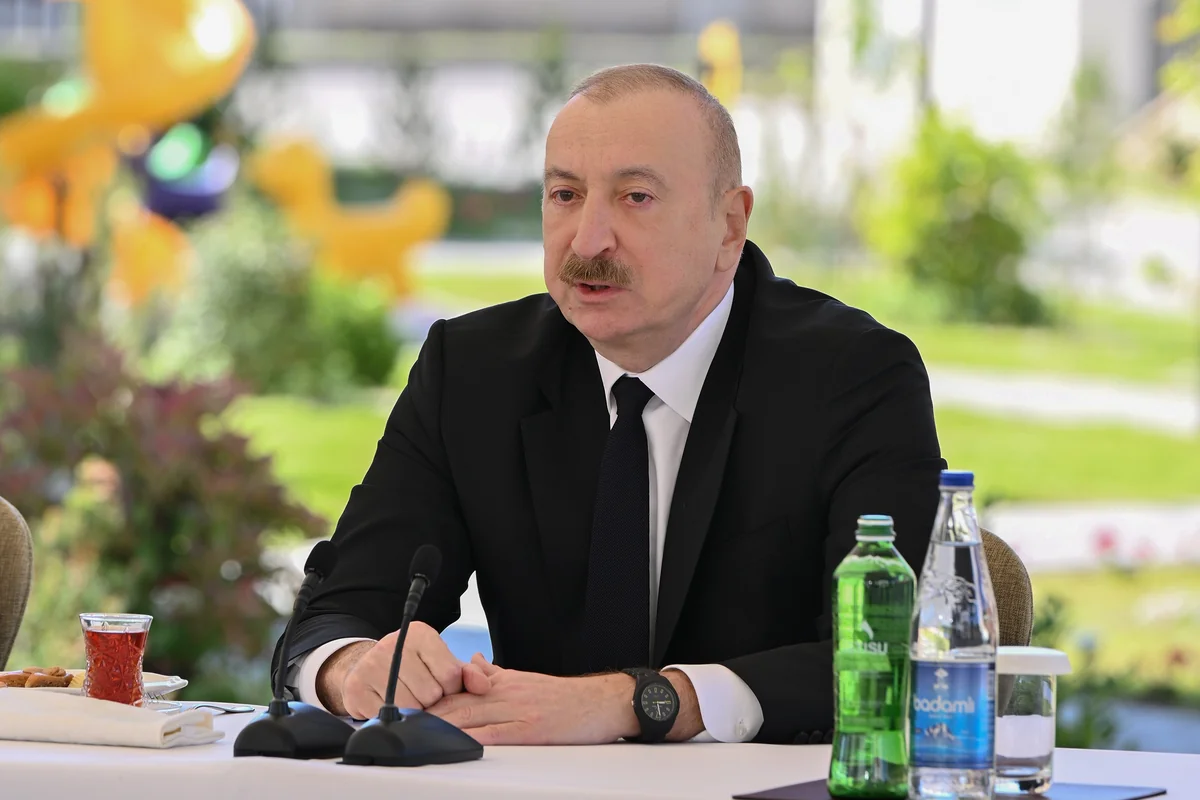
President of Azerbaijan Ilham Aliyev opened the XIII Global Baku Forum held at the Gulustan Palace under his patronage and organized by the Nizami Ganjavi International Center, addressing global security challenges, regional connectivity, and the peace process with Armenia.
President of Azerbaijan Ilham Aliyev held a one-on-one meeting with President of the European Council António Costa in Baku on March 11, followed by joint press statements.
Pashinyan expressed hope that Azerbaijan will also become an export destination for Armenia in the near future.
On March 11, President of the Russian Federation Vladimir Putin made a phone call to President of the Republic of Azerbaijan Ilham Aliyev.
Events in neighboring Iran and the continuing war are increasingly affecting not only the military-political situation but also the country’s internal stability.
Azerbaijan has sent humanitarian aid to Iran following a telephone conversation held on March 8 between President of Azerbaijan Ilham Aliyev and President of Iran Masoud Pezeshkian.
Iran is threatening the Caucasian country’s efforts to boost energy and trade connectivity between Europe and Central Asia.
The drone strike on Azerbaijan’s Nakhchivan Autonomous Republic on March 5 has become one of the most serious incidents in relations between Baku and Tehran in recent years.
When a country whose military infrastructure is being destroyed in real time—and whose supreme leader was killed on the very first day of the conflict by an airstrike—starts issuing ultimatums to a sovereign neighbour, it is a clinical picture of a regime in agony, disconnected from reality.
The drone strike against the territory of the Nakhchivan Autonomous Republic, the reaction of President Ilham Aliyev, and the subsequent decisions taken by the Azerbaijani leadership have created noticeable tension within Azerbaijani society.
Azerbaijan navigates a complex geopolitical landscape between Türkiye, Iran, and Israel, pursuing a pragmatic strategy of balance. While maintaining a strategic alliance with Türkiye and deep cooperation with Israel, Baku also seeks to avoid escalation with neighboring Iran. This multi-vector diplomacy allows Azerbaijan to protect its security and regional stability.