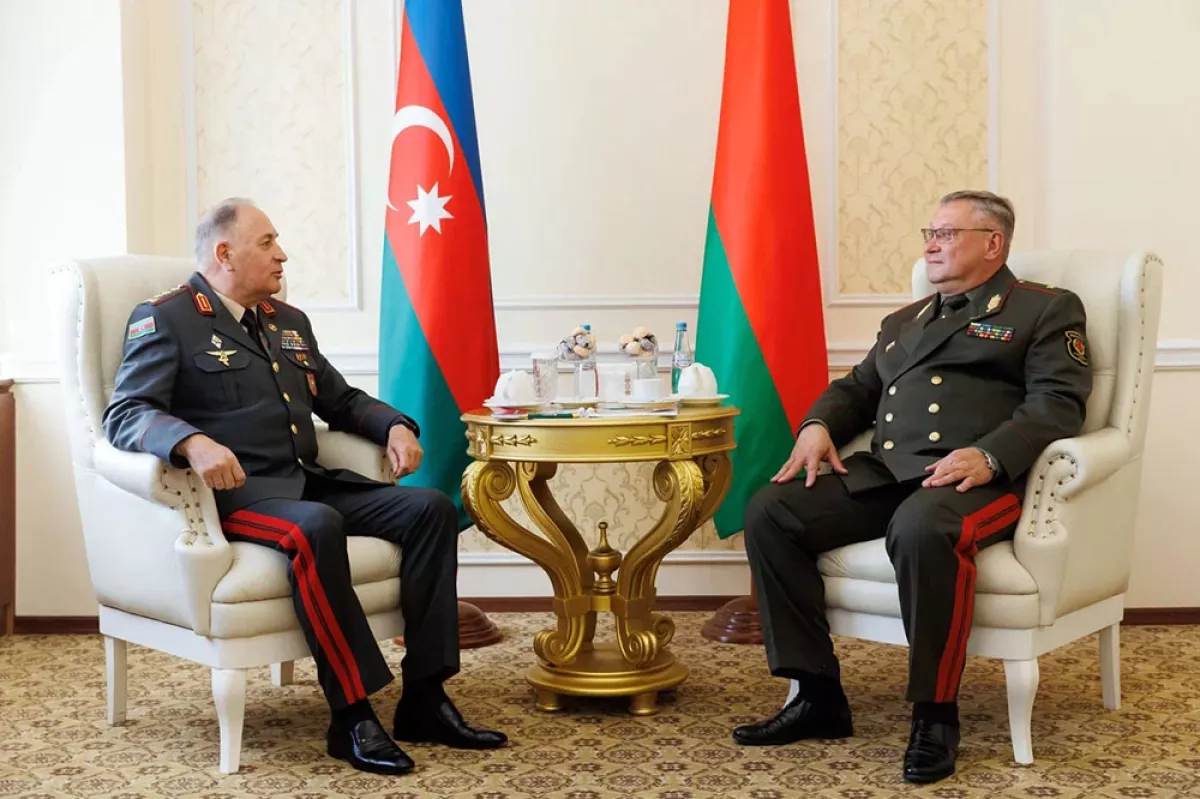
Baku and Minsk are set to expand military-technical cooperation, a key topic during the visit of First Deputy Minister of Defence and Chief of the General Staff of the Azerbaijani Army, Colonel-General Karim Valiyev, to Belarus.

Baku and Minsk are set to expand military-technical cooperation, a key topic during the visit of First Deputy Minister of Defence and Chief of the General Staff of the Azerbaijani Army, Colonel-General Karim Valiyev, to Belarus.
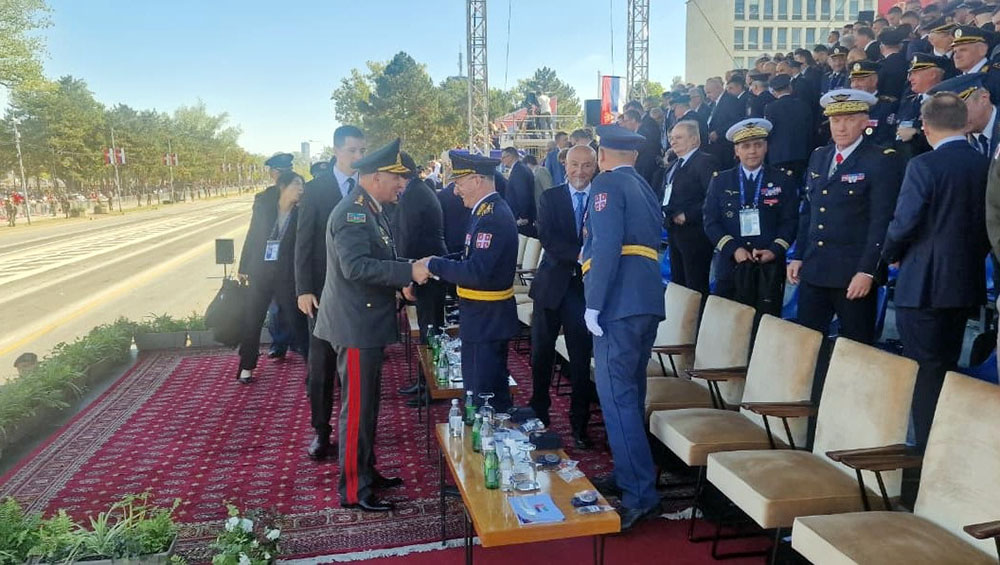
An official visit of the Azerbaijani Armed Forces delegation, led by First Deputy Minister of Defence and Chief of the General Staff, Colonel General Kerim Veliyev, has begun in Serbia.
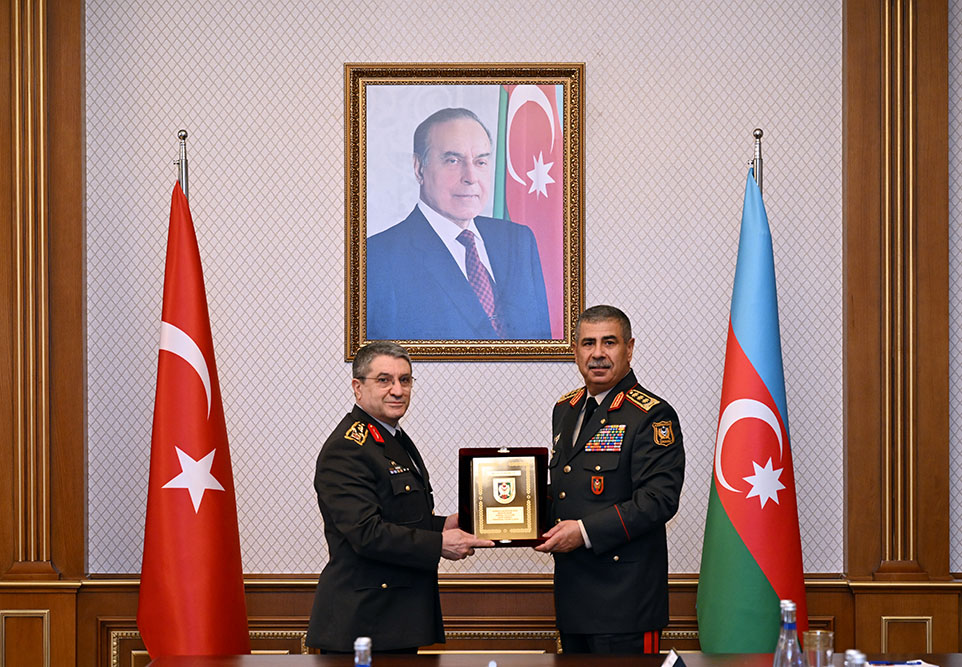
Azerbaijan’s Minister of Defense, Colonel General Zakir Hasanov, received the Chief of the General Staff of the Turkish Armed Forces, Army General Selçuk Bayraktaroğlu, and the delegation accompanying him on a working visit to Azerbaijan.
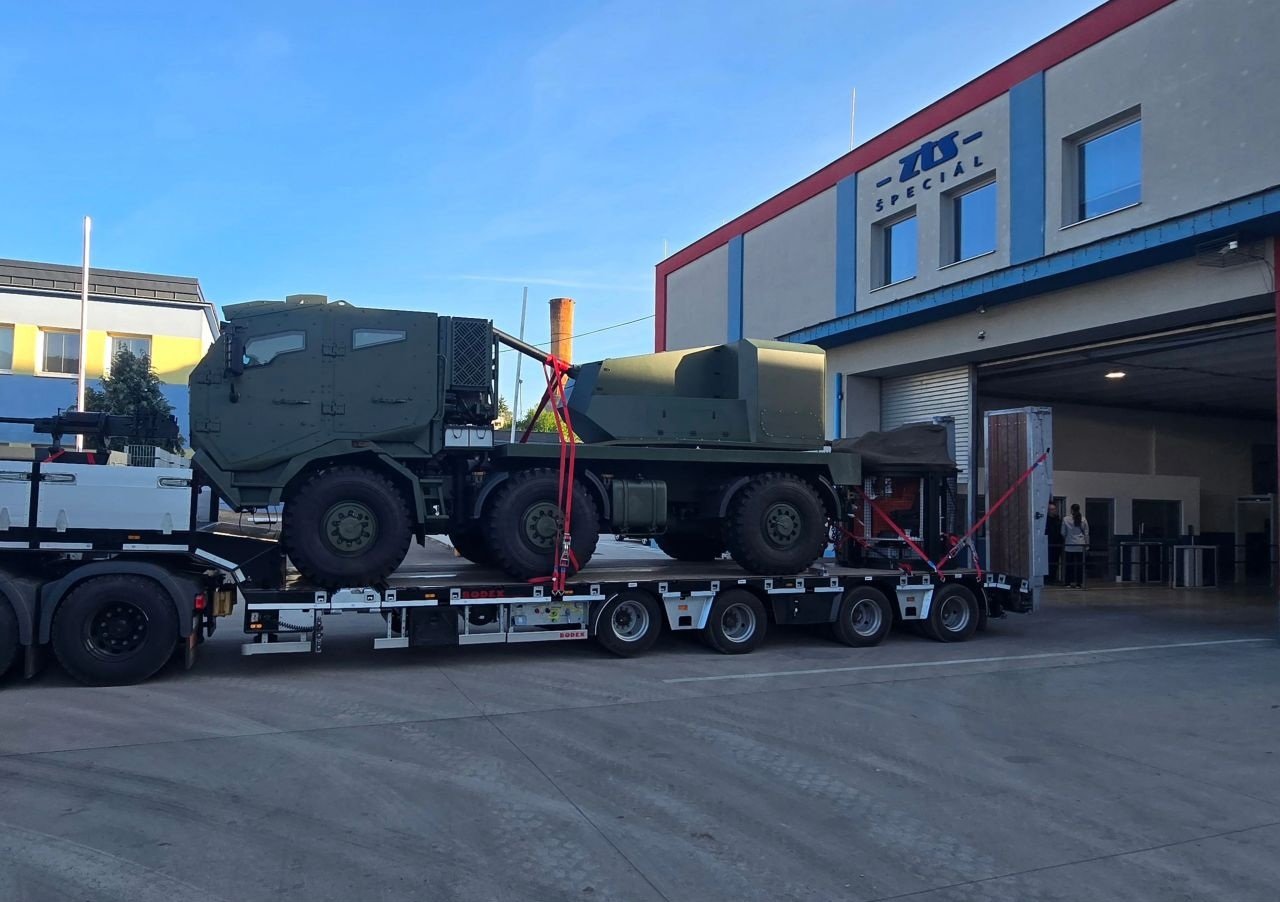
Azerbaijan is moving to expand its long-range strike capabilities with interest in acquiring Slovakia’s AM-120 automated mortar system and the 155 mm EVA self-propelled artillery system.
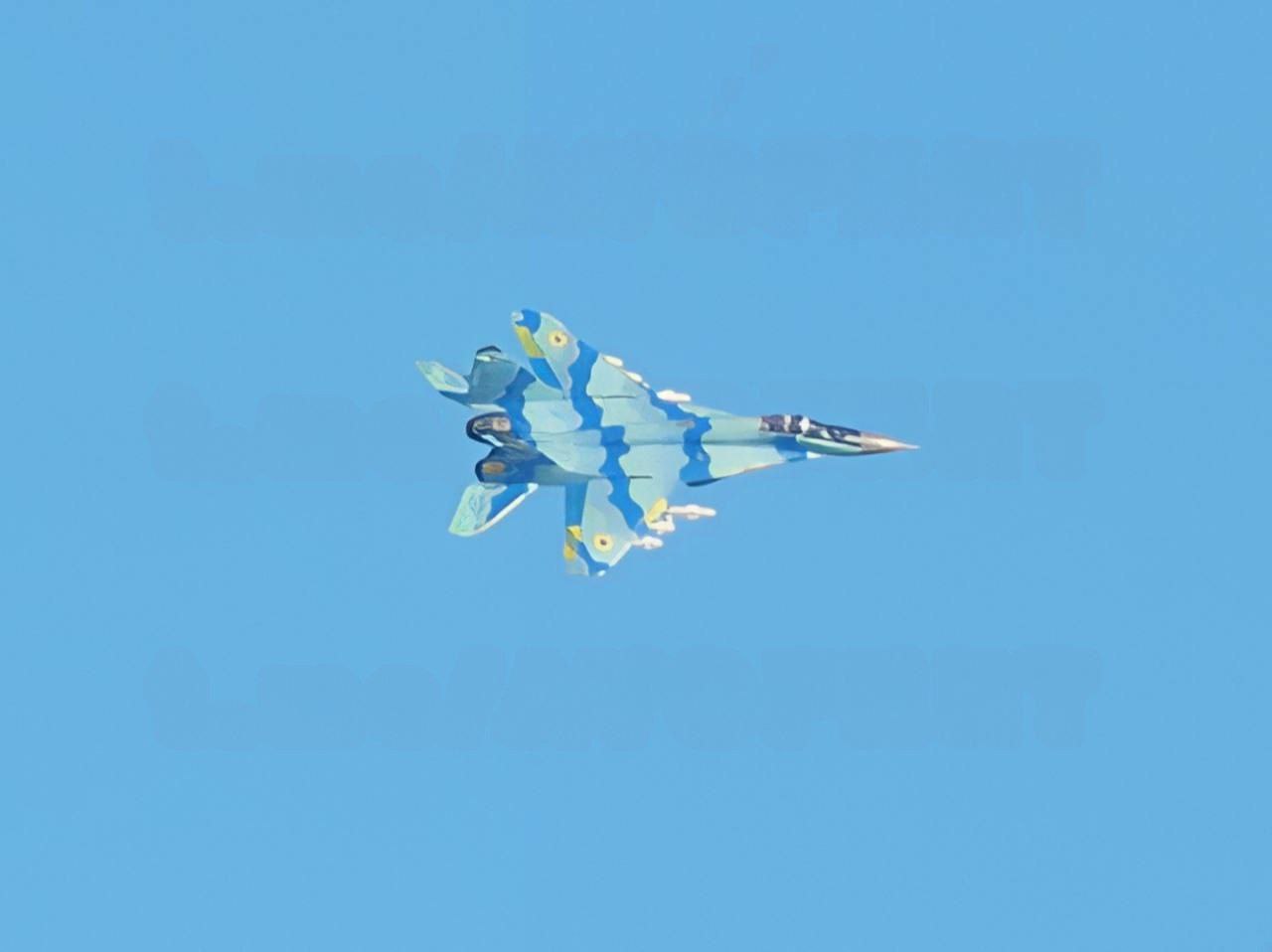
A MiG-29 in the livery typical of Azerbaijani fighters was spotted in the Ukrainian sky with the insignia of the Ukrainian Air Force.
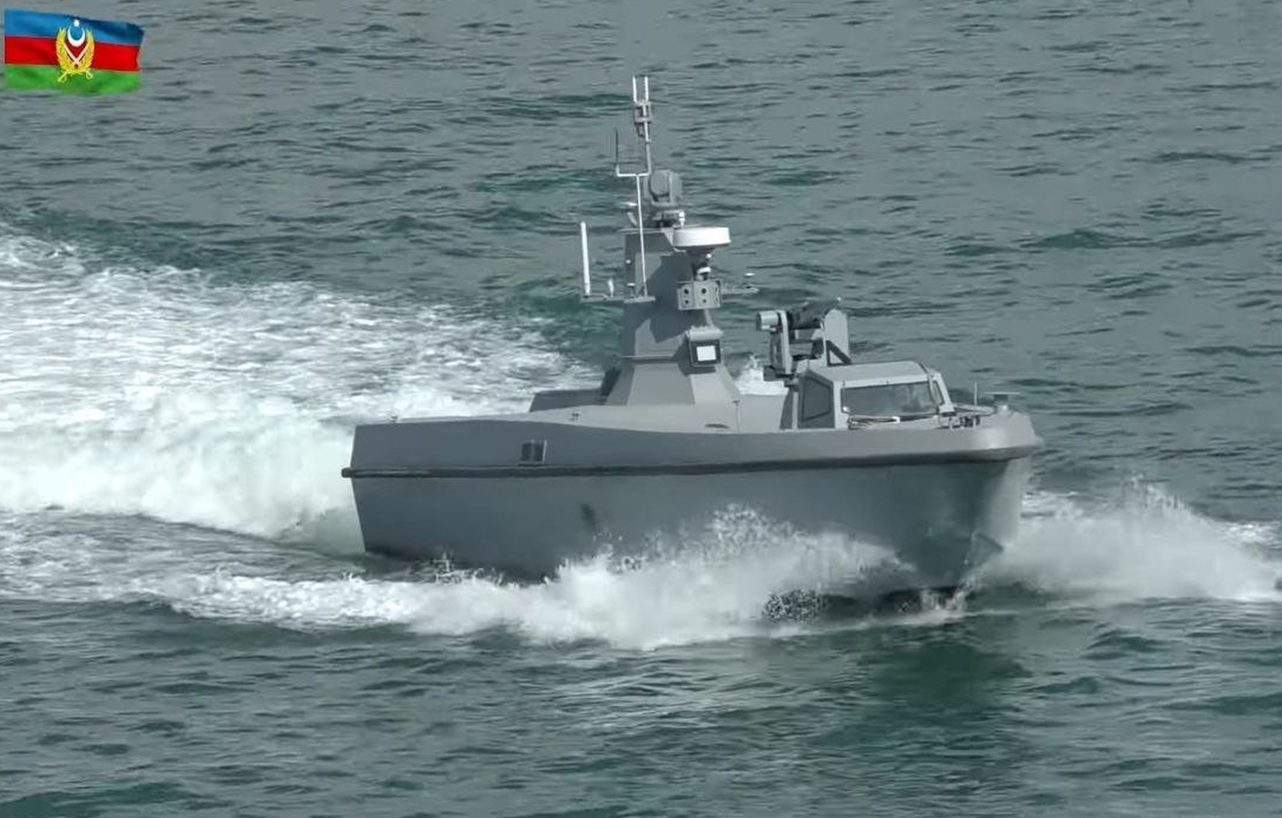
Azerbaijan’s Navy has publicly showcased its Turkish-produced “Salvo” unmanned surface vessel (USV) for the first time, marking a significant step in the country’s maritime modernization efforts amid heightened security concerns in the Caspian Sea.
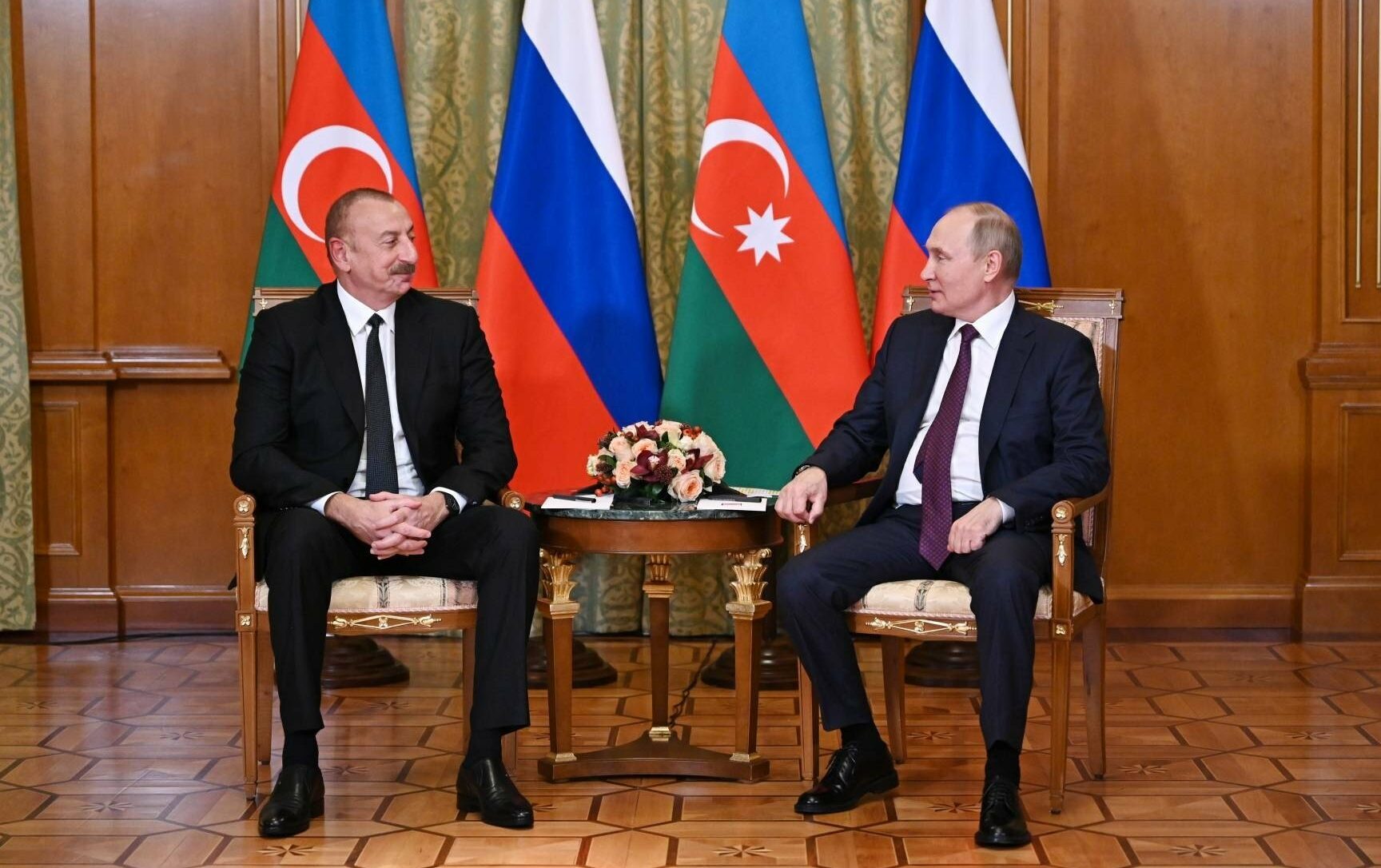
Tensions are rising between Azerbaijan and Russia over a maritime dispute which is largely unheard-of but which could have significant impact should it erupt.
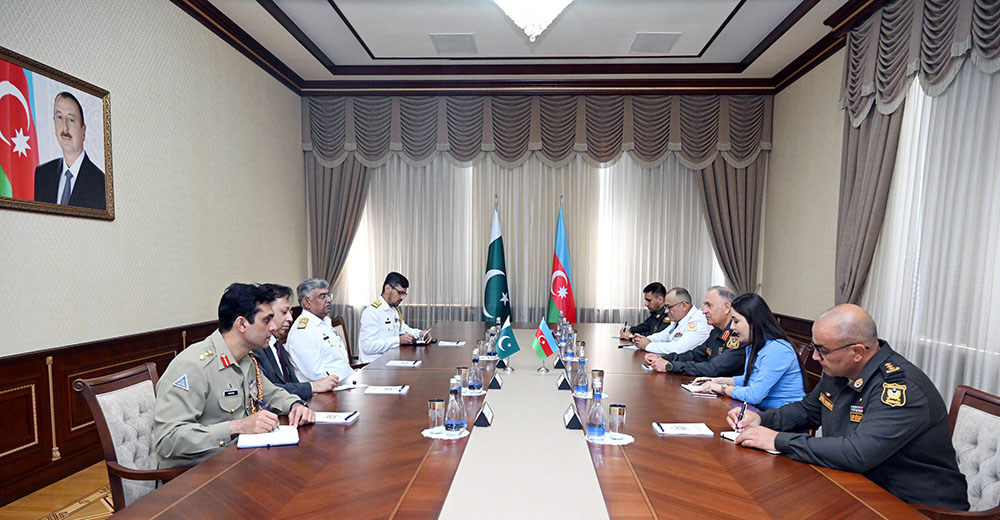
Chief of the General Staff of the Azerbaijani Army, Colonel General Karim Valiyev, met with Admiral Naveed Ashraf, Commander of the Pakistan Navy, who is currently on an official visit to Azerbaijan.
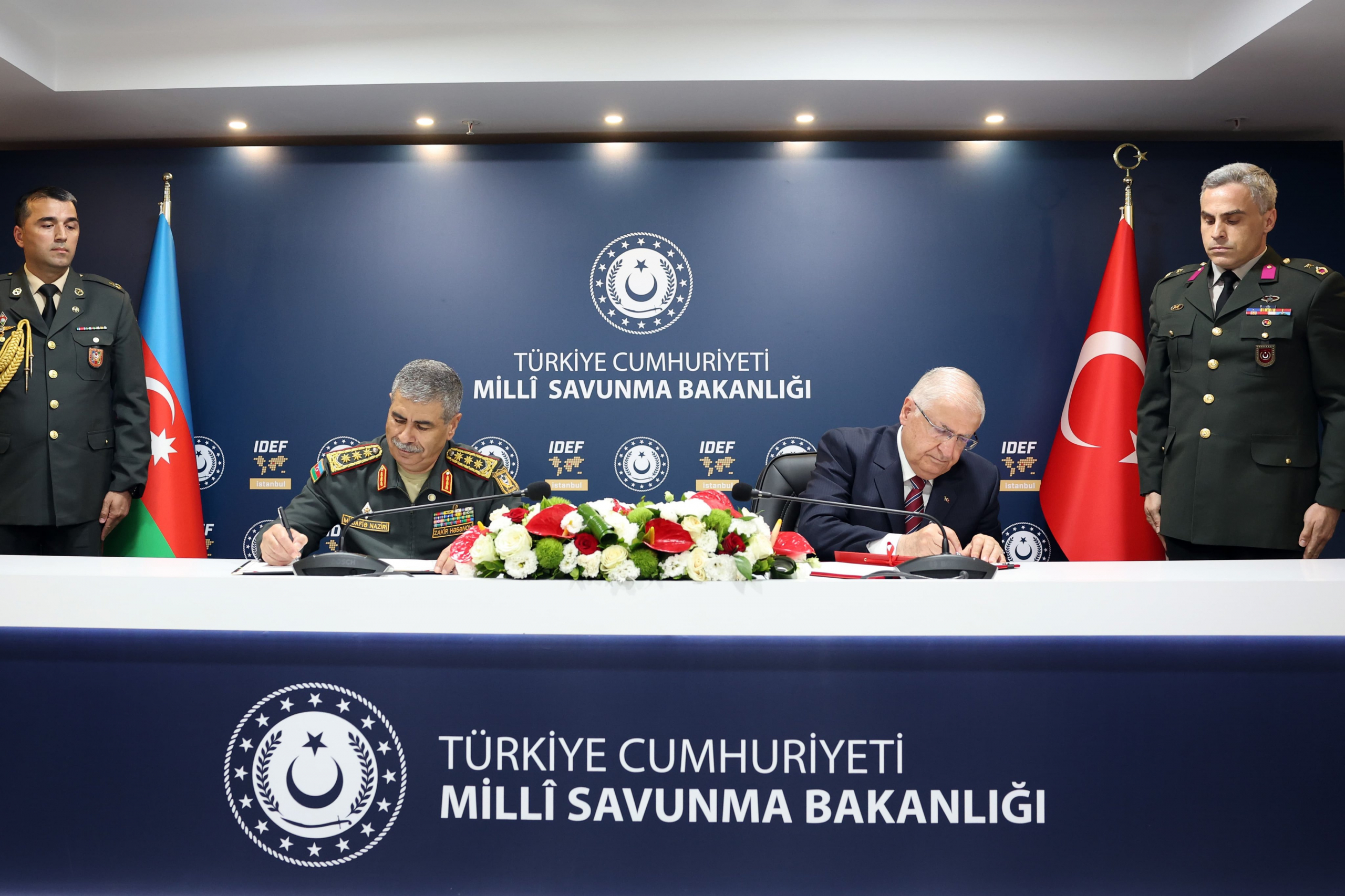
Azerbaijan’s Minister of Defense Zakir Hasanov met with his Turkish counterpart Yaşar Güler during the 17th International Defense Industry Fair (IDEF-2025) in Türkiye.
Azerbaijan pursues an independent foreign policy and relies on its own strength and national interests. Hosting military bases simply does not align with this strategic course.
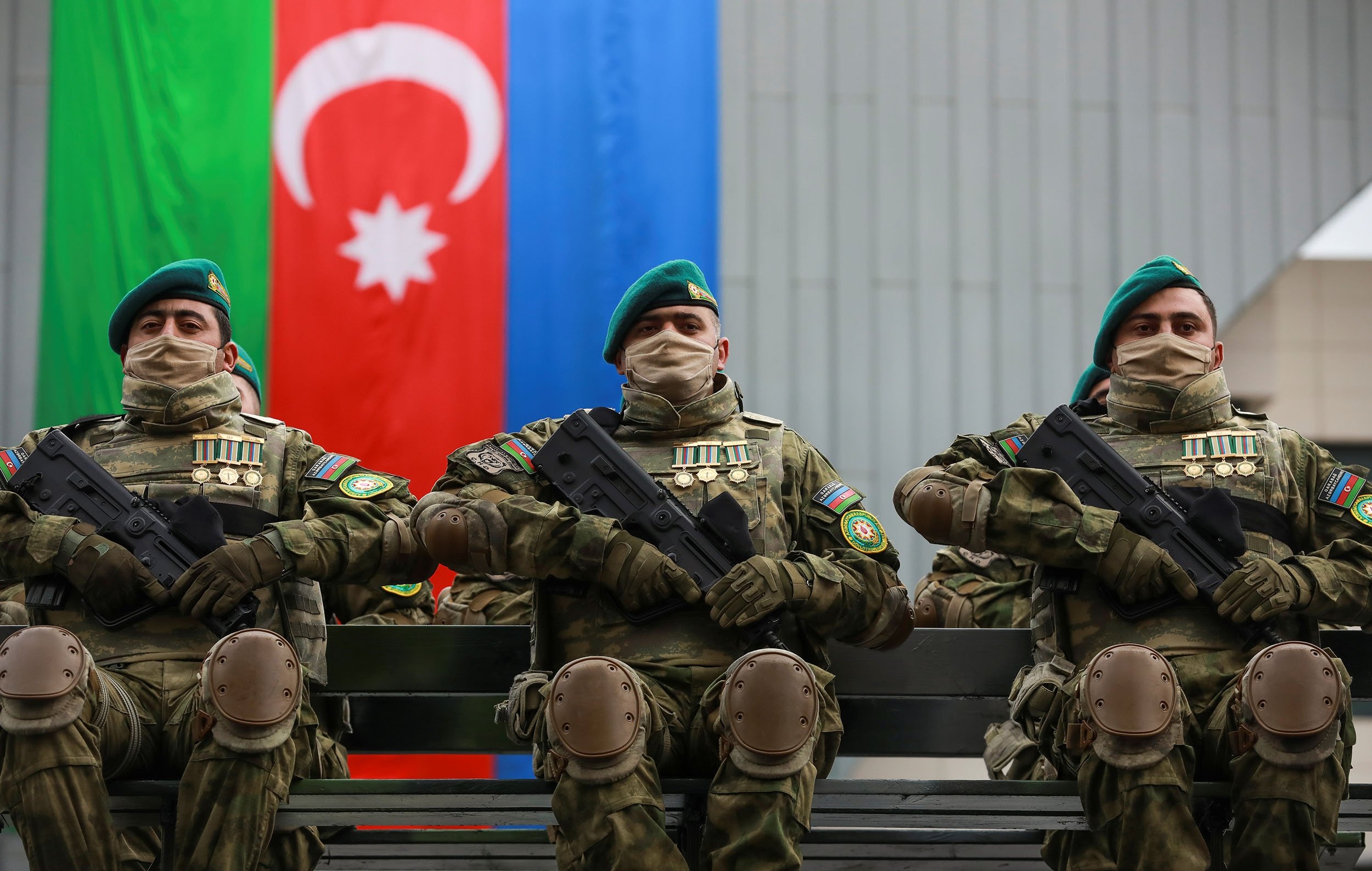
On June 26, Azerbaijan marks one of its most important state holidays – Armed Forces Day.
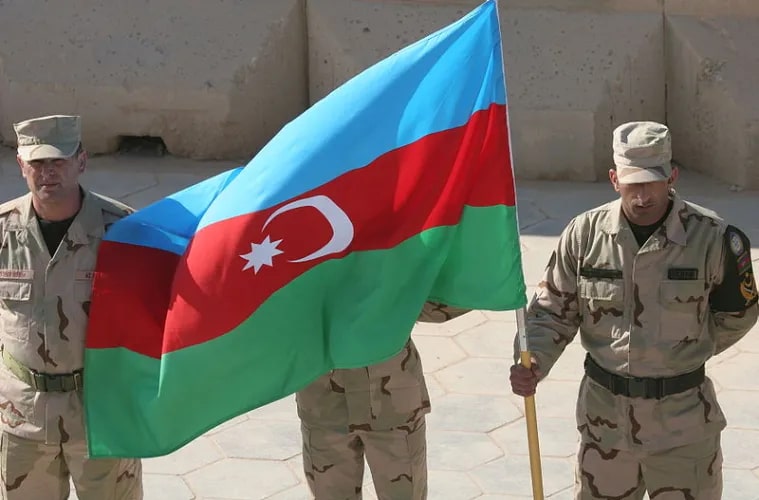
Establishing a territorial defense system under current conditions is, in essence, a necessary step.
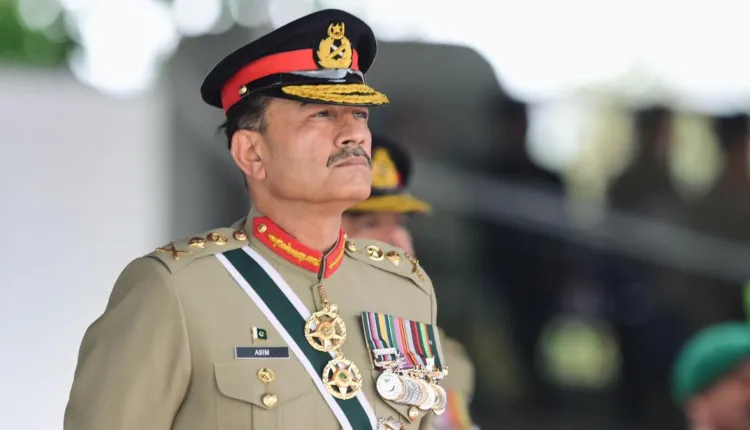
U.S. President Donald Trump is set to host a private lunch today with Pakistan’s Chief of Army Staff, Field Marshal Asim Munir, in the Cabinet Room of the White House.
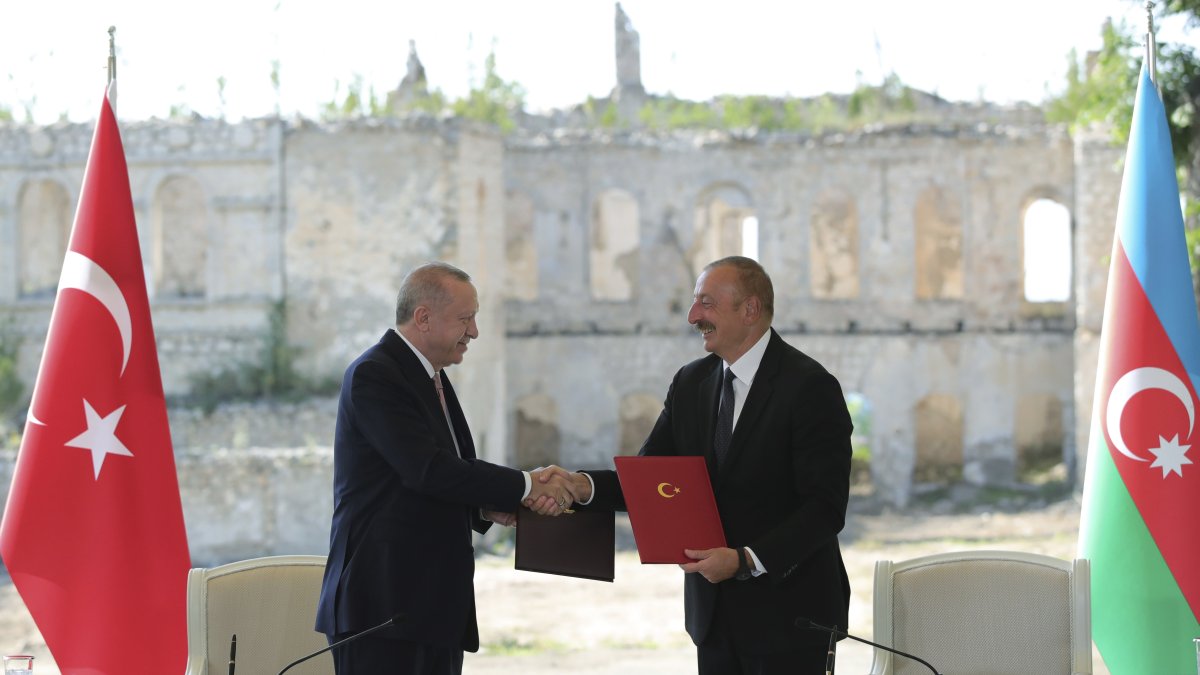
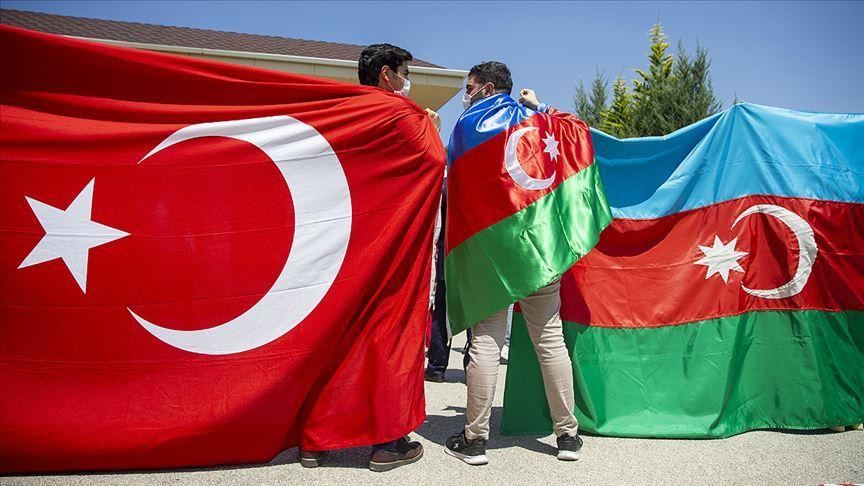
Sunday was the fourth anniversary of the landmark Shusha Declaration that upgraded Turkish-Azerbaijani ties to the level of alliance. The two countries now navigate a future with further cooperation from energy to defense.
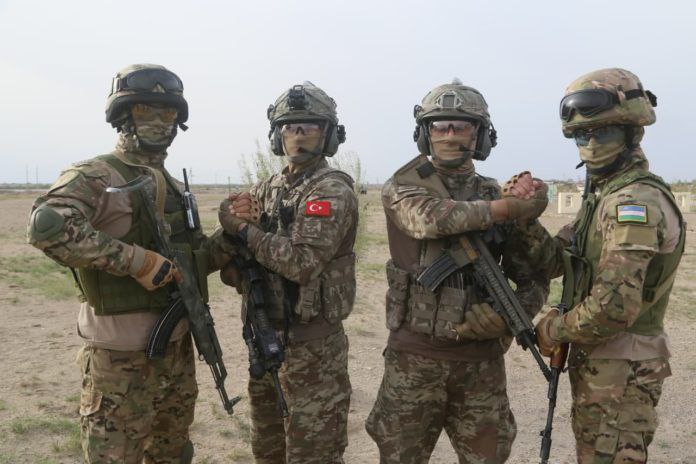
The exercises will serve as a platform to test state-of-the-art defense technologies, develop combined operational strategies, and examine responses to scenarios involving asymmetric warfare and hybrid threats.
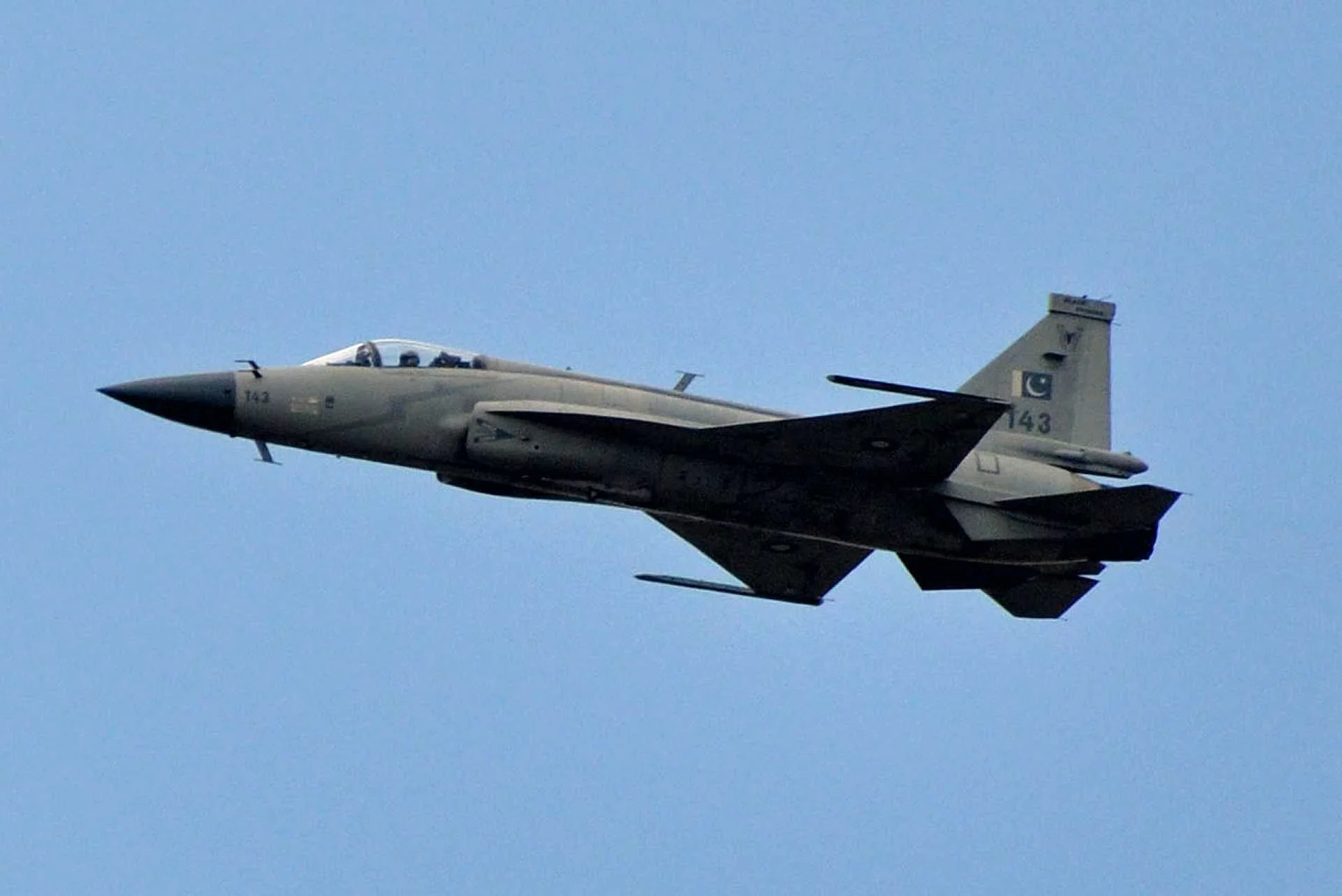
For Azerbaijan, it represents a step toward further consolidating its military superiority in the region and reducing its dependence on Russian platforms—an especially relevant move amid shifting regional security dynamics.
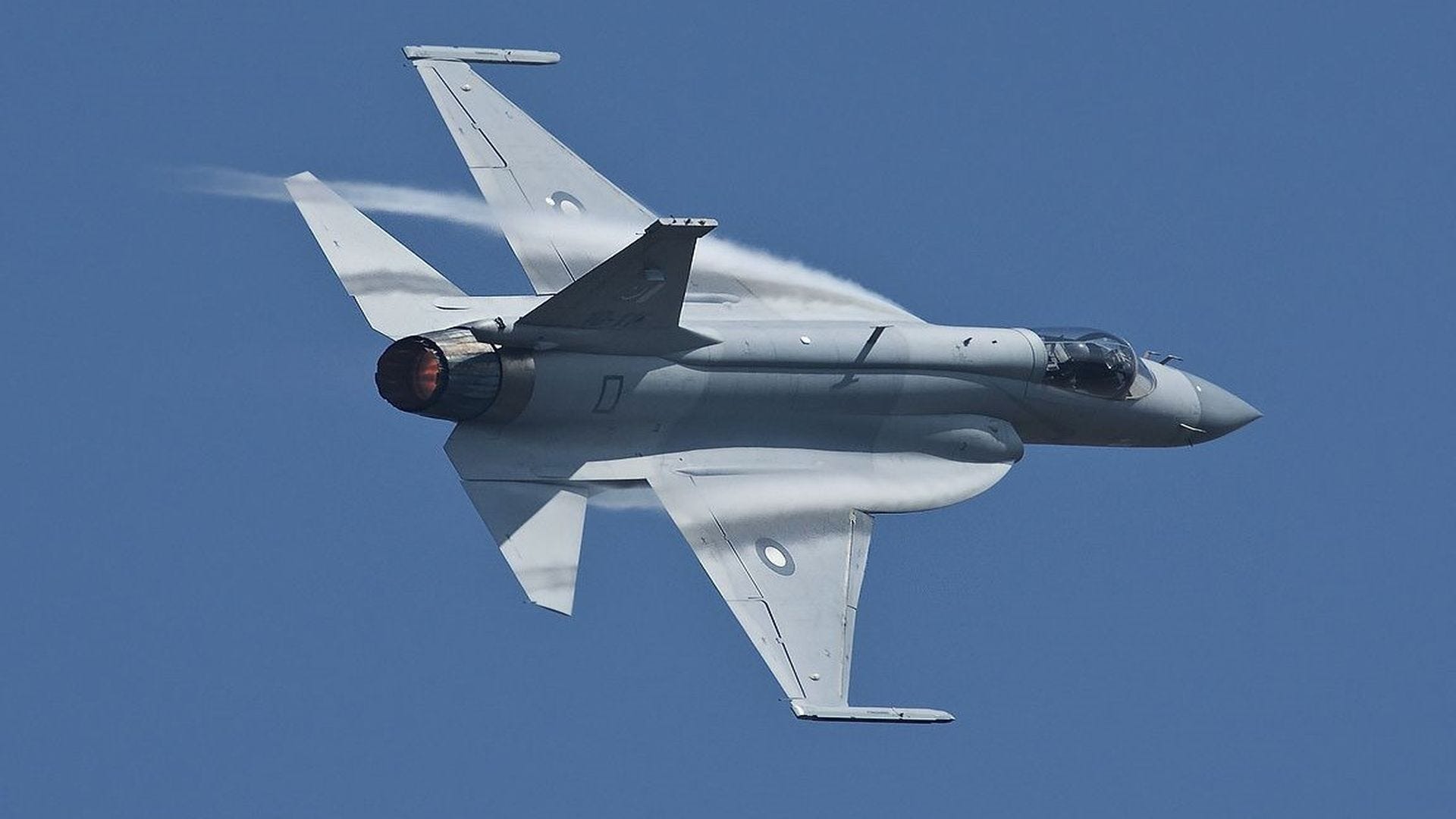
Azerbaijan has achieved a stable strategic advantage that is causing growing concern not only in Yerevan but also among pro-Western expert circles.
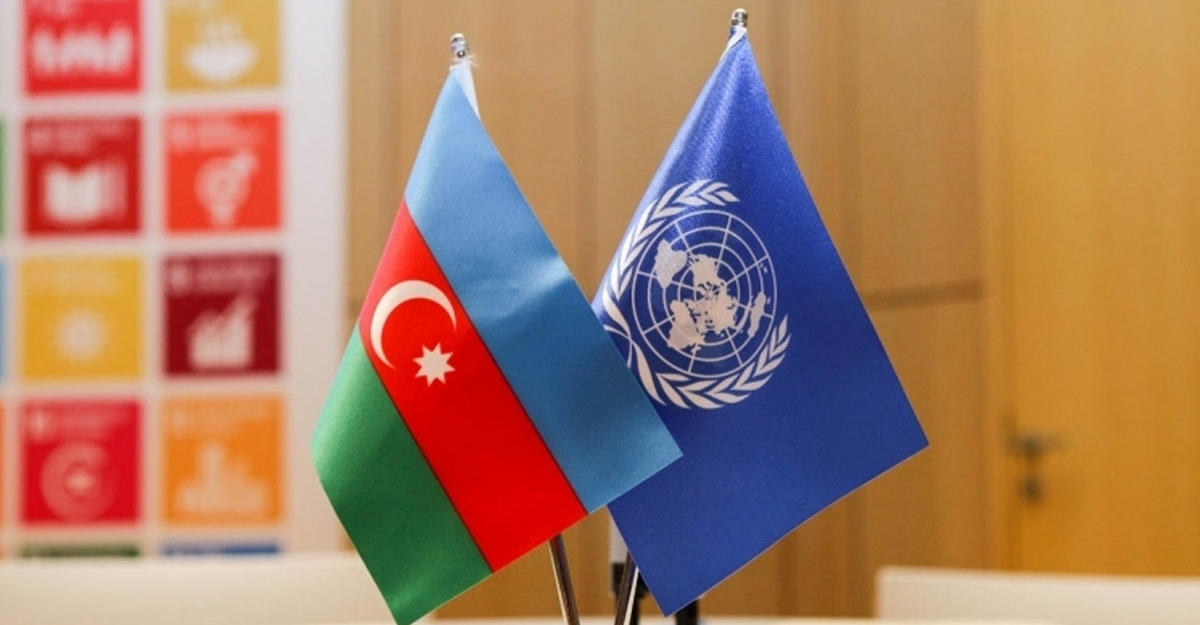
Representatives of the Azerbaijani Armed Forces took part in the multinational NATO command-staff exercises "Resolute Force-2025."
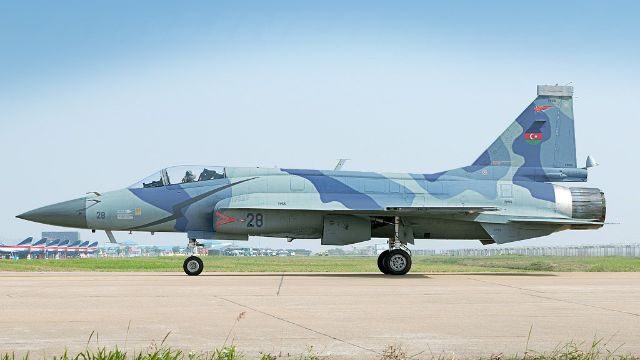
Azerbaijan is prepared to significantly strengthen its air force by expanding its order of JF-17 Thunder Block III fighter jets, jointly produced by Pakistan and China.
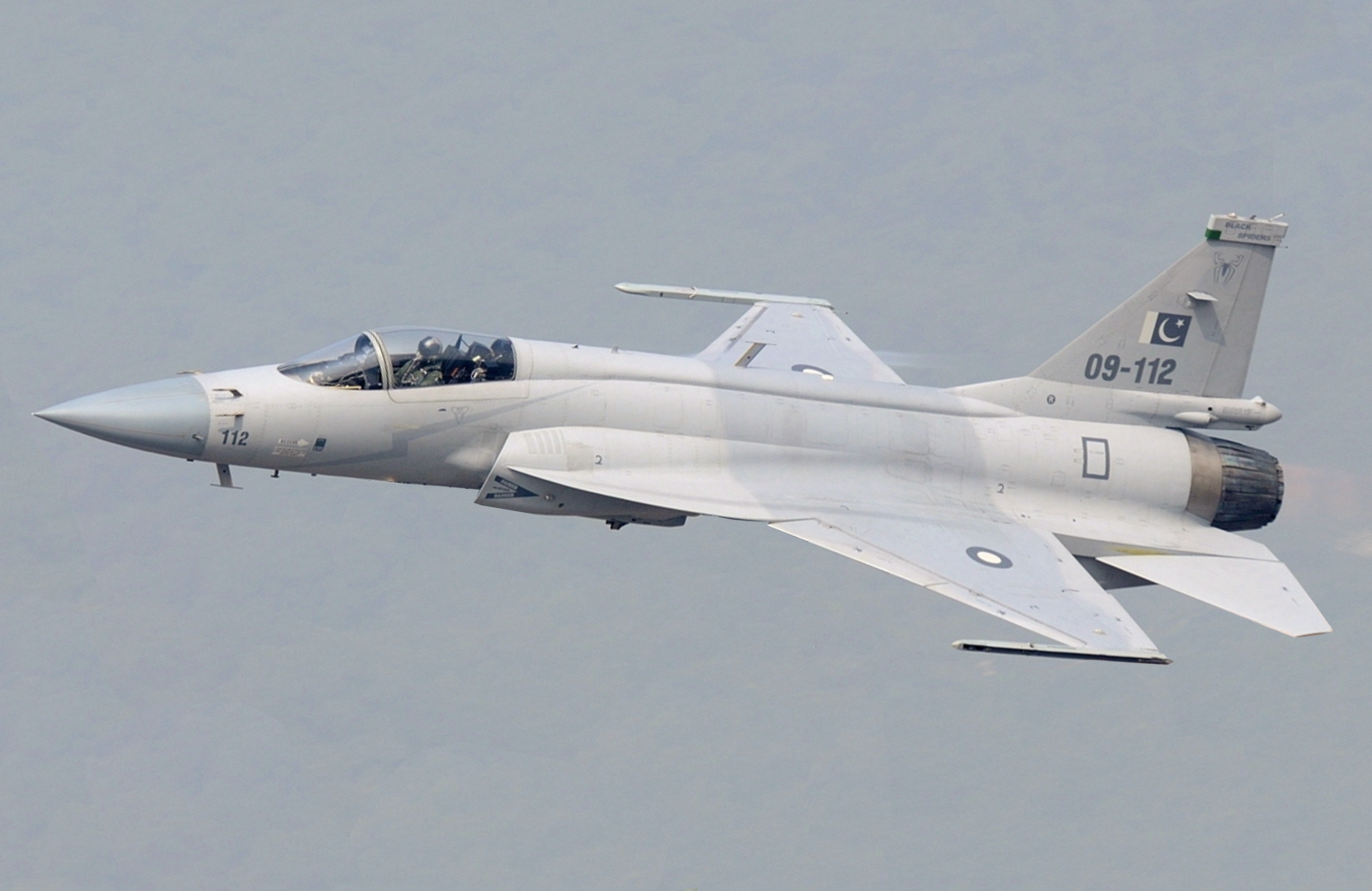
Türkiye, Pakistan, and Azerbaijan are collectively referred to as the "three brothers" since Türkiye was the first state, and Pakistan the second, to recognize Azerbaijan's independence in 1991.
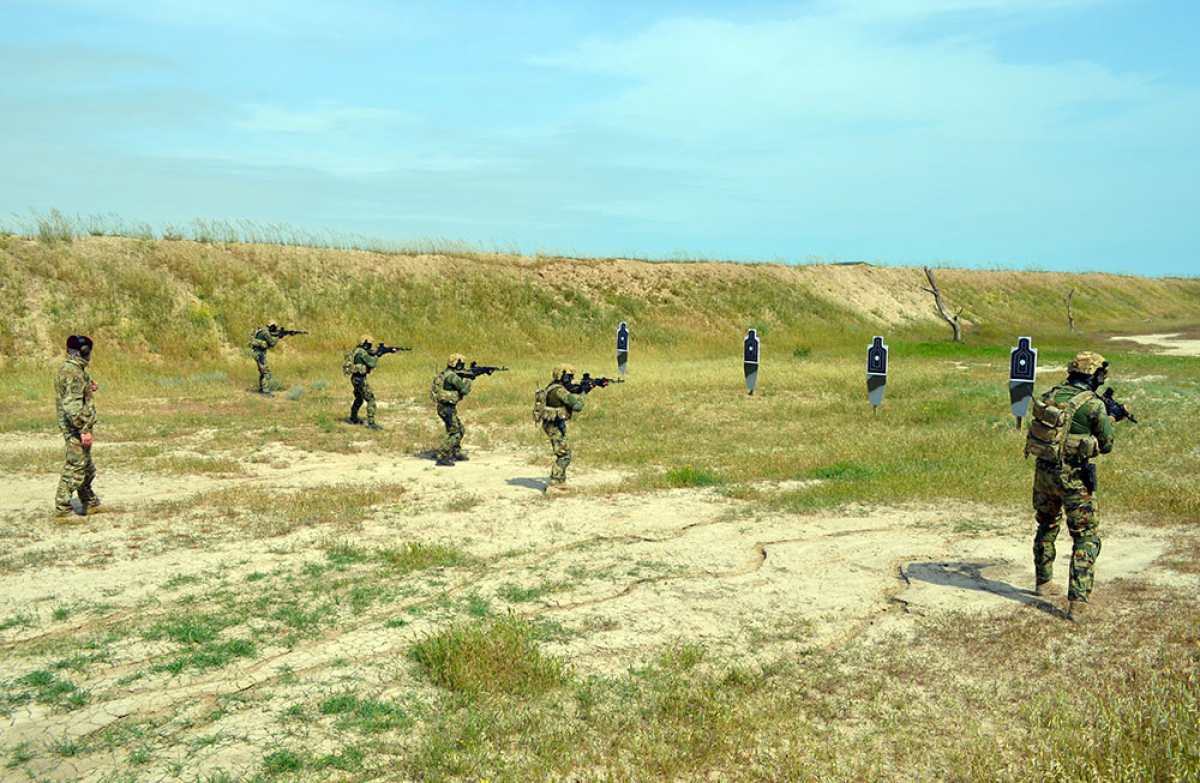
On Tuesday, May 20, Azerbaijani and Serbian servicemen conducted combat training exercises, according to a statement by the press service of the Azerbaijani Ministry of Defense.
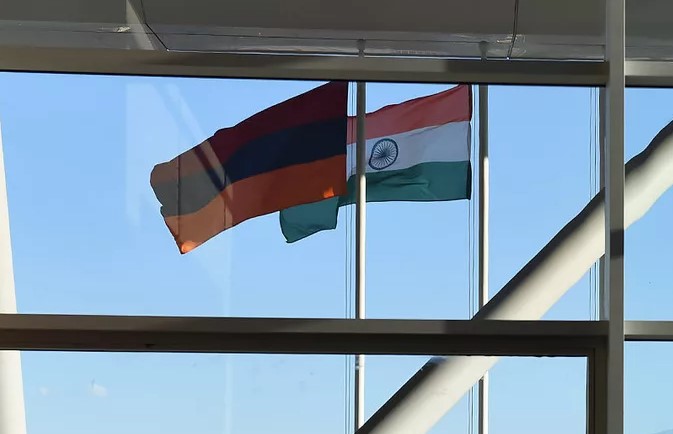
Every military conflict also serves as a testing ground for weapons manufacturers — whose products truly perform under real combat conditions. But on the South Caucasus stage, arms news carries its own subtext.
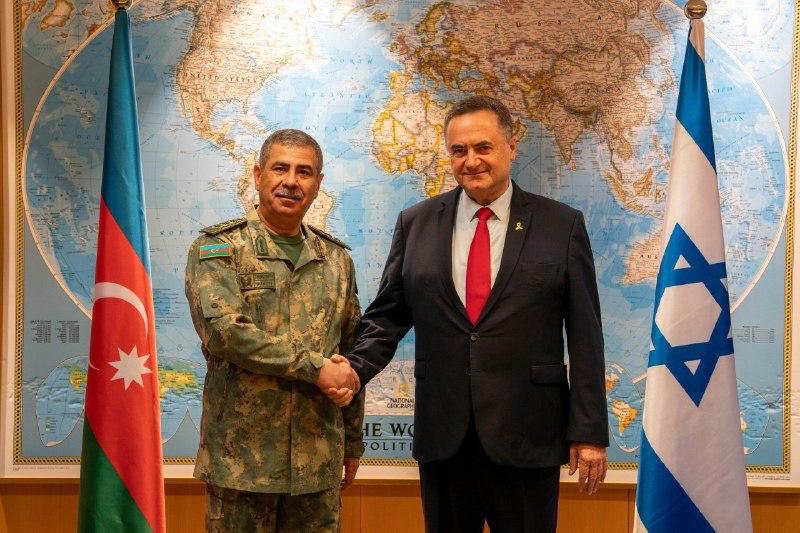
Israeli Defense Minister Israel Katz met today in Tel Aviv with his Azerbaijani counterpart Zakir Hasanov to strengthen bilateral cooperation in the field of security.
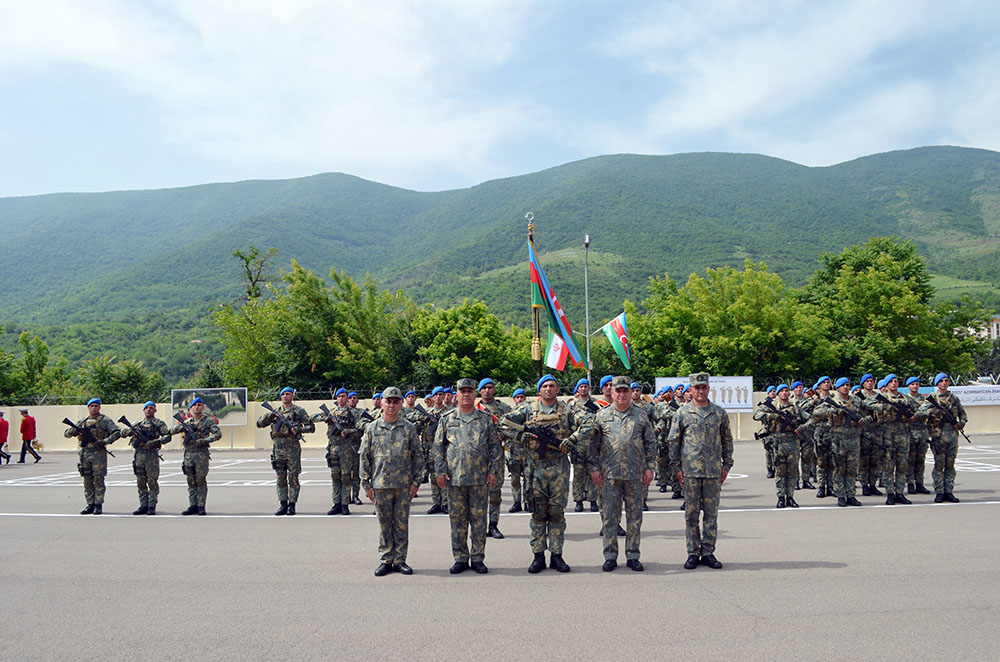
The opening ceremony of the joint military exercises "Araz-2025," conducted by Azerbaijan and Iran, took place in Azerbaijan.