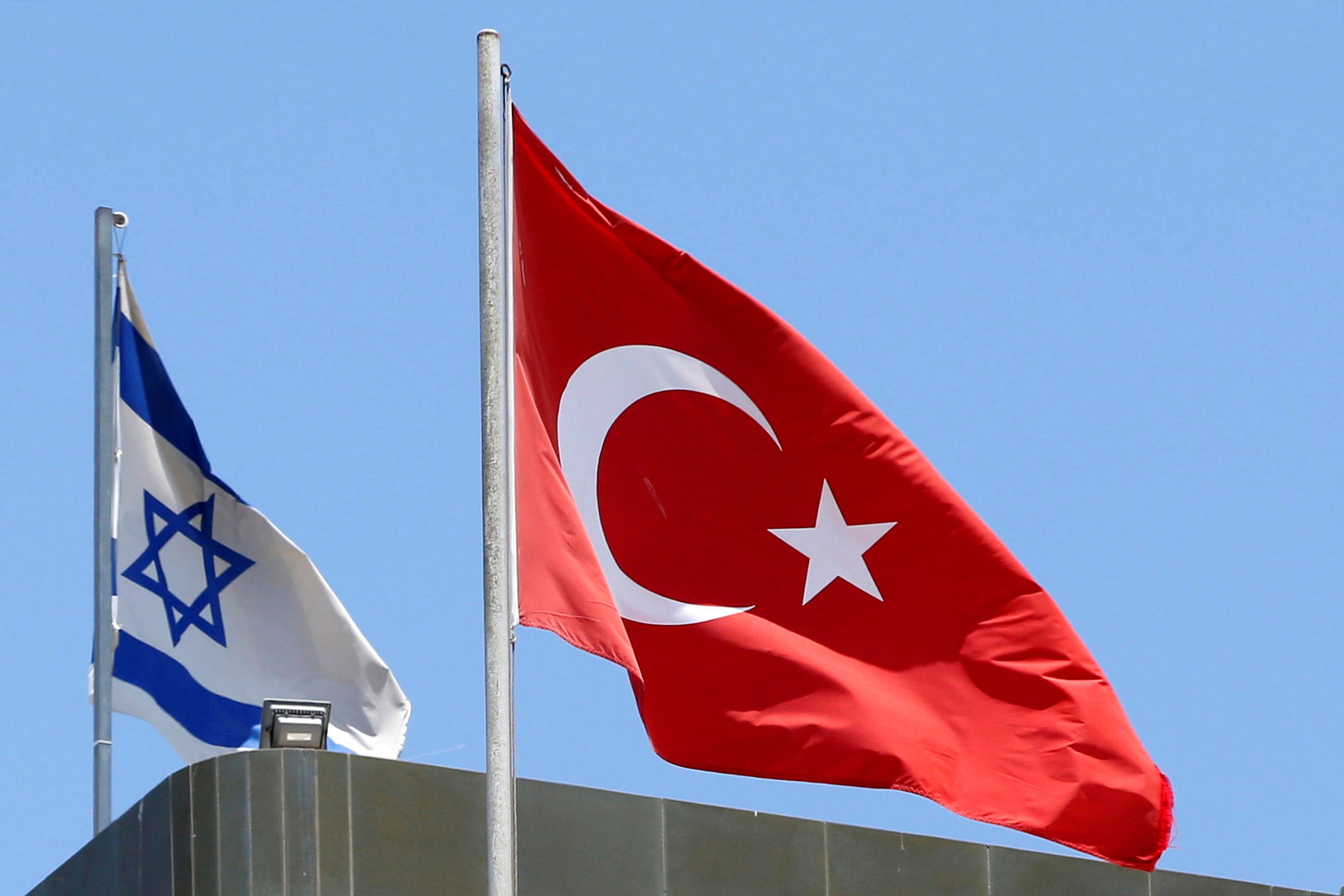
In an exclusive interview, Israeli analyst Alexander Gur-Arie discusses Israel’s strike on Qatar, Qatar’s mediation role, and the rising but unlikely prospect of a Türkiye–Israel confrontation.

In an exclusive interview, Israeli analyst Alexander Gur-Arie discusses Israel’s strike on Qatar, Qatar’s mediation role, and the rising but unlikely prospect of a Türkiye–Israel confrontation.
Aliyev noted that almost five years ago, during the 44-day Patriotic War, Azerbaijan restored justice, international law, and its own dignity by regaining its lands.
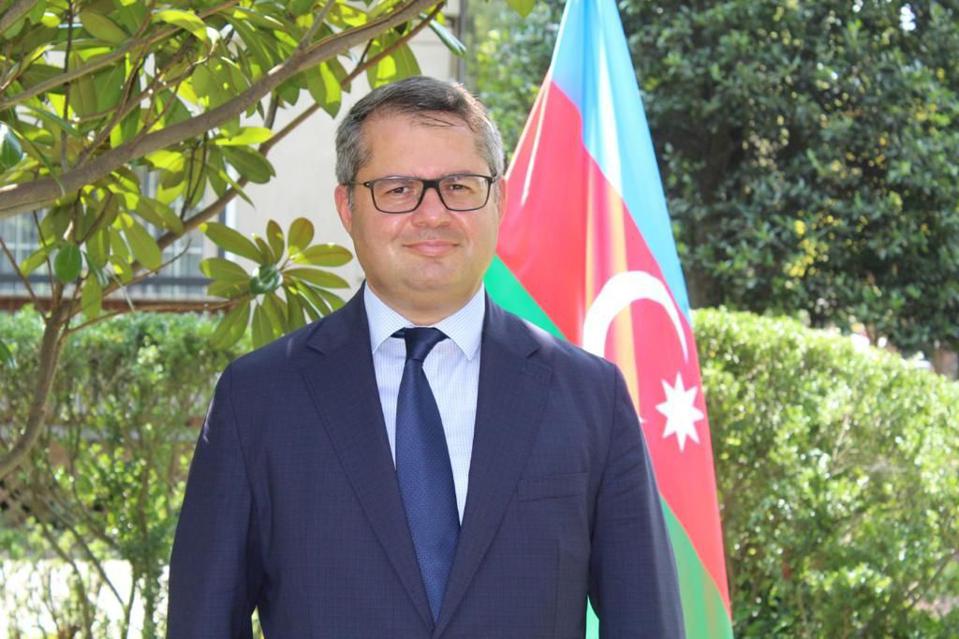
In an interview with the Washington Examiner, Azerbaijani Ambassador Khazar Ibrahim praised Trump’s leadership as essential in securing the deal.
"I expect the current level of tension to decrease. However, a fundamental change in Moscow–Baku relations is unlikely in the near future."
"Azerbaijan doesn’t seek to harm Russia. But if Russia continues down this path, its relations with Azerbaijan will inevitably deteriorate — politically, economically, culturally, and socially."
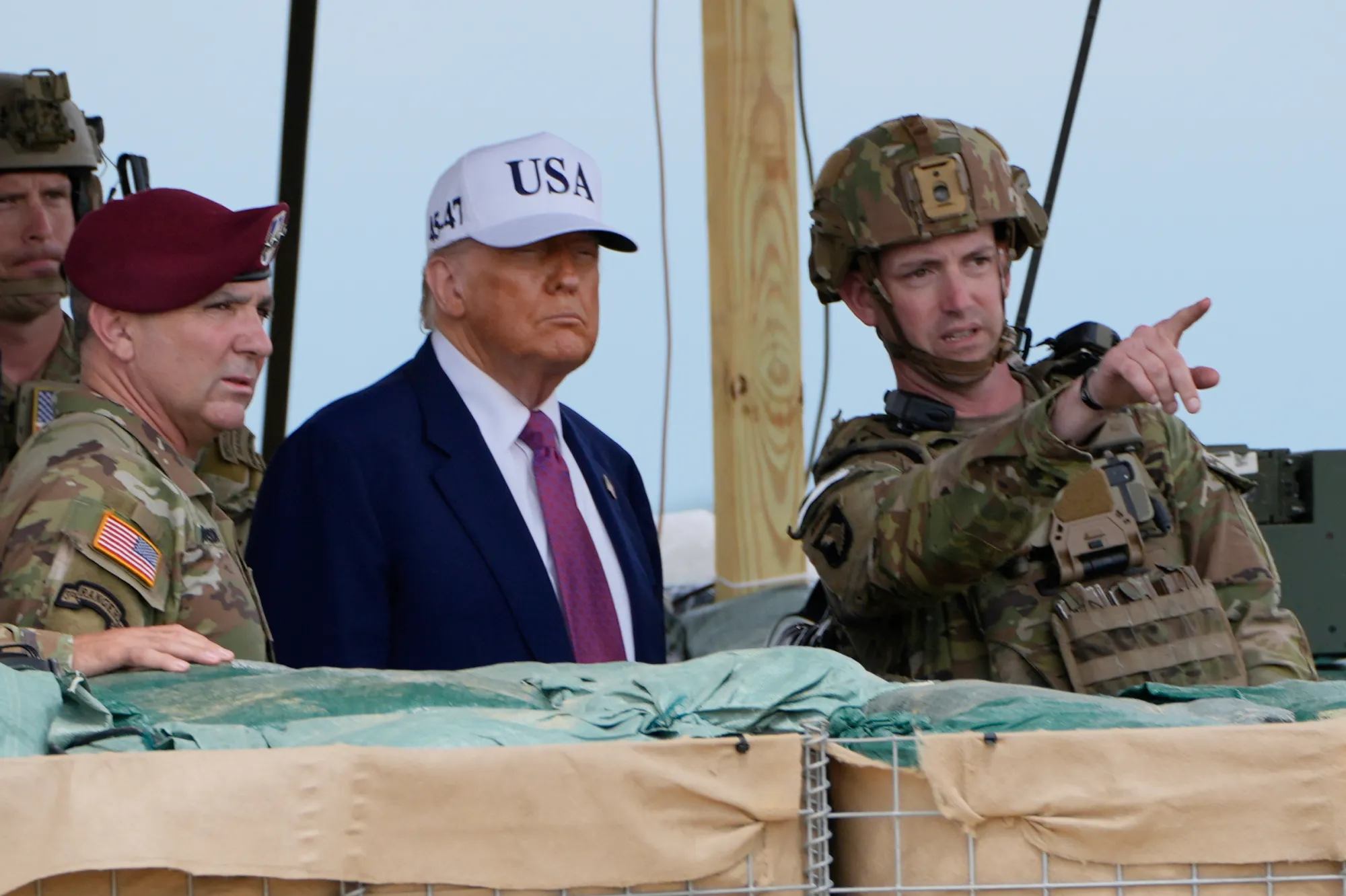
In an interview with Globalinfo.az, Irish political analyst Patrick Walsh argued that Donald Trump has no intention of sending U.S. troops to the South Caucasus. According to Walsh, Trump views the region primarily through a business lens, and the idea of a “Trump Bridge” would only be viable as a commercial project.
"I want to say that Ilham Aliyev speaks Russian a thousand times better than the vast majority of Russian nationalists."
The South Caucasus is undergoing a period of significant transformation that may define its trajectory for years to come.
Shazia Cheema analyzes the consequences of the Iran–Israel war, highlighting Tehran's strategic mistakes and the threat of a new confrontation with the United States.
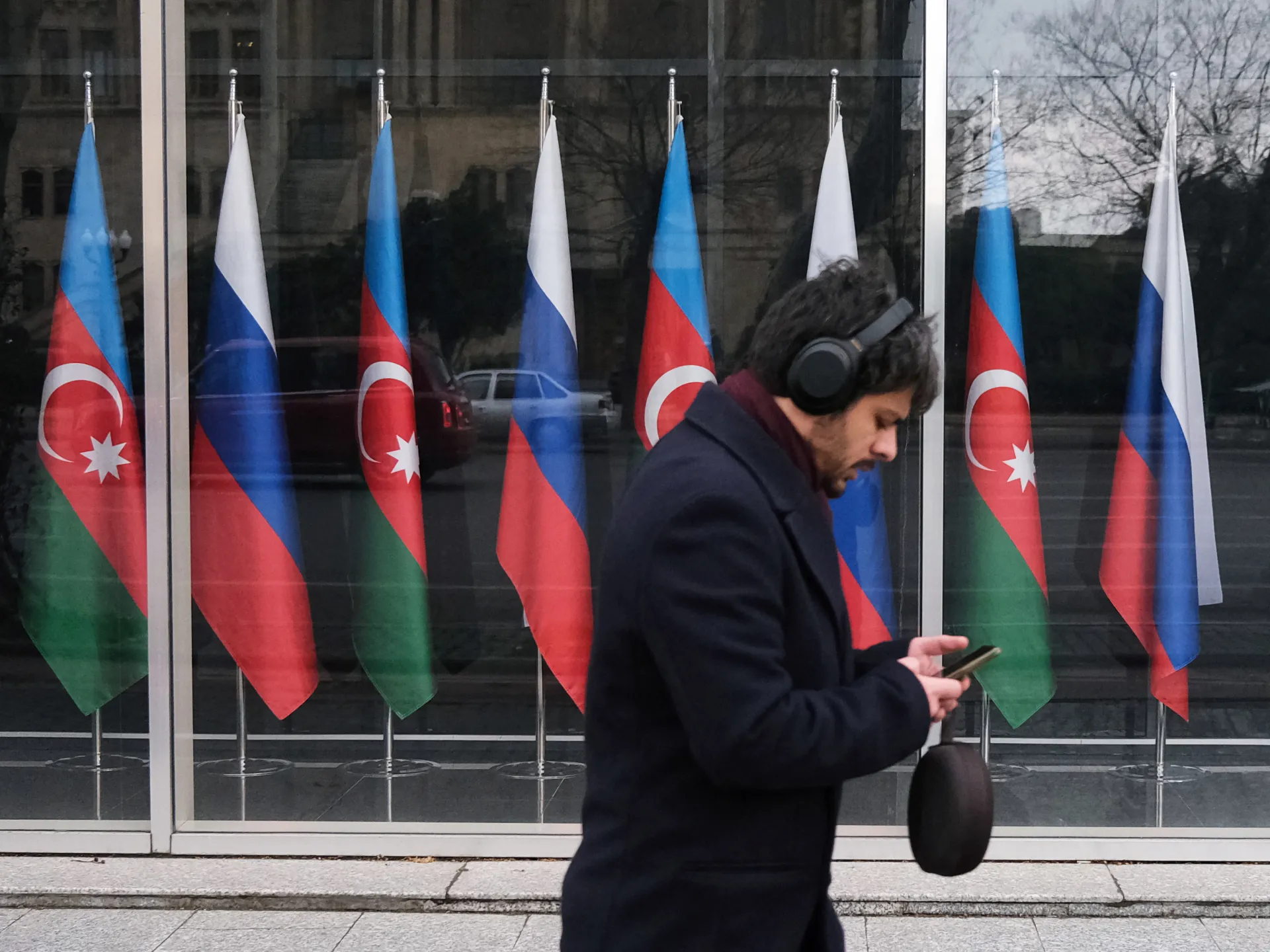
Amid rising tensions with Russia, Azerbaijan asserts sovereignty, deepens ties with the West and Turkey, advances the Zangezur Corridor, and hosts a symbolic ECO summit in liberated Karabakh, reshaping regional dynamics.
According to Hajiyev, nations in the region—particularly the Czech Republic and Slovakia—are traditional partners of Azerbaijan, bound by both historical and human ties.
Former U.S. Ambassador to Azerbaijan Matthew Bryza has weighed in on the recent developments that have intensified diplomatic and political tensions between Azerbaijan and Russia.
A nationalist campaign of hatred against non-Russians is gaining momentum in Russia—manifesting in physical and psychological violence, as well as pressure through political and socio-economic tools.

While this tactic may yield short-term political dividends, it risks destabilizing Russia in the long term, deepening ethnic and religious divides. In today’s world, framing ethnic and religious diversity as a threat only exacerbates societal fractures.
Mammadov emphasized that the military confrontation between Iran and Israel posed a serious threat to the South Caucasus region.
Iran’s geopolitical ambitions — especially its efforts to establish dominance in the Islamic world — have long relied on projecting itself as the main champion of Palestinian rights, taking on the burden of confrontation with Israel.
The world is currently experiencing a phase of global turbulence. The protracted war between Russia and Ukraine has evolved into one of the most devastating crises in Europe since World War II.
Ali Akbar Velayati, Advisor to the Supreme Leader of Iran on International Affairs, openly stated that it was allegedly Iran that “disrupted” the implementation of the Zangezur Corridor.
Relations between Azerbaijan and India have noticeably cooled in recent months. The reason lies in the growing ties between Baku and Islamabad — a longstanding and consistent ally of Azerbaijan and a traditional adversary of India.
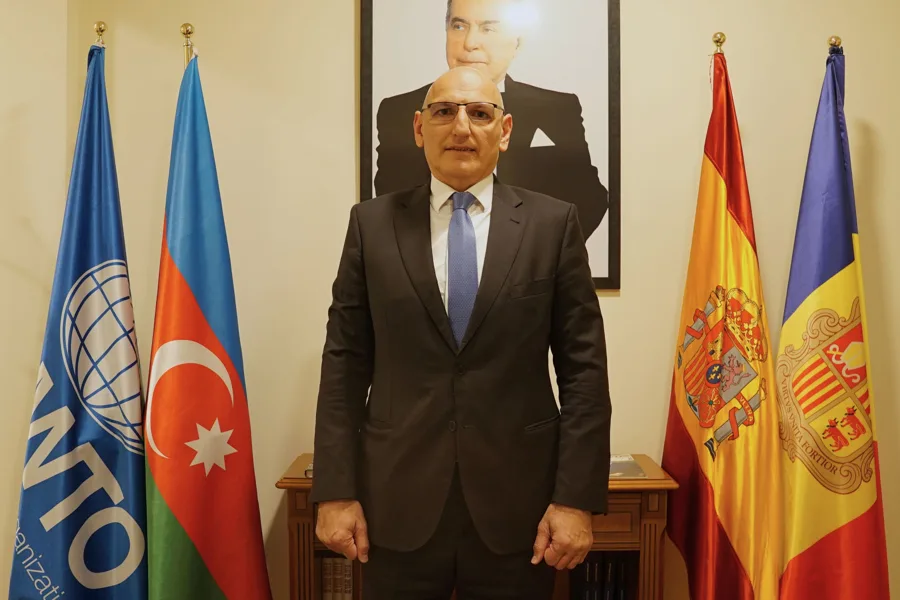
Speaking about relations with Russia, Amirbayov emphasized that Moscow respects Azerbaijan’s non-alignment policy.
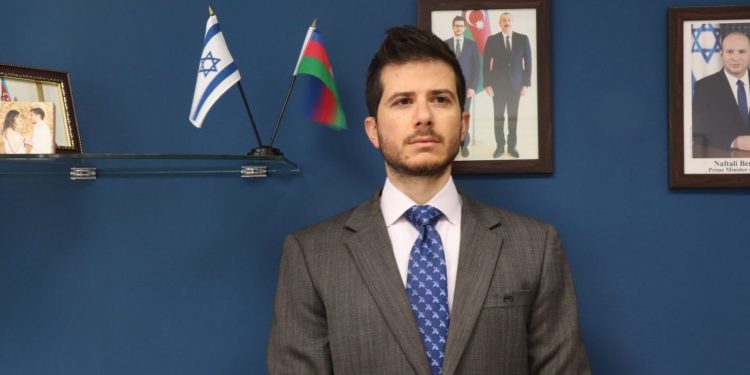
Amid the shifting geopolitical architecture of the Middle East and the South Caucasus, the strategic relations between Azerbaijan and Israel continue to grow rapidly.
"Digitalization in German healthcare is seriously lagging behind other sectors. Part of it is justified concern over data privacy – we’re talking about sensitive medical records."
It is not difficult to logically explain Moscow's actions. In my view, all of this stems from an attempt to imitate the United States—behaving as they please, expecting the world to accept that Russia is a superpower on par with the U.S. and China.
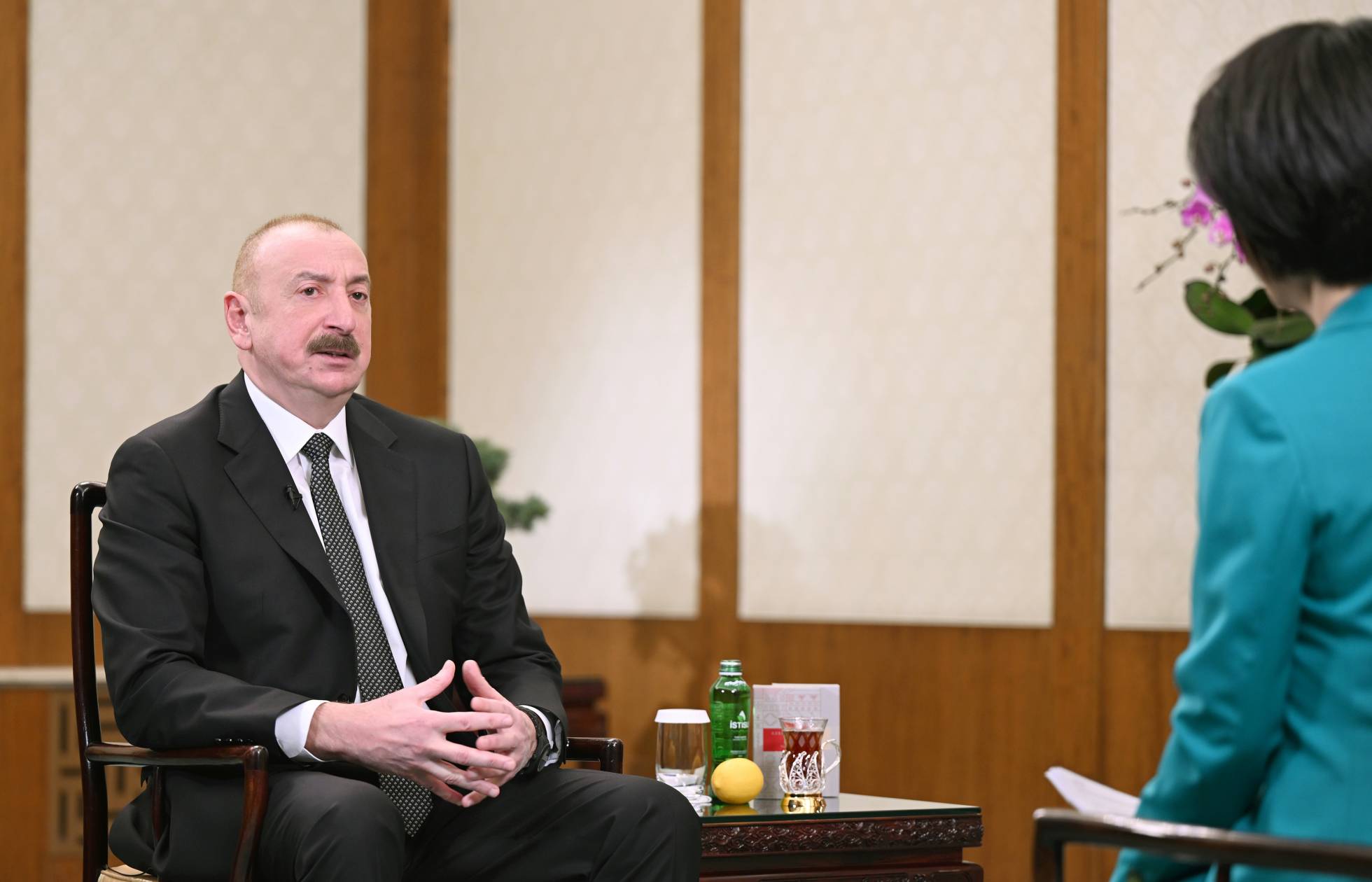
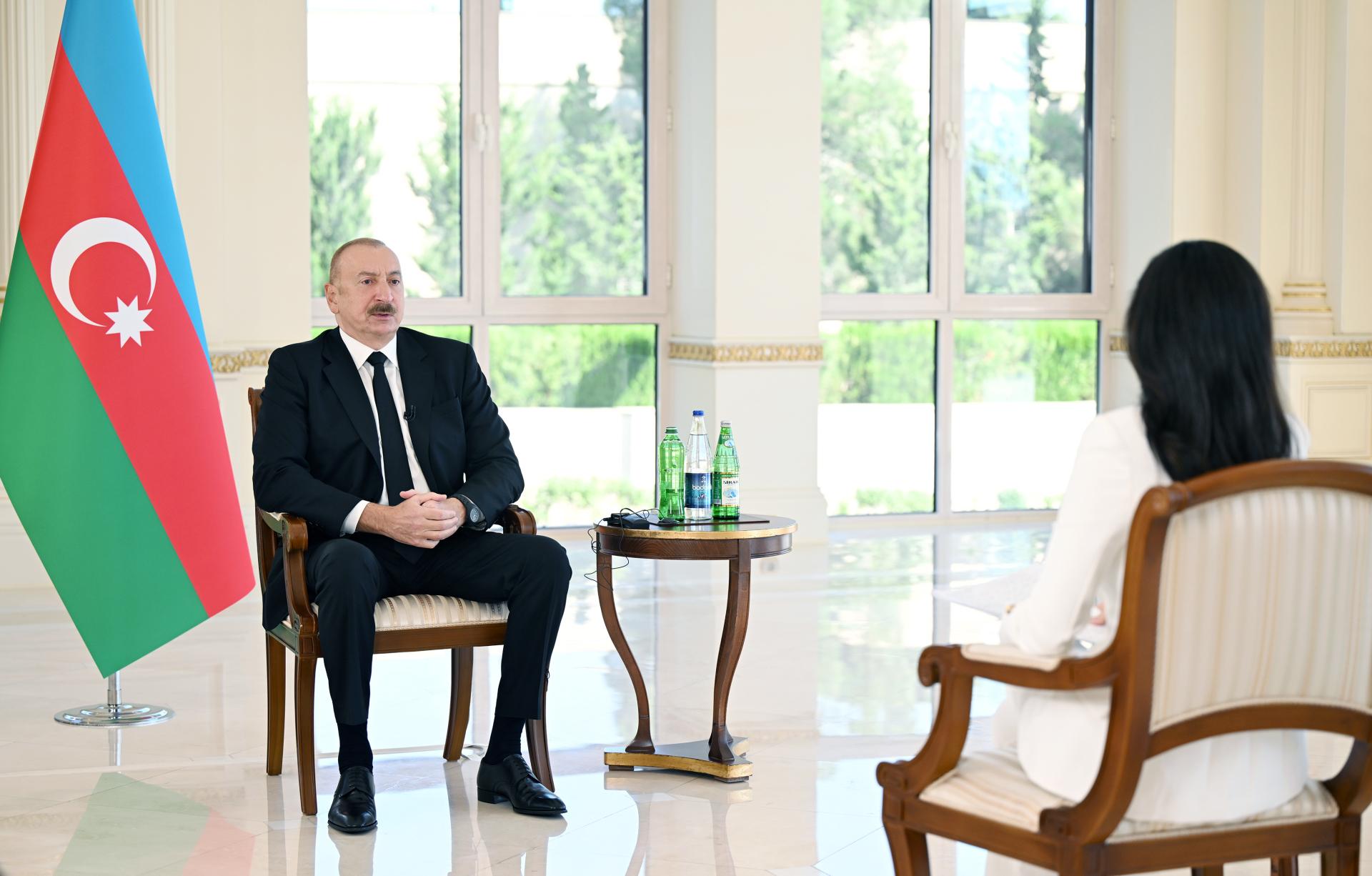
President of the Republic of Azerbaijan Ilham Aliyev was interviewed by China Global Television Network (CGTN) in Beijing.