The flare-up of hostilities last year in the so-called "frozen conflict" in Nagorno-Karabakh ended in a swift and decisive victory for Azerbaijan's forces.

The flare-up of hostilities last year in the so-called "frozen conflict" in Nagorno-Karabakh ended in a swift and decisive victory for Azerbaijan's forces.
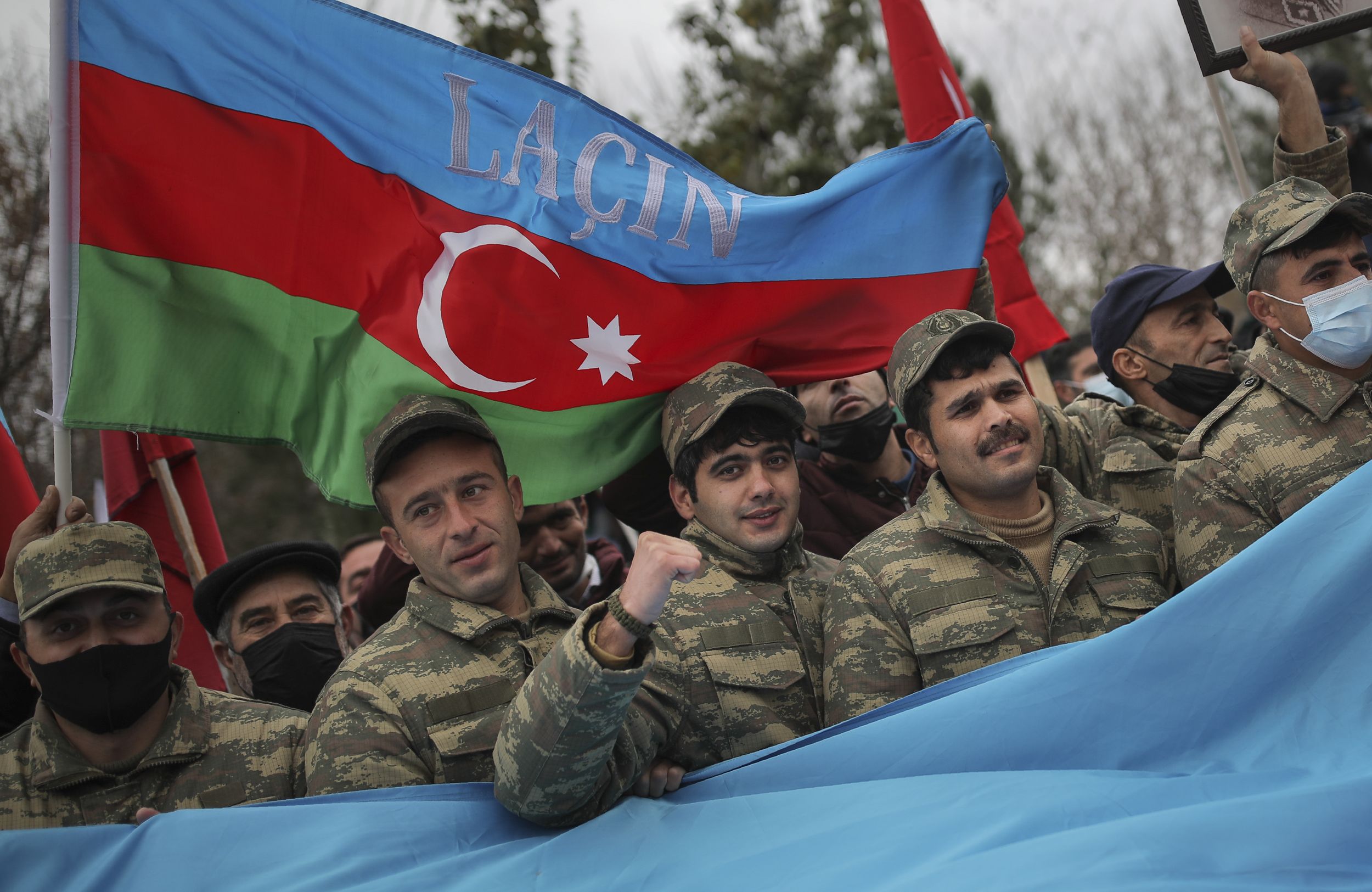
Above image recently submitted to the record is of an Azerbaijani grave that was disinterred during the Armenian occupation of Karabakh. The Karabakh conflict was not a hostile foreign invasion by Azerbaijan of Armenian territory, but was rather the ethnic cleansing by the Armenian government of a region that is internationally recognized as part of Azerbaijan but was once mutually occupied by Azerbaijanis and Armenians. Read more survivor testimony below to understand a further perspective of the conflict.
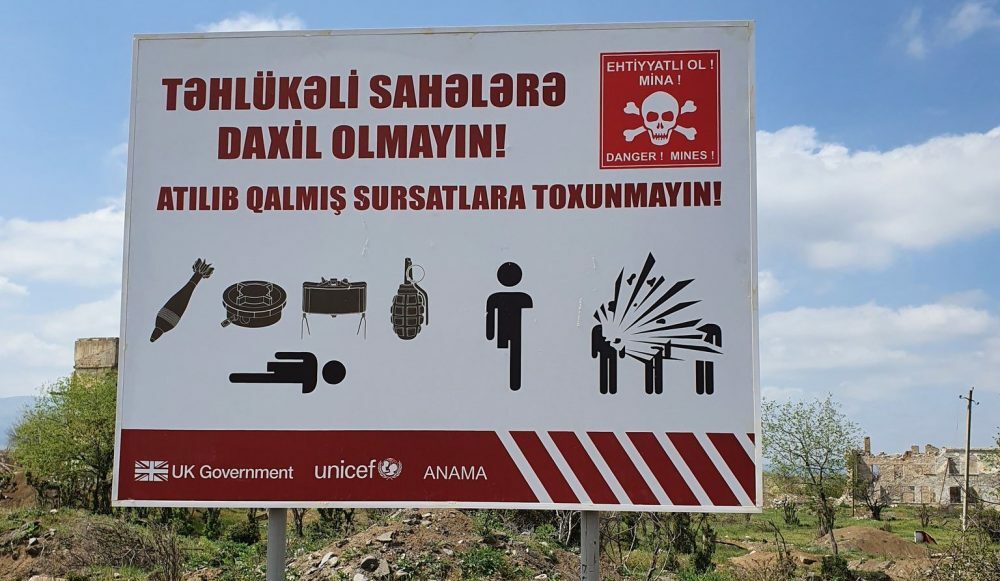
Armenia is adding to this legacy of indifference by refusing to provide maps of where it laid mines during the war and the retreat of its forces after the peace agreement. As a result, nobody outside of the country knows of the exact locations of all the minefields.
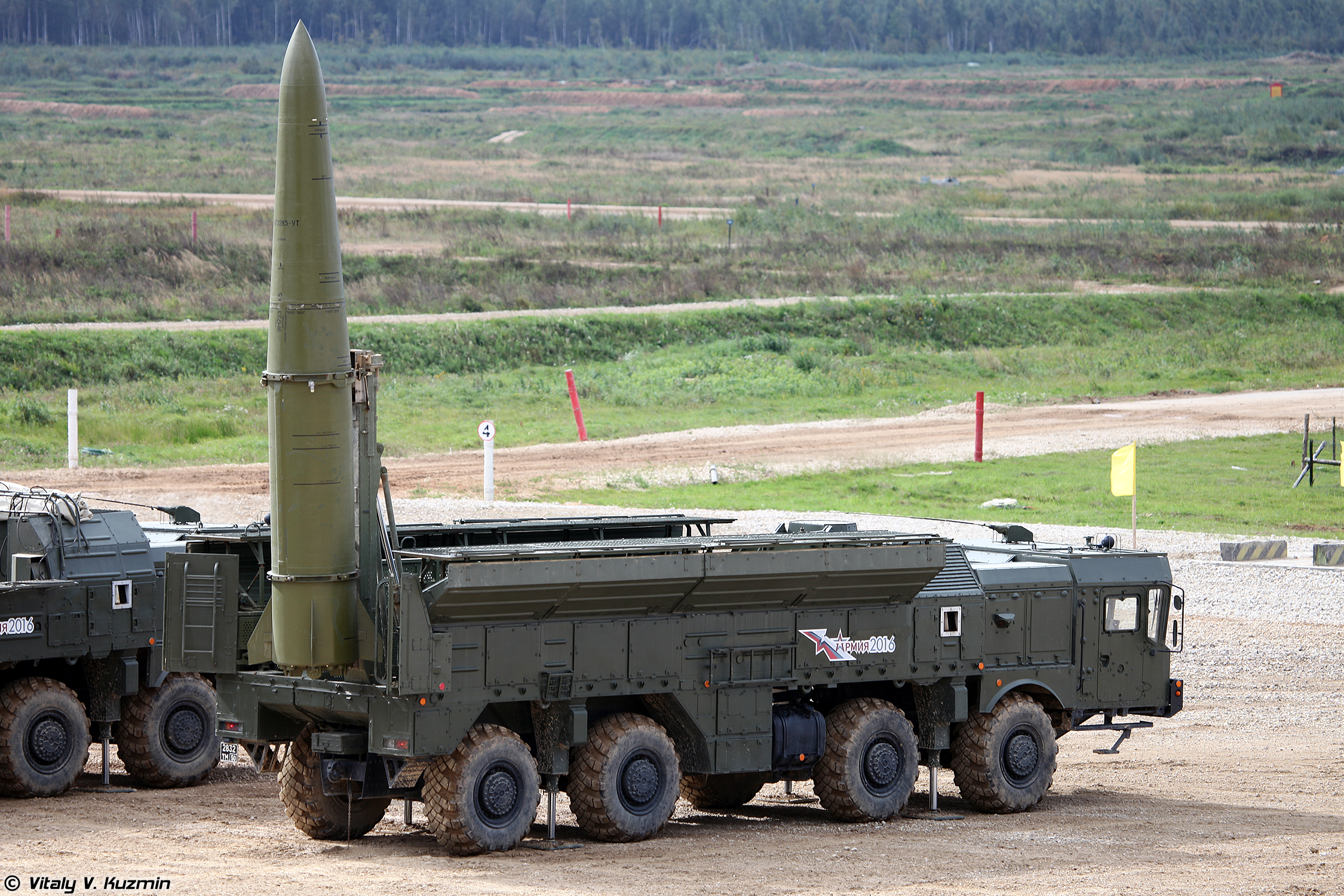
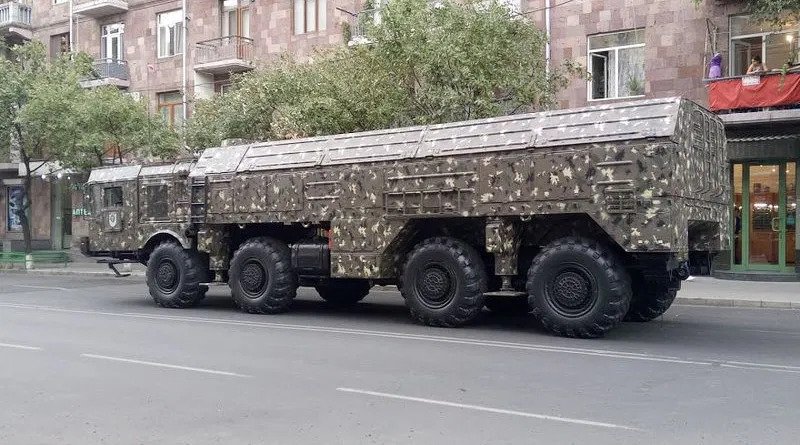
Following months of denial by Armenia, Azerbaijan, and Russia, Azerbaijan’s National Agency for Mine Action (ANAMA) provided evidence that suggests that Armenia used Russian-manufactured Iskander missiles during the Second Nagorno-Karabakh War.
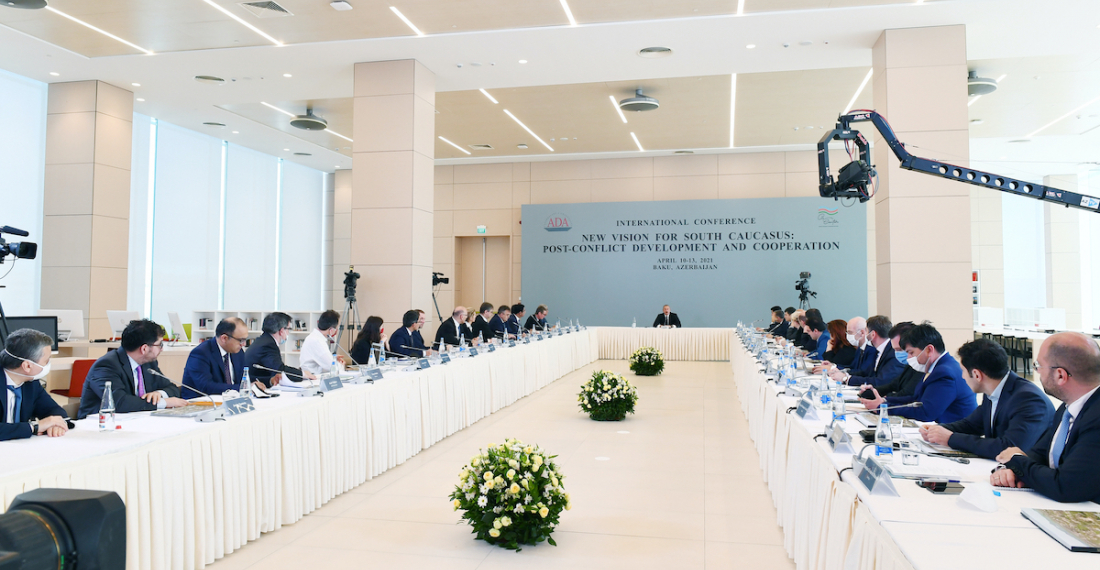
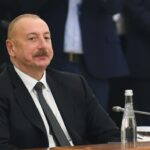
The president of Azerbaijan, Ilham Aliyev, on Tuesday, 13 April, addressed an international conference hosted by ADA University in Baku, titled, ‘New Vision for South Caucasus: Post-Conflict Development and Cooperation'.
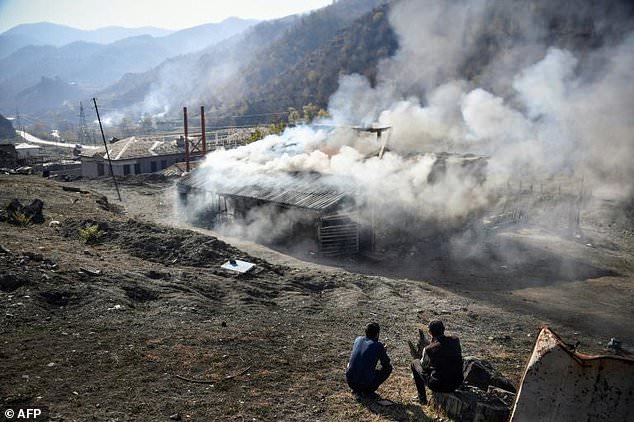
As a young woman in 1993, Azerbaijani Ramziya Sharifova waded across a river into Iran with her family to escape Armenian forces capturing her village, then watched as they burned it to the ground.
Legal norms are not static, they are constantly changing and evolving. This applies not only to domestic laws and resolutions, but also to the documents of international law. Thus, even the UN Charter, which is considered one of the essential documents of international law, has been interpreted and applied in different ways throughout its history. The interests and intentions of the great powers in particular have played an important role in this.
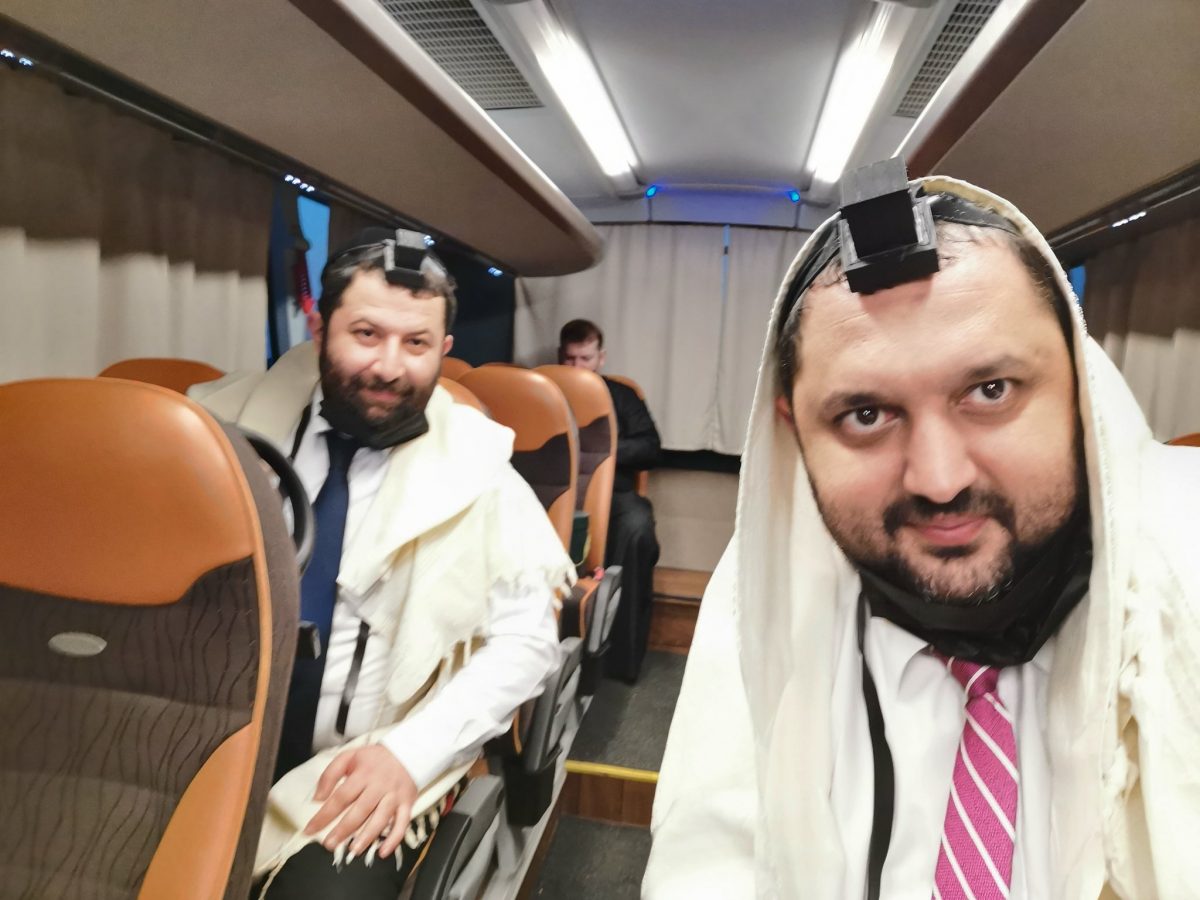
At the invitation of the Caucasian Muslims Office (CMD), headed by its spiritual leader Allahshukur Pashazade, representatives of all major confessions of Azerbaijan visited the city of Aghdam, liberated from occupation. I was also among the guests.
The Second Karabakh War between Armenia and Azerbaijan changed geo-political situation in the South Caucasus. It is very important to underline that after the Armenian defeat in the April 2016 War, when Azerbaijani army liberated the strategically important hill Lala-Tepe, Armenia’s top military leaders strived to regain lost positions rather than accept new realities.
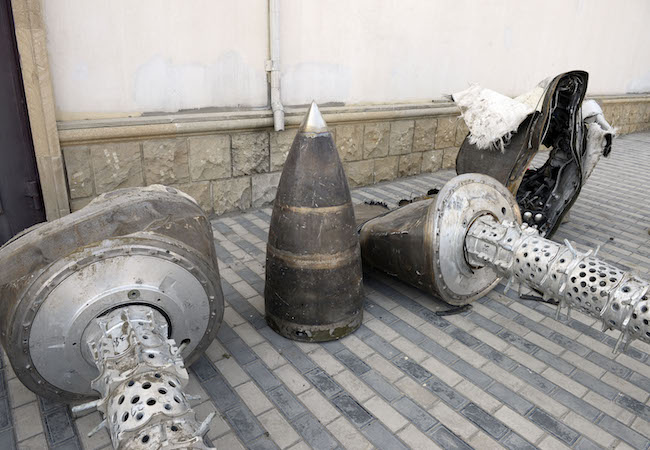
Hours before the signing of ceasefire agreement between Armenia and Azerbaijan on November 9, the Azerbaijani media reported of a large blast in the town of Khirdalan in the outskirts of Baku.

On April 2, Joshua Kucera, a contributor for Eurasia.net news, wrote in his Post-War report regarding the changing terminology for Karabakh. Previously, Karabakh was referred to as “Nagorno-Karabakh” a Soviet-era name for the mountain enclave that is located in a landlocked position between Armenia and Azerbaijan and is a liberated territory of Azerbaijan proper.
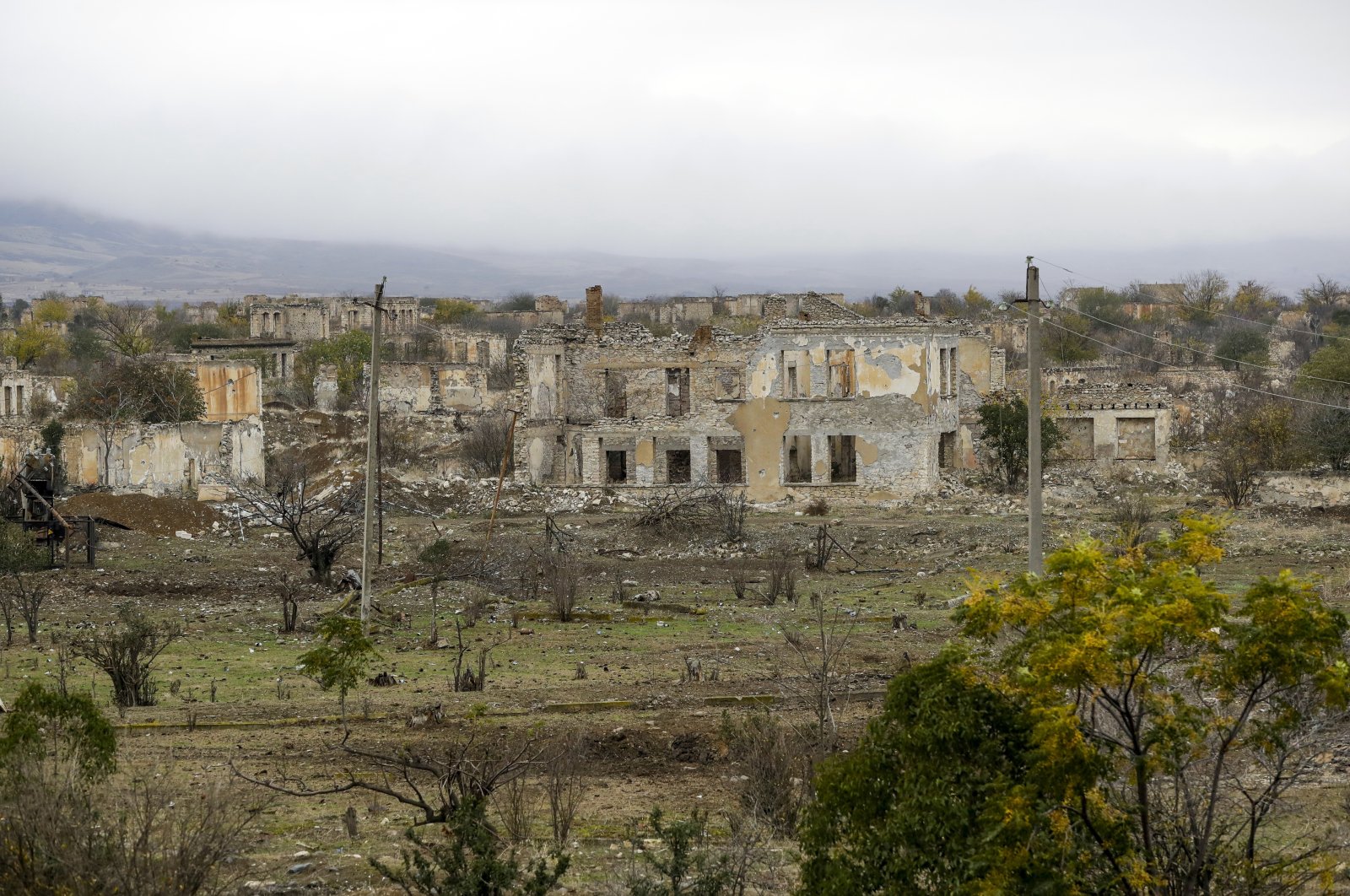
Liberated after a 30-year occupation, the Nagorno-Karabakh region is set to undergo a complete transformation, from infrastructure to roads and hospitals, with Turkish contractors set to play a key role in the process, according to an investment bank CEO.
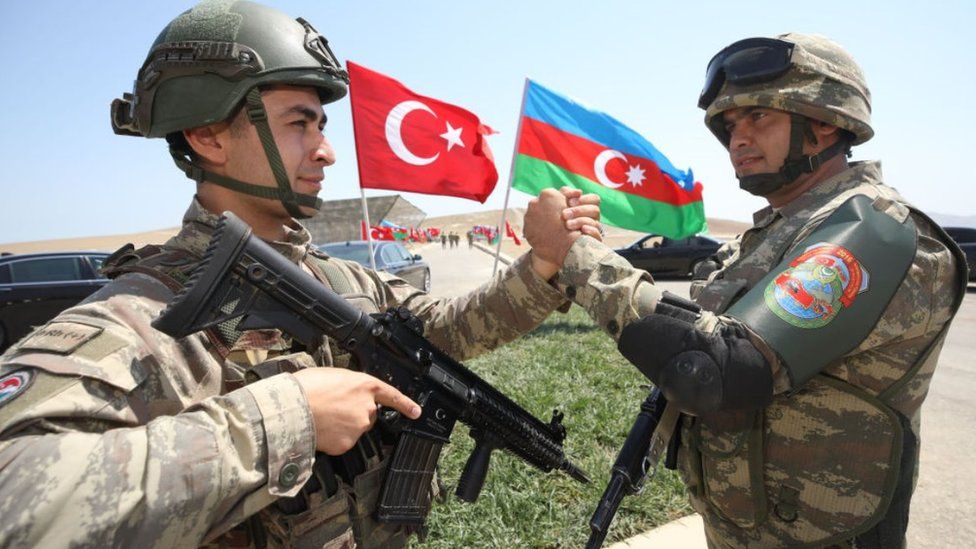
As mediator in the Nagorno-Karabakh conflict, Russia has sought to maintain influence in Azerbaijan and Armenia following the collapse of the Soviet Union. In pursuing a strategy based on balancing competing Armenian-Azerbaijani interests over the disputed territory, Moscow is able to wield leverage in the South Caucasus without antagonising either Baku or Yerevan.
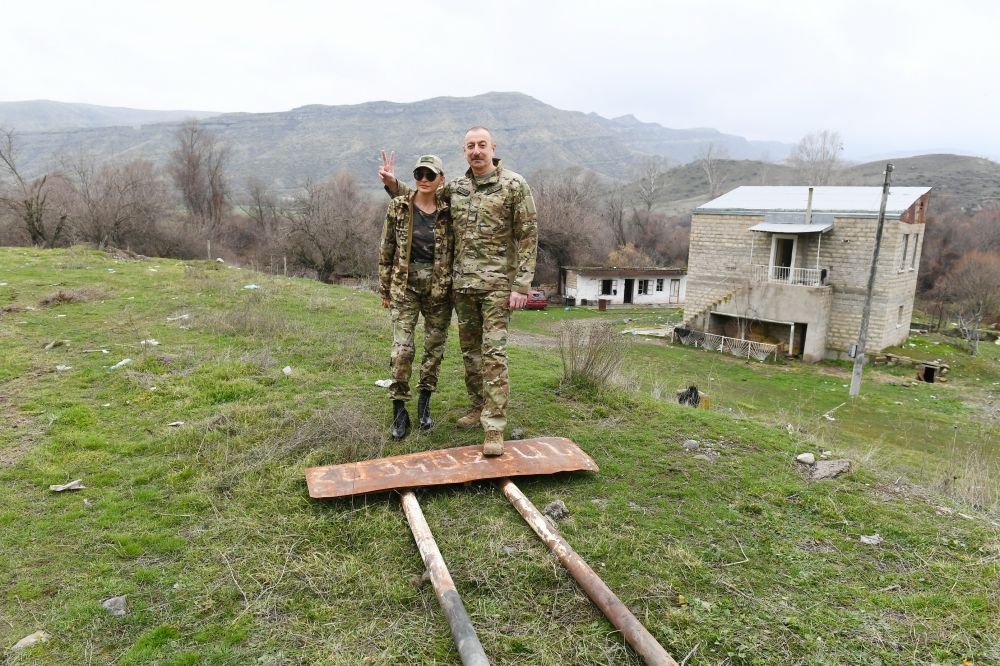
What’s in a name? Azerbaijan’s decision to stop using the name “Nagorno-Karabakh” is the latest chapter in the long history of contested terminology in the region. Weekly Post-War Report from Eurasianet.
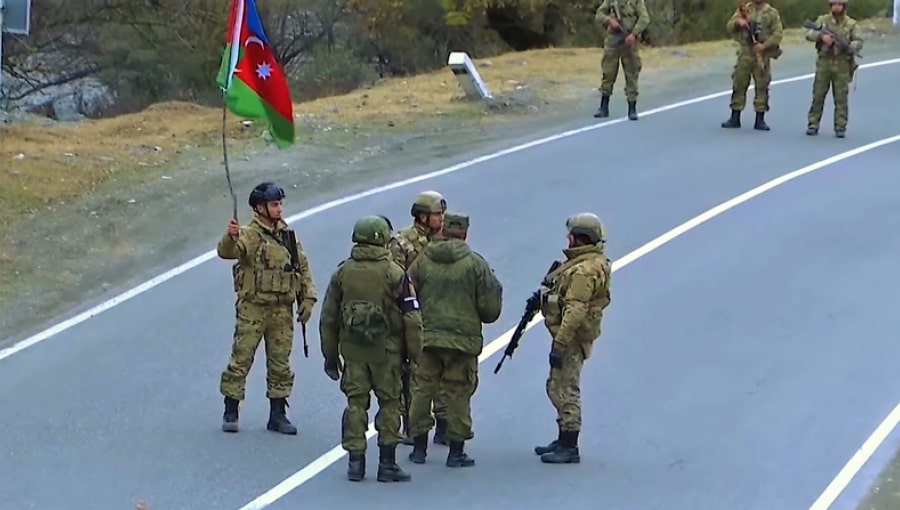
The roots of conflicts in the post-Soviet space, which have not been resolved for a long time, go back to the period of the collapse of the Soviet Union.
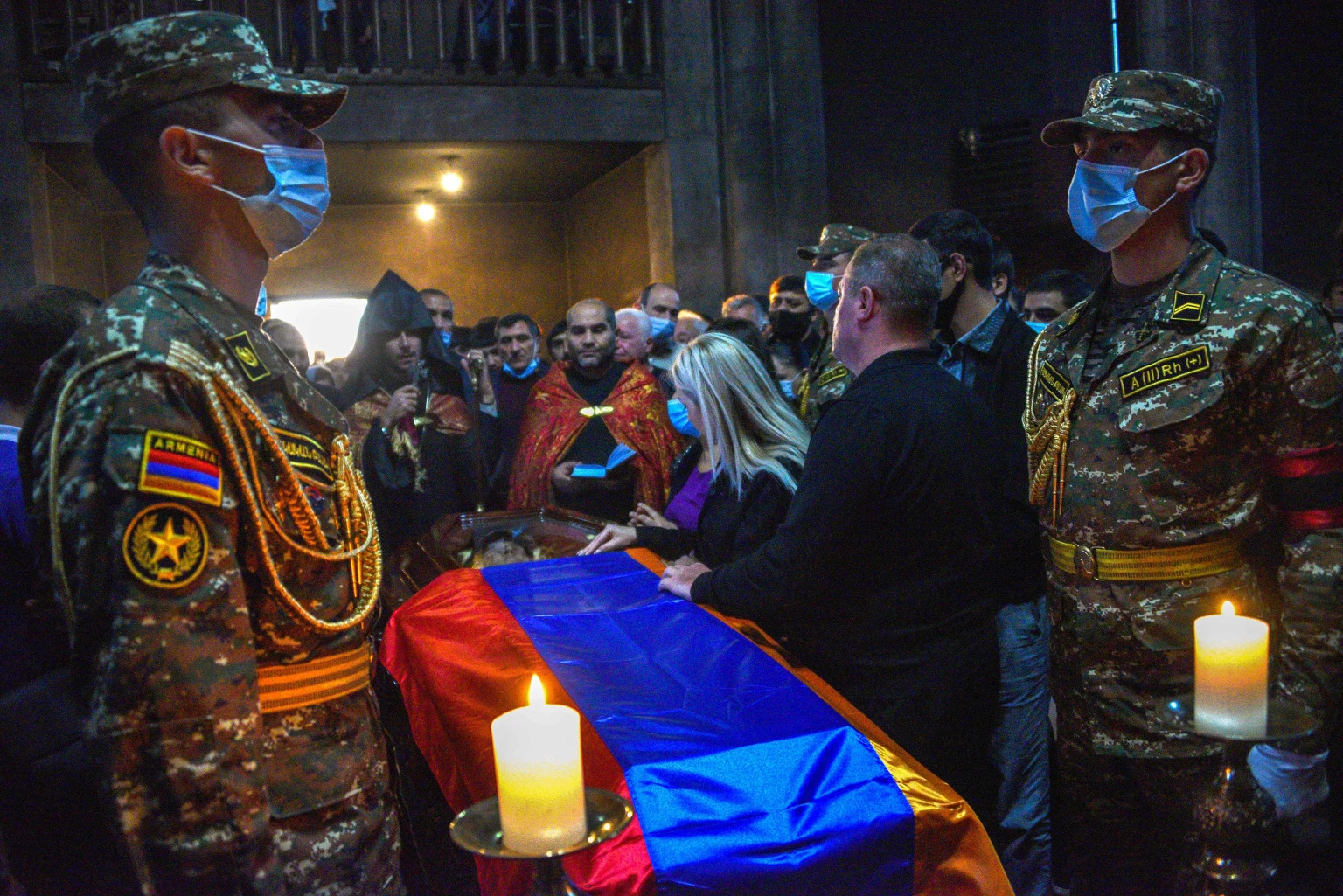
Four steps Washington can take to facilitate a lasting end to the conflict.
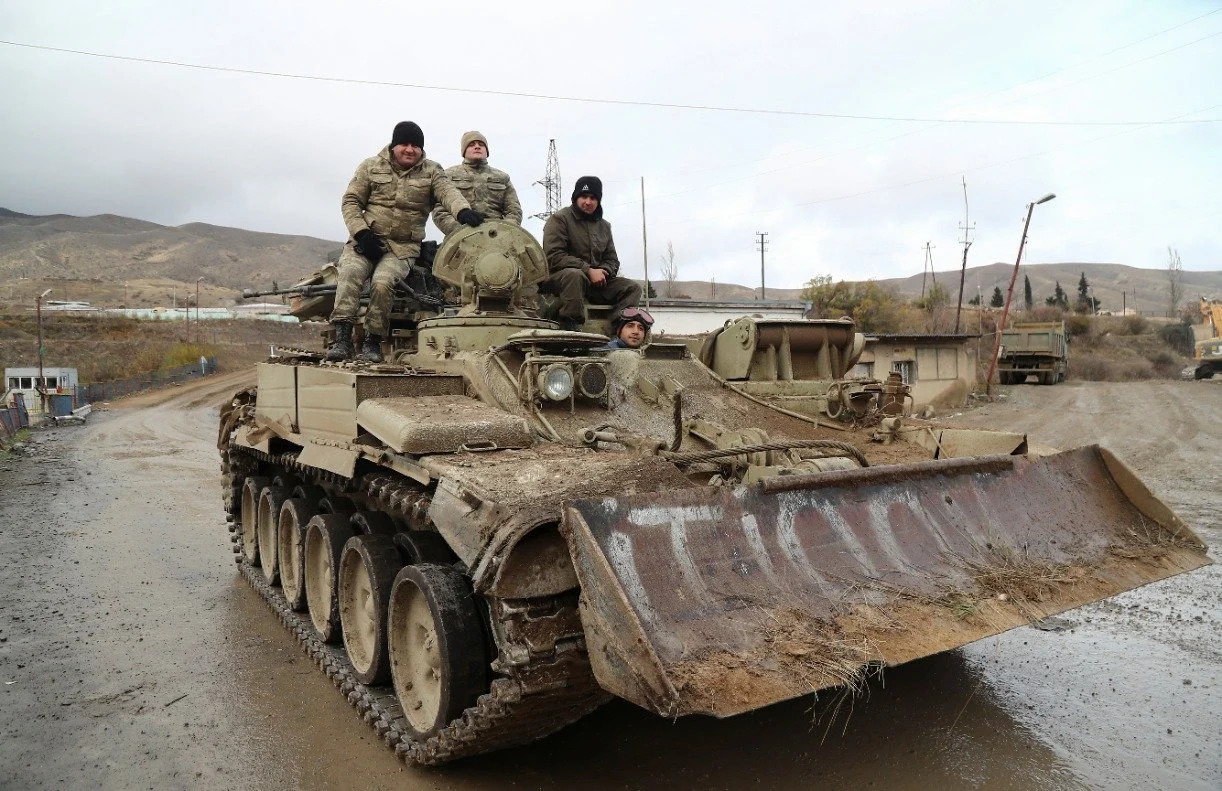
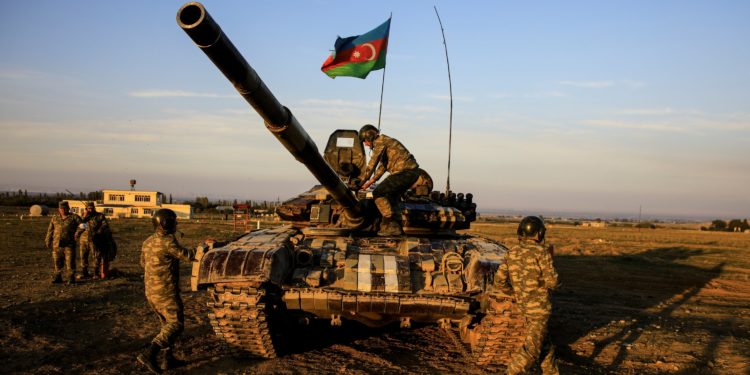
The Second Karabakh War between Armenia and Azerbaijan changed the status quo in a protracted conflict that has lasted for decades. As a result of successful military operations, the Azerbaijani army liberated several districts and villages, including the cultural capital of Azerbaijan, Shusha city.
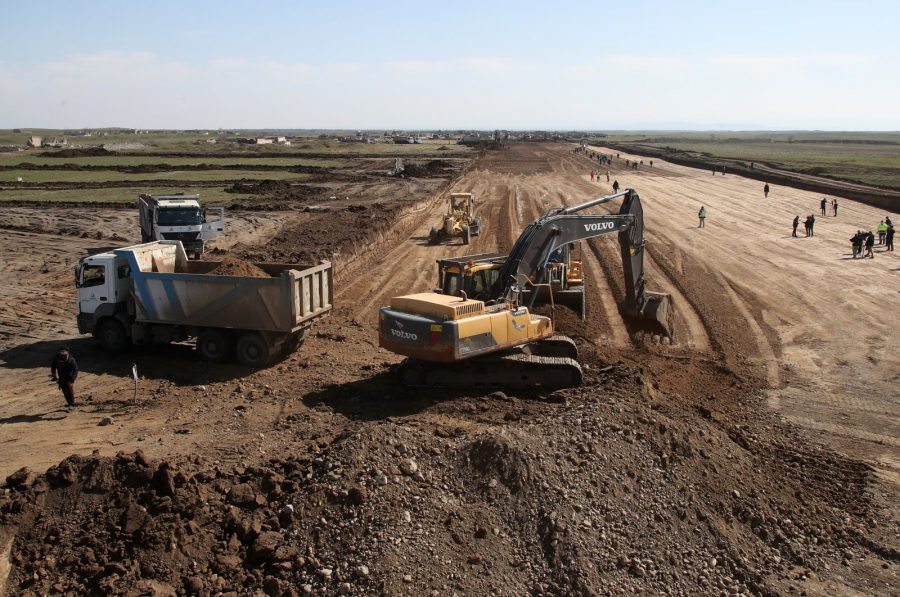
After the peace agreement between Armenia and Azerbaijan in November 2020, the latter immediately set to work on the decontamination, reconstruction, rehabilitation and reintegration of liberated Karabakh, which had suffered enormous destruction over the course of the Armenian occupation over the last 30 years.
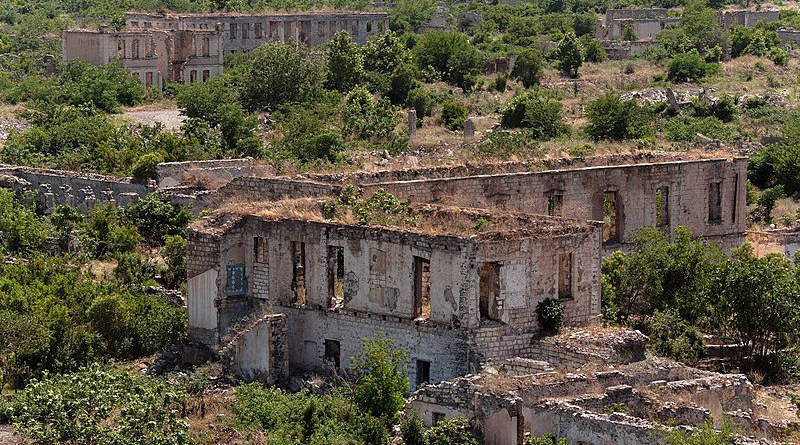
The signing of the trilateral declaration on 10 November of 2020 between the leaders of Russia, Azerbaijan and Armenia ended “The Second Karabakh War”, which led to the restoration of the territorial integrity of Azerbaijan.
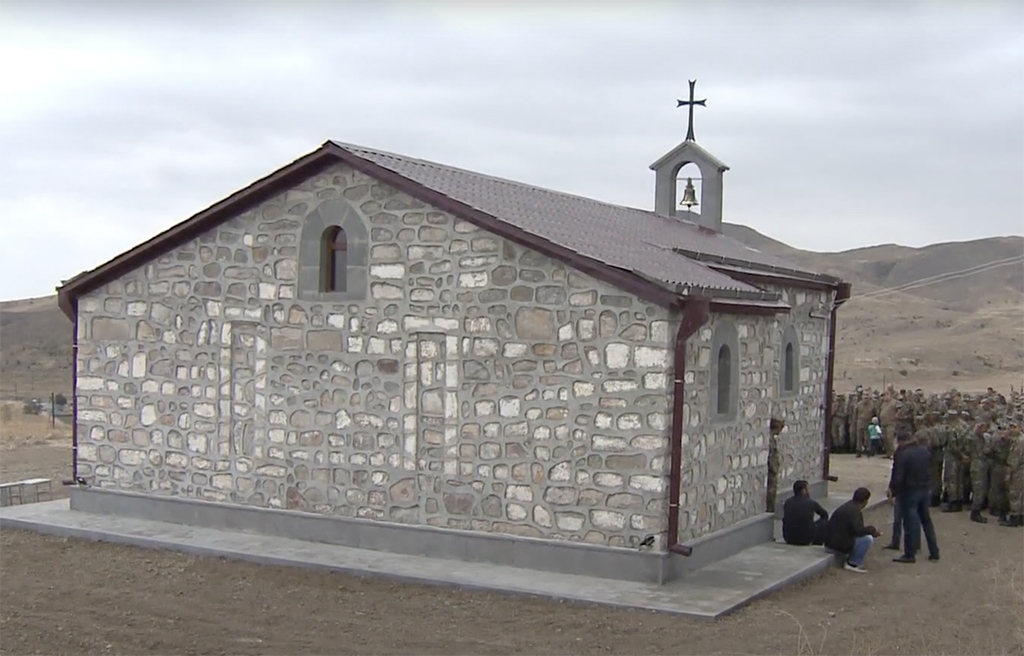
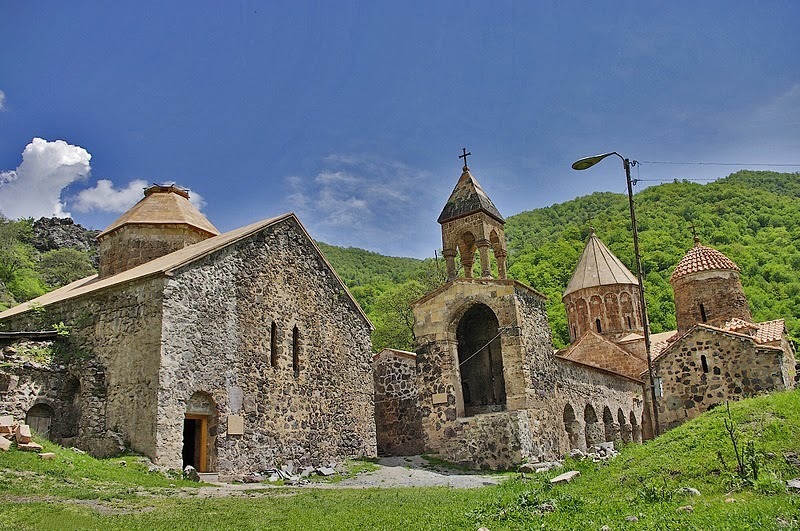
Amid heightened concerns about the fate of historic cultural heritage sites in Karabakh comes news that Azerbaijan has razed a three-year-old Armenian church. Our weekly Post-War Report.
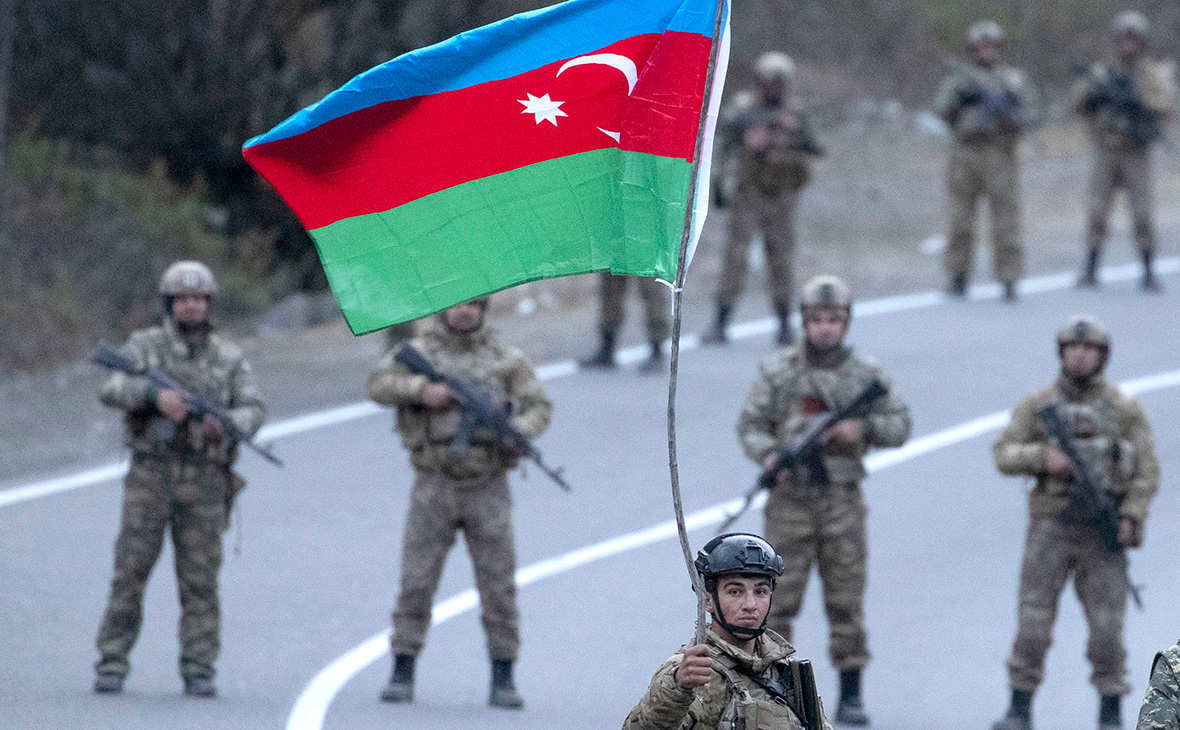
The six-week Nagorno-Karabakh war, fought through the Autumn of 2020, may have been principally of local significance politically, but highlights changes in the viability of the use of force as an instrument of statecraft in a new era of great power competition.
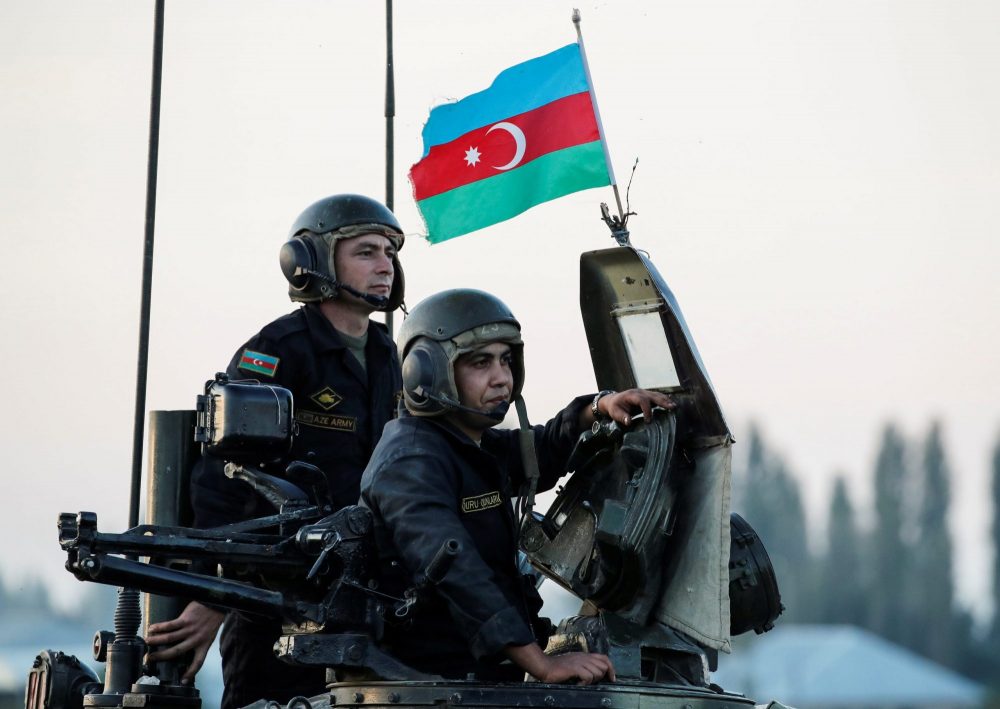
The world is experiencing a deep crisis—no need to go into details, this is common knowledge. In addition to the major consequences of the pandemic, the crisis has already penetrated deep into the political, financial, social and humanitarian areas of life.
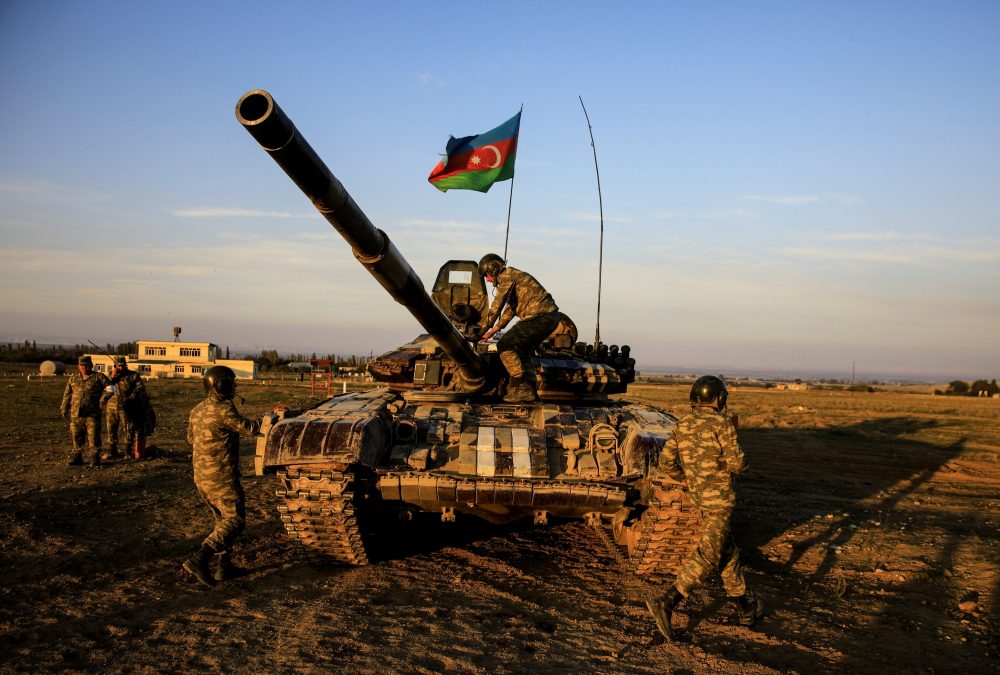
In the Caucasus (south of Russia, north of Turkey), Azerbaijan held a Victory Parade on December 10th 2020 to celebrate their victory over Armenia in a 44-day war the enabled the Azeris to regain about half of the disputed (since 1991) Nagorno-Karabakh territory.
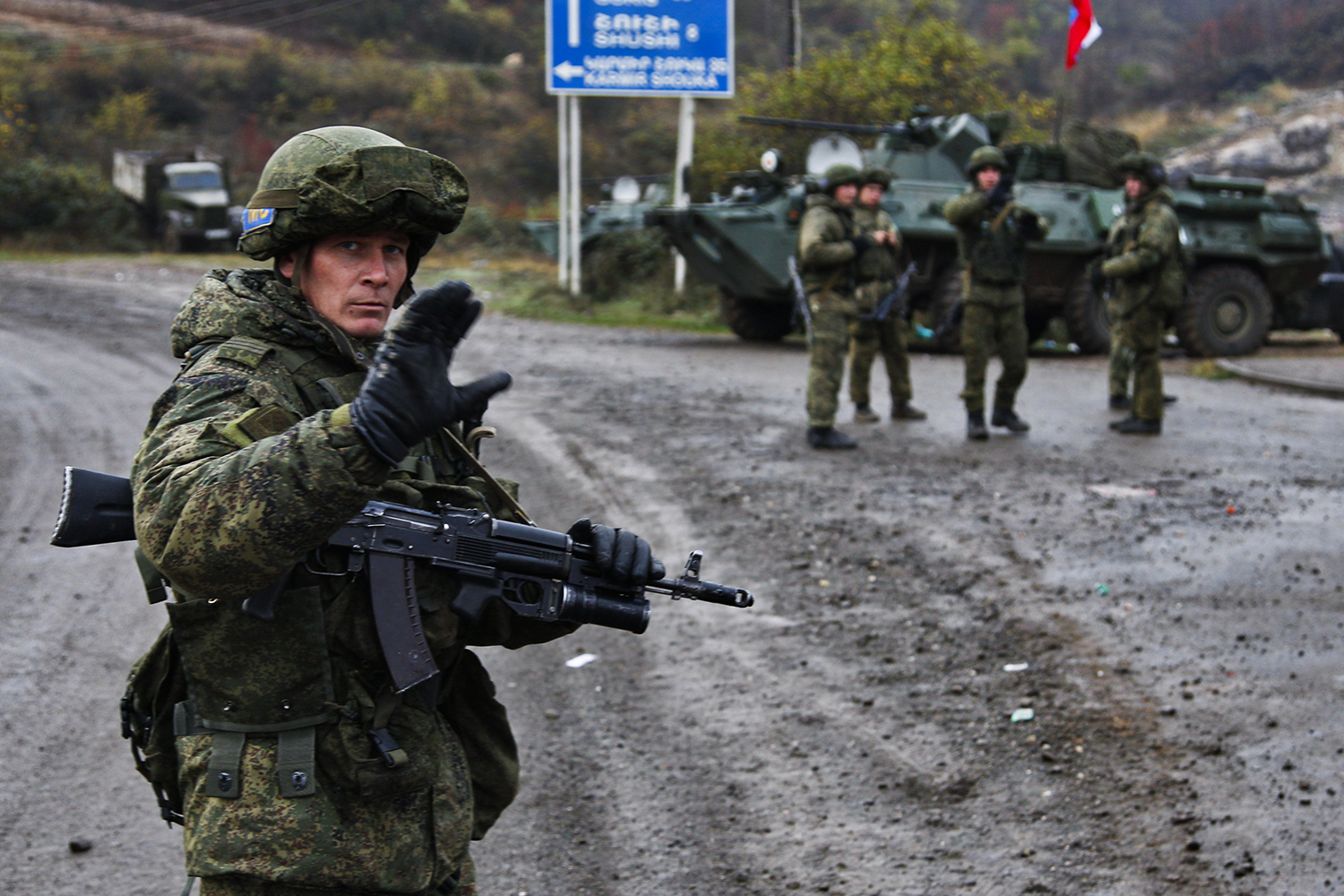
Without making any formal arrangements, therefore, Russia has become the real and recognized guarantor of Upper Karabakh’s security.