
Now Reading: Devil’s advocate: Paris continues to fight Azerbaijan’s victory
-
01
Devil’s advocate: Paris continues to fight Azerbaijan’s victory
Devil’s advocate: Paris continues to fight Azerbaijan’s victory

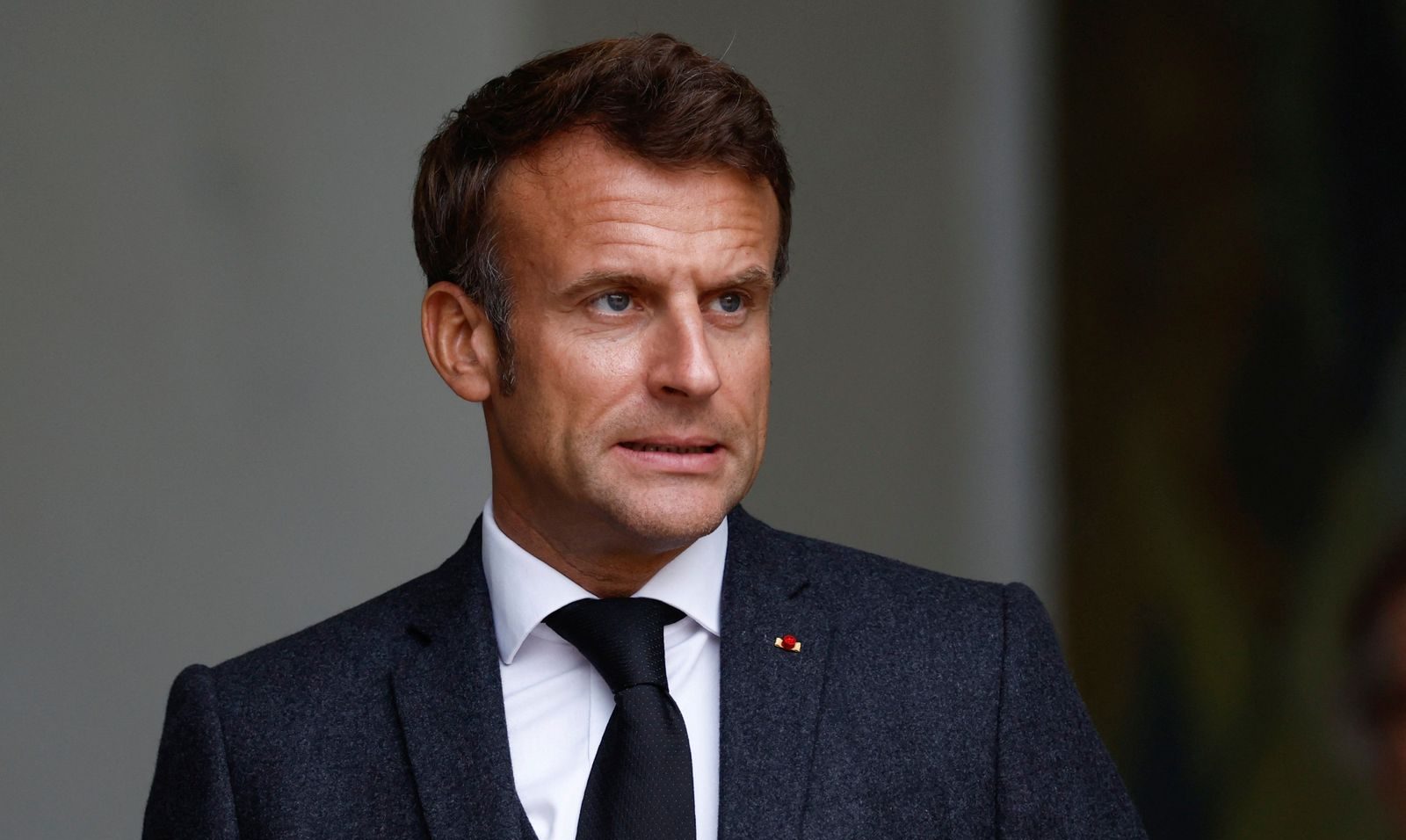
Official Paris has once again started talking about “Nagorno-Karabakh,” as if nothing had happened in recent years. France continues stubbornly to pretend that there were no decisions of international law, no restoration by Azerbaijan of its own sovereignty, no collapse of a thirty-year occupation, and no defeat of a gang of separatists. The recent statement by French Foreign Minister Jean-Noël Barrot only confirmed what Baku has been saying for a long time: France has finally lost even the appearance of neutrality and has turned into one of the main political lobbyists of the Armenian agenda in Europe.
It is no coincidence that official Baku reacted to Paris’s statements extremely harshly. Azerbaijani Foreign Ministry spokesperson Aykhan Hajizada stressed that the French minister’s use of the expression “Nagorno-Karabakh” in reference to Azerbaijan’s Karabakh region is unacceptable. The ministry recalled that Azerbaijan waged a just war on its sovereign territories in full accordance with international law, while the current provocative statements by the French side call into question Azerbaijan’s sovereignty over its own territories.
What is most revealing in this illogical political consistency is that Paris continues to use terminology that directly contradicts international law and France’s own official position as a state that recognizes the territorial integrity of Azerbaijan. Mr. Barrot, as the face of French diplomacy, through his ignorant outbursts aimed at pleasing Armenian ears, calmly ignores the positions of the UN, the Council of Europe, the OSCE, and all international institutions. Paris’s statements demonstrate that, for French officials, diplomats, and politicians, international law is merely a tool to be applied selectively.
During the 44-day war, France effectively took Armenia’s side, even though it was a co-chair of the OSCE Minsk Group and was obliged to maintain neutrality and work toward conflict settlement. Instead of observing all the requirements of a co-chair, Paris churned out political statements accusing Azerbaijan of “aggression” on its own territory. In November 2020, the French Senate adopted, by 305 votes to one, a resolution calling for the recognition of the so-called Nagorno-Karabakh Republic. The document accused Azerbaijan of “aggression” and effectively called on Baku to give up the liberated territories.
Frankly speaking, this looked not merely like diplomatic bias, but like an outright political farce, in which a permanent member of the UN Security Council effectively supported a separatist project on the territory of another country — a country whose borders France itself officially recognizes.
Even more absurd were Paris’s constant attempts to present Armenia as a “victim,” although it was the Armenian occupation that lasted almost 30 years. It is worth noting that throughout all those years, France preferred not to notice the destroyed Azerbaijani cities, the towns of Aghdam, Fuzuli, Jabrayil, and Zangilan wiped off the face of the earth. Paris remained stubbornly silent when mosques, cemeteries, and historical monuments of Azerbaijan were destroyed in the occupied territories. Not a single French minister staged a fit of indignation over looted museums and settlements turned into ruins. And yet Armenia continued to be presented as the “victim.”
Today, however, French politicians have suddenly remembered “cultural heritage.” This is a classic example of double standards. When the Armenian occupation was accompanied by the systematic destruction of Azerbaijani heritage, Paris maintained a convenient silence. When Azerbaijan began restoring control over its own territory, France started speaking in the language of ultimatums, threats, and accusations.
French hypocrisy is given a special touch by this country’s attempts to hide behind a “humanitarian agenda.” Paris, which for decades made little effort to secure the implementation of four UN Security Council resolutions demanding the withdrawal of Armenian forces from Azerbaijan’s occupied territories, and which in every possible way obstructed the adoption of sanctions against the aggressor, Armenia, suddenly began, at the moment when justice prevailed and the seized lands returned under Azerbaijan’s control, to shriek about the rights of Karabakh Armenians and to put forward demands for the preservation of some unprecedented cultural and historical heritage of the Armenian people.
No one will be able to point to even one loud French campaign or act of pressure in the name of justice in favor of Azerbaijan. But here, all at once, there were resolutions, reports, demands, and official statements — in short, the whole ungentlemanly toolkit was hastily brought out.
Baku independently implemented the norms of international law, while France, which suddenly became the chief “defender of justice,” may now ride off into the sunset, to its own benefit.
Macron and his entourage constantly accuse Azerbaijan, but avoid talking about their own internal degradation. France today is experiencing a severe political and social crisis: mass unrest, rising crime, migration chaos, outbreaks of violence in the suburbs, and record levels of distrust toward the authorities. Paris, Marseille, and Lyon regularly turn into arenas of street clashes, while French police no longer control entire areas. But instead of dealing with domestic problems, French politicians prefer to play geopolitics in the South Caucasus, posing as virtuous figures who have suddenly become deeply concerned about the fate of the destitute and the miserable.
Incidentally, the Armenian lobby plays a special role here, having long been successfully embedded in the French political system. It is domestic electoral calculations that largely explain Paris’s anti-Azerbaijani rhetoric. The French authorities are trying to score political points on the Armenian issue, sacrificing the watery remnants of their diplomatic reputation.
France is no longer perceived as an honest mediator. After all the resolutions, statements, and open pressure, Paris has finally lost Baku’s trust. And this is the natural outcome of a policy built not on international law, but on emotions, cheap populism, lobbying, and post-colonial arrogance.
Whatever shouts may be heard from Europe’s cradle of revolution, the history of Karabakh has already closed the main question: Azerbaijan has restored its territorial integrity. And no resolutions of the French Senate, no statements by Barrot or Macron, can change this immutable fact.
Alla Zeydullayeva
Related Posts

Previous Post
Next Post

- Aliyev says Turkic world is emerging as a major center of influence

- Baku hosts Turkic World Week honouring landmark 1926 Turkological Congress

- EU envoy holds talks in Baku ahead of high-level engagement with South Caucasus
- Europe must not lose Azerbaijan: Oleksiy Goncharenko on the risks of confrontation between Baku and the Council of Europe

- A leader forged by patience and victory