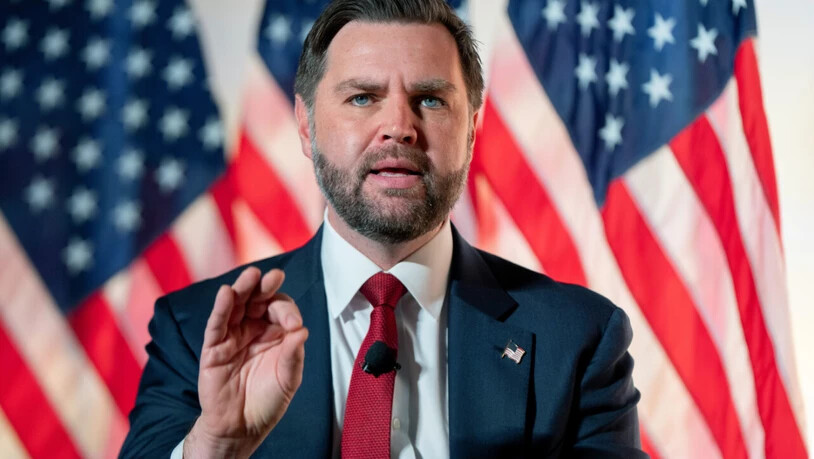
Perhaps the most widely discussed event in the region and beyond today is the upcoming visit of U.S. Vice President J.D. Vance to Yerevan and Baku.


Perhaps the most widely discussed event in the region and beyond today is the upcoming visit of U.S. Vice President J.D. Vance to Yerevan and Baku.
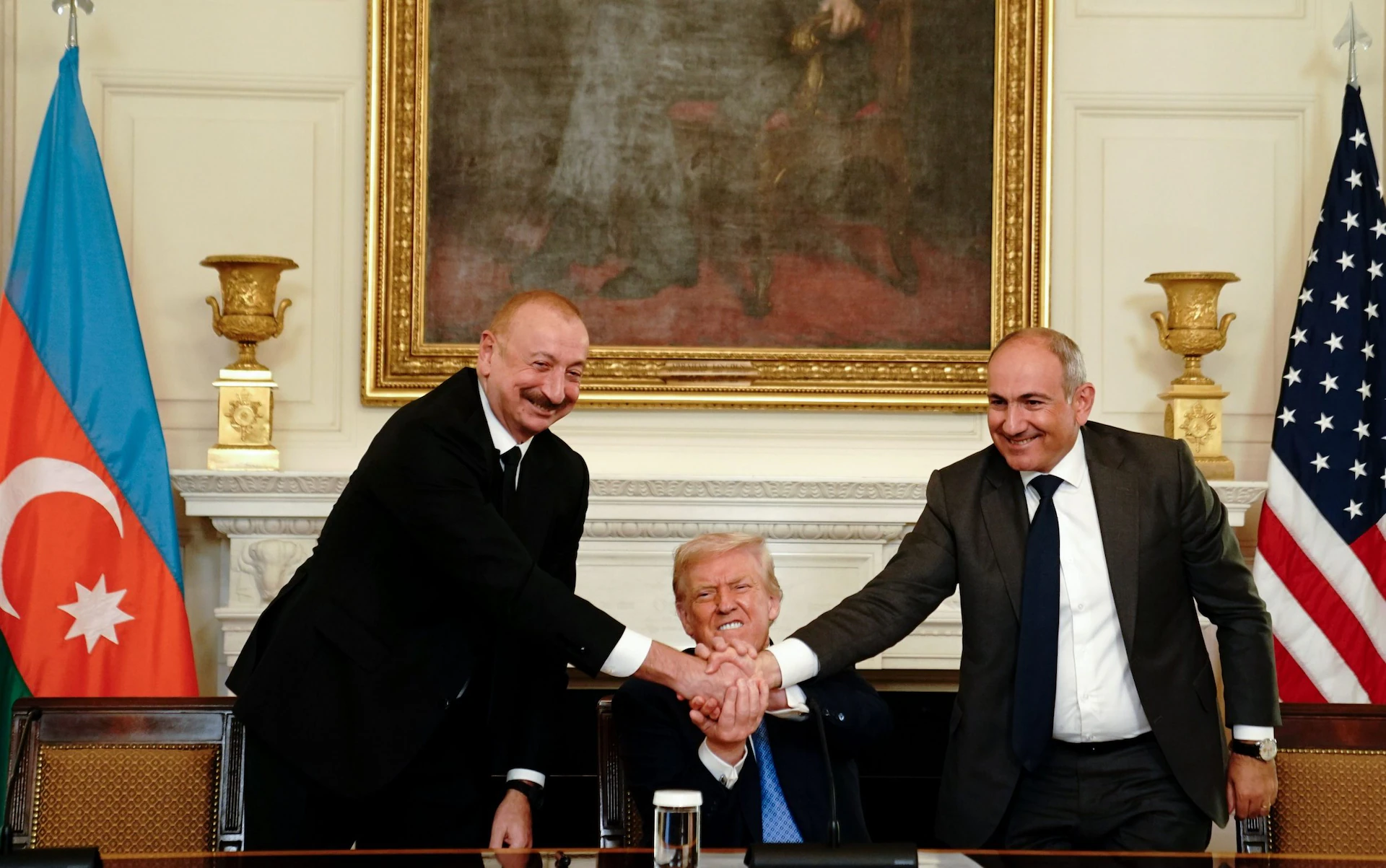
The United States’ decision to broker a transit corridor between Armenia and Azerbaijan may appear, at first glance, as a narrow regional intervention. In fact, it offers a revealing window into the logic that came to define Trump-era diplomacy.
The Trump administration has made no secret of the fact that it sees stability and security in the Western Hemisphere as a priority. This emphasis has been outlined in multiple strategic documents, including the most recent National Security Strategy.
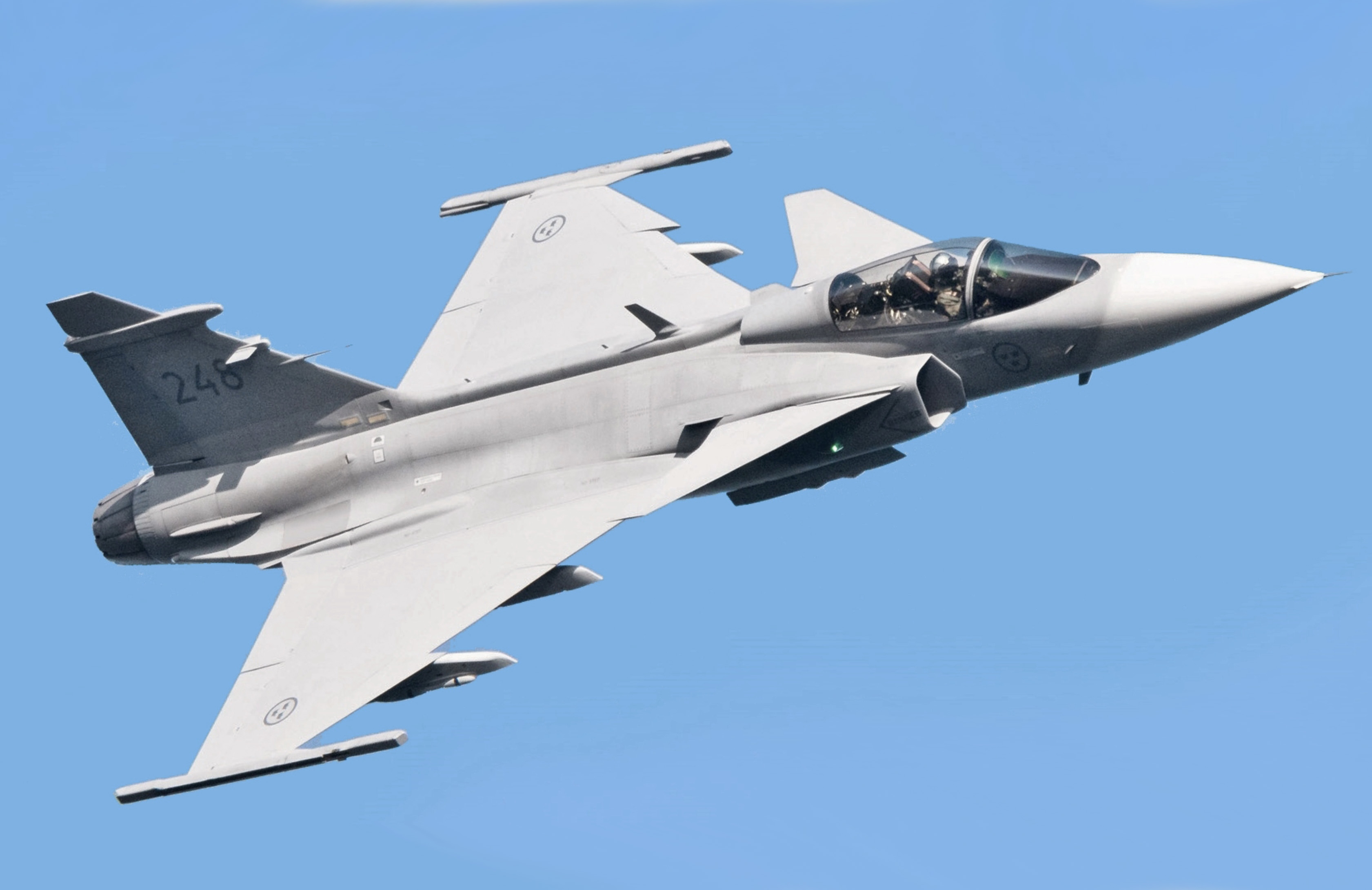
The Gripen E/F, classified as a 4.5-generation fighter, is equipped with advanced avionics, electronic warfare systems, and an AESA radar, enabling effective operations in contested airspace.
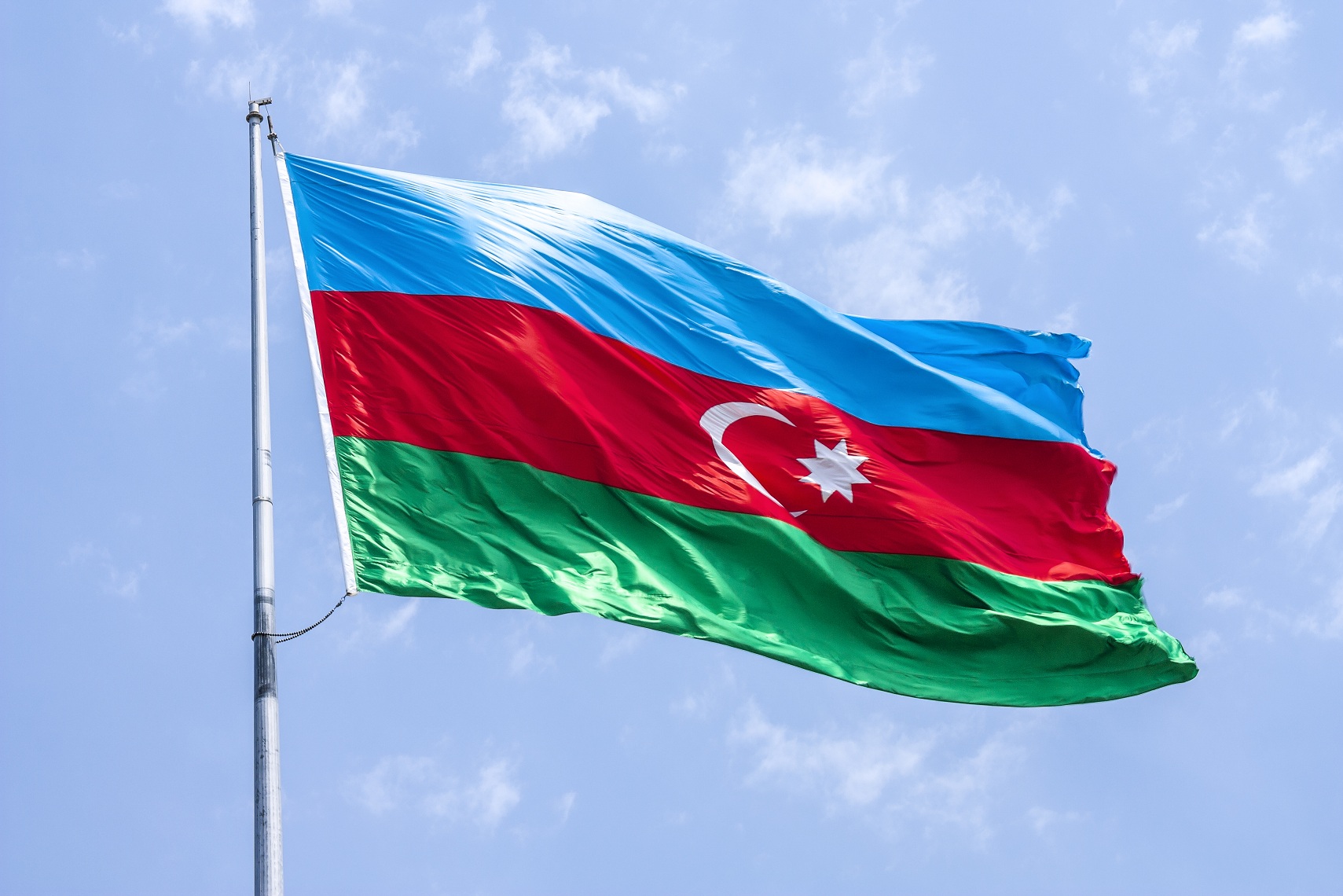
By restoring its territorial integrity and bringing alleged war criminals before the courts, Azerbaijan has pursued a rare post-conflict path that links sovereignty with legal accountability.
Having forged peace between rivals who fought two wars, the White House seeks dividends in Armenia and Azerbaijan while undermining Russia in its backyard.
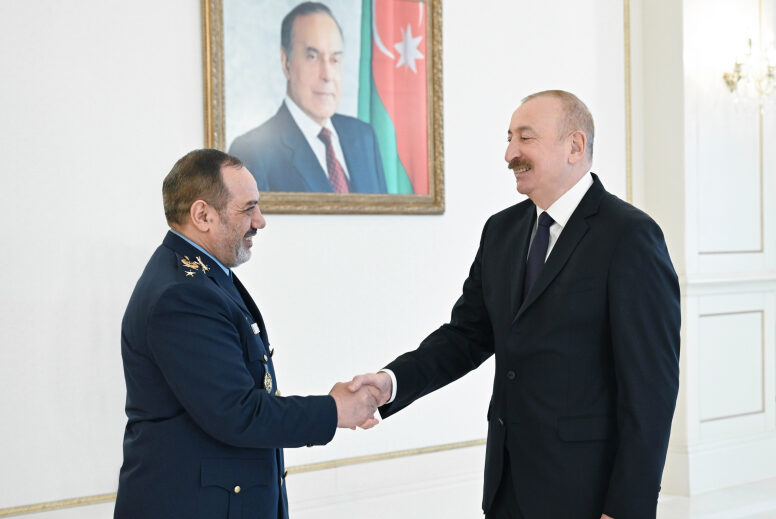
President of Azerbaijan Ilham Aliyev received a delegation led by Iran’s Minister of Defense and Armed Forces Logistics, Aziz Nasirzadeh, on February 6.
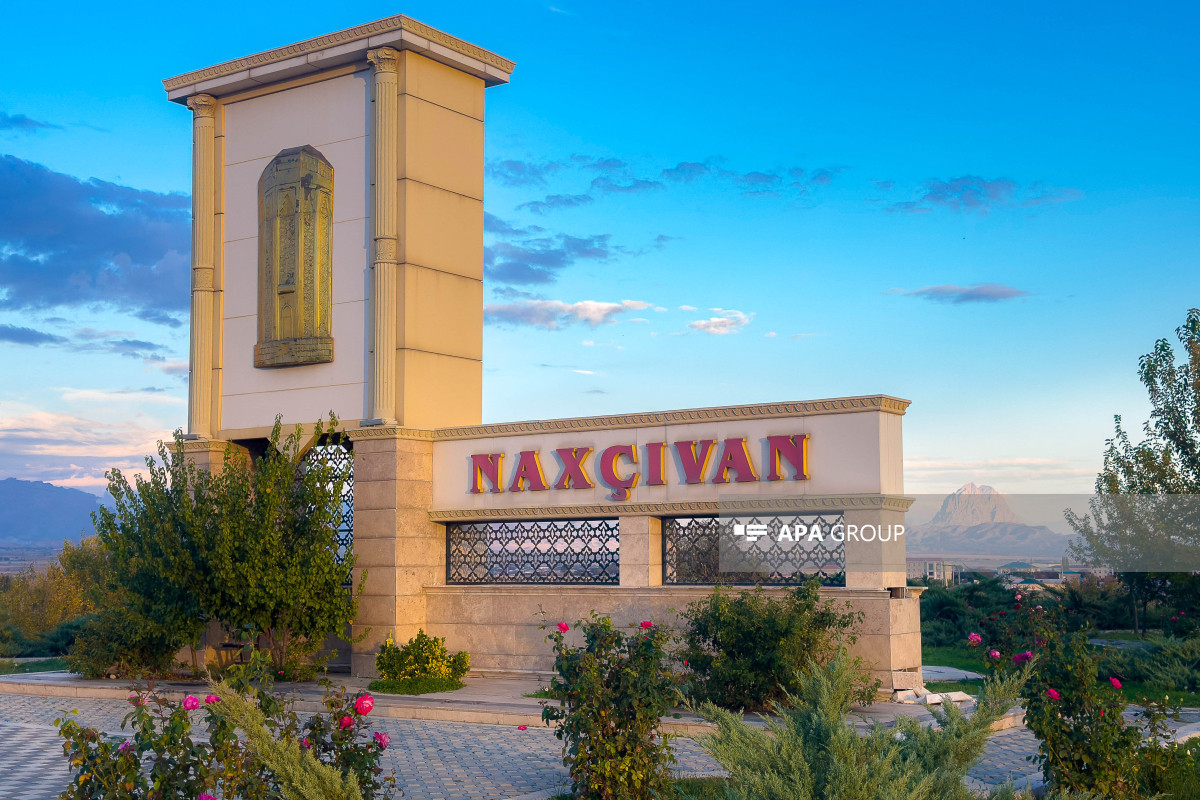
Azerbaijan’s Nakhchivan Autonomous Republic is—with Baku’s approval—moving to drop references in its constitution to the 1921 Moscow and Kars treaties, which made Moscow and Ankara guarantors of the non-contiguous Azerbaijani territory.
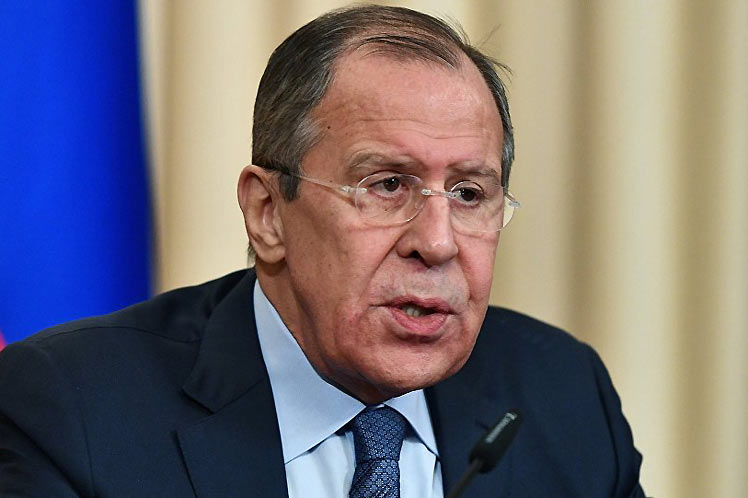
Russian Foreign Ministry says its head Sergey Lavrov had 'frank and substantive exchange of views' with Armenian parliament Speaker Alen Simonyan.
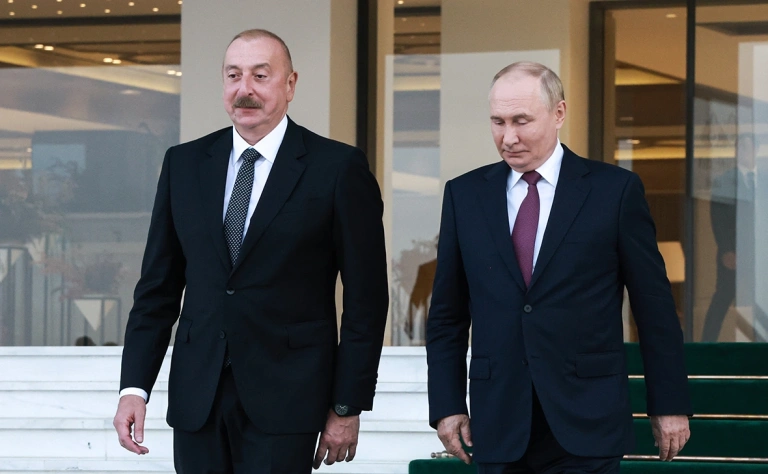
Tensions between Azerbaijan and Russia persist, and this despite the tacit rapprochement that materialized as a result of the meeting between the presidents of the two countries in October in Dushanbe, Tajikistan.
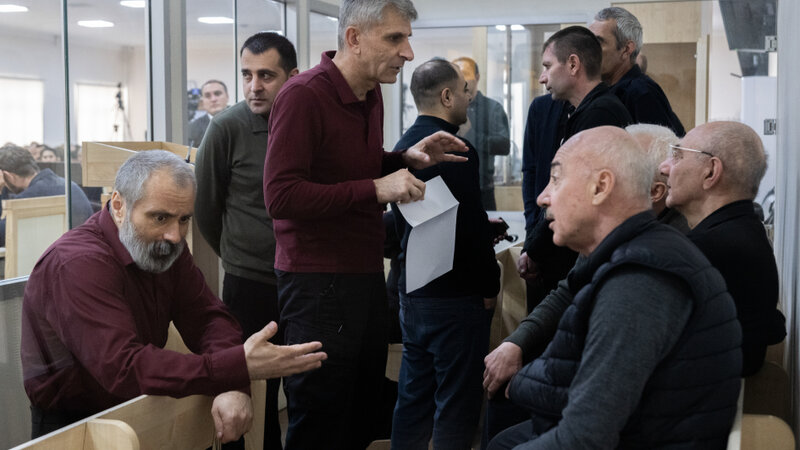
The Baku Military Court has announced verdicts in the criminal case against former leaders of the dismantled separatist regime in Karabakh and several other Armenian citizens accused of crimes against peace and humanity, war crimes, terrorism, and other serious offenses.
There is a harsh phrase in the theatrical world: the most pitiful sight is that of aging actors who have already left the stage. They still consider themselves leading stars, yet in reality they are capable only of creating a crowd in the theater foyer.
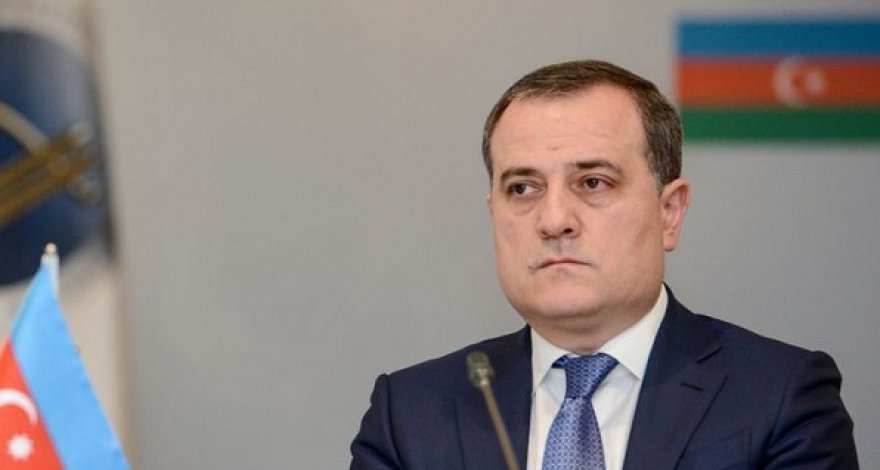
Among the promising areas of cooperation, the minister highlighted renewable energy, green technologies, and sustainable development, as well as humanitarian cooperation in the fields of education, culture, and tourism.
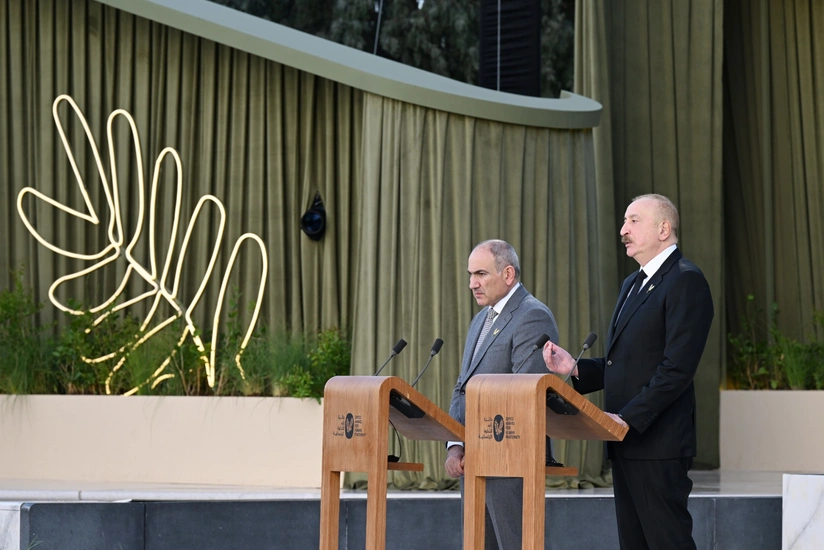
President of Azerbaijan Ilham Aliyev said during the awarding ceremony of the Zayed Award for Human Fraternity.
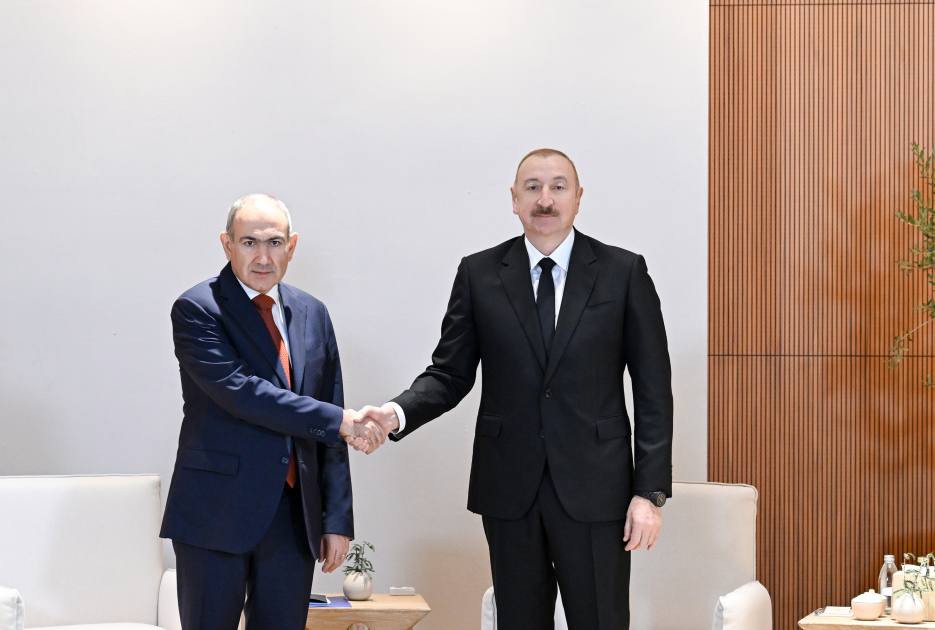
President of Azerbaijan Ilham Aliyev and Prime Minister of Armenia Nikol Pashinyan, during their meeting in Abu Dhabi on February 4, welcomed the progress achieved in implementing the outcomes of the Washington Peace Summit held with the mediation and participation of U.S. President Donald Trump.
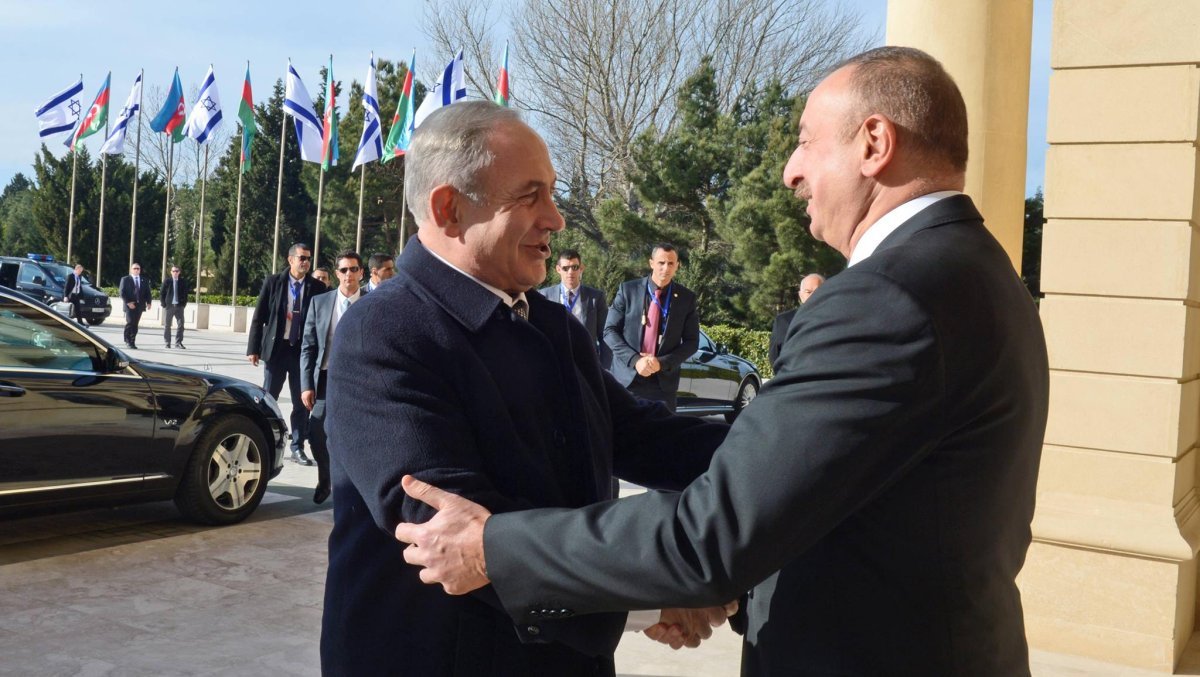
Israeli Prime Minister Benjamin Netanyahu has invited President of Azerbaijan Ilham Aliyev to visit Israel, according to the Embassy of the Jewish state in Baku.
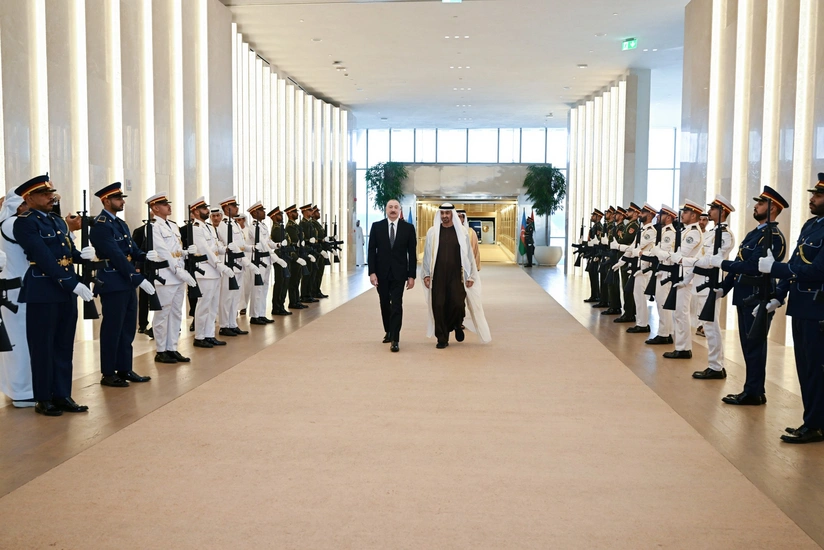
Among the recent developments, the visit of Azerbaijani President Ilham Aliyev to the United Arab Emirates stands out as particularly significant. Although formally designated as a working visit, in substance it went far beyond a routine protocol event and was rich in political, economic, and military-strategic meaning.
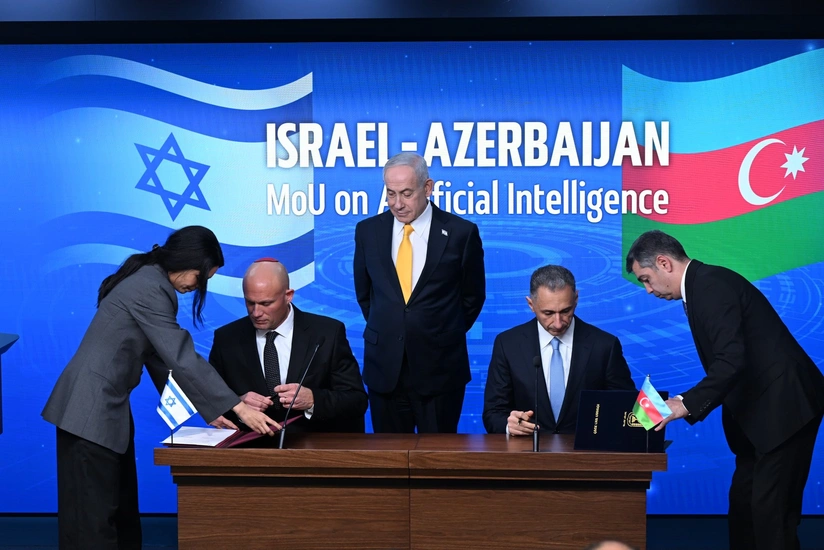
Israel and Azerbaijan signed a memorandum of cooperation in the field of artificial intelligence, Report informs with reference to the Office of the Prime Minister of Israel.
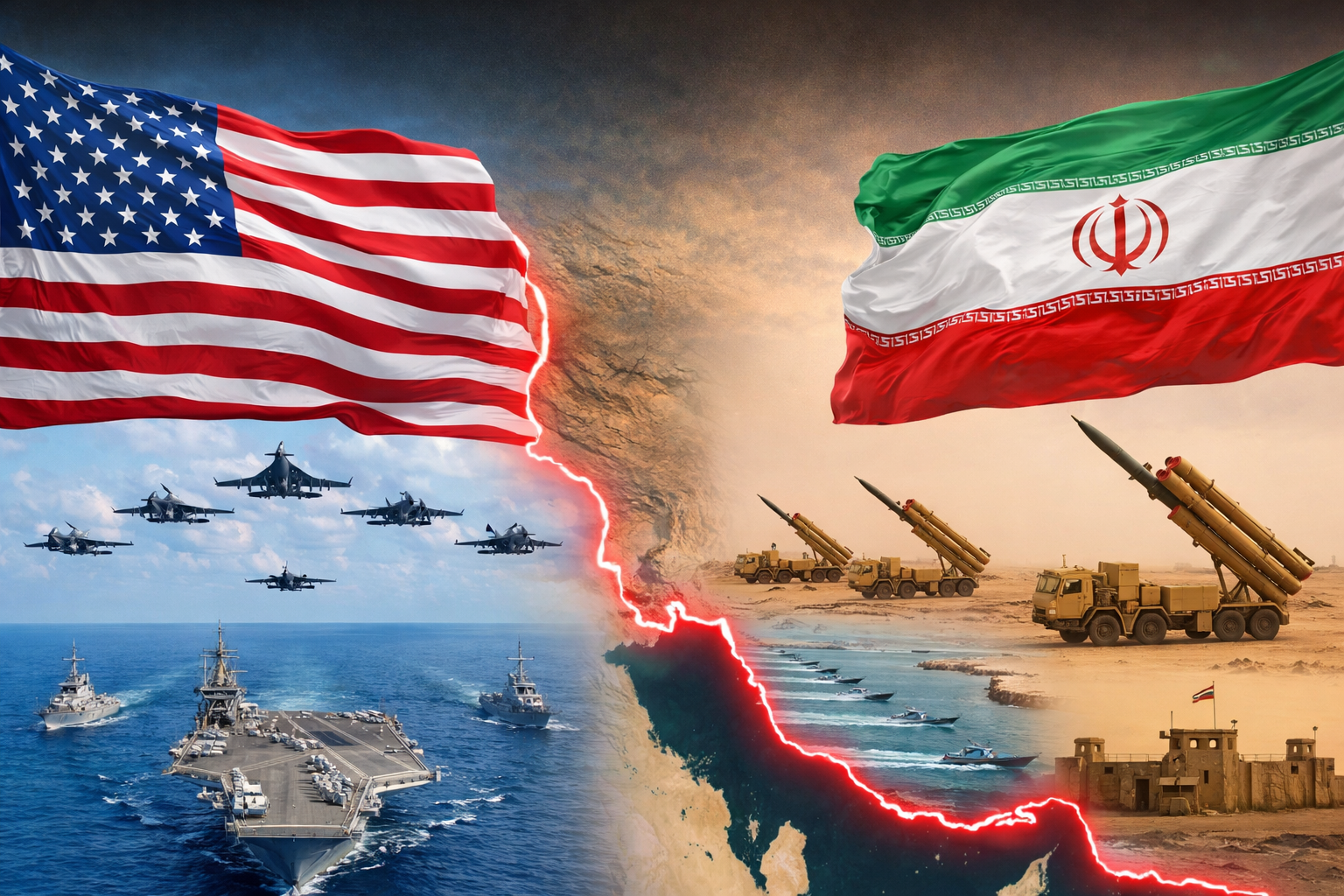
Against the backdrop of rising tensions around Iran, undesirable scenarios that could materialize in the event of a large-scale war initiated by the United States are being discussed with increasing frequency.
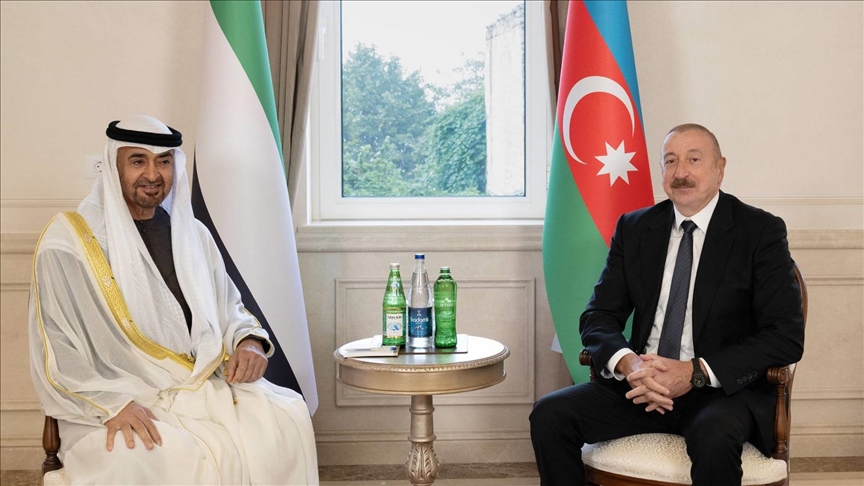
Baku, Abu Dhabi also sign document concerning sale of a portion of non-controlling stake held by Azerbaijan in Southern Gas Corridor CJSC to int'l investment arm of ADNOC.
Despite ongoing regional conflicts that have disrupted air travel to and from Israel, the number of Israeli tourists visiting Azerbaijan surged by 139% in 2025 compared to 2024.
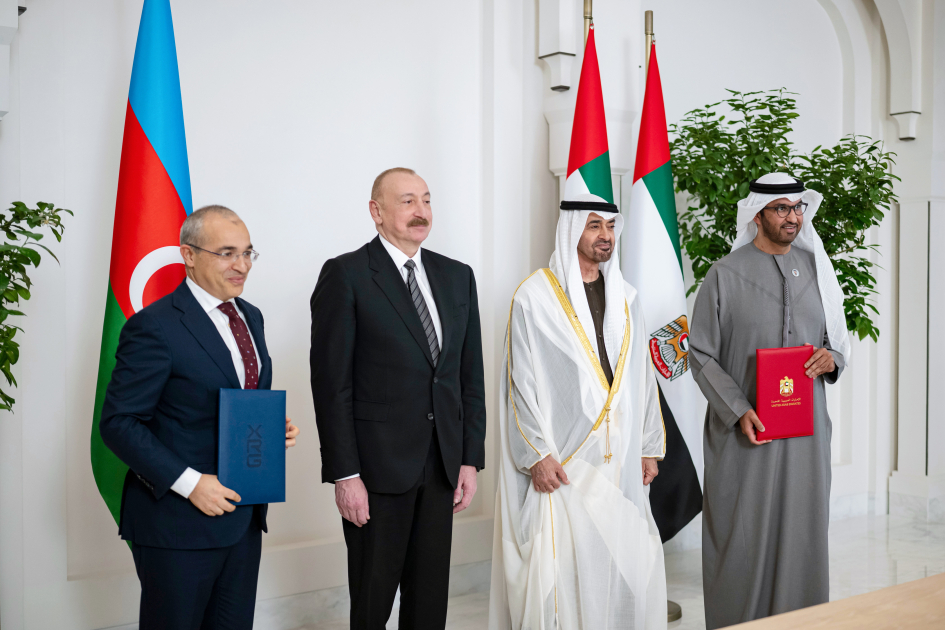
President of Azerbaijan Ilham Aliyev met in Abu Dhabi with President of the United Arab Emirates Sheikh Mohammed bin Zayed Al Nahyan.
Even historians today struggle to pinpoint who first injected the punchy phrase “If they’re afraid, it means they respect you” into the Russian political lexicon. Yet Moscow has built—and continues to build—its influence across the post-Soviet space almost exclusively on fear.
Mentions of the Moscow and Kars treaties will be removed from the preamble of the Constitution of the Nakhchivan Autonomous Republic.