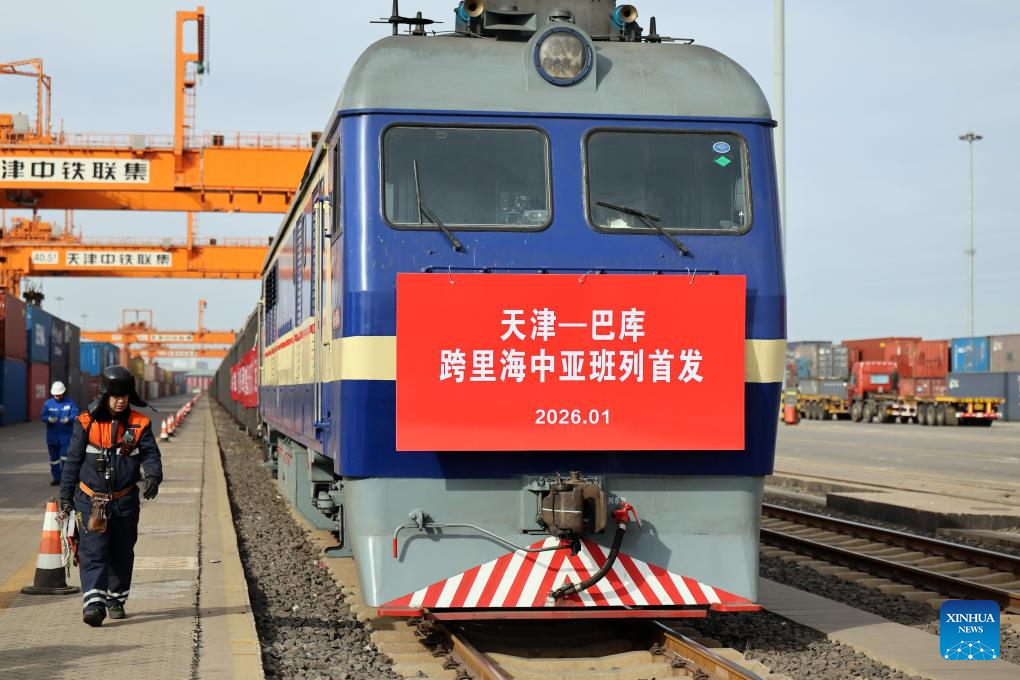
The first cross-Caspian Sea China-Central Asia freight train from north China's Tianjin Municipality to Baku, Azerbaijan, departed on Monday, carrying goods such as stainless steel pipes and household appliances.


The first cross-Caspian Sea China-Central Asia freight train from north China's Tianjin Municipality to Baku, Azerbaijan, departed on Monday, carrying goods such as stainless steel pipes and household appliances.
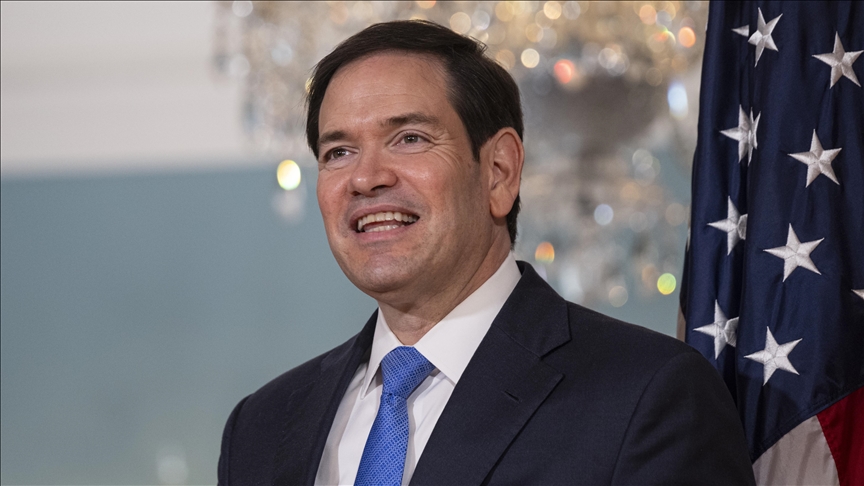
In call with Azerbaijan’s Foreign Minister Jeyhun Bayramov, US secretary of state commended Azerbaijan’s fuel shipments to Armenia, says State Department.
In the near future, supplies of liquefied natural gas (LNG) from Russia to Armenia will be carried out along a new route — through the territory of Azerbaijan.

Azerbaijan’s readiness for doing business varies from 87% in the financial services sector to 36% in corporate bankruptcy.
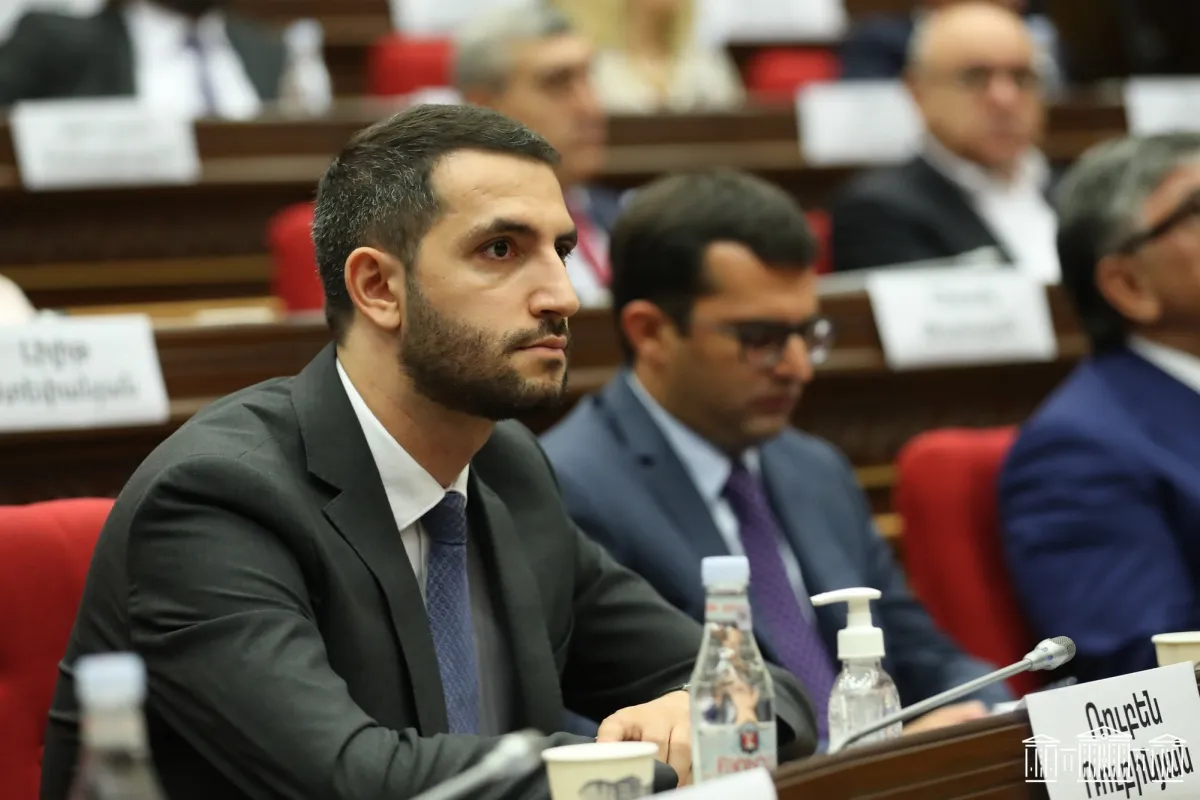
In Yerevan, the dynamics of Armenian–Azerbaijani and Armenian–Turkish relations are being assessed positively, said Ruben Rubinyan, Vice Speaker of the National Assembly of Armenia.

Unlike many Jewish communities across the Soviet Union, the Jews of the Caucasus managed to preserve their identity. Shabbat was kept quietly, Judaism lived on discreetly.

Russia has reacted with noticeable irritation to Armenian Prime Minister Nikol Pashinyan’s public call to restore the Ijevan–Gazakh and Gyumri–Kars railway lines.
Before the Victory in the Patriotic War, Azerbaijan’s primary objective was the restoration of state sovereignty and territorial integrity.
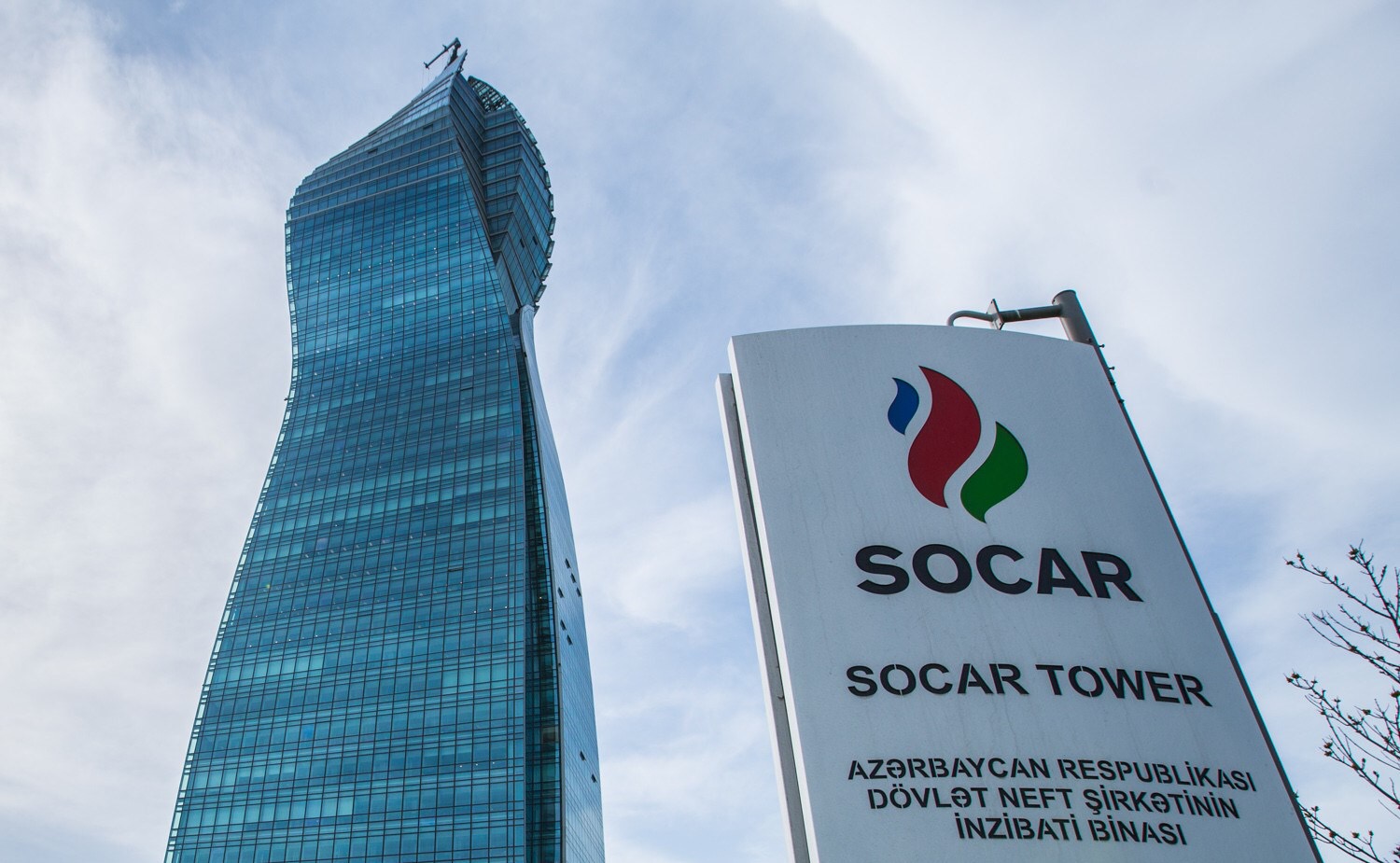
Gas supply via Italy ‘further expands geographical reach of Azerbaijani gas in Europe,’ says SOCAR, adds total number of countries receiving Azerbaijani gas rises to 16.
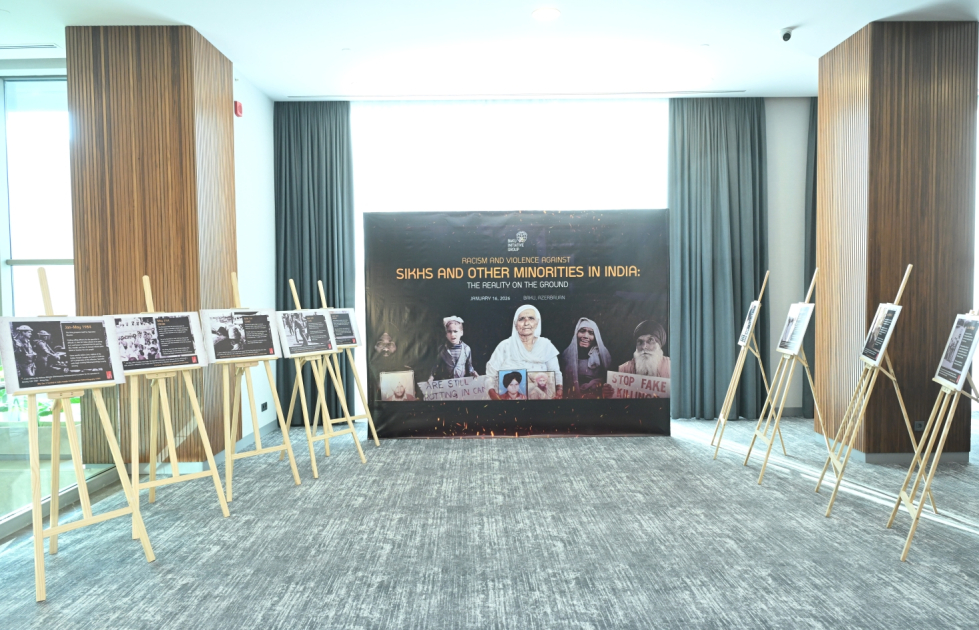
On January 16, under the auspices of the Baku Initiative Group, Azerbaijan will host the country’s first international conference dedicated to the repressive policies of the Indian government against ethnic minorities.
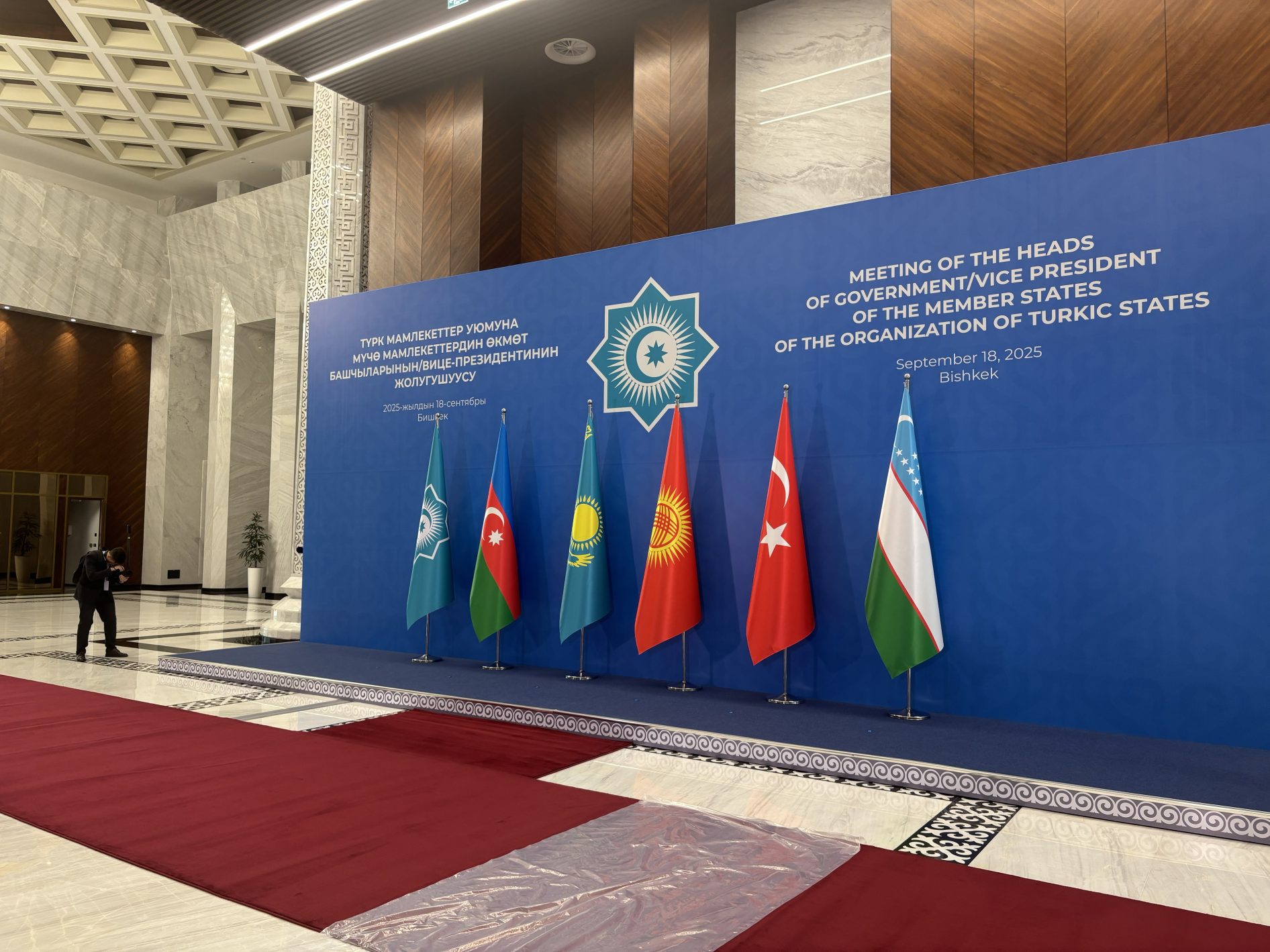
The Organization of Turkic States is quickly becoming a crucial mode of engagement in the Central Asian region.
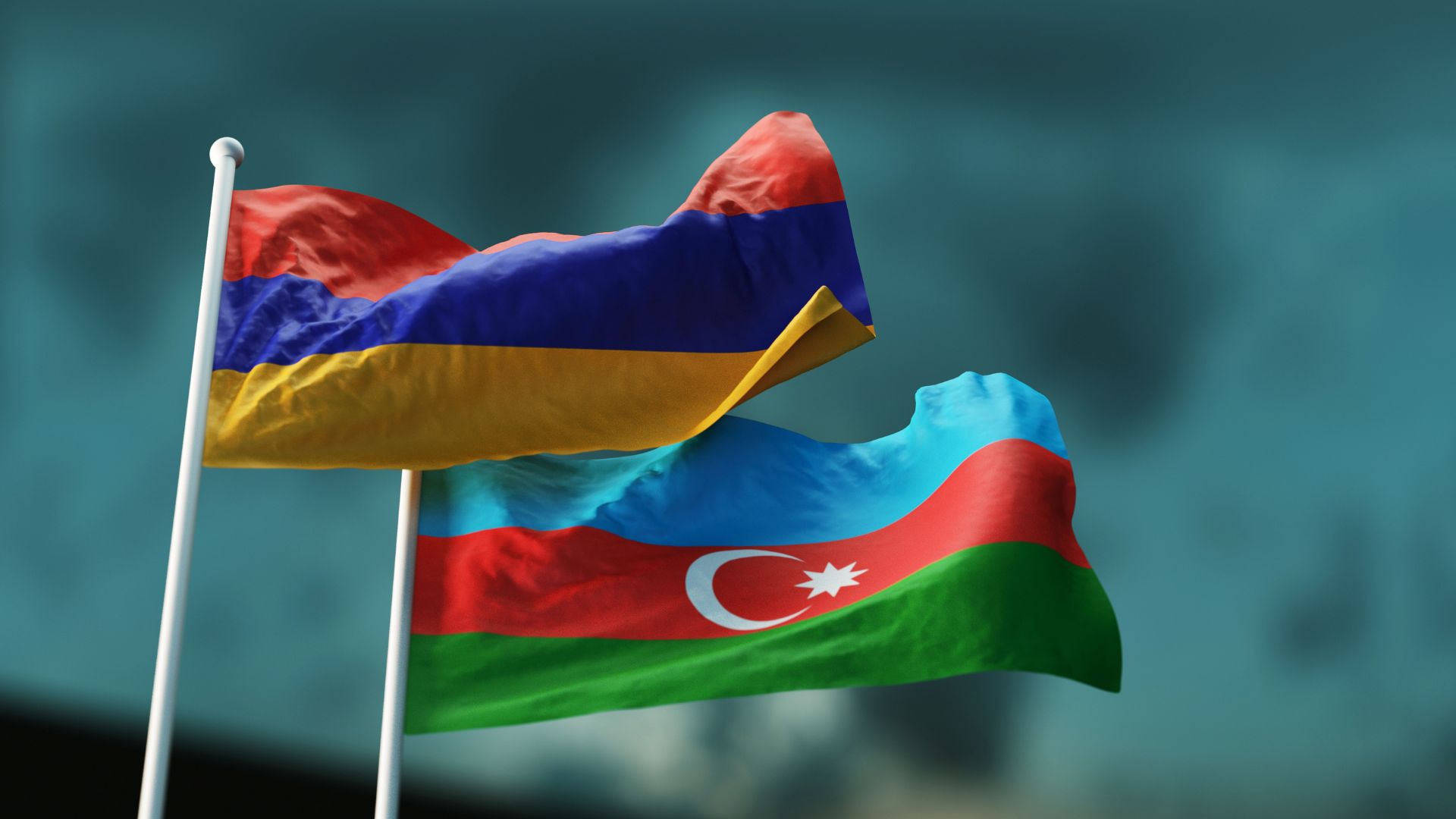
In late December 2025, Armenia’s Central Election Commission pointed to June 7, 2026, as the likely date for parliamentary elections, implicitly tightening the timetable for any referendum linked to the Armenia–Azerbaijan peace agreement.

On January 15, representatives of Azerbaijan and Armenia conducted a joint inspection of the current condition of the Sadarak–Yeraskh railway section.
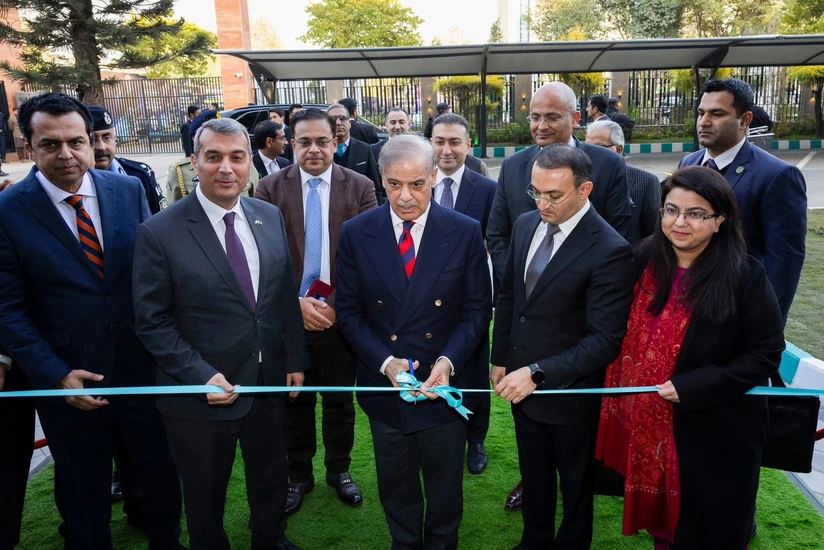
Pakistan"s Prime Minister Muhammad Shehbaz Sharif has thanked Azerbaijani President Ilham Aliyev for Azerbaijan"s support in establishing the country"s first ASAN Service center.
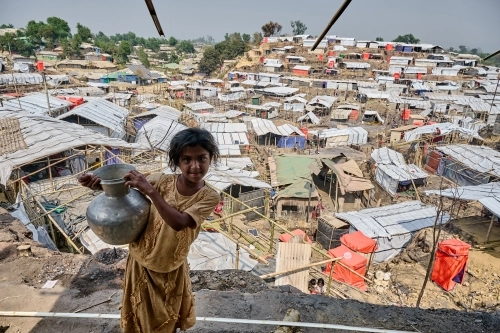
The global housing crisis will take centre stage at the World Urban Forum in Baku, Azerbaijan, from 17 to 22 May 2026.
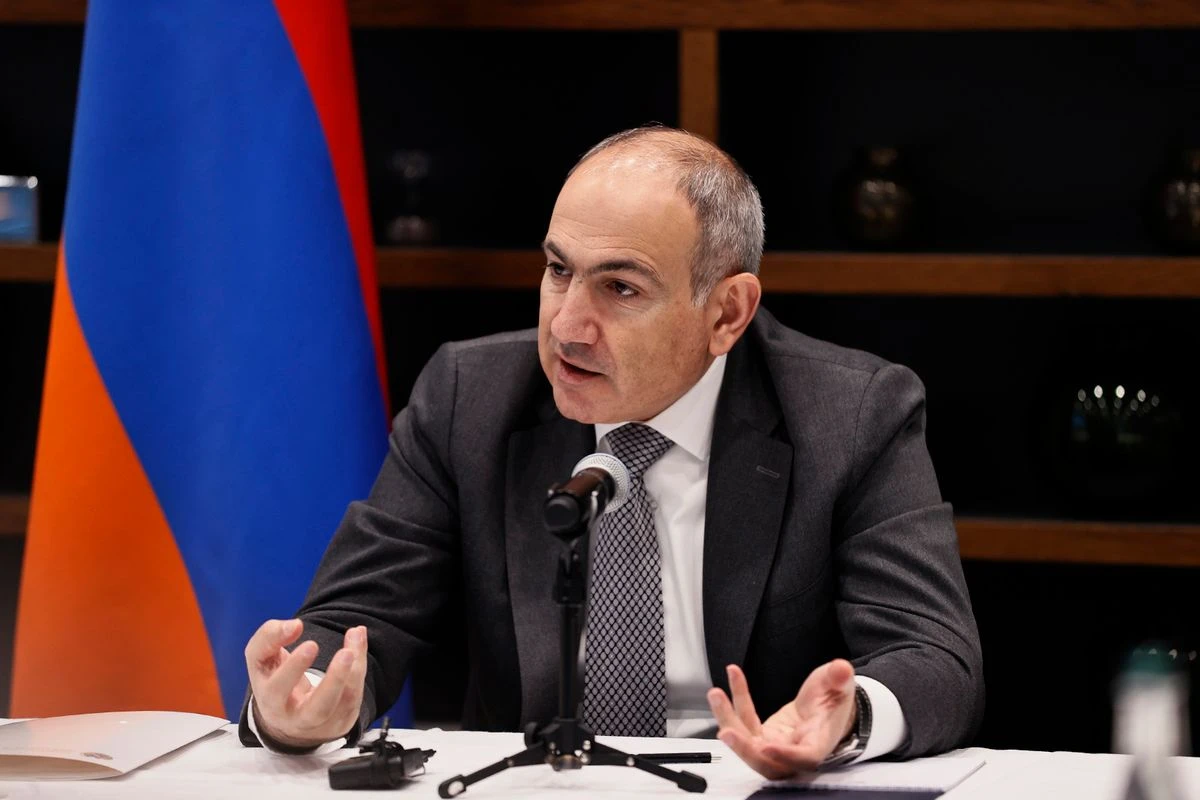
Armenia is ready, within the agreed framework, to ensure unimpeded connectivity between the main part of Azerbaijan and the Nakhchivan Autonomous Republic. Armenian Prime Minister Nikol Pashinyan stated this at a government meeting.

The European Union (EU) has welcomed Azerbaijan’s transfer to Armenia of Vagif Khachatryan, Gevorg Sudzhyan, David Davtyan, and Viken Euljekjian.
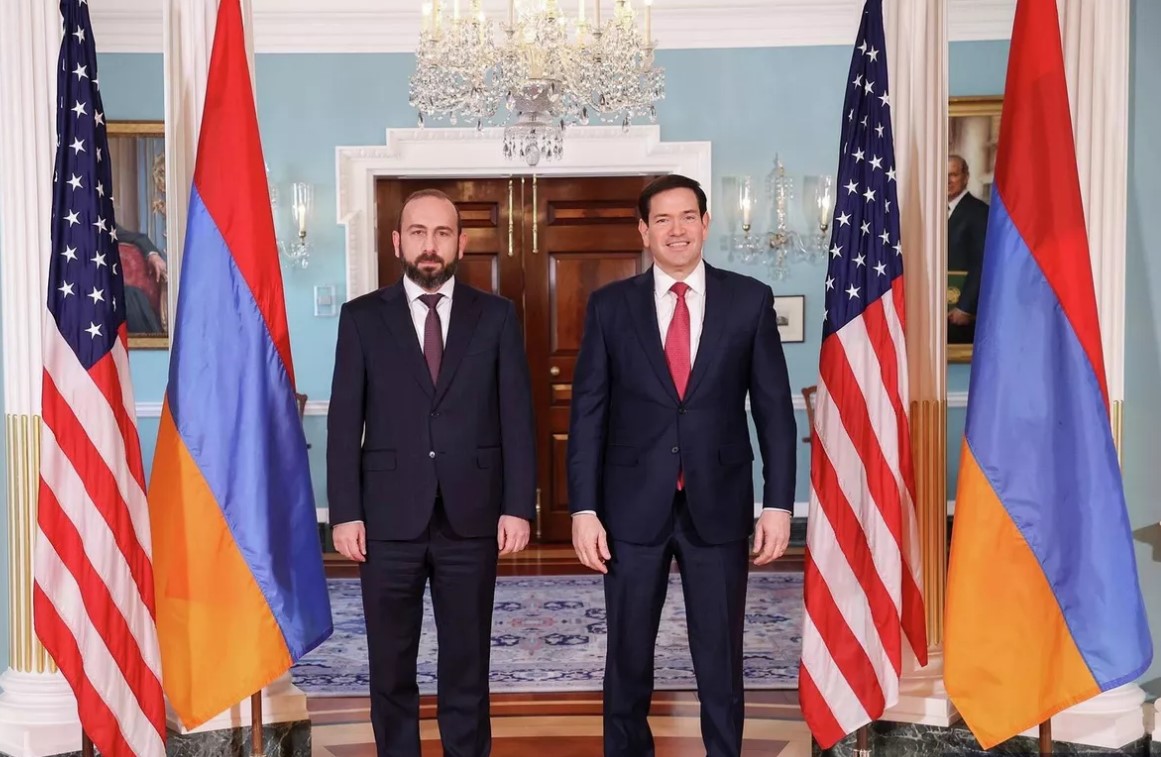
Azerbaijan considers the Trump Route for International Peace and Prosperity (TRIPP) Implementation Framework document, made public on January 13 during the visit of the Armenian foreign minister to the United States, an important step toward launching practical work in this direction.
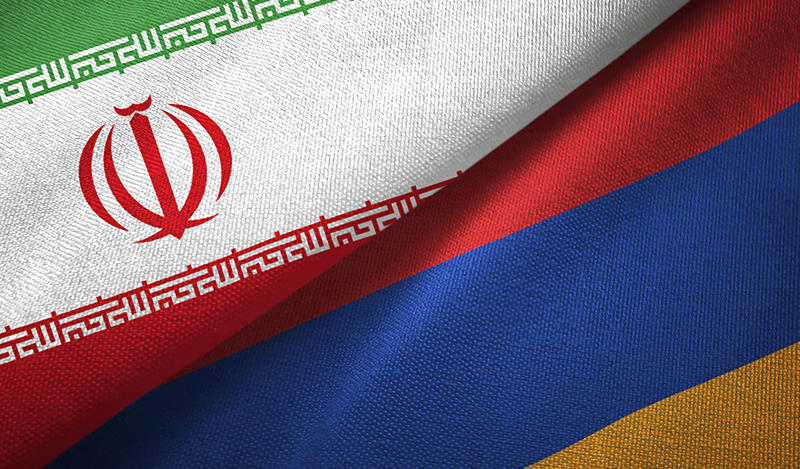
In Tehran, a perception is taking shape that Armenia is becoming a hub for the activities of forces hostile to Iran.
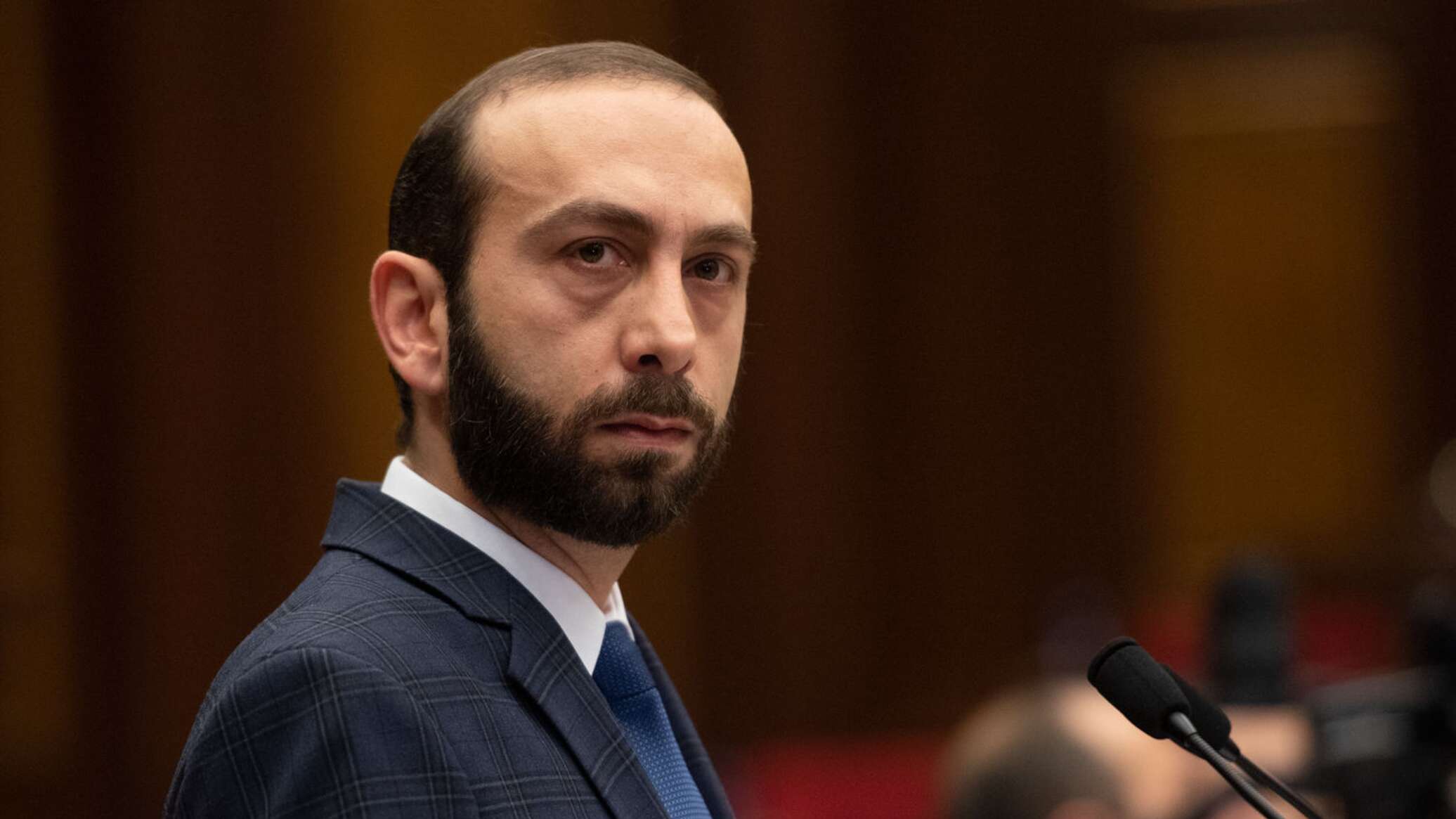
The participation of Russia and Türkiye in the TRIPP project was not discussed, Armenian Foreign Minister Ararat Mirzoyan said in a live broadcast from Washington following the signing of the document on the project’s implementation.
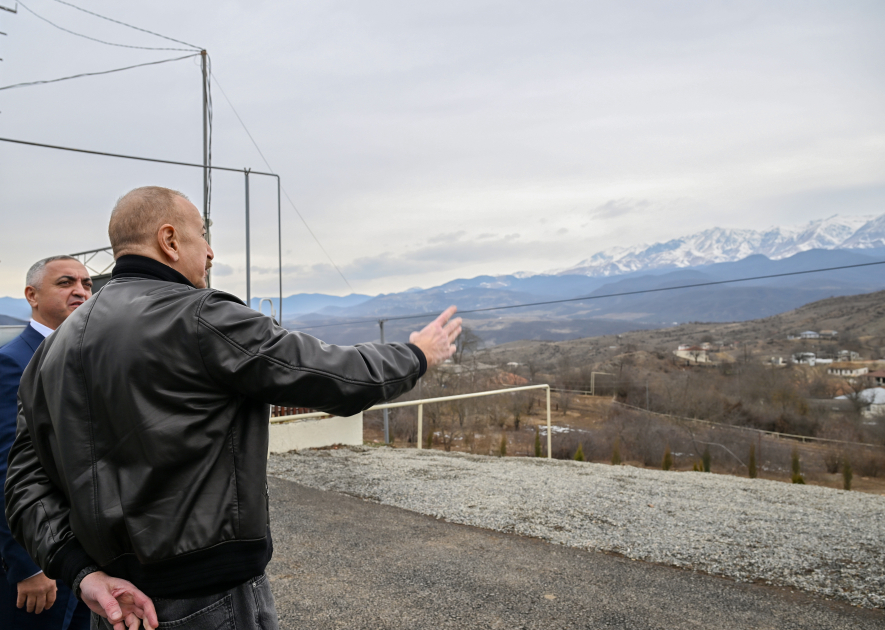
President Ilham Aliyev yesterday paid a working visit to the Tartar and Aghdara districts — a trip that carries not only symbolic weight, but also systemic political significance in the process of reintegrating the liberated territories.
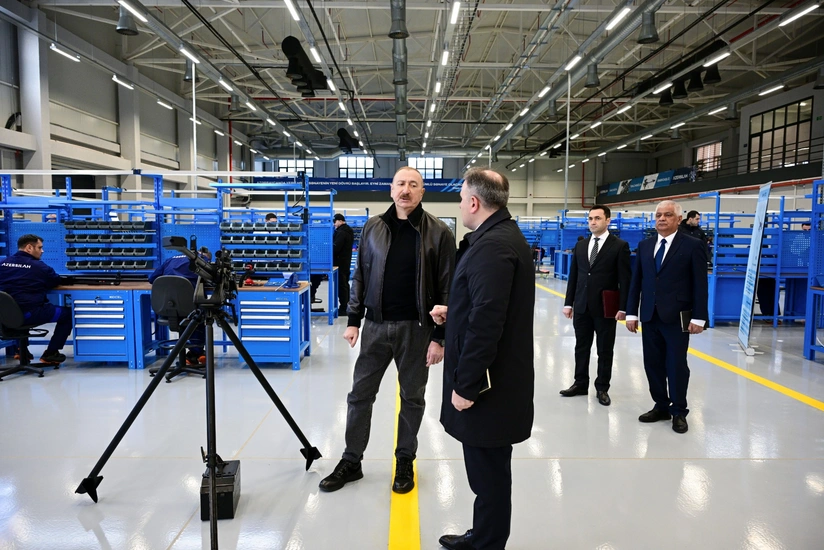
A range of modern, high-precision technological equipment acquired from advanced countries has been installed at the facility, where various types of military-purpose products will be manufactured.
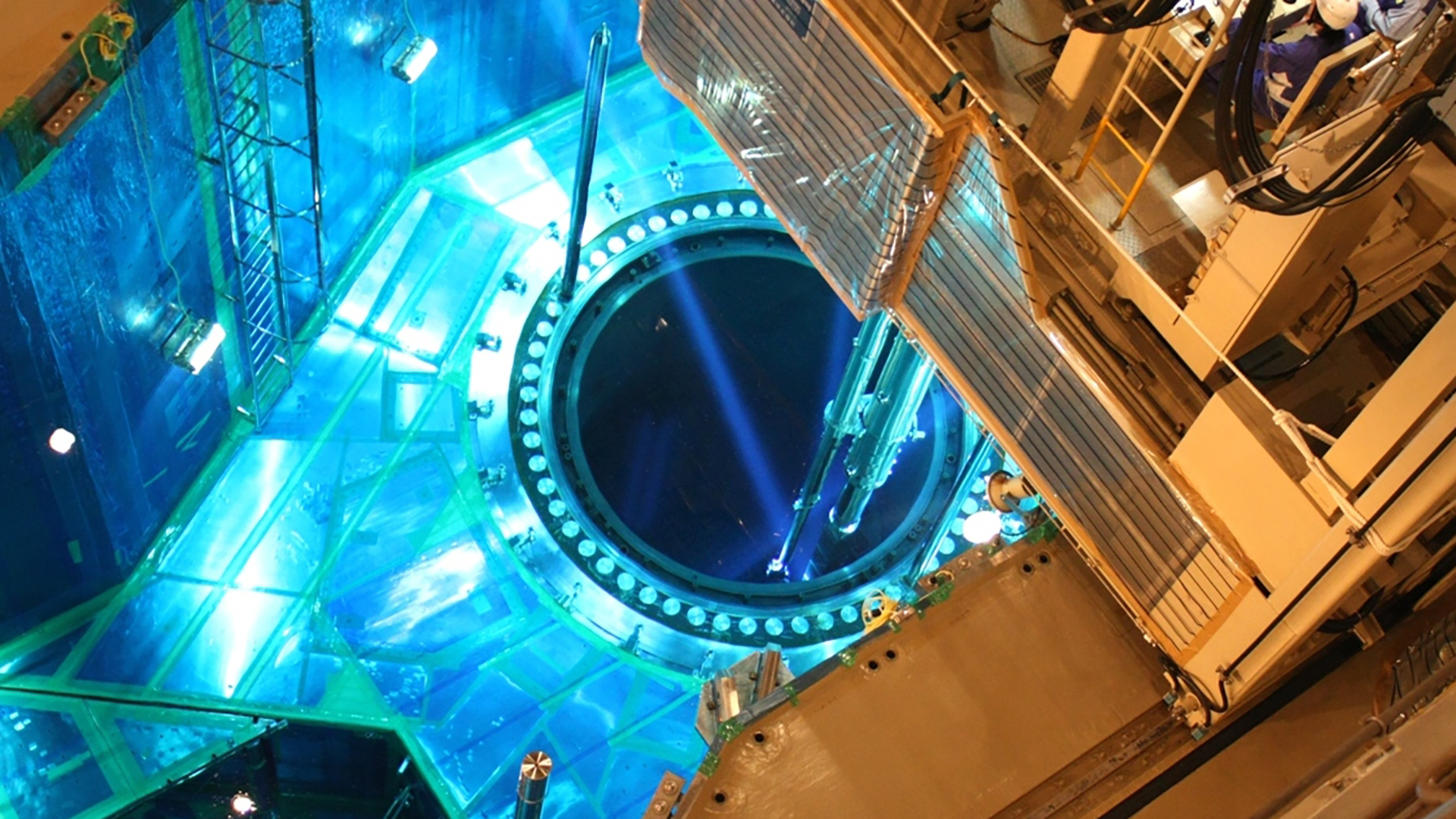
The Ministry of Science and Education is expanding its overseas study programs.
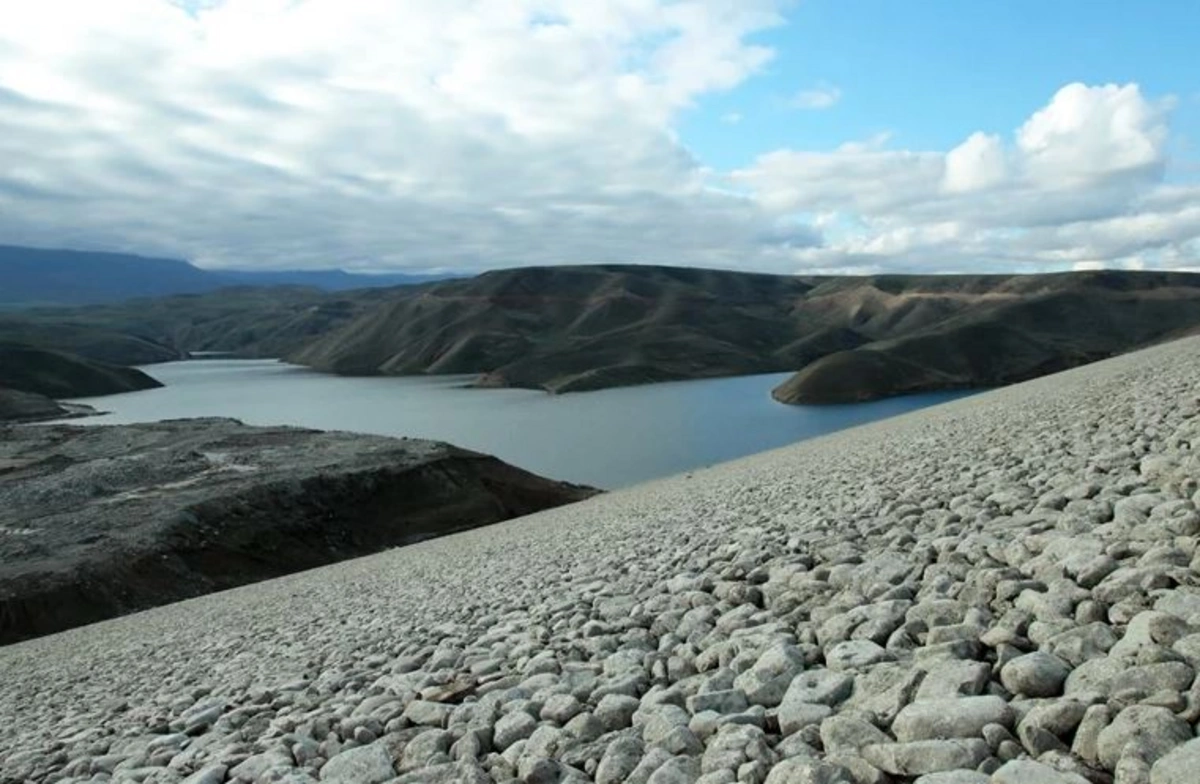
For many decades, the issue of water supply in Baku and on the Absheron Peninsula has remained one of the capital’s most acute social and infrastructure challenges.