
Now Reading: Azerbaijan turns WUF13 into a showcase of global influence
-
01
Azerbaijan turns WUF13 into a showcase of global influence

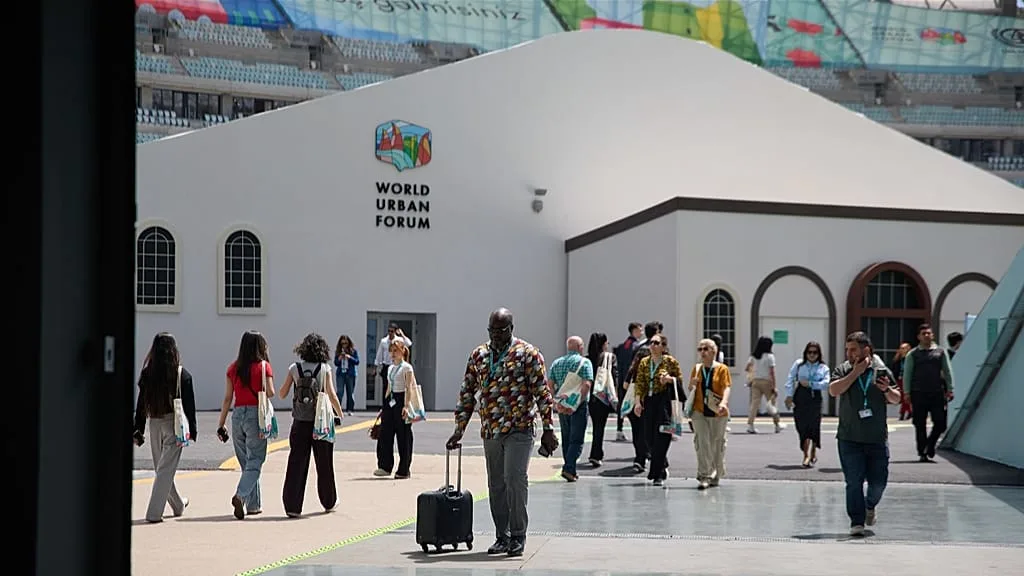
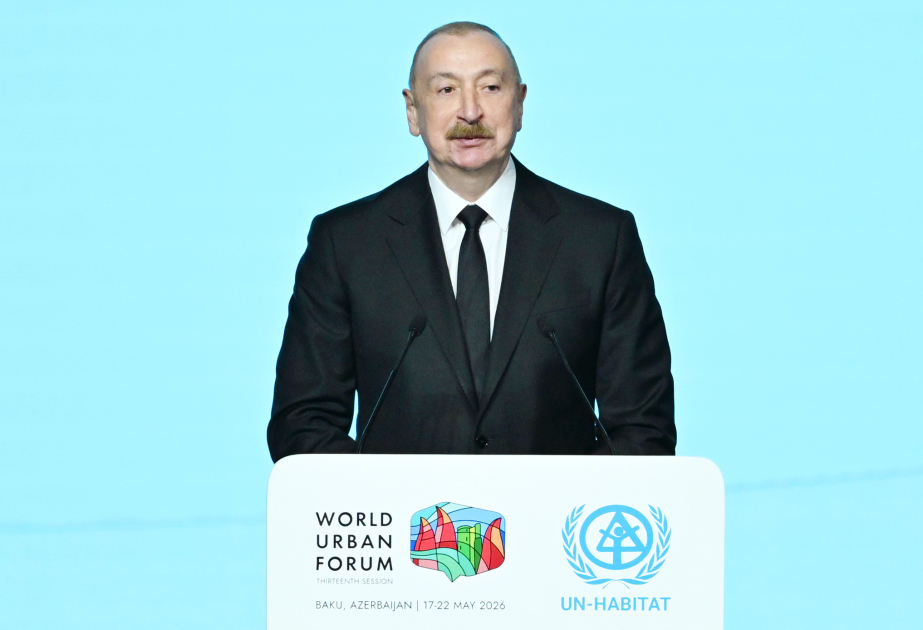
As the World Urban Forum WUF13 was drawing to a close in Baku, one thing became absolutely clear: this was not merely an international conference on urban development. Azerbaijan had delivered an event that demonstrated the country’s political weight, organisational capacity and growing role in shaping the global agenda.
Fifty-seven thousand participants from 176 countries — the figure itself is unprecedented. WUF13 became the largest session of the World Urban Forum in its entire history. And it is symbolic that, after COP29, it was Baku once again that found itself at the centre of global attention. This is no longer a coincidence or a one-off diplomatic success. It is a trend.
Azerbaijan is increasingly consolidating its role as a country capable not only of hosting international events, but also of setting new standards for how they are organised. It is no coincidence that, following the forum, an agreement was reached with UN-Habitat to jointly develop special operational guidelines for future forums based on the “Baku standards of WUF13”. In essence, this amounts to recognition of Azerbaijan’s experience as a benchmark.
Of particular importance was the Leaders’ Statements Session, initiated by President Ilham Aliyev — a format that had never previously existed in the history of WUF. And this is not merely a protocol detail. In Baku, a new international platform for political dialogue effectively emerged. The participation of 27 heads of state and government, leaders of international organisations and high-ranking guests transformed WUF13 from a specialised forum into a full-fledged political event of global significance.
Today, global diplomacy increasingly needs new platforms for communication. The world is going through a period of fragmentation, conflicts and a crisis of trust. Against this backdrop, Baku is increasingly becoming a territory of dialogue. Here, people speak not the language of ultimatums, but the language of cooperation.
But almost every barrel of honey contains a spoonful of tar — and when it comes to Azerbaijan’s successes, that spoon is usually added by the same performers acting on behalf of the same old patrons.
It is telling that precisely during WUF13, yet another large-scale information campaign was launched against Azerbaijan, organised by the Armenian lobby through a network of engaged politicians, pseudo-experts and long-discredited “human rights defenders”.
It must be said that this time the matter involved not only figures who usually perform solo acts, but also an entire constellation of participants in the anti-Azerbaijani chorus.
And, of course, the same old manuals were once again put to use — accusations, manipulations and attempts at political pressure designed to overshadow the success of the forum and reduce the international impact of Baku’s growing diplomatic influence.
At this point, Azerbaijan’s old “friend”, an honoured performer of both grand and minor theatres and a vivid representative of Armenian classical drama, Luis Moreno Ocampo, managed to distinguish himself in a particularly advantageous way. The former ICC prosecutor demonstrated a masterclass in blackening Azerbaijan’s good name.
It should be noted that other figures of this circus genre did not lag far behind, stepping on the heels of the luminary of the anti-Azerbaijani direction while performing the most complex elements of defamatory acrobatics.
This group of tireless workers, who have long turned the South Caucasus issue into an instrument of political and financial profit, regularly performs encores, receiving thin applause from a narrow-minded audience. Yet, as practice has shown, all these attempts produce the opposite effect.
A series of exposé publications on the pages of Minval Politika demonstrated the bias of these figures and their close ties to Armenian lobbying structures.
As a result, the initiators of the campaign found themselves in an extremely uncomfortable position: instead of discrediting Azerbaijan, the public received evidence of the political bias of the accusers themselves.
And this, too, became an important outcome of WUF13.
Azerbaijan showed that it is capable not only of organising the largest international events, but also of effectively countering the information attacks that accompany the rise of any independent and influential state.
But something else is especially important. Azerbaijan did not limit itself to the role of organiser. The country offered the world its own experience — and a unique one at that.
At WUF13, Azerbaijan presented a large-scale programme for the restoration of the liberated territories. In effect, this is one of the largest post-conflict reconstruction projects of modern times. Nine cities and more than one hundred villages, destroyed during the period of occupation and subjected to urbicide, ecocide and culturicide, are now being rebuilt from the ground up.
Moreover, Azerbaijan is doing this not with the help of international donors, but with its own resources. Beyond that, the reconstruction of Karabakh has become a platform for introducing the technologies of the future — smart cities and villages, green energy, sustainable infrastructure and new environmental standards.
Many countries have faced wars. But not all have managed to turn the tragedy of destruction into a model of development. Azerbaijan has.
That is precisely why the final documents of the forum separately noted the value of Azerbaijan’s experience for other states dealing with the consequences of conflicts.
It is also significant that Baku is increasingly promoting its own initiatives at the international level. The establishment of the Baku Urban Award, Leyla Aliyeva’s forum on air quality and green infrastructure, and the adoption of the “Baku Call for Breathable Cities” are all elements in the formation of a new international brand for Azerbaijan.
The country is gradually becoming not merely a venue for events, but a source of ideas.
And here it is especially important to understand: the success of WUF13 is not only about urban development. It is about geopolitics, diplomatic influence and the ability of a state to set the agenda.
Just a few years ago, many viewed Azerbaijan exclusively through the prism of regional conflicts and energy. Today, Baku is increasingly discussed as a centre of international cooperation, a platform for global solutions and a country capable of offering the world its own models of development.
WUF13 showed that Azerbaijan is no longer catching up with global processes. In many areas, it is beginning to shape them.
And the more visible Azerbaijan’s role in world politics becomes, the more hysterical the attempts of its opponents to obstruct this process appear. But WUF13 clearly showed that the era when the Armenian lobby could impose its own myths and manipulations on the world with impunity is rapidly becoming a thing of the past.
Today, Baku speaks to the world in the language of strength — a strength rooted in development and global initiatives. And this is precisely what so painfully resonates with its adversaries and irritates all ill-wishers who have still been unable to reconcile themselves with Azerbaijan’s new geopolitical status.
Related Posts
Previous Post
Next Post
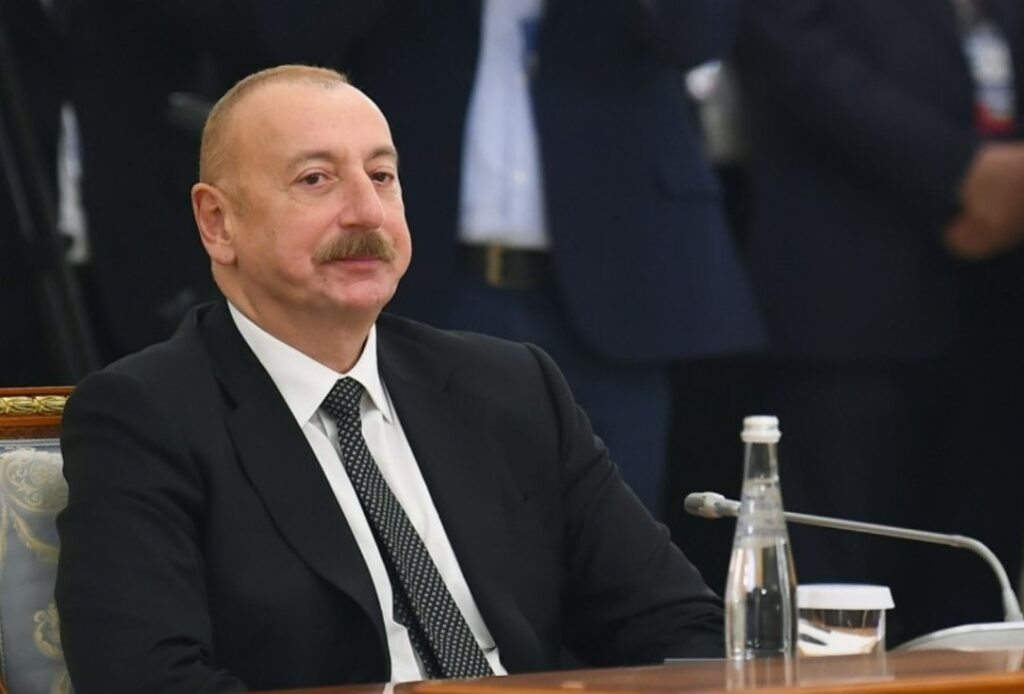
- Aliyev says Turkic world is emerging as a major center of influence
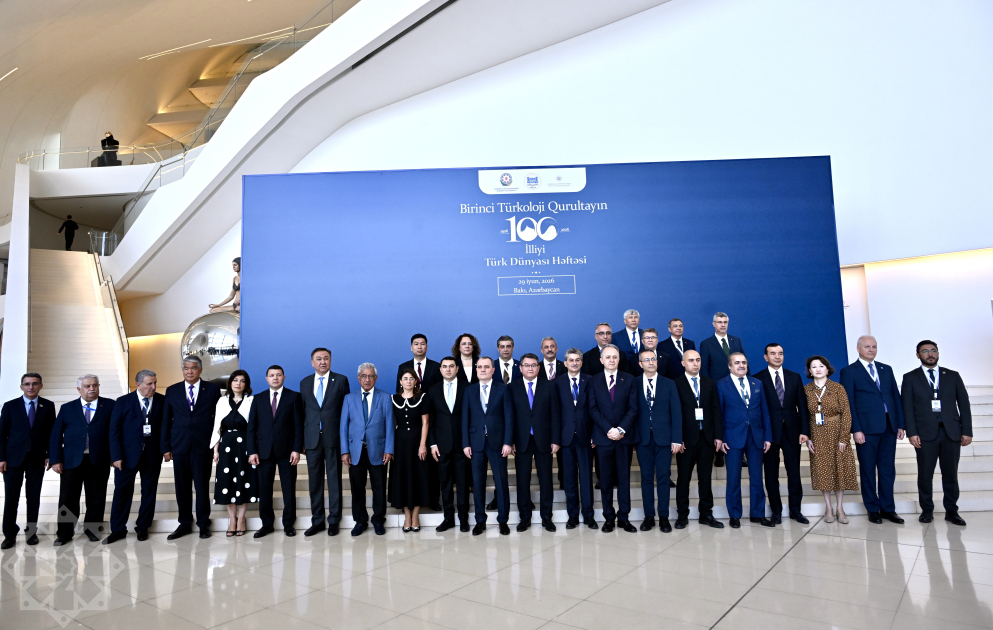
- Baku hosts Turkic World Week honouring landmark 1926 Turkological Congress
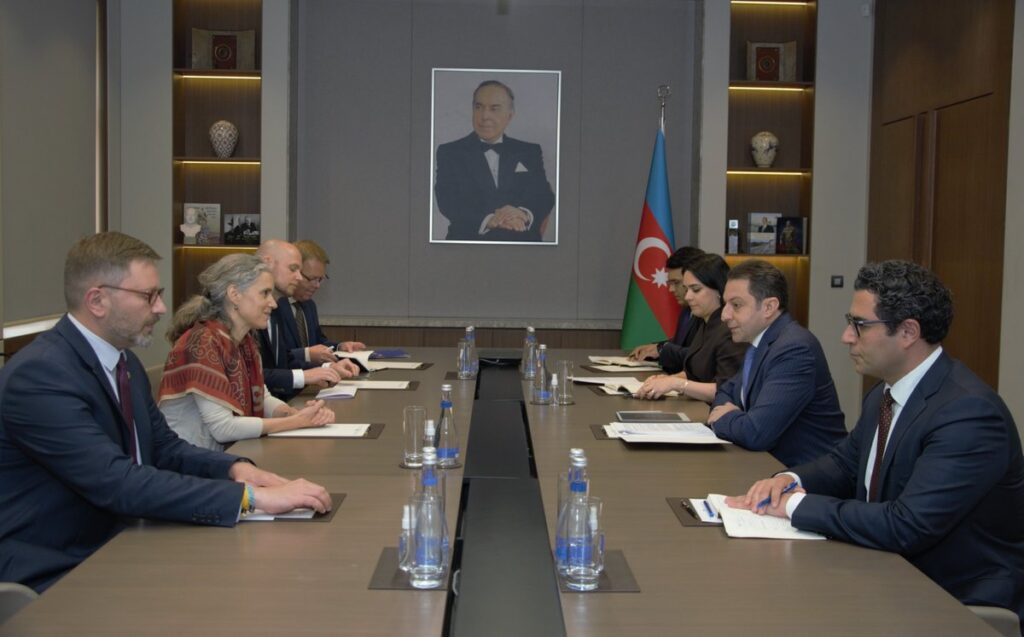
- EU envoy holds talks in Baku ahead of high-level engagement with South Caucasus
- Europe must not lose Azerbaijan: Oleksiy Goncharenko on the risks of confrontation between Baku and the Council of Europe
- A leader forged by patience and victory