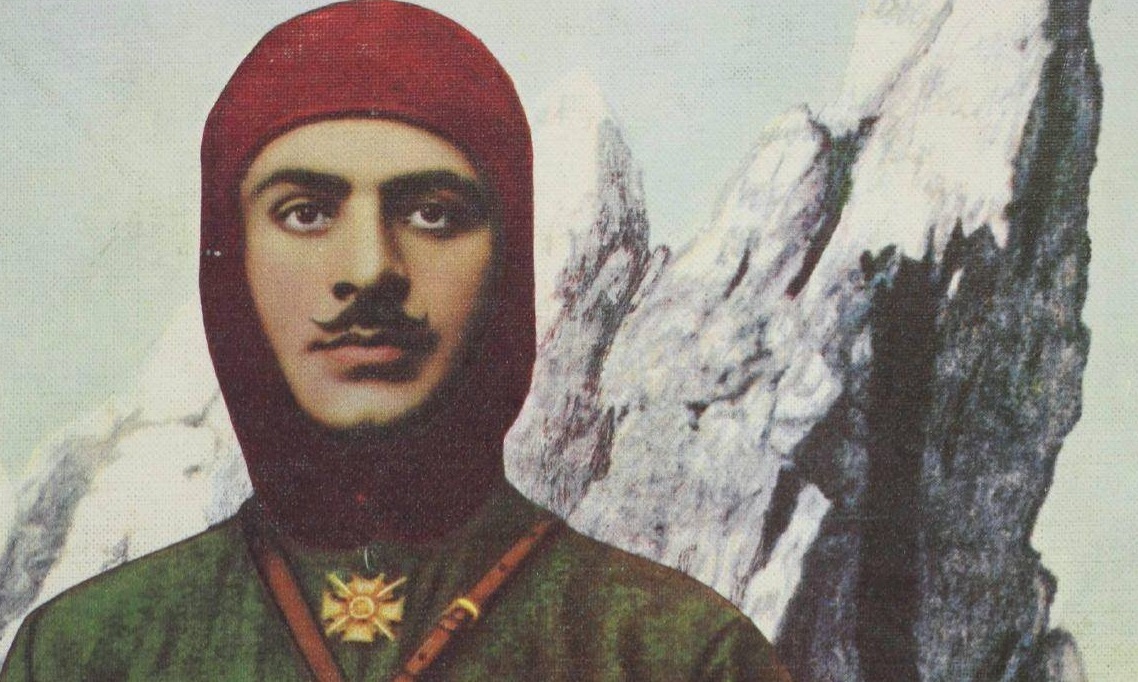
Especially bizarre is the fact that the Armenian Embassy in Moscow defended the glorification of Nazi Nzhdeh.

Especially bizarre is the fact that the Armenian Embassy in Moscow defended the glorification of Nazi Nzhdeh.
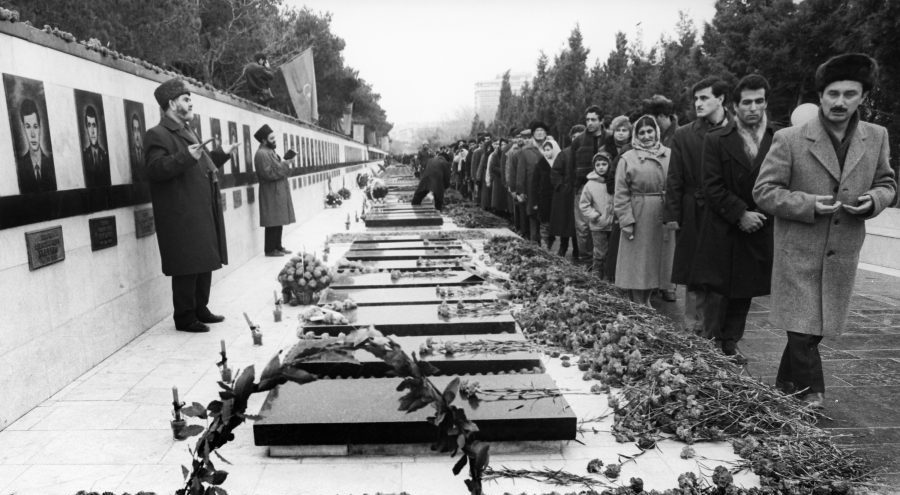
Azerbaijan is observing “Black January” Thursday (today) against the invasion of its capital Baku, Sugmait and other cities under orders from the defunct USSR leadership.
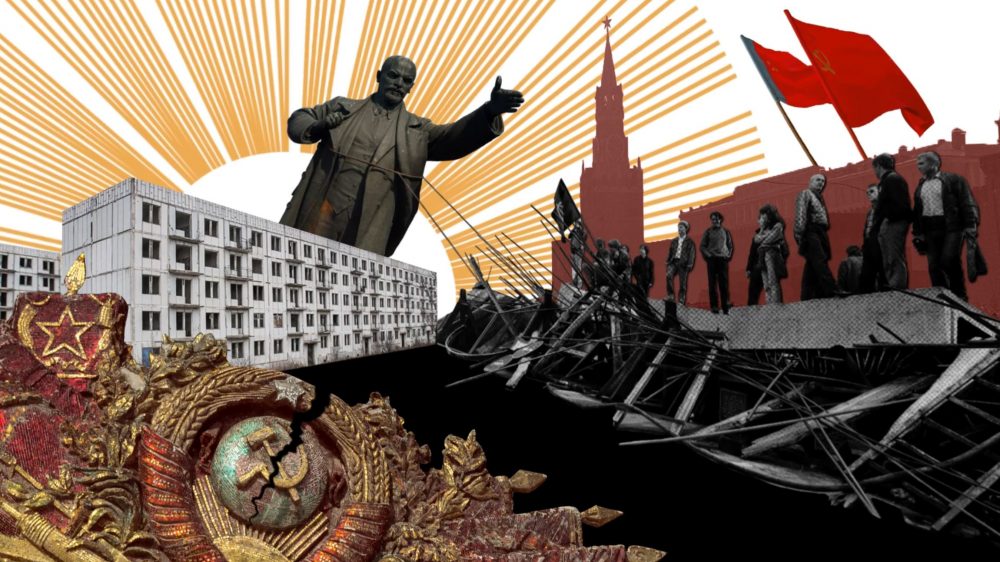
After Lenin's death, Stalin seized power. Stalin believed that under the slogan of "socialism in one country" put forth by Bukharin, socialism could fight capitalism economically.
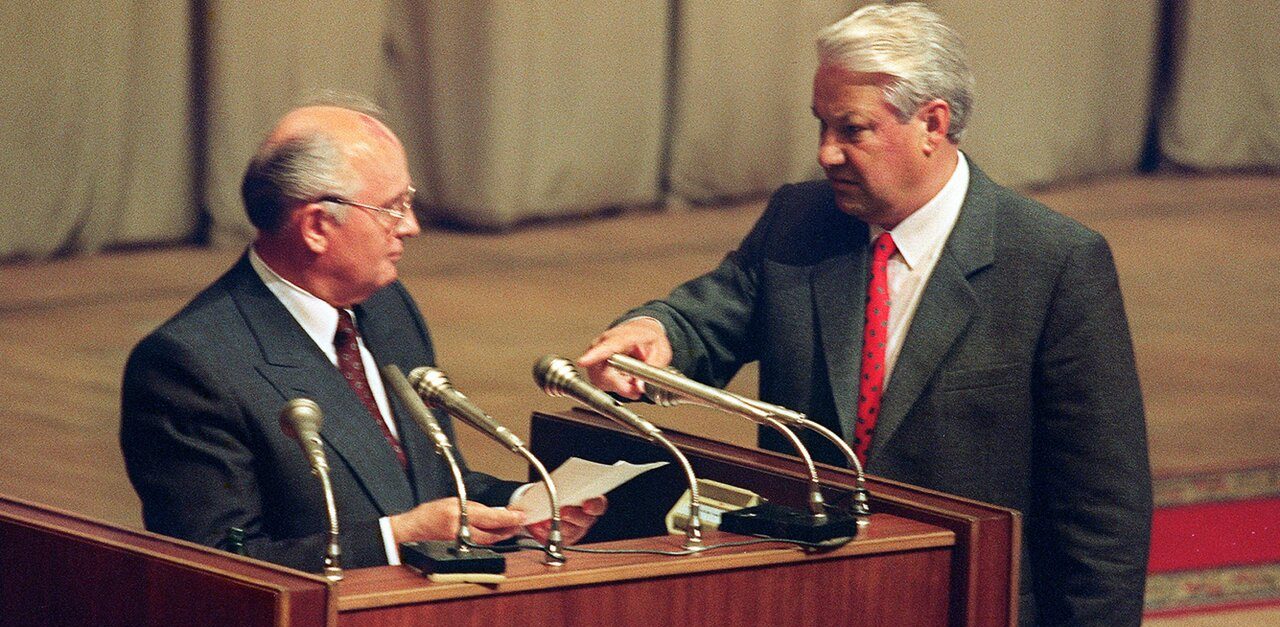
The liberal wing of the newly formed Communist Party of the RSFSR was influenced by Democratic Russia, a liberal movement formed in Russia. The movement, which was officially established in October 1990, had gained widespread support in Russian cities.
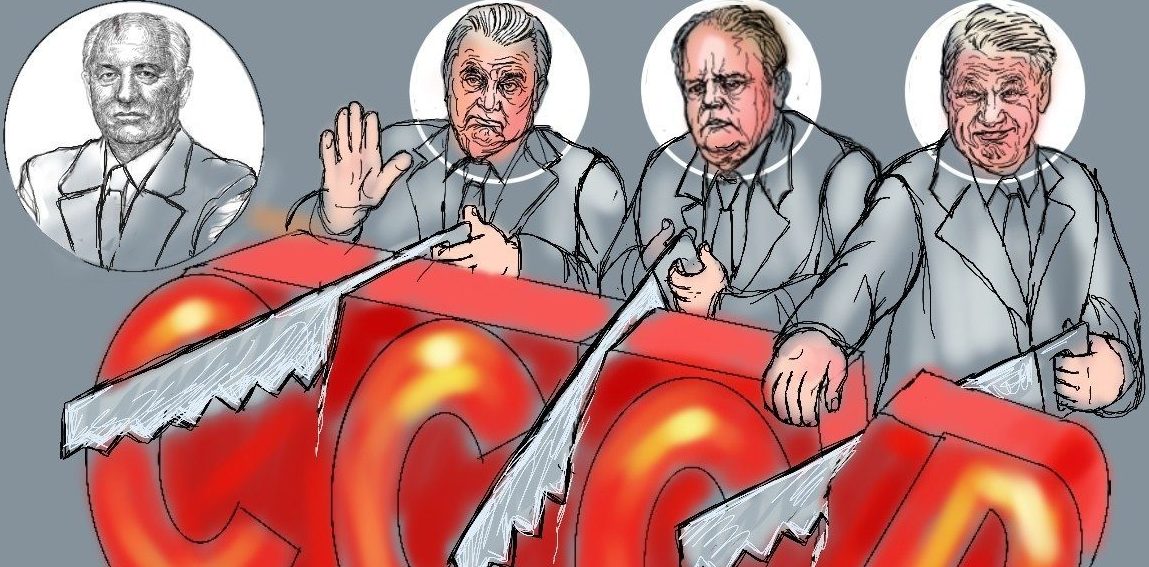
Elements alien to socialism began to appear in public life in the Soviet Union in the 1960s. The slowdown in GDP growth and economic stagnation could not escape the attention of the Soviet society. Negative trends seriously affected the social sphere.
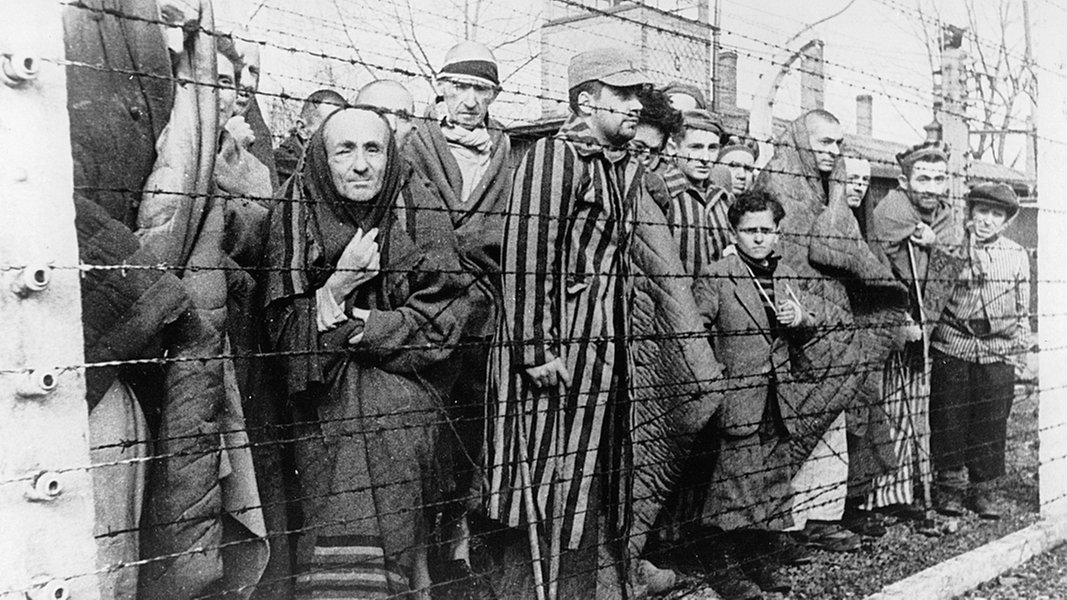
Azerbaijan will for the first time mark International Holocaust Day on January 27, becoming one of only a handful of Muslim-majority countries to commemorate the day.
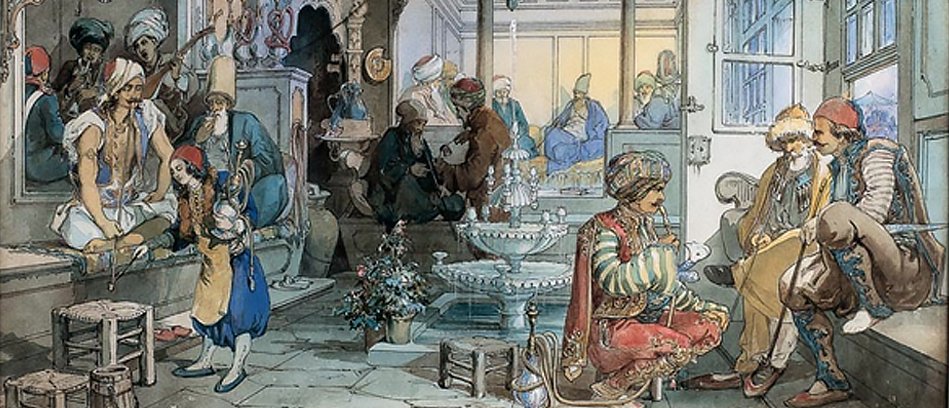
There is something that the Ottomans, the French Revolution, the American Army, Ethiopia, and Starbucks have in common, something that has played a monumental role in the world history—coffee. But where did coffee come from?
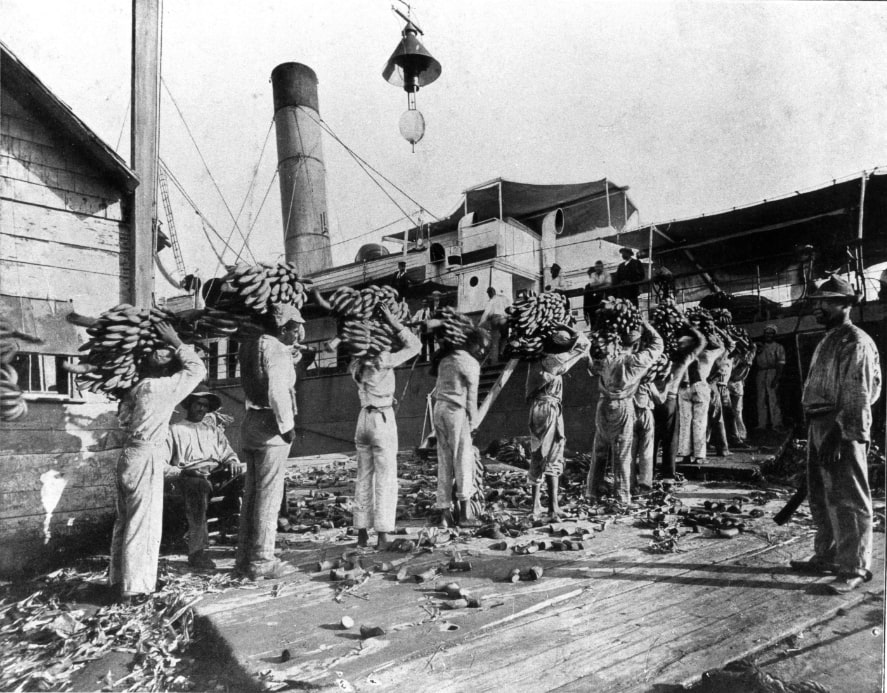
The period between harvest and consumption is four to five weeks, during which bananas travel 1,500 miles by land and about 2,000 to 6,000 miles by water to reach their markets, where their shelf life is no more than 5 days.
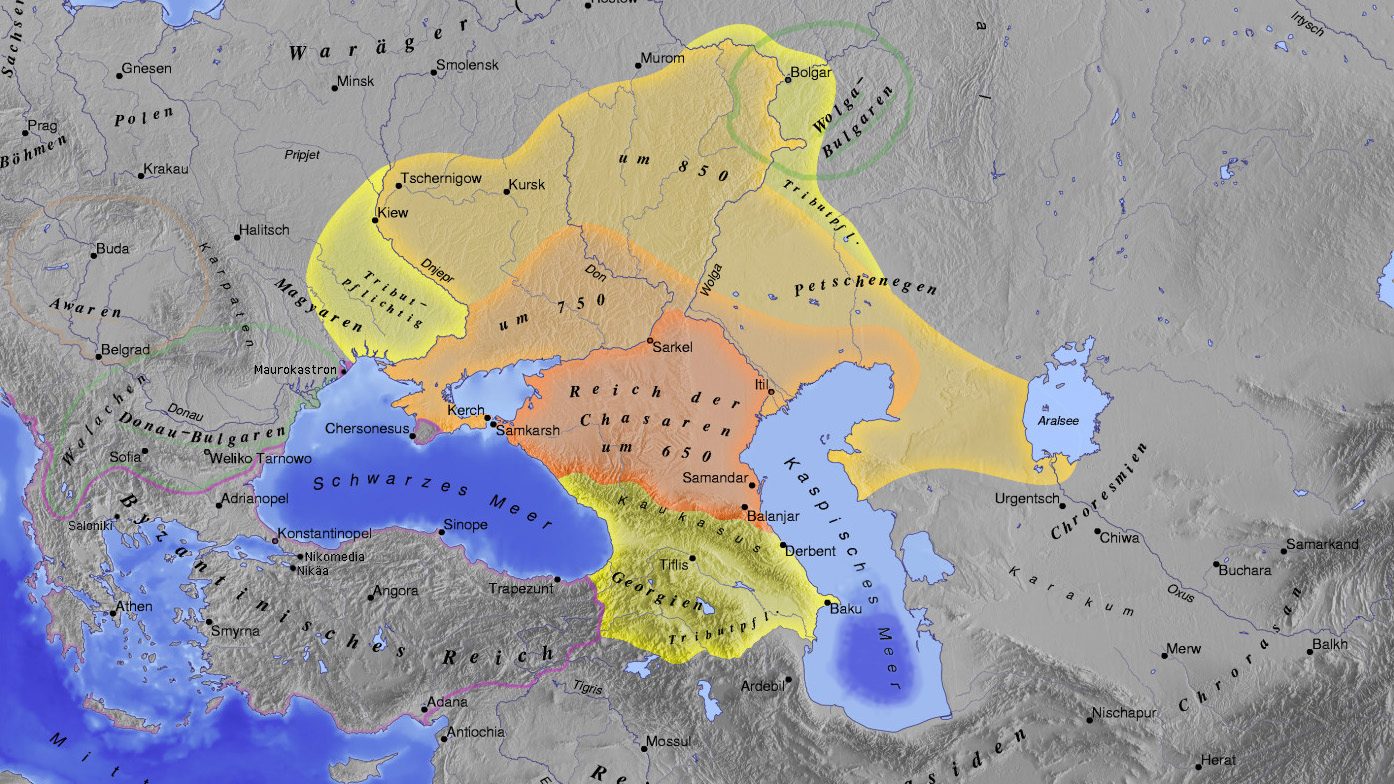
In his interview, Mikhail Finkel, international law expert, lawyer, rabbi, writer, talks about the long history of Judaism in Azerbaijan.
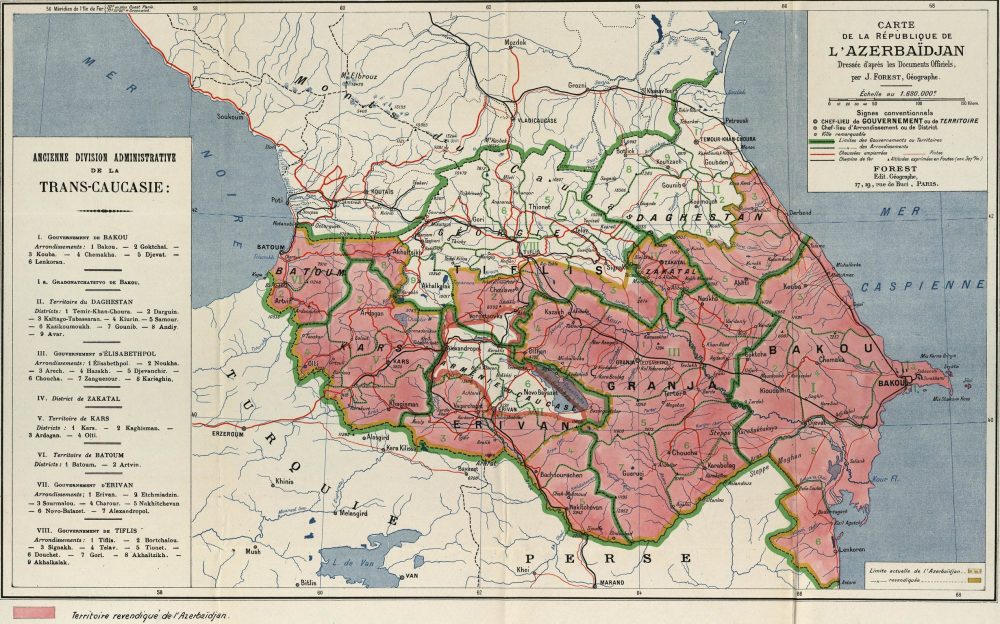
After the Sovietization of the South Caucasus, as the process of the unification of the republics within the Transcaucasian Federation went on, their borders were redrawn to bring them into line with the new economic objectives first and foremost.
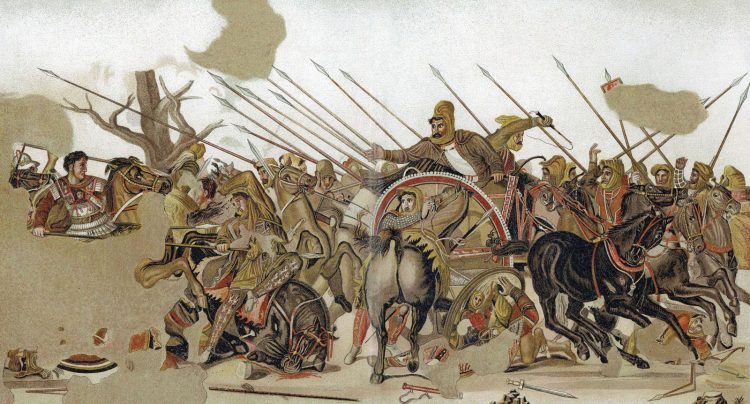
Throughout history, success of any army has been directly dependent on supply and transportation. One of the main reasons for the defeat of both Napoleon and Hitler on the vast Russian plains was that their armies were not properly supplied.
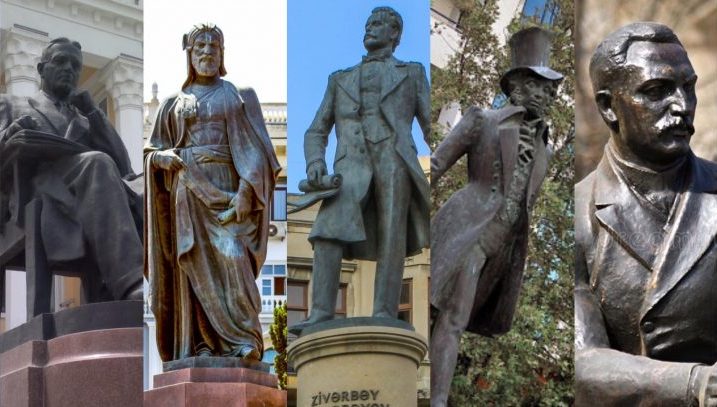
People have been interested in sculpture since primitive times. A sculpture can be a meeting point, an art form that we enjoy looking at, or a concept that we pass by many times without really paying attention. There are statues almost at every corner, especially in the central part of Baku. Some of them have very interesting history. I would like to invite you on a virtual tour of these monuments while we are in quarantine and miss walking around the city.
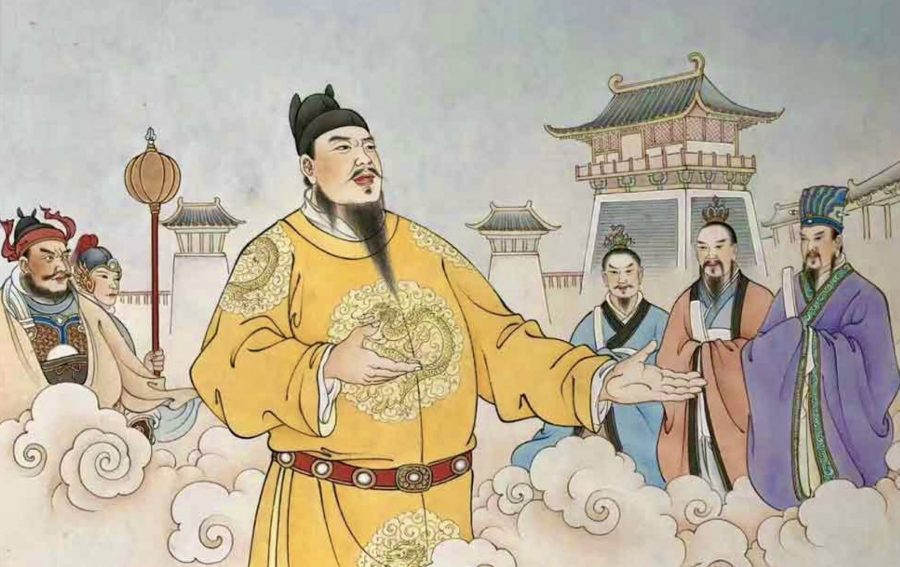
This time envoys and officials from dozens of countries joined the expedition with valuable gifts for the Yongle Emperor and demonstrate their loyalty to him in exchange for military support and trade privileges.
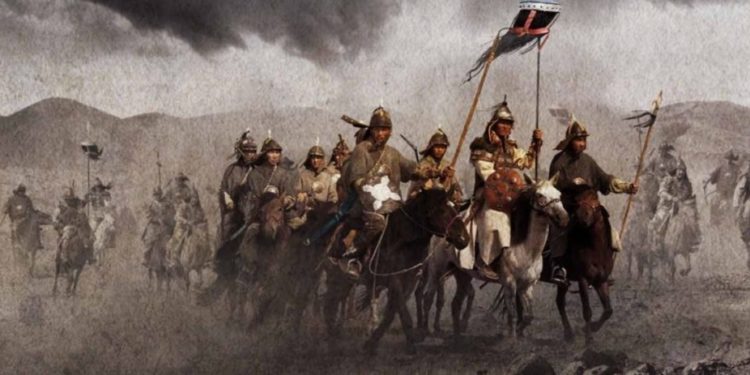
Iranian-speaking peoples are one of the important substrates of our ethnicity, just not those who live in modern Iran, but others, who lived in ancient times in Central Asia—not the Persians, but the Parthians; and it happened long before the Mongol conquests.
In mid-April 1920, units of the 11th Red Army, which had defeated the remnants of Denikin's troops in southern Russia, approached the northern borders of Azerbaijan. On the night of April 27-28, 1920, the ADR government was overthrown.
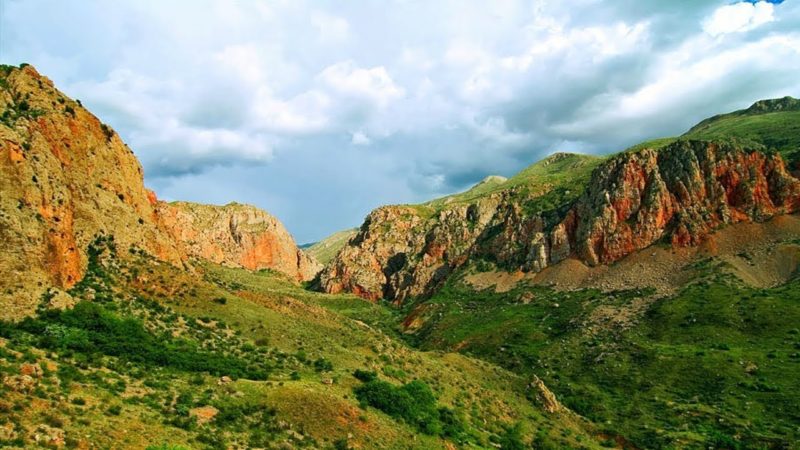
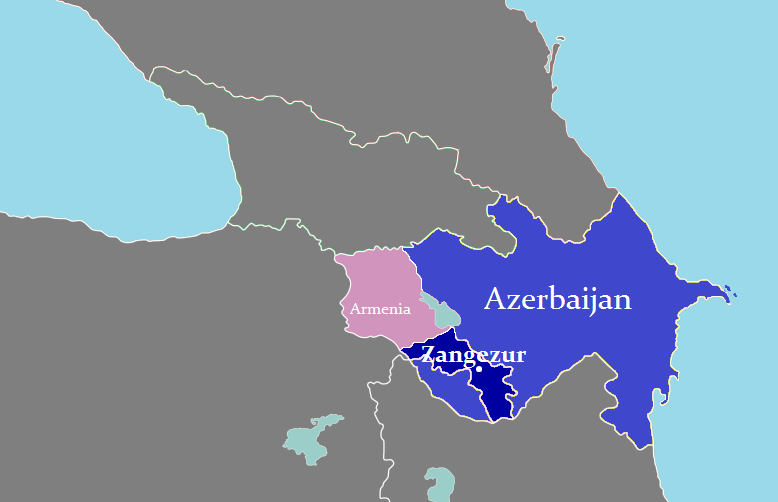
After the February Revolution in Russia in 1917, an Armenian-Azerbaijani committee was established in Zangezur, with Goris as its center. The purpose of this committee was to establish regional autonomy within the Russian Federative Democratic Republic. However, the civil war that began in the country with the October Revolution also affected Zangezur Uyezd.
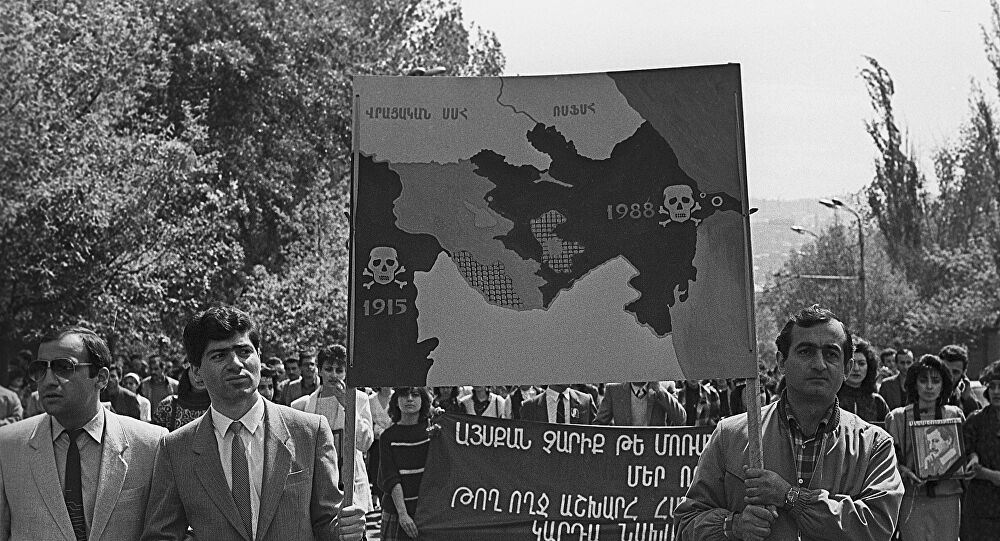
According to the State Statistics Committee of the Azerbaijan SSR, by the beginning of February 1990, 186,000 Azerbaijanis, as well as 11,000 Kurds and 3,500 Russians, had fled from Armenia to Azerbaijan.
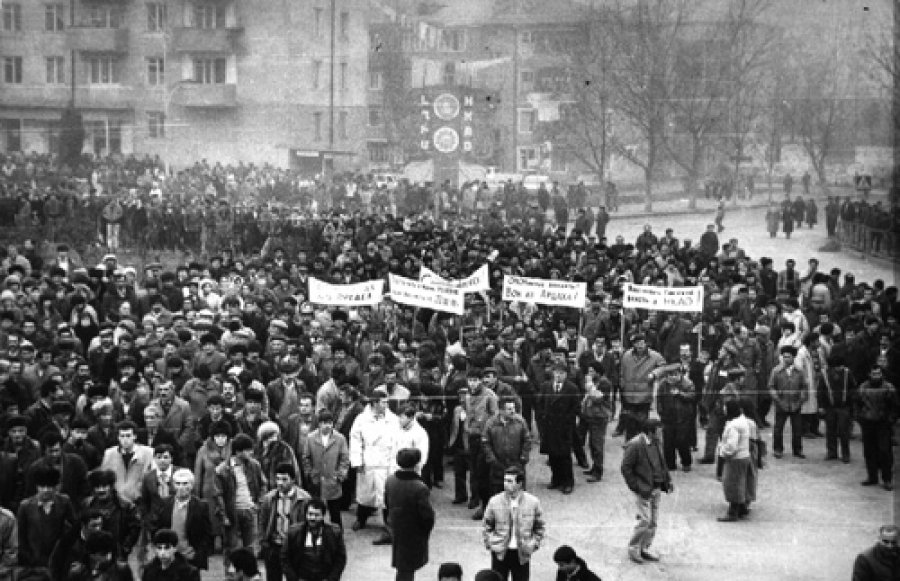
The Sumgayit events aggravated the conflict, exacerbated interethnic confrontation, pulling an increasing number of people from both sides into its orbit. Making the most of the tragedy, the zealots of the “genocide” tried to discredit Azerbaijan and sought moral and public support in the country and the world, thus trying to gain a political advantage in the struggle for Karabakh. The separatists achieved their main goal: the conflict was becoming irreversible and irreconcilable, finally entering a bloody phase.
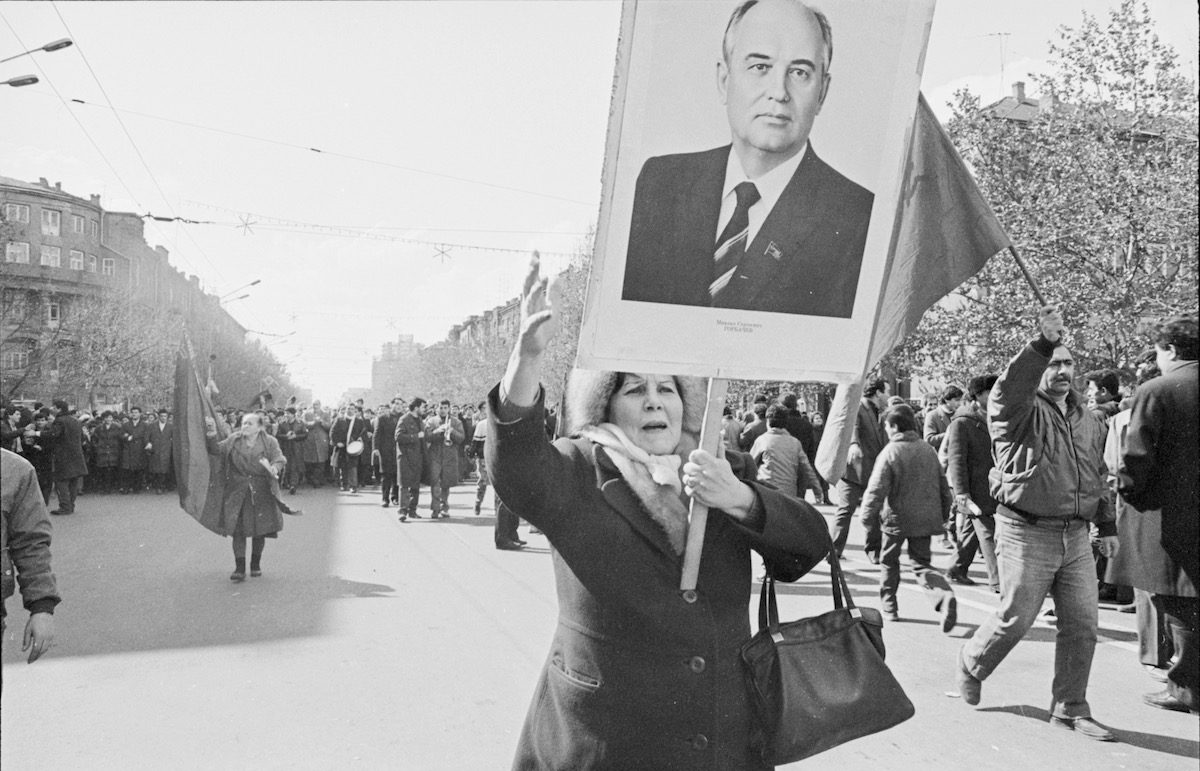
Starting from late 1987, the Azerbaijani population of Armenia was subjected to severe moral and psychological pressure, threats, and there were instances of physical violence used against persons of Azerbaijani nationality.

The Armenian propaganda was supported by active political and organizational work. Under the guidance of emissaries from Armenia, the organizational foundations of the separatist movement were being created, which were later legalized in the NKAO under the names "Krunk" and "Karabakh".
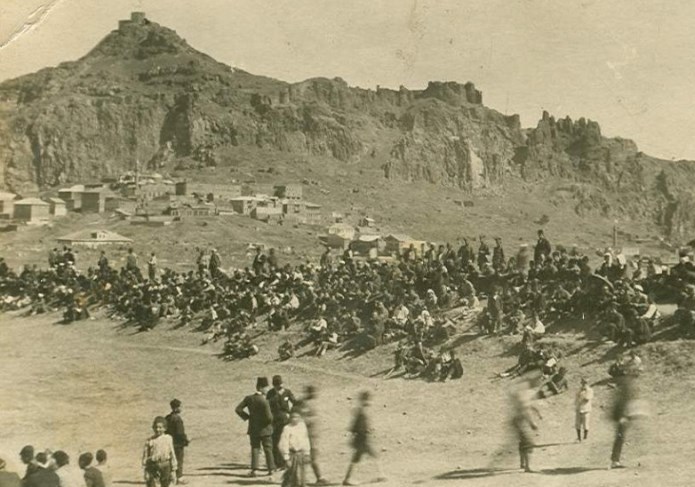
According to the data of Narkhozuchet (the national economic accounting agency) and the Ministry of Agriculture of the Armenian SSR, 25,000 Azerbaijani families, or about 110,000 people, lived in Armenia before the resettlement in 1948. Of these, only 9,000 families, or 35,000 people lived in lowland regions, the remaining 75,000 inhabiting mountainous regions of the Armenian SSR.
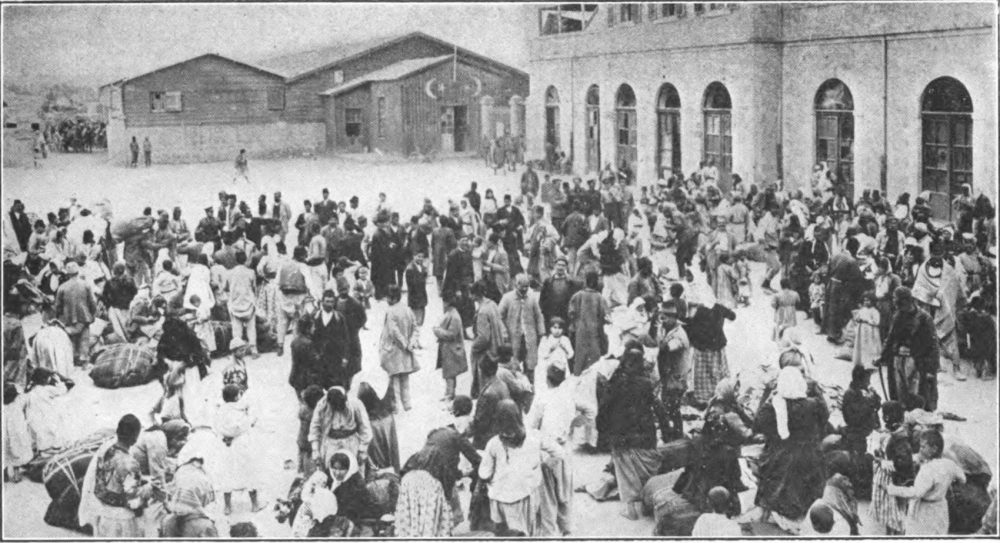
Ethnic deportations in the Soviet Union occurred during the time the country was ruled by Joseph Stalin. Starting on the eve of World War II, ethnic deportations took on the most tragic proportions in the war years and continued after the war ended.
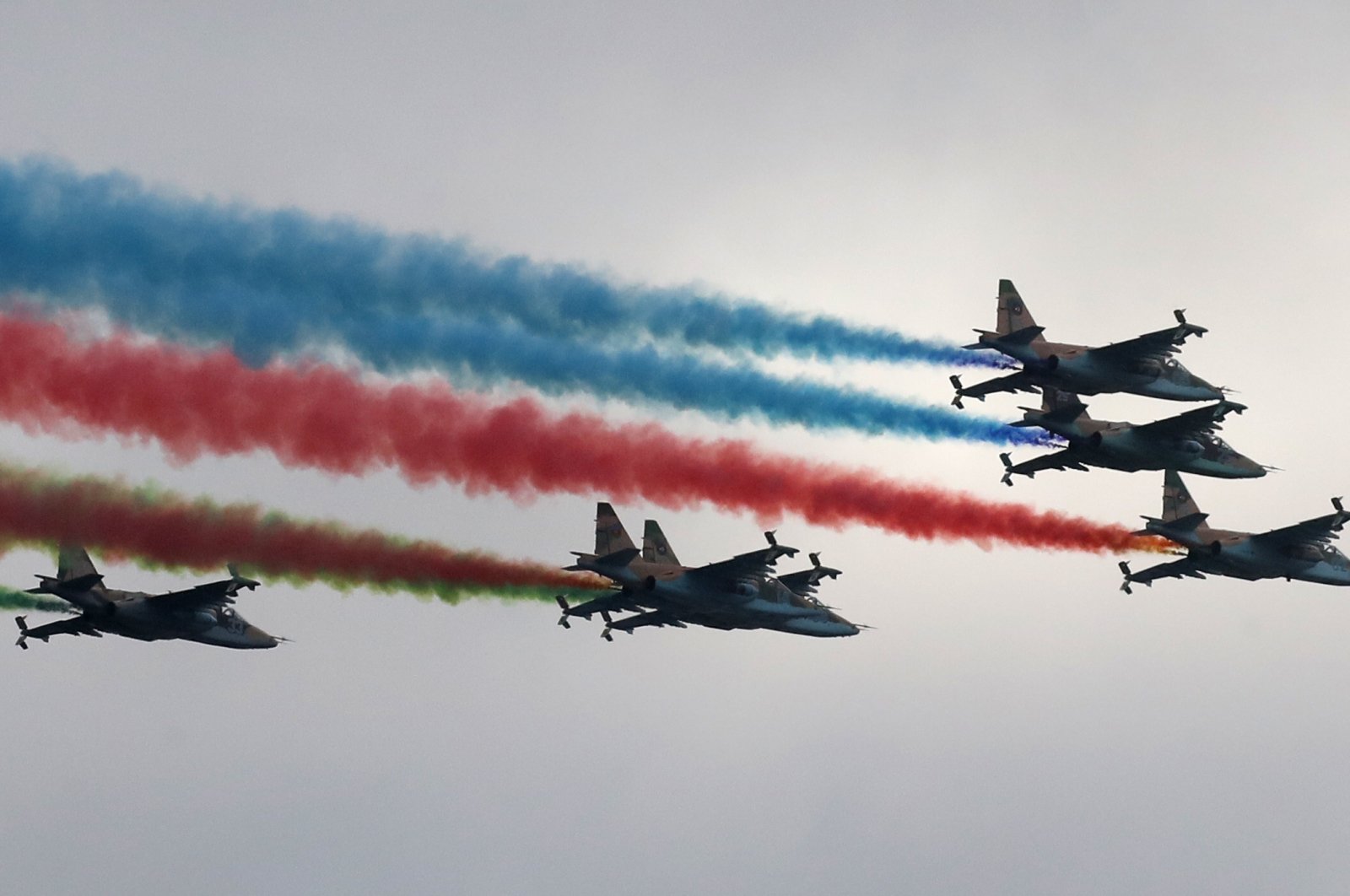
Today, Azerbaijanis are commemorating the 103rd anniversary of the Azerbaijan Democratic Republic (ADR). They will celebrate this momentous event in 2021 with greater joy this year, after the liberation of Nagorno-Karabakh and the occupied territories fresh in the minds of the Azerbaijani people.
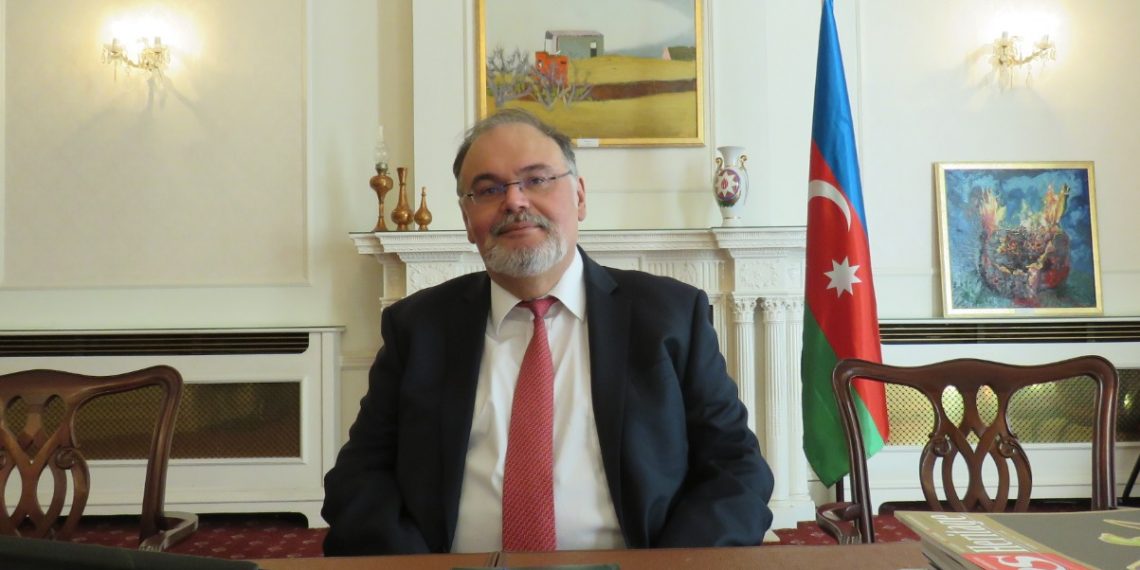
Establishment of Azerbaijan Democratic Republic (ADR) on 28 May 1918 was a historic event and a glorious page in Azerbaijan’s history. Being a parliamentary republic that was built based on political pluralism and a multi-party system, granting women the right to vote before most western democracies, ADR was first of its kind in the entire Muslim East.