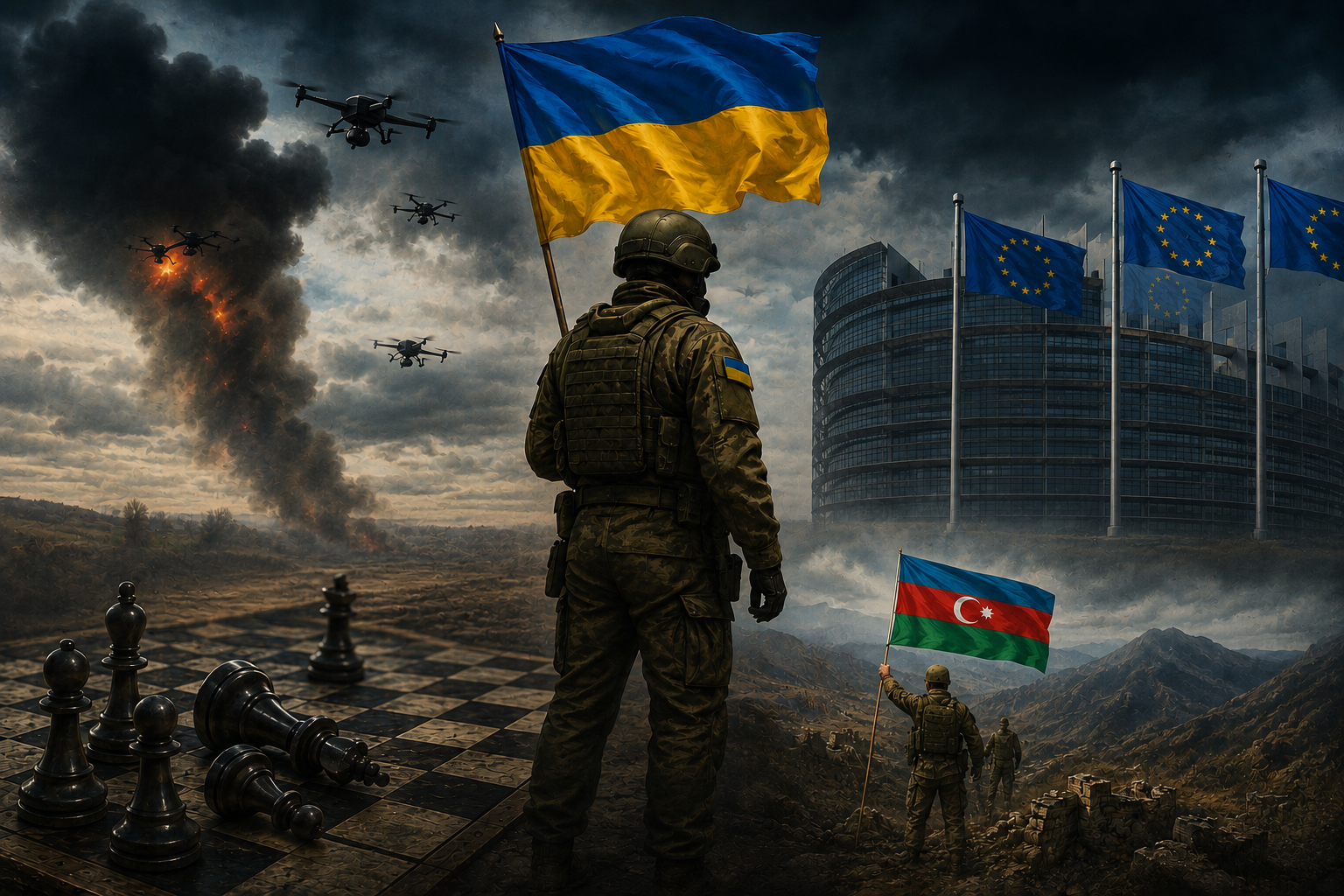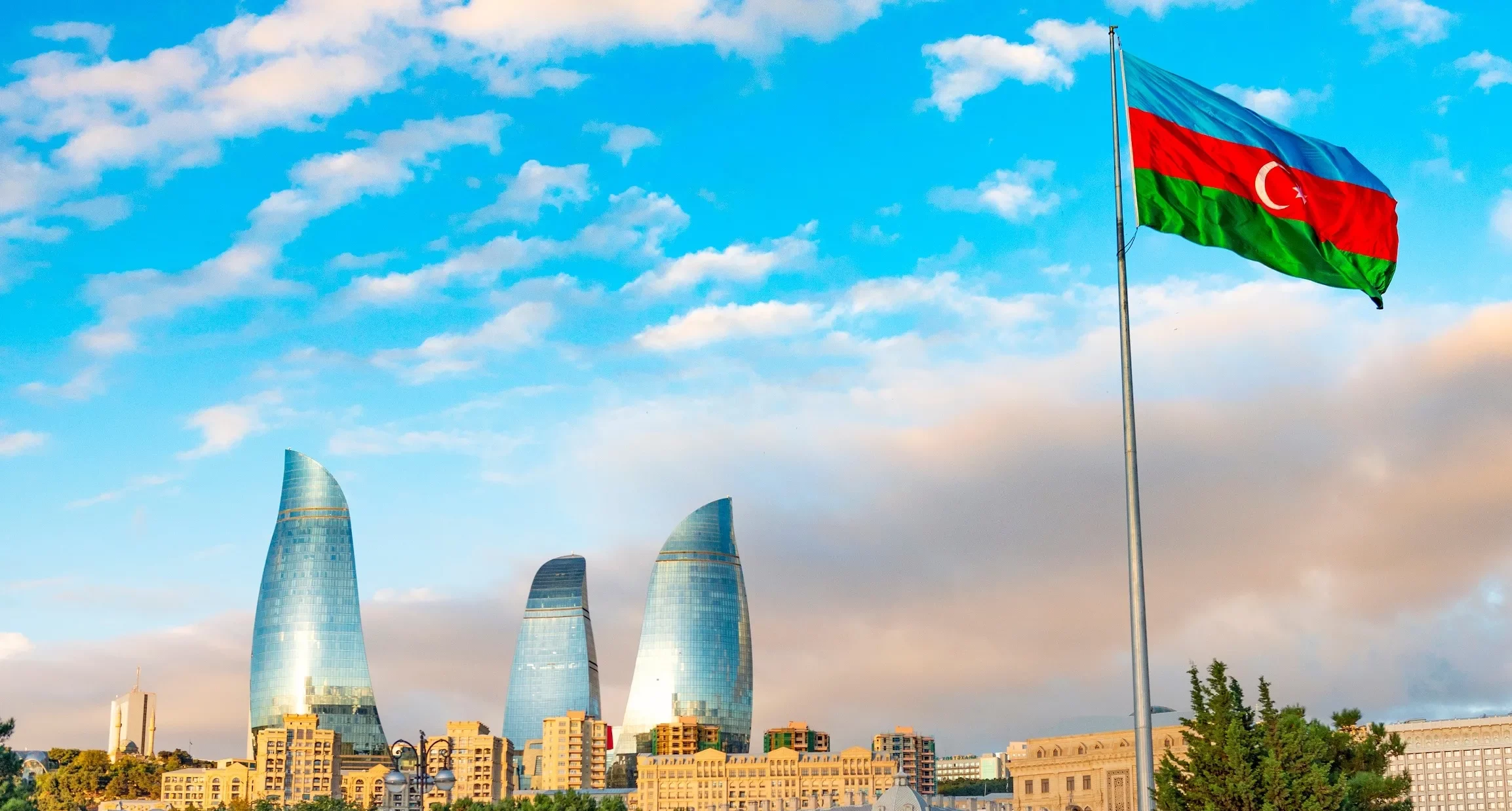
In late April and early May, Azerbaijan once again became a focal point for visits by senior representatives of the European political establishment.
Pragmatism versus declarations — it is precisely in this logic that the gap between the rhetoric of European institutions and the real policy of key EU states in the South Caucasus is becoming increasingly visible today.
Russia’s contemporary policy in the Caucasus is often described through the language of security, peacekeeping and regional stability. Yet its deeper roots lie in an older imperial habit: treating the region as a strategic frontier to be managed, reorganized and kept within Moscow’s sphere of influence.
Former UN International Court of Justice prosecutor Luis Ocampo threatens pro-Western Armenian Prime Minister Nikol Pashinyan with coup.
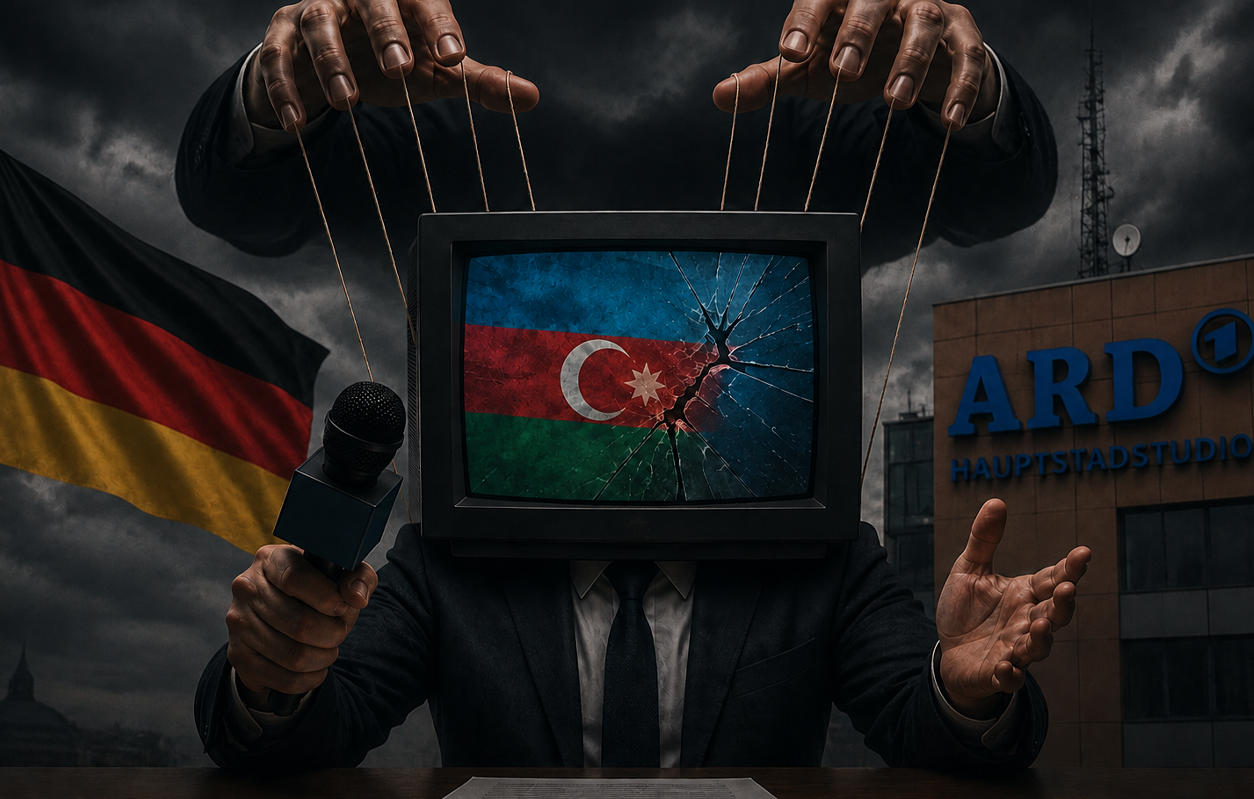
In recent years, European politics has increasingly revealed a troubling tendency: instead of exerting pressure on the aggressor, efforts are often redirected toward those in a more vulnerable position.
The visit of Czech Prime Minister Andrej Babiš to Azerbaijan marks a strategic reset in bilateral relations after years of limited high-level engagement. It reflects shifting European energy priorities, expanding industrial and defense cooperation, and a broader transition toward long-term economic integration, diversification, and joint projects beyond traditional oil-based trade frameworks.
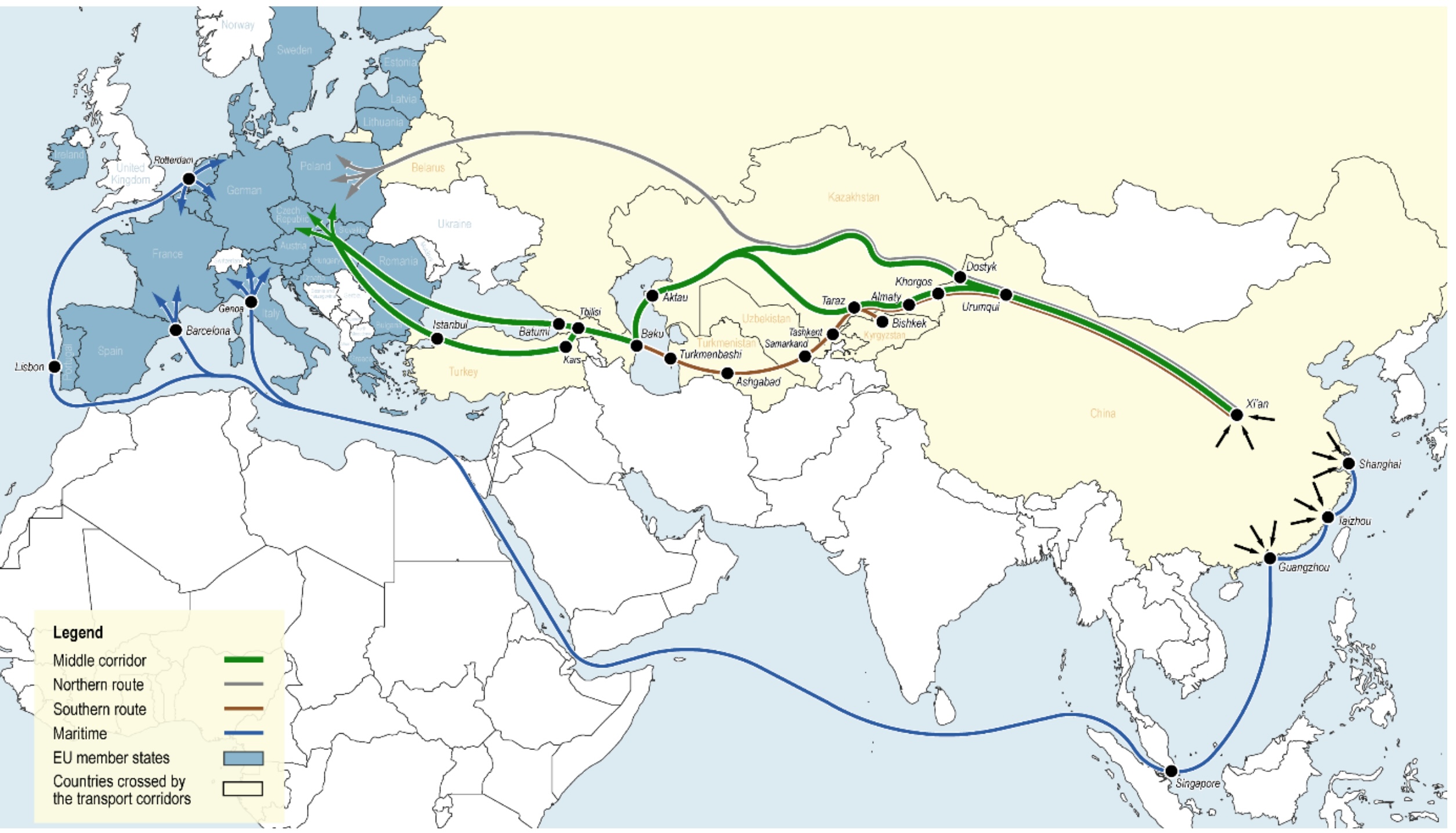
There has recently been a lot of interest in the Middle Corridor’s growing importance as a key transit route connecting European and Asian markets for goods, energy and the movement of people.
European parliamentary resolutions targeting Azerbaijan have triggered a strong diplomatic response from Baku, raising concerns over sovereignty, territorial integrity, and external interference in the peace process with Armenia. The timing, coinciding with EU negotiations, suggests potential political pressure, while highlighting broader tensions around post-conflict realities and competing narratives in the South Caucasus.
Larijani was the mastermind behind much of the Iranian regime’s policy and a man with a long history of oppressing the Azerbaijani nation.
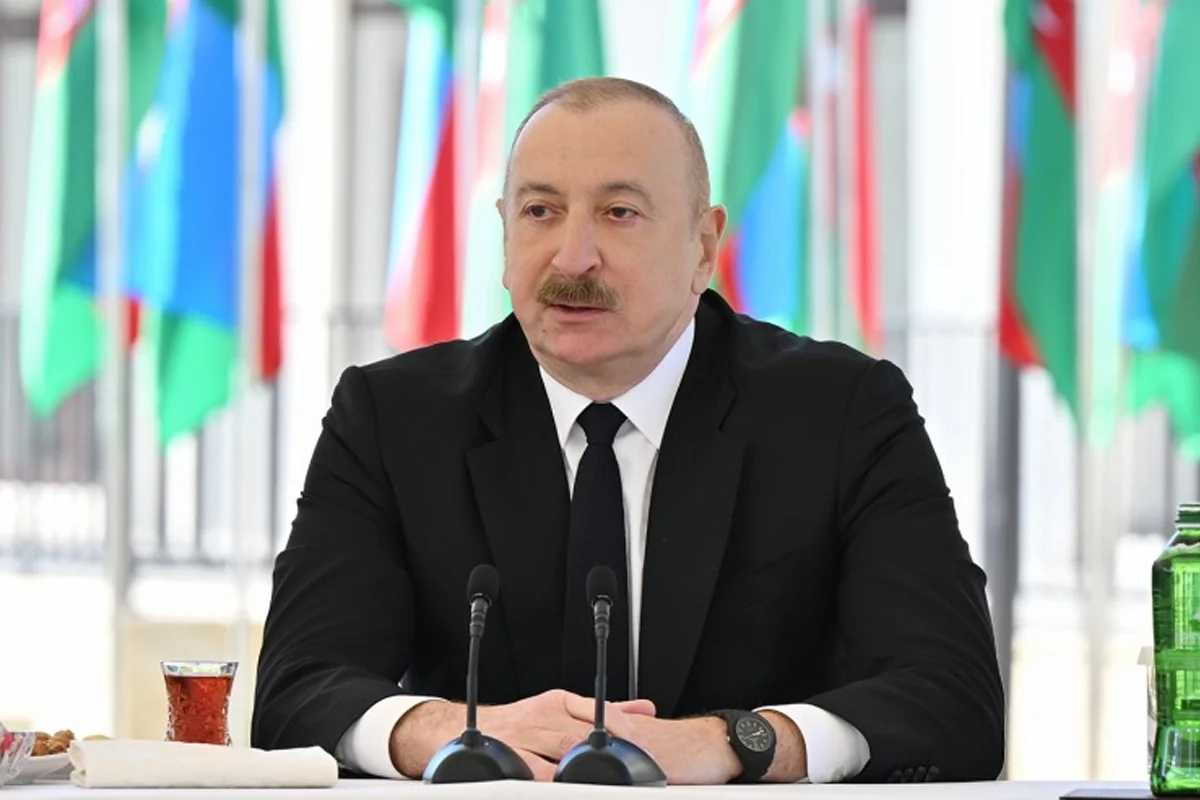
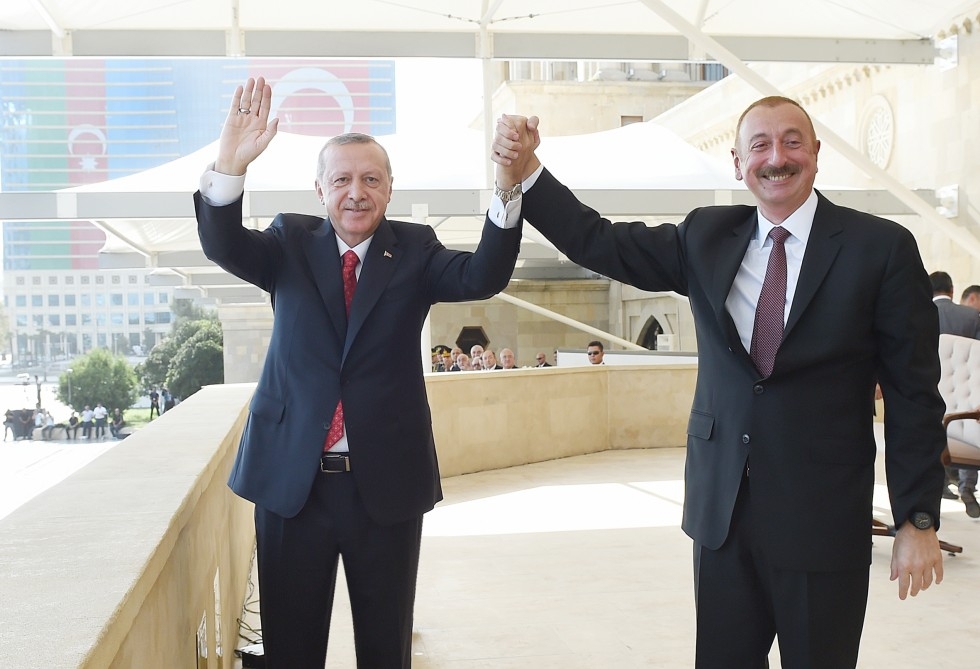
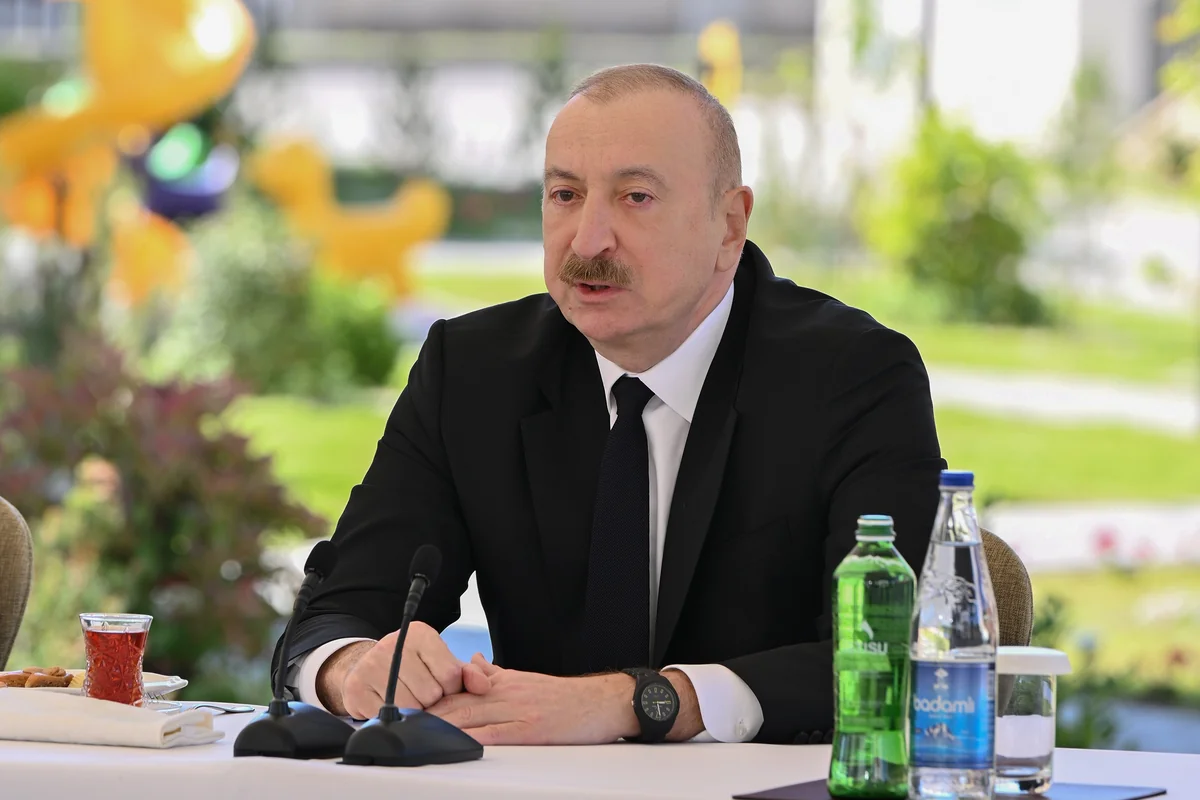
On April 16–18, a high-level Azerbaijani delegation led by President Ilham Aliyev took part in the 5th Antalya Diplomacy Forum, which in recent years has established itself as one of the key platforms for informal alignment on the most sensitive issues of the international agenda.
The war with Iran is damaging the United States’ global standing and eroding its reputation, particularly in Muslim-majority countries.
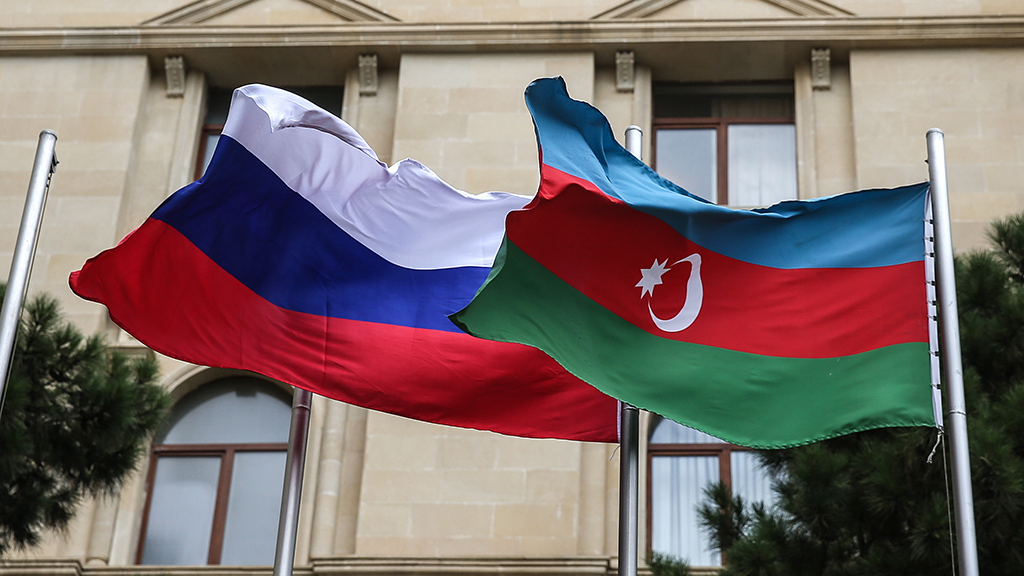
Azerbaijan and Russia have reached an agreement on settling the consequences of the tragedy involving the crash of an AZAL aircraft in December 2024, including the payment of compensation to the families of the victims and those affected, according to a joint statement.
The United States needs to develop and implement a new Caucasus strategy to account for the region’s connectivity alternatives to the Persian Gulf.
At a time of sustained resistance by Baku to the Western practice of double standards, Azerbaijan has, to some extent, grown accustomed to this phenomenon with a sense of heightened readiness.
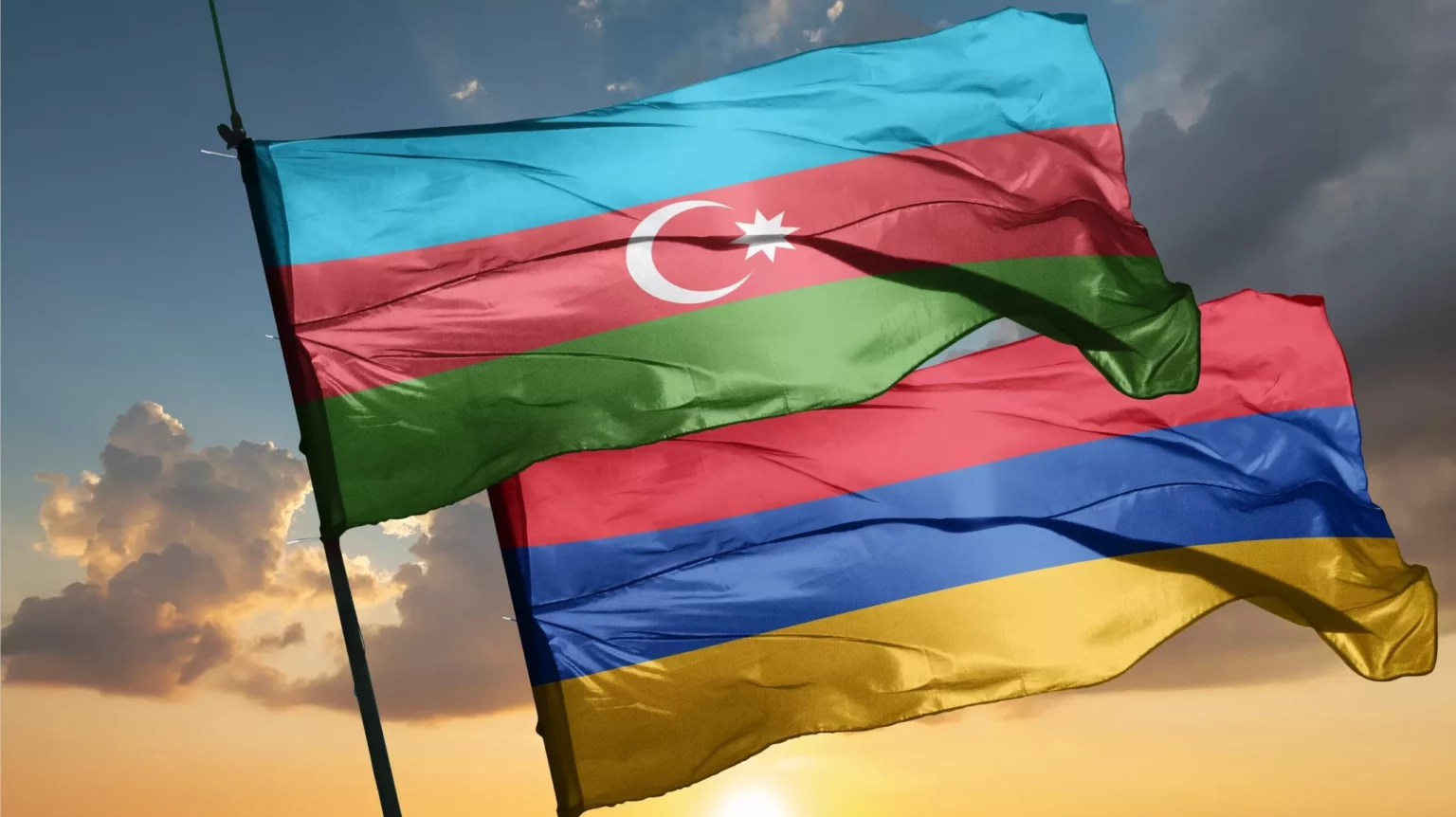
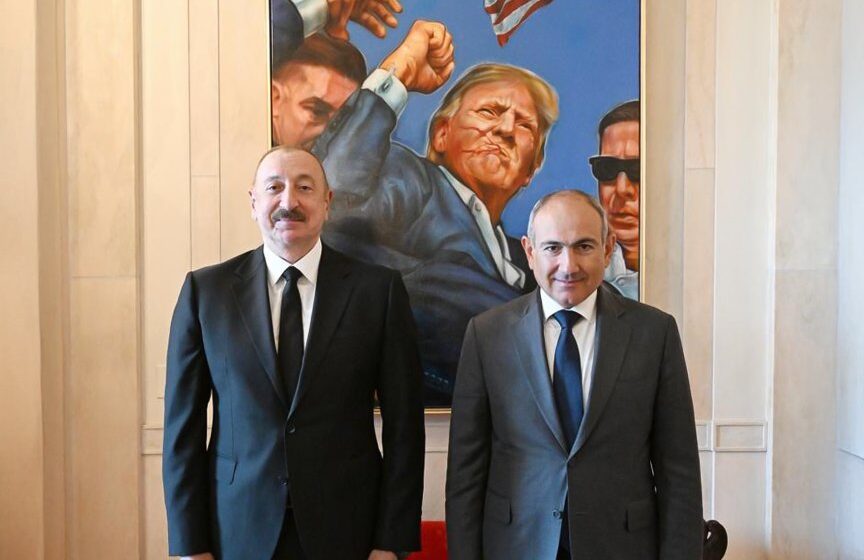
The meeting underscored the Azerbaijani government’s commitment to the peace agenda, the text of the peace treaty with Armenia agreed upon in Washington, and the overall spirit of the Washington summit.
After more than three decades of closure, the Türkiye-Armenia border may soon reopen. A string of recent developments, including the launch of Turkish Airlines flights to Yerevan, agreements to simplify visa procedures, and moves toward direct land trade, suggest that normalization is shifting from cautious diplomacy toward practical implementation.
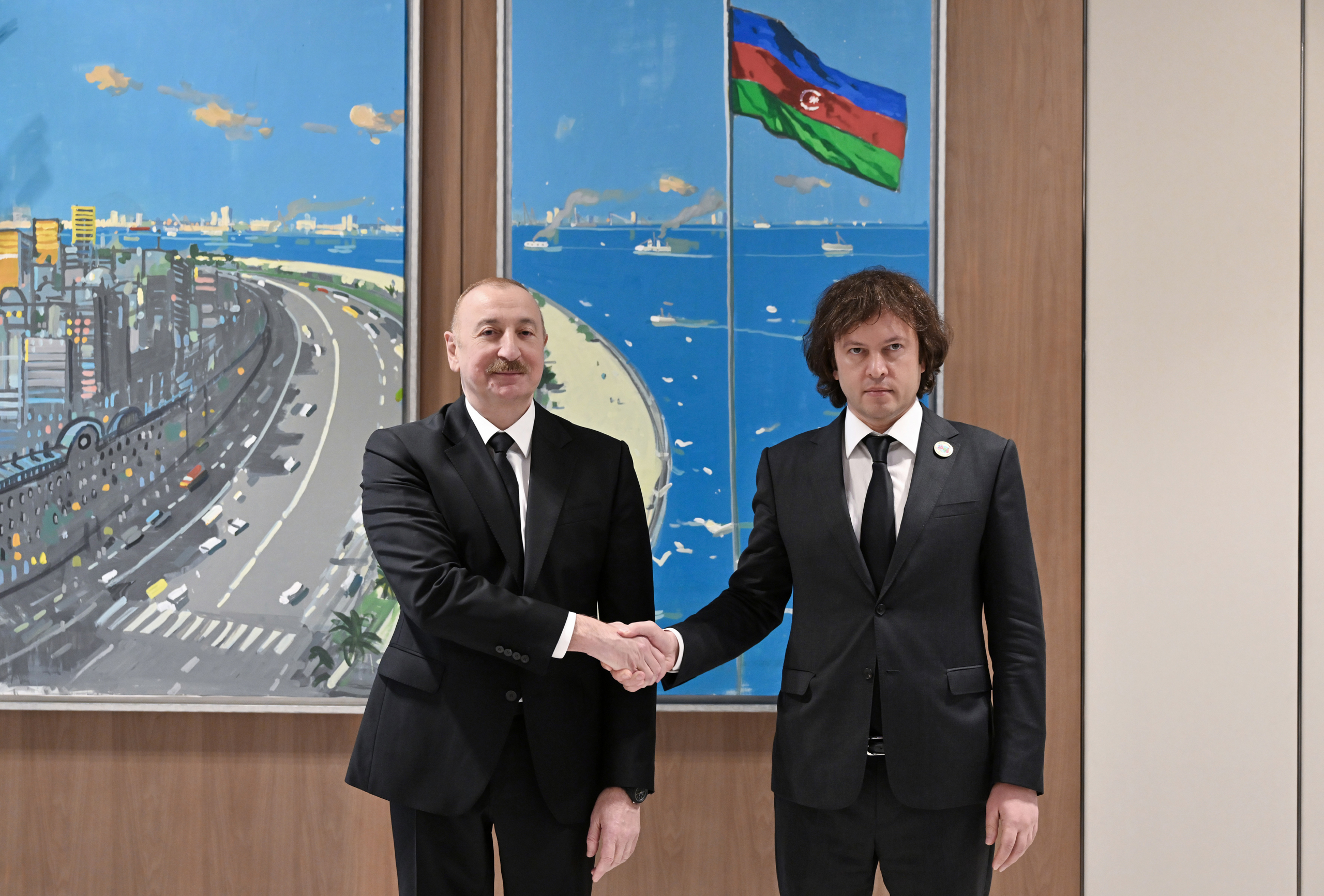
Over the past three decades, one of the most effective business platforms in the post-Soviet space has been established in the South Caucasus, combining the energy, transport-logistics, and agro-industrial potential of Azerbaijan and Georgia.
Iran’s official readout of the telephone conversation between Foreign Ministers Jeyhun Bayramov and Abbas Araghchi offers a revealing insight into Tehran’s current strategic messaging.
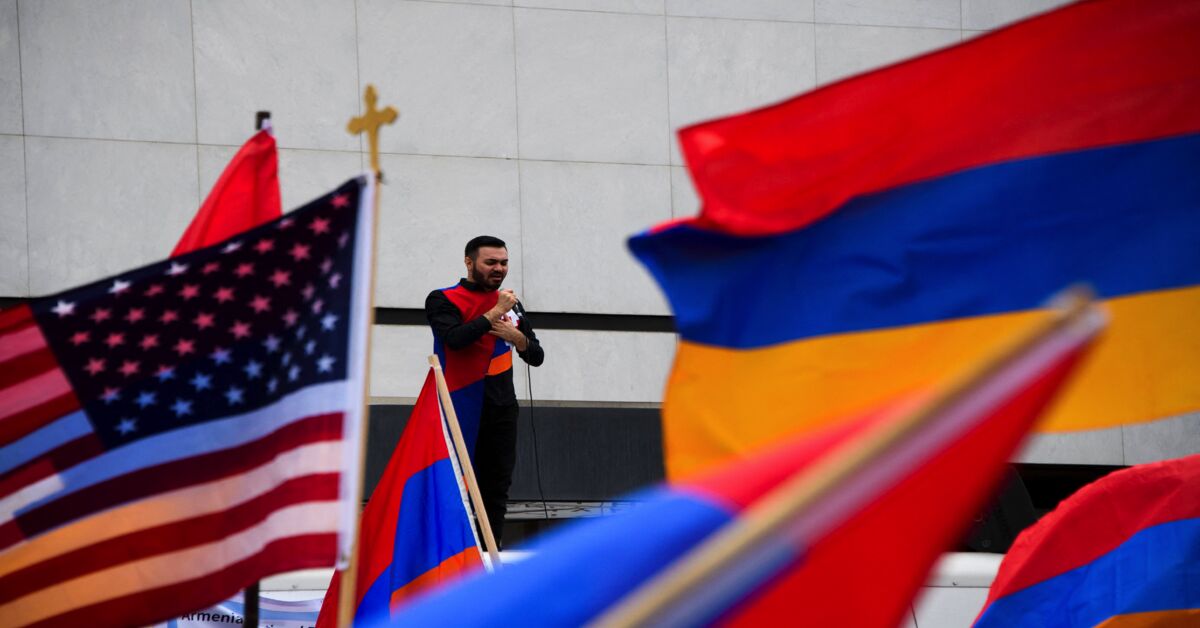
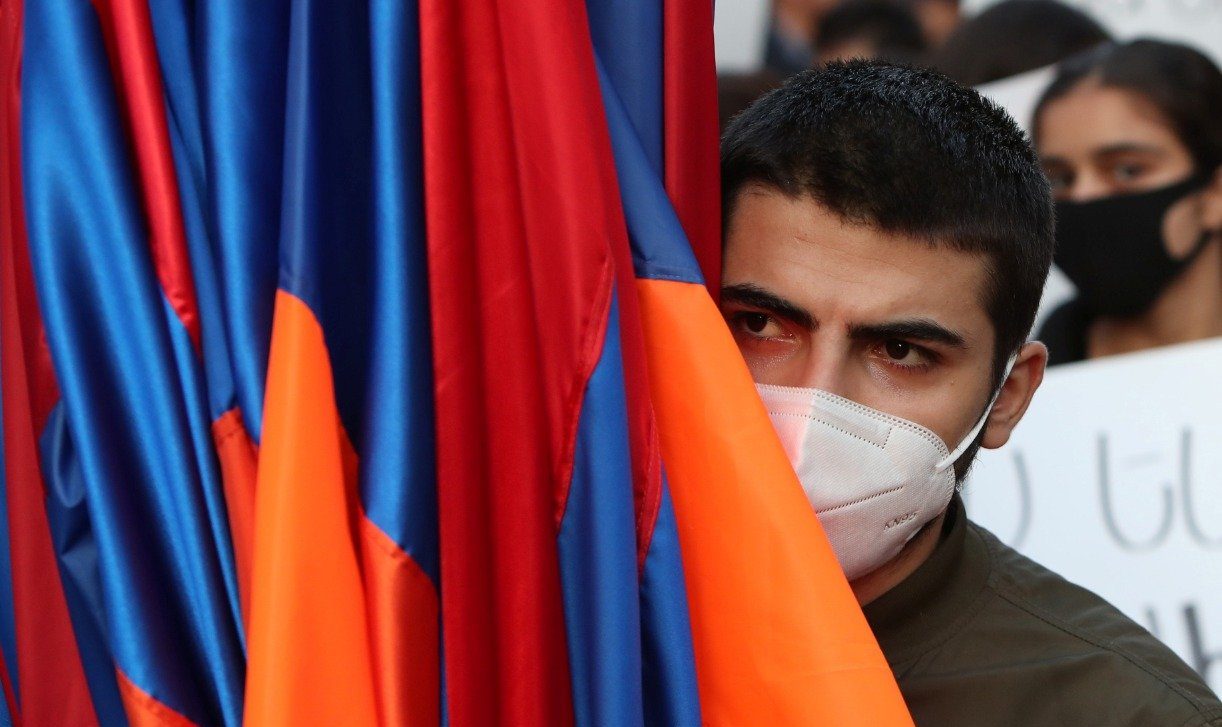
Armenia is living in a state of “countdown” to the parliamentary elections scheduled for June 7. Nikol Pashinyan has officially nominated a candidate for prime minister from his party.
The Baku Initiative Group has expressed full support for the UN General Assembly resolution recognizing the transatlantic slave trade as “the gravest crime against humanity.”