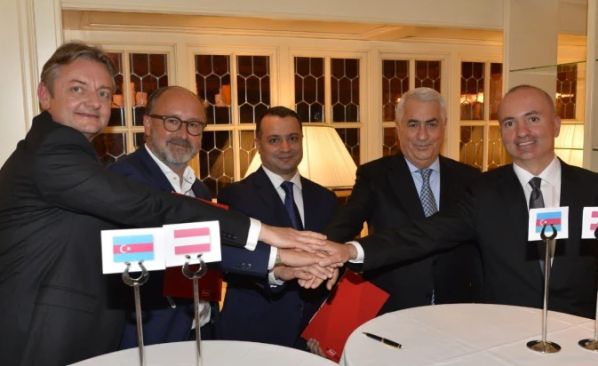
The MoU was signed during a meeting between Azerbaijani Railways chairman Mr Javid Grubanov and the chairman of Austrian Federal Railways (ÖBB) Mr Andreas Matte.

The MoU was signed during a meeting between Azerbaijani Railways chairman Mr Javid Grubanov and the chairman of Austrian Federal Railways (ÖBB) Mr Andreas Matte.
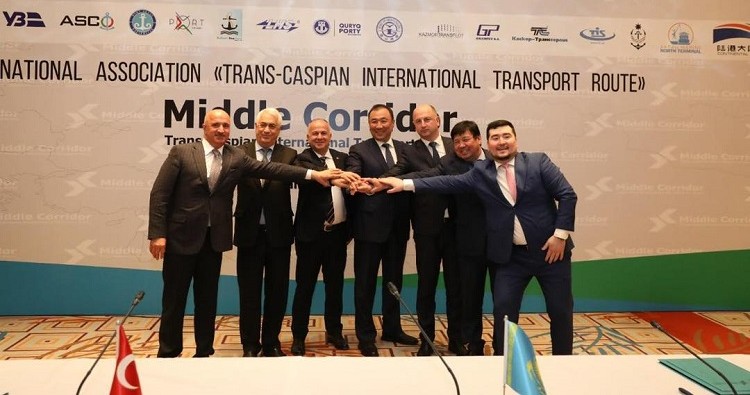
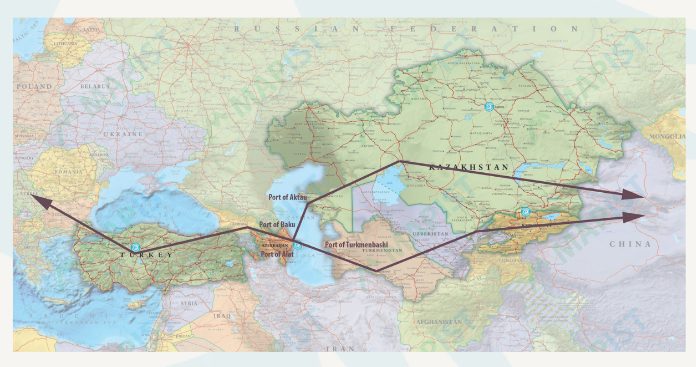
A delegation from Georgian Railway joined counterparts from Turkey, Azerbaijan and Kazakhstan on Wednesday in Ankara to discuss the project of the Middle Corridor of the Trans-Caspian International Transport Route, aimed to connect supply chains and logistics between China and Europe.
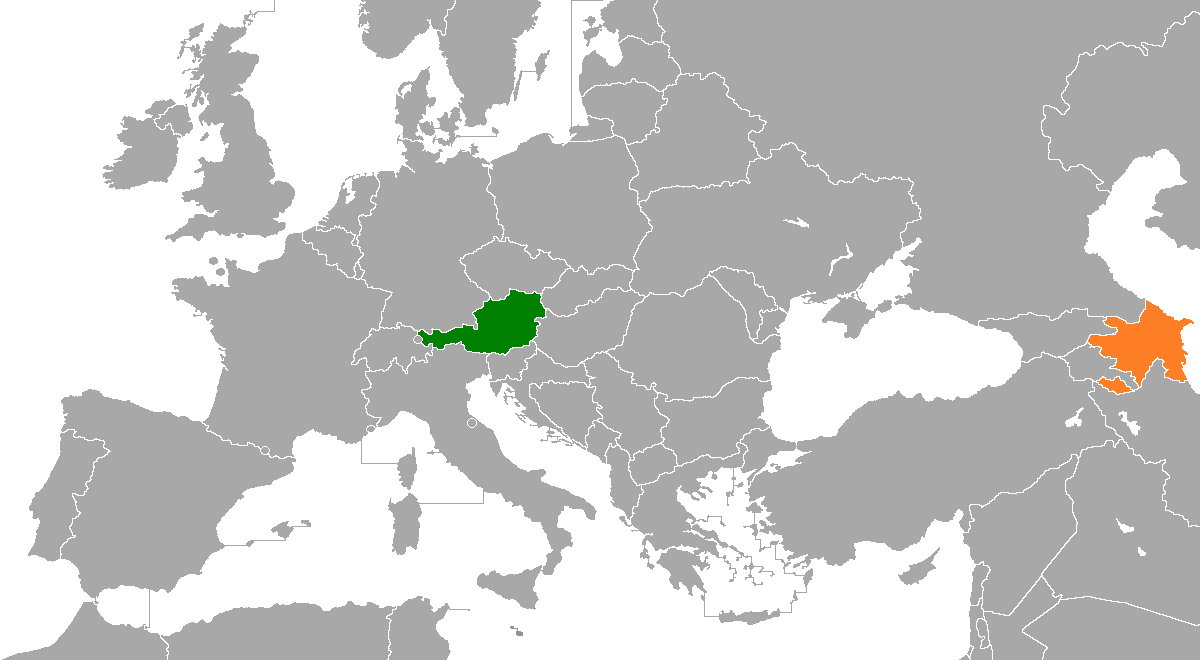
The delegation led by Chairman of Azerbaijan Railways CJSC Javid Gurbanov met with CEO of Austrian Federal Railways Andreas Matthä, the press service of Azerbaijan Railways CJSC reports.
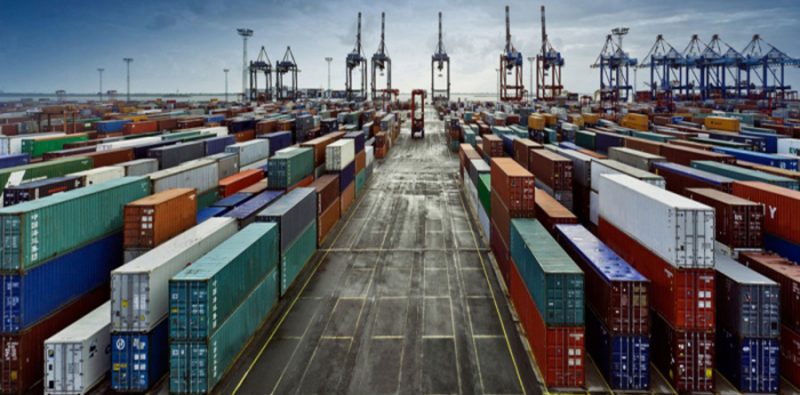
The shift in the geography of container shipments due to the current geopolitical and economic situation has led to a reorientation of cargo flows from the west to the east, as well as to the south.
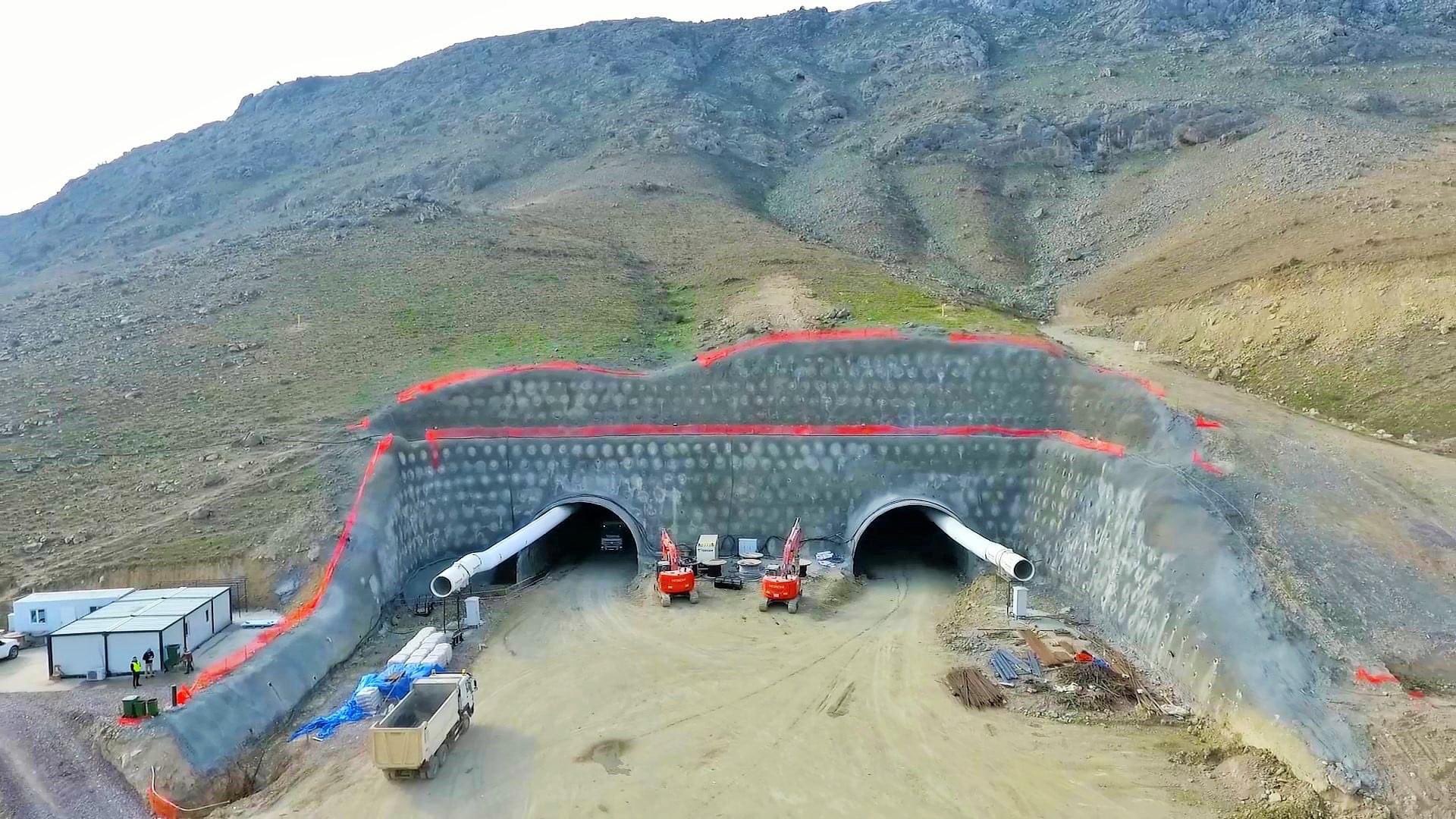
The Russo-Ukrainian war, the extensive sanctions against Russia that the West adopted in response, and the growing possibility that European border states will block east-west transit routes traversing Russian territory into Europe, including the so-called Northern Corridor of China’s Belt and Road Initiative (BRI), are all having far-reaching implications for the landlocked countries of Central Asia as well as the South Caucasus.
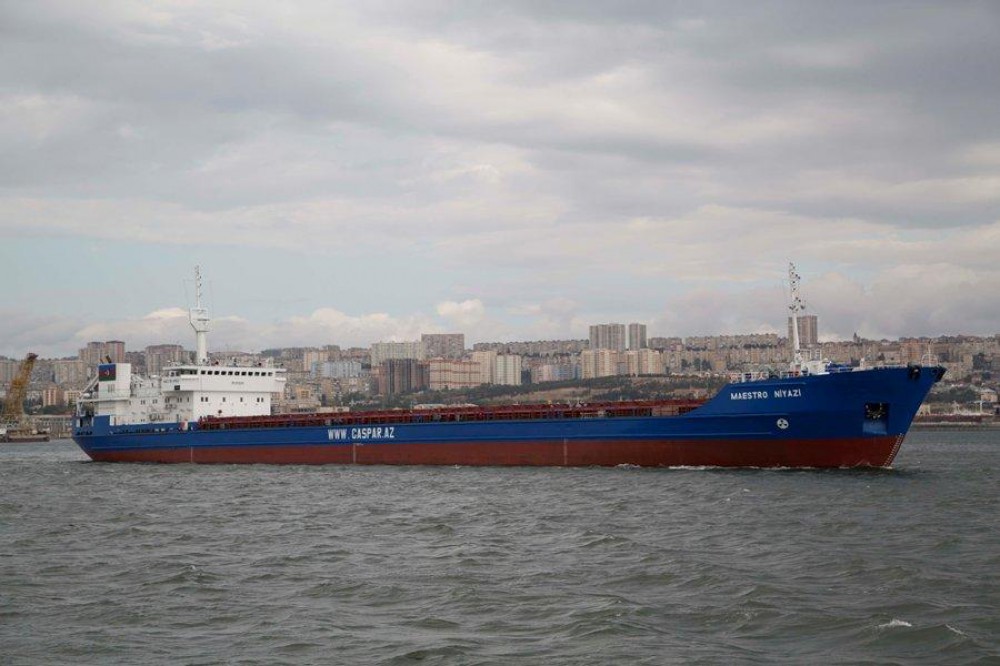
A China-Germany freight train was transported from Kazakhstan to Azerbaijan on the dry cargo ship Maestro Niyazi, the Azerbaijani Caspian Shipping Company (ASCO) says.

In the midst of the Russian-Ukrainian conflict, Europe is looking for alternatives to Russian gas, it is possible to say that Azerbaijan may become a lifeline for Europe in terms of gas supplies.
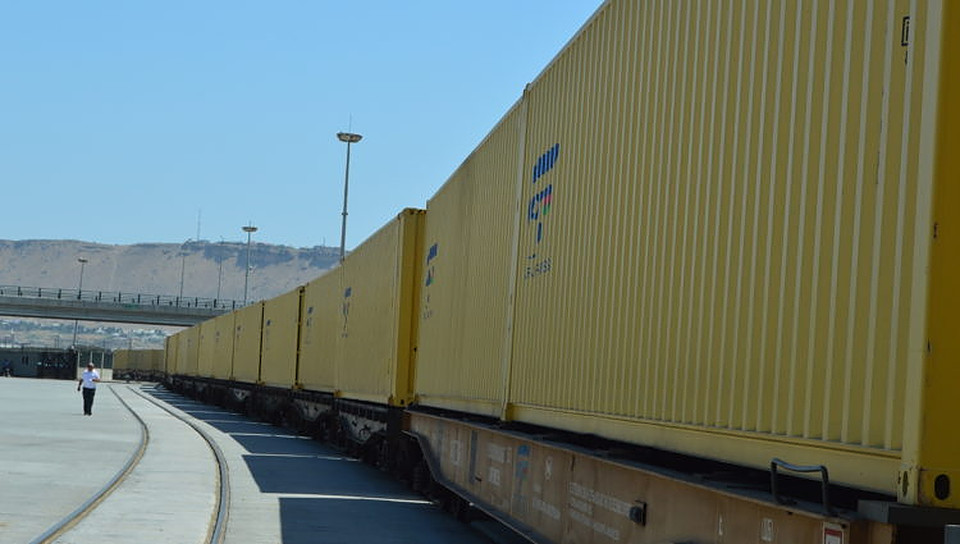
Container transportation on the Middle Corridor increased by 28 per cent in the first quarter of 2022, compared with the same three months last year.
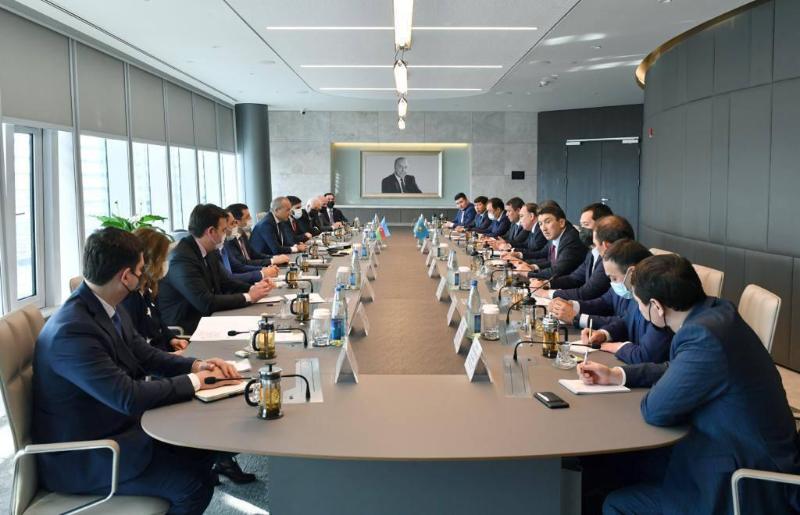
Kazakhstan’s delegation led by deputy head of the Presidential Administration – Special Representative of the President of the Republic of Kazakhstan for International Cooperation Erzhan Kazykhan paid a working visit to Baku, Kazinform correspondent reports.
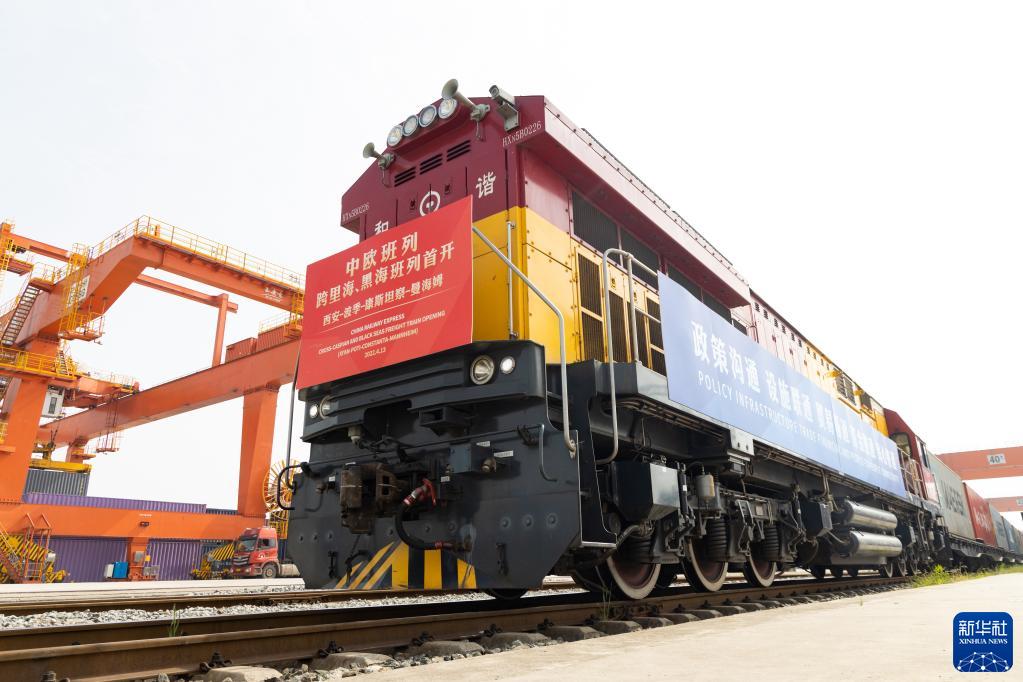
The China-Europe Railway welcomed a new train connection between the Xi’an International Dry Port and Mannheim in Germany. The new multimodal service commenced on 13 April. It crosses the Caspian and Black Seas, passing through Kazakhstan, Azerbaijan, Georgia, Romania, Hungary, Slovakia and the Czech Republic. The Romanian port of Constanta will be the gateway to Europe.

Azerbaijan Airlines will resume flights between Baku and Berlin from May 29, AZAL says.

According to the press service of Azerbaijan Airlines (AZAL), the company will start operating flights to the capital of the Czech Republic Prague as part of its summer 2022 schedule.
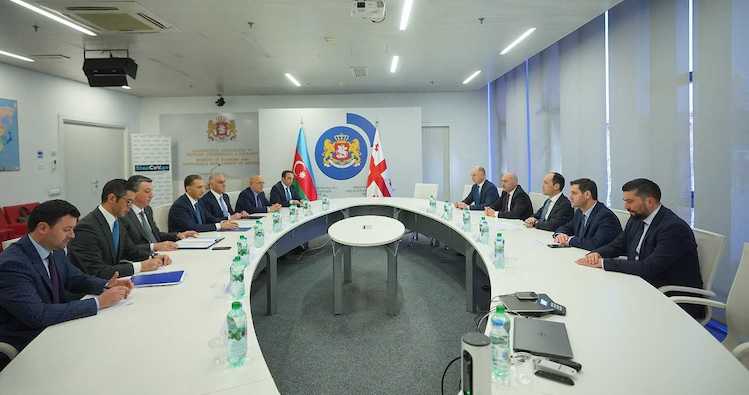
The increasing dynamics of containers transported via the BTK railway were also stressed during the discussion, with the two officials reviewing cooperation in the fields of communication and information technologies as well.
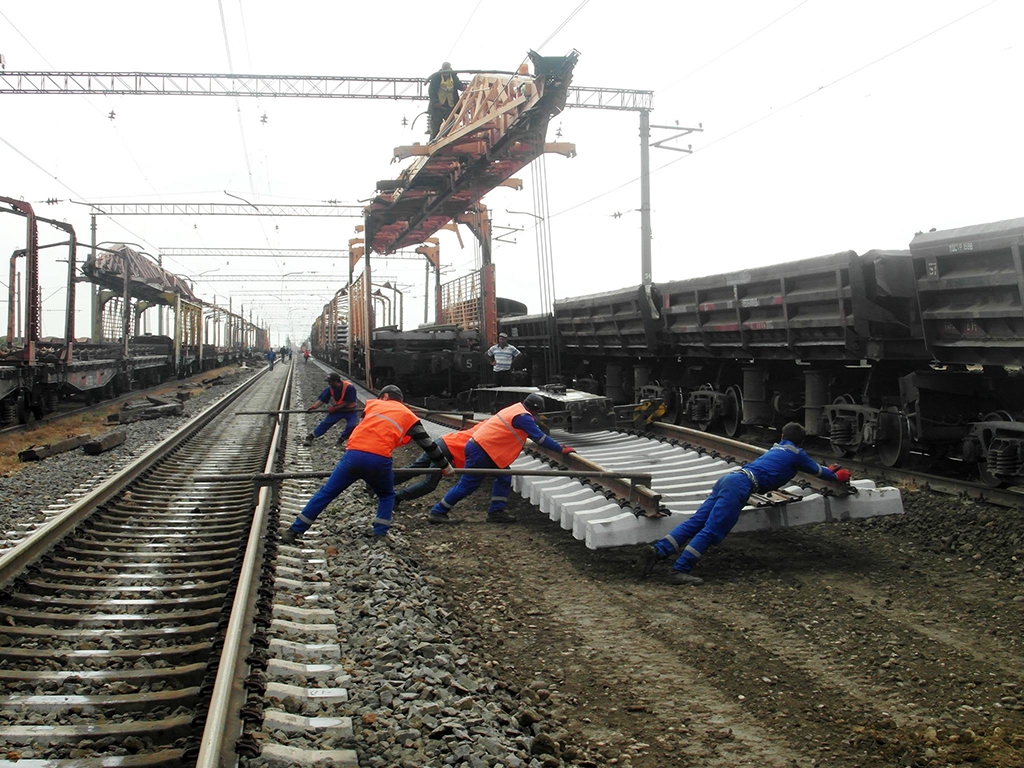
The rail freight volumes passing through the Middle Corridor (via Kazakhstan, Azerbaijan and Georgia) increased by 52 per cent last year. This surge is expected to be even higher this year, due to the increased interest in the corridor as an alternative multimodal route between Europe and China.
Recent geo-political processes in the South Caucasus and around the world significantly affect Eurasia’s transportation network by changing the roles and positions of its participants.
The Memorandum was concluded between Azerbaijan and Iran, but it is not difficult to calculate how important this new line of communication will be for other countries in the region and for international logistics.
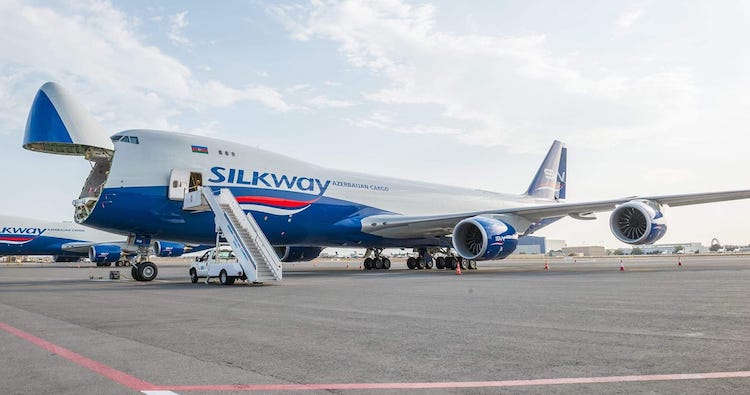
Silk Way West Airlines (7L, Baku) has taken over both B747-400(FSCD)s formerly operated by Sky Gates Airlines (U3, Moscow Vnukovo) following their repossession and has since re-registered them in Azerbaijan, ch-aviation research has revealed.
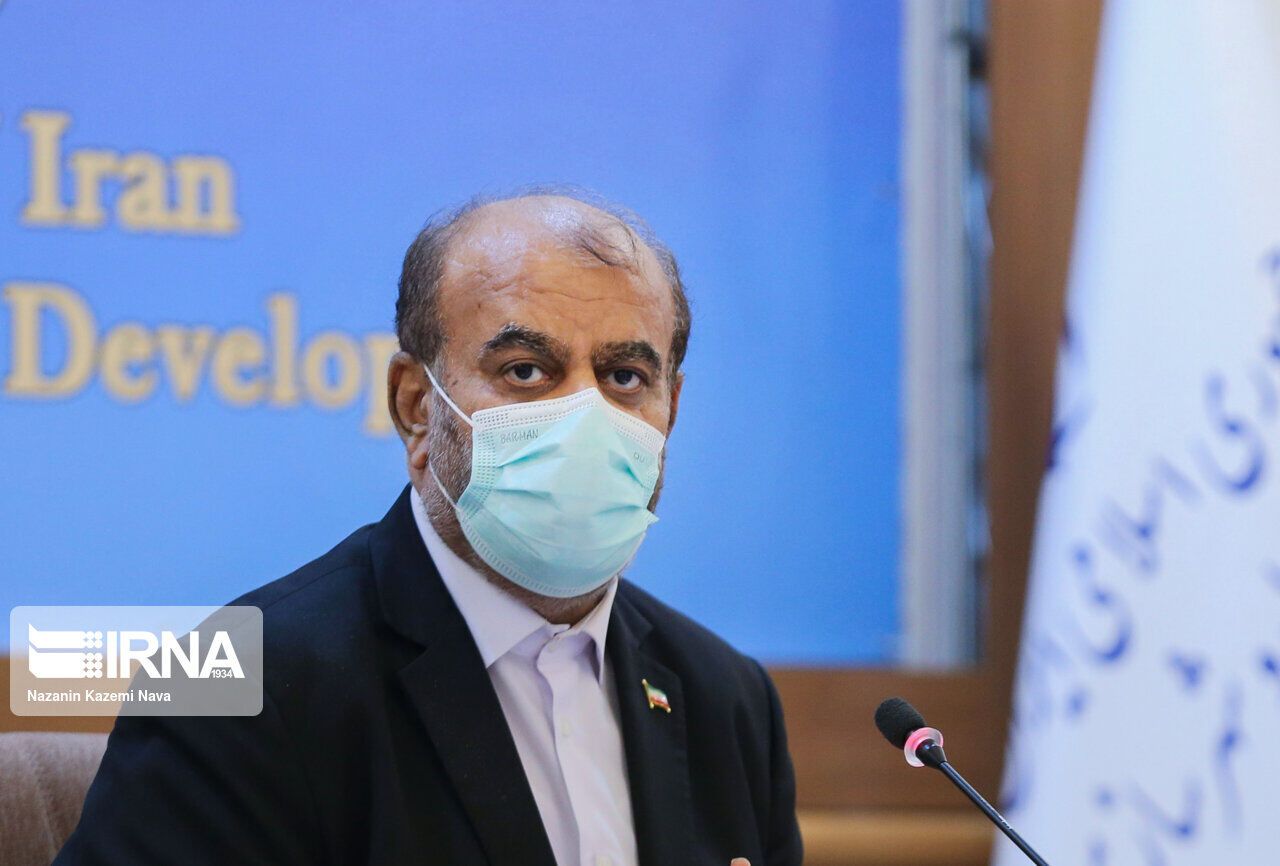
Ghasemi is in Azerbaijan on top of a high-ranking delegation to attend the two countries’ 15th Joint Economic Committee meeting.
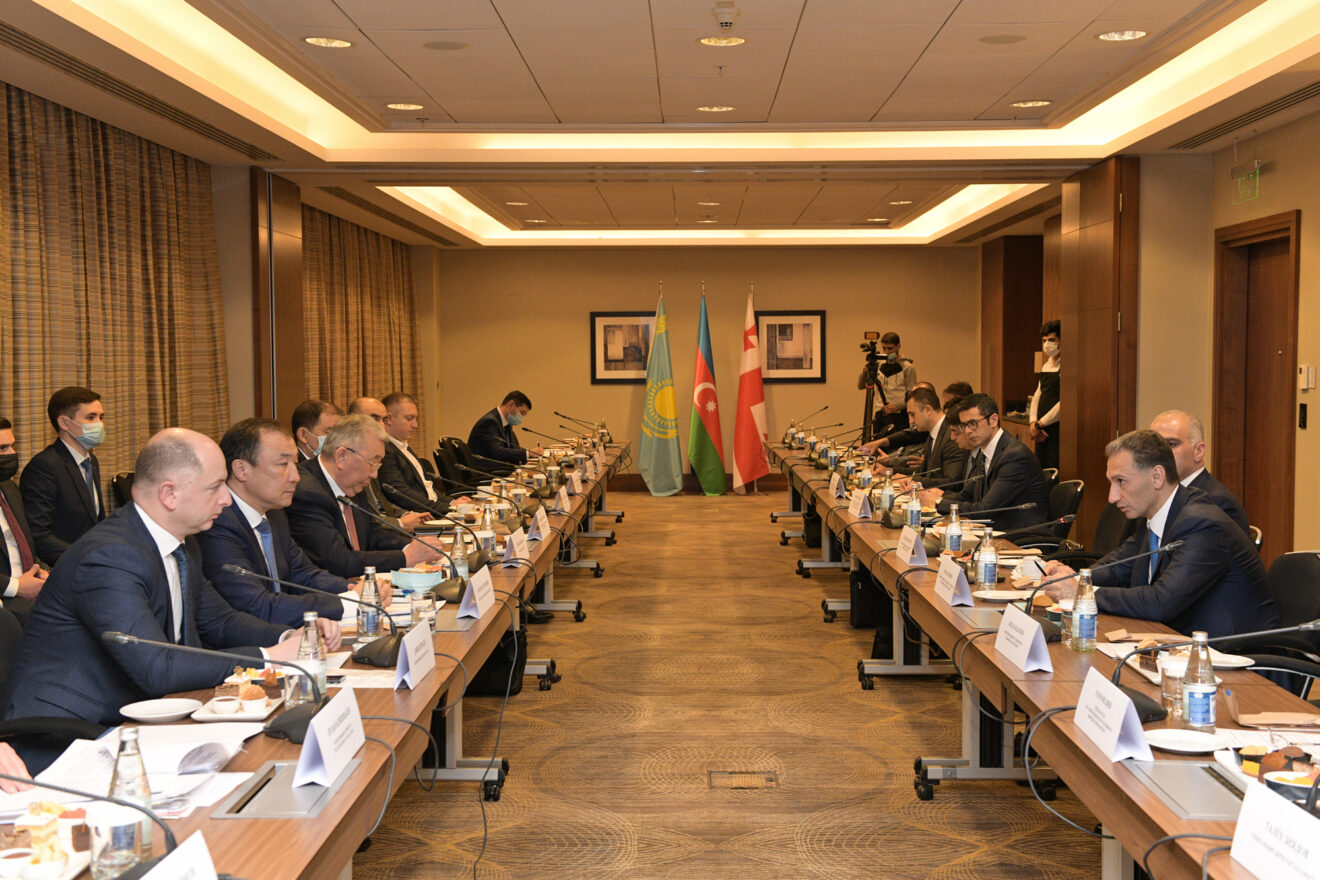
Kazakhstan and Azerbaijan agreed to establish a joint venture to develop the Trans-Caspian international transport route. This was announced during the meeting between the Chair of the Board of Samruk Kazyna Wealth Fund Almassadam Satkaliev and Minister of Economy of Azerbaijan Mikayil Jabbarov on March 9 in Baku.

The Zangezur Corridor will not only contribute to the growth of bilateral trade between regional countries, but it will also open up regional development opportunities and strengthen the South Caucasus' position as a transportation hub, writes Orkhan Baghirov in this op-ed for KarabakhSpace.
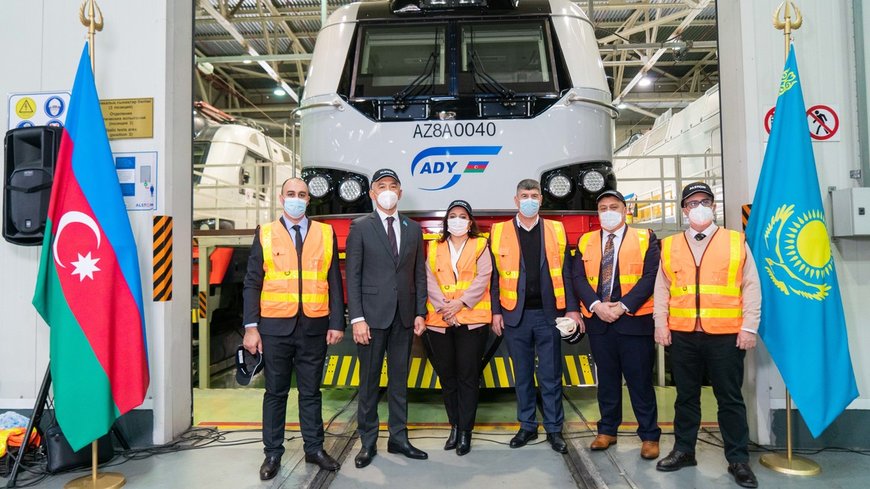
The EKZ electric locomotive manufacturing joint venture of Alstom and Transmashholding has delivered the last of 40 Prima T8 AZ8A heavy freight locos which were ordered by national railway ADY in 2014.
Secretariat of Organization of Turkic States welcomes the decision of Uzbekistan taken unilaterally by its respective law that provides reduction of road fees for Azerbaijani transporters from January 1, 2022, by up to four times depending on the carrying capacity of vehicles (up to 10 tons – 100 USD, from 10 to 20 tons – 150 USD, over 20 tons – 200 USD).
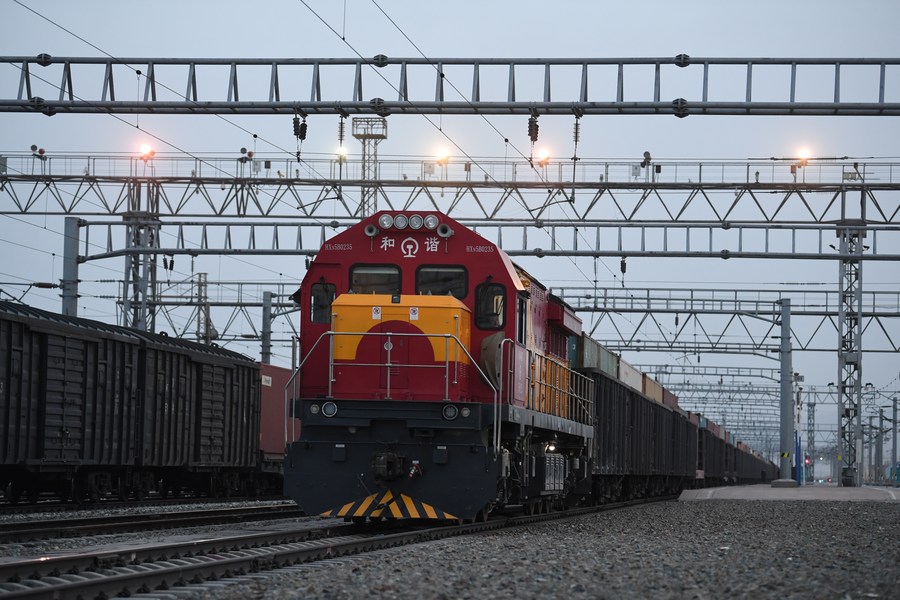
ADY Containers has launched a new service between Xi’an in China and Baku in Azerbaijan. The first train commenced from China on 6 December and arrived in Azerbaijan on 29 December through the Trans-Caspian route.
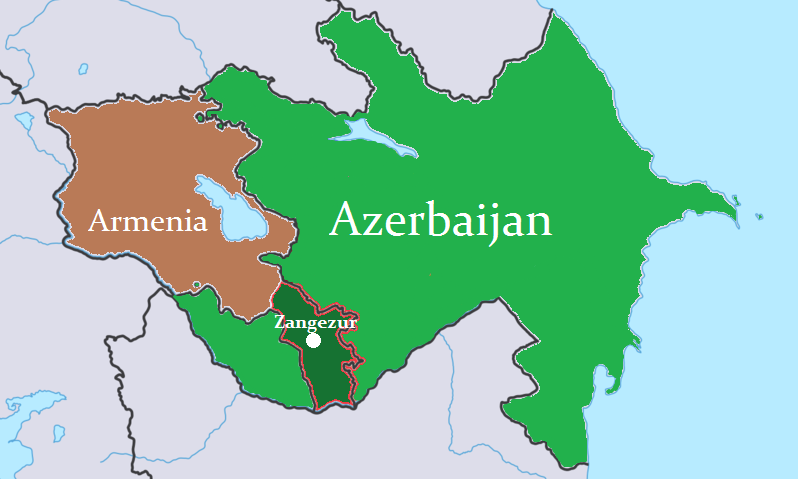
The geopolitical situation in the Caucasus between Armenia and Azerbaijan has hindered the development of rail links in the region.