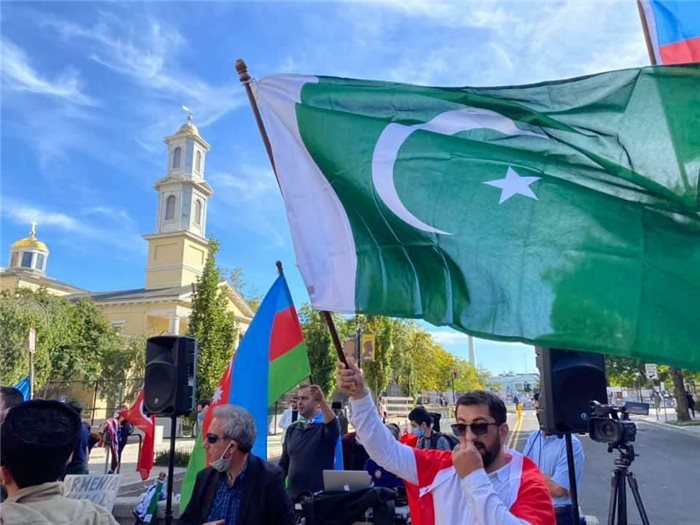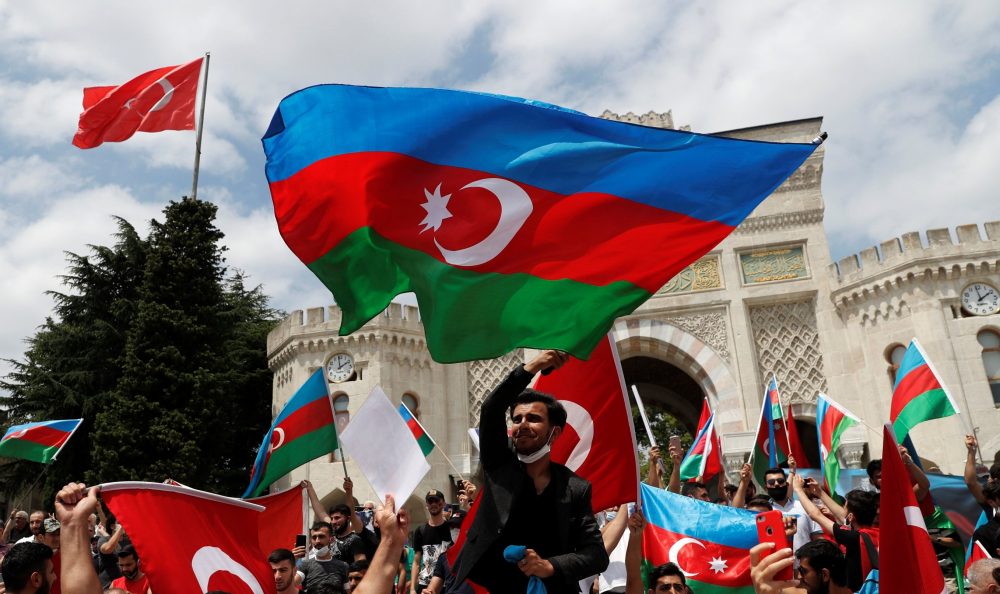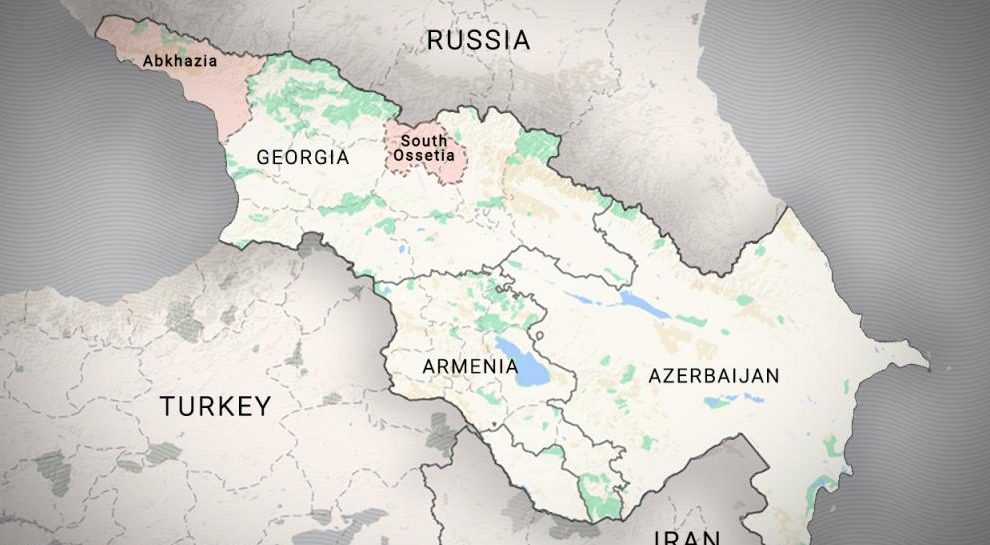
Turkey’s support for Azerbaijan in its latest war with Armenia could have much greater ramifications, with Turkey using Azerbaijan’s geographic position as a springboard to reach out to Central Asia.
I’m sure many of us have heard this sentence. Everyone talks about the beauty of the past, proud of having lived in “the nicer times”. But why were people more sincere, love purer, and friendships truer in the past?
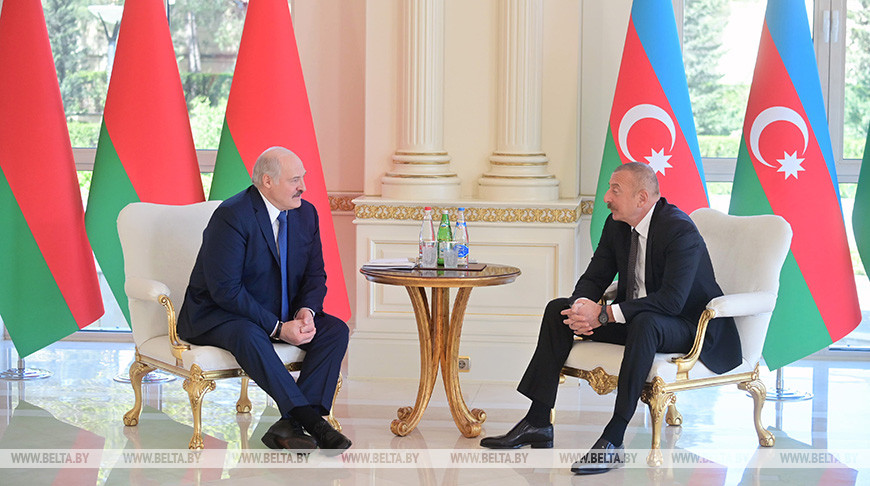
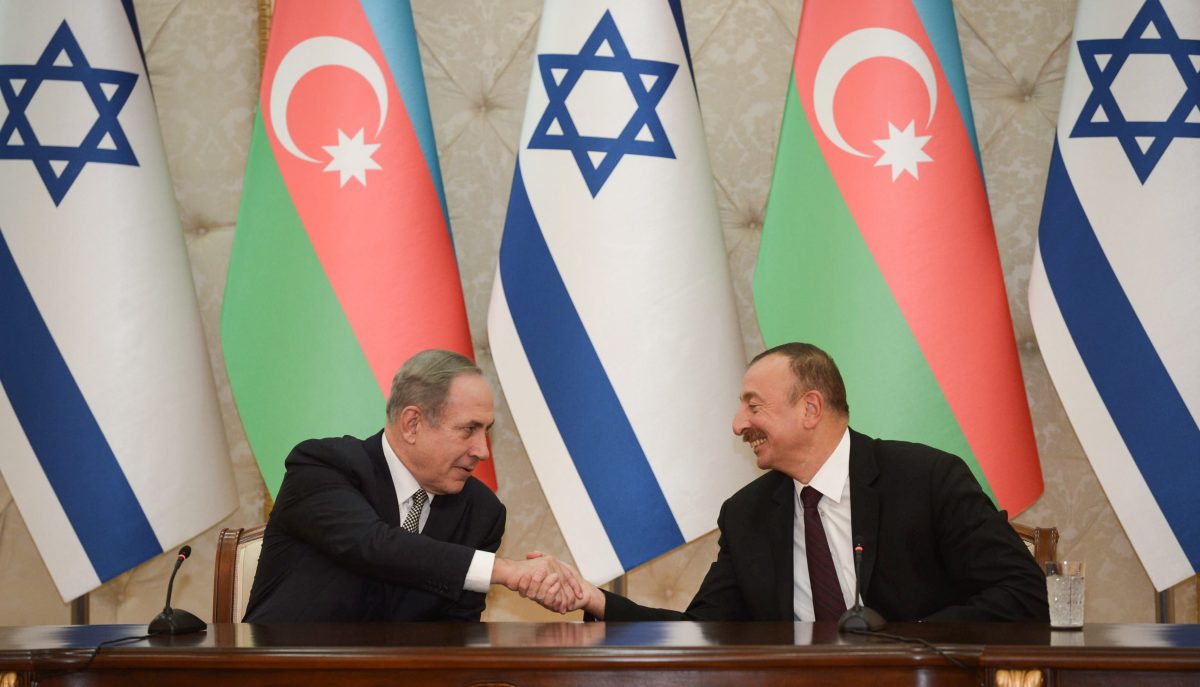
In recent months, Azerbaijan has been at the center of efforts to mediate between its two allies. "We have and are still working to build a bridge between our two strategic friends, Israel and Turkey," a senior Azerbaijani official told Israel Hayom.
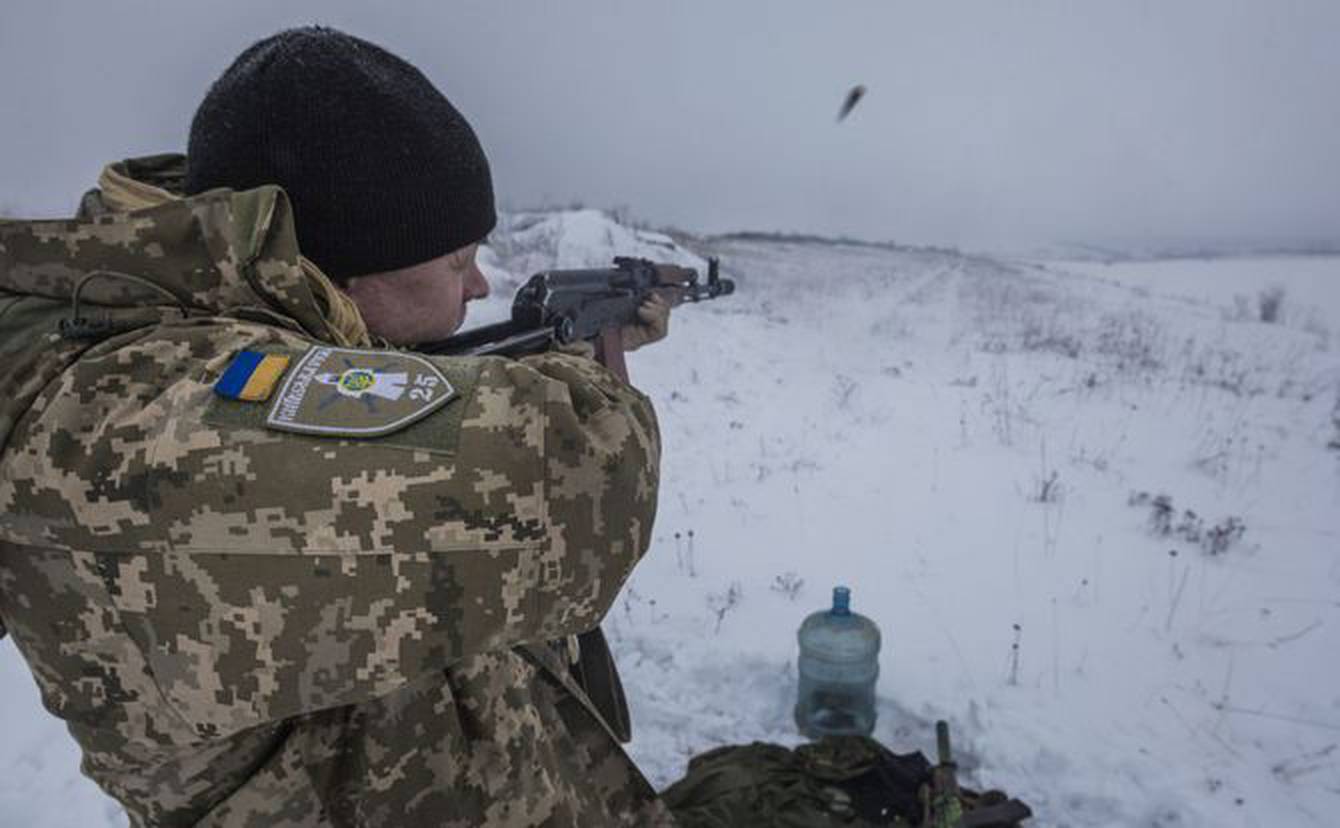
The nature of warfare is dynamic. It endlessly renews itself to overcome the challenges presented by different terrains, enemies, situations, ideologies and technologies.
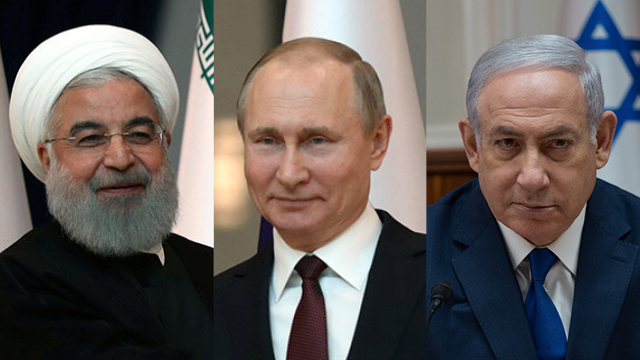
Indeed, one of the ways that Azerbaijan can continue to buttress itself against Iranian aggression is through Baku's strong relationships with Israel, the US and Turkey. But it is more than mutual threats that bring Israel and Azerbaijan together.
Israel and Turkey share a number of areas where they can collaborate to minimise Iranian expansionism, but it will require deft diplomacy and concessions.
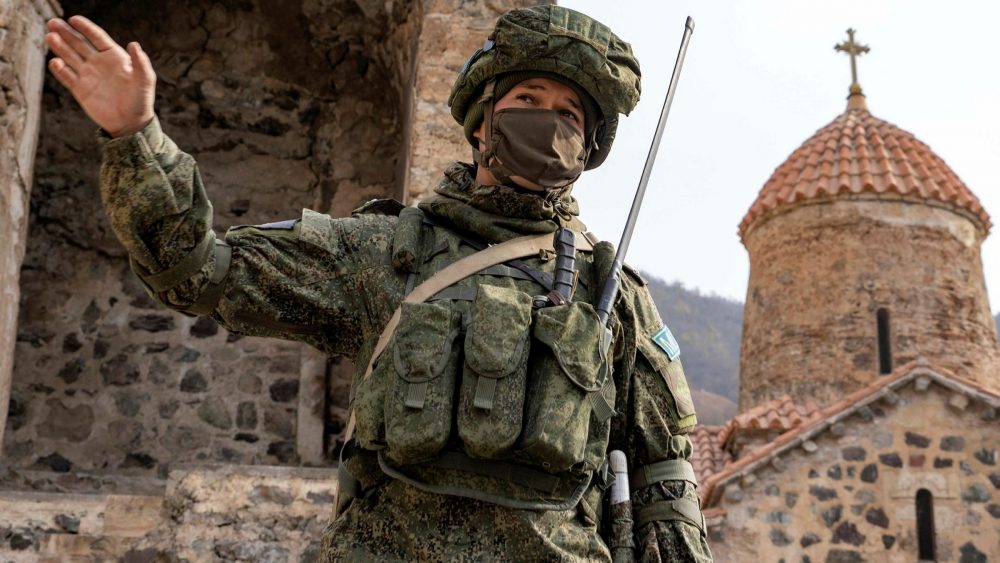
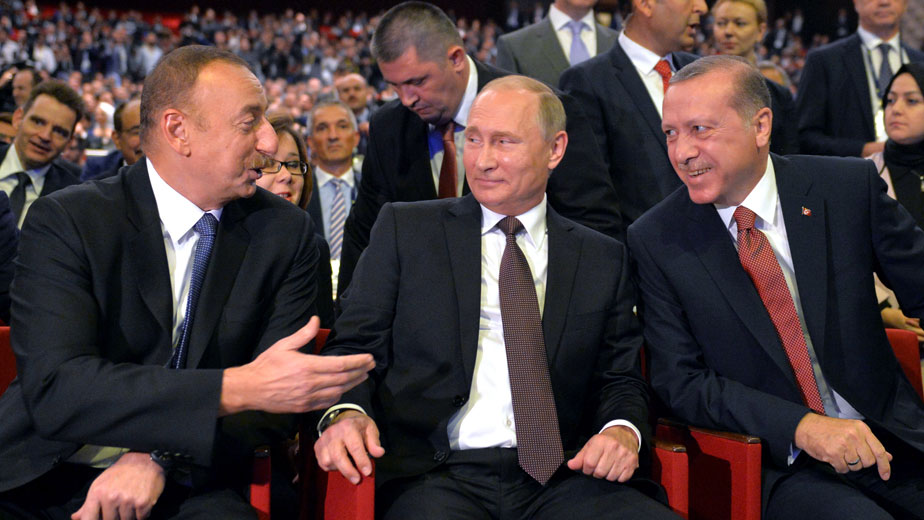
Even Russia, arguably the biggest power in the neighborhood, could not prevent Turkey from giving its decisive support to Azerbaijan during the recent Second Karabakh War. Turkish troops are now stationed on Azerbaijani soil alongside Russian.
The new digital economy of Central Asia and Azerbaijan will assist resolving the issues related to the inclusiveness of economic development. It will allow the residents of remote areas to find work, eliminate gender inequality, and contribute to the integration of ethnic minorities.
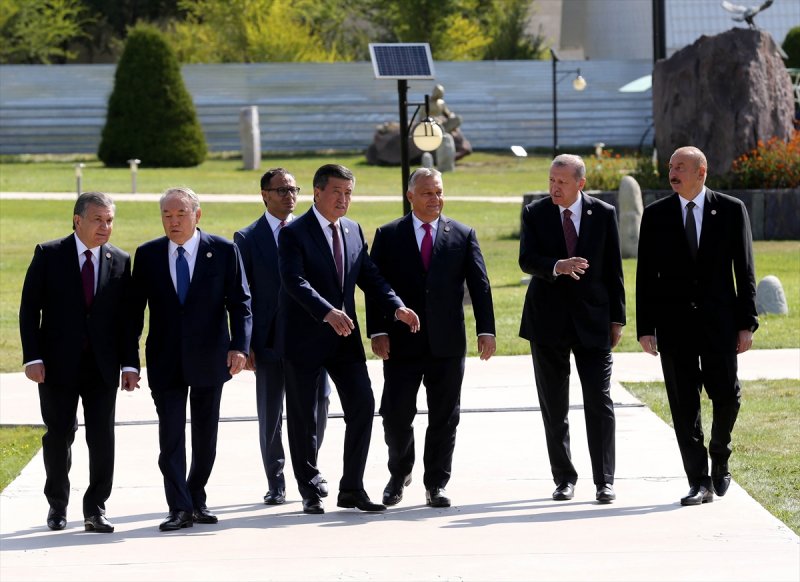
“The idea that the ‘one nation, two states’ rhetoric used by Turkey and Azerbaijan should be revised as ‘one nation, six states’ has been defended in the region (among Turkic states),” Tomar said, adding that it was a critical development.
One of the important moments on the eve of the Second Karabakh War was our society settling in two different mindsets. One is a nationalist position in which the national interests supported by the majority come to the fore, justifying the war, and the other is a pacifist position that claims to be based on human values, an anti-war voice that is loud enough despite being in the minority.
For a long time now, we have been witnessing the suspension, for various reasons, of social media channels and pages of users expressing opinions that are contrary to the liberal worldview, patriotic, nationalist, far-right views, Donald Trump supporters and so on.
Today, the word "trend" is naturally encountered in various areas of social activity. Trends and tendencies appearing in different spheres of human life, such as fashion, politics, technology, marketing, the Internet, science, etc., as well as speaking and writing about it, can also be understood as an attitude to processes.
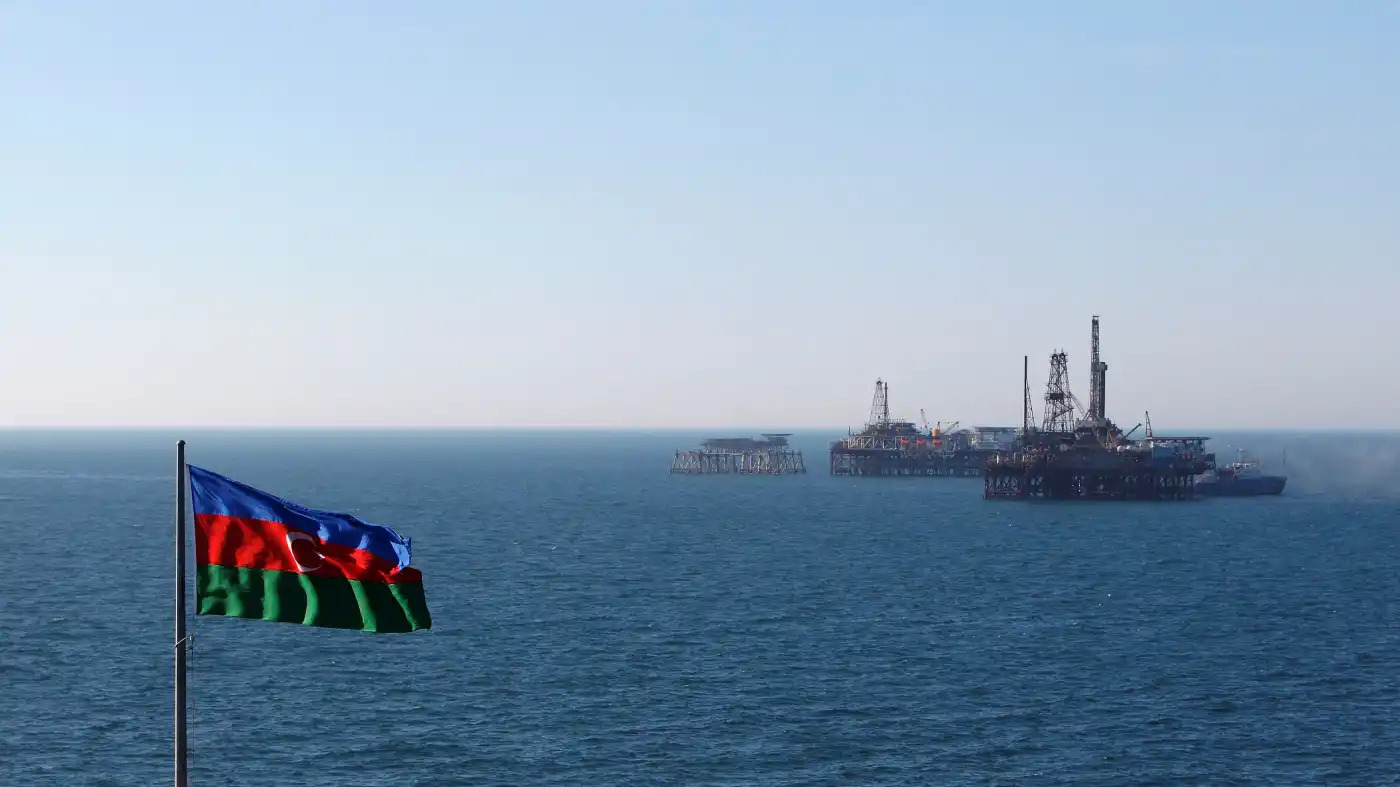
When the five Caspian littoral states (Azerbaijan, Iran, Kazakhstan, Russia and Turkmenistan) finally agreed, in August 2018, to the delimitation of the surface of the sea after almost two decades of on-again, off-again talks, many assumed that accord meant the situation in and around the Caspian would stabilize.
The information was somewhat obscured by Pope Francis’ apostolic trip to Iraq: on March 9, 2021, the Aliyev Foundation and the Pontifical Commission of Sacred Archeology of the Holy See signed a cooperation agreement to restore the Commodille Catacombs.
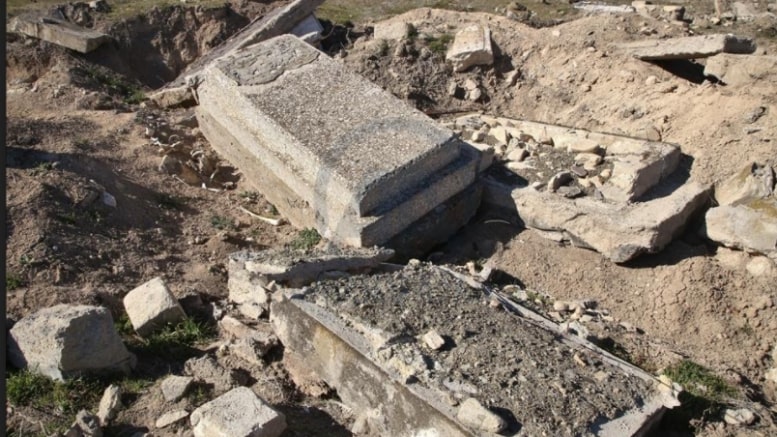
Something similar happened when the forces of Muslim Azerbaijan decided in 2020 to bring an end to the conflict over the disputed territory of Nagorno Karabakh, a strip of land inside Azerbaijan but inhabited by Christian Armenians.
The timing of the arrest has again raised suspicions about a senior officer around whom rumors had long swirled.
In late 2020, the Armenian government announced that its Metsamor nuclear power plant would close for five months in 2021 to attempt significant upgrades.