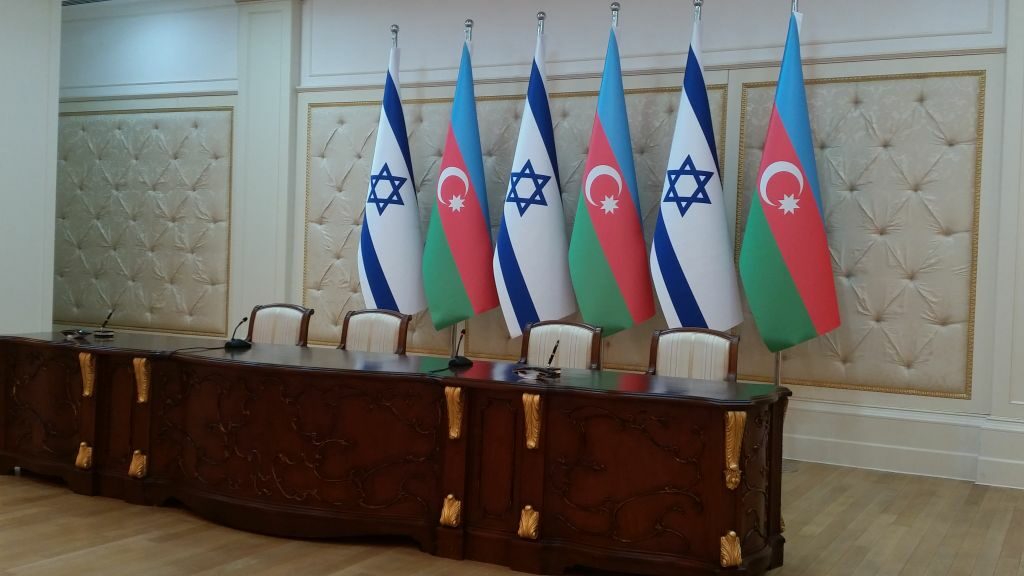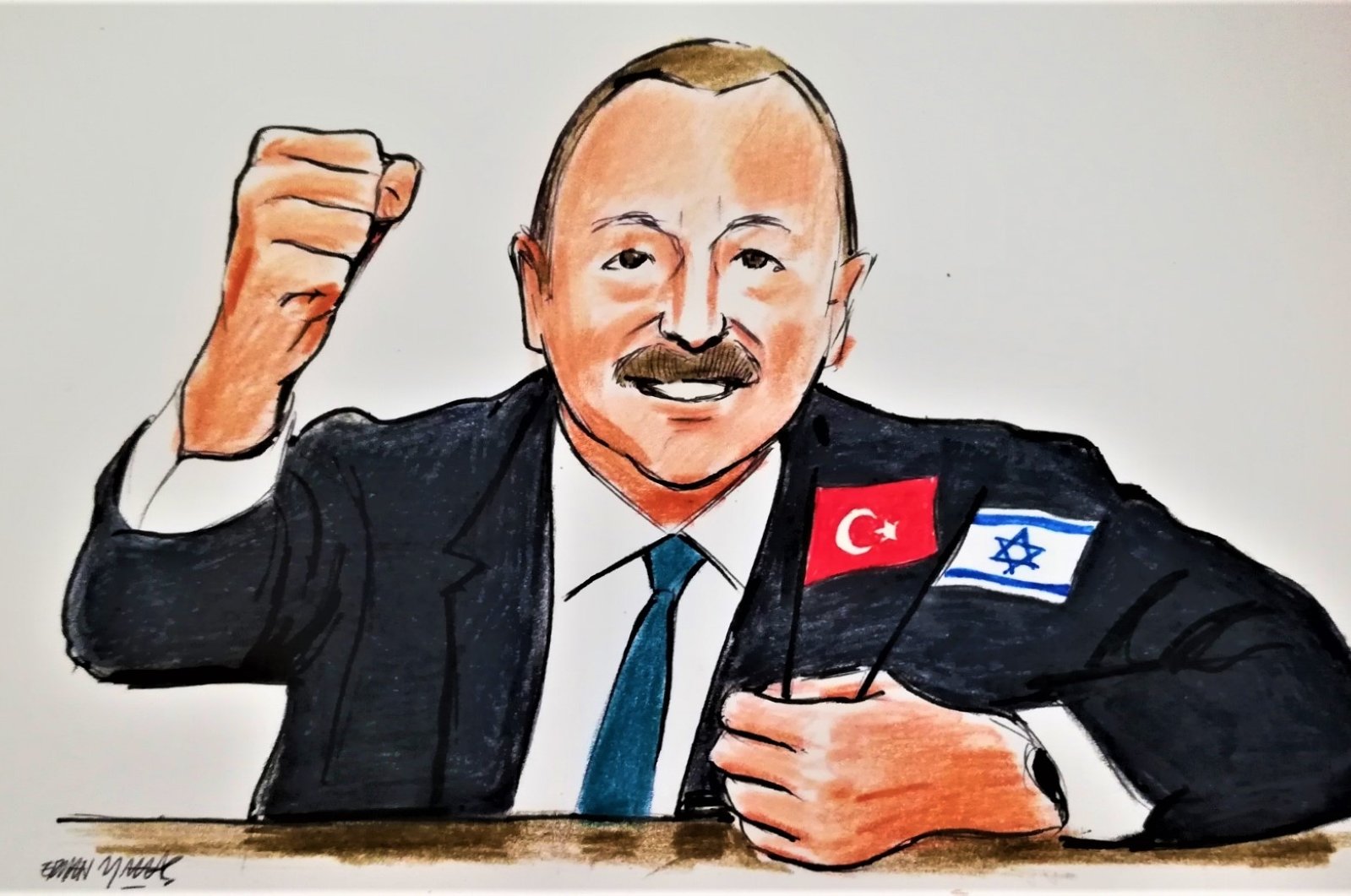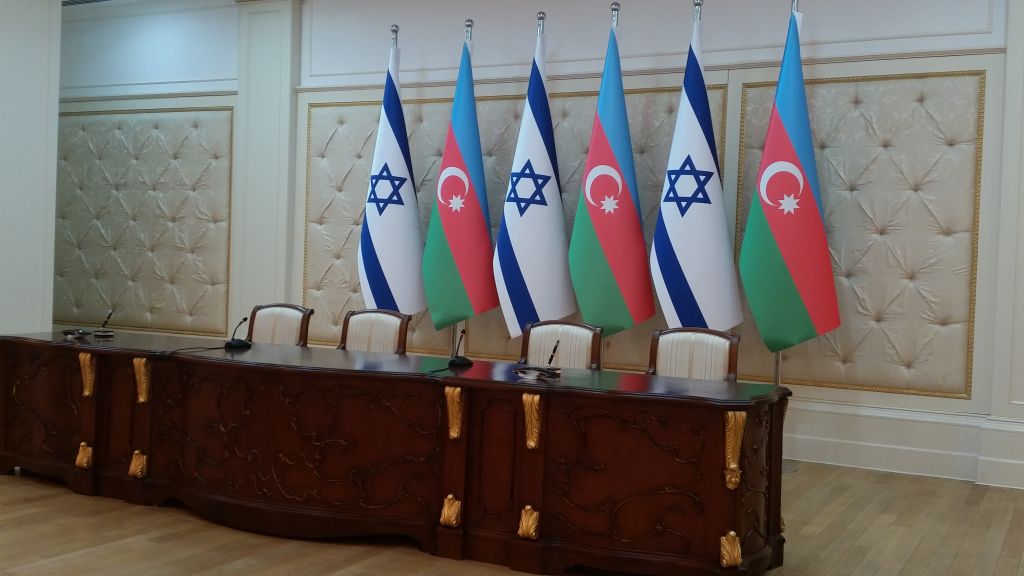
"Turkey is a sister country of Azerbaijan and Israel is our strategic partner. We want our friends to be friends with each other," Hikmet Hajiyev, one of a handful of officials in Azerbaijan truly dictating Azeri foreign policy, says.
Conflicts are subdued but complex and complicated conspiracies are still being schemed to tarnish the peace process in the new power playing filed i.e. South Caucasus Region.
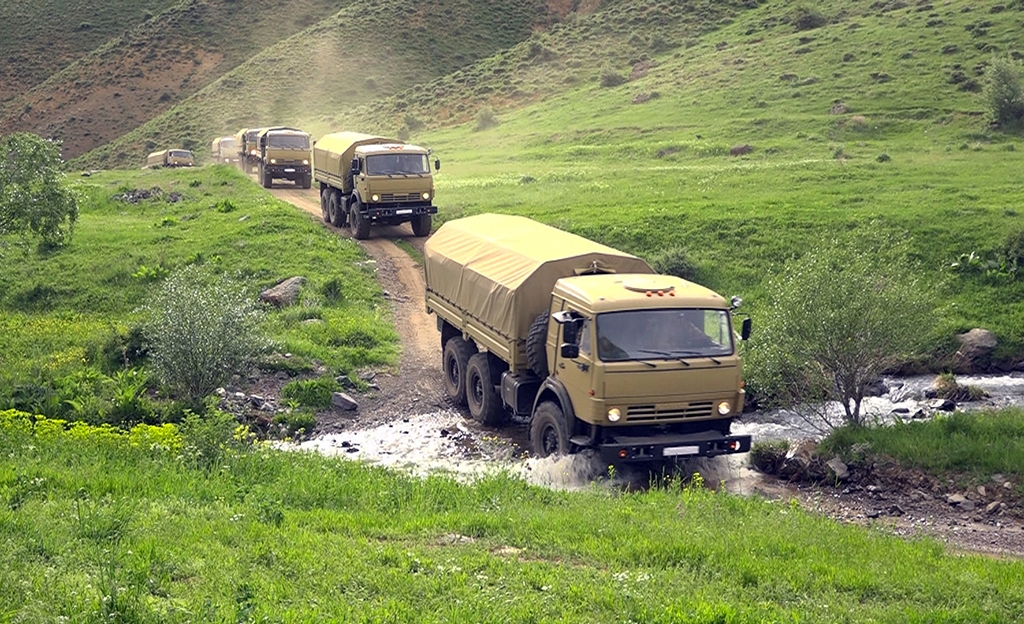
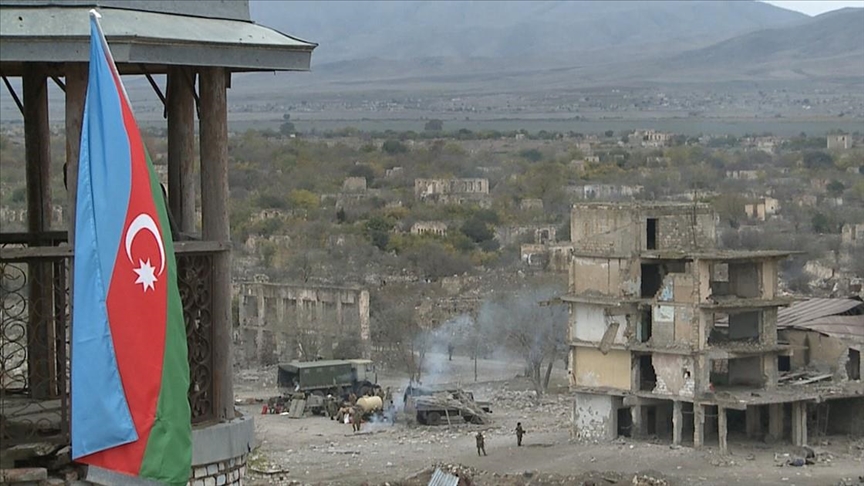
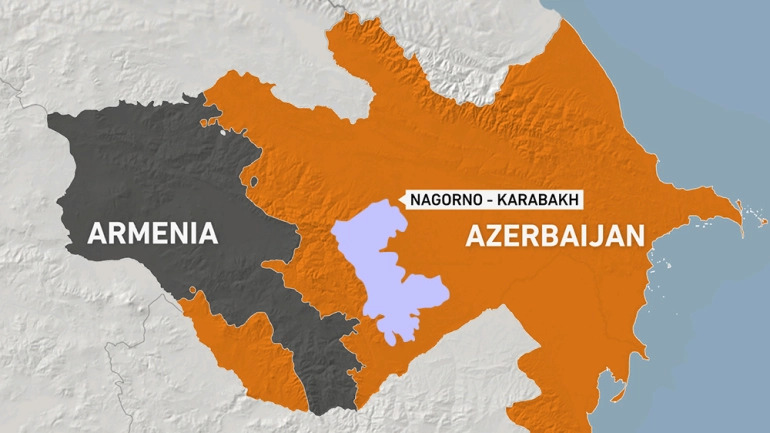
Months after Azerbaijan and Armenia signed an agreement that halted the recent 44-day war in Nagorno-Karabakh, Armenian leaders continue to condemn innocent civilians to death by refusing to share maps of the minefields in the recently liberated Azerbaijani territories.
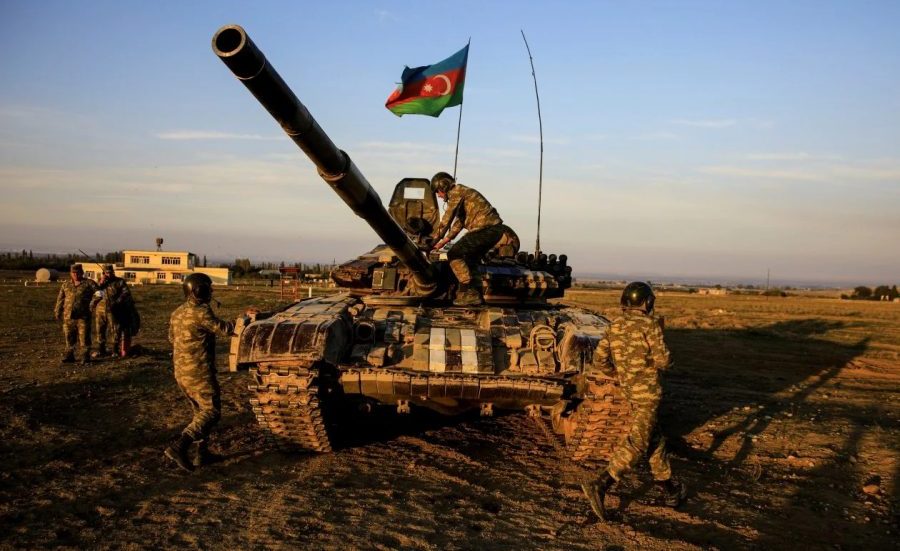
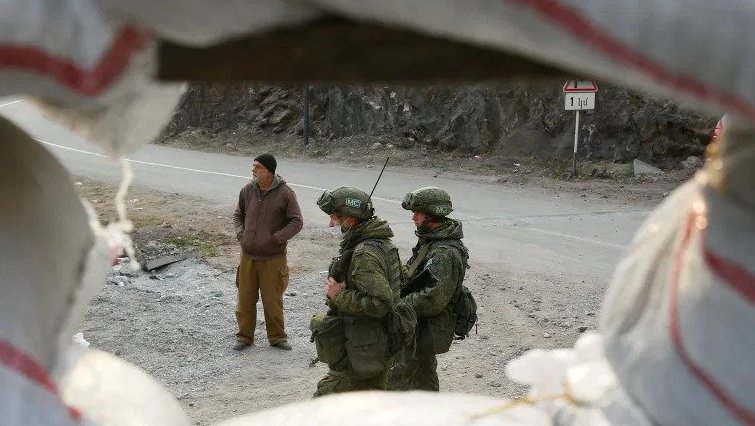
The Second Karabakh War (September 27 – November 10, 2020) between Armenia and Azerbaijan lasted 44 days, but it caused overwhelming changes in the politics of the South Caucasus that will shape the future of the region in the months and years to come.
International pressure is mounting on Azerbaijan to release the scores of Armenian prisoners it continues to hold following last year’s war. But in this new diplomatic environment, does Baku even need to worry about condemnations from foreign capitals?
Azerbaijanis are the second largest ethnic group in Georgia. Most of the Georgian Azerbaijanis live in the region of Kvemo Kartli (the municipalities of Marneuli, Bolnisi, Dmanisi and Gardabani), and in a small part in Kakheti and Shida Kartli. Azerbaijanis make up 84% of the population in Marneuli, 66% in Dmanisi, and 63% in Bolnisi, and 44% in Gardabani. According to official statistics for 2014, the total of 233,024 Azerbaijanis live in Georgia. 75% of them are Sunni Muslims and 25% are Shiites.
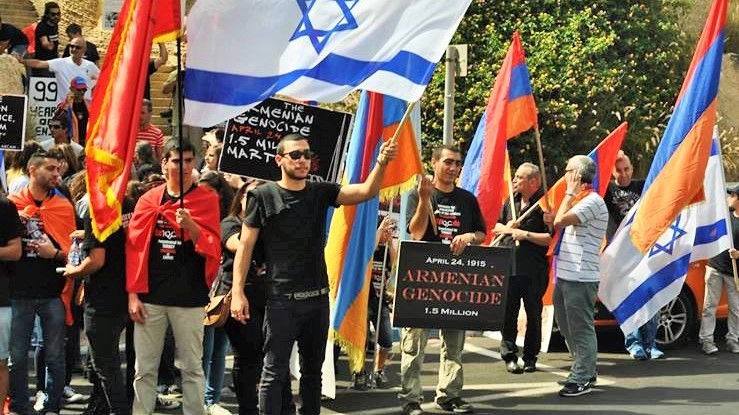
Conventional wisdom suggests the more Israel's relations with Ankara and Erdogan deteriorate, then the more likely the Knesset will recognize the Armenian genocide. There's just one problem: It's not true.
All these background issues highlight the complexity of Azerbaijani-Belarusian ties and point to the vulnerabilities of the bilateral relationship: Both Baku and Minsk feel shunned by the West to varying degrees and are simultaneously unhappy with Moscow’s stance but feel obligated to comply with Russia’s red lines.
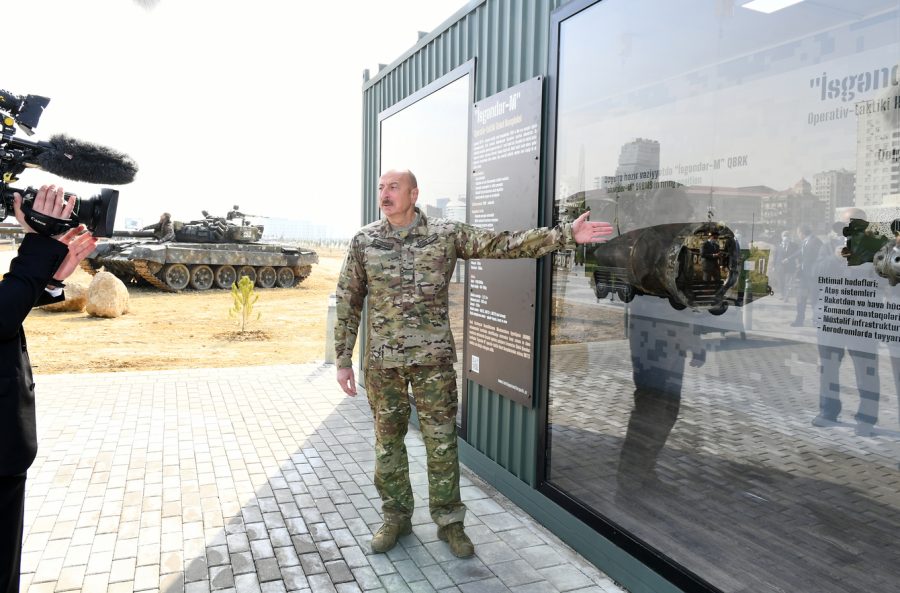
In June, Azerbaijan announced that it was planning to buy Turkish-made armed drones. “Efforts in this direction are continuing. Now we are having results,” said Azerbaijan’s Defense Minister Zakir Hasanov. In the same month, the Azeri parliament approved a bill to receive financial assistance from Turkey to be used for the purchase of weapons systems.
Probably most of us have asked ourselves this question. “Why do the Armenians hate us so much?” The answers may be different, but I believe we should not ignore one issue, which is quite important for the Armenians: to them, we CONTINUE the great obstacle on their road to the Greater Armenia.
While the 44-day war caused severe damages to frontline settlements and civilian casualties on both sides, frequent missile attacks carried out by Armenia towards Azerbaijani cities and infrastructure beyond the frontline raised concerns not only in Baku but also in the EU regarding the security of vitally important energy infrastructure.
The defeat in the recent war between Armenia and Azerbaijan created a shock effect for Armenia, and the shock wave stirred up political and public discussions on the causes and consequences of the defeat in Armenia and in the Armenian community around the world.
Today, radio has been replaced by social media, and in an age of open sources, there is a need for patient, hard-thinking people who can do serious research to get rid of jeers and giggles. There is a need for more than just biting retorts and well-thought-out remarks: someone must seriously analyze the posts and speeches of agitators and populists.
The recent victory of Azerbaijan in the 2nd Karabakh war and its positive resonance in Ukraine, Georgia and other post-Soviet countries is an exception. As nations in such vulnerable position, I believe we have to be aware and focus more on our countries’ problems, goals and interests.
The Turkic Council, on the other hand, is far from romantic ideas. It is built on purely pragmatic interests and seems to be trying to unite a significant part of Eurasia in a new logistical and economic framework. Undoubtedly, there is a great interest in this union (apparently, it is also another next step to counterbalance China), otherwise the project would not have emerged to begin with
After previously denying it, Azerbaijan now says that Armenia fired Russian-made rockets during last year’s war. And now they’re trying to make things difficult for Moscow.
Moreover, the declared priority area of activity of Rossotrudnichestvo is the so-called “Near Abroad” countries—the CIS member states. Yevgeny Primakov Jr. was appointed Head of Rossotrudnichestvo in June last year,
American people overall have been friendly and have welcomed Pakistanis into their fold and vice versa. The two are incomparable of course due to the pretext, however, there have been other examples. A fine example of emotional and cultural ties would be Turkey and even Azerbaijan.
Belarus President Aleksandr Lukashenko paid a visit to Azerbaijan on 13-14 April. The head of state was scheduled to visit the country and discuss bilateral relations with its leader Ilham Aliyev at the end of last year. But the visit had to be postponed, though not for long.
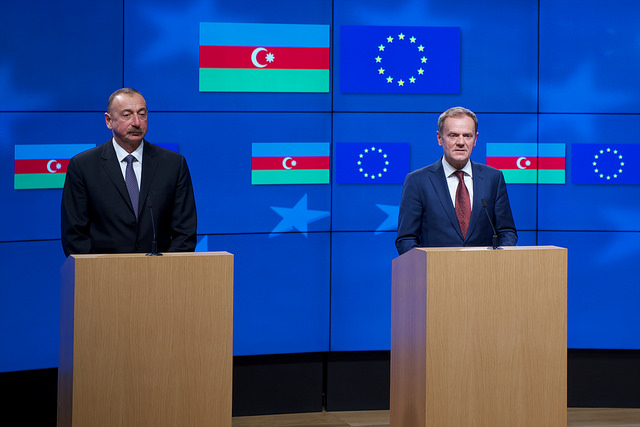
The great victory of Azerbaijan in the 44-day Patriotic War did not only create a new reality in the region but also ushered in a novel phase of the Azerbaijani relations with partner countries and international organizations.
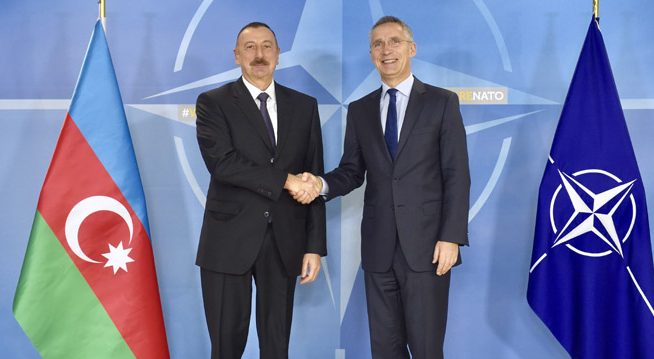
Azerbaijan has pursued a pro-Western multi-vector foreign policy balancing integration and cooperation with NATO and the pursuit of good relations with Russia. Baku’s relations with the Kremlin were, therefore, never as cold and brittle as those encountered by Georgia and Ukraine whose territories were invaded by Russia in 2008 and 2014 respectively.
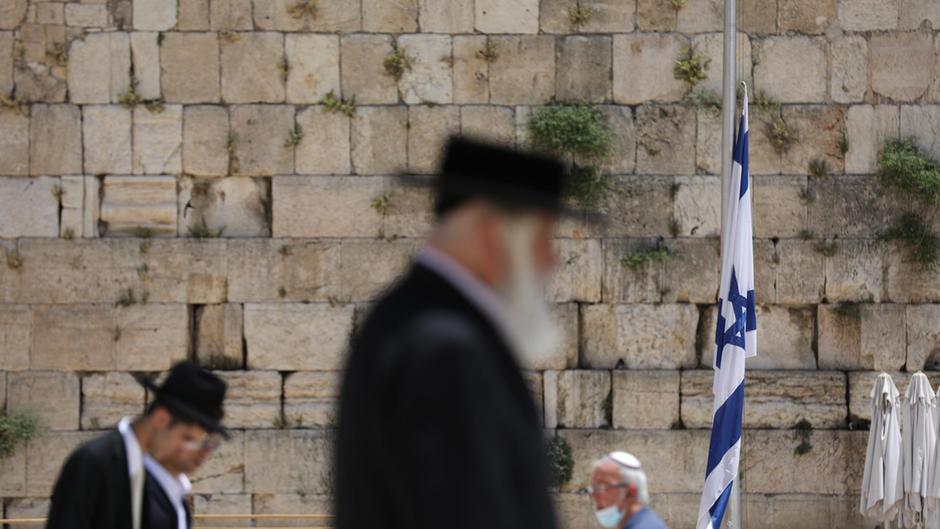
Israeli doctors flew to Azerbaijan in March to operate on 150 Azerbaijani soldiers who needed surgery to restore their eyesight. Further, Israel has offered to help rebuild Nagorno-Karabakh territory, the Armenian-occupied territory where Azerbaijan regained control following last fall’s war.
However, the Armenian citizens and the Armenian diaspora living abroad, who ignore all this, lost in the euphoria of their fabricated "ancient history", were seriously mobilized to get their claims and lies across to the world. Their claims are even so persistent that the French, the strongest political and moral supporters of the Armenians, are not afraid to publicize this "Greater Armenia" map at major events.
Image recently submitted to the record as a courtesy of guest contributors. This image shows the destruction of Azerbaijani ancestral graves in Karabakh. Armenians and Azerbaijanis continue to be reeled into the politicization of war crimes committed during the Karabakh conflict, as well as international controversy over wartime and post-2020 ceasefire era rhetoric.