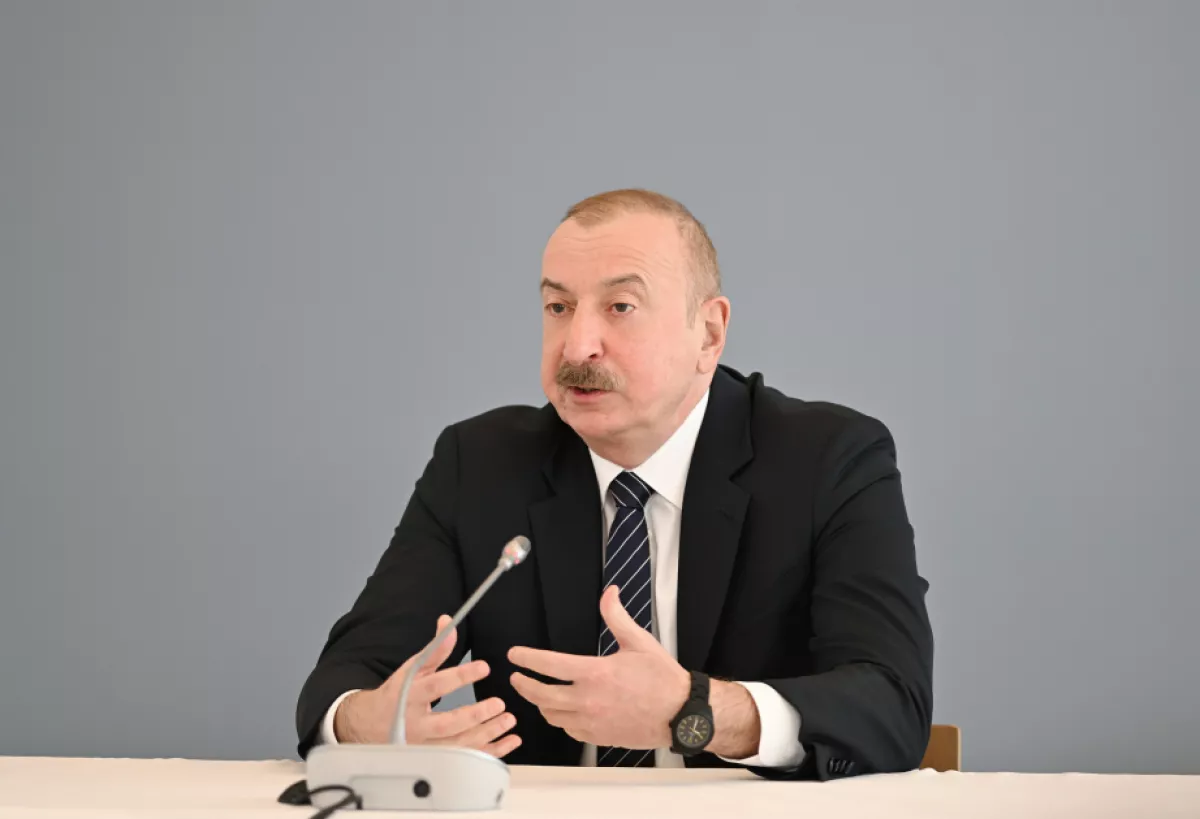
On April 9, an international forum on the topic "Facing the New World Order" was held at the ADA University. Azerbaijani President Ilham Aliyev delivered the welcoming speech.

On April 9, an international forum on the topic "Facing the New World Order" was held at the ADA University. Azerbaijani President Ilham Aliyev delivered the welcoming speech.
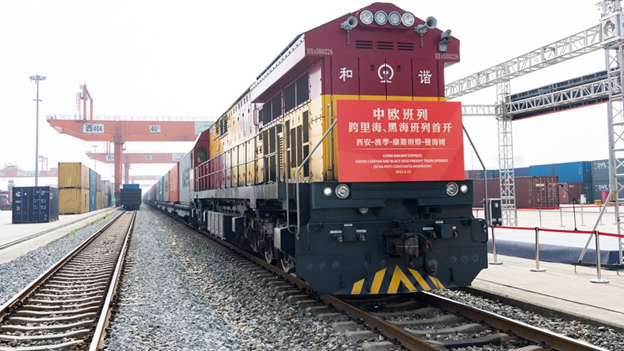
We value the sustainable and dynamic development of trade and economic relations between our two countries. In 2024, our trade turnover increased by 20 percent compared to 2023.
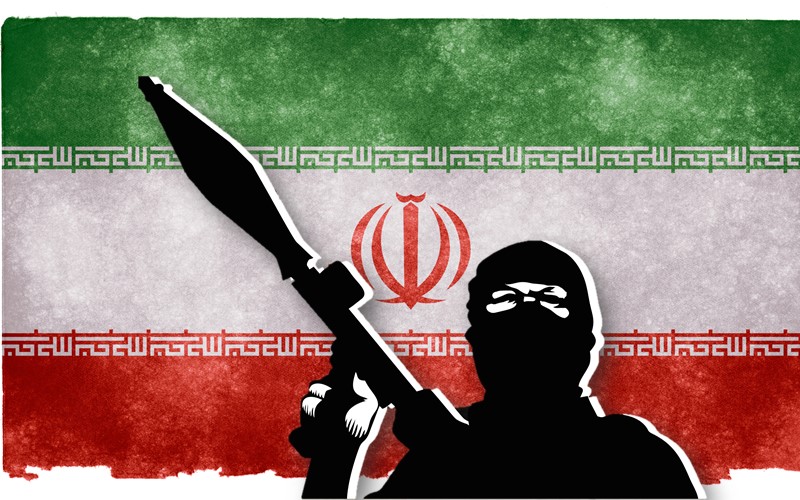
Iran has placed its military on high alert — a logical move amid growing speculation about a possible strike against the Islamic Republic, whether by the U.S. and its allies or by Israel.
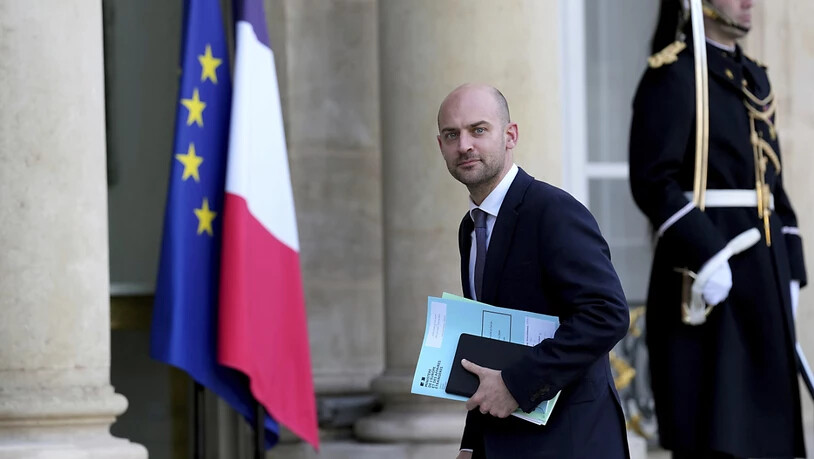
The long-known disease called "Armenophilia" today poses a serious threat to the gene pool of France, as the pathology has taken hold across virtually all levels of power in the country.
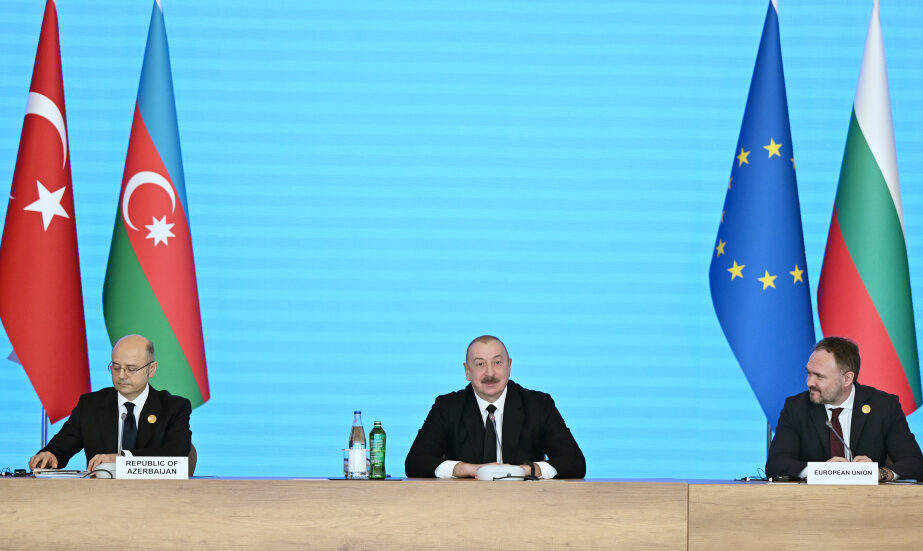
Baku is once again at the center of global energy diplomacy as it hosts the latest meeting of the Advisory Council on the Southern Gas Corridor, with the participation of Azerbaijani President Ilham Aliyev.
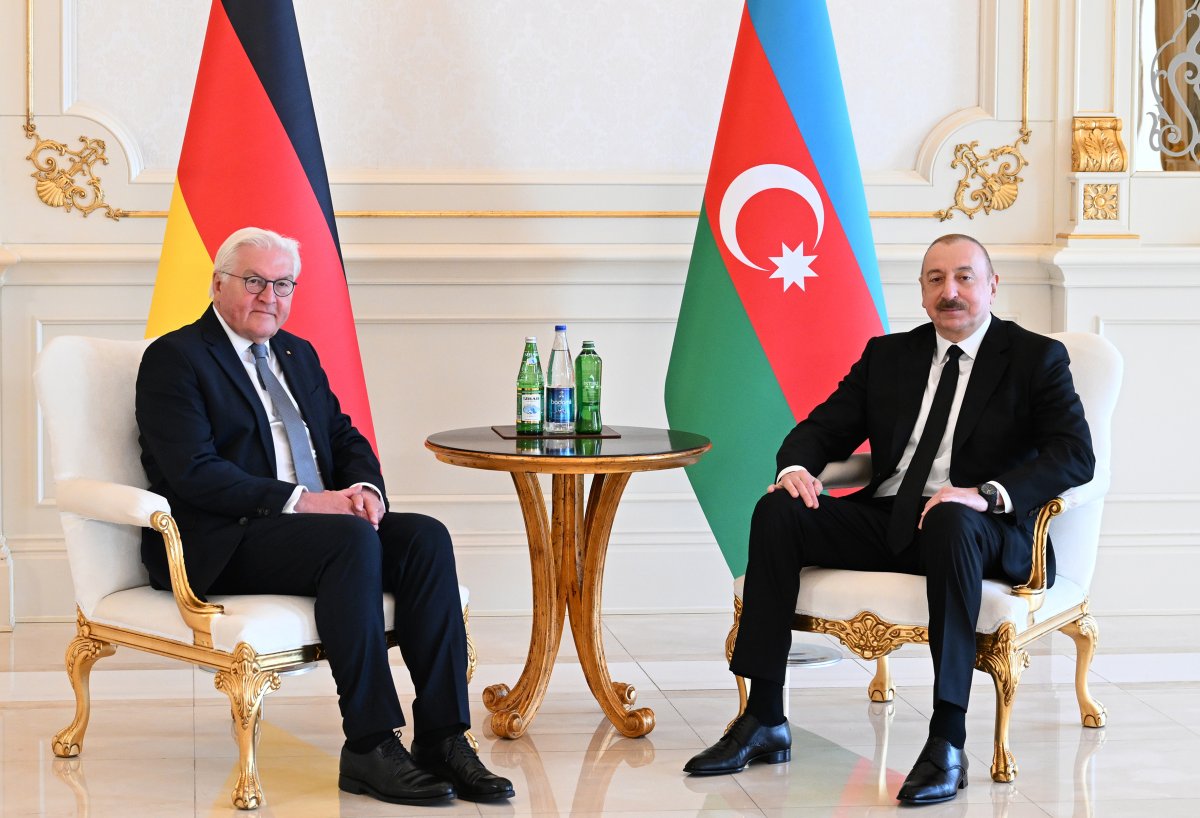
The ongoing geopolitical turmoil in Europe has reshaped traditional security dynamics in the region. Following the Trump administration’s economic and security policies toward the European Union (EU), EU member states have had to rethink their global strategies and regional engagements.
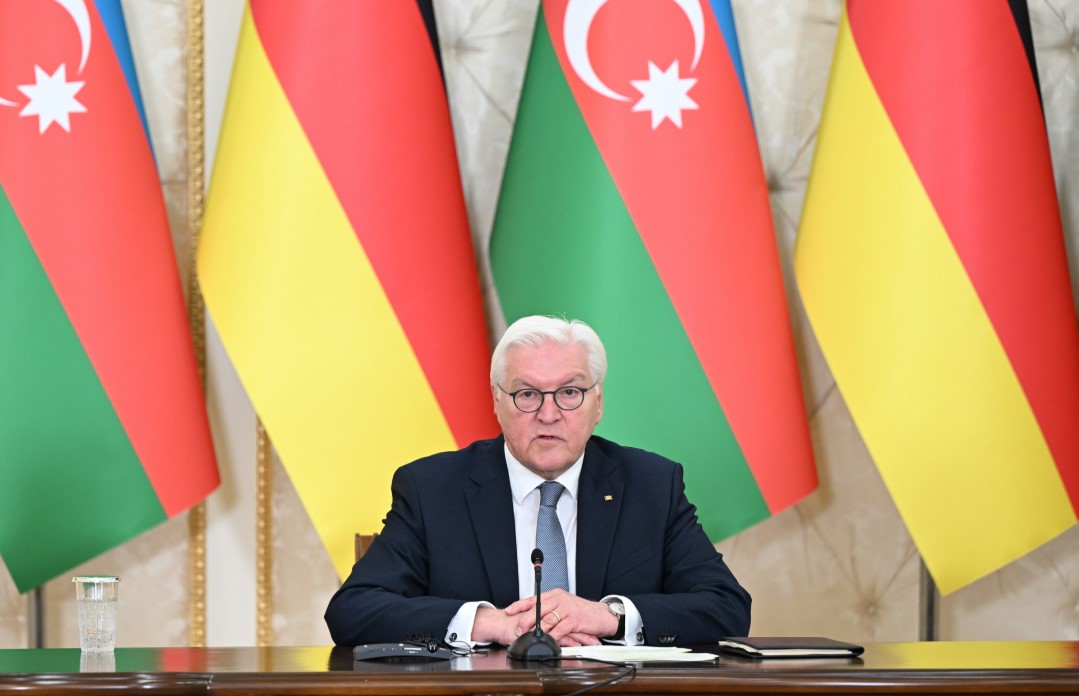
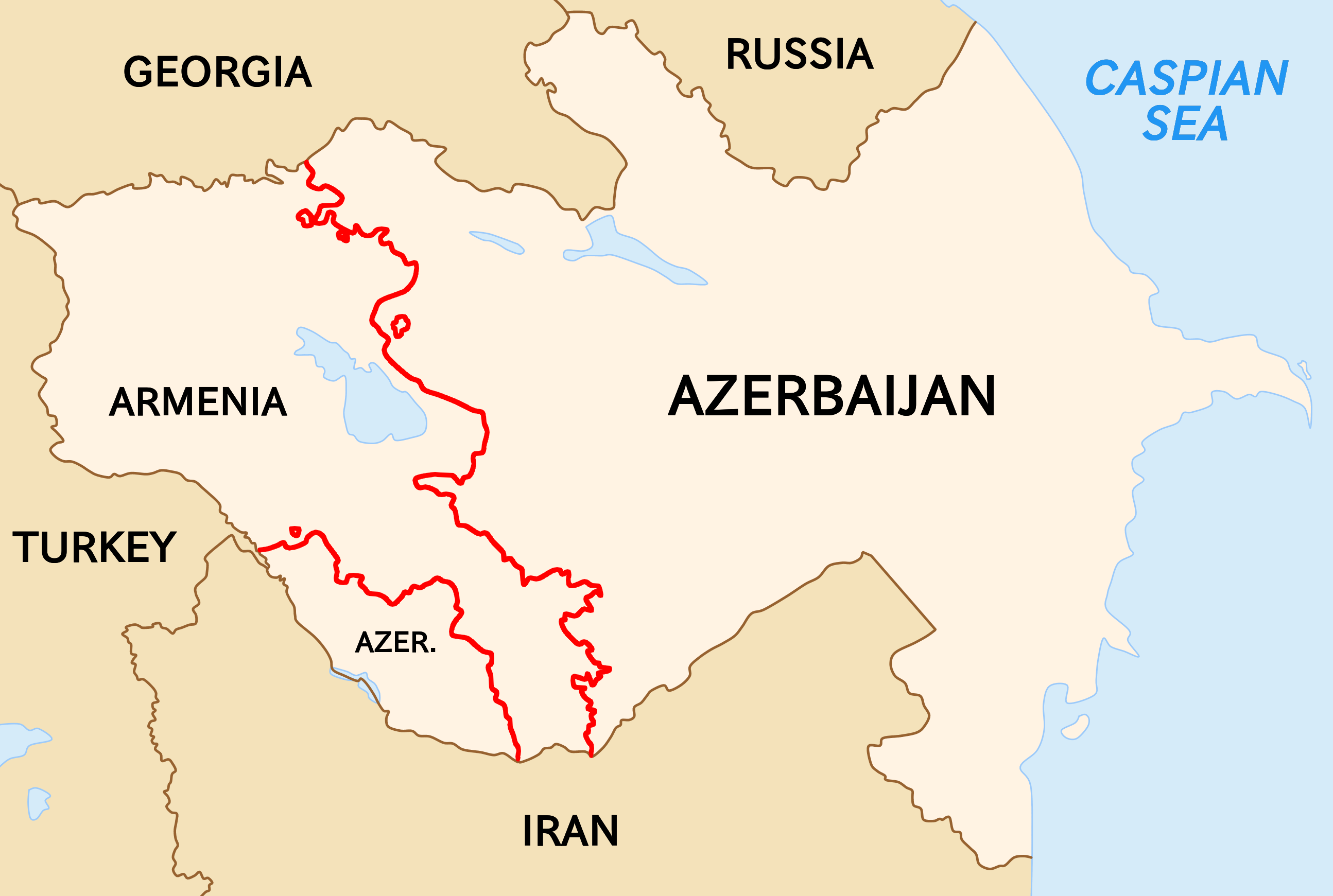
Karabakh is the territory of Azerbaijan. This was stated by German President Frank-Walter Steinmeier at a joint press conference with Azerbaijani President Ilham Aliyev.
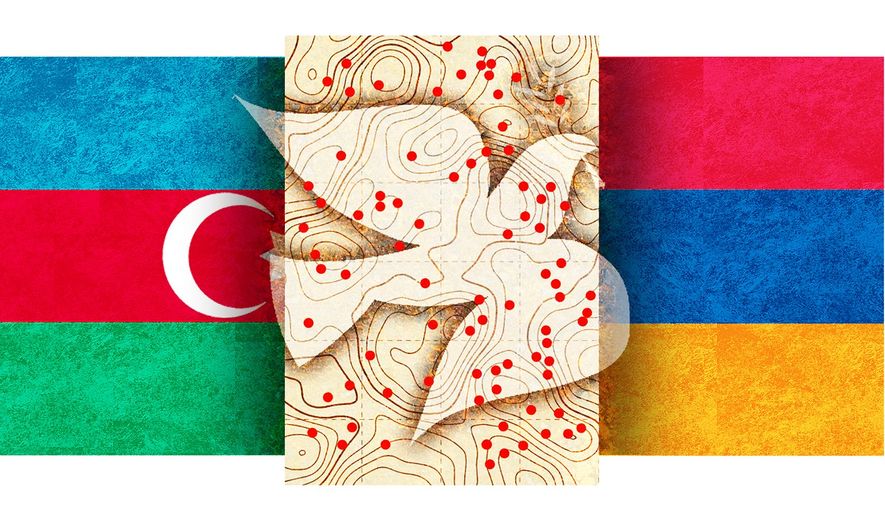
From a legal standpoint, the draft agreement conforms to the classical typology of a peace treaty. It enshrines mutual recognition of sovereignty, territorial integrity, and non-interference in internal affairs.
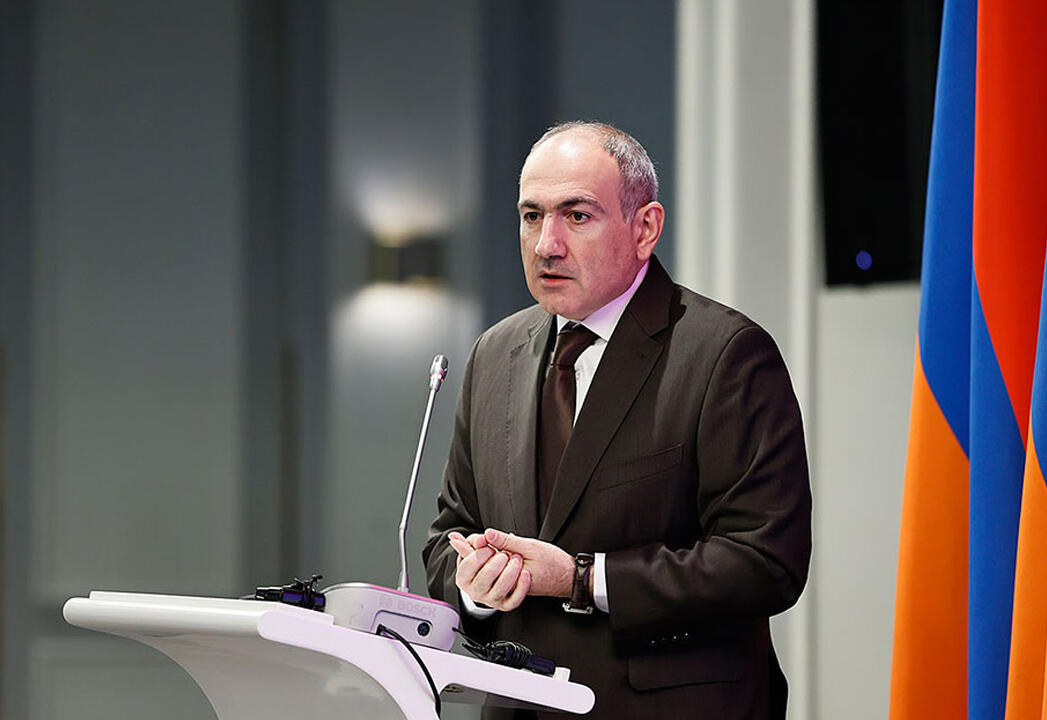
The results of the snap local elections held on Sunday in the Armenian city of Gyumri and the Parakar community in the Armavir Province have become the first serious signal that Nikol Pashinyan may lose power in the 2026 parliamentary elections.
Deutsche Welle has once again demonstrated a blatant disregard for professional and ethical standards of journalism.
US President Donald Trump is in a rush to complete a peace agreement that would bring to an end the Russian-Ukrainian war, and he hopes, give him the Nobel Peace Prize.
A weak position breeds chaos and confusion, while the factor of strength, on the contrary, tends to create order and clarity. When the resolution of fateful issues is at stake, the seriousness of intentions and focus on results become of utmost importance.
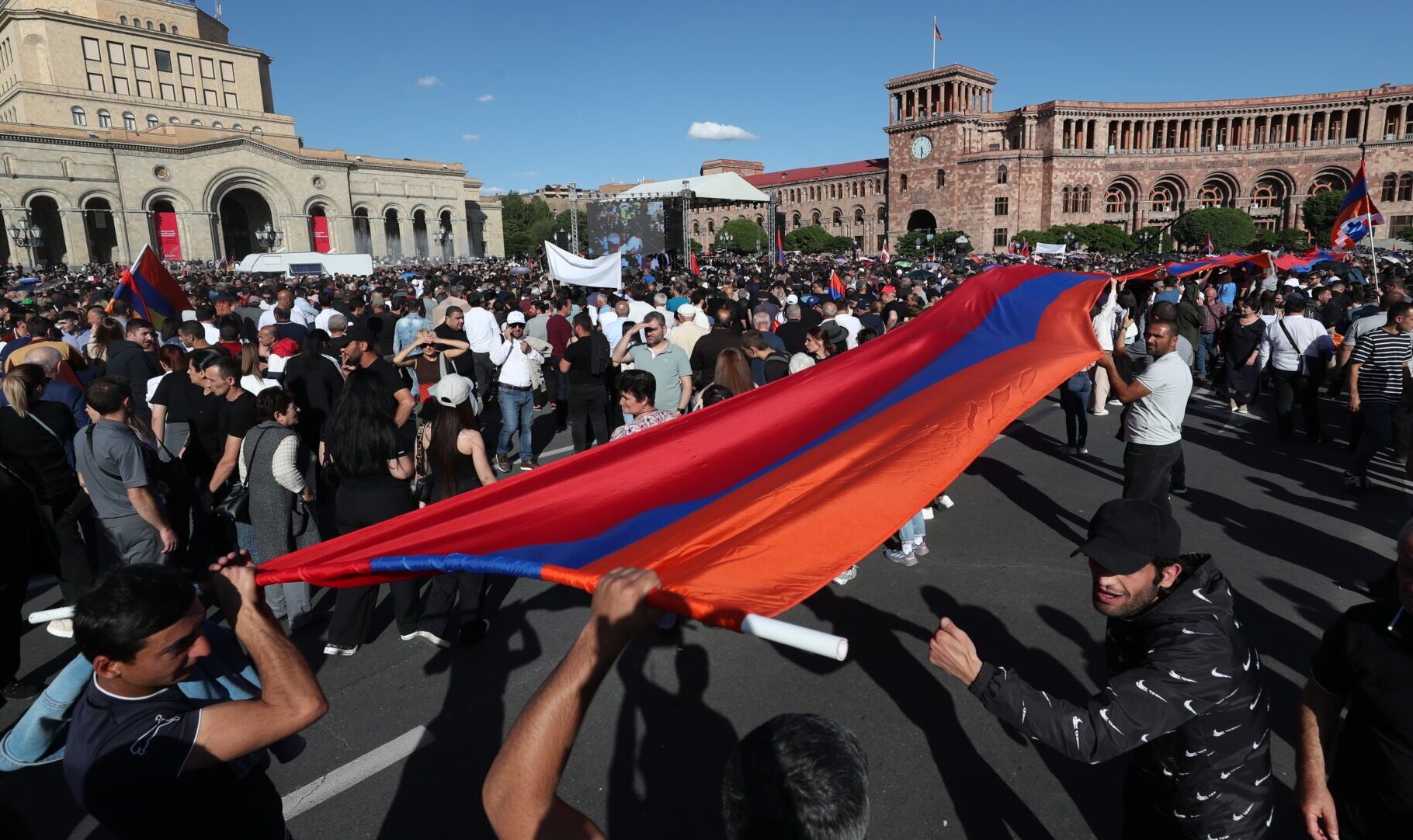
The preamble to the Armenian Declaration of Independence states, ‘Based on the December 1, 1989 joint decision of the Armenian SSR Supreme Council and the Artsakh National Council on the “Reunification of the Armenian SSR and the Mountainous Region of Karabakh”…’
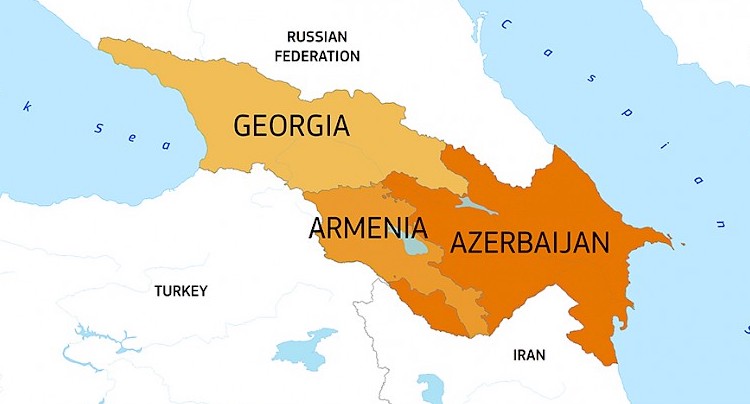
Armenia, in particular, stands to benefit from normalization of relations. One of the poorest countries in the region, it is landlocked and has been excluded from major energy and transport infrastructure projects due to its conflict with Azerbaijan.
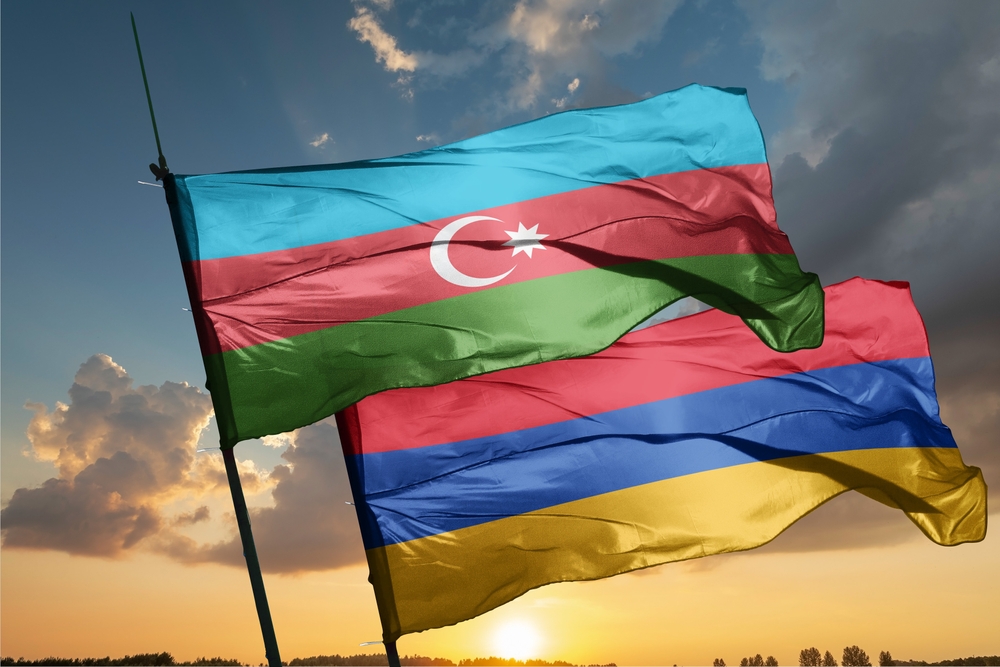
More than 30 years after the dissolution of the Soviet Union, new prospects for lasting peace and security have finally arisen in the South Caucasus. Until now, the region had been entangled in a Gordian knot that adversely affected its security landscape and development, serving as an asset in the geopolitical maneuvers of regional and global powers.
A focus on existential commitment in any form speaks to the seriousness of intentions. Usually, the party that upholds this principle refrains from extremes and avoids demonstrating inconsistency in its actions and plans.
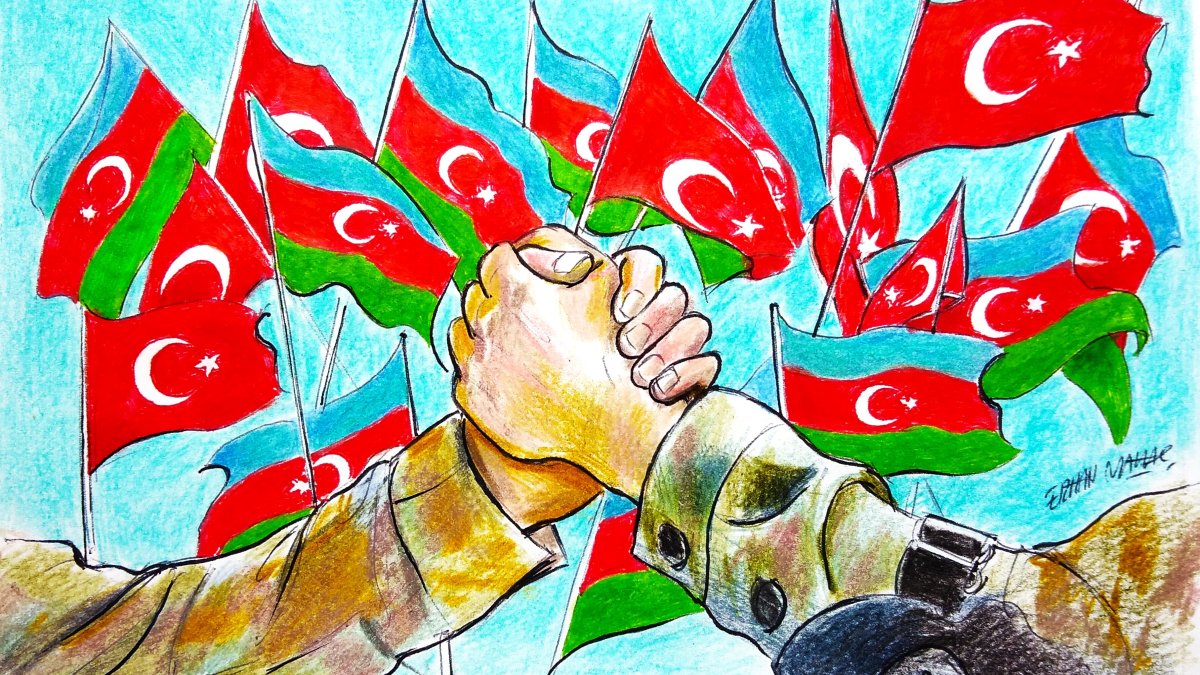
Aliyev’s visit to Türkiye had symbolic value amid the American-Russian rapprochement and shifting global power dynamics.
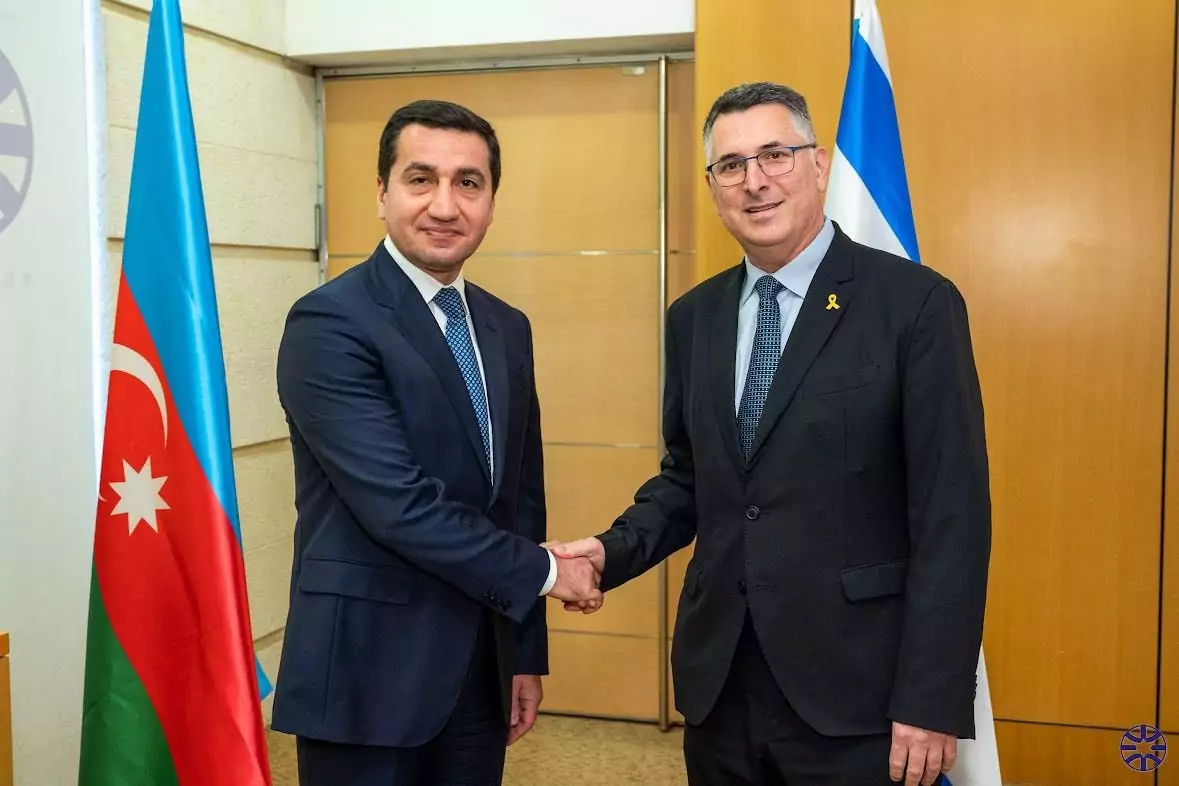
Israel announced on March 6 that it is in discussions with the United States to establish trilateral cooperation with Azerbaijan, deepening long-standing ties between Israel and Azerbaijan in security, energy, and diplomacy.
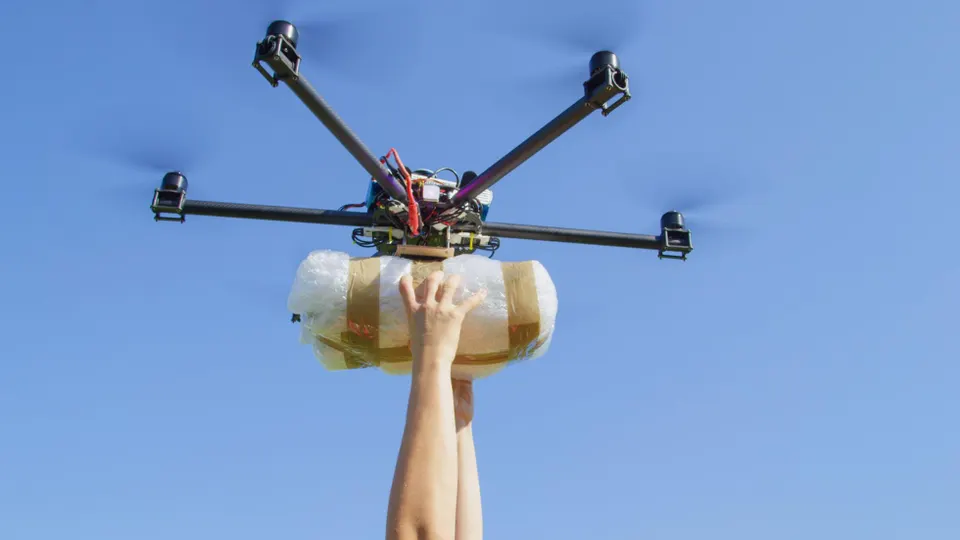
The rapid development and widespread availability of unmanned aerial vehicle (UAV) technology has opened new opportunities for drug cartels.
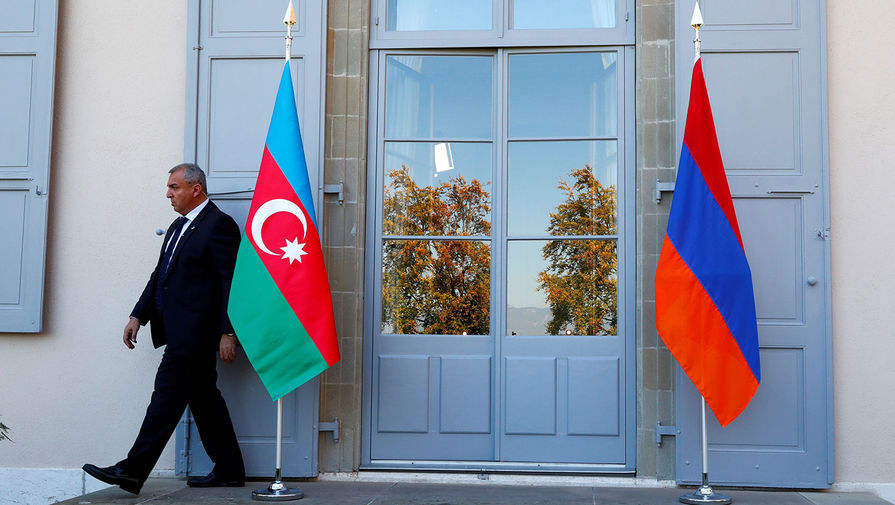
The potential deal between Armenia and Azerbaijan could help pave the way for more deals.
Having lost all its leverage, the Armenian administration now seeks to present itself as the 'party that desires peace.' However, it was Azerbaijan that proposed the peace text that was agreed on.
The evolving dynamics of Russia-USA relations have sent shockwaves through the post-Soviet space, with the South Caucasus emerging as a critical region to observe the fallout.
On 13 March, the Azerbaijani FM, announced that Armenia had agreed to the last two of the total 17 provisions of the draft “Agreement on the Establishment of Peace and Interstate Relations between Azerbaijan and Armenia”.
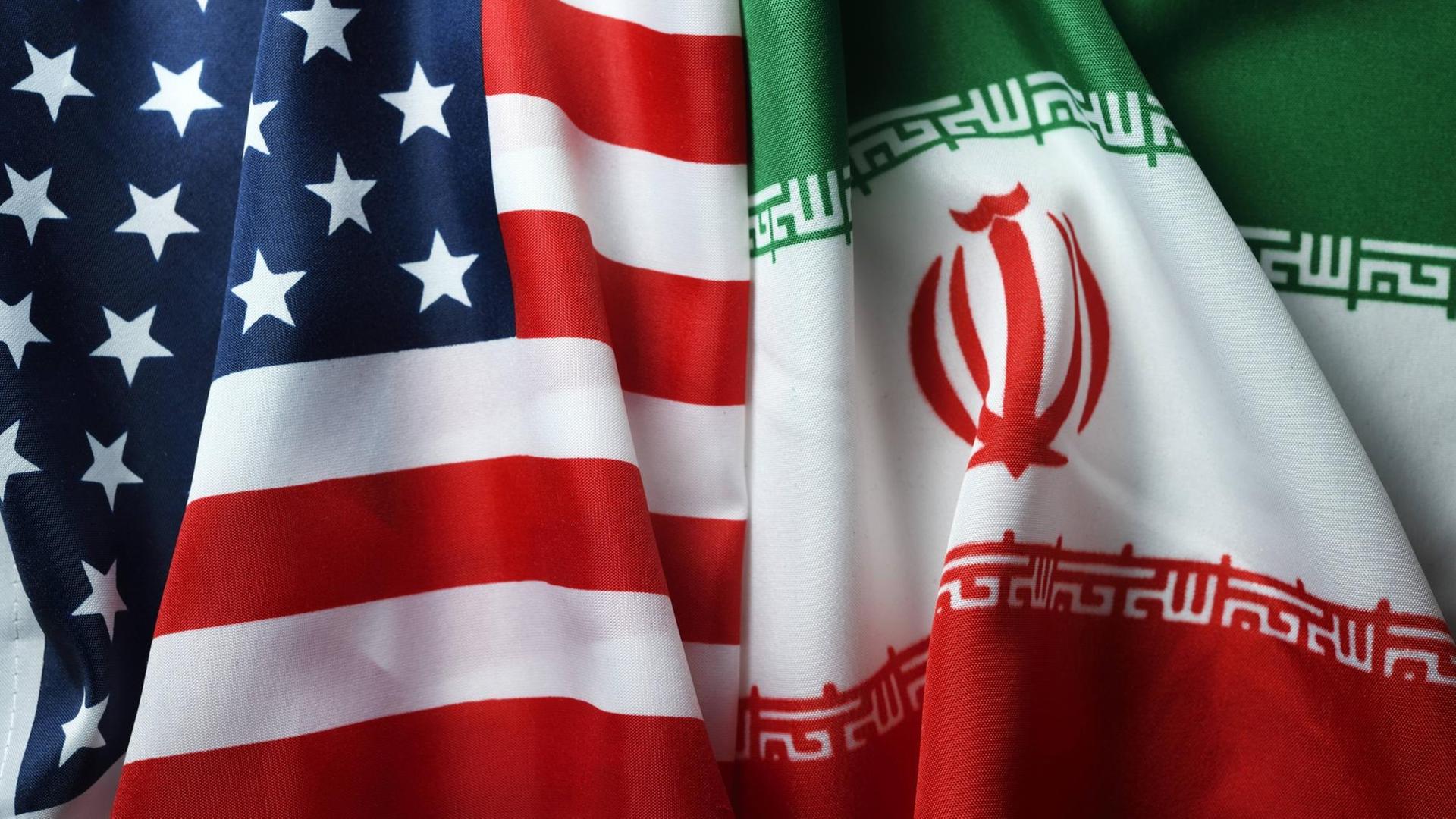
The forecasts made ahead of 2025 offered plenty of food for thought, suggesting that the year would be rich in dramatic developments. And now, it seems the predictions are slowly coming true.