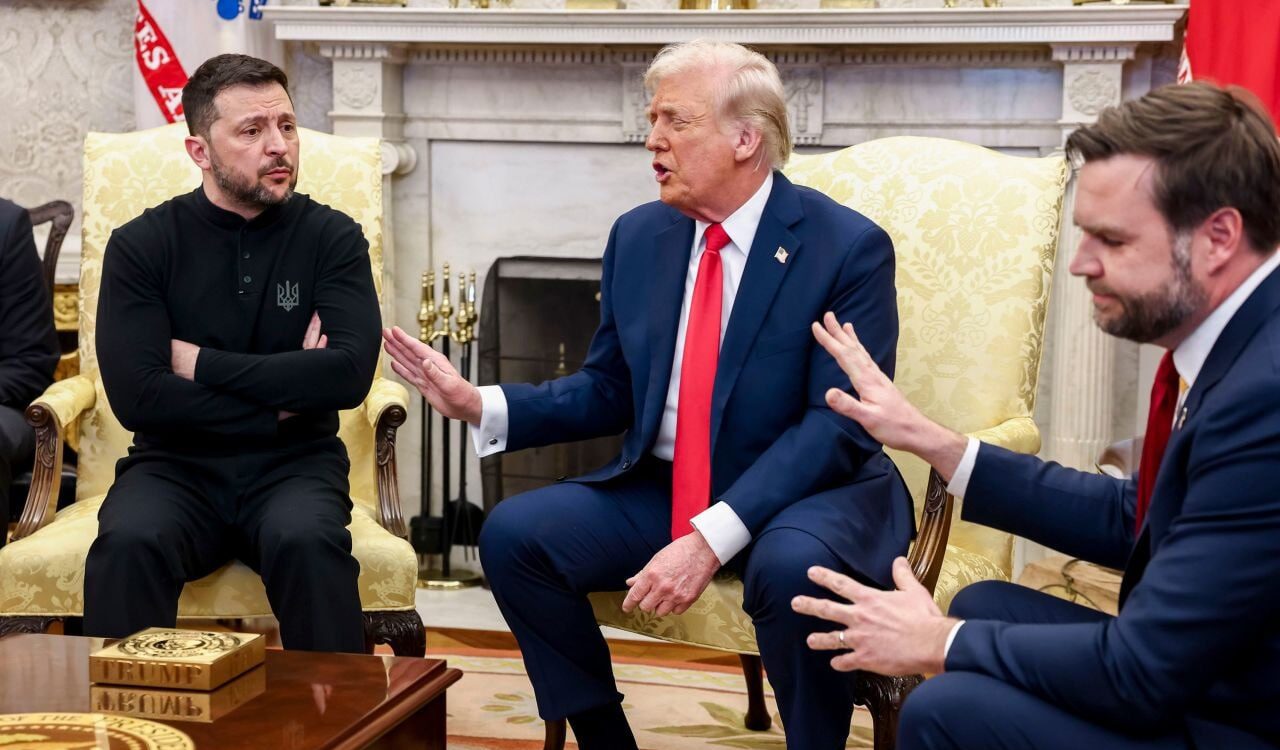
The world is at a crossroads. Yes, today the planet is discussing a reshaping of the world, or, as it’s commonly said, the formation of a new world order.
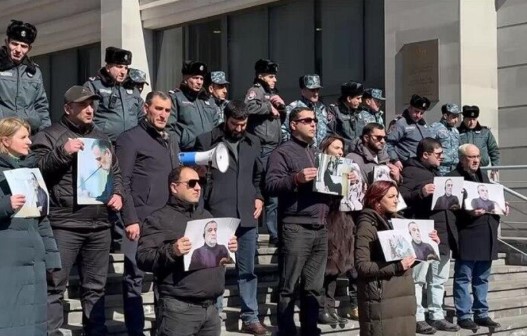
The trial of the top leadership of the ousted occupation junta continues in Baku.
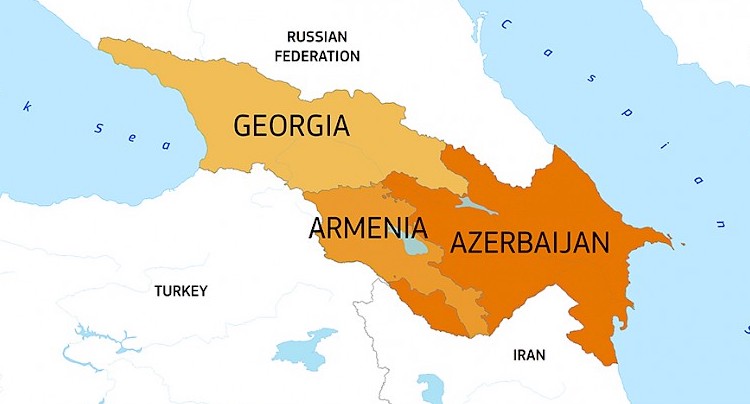
The past five years have marked a growing Gulf economic presence in the South Caucasus.
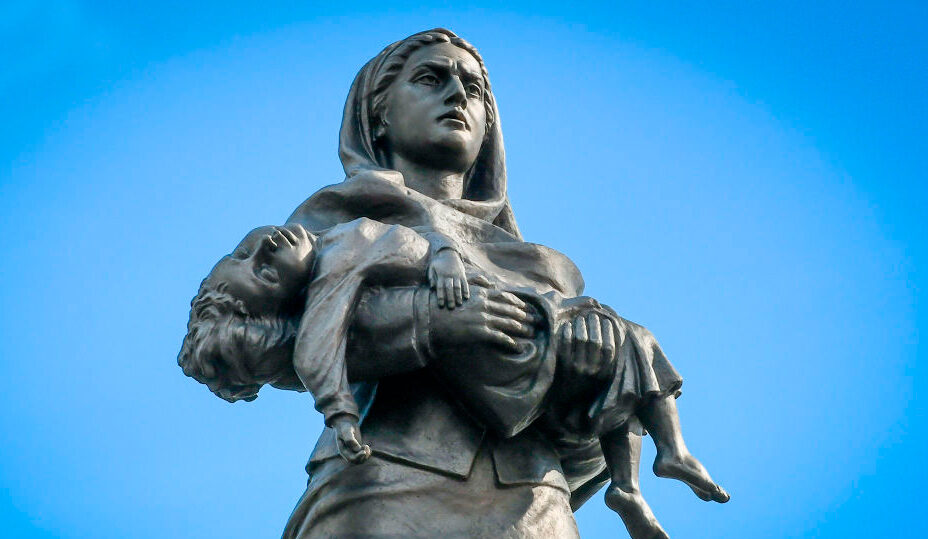
February 26, 1992 will forever remain in the memory of the Azerbaijani people as the day of a terrible tragedy.
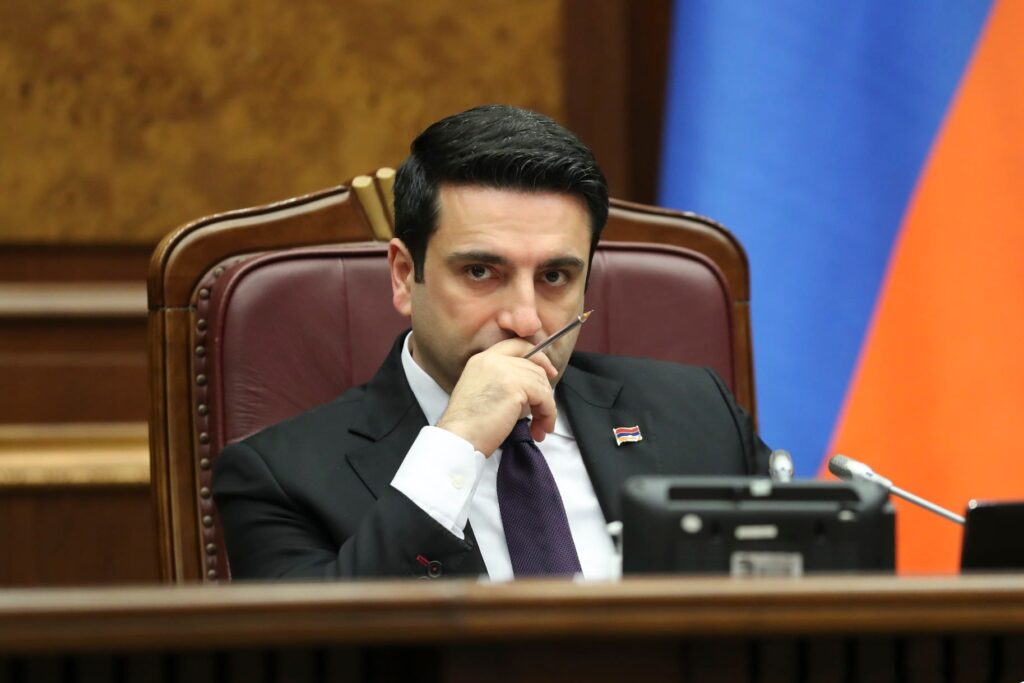
Plans for revenge in Yerevan remain on the agenda—this was recently confirmed by the Speaker of the Armenian Parliament, Alen Simonyan.
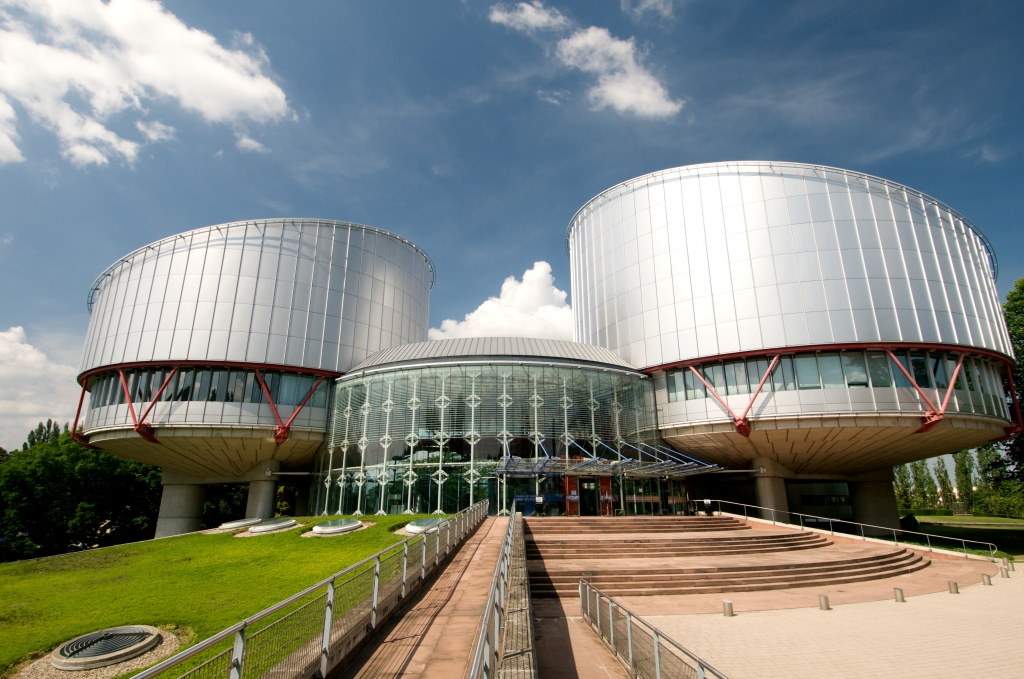
Amid accusations of alleged unfair trials and mistreatment of former officials of the unrecognized "NKR" currently on trial in Baku, Armenia has lost a case at the European Court of Human Rights (ECHR) concerning the unpunished death of its citizen in an "NKR" prison.
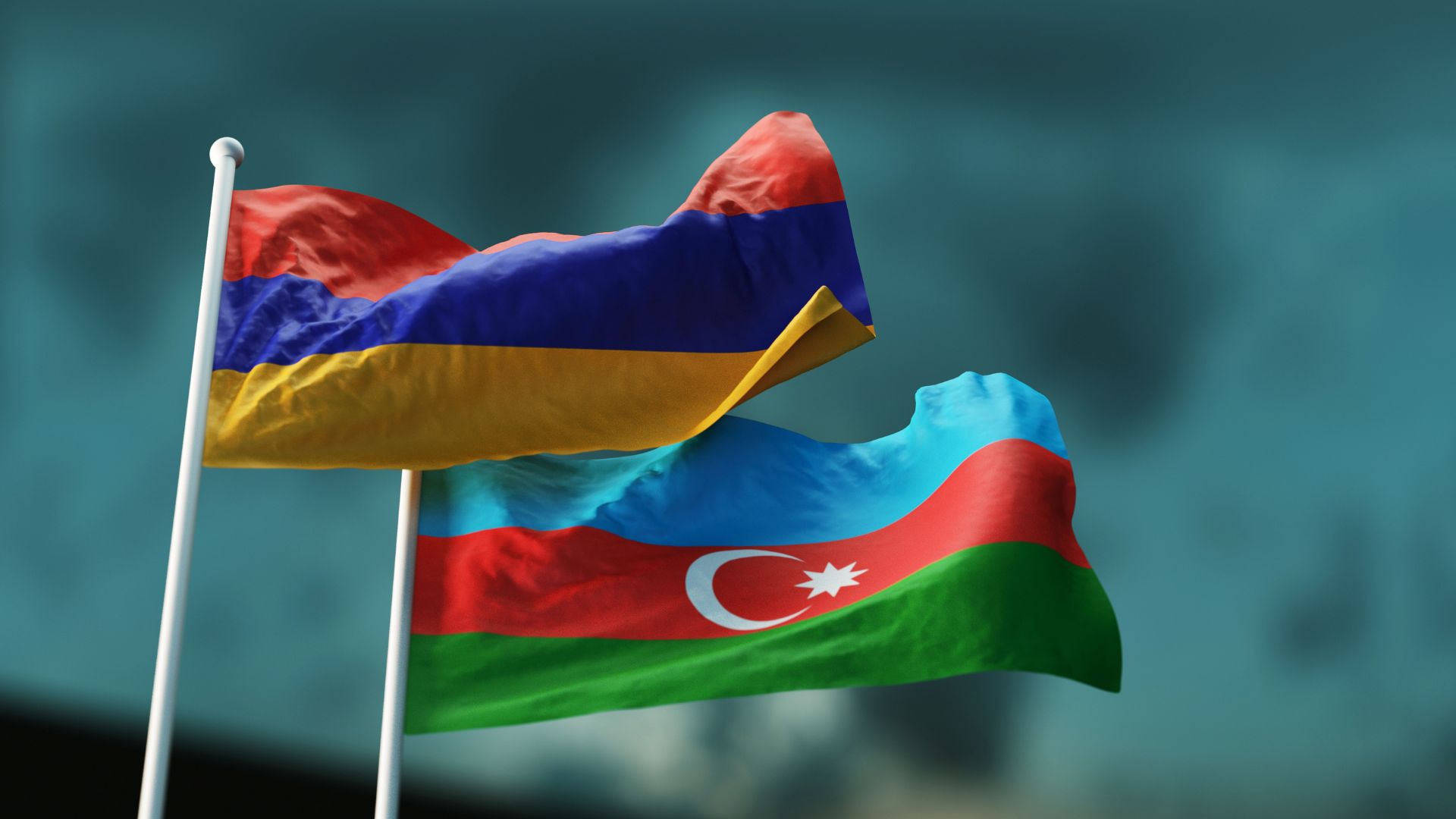
Azerbaijan expects Armenia to remove territorial claims to the Karabakh region from its constitution to eliminate any possibility of rekindling the conflict in the future.
In Paris’s view, Karabakh is considered Azerbaijan’s territory, yet Armenia should still control it because it is France’s "little sister"?
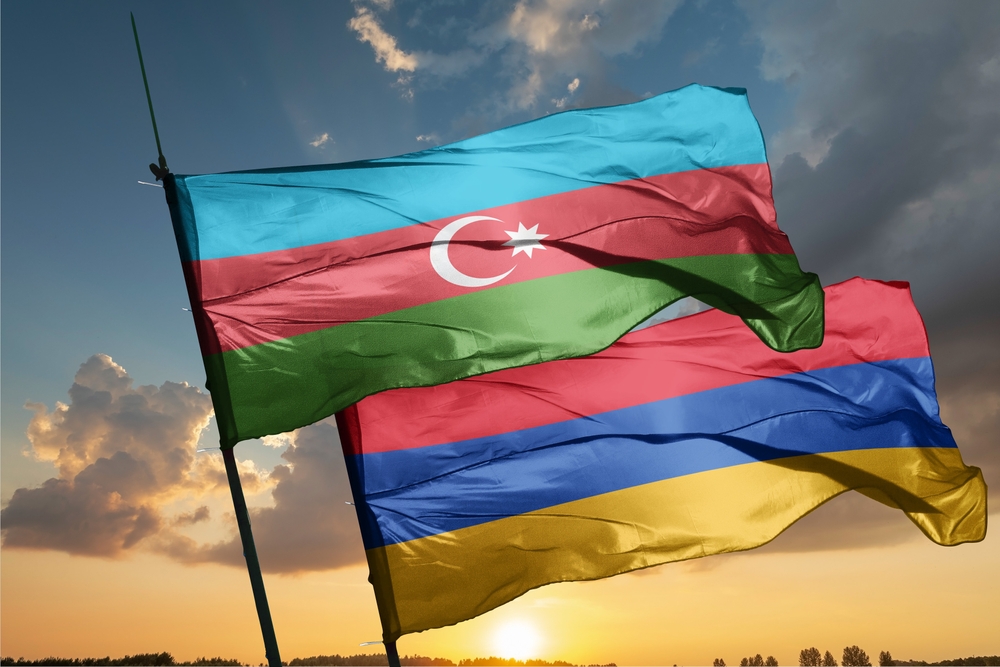
The year 2024 saw a shift away from external mediation in the Armenia–Azerbaijan conflict, to direct bilateral negotiations. Despite widespread expectations of a finalized peace treaty by the end of 2024, no agreement was signed.
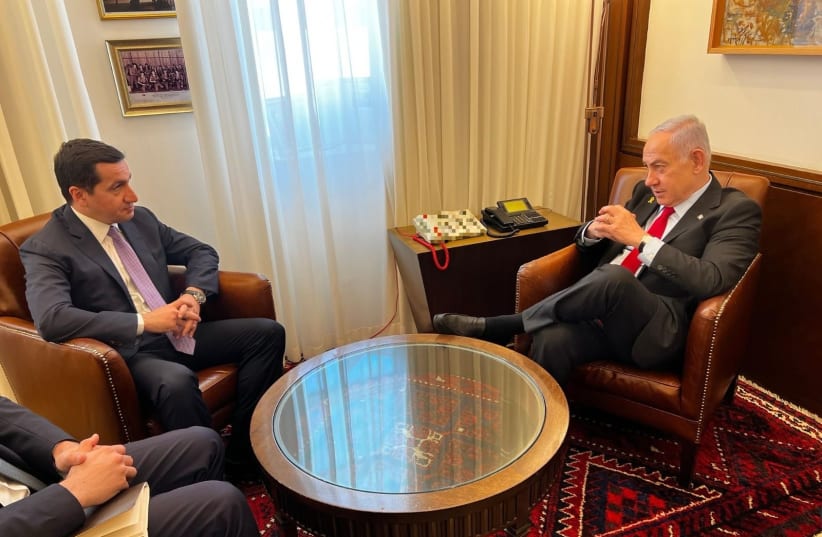
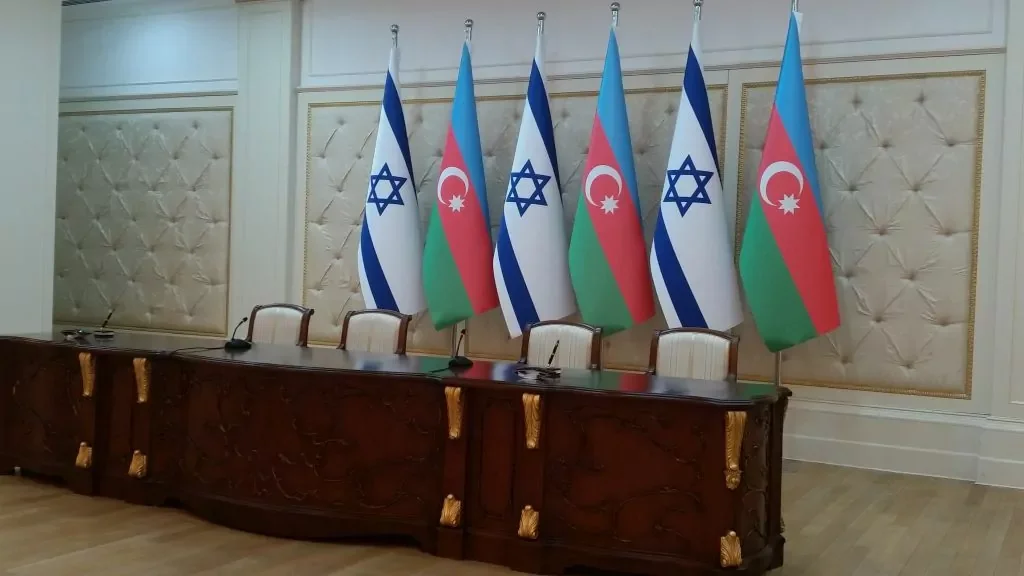
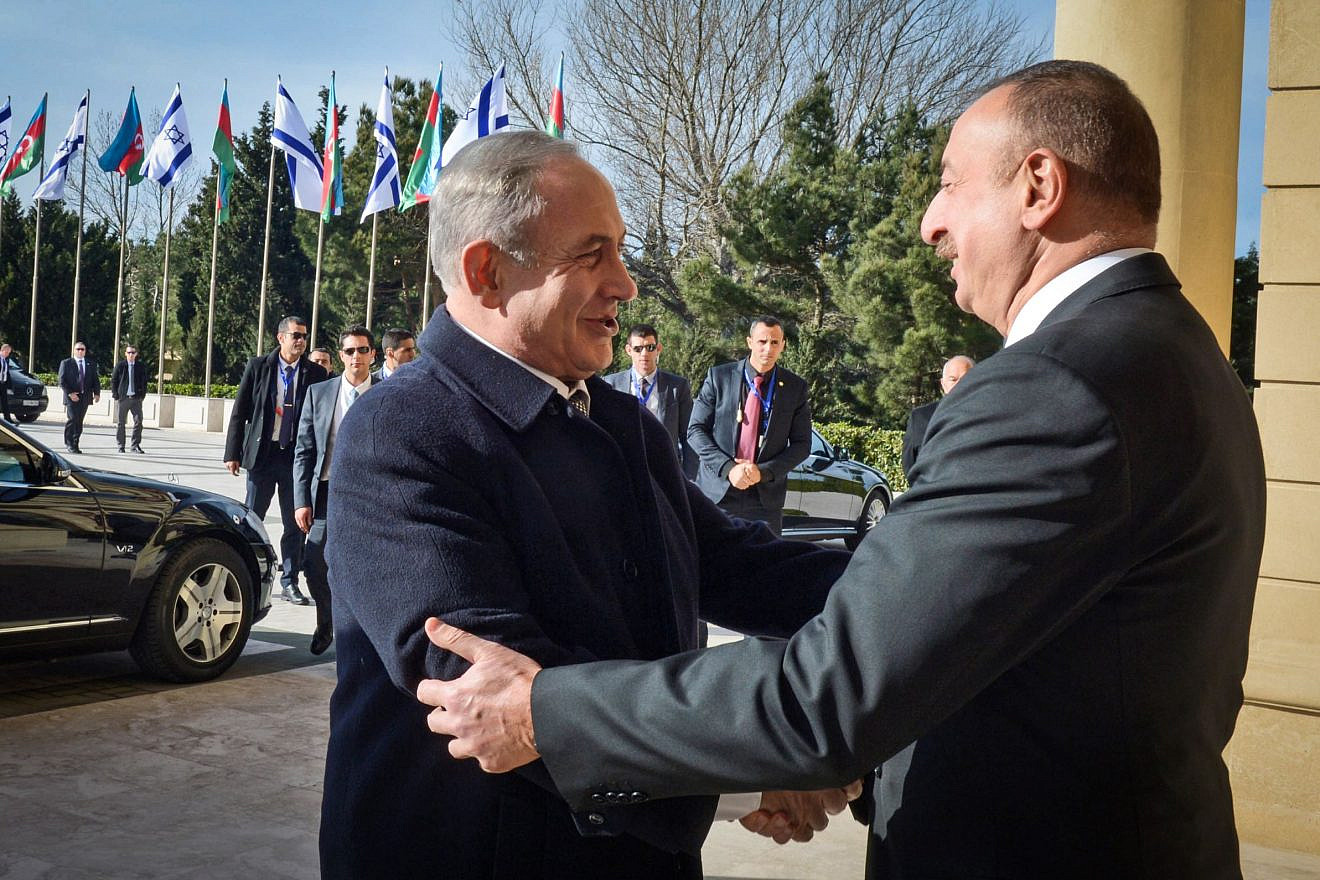
Hikmet Hajiyev, top Baku official, meets Prime Minister Benjamin Netanyahu as regional alliance takes shape.
Azerbaijan’s top adviser meets Netanyahu in Jerusalem to discuss strategic ties and potential Abraham Accords expansion.
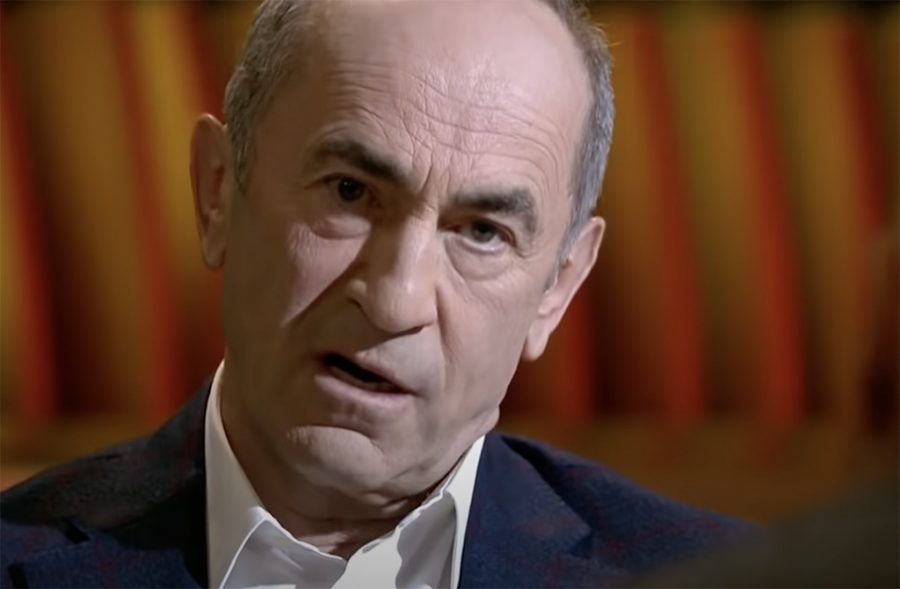
Armenia is experiencing a major political sensation—former President Robert Kocharyan has re-emerged.
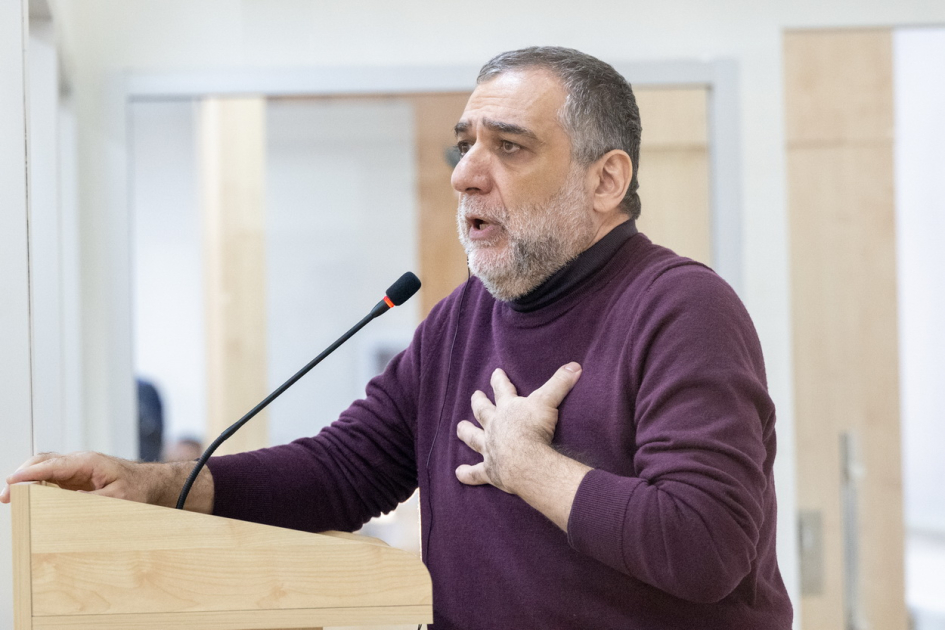
The reading of the indictment in the case of Ruben Vardanyan has been completed in Baku. It took several days, a clear indication of the extent of the former "Kremlin oligarch's" activities in Azerbaijan.
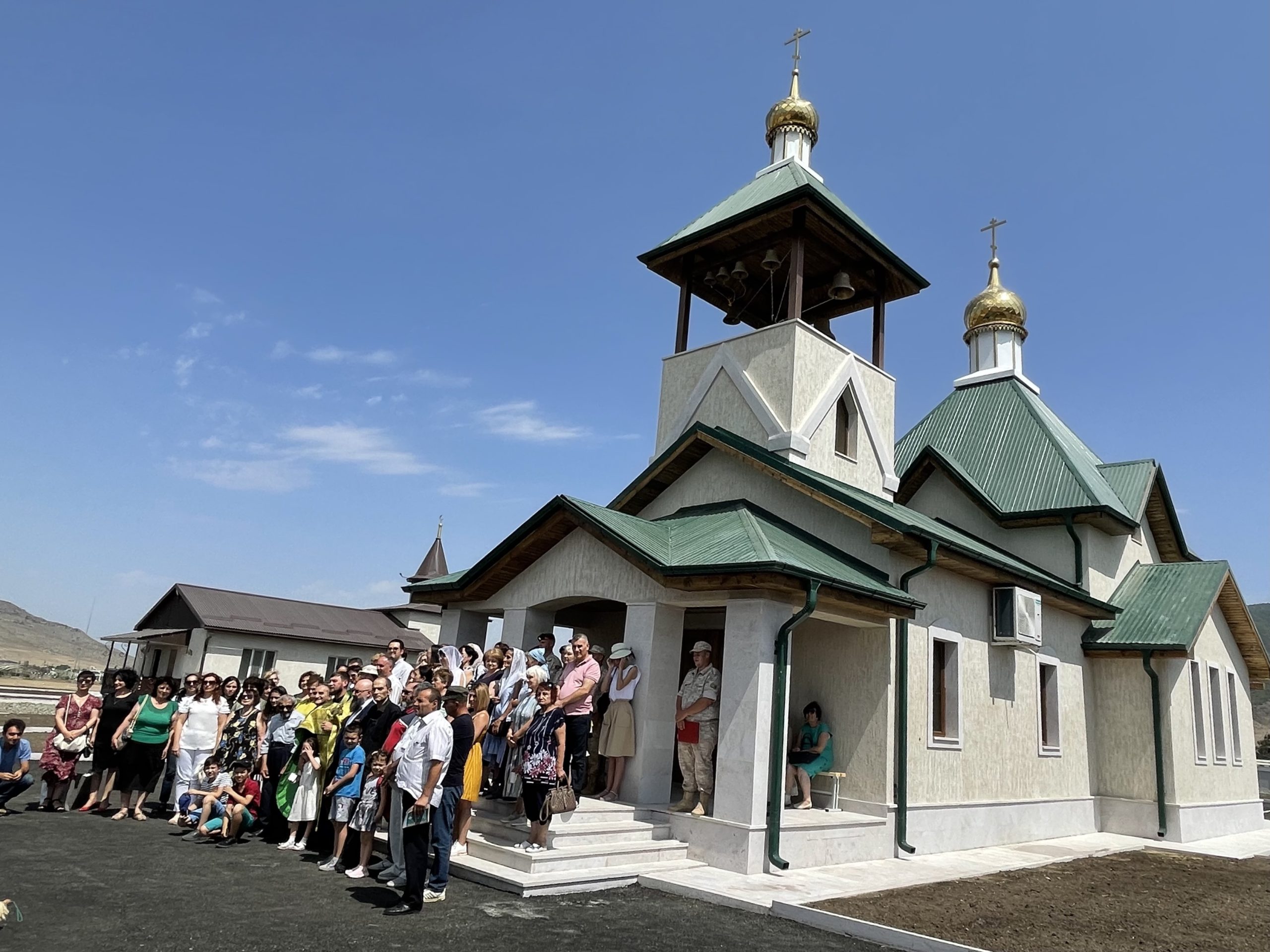
Another anti-Azerbaijani provocation took place in Russia. The so-called "Russian community of Nagorno-Karabakh" held a meeting in Moscow for "forced migrants among compatriots living in Russia."
The structure that eventually became the "Sputnik Azerbaijan" agency was introduced to the country by the well-known figures Ramiz Mehdiyev and Ali Hasanov, without consulting the top leadership.
During a week when starved Israeli hostages, resembling Holocaust survivors, were finally returned by Hamas in a macabre ceremony, few people focused on a story involving natural gas.
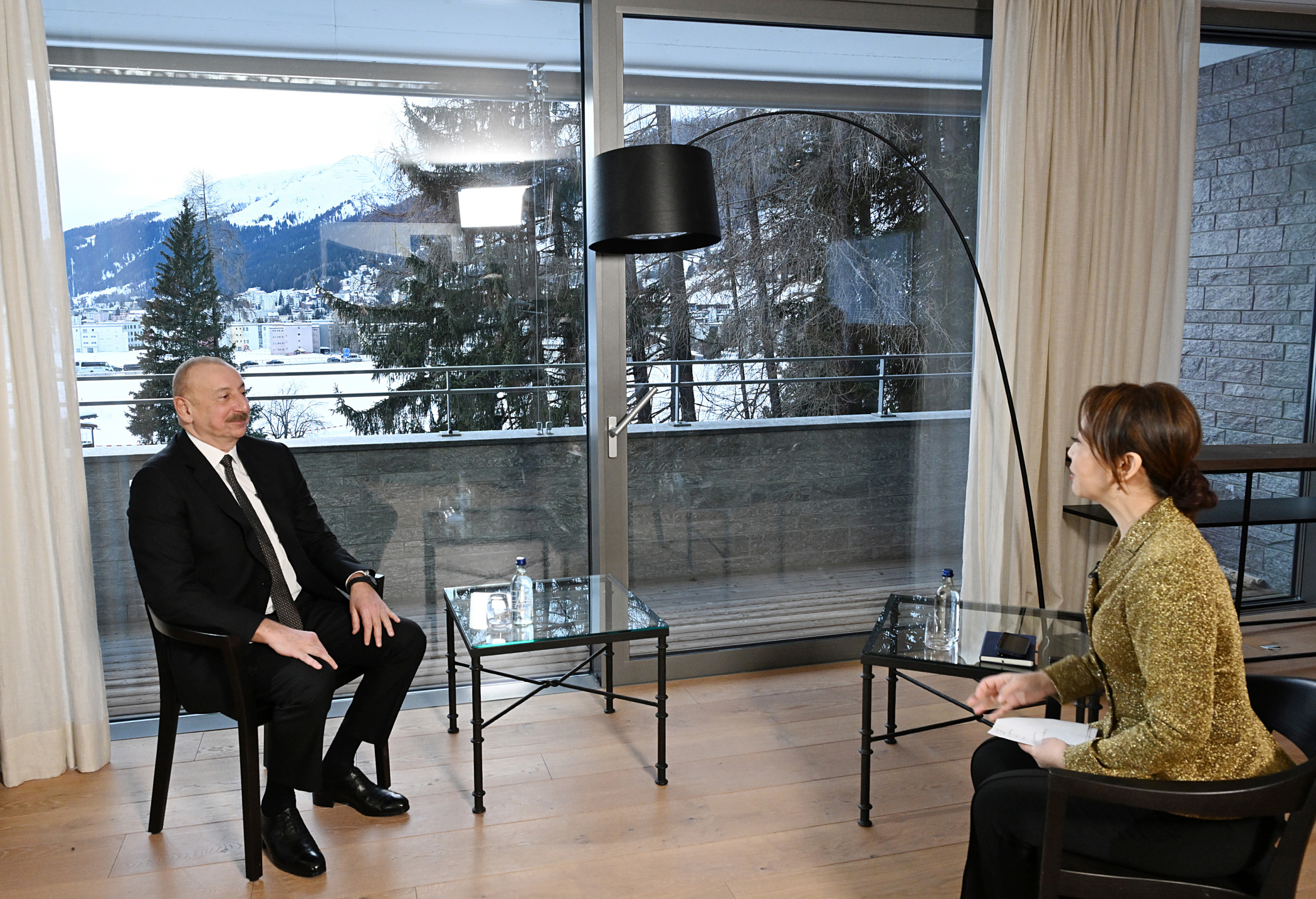
Azerbaijani diplomacy is reaching a global level—this is the key takeaway from President Ilham Aliyev’s interview with China’s CGTN television network.
The media space has been flooded with reports about the suspension of the "Russian House" (RH) in Baku, now accompanied by a statement from its director, Irek Zinnurov.
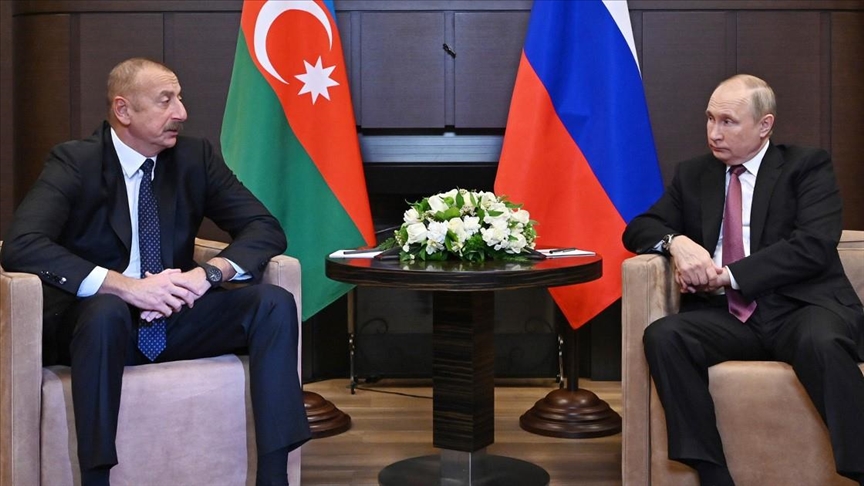
Amid the growing anti-Azerbaijani hysteria in Russian political and media circles, it is crucial to ask the question: what is actually happening?
Honestly speaking, it is quite tiresome how Moscow, every time it tries to pressure Baku, attempts to pit the Lezgins against the Azerbaijanis, meaning it starts playing the "Lezgin card."
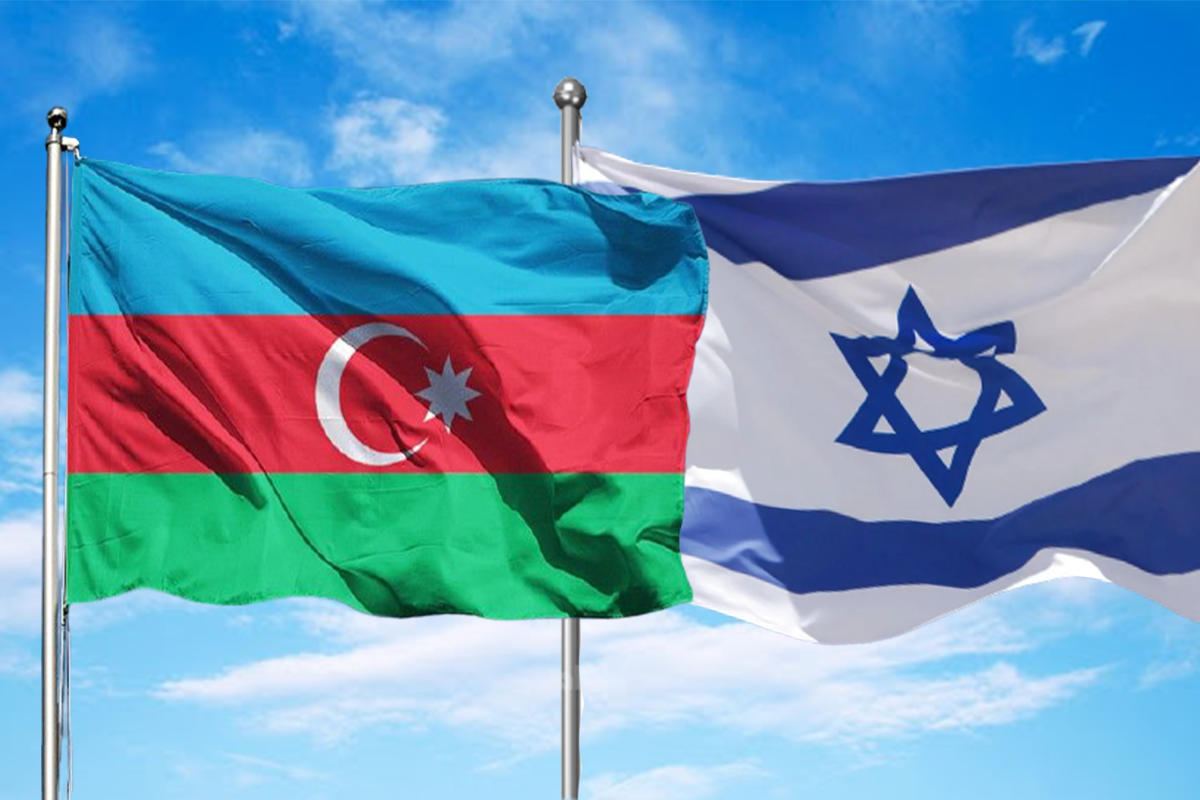
From Israel’s perspective, Azerbaijan is not just another friendly country or a “simple” ally; it is Jerusalem's most important ally in the Middle East and the second most important ally overall.
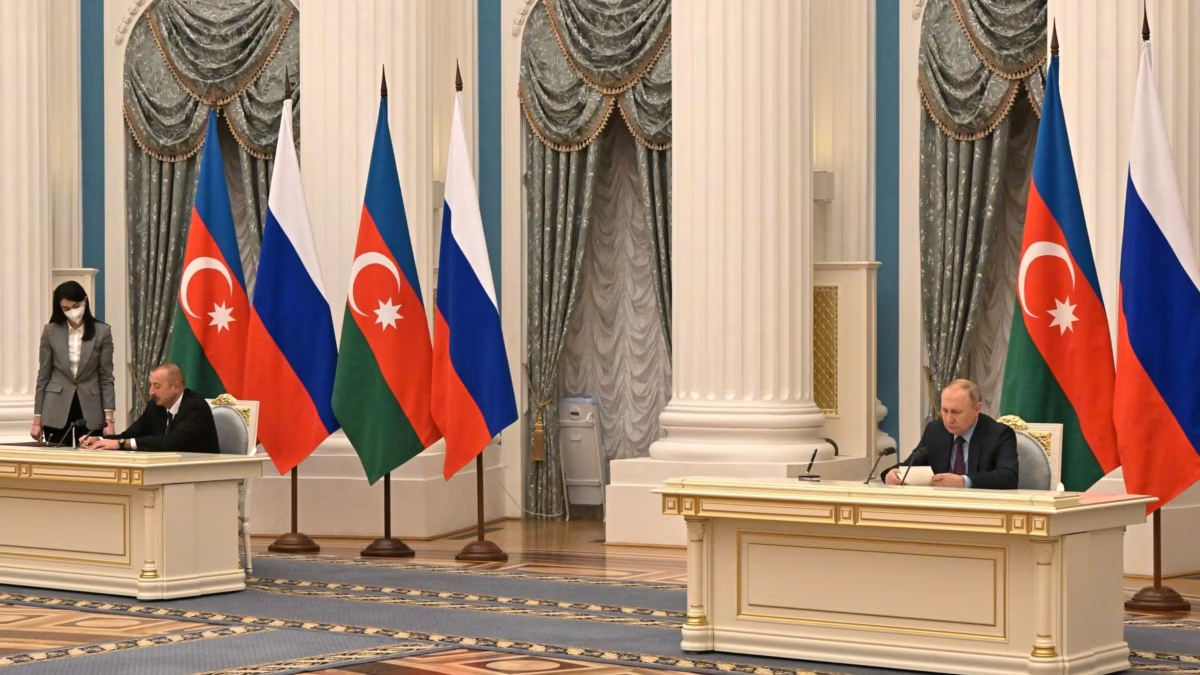
The recent events, accompanied by some tension in the relations between Baku and Moscow, have demonstrated how monumentally ingrained the standard imperial settings are in the minds of certain representatives of Russia’s so-called elite.
The policy decisions made by the new President of the United States, Donald Trump, have triggered tectonic shifts in the international political order.
For years, Azerbaijan has faced criticism from Western media, but a new revelation has provided an unexpected explanation—funding through USAID.