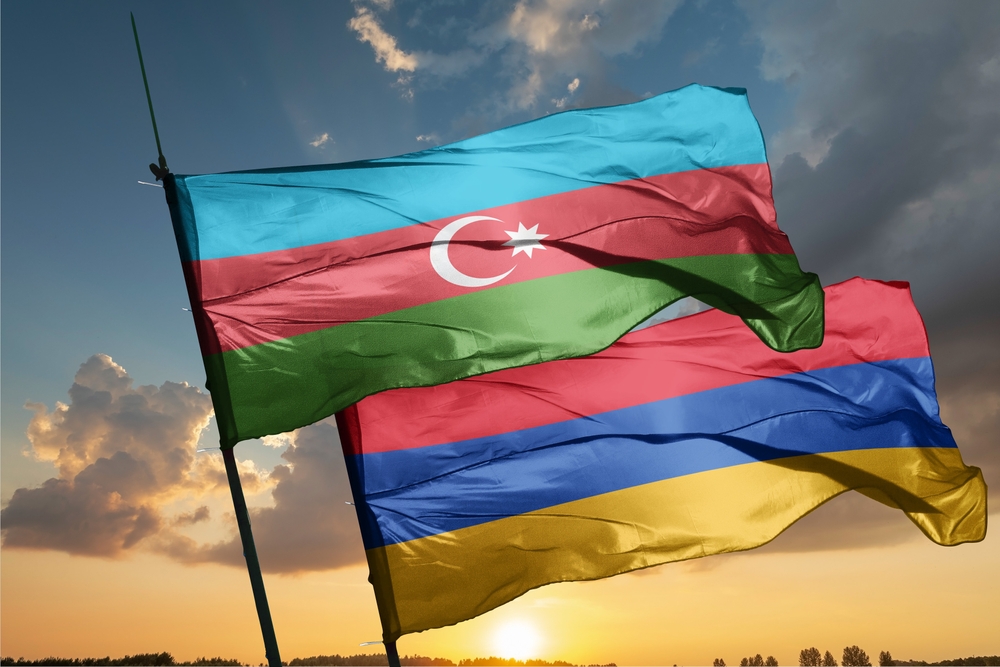
It is evident from Prime Minister Nikol Pashinyan's remarks that Yerevan is seeking to sign a "truncated" peace treaty without amending the Republic of Armenia's Constitution, thereby retaining its territorial claims against Azerbaijan.

It is evident from Prime Minister Nikol Pashinyan's remarks that Yerevan is seeking to sign a "truncated" peace treaty without amending the Republic of Armenia's Constitution, thereby retaining its territorial claims against Azerbaijan.
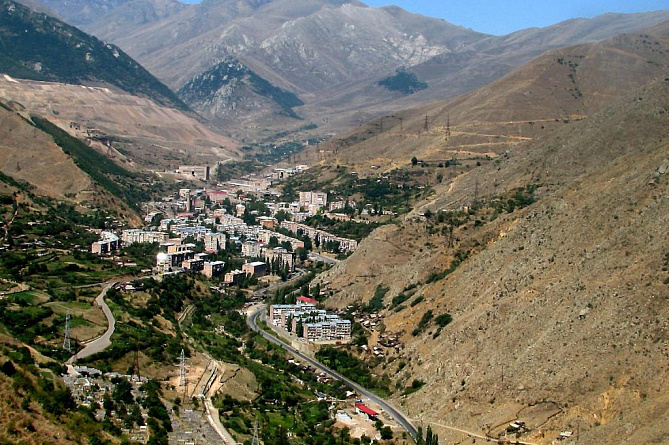
From an Israeli perspective, the Zangezur corridor’s significance lies in its potential to shift the geopolitical balance.
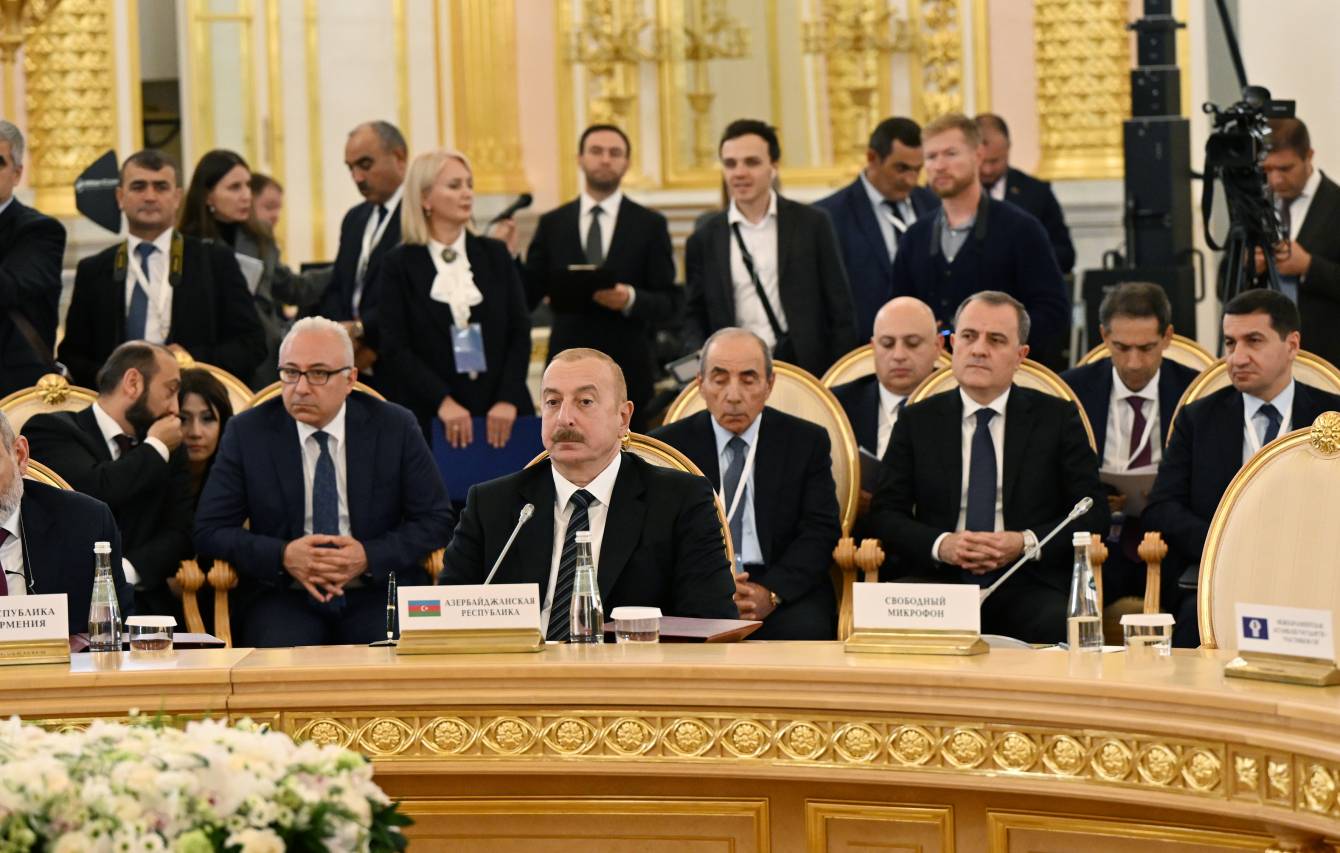
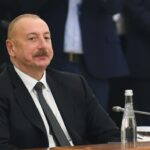
The recently concluded CIS summit in Moscow and the speech by Azerbaijan’s President Ilham Aliyev at this meeting have highlighted a new and significant trend in the evolution of this organization.
As the UN General Assembly (UNGA) continues in New York, the backdrop is dire and there is a feeling of gloom. The world faces some of its worst crises since World War II, and the UN Security Council is powerless to solve them.

The main organizer of this campaign is the leading organization of the global Armenian community—the Armenian National Committee (ANC) and its American branch (ANCA).
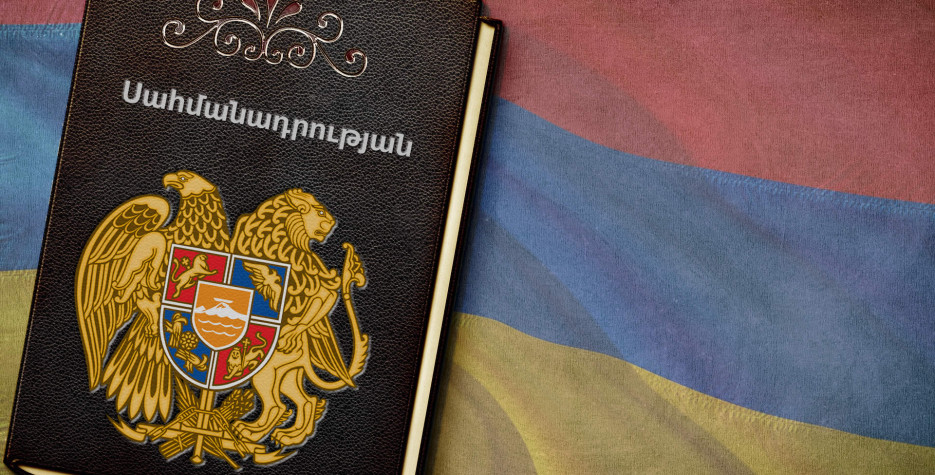
In a move that has left many in Armenia, Azerbaijan, and beyond scratching their heads, the Armenian Constitutional Court adopted on September 26 a landmark ruling No. 1749, greenlighting the border delimitation process with Azerbaijan.
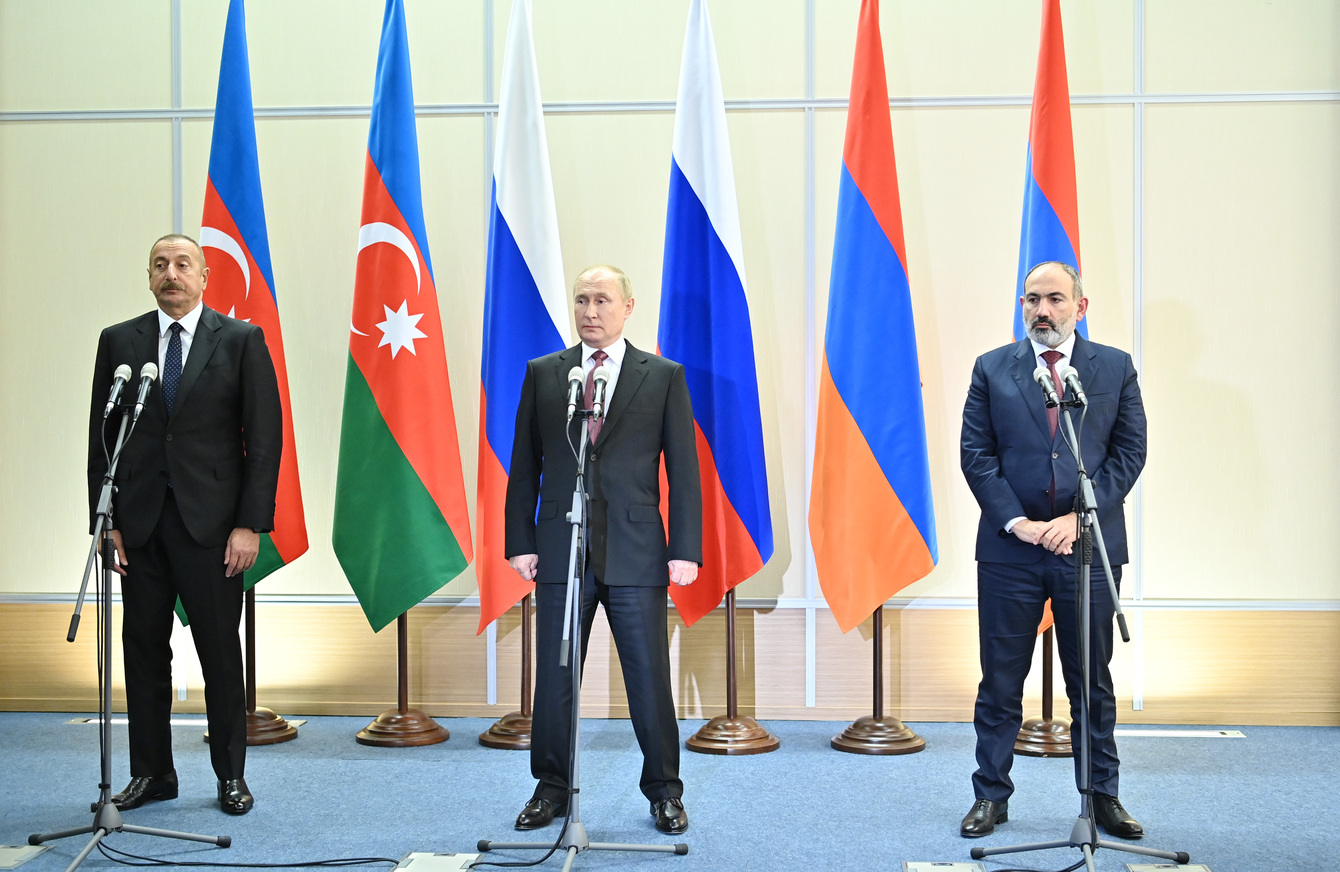
The informal summit of the CIS heads of state in Moscow, despite expectations, did not become a platform for a trilateral meeting involving Russian President Vladimir Putin, Azerbaijani President Ilham Aliyev, and Armenian Prime Minister Nikol Pashinyan.
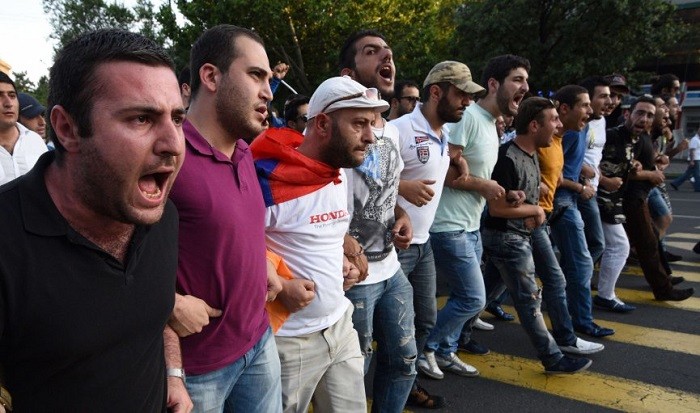
As the upcoming COP-29 climate conference, scheduled to take place in the capital of Azerbaijan in November, draws nearer, the statements from official Yerevan are becoming increasingly hysterical.
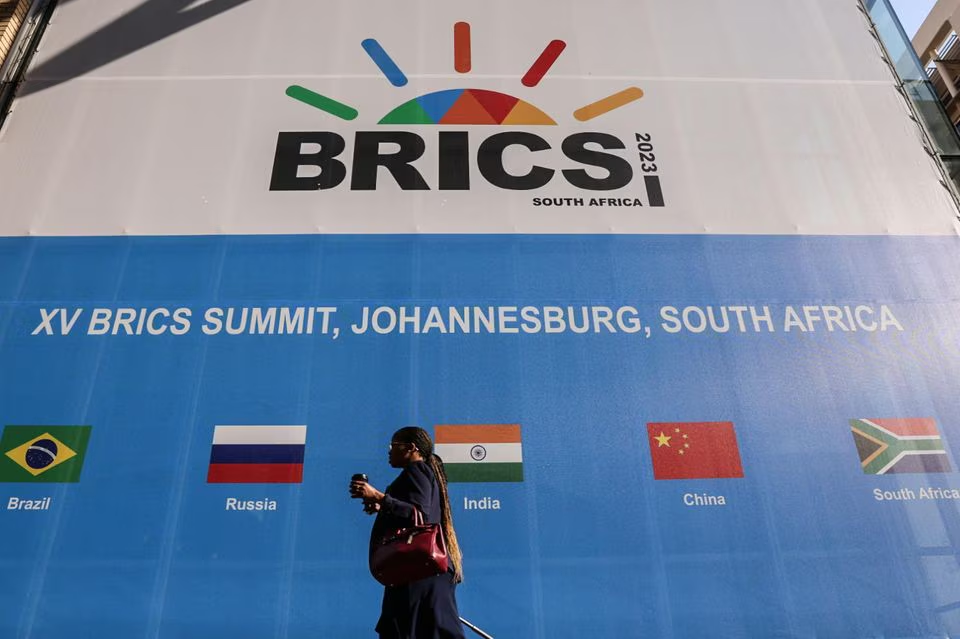
Azerbaijan’s recent announcement to formally apply for membership in the BRICS bloc promises mutual gains for both the oil-rich nation and the group of developing economies.
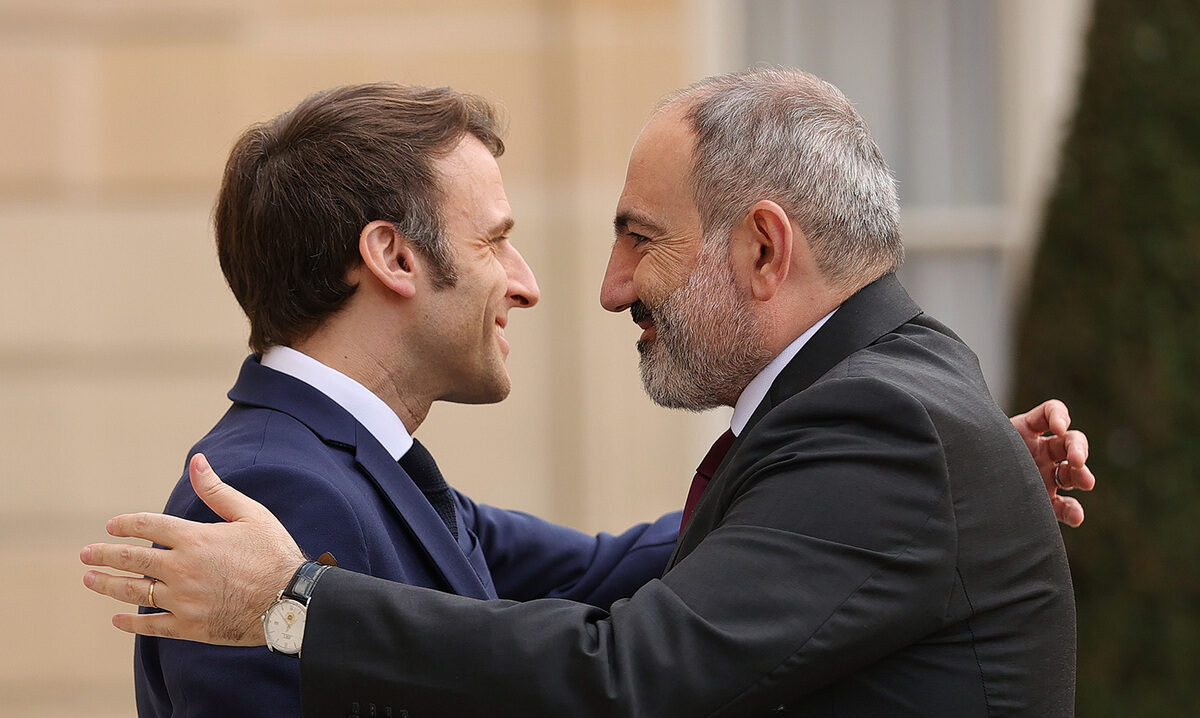
France, under the leadership of Emmanuel Macron, is turning the International Organization of La Francophonie into a tool for political manipulation aimed against Azerbaijan. In alliance with Armenia, Paris is attempting to undermine international efforts to strengthen peace in the South Caucasus.
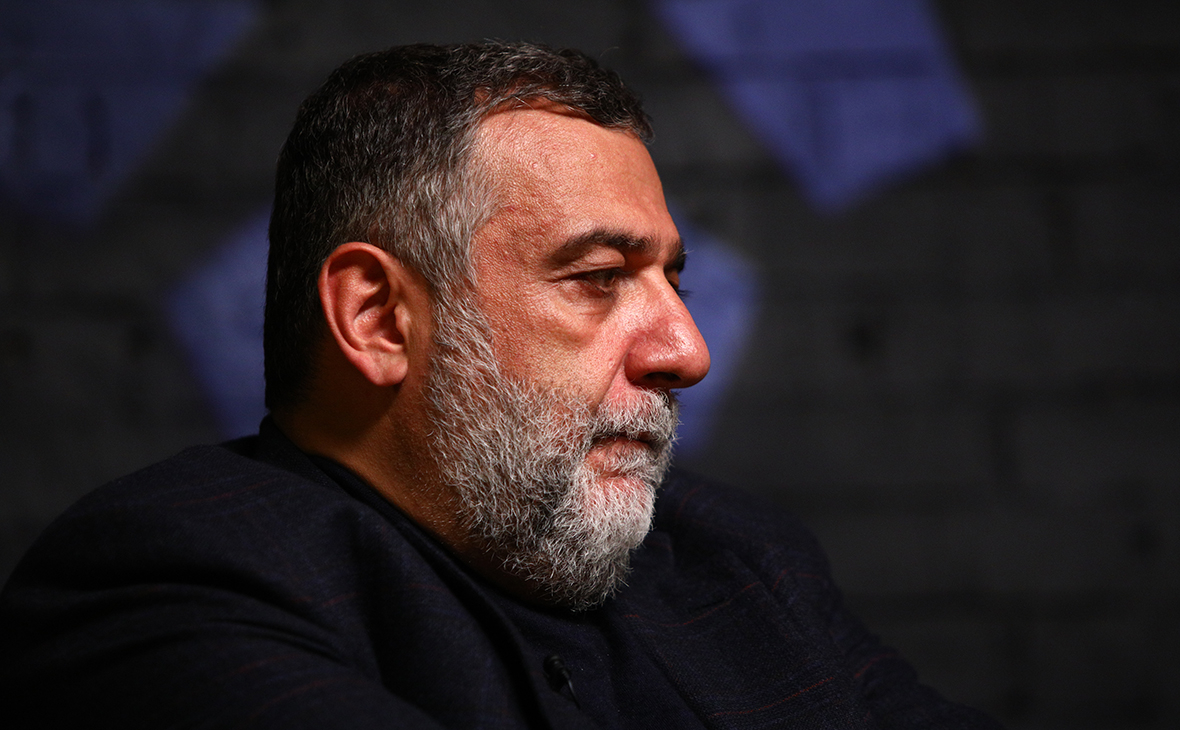
In a recent news conference, Armenian Prime Minister Nikol Pashinyan was asked whether he is pressing Azerbaijani President Ilham Aliyev to free Vardanyan and other Armenians remaining in Azerbaijani captivity.
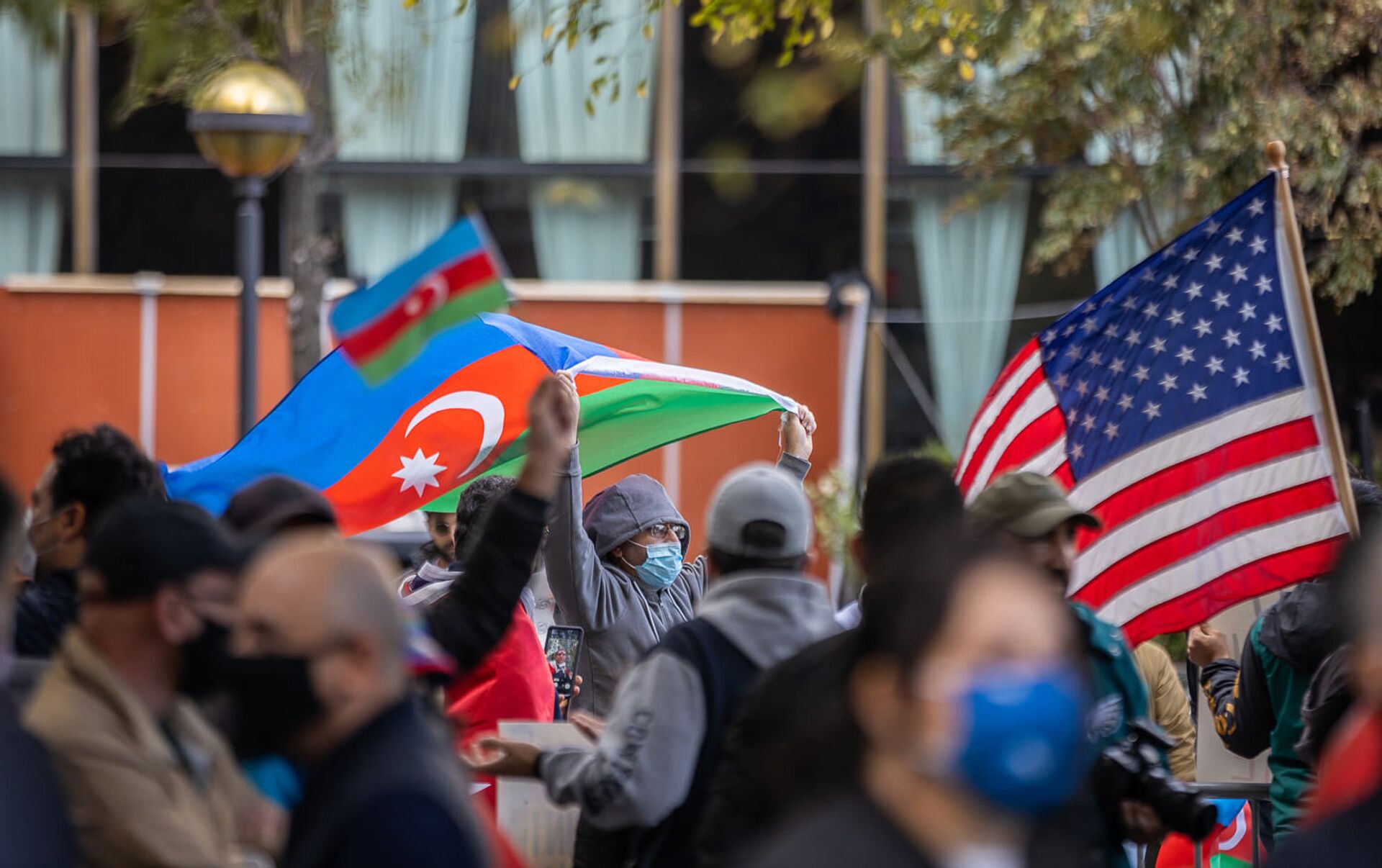
President Ilham Aliyev's recent visit to Jabrayil and his meeting with residents returning to their homes marked a series of significant statements, including on the relationship between Baku and Washington.
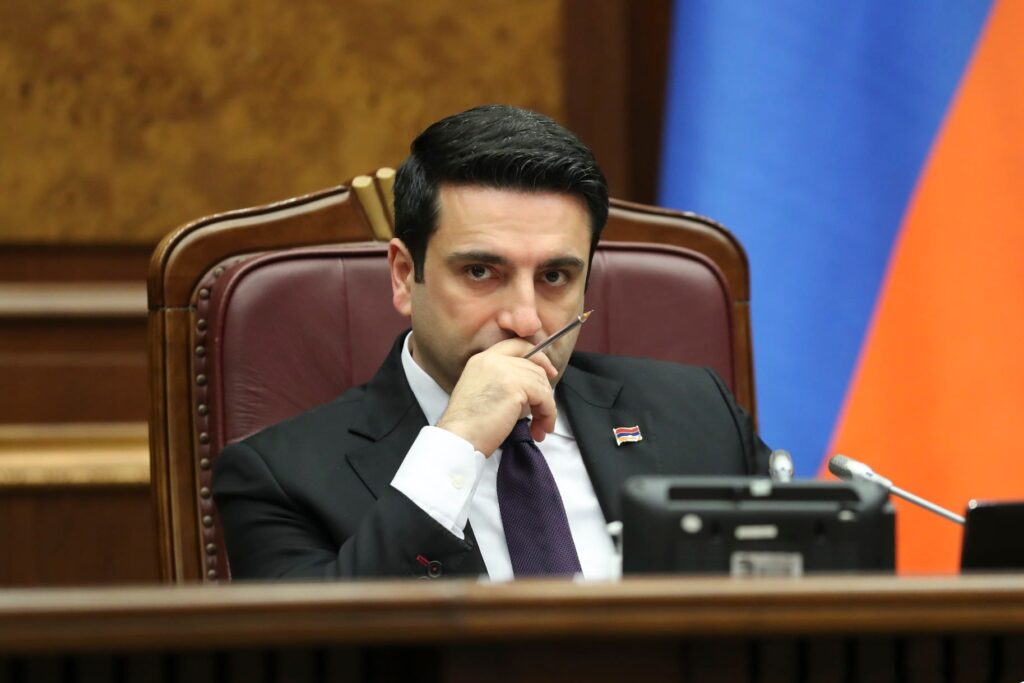
There’s an often unspoken, yet effective rule: while what a politician says is important, it's even more interesting when they reveal something unintentionally. This is exactly what happened with the Speaker of the Armenian Parliament, Alen Simonyan.
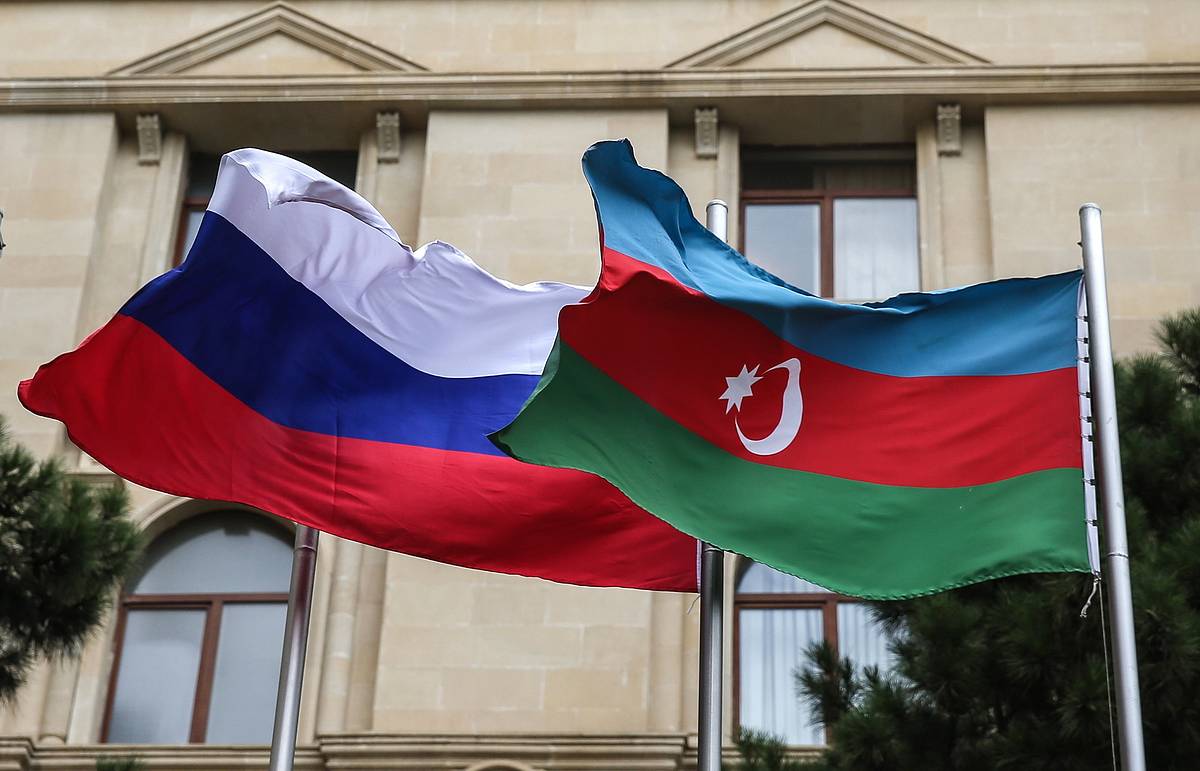
The absence of any reasonable argument for the necessity of opening a Russian General Consulate in the Karabakh region of Azerbaijan doesn’t seem to concern the Russian side in the least.
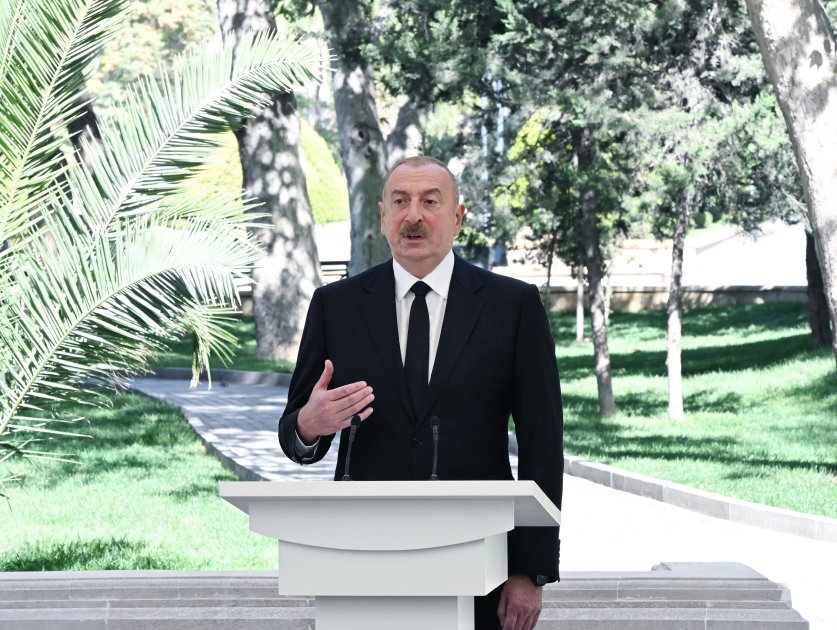
Ilham Aliyev has repeatedly asserted that Azerbaijan harbours no aggressive intentions toward Armenia; our only goal is to achieve justice through the return of hundreds of thousands of Western Azerbaijanis to their ancestral lands.
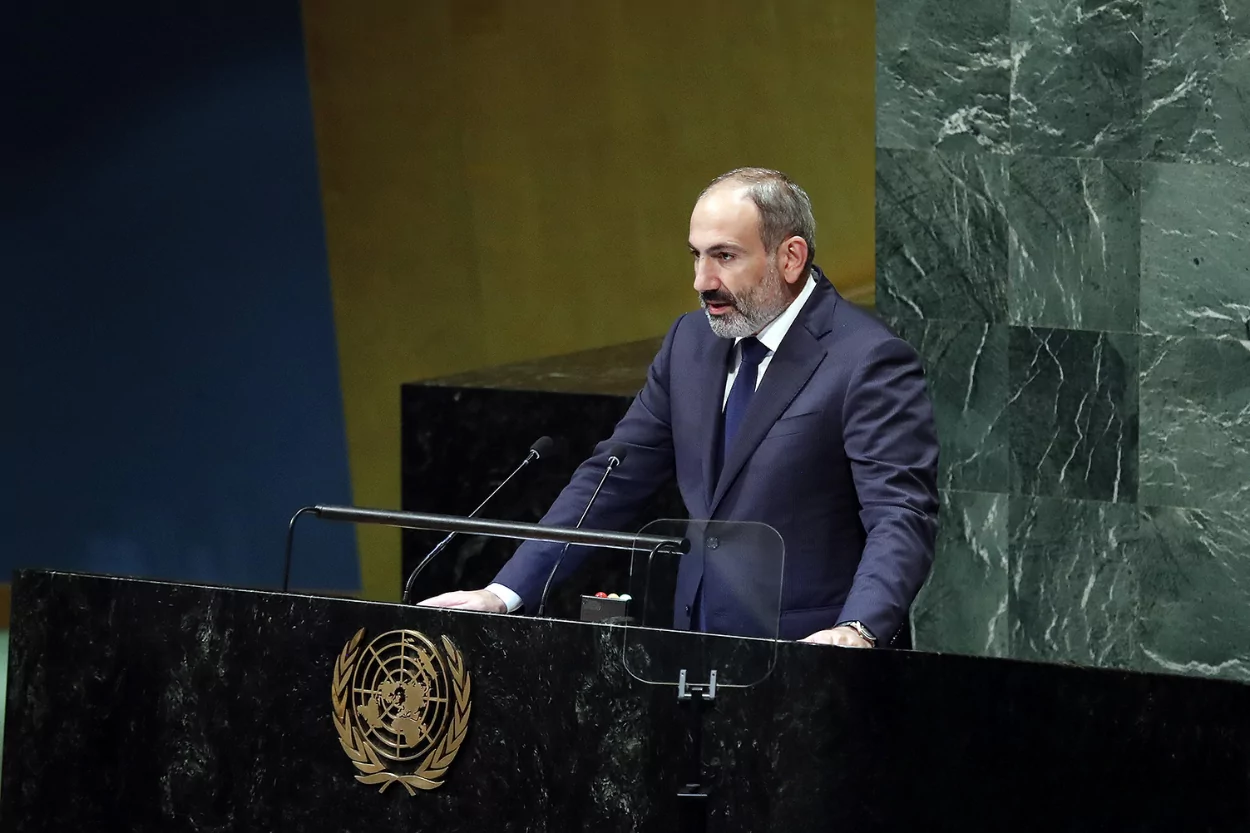
September 2024 marks significant anniversaries in the Armenia-Azerbaijan conflict, including the fourth anniversary of the Second Karabakh War and the first anniversary of Azerbaijan's anti-terror operation against Armenian separatists in Karabakh.

It is naive to assume that only the border security systems are improving. The global drug mafia is evolving in parallel.
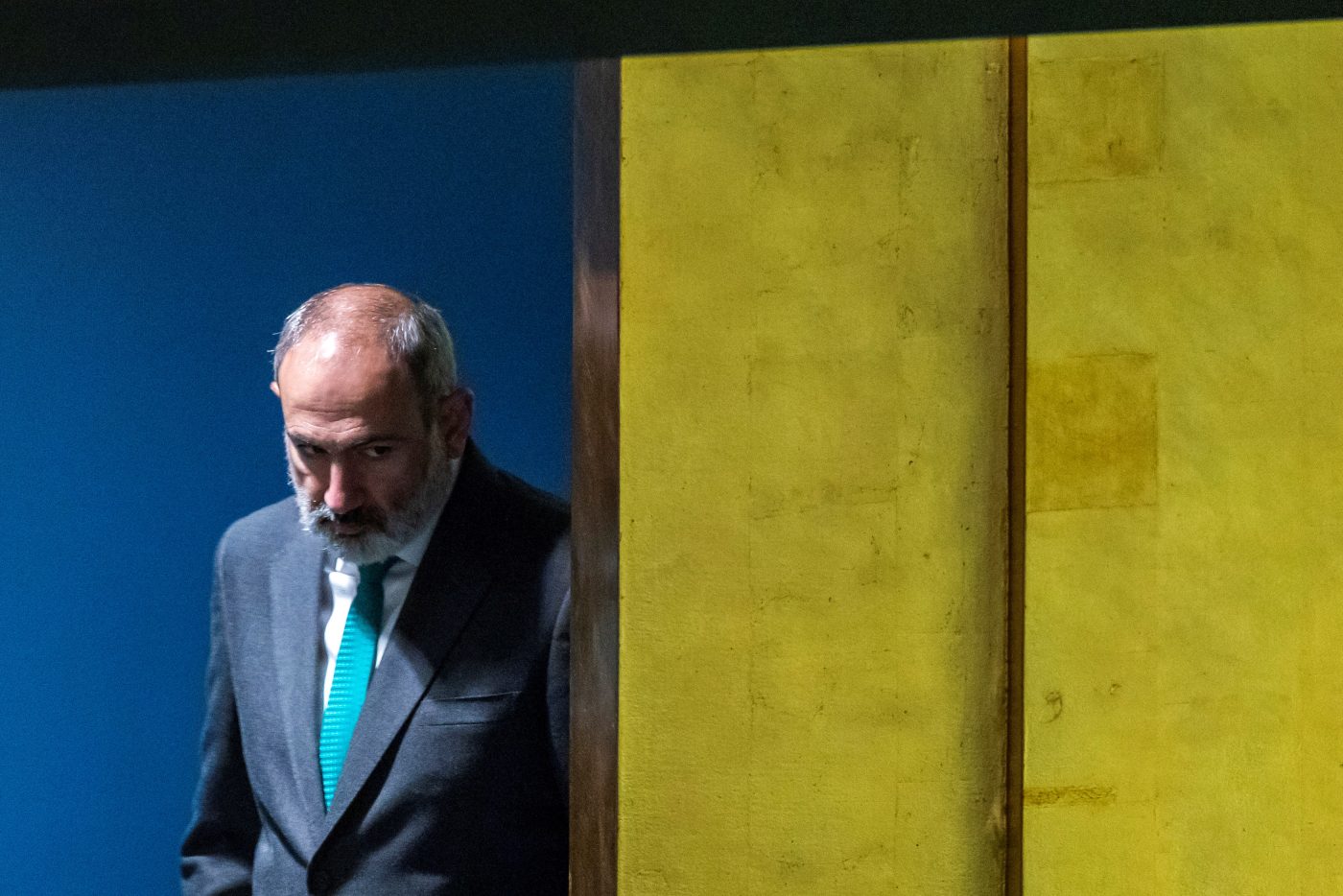
There is a plethora of worthy analyses suggesting Armenia is loosening ties with Russia. The reality is otherwise.
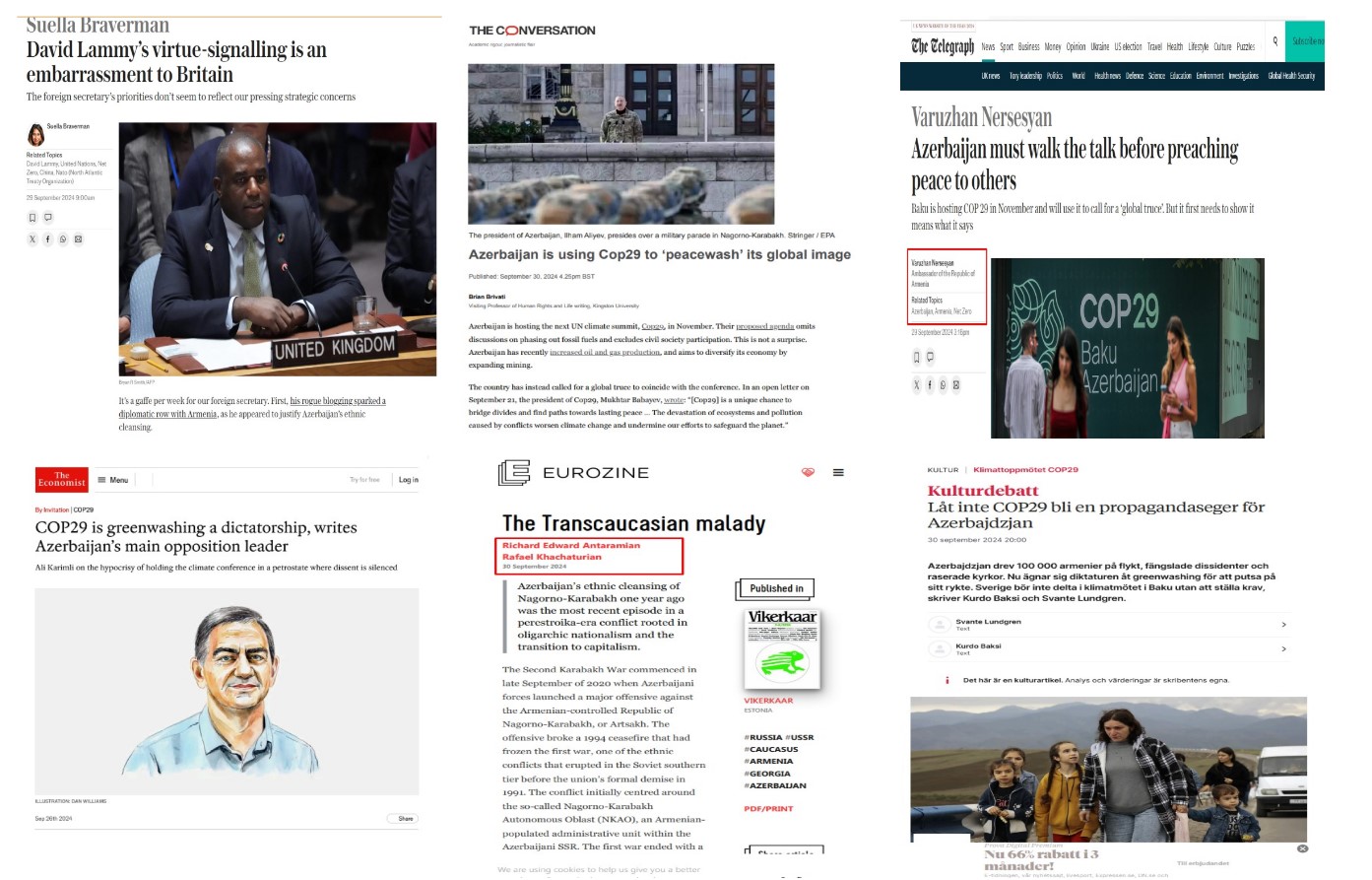
As the date of the climate summit in Baku approaches, the imperialist West, wielding all its duplicitous charm, is making every effort to tarnish Azerbaijan's reputation.
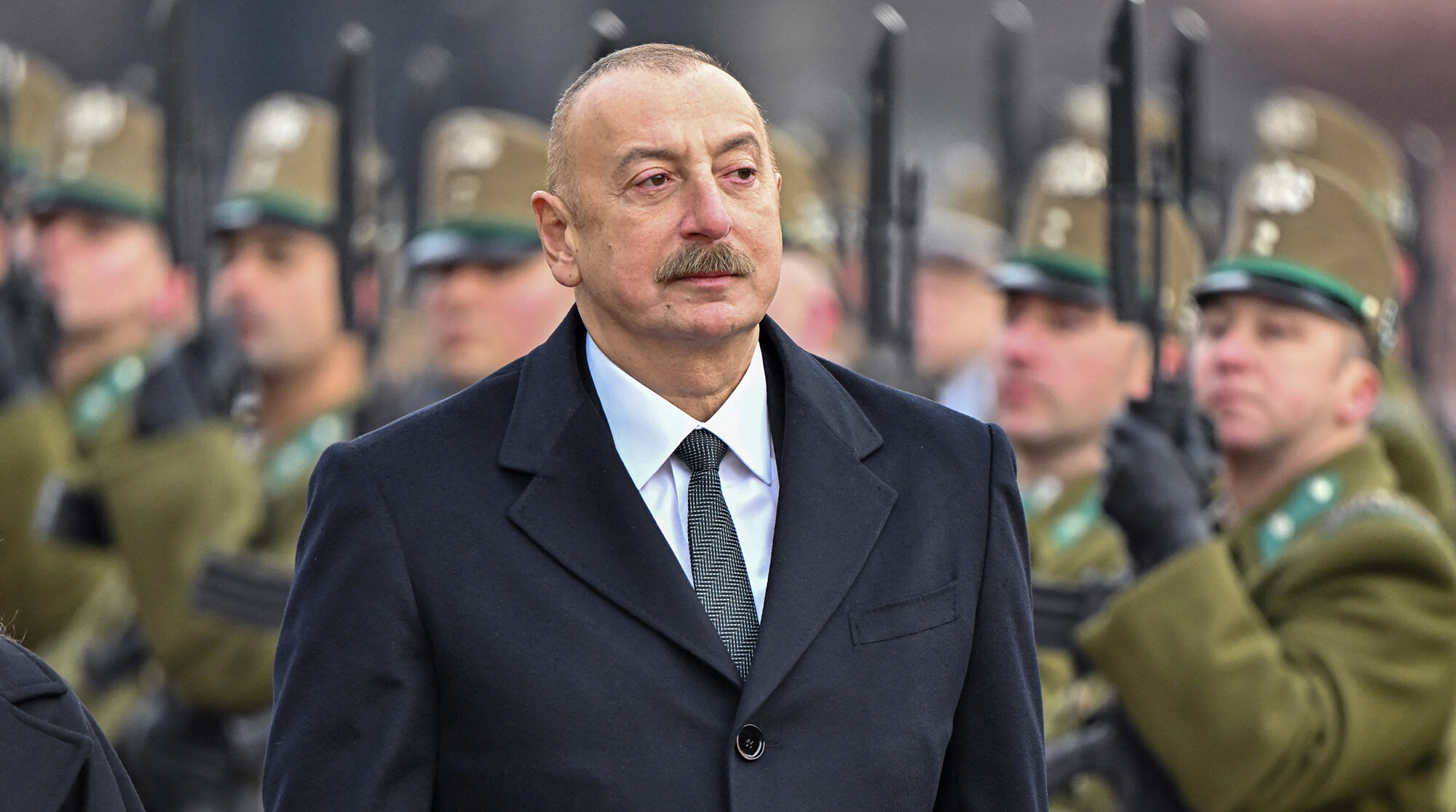
Returning comprehensive control over its territory through military force, Azerbaijan has reached a moment of fully turning towards its land and internal resources. This marks a historic shift from the further exploitation of national natural resources to leveraging Azerbaijan's total potential as a modern state.
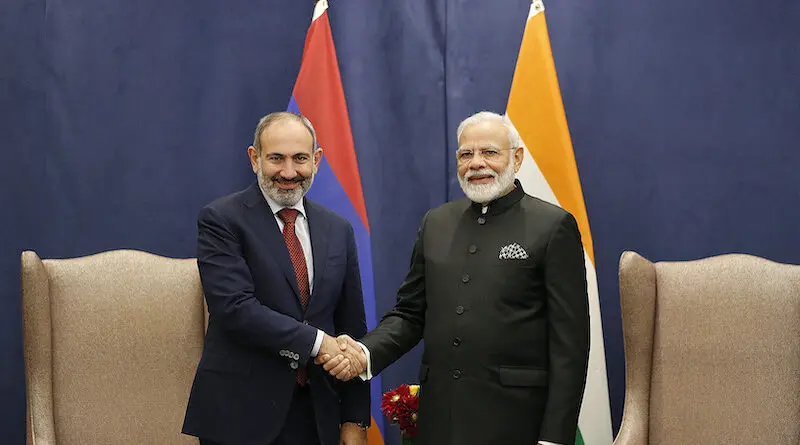
Extraordinary foreign policy ambitions are difficult for small states to achieve, especially when they challenge more powerful neighbors. States with strong determination to pursue these ambitions often seek the support of larger powers, through various means, including military and political alliances.
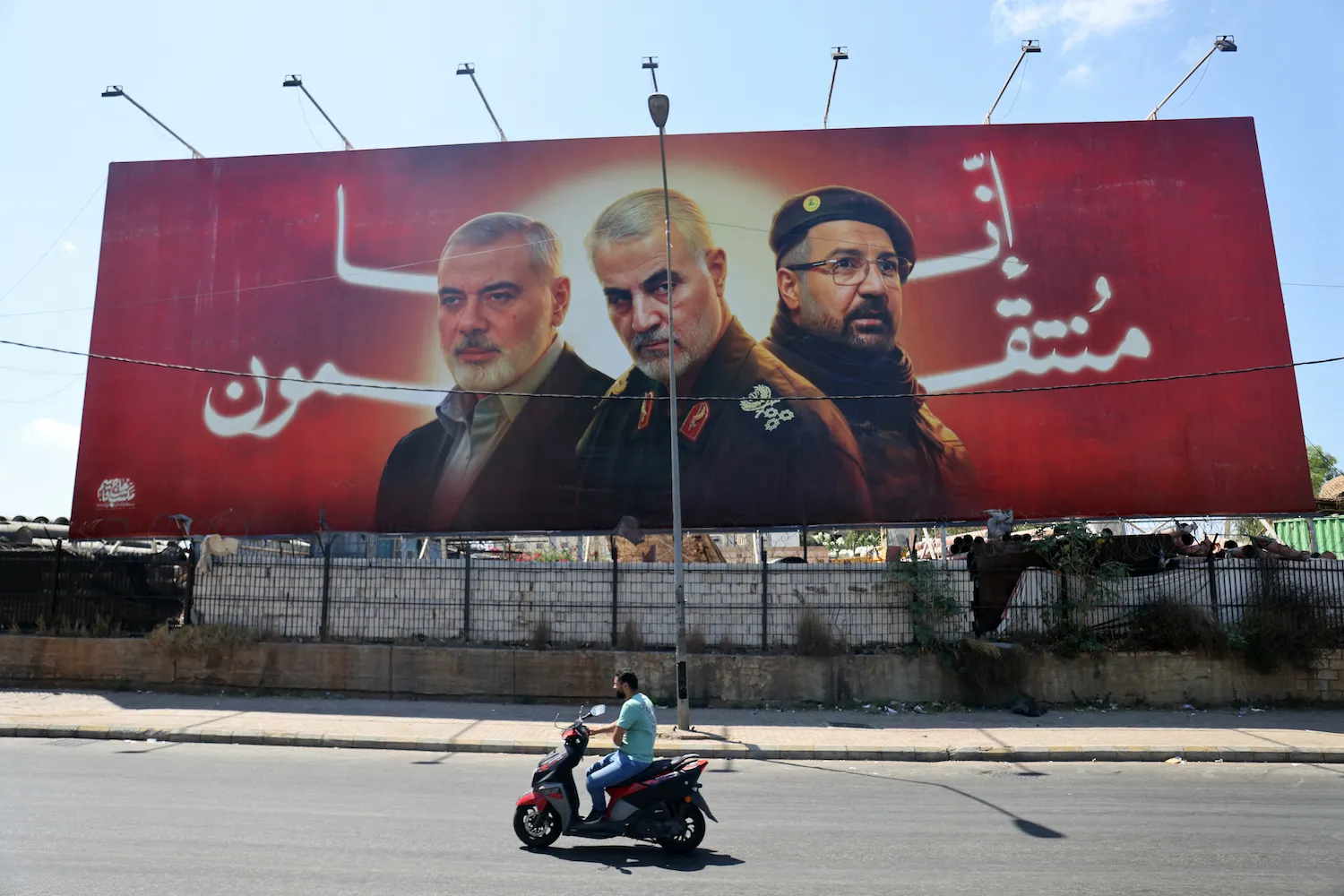
The strike on Palestinian quarters in Beirut with bunker-buster bombs and the death of Hezbollah's spiritual leader, Sheikh Nasrallah, will long remain the "topic of the day," not only for the Middle East.
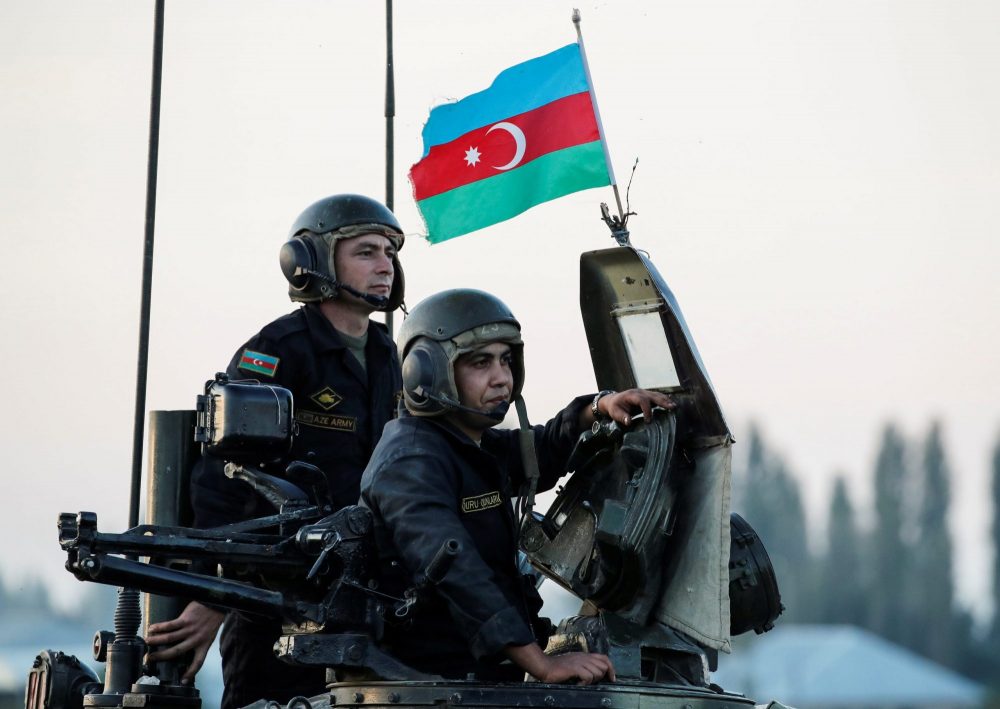
Exactly four years ago, in September 2020, non-military options for the liberation of Azerbaijani lands seized by Armenian nationalists were completely exhausted. In response to provocations, the leadership of Azerbaijan made the decision to initiate a military operation against Armenian formations on its territory.
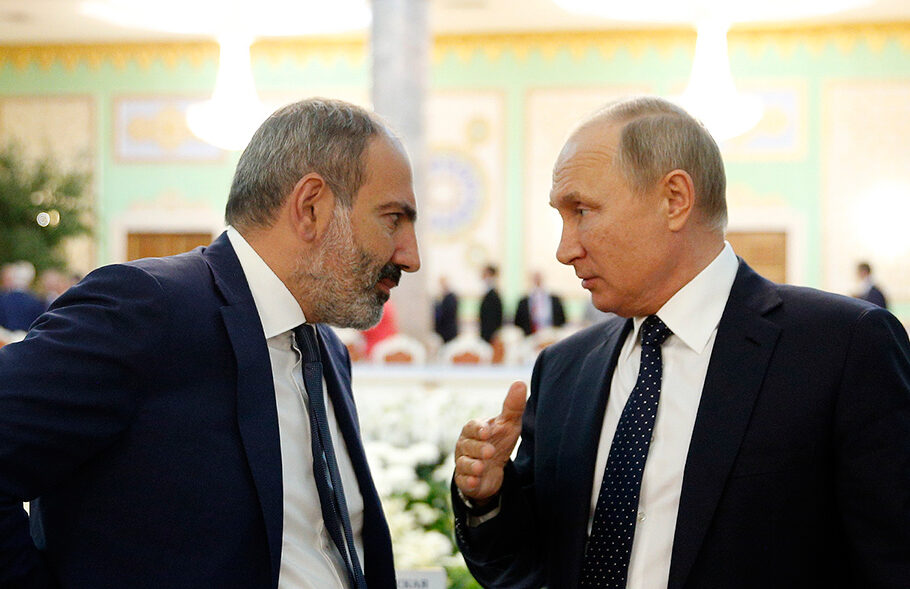
If there were a swindling contest between nations, a strong contender for first place would certainly be Armenia. Yerevan’s PR show of “divorce” from Moscow gets an unbelievable amount of coverage in the Western media, despite obvious proof of its being a hoax.