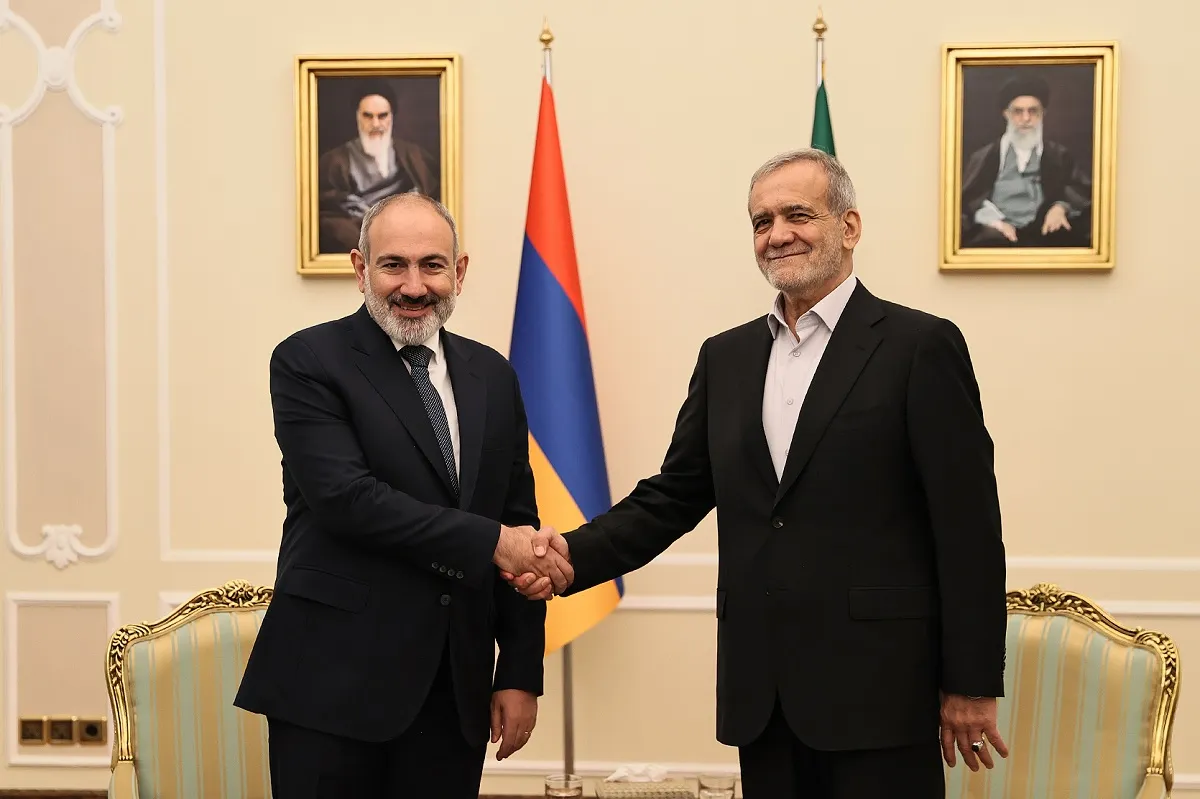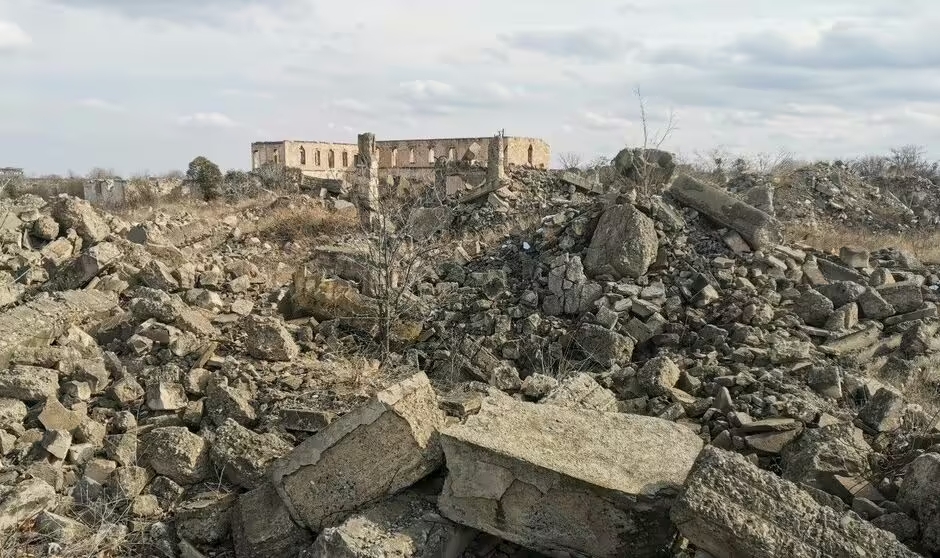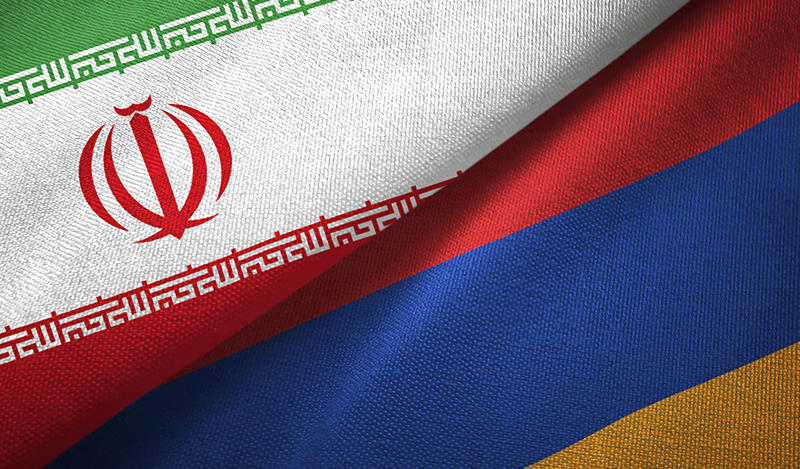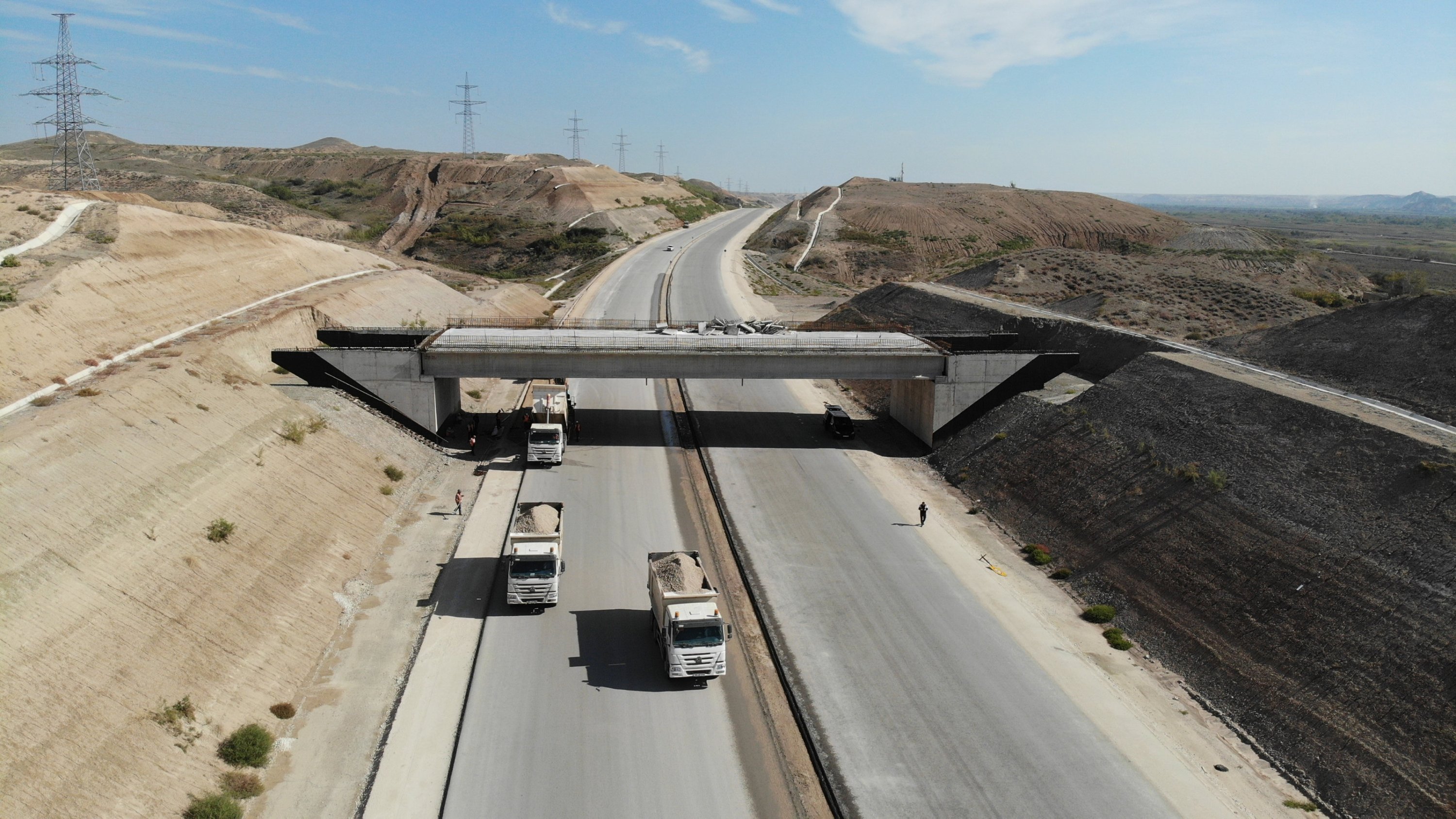
The repeated statements by Iranian officials regarding the Zangezur Corridor reveal Tehran's displeasure with Moscow over the project, which connects Azerbaijan’s Nakhchivan region to Azerbaijan proper through Armenian territory.
International law mandates that all states adhere to established norms and regulations, representing not merely a choice but an obligation inherent to each entity in international relations.
Myths and stereotypes are not innocent claims which are only found within the world of academia and journalism.
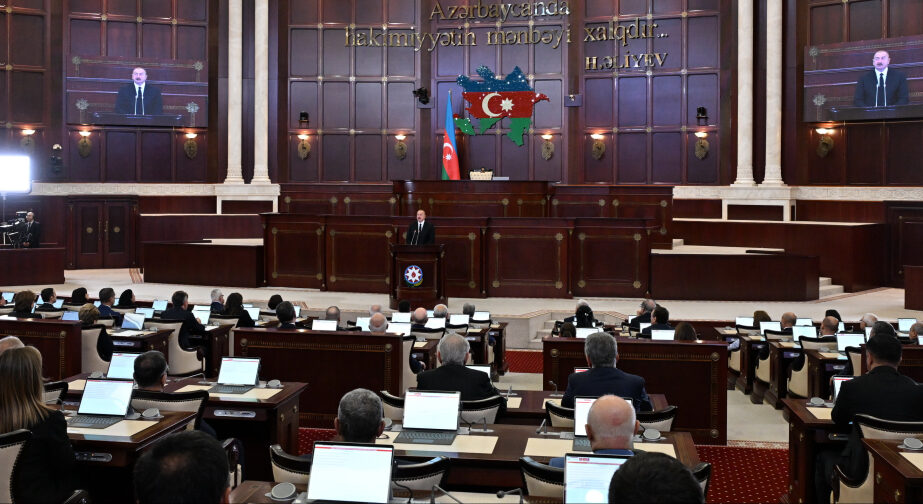
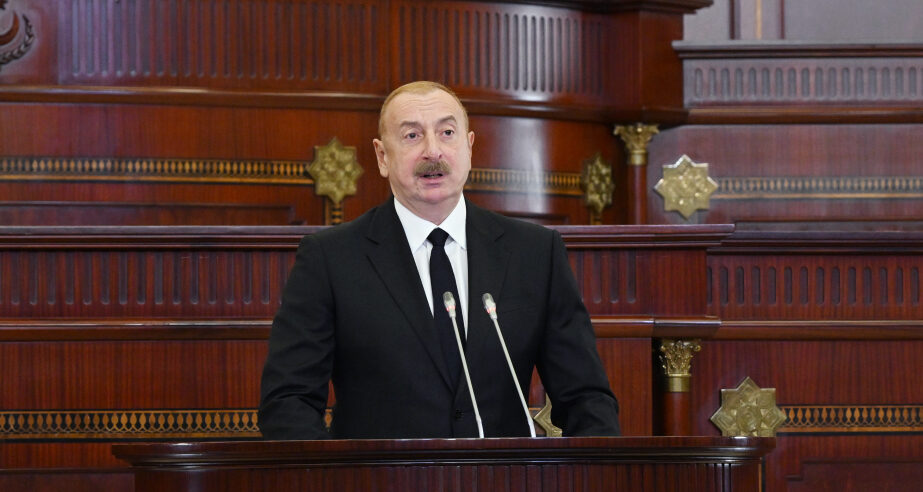
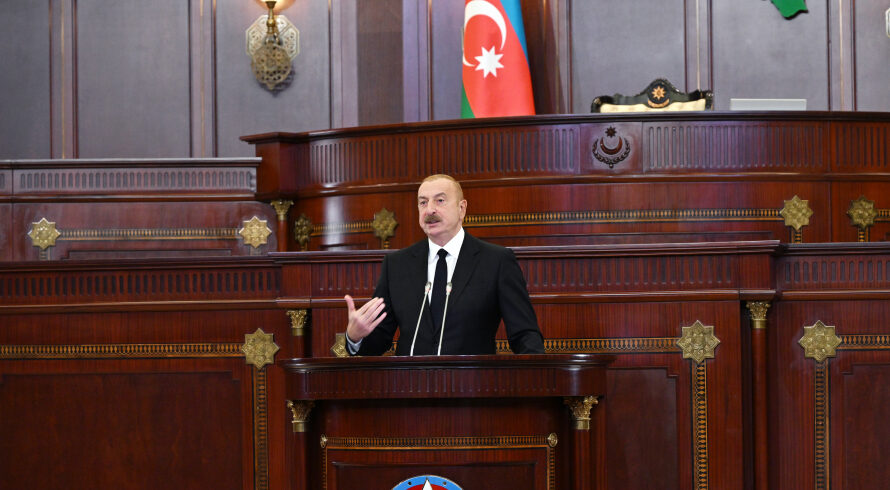
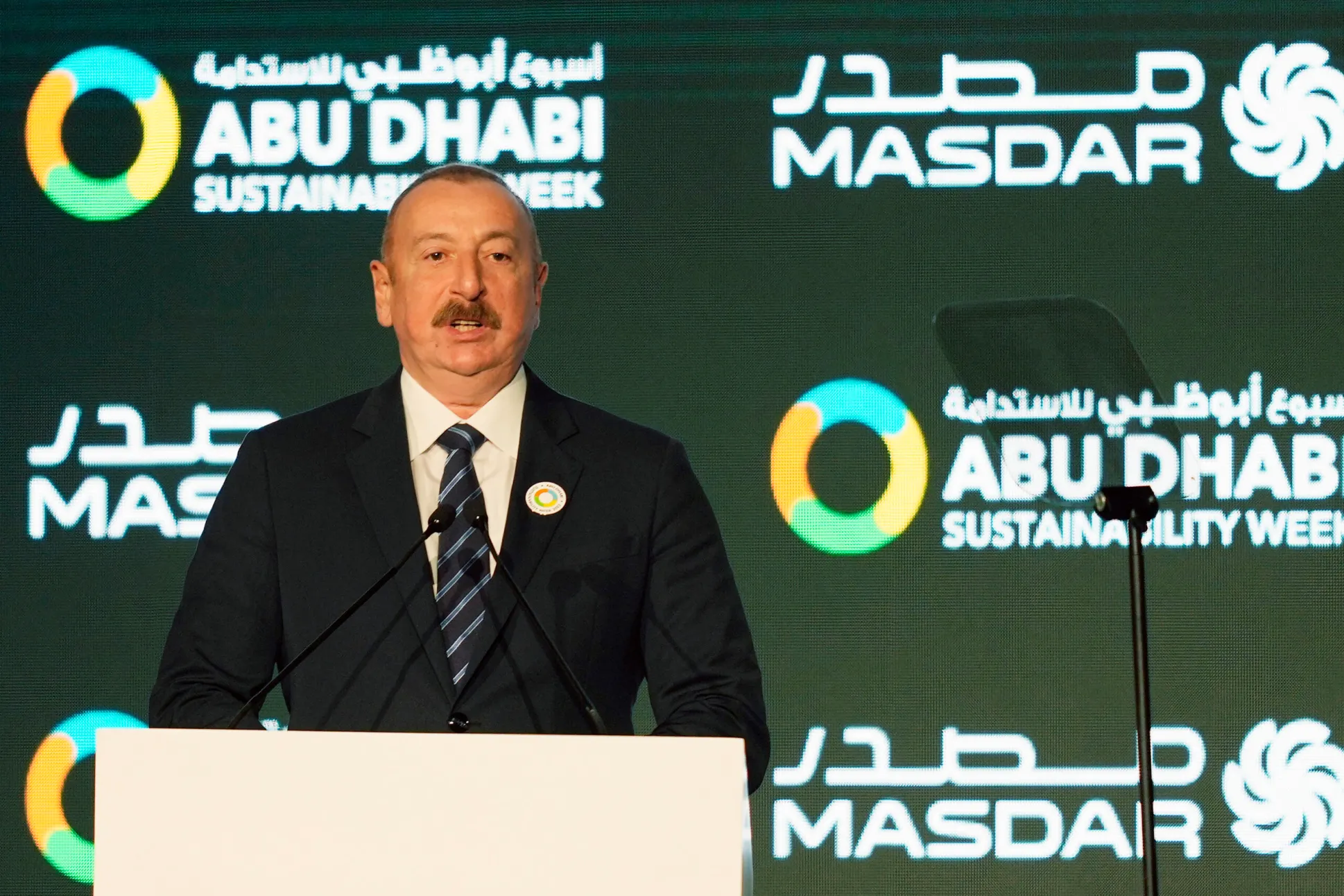
In his keynote address at the first session of the VII convocation of the Milli Majlis, Azerbaijani President Ilham Aliyev highlighted the importance of ideological security.
The first session of the newly elected Milli Majlis has opened in Baku. This is part of the political reset process following Azerbaijan’s brilliant victory in Karabakh and the full restoration of state sovereignty over the entire territory of the country.
In his speech today at the first session of the VII convocation of the Milli Majlis, President of Azerbaijan Ilham Aliyev emphasized that there are no internal security risks in the country, as all threats come from external sources.
The story of the controversial initiative by Armenian lobbyist Congressman Adam Schiff continues to unfold.
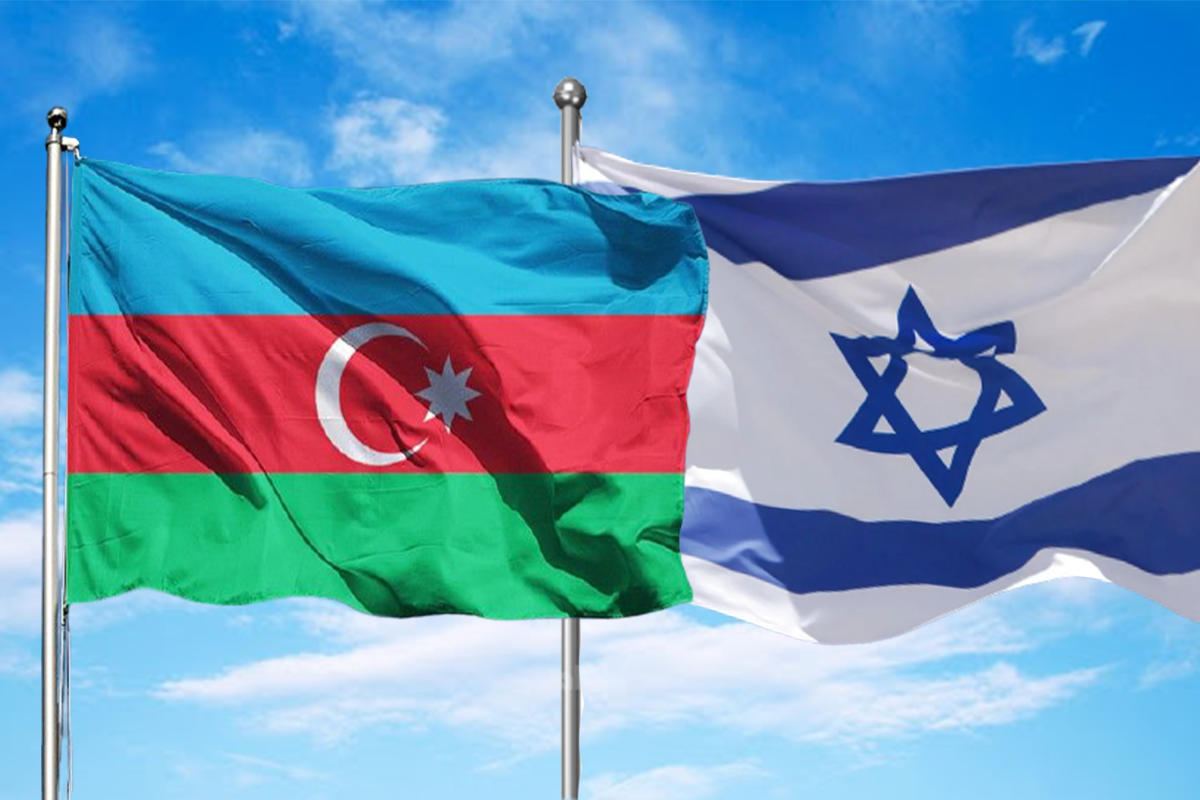
As Azerbaijan celebrates its liberation and rebuilds from decades of occupation, its unwavering friendship with Israel shines as a beacon of mutual respect.
The explosion of thousands of devices used by Hezbollah operatives in Lebanon was neither spontaneous nor accidental.
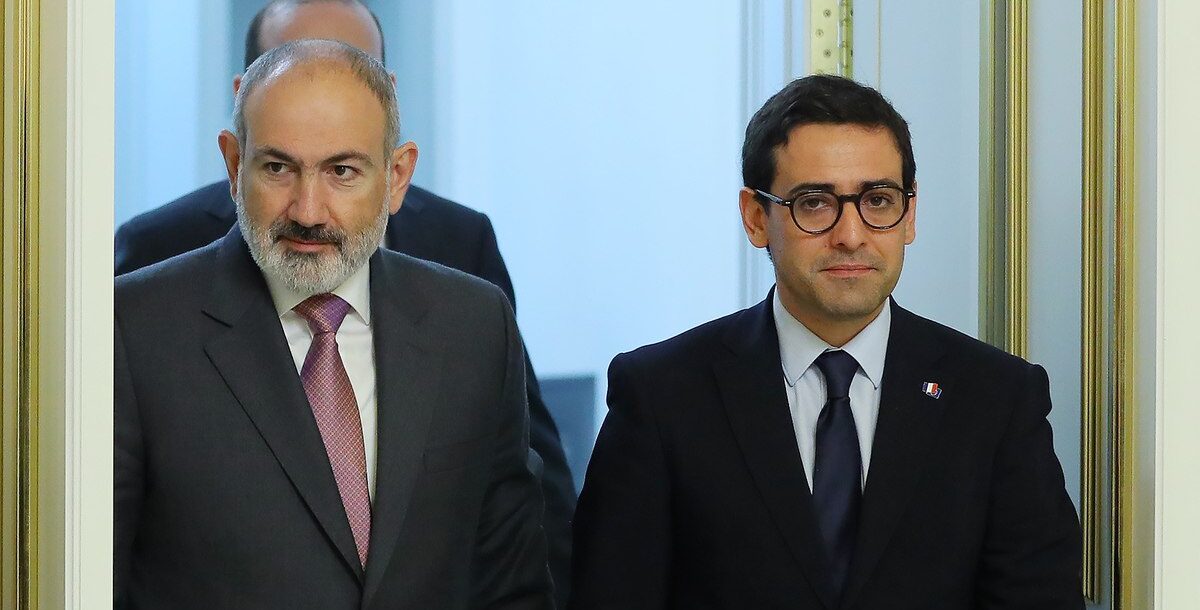
Paris has pledged to support Yerevan’s plans for military revenge and the reoccupation of Azerbaijani territories. This occurred during the visit of French Foreign Minister Stéphane Séjourné to the Armenian capital.
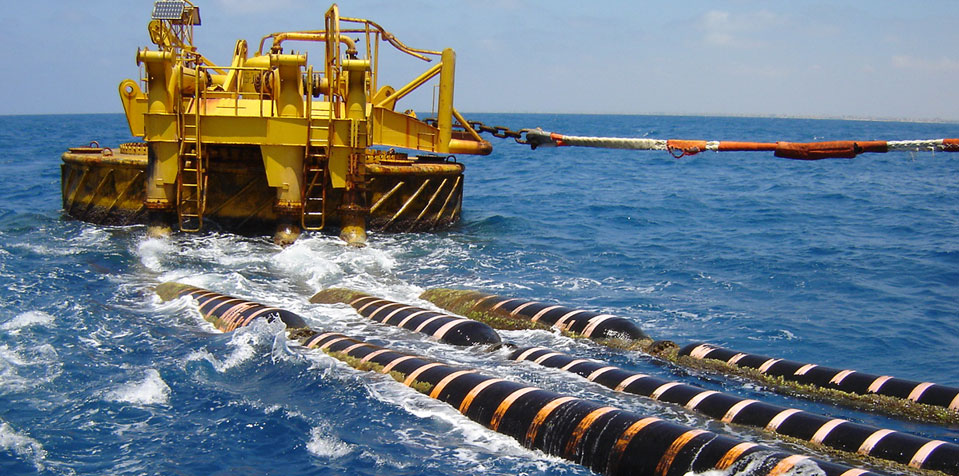
The Black Sea Energy submarine cable will connect Azerbaijan’s vast amounts of renewable energy to Europe’s energy grid via Georgia and Romania.
In his 1993 article "The Clash of Civilizations," Samuel Huntington argued that global alliances and conflicts would increasingly hinge on religious and cultural identities, with the divide between "the West and the rest," particularly Muslim and Asian societies, becoming a central axis of international tension.
In Armenia, demonstrating their persistent blindness and deafness, officials increasingly claim that the communications passing through the Republic of Armenia must be controlled by Armenian forces, not third parties.
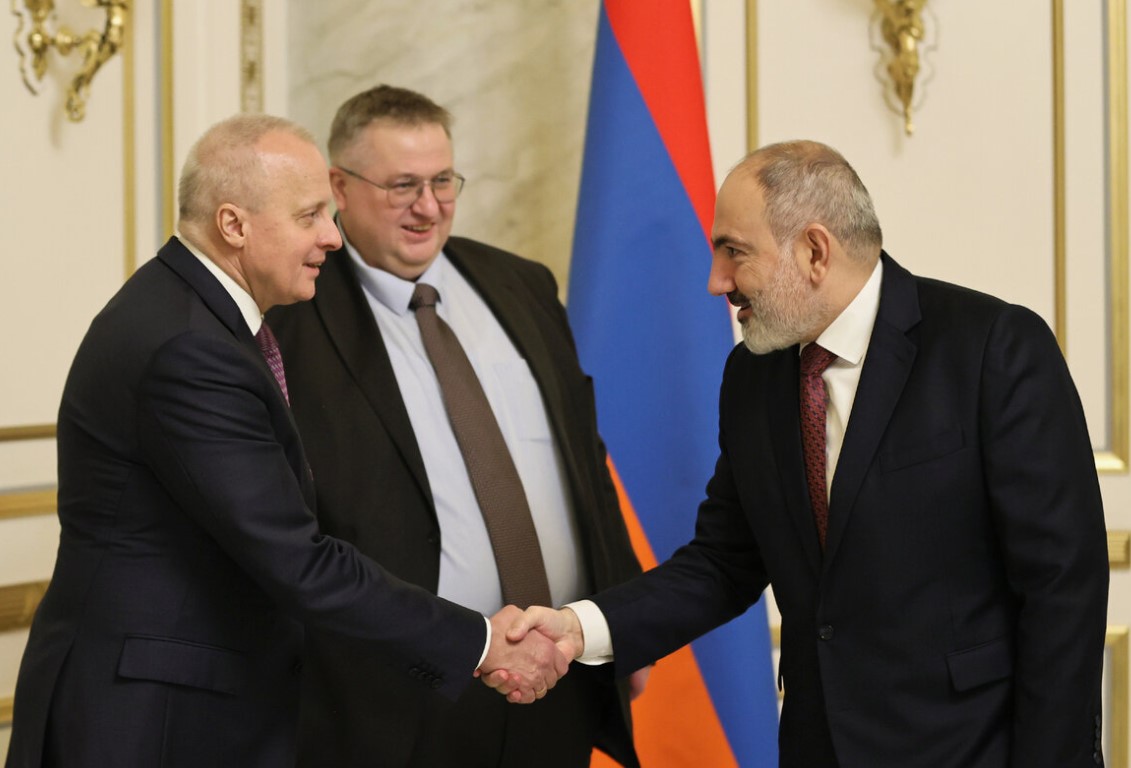
One of the key developments of the past week was a statement by Russian Deputy Prime Minister Alexey Overchuk about the projected trade turnover between Russia and Armenia, which is expected to reach between $14 billion and $16 billion by the end of 2024.
Even a brief glance at the news feeds of Azerbaijan's neighboring countries brings to mind reports from both the socio-economic and military-political fronts.
As new trade routes are emerging in Eurasia, Gulf states are increasingly looking to the transit and investment potential of the South Caucasus, particularly Azerbaijan and Georgia.
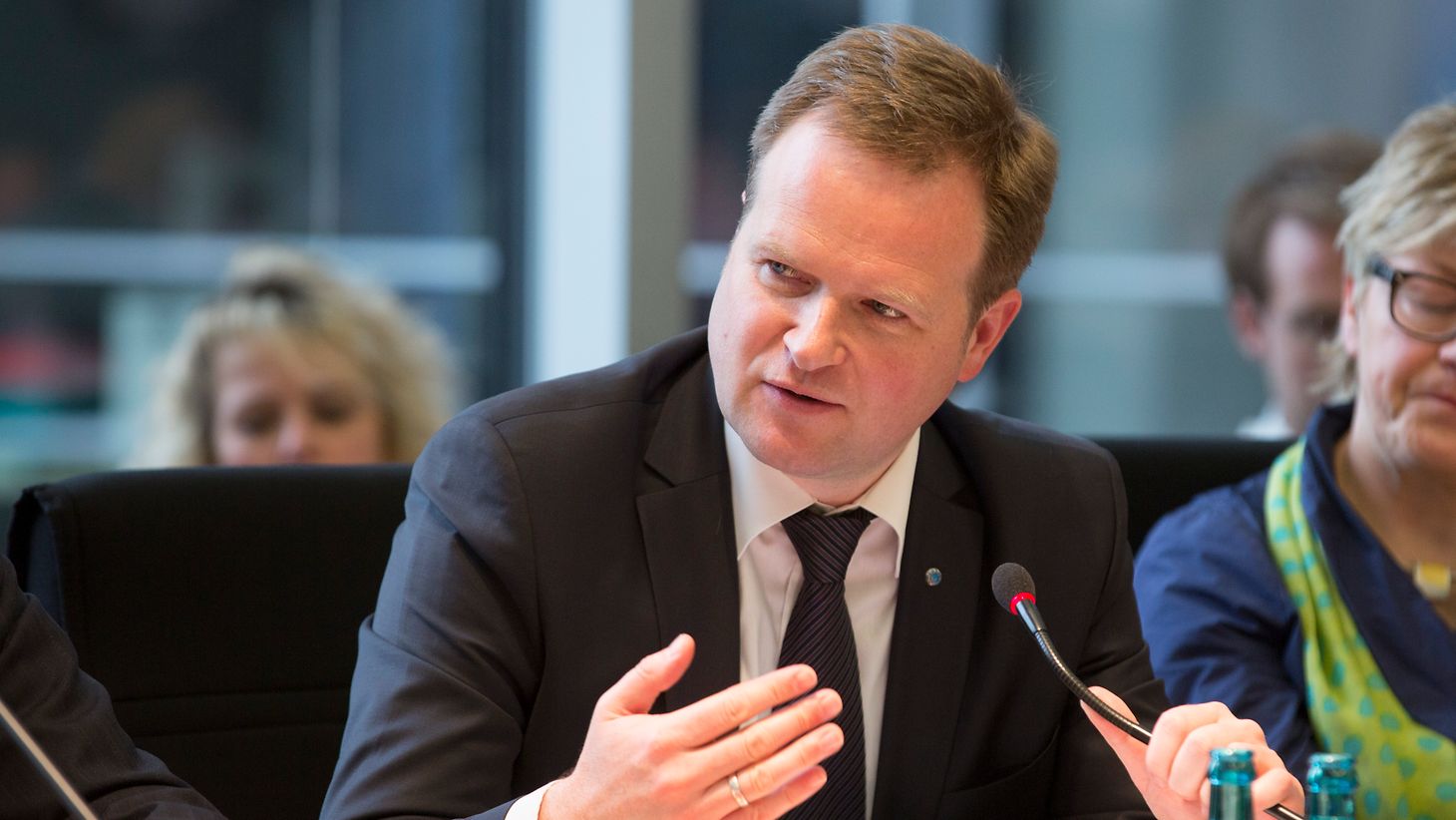
There is a figure in German politics named Frank Schwabe. Officially, he is the head of the German delegation to the Parliamentary Assembly of the Council of Europe (PACE) and, at the same time, the chairman of the group of Socialists, Democrats, and Greens in PACE.
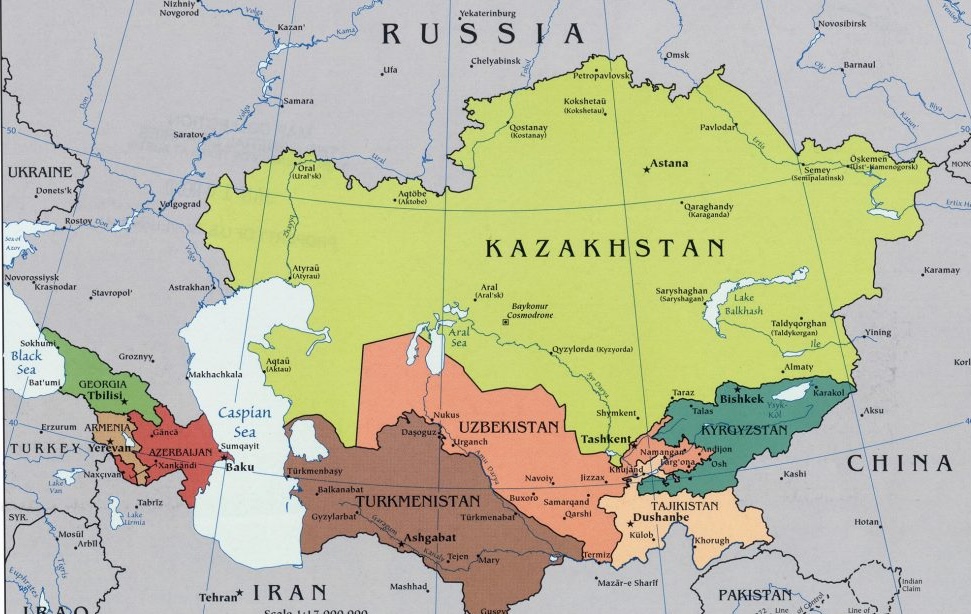
Azerbaijan and Central Asia are joining forces to explore new strategic opportunities and tackle regional challenges.
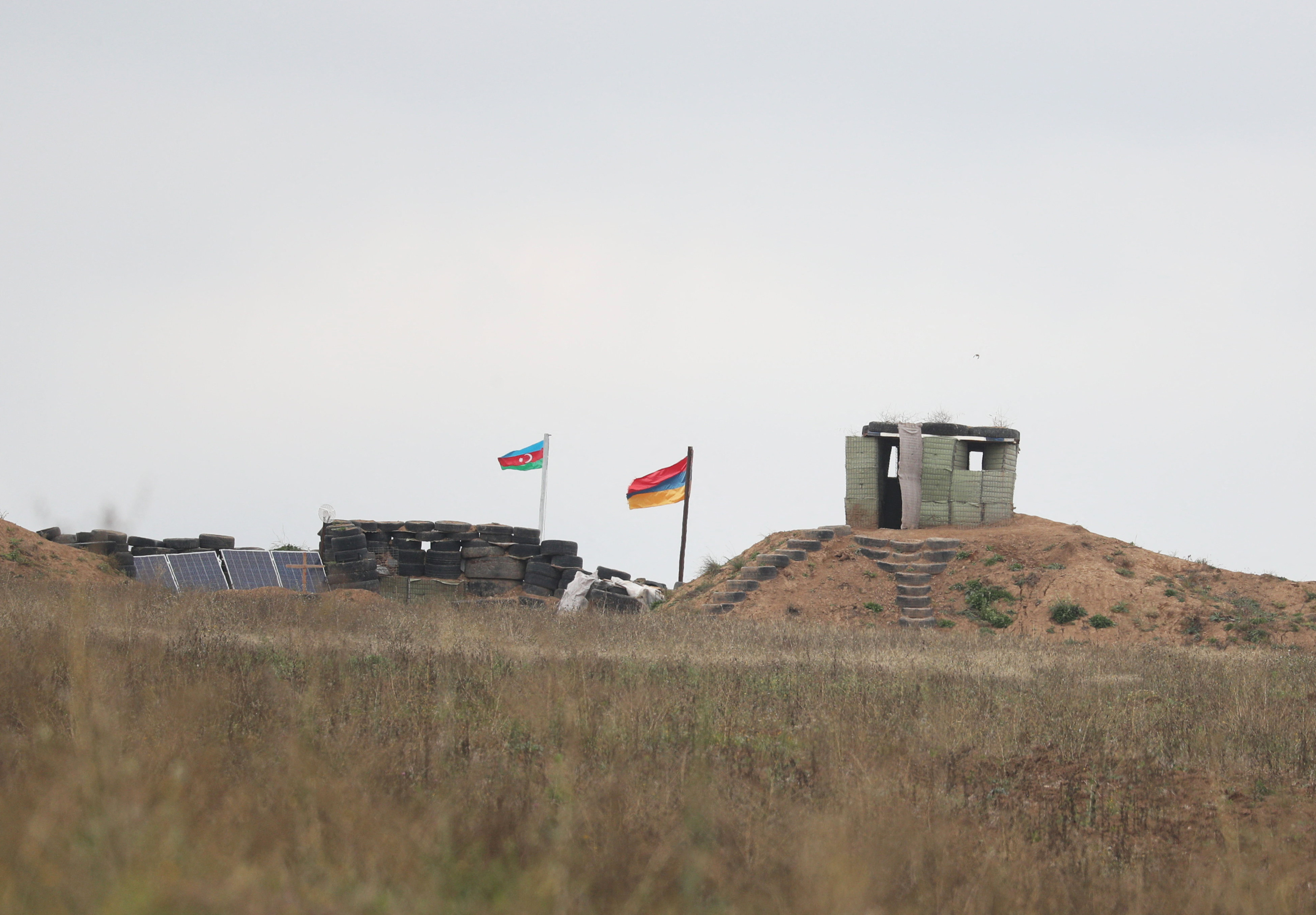
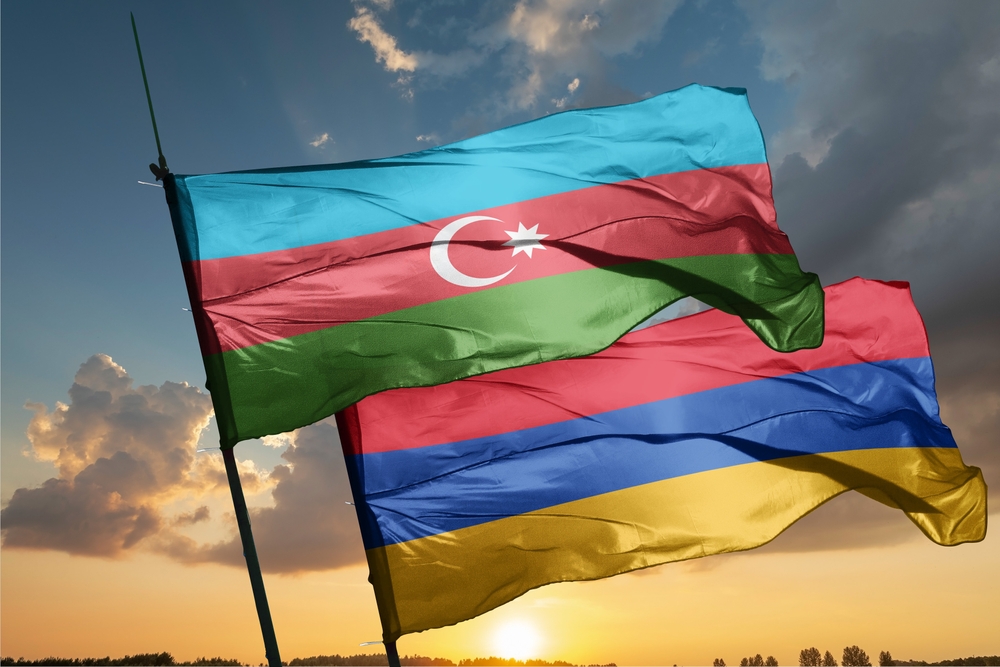
The conflict between Armenia and Azerbaijan, two republics in the South Caucasus, has never been solely about their bilateral relations. Regional and distant powers have long sought to influence the conflict, pursuing their own strategic interests.
Azerbaijan’s recent signing of an alliance with Uzbekistan represents not just the culmination of three years of diplomatic work to enhance their strategic partnership but also marks a milestone in Baku's recent pivot towards Asia.
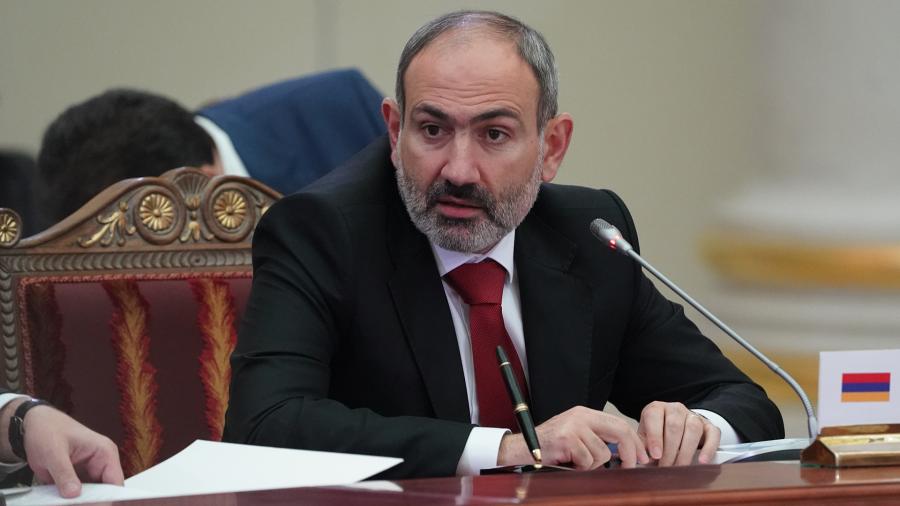
At the opening of the "Yerevan Dialogue" forum, Armenian Prime Minister Nikol Pashinyan once again made a series of controversial statements. Let's examine a few of them.
As Armenia and Azerbaijan have engaged in talks about a peace treaty regarding their border dispute, Baku has been quietly but definitively turning away from the West.
The situation around the Zangezur Corridor, which has sparked a sharp reaction from Iran and its opposition to Russia, reveals deep-rooted processes that have shaped the country's socio-political life for over 150 years.
Baku’s strategic position and aspiration to diversify its economy aligns with Beijing’s vision for Eurasian connectivity.