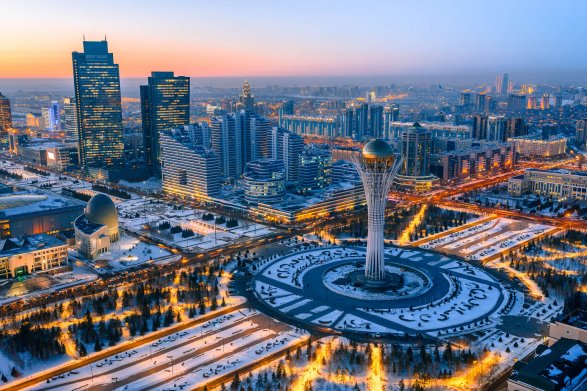
The participation of Azerbaijani President Ilham Aliyev in the SCO summit in Astana brought about a major geopolitical sensation: Azerbaijan announced its intention to seek membership in the SCO and BRICS.

The participation of Azerbaijani President Ilham Aliyev in the SCO summit in Astana brought about a major geopolitical sensation: Azerbaijan announced its intention to seek membership in the SCO and BRICS.
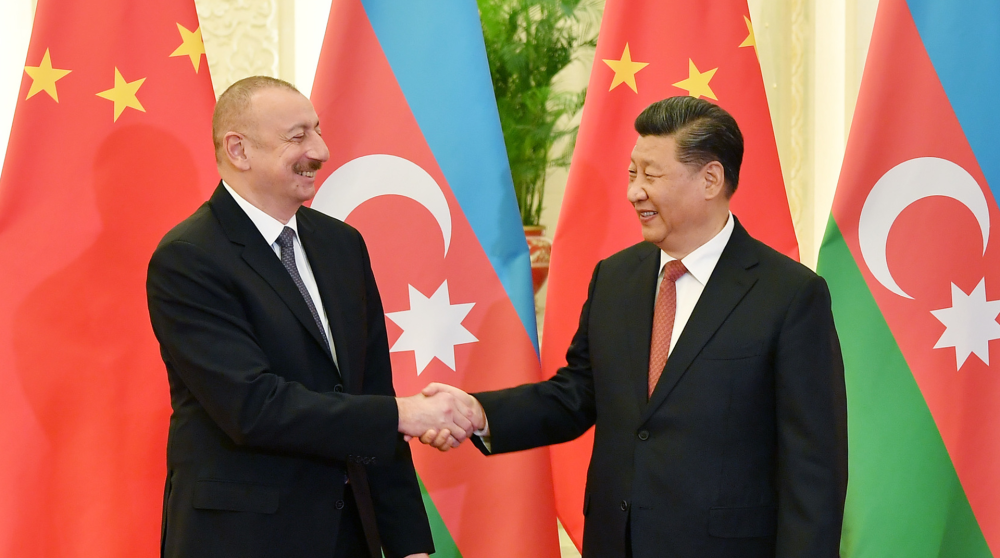
The Declaration of Strategic Partnership between Azerbaijan and China, adopted on July 3rd, is undoubtedly a significant event in light of the geopolitical upheavals shaking the world today.
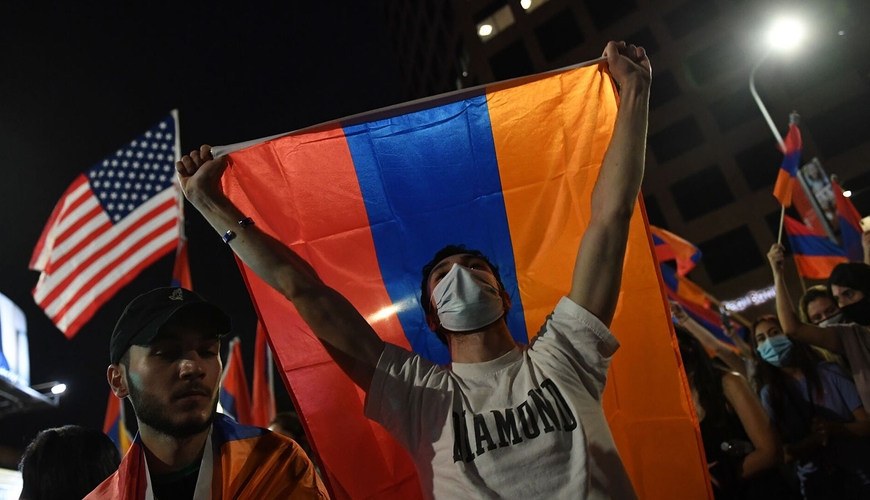
There are indisputable facts. The Armenians of Karabakh left voluntarily in the fall of 2023, without any pressure from Azerbaijan. This was confirmed by the departing Armenians and even the Armenian Prime Minister.
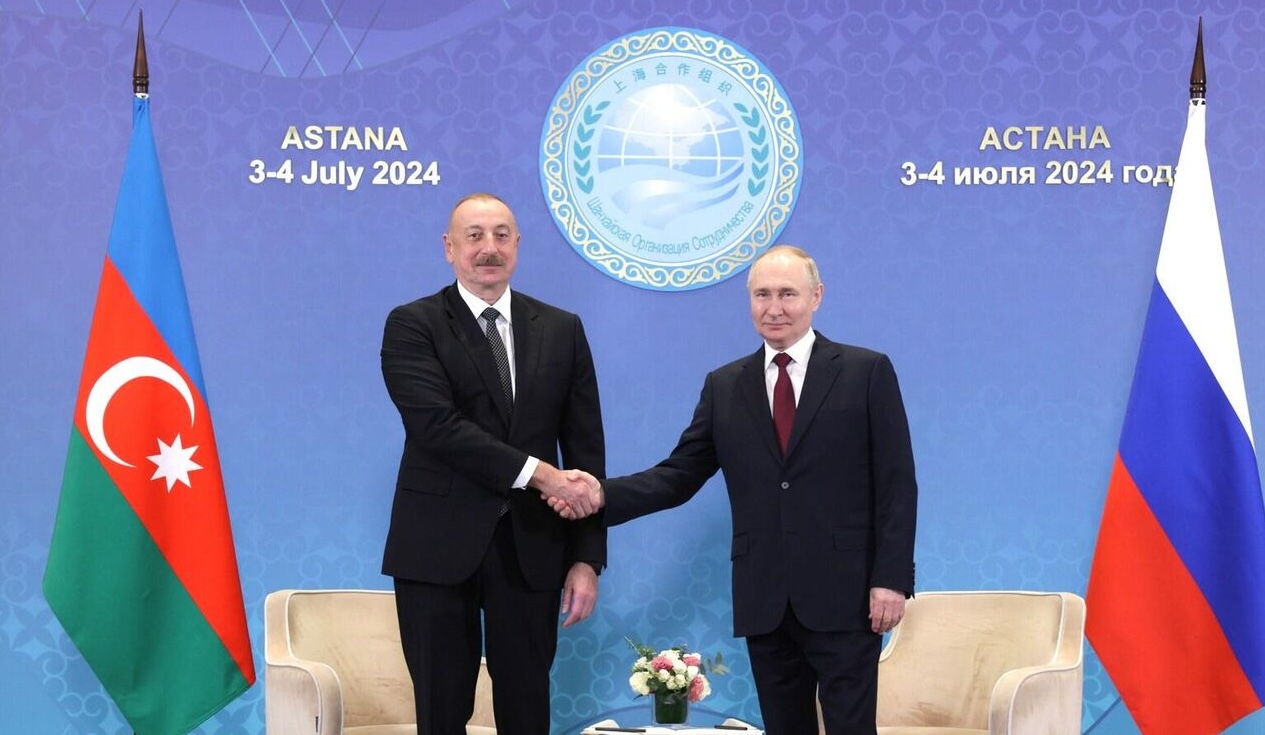
Today in Astana, the summit of the member countries of the Shanghai Cooperation Organization (SCO) begins.

Armenian media, brimming with unrestrained enthusiasm, report that the international human rights organization Freedom House has unveiled a fact-finding report entitled "Why are there no Armenians in Nagorno-Karabakh?"
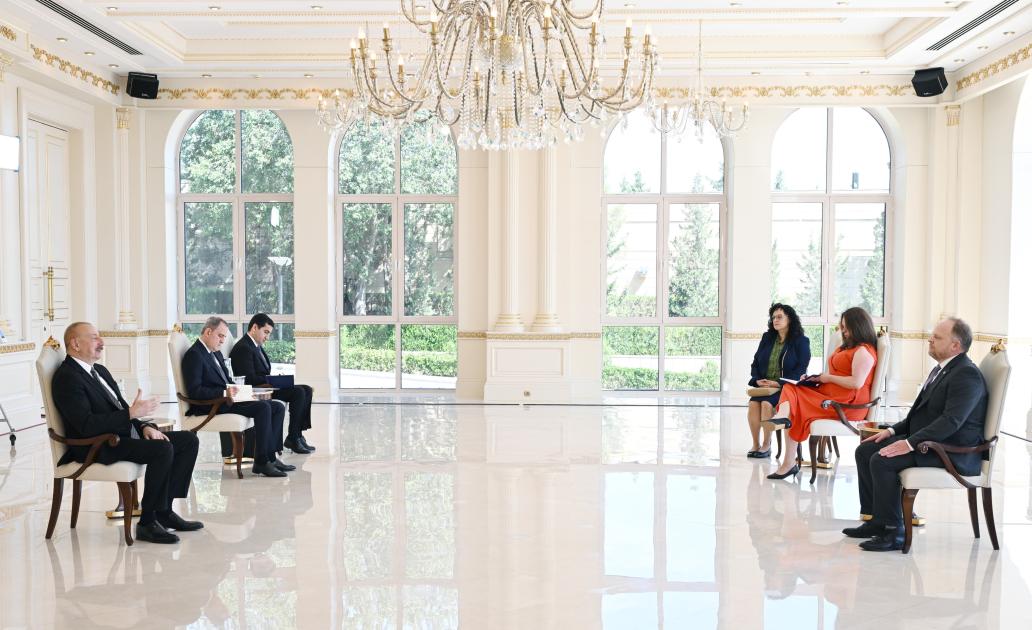
The meeting between President Ilham Aliyev and Ambassador Kevin Hamilton signifies a crucial moment in the evolving diplomatic landscape of the South Caucasus.
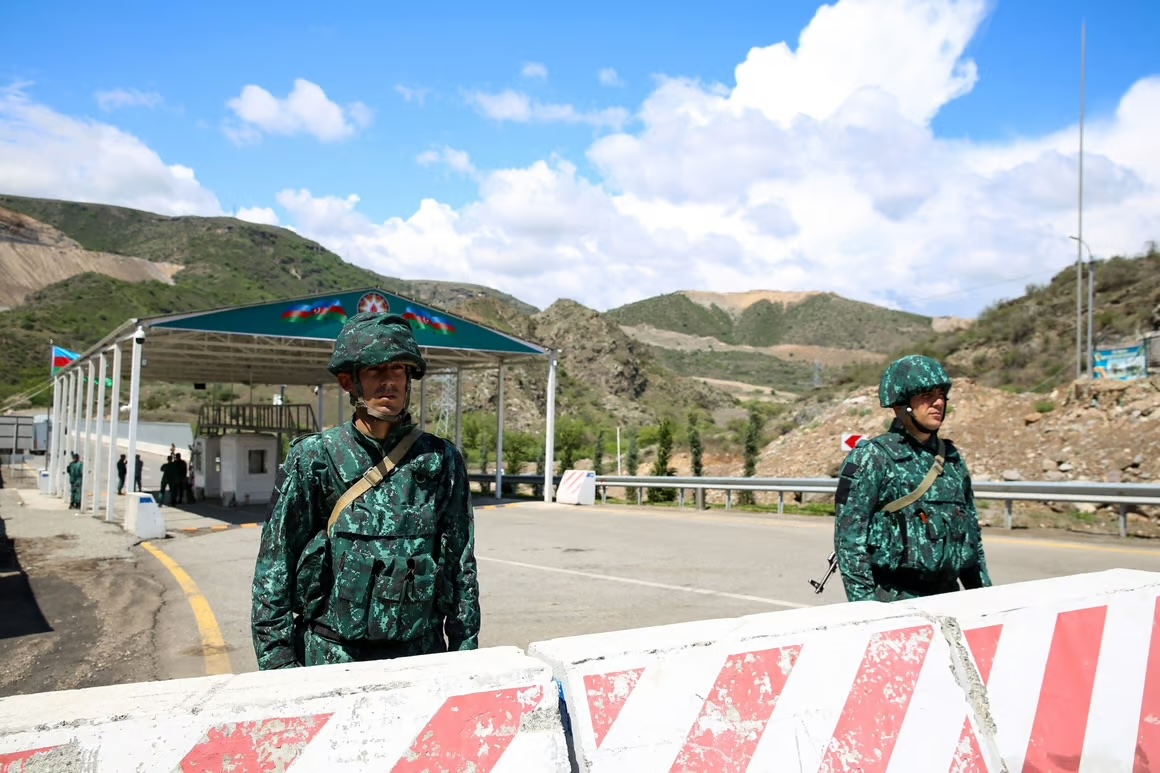
Human rights organizations are once again turning their attention to Azerbaijan, acting on the directives of Armenian circles.
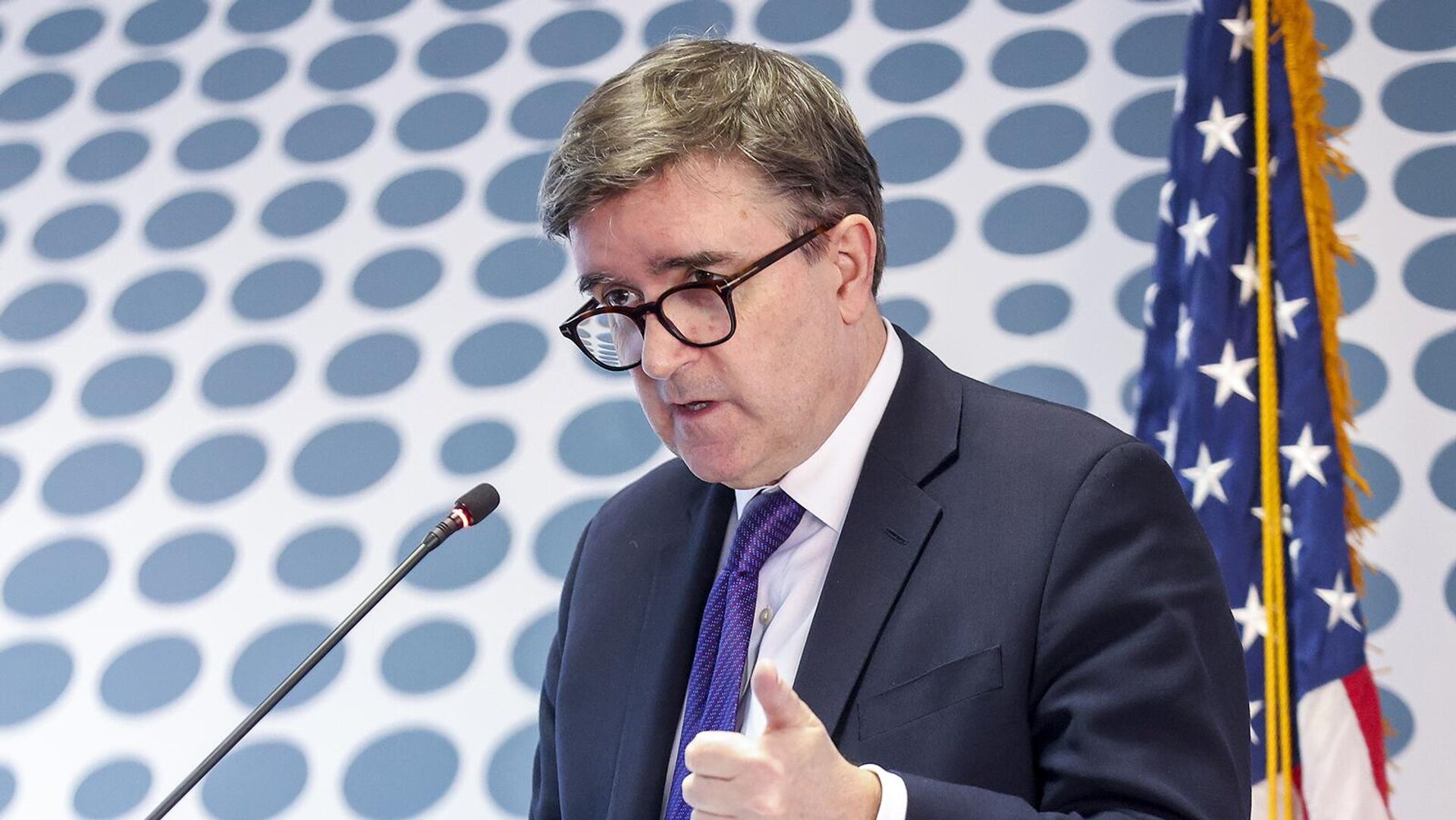
The details of the negotiations between U.S. Assistant Secretary of State for European and Eurasian Affairs James O’Brien with Azerbaijani President Ilham Aliyev and Foreign Minister Jeyhun Bayramov are understandably not disclosed.
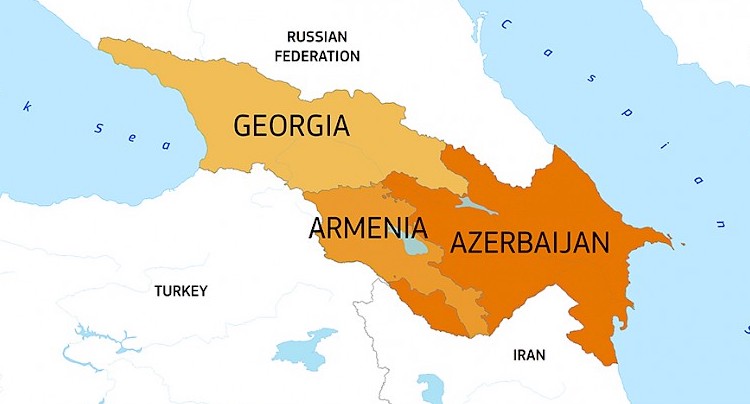
For more than three decades, Azerbaijan and Armenia have been locked in a state of war. Sometimes this has been in the form of a frozen conflict with little fighting. At other times the hostilities have been intense, costly, and bloody.
On June 26, Armenia’s Security Council Secretary accused Russia of ‘taking Karabakh’ from Armenia and ‘returning it’ to Azerbaijan.
The opening of the Russian consulate in the Armenian city of Gafan on the border with Azerbaijan in Zangezur is delayed. According to incoming information, the Armenian authorities, who initially agreed to the establishment of a Russian diplomatic mission in the region, are now trying to prevent it.
It has long been observed that a person's true capital is not their appearance, body, or wealth, but their intellect, which enables deliberate and rational activity.
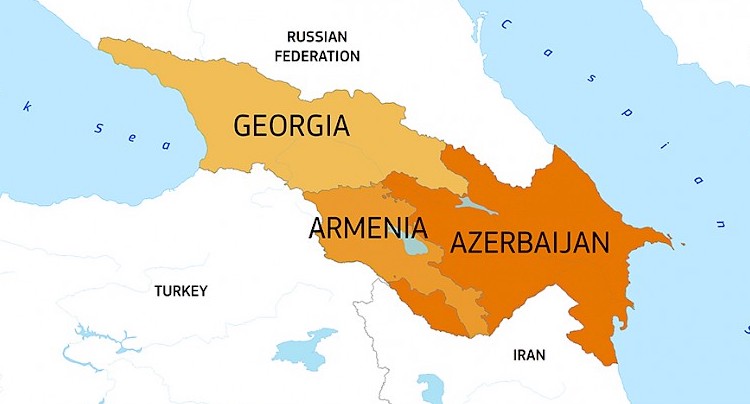
The aftermath of the Second Karabakh War in 2020, coupled with subsequent military operations in the former separatist region of Karabakh, underscores the critical need for a peace agreement between Baku and Yerevan.
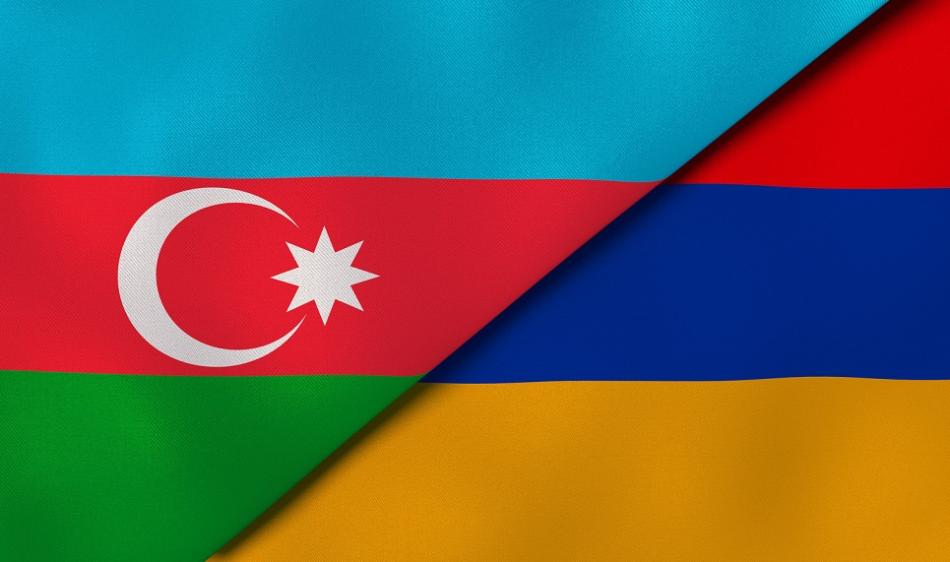
For Azerbaijan, the matter of removing the reconquest of formerly occupied territories from the Armenian constitution is just as critical as it was for Israel to remove the calls for the destruction of Israel from the PLO Constitution.
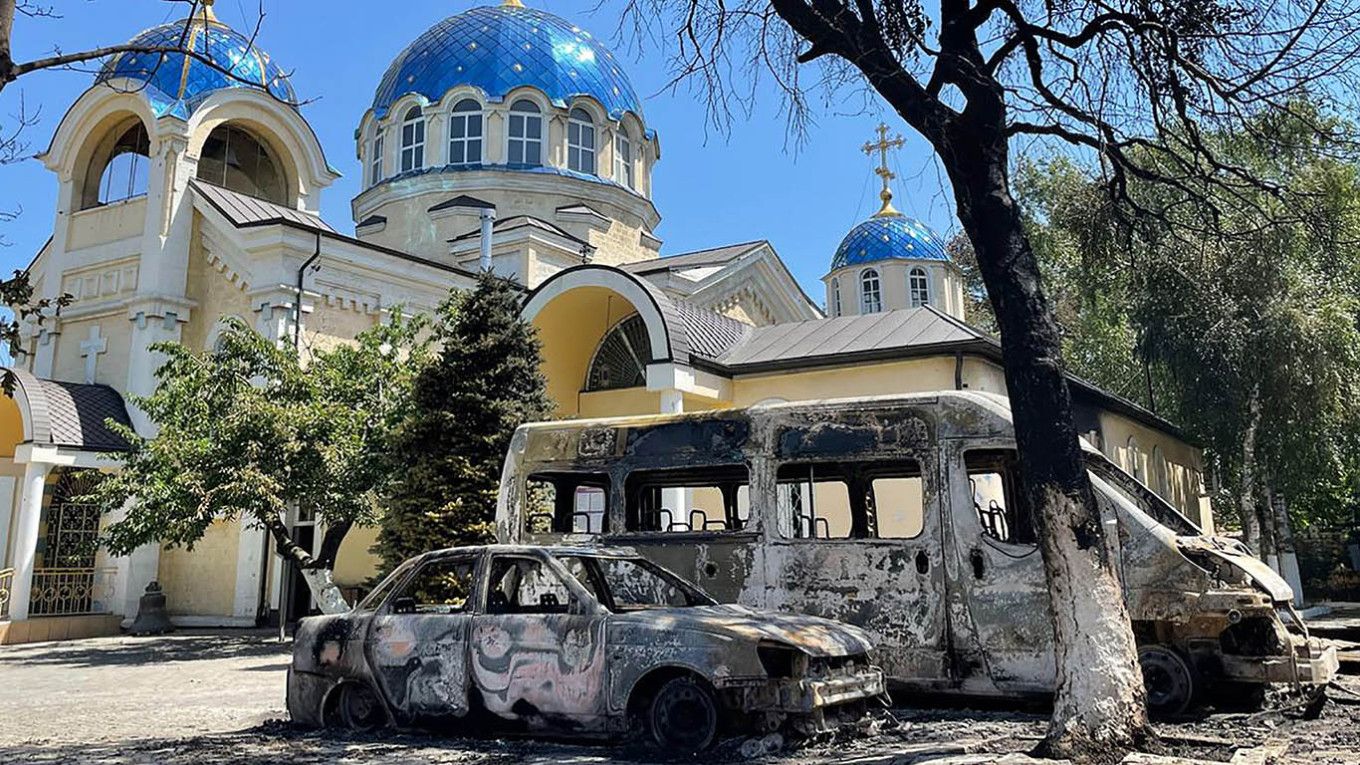
Theoretically, these are Russia's internal affairs. But in practice, such radicalization poses a direct and clear threat to Azerbaijan, even with closed land borders.
For over three decades, Azerbaijan and Armenia have been trapped in a vicious cycle of conflict and wars. This enduring struggle has been marked by wars, skirmishes, and diplomatic standoffs, perpetuating the two nations’ bitter animosity.
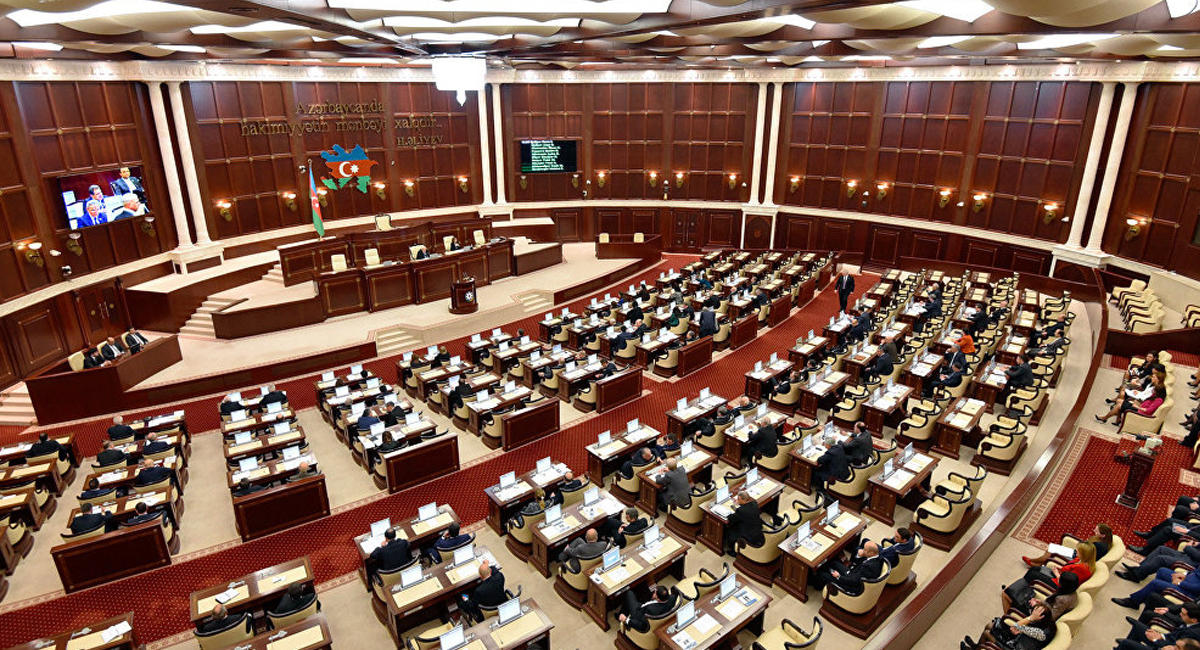
Early elections for the Milli Majlis (National Assembly) of Azerbaijan are set to take place. The Azerbaijani parliament has prepared a draft appeal to President Ilham Aliyev to schedule these early elections.
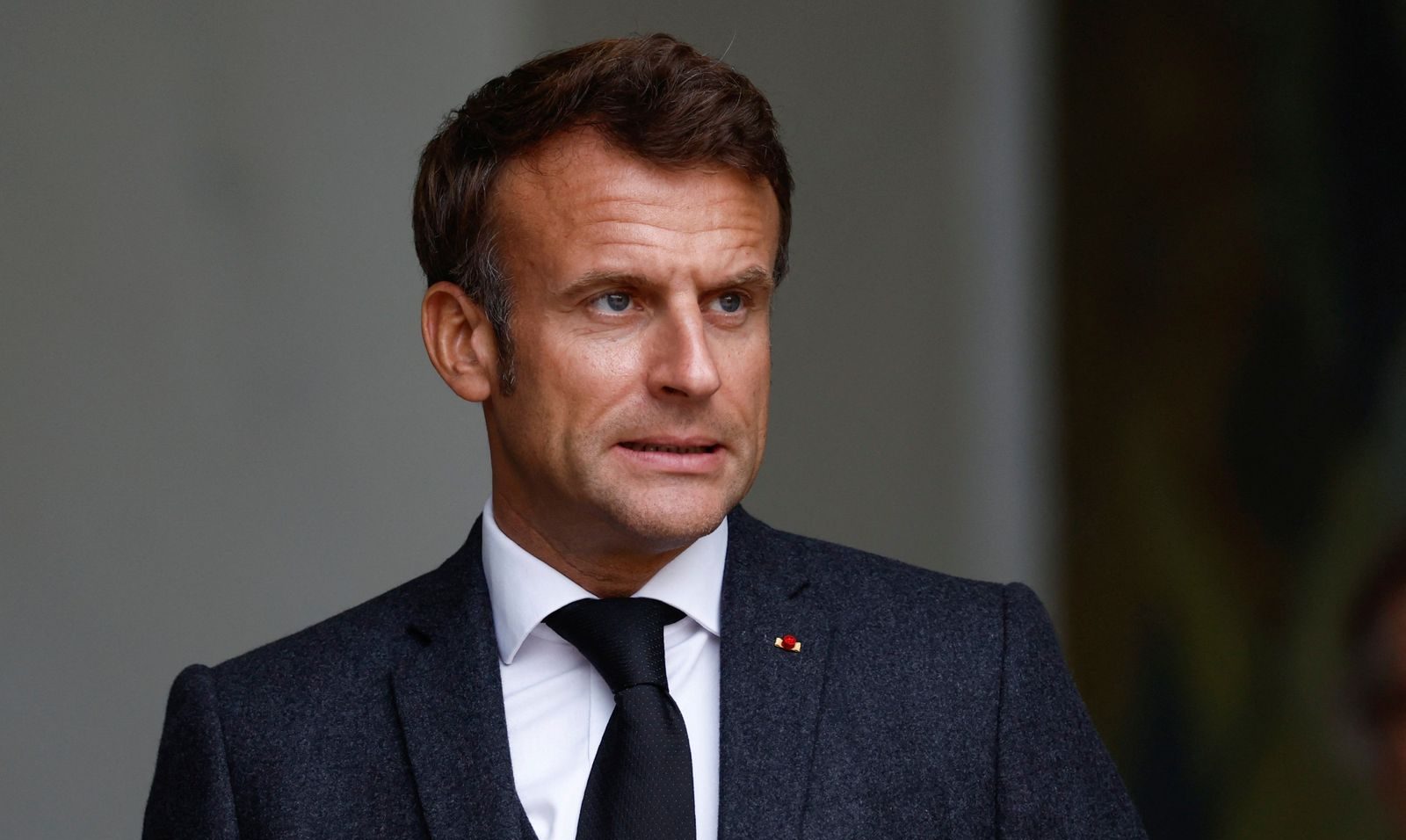
Much has been written about the role Macron's France played during and after the 44-day Patriotic War in Karabakh.
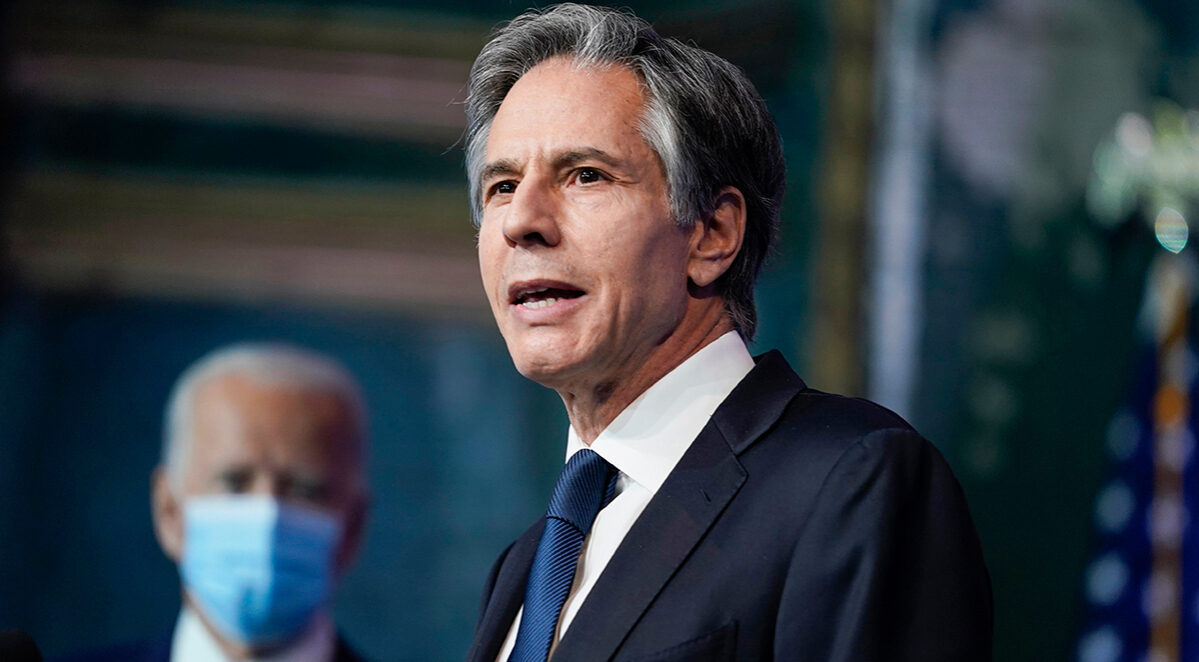
Any victory achieved on the battlefield requires political justification. In the South Caucasus, Azerbaijan's post-war efforts for peace are met with interference from Western backers of Armenia, notably the U.S. and France.
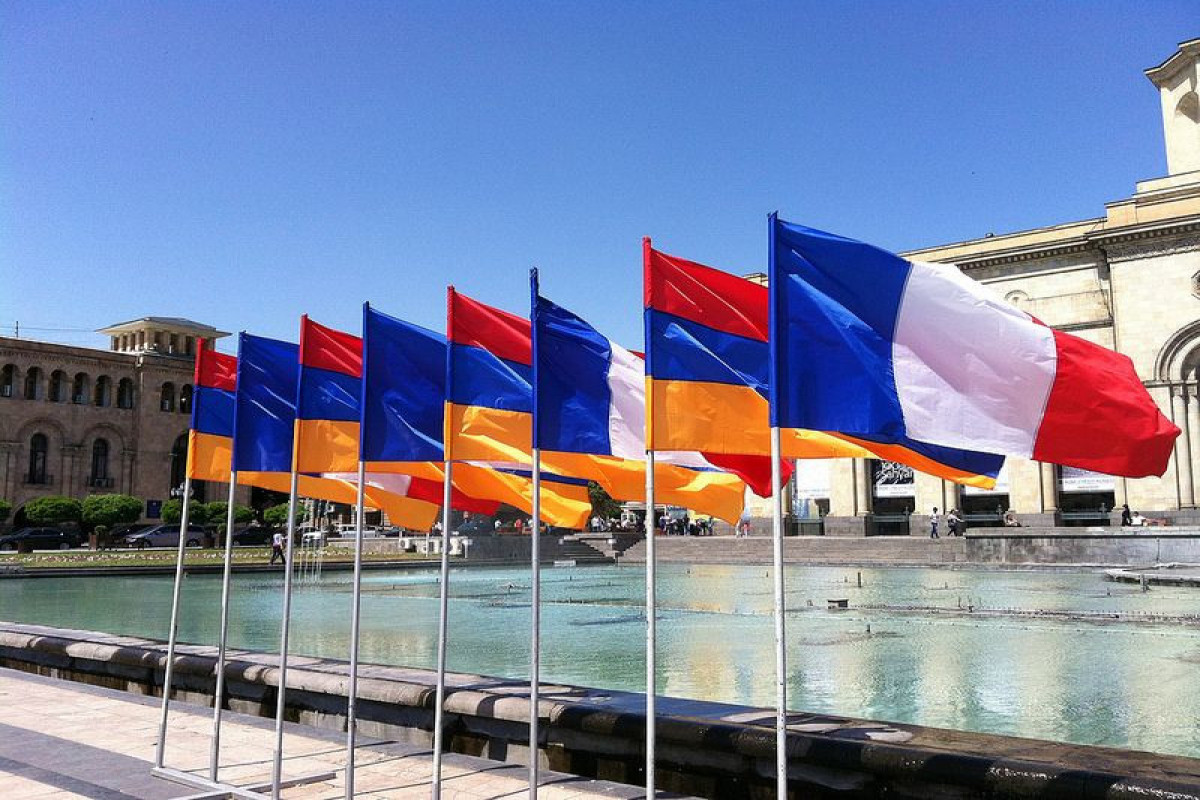
On June 18, the French political magazine Le Point published a letter addressed to President Emmanuel Macron, in which French citizens urged their leader to provide additional support to Armenia, specifically by sending French troops to assist the "sister" nation.
Jerusalem was not surprised by Armenia's decision to recognize Palestine due to its relations with Azerbaijan and its immediate support for Hamas after the October 7 massacre; Who would be next to recognize Palestine?
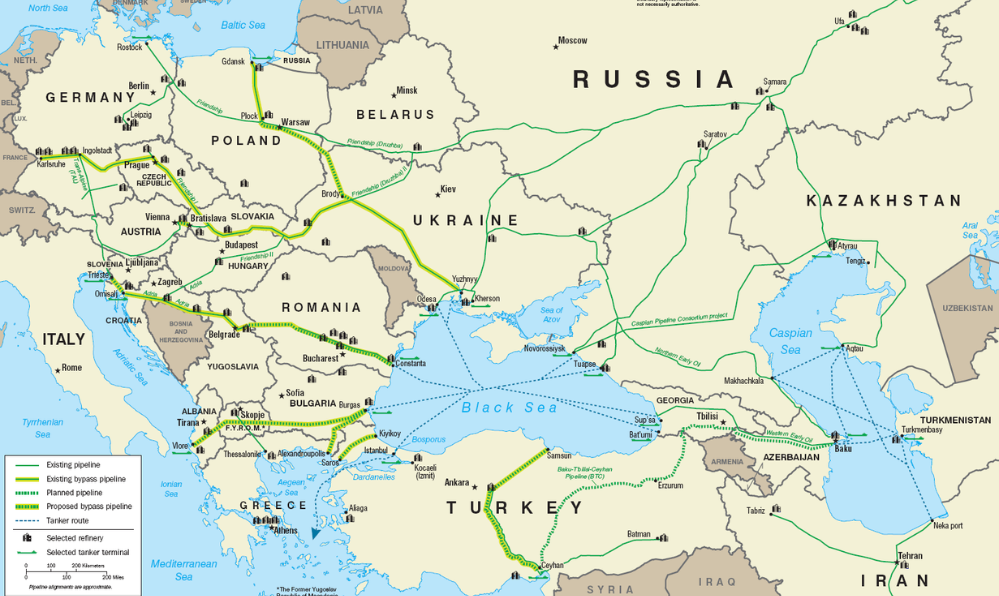
Evolving energy strategies and diplomatic maneuvers among several former Soviet republics in Central Asia are reshaping the region's political dynamics—away from Moscow.
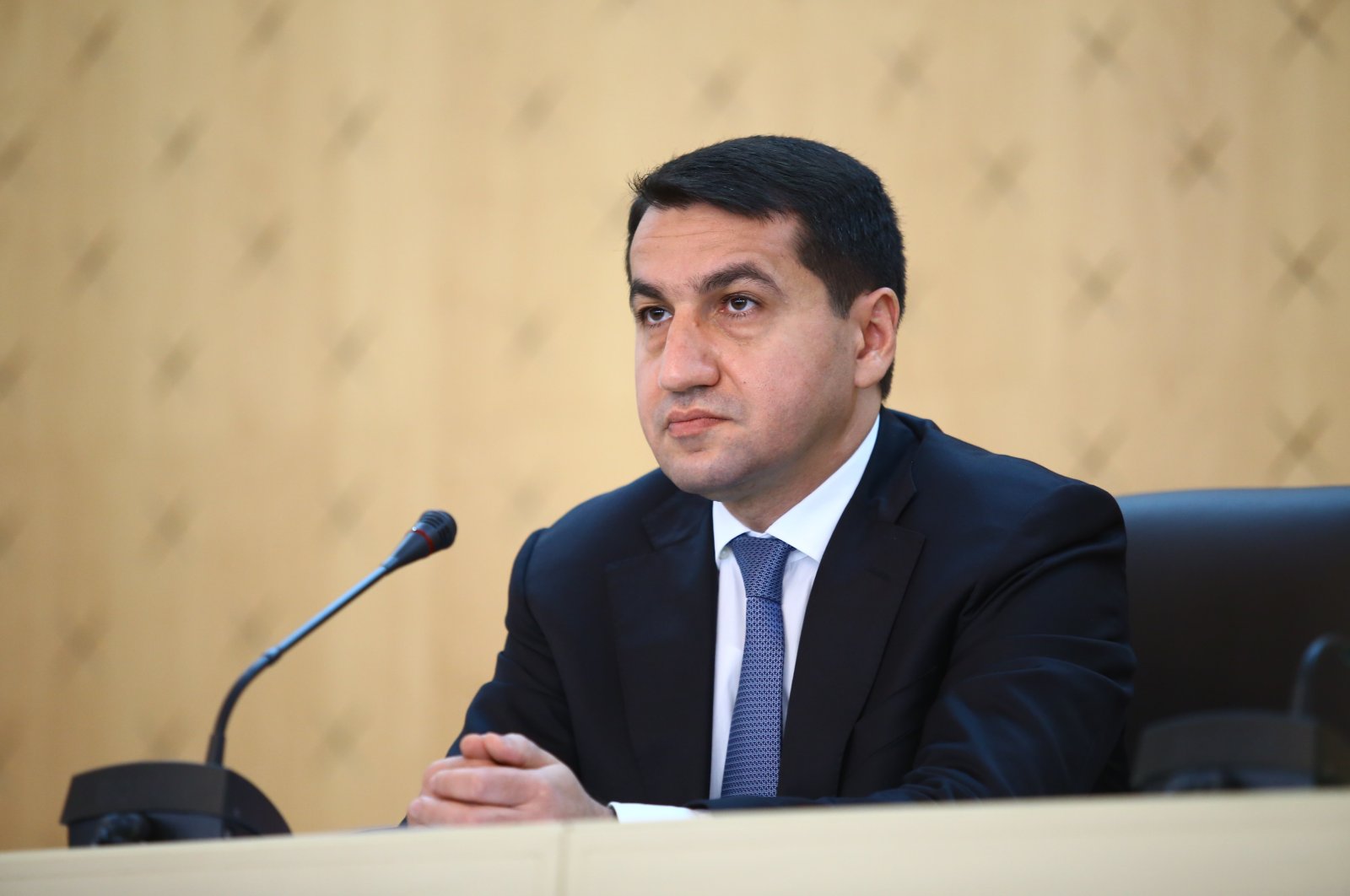
Recently, the fifth security dialogue meeting between the EU and Azerbaijan took place in Brussels.
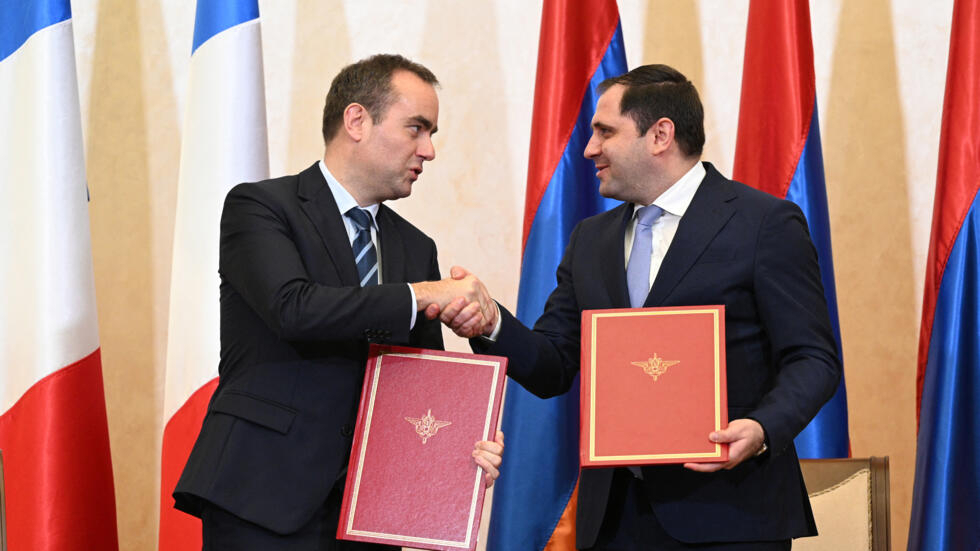
Recent developments in the South Caucasus indicate a growing likelihood of renewed conflict, fueled by external influences from Western powers.