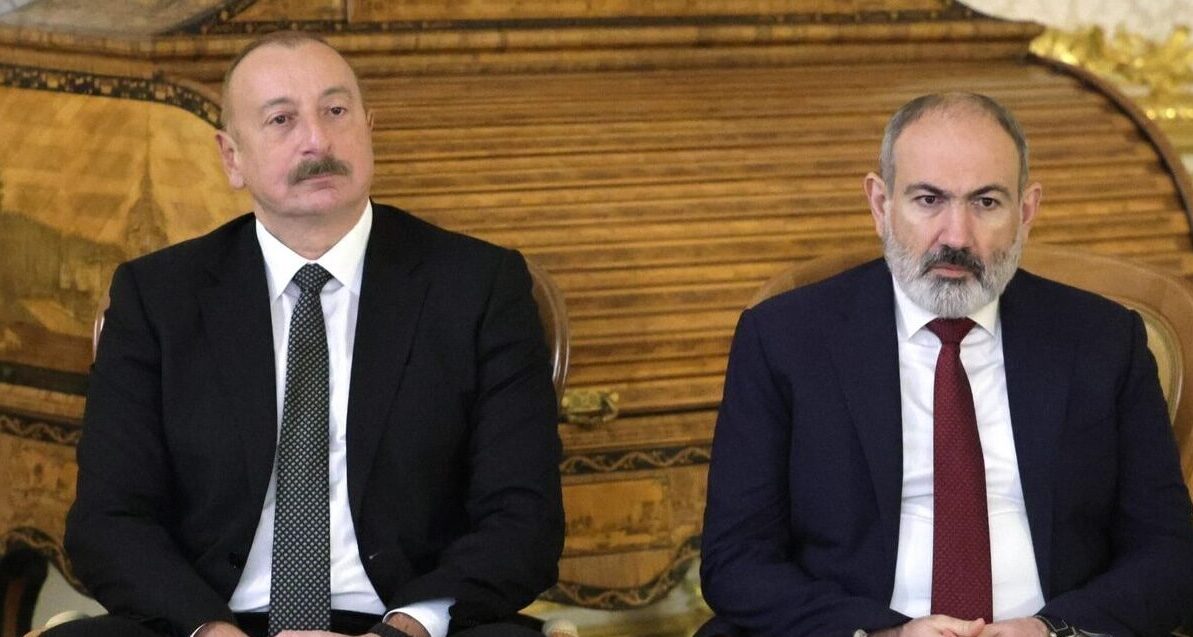
At the international media forum in Shusha, the Armenian Prime Minister's refusal to meet with the President of Azerbaijan in the UK did not go unnoticed—it was too conspicuous and raised many unpleasant and losing questions for Yerevan.

At the international media forum in Shusha, the Armenian Prime Minister's refusal to meet with the President of Azerbaijan in the UK did not go unnoticed—it was too conspicuous and raised many unpleasant and losing questions for Yerevan.
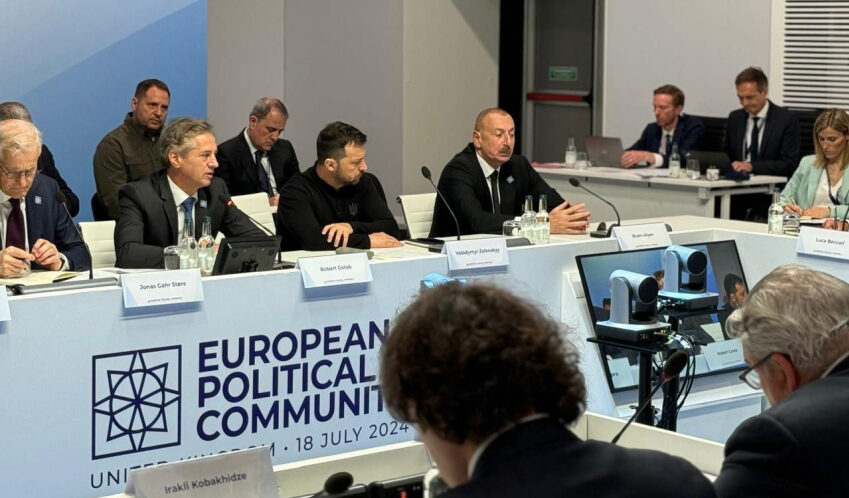
In relation to COP29, the country's leader highlighted the ongoing efforts to "achieve consensus and increase solidarity between countries of the world, particularly between the Global South and the Global North."
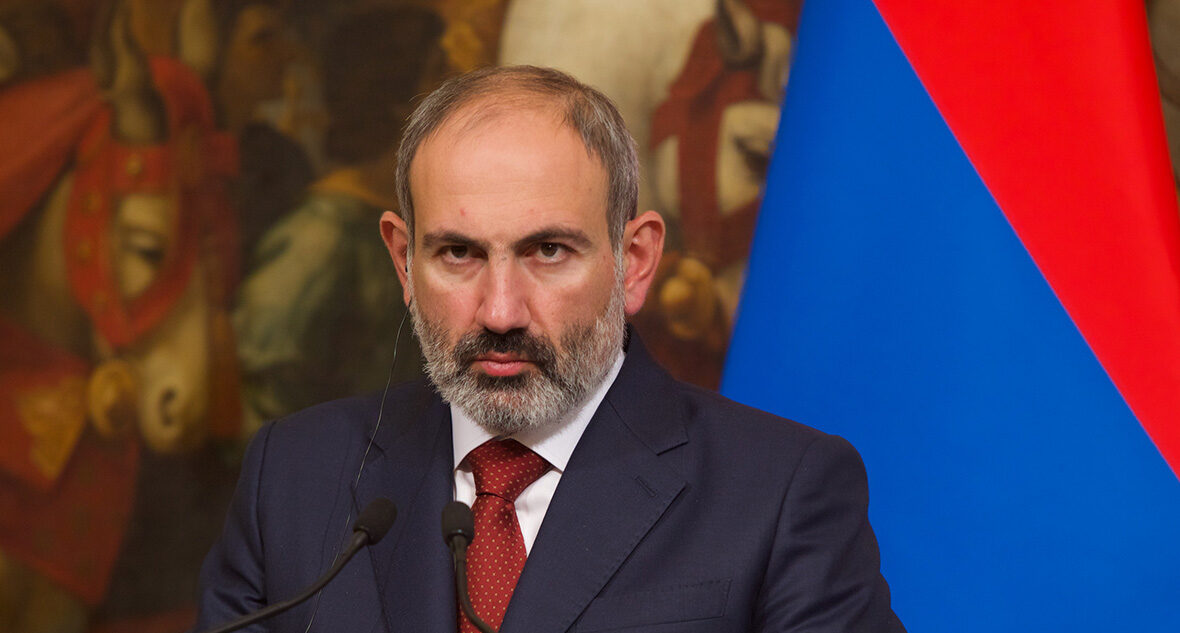
On July 18, amid high hopes for a final peace accord between Baku and Yerevan, Armenian Prime Minister Nikol Pashinyan refused to meet with Azerbaijani President Ilham Aliyev in Britain to discuss details of the peace process.
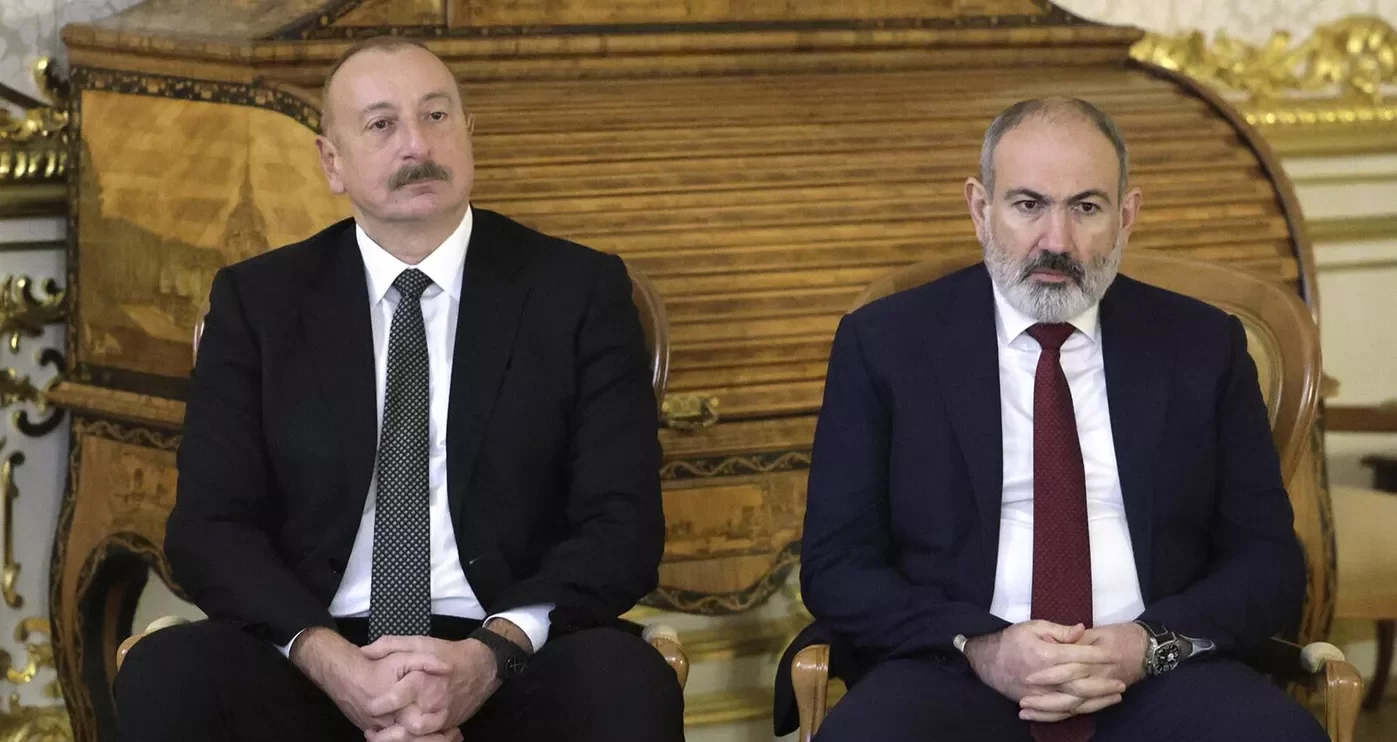
Armenian Prime Minister Nikol Pashinyan has declined a meeting with Azerbaijani President Ilham Aliyev, as officially reported to journalists by the President's assistant, Hikmet Hajiyev.
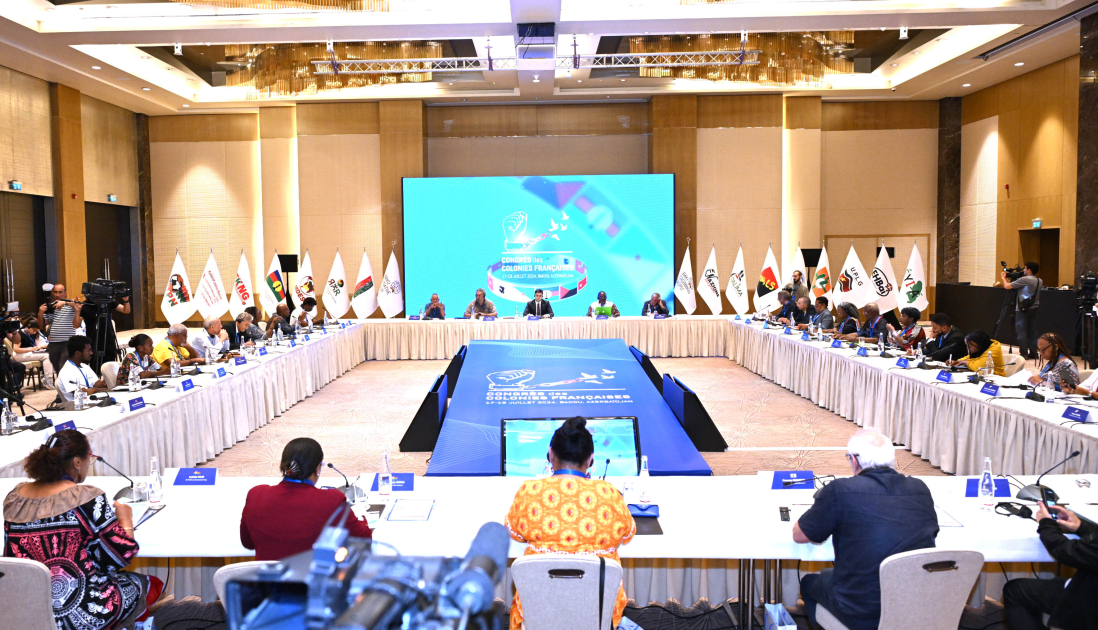
In the capital of Azerbaijan, another international forum took place — the Congress of Movements for the Independence of Territories Colonized by France.
At yesterday's briefing, U.S. State Department spokesperson Matthew Miller, in response to a question about progress on a peace agreement between Azerbaijan and Armenia, called it "incredible."
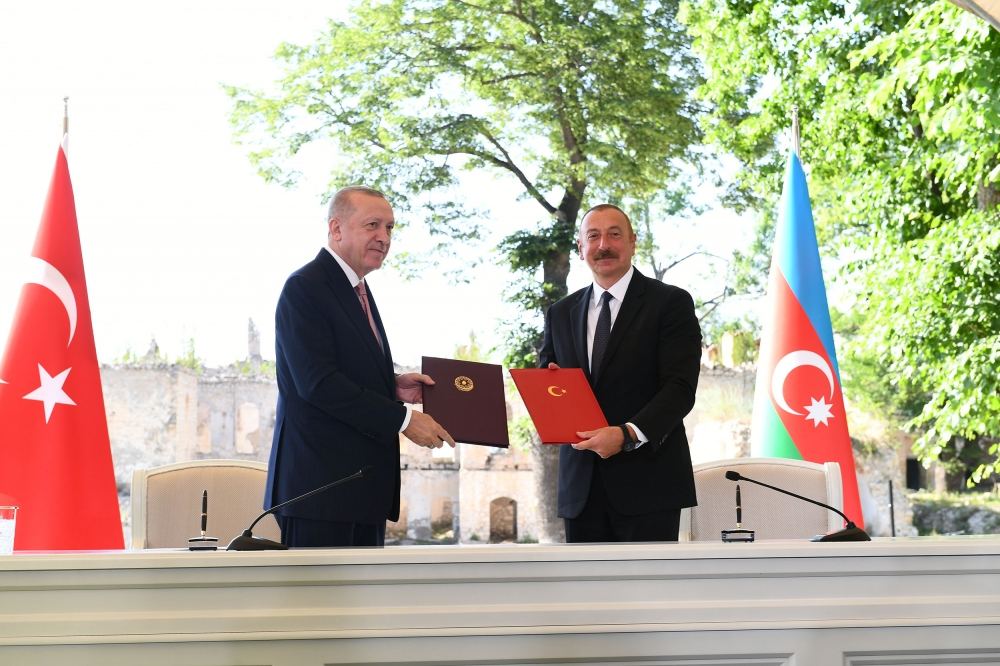
On 6 July, Azerbaijan hosted the Organisation of Turkic States (OTS)’s informal summit in Shusha on “Building a Sustainable Future through Transport, Connectivity and Climate Action”.
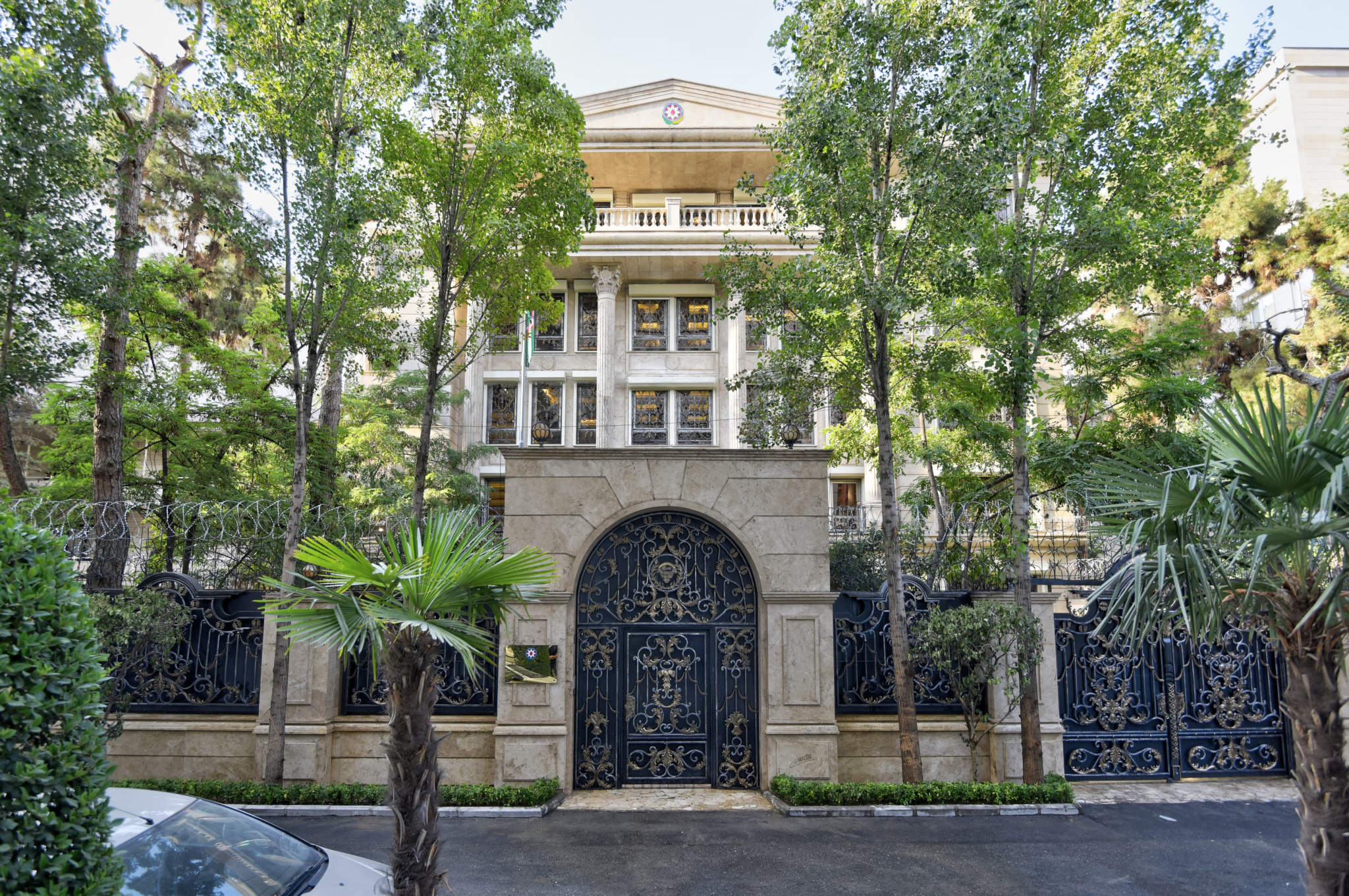
The Azerbaijani Embassy in Tehran has resumed its activities, and this is now official information. As highlighted by the Azerbaijani Ministry of Foreign Affairs, the Iranian side has taken measures to ensure the security of the embassy.
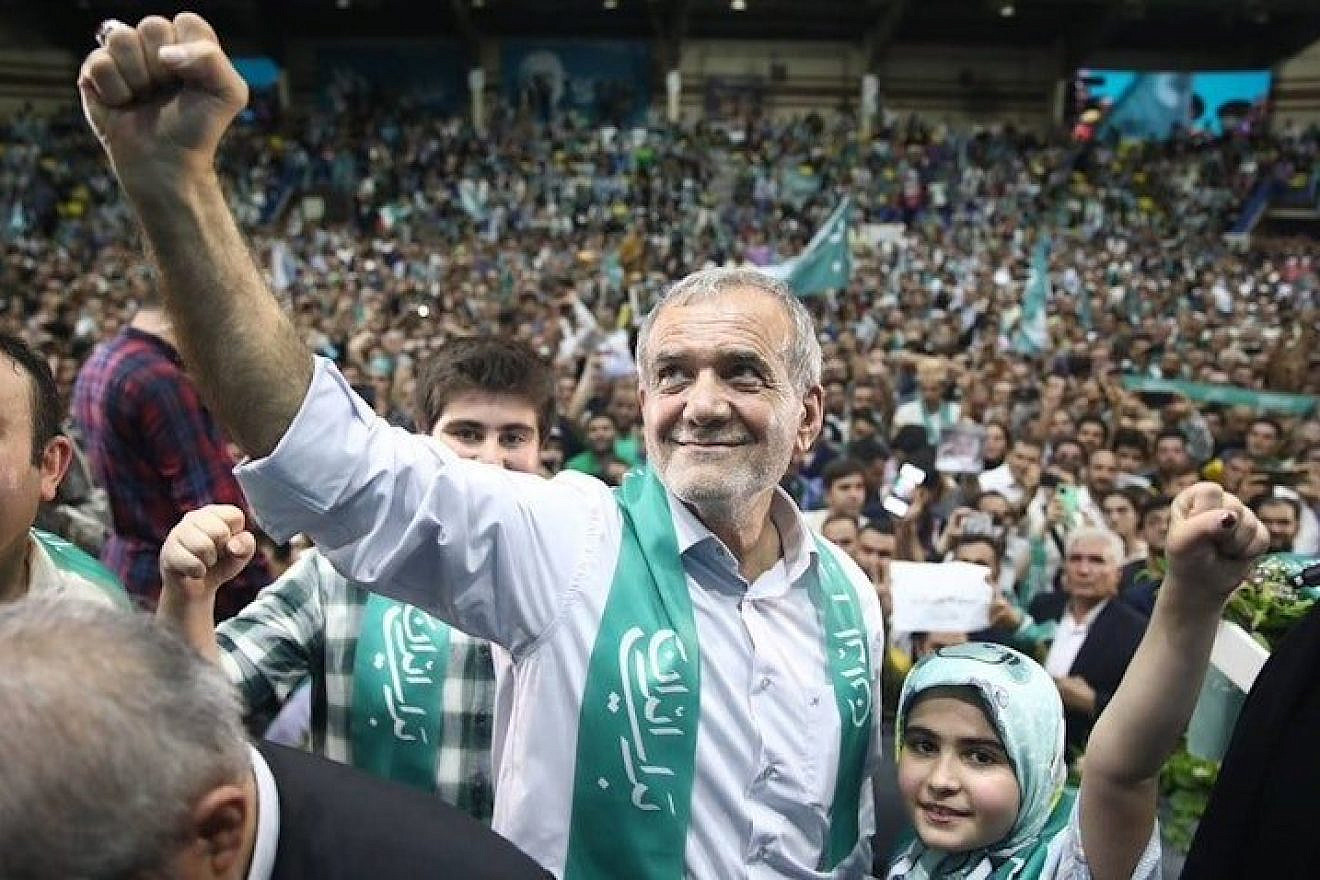
The Supreme Leader’s control over major aspects of foreign policy suggests that Pezeshkian will likely adhere to the established political line.
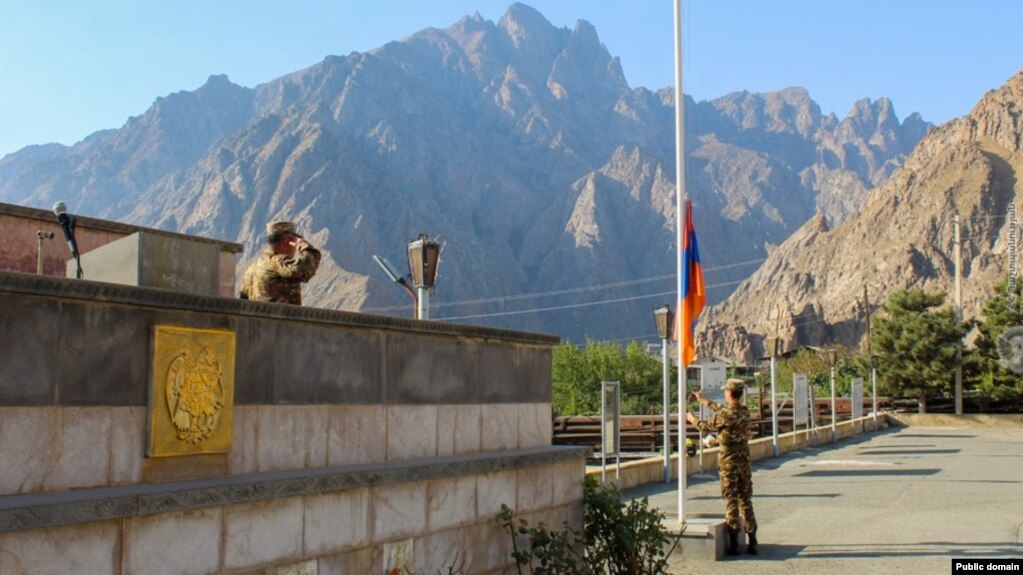
A frightening incident occurred on the Armenia-Iran border. Armenian customs officers beat a driver from Iranian Azerbaijan, Umid Imamguluzade.
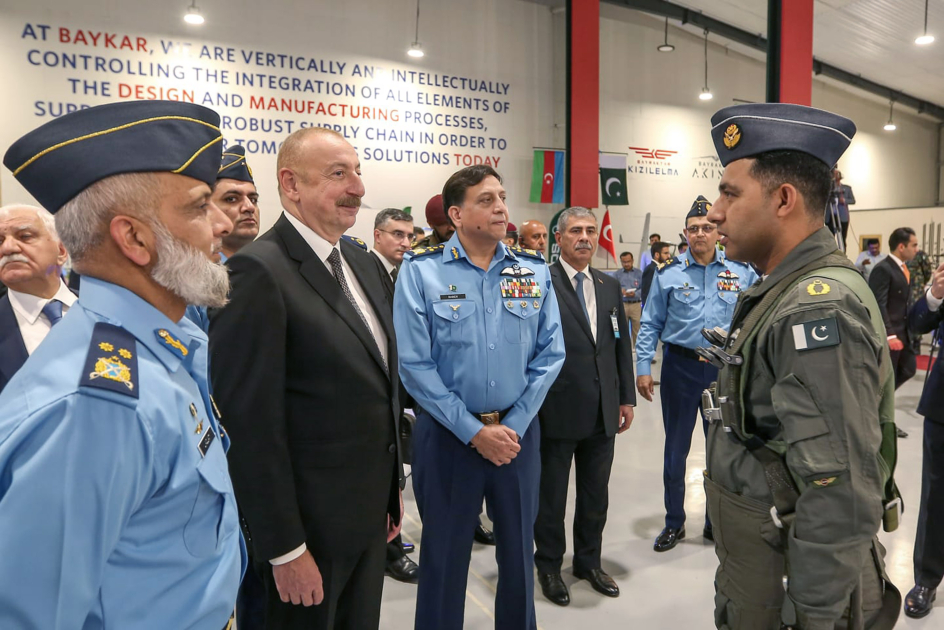
The state visit of the President of the Republic of Azerbaijan, Ilham Aliyev, to the Islamic Republic of Pakistan was a significant event.
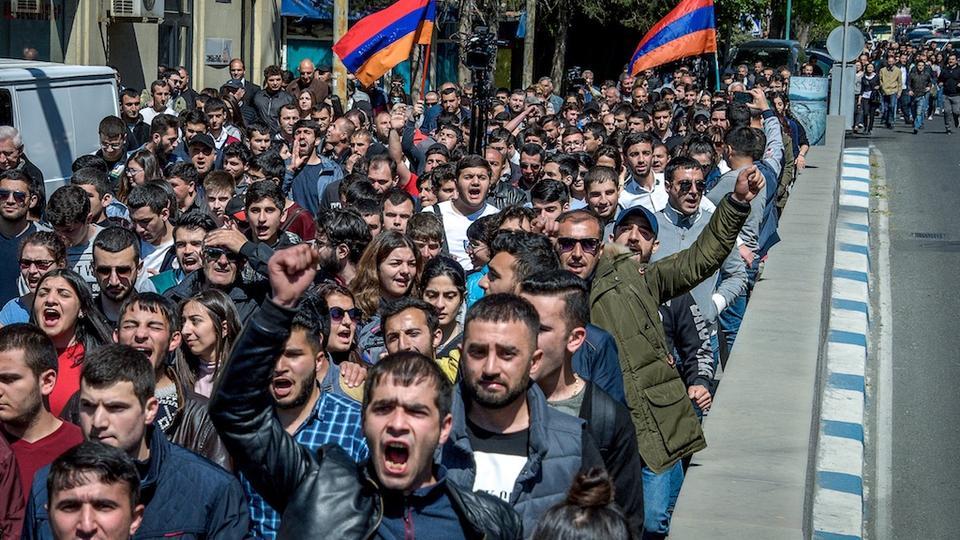
Recently, the international research center "Gallup" conducted a sociological survey in Armenia, the results of which were announced by the director of the Armenian office of the aforementioned center, Aram Navasardyan.
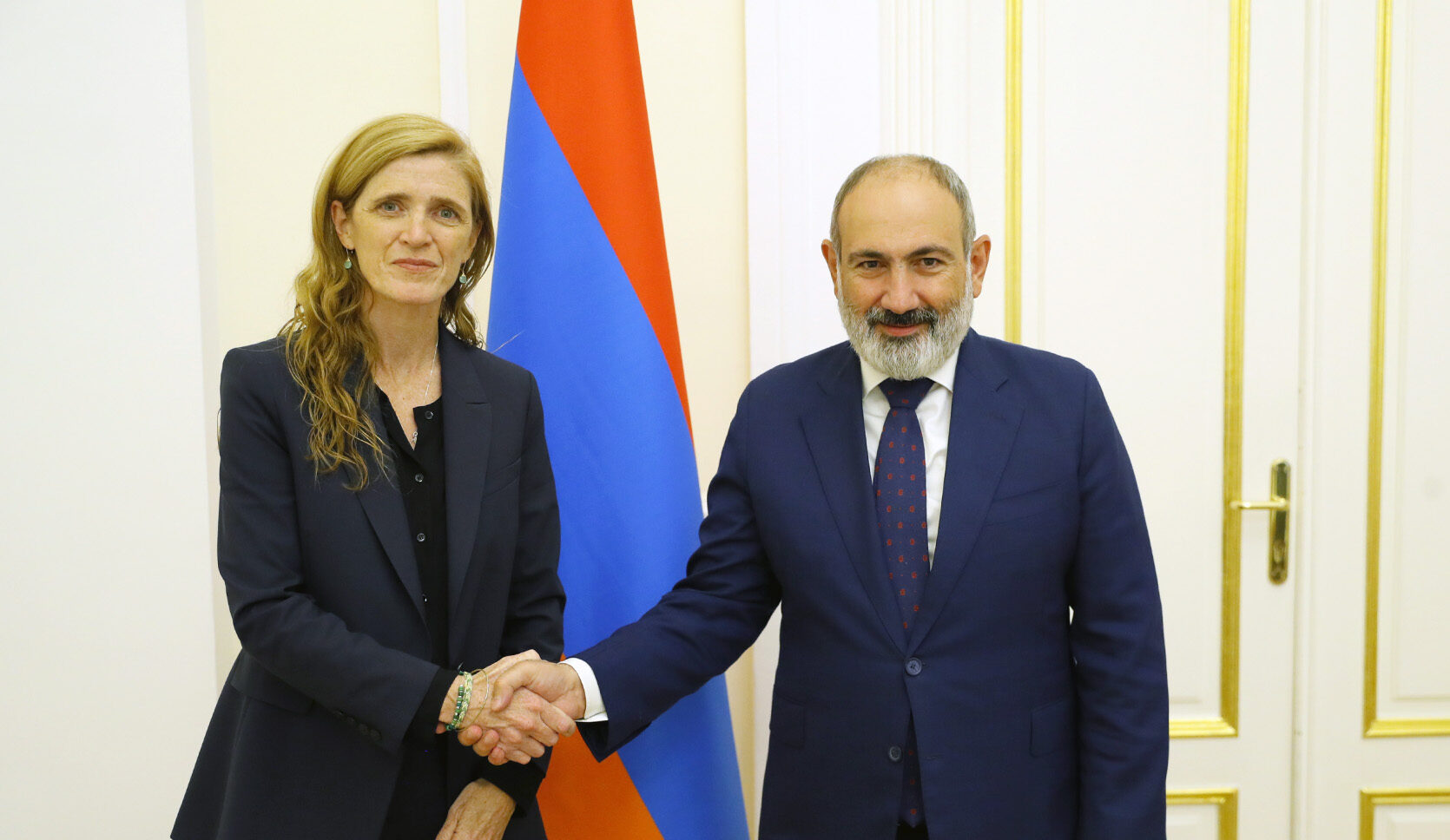
The visit of Samantha Power, the director of USAID, to Yerevan sparked a significant scandal.
Shusha, a city founded in the XVIII century, holds a significant place in Azerbaijan’s history and the region’s broader narrative. Located on high, rocky terrains, Shusha has long symbolized resilience and impenetrability.
In Washington, the 75th anniversary NATO summit continues, with Azerbaijan represented by Foreign Minister Jeyhun Bayramov.
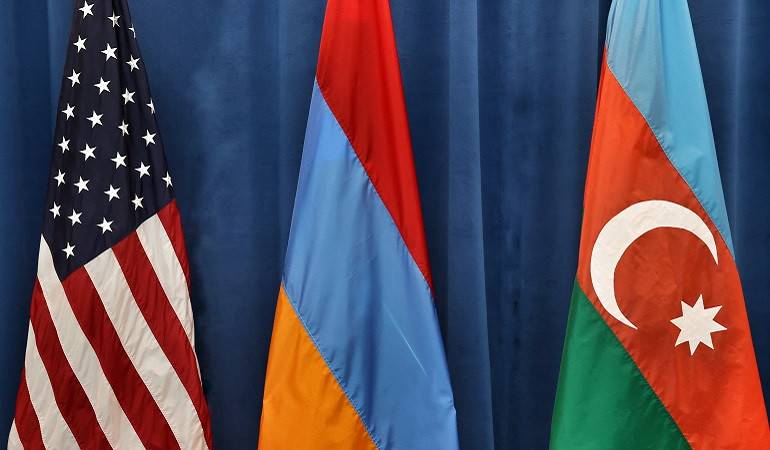
The potential implications of a peace treaty and the confrontational way in which negotiations have proceeded further complicate the peace process.
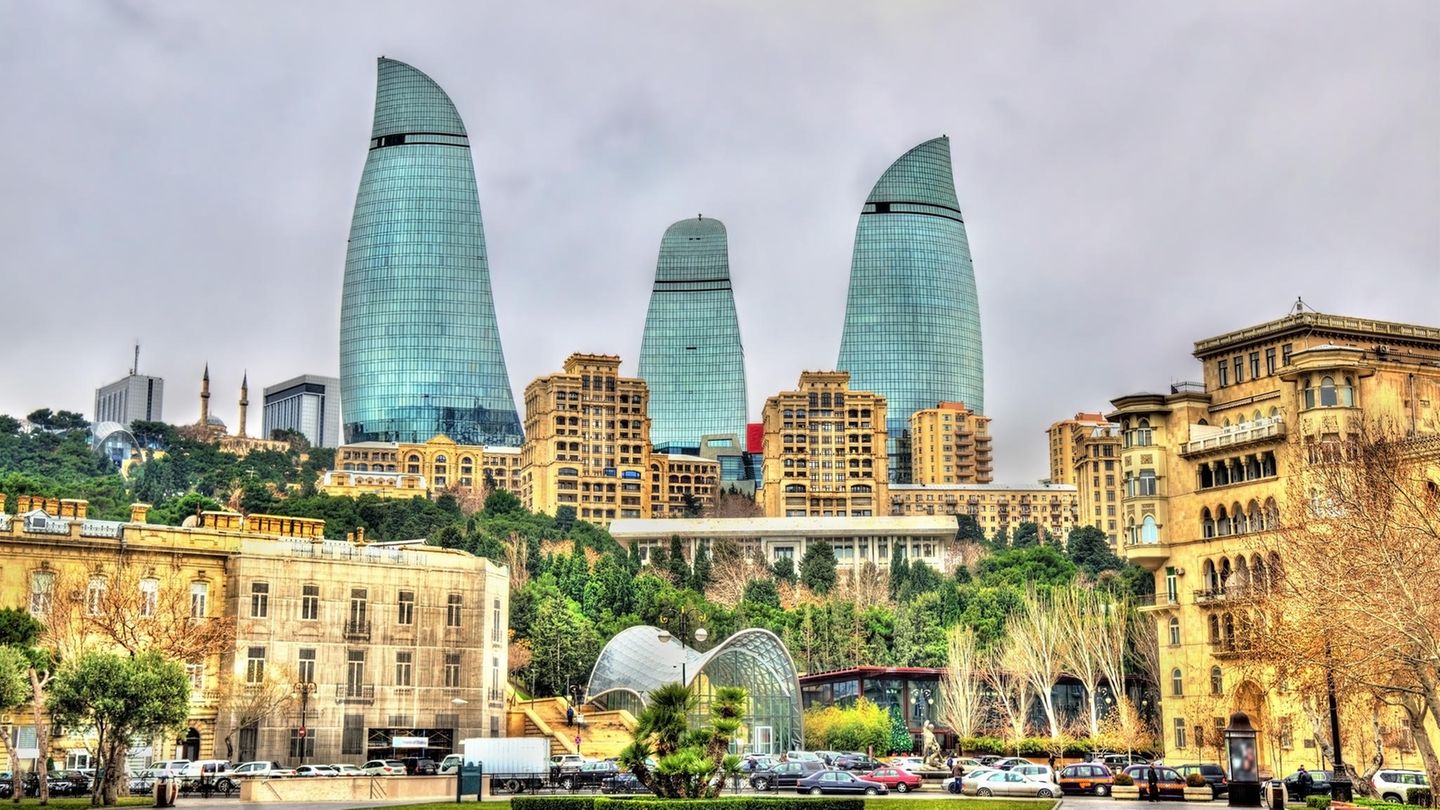
Just over a year ago, Prime Minister Shehbaz Sharif visited the Azerbaijani capital for two days. The prime minister was reportedly so impressed by the landscaping in Baku that, upon his return, he instructed his team to replicate it.
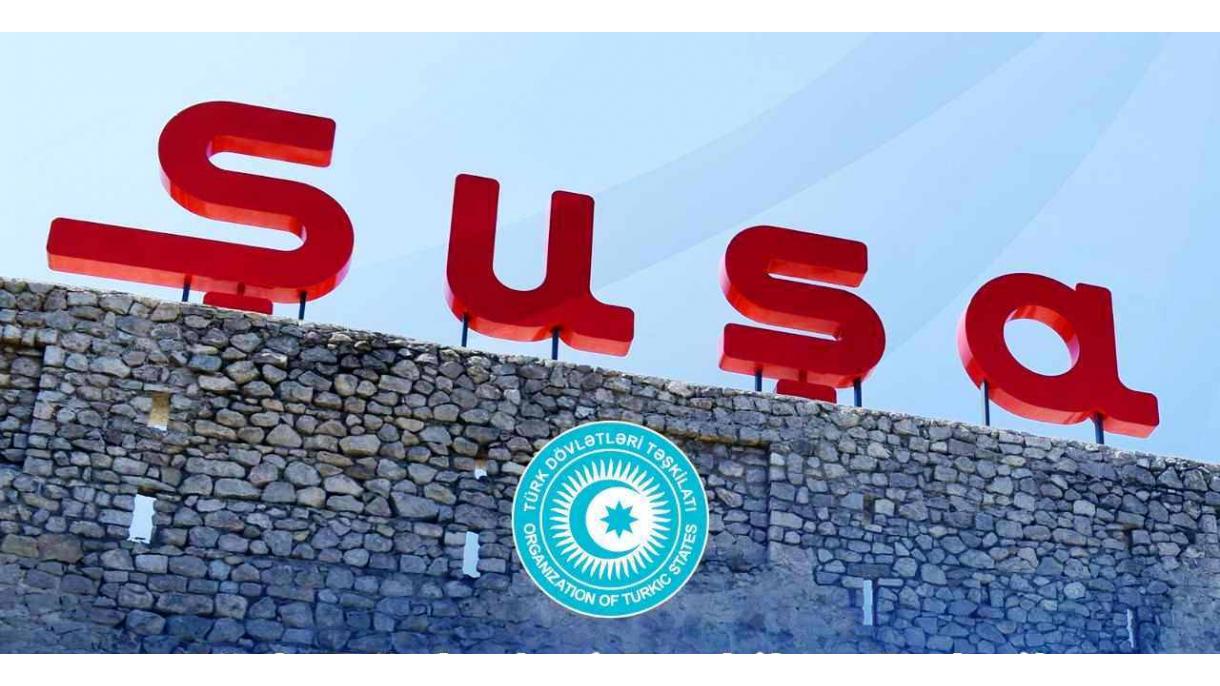
Shusha, a city founded in the XVIII century, holds a significant place in Azerbaijan's history and the region's broader narrative. Located on high, rocky terrains, Shusha has long symbolized resilience and impenetrability.
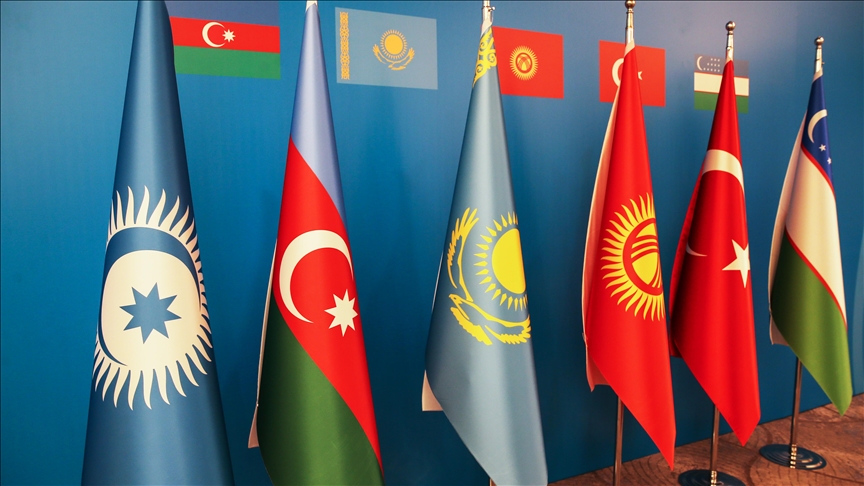
The world is certainly fragmented. And it has been for a long time. The question is, what awaits us all in such circumstances? Further fragmentation? Regionalization?
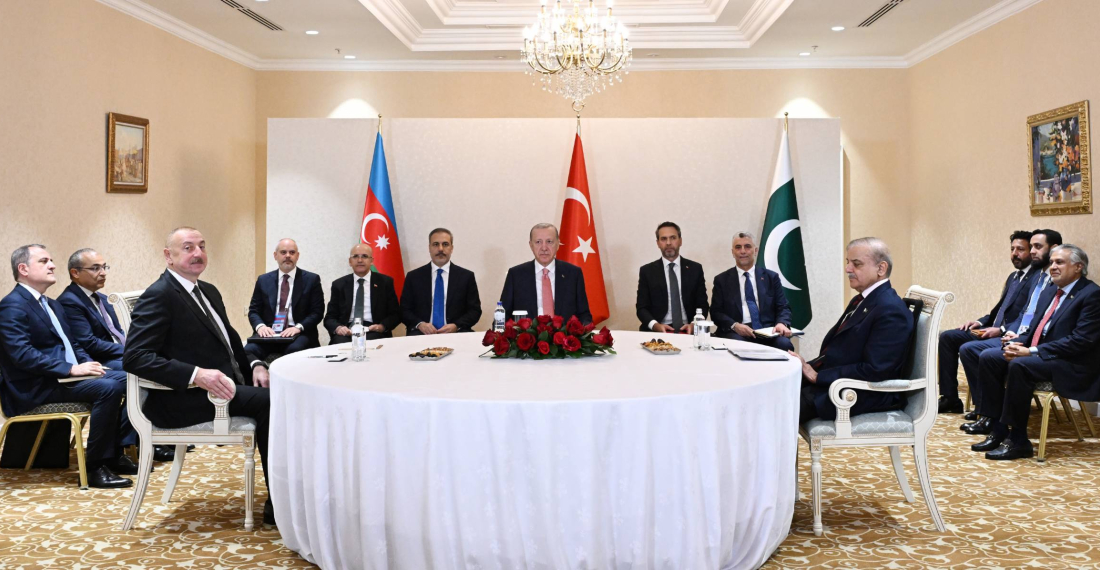
On July 3, 2024, Ilham Aliyev, President of Azerbaijan, Recep Tayyip Erdoğan, President of Türkiye, and Shahbaz Sharif, Prime Minister of Pakistan came together in their first trilateral summit in Astana, Kazakhstan.
"We have no other family. Our family is the Turkic world. We feel great. We have fraternal relations with all member countries of the Organization of Turkic States, and our policy is to strengthen the Organization of Turkic States."
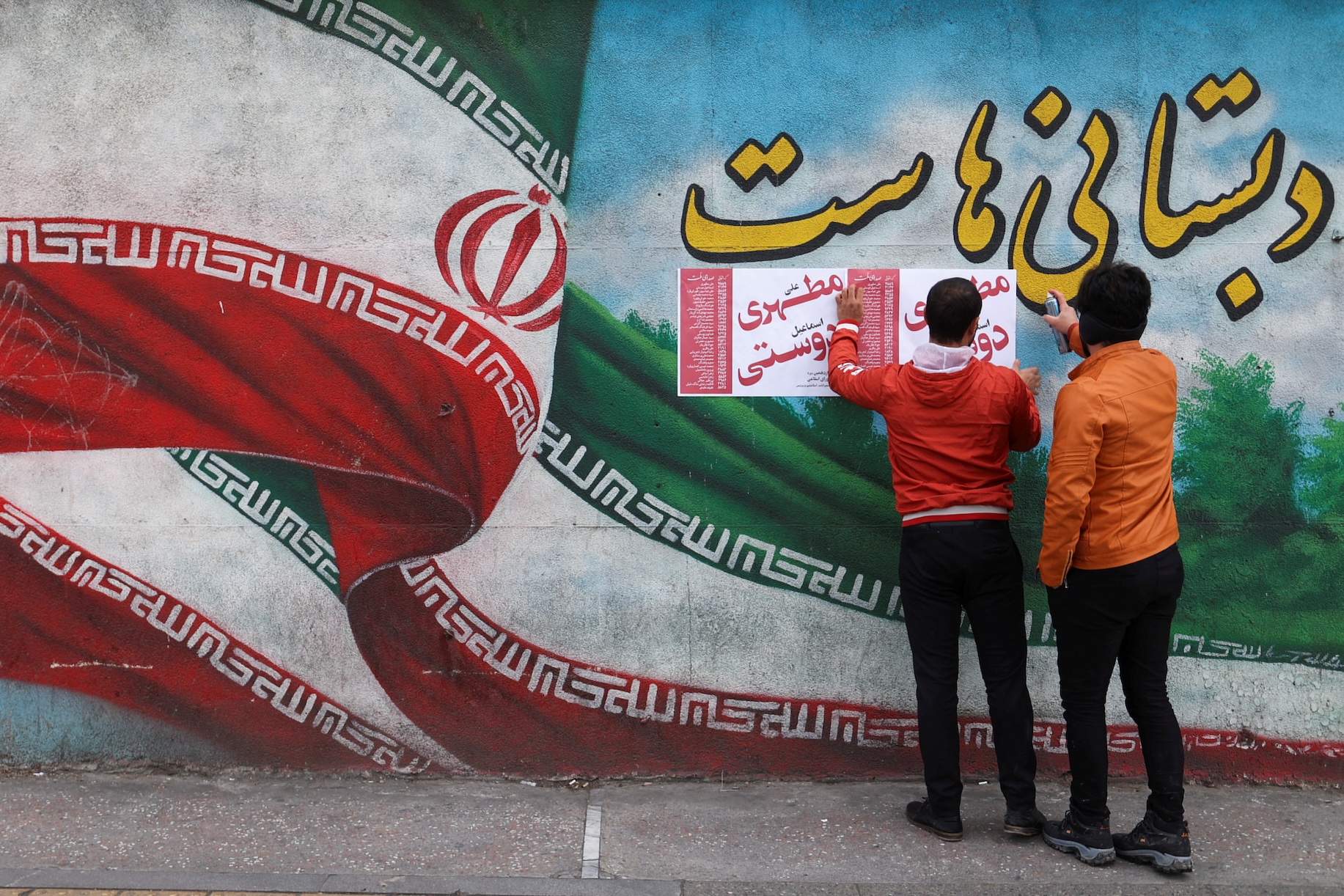
These promising remarks make one ponder, will the election of an ethnic Azerbaijani reformist candidate change how Iran conducts business or not?
Among the many significant geopolitical consequences of the conflict in Ukraine has been the boost in regional integration between post-Soviet states, which has long been limited to geographical factors.
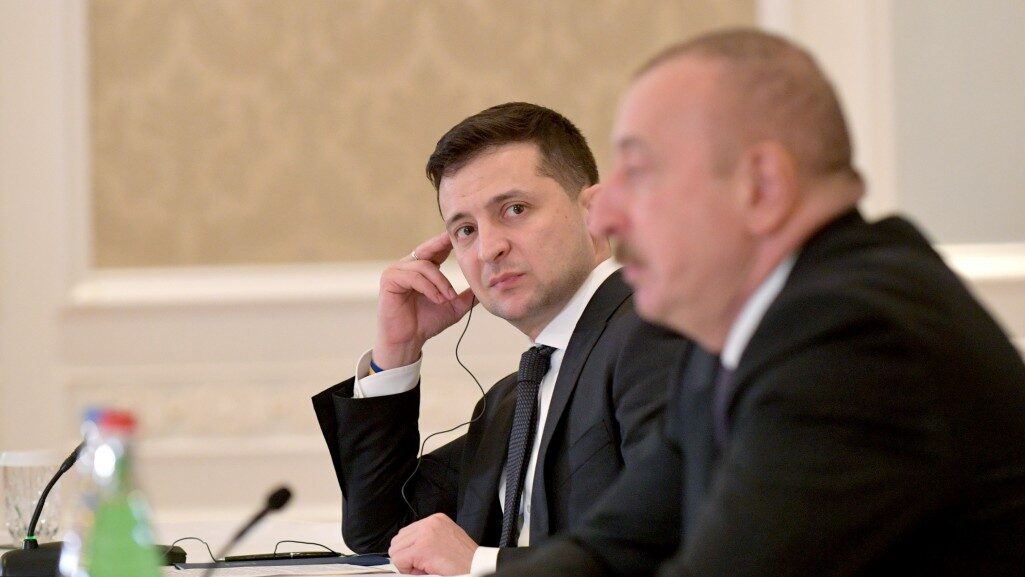
Ukrainian President Volodymyr Zelensky confirmed ongoing negotiations regarding the transit of Azerbaijani gas through Ukraine to the European Union countries.