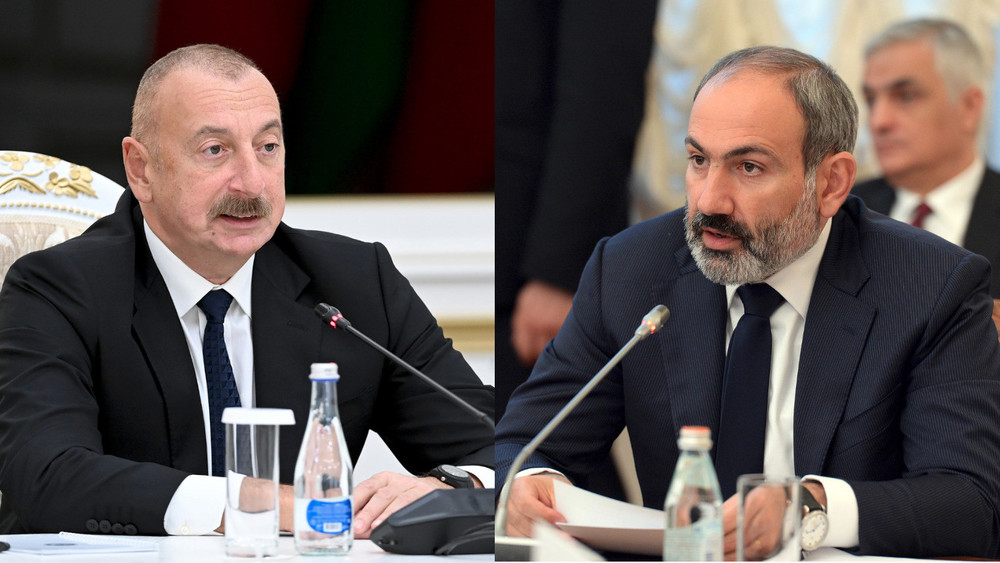
The Armenian and Azerbaijani leaders attended the Sochi summit on the heels of these developments. In the bilateral meetings with the Russian president, taking place before their trilateral meeting, the leaders reiterated their respective positions.

The Armenian and Azerbaijani leaders attended the Sochi summit on the heels of these developments. In the bilateral meetings with the Russian president, taking place before their trilateral meeting, the leaders reiterated their respective positions.
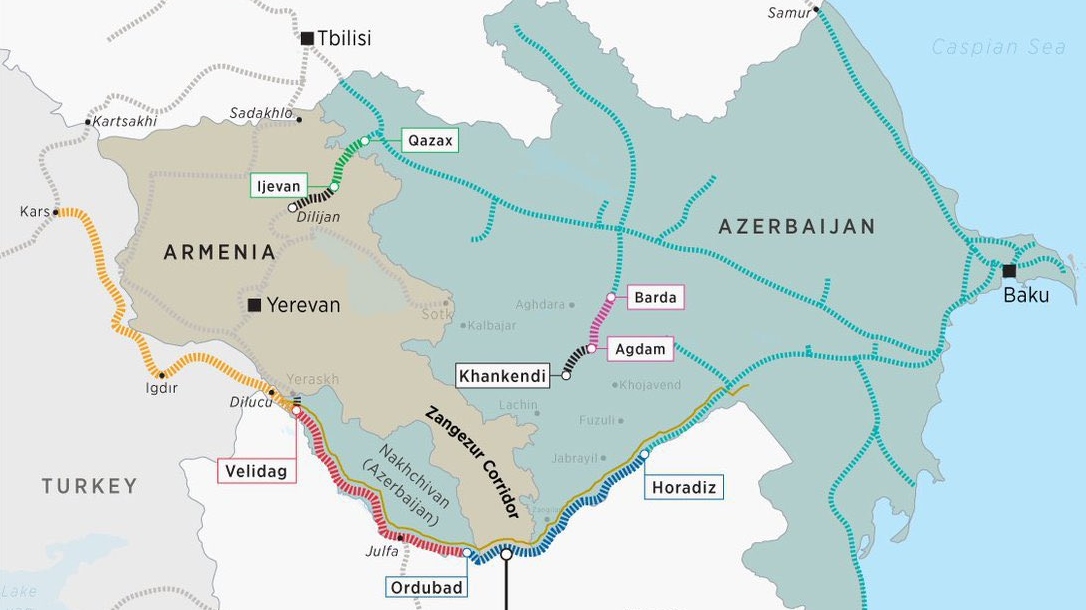
Tehran is aware that the Nakhchivan corridor agreed under the 2020 Russia-brokered ceasefire would connect mainland Azerbaijan not only with its exclave but also with its ally, Turkey, Iran’s regional rival.
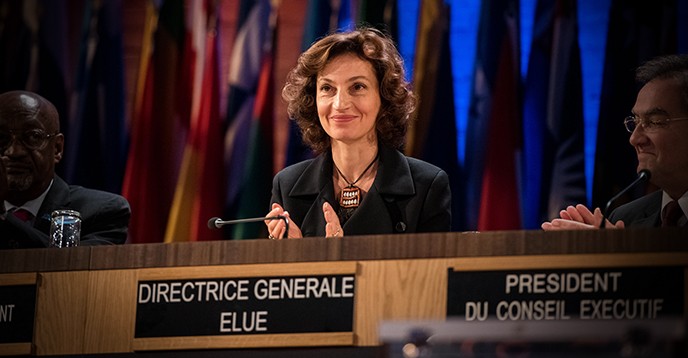
UNESCO, like the entire UN system under Antonio Guterres, is falling apart in corruption and fraud. This is the conclusion Inner City Press makes, revealing the alarming situation with the UNESCO, headed by Frenchwoman Audrey Azoulay since 2017.
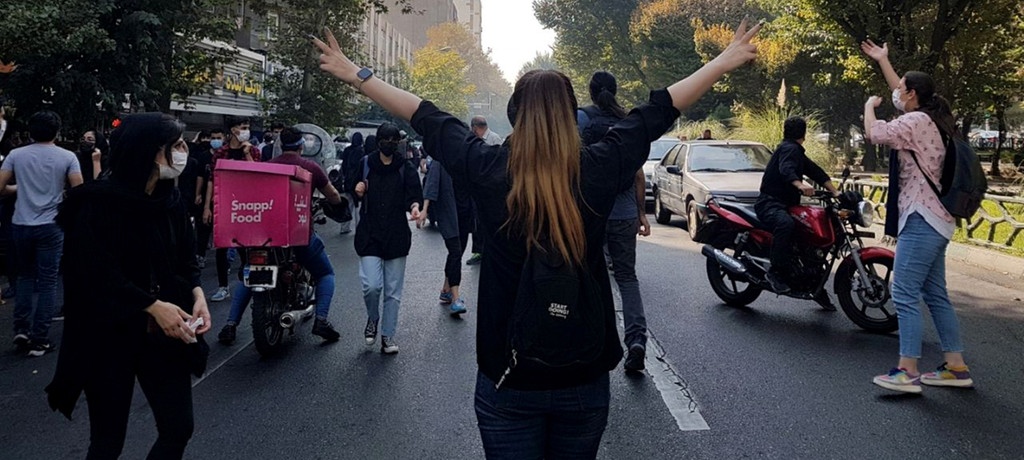
The situation in Iran continues on a critical trajectory: crackdowns are getting harsher, the number of deaths and detentions is increasing, but the protests are not subsiding; rather, the protesters are radicalizing and responding to violence with violence.
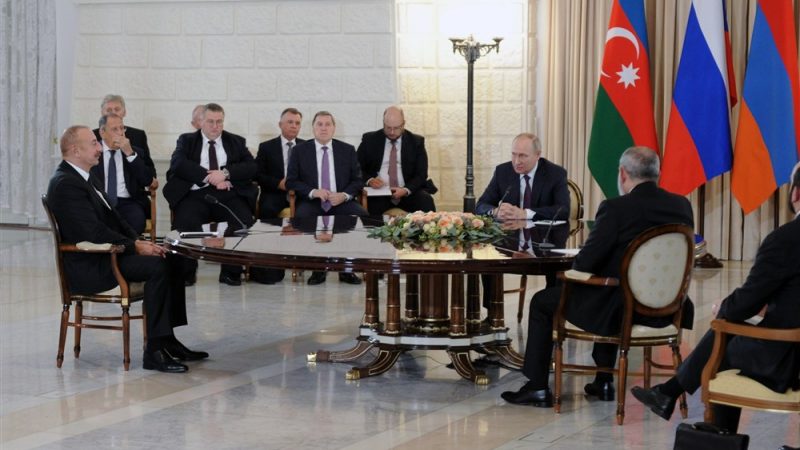
Over the last several weeks, tensions have increased between Azerbaijan and Armenia – and Russia, Iran and Turkey have all consequently been involved in either mediating or adding fuel to the tensions.
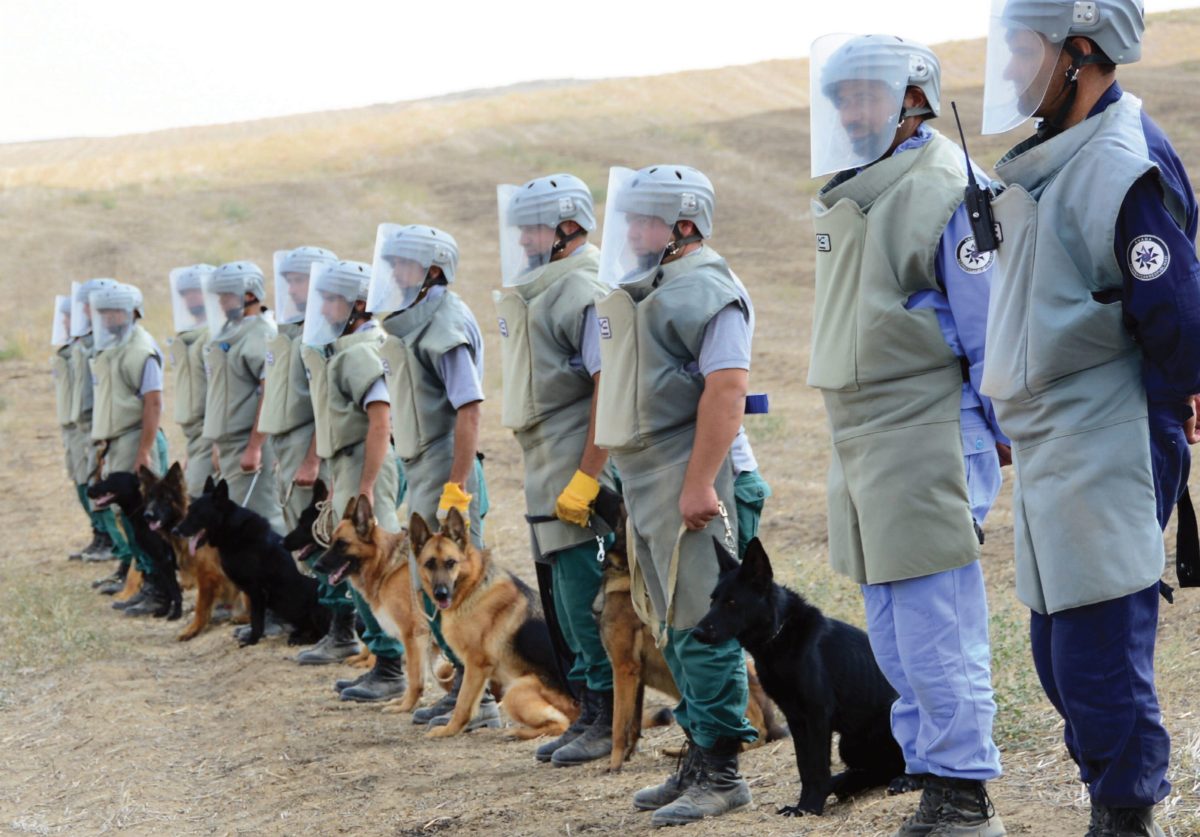
A few days ago I chaired a meeting in Tbilisi ahead of the launch of this year’s campaign “Landmine Free South Caucasus”. Representatives of demining organisations and others gave a sobering picture of the remaining problem of landmines and other unexploded remnants of war in the region.
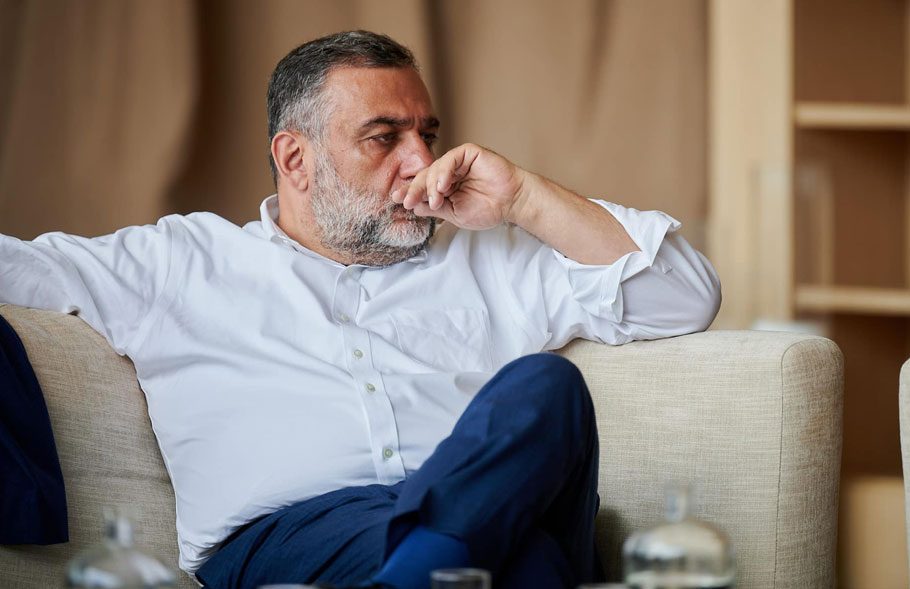
Russian businessman Ruben Vardanyan, who has reached considerable "heights" in international money laundering and financial fraud, will add perhaps the most nonsensical and inglorious entry to his resume this week.
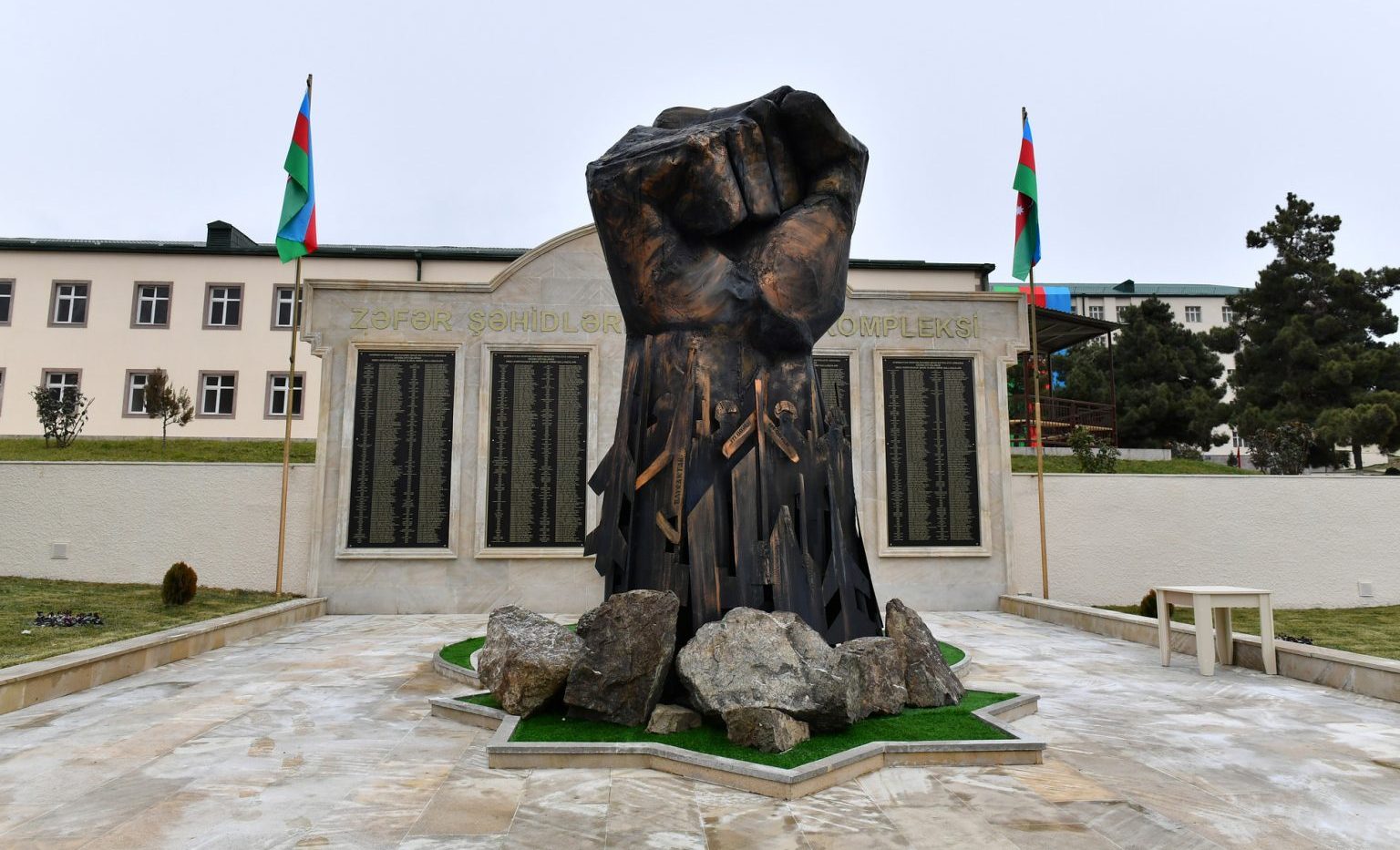
The events we are witnessing in the world today literally push humanity to the conclusion that power is practically becoming the main political language of international relations. All kinds of political and diplomatic maneuvers are just the background for the execution of foreign policy strategies based on the power factor.
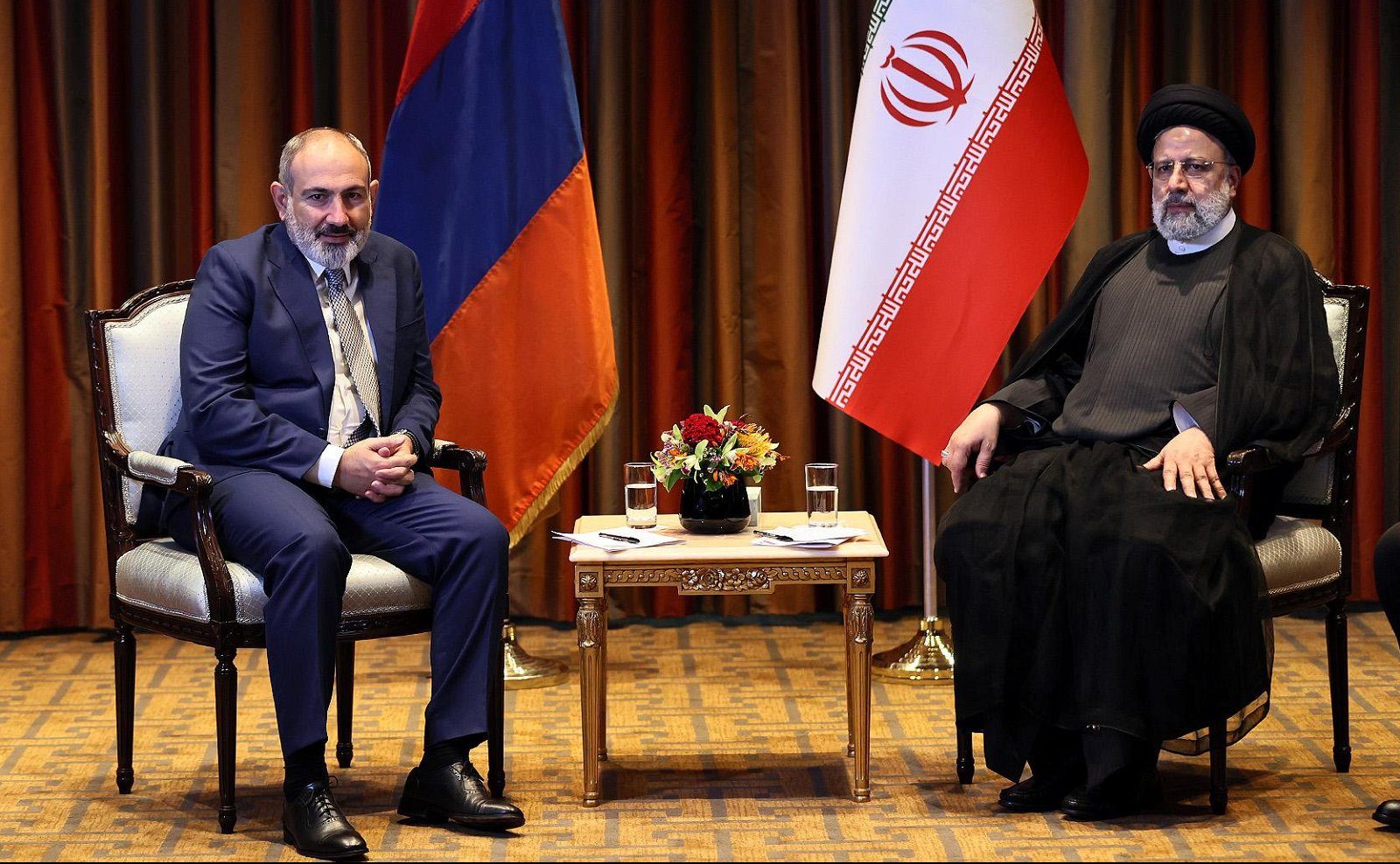
Armenian Prime Minister Pashinyan, who went to Tehran to make eyes at the country's ruling mullahs in general, appears to have justified his trip's goals, especially since they were apparently more than modest.
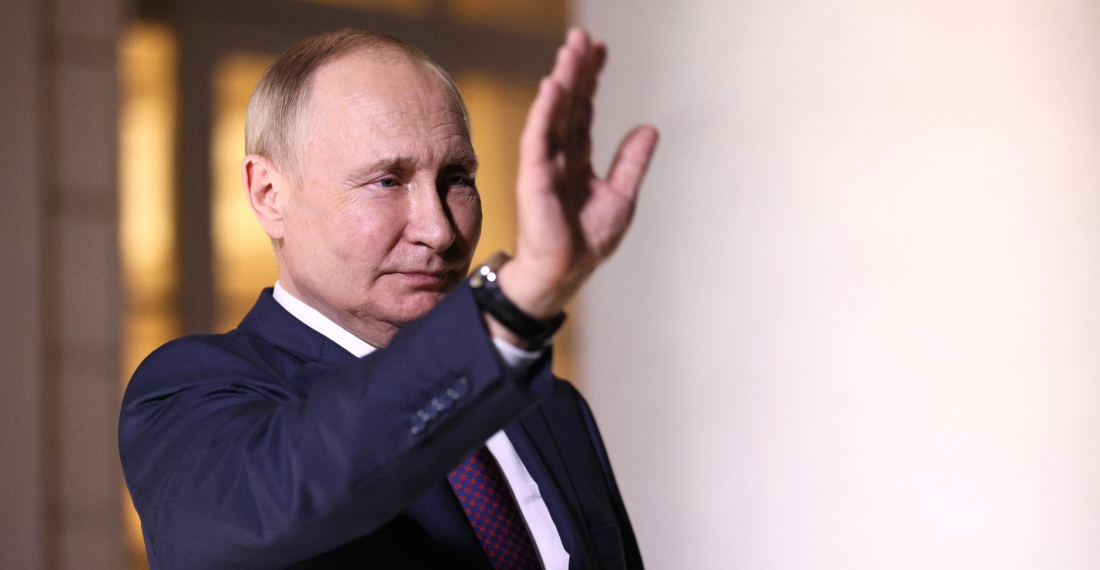
After a long pause, on October 31, Russia brought together the leaders of Armenia and Azerbaijan in a meeting mediated by President Vladimir Putin in the Russian resort town of Sochi.
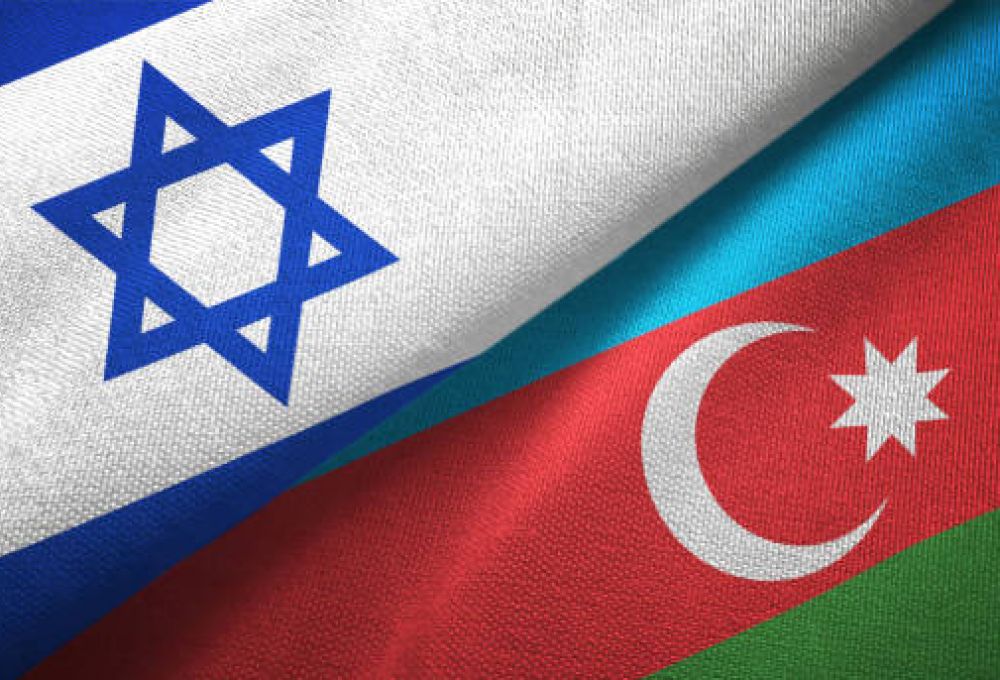
Azerbaijan has become a reliable strategic partner, providing Israel with around 40% of its oil and offering Israel a friendly neighbor in a hostile region. Armenia declined Israel’s offer.
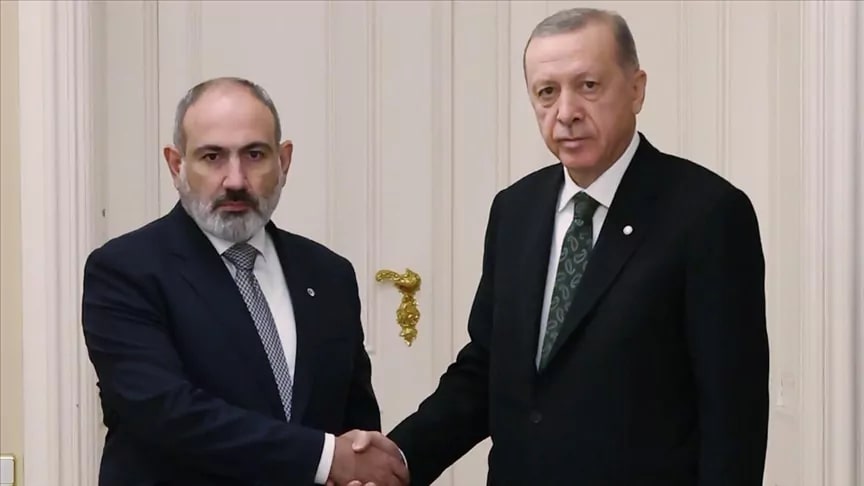
One of the most critical issues holding back peace and normalization in the South Caucasus is the fact that Turkish–Armenian relations have still not been normalized; that is, the borders between the two countries are closed, and official diplomatic relations have not been established.
Charles Michel and Emmanuel Macron must be feeling frustrated because Vladimir Putin is seeking to regain control of the South Caucasus region and show that he is not weakened by his difficulties in Ukraine, writes Sébastien Boussois.
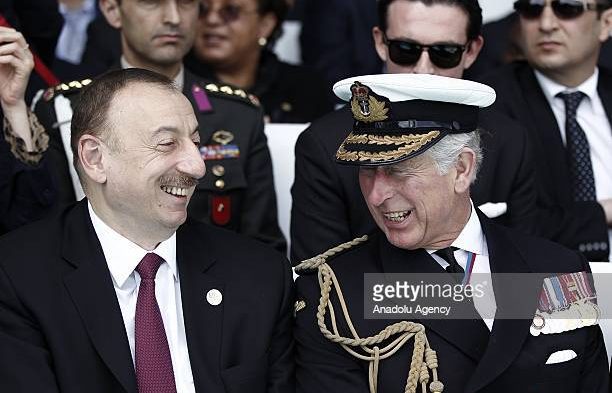
It's time Europe gave the British Foreign, Commonwealth and Development Office a well-deserved victory lap. They might have saved Europe from a weapon they never saw coming - namely Putin's attempts at energy blackmail.
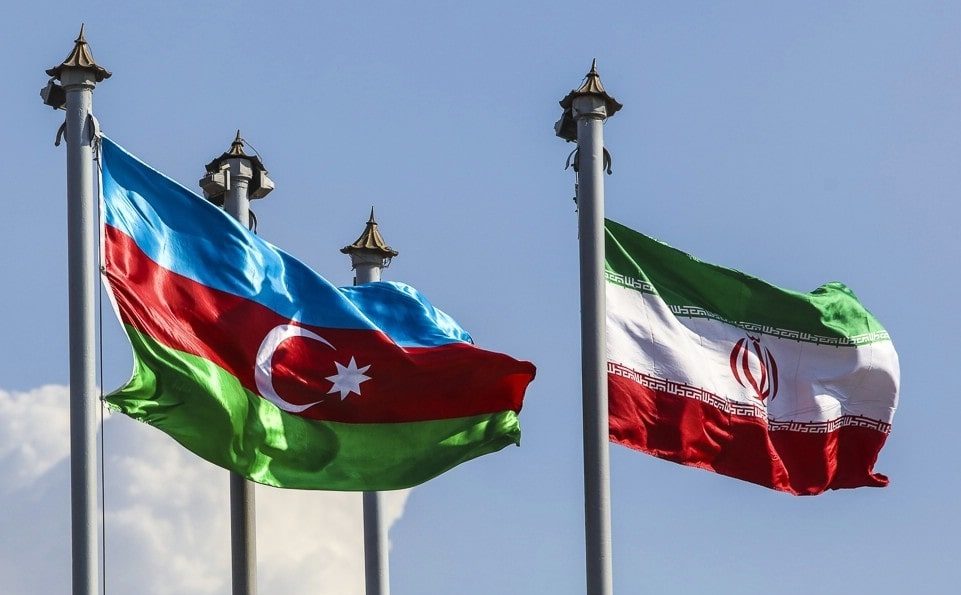
The truth is that throughout history, our southern neighbor, Iran has, to put it mildly, never really liked Azerbaijan. Meanwhile, Baku has tried to establish friendly and good-neighborly relations not only with Tehran, but also with other neighboring states.
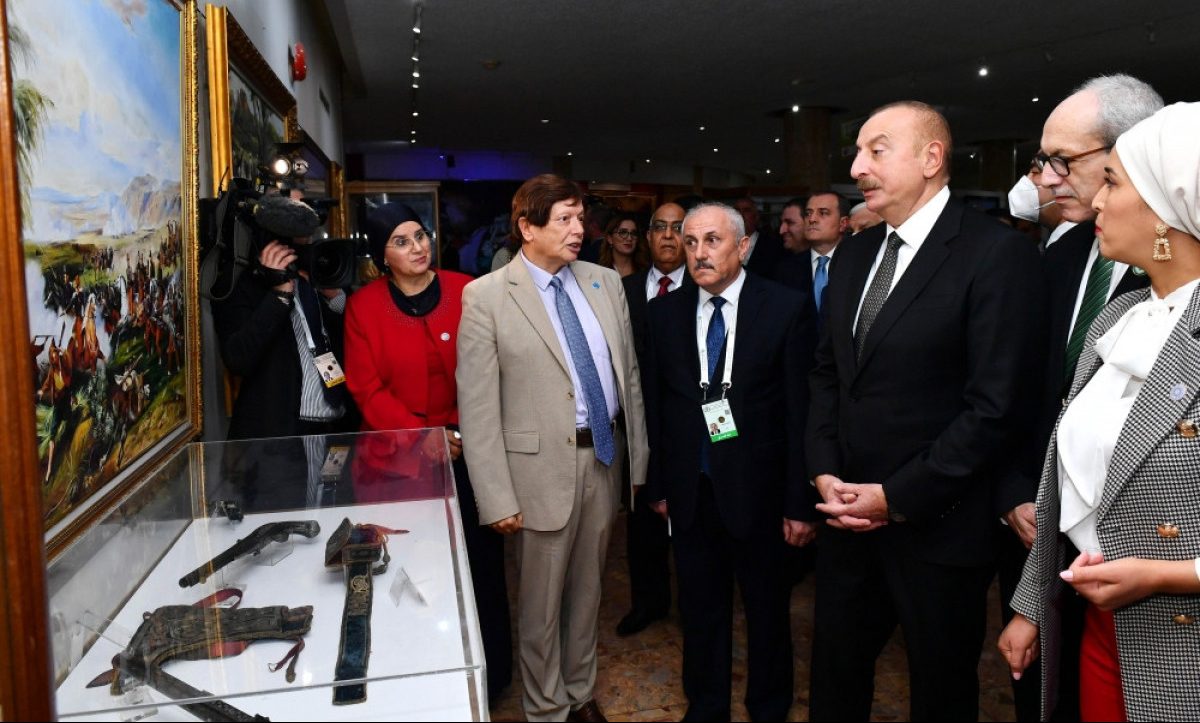
Modern French politicians do not like to recall the details of their state's colonial policy, which brought much suffering to other nations.
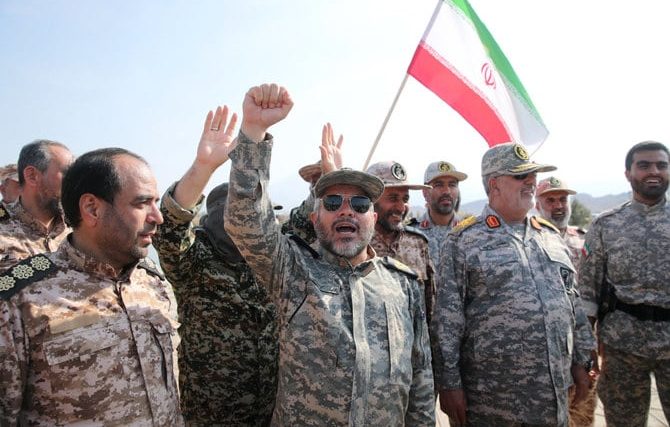
Relations between Azerbaijan and Iran have been tense in recent years, amid Azerbaijan's conflict with Armenia, close ally of Iran's.
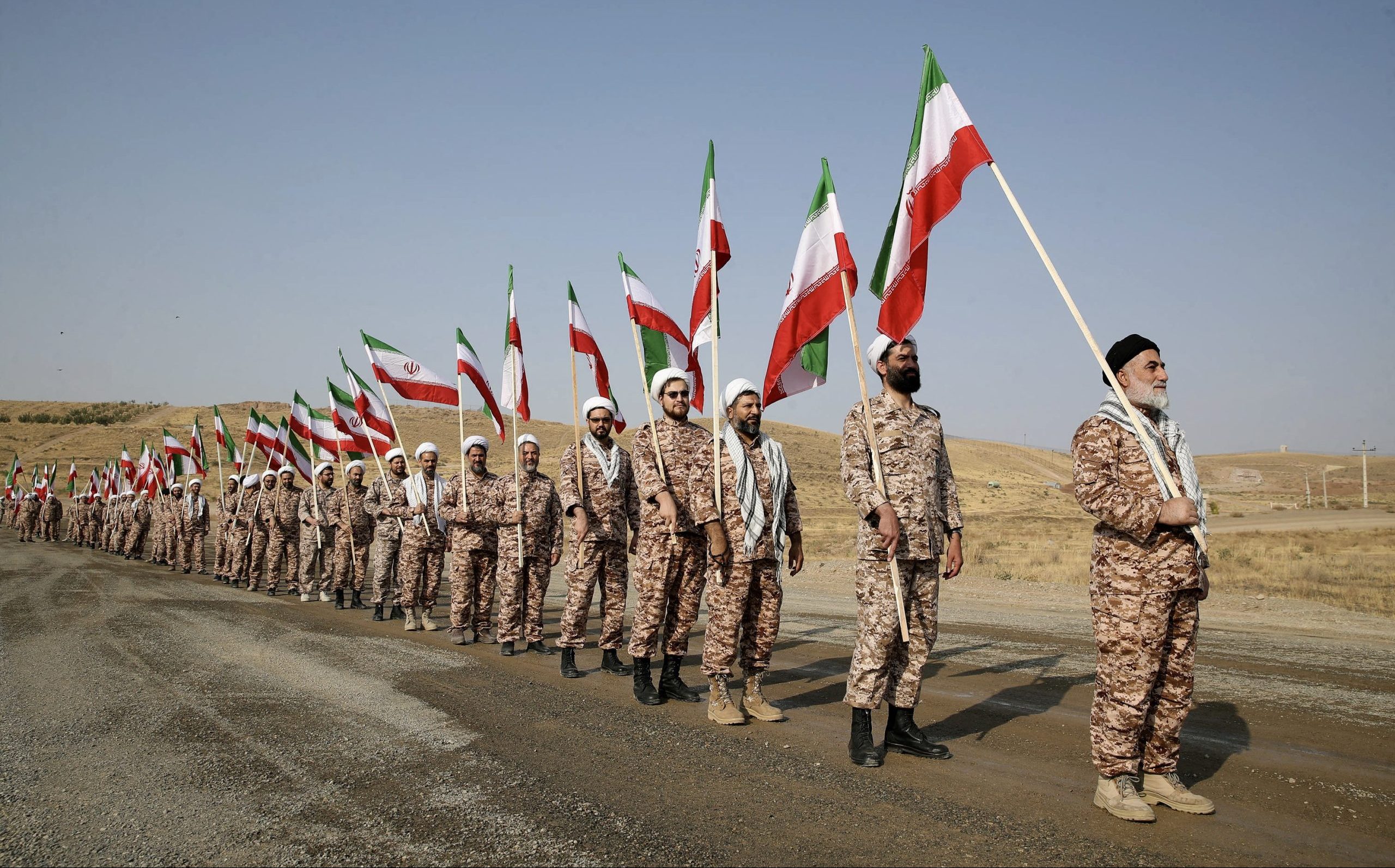
Iran is trying to regain its influence in the South Caucasus. In October, it announced large-scale military exercises, dubbed “Mighty Iran”, near the border with Azerbaijan.
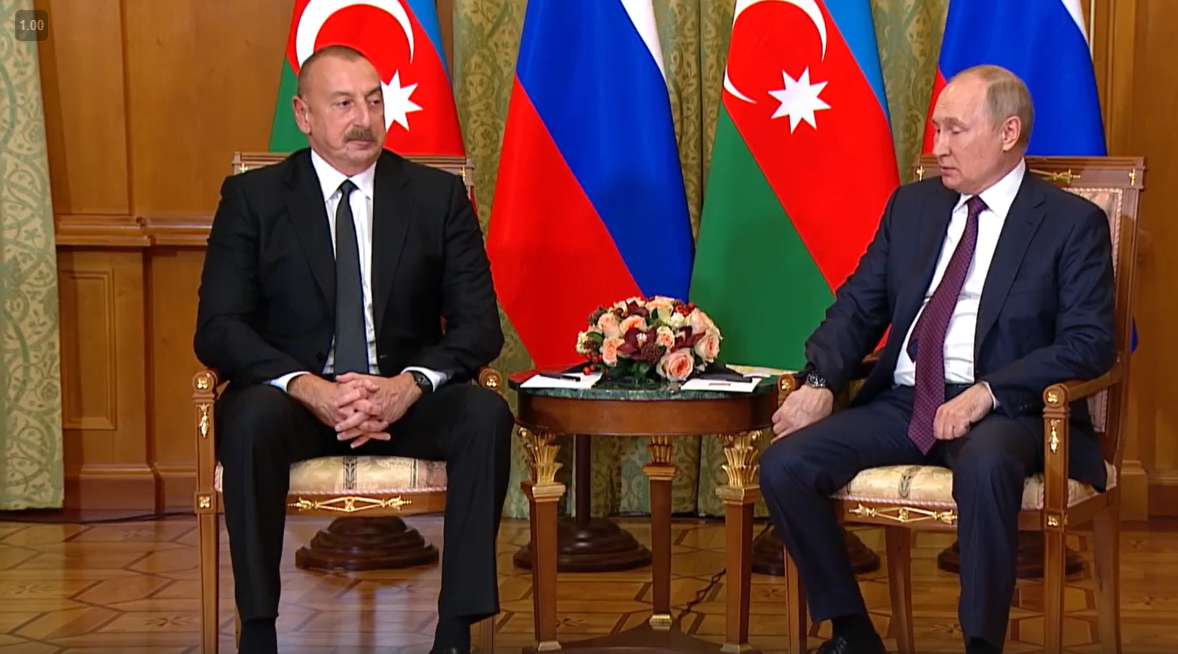
The talks in Sochi are over, and a new trilateral statement has been signed. Of course, its detailed analysis is yet to come.
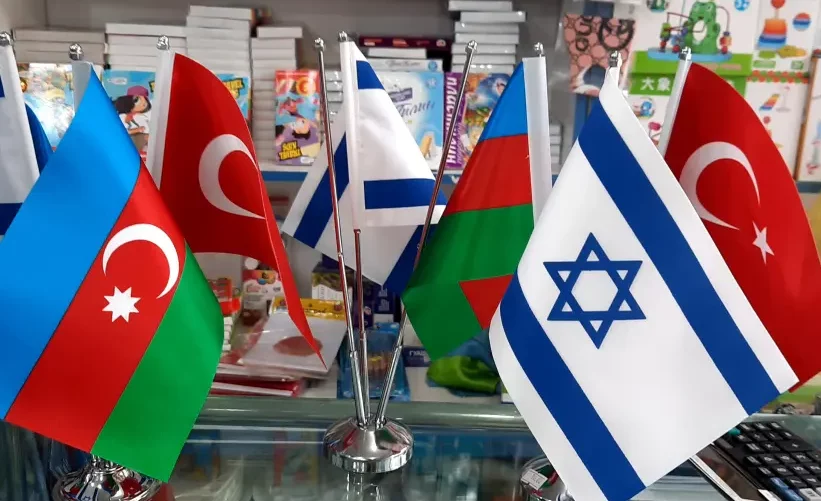
There have been tensions between Azerbaijan and Iran, and Iranian state television aired a song threatening Israel and Azerbaijan last week.
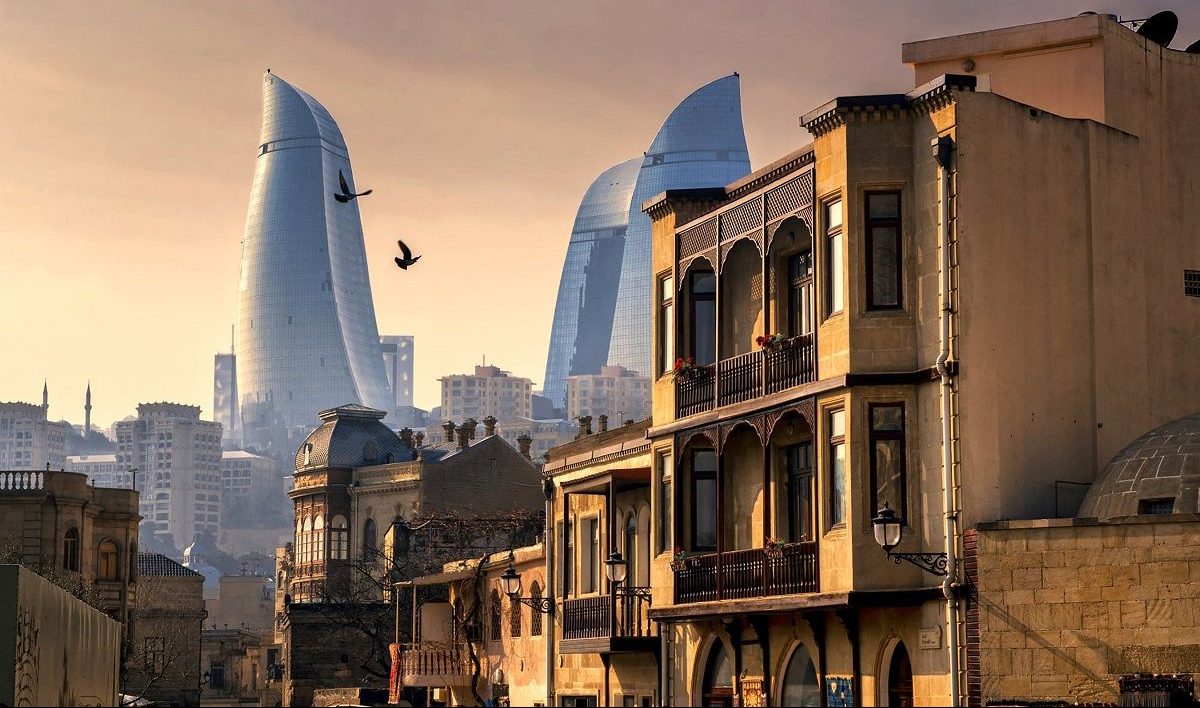
The country’s economic freedom, pro-Western orientation and positive atmosphere for religious minorities make it an invaluable strategic partner.
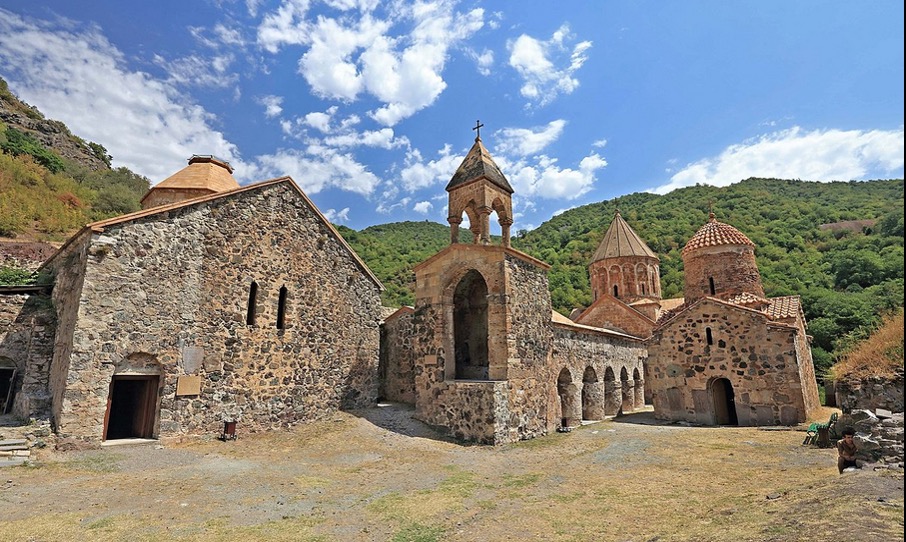
The war generally weakens Armenia’s position and strengthens Baku’s stance in Karabakh. With the defeat in Karabakh, Yerevan tries to exit the conflict with minimum losses in internal and foreign politics.
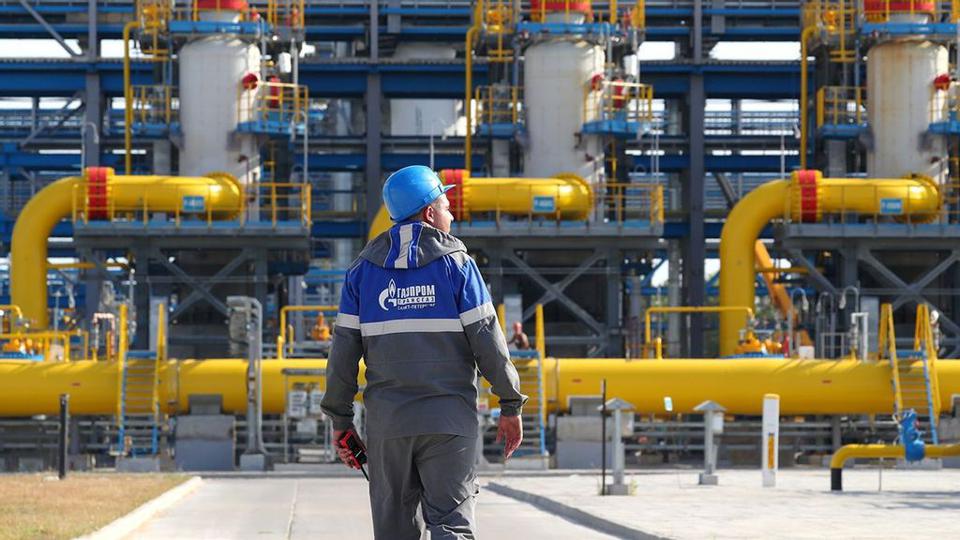
European Union leaders pledged in May to stop Russian energy imports as a part of a broader effort to censure and sanction Moscow for its invasion of Ukraine.
Despite being strategic partners with Israel, Azerbaijan doesn’t have an embassy in the country. Have the geopolitical conditions changed enough to make that possible?