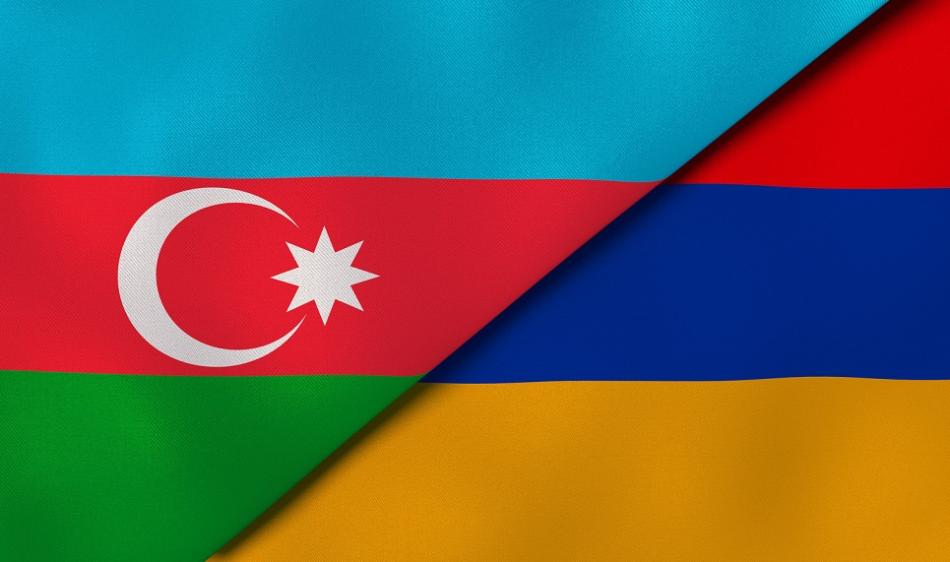
Dozens of soldiers were killed and many more wounded last month when fighting intensified along the border between Armenia and Azerbaijan.

Dozens of soldiers were killed and many more wounded last month when fighting intensified along the border between Armenia and Azerbaijan.
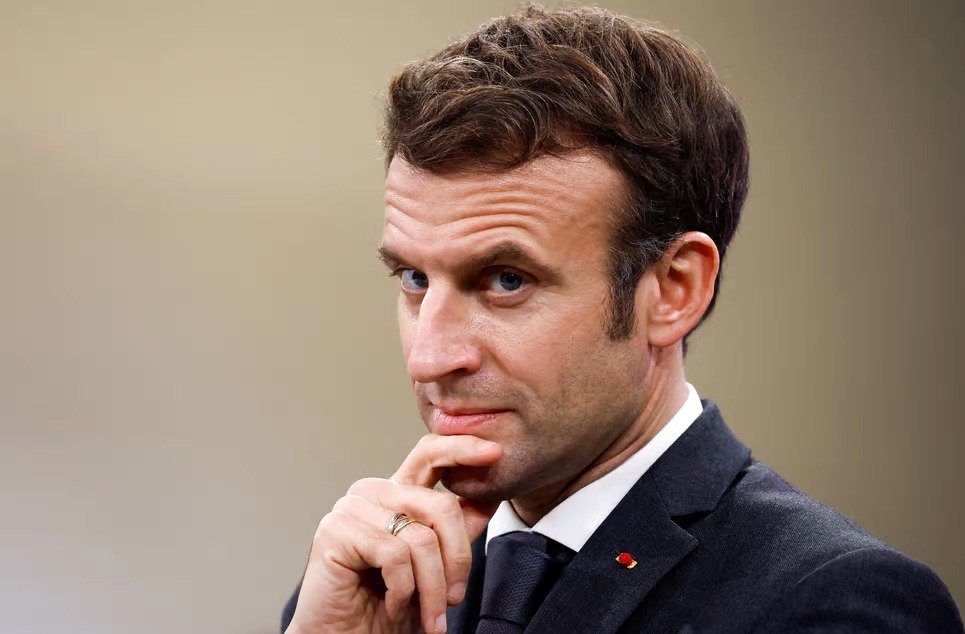
Director of the Azerbaijani Centre for Studies of the South Caucasus, political analyst Farhad Mammadov has commented on the statements of French President Emmanuel Macron regarding the latest escalation between Azerbaijan and Armenia in his Telegram channel.
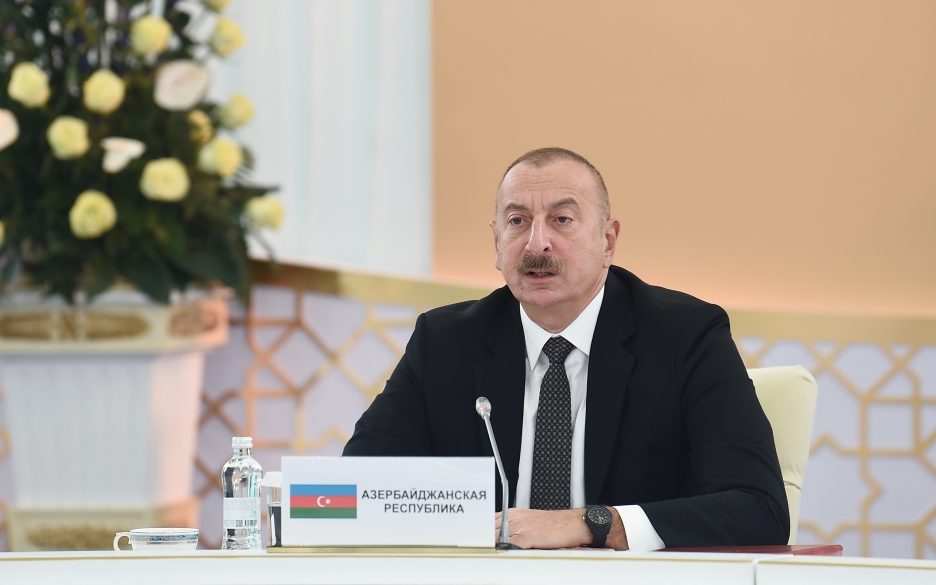
Baku does not believe it is possible for the French government to play any role in the normalization of Armenian-Azerbaijani relations given its current attitude, President Ilham Aliyev said, speaking at the meeting of the CIS Heads of State Council.
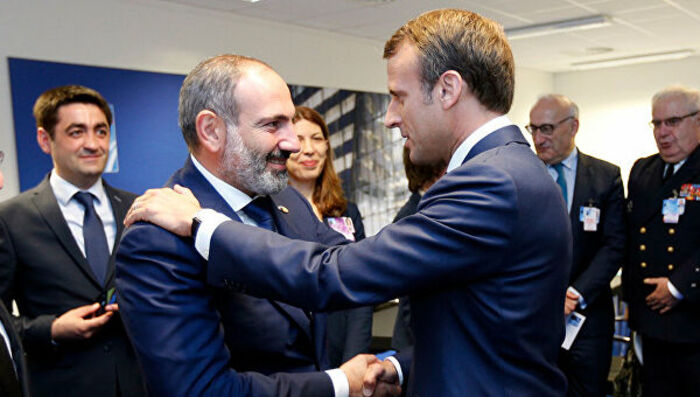
French President Emmanuel Macron has once again, how shall we put it delicately, put his foot in it.
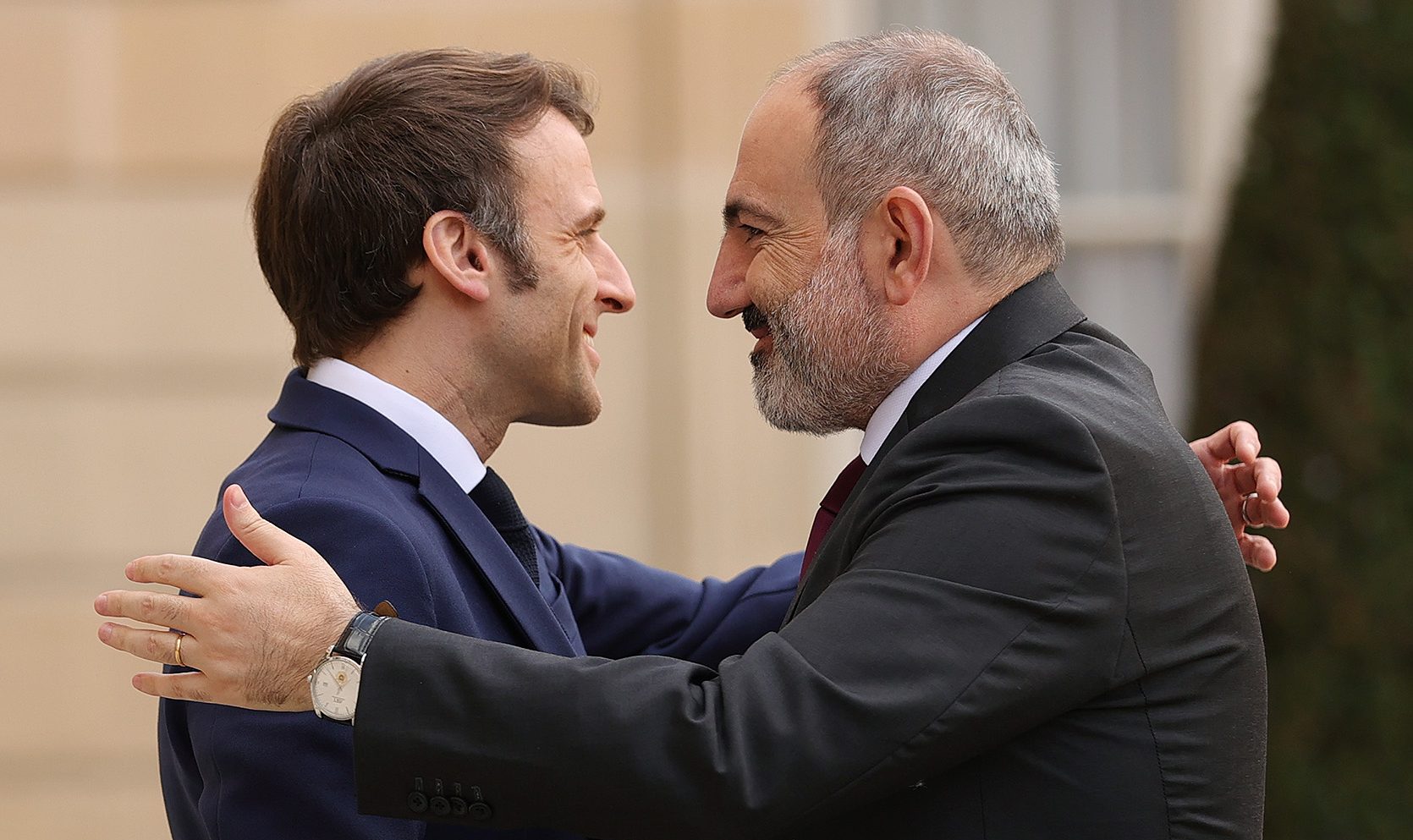
French President Emmanuel Macron assured in his recent speech that Paris would not let the Armenians down. "Armenia is a country with which we have a unique connection.
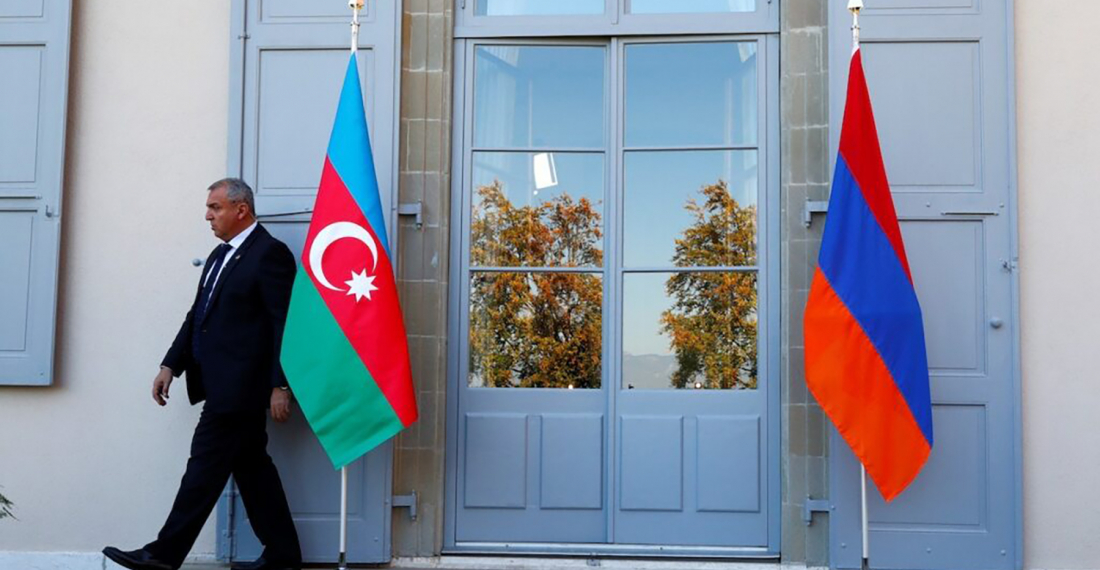
It has been a while since the end of the 44-Day Karabakh War, and the image of the traditional mediator in Armenia–Azerbaijan normalization has been shifting.
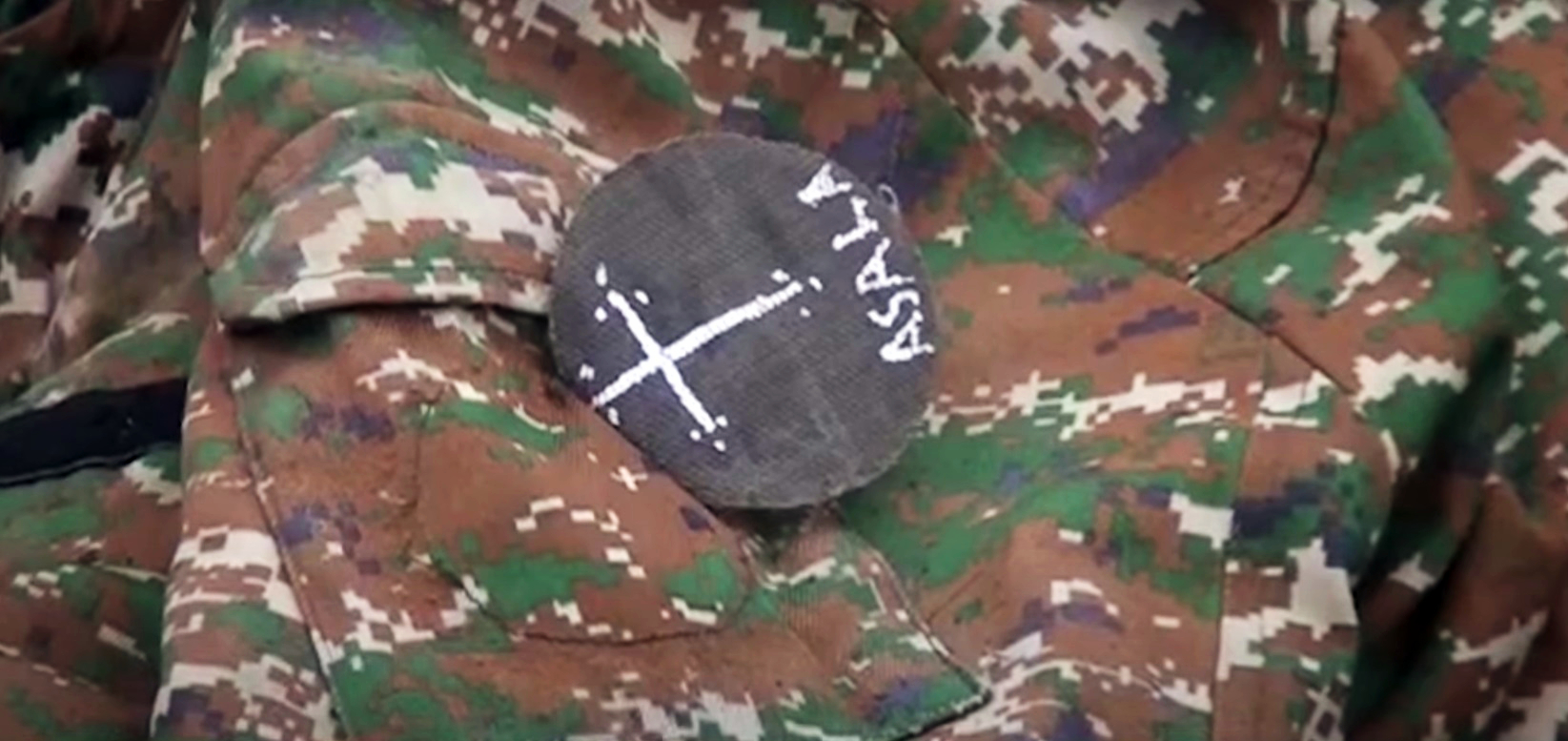
Recent incidents of audacious attacks on Azerbaijani embassies in Western and European countries indicate that Dashnaks' activities in this direction continue to this day.
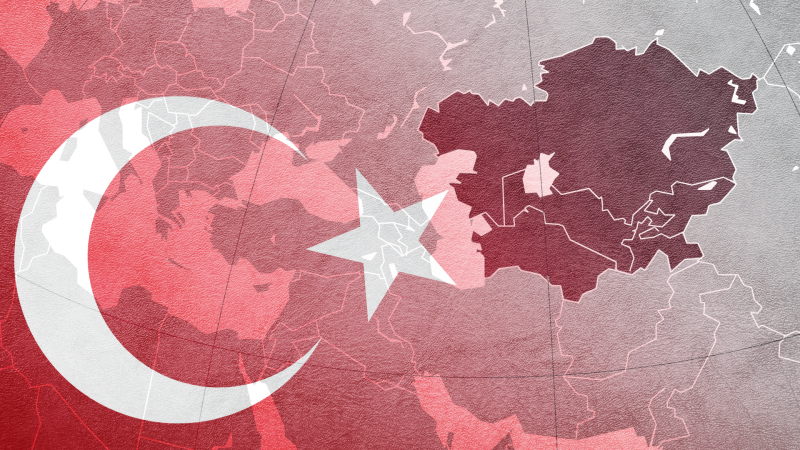
Ankara, seeking alternatives to its often tense relations with the West, sees in Central Asia many great opportunities.
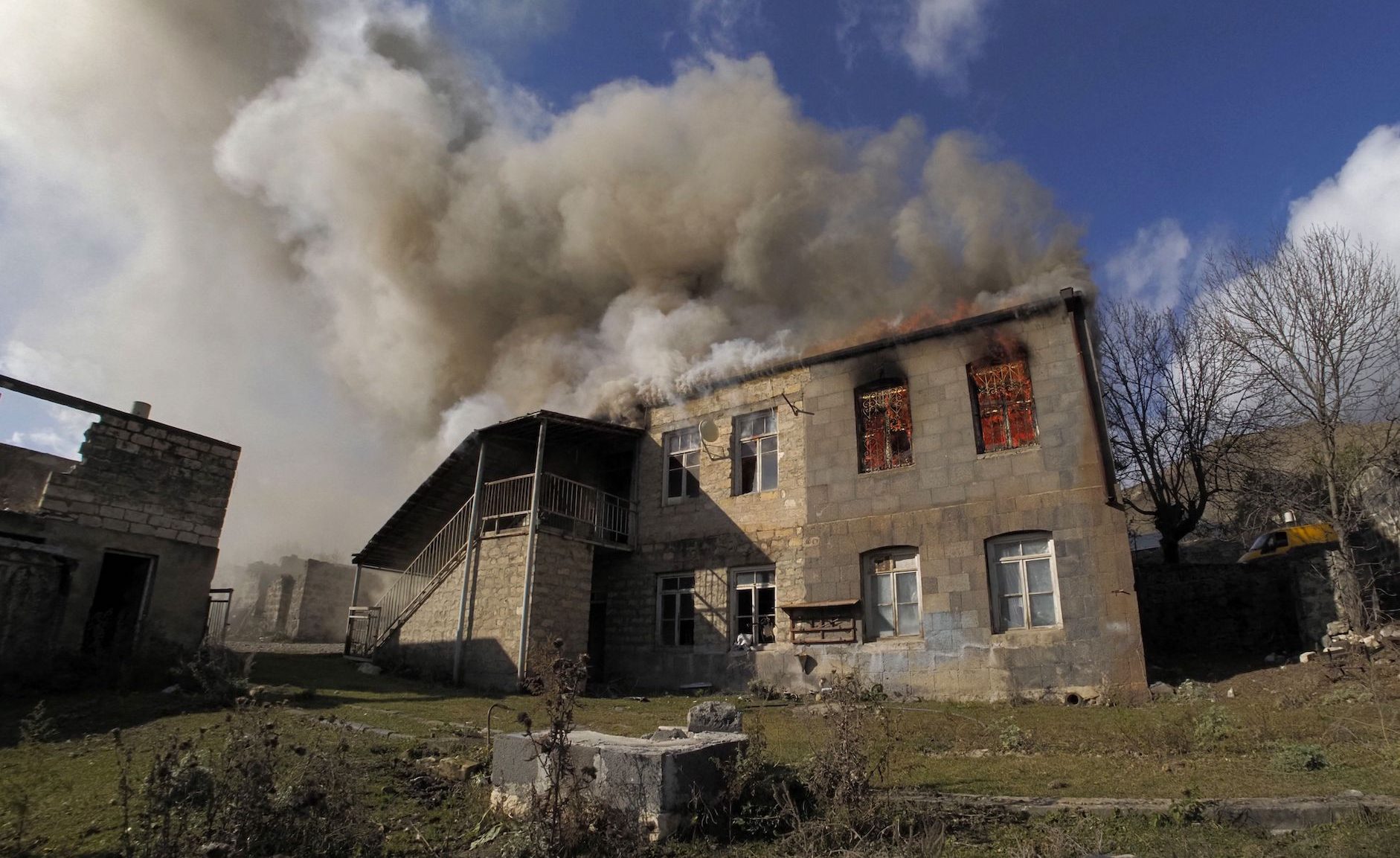
Armenia and Azerbaijan seem to be inching toward a comprehensive peace deal by the year-end. The hints in the media have been circulating for months, with various representatives from the Armenian leadership signaling a high probability of progress on the peace deal.
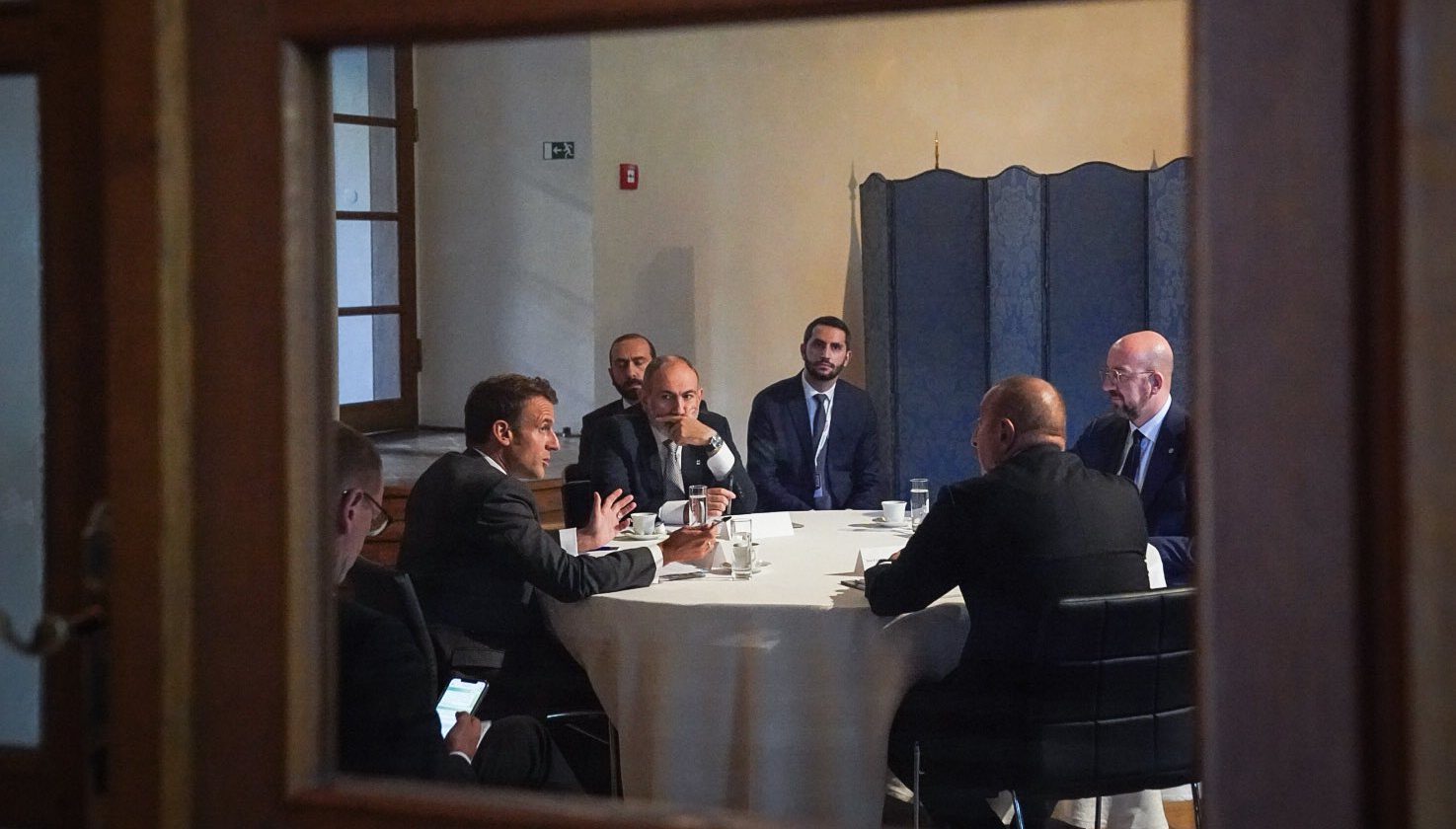
In the negotiations between Yerevan and Baku, the European Union and Turkey enter the scene. Confidence in Russia's mediation is waning, weakened by the Ukrainian conflict. The problem of Karabakh and the Azerbaijani "corridors" to Turkey and Iran.
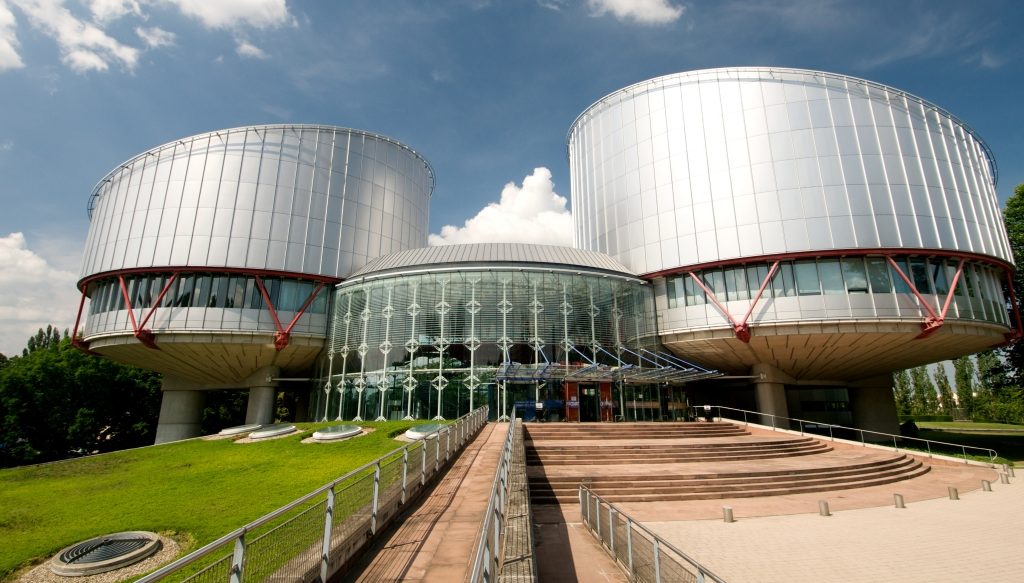
The Soros network's demarche at the ECHR began after 2012, because the new procedures introduced starting that year specifically stipulated NGO participation in the process of electing ECHR judges.
Starting from the beginning of the 20th century, Armenians repeatedly committed acts of genocide against Azerbaijanis and laid eyes on Azerbaijani territories at different times in history - writes Mazahir Afandiyev - Member of the Milli Majlis of the Republic of Azerbaijan
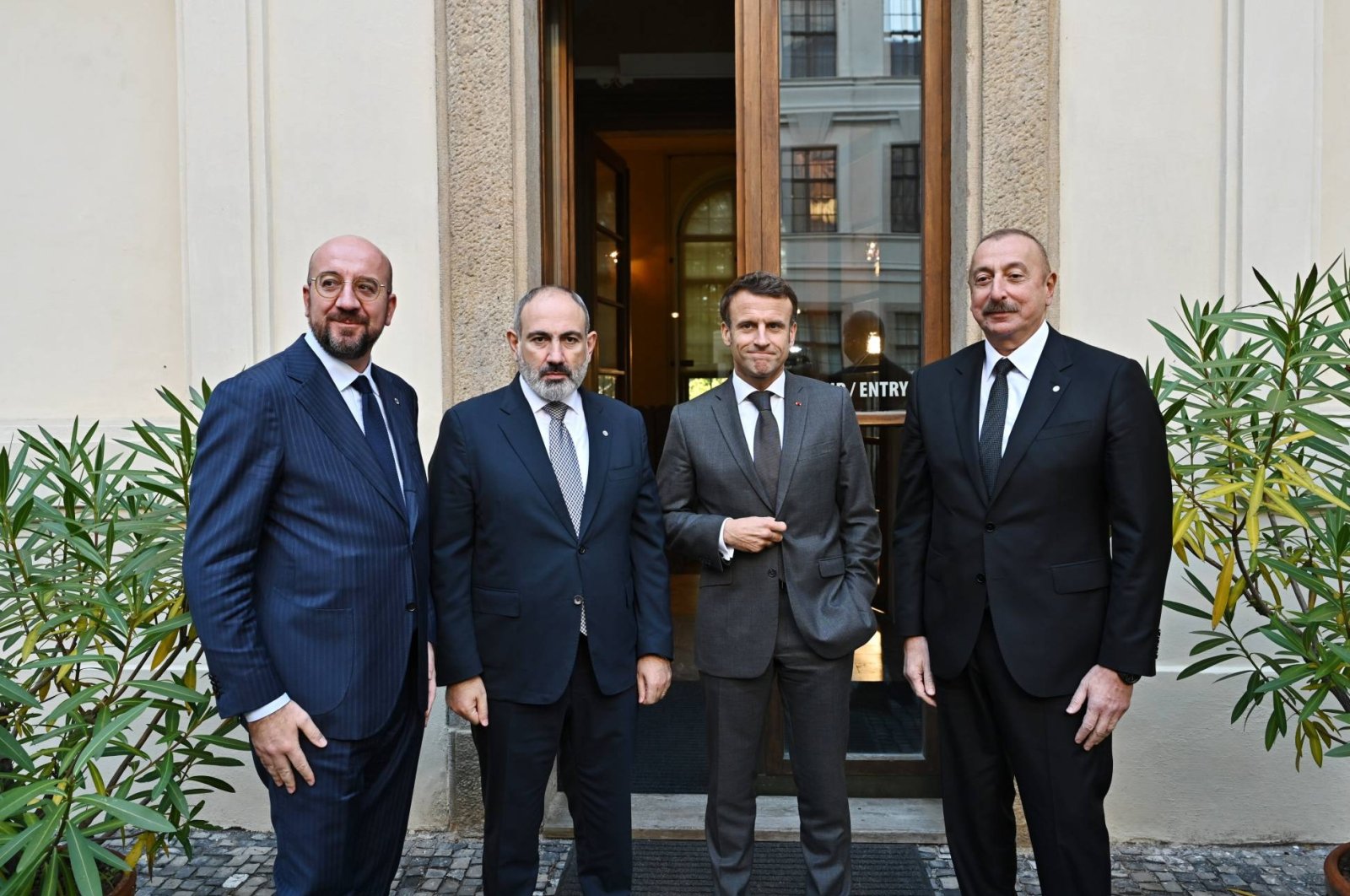
Azerbaijani and Armenian leaders held peace talks through Turkish and EU mediations in Prague, increasing hopes for a comprehensive settlement to one of the world’s most difficult political and military conflicts.
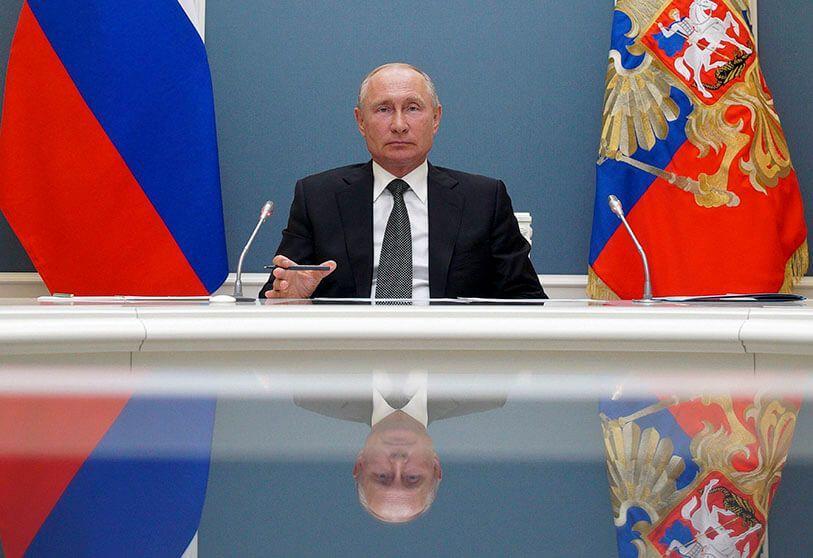
In trying and failing to reclaim Russian imperial influence over Ukraine, Moscow is actively accelerating the decline of its influence throughout Eurasia, including the former Soviet countries of the South Caucasus and Central Asia.
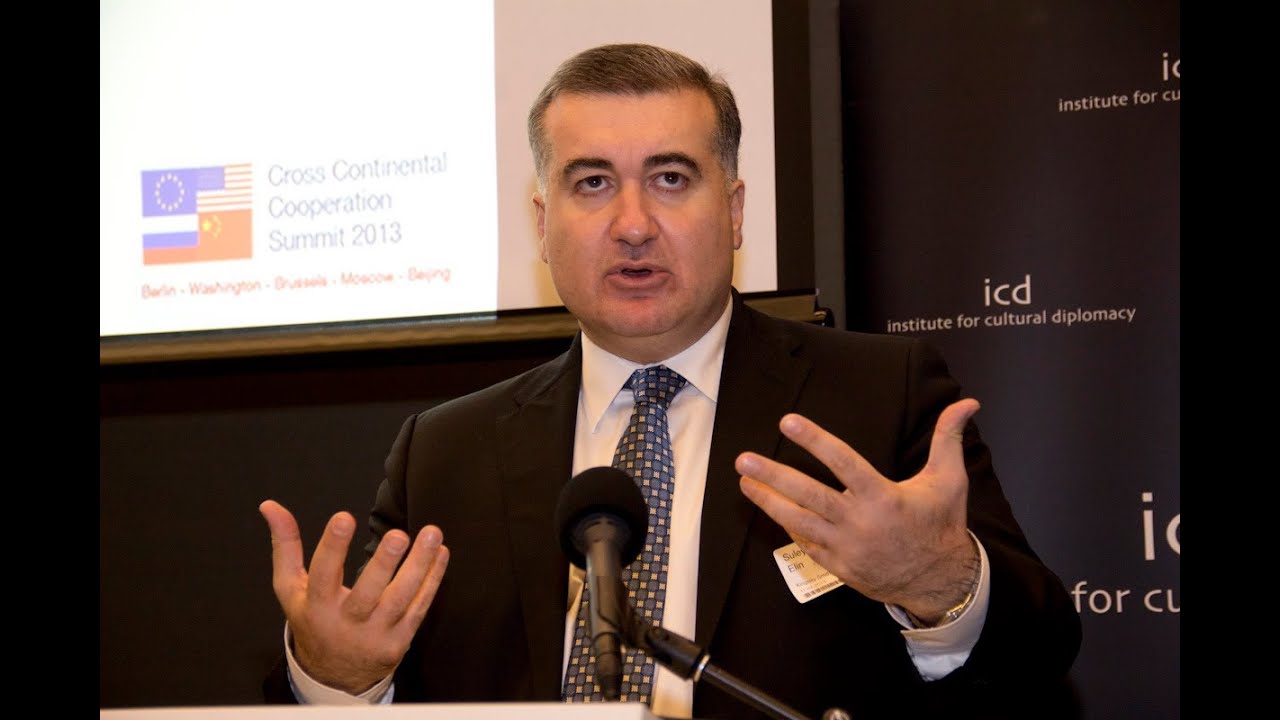
In a reflection of the state of global affairs today, a rather straightforward geographic fact placing Azerbaijan as the only nation in the world bordering both Iran and Russia can serve as a content-rich introduction to the challenges and turmoil facing Eurasia.

In modern wars, the parties fight not only in the battlefield but also for the hearts and minds of people across the globe.
The statement of the mediators of the Prague meeting between the leaders of Azerbaijan and Armenia has already been analyzed to pieces.
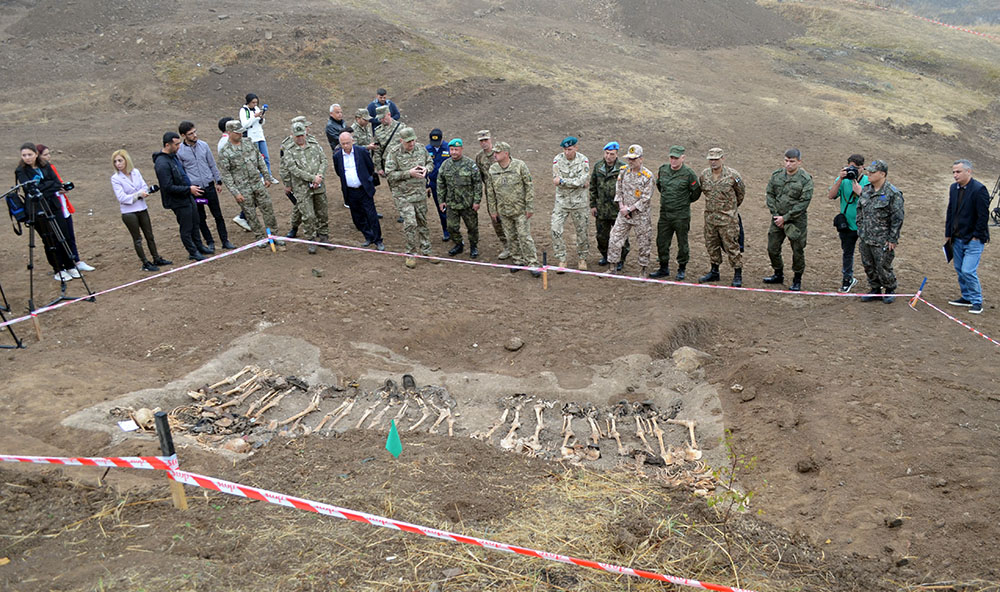
There is a problem when one combat video raises more international condemnation than a series of mass graves.
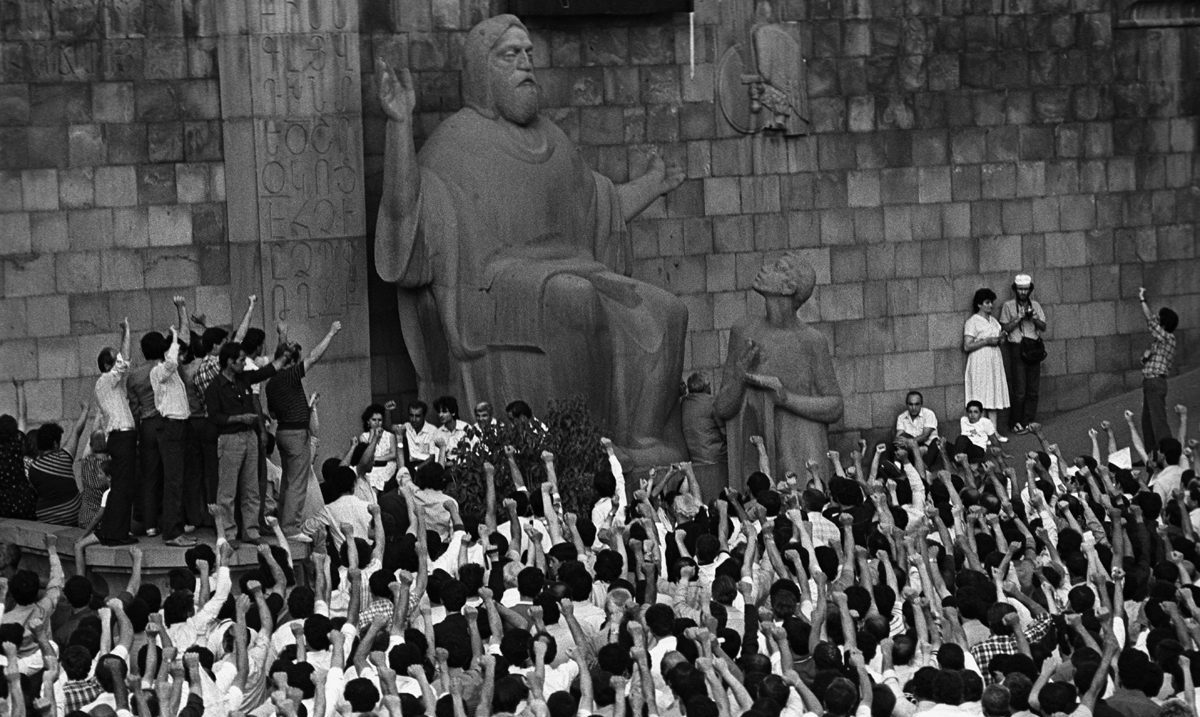
I would use the expression "irony of fate", if what we are going to talk about here did not concern the entire Armenian people, a people that is quite developed, very intelligent and, most importantly, has, like any other ethnic group, every right to a much better future than the one it has condemned itself to...
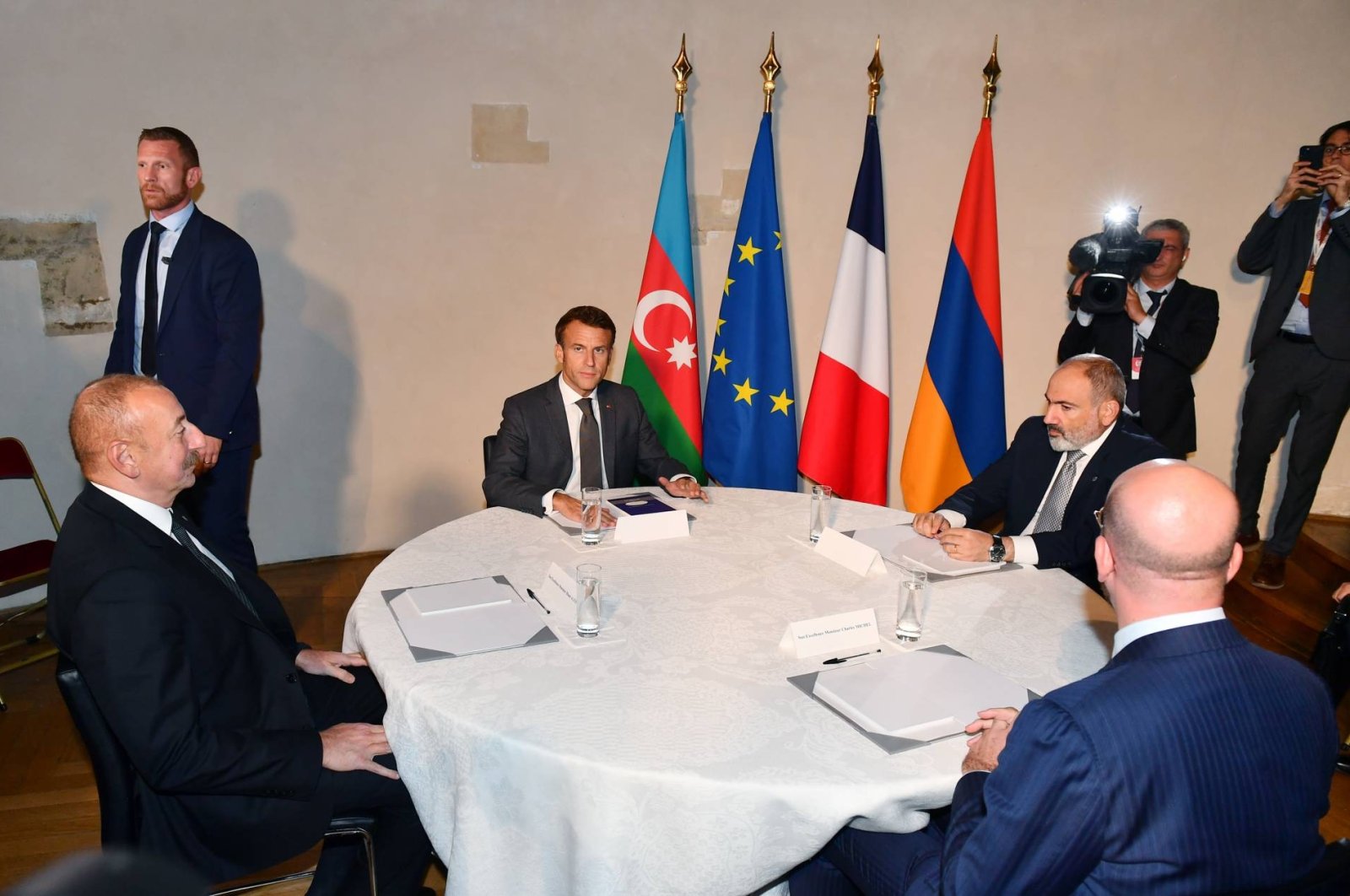
Given France's traditional pro-Armenian policy, one can assume that various traps and tricks were prepared for Azerbaijan at the quadrilateral meeting in Prague.
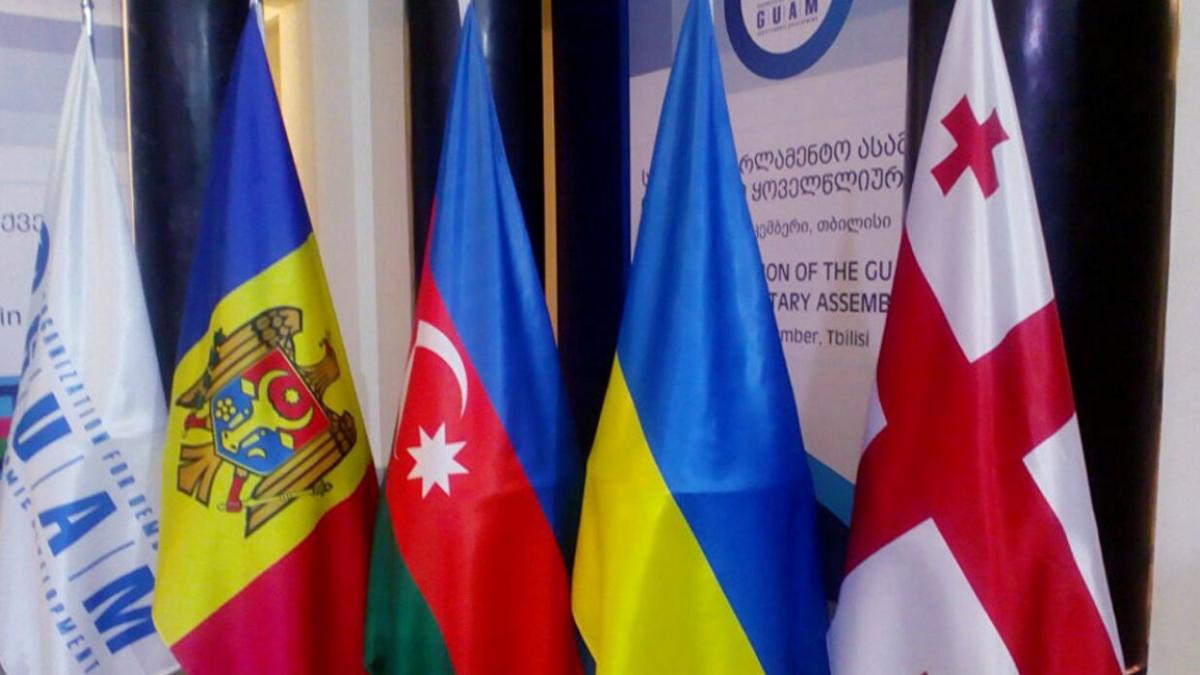
Putin’s war in Ukraine has done even more to boost the importance of GUAM for its members; increase the interest of others, especially Turkey; and alarm Moscow with the prospect that a group mostly devoted to democratization and economic cooperation will now take on a security dimension as well.
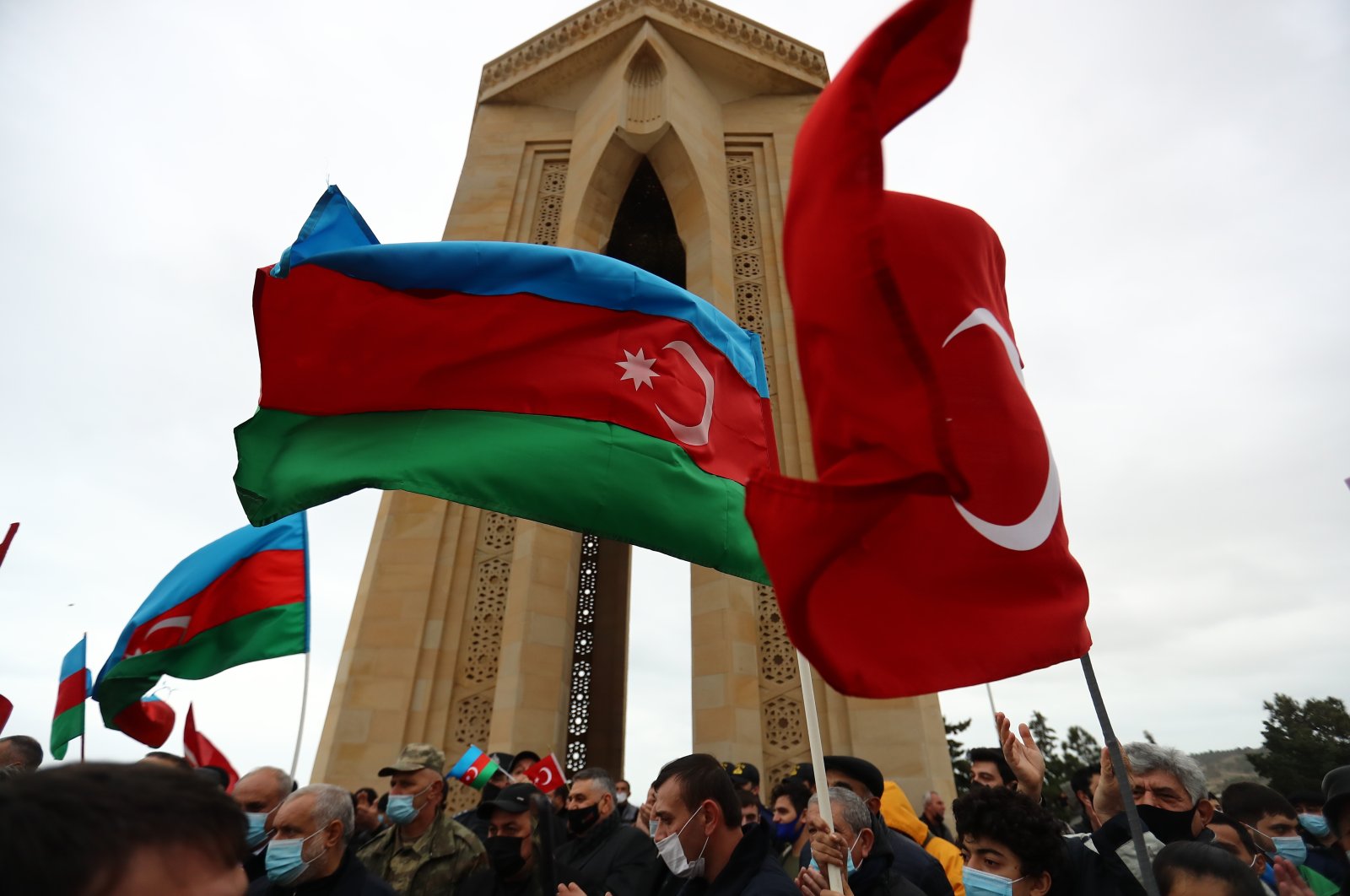
'Azerbaijan will not be alone against Iran as Türkiye will not hesitate to back it if necessary. Public support for the Turkish government will be almost absolute'.
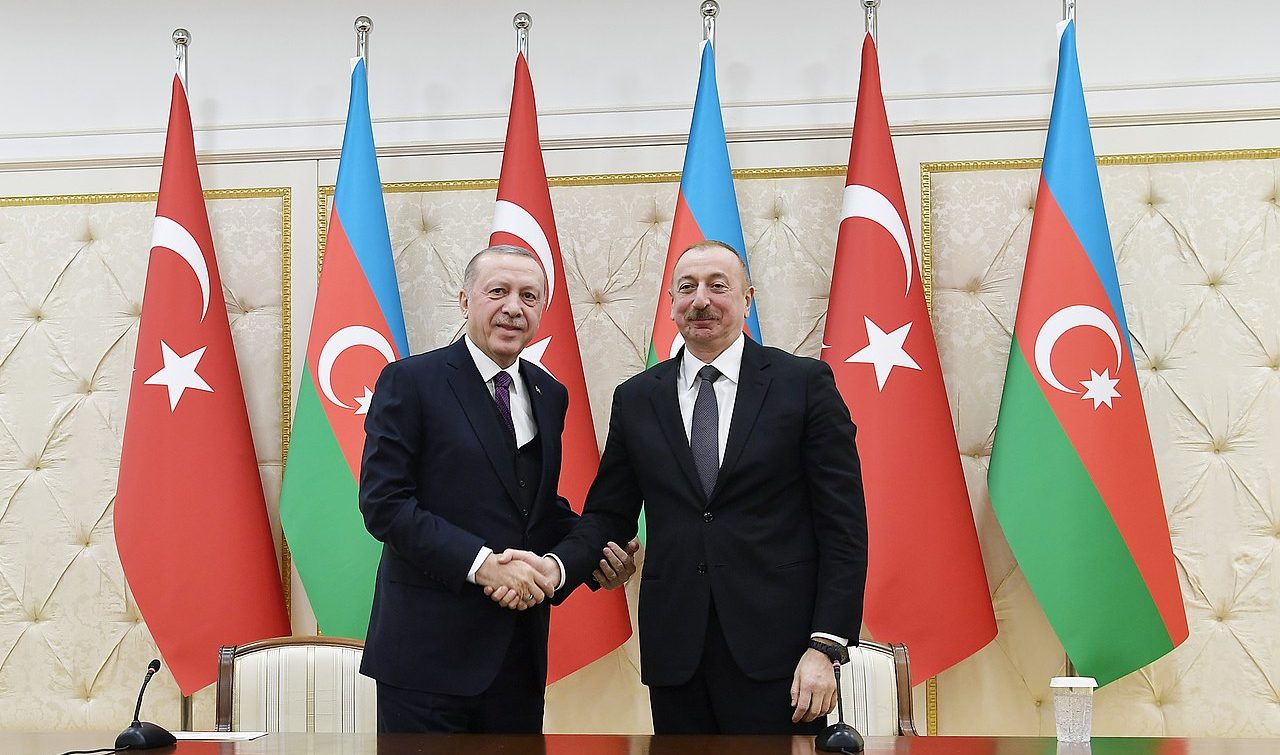
Turkey is poised to become an increasingly influential Eurasian power as Russia faces mounting international pressure and domestic turmoil.
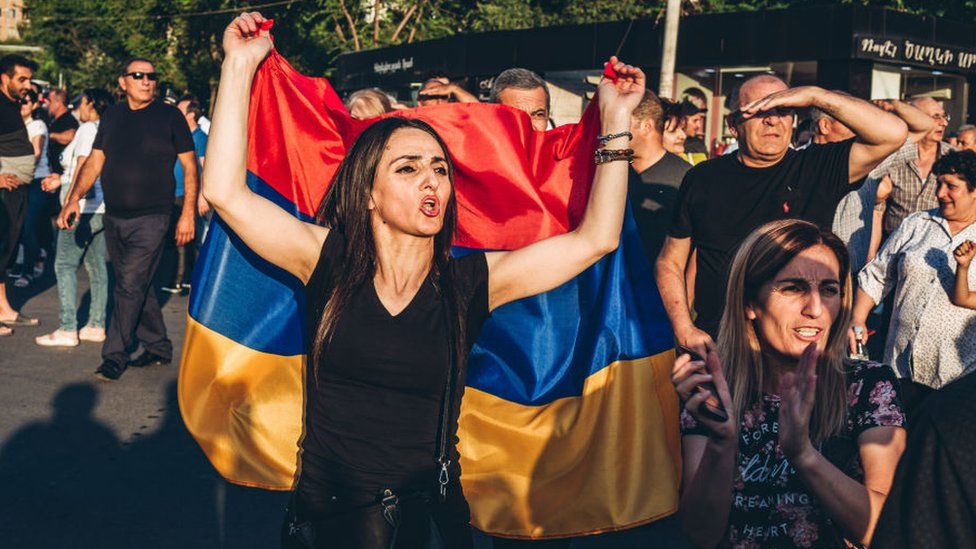
Animosity between people is common in our frail world. With the world being on a fast communication and digitization track such sentiments are on display constantly.