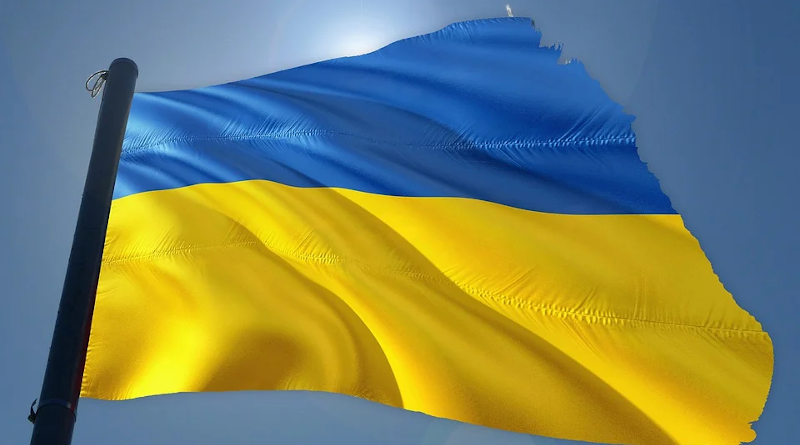
As the Russian invasion of Ukraine reverberates across the world, one region particularly susceptible to unfolding geopolitical changes is the South Caucasus.

As the Russian invasion of Ukraine reverberates across the world, one region particularly susceptible to unfolding geopolitical changes is the South Caucasus.
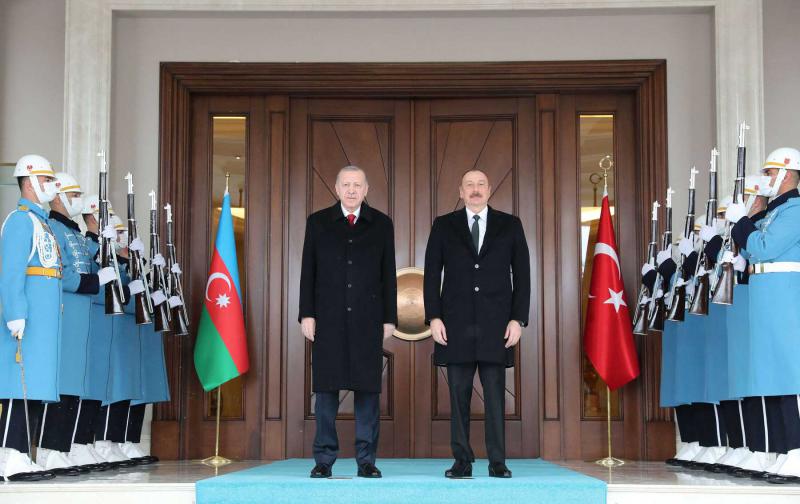
Nominally, Azerbaijan is allied with Russia and Turkey, but in practice, Baku will likely move to strengthen its ties with Ankara, even as Moscow remains a major trading partner.
It wasn’t so long ago that Azerbaijan was a focus of global attention, the country a rare feature of international headlines after a simmering dispute with neighbouring Armenia over control of Nagorno-Karabakh turned violent.
Thirty years ago this month as western capitals toasted Francis Fukuyama’s end of history, eternal peace and the apparent triumph of liberalism, the Times of London published the first eyewitness account of a tragedy at Khojaly, Azerbaijan — where advancing Armenian forces had accelerated their war in the weeks immediately after the Soviet Union’s fall.
The three countries of the South Caucasus (Armenia, Azerbaijan, and Georgia) are holding a vigilant and mostly balanced stance amidst the Russia-Ukraine war.
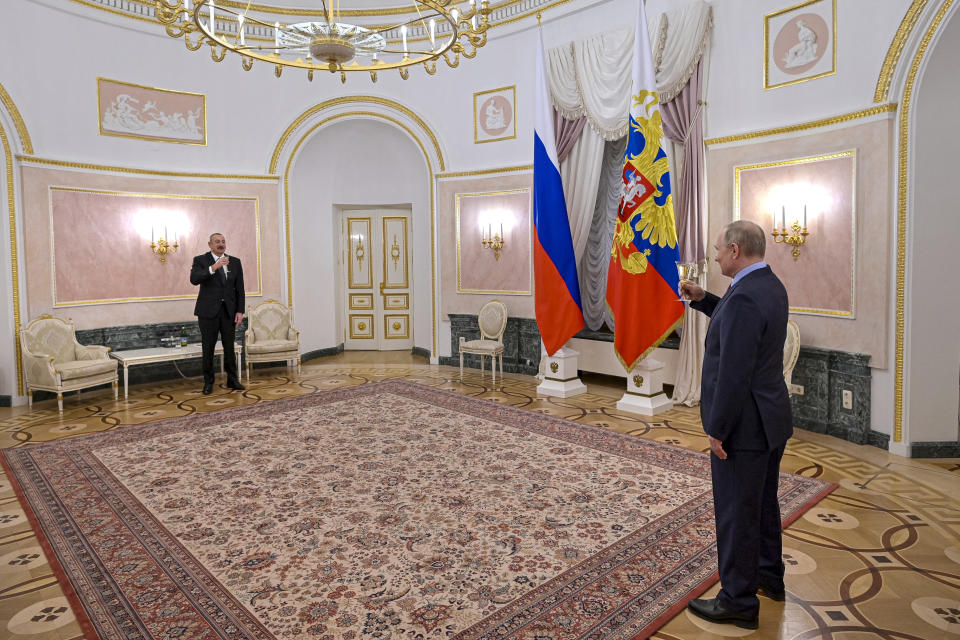
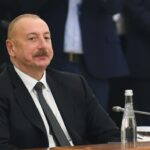
On February 22, just hours after Russian President Vladimir Putin recognized the independence of the Ukrainian separatist areas of Donetsk and Luhansk and two days before the Kremlin head launched his broad-scale re-invasion of Ukraine, Azerbaijani President Ilham Aliyev arrived in Moscow.
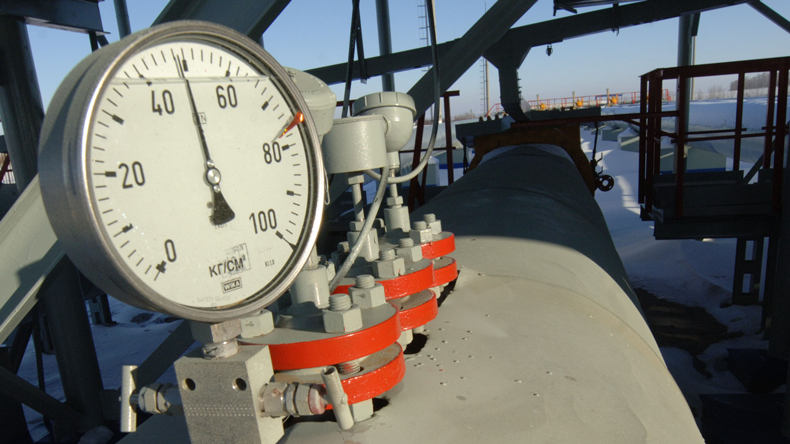
Russia’s unprovoked invasion of Ukraine has prompted the IEA to take measures to cut dependence on its gas.
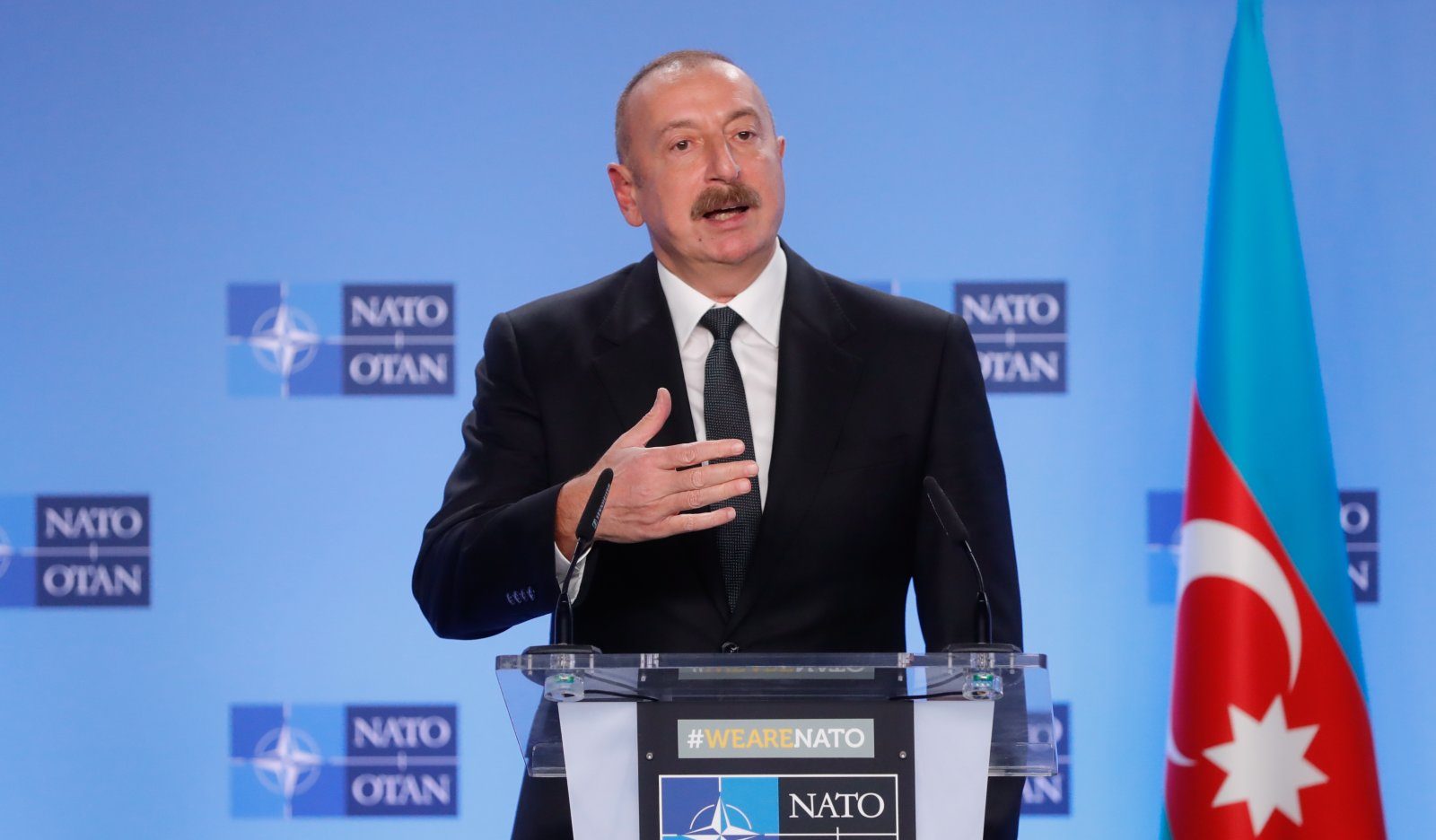
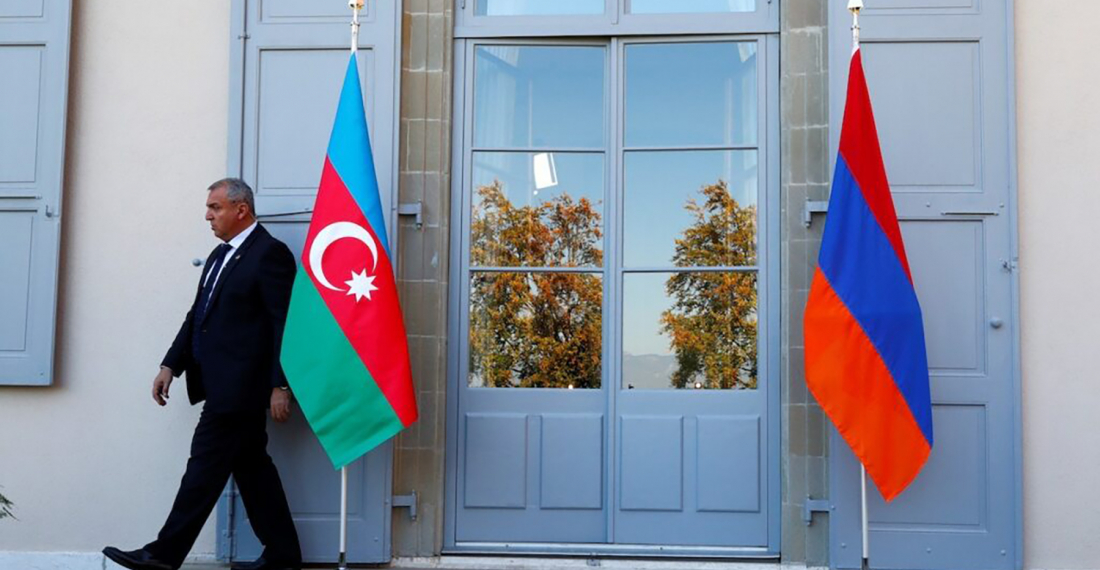
While Russia’s invasion into Ukraine rages on, Azerbaijan and Armenia seem to be attempting to normalize their relations. Although the process is expected to be very slow, the two Caucasus archenemies are expected to engage into the economic development of the turbulent region.
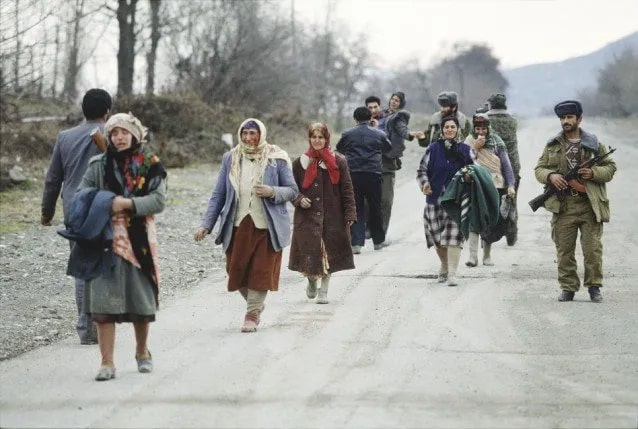
Since the outset of my engagement with Azerbaijan in 2009, I became only too aware of the Khojaly Genocide, the worst single atrocity of the Armenian–Azerbaijani conflict over Nagorno-Karabakh.
For most of the year following the 44-day war between Armenia and Azerbaijan in 2020, problems in and between them appeared to dominate both the internal lives of these two countries and in the geopolitical situation of the South Caucasus.
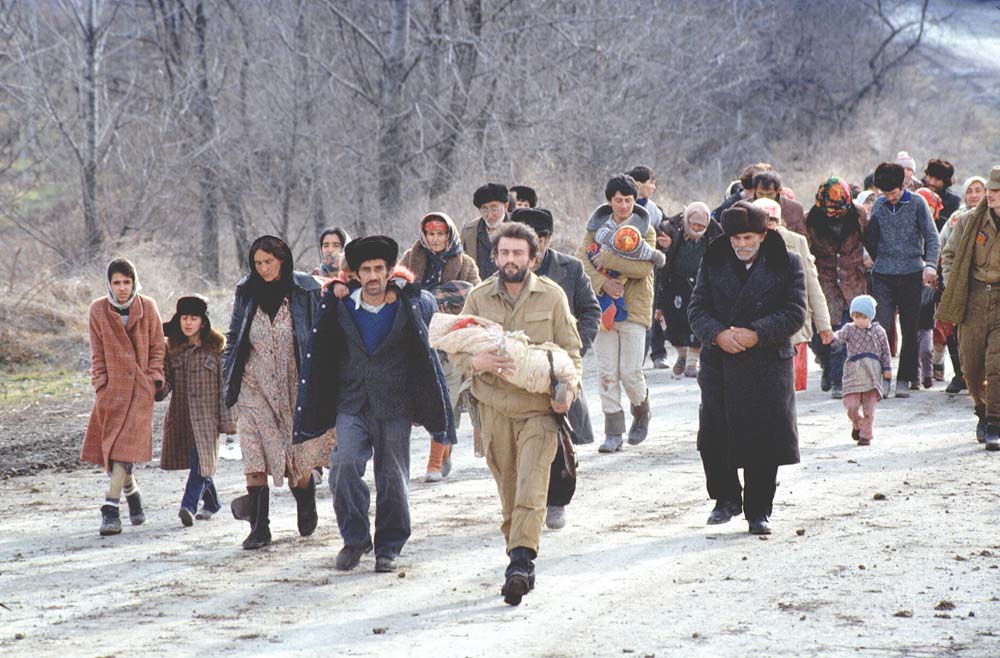
Every day after February 13, the residents of Khojaly were promised helicopters on the radio, but it never happened. All this time, Khojaly was under fire. On February 12 and 13, the Armenian army shelled Khojaly from the direction of Tazabin and Mehdiyabad from BMP vehicles.
Iran invested in a Shia Crescent from Tehran to the Mediterranean encircling Israel, at the expense of influence in the Caucuses.
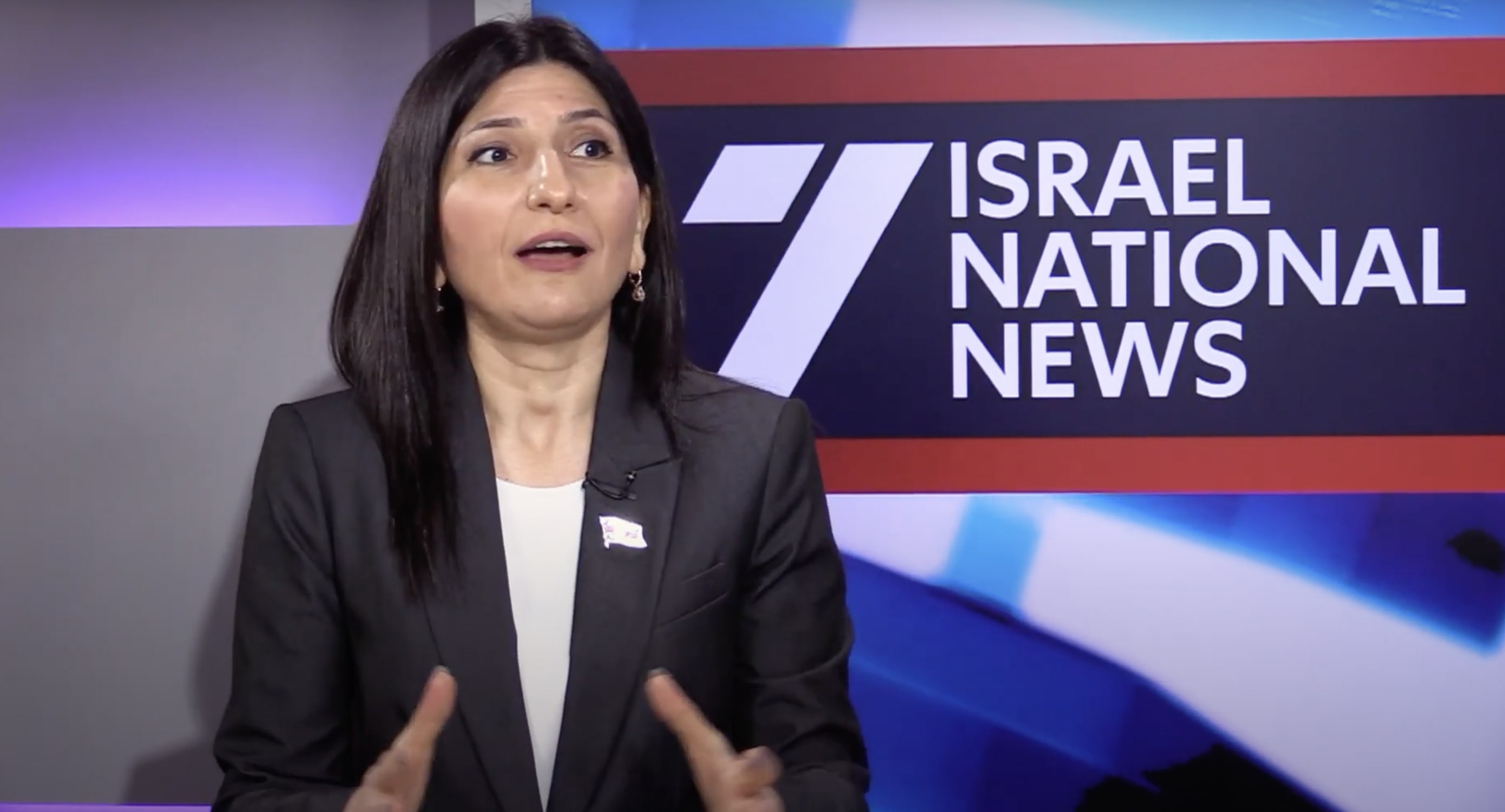
Azerbaijani politician Sevil Mikailova, on an official visit to Israel, experiences the warmness of the relationship between both countries.
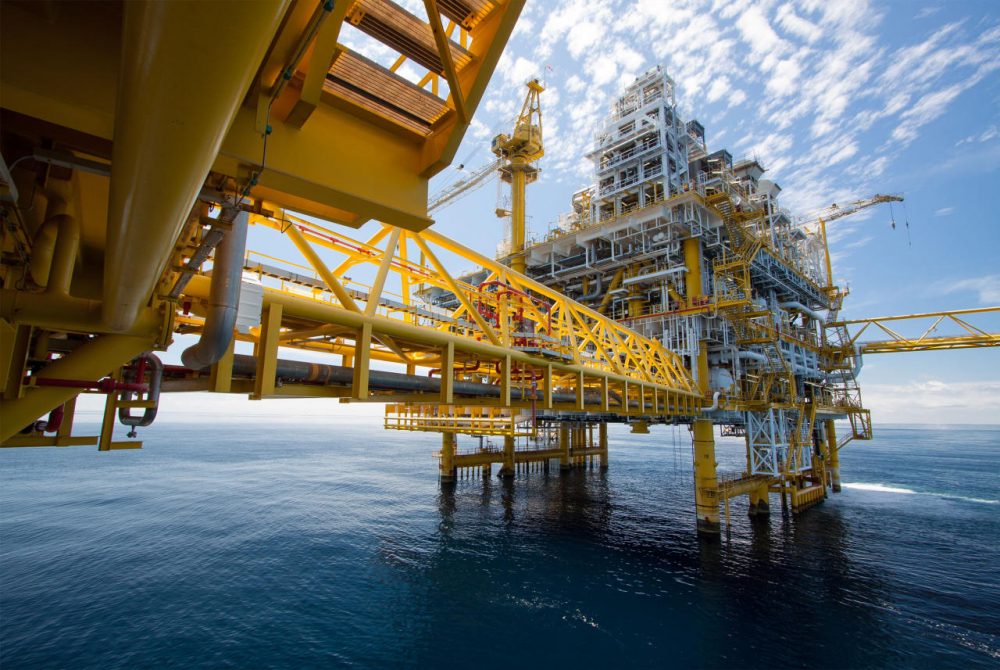
As we know from the history of our civilization, humankind fought over territories, arable land, uranium mines, water, salt... But in the 21st century, the main trigger of almost all military and political conflicts has been oil and gas. One way or another, it was gas feuds that led to the current aggravation of the situation around Ukraine, the country that stands in the way of Russian gas exports to Europe.
The vandalism and barbarism of the Armenians, who targeted the Azerbaijani cultural and historical heritage in the territory of Armenia itself, in the occupied territories of Karabakh and around it, has become a concern for the community.
In recent years, such concepts as the primacy of international law, principles of equal cooperation, impartiality of international organizations have been systematically squeezed out of the world political vocabulary...
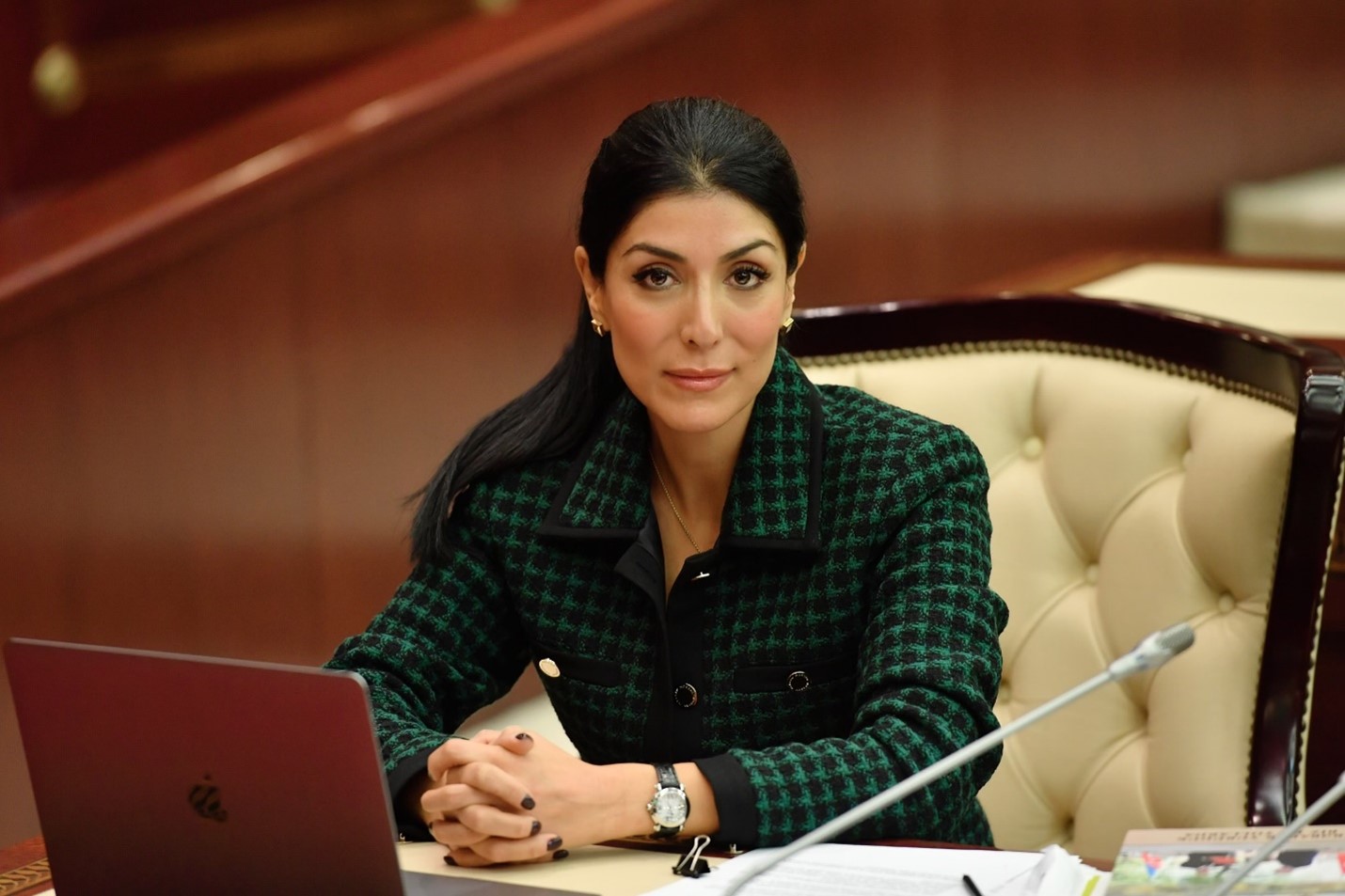
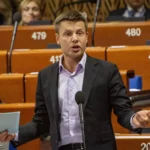
My country, Azerbaijan is a member of the Council of Europe, OSCE, EHRC and many other pan-European platforms. On most maps, Azerbaijan is shown as the most eastern part of Europe – writes Nigar Arpadarai (pictured), Member of Milli Majlis (National Assembly)
On February 14, President of the Republic of Azerbaijan Ilham Aliyev attended the opening ceremonies of the “Aghdam-1” and “Aghdam-2” substations, as well as the Digital Control Center of the Karabakh Regional Electric Network.
Southern Gas Corridor, which crosses six countries, stretches over 3500 km and costs 45$ billion, aims to increase and diversify European energy supply by bringing Azerbaijani gas to markets in Europe. This project is not only a great engineering but also a policy achievement – writes Kamal Jafarov , Member of Milli Majlis (National Assembly).

China's economic interests in the South Caucasus region have grown over the past decade as part of the large-scale Belt and Road initiative. It quickly expanded its relations with the countries of the region, including Azerbaijan, in many areas.
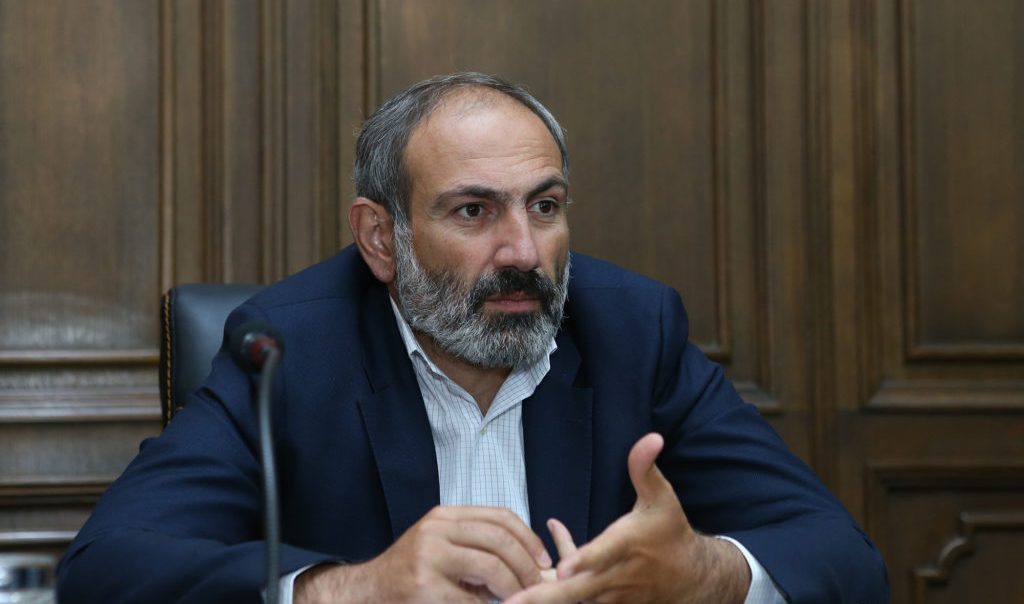
The consequences of the 44-day war that led Armenia to total surrender, as well as the new strategic realities in the region, gave independent observers every reason to believe that official Yerevan understands that it had no real alternative to peace with Azerbaijan.
This is not our interpretation. This is an exact quote from the guide for the UN staff, Putting Our Ethics to Work. To the work of the UN staff, that is.
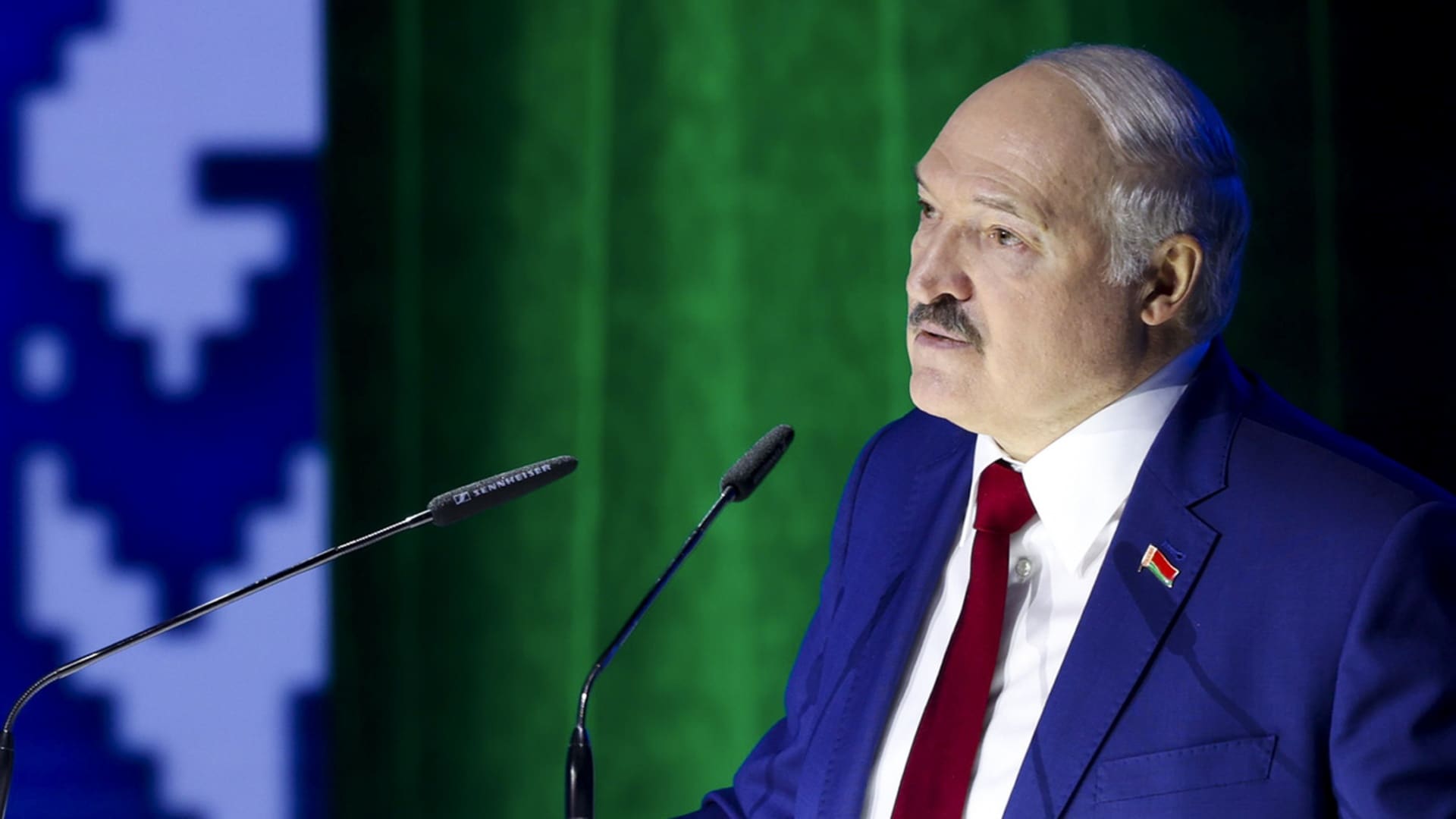
The statement of Belarusian President Alexander Lukashenko on the prospects of Armenia joining the Union State of Russia and Belarus caused another outburst of anti-Belarusian sentiments in the Armenian society, whose feelings for Belarus were already less than warm because of the latter's close political and military-technical ties with Azerbaijan.
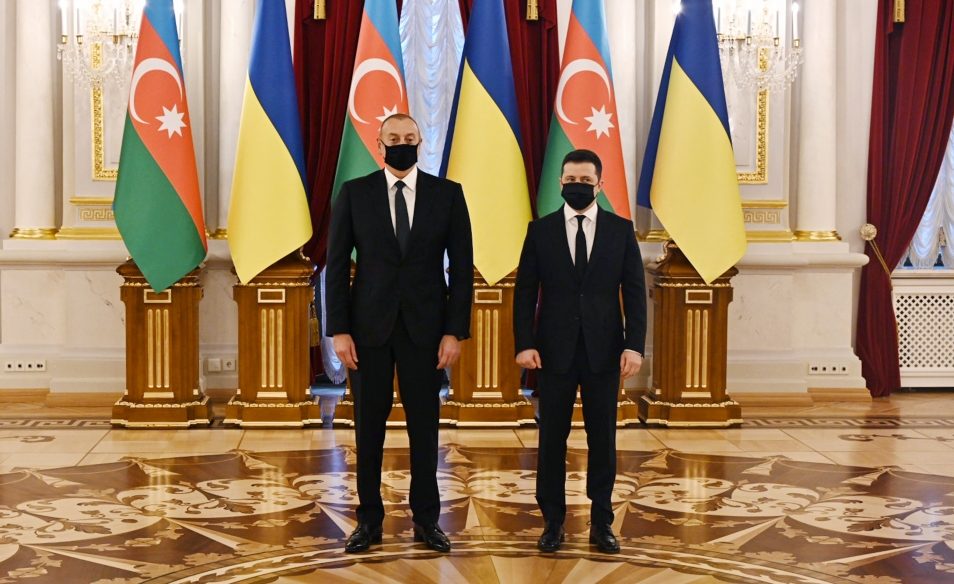
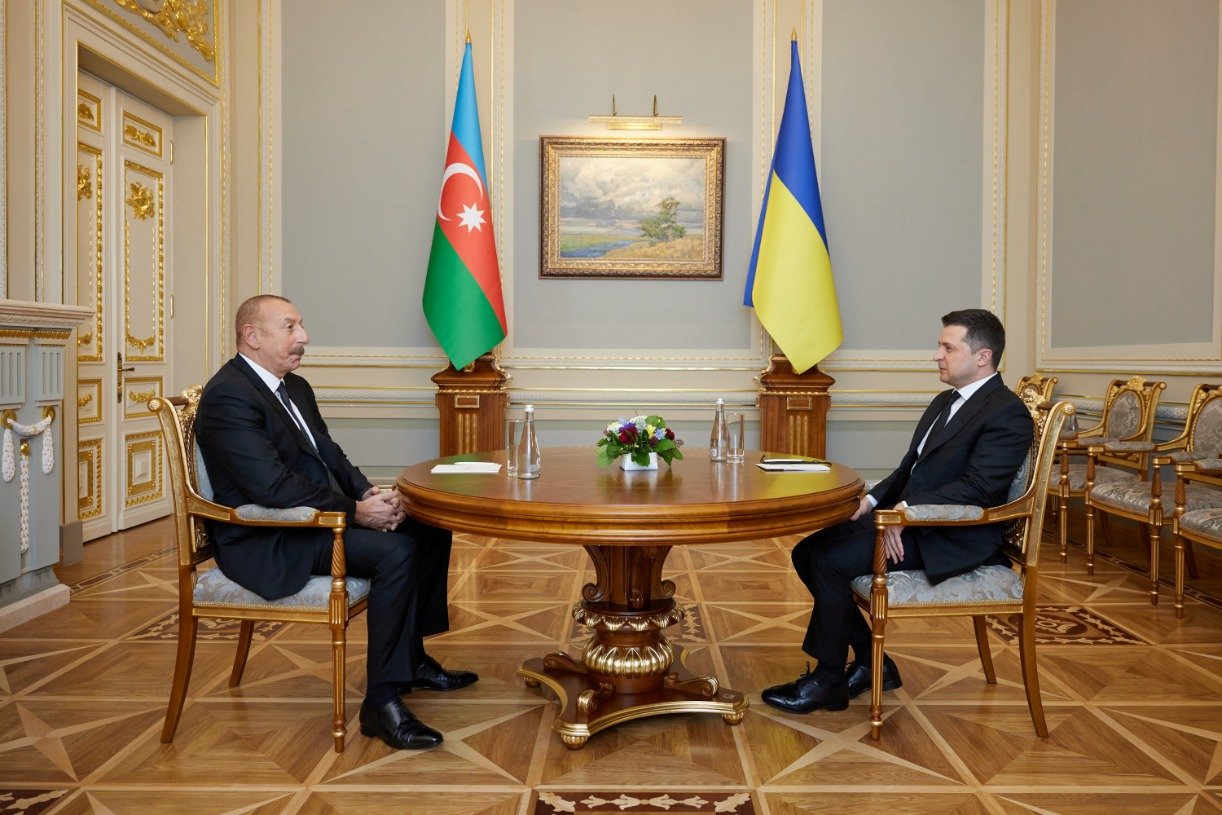
Though usually quite cautious in his foreign policy initiatives, President Aliyev visited Kyiv amidst Russia’s mounting military-political pressure campaign against Ukraine as well as the worsening Western-Russian confrontation within the Ukrainian context.