Broken-backed but still wheezing and hissing furiously, the Armenian diaspora has launched a new wave of black PR against Azerbaijan.

Broken-backed but still wheezing and hissing furiously, the Armenian diaspora has launched a new wave of black PR against Azerbaijan.
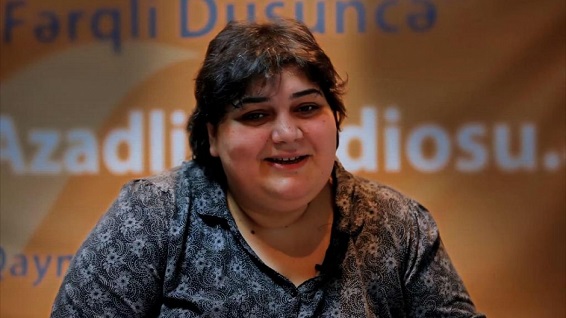
In an interview with the German-language Zenit magazine, opposition Azerbaijani journalist Khadija Ismayilova said she had been in demand in the West when she criticized the Azerbaijani authorities, but they lost interest in her once she voiced her position on the Karabakh conflict.
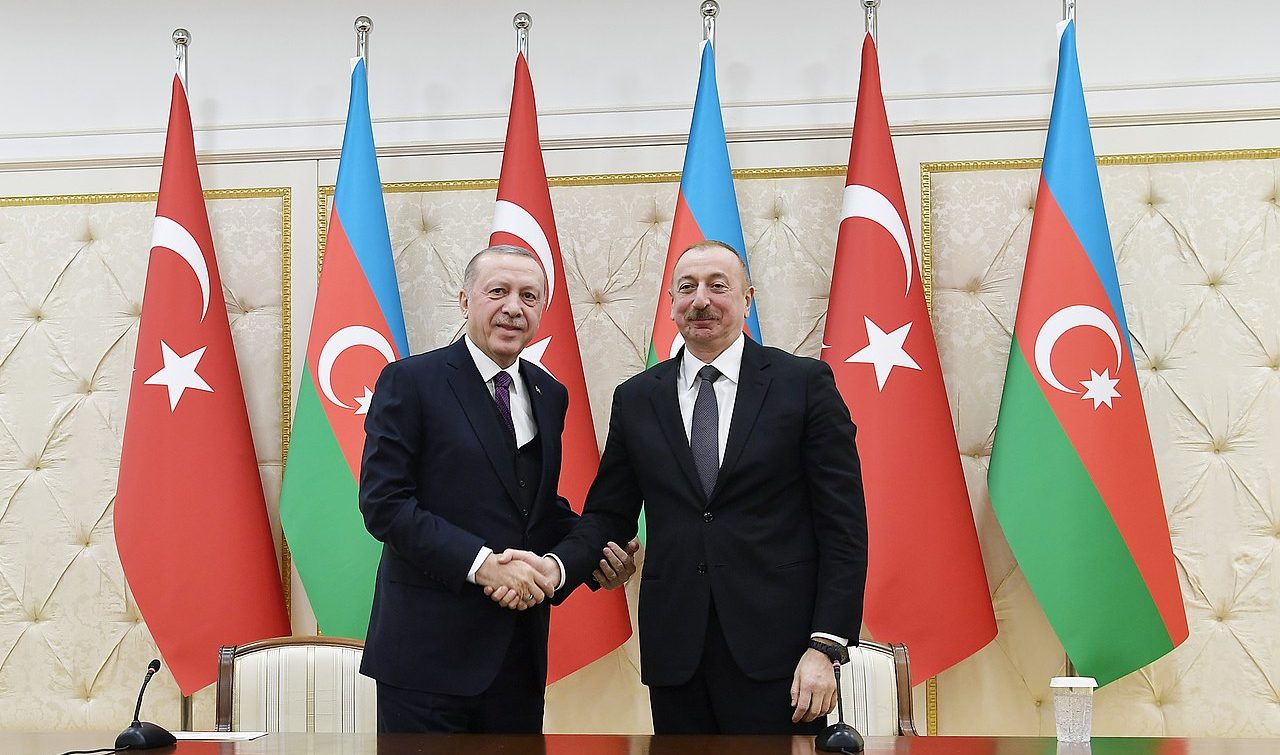
Azerbaijan aims to transform itself into an “energy hub” exporting not only crude oil and natural gas but also electricity.
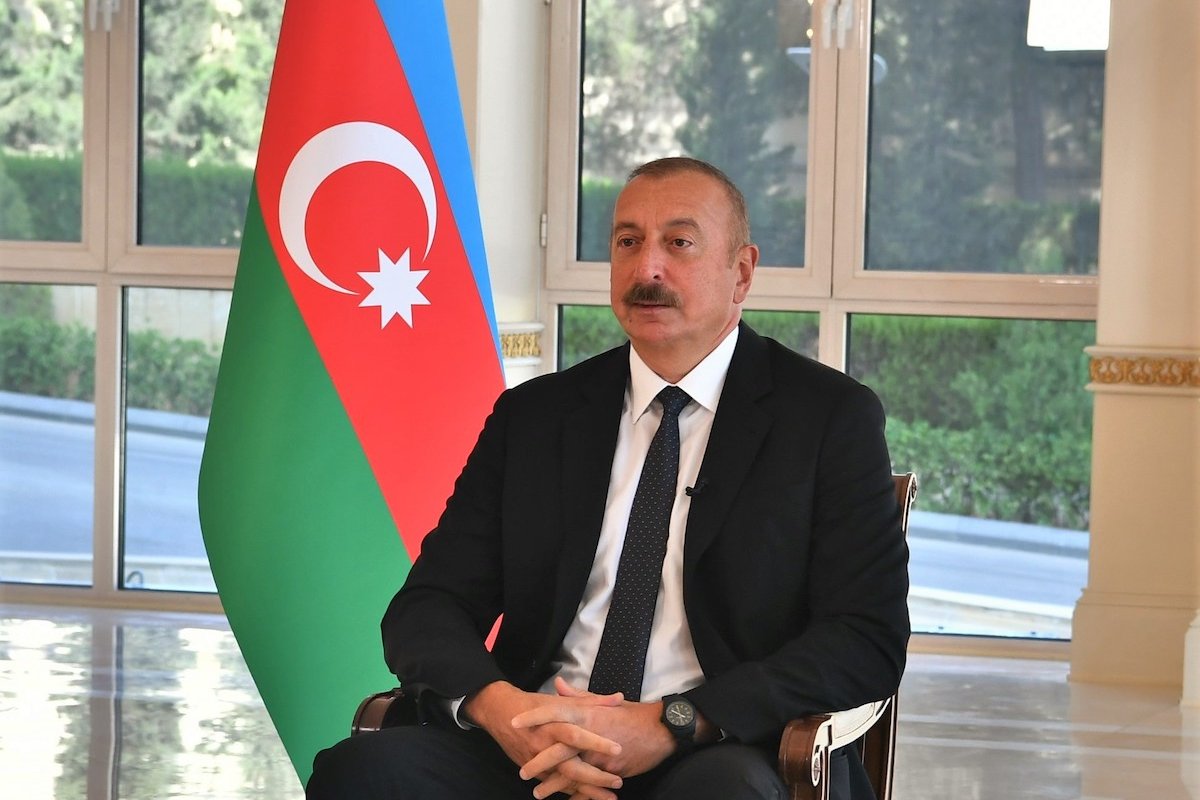
American negotiators and foreign policy experts who are skeptical that a deal can be reached should perhaps look at the recent spate of successful agreements between Iran and Azerbaijan—two countries that were only recently at each other’s throats but are now making significant progress towards achieving improved diplomatic relations and mutual material gains.
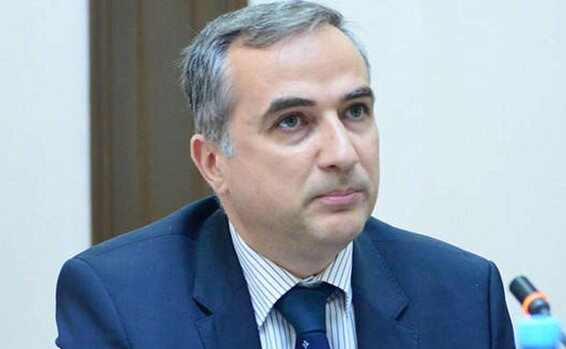
French politicians, especially the right-wing ones, will forget about Armenia immediately after the presidential election; they just need the votes of the Armenian diaspora right now, says Farid Shafiyev, Chairman of the Board of the Center for Analysis of International Relations.
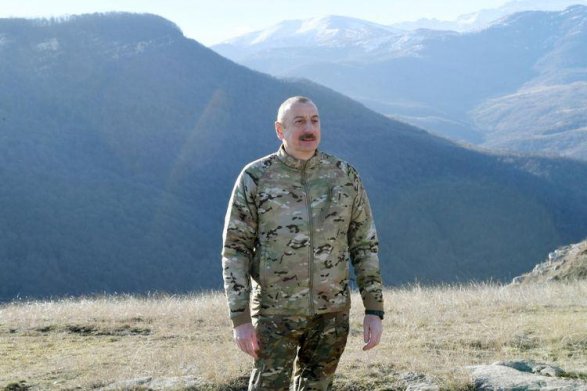
January 12, 2022, witnessed another comprehensive and agenda-setting interview by the President of Azerbaijan, Mr. Ilham Aliyev, which he this time gave to local new agencies.
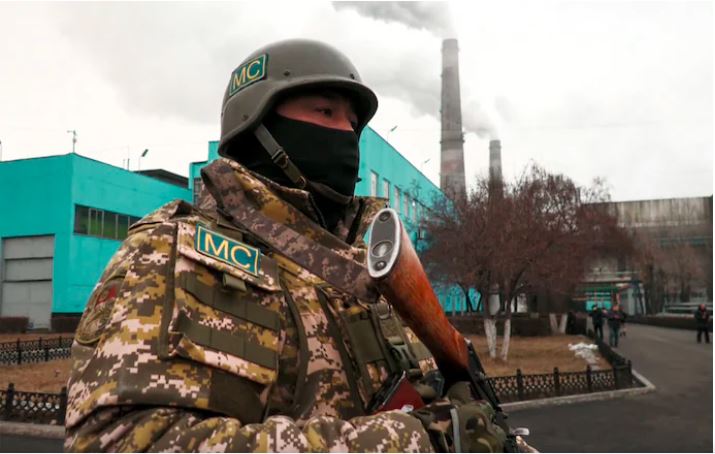
In early January, the sudden outbreak of massive anti-government protests in Kazakhstan and subsequent intervention by the Russia-led Collective Security Treaty Organization (CSTO) reverberated across the entire post-Soviet space, including Azerbaijan.
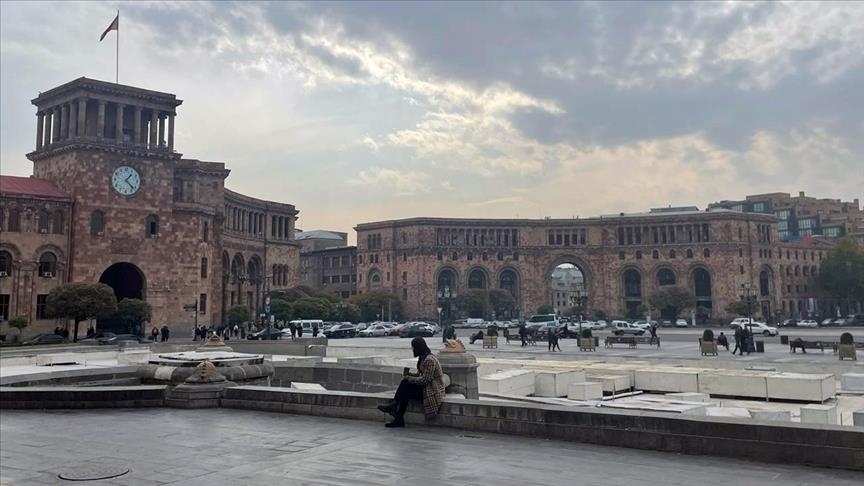
2021 was the year in which the status quo in South Caucasus changed. However, the resistance to the new situation continued.

This seemingly simple question is akin to Pandora's Box. All the more so in our troubled times of strange events that seemed unthinkable only a few years ago.
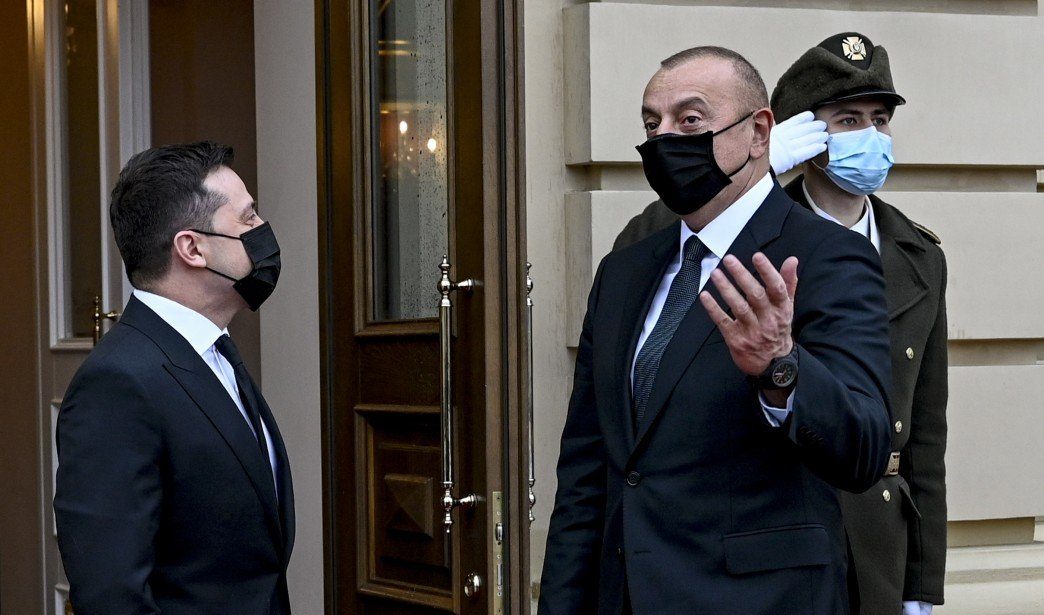
According to Kyiv newspapers, at the Eastern Partnership summit in Brussels on 15 December 2021, Ukrainian President Volodymyr Zelenskyy invited President of Azerbaijan Ilham Aliyev to come to Ukraine on a working visit.
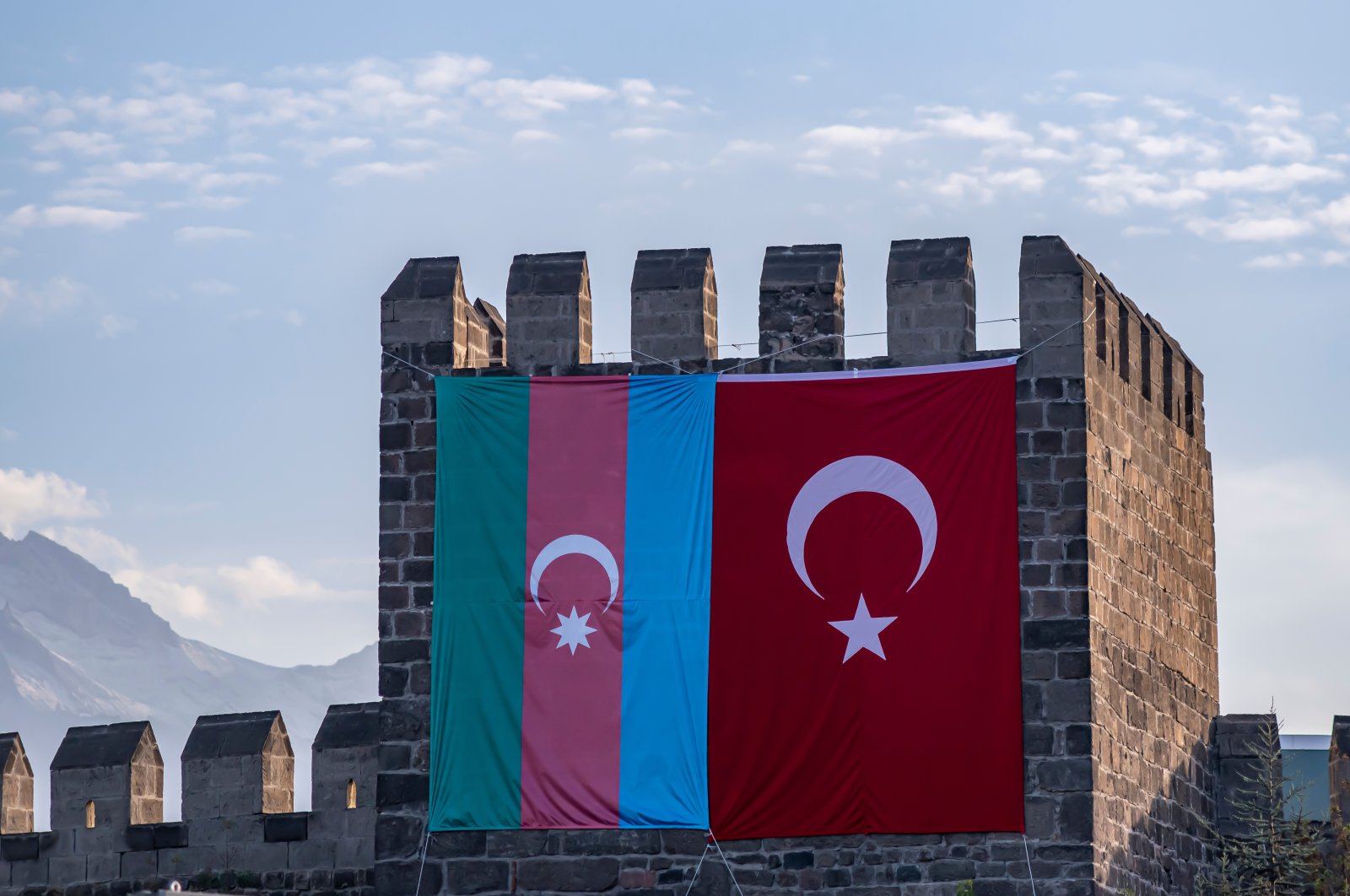
As the two brotherly nations, bonded by the principle of 'one nation, two states,' celebrate 30 years since the resumption of diplomatic relations, Baku’s envoy pointed to the constructive influence the two countries have on the wider region.
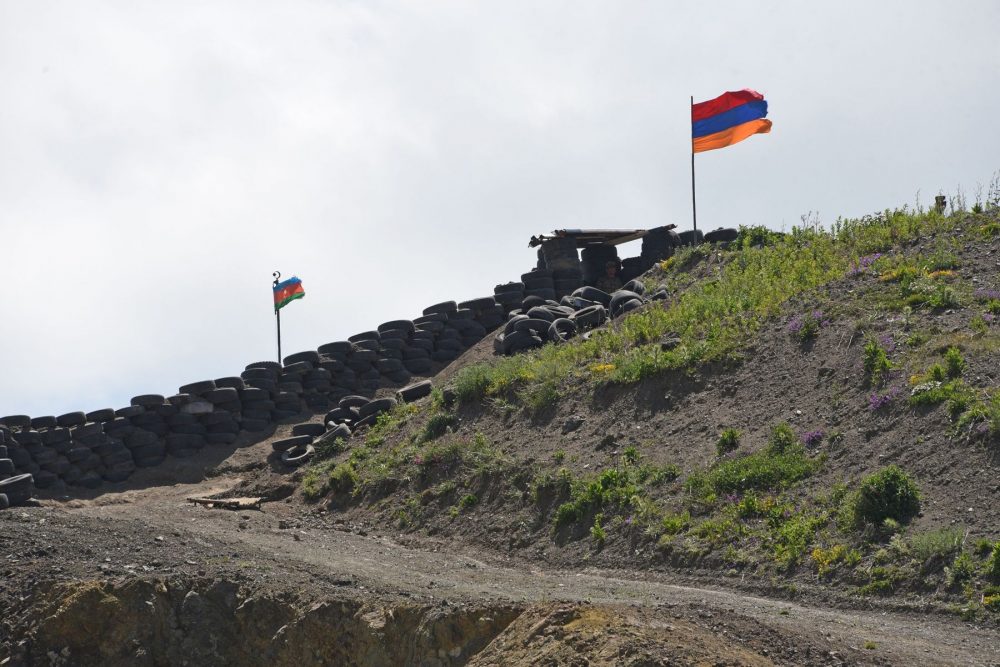
Vladimir Putin has promised to provide the leaders of Armenia and Azerbaijan with Soviet military maps of the region, maps which he says are far more accurate than the larger scale maps that the two countries have relied upon in the past.
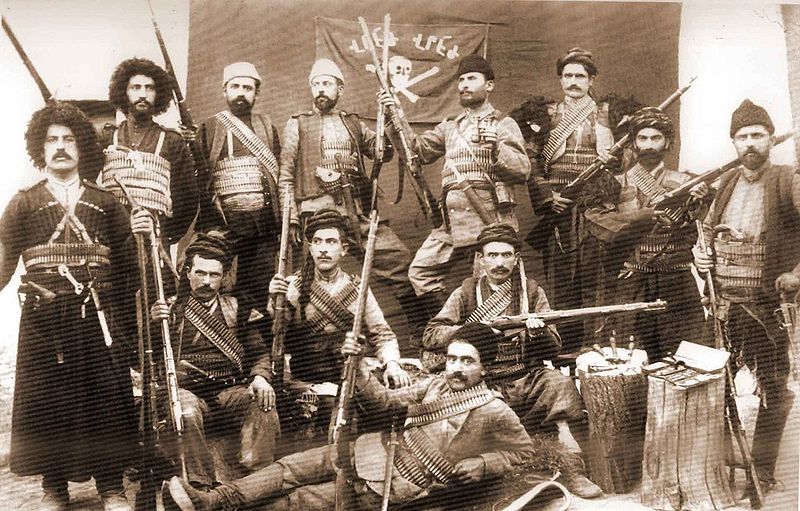
The Uzbek website aniq.uz published an article which, in the light of the recent deployment of CSTO troops, including Armenian units, to Kazakhstan, reminded the Uzbek public of the atrocities committed by the Dashnaks in Turkestan in the early 20th century.
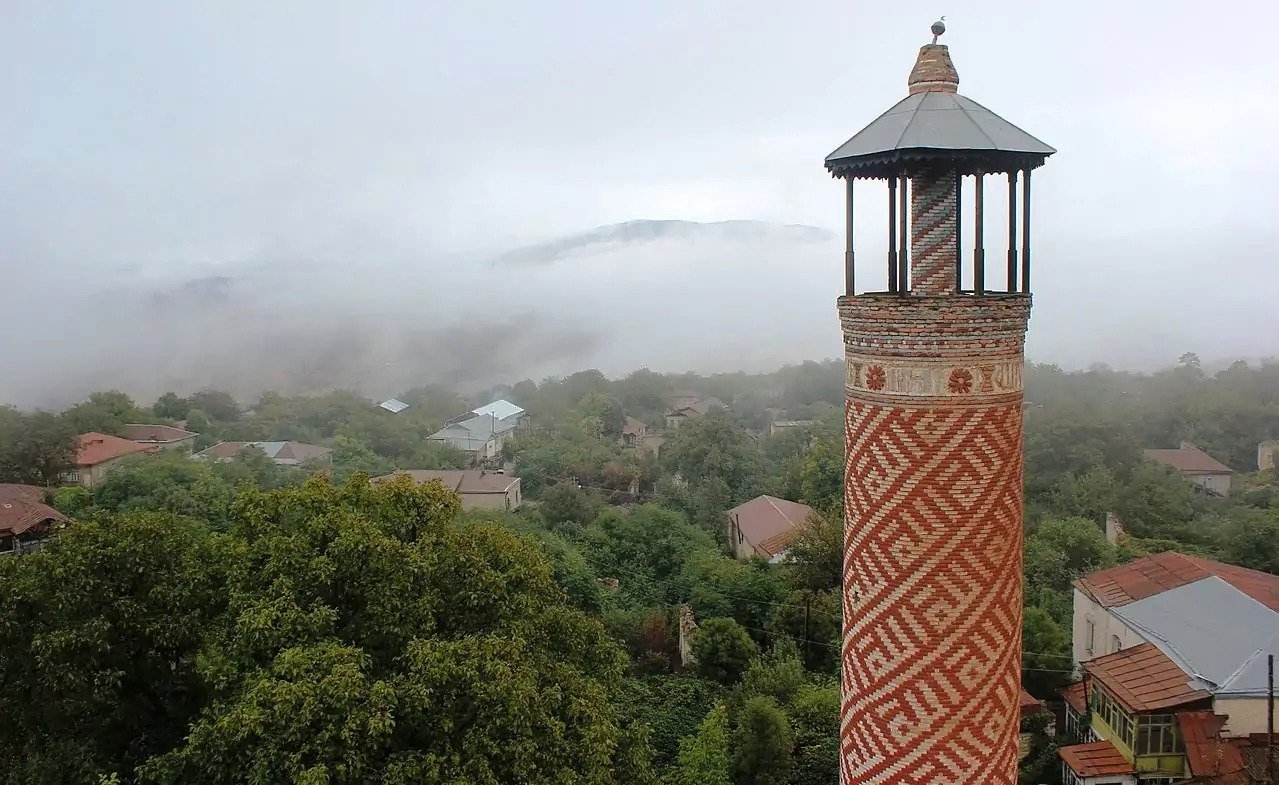
In his address to the Azerbaijani people on the occasion of 31 December 2021 – the day that is celebrated in Azerbaijan as the Solidarity Day of World Azerbaijanis along with the New Year, President Ilham Aliyev declared 2022 as the “Year of Shusha”. Shusha is a hill town located in the Karabakh region of Azerbaijan and holds a critical place in the history and culture of the country, writes Vasif Huseynov.
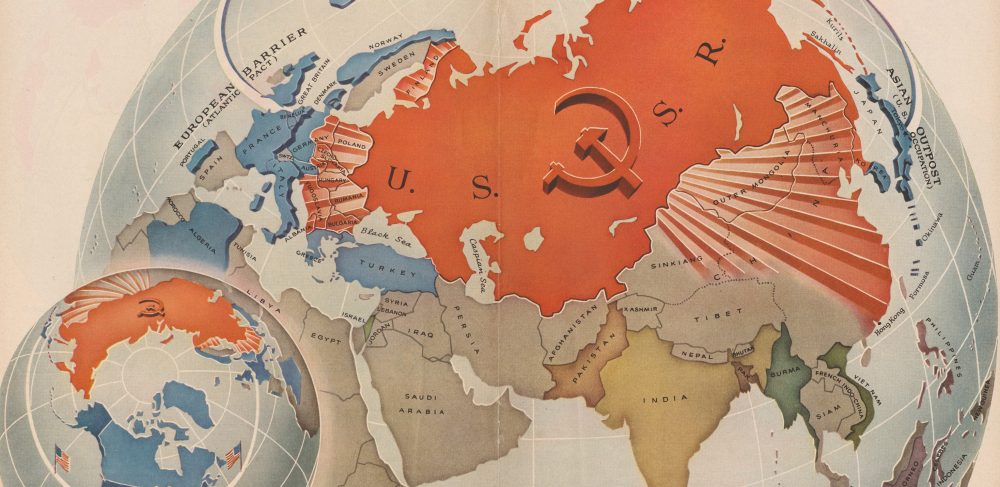
As we know, Russia is currently negotiating with the West in various formats and at various levels on three demands, with which Moscow in a thuggish manner confronted Europe and the United States.
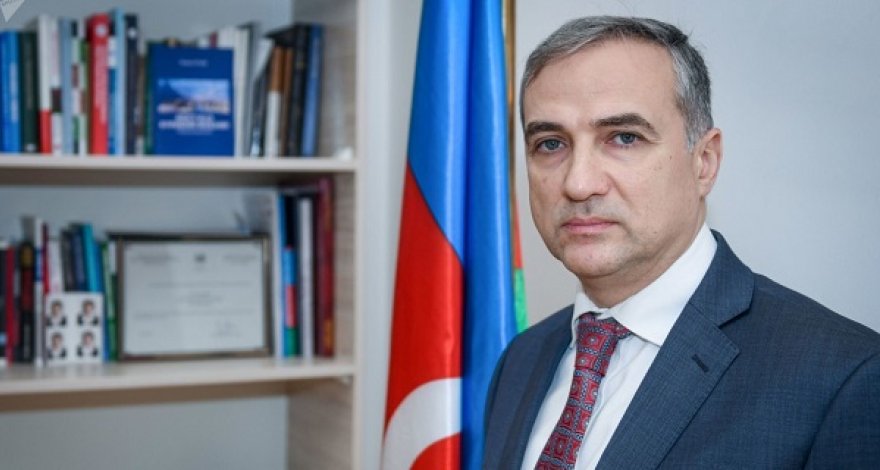
Baku and Yerevan have reached a verbal agreement to establish a commission for the delimitation of the Azerbaijani-Armenian border, says Farid Shafiyev, Chairman of Board of the Center of Analysis (AIR Center) of International Relations.
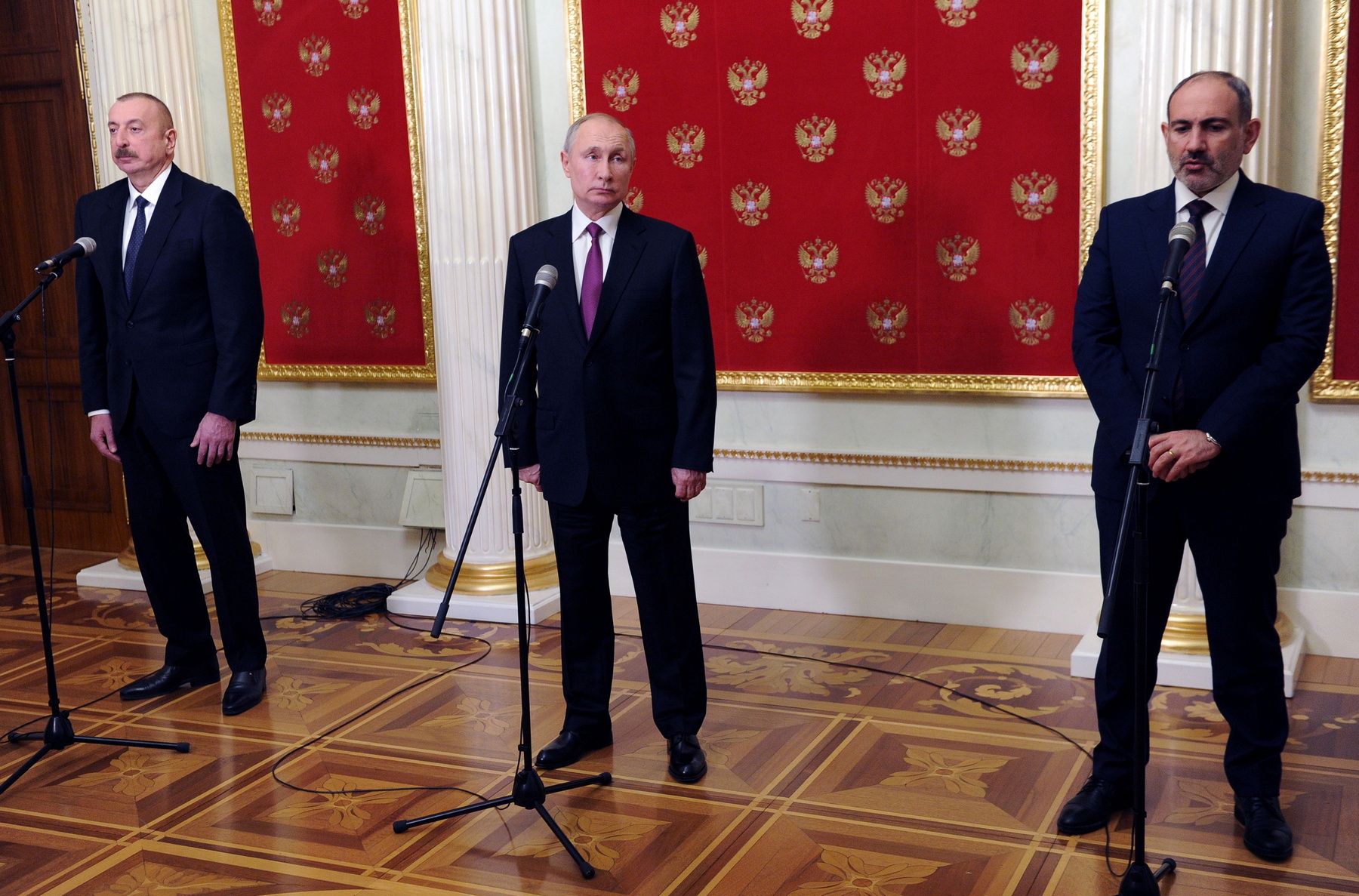
Only through breaking Armenia’s dependency on Russia—through renormalization with Azerbaijan and Turkey—will the region’s true economic potential be unleashed.
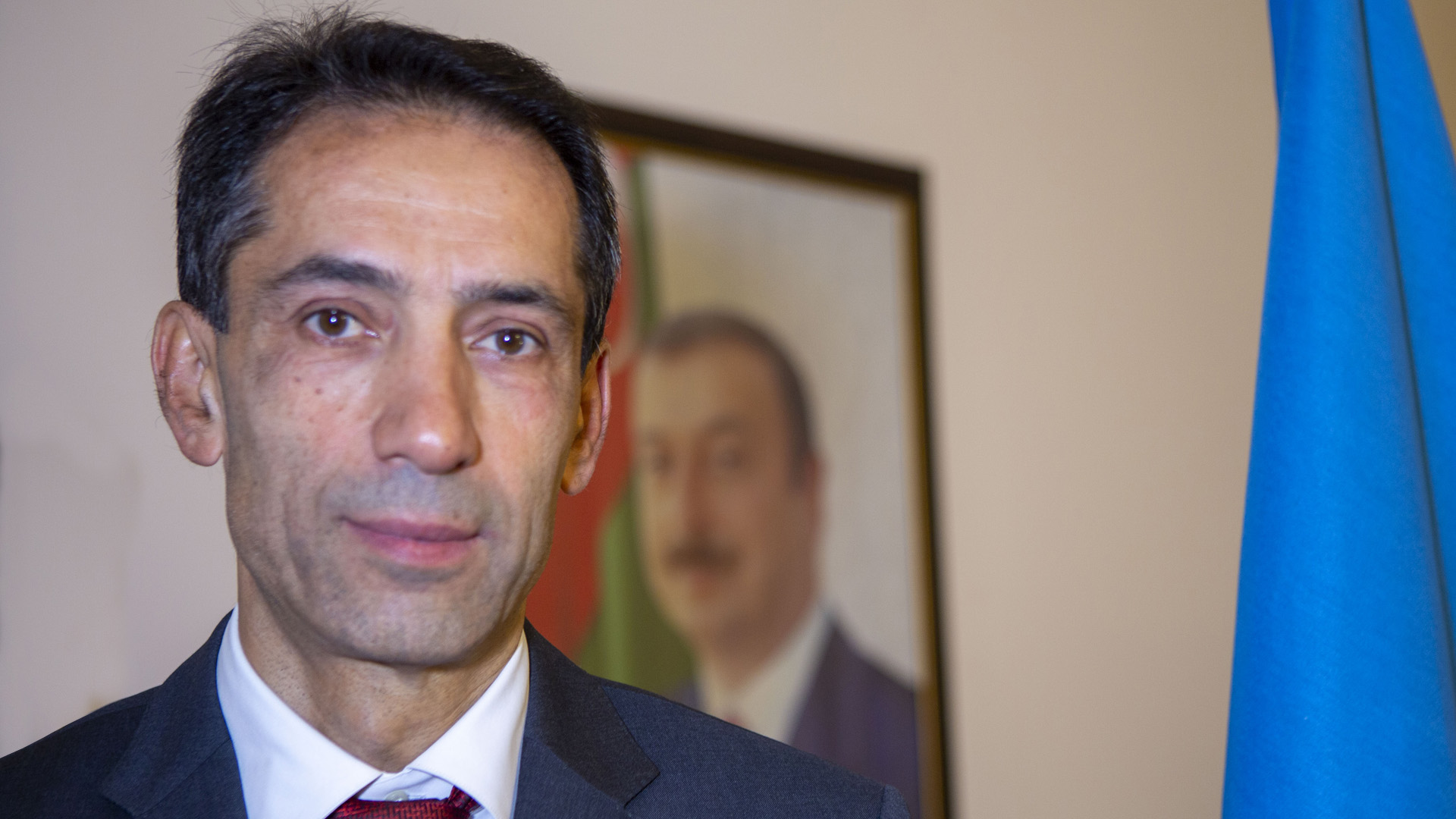
Rahman Mustafayev, Ambassador Extraordinary and Plenipotentiary of the Republic of Azerbaijan in France, has made some interesting statements regarding the deterioration of relations between the two countries. An article penned by the head of the diplomatic mission was published in La Tribune.
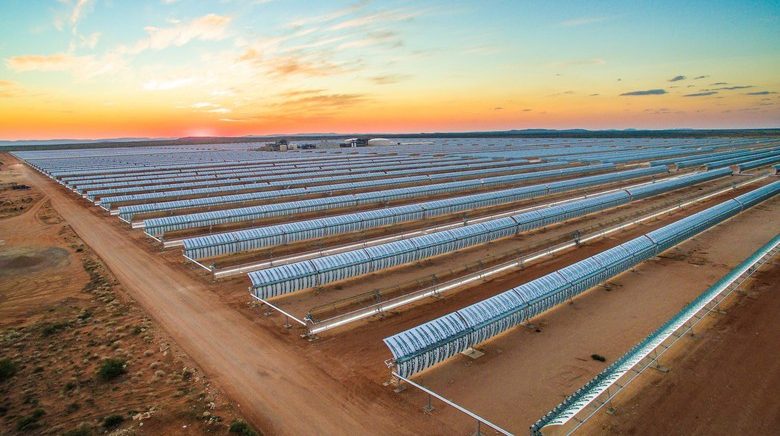
Saudi Arabian utility company Acwa Power has signed a preliminary agreement to develop offshore wind in Azerbaijan, according to local media reports.

It is hard to overestimate the support provided to Azerbaijan by the European Bank for Reconstruction and Development (EBRD) in the field of economic reforms and modernization of infrastructure.
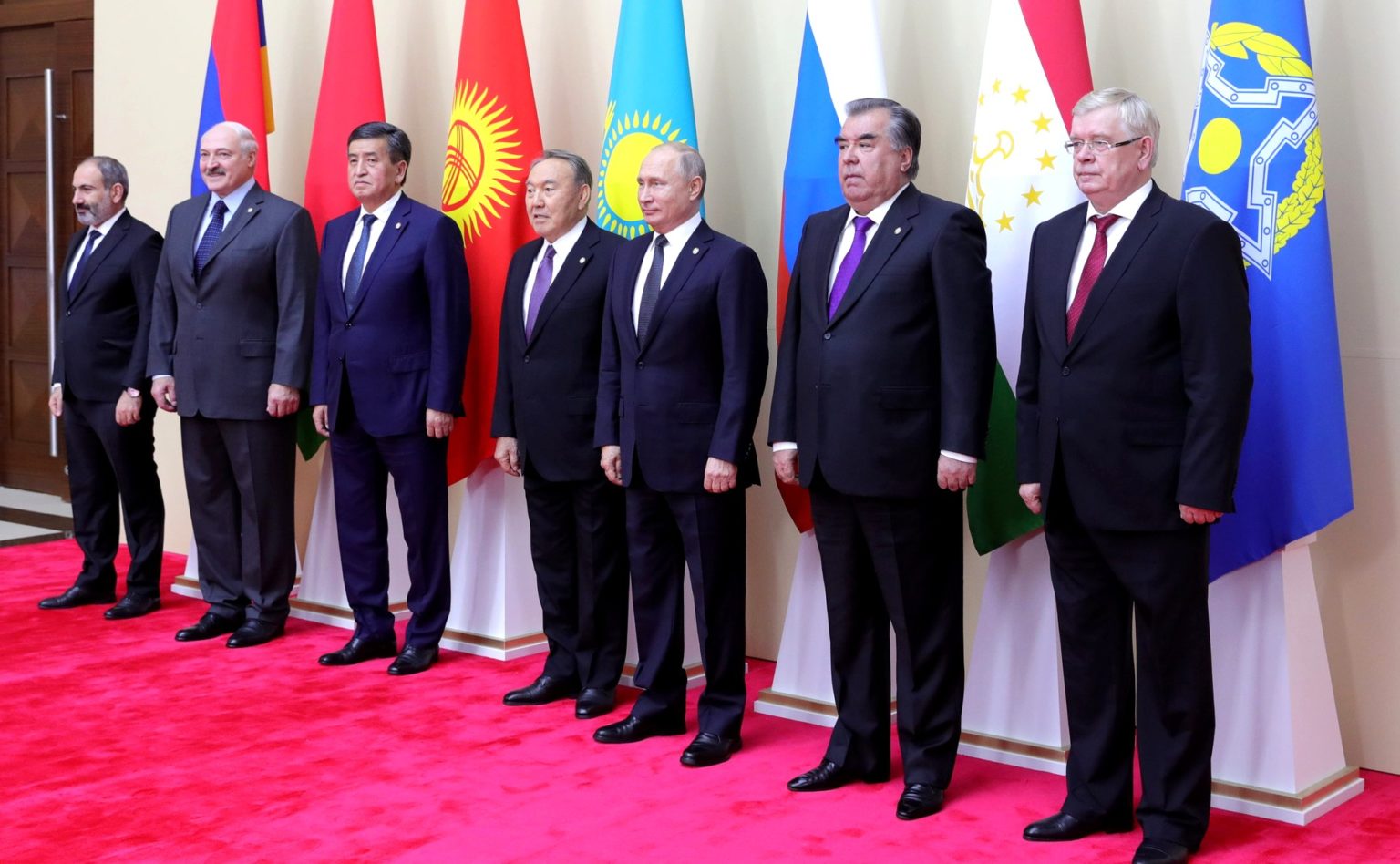
President of Kazakhstan Kassym-Jomart Tokayev announced that the primary mission of the CSTO peacekeepers had been completed and that their withdrawal from the country would begin in two days. That, according to him, will take at least 10 days.
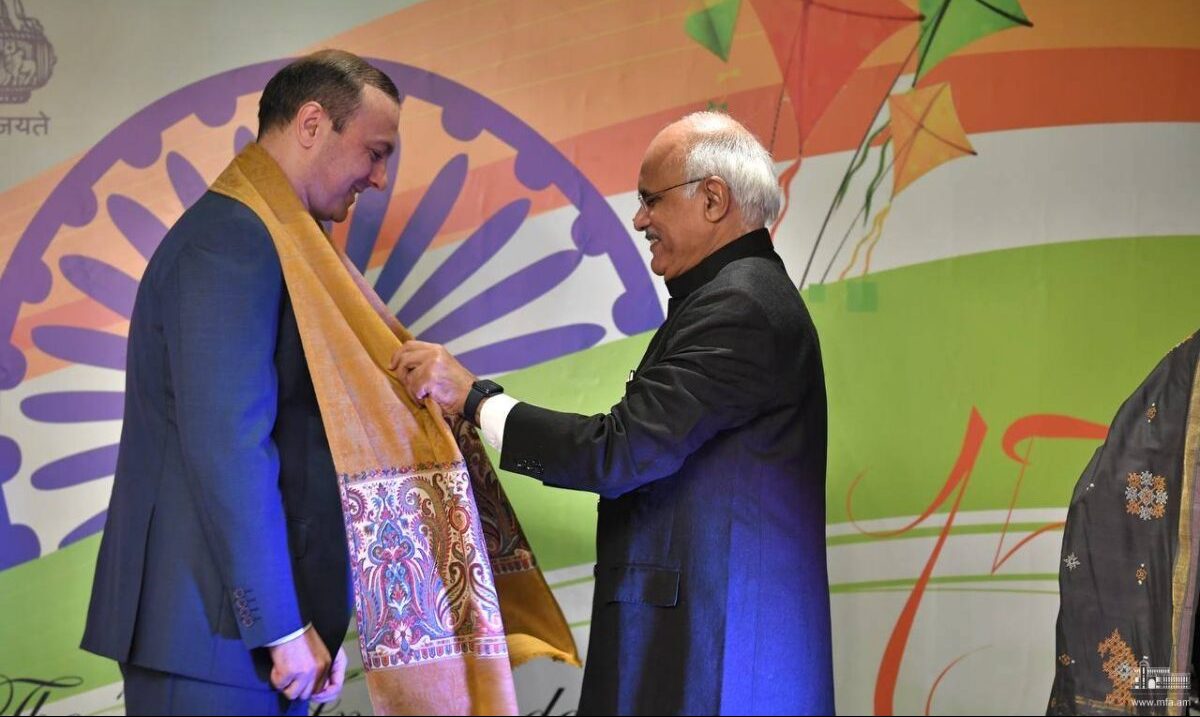
The first question is: What did it include? What could the Indians supply to Yerevan that Armenia was desperately lacking?
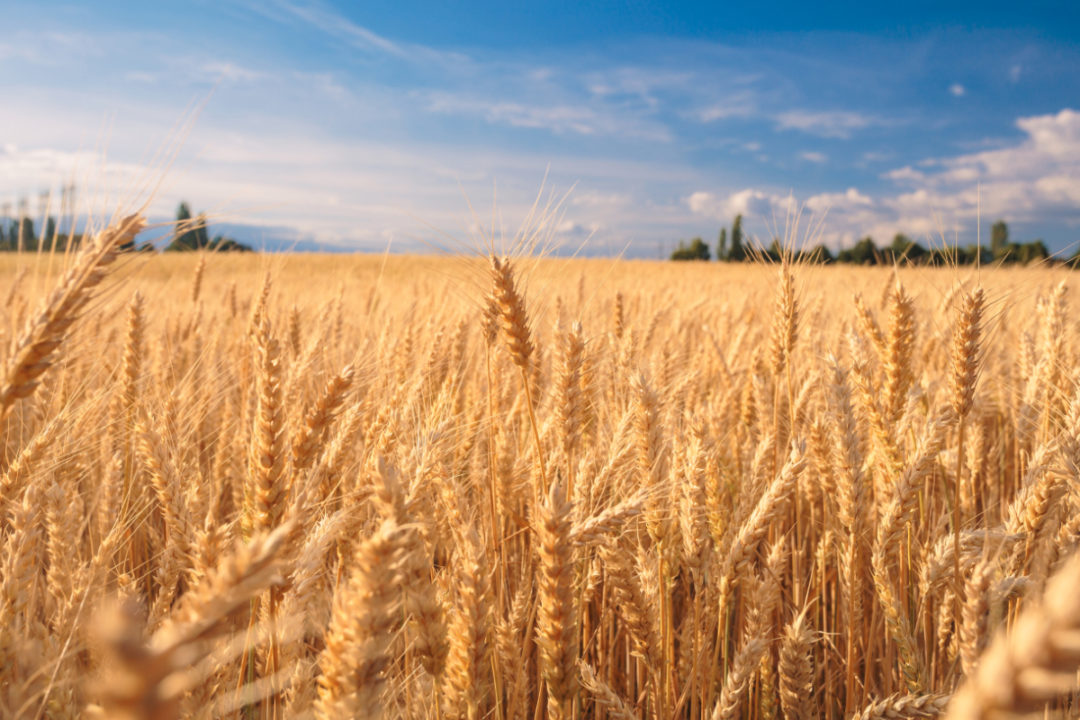
The price increase that began in the global food market under the influence of the coronavirus pandemic continues. While before the middle of 2021 it affected mainly sugar, dairy products, oil and other foodstuffs, starting from July of 2021 the process quickly accelerated in the grain, especially wheat, market.
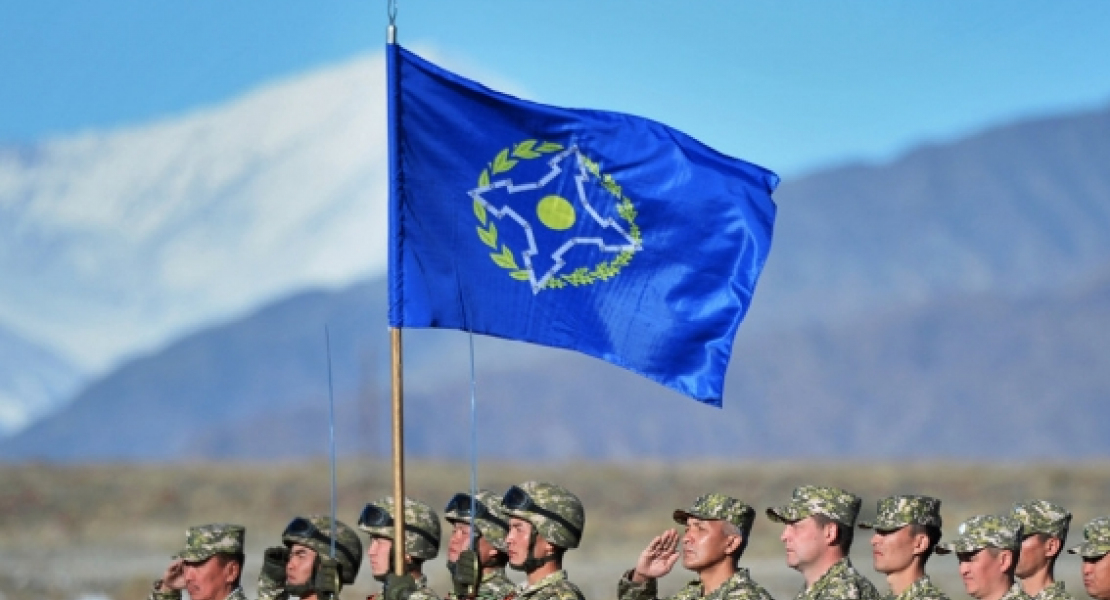
The extraordinary session of the CSTO Collective Security Council, held yesterday, on January 10, revealed to the post-Soviet countries that this organization had been reborn on the wave of the events in Kazakhstan—in a rather terrifying form.