Now Reading: Azerbaijan’s decisive contribution to victory in World War II
-
01
Azerbaijan’s decisive contribution to victory in World War II

Every year on May 9, millions of people commemorate Victory Day — the defeat of fascism in World War II, achieved at the cost of more than 20 million lives. For Azerbaijan, this date is not merely a historical symbol. It is a reminder of the immense sacrifices and strategic contribution of the Azerbaijani people, both on the battlefield and far behind the front lines.
From the very beginning of the Great Patriotic War of 1941–1945, Azerbaijan mobilized all its resources for victory. Every household, factory and workplace became part of the wartime effort. Citizens donated 15 kilograms of gold, 952 kilograms of silver and 320 million rubles from their personal savings to the Defense Fund. Industrial enterprises redirected production to manufacture military equipment, including Katyusha rockets, Shpagin submachine guns and Yak-3 fighter planes. In total, Azerbaijani factories produced 130 types of weapons and ammunition that were vital for the front.
Yet Azerbaijan’s most significant contribution was not material wealth or even weapons production. It was oil.
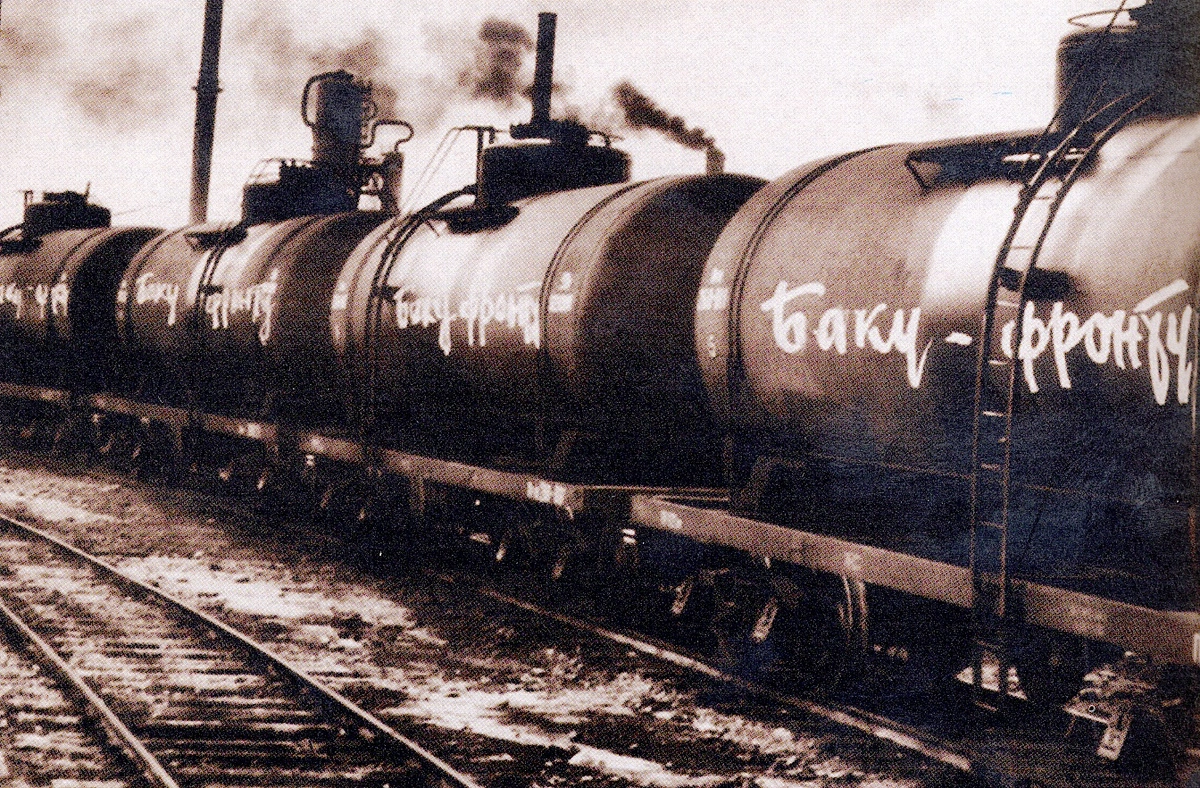
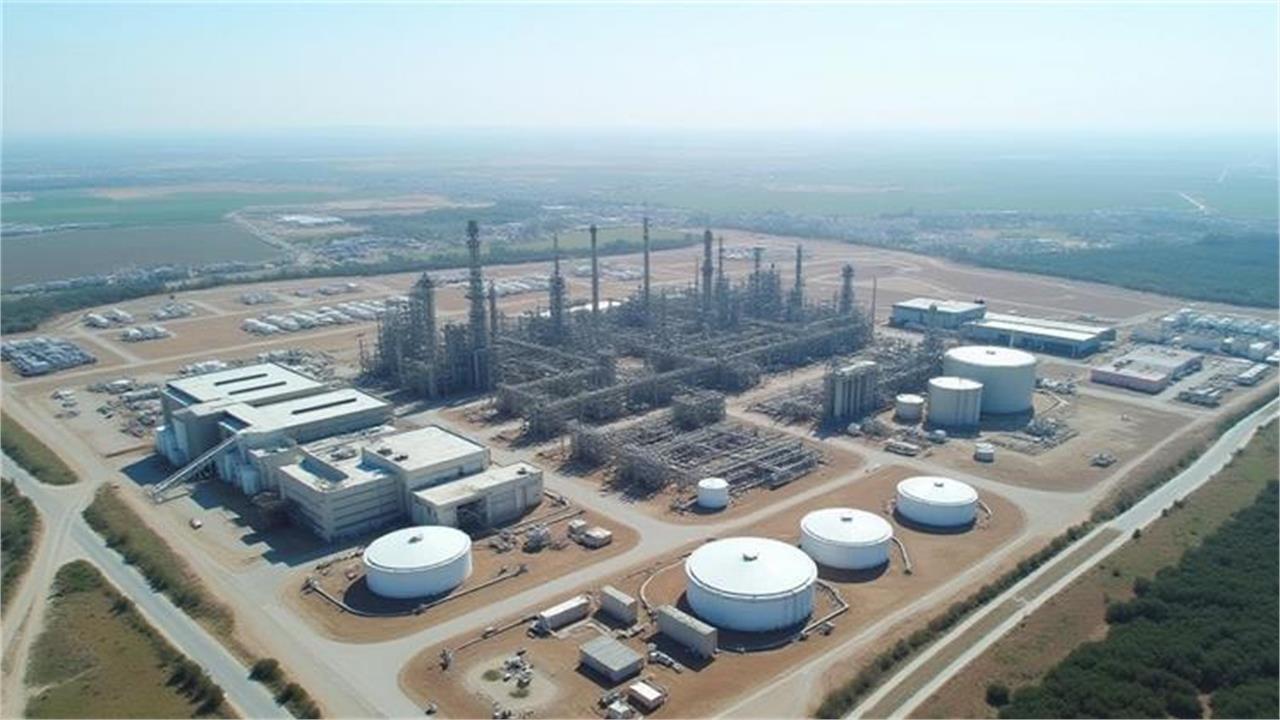
During World War II, Azerbaijan supplied more than 70 percent of the oil, 80 percent of the gasoline and 90 percent of the motor lubricants used by the Soviet Union. The oil fields of Baku, operated tirelessly by Azerbaijani workers under extreme wartime conditions, literally kept Soviet tanks, aircraft and military machinery moving. The introduction of high-octane aviation fuel, first produced in Baku during the war, became an important factor in achieving air superiority in key battles.
In his study The Role of Azerbaijan in the Victory Over Fascism in the Great Patriotic War, Baku State University lecturer and Doctor of Philosophy in Political Science Alimusa Ibrahimov wrote: “During World War II, Azerbaijan supplied 80 percent of all the gasoline and 90 percent of the lubricants required for the front line stretching from the Baltic Sea to the Black Sea.”
In total, 75 million tons of oil were extracted in Azerbaijan during the war years. In practice, four out of every five Soviet aircraft, tanks and military vehicles were fueled with Baku gasoline. The Soviet fleet also received fuel and lubricants from Azerbaijan, further underlining the republic’s decisive strategic role.
Nazi Germany fully understood the importance of Baku’s oil. Adolf Hitler made the capture of Baku one of the central objectives of Operation Edelweiss in 1942. The symbolic significance of this goal was reflected even in propaganda gestures: on Hitler’s birthday that year, he was reportedly presented with a cake depicting an oil derrick and the word “Baku.” The message was clear — Nazi Germany believed Azerbaijani oil would soon belong to the Reich.
History unfolded differently.
On July 23, 1942, Hitler issued Directive No. 45, known as Operation Edelweiss, ordering Army Group A to advance into the Caucasus and seize the oil refineries of Baku. German forces moved rapidly through southern Soviet territories and reached parts of the North Caucasus. For a time, it seemed that the road to Azerbaijan might open.
However, the campaign eventually stalled. German forces became exhausted near the Terek River and in the western foothills of the Caucasus. Harsh conditions, overstretched supply lines, Soviet resistance and the broader failure of Operation Barbarossa shattered Hitler’s ambitions. The Wehrmacht never reached Baku.
The failure to capture Azerbaijani oil became one of Nazi Germany’s major strategic defeats. Many historians note that Germany’s inability to secure sufficient fuel resources seriously weakened its military capabilities in the later stages of the war.
Azerbaijan’s sons and daughters also served with courage and honor on the front lines. More than 640,000 Azerbaijani men and women went to war, and about half of them never returned. Units such as the 416th Rifle Division, formed in Ujar and consisting of more than 11,000 Azerbaijani soldiers, distinguished themselves in battles across Eastern Europe — from the Caucasus to Berlin. The division was later honored as the Taganrog Red Banner Order of Suvorov Division for its valor.
In total, more than 130 Azerbaijanis received the title of Hero of the Soviet Union, and more than 170,000 were decorated with orders and medals. Azerbaijani soldiers fought bravely not only in defense of their homeland, but also in the liberation of Russia, Ukraine, Moldova, Poland and Germany, contributing to the common struggle against fascism.
Azerbaijan’s wartime contribution extended beyond the front and the factories. The republic supplied more than seven tons of donor blood to Soviet medical units, as well as large quantities of food, clothing and winter equipment for soldiers. The unity of the Azerbaijani people — workers, scientists, farmers, men and women alike — became a symbol of collective sacrifice and commitment to victory.
Hazi Aslanov, twice Hero of the Soviet Union, as well as Heroes of the Soviet Union Israfil Mammadov, Ruslan Vazirov, Adil Guliyev, Ziya Bunyadov, Garay Asadov, Malik Maharramov and Mehdi Huseynzade, along with Generals Mahmud Abilov, Akim Abbasov, Tarlan Aliyarbeyov and Hajibala Zeynalov, wrote new pages in the history of the Azerbaijani nation through their courage and unbending will.
Azerbaijanis also took part in the anti-fascist partisan movement in Europe. They fought in partisan detachments in Crimea, Belarus, the North Caucasus, the Baltic countries, Poland, Czechoslovakia, Hungary, Yugoslavia and Italy, and also participated in the anti-fascist resistance movement in France.
The first Azerbaijani Hero of the Soviet Union was Sergeant Israfil Mammadov, assistant platoon commander of the 42nd Rifle Regiment. In December 1941, near Novgorod, his group repelled four attacks by superior enemy forces and held its position in fierce combat.
Another legendary figure was Hazi Aslanov, twice Hero of the Soviet Union. In March 1944, he was promoted to the rank of major general of tank troops. He demonstrated exceptional bravery in many battles, including the Battle of Stalingrad, one of the largest and bloodiest battles in history.
Legendary partisan Mehdi Huseynzade also became a symbol of resistance. After being severely wounded in the Battle of Stalingrad and later captured by German forces, he joined the Yugoslav-Italian partisan movement and fought against the Nazis behind enemy lines.
Today, the story of Azerbaijan’s role in World War II remains a powerful reminder of the decisive importance of resources, geography and national dedication. Baku’s oil fueled victory, while Azerbaijani soldiers and workers ensured that this strategic lifeline did not fall into Nazi hands. Their courage and sacrifice illuminated one of the darkest chapters of human history.
Related Posts
Previous Post
Next Post
Previous Post
Next Post
- Aliyev says Turkic world is emerging as a major center of influence
- Baku hosts Turkic World Week honouring landmark 1926 Turkological Congress

- EU envoy holds talks in Baku ahead of high-level engagement with South Caucasus
- Europe must not lose Azerbaijan: Oleksiy Goncharenko on the risks of confrontation between Baku and the Council of Europe

- A leader forged by patience and victory