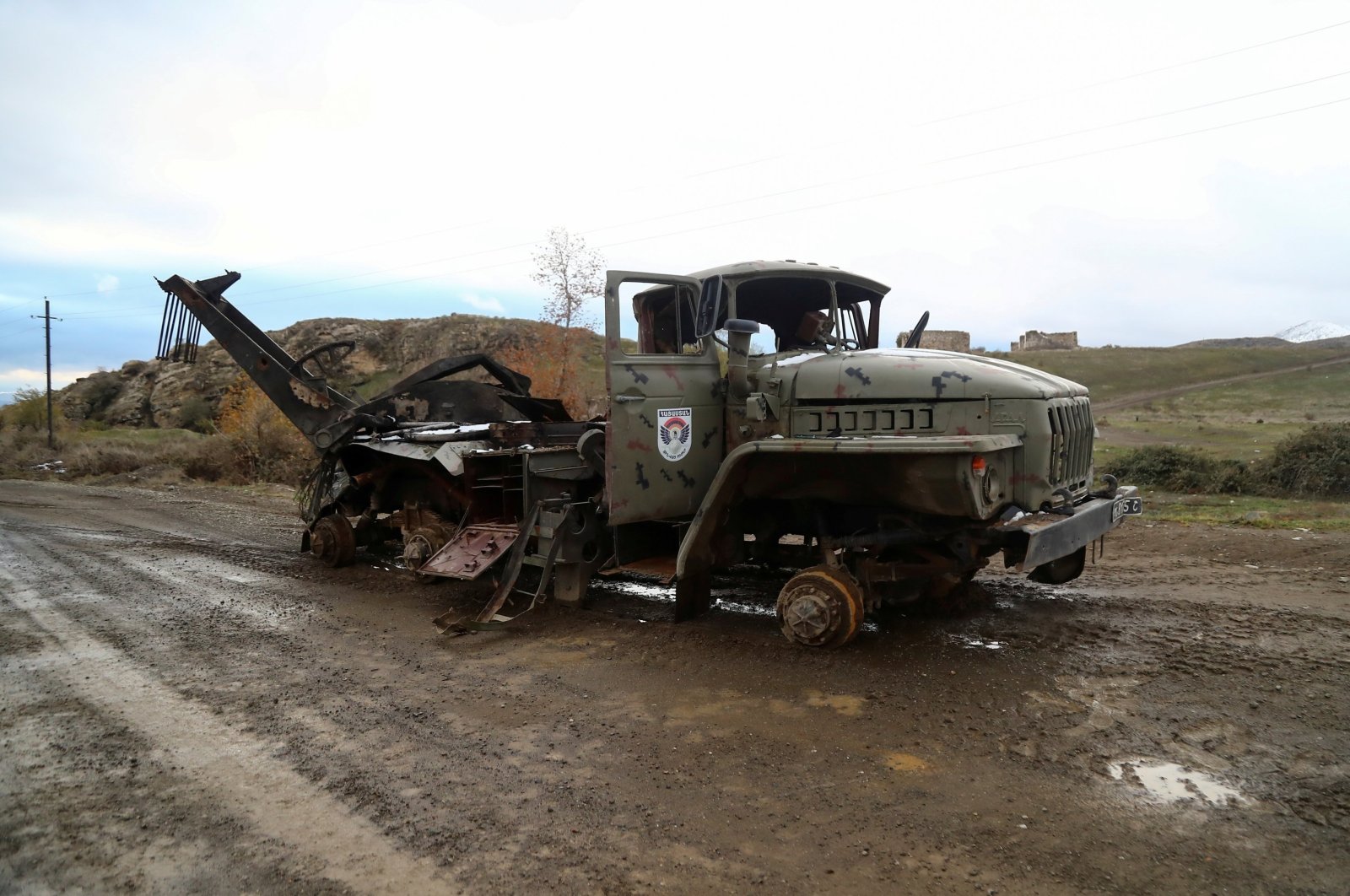
The European Union Wednesday reiterated its call on Armenia and Azerbaijan to show restraint and resume negotiations amid renewed fighting at their shared border.

The European Union Wednesday reiterated its call on Armenia and Azerbaijan to show restraint and resume negotiations amid renewed fighting at their shared border.
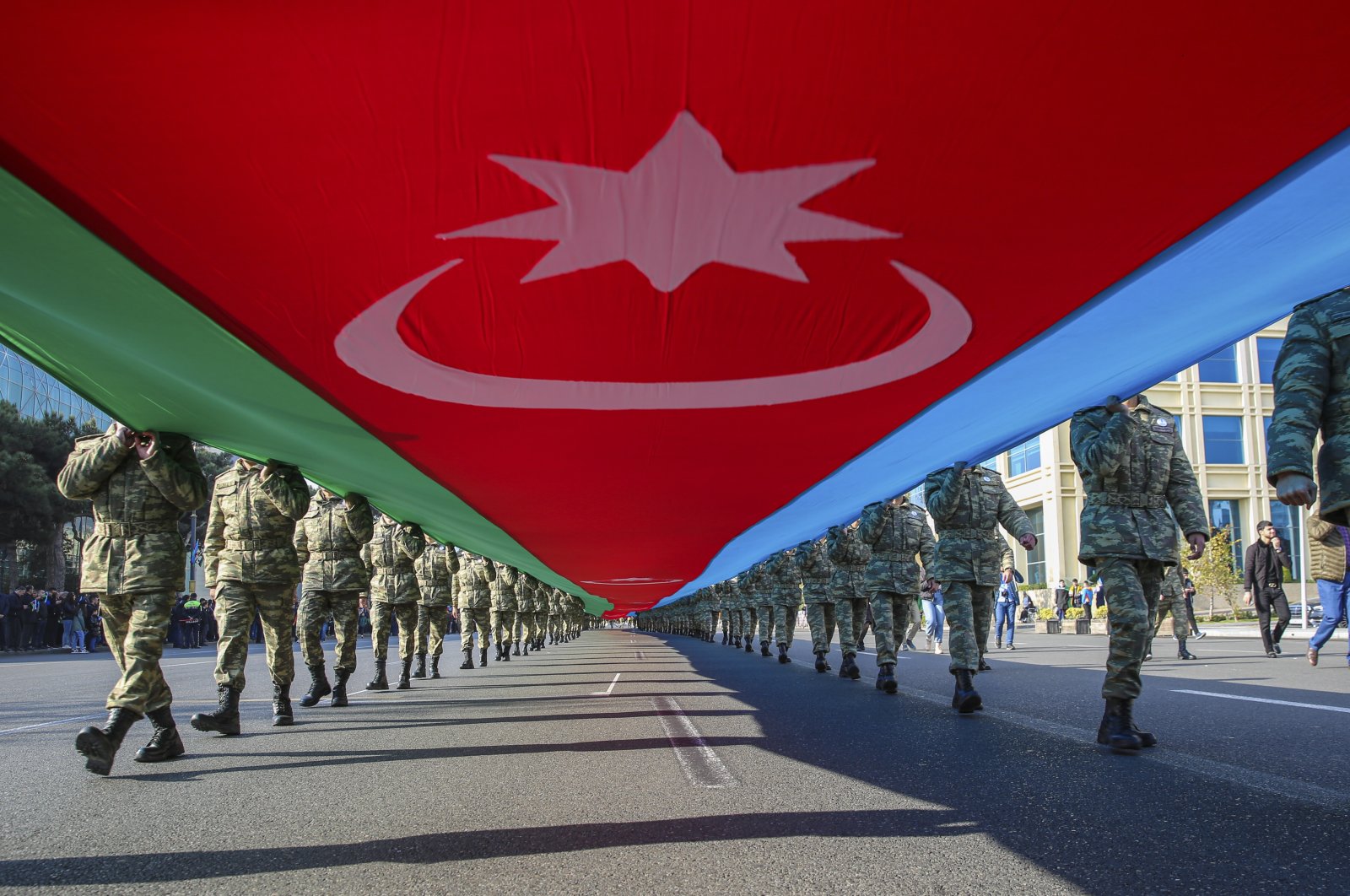
Azerbaijan's defense ministry said on Wednesday that seven of its soldiers were killed in border clashes with Armenia near the Karabakh region.
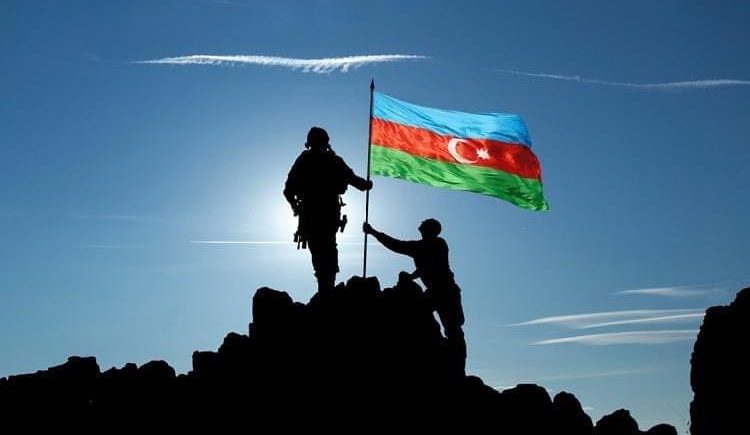
There were some clear winners from the November 10 agreement. Azerbaijan recaptured the territory that had been occupied by Armenia and Karabakh separatists 30 earlier and has not had to offer any autonomy to Karabakh of the sort envisioned in past peace negotiations.
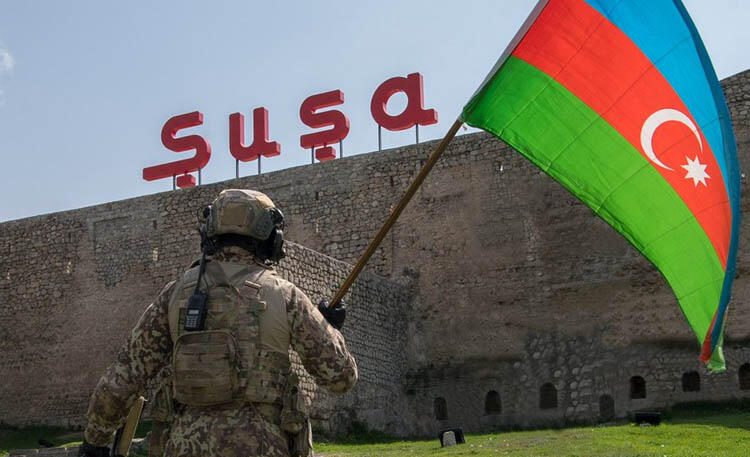
The loss of Shusha and the signing of the statement on harsh terms came as a great shock to Armenia. Shortly after the statement was signed, a large crowd gathered in the center of Yerevan and stormed into the Armenian parliament.
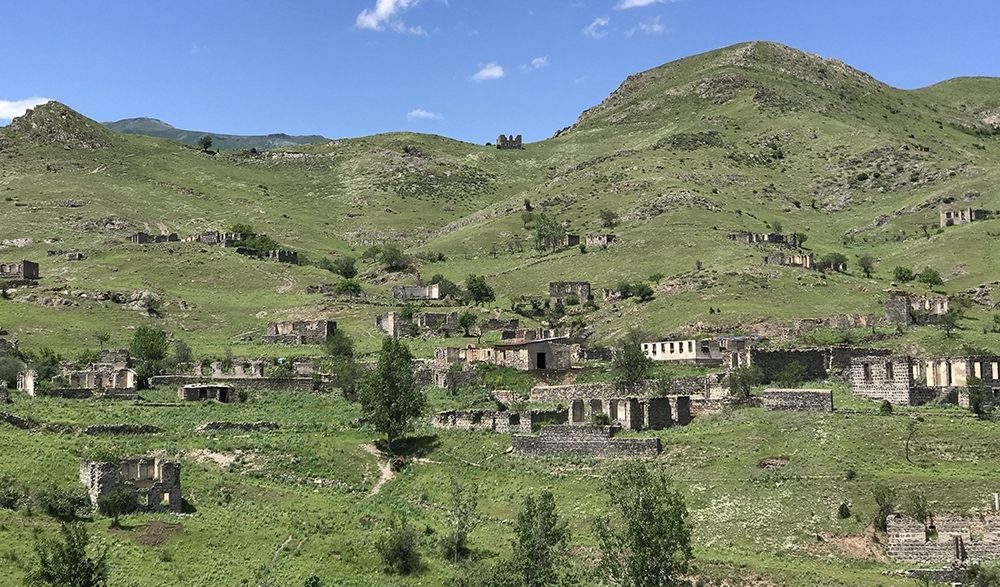
While no one is watching, the social and economic geography in the South Caucasus is continuing swiftly to evolve.
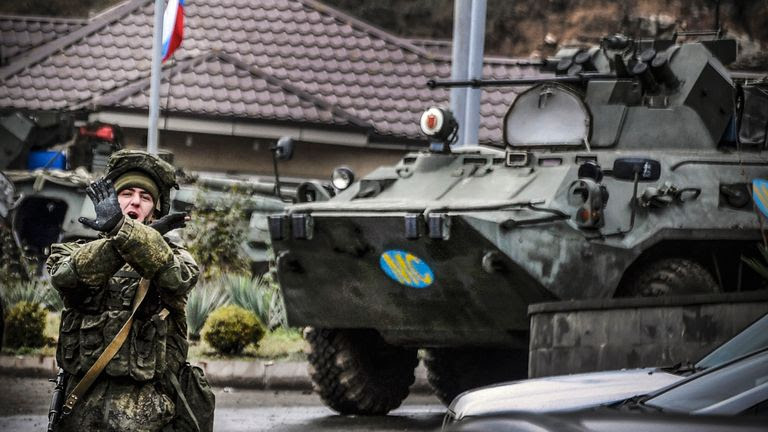
One year after the end of the Second Karabakh War, the landscape in the South Caucasus has changed: both politically and physically. Against all expectations, the leadership in Baku is moving with great speed to develop the de-occupied territories.
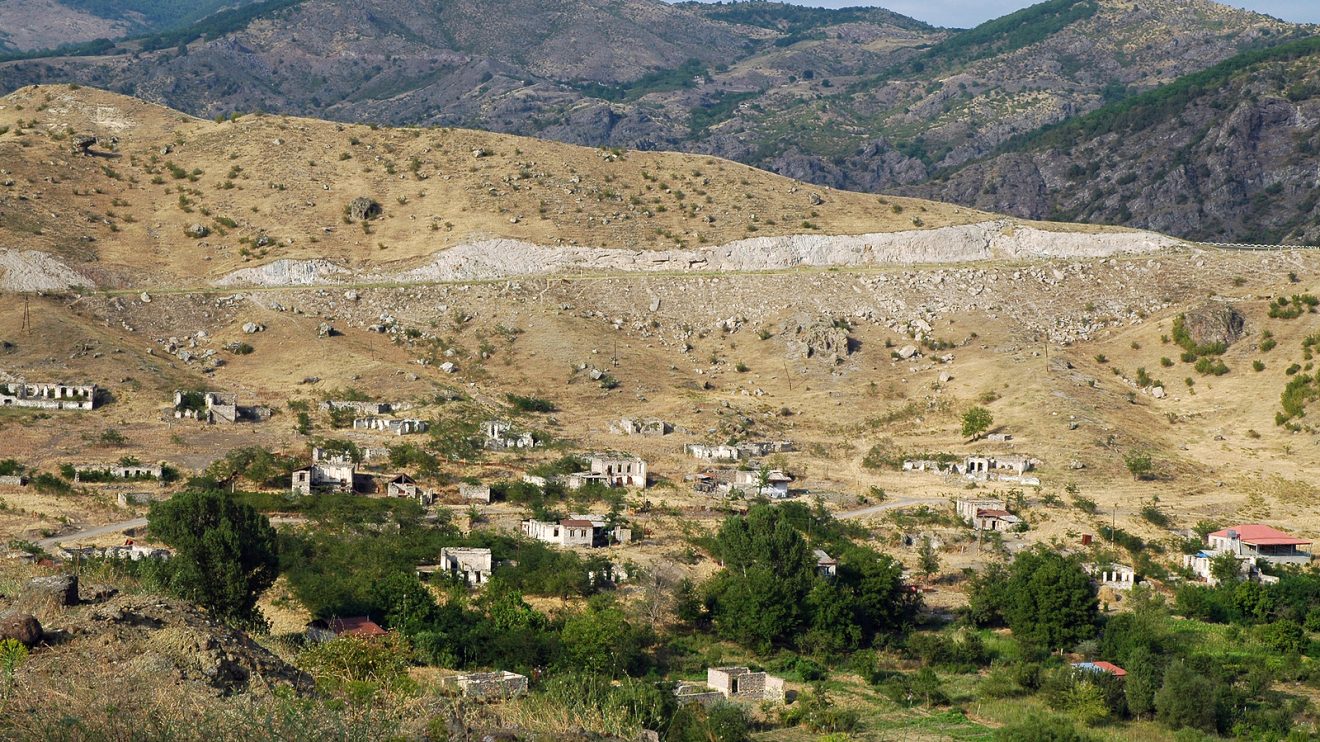
Azerbaijan wants to make Nagorno-Karabakh a model of sustainability, based on the use of renewable energy and the development of what it calls “smart villages”.
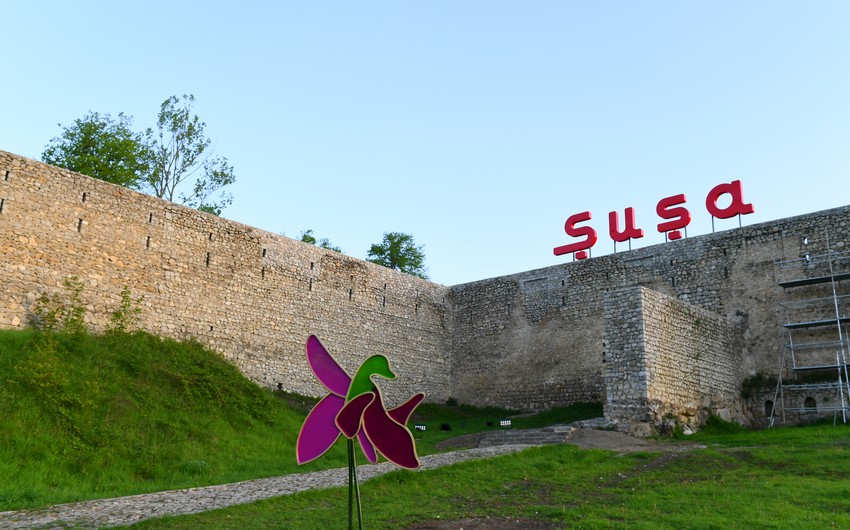
Shusha is the most important location in the territory of Karabakh from the strategic and geographical point of view. Because of its strategic importance and ethnic diversity, Shusha was a battlefield three times in the twentieth century and once in the twenty-first century.
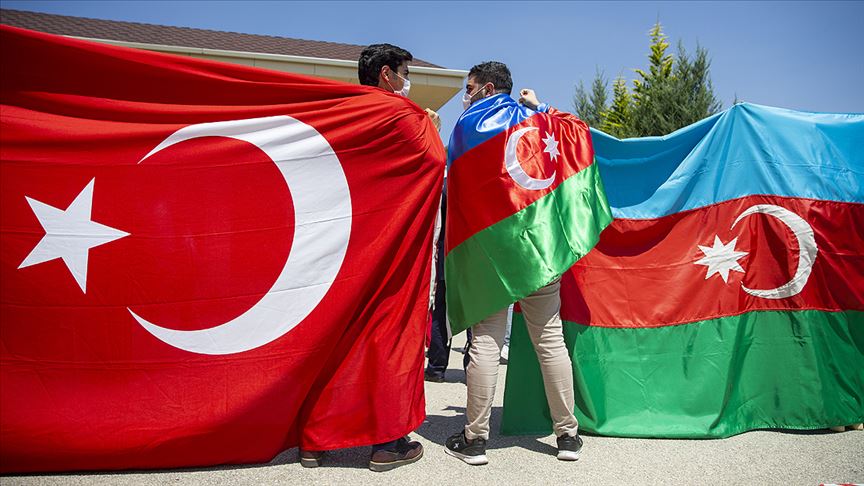
Turkish envoy to Baku visits Anadolu Agency office, hails liberation of Nagorno-Karabakh region 1 year ago.
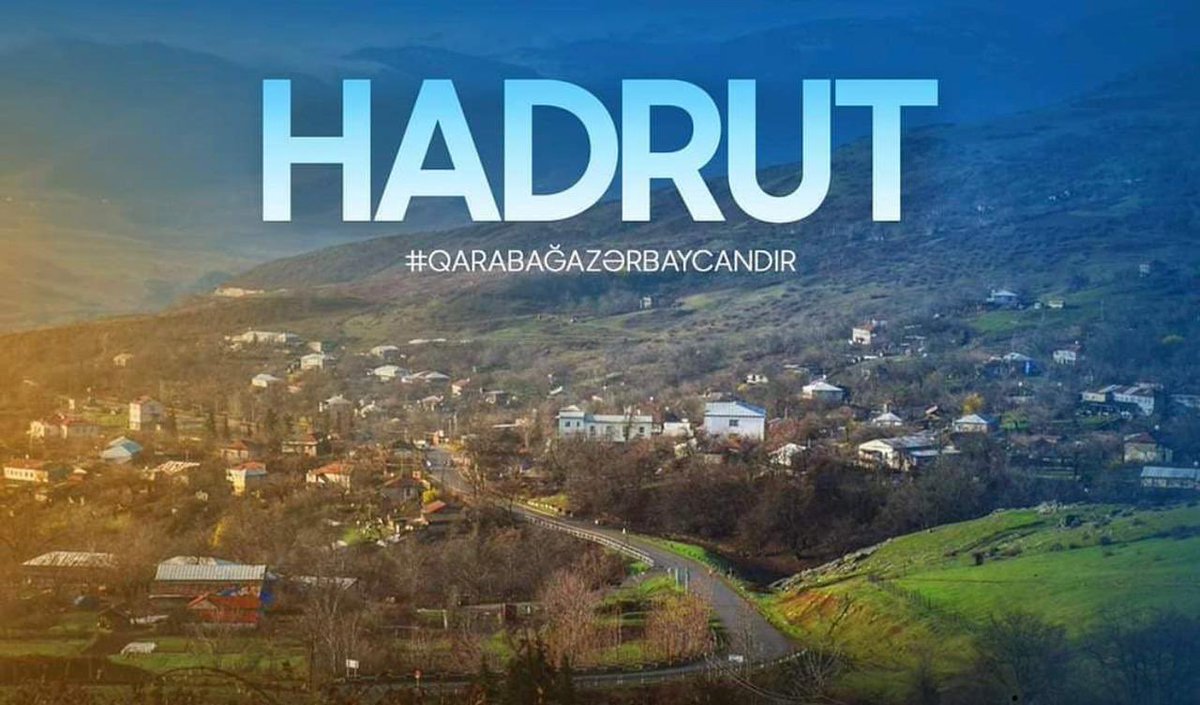
After the capture of Jabrayil, the 2nd corps split in two directions. The first group moved along the Geyan plain in the direction of Jabrayil and Zangilan, and the second group moved north and northeast of Jabrayil in the direction of Hadrut and Fizuli.
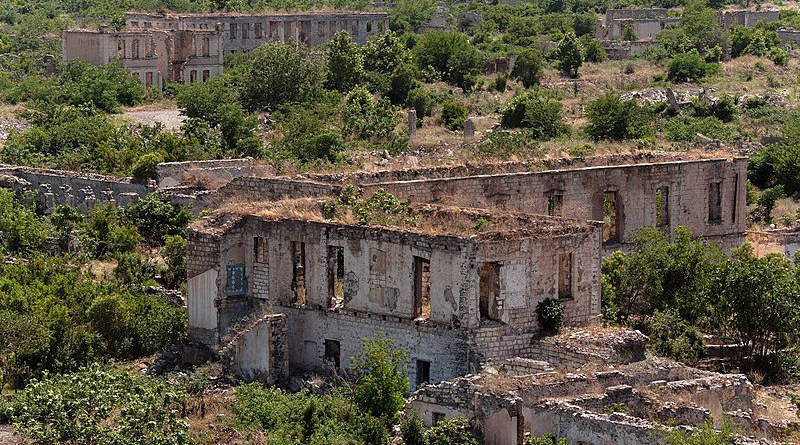
Government master plan to rebuild Shusha, roads, communication within next year;100 kilometer Victory Road built.
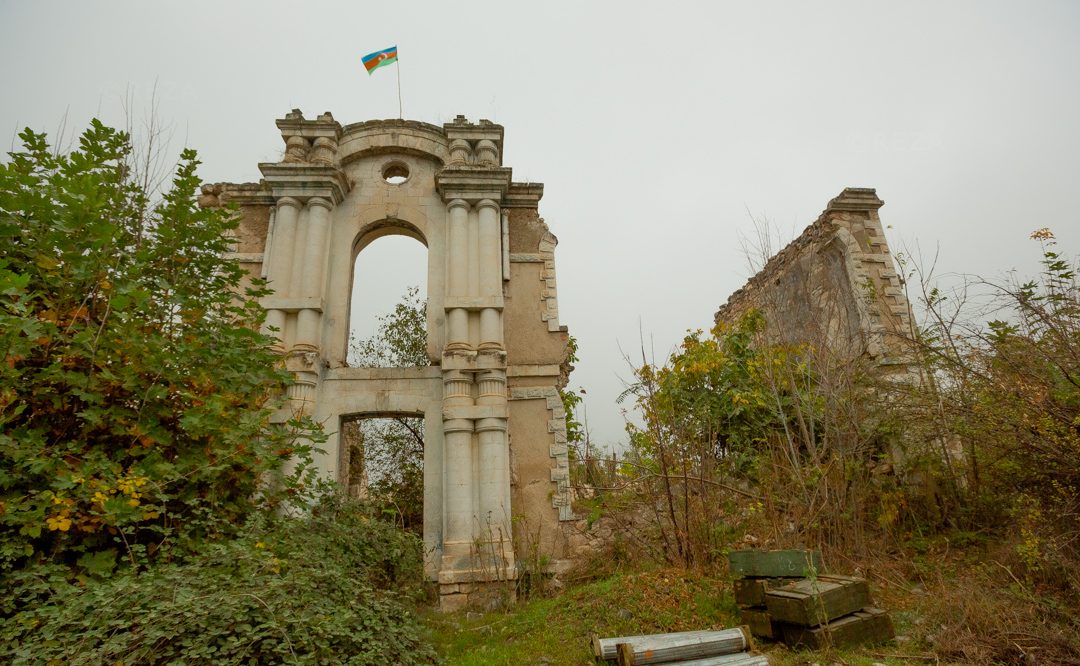
In the direction of Fizuli and Jabrayil, the Defense Army had fairly well-fortified positions, and even defense areas with long-term firing points and covers. The vast majority of these facilities were built during the First Karabakh War and modernized immediately after it ended.
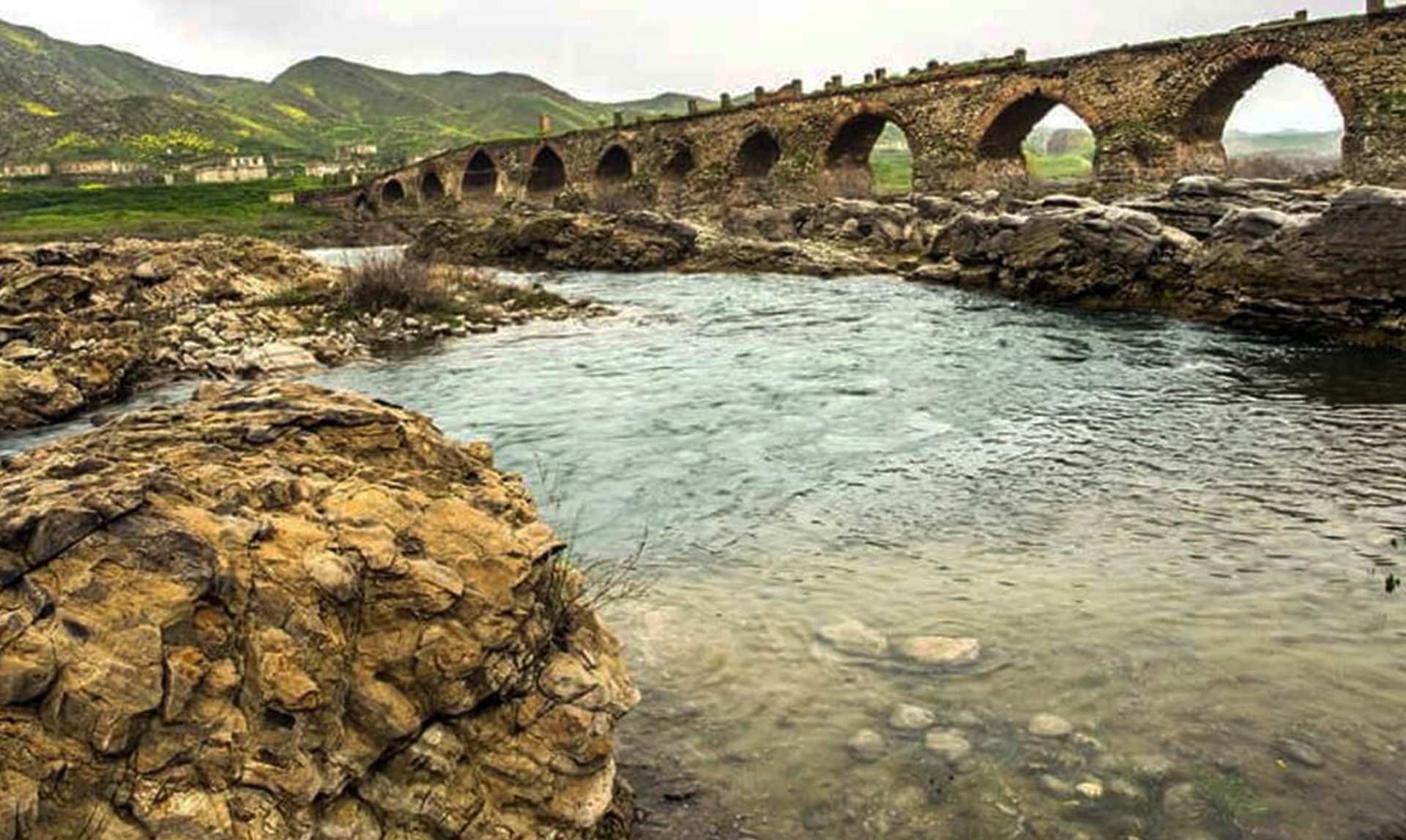
On the first day of the attack, the Azerbaijani army was able to breach the front line in one or two directions. Around 4:30 p.m., the Azerbaijani army entered the villages of Boyuk Marjanli and Nuzgar in the Jabrayil direction. At the same time, 4 villages of Fizuli District were liberated from occupation.
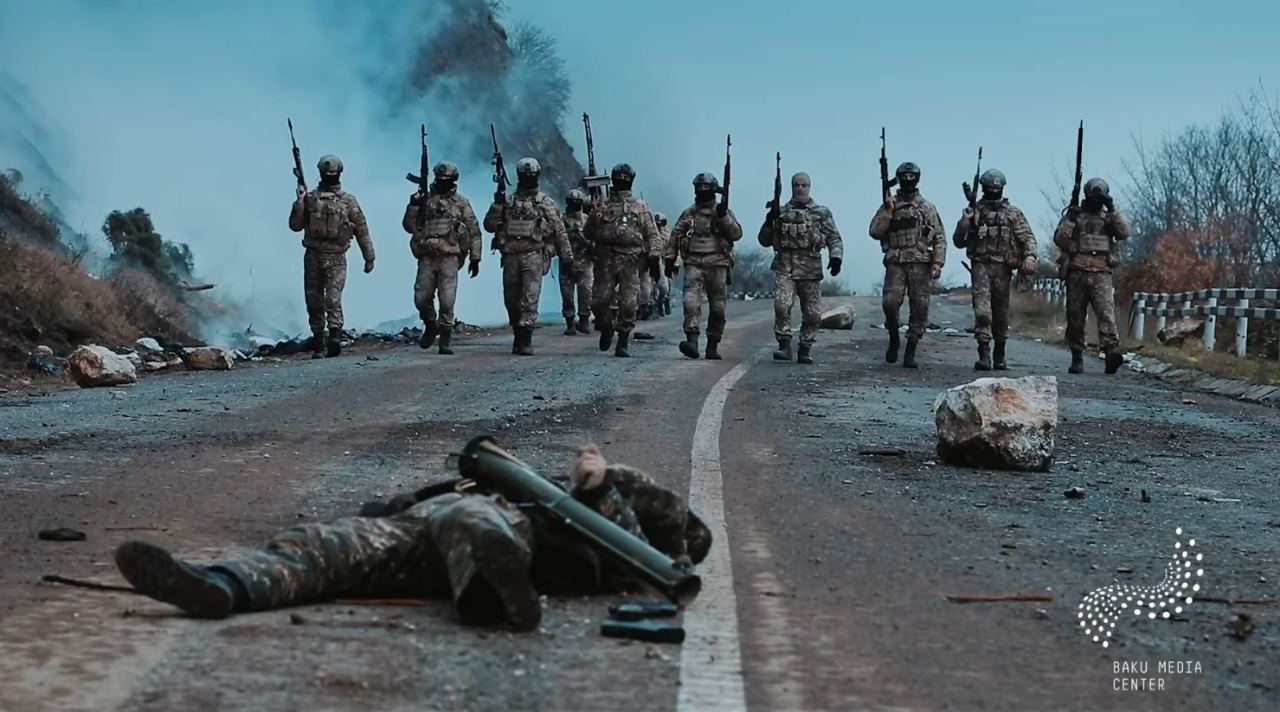
The documentary film “Shusha, you’re free!” co-produced by Baku Media Center and Salnamafilm studio with the support of the Ministry of Culture of Azerbaijan, will be shown on the eve of Victory Day
Diplomats often speak of creating “facts on the ground,” that is, actions and faits accomplis of various kinds that determine future outcomes even before any negotiations occur.
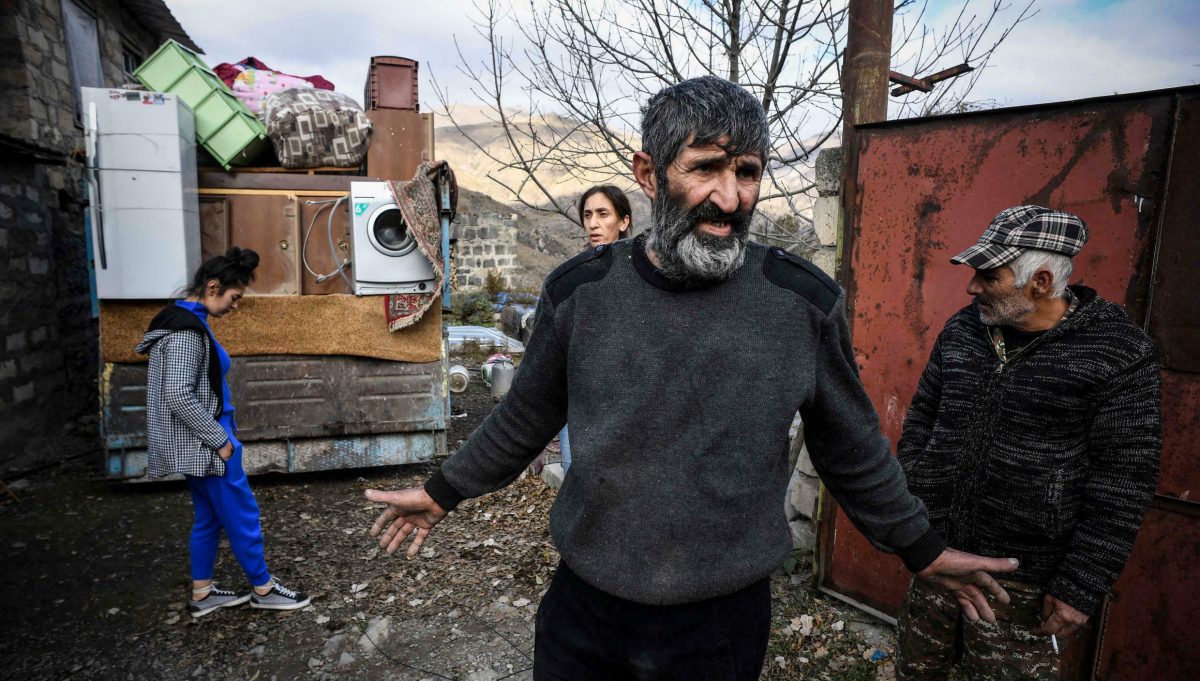
In the first months after the signing of the trilateral ceasefire statement, the Armenian media and representatives of the Russian peacekeepers tirelessly trumpeted about "more and more civilians returning to Karabakh."
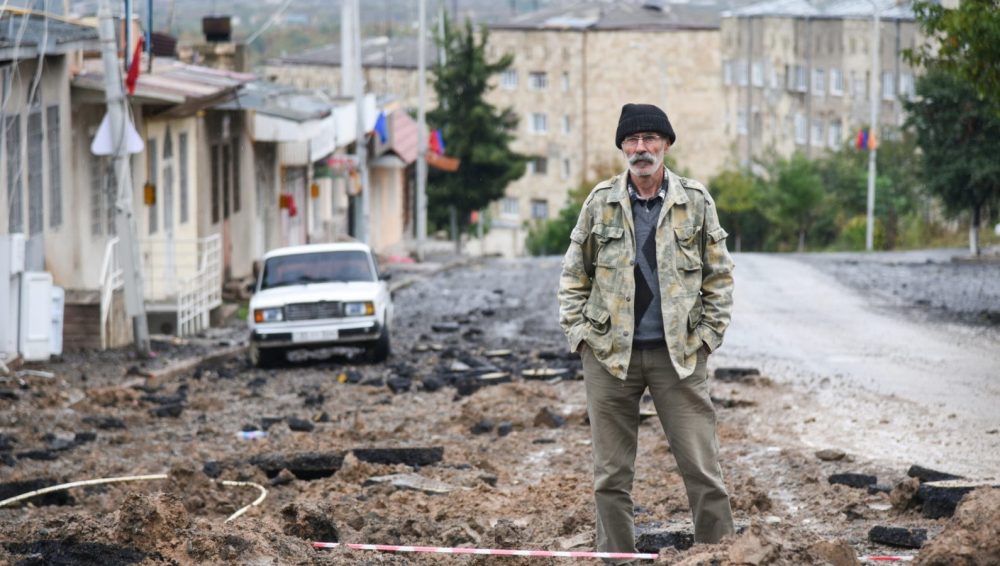
The illegal settlement of Armenian nationals in the occupied territories of Azerbaijan in the aftermath of Armenia's military aggression early in the 1990s was rather a continuation than a beginning of their long-standing intention to change demography across the South Caucasus in support of their own myth of the "Greater Armenia".
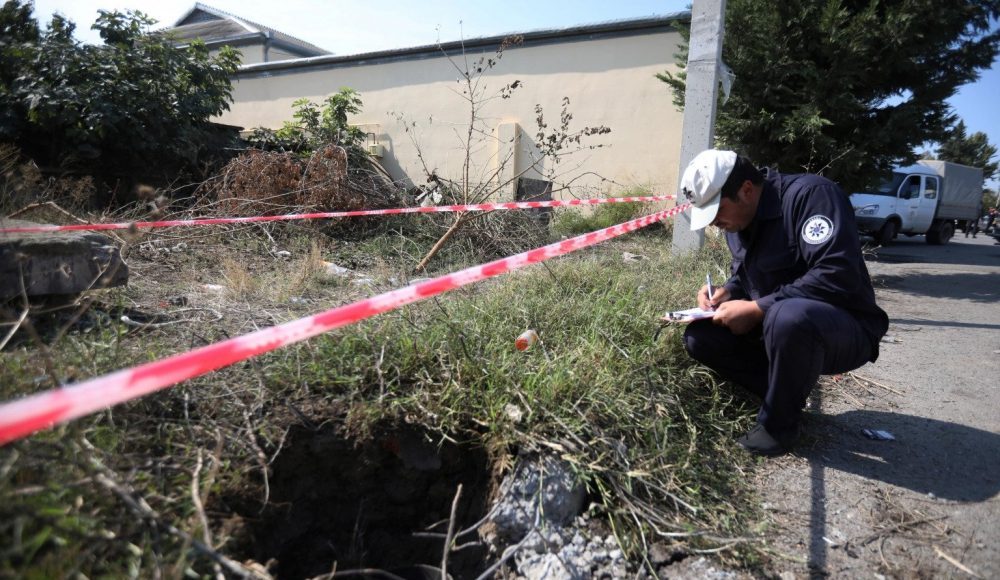
The conference “Overcoming the challenges of landmines in Azerbaijan’s quest for peace, development and reconstruction” was held on Tuesday, 12 October 2021 at the Park Inn Hotel in Baku.
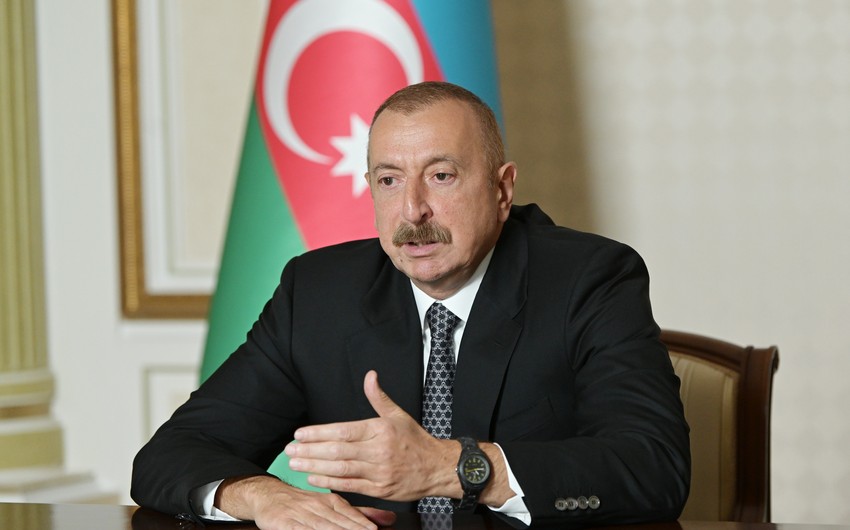
Ilham Aliyev visited the Udi Albanian church destroyed under the Armenian occupation regime in the village of Talish, Karabakh.
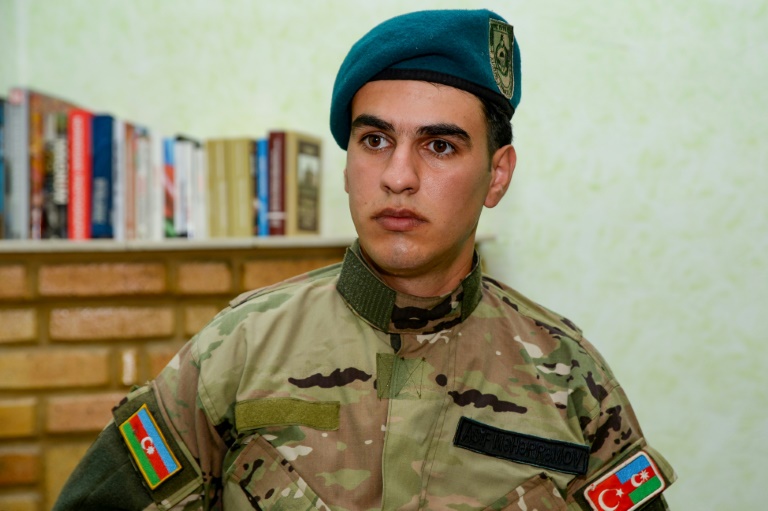
Insomnia and nightmares, heart palpitations and aggression — one year after Asif Maharramov was sent to fight in a brutal conflict between two ex-Soviet rivals, he is struggling with lingering psychological injuries.
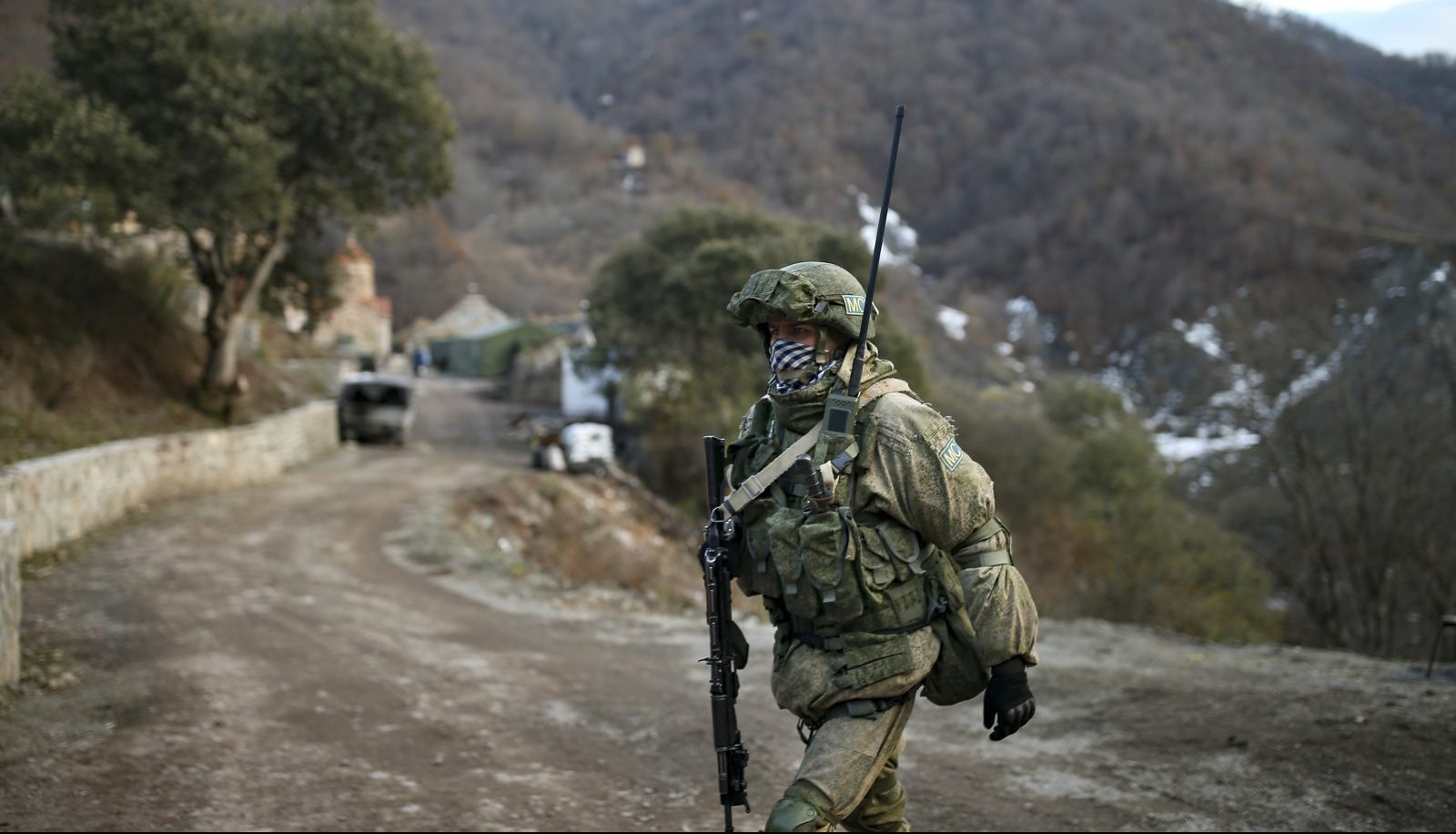
Members of the Azerbaijani parliament and civil society institutions have been criticizing the “illegal” activities of the Russian peacekeeping mission ever more explicitly.
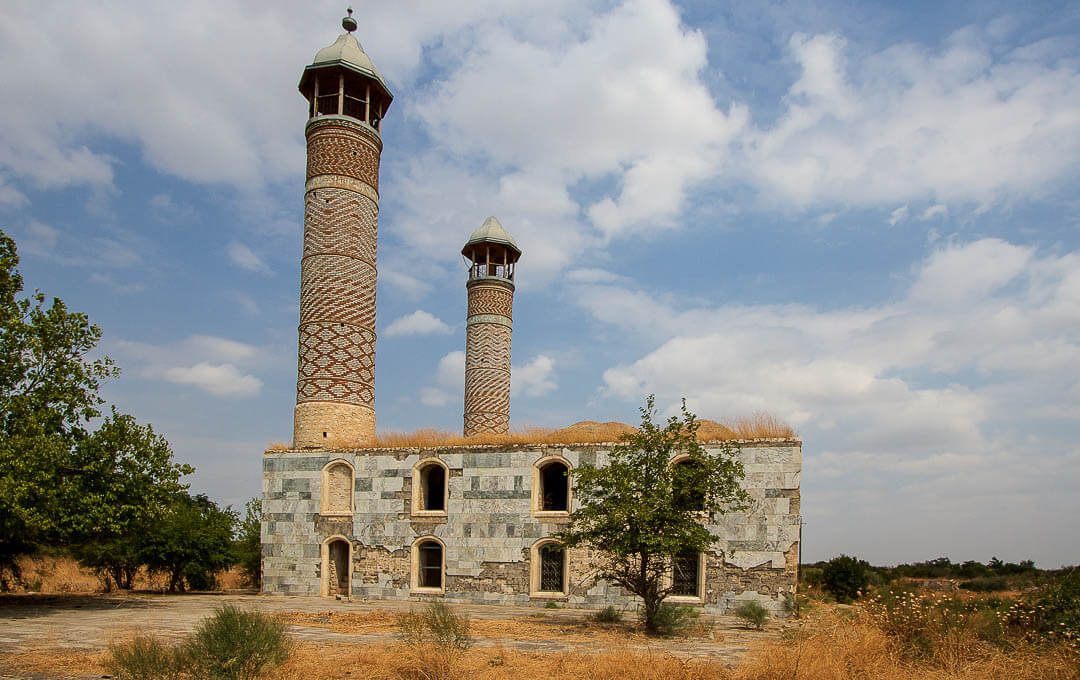
Conflict-hit regions of Azerbaijan are undergoing extensive reconstruction and revitalization, with plans for green, digitally-connected smart cities offering a better way of life to citizens.
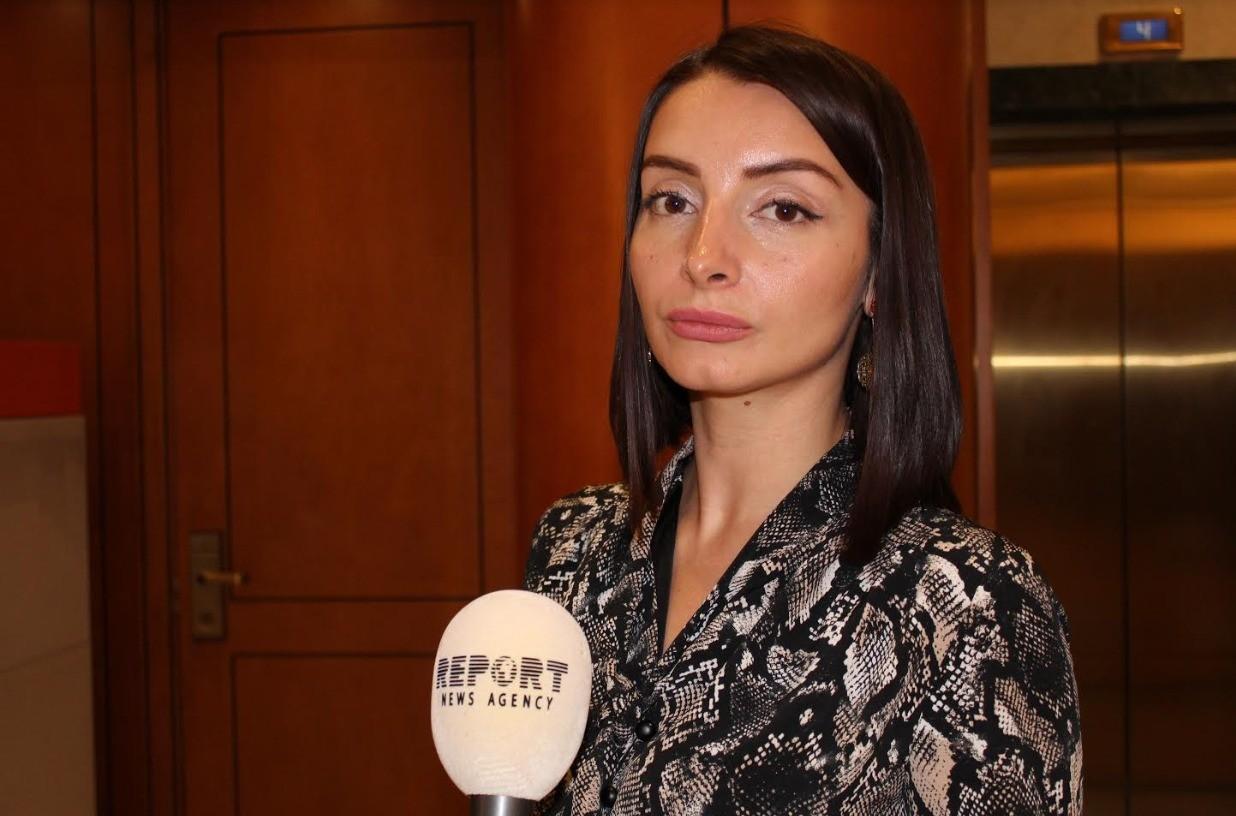
Abdullayeva’s remark came in response to a statement made by U.S. Ambassador to Armenia Lynne Tracy, in which she said that the Nagorno-Karabakh issued had not yet been resolved.
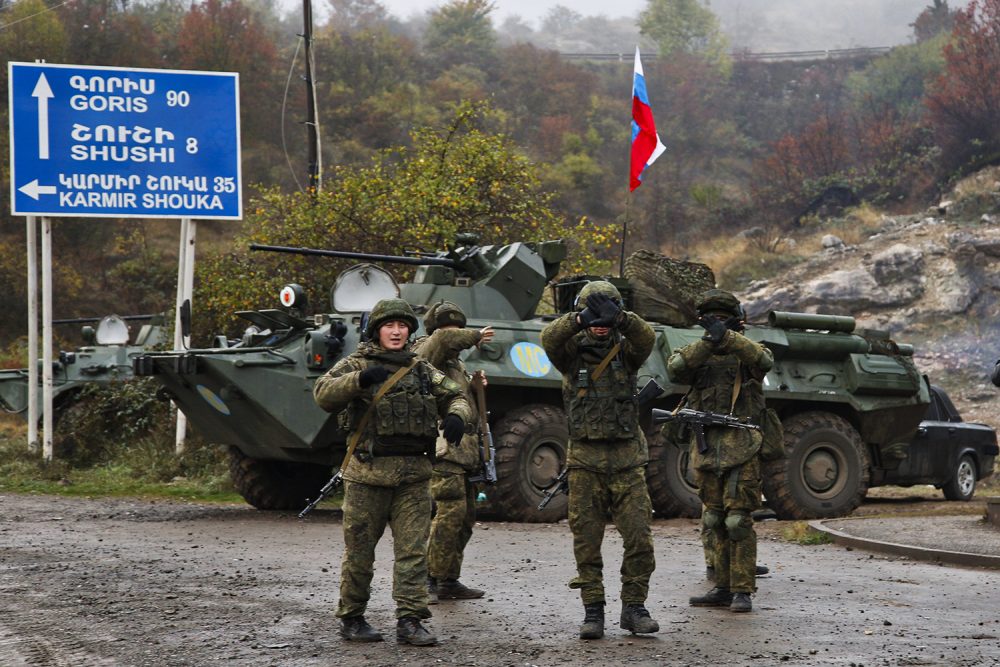
The deployment of Russian peacekeepers to the mountainous part of Azerbaijan’s Karabakh region has brought with it questions about the performance of these forces, questions that necessitate a detailed analysis.