A year ago, the sun shone over Aghdam, Azerbaijan on a baking afternoon. Ruins abounded, with only the historic mosque close to intact, its minarets towering over the wreckage. Yet the mood was not sorrowful, but optimistic.

A year ago, the sun shone over Aghdam, Azerbaijan on a baking afternoon. Ruins abounded, with only the historic mosque close to intact, its minarets towering over the wreckage. Yet the mood was not sorrowful, but optimistic.
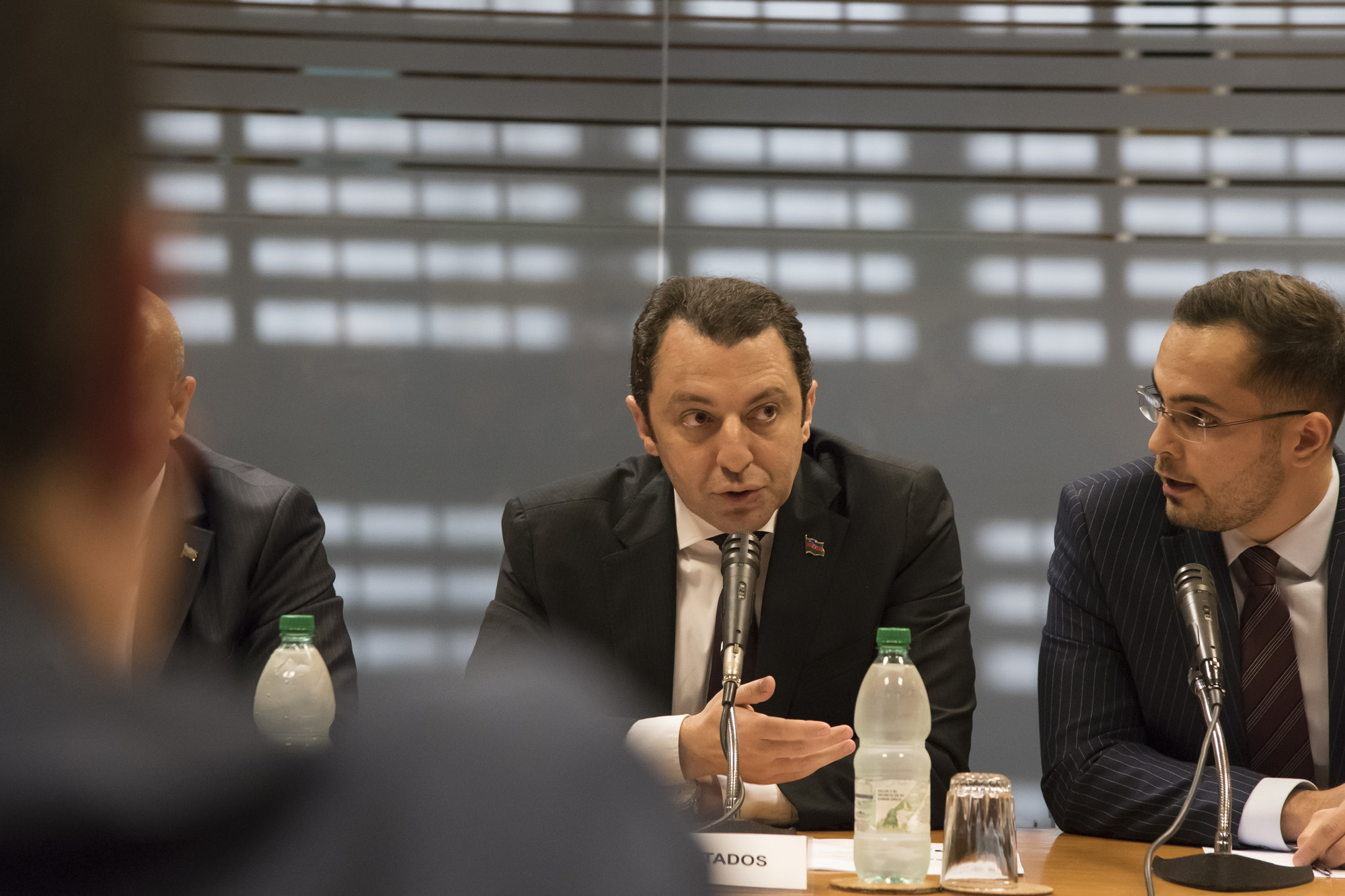
Azerbaijan welcomes the Malaysian business community to invest in projects in the liberated Karabakh, said its Deputy Foreign Minister Elnur Mammadov.
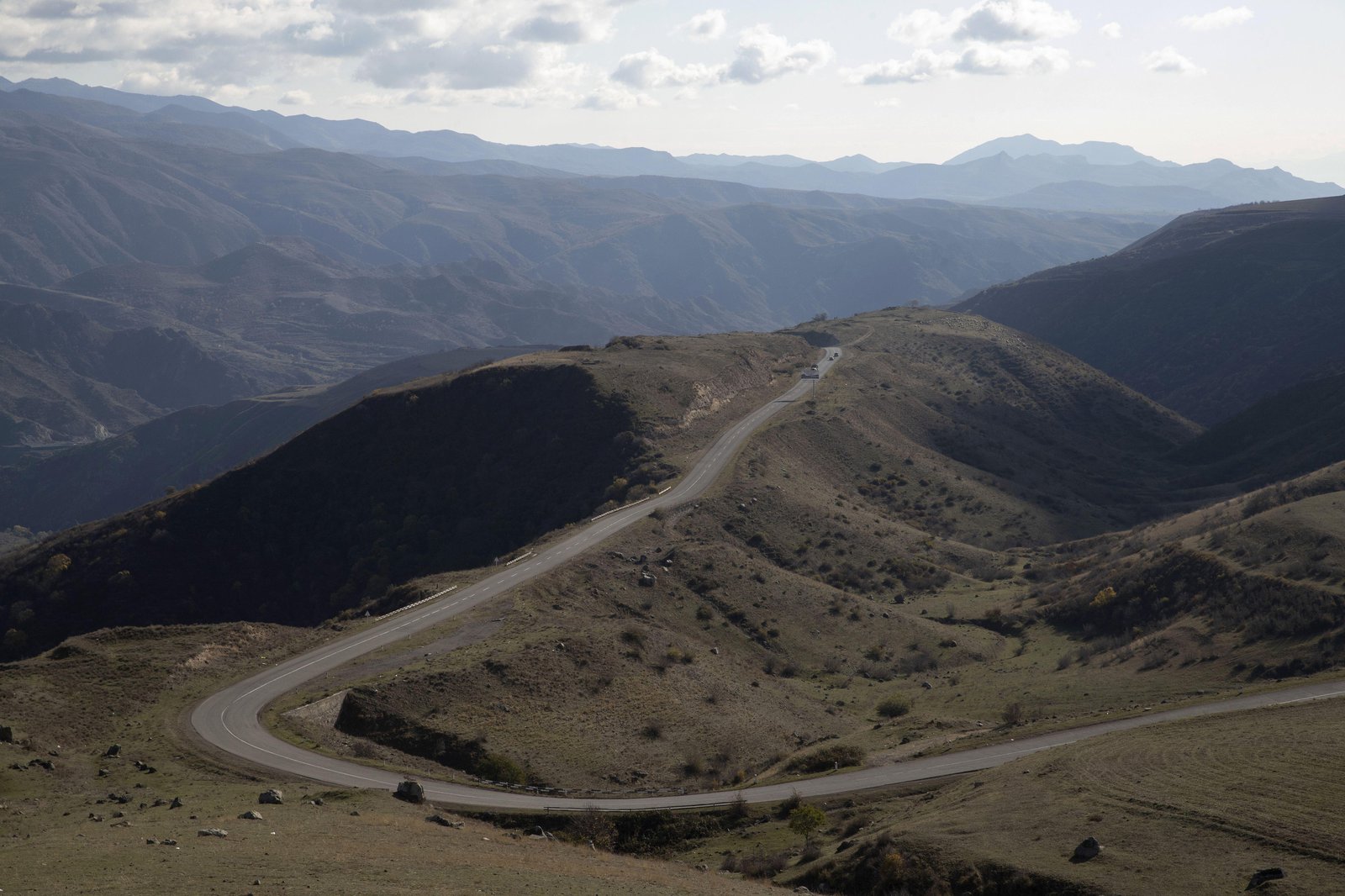
The Armenian government is preparing to invite bids for the construction of the 8-km section of the new road, an alternative to the Lachin corridor that will go through the village of Kornidzor in Gafan District. According to Hraparak newspaper, the tender will be announced in August.
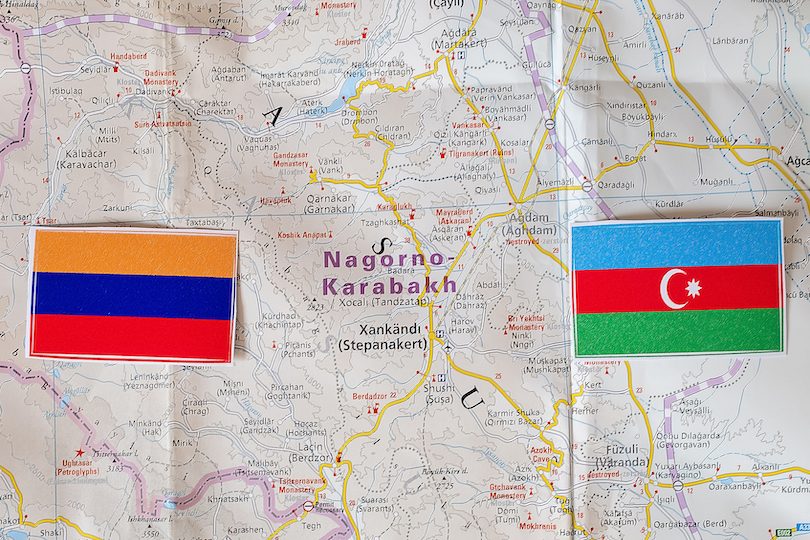
In recent discussions, some Armenian and Azerbaijani scholars have promoted the idea of autonomy for the Armenian minority in the Karabakh region.
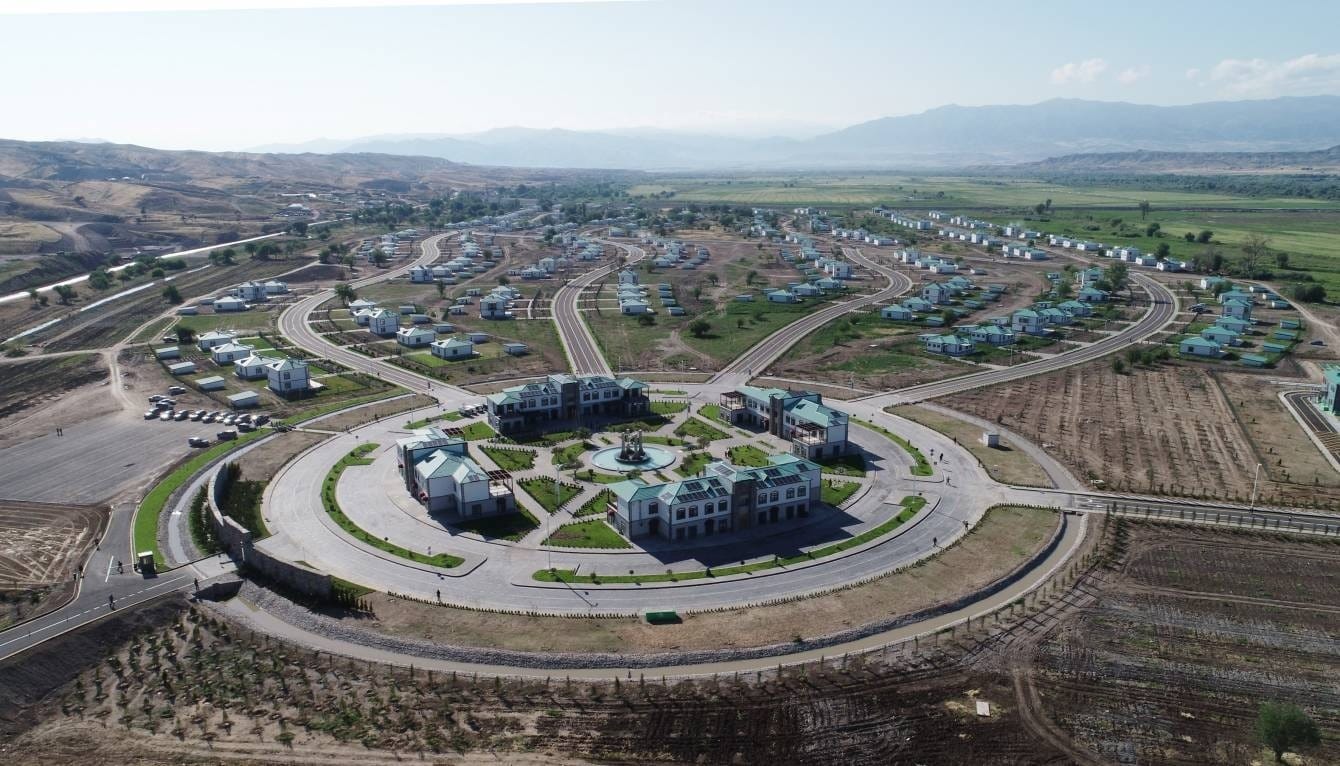
Azerbaijan presented its Smart Villages project to MEPs from the European Parliament’s Intergroup on ‘Rural, Mountainous and Remote Areas and Smart Villages’ on Tuesday (28 June), as well as to a wider audience of invited guests interested in how to transform and revive rural communities.
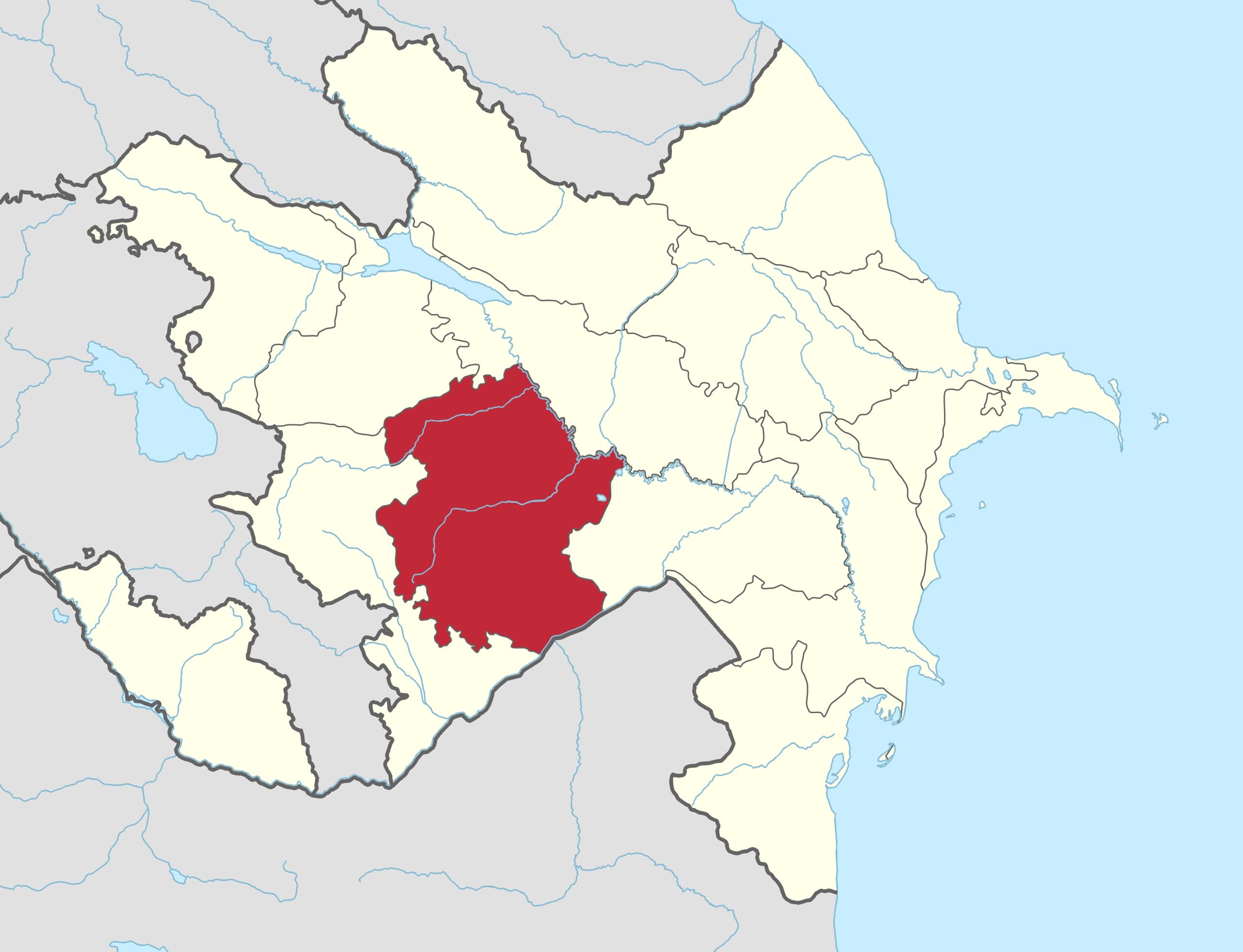
Following the so-called “44-Day War” between Armenia and Azerbaijan in late 2020, the conflicting parties continue several legal battles before the International Court of Justice (ICJ) and the European Court of Human Rights (ECtHR), alleging various violations of international law.
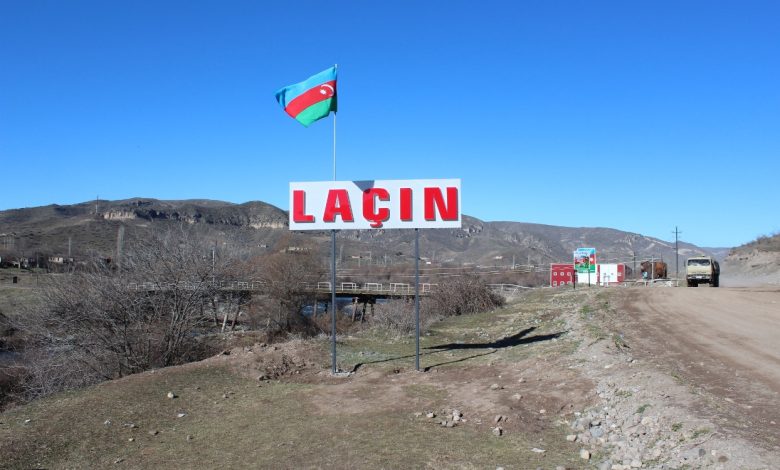
Armenian blogger Vartan Ghukasyan shared video footage from Lachin circulating on social media. The footage shows looted Armenian houses.
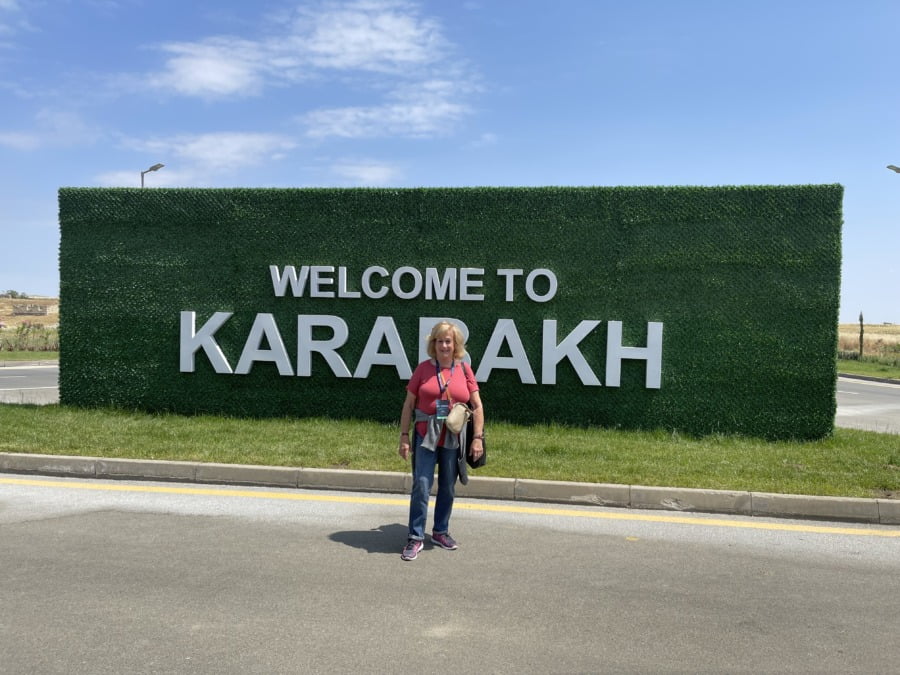
For 30 years, since the First Karabakh War ended, Armenia occupied 20 percent of Azerbaijan’s sovereign territory. During those 3 decades Armenian occupying forces razed 10,000 square km to the ground and contaminated the occupied areas with hundreds of thousands of landmines. Even so, in Azerbaijan, there is a spirit of liberation.
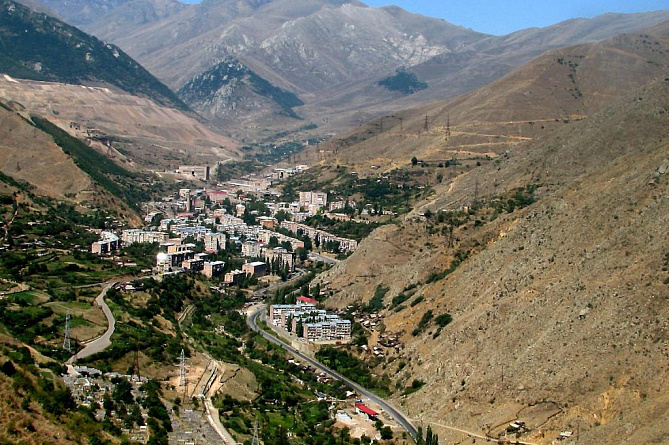
Now, Moscow has come down on Azerbaijan’s side on this issue, something that will undercut European efforts to keep open the question of the final status of Karabakh.
Armenian Prime Minister Nikol Pashinyan traded new accusations on Monday with the president of Azerbaijan, saying his neighbour was failing to take action on a treaty to end 30 years of hostility over Karabakh.
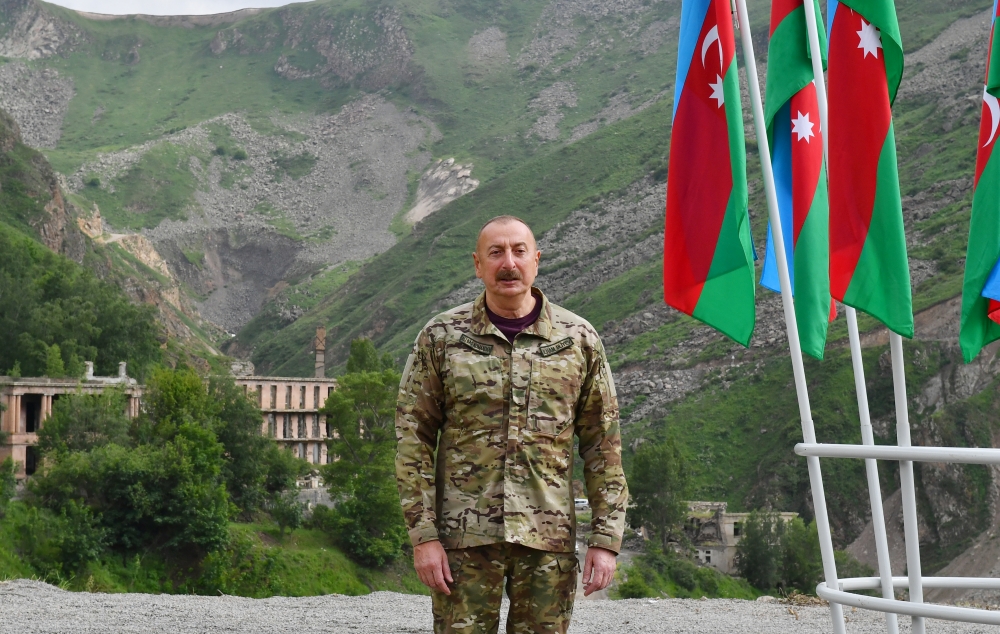
Head of the President’s Administrative Services Department Ramin Guluzade informed the President of the work to be done at the sanatorium, the presidential press service reports. The Istisu Recreation and Treatment Complex,
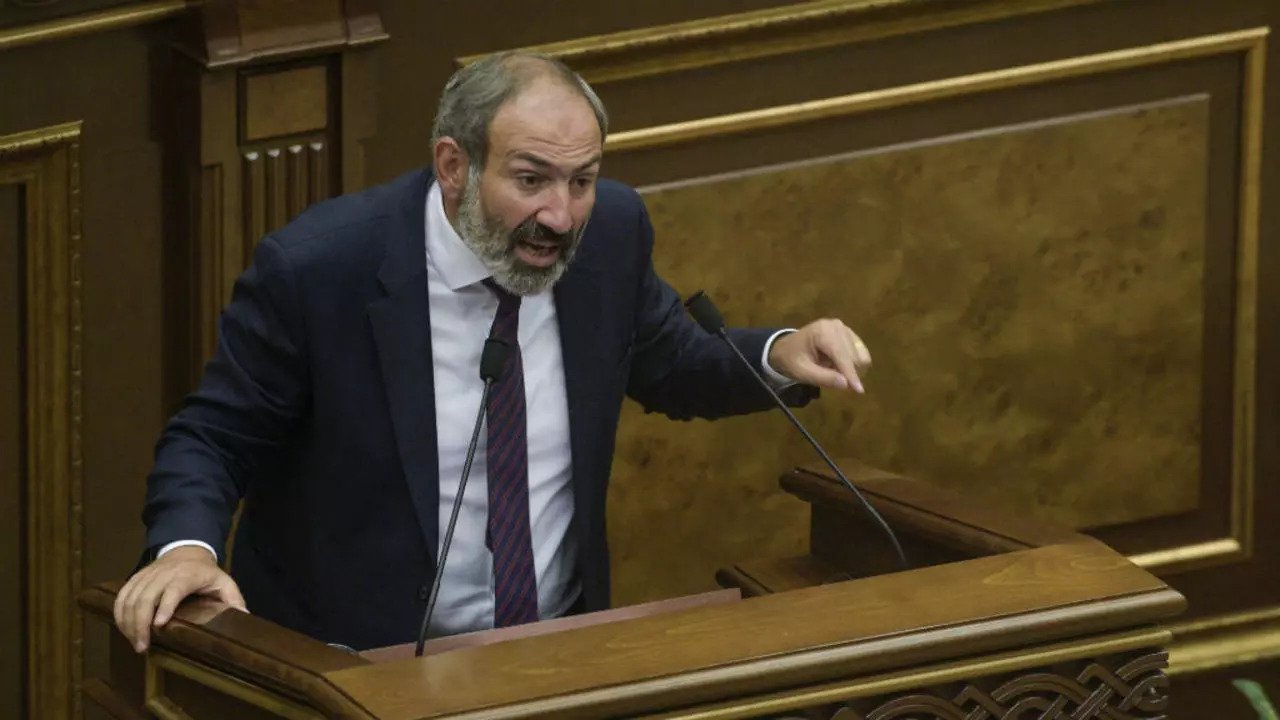
Armenian Prime Minister Nikol Pashinyan once again says that his predecessors Robert Kocharyan and Serzh Sargsyan discussed the possibility of accepting Karabakh as part of Azerbaijan at negotiations in the past, but now that they are in the opposition, they are accusing the authorities of betrayal.
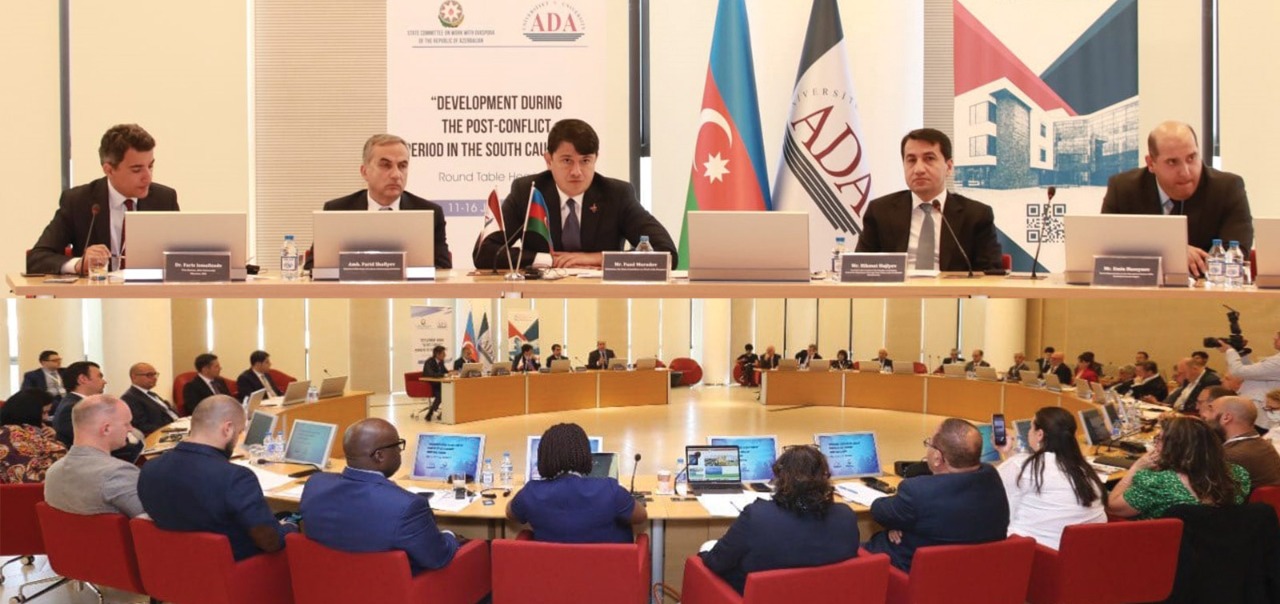
ADA University hosted "Post-Conflict Development in the South Caucasus" roundtable hearings organized by the State Committee on Work with Diaspora together with the university.
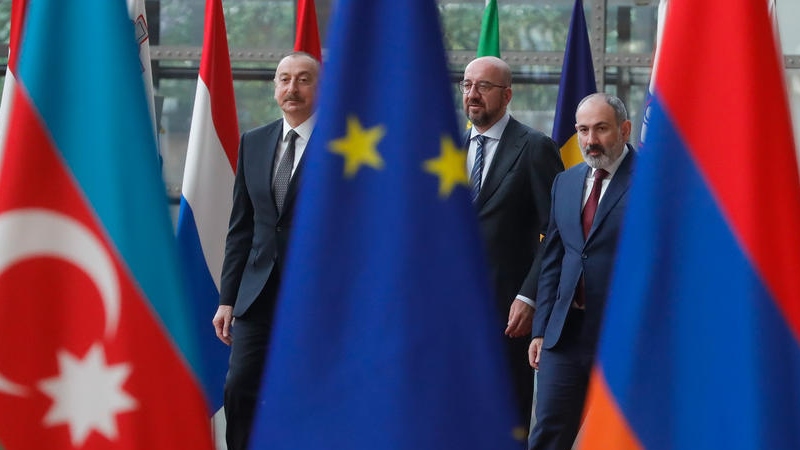
With Moscow looking increasingly unable to maintain the status quo in the Caucasus, Brussels is testing its diplomatic clout in an attempt to broker a peace deal between Armenia and Azerbaijan, writes Gabriel Gavin.
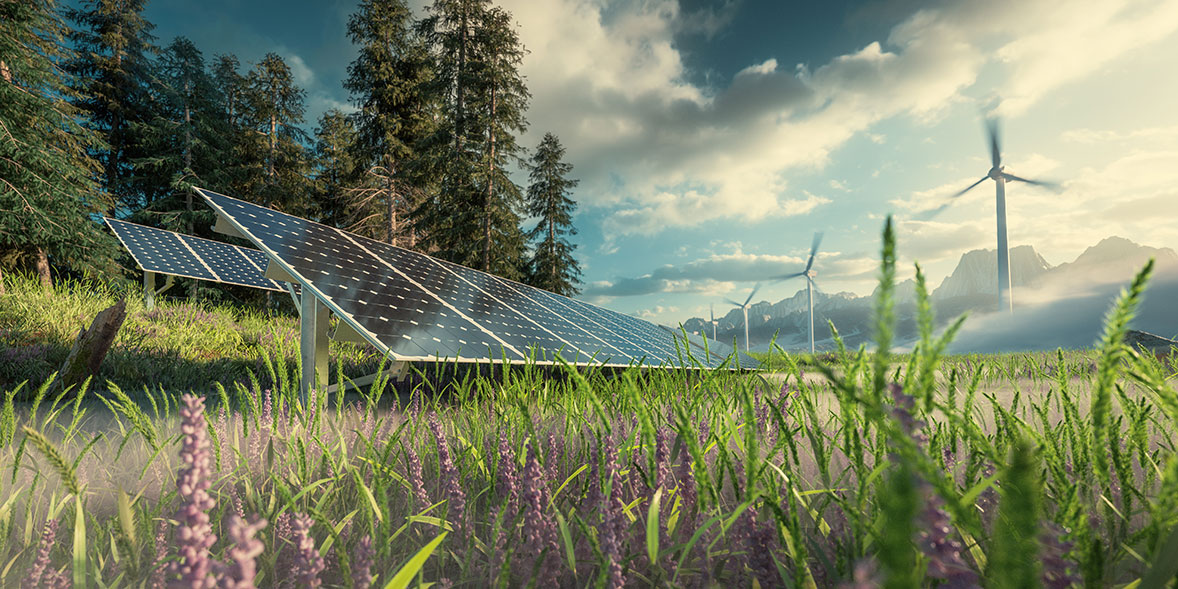
In the aftermath of liberation from Armenian occupation in 2020, the Karabakh and Eastern Zangezur economic regions have been at the center of Azerbaijan’s plans to develop its renewable energy potential in cooperation with international partners.
US condemned Armenia for almost total destruction and looting of Aghdam, Fizuli and other areas of Karabakh over last 30 years, as well as transfer of Azerbaijan's cultural heritage.
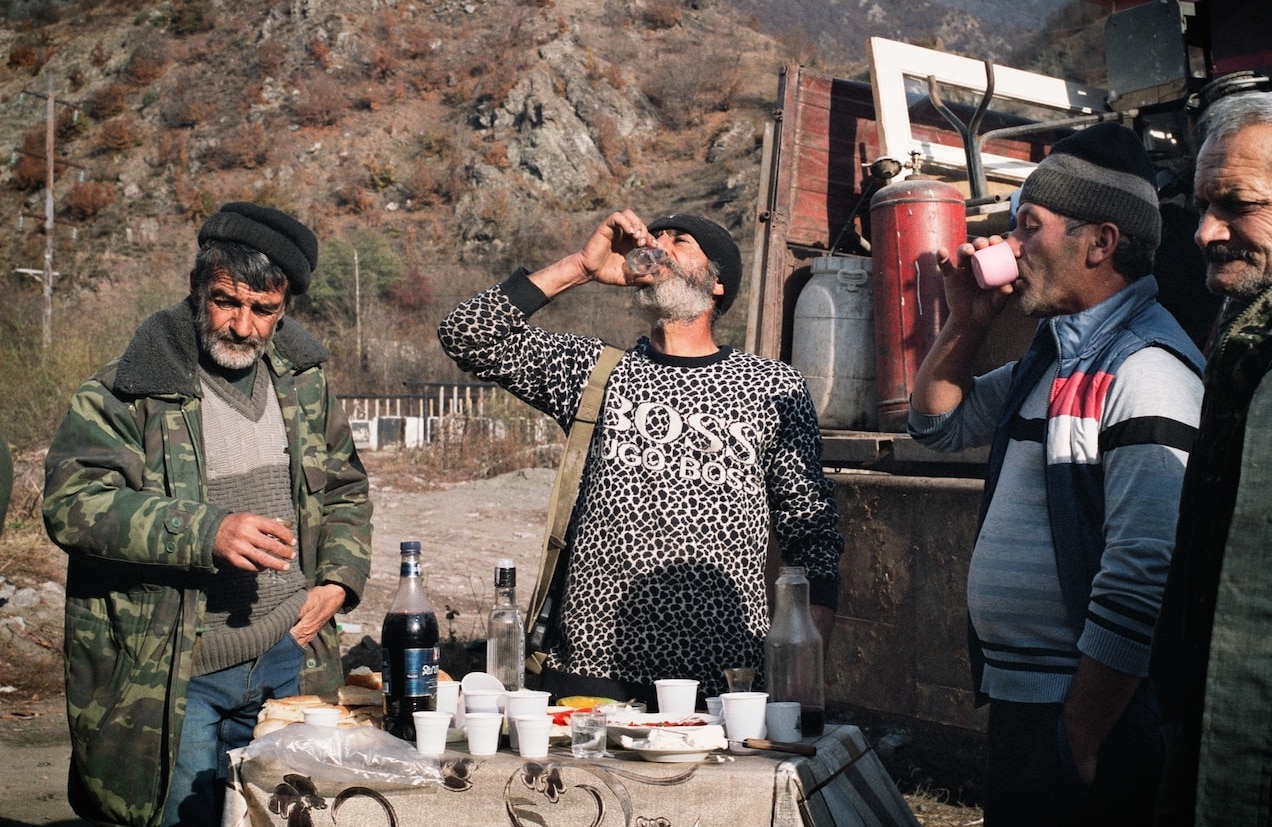
Armenia's attempts to put the status of Nagorno-Karabakh and the OSCE Minsk Group mediation on the negotiation agenda have failed.
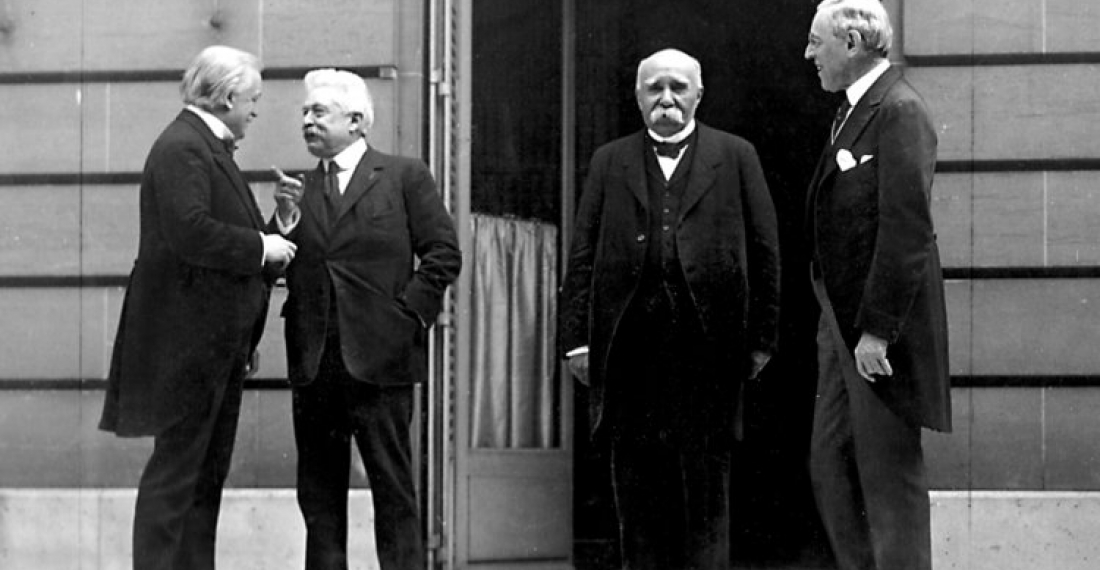
After decades, there finally is reason for optimism about the resolution of the Nagorno-Karabakh conflict. Negotiations are advancing, and normalization of relations between Armenia and Azerbaijan – like reopening transport links and cooperating on the border – is proceeding even without an agreement on the thorniest issue dividing the two sides: the fate of Karabakh itself.
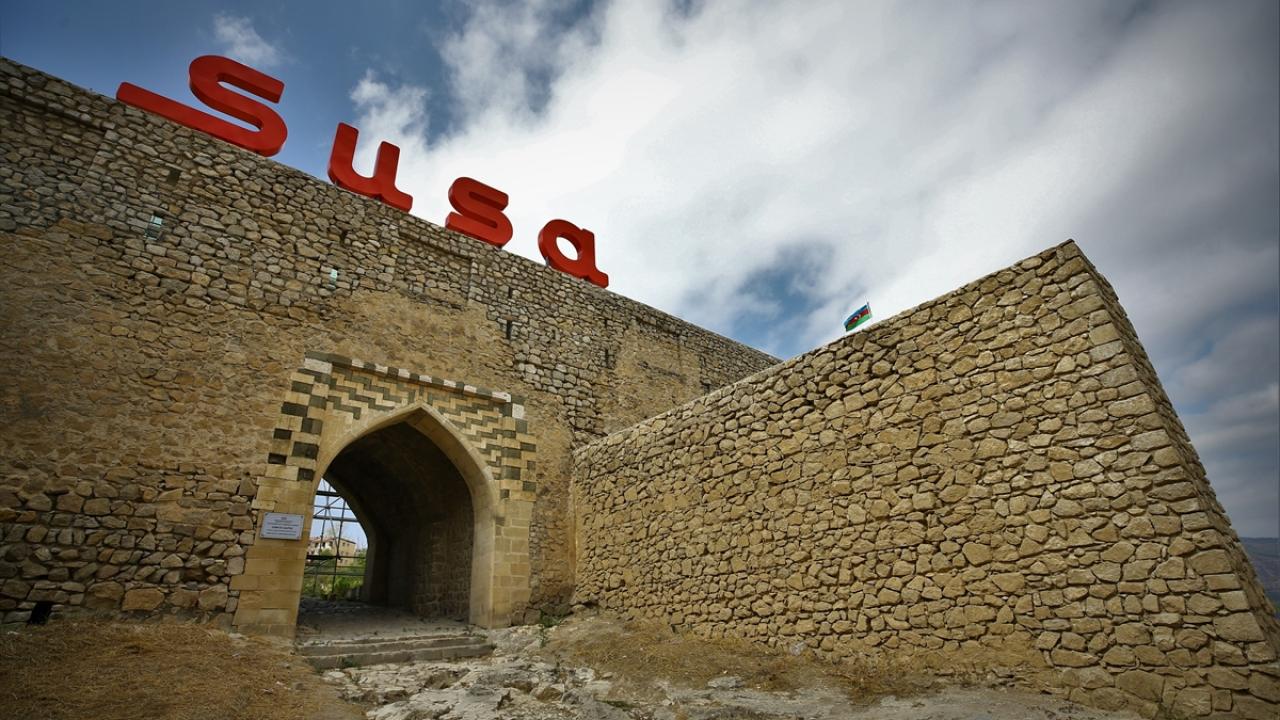
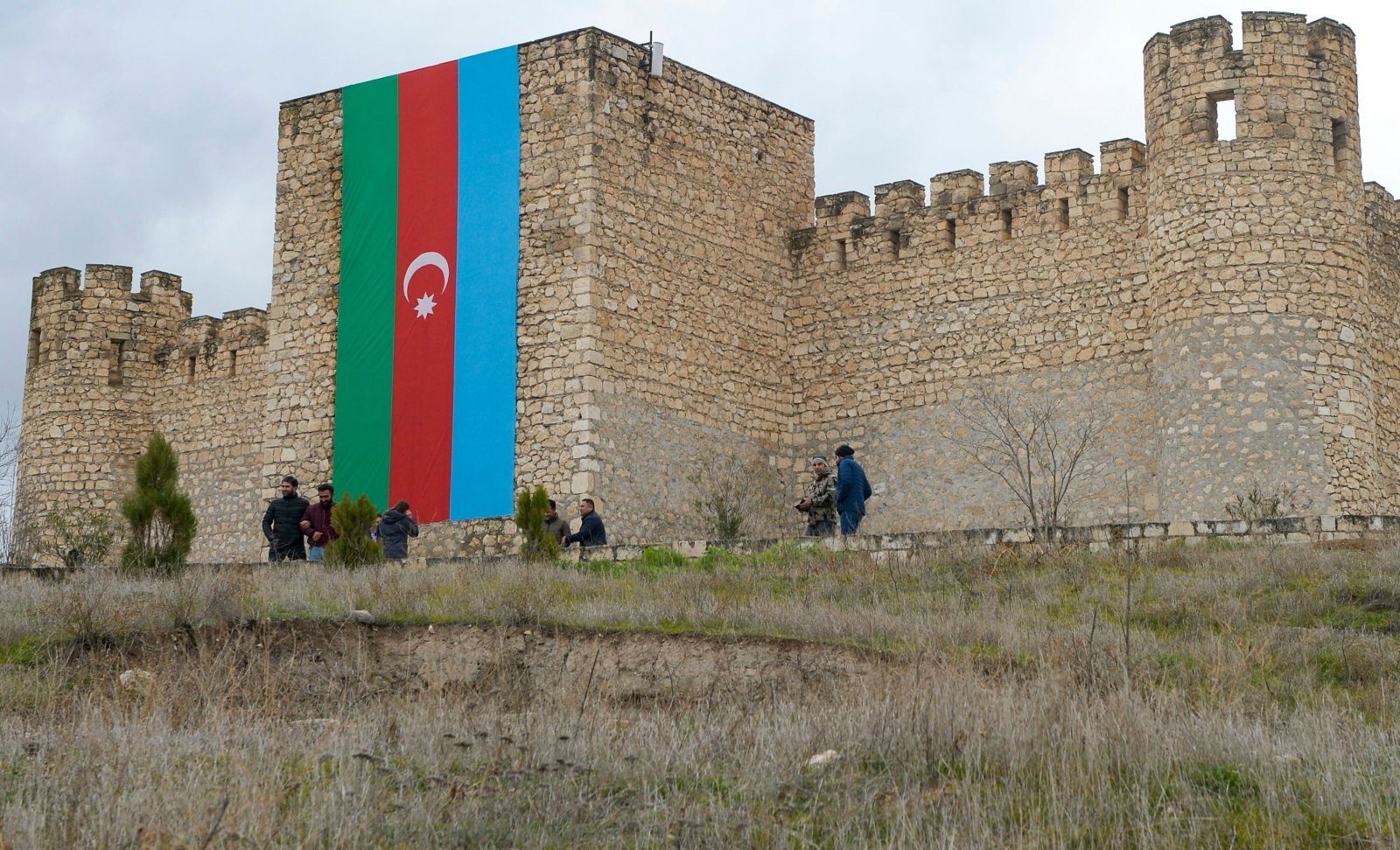
The area around Shusha was once called the "Switzerland of Azerbaijan" for its wooded hills and mild climate - a nickname that belies a history of periodic violence between ethnic Azerbaijanis and Armenians stretching back more than a century.
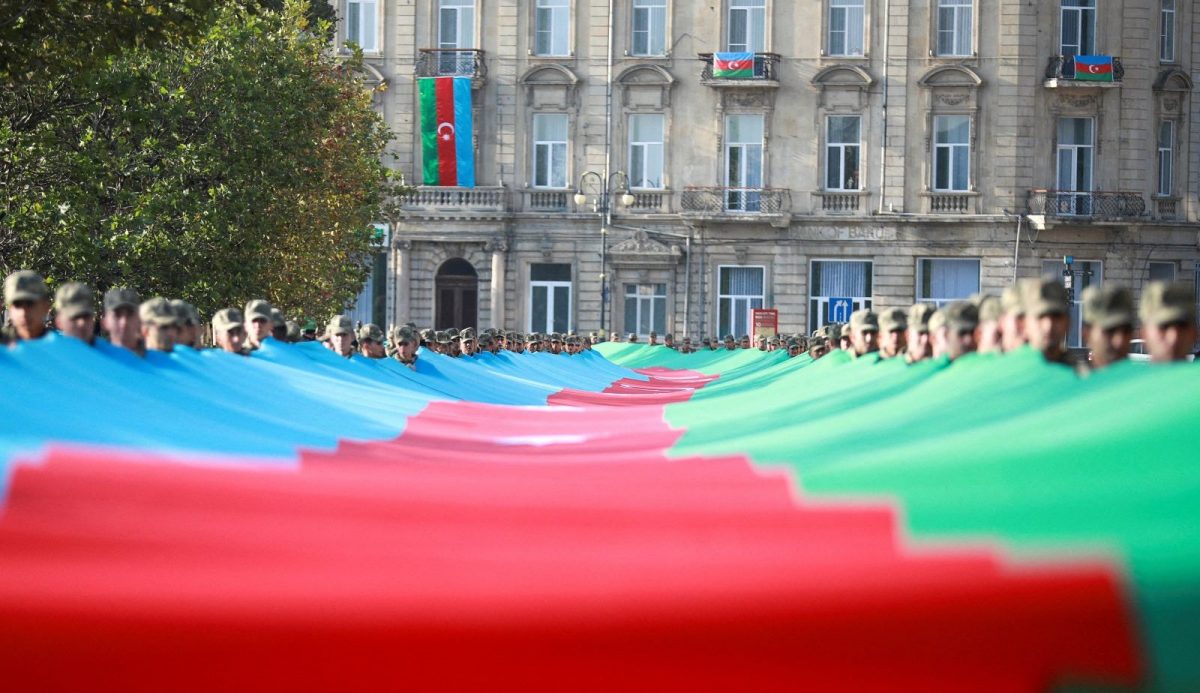
A territorial dispute over the Karabakh region has hindered the normalization of ties between the two countries, however, experts highlight the current historical opportunity to reach a peace deal if differences are sorted out.
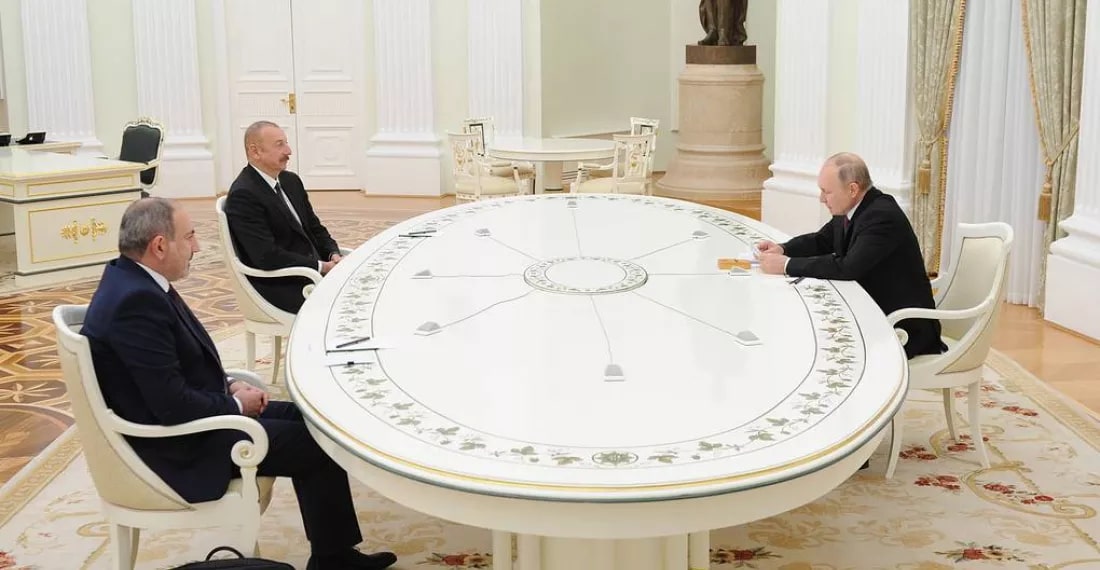
In commenting on Vladimir Putin’s call for a fundamental shift in Russia’s transportation corridors from the west to the east and south, Mikhail Blinkin says that two of the most critical are the expansion of links between the Caspian and Azov seas and the opening of the corridor between Azerbaijan proper and Nakhichevan.
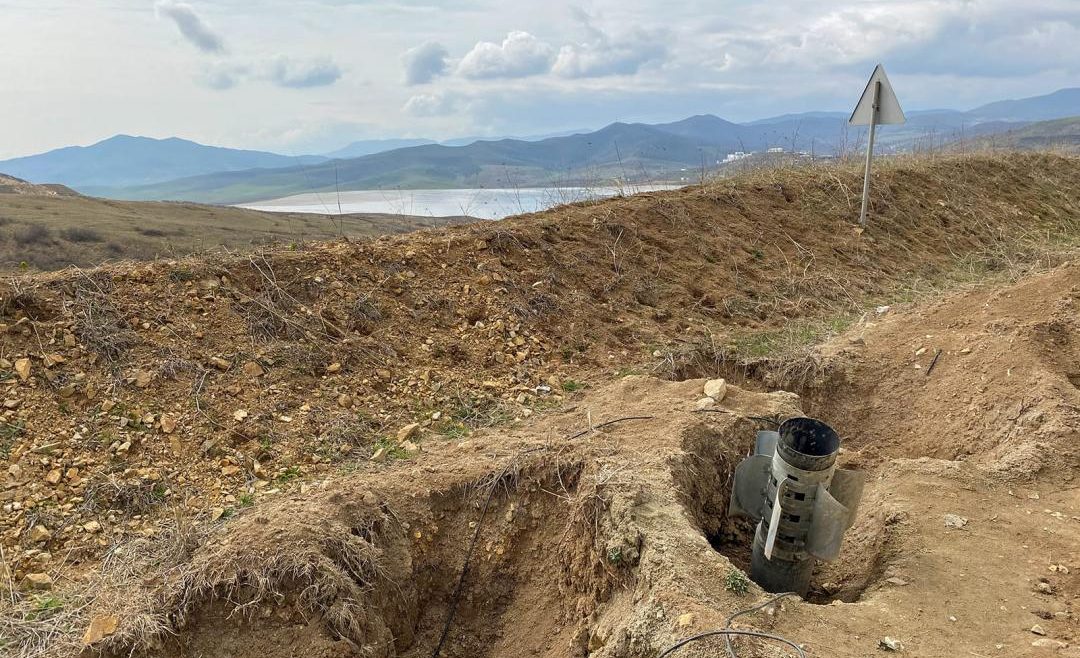
Russia’s war in Ukraine has raised fears of renewed fighting in Nagorno-Karabakh but also hopes of mediation opportunities.
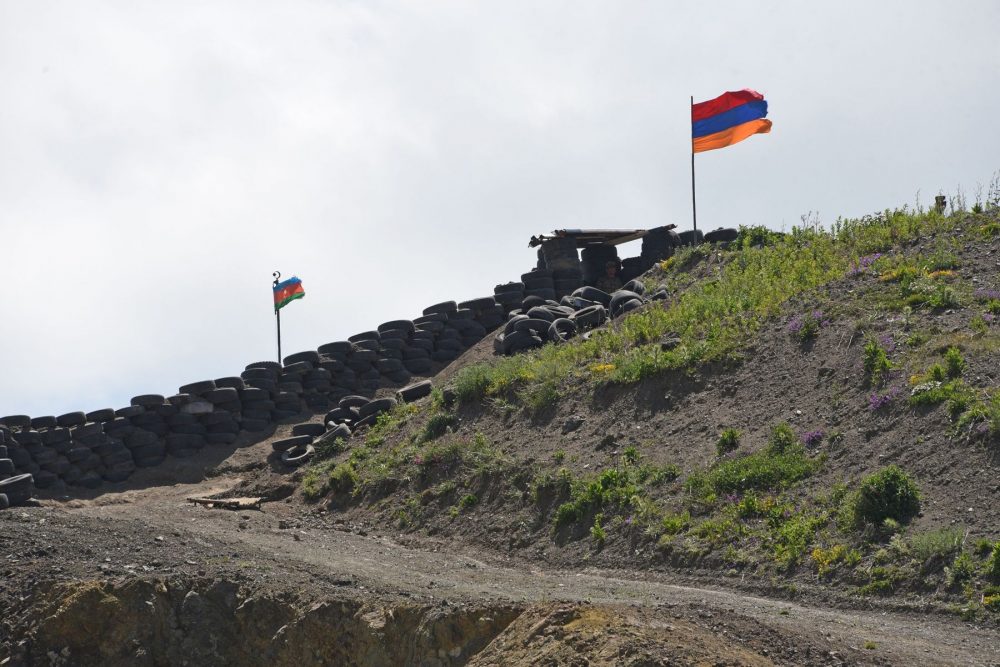
Delegations from Armenia and Azerbaijan met on their international border on Tuesday in a choreographed step towards ending a 30-year dispute over the ethnic Armenian enclave of Nagorno-Karabakh, and agreed on two further meetings.
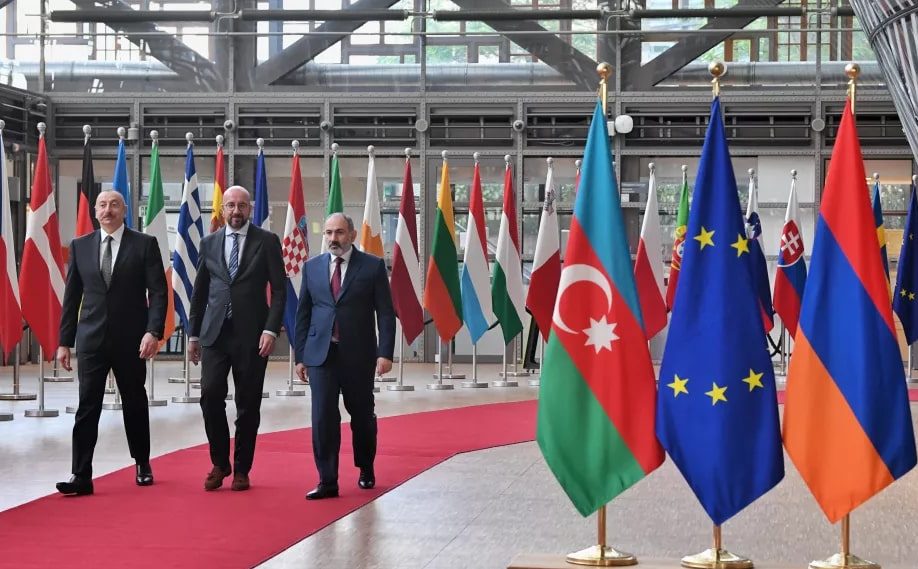
Armenia and Azerbaijan each announced on Monday that they had set up a border commission, a potential step towards ending a dispute over the ethnic Armenian enclave of Nagorno-Karabakh that has festered for three decades.