Results released Monday showed that the party of Armenia’s acting Prime Minister Nikol Pashinyan won a snap parliamentary election that he called to ease anger over a peace deal he signed with Azerbaijan.

Results released Monday showed that the party of Armenia’s acting Prime Minister Nikol Pashinyan won a snap parliamentary election that he called to ease anger over a peace deal he signed with Azerbaijan.
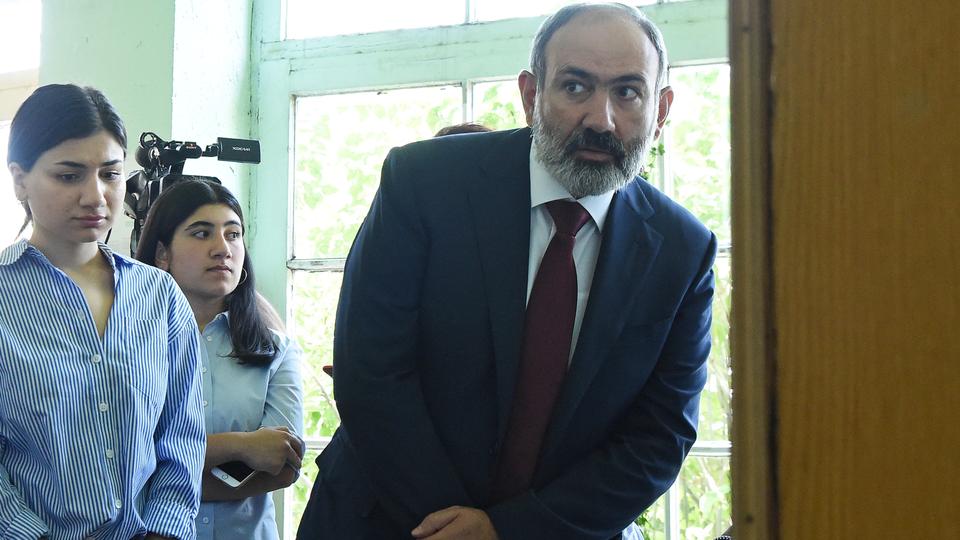
Armenian Prime Minister Nikol Pashinyan claimed victory in snap parliamentary elections he called in an effort to defuse a political crisis after a defeat in war against Azerbaijan in November.
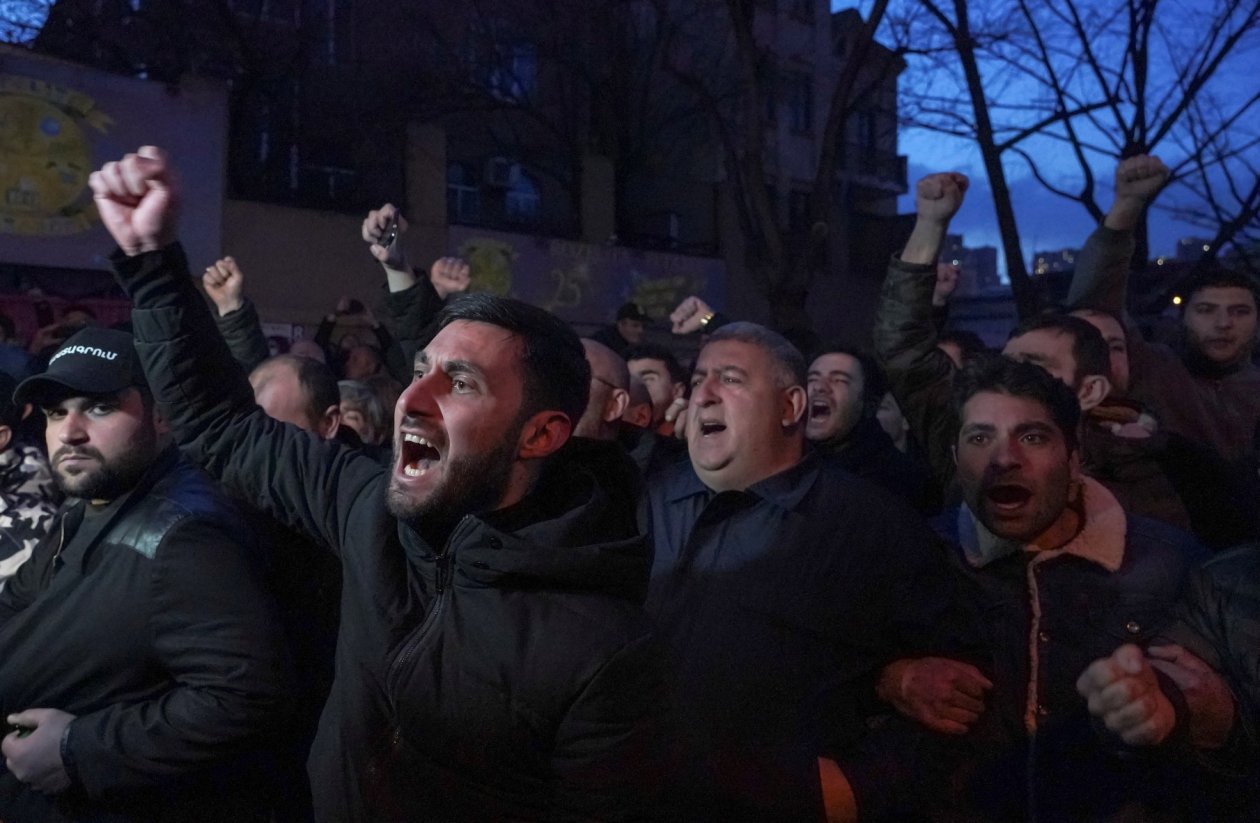
Gruesome revelations illustrate the deep political turmoil in post-war Armenia, and how this has affected the matter of POWs.
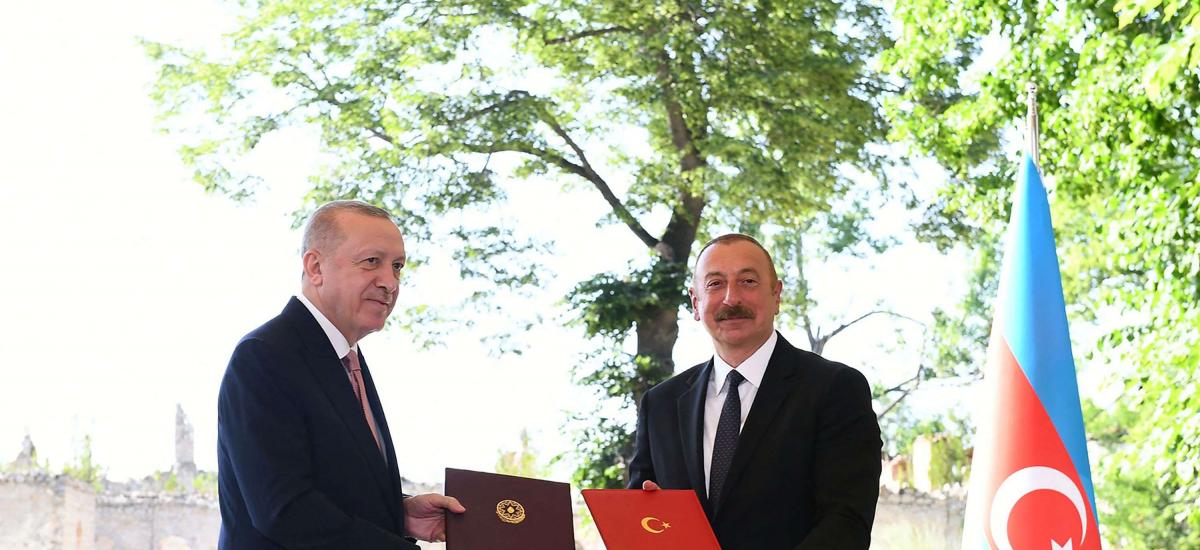
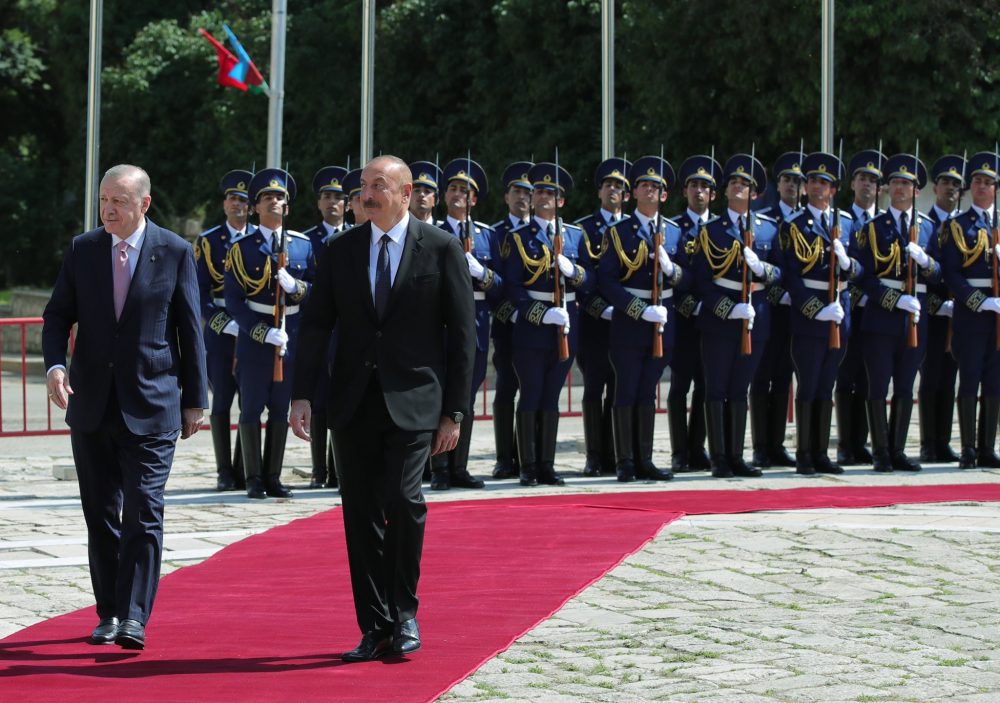
On June 15, 2021, the President of the Republic of Azerbaijan H. E. Mr. Ilham Aliyev and President of the Republic of Turkey H. E. Mr. Recep Tayyip Erdoğan signed the “Shusha Declaration on allied relations between the Republic of Azerbaijan and the Republic of Turkey”.
After the victory of Azerbaijan in the 2nd war of Karabakh the South Caucasus Region (SCR) has now become new “hub” of socio-economic integration, geopolitical maneuvering and geostrategic concessions.
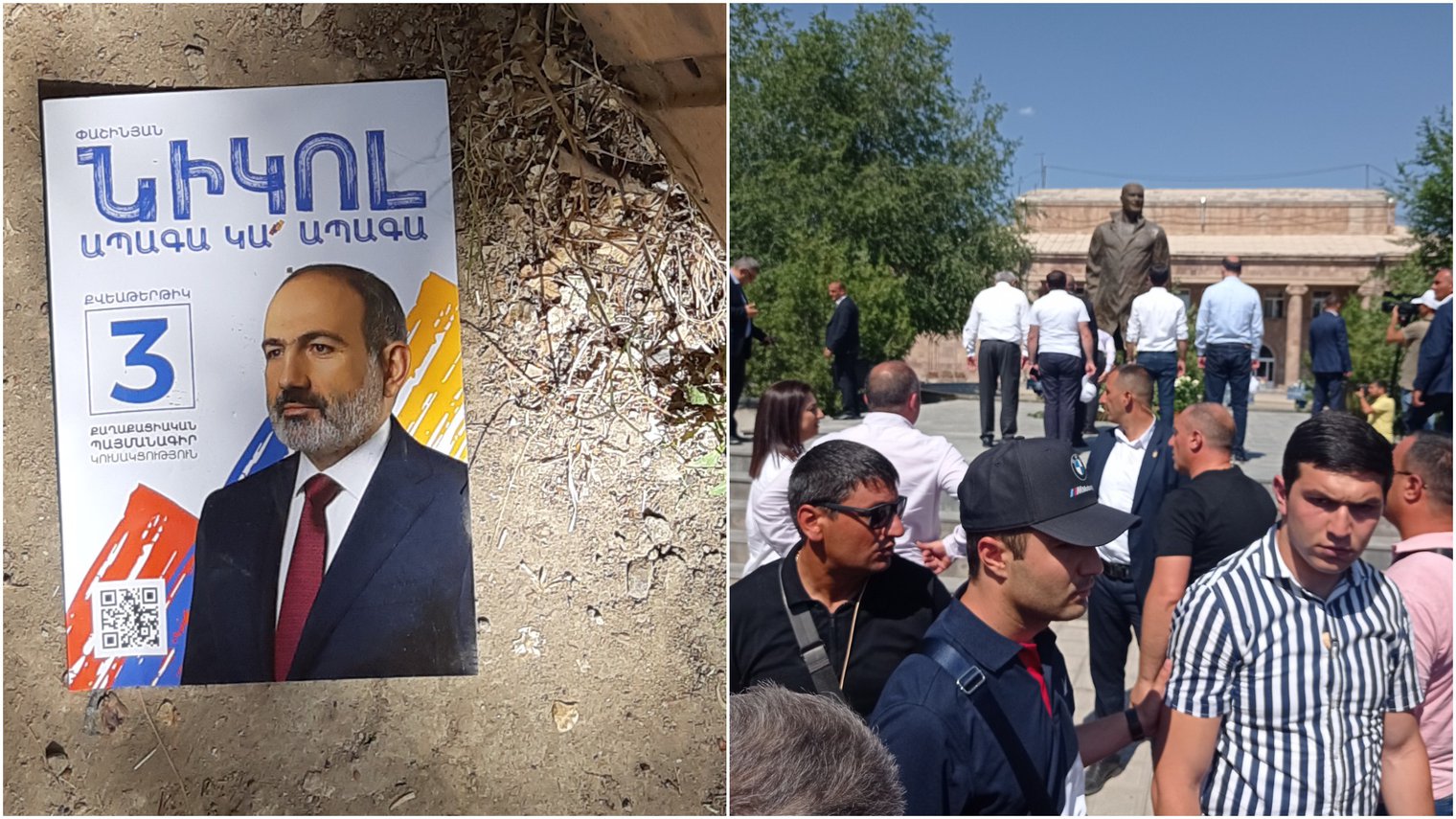
“There is a future,” shouts Nikol Pashinyan, Armenia’s prime minister, as he walks with a crowd of supporters in Ararat, a small town outside the capital Yerevan. Three years since he came to power in Armenia in a peaceful revolution, this is Pashinyan’s slogan for a country emerging from the trauma of last year’s brutal war with Azerbaijan which ended in humiliating defeat.
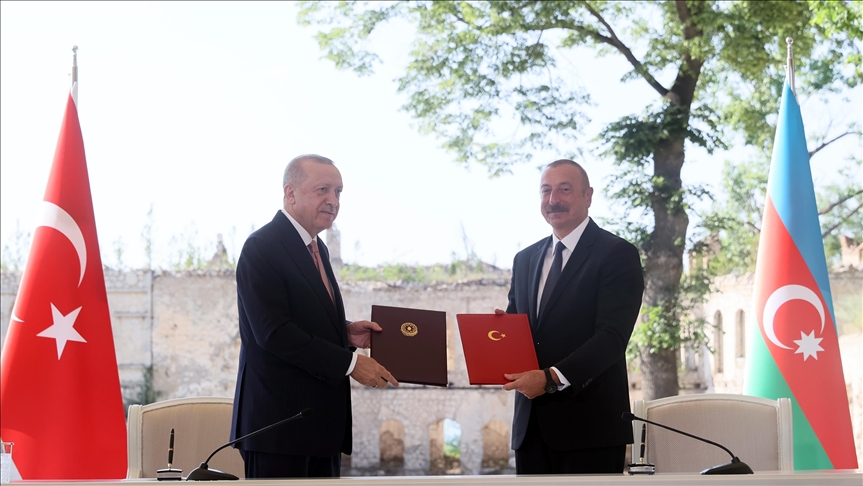
The declaration, described as “a roadmap for the future of our relations” by President Erdogan, is essentially a continuation of the two states’ efforts to maintain their bilateral activities following the Second Karabakh War.
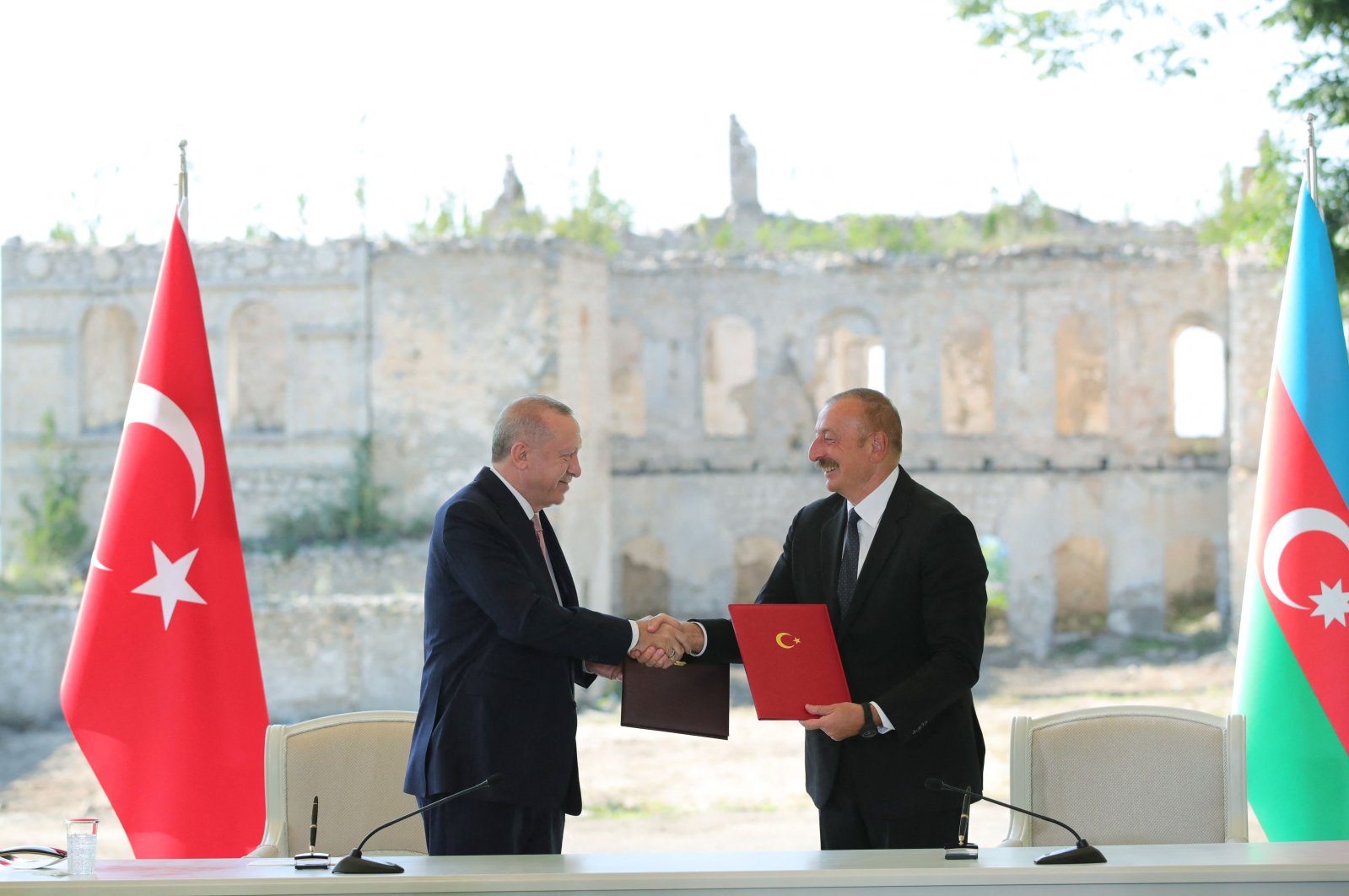
The Shusha Declaration recently signed between Turkey and Azerbaijan sets out the borders of the two countries by taking into consideration the Kars Agreement of 1921, Tural Ganjaliyev, head of the Azerbaijani Nagorno-Karabakh community in Turkey stated Friday.
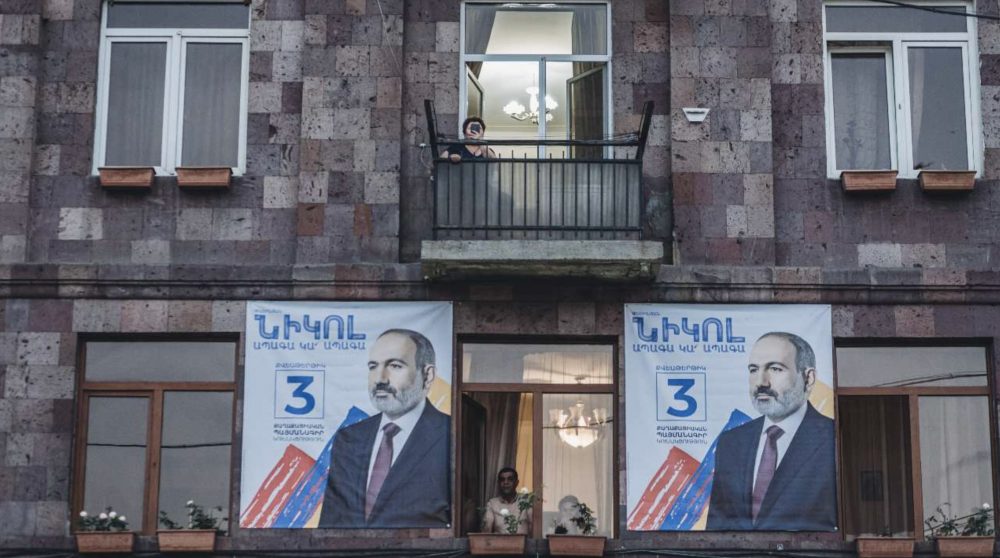
On June 20, Armenians head to the polls in a snap election following months of turmoil following the fallout from last year’s war with Azerbaijan. The ceasefire ceded a massive swath of Armenian-controlled land to the Azeris, caused the deployment of 2,000 Russian troops as peacekeepers, and led to widespread protests in Yerevan, an alleged coup attempt, and the upcoming parliamentary race.
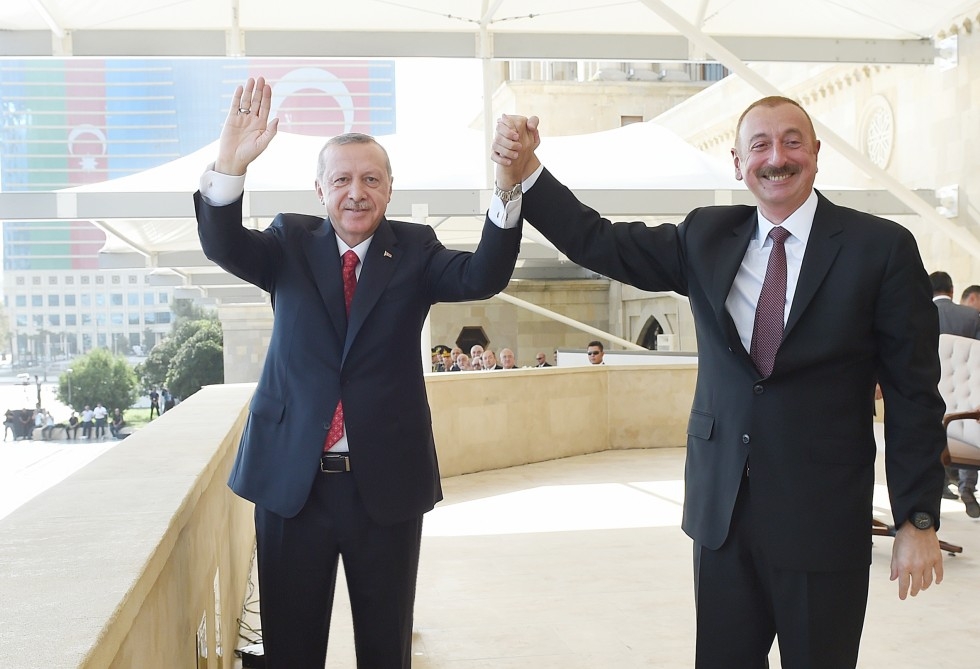
It is no surprise that Azerbaijani and Turkish leaders and analysts are suggesting that the Shusha declaration signed today by Presidents Ilham Aliyev and Recep Tayyip Erdoğan is historic or that Armenian commentators are denouncing it as Turkish interference in the region.
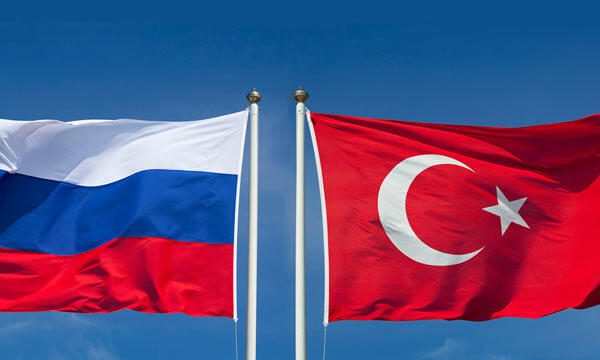
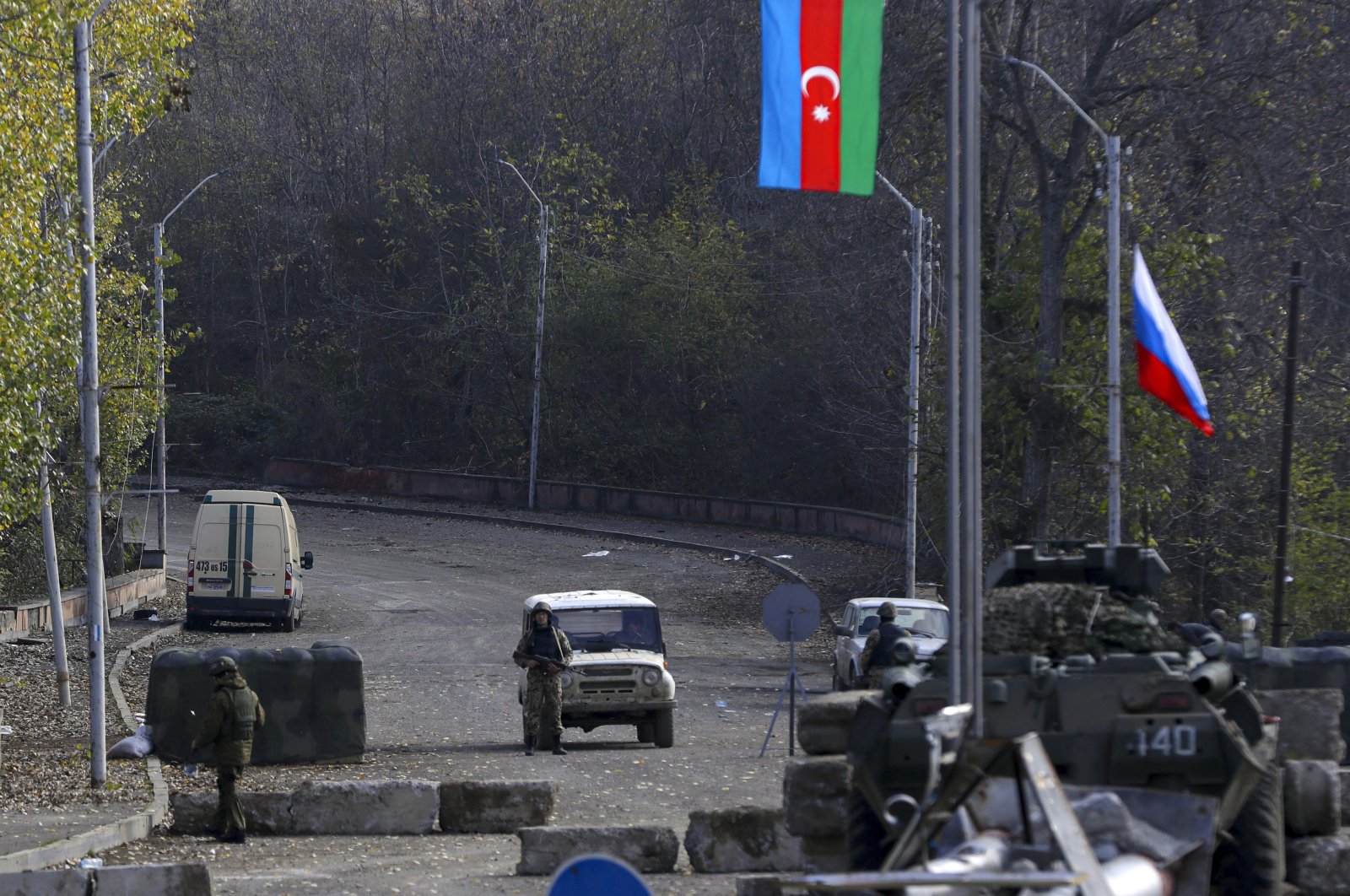
Since the end of the Second Karabakh War and the signing of a ceasefire agreement on Nov. 9, 2020, Turkey and Russia have co-existed in Azerbaijan in a joint monitoring center and Russian “peacekeeping” forces in northern Karabakh.

On June 20, Armenia’s citizens will be heading to the polls for a second snap parliamentary election in less than three years. While the December 2018 snap election was held in the aftermath of a popular revolution and brought Nikol Pashinyan to power, the forthcoming election is taking place against the backdrop of a disastrous six-week war with Azerbaijan and the continued demands by opposition groups for Pashinyan’s resignation.
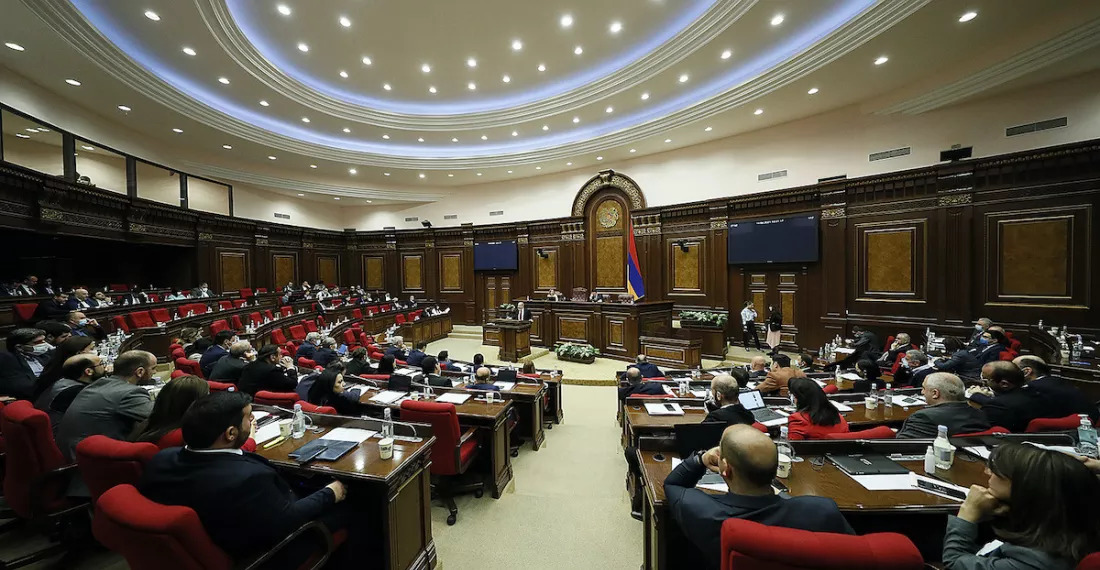
The 20 June Parliamentary elections in Armenia are the most competitive and inclusive in the country’s history with three former presidents challenging the rule of incumbent prime minister, Nikol Pashinyan. In a detailed analysis for commonspace.eu, Alexander Petrosyan looks at the main protagonists and what they stand for and what is important to watch for on election night.
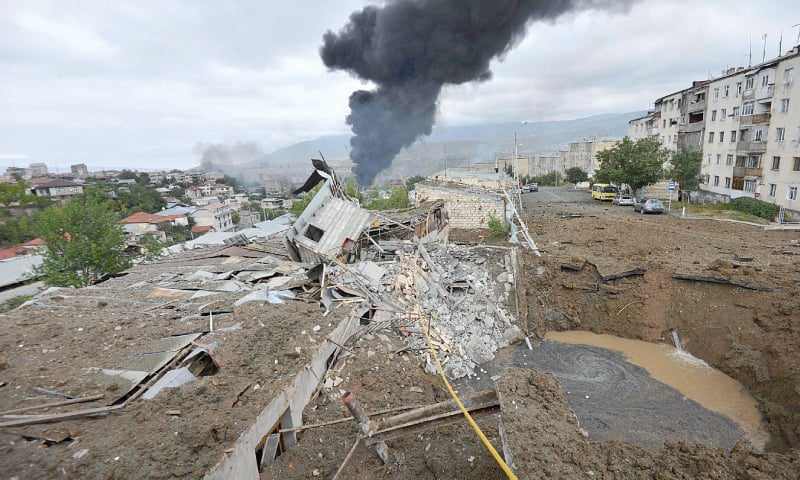
As we know, until the establishment of the Nagorno-Karabakh Autonomous Oblast (NKAO) by the decision of the central government of the USSR on July 7, 1923, the mountainous and lowland parts of Karabakh constituted a single whole. After 1923, a new reality emerged in the mountainous part of Karabakh.
Turkey's Recep Tayyip Erdogan was the first foreign leader to visit Karabakh since the end of last year’s war, in which Turkish backing helped Azerbaijan secure its victory.
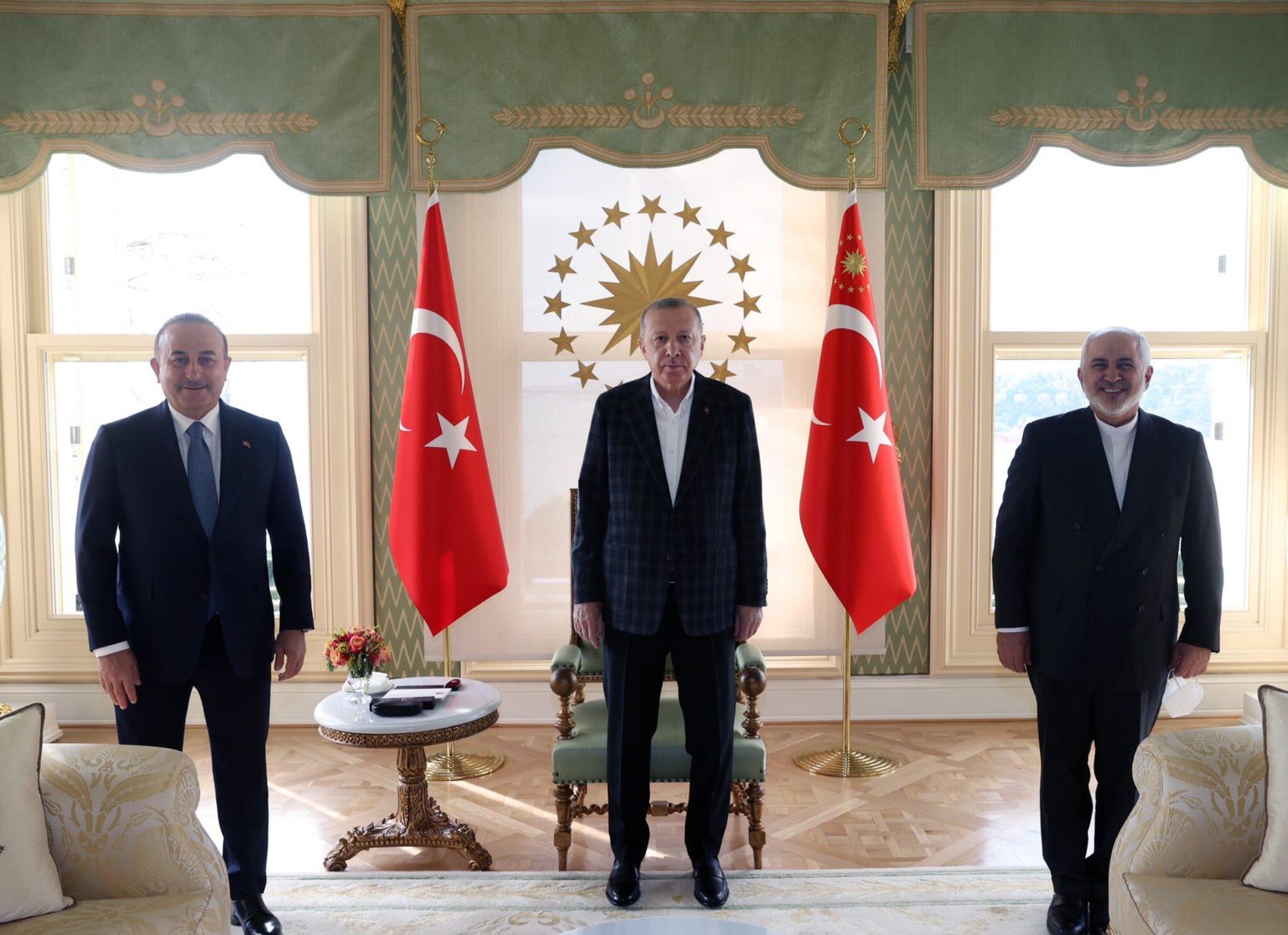
The first serious challenge and weakness of the Iranian plan is Yerevan’s opposition to it. For Armenia, the Karabakh conflict is still a matter of national defeat, and the nation is yet to absorb the new reality.
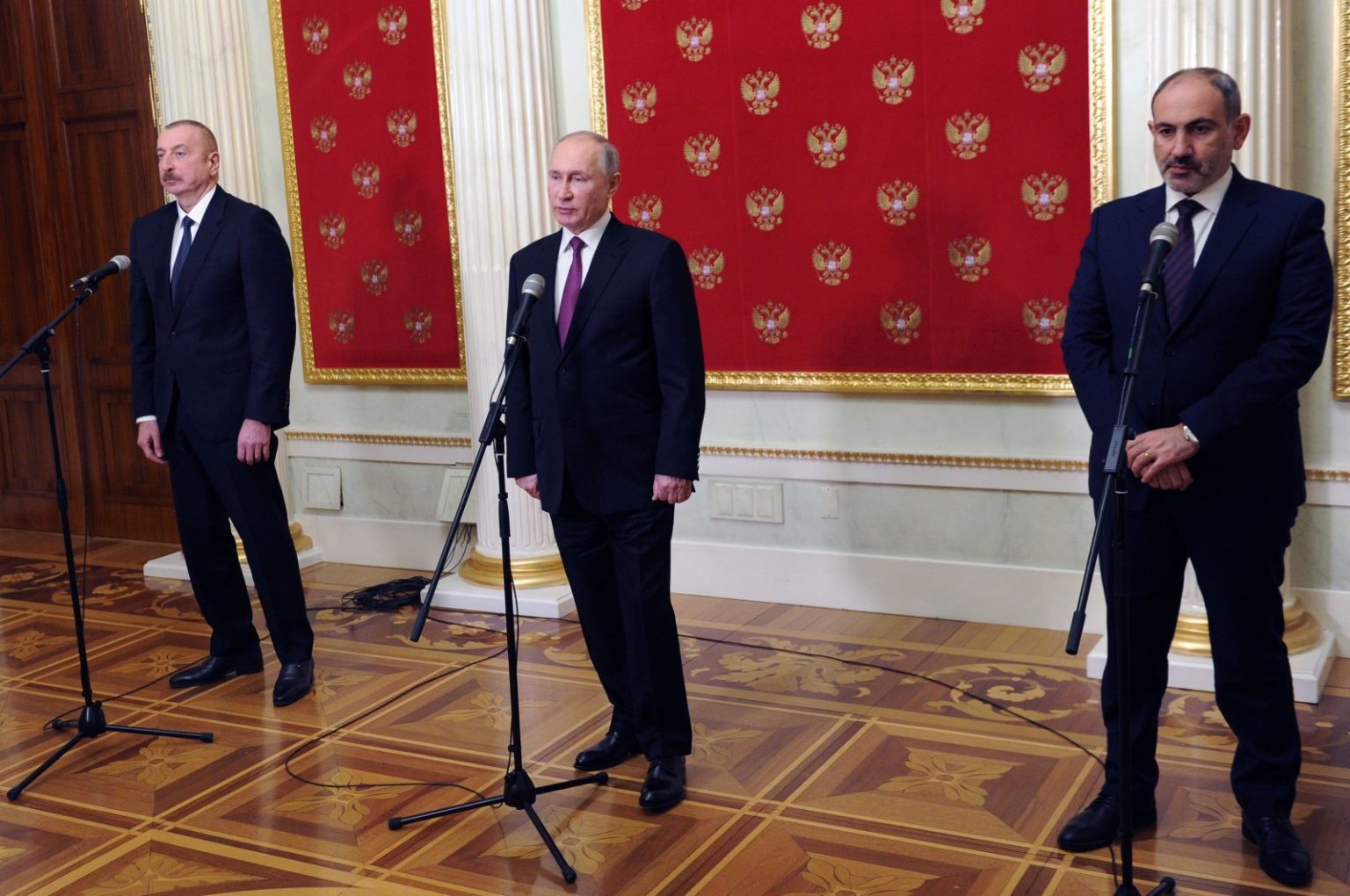
Nonetheless, a week prior to Armenia’s parliamentary elections, a major breakthrough had, in fact, been achieved between the two conflicting states. This development has the potential to positively contribute to the emergence of a constructive environment for negotiations over other issues, including transportation projects and a settlement of the shared border.
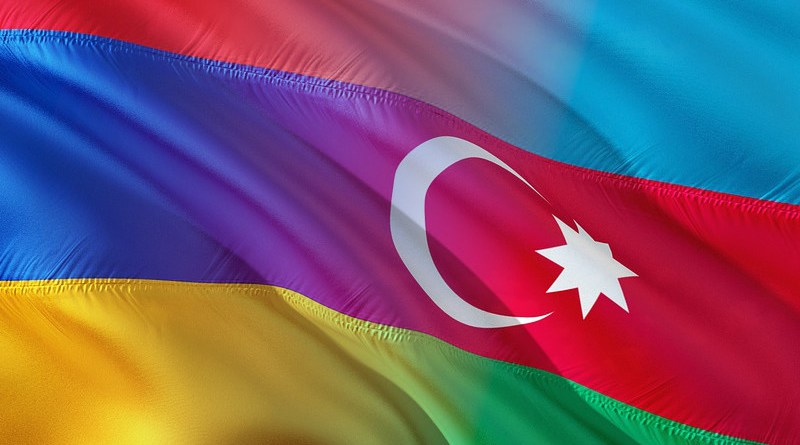
In the last three decades, the Armenia-Azerbaijan conflict over Karabakh has had a significant impact on the geo-economic situation in the South Caucasus. In the early 90s, the illegal territorial claims of Armenia against Azerbaijan led to the First Karabakh War and resulted in the occupation of 20% of internationally recognized territories of Azerbaijan.
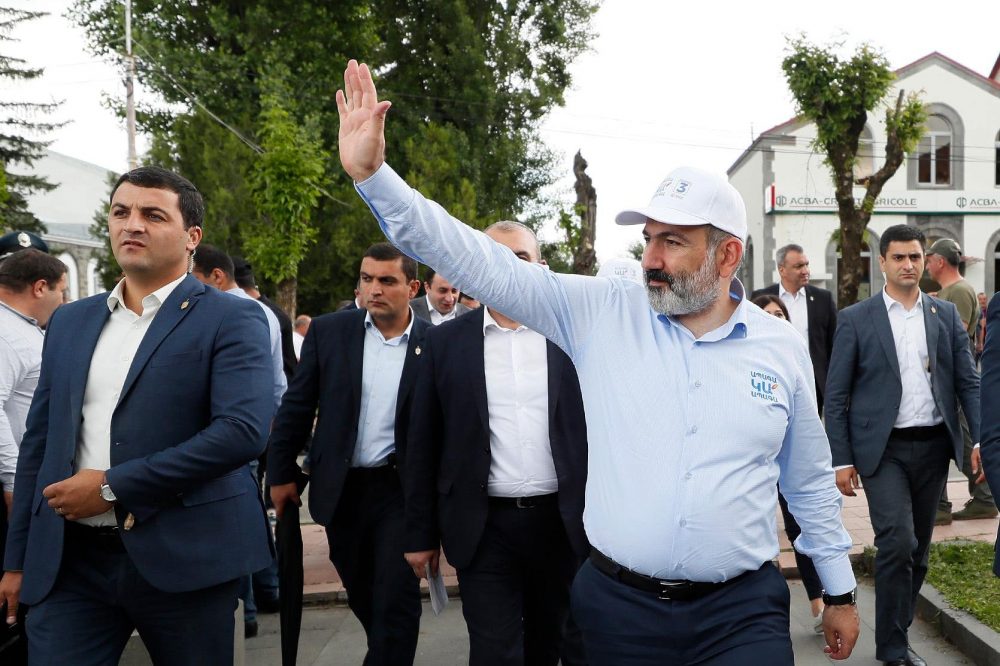
The Armenian prime minister has celebrated the return of the prisoners at campaign rallies, and opposition figures have accused him of giving up too much in return.
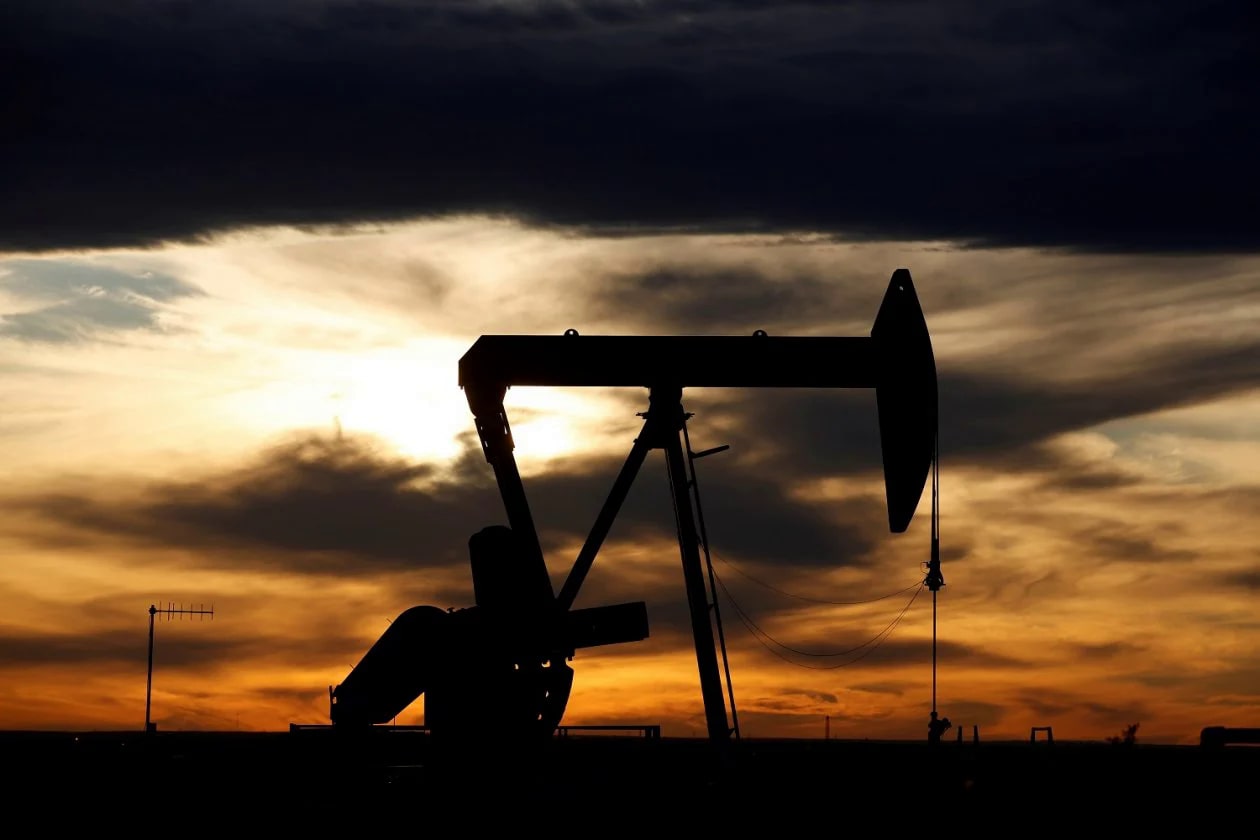
The Trans-Caspian Pipeline is intended to transport Central Asia’s vast natural gas resources to European energy markets via the Southern Gas Corridor. It stands to significantly change Central Asia and Europe’s energy map.
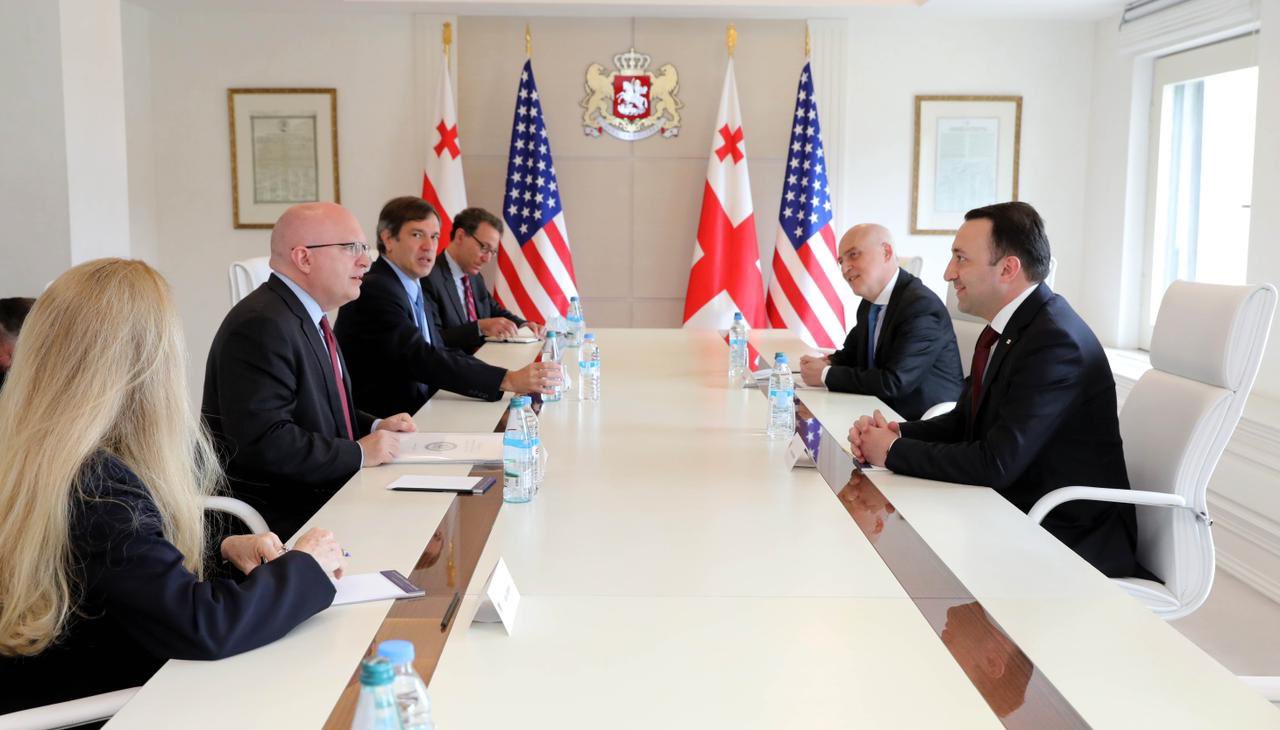
On June 12, Azerbaijan and Armenia, through the mediation of the US State Department and the Georgian government, made an exchange: Baku released 15 Armenian captives, and Yerevan handed over to Azerbaijan maps of minefields in one of the formerly occupied regions around Karabakh.
Azerbaijani intellectuals are looking forward to President Recep Tayyip Erdoğan’s visit to Shusha, which was liberated from Armenian occupation, as they believe his visit will further strengthen Turkey-Azerbaijan relations and send the message that Azerbaijan is not alone in the Caucasus.
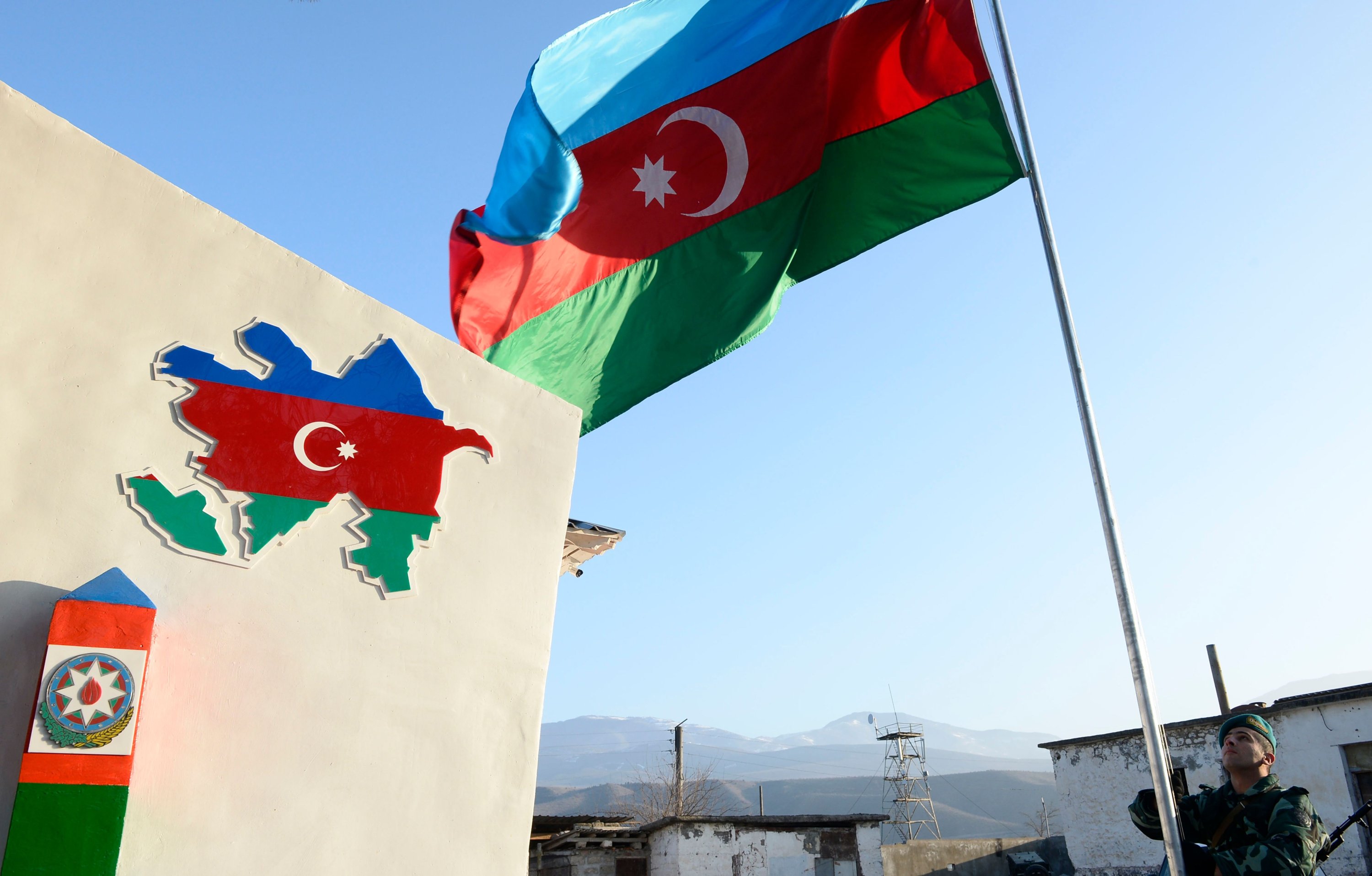
Starting in mid-May, a wave of confrontations between Armenian and Azerbaijani forces have taken place in disputed border areas after large-scale fighting between the two states ended in November last year. While both sides trade accusations of violating each others’ international borders, there may be logical reasons for the recent spike in Armenian-Azerbaijani confrontations and their timing.
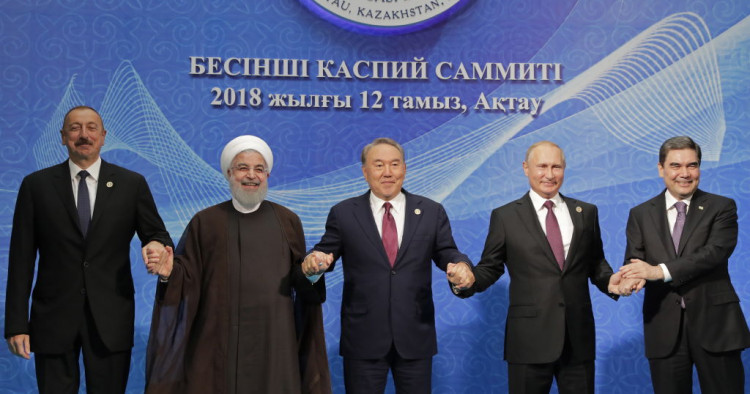
The complexities, converging interests, and persistent tensions marking Iranian-Russian relationships are evident in their policies toward the Caspian Sea region. Iran and Russia are the two largest countries that border the sea, the world's largest inland body of water. The Caspian region therefore provides many opportunities for diplomatic, economic, and military engagement between Iran and Russia.