Today, however, Azerbaijan controls its resources independently. It speaks of gas exports with full sovereignty—backed by a new level of political, economic, and military security around its pipelines.

Today, however, Azerbaijan controls its resources independently. It speaks of gas exports with full sovereignty—backed by a new level of political, economic, and military security around its pipelines.
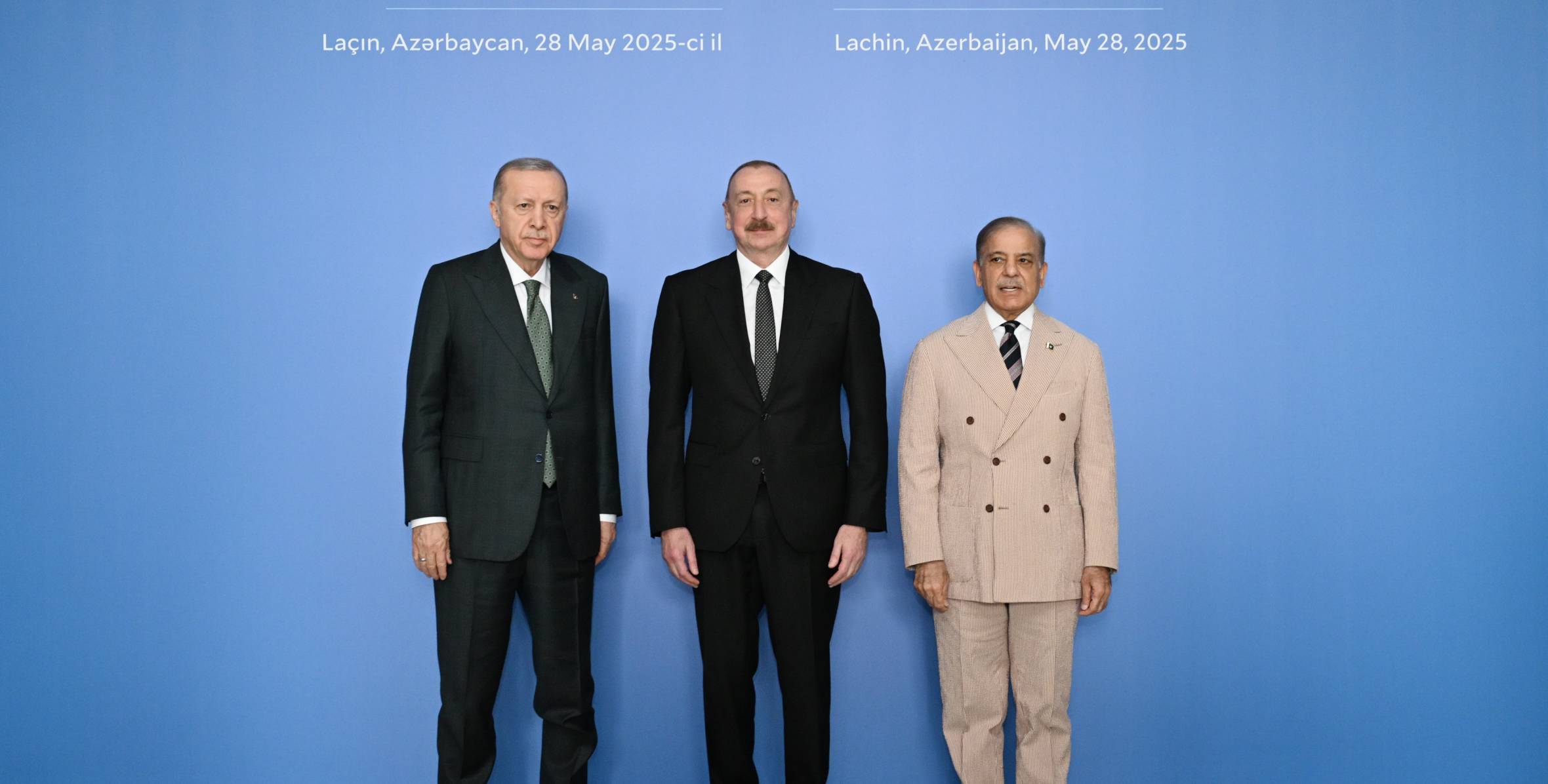
The Türkiye Axis rises as Erdoğan, Aliyev and Sharif strengthen regional unity and strategic ties.
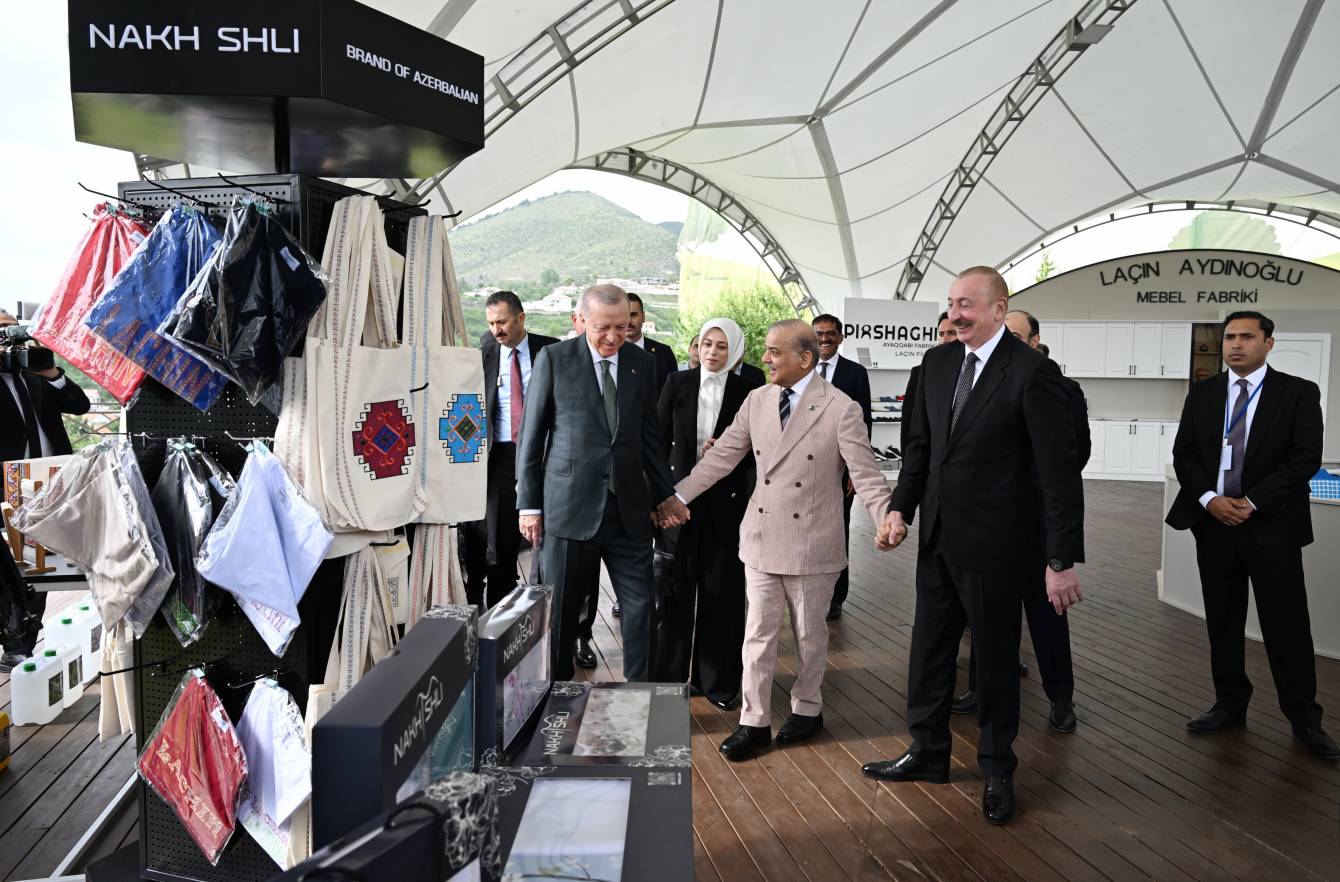
In a rapidly shifting global geopolitical landscape, the role of so-called middle powers is becoming increasingly prominent.
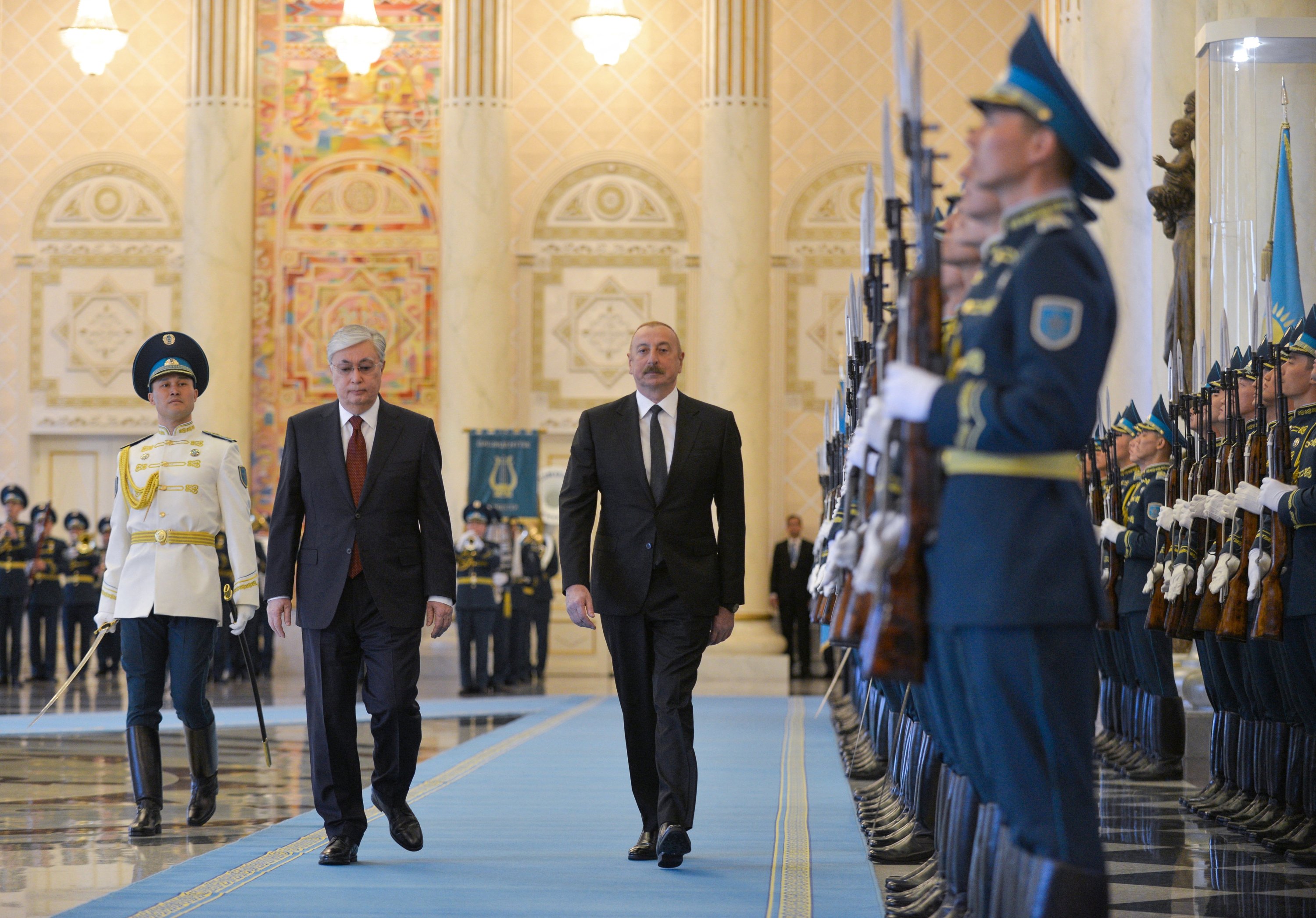
Kazakhstan and Azerbaijan boost smart oil strategies as U.S. lifts CPC sanctions and transit routes diversify.
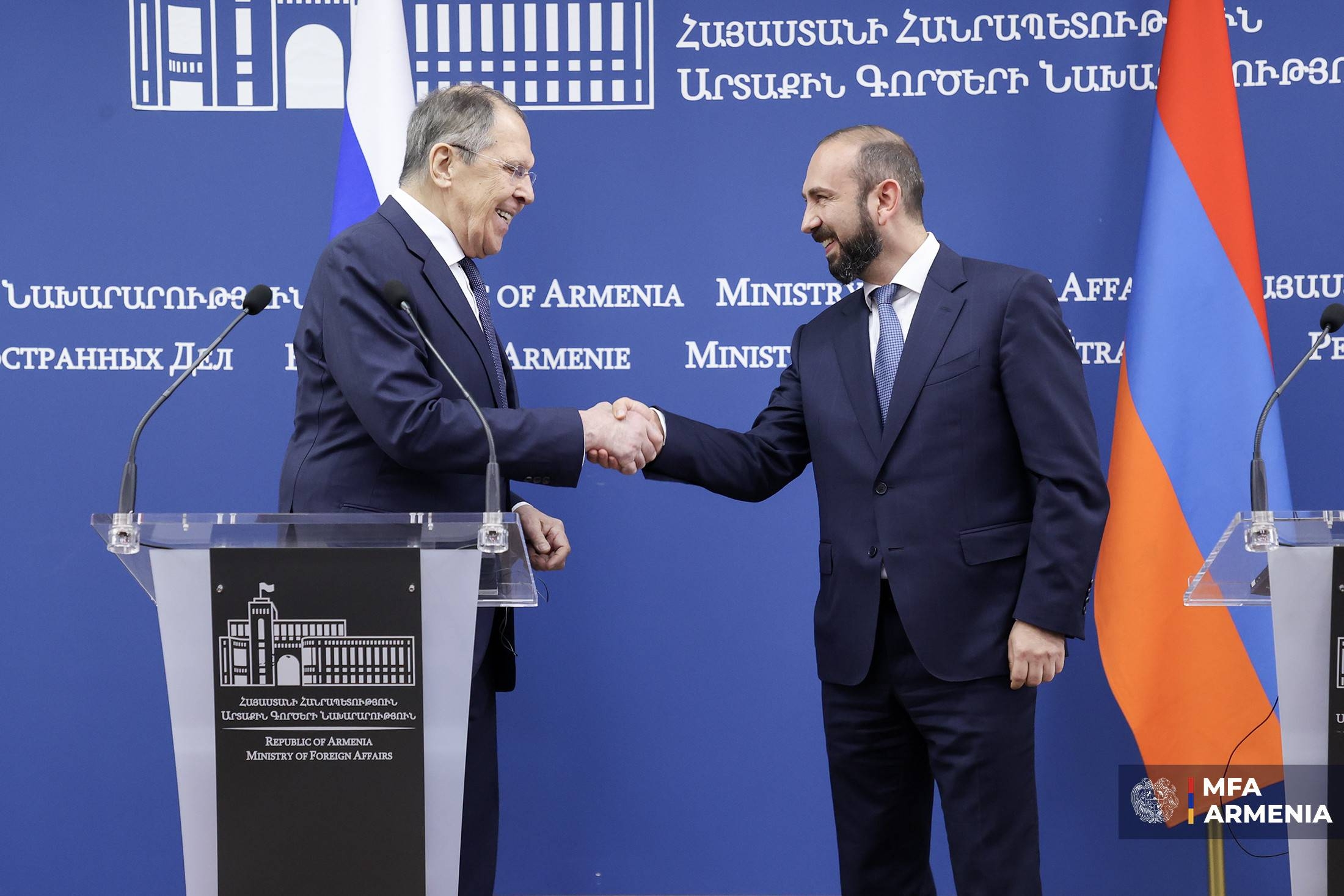
Lavrov’s visit to Yerevan was a calculated move to reaffirm Russia’s presence in Armenia at a time when Yerevan’s foreign policy is showing signs of diversification.
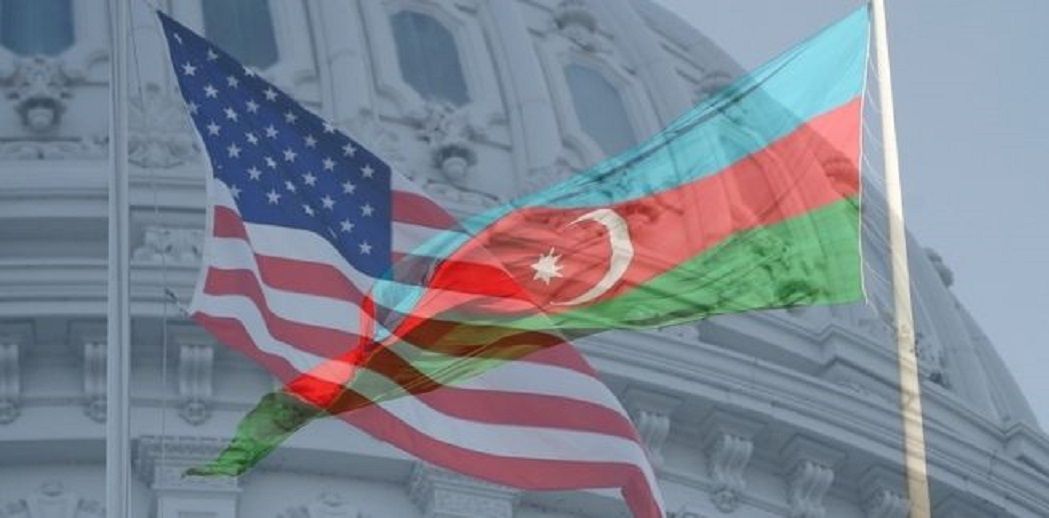
The piece explores the possibility of former and current U.S. President Donald Trump becoming involved in brokering peace between Azerbaijan and Armenia in the aftermath of the 2023 Second Karabakh War.
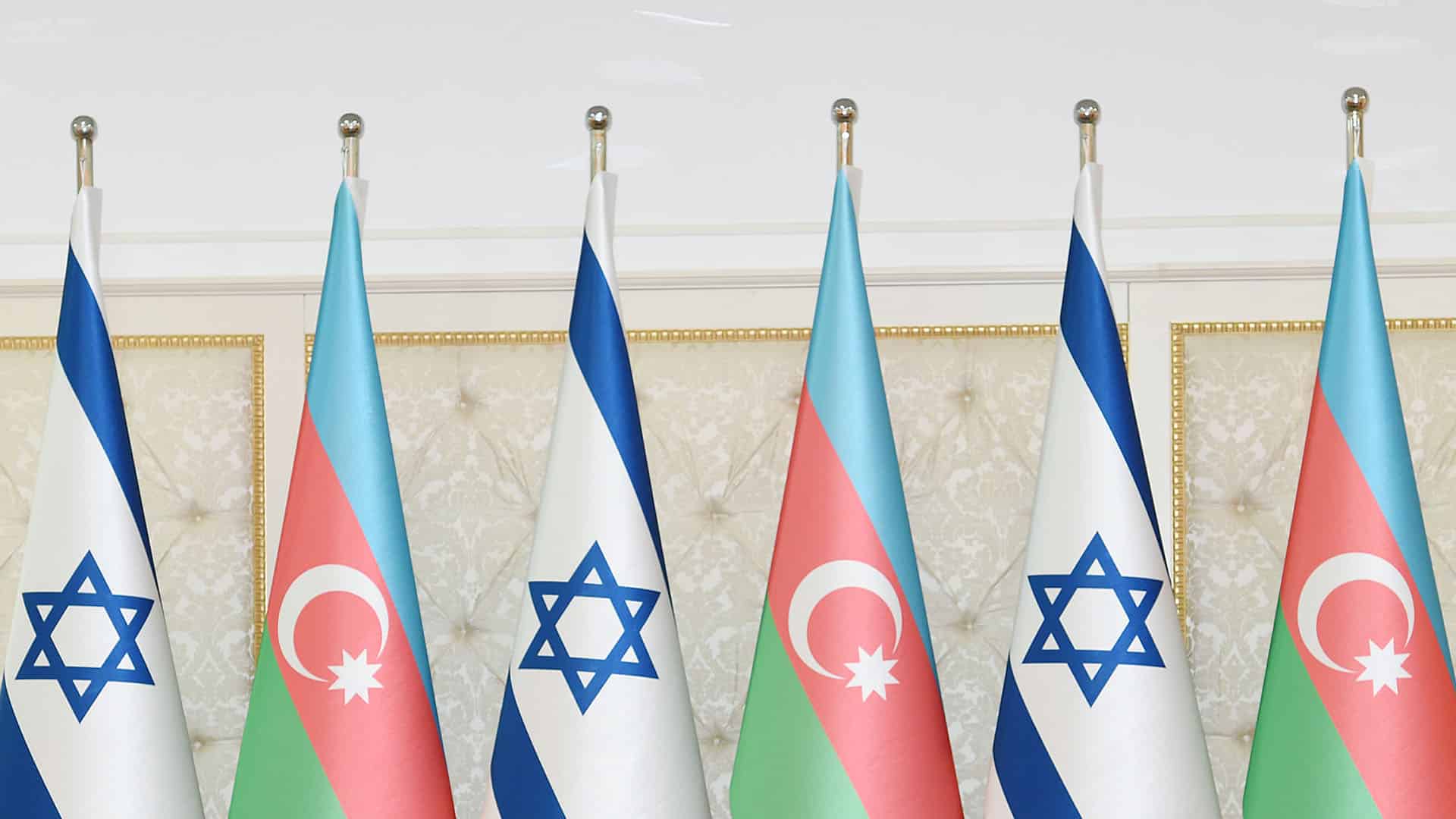
What is the potential of Azerbaijan joining the Abraham Accords in the near future?
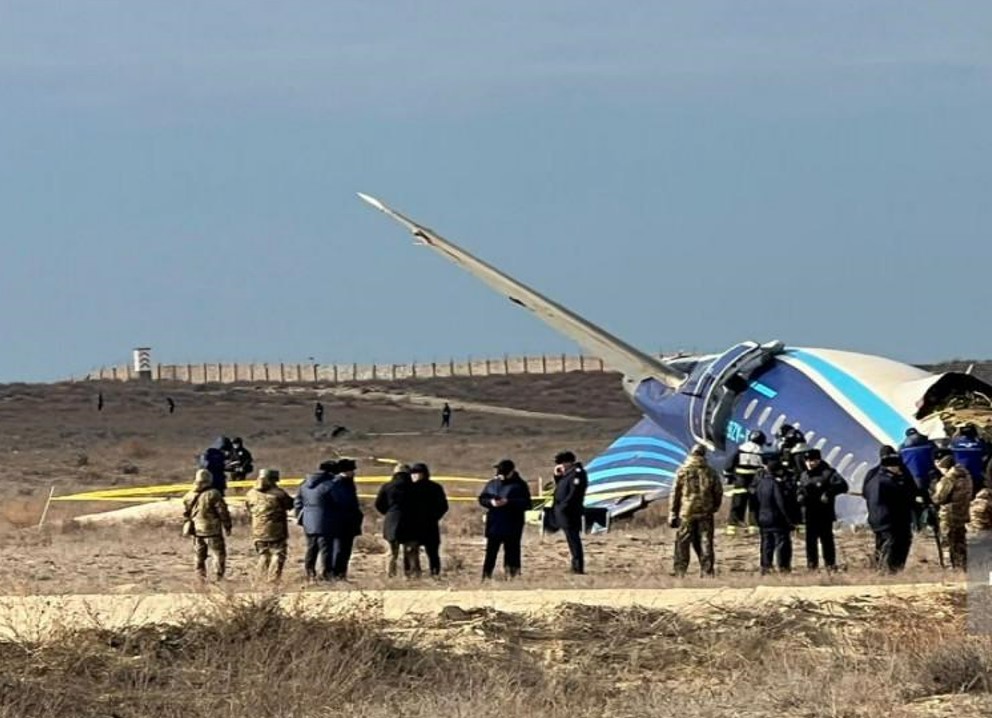
Five months have passed since that tragic day when 38 lives were lost in the skies over Kazakhstan.
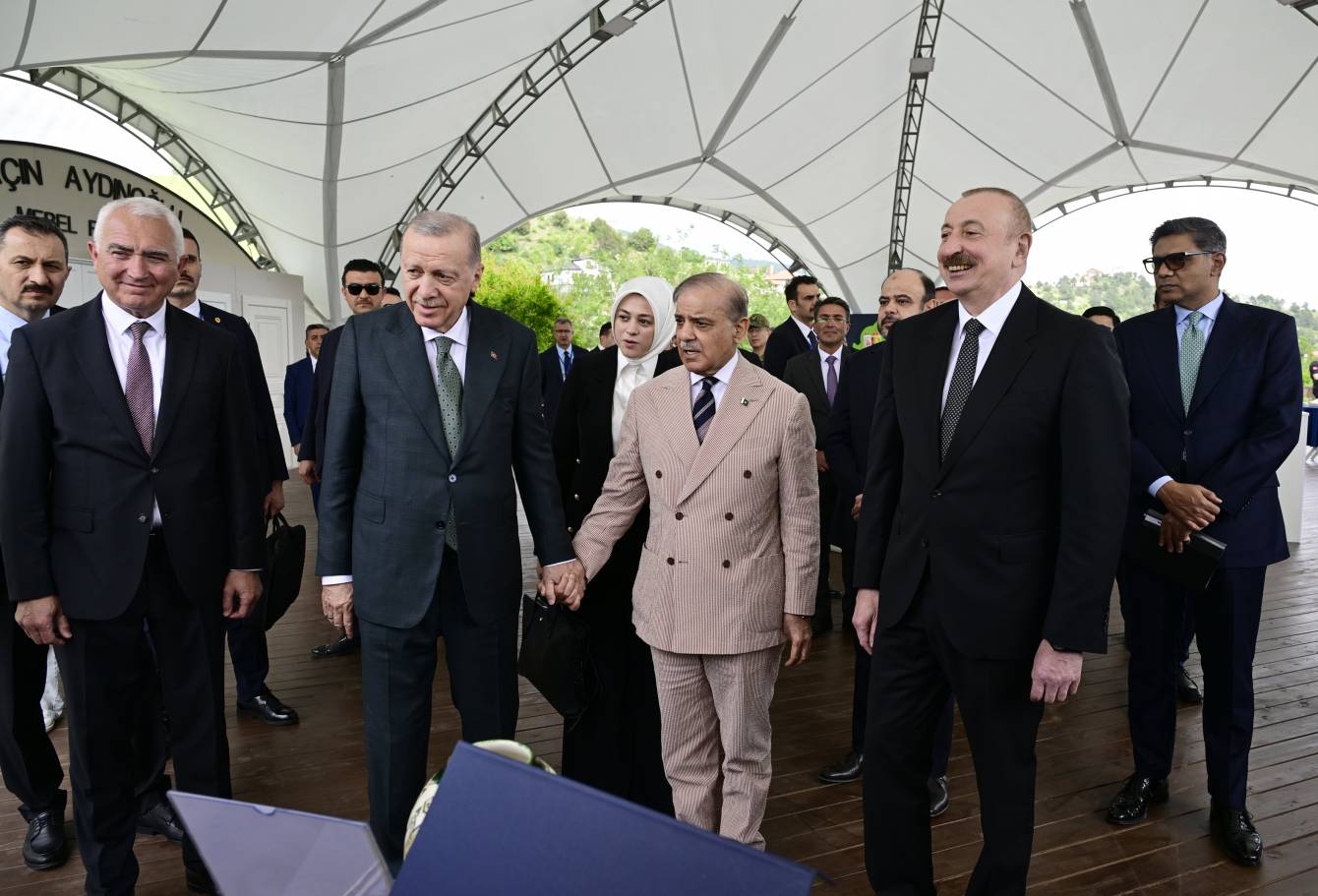
There, in Lachin, Presidents Ilham Aliyev of Azerbaijan and Recep Tayyip Erdoğan of Türkiye officially opened Lachin International Airport — the third airport built on territories liberated from Armenian occupation.
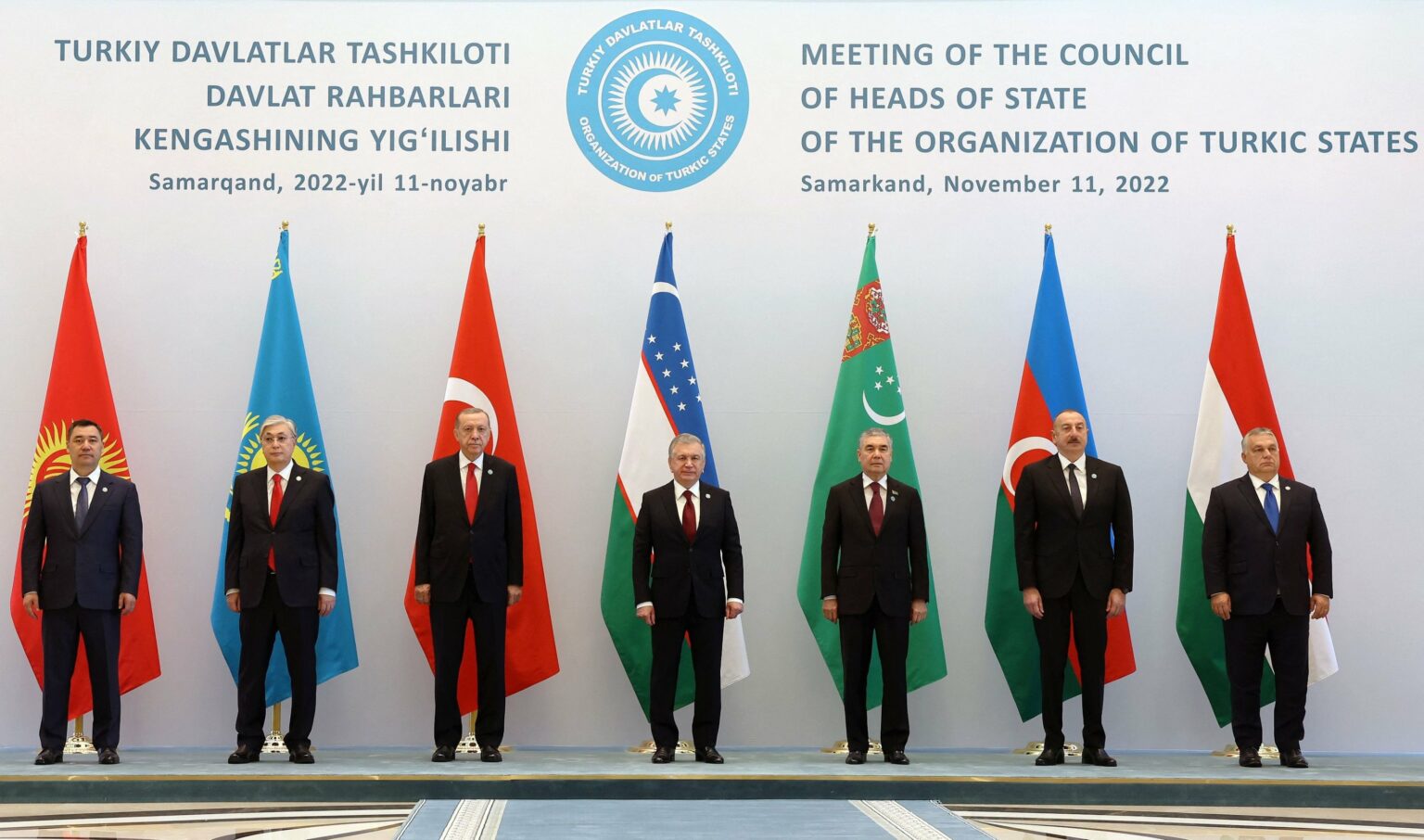
In the contemporary foreign policy strategy of the Republic of Azerbaijan, integration with the Turkic world holds a pivotal place.
It all began after the Treaty of Turkmenchay, when Russia initiated the organized resettlement of ethnic Armenians from Persia and the Ottoman Empire to historical Azerbaijani territories of the Irevan and Karabakh khanates.
That criminal venture, which lasted for nearly 30 years, ended in total failure: Armenian separatism was eradicated at the root.
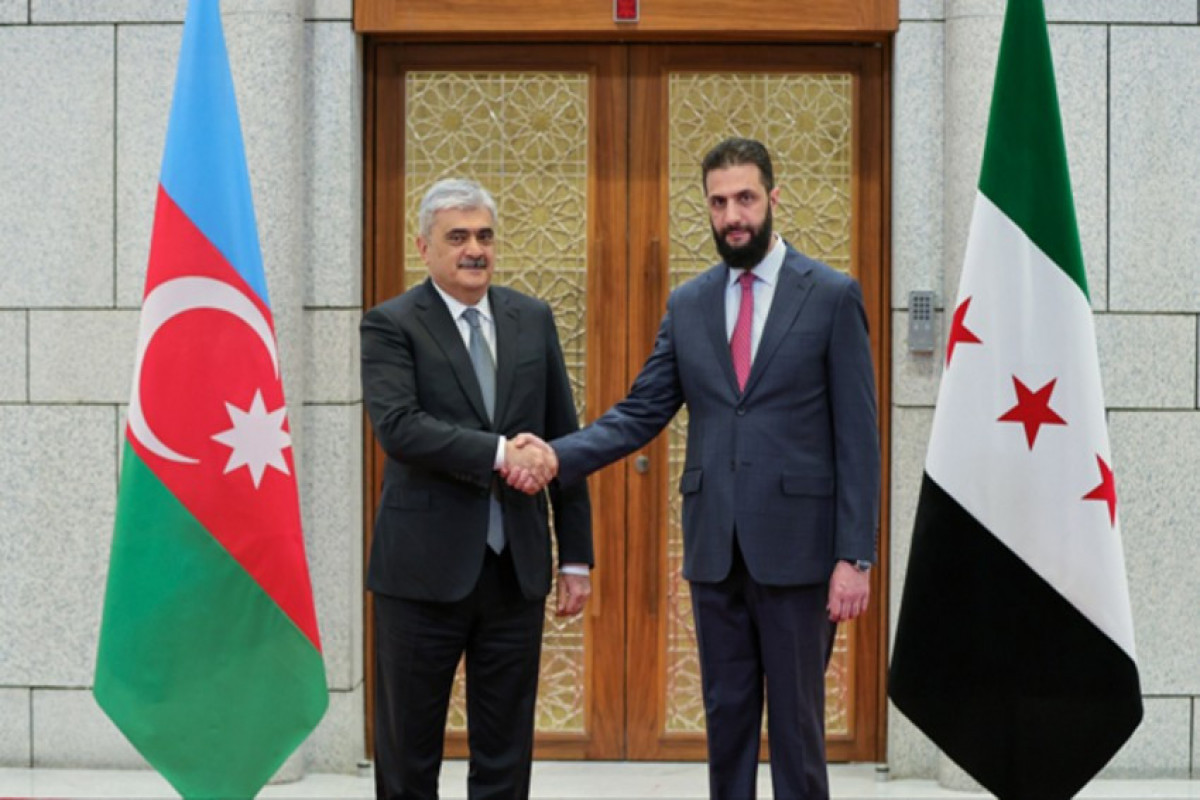
After a prolonged political isolation, Damascus has broken the barrier of loneliness and is stepping towards establishing relations with its counterparts, in an attempt to regain its international standing.
Fars News Agency, closely affiliated with the IRGC, used Eurovision to highlight Baku’s growing ties with Israel and amplify anti-Israel rhetoric.
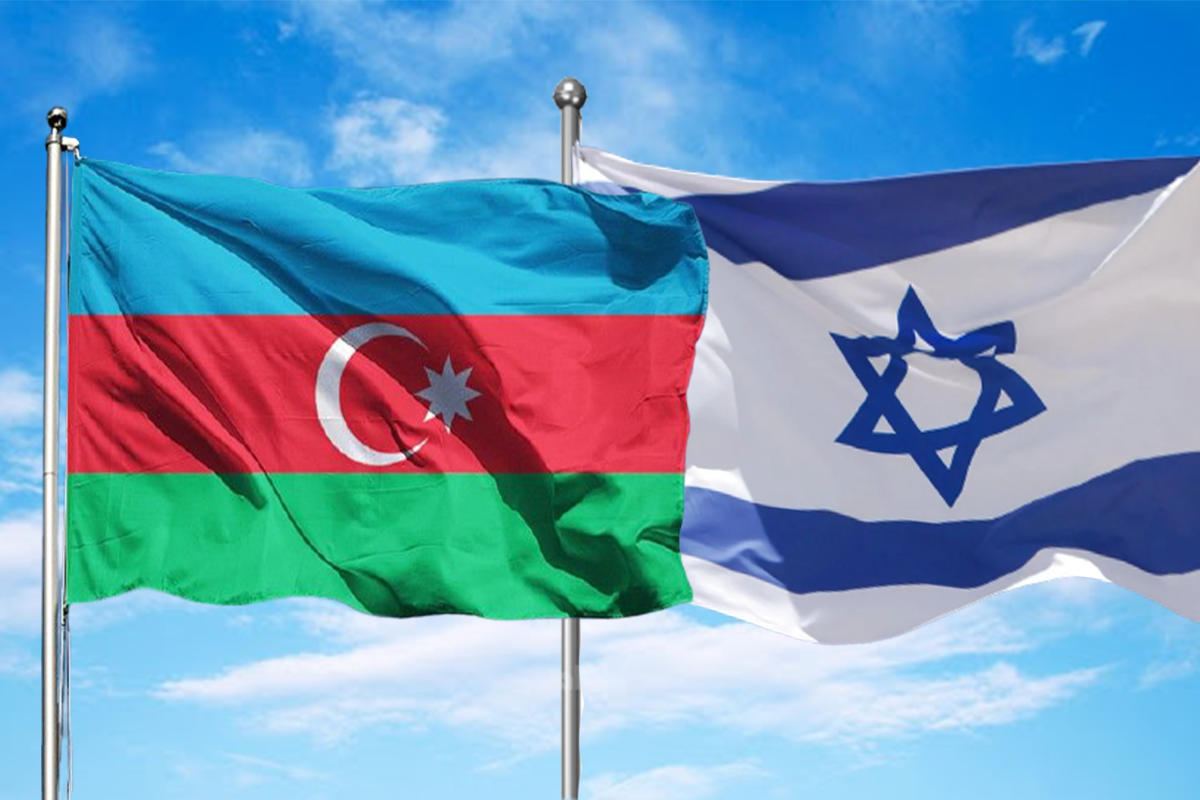
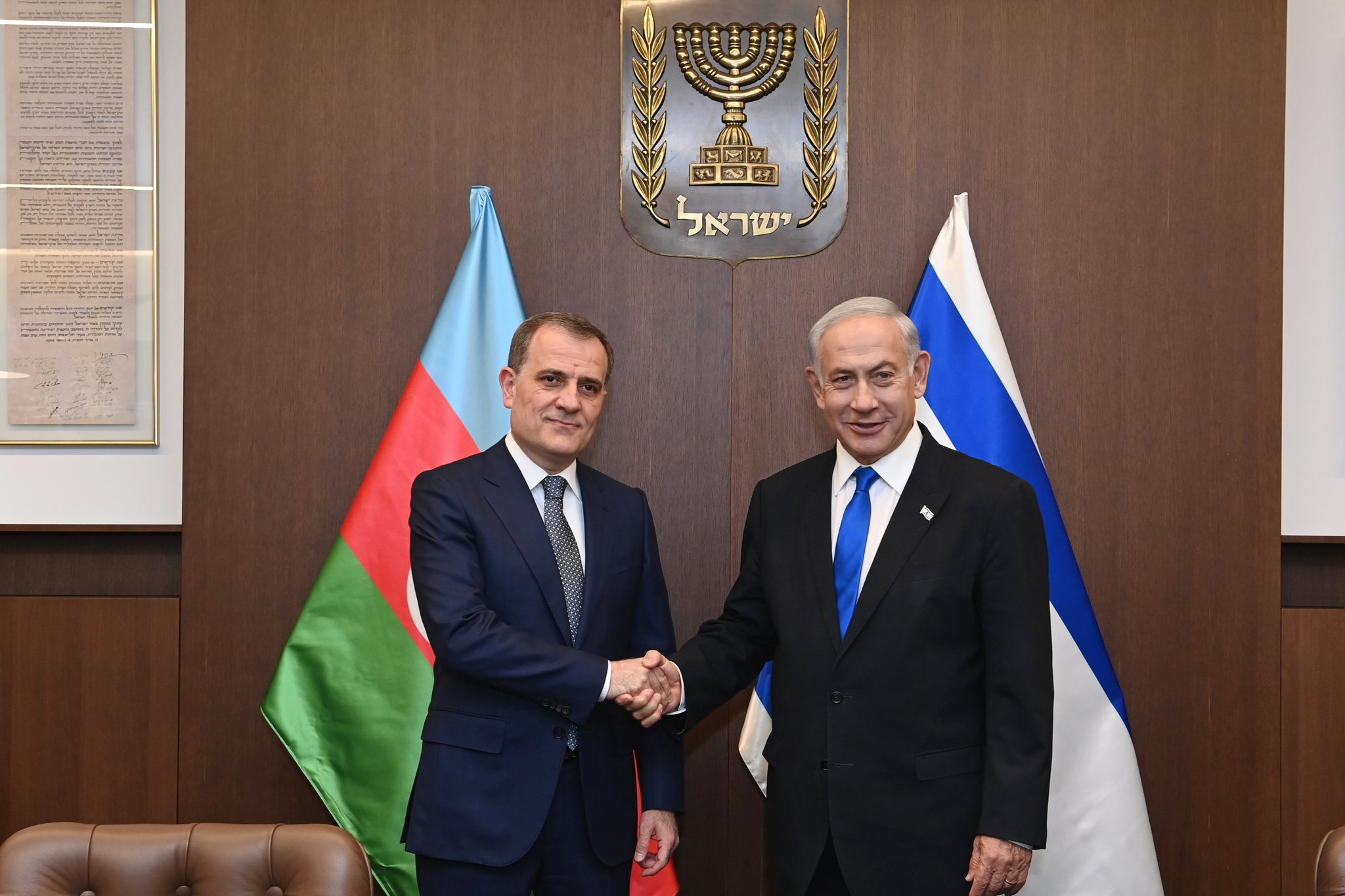
Azerbaijan’s long-standing, strategic ties with Israel make it a strong candidate for the next Abraham Accords signatory, offering Washington a valuable opportunity to expand regional normalization beyond the Gulf.
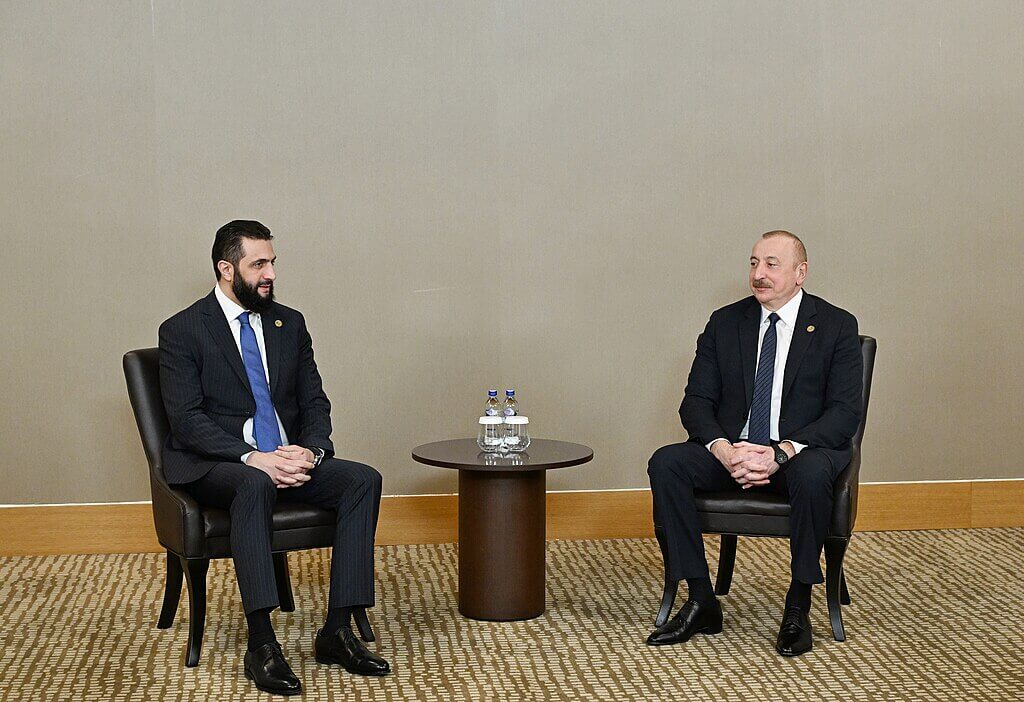
A greater Azerbaijani role in Syria could help Damascus navigate between Turkey, Israel, Iran, and Russia.
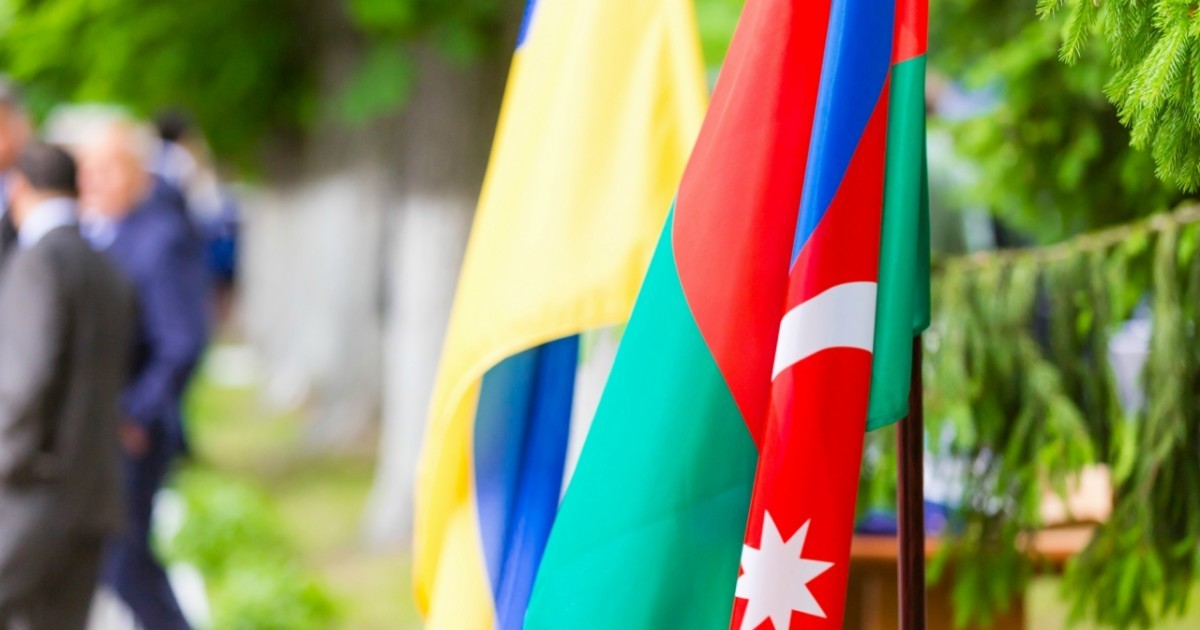
From May 25 to 26, Ukrainian Foreign Minister Andriy Sybiha will visit Azerbaijan — his first trip in this position and the first visit by a Ukrainian foreign minister in the last three years.
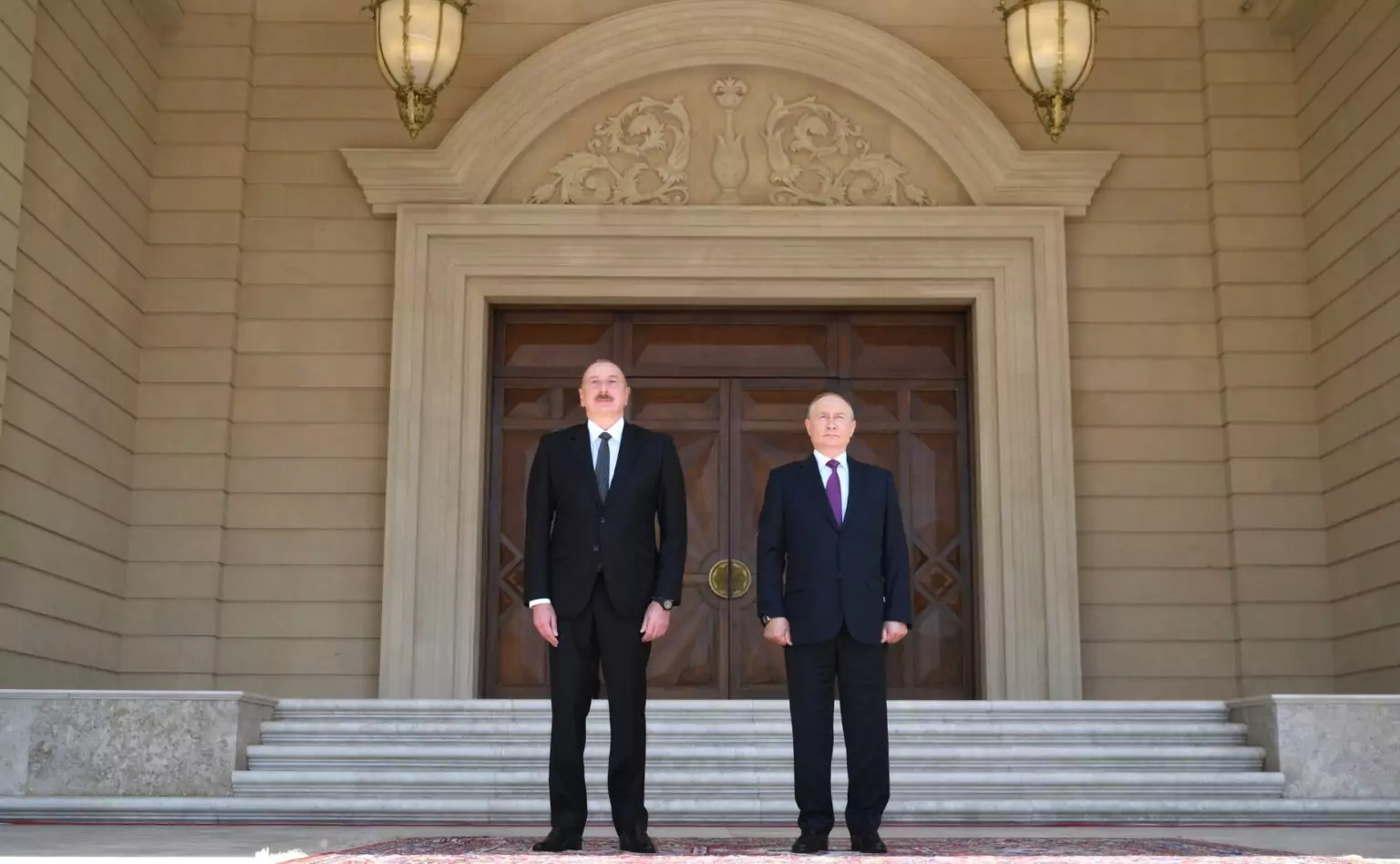
On May 7, Azerbaijan announced that Azerbaijani President Ilham Aliyev would not attend Moscow’s May 9 Victory Day parade commemorating the 80th anniversary of the Soviet Union’s victory over Nazi Germany.
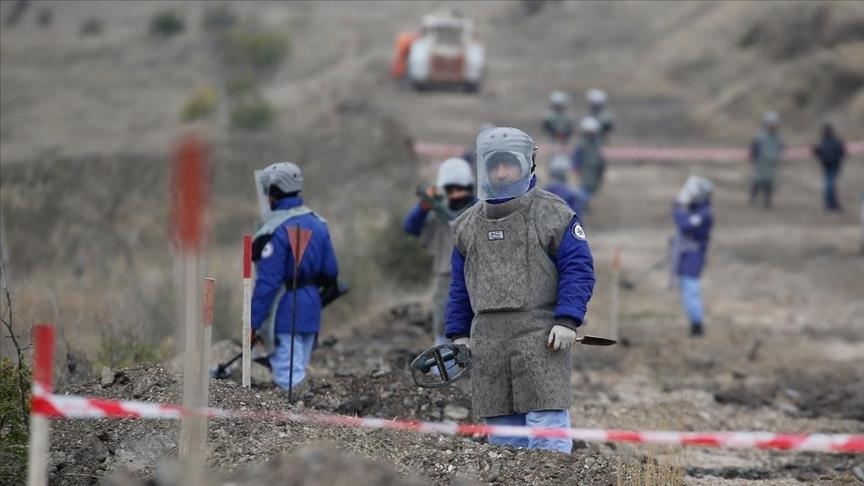
The Karabakh region of Azerbaijan, once a vibrant area of cultural and economic significance, still bears the scars of nearly three decades of Armenian occupation.
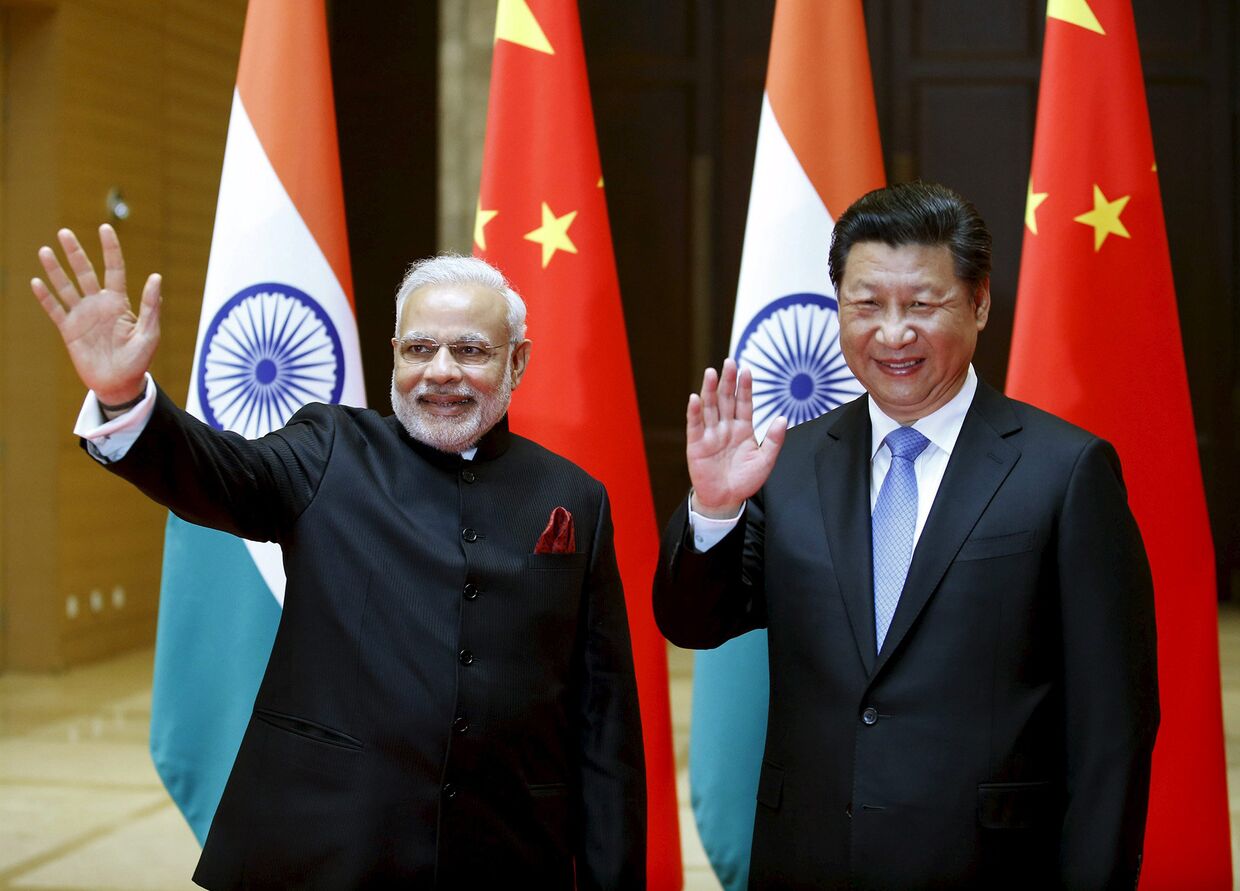
The South Caucasus is gradually turning into a subtle arena of rivalry between two Asian giants — China and India. The competition between the world’s two most populous countries is taking the form of economic and infrastructure initiatives.
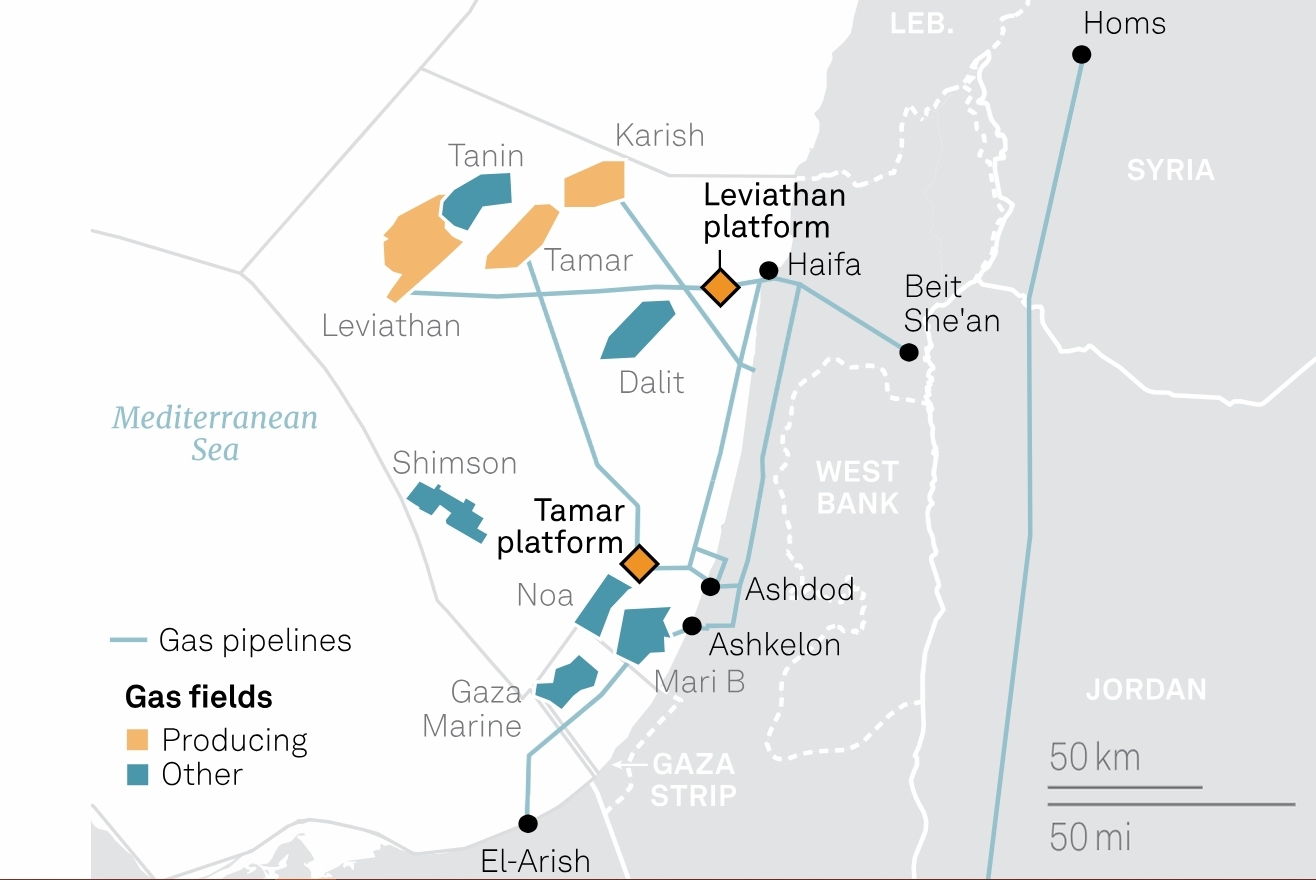
Over the past couple of decades, the State Oil Company of Azerbaijan Republic (SOCAR) and its subsidiaries have invested billions in post-Soviet countries and far abroad states.
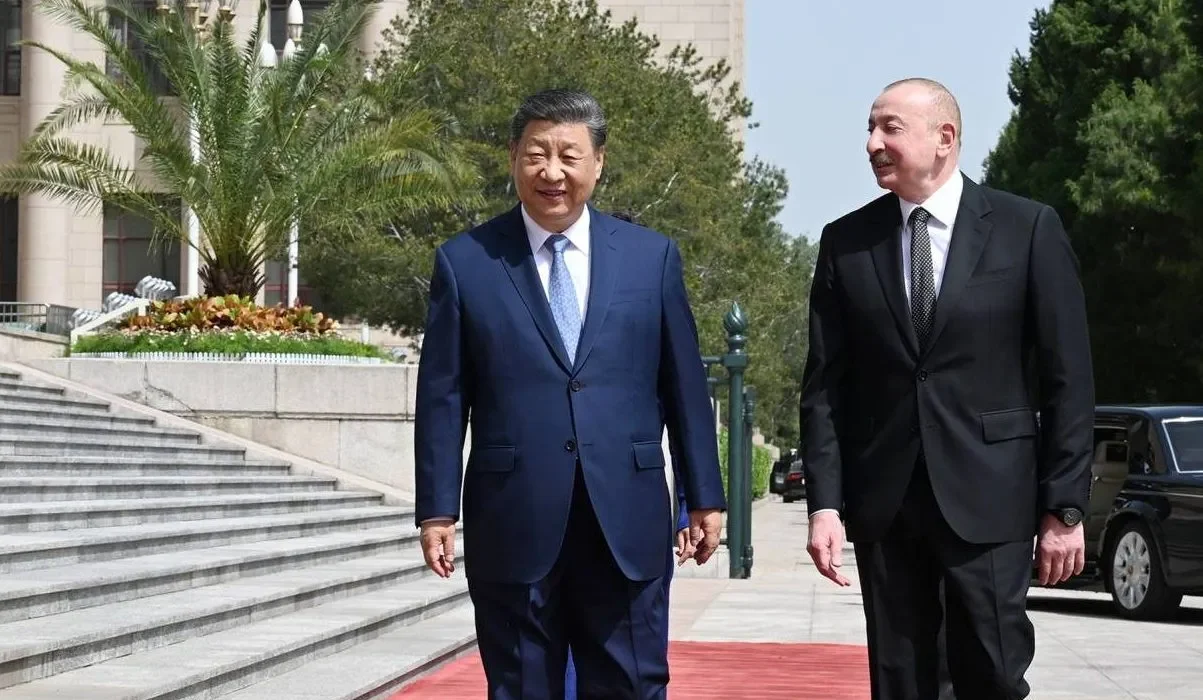
Beijing’s deepening economic footprint is reorienting region’s geopolitical compass as Western powers misplay their hands.

Baku is systematically building strategic partnerships with countries in the region, with China, Central Asia, and the Far East. This does not hinder expanding ties with the EU, contributing to responsible globalization.
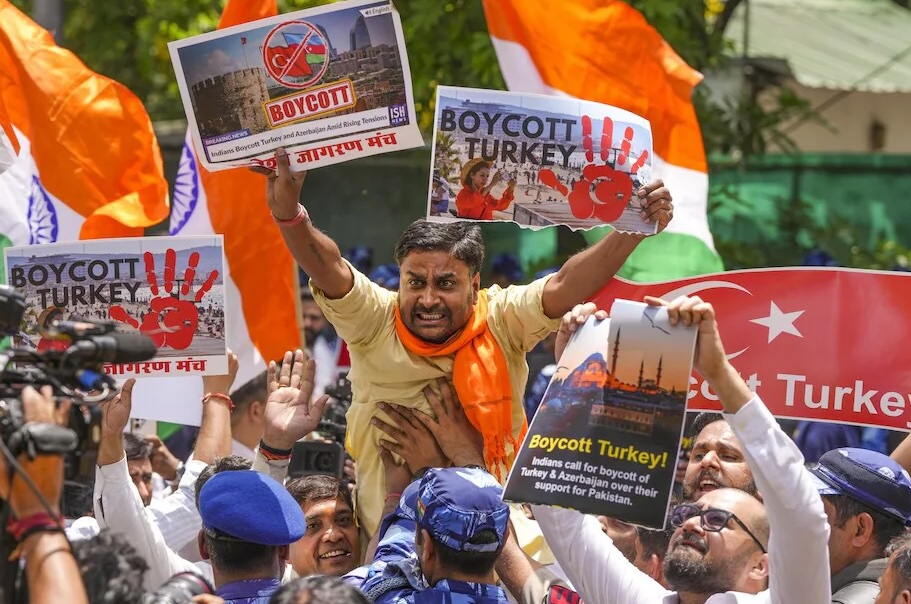
The formal pretext for this escalation was the support shown by Azerbaijan and Turkey to Pakistan during its recent armed conflict with India in Kashmir.