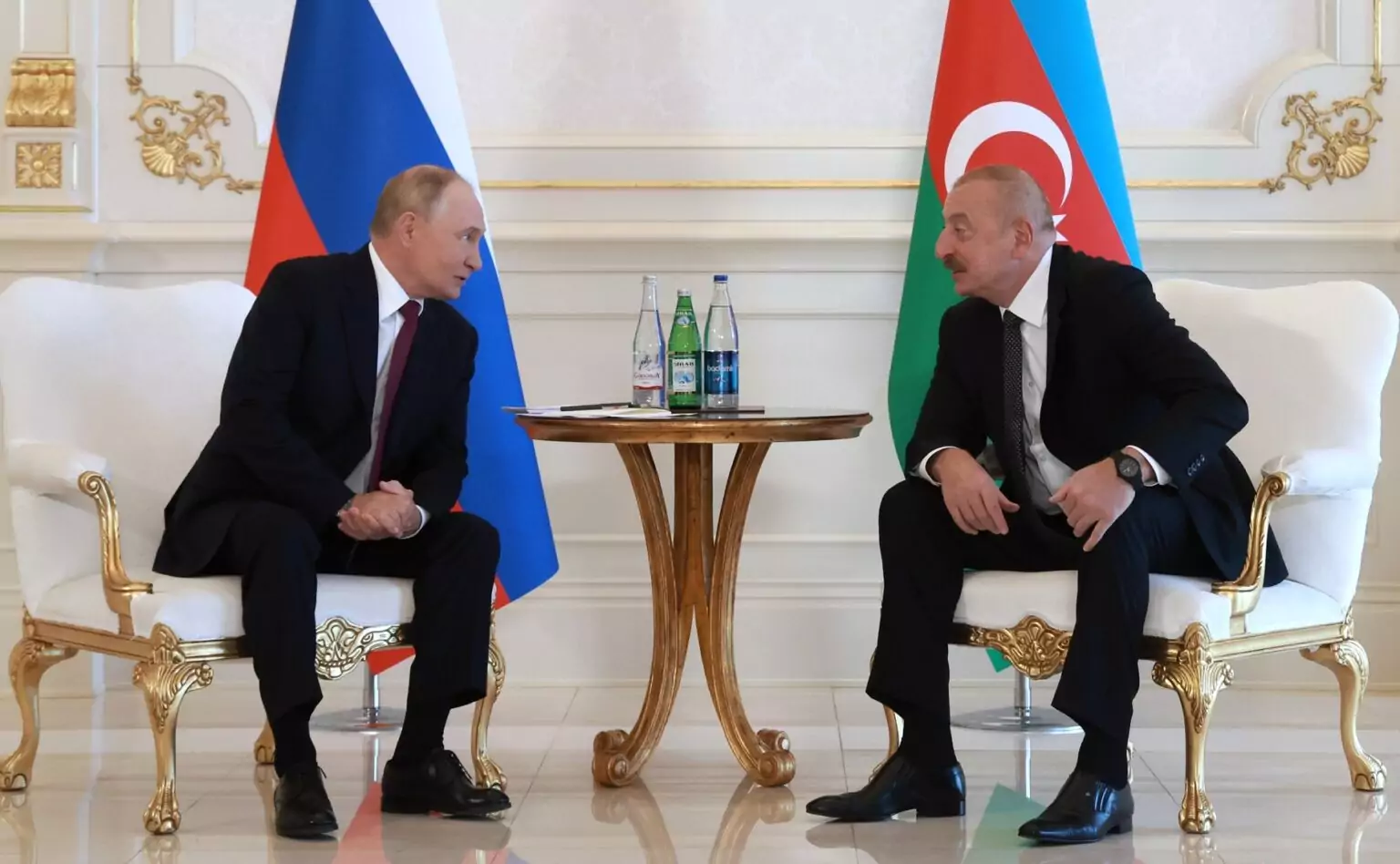
In recent days, relations between Azerbaijan and Russia have entered a new phase of unprecedented tension due to several incidents and shifting geopolitical dynamics in the South Caucasus.

In recent days, relations between Azerbaijan and Russia have entered a new phase of unprecedented tension due to several incidents and shifting geopolitical dynamics in the South Caucasus.
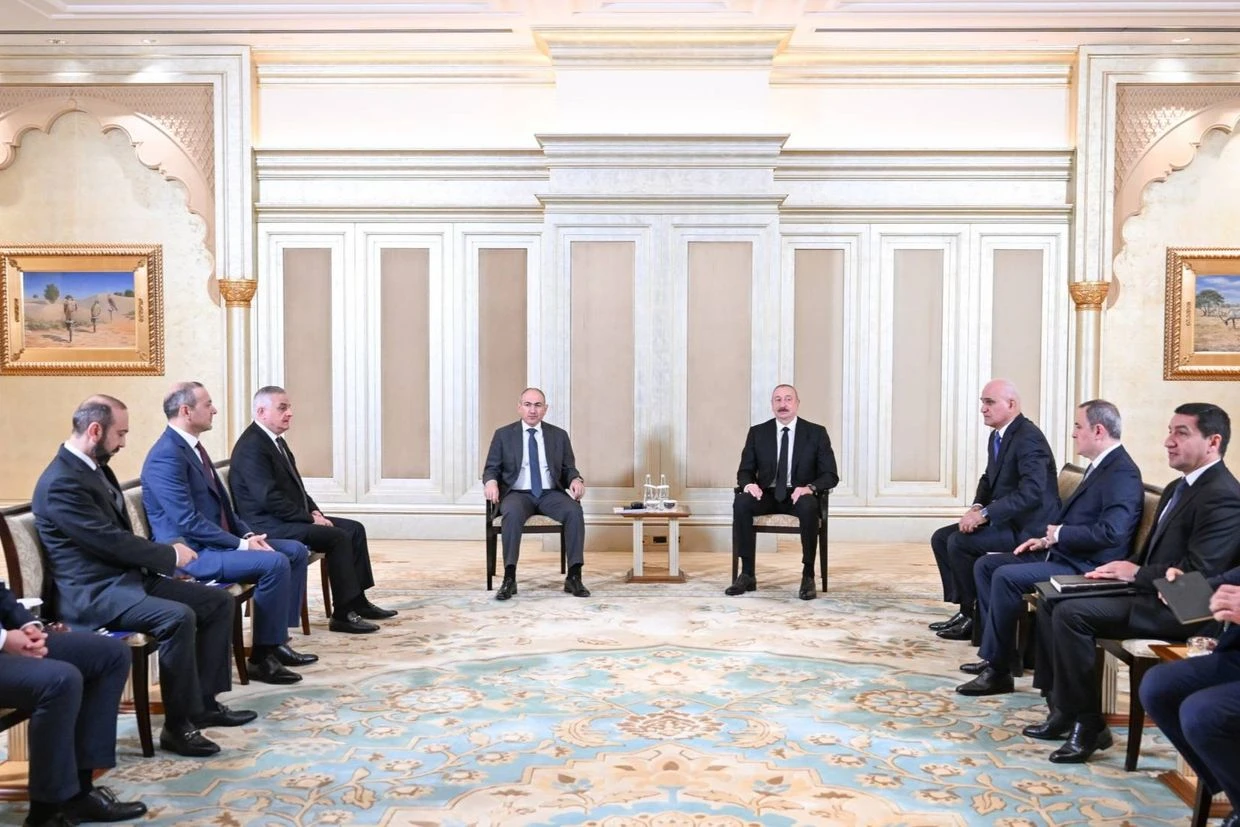
Yesterday’s meeting between the leaders of Azerbaijan and Armenia in Abu Dhabi received significant attention in both local and international media.
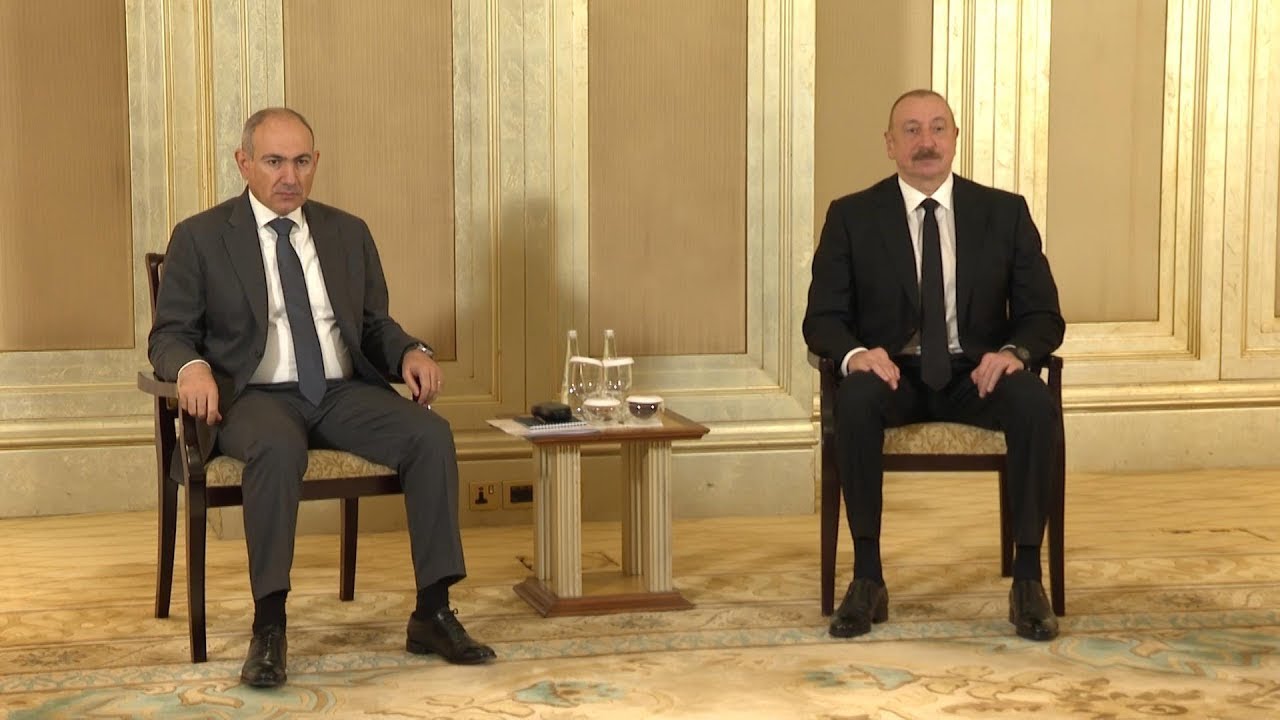
The most significant recent development in the region’s political life was the meeting in Abu Dhabi, the capital of the United Arab Emirates, between the leaders of Azerbaijan and Armenia to discuss a range of issues related to advancing the peace agenda between the two countries.
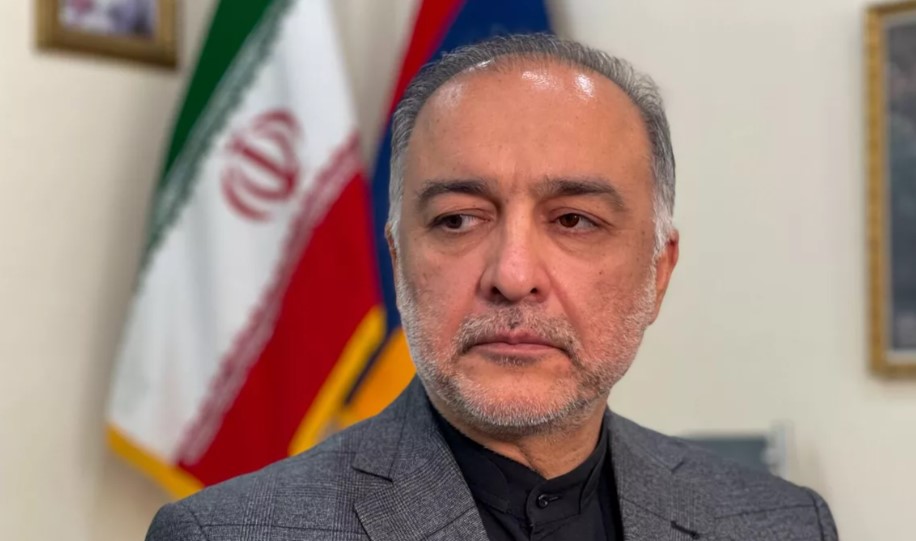
Mehdi Sobhani, Iran’s controversial ambassador to Armenia, has once again made headlines. This time, he chose to comment on the recent ECO summit in Khankendi.
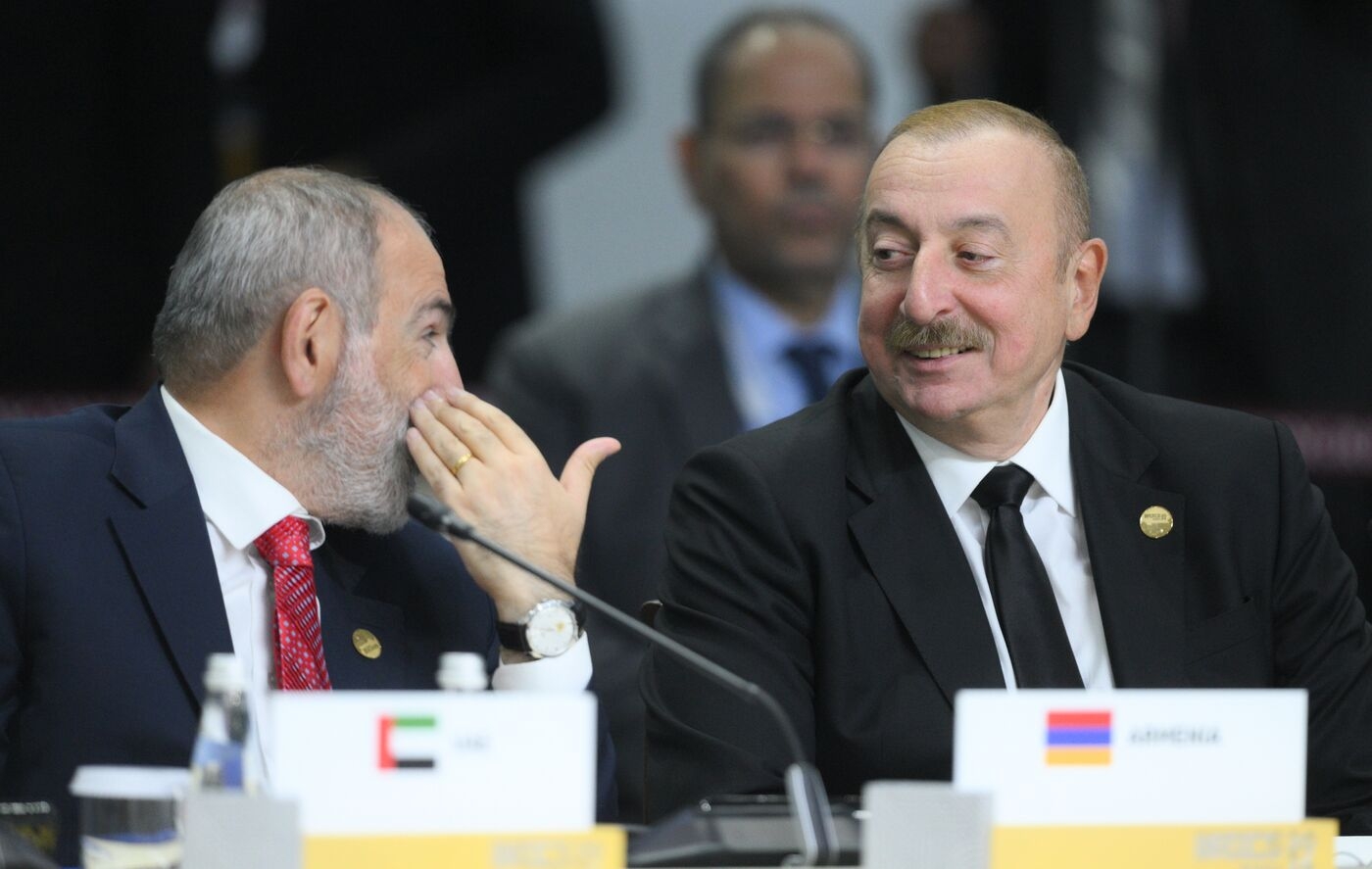
Amid growing instability in global and regional politics, the process of normalizing relations between Azerbaijan and Armenia is drawing increasing attention.
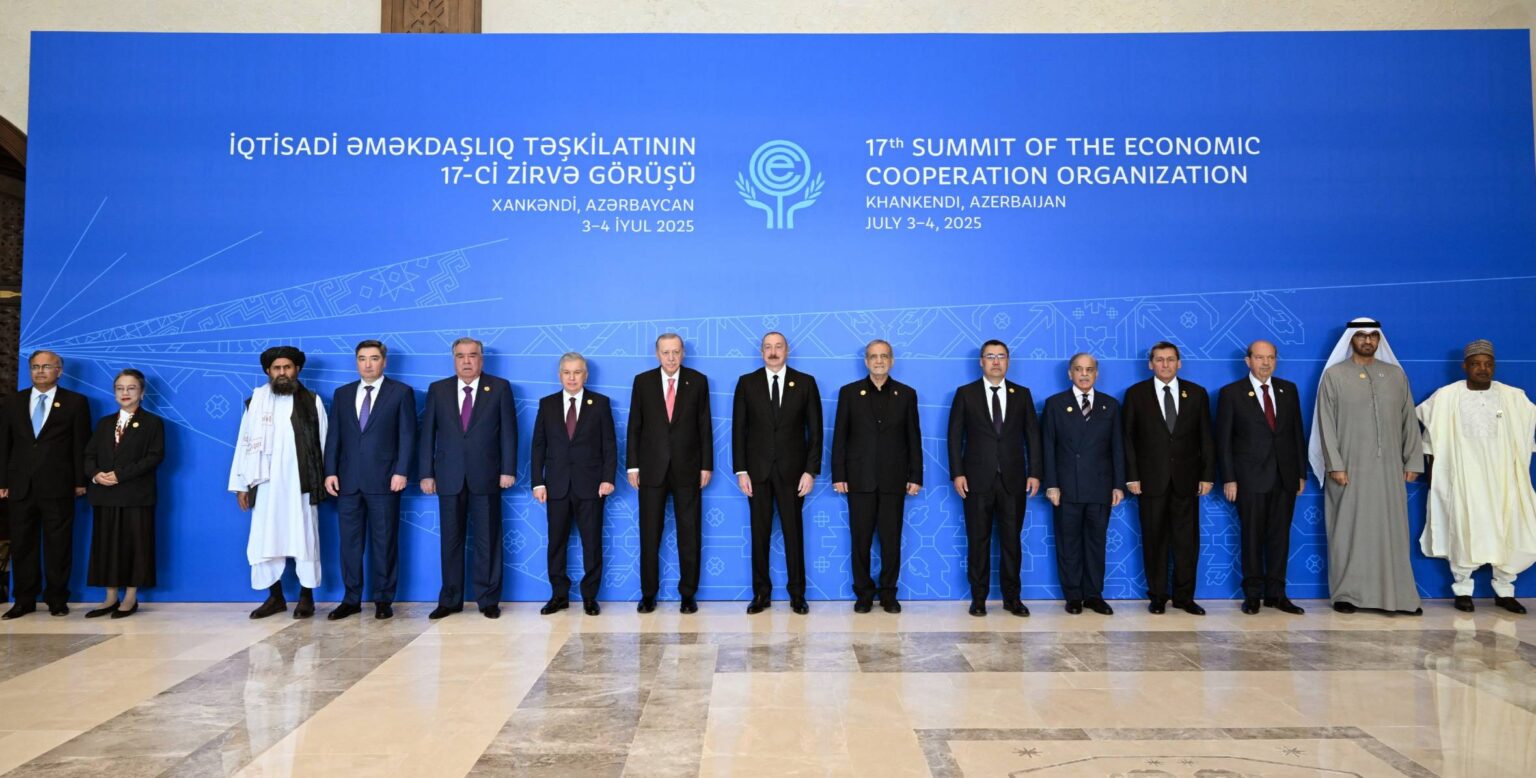
The Republic of Azerbaijan hosted the 17th Summit of the Economic Cooperation Organization (ECO) on 3-4 July in Khankendi, Karabakh region – a major milestone for the region that reaffirms the country’s growing leadership in promoting regional cooperation and sustainable development.
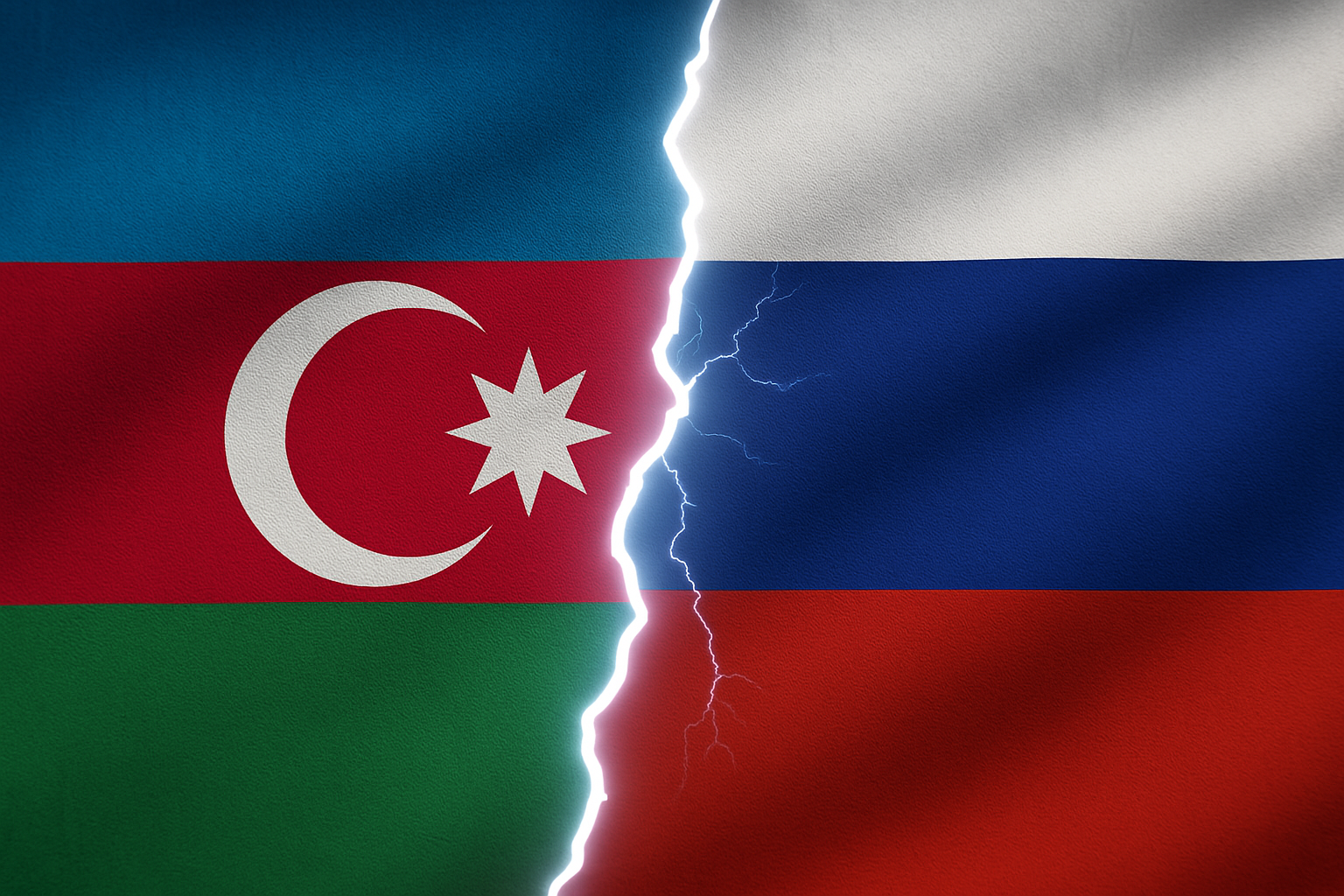
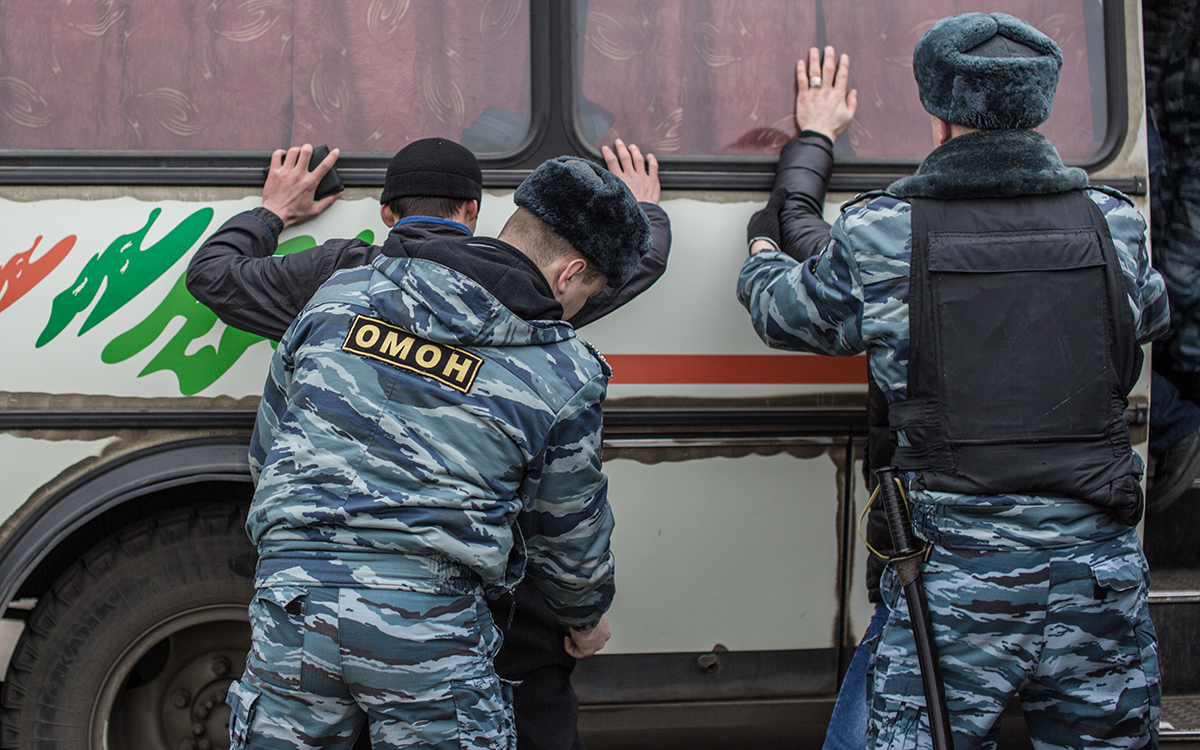
A Russian raid in Ekaterinburg targeting ethnic Azerbaijanis on June 27 resulted in deaths, injuries, and allegations of torture. This ignited a severe diplomatic crisis, with Baku accusing Moscow of ethnic violence and launching a criminal investigation.
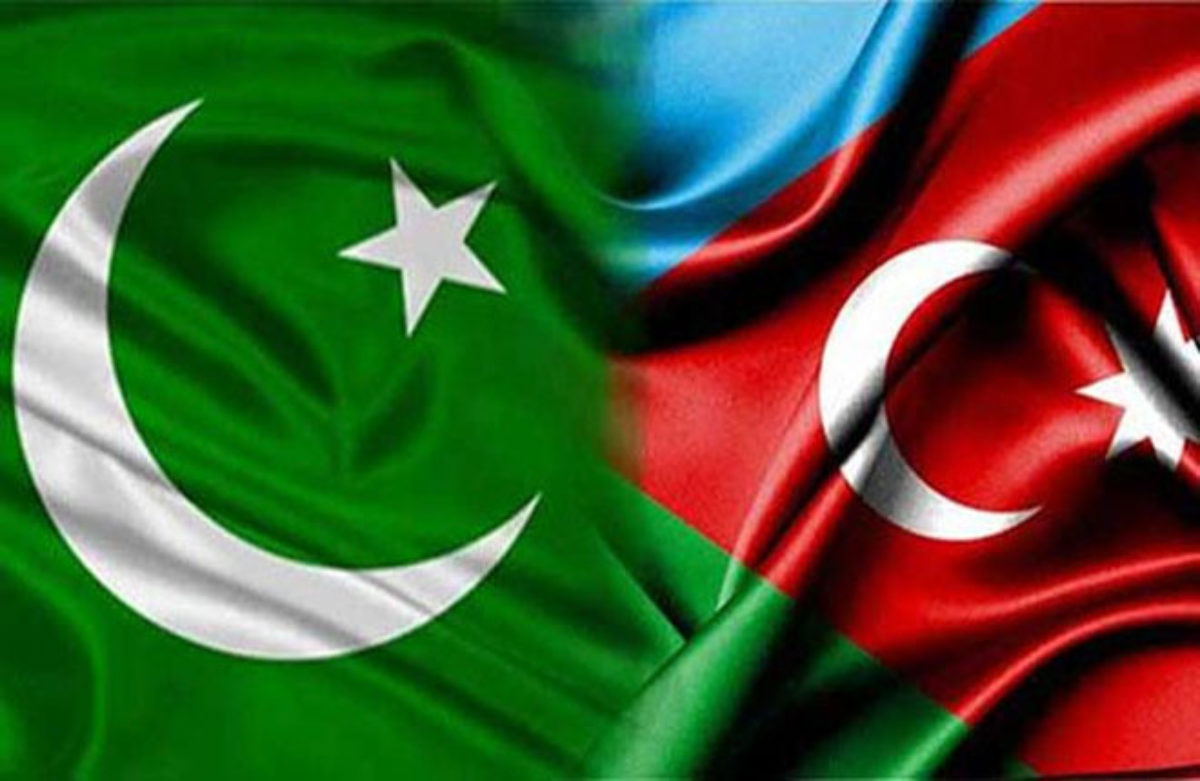
This is great progress as Pakistan and Azerbaijan have signed investment agreements to the tune of 2 billion dollars in a gesture to further economic cooperation.
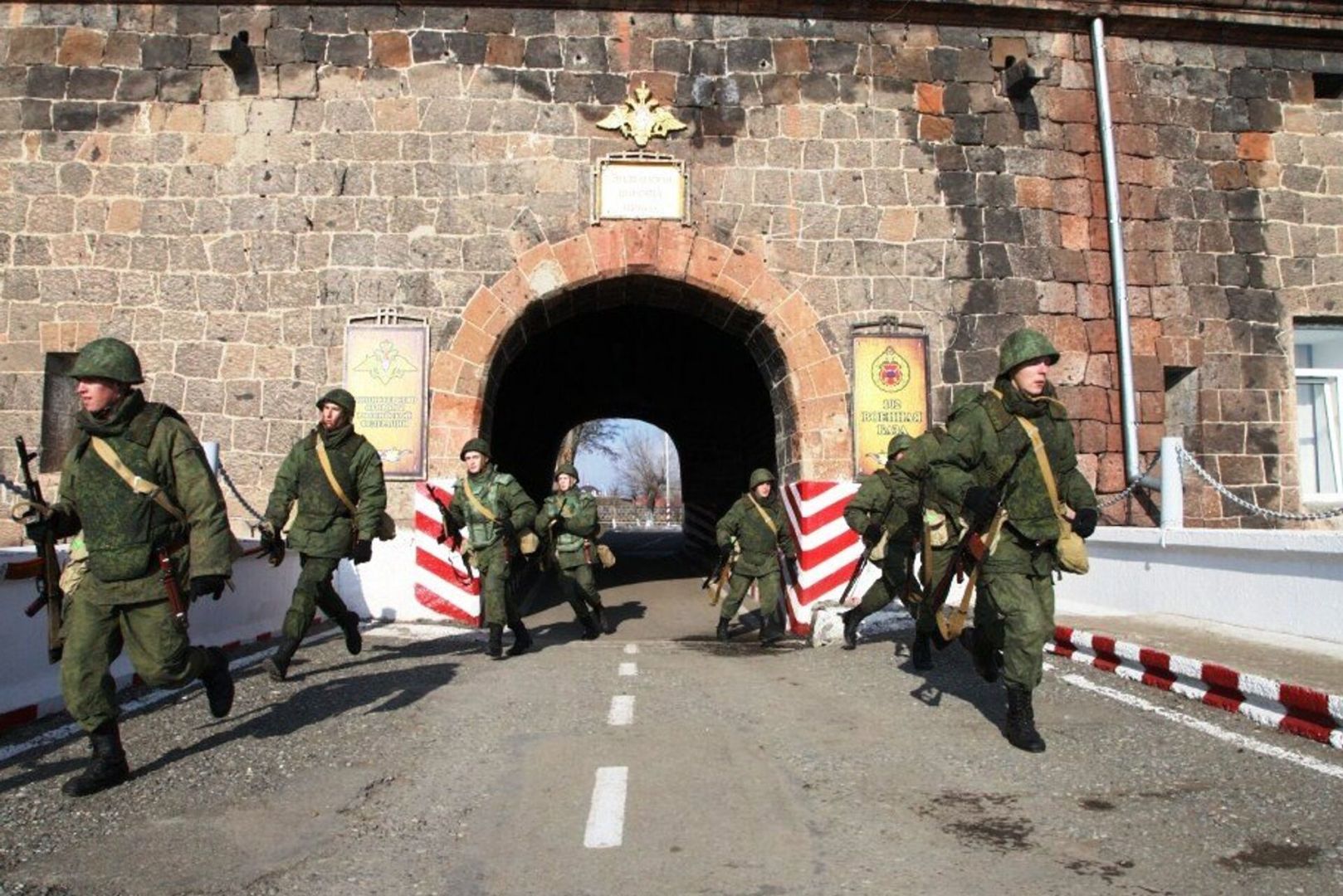
Russia is increasing its military presence in Armenia—more specifically, at its base in Gyumri.
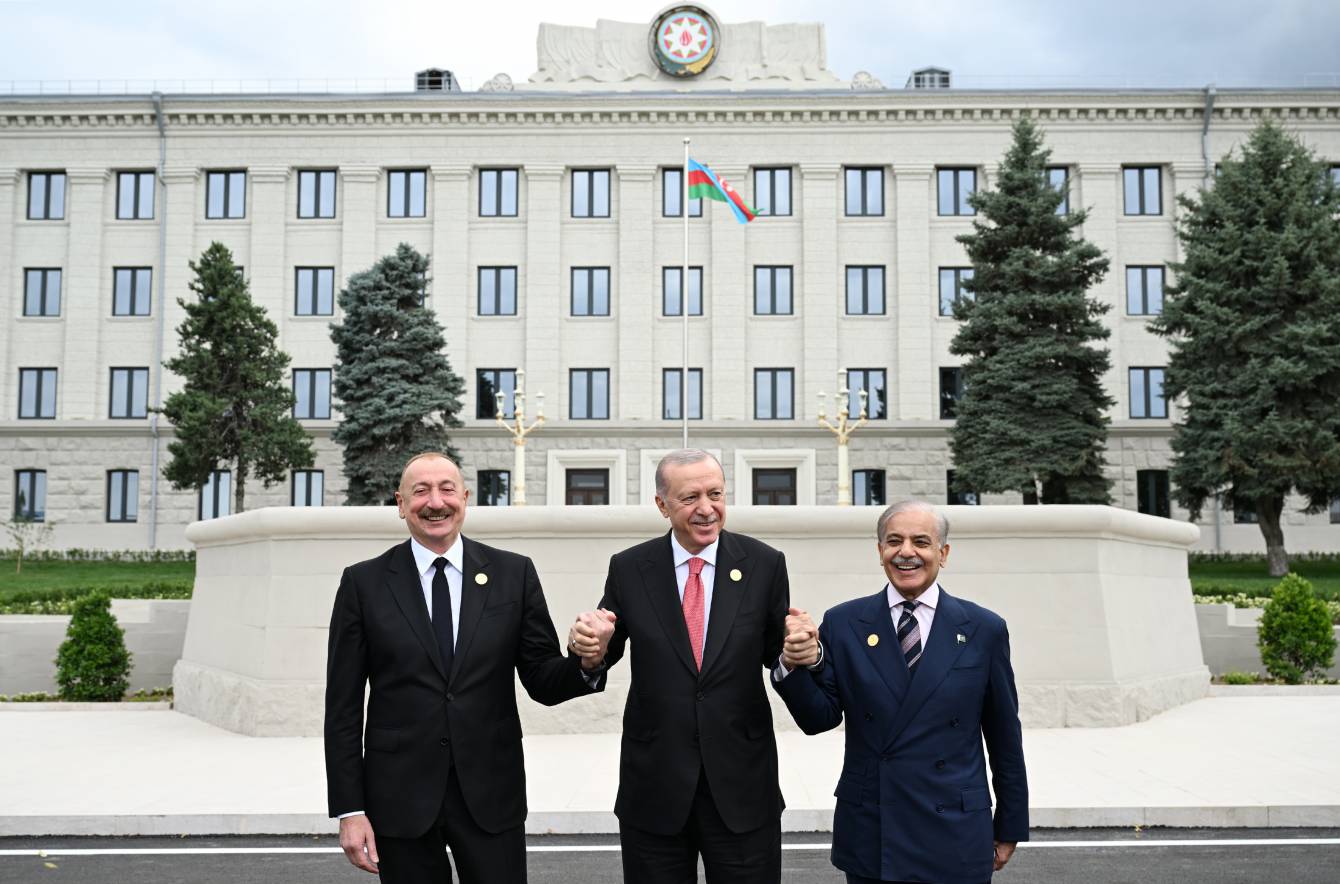
Today, the most important news in Azerbaijan comes from the liberated Karabakh region — and not only about the ECO summit.
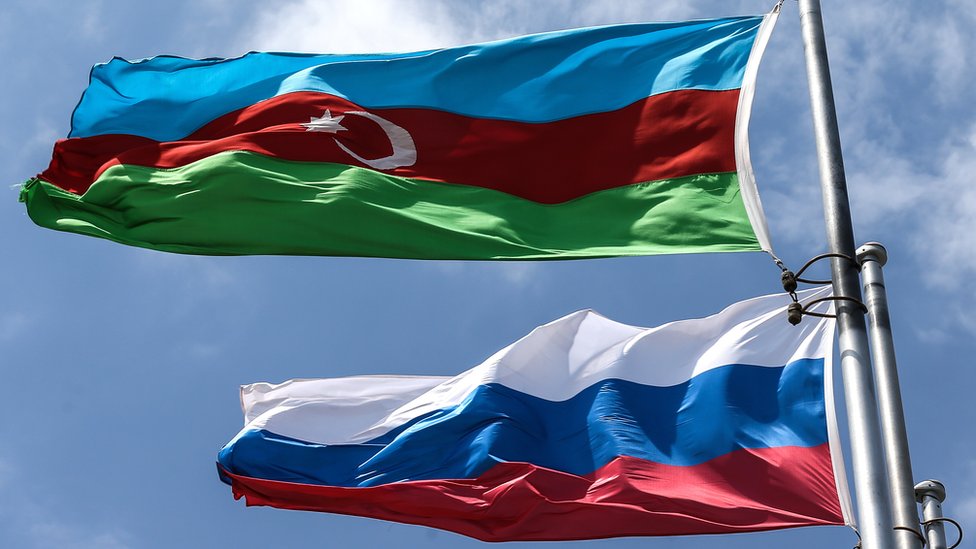
In the long term, if Moscow genuinely wants not only to defuse short-term tensions but also to prevent future crises, Russia must abandon its arrogant, imperial tone in dealings with Azerbaijan.
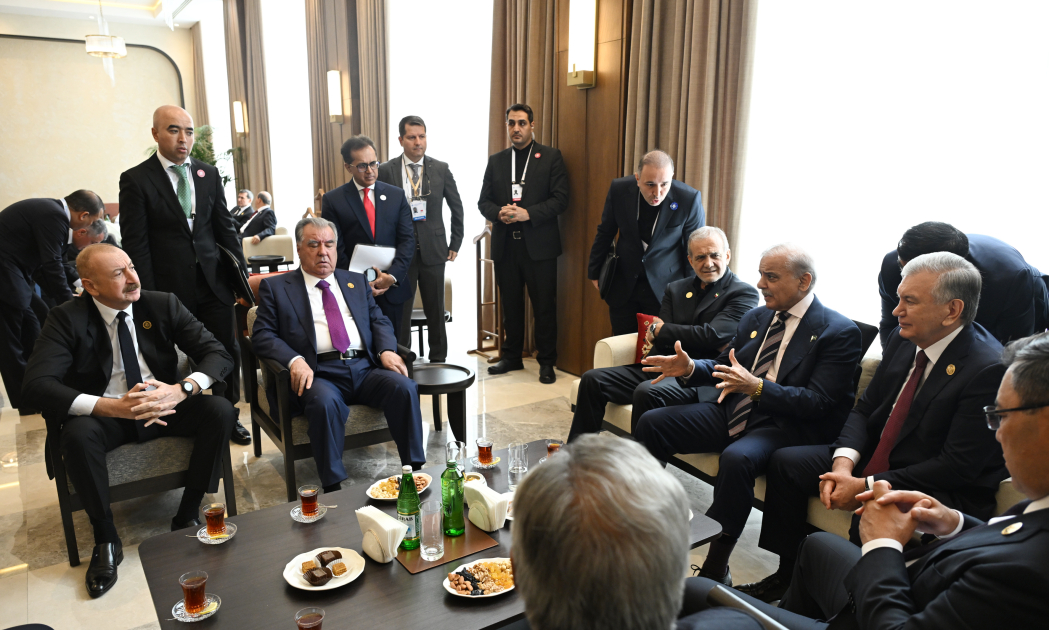
The hosting of the first international forum with participation of heads of state in Khankendi became a vivid symbol not only of recognition, but also of acceptance of the transformations that have occurred in recent years—both by regional and international political communities.
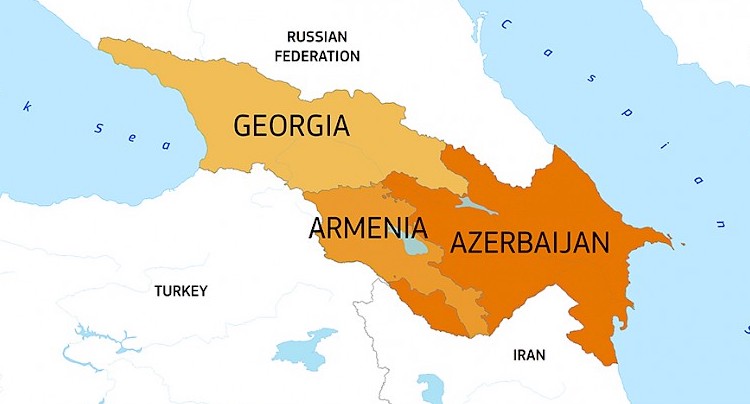
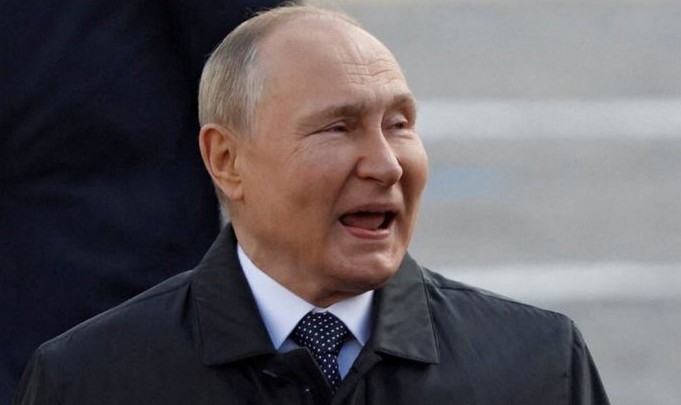
Azerbaijan’s relations with its northern neighbor, Russia, which is a critical player of the geopolitical equation in the South Caucasus, have deteriorated over the few months to the level unprecedented in the post-Soviet period.
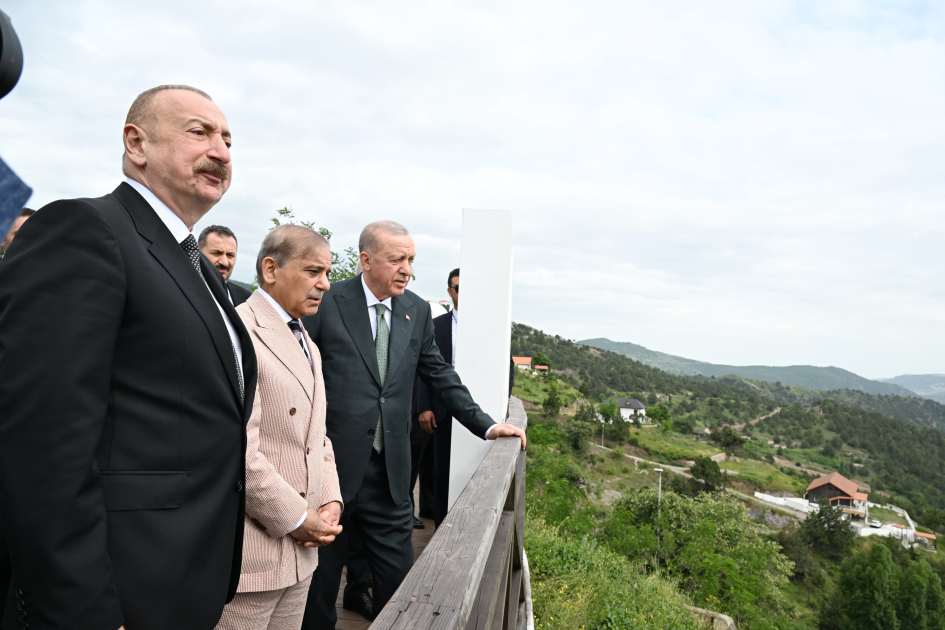
The city of Khankendi is hosting the Economic Cooperation Organization (ECO) summit—yet another sign that Azerbaijan’s liberated territories, particularly Khankendi and Shusha, have become arenas for important diplomatic meetings and international forums.
The South Caucasus is emerging as a critical subsystem in the evolving architecture of Eurasian geopolitics, where local incidents increasingly function as conduits for broader strategic readjustments.
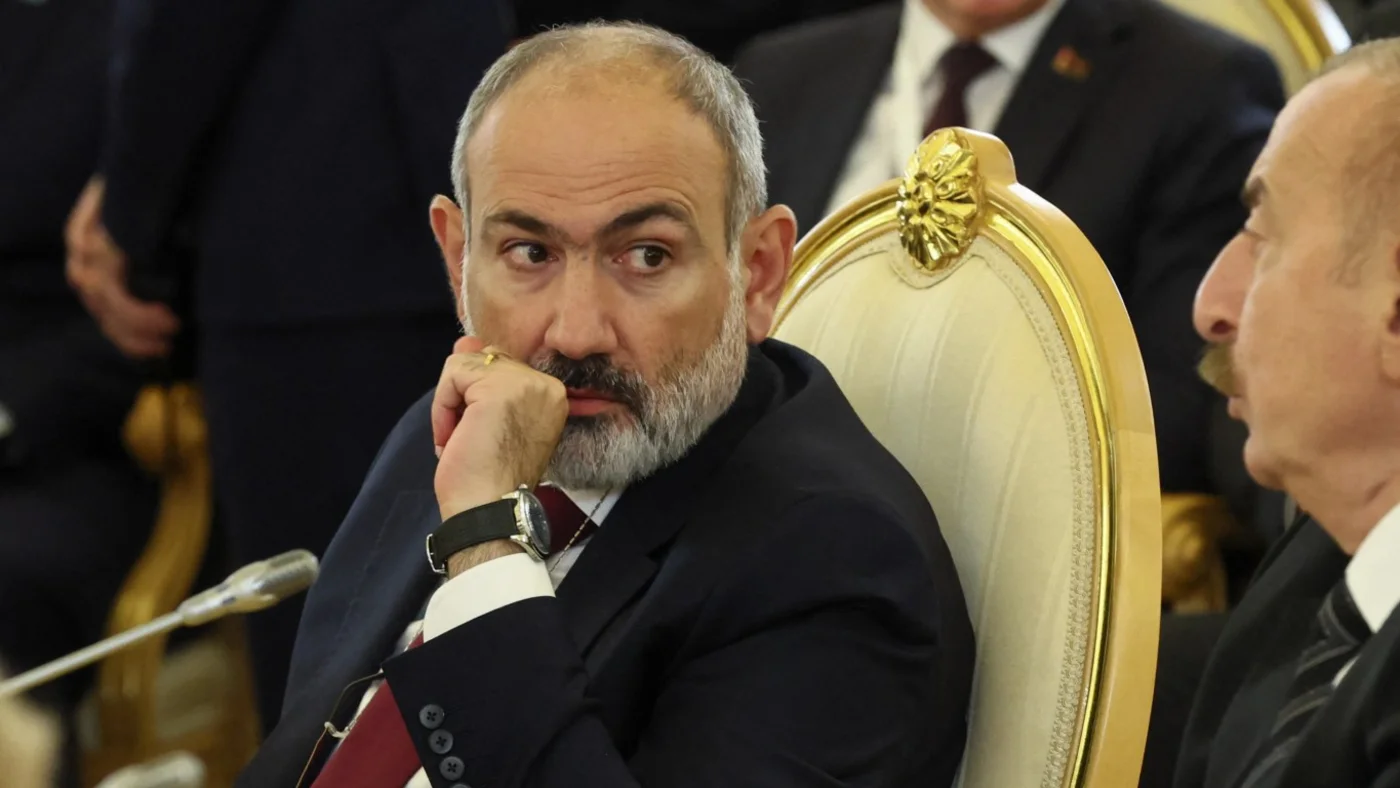
Aliyev and Pashinyan are expected to discuss the draft peace deal as Baku still has further demands.

Following Israel’s war in Iran, the Islamic Republic is increasingly seeking to turn Armenia into a Persian proxy.
It seems that Baku’s response to the killing of Azerbaijanis by Russian security forces in Yekaterinburg struck a raw nerve in Moscow—more deeply than the Kremlin had anticipated.

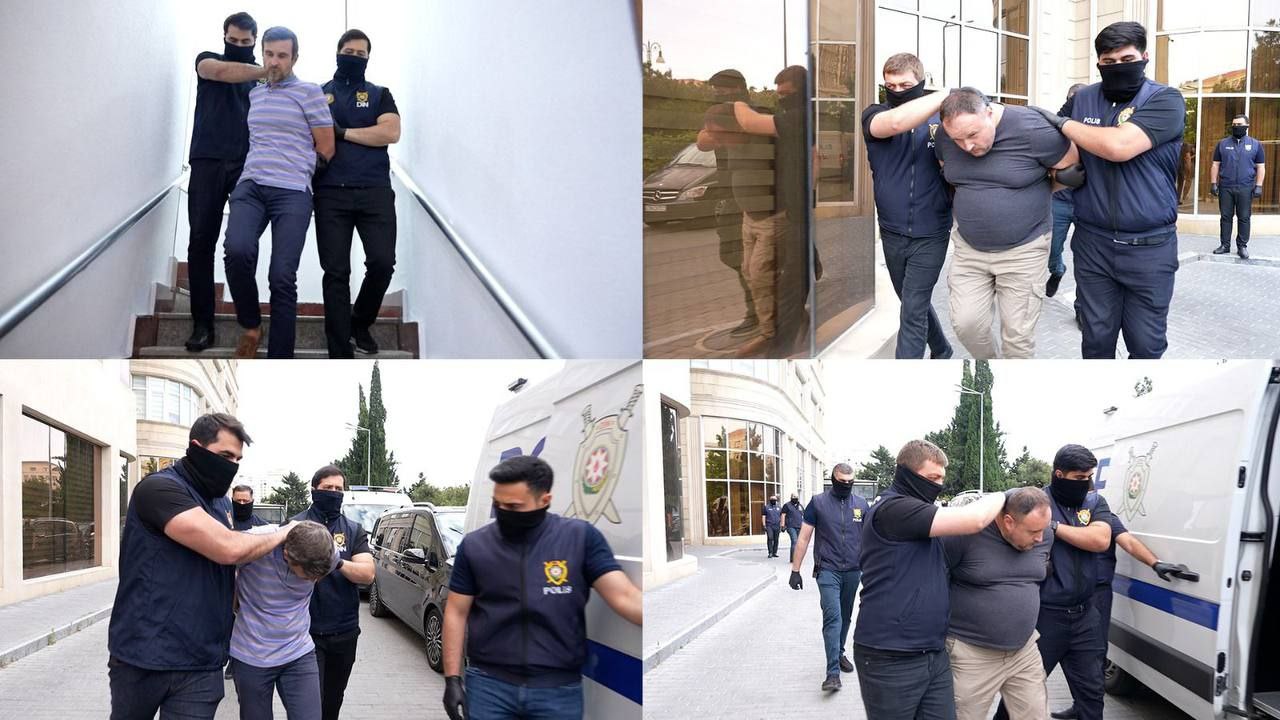
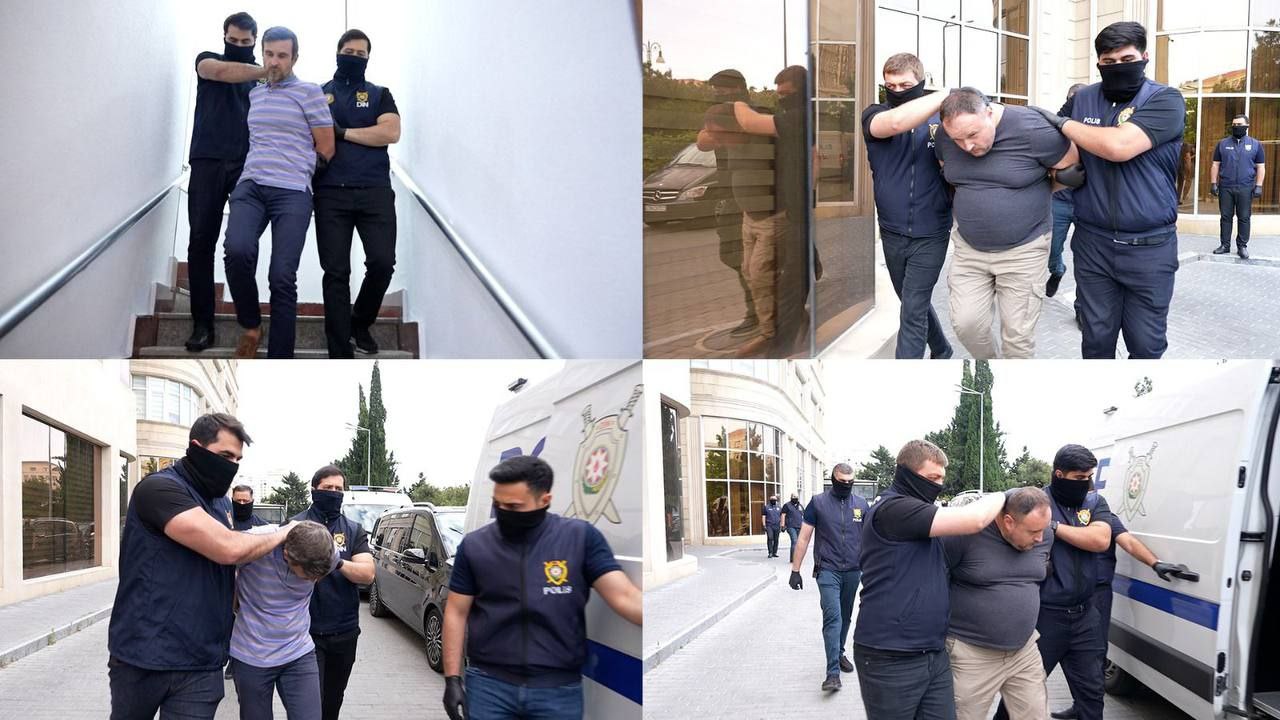
Two organized criminal groups involving Russian citizens have been neutralized in Azerbaijan, according to the country’s law enforcement agencies.
Azerbaijan is not a country that leaves its debts unpaid — whether good or bad.
This current crisis can rightfully be called unprecedented.
A new—though in essence very old—campaign of national hatred is unfolding in Russia today.
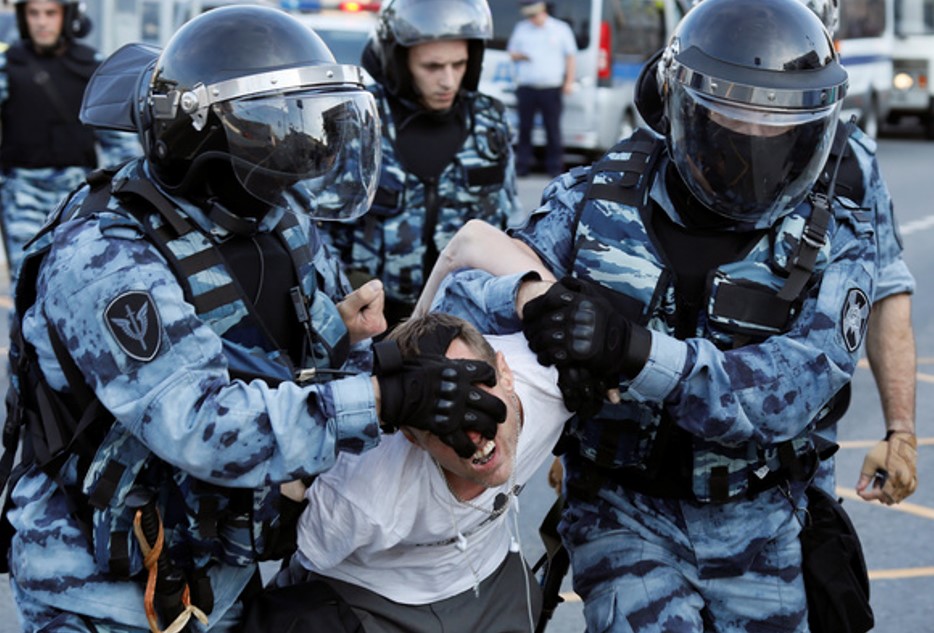
The bloody events that unfolded in Yekaterinburg on June 26 shocked not only Azerbaijanis around the world but also resonated deeply with anyone who considers humanity more than just a fashionable concept.
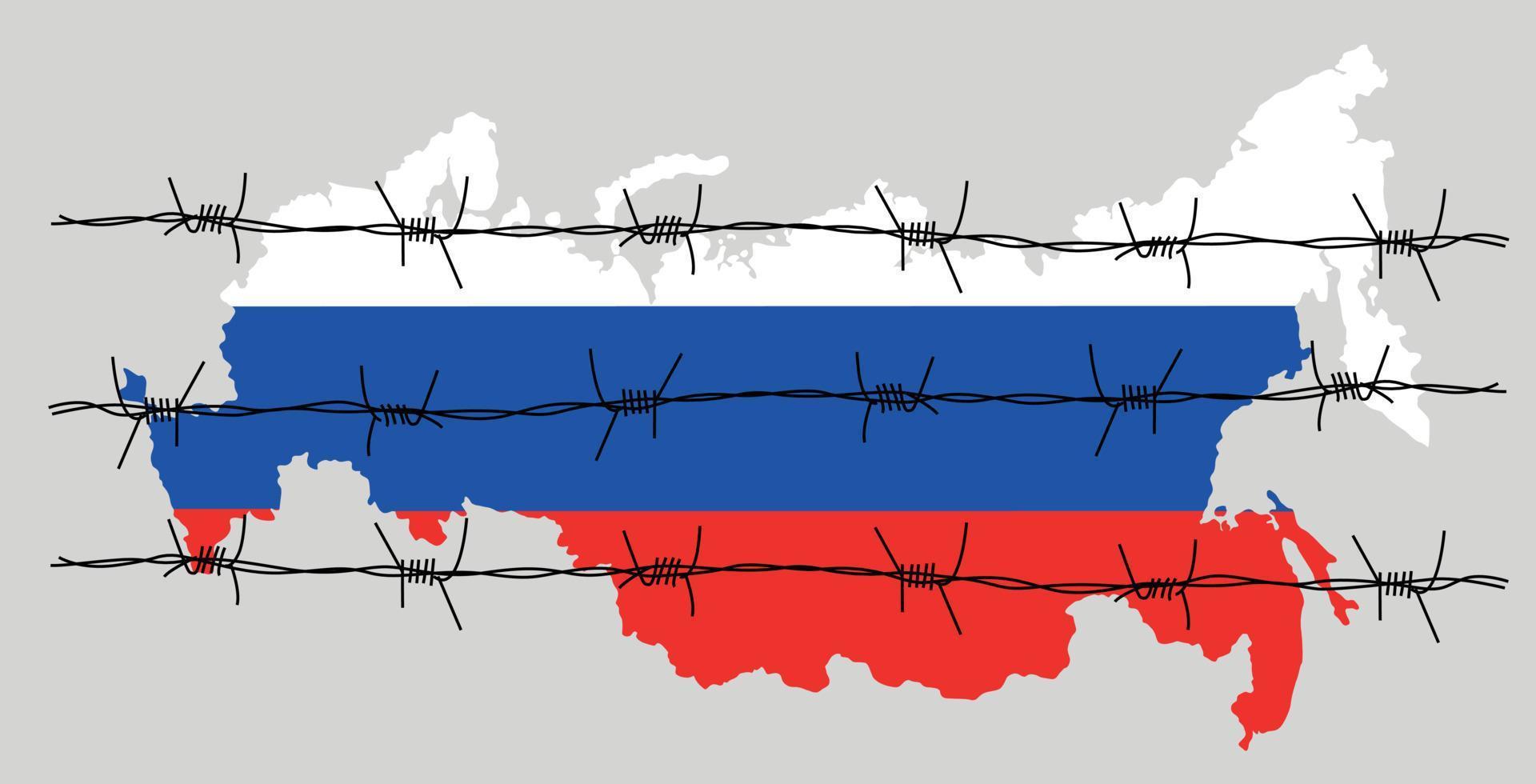
Another anti-Azerbaijani move has been made in Russia—this time in Yekaterinburg. And once again, with deadly consequences for Azerbaijanis, including a citizen of the country.