What is the main task of a diplomat? To promote their country’s interests, strengthen its position, and, ultimately, to ease tensions. These are basic principles known to diplomats in most parts of the world.

What is the main task of a diplomat? To promote their country’s interests, strengthen its position, and, ultimately, to ease tensions. These are basic principles known to diplomats in most parts of the world.
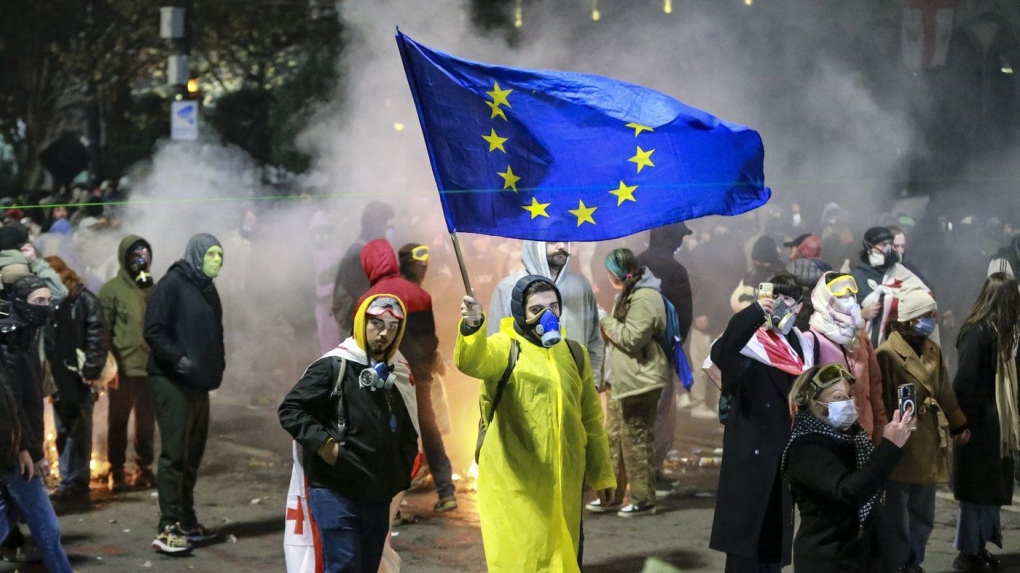
Criticism of double standards in Western foreign policies has grown since the 2003 invasion of Iraq and more recently with respect to Russia’s war against Ukraine and Israel’s war against Gaza and Palestinians. Double standards is the reason why many countries in the Global South, particularly in Africa, are not imposing sanctions against Russia and are not taking sides in the new Cold War.
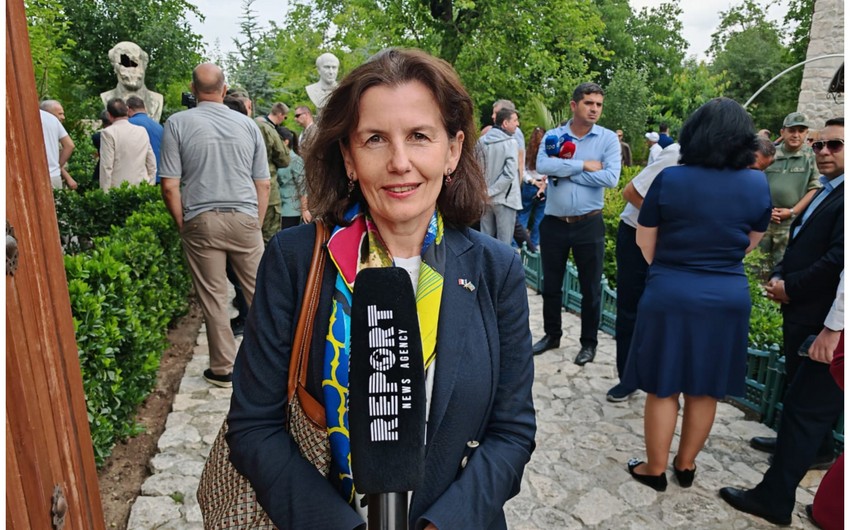
France is unlikely to cease fuelling revanchist sentiment in Armenia suddenly. Nor is it easy to imagine Paris halting its support for Armenia’s militarisation.
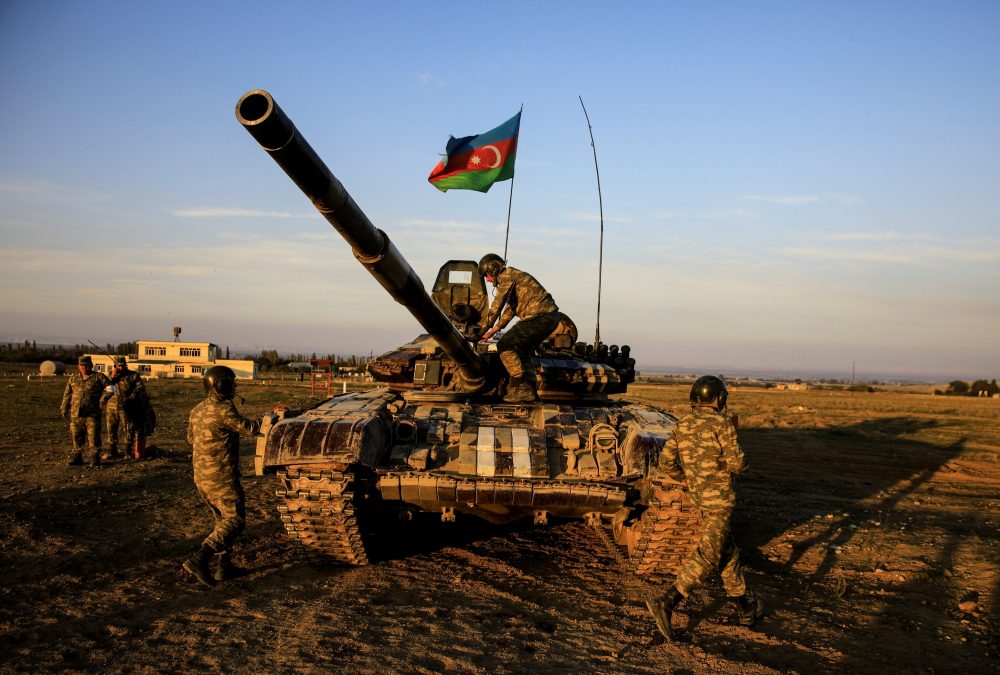
Russian-Armenian businessman Samvel Karapetyan has arrived in Yerevan to stir the political waters. Whether he succeeds largely depends on the Armenian public.
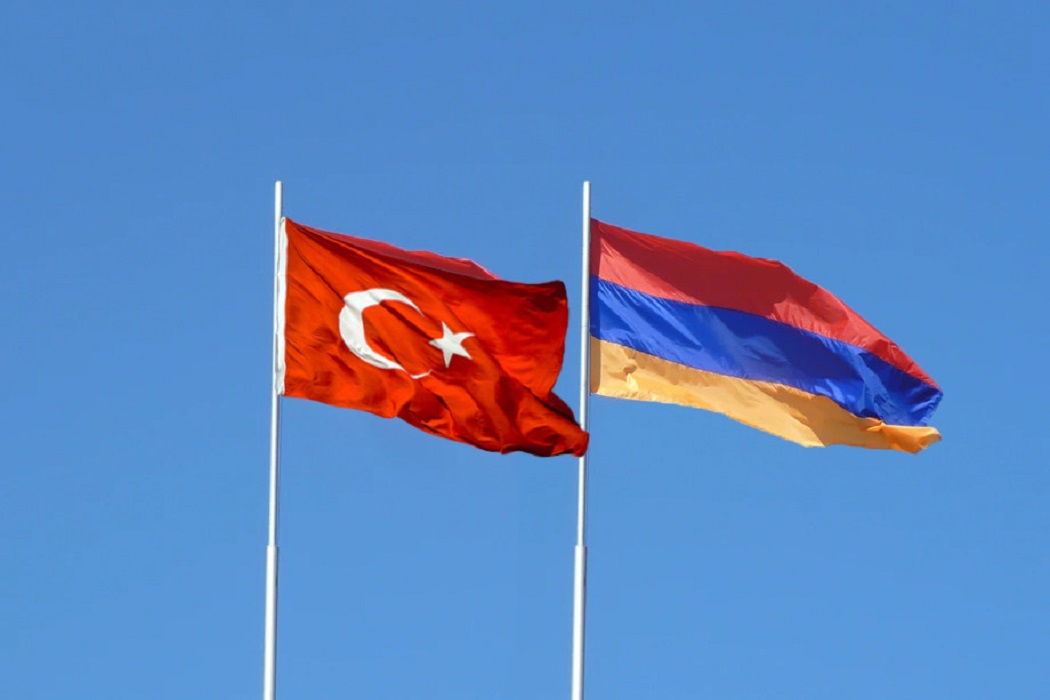
Pashinyan's working visit to Türkiye is a turning-point strategic step: Armenia accelerates the westward pivot, supplementing the January 2025 U.S.–Armenia Strategic Partnership Charter and EU membership efforts.
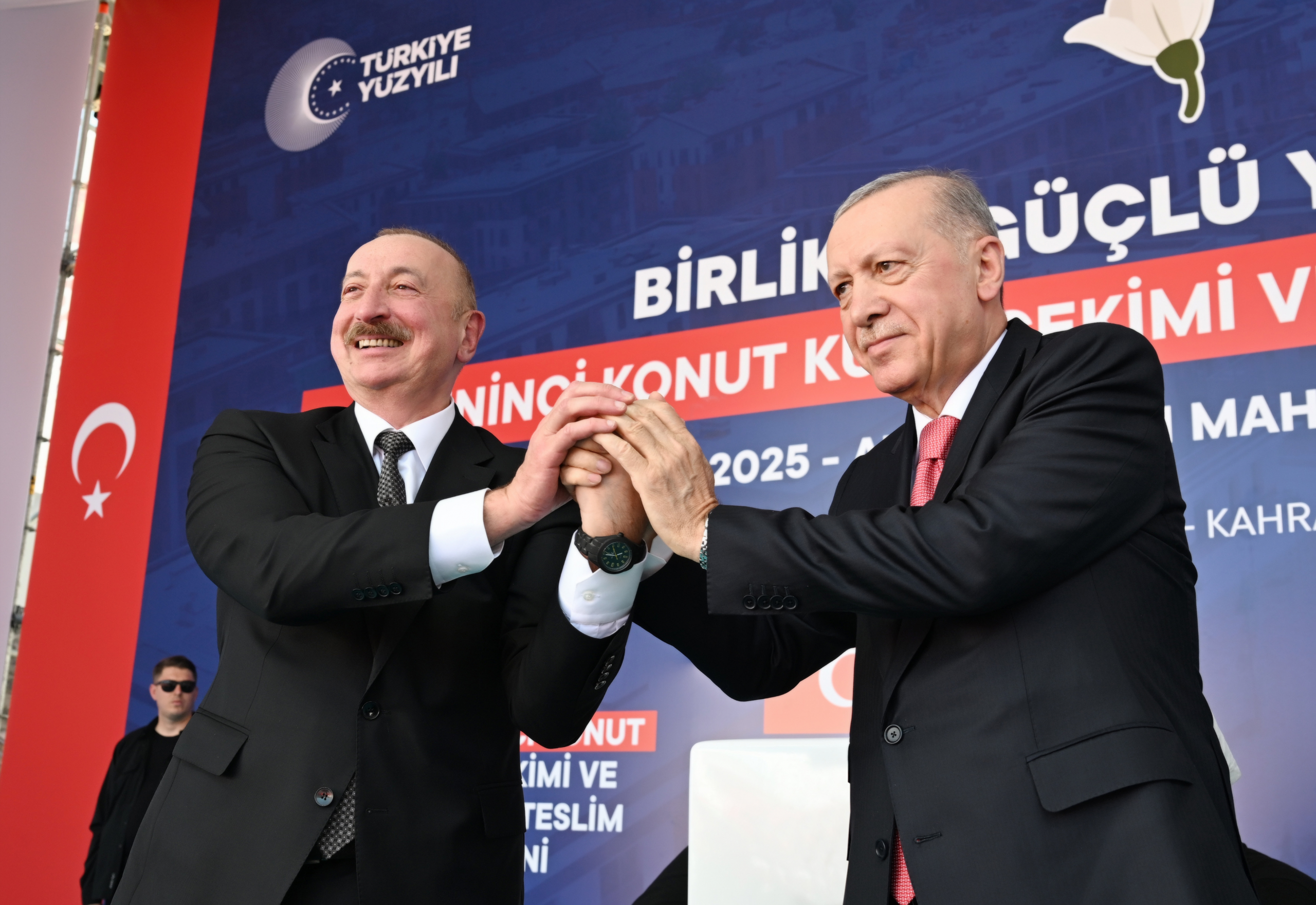
From now on, the events unfolding in Turkic nations will no longer follow scripts written by “great white masters.” Azerbaijan and Turkey are writing their own history — from Karabakh to Kahramanmaraş, from Shusha to Hatay.
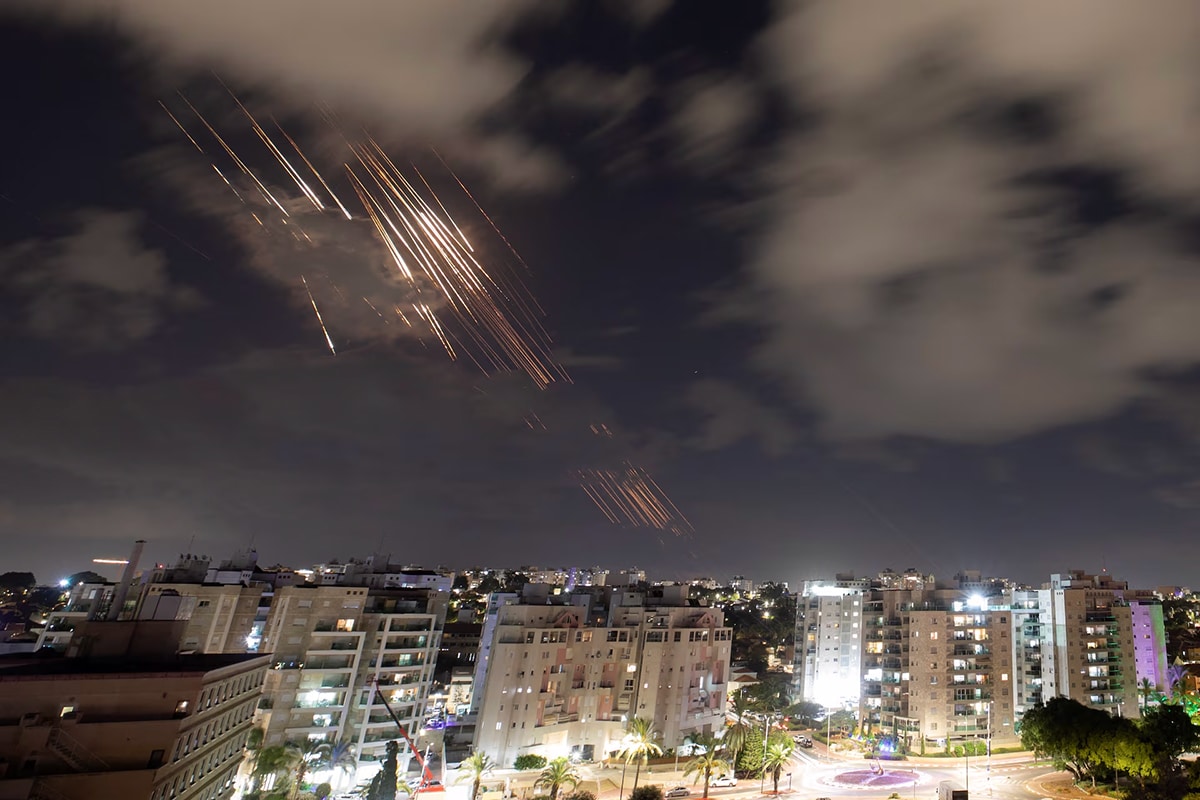
Azerbaijan, due to its geographic location, cannot fully insulate itself from the fallout of this conflict. However, the country’s stance of strict neutrality and non-interference has proven to be a wise course thus far.
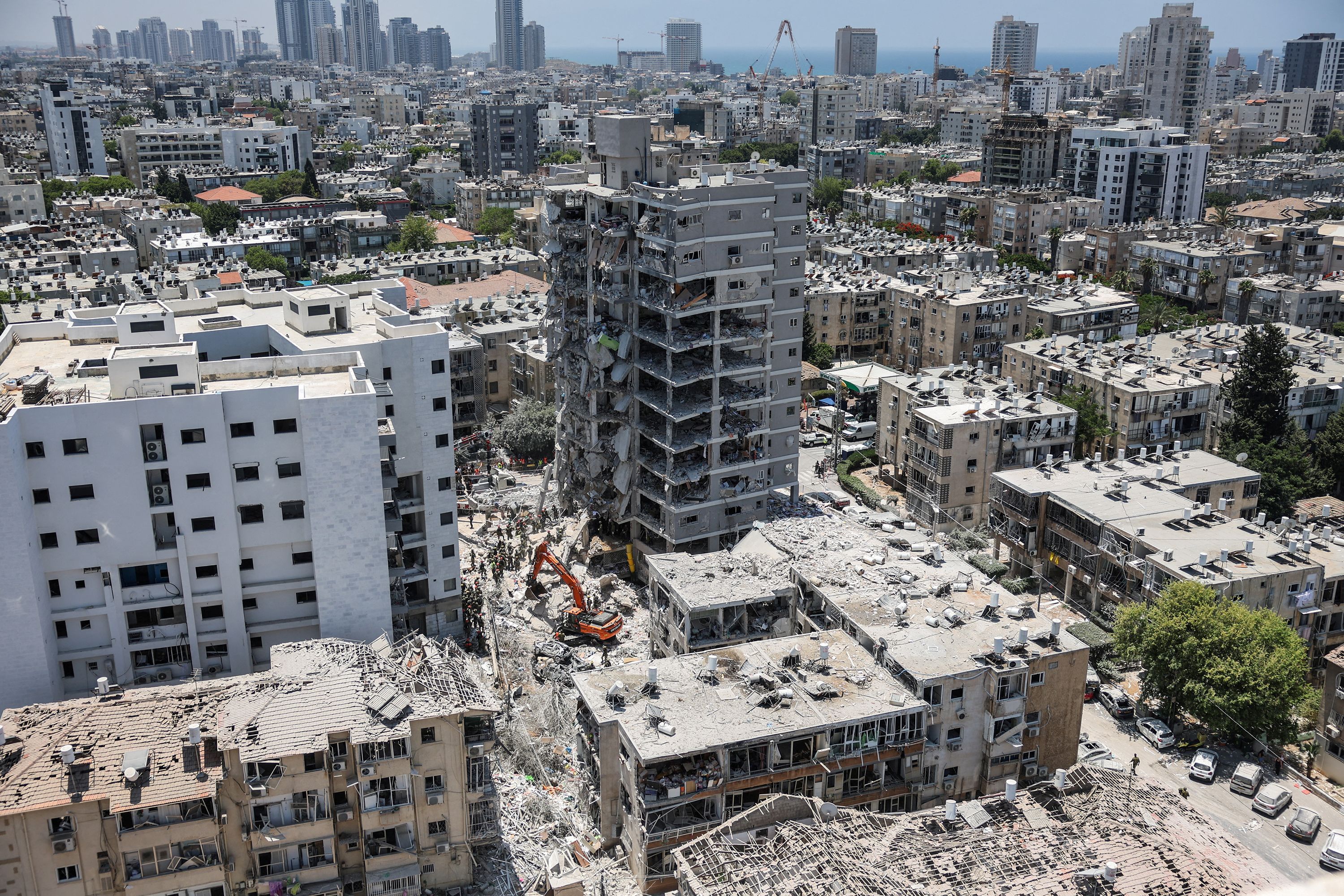
As tensions between Israel and Iran intensify, it is not only Middle Eastern stability that stands at risk, but also major strategic initiatives shaping the emerging geo-economic architecture of Eurasia.
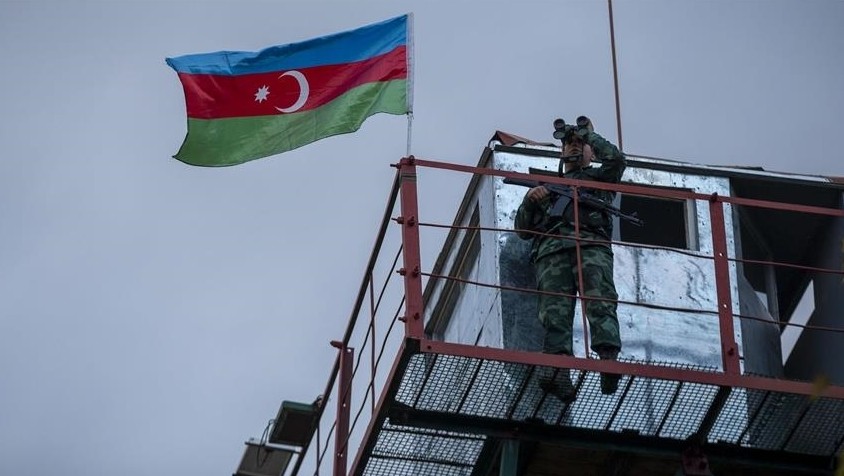
Today, a single glance at the map — or a quick scan of the news — is enough to appreciate the complexity and sensitivity of Azerbaijan’s geopolitical position.
The latest round of U.S.–Russia talks aimed at stabilizing diplomatic relations has been postponed at Washington’s request, signaling a shift in U.S. foreign policy priorities.
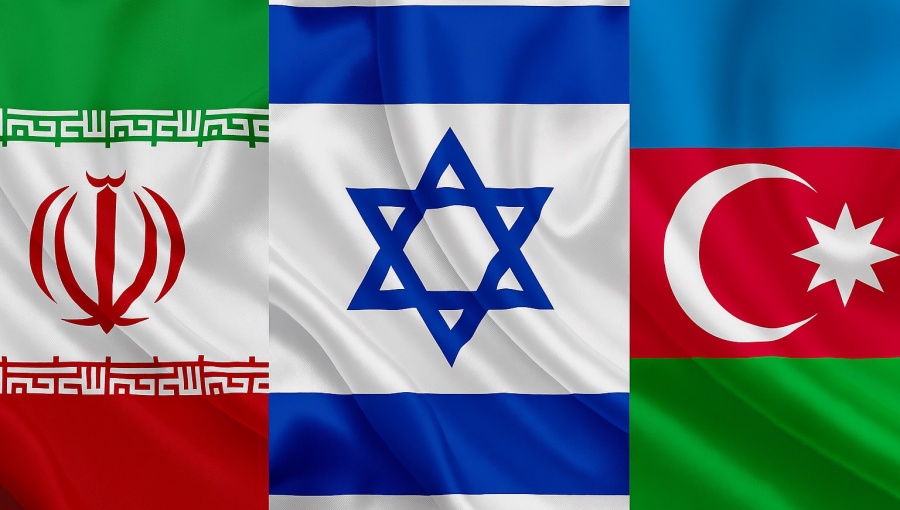
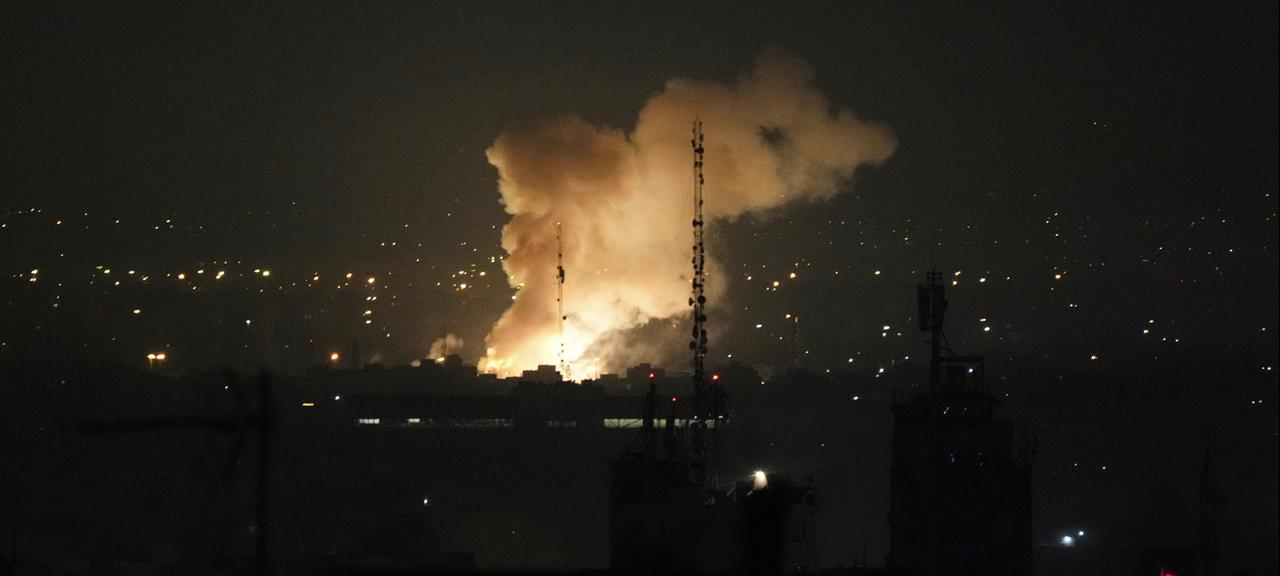
Geopolitics in the Caucasus was already unstable before the war between Israel and Iran broke out at the weekend. Now they have become more confused and threaten to destabilise the region further.
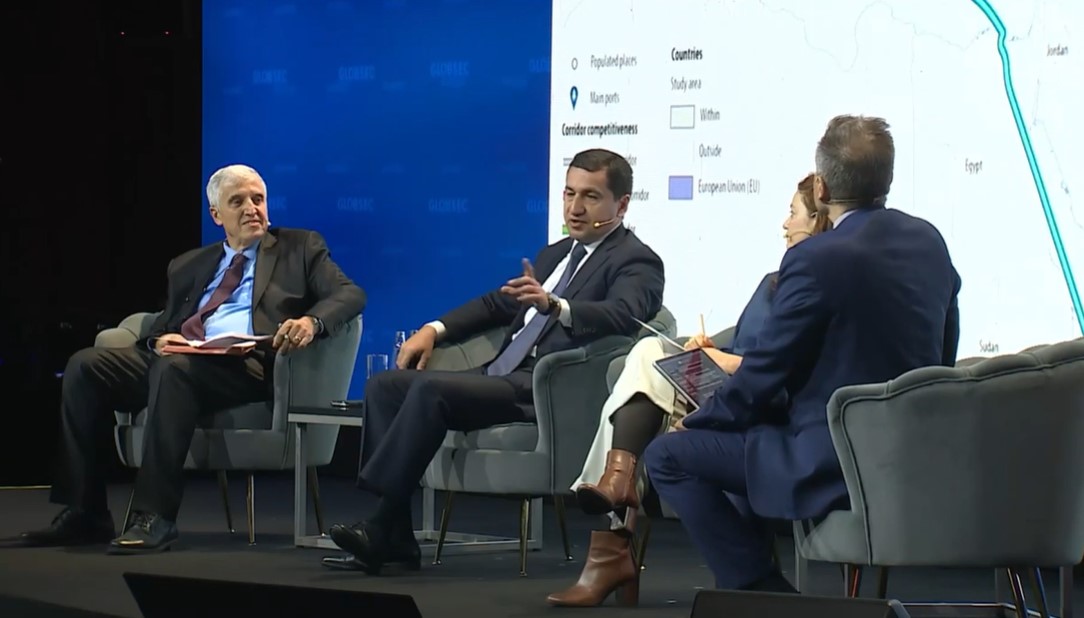
Azerbaijan has prepared for possible scenarios that could affect neighboring countries under sanctions — this was stated by Presidential Aide Hikmet Hajiyev during the panel discussion "Middle Corridor: A New Geopolitical and Economic Lifeline" at the GLOBSEC 2025 forum.
“Azerbaijan must be prepared for various scenarios of how events may unfold in Iran. Our compatriots in Iran might turn to Turkey and Azerbaijan for protection from war. In that case, we will have to provide refuge for our compatriots."
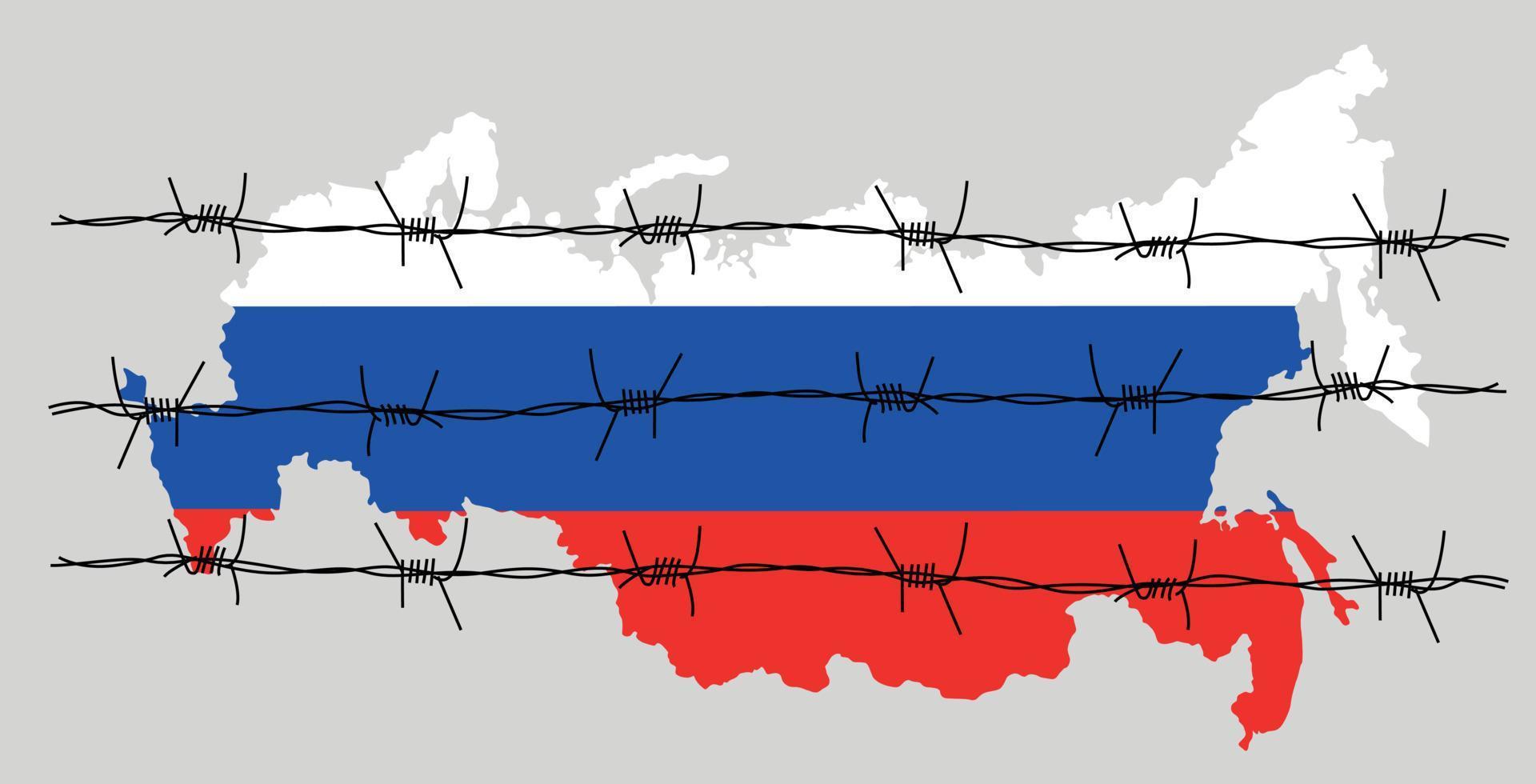
To be frank, a wise leader would have shown Medinsky the door without hesitation, because his statement practically implied that throughout all of the Kremlin’s so-called "mediation efforts" in resolving the Armenian-Azerbaijani conflict, it was simply being hypocritical.
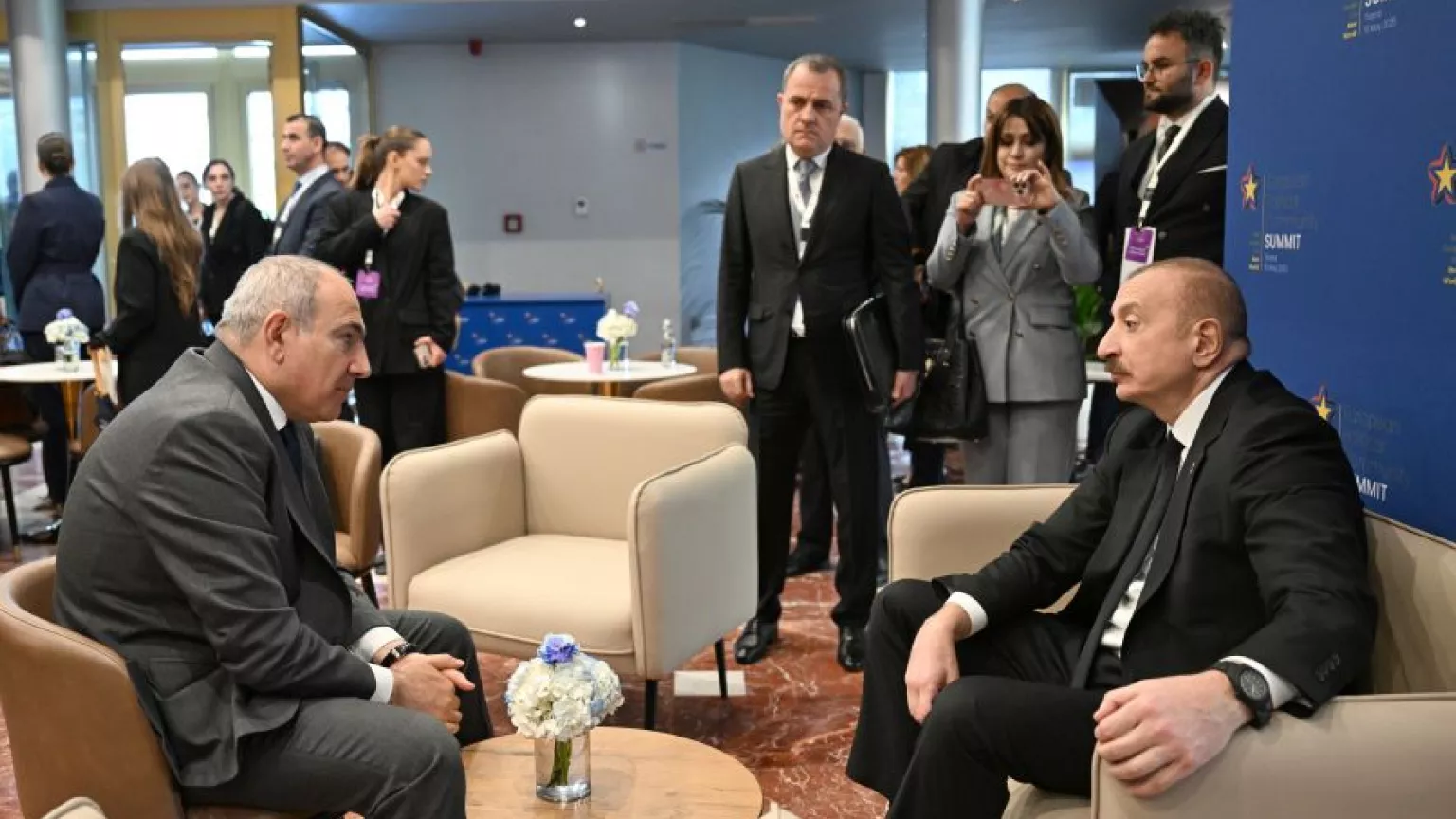
A Europe determined to help them in keeping Moscow from encroaching on their sovereignty, can be a very good partner for Baku and Yerevan- and the EPC would be an ideal format to institutionalise this partnership.
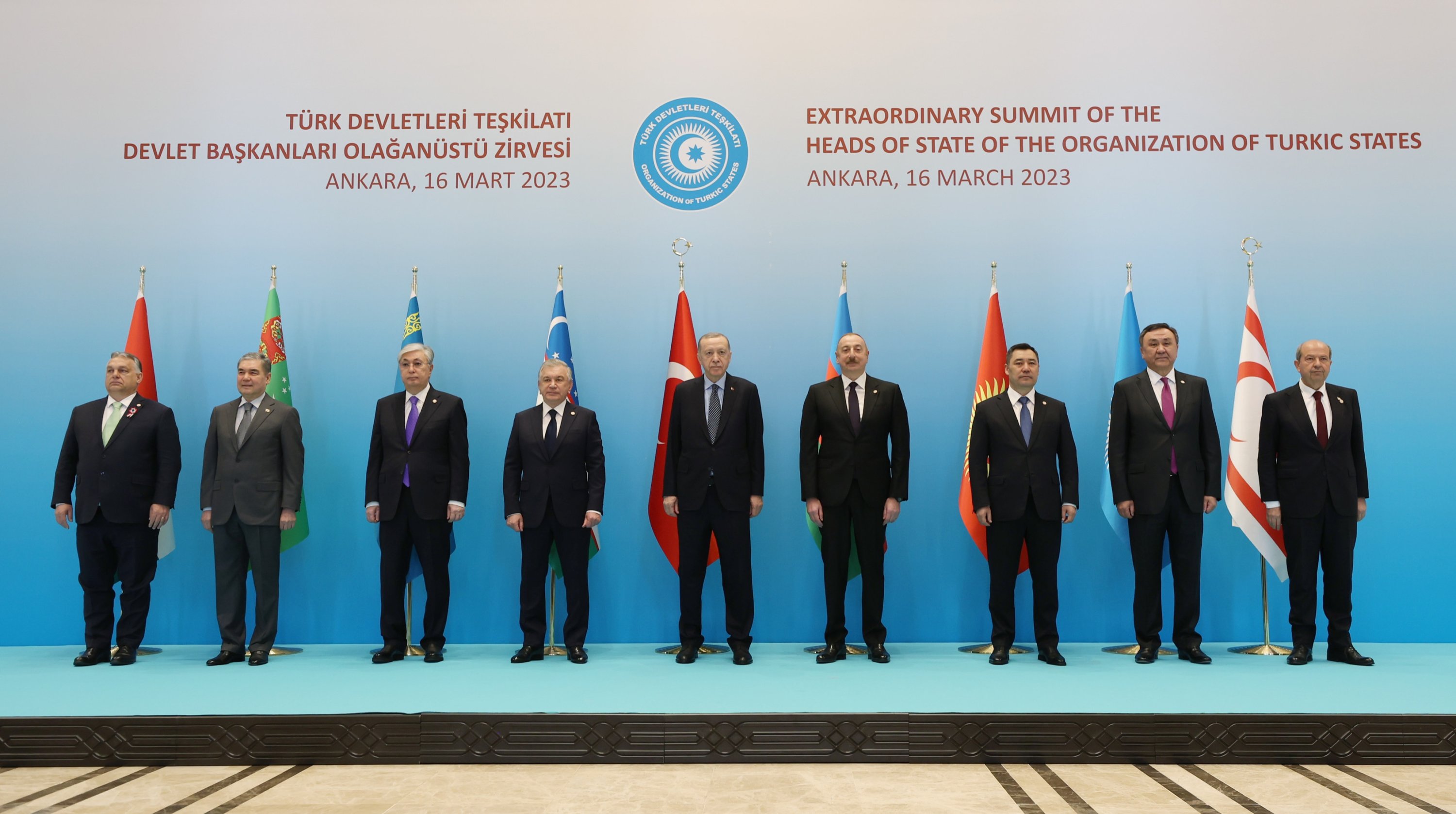
The Informal Summit of the Organization of Turkic States (OTS), held on May 20-21, 2025, in Budapest, Hungary, marked a significant milestone in the organization’s growing geopolitical influence.
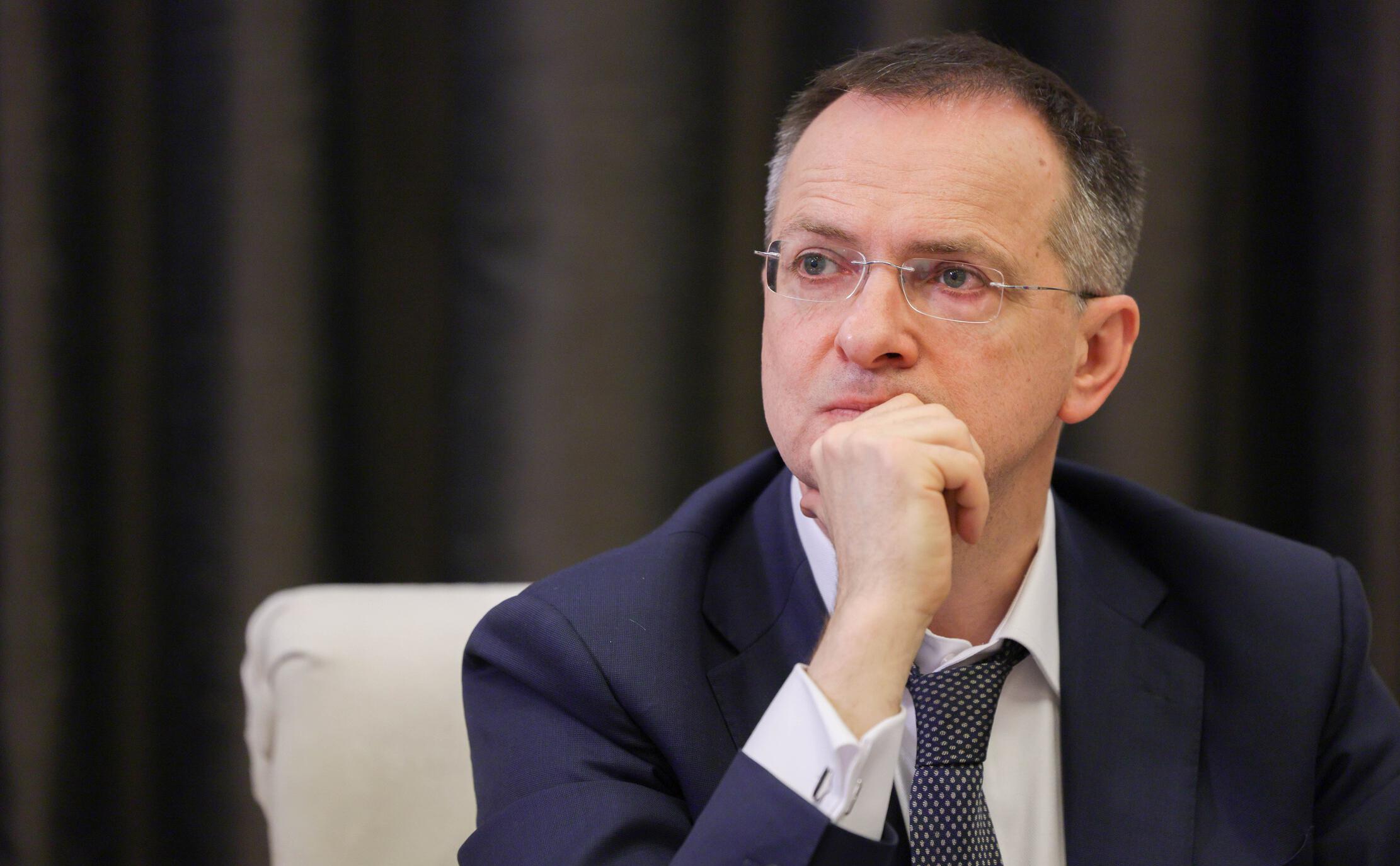
Medinsky, previously known for claiming that the Russian people have “an extra chromosome” and for his scandal-ridden doctoral thesis plagued with plagiarism, once again demonstrated a loose grasp of facts and geography.
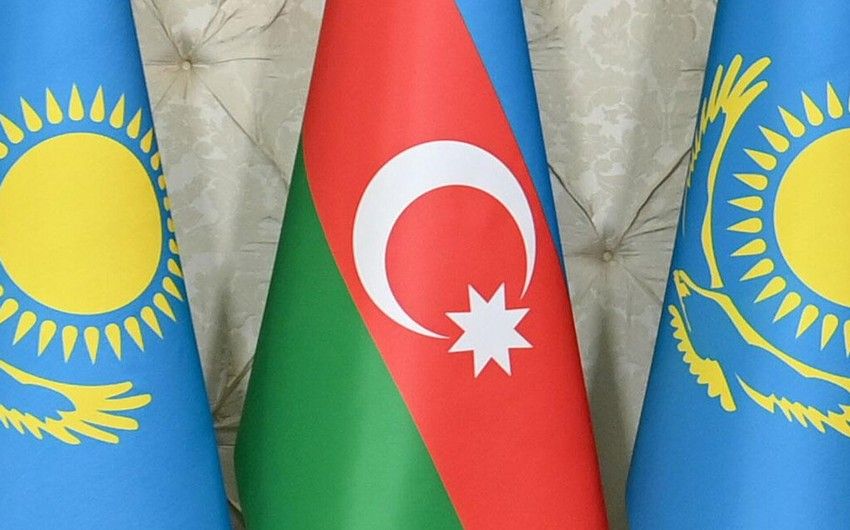
Since 2023, Azerbaijan and Kazakhstan have intensified efforts to build a coalition of Turkic-speaking nations, uniting countries from Turkey to Kyrgyzstan on the basis of shared language, history, and culture.
Azerbaijani President Ilham Aliyev’s April 2025 state visit to China, culminating in the signing of a Comprehensive Strategic Partnership, marks a significant elevation in bilateral relations.
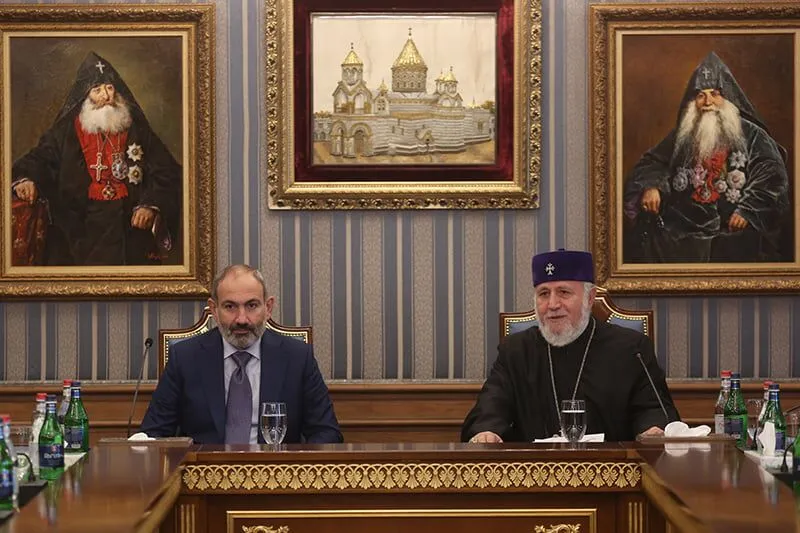
Over the past week, the conflict between Armenian Prime Minister Nikol Pashinyan and Catholicos of All Armenians Garegin II has reached a new level of escalation.
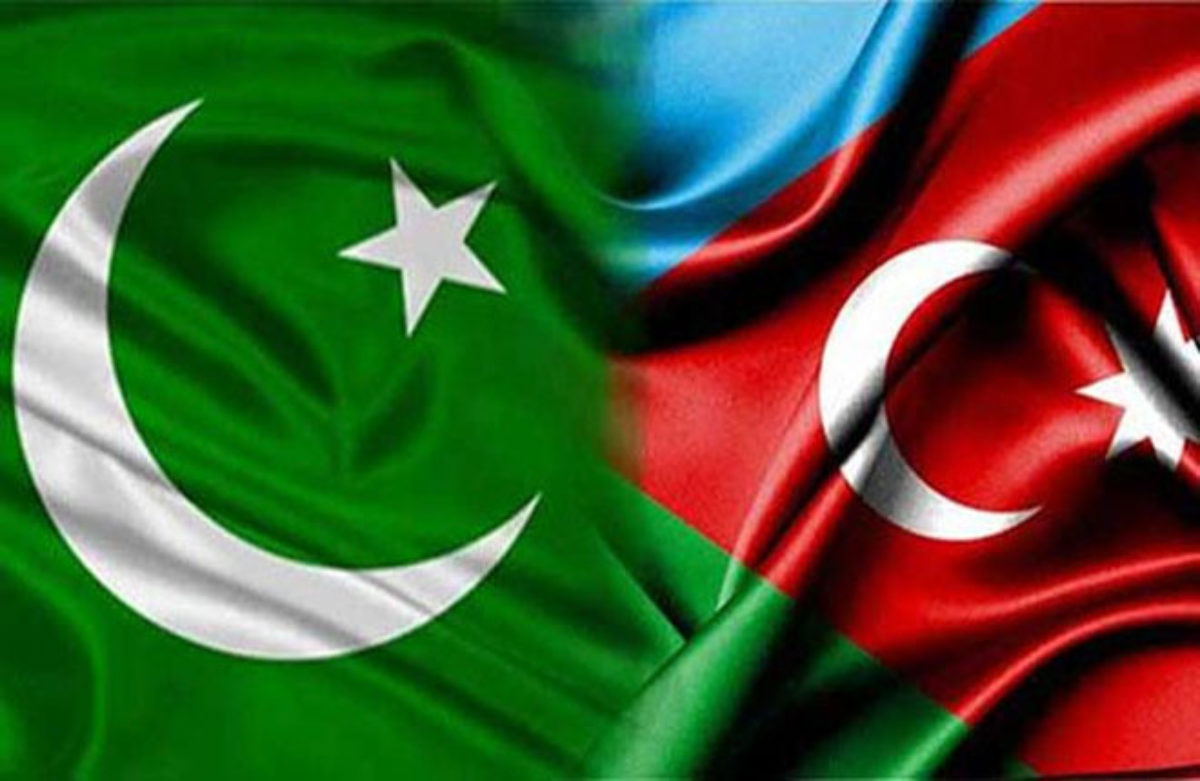
The affinity between Pakistan and Azerbaijan is deep-rooted, especially amongst the people from both sides.
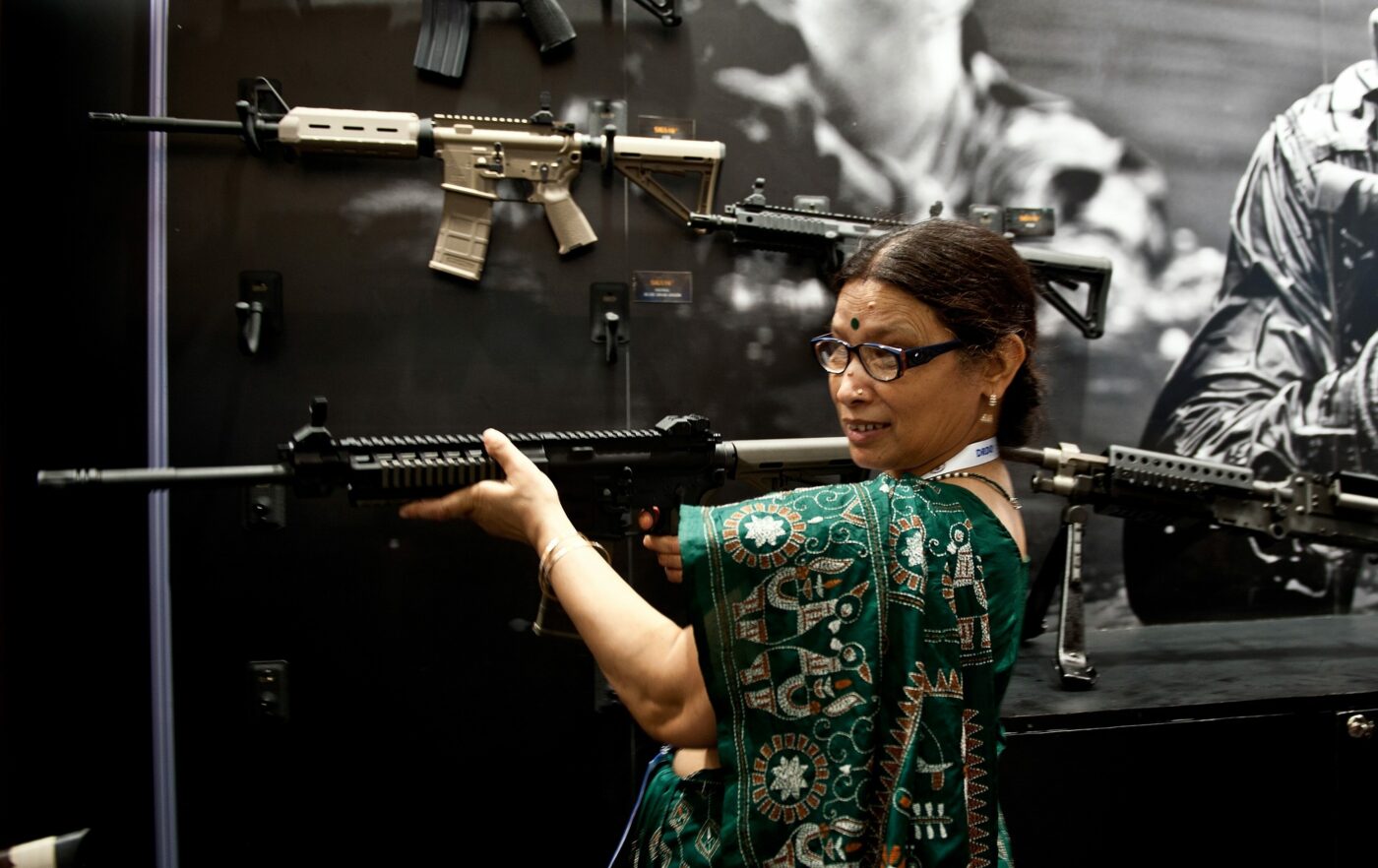
Leading Indian outlets rushed to label the meeting as an “anti-India alliance,” accusing the Baku–Ankara–Islamabad trio of having no foreign policy goal other than to spite poor but proud India.
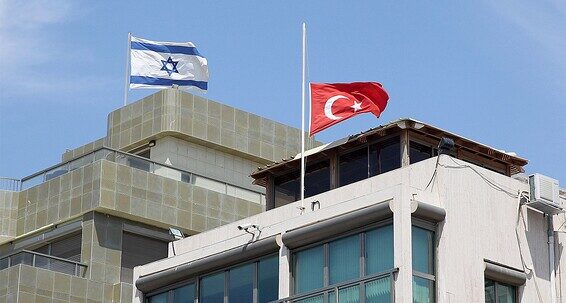
Baku using close ties with Jerusalem and Ankara to mediate between rival heavyweights, as they both maneuver in Syria’s post-Assad landscape.
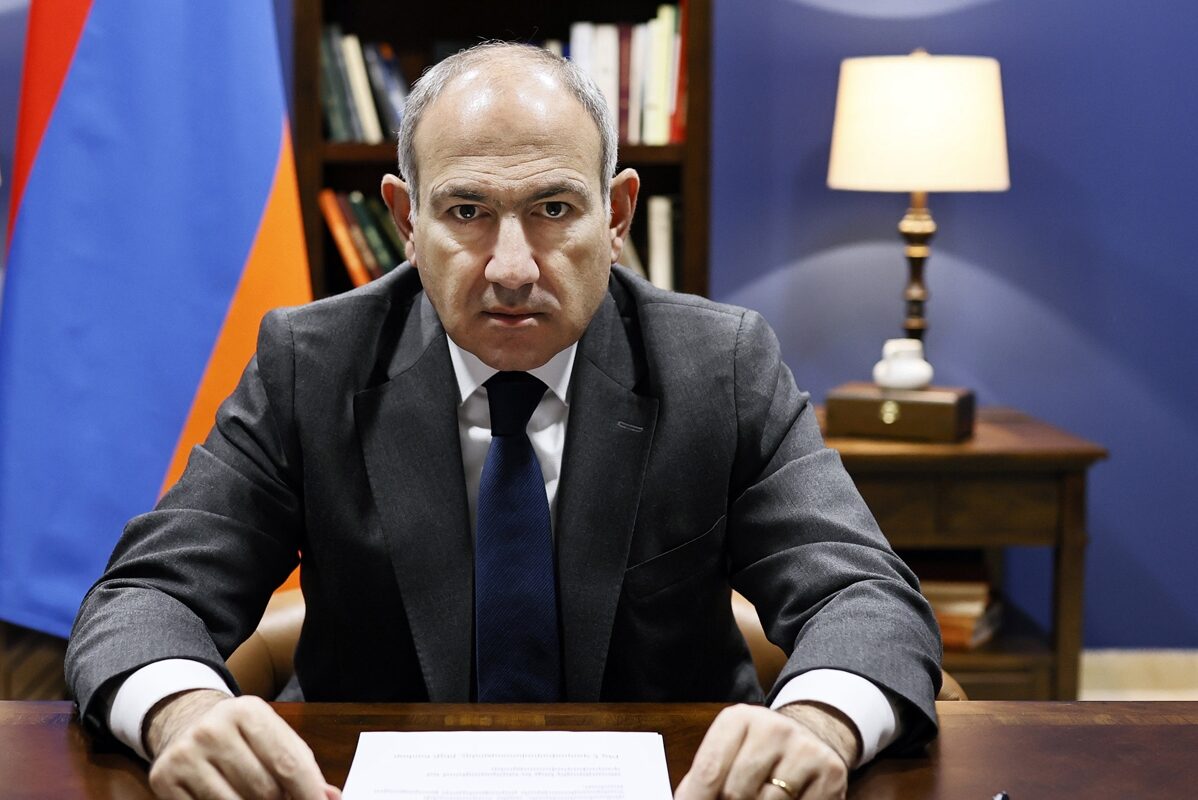
Pashinyan and his team must also quell internal reactionary forces, who collectively complain about the absence of mechanisms to protect against external threats.