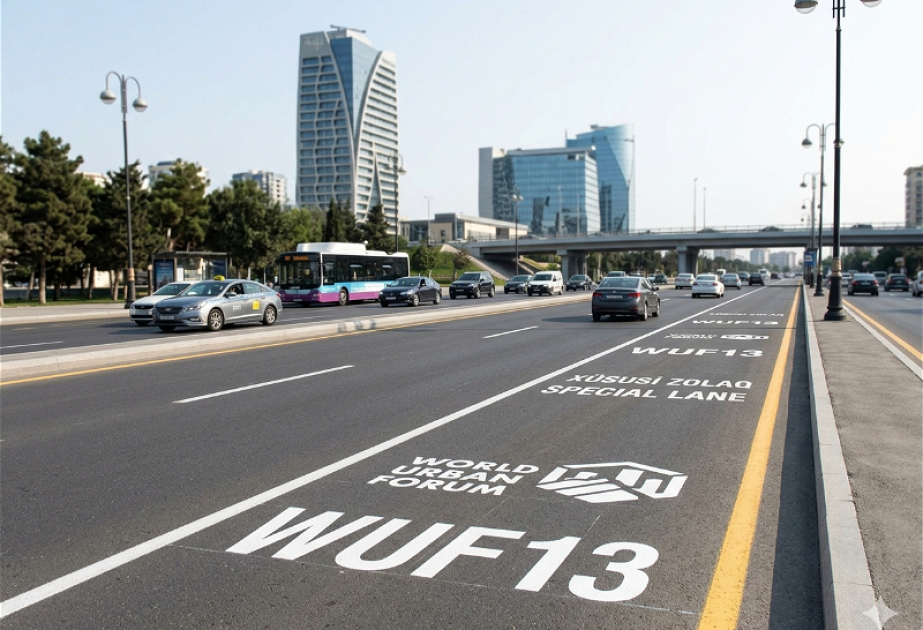
For almost an entire week, leading urban development specialists gathered in Baku to discuss the prospects for modern cities, sustainable infrastructure and global urban policy.

For almost an entire week, leading urban development specialists gathered in Baku to discuss the prospects for modern cities, sustainable infrastructure and global urban policy.
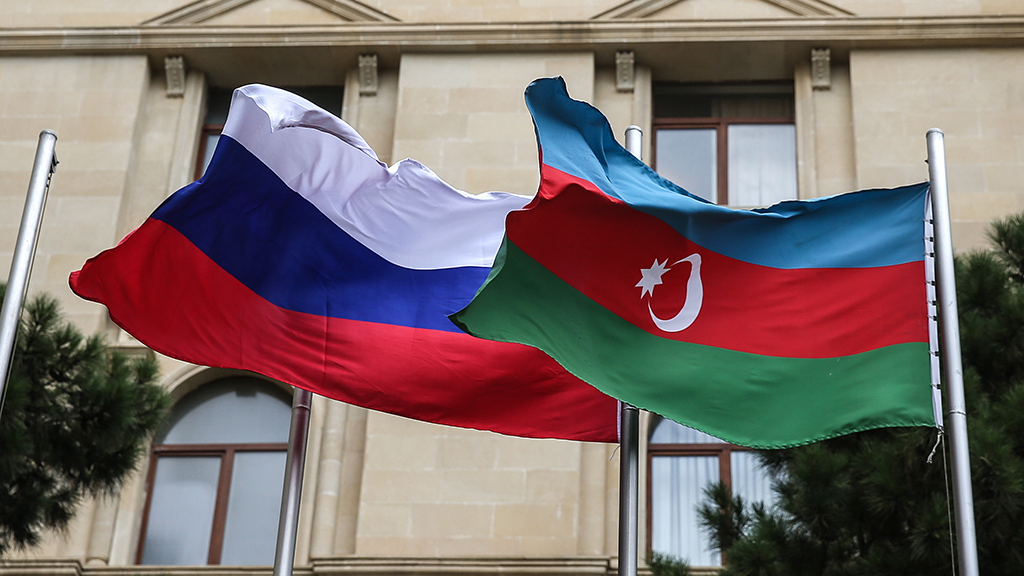
The Russian media cesspit Tsargrad, which is blocked in Azerbaijan, has produced yet another Telegram piece in its death throes, titled: “‘We Were Deceived’: Where Did Russia Miscalculate with Armenia?”
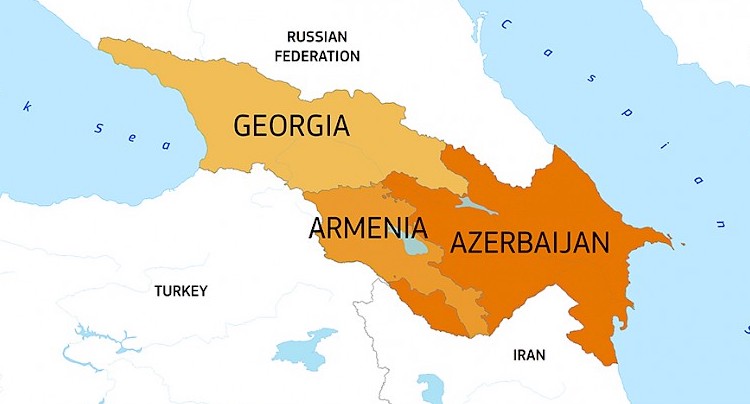
Armenia is building closer relations with the EU, underlining Russia’s diminishing influence in the South Caucasus.
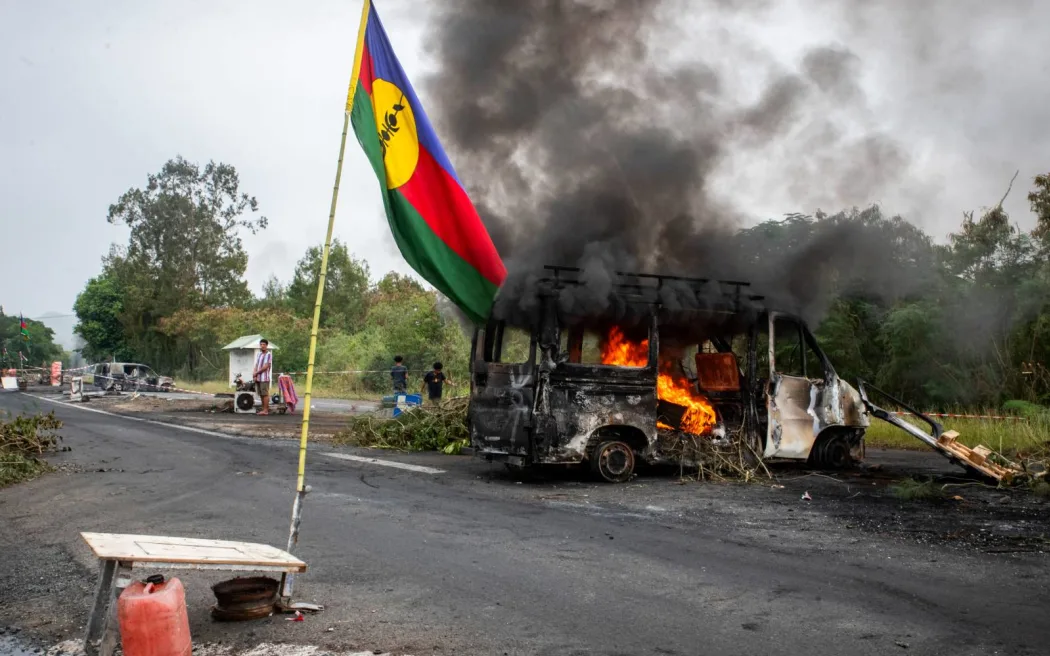
There is one remarkable genre of political theatre in modern international politics. It is when former empires step onto the stage dressed in the white robes of moral arbiters of humanity, lecture the world about human rights, the freedom of peoples and international law, and then, as soon as the spotlights go out, cling to their overseas territories as if they were the last suitcase full of family silver.
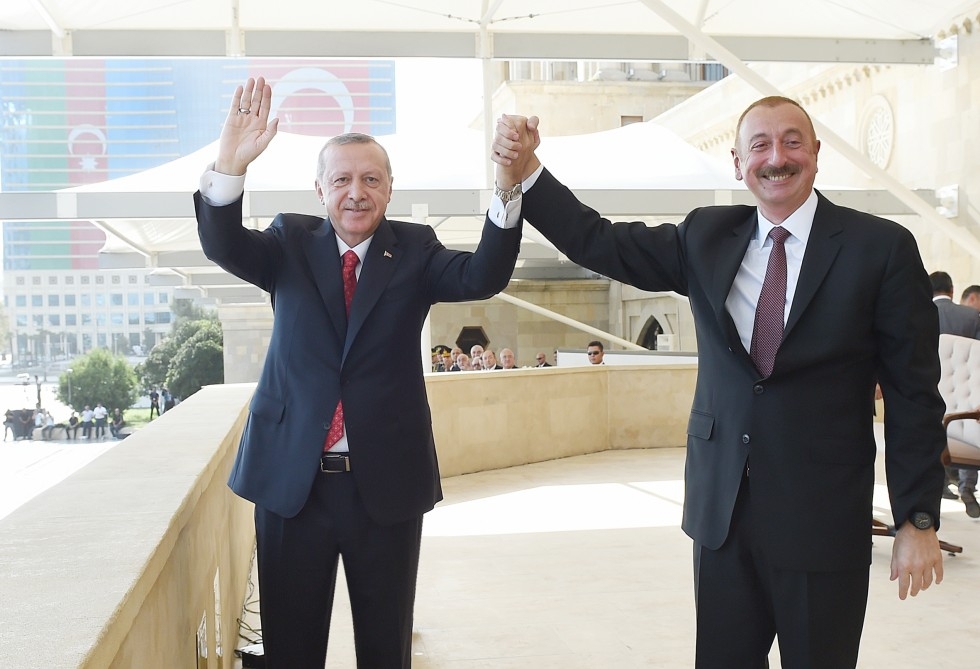
In history, as in biology, alliances between peoples and states rarely arise by chance. They are born out of a deep convergence of strategic interests, cultural affinity and historical memory.
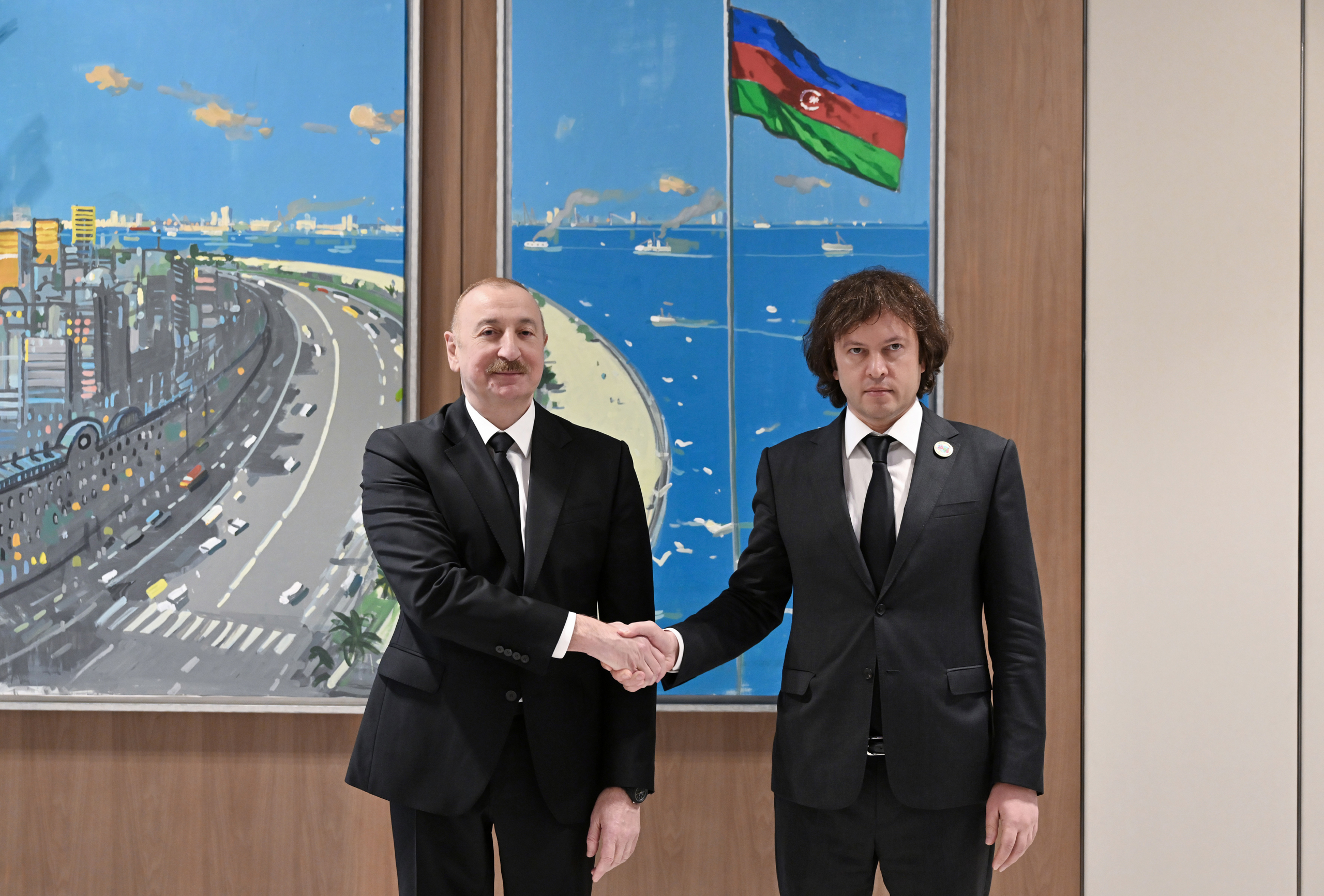
During his official visit to Georgia in early April this year, Azerbaijani President Ilham Aliyev stated that Tbilisi and Baku support each other’s territorial integrity, sovereignty and inviolability of borders in all international organizations.
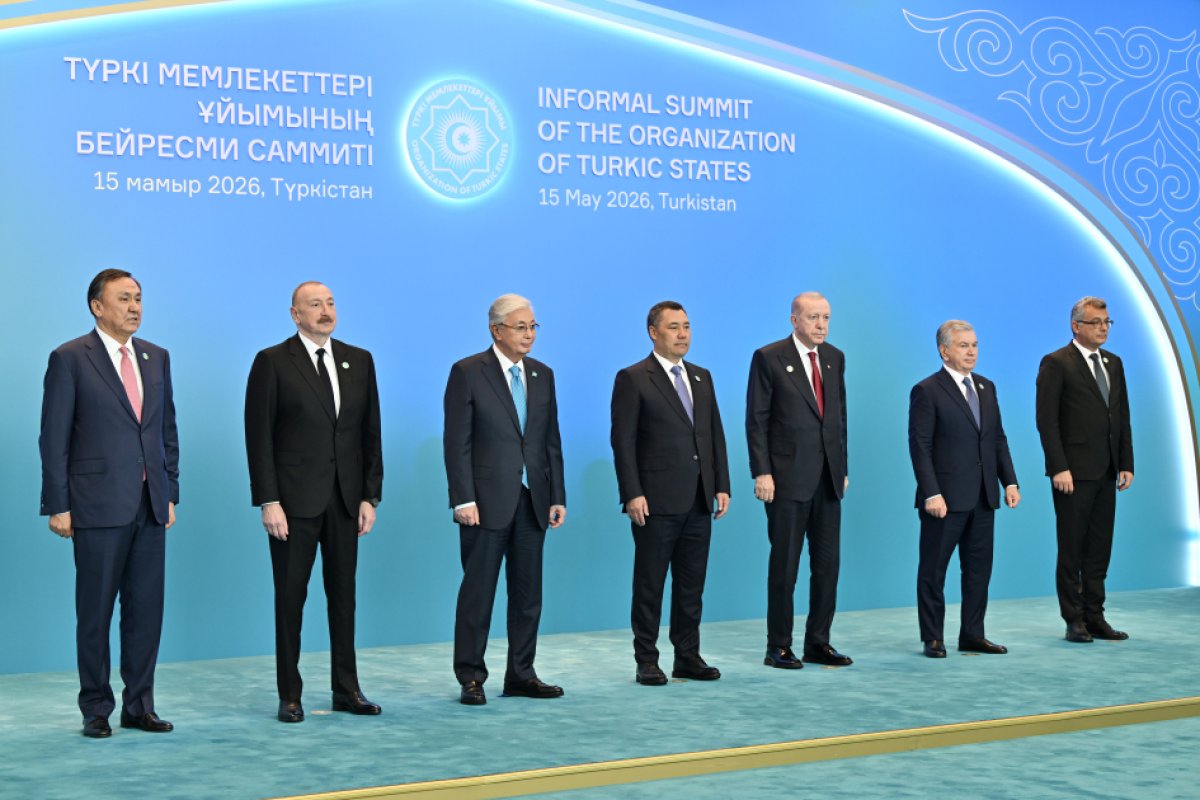
Today, May 15, an informal summit of the heads of state of the Organization of Turkic States is taking place in the ancient city of Turkestan, Kazakhstan.
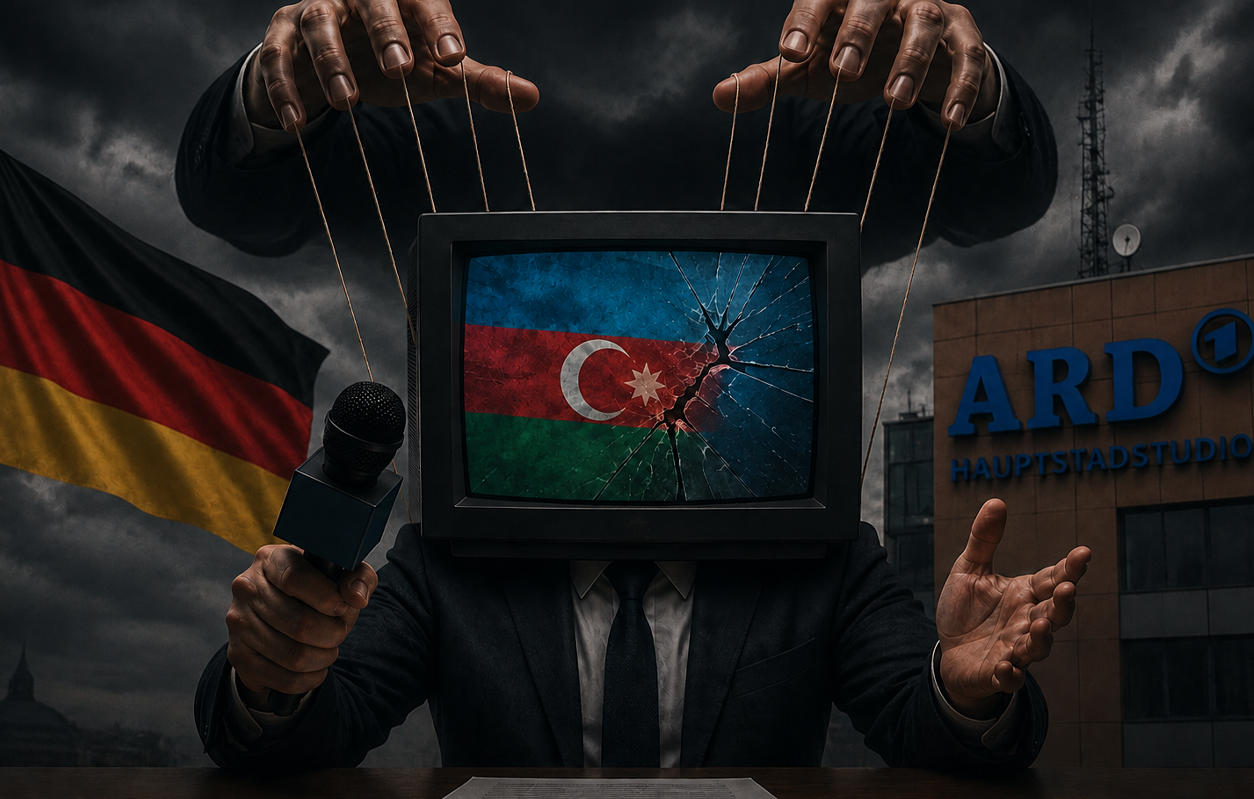
Another anti-Azerbaijani provocation has been launched in Germany.
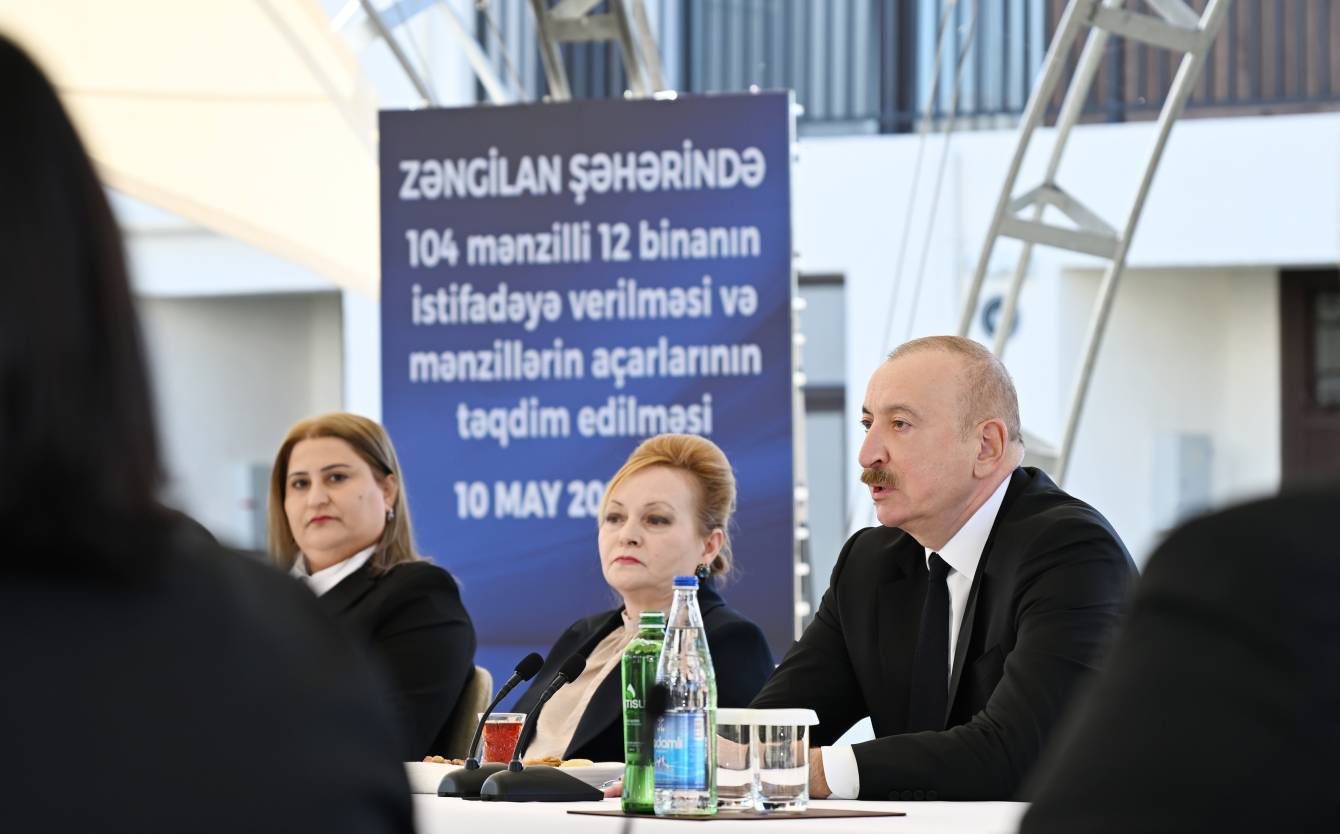
It has already become a good tradition that on the birthday of National Leader Heydar Aliyev, President Ilham Aliyev visits the liberated territories and not only reviews the progress of construction work, but also delivers important political messages.
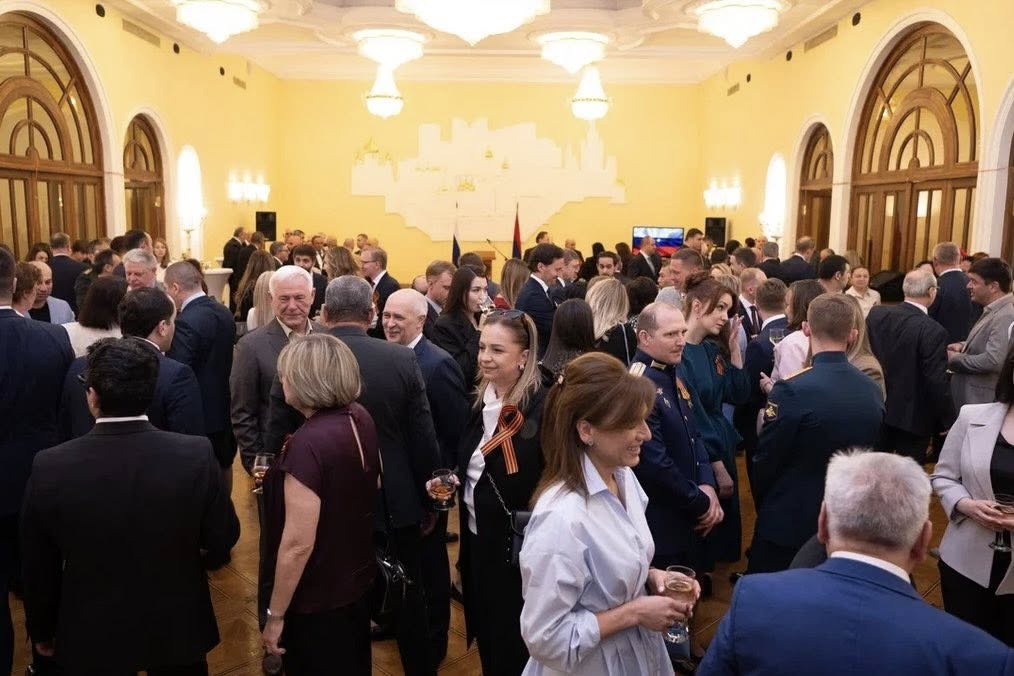
On May 9, at the Russian Embassy in Yerevan, amid the clinking of glasses, the smell of brandy and routine toasts to the “eternal friendship of peoples,” a rather curious figure appeared: the “speaker of the parliament of Artsakh,” acting “president” of an illusory entity, Ashot Danielyan.
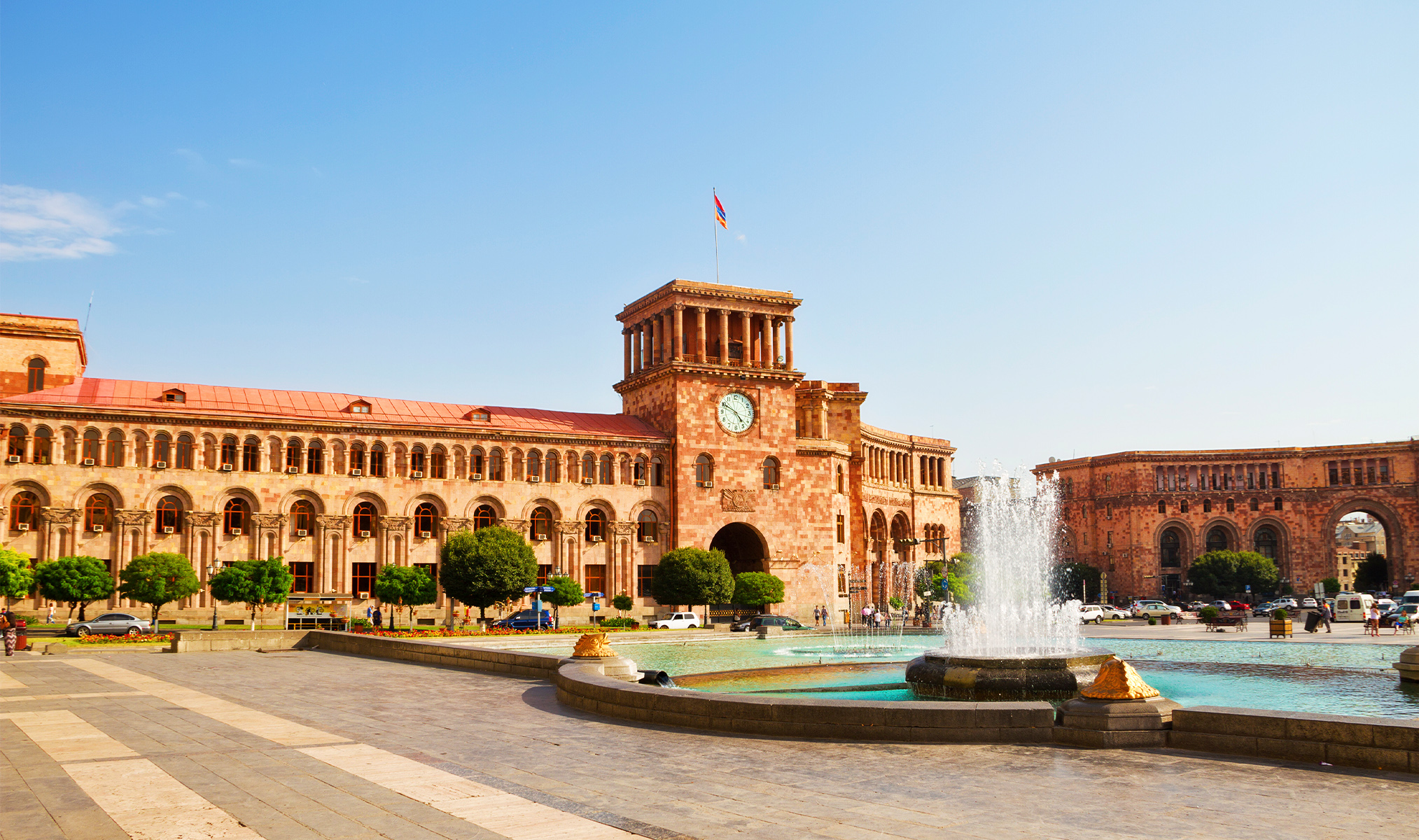
Against the backdrop of approaching parliamentary elections in Armenia, statements are increasingly appearing in the Russian information space in which Azerbaijan is once again portrayed as a potential threat to Armenian statehood and public stability.
The situation around Iran and the Strait of Hormuz continues to develop according to an increasingly unpredictable scenario.
France continues to demonstrate complete disregard for the norms of international law and diplomatic ethics, sinking ever lower into open sabotage against Azerbaijan on international platforms.
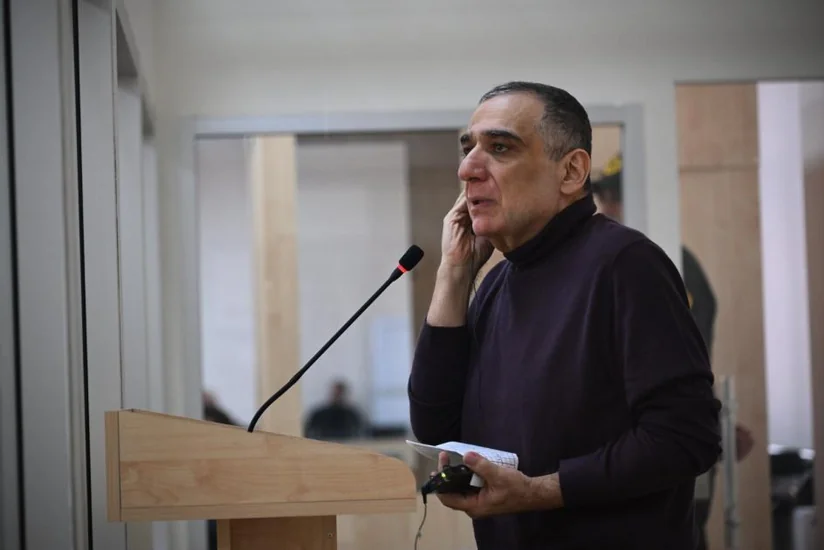
There is yet another stir in Armenia’s revanchist circles. David Ishkhanyan has reminded everyone of himself.
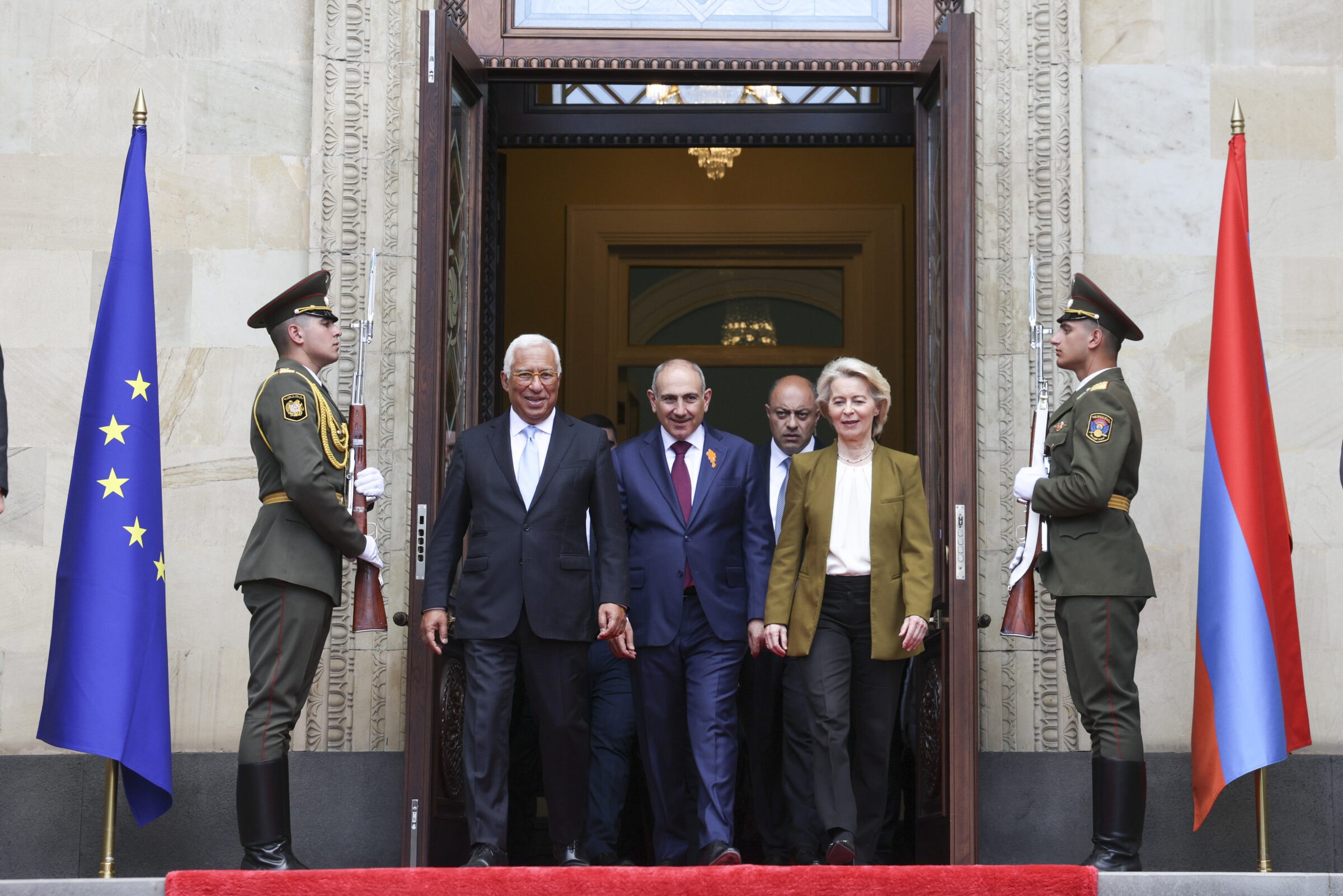
The 8th summit of the European Political Community and the first Armenia–EU summit, recently held in Yerevan, were portrayed by Armenian political and media circles as a historic diplomatic triumph.
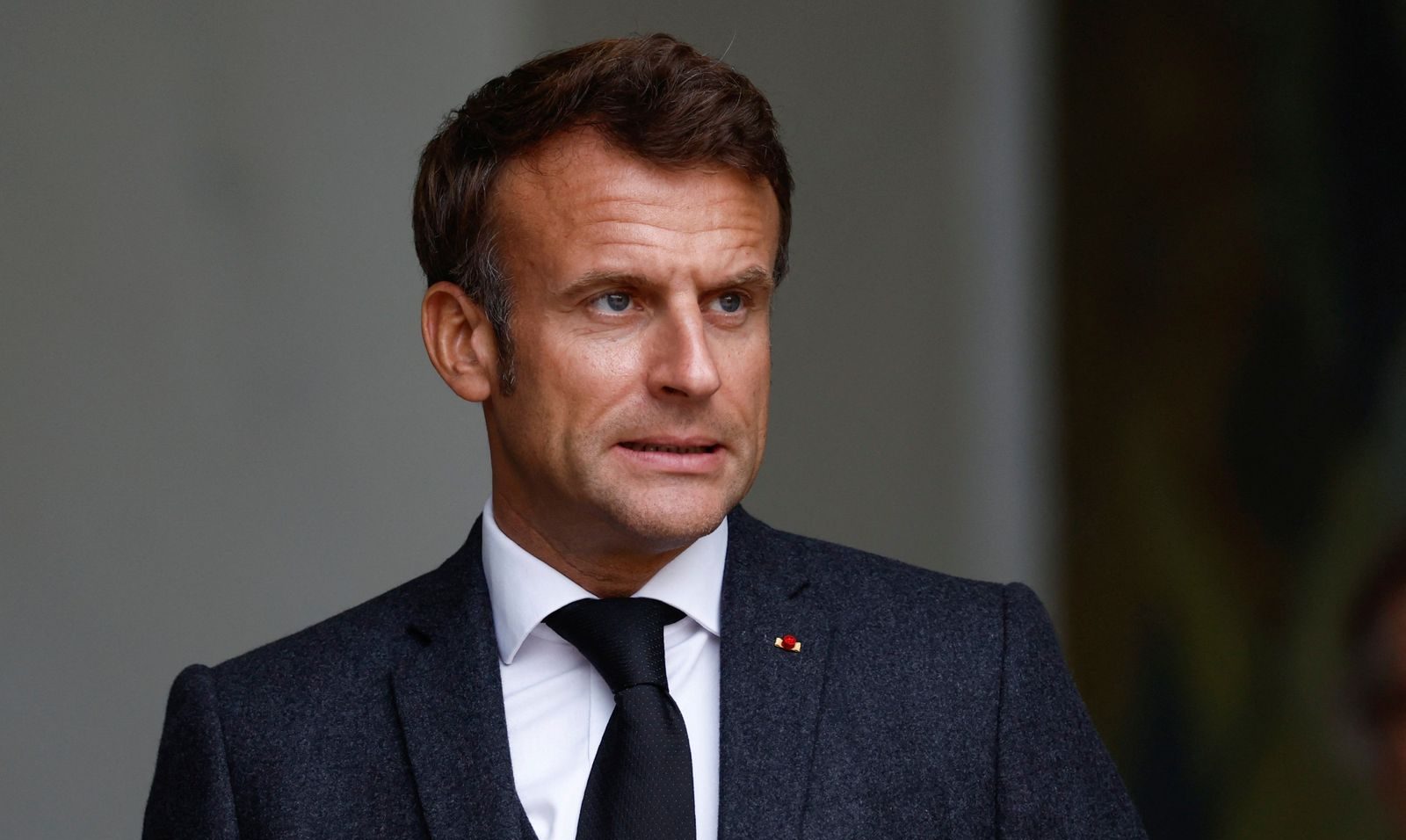
Official Paris has once again started talking about “Nagorno-Karabakh,” as if nothing had happened in recent years.
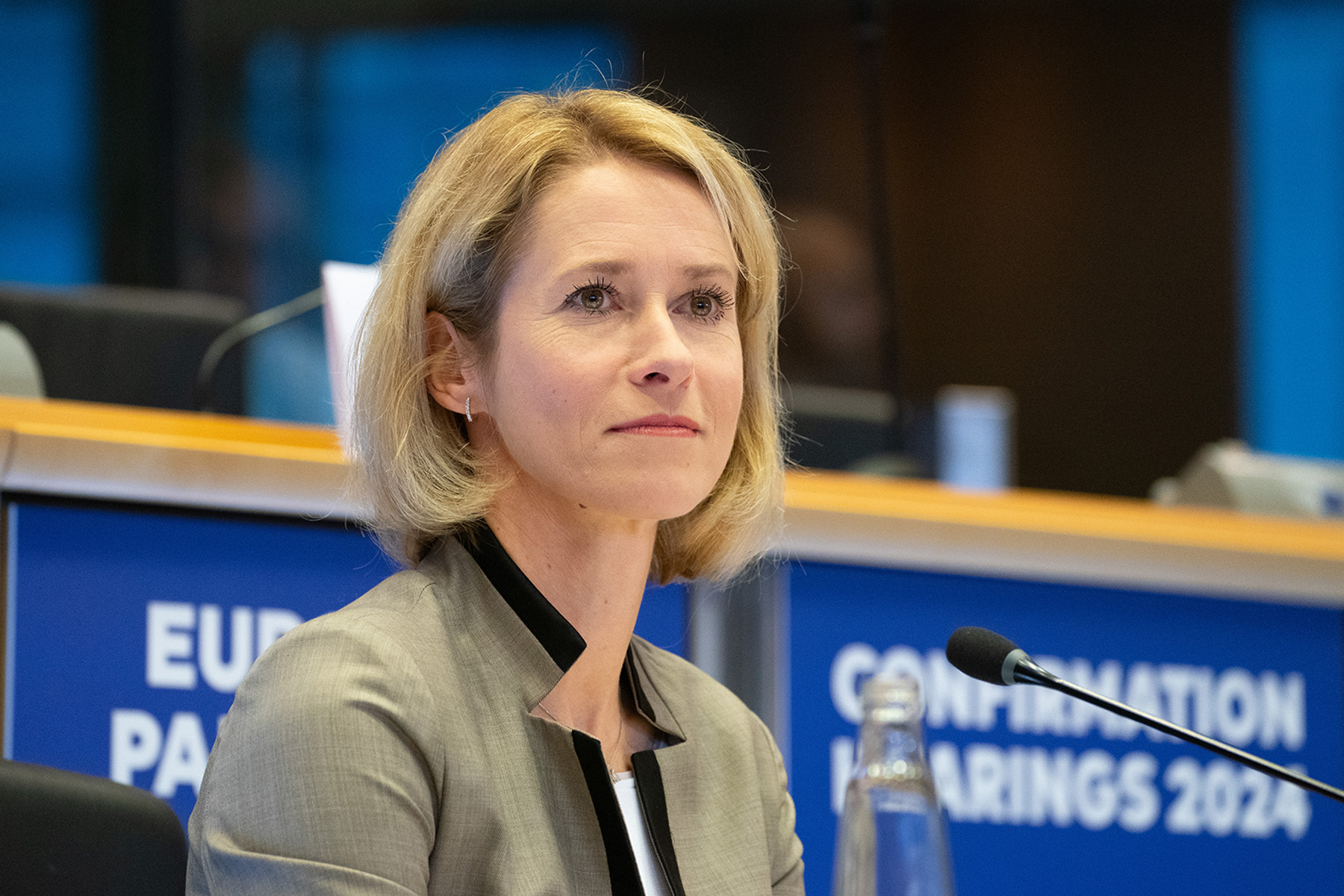
In late April and early May, Azerbaijan once again became a focal point for visits by senior representatives of the European political establishment.
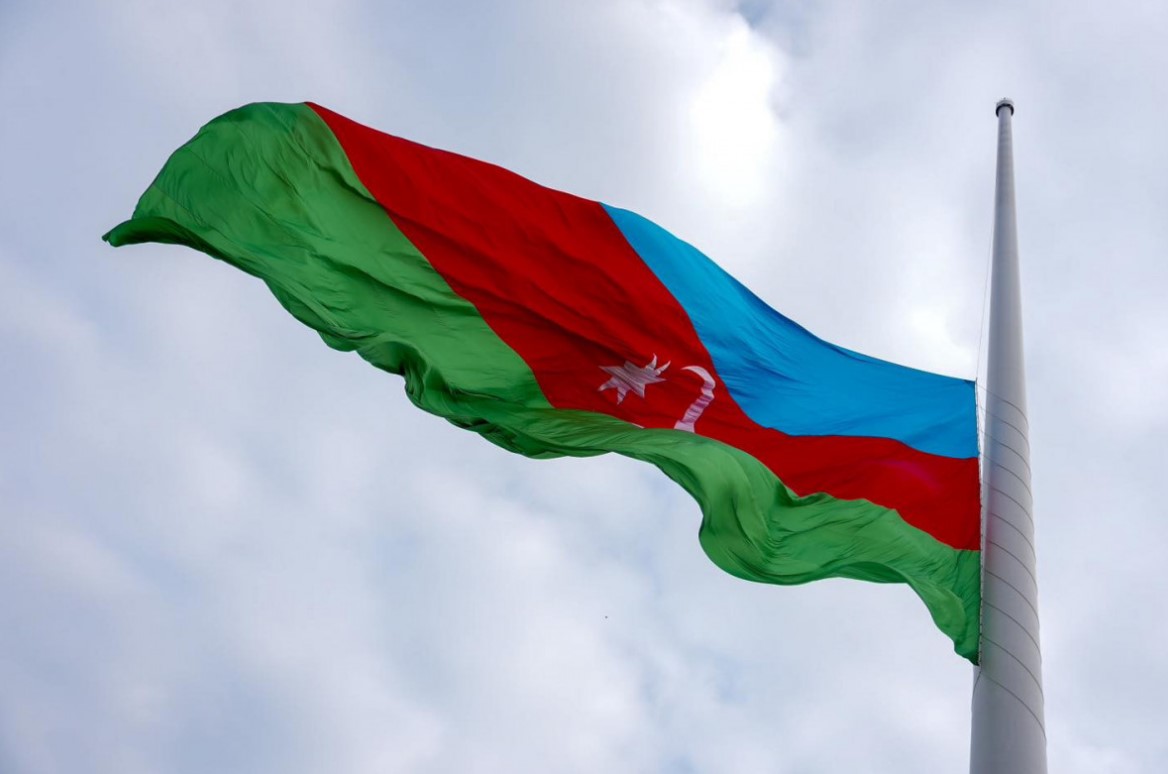
Pragmatism versus declarations — it is precisely in this logic that the gap between the rhetoric of European institutions and the real policy of key EU states in the South Caucasus is becoming increasingly visible today.
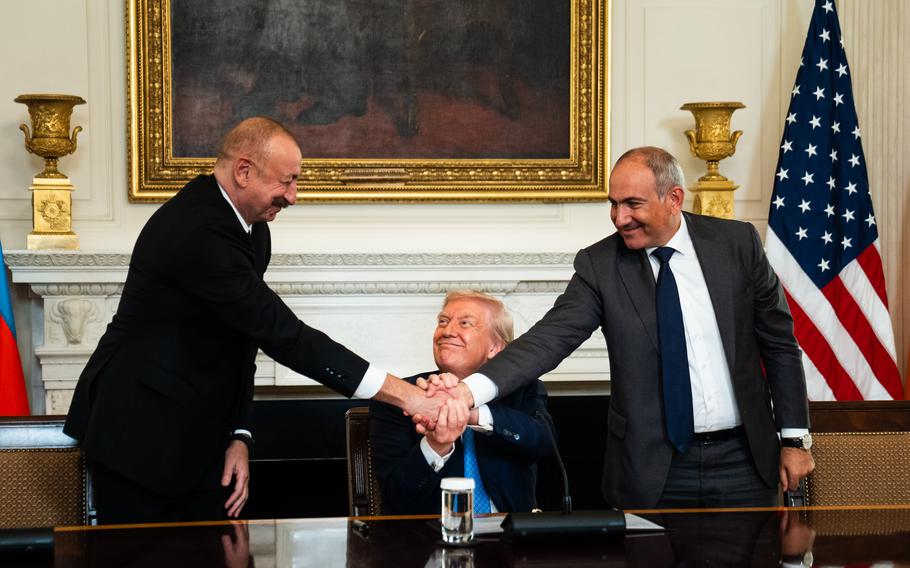
Nine weeks into the war with Iran, a fragile ceasefire is technically in effect, but the Strait of Hormuz remains under a dual blockade, and a deal remains elusive.
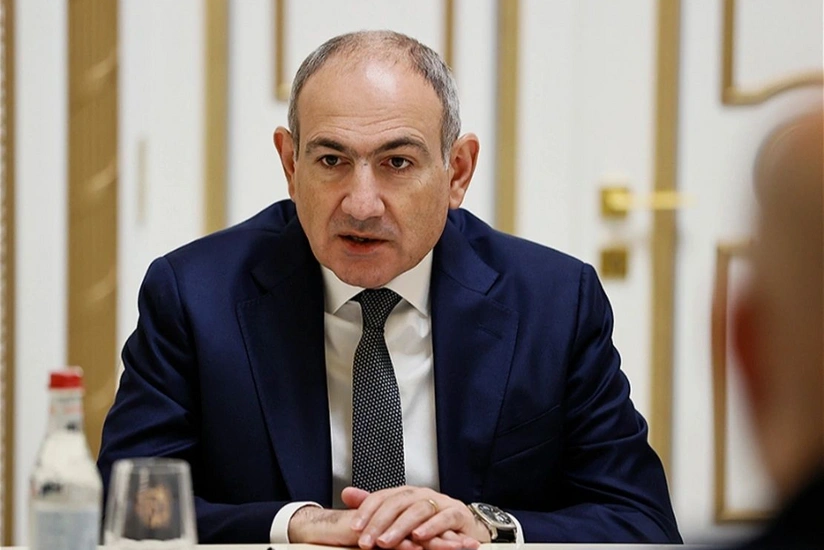
Having made strides towards peace with both Azerbaijan and Türkiye, the country's West-leaning prime minister faces frustrated voters next month in a contest that has stoked Moscow’s interest.
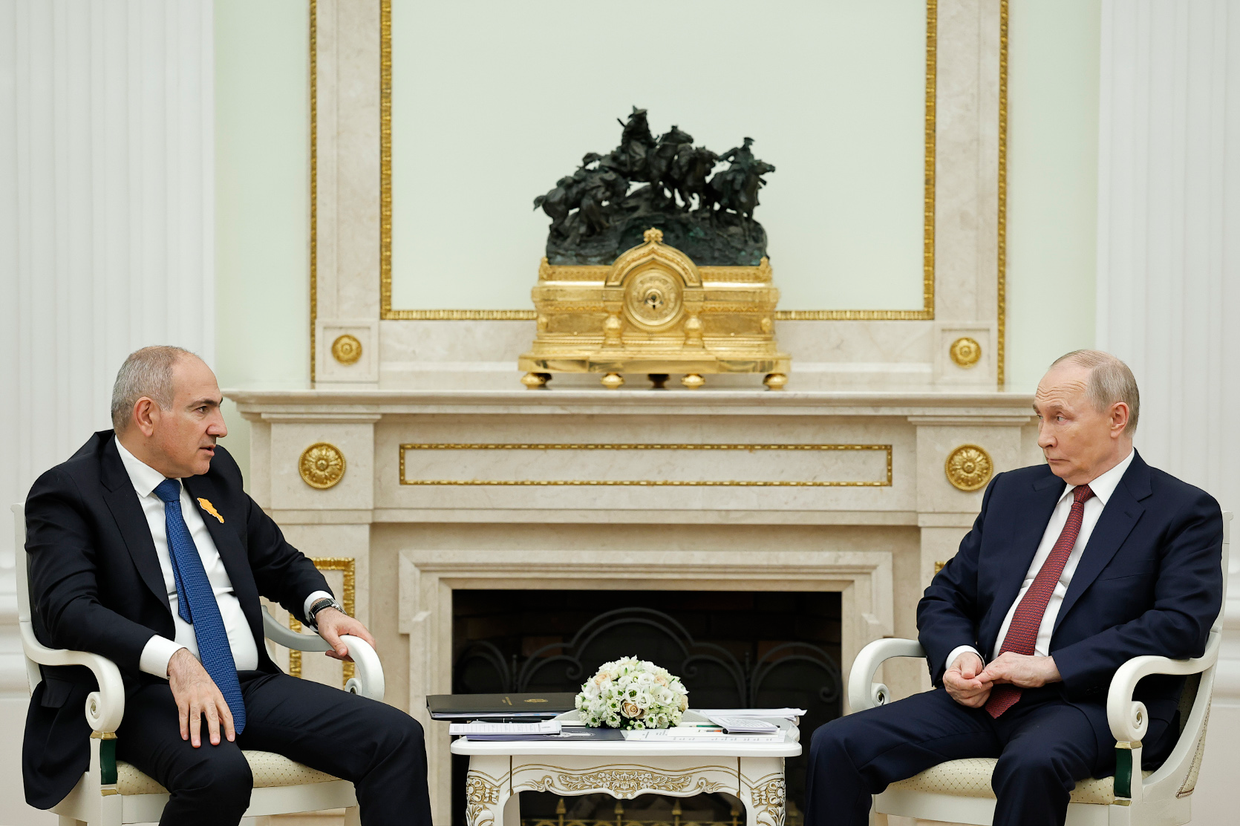
With Armenia’s high-stakes parliamentary elections in June fast approaching, the shadow of the April 1 summit between Vladimir Putin and Nikol Pashinyan looms larger than ever over the country’s political landscape.
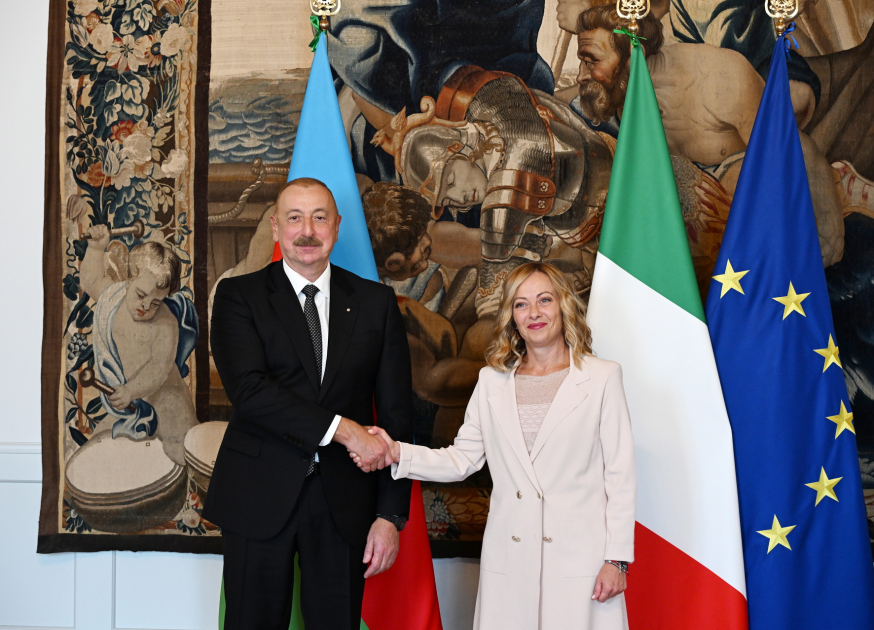
Against the backdrop of intensifying geopolitical turbulence and the transformation of the global security and economic architecture, high-ranking European leaders are visiting Azerbaijan one after another.
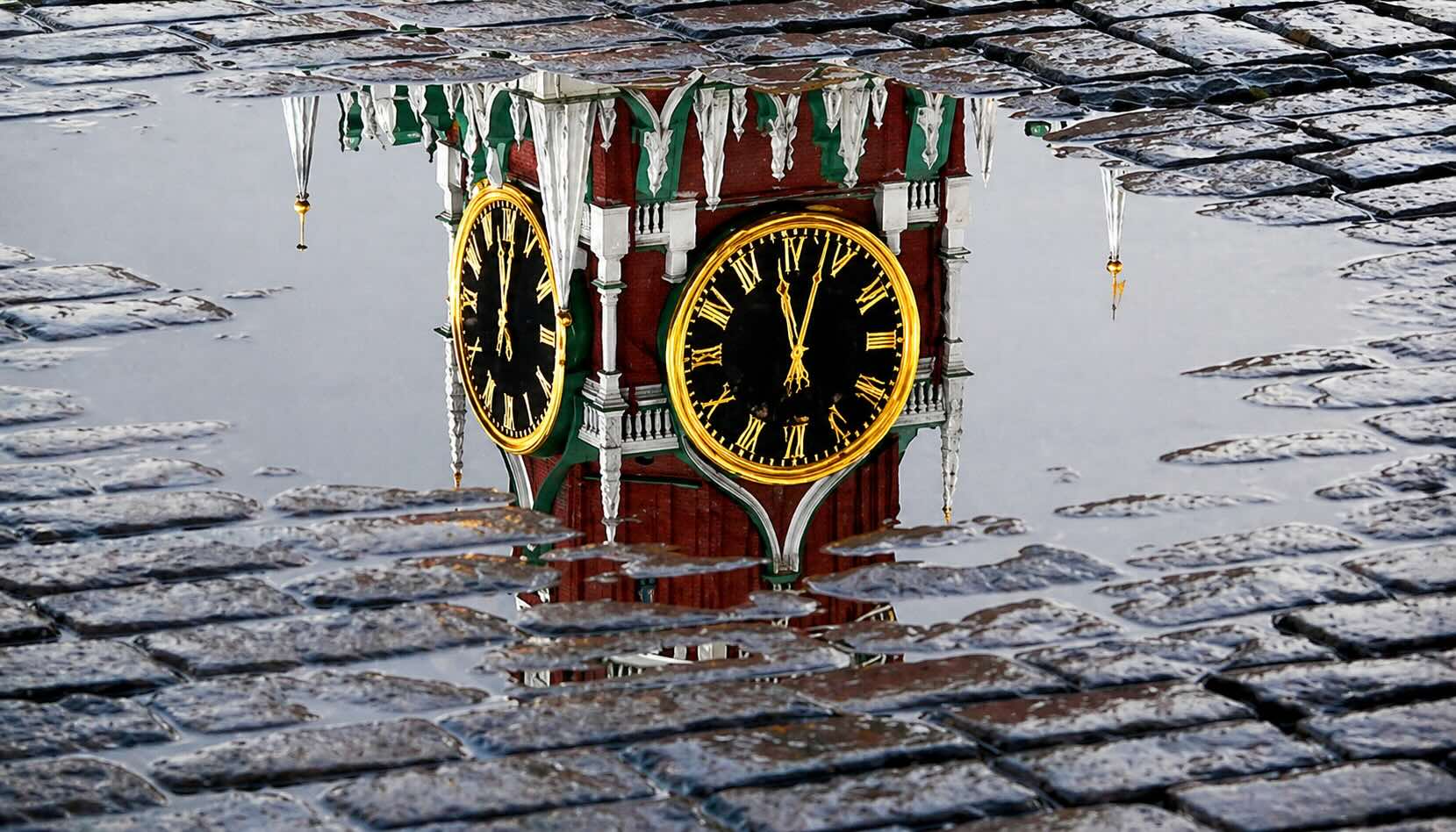
Russia’s contemporary policy in the Caucasus is often described through the language of security, peacekeeping and regional stability. Yet its deeper roots lie in an older imperial habit: treating the region as a strategic frontier to be managed, reorganized and kept within Moscow’s sphere of influence.
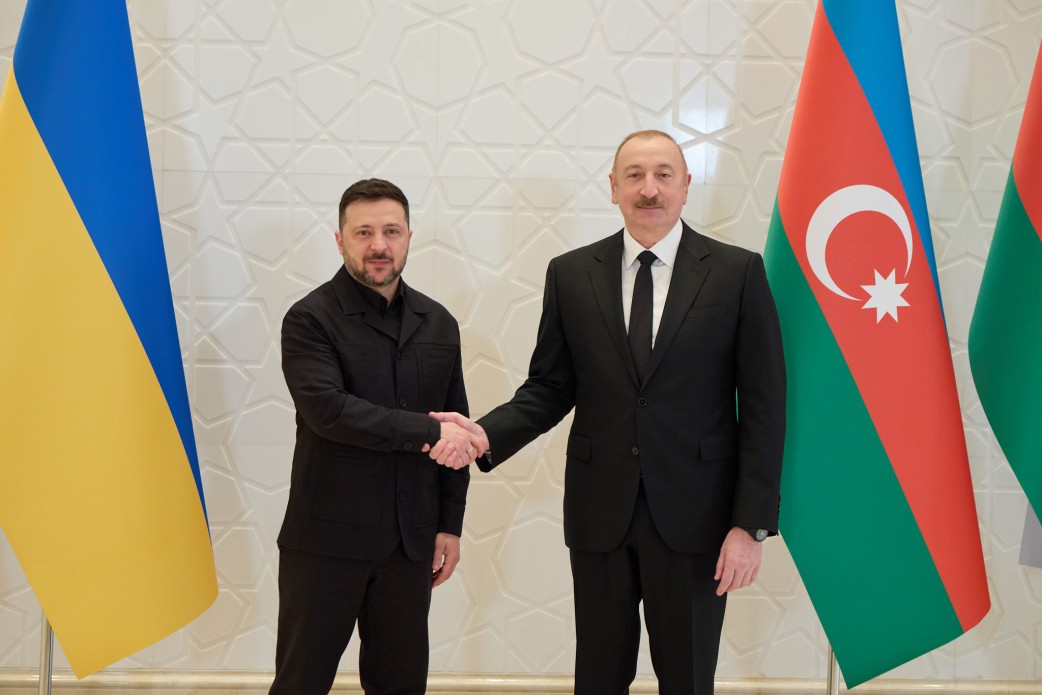
Volodymyr Zelenskyy’s visit to Azerbaijan placed Kyiv’s wartime diplomacy inside a wider regional shift, in which Baku is acting with increasing independence and Moscow’s assumed authority in the South Caucasus is becoming harder to sustain.