As U.S. and Israeli strikes on Iran enter their third week, the shockwaves are already racing across its northern frontier, placing Armenia and Azerbaijan on the front line of regional instability.

As U.S. and Israeli strikes on Iran enter their third week, the shockwaves are already racing across its northern frontier, placing Armenia and Azerbaijan on the front line of regional instability.
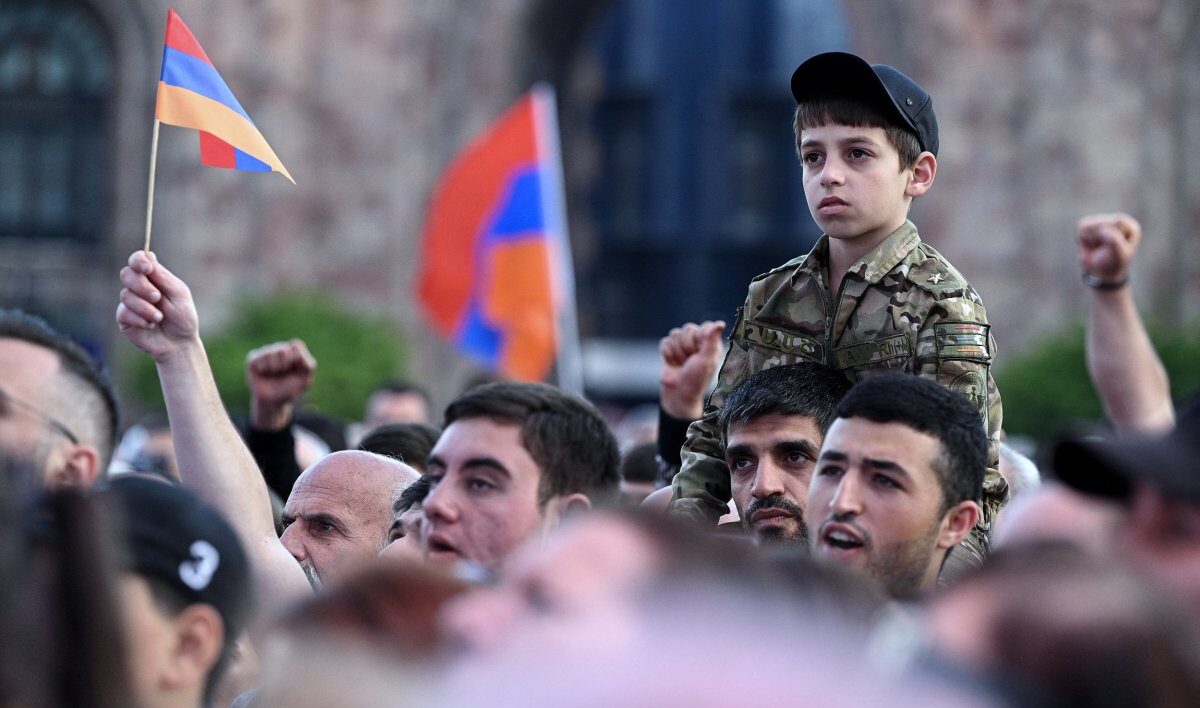
If revanchist forces come to power, they will inevitably become prisoners of their own promises to secure “better peace terms” for Armenia.
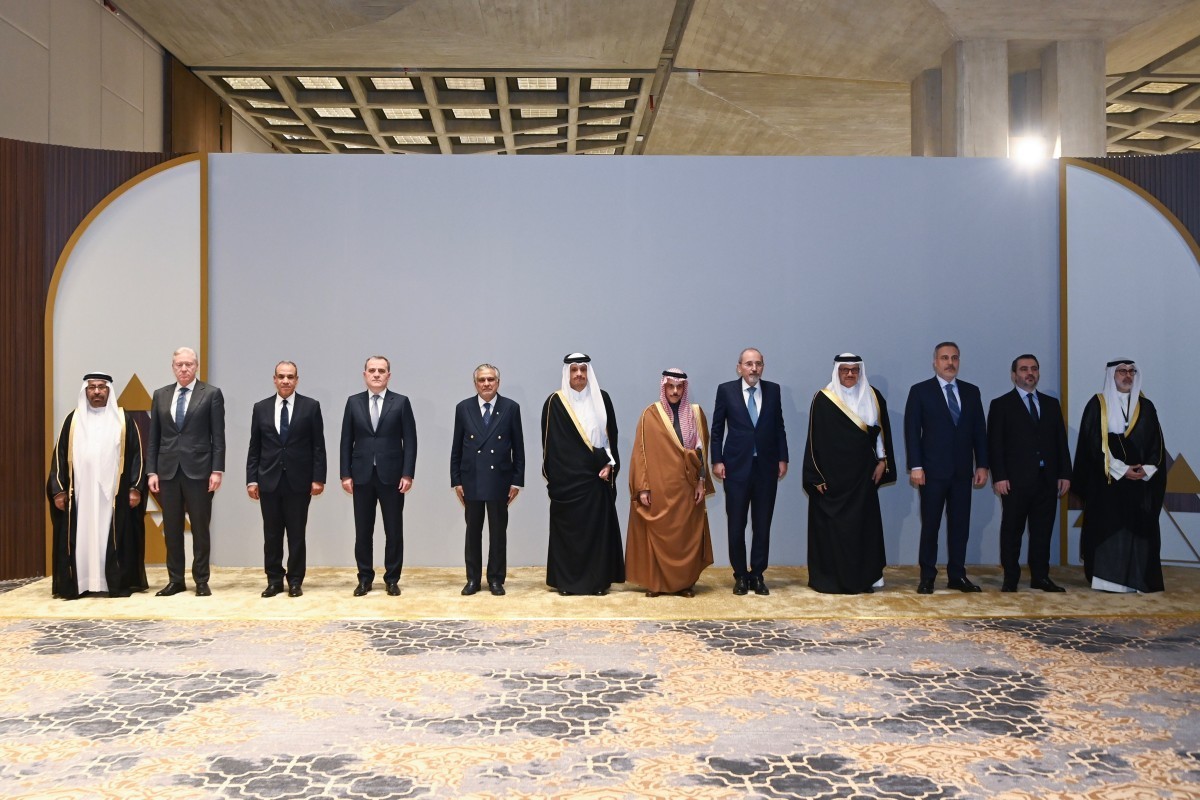
Ongoing military operations in the region and the threat of further escalation are forcing states neighboring Iran to take collective steps aimed at strengthening their security.
Armenia and Azerbaijan facing growing economic, political and security risks as the Iran war enters its third week, according to a report published by Carnegie Endowment for International Peace.
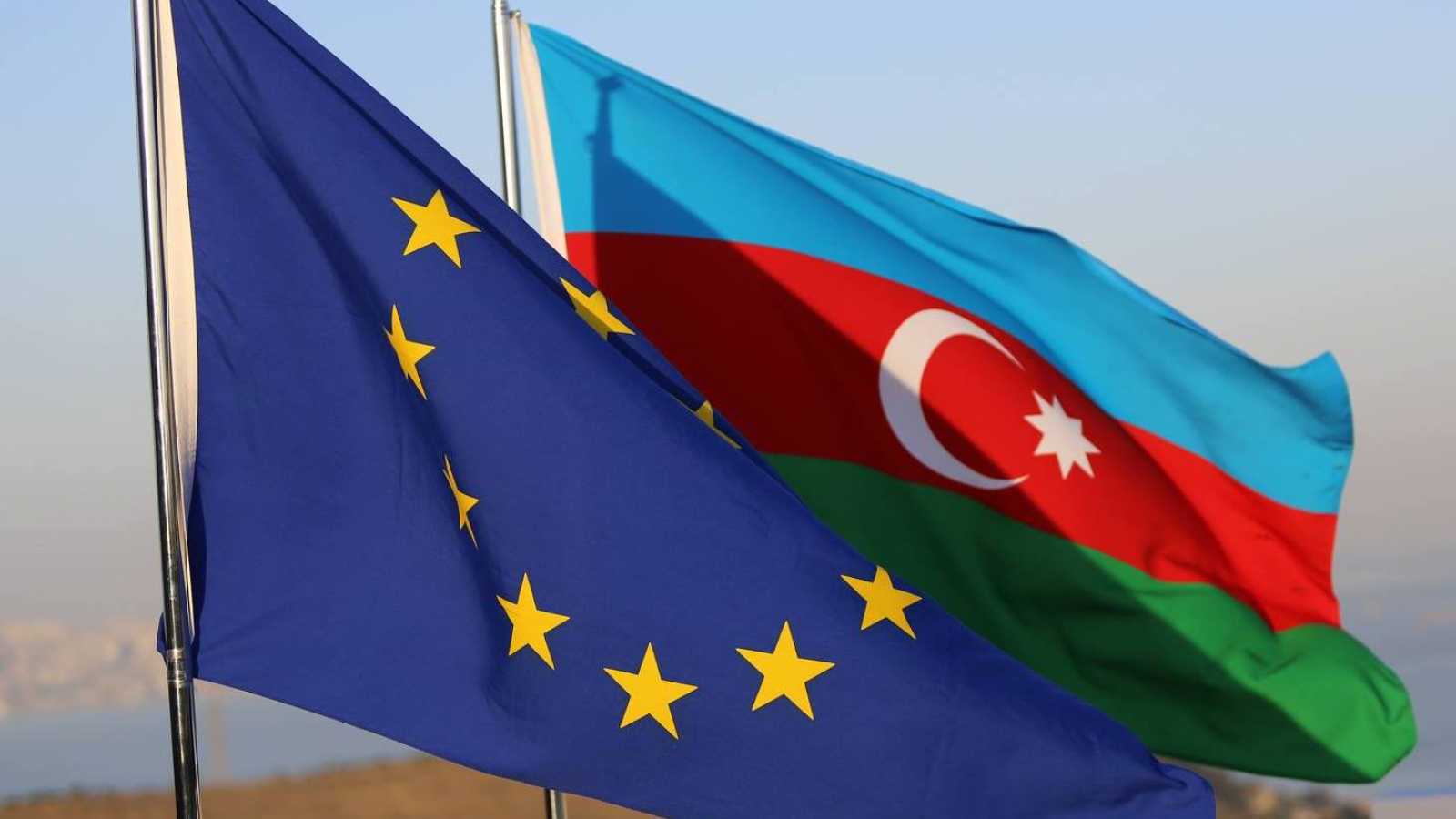
On the eve of upcoming elections in Armenia, the European Union announced its decision to deploy a “rapid response team to counter hybrid threats.” In a statement, EU High Representative Kaja Kallas emphasized that the request for such assistance came from the Armenian authorities themselves.
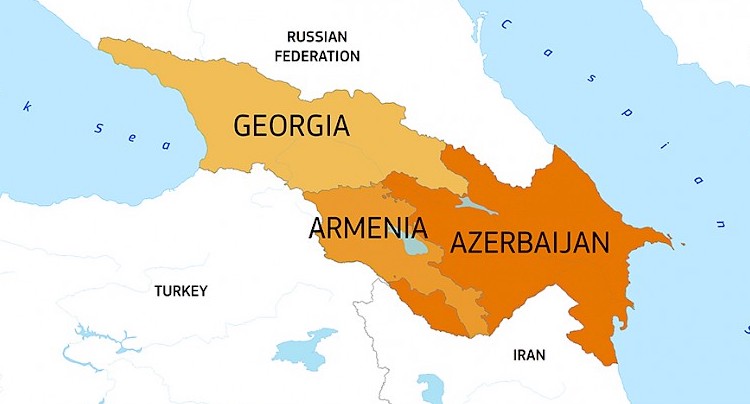
The South Caucasus region, located between the East and the West, has historically served as the border area of several states and as a place where different peoples have lived together. For centuries, through the Silk Road, this region contributed to the strengthening of economic relations between states and cultural ties among peoples, creating conditions for people to live here in prosperity.
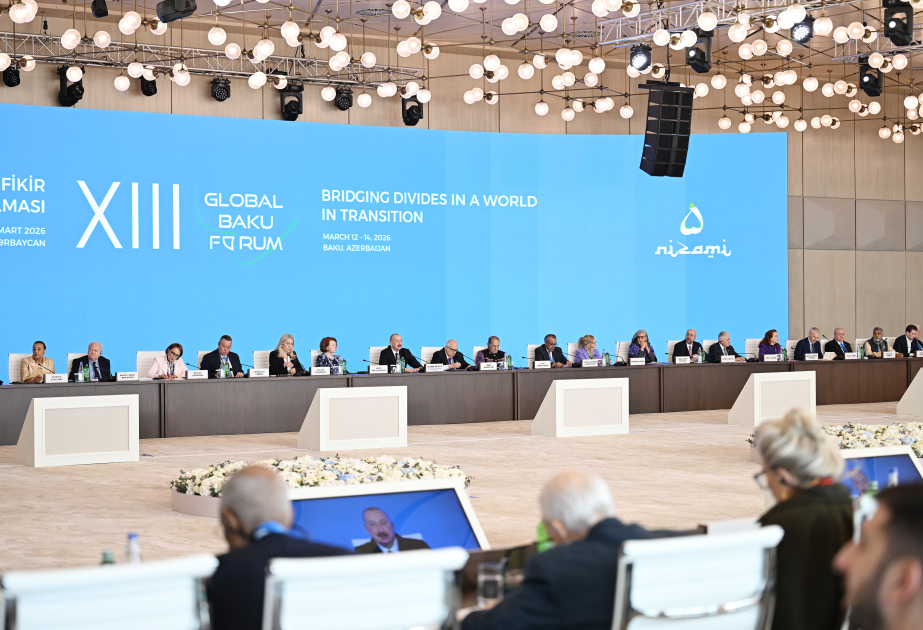
On March 12–13, the XIII Global Baku Forum titled “Overcoming Divisions in a Transitional World” was held in Baku under the patronage of the President of the Republic of Azerbaijan, Ilham Aliyev, and organized with the support of the Nizami Ganjavi International Center.
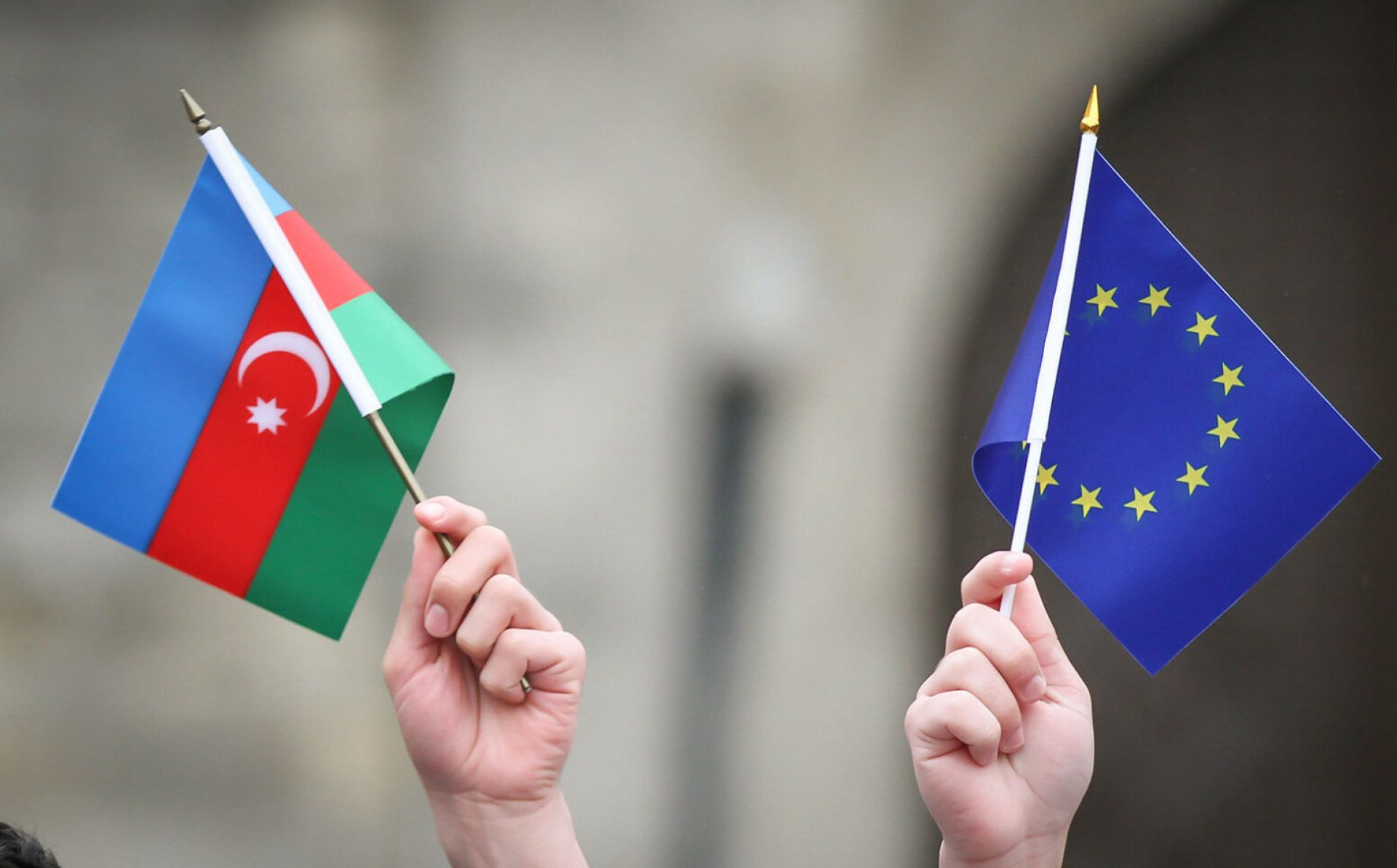
The visit of the President of the European Council, António Costa, to Azerbaijan and his negotiations with President Ilham Aliyev have been described by many analysts as a turning point in the development of relations between Azerbaijan and the European Union.
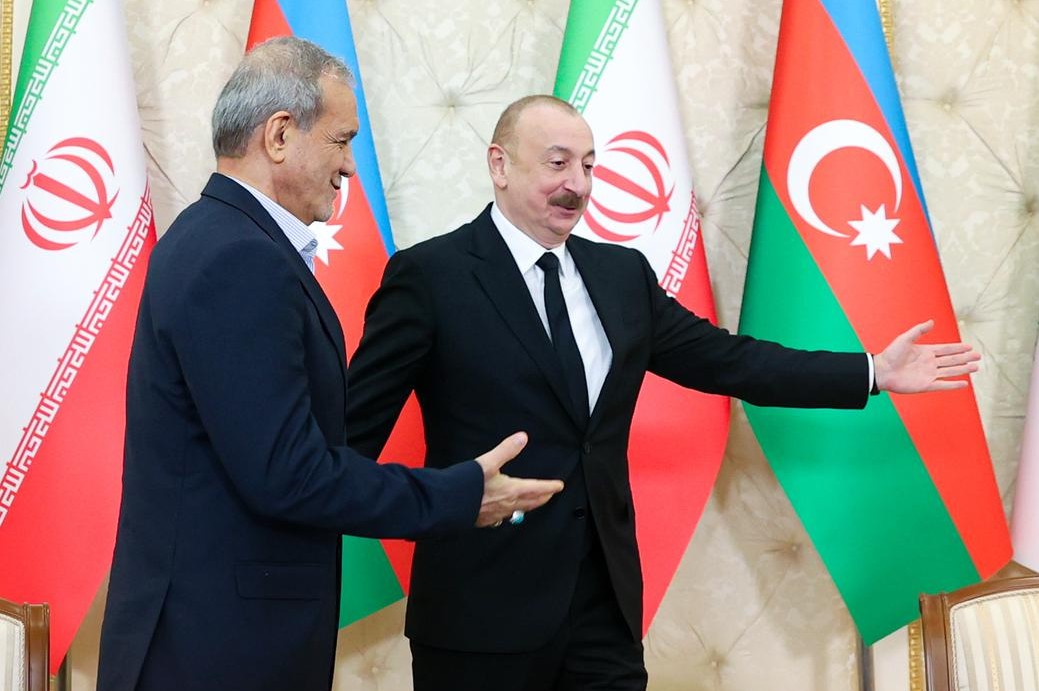
Events in neighboring Iran and the continuing war are increasingly affecting not only the military-political situation but also the country’s internal stability.
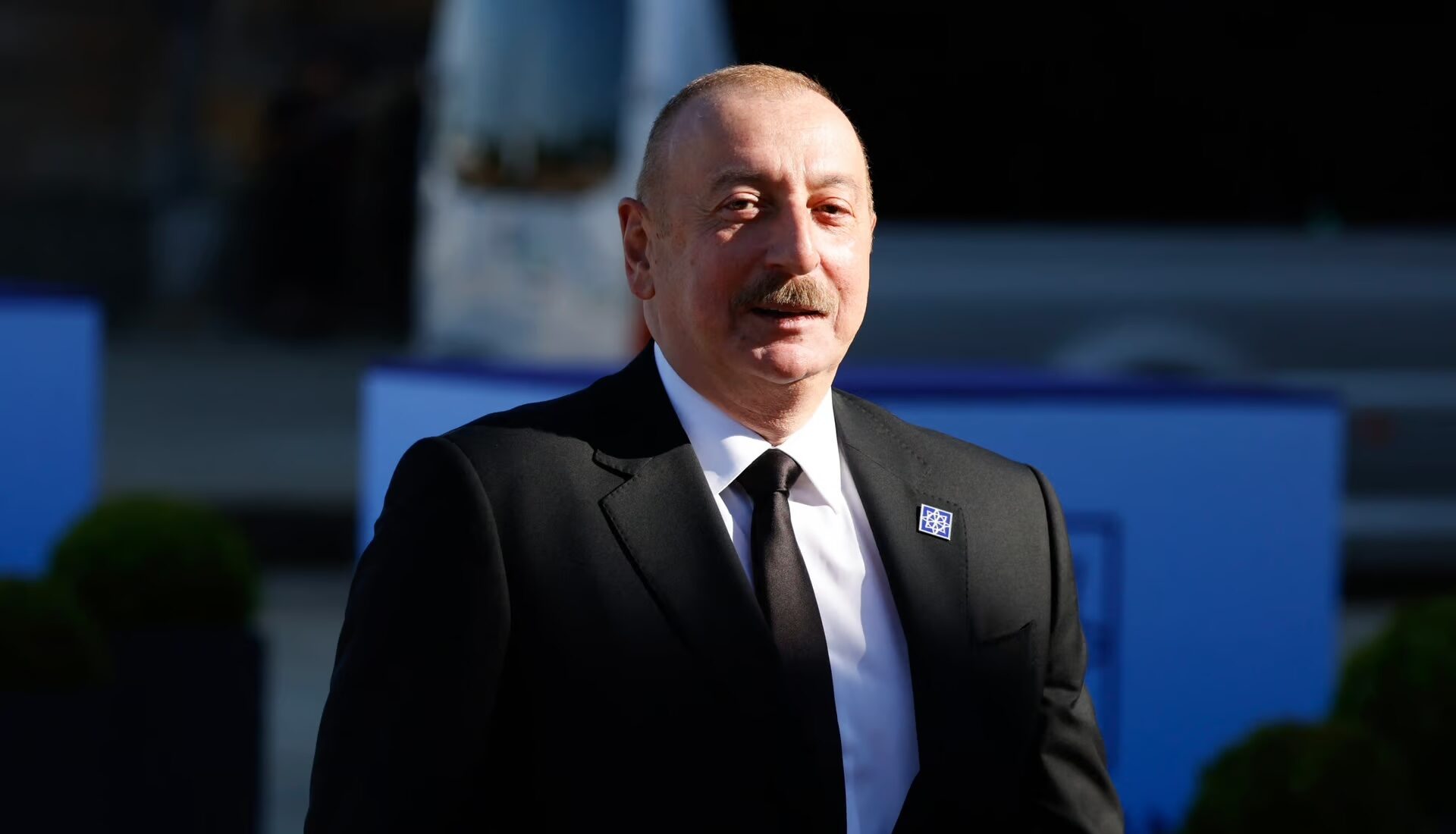
Iran is threatening the Caucasian country’s efforts to boost energy and trade connectivity between Europe and Central Asia.
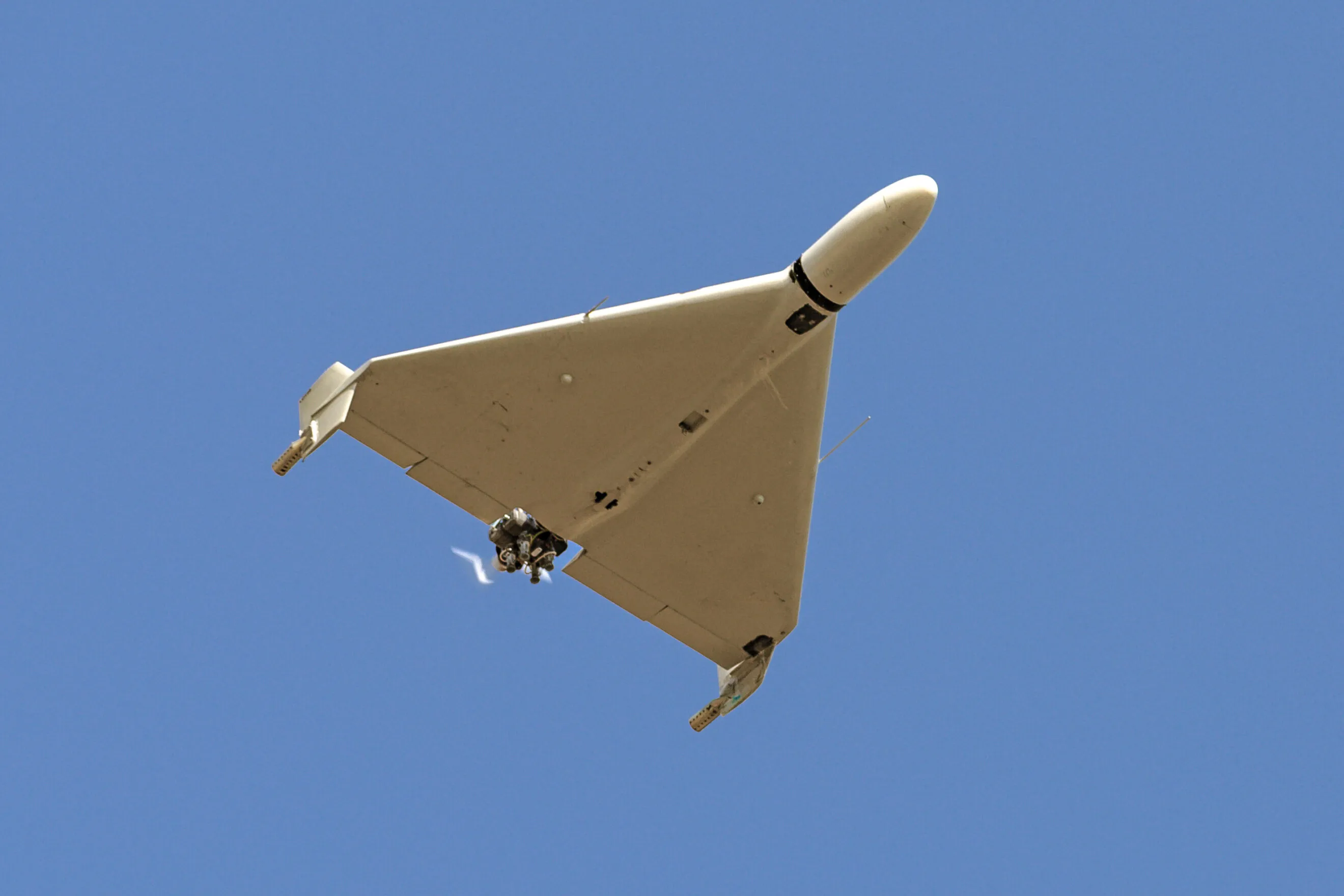
The drone strike on Azerbaijan’s Nakhchivan Autonomous Republic on March 5 has become one of the most serious incidents in relations between Baku and Tehran in recent years.
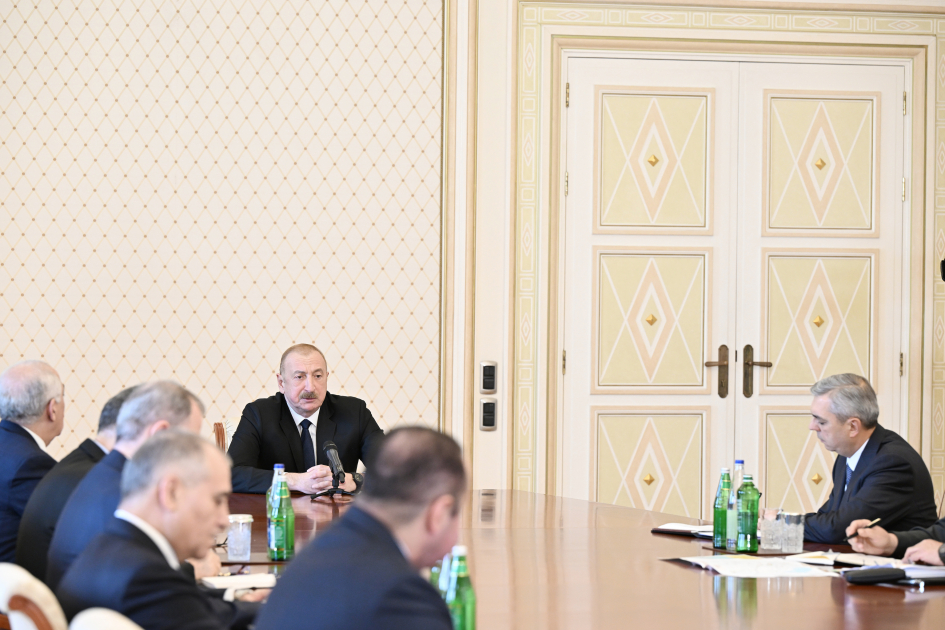
When a country whose military infrastructure is being destroyed in real time—and whose supreme leader was killed on the very first day of the conflict by an airstrike—starts issuing ultimatums to a sovereign neighbour, it is a clinical picture of a regime in agony, disconnected from reality.
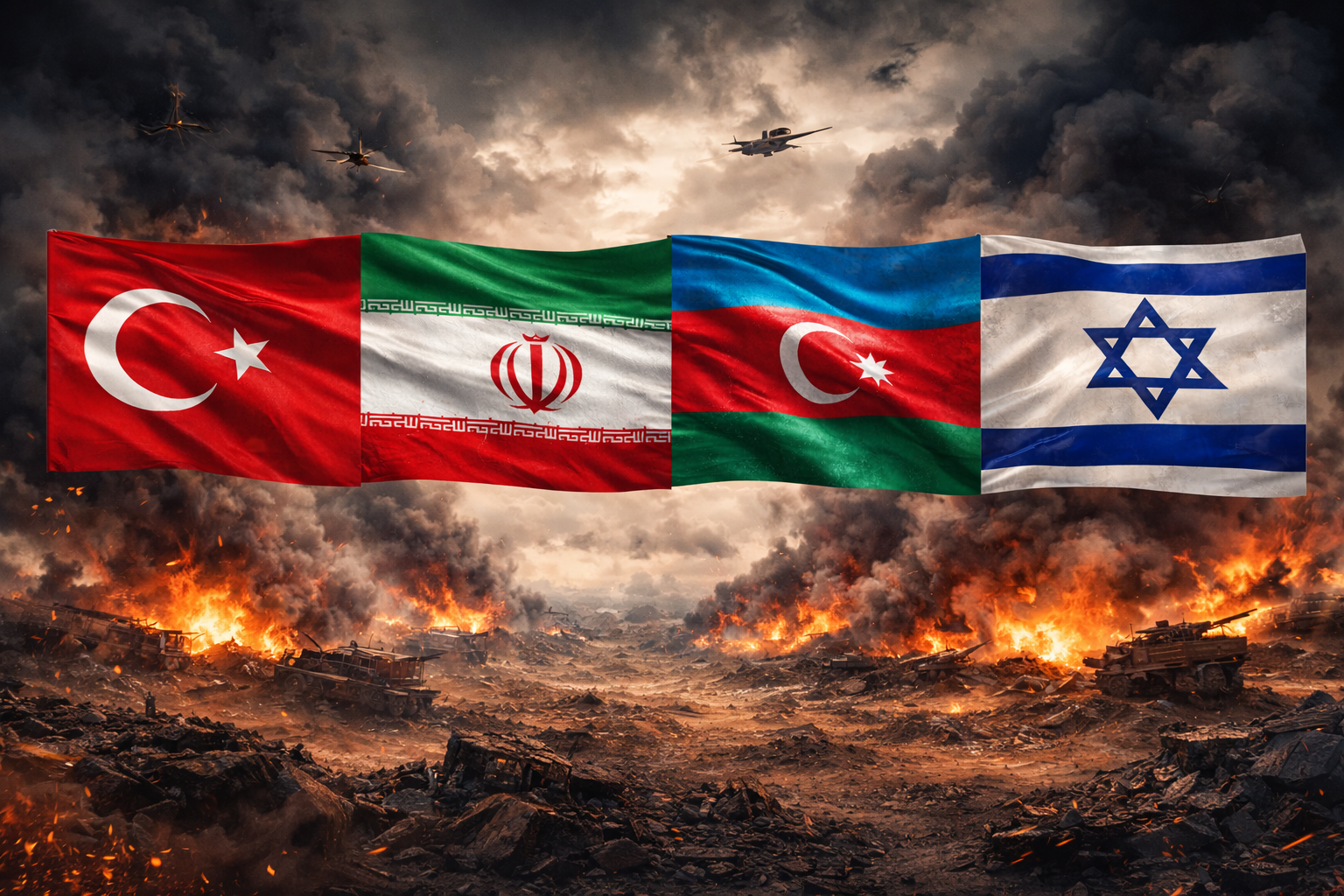
Azerbaijan navigates a complex geopolitical landscape between Türkiye, Iran, and Israel, pursuing a pragmatic strategy of balance. While maintaining a strategic alliance with Türkiye and deep cooperation with Israel, Baku also seeks to avoid escalation with neighboring Iran. This multi-vector diplomacy allows Azerbaijan to protect its security and regional stability.
Tehran’s actions were condemned by the leaders of several states.
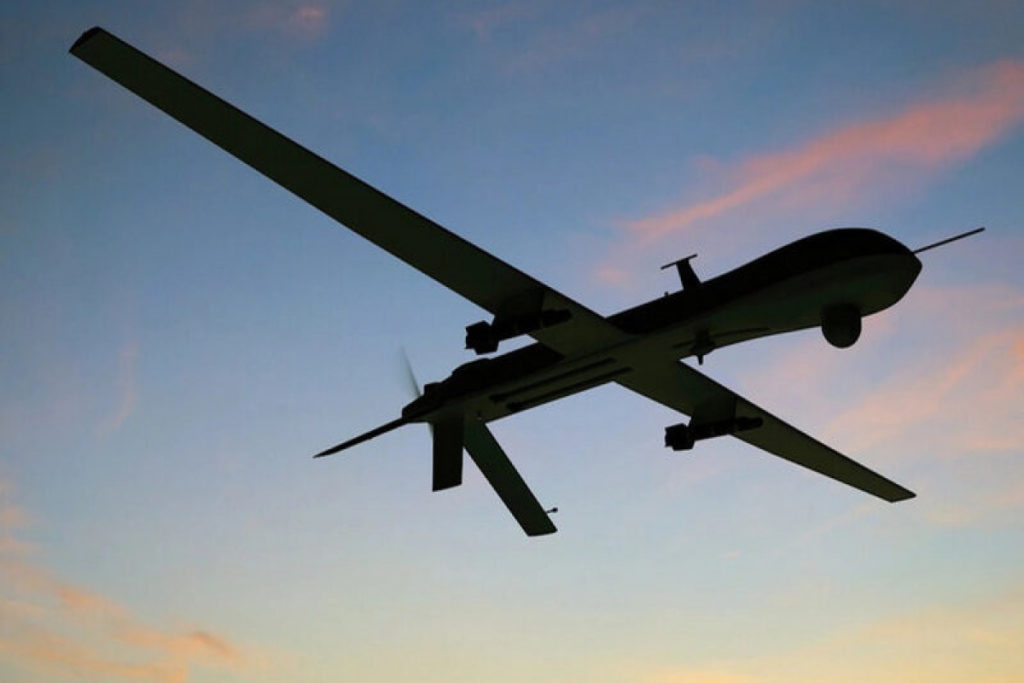
The attack by Iranian drones on the territory of Nakhchivan was, strictly speaking, not entirely unexpected given the strikes Iran had already carried out against the territories of states that were not involved in the escalation of the conflict in the Middle East.
Azerbaijan’s foreign policy has long been built on a clear principle: not allowing the country to be drawn into other people’s conflicts, regardless of the potential political dividends such involvement might promise.
The territory of Azerbaijan has been attacked from Iran. There are casualties…
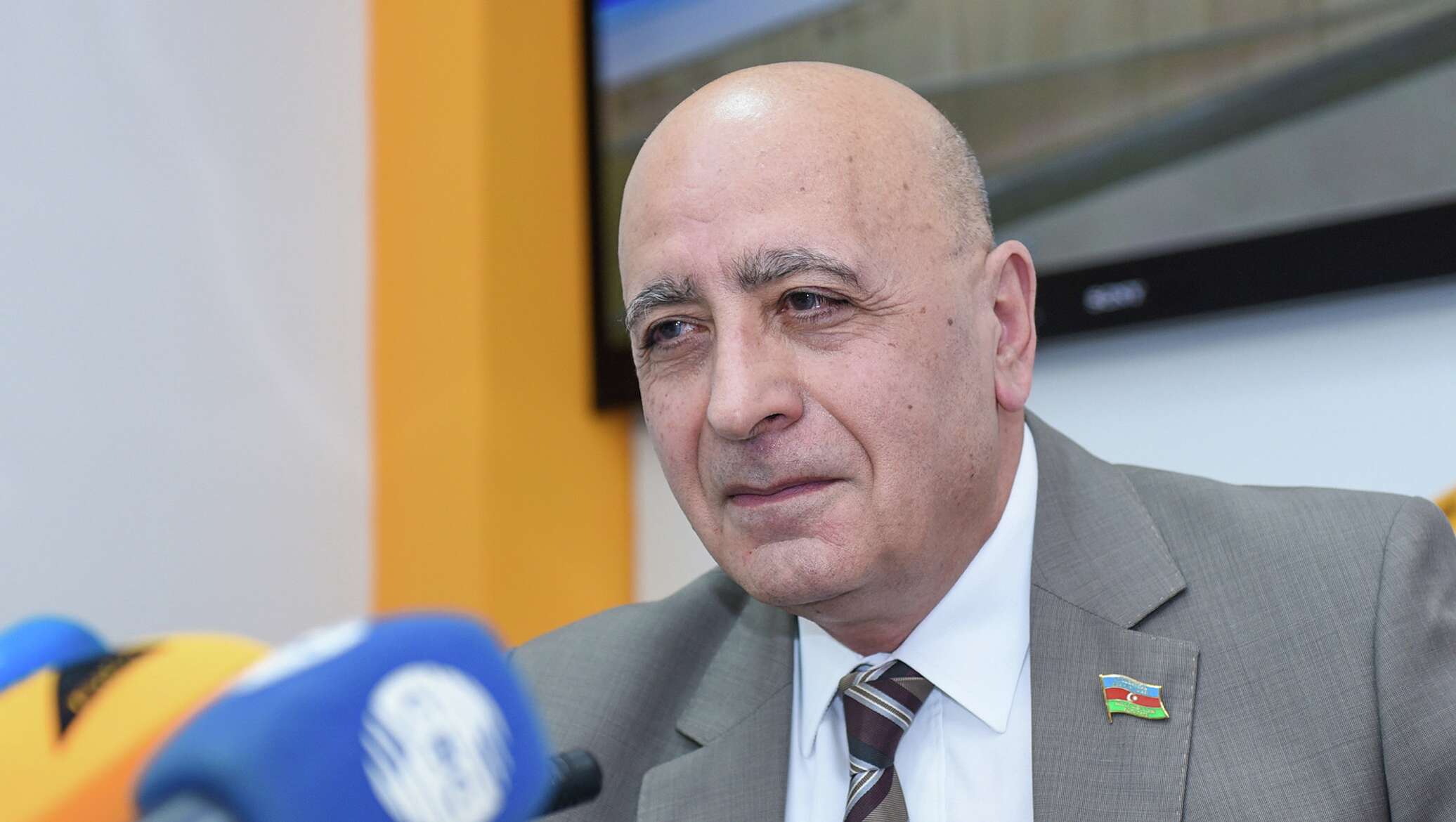
Hostile forces are attempting to discredit Azerbaijan and destabilize the country’s internal situation by exploiting the escalation of the conflict in the Middle East.
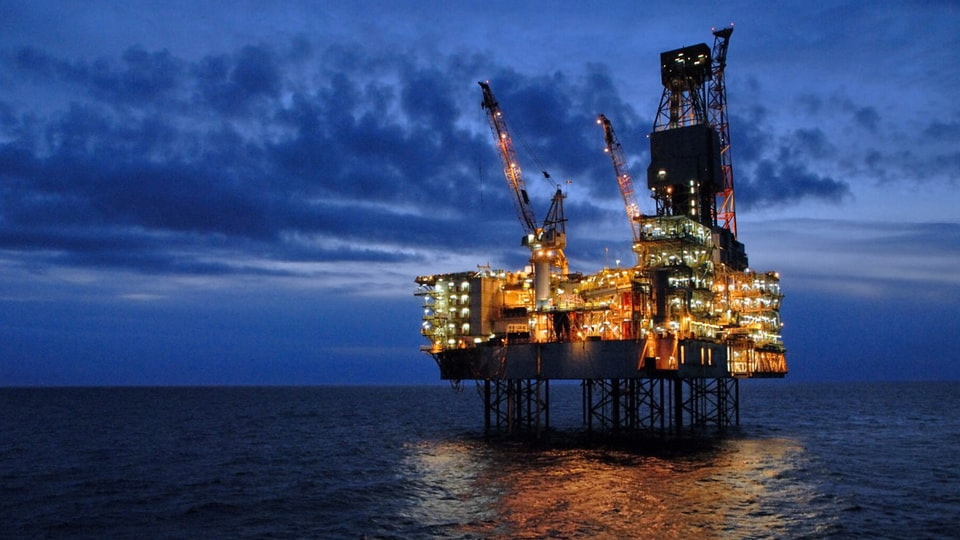
For several decades, European countries and Azerbaijan have steadily strengthened cooperation in oil and gas supplies.
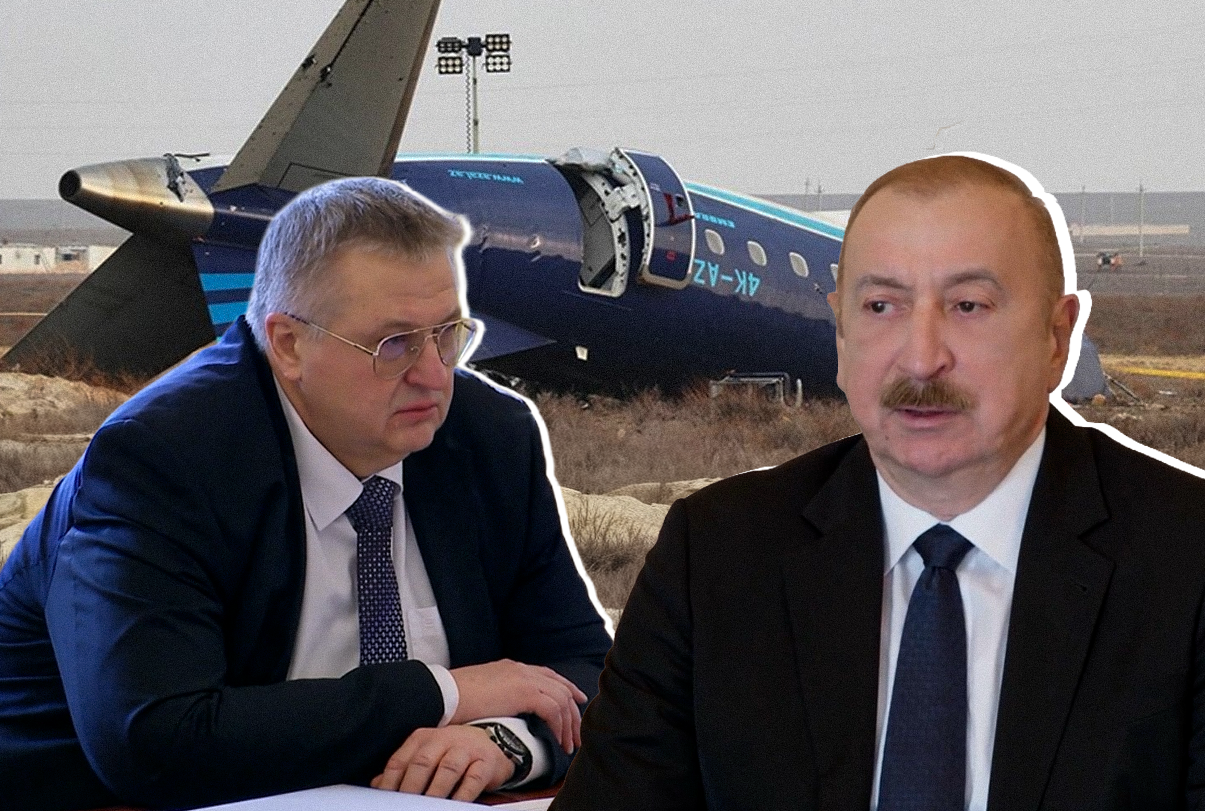
Baku and Moscow have once again discussed the investigation into the AZAL aircraft disaster, in which the plane was shot down by Russian air defense systems near the city of Grozny.
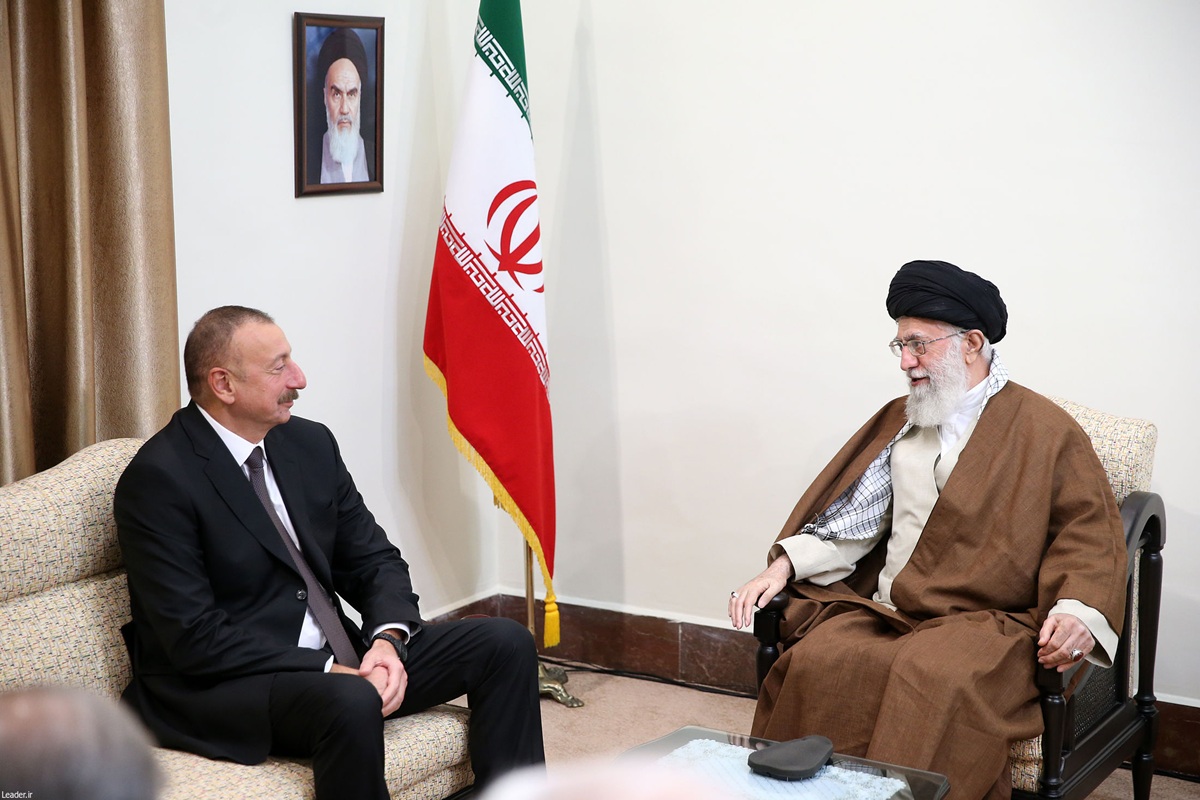
The conflict in the Middle East also involves the former Soviet republics, which historically have close ties with Tehran. Strong emotions in Baku over the killing of Khamenei, who was of Azerbaijani origin.
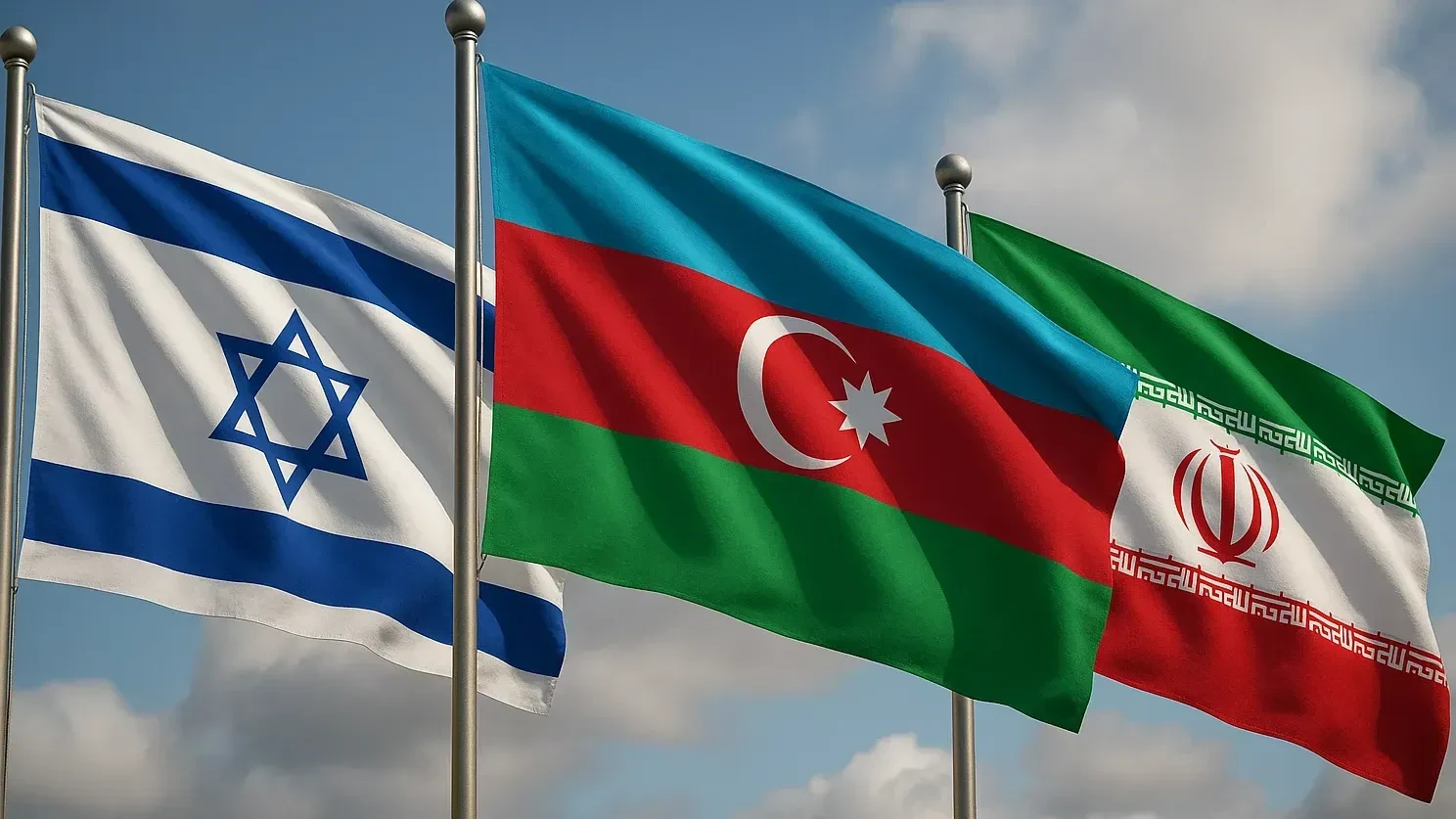
It has happened. On February 28, Israel carried out a preemptive strike on Iranian territory, marking what may be considered a transition to a new phase of the Israeli-Iranian military confrontation that began last summer.
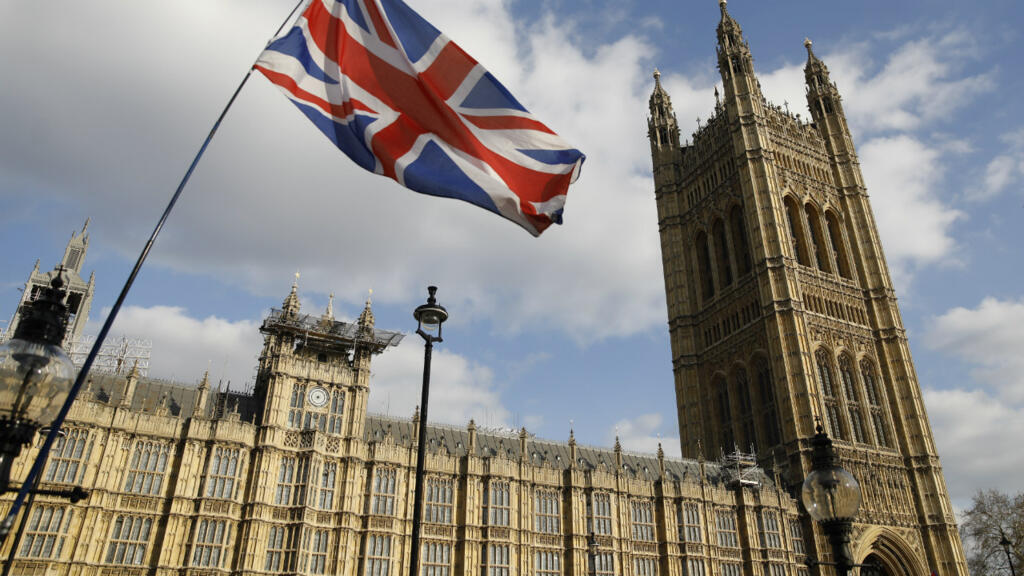
The Embassy of the United Kingdom in Baku responded to a wave of inquiries following the House of Commons hearing titled “Erasing the Past: The Destruction of Cultural Heritage,” which focused on the alleged destruction of Armenian heritage in Karabakh.
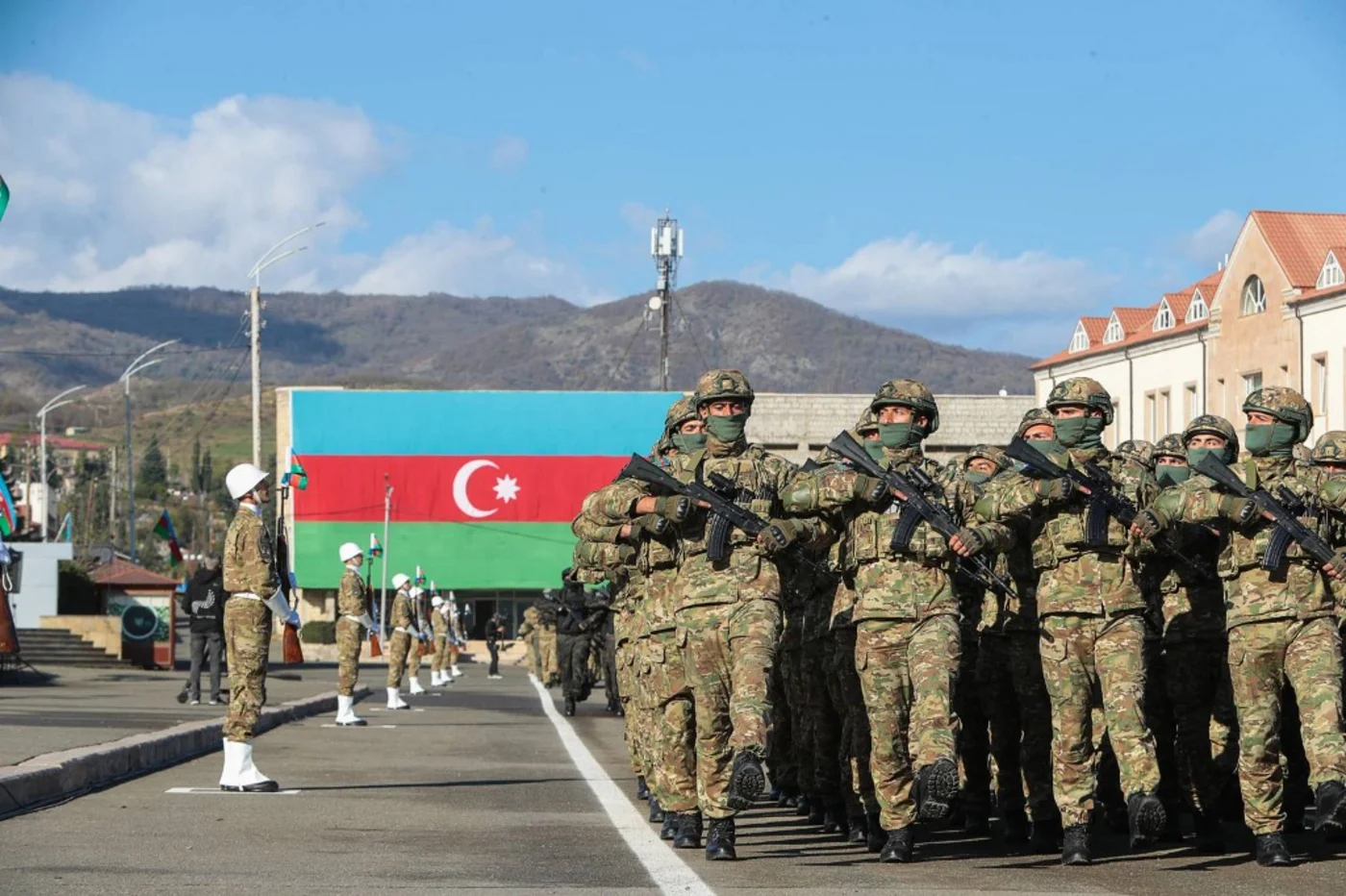
As foreign policy debates intensify in Washington over how to conclude wars rather than merely manage them, Azerbaijan’s post-war trajectory in the South Caucasus has begun to attract analytical interest.