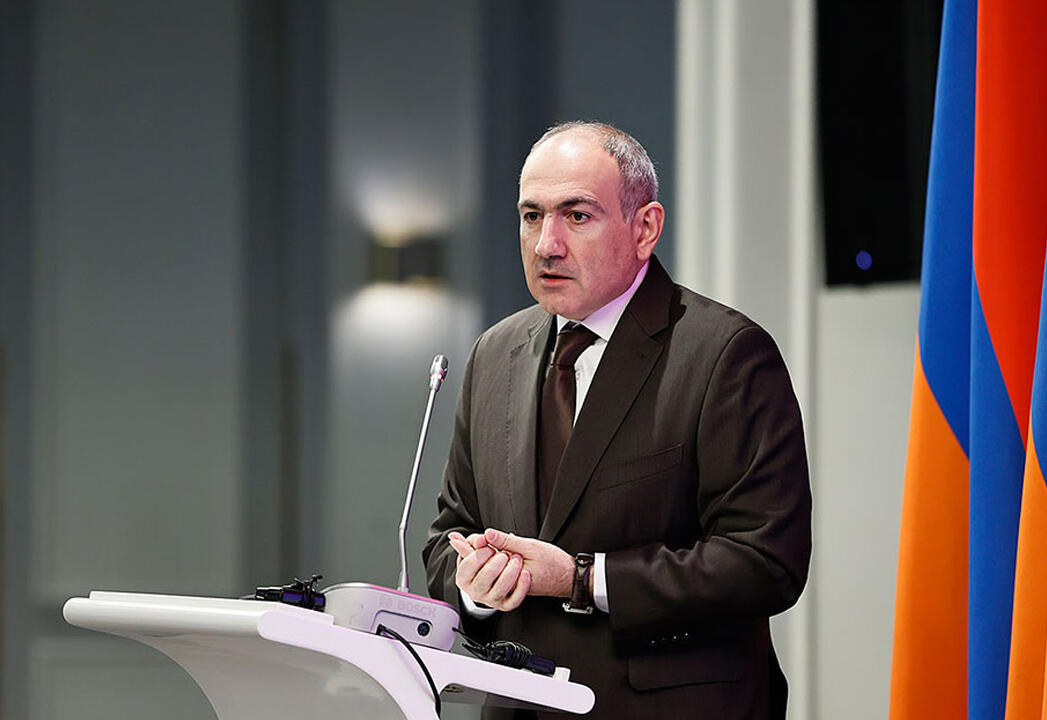
The Armenian Prime Minister Nikol Pashinyan’s ever-changing statements and actions, swinging from one extreme to another, can be characterized as populist maneuvers.

The Armenian Prime Minister Nikol Pashinyan’s ever-changing statements and actions, swinging from one extreme to another, can be characterized as populist maneuvers.
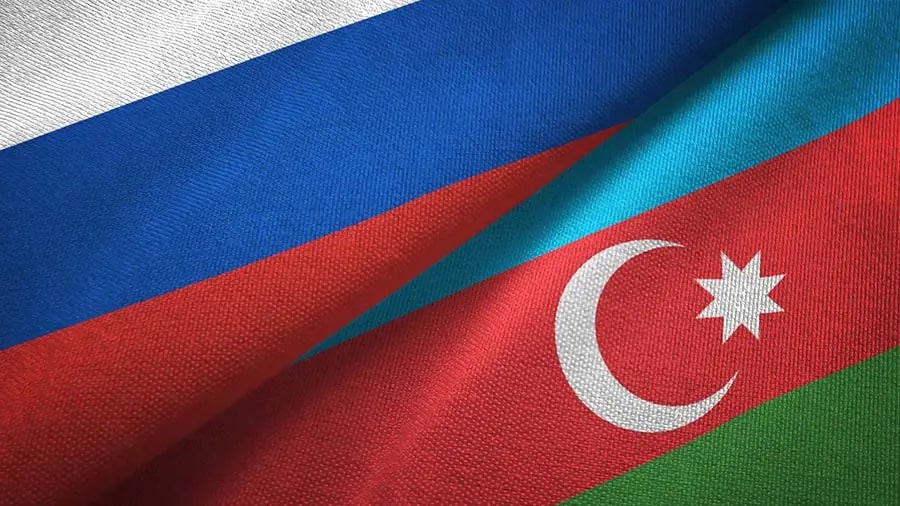
What they fail to take into account is that the world map no longer features the Russian Empire or the USSR.
Against this backdrop of “EU-Russia dynamics,” Armenia was graced with a visit from a delegation led by the Commander of the Kansas National Guard (USA), which held meetings at the country’s Ministry of Defense.
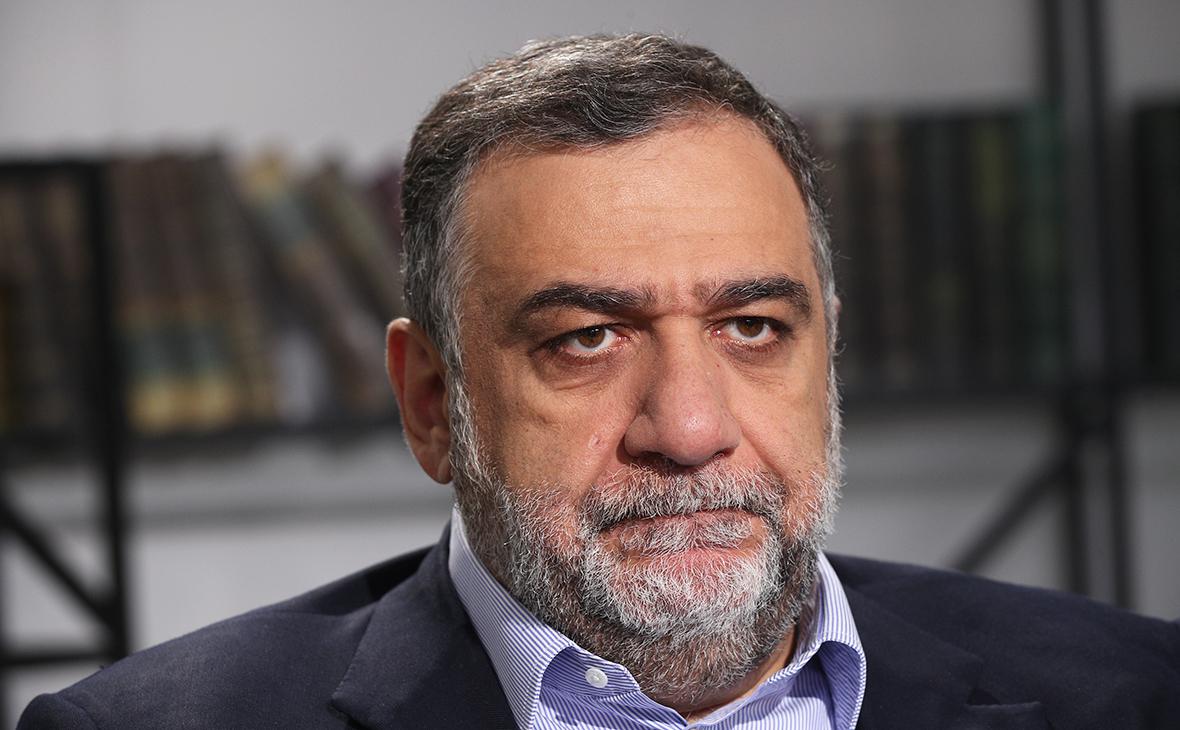
Vardanyan is standing trial in Baku, Azerbaijan. The charges – some 42 of them in total – relate to his recent leadership position of a breakaway puppet regime in Azerbaijan’s Karabakh region.
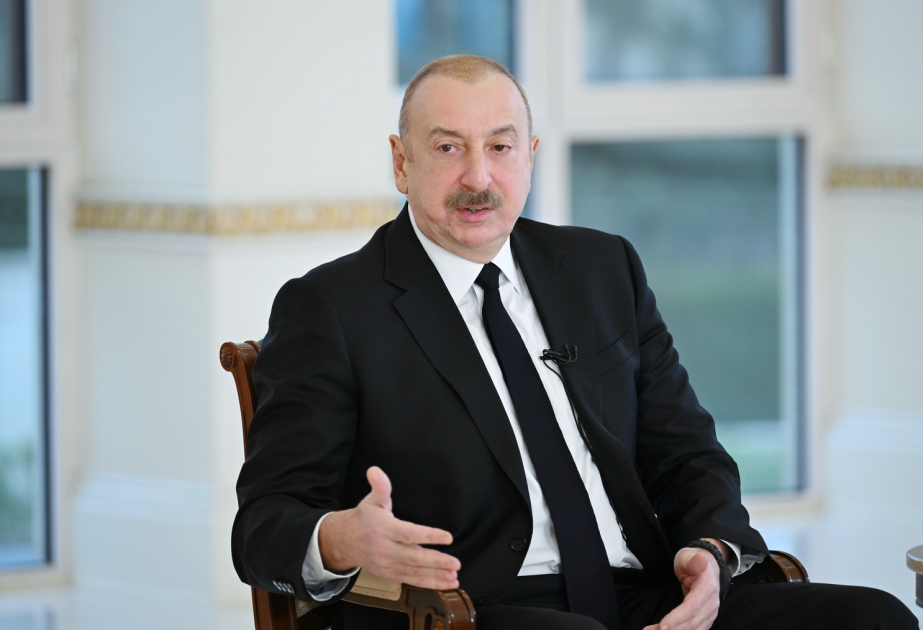
Aliyev’s speech on Jan. 7 highlights Azerbaijan's strategic alliances, regional security and economic growth.
Azerbaijan intends to cease USAID's operations within its borders, as stated by Azerbaijani Foreign Minister Jeyhun Bayramov.
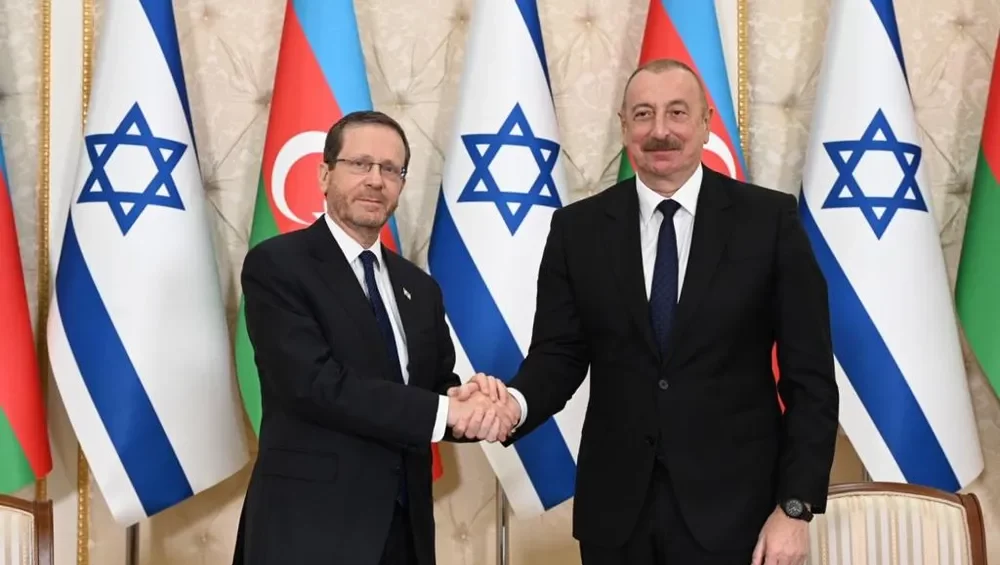
Azerbaijan is "closer to Israel than any other country except for the U.S. But unlike Washington, Baku has never pressured or threatened Jerusalem over the Palestinian conflict or anything else"
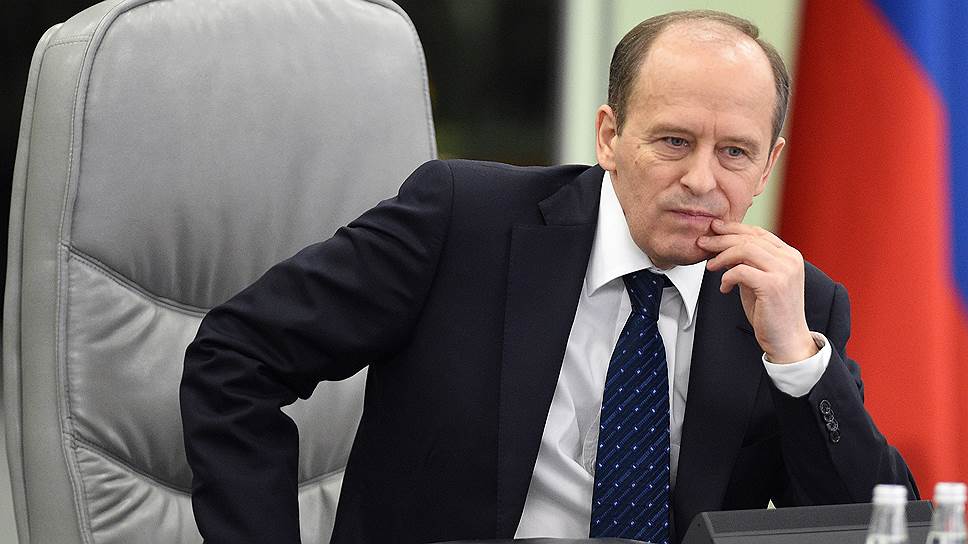
No one expected such cheap tactics from Russia. As a neighboring and ostensibly friendly country, Russia should have demonstrated responsibility, provided answers, conducted an objective investigation, and fulfilled its obligations.
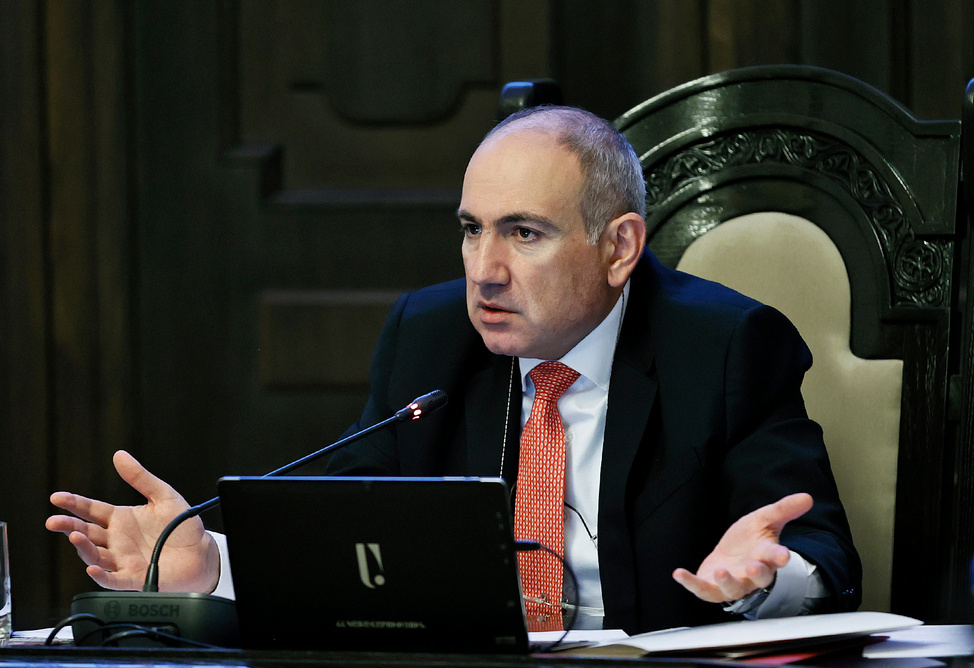
Following the signing of the Strategic Partnership Charter between Armenia and the United States in Washington, Armenian Prime Minister Nikol Pashinyan shared his vision of the country’s foreign policy trends.
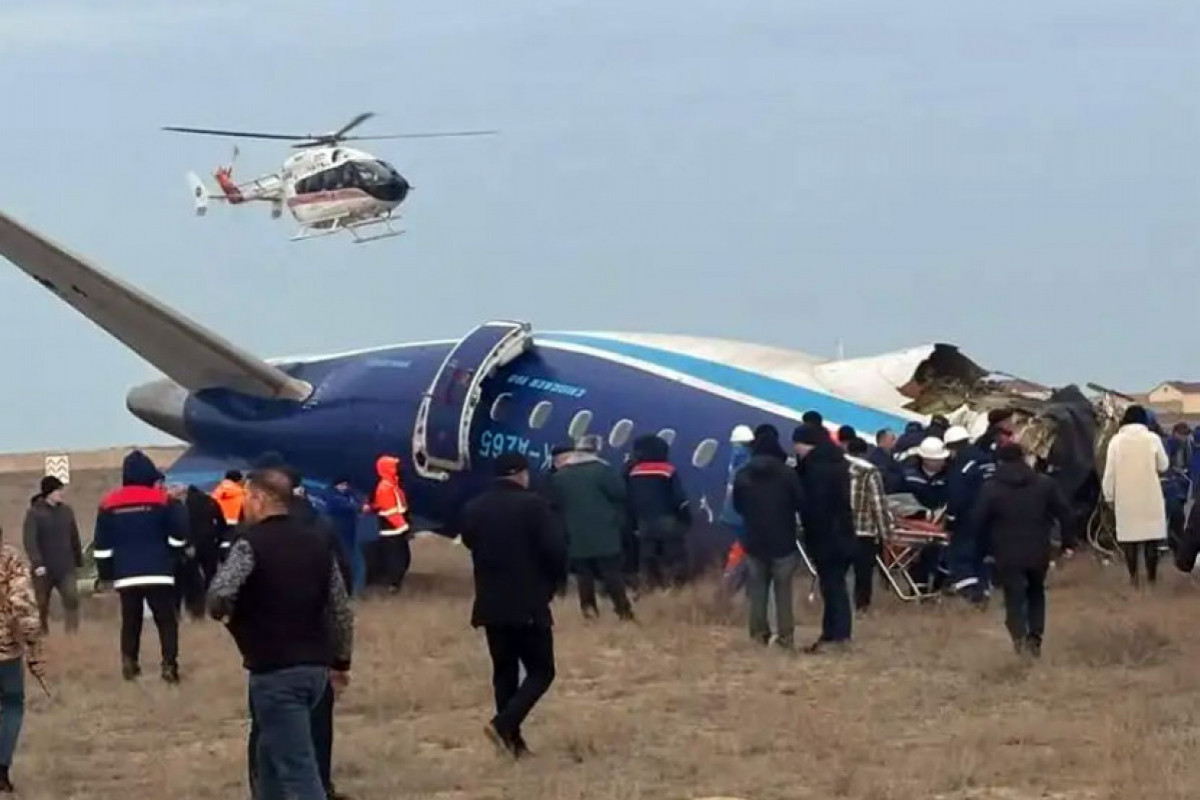
Yes, the bird strike and oxygen cylinder theories were initially raised by the crew. But what else could the pilots, sitting in a metal “cigar” in the sky, have imagined?
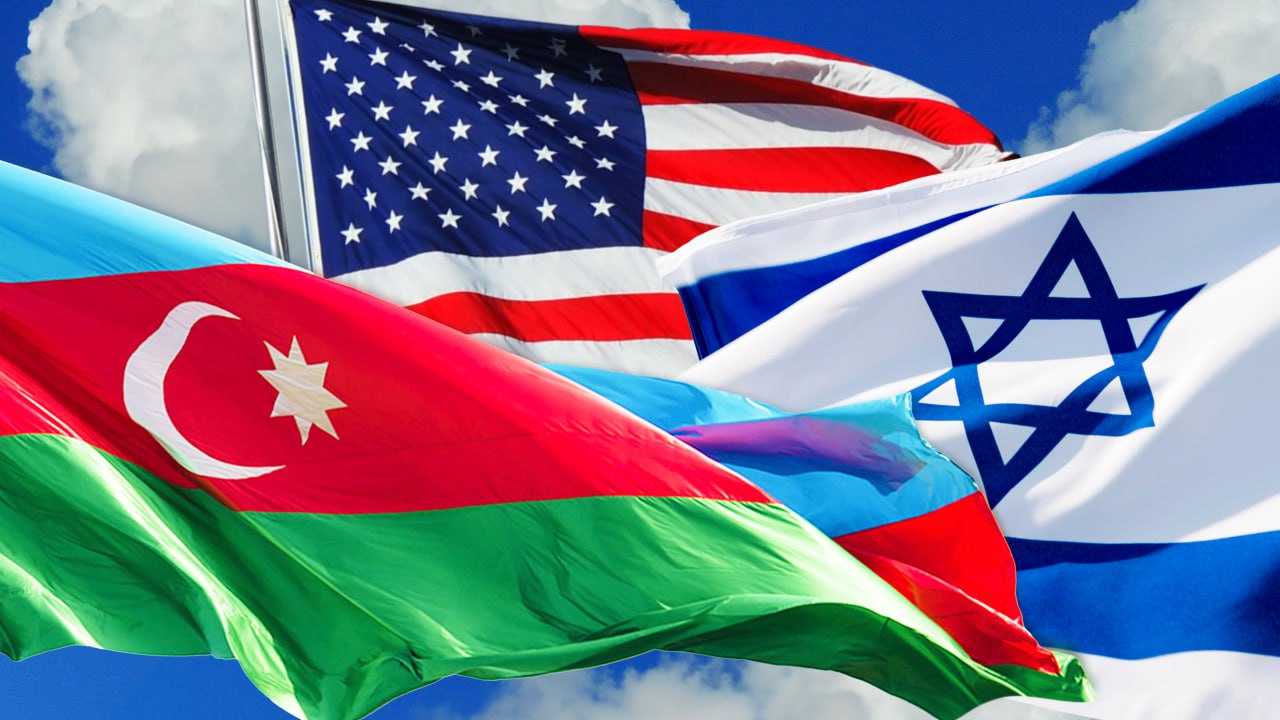
Azerbaijan’s strategic partnership with Israel, marked by long-standing energy, military, and geopolitical cooperation, positions it as a key ally in the Muslim world and an influential player in advancing regional stability and U.S.-Middle East policy objectives.
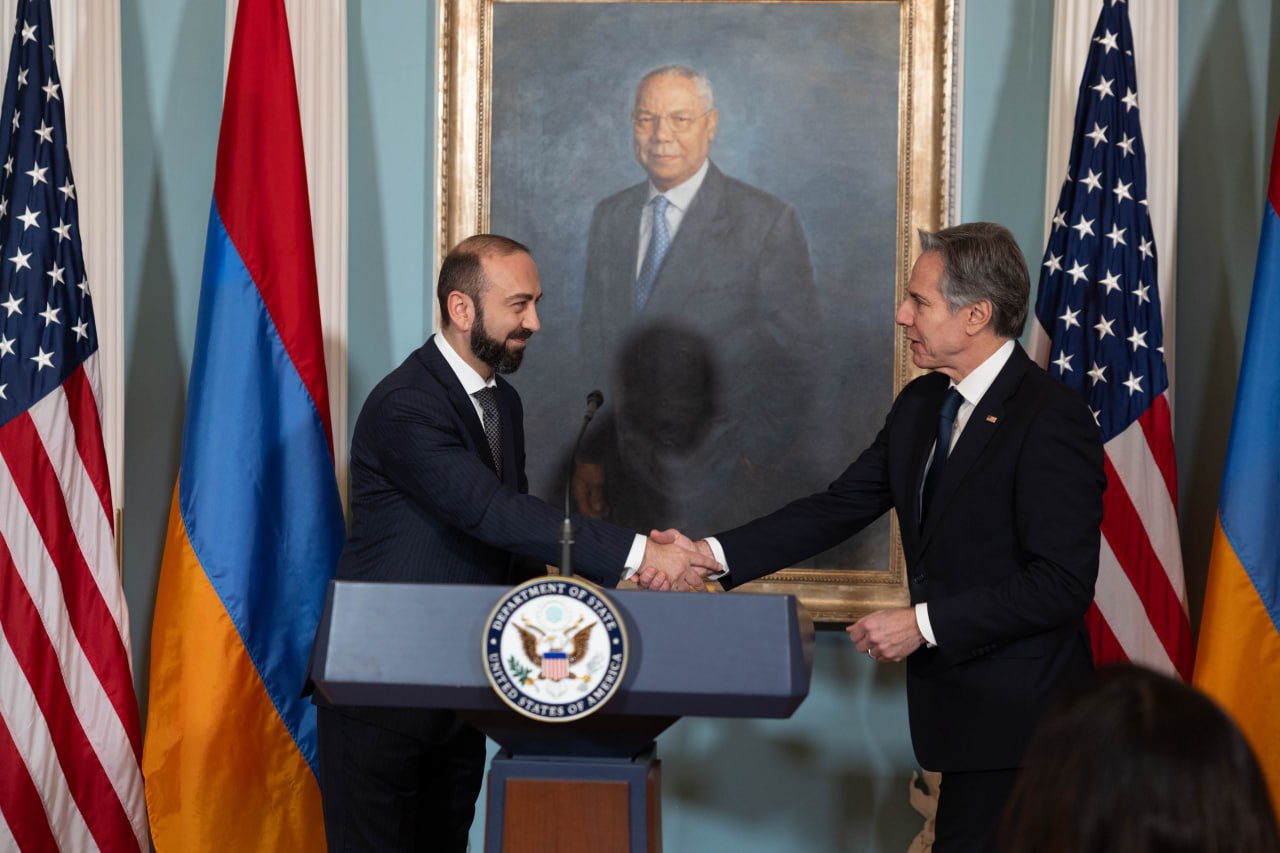
Despite the excitement in Yerevan’s pro-Western circles, Mirzoyan and Blinken signed a document in Washington that does not require ratification by the participating countries’ parliaments, significantly diminishing its status.
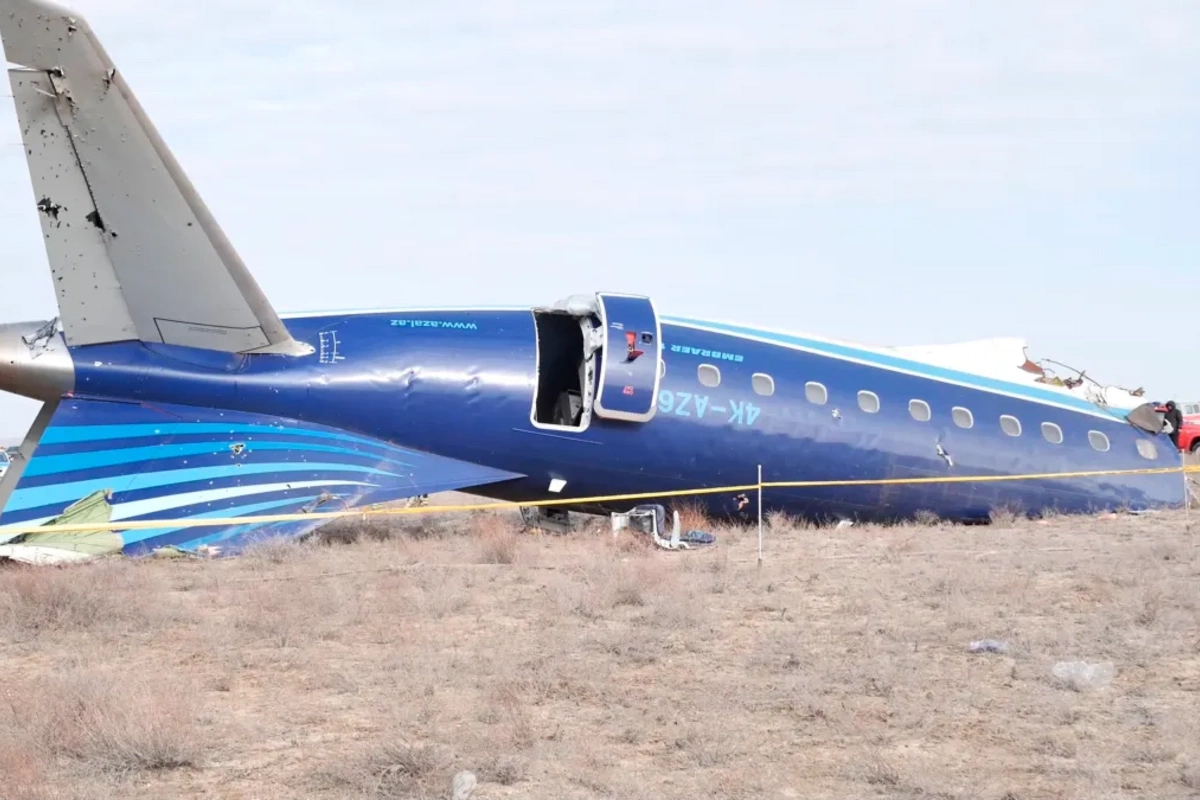
The investigation into the crash of Azerbaijan Airlines flight J28243, which was en route from Baku to Grozny on the morning of December 25 and tragically crashed near Aktau, Kazakhstan, remains ongoing.
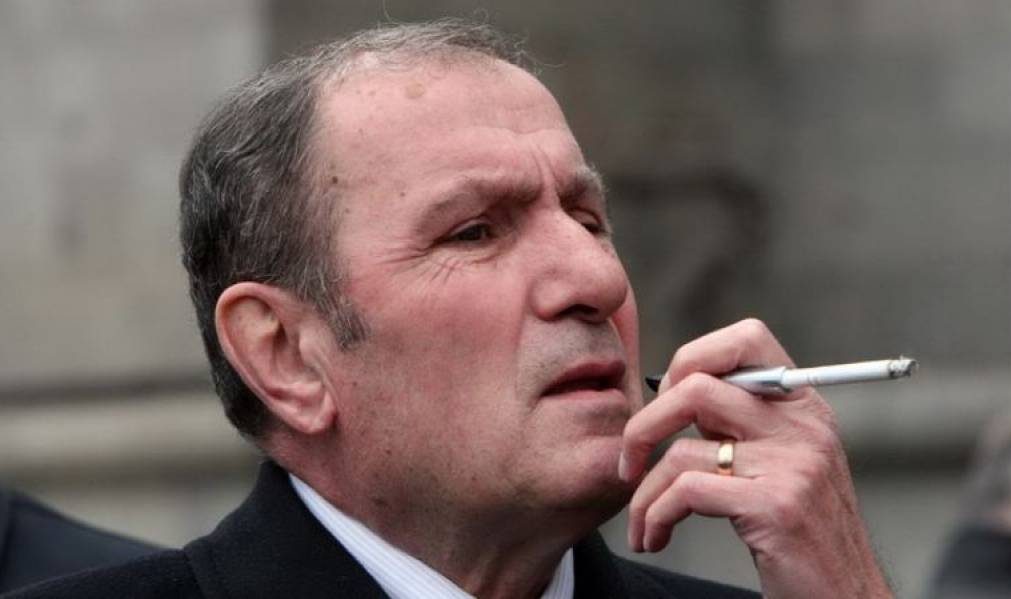
The Armenia-Azerbaijan peace process began the new year with a bombshell revelation: a video recording from the first congress of the “Yerkrapah” Volunteer Union in July 1993.
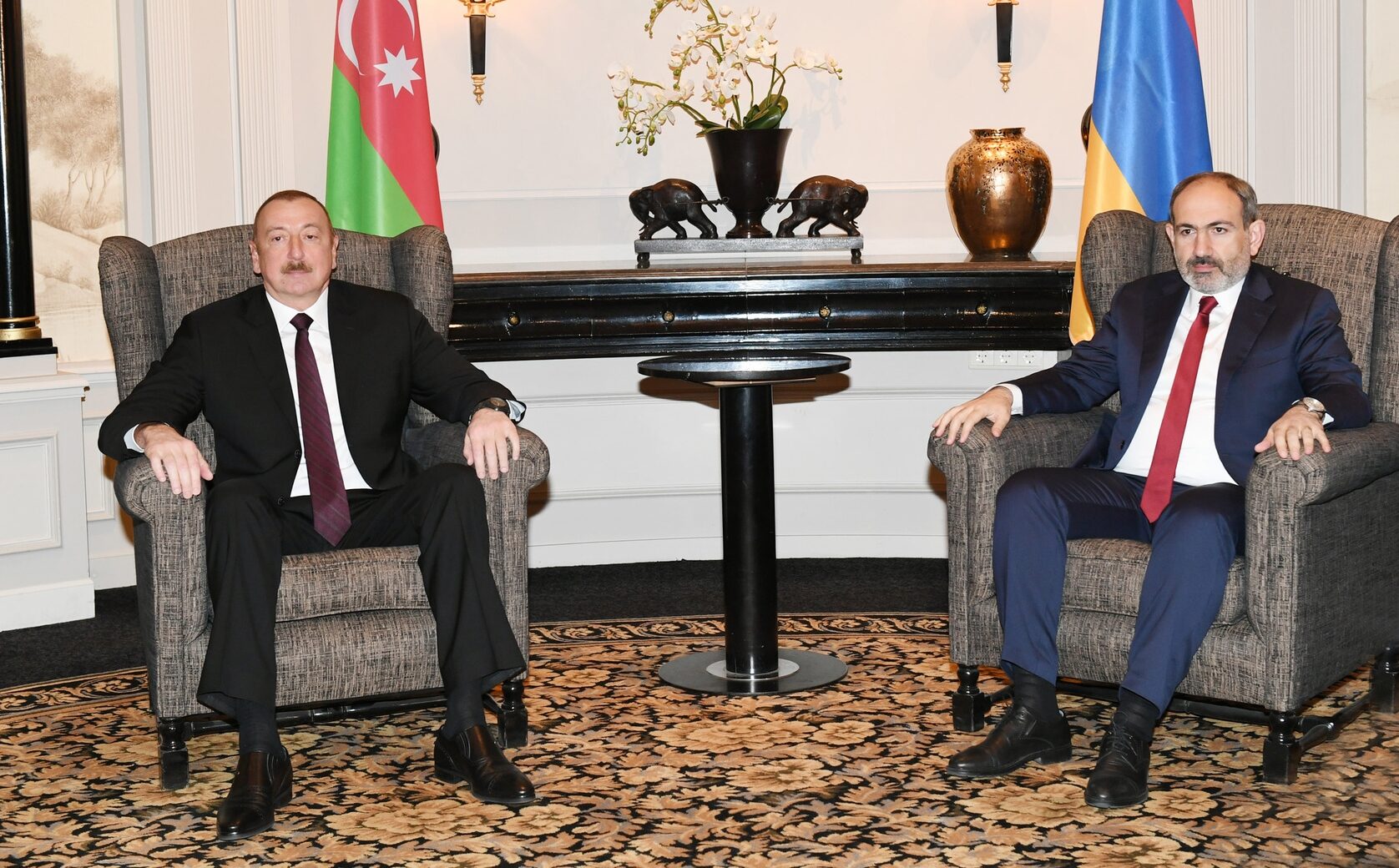
The peace negotiations between Armenia and Azerbaijan have progressed much since Baku took back control over Nagorno-Karabakh in 2020. All progress was made possible through bilateral context and negotiations; instead of continuing on this path, Armenia insists on inviting more parties to the negotiation table.
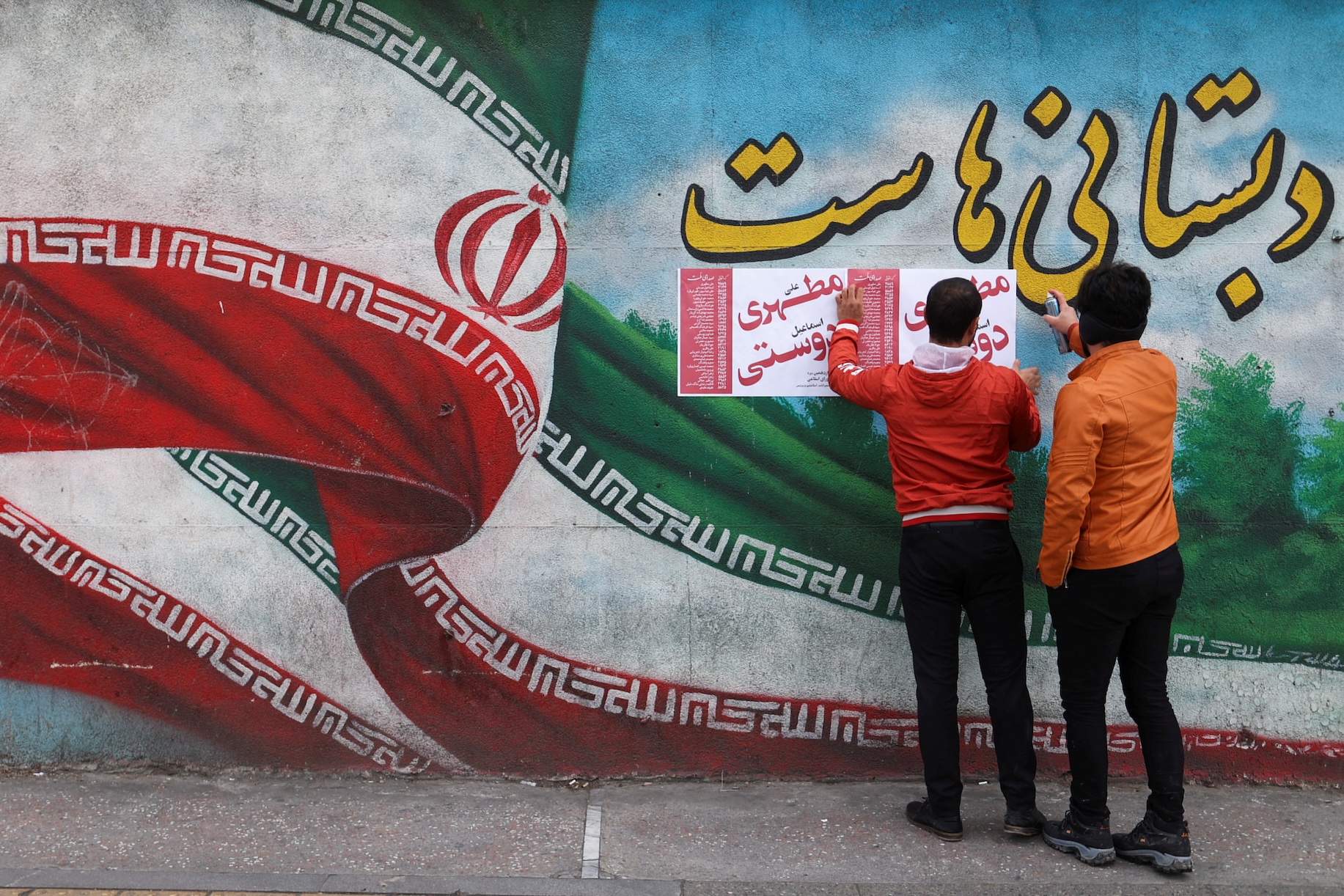
The last time Azerbaijan summoned an Iranian diplomat to its foreign ministry was in April 2023, when Baku expelled 4 employees of the Iranian embassy due to Tehran’s provocative actions.
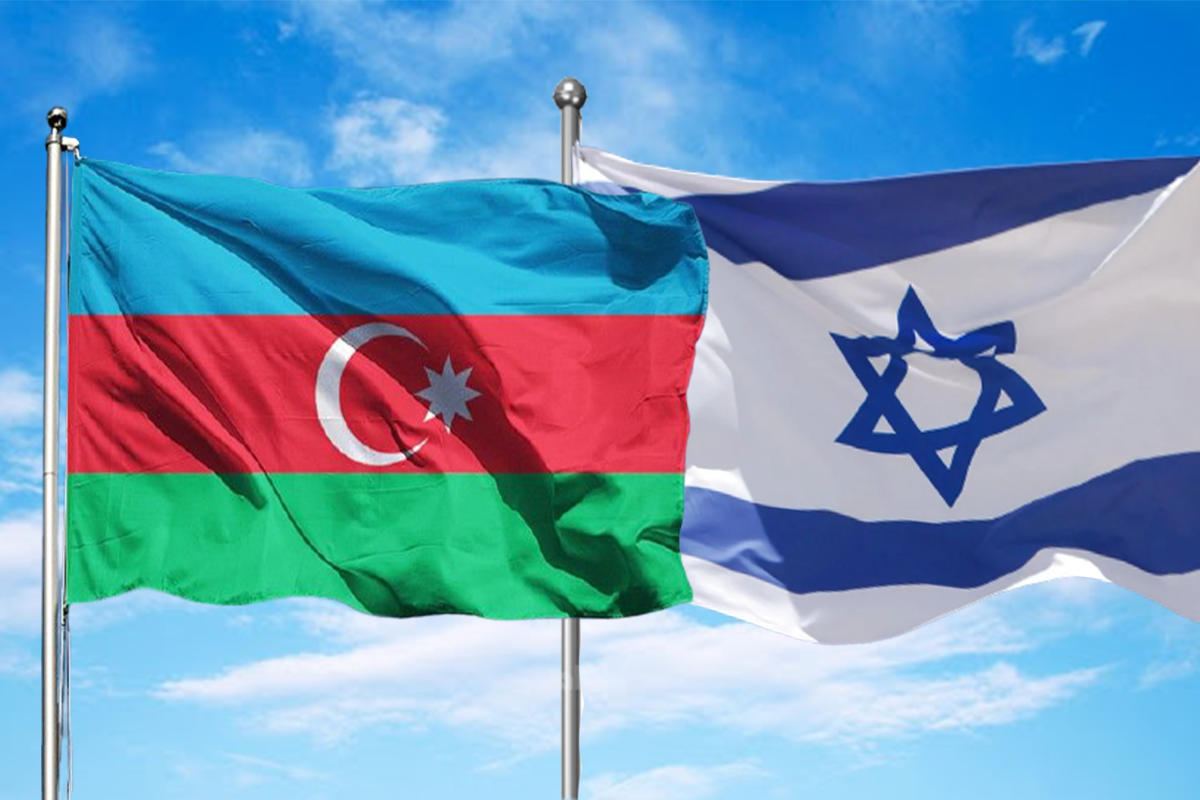
Azerbaijan and Israel have developed the defence component of their strategic partnership over the years. Israel is one of the main sources of Azerbaijan’s defence imports and modernisation of the armed forces.
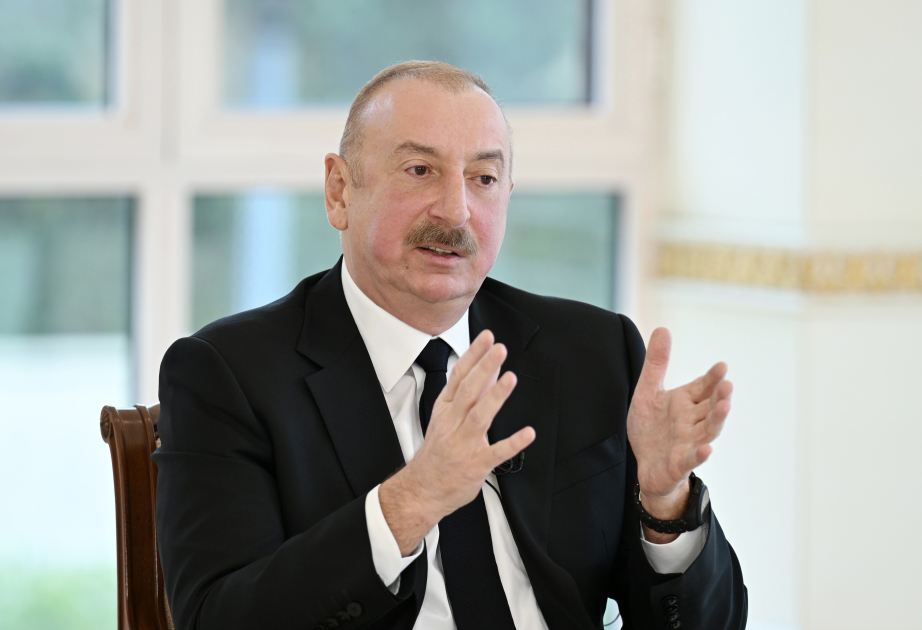
President Ilham Aliyev's interview with local TV channels is being analyzed from various perspectives. This extensive and substantial interview essentially outlines Azerbaijan's rescue and development strategy. It is likely that this speech will continue to be dissected in different ways in the coming days.
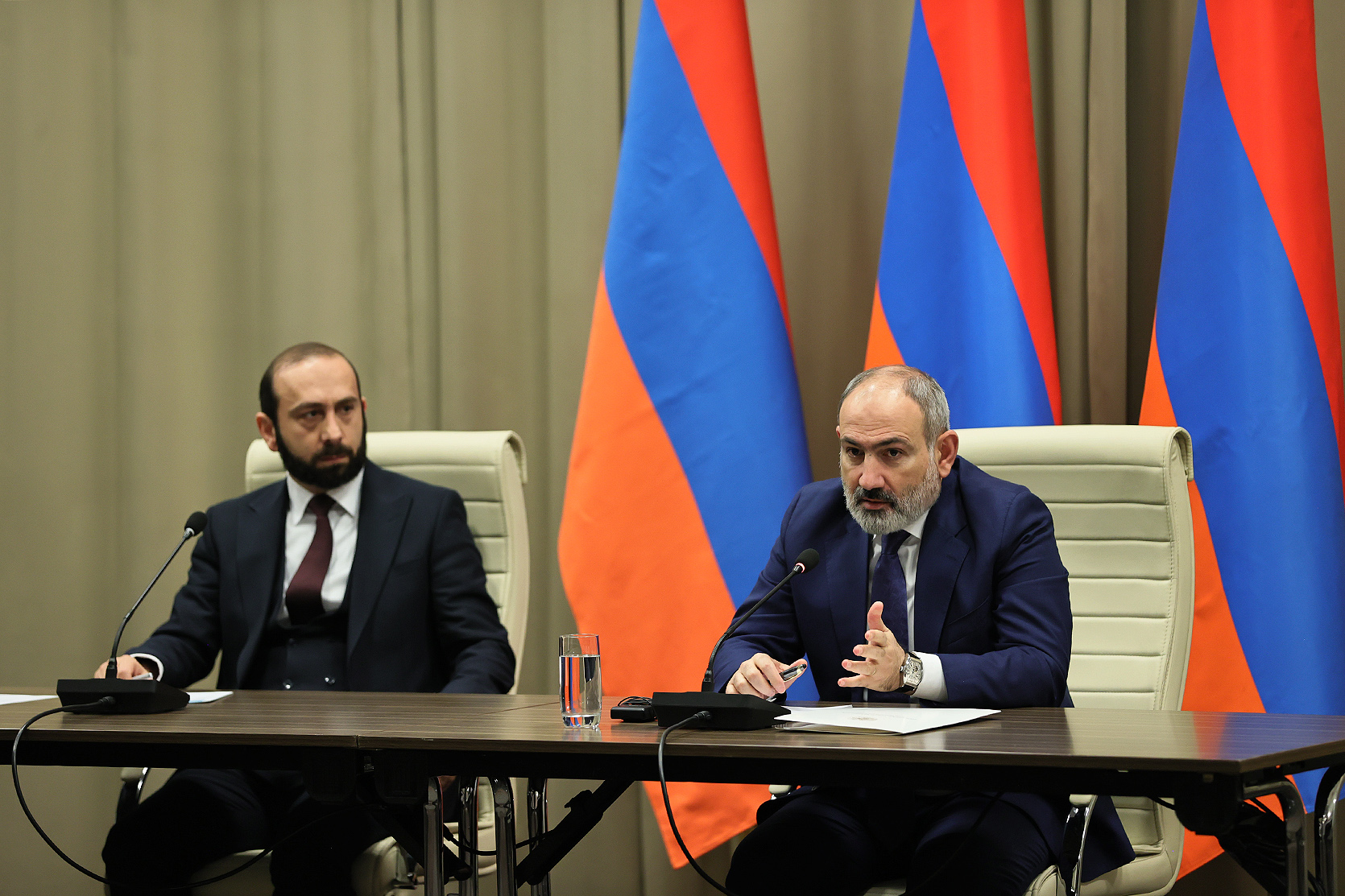
The statements by Azerbaijani President Ilham Aliyev regarding relations with Armenia, made during his recent interview with local television channels, have sparked genuine concern in Yerevan.
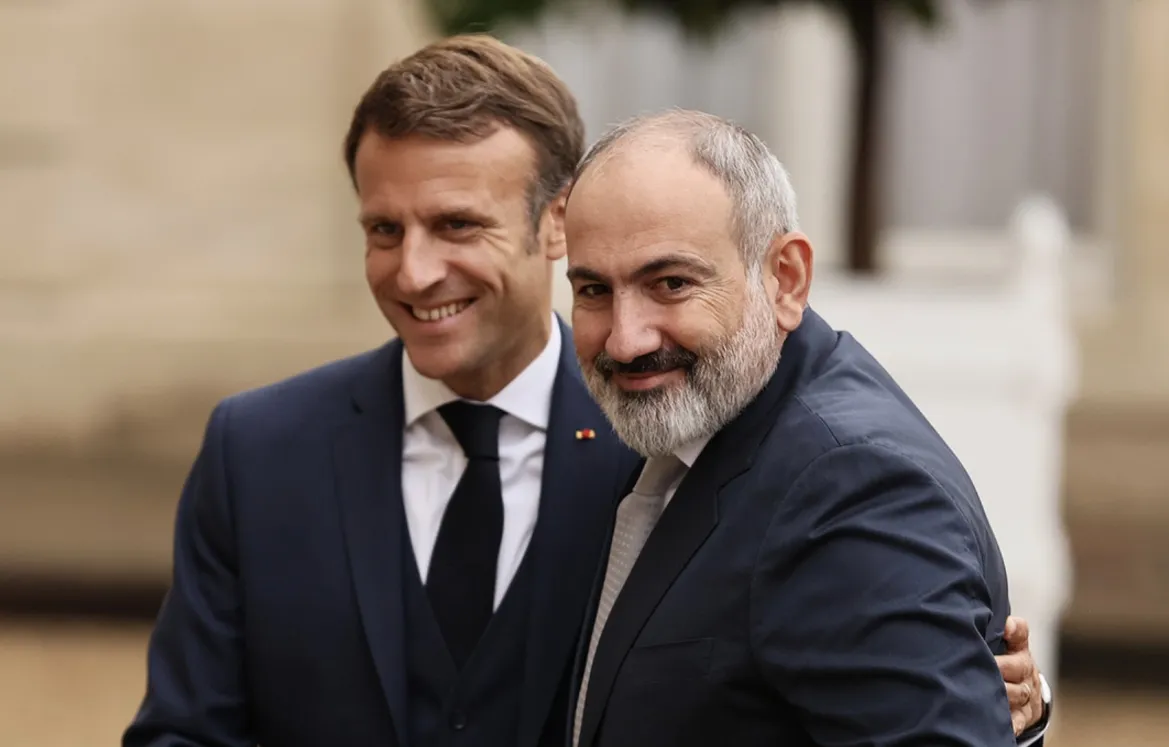
France is struggling to hold onto outdated notions of its role as a global power, writes Anastasia Lavrina.
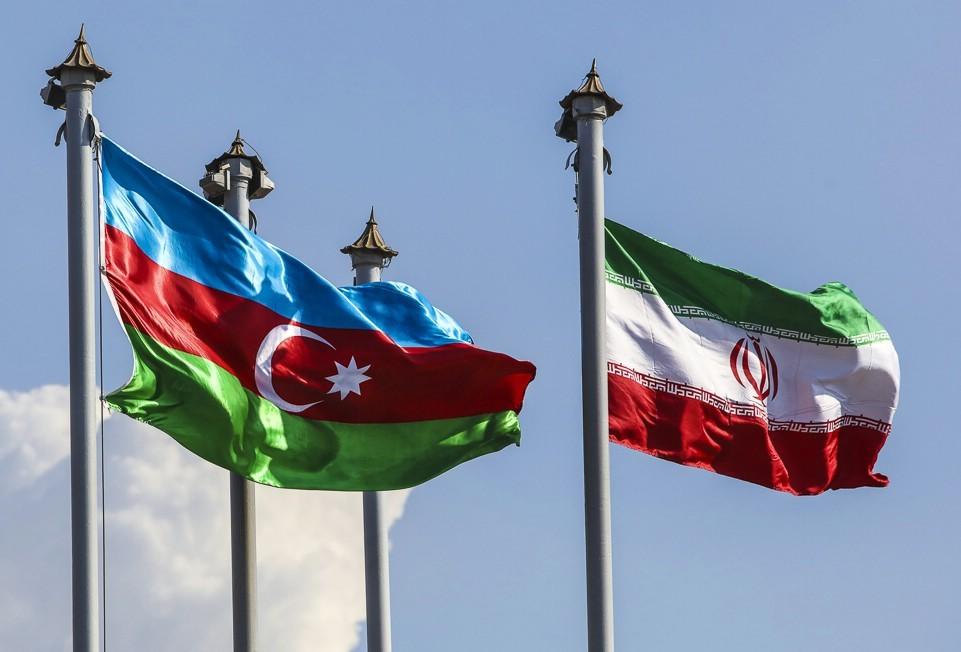
Azerbaijani political analyst and head of the "Atlas" Center for Political Studies, Elkhan Shahinoglu, believes that President Ilham Aliyev has made it clear: Azerbaijan's restoration of territorial integrity and sovereignty worries Tehran.
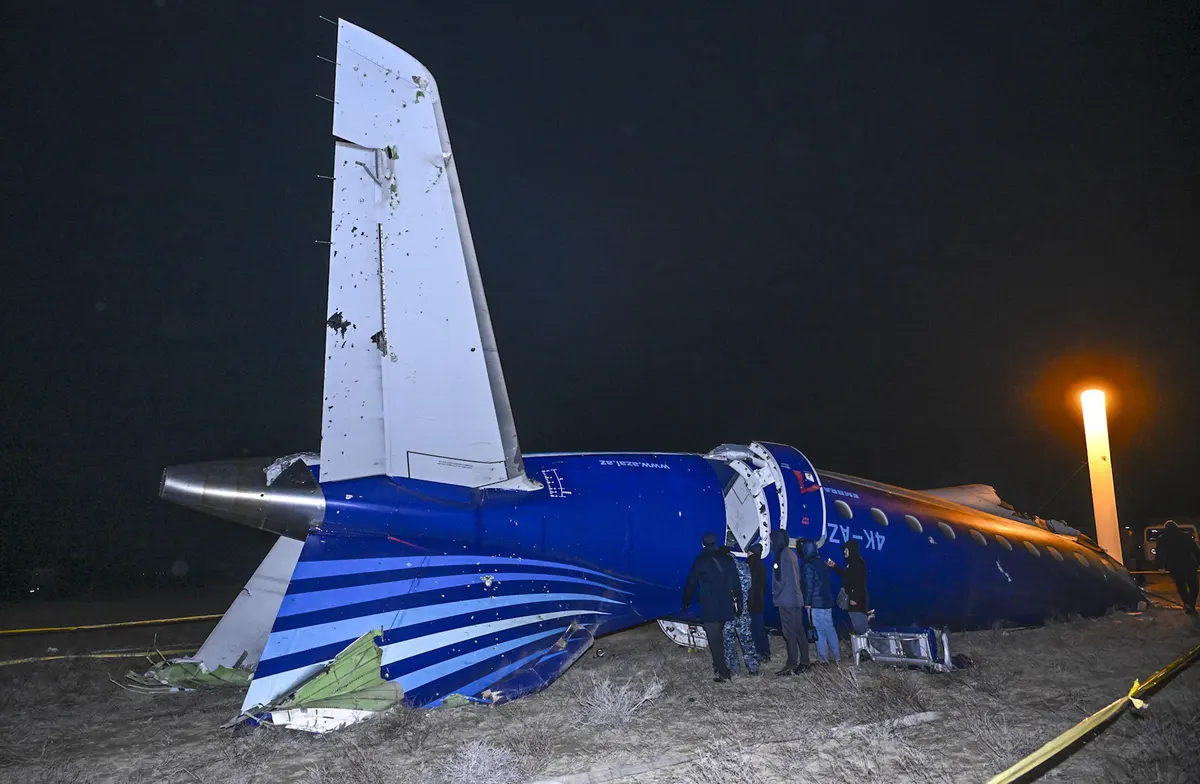
Azerbaijani President Ilham Aliyev met with the families of the crew members of the Embraer 190 passenger plane, owned by Azerbaijan Airlines (AZAL), which crashed en route from Baku to Grozny, as well as with the surviving flight attendants.
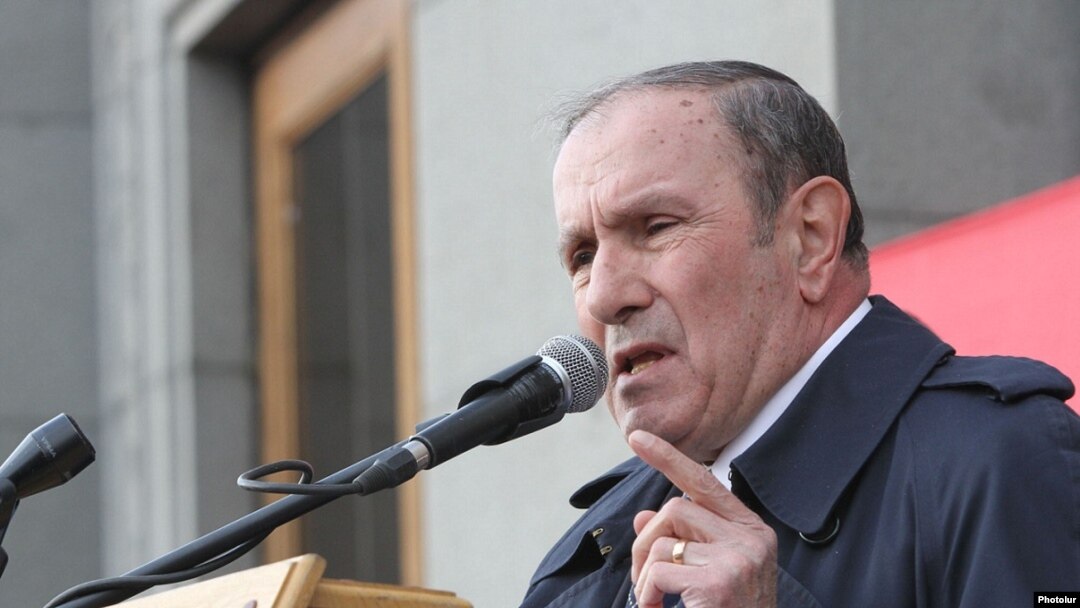
This crime, committed in violation of all norms and principles of international law, was referred to by Ter-Petrosyan as "a meticulous piece of work."
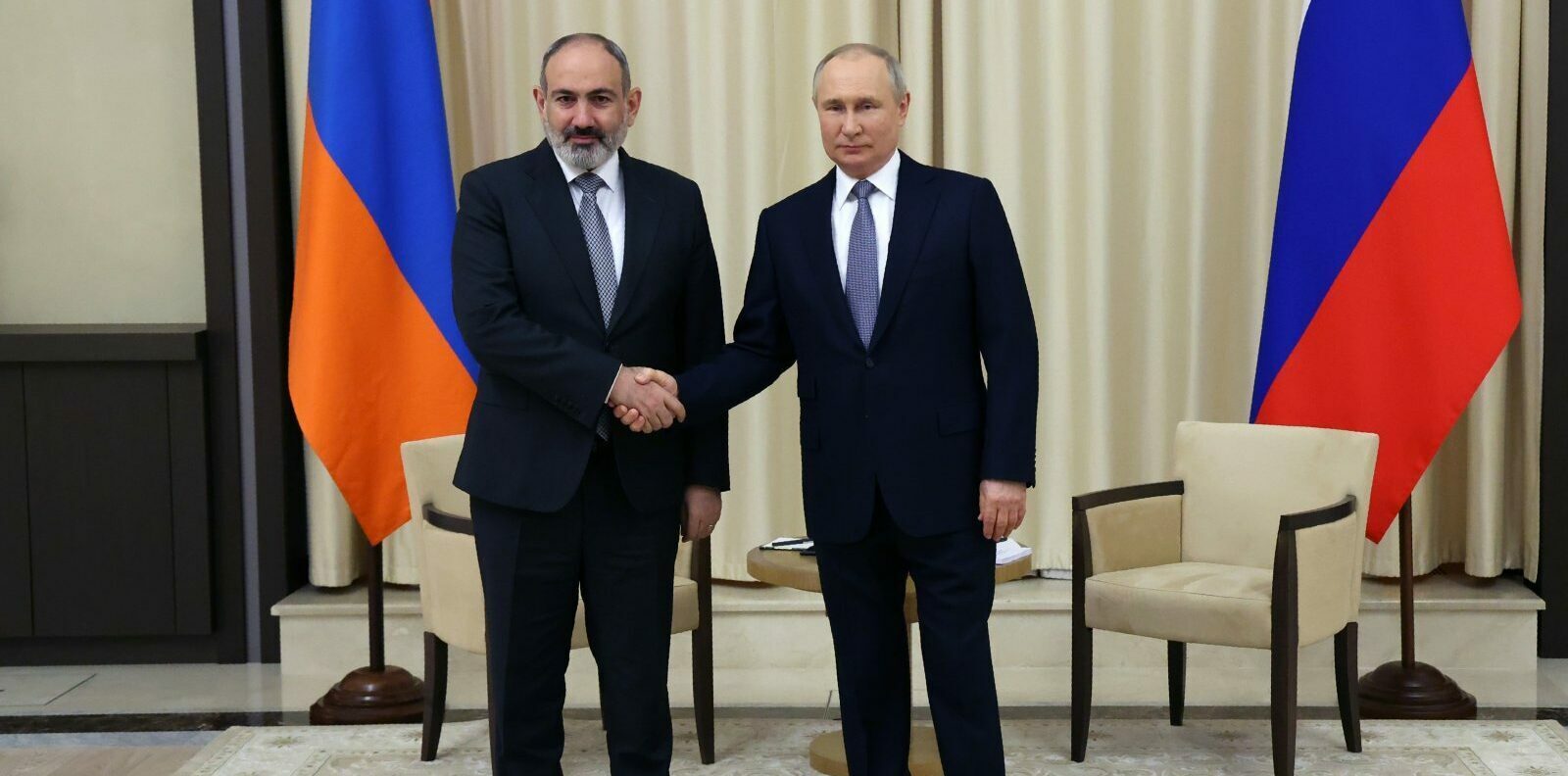
Despite significant tensions between Moscow and Yerevan in recent years, triggered by the pro-Western policies of Pashinyan's government, Armenia has become a key channel for exporting Russian gold.