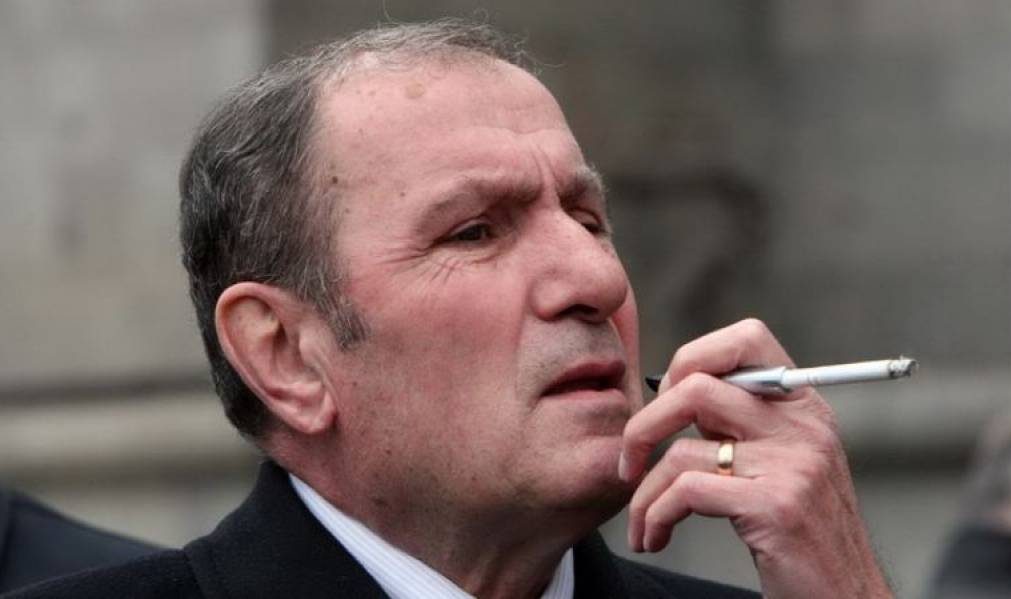
As we can see, the first president of Armenia admits that the expulsion of Azerbaijanis was part of the policy of Armenian nationalists who had territorial claims against Azerbaijan.

As we can see, the first president of Armenia admits that the expulsion of Azerbaijanis was part of the policy of Armenian nationalists who had territorial claims against Azerbaijan.
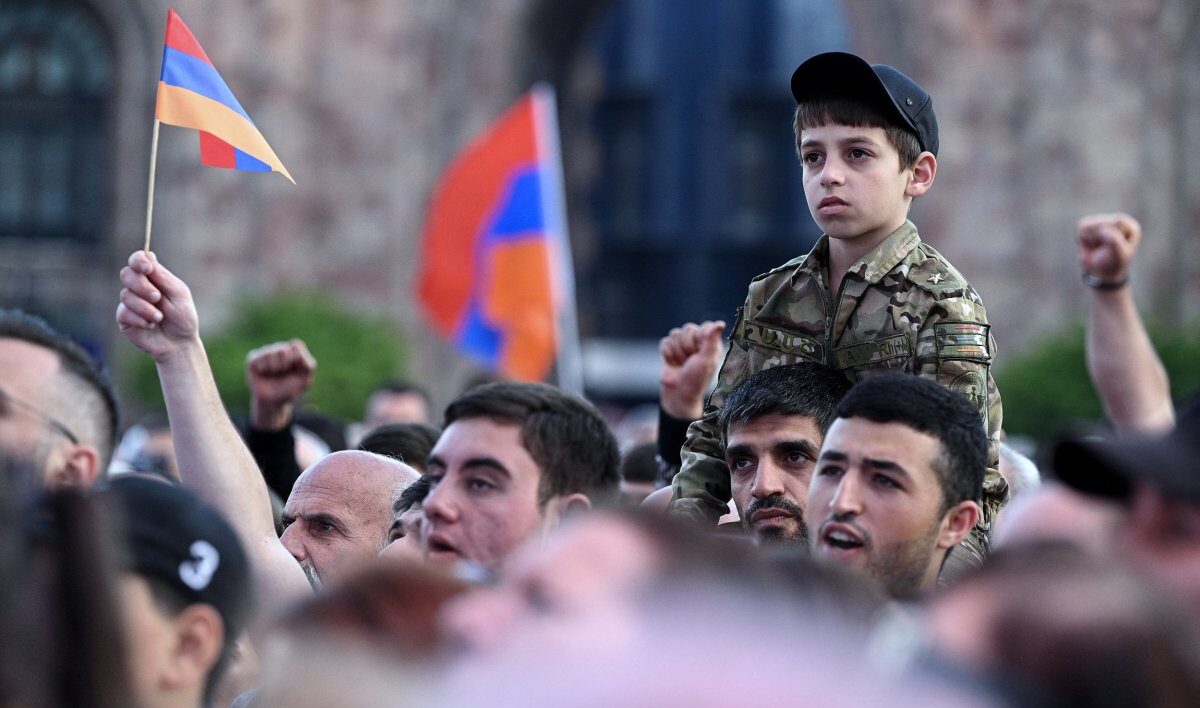
Excessive ambition demands readiness for losses and sacrifices—a logic proven by experience. When a whirlwind of extreme nationalism swept through Armenia, the minds of radicals became clouded, leading them to believe they were omnipotent.
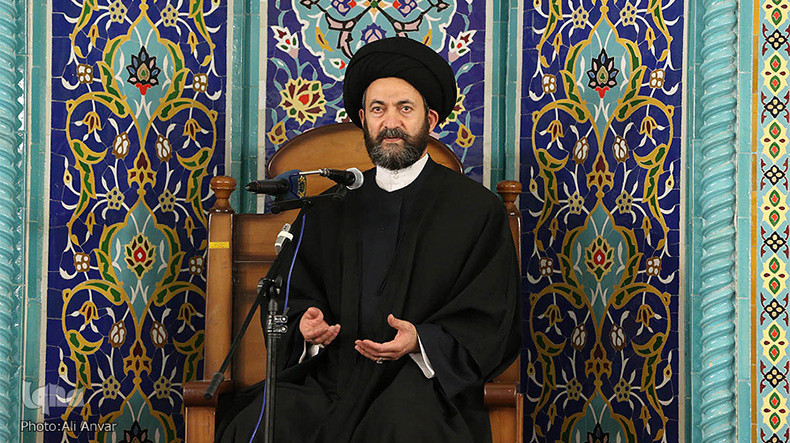
The Iranian "mullocracy" has once again lost its grip. On December 29, near the end of the year, a religious-political ceremony took place in Ardabil, a city in Iranian Azerbaijan.
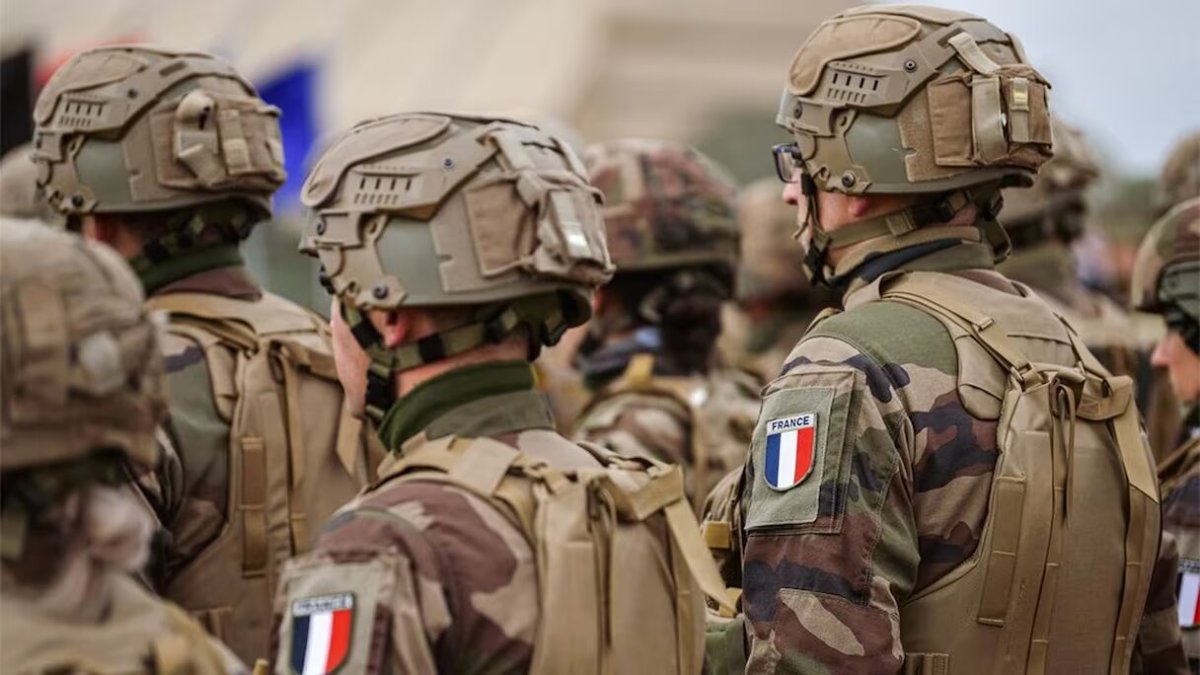
Senegal’s Prime Minister Ousmane Sonko has announced plans to close all foreign military bases in the country in the near future.
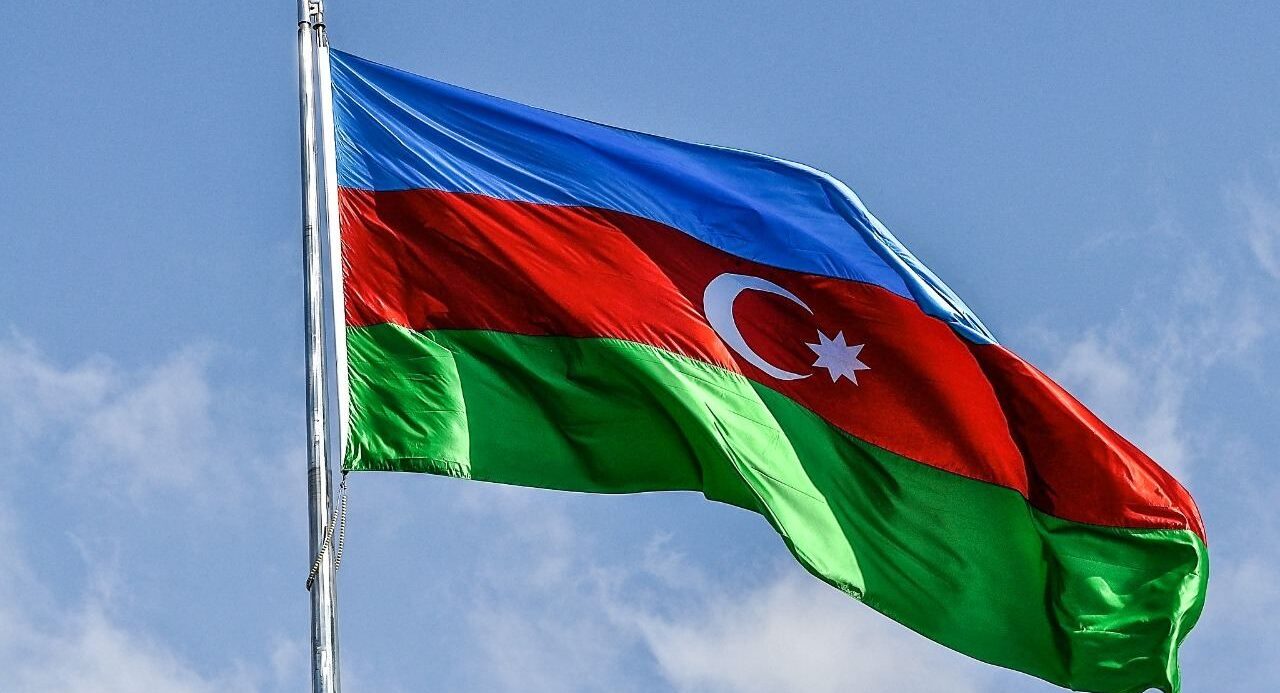
We have grown accustomed to the fact that any speech or interview by President Ilham Aliyev of Azerbaijan is programmatic in nature, regardless of the audience or language.
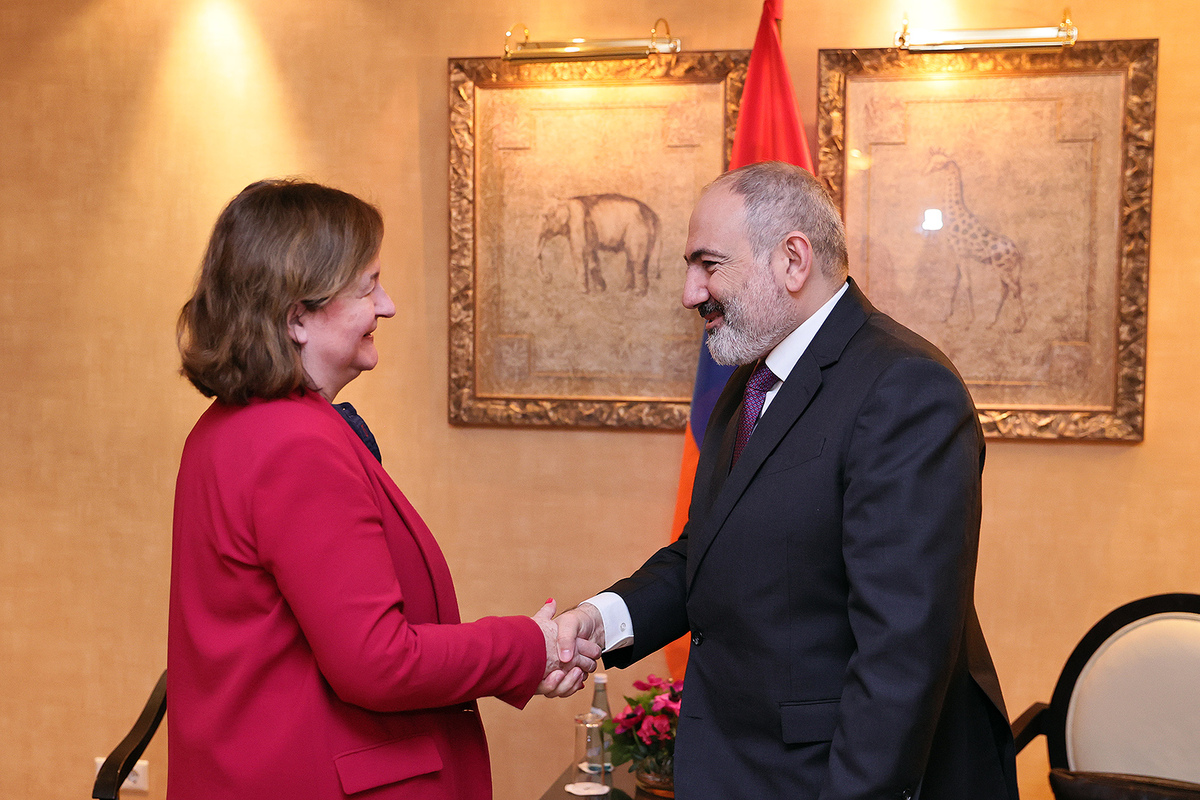
Known for her pro-Armenian stance, French Member of the European Parliament (MEP) Nathalie Loiseau recently made headlines again with anti-Azerbaijani statements in an interview with Armenpress.
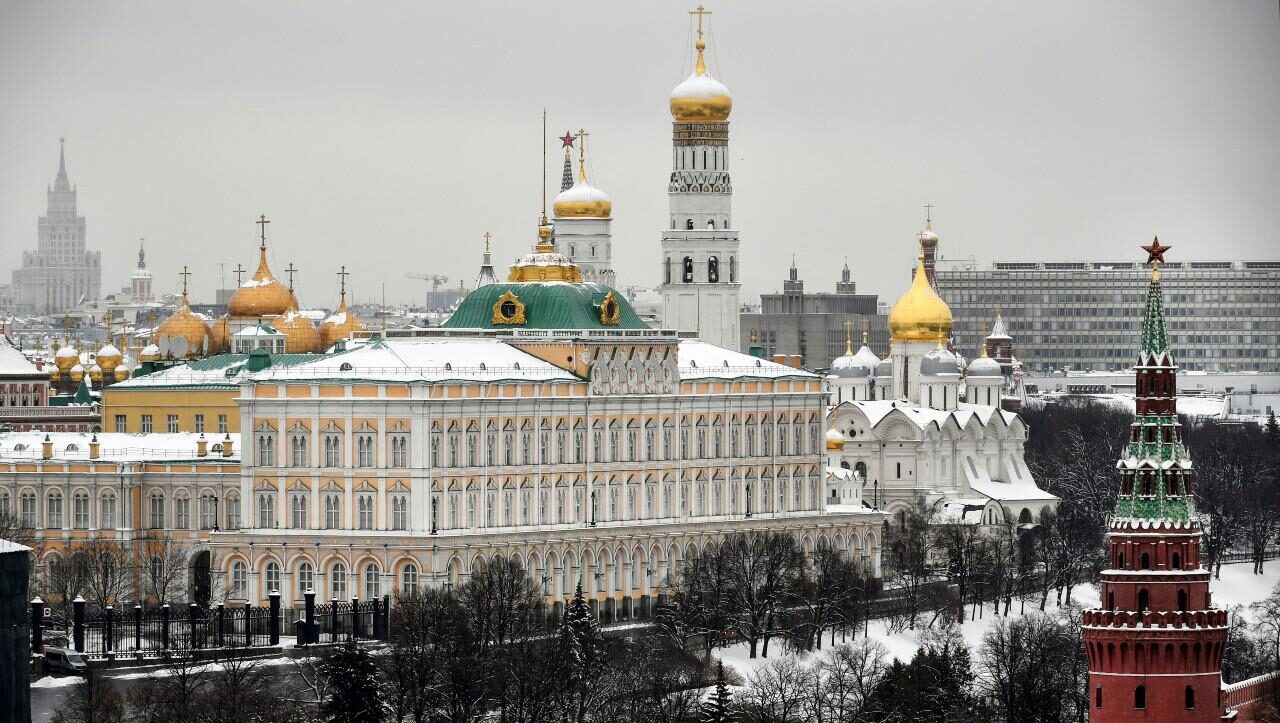
An analysis of the investigation into the crash of flight J28243 AZAL suggests that Russia, and possibly Kazakhstan, are making efforts to conceal the true causes of the tragedy.
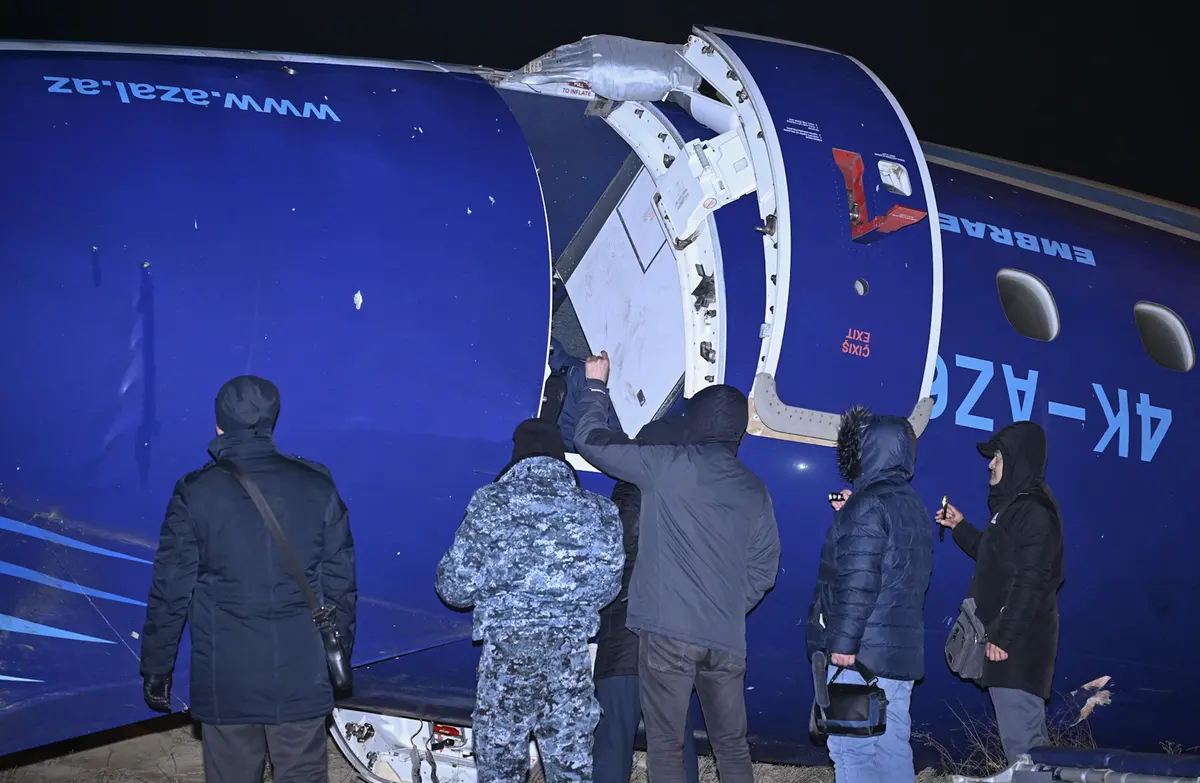
Moscow continues to deny its responsibility for the crash of Azerbaijan Airlines flight J28243 on the Baku–Grozny route.
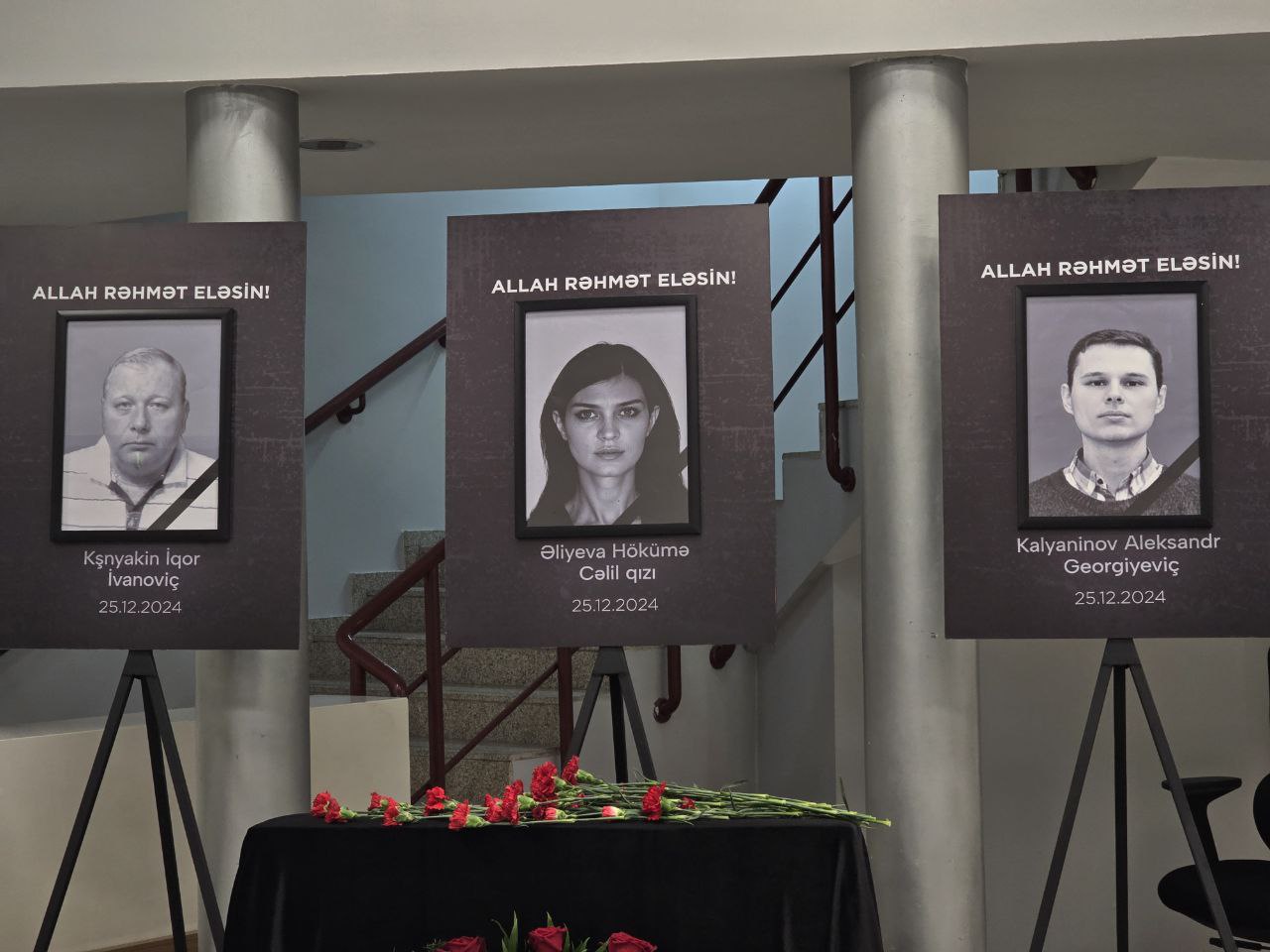
Regardless of what caused the apparent loss of control, what seems quite clear to me is that the pilots of Flight 8243, Captain Igor Kşnyakin and First Officer Aleksandr Kalyaninov, did their best to deal with the problem and deserve respect.
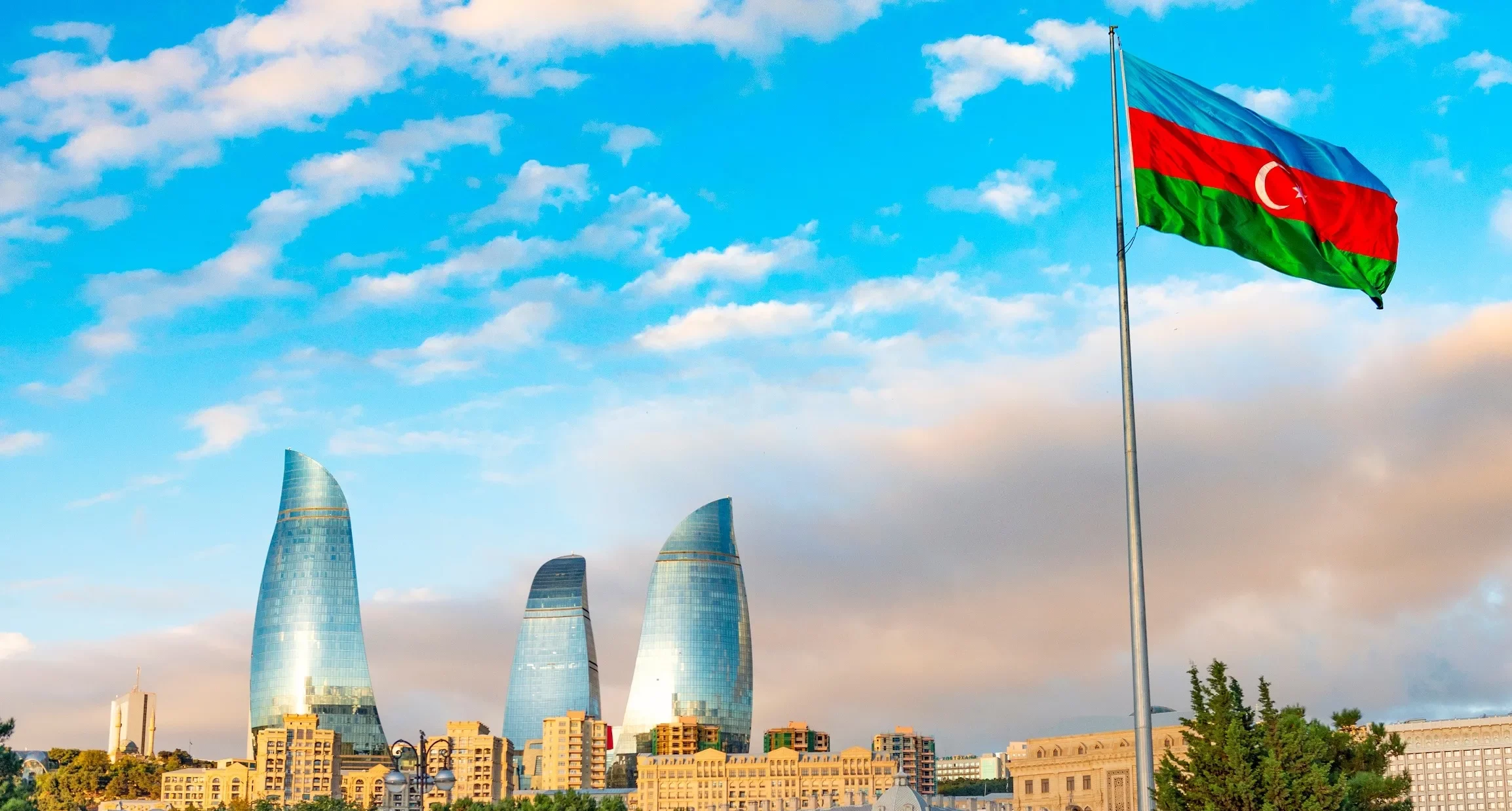
Azerbaijan has significantly strengthened its position on the international stage by resolving its longstanding territorial conflict with Armenia and liberating its occupied lands.
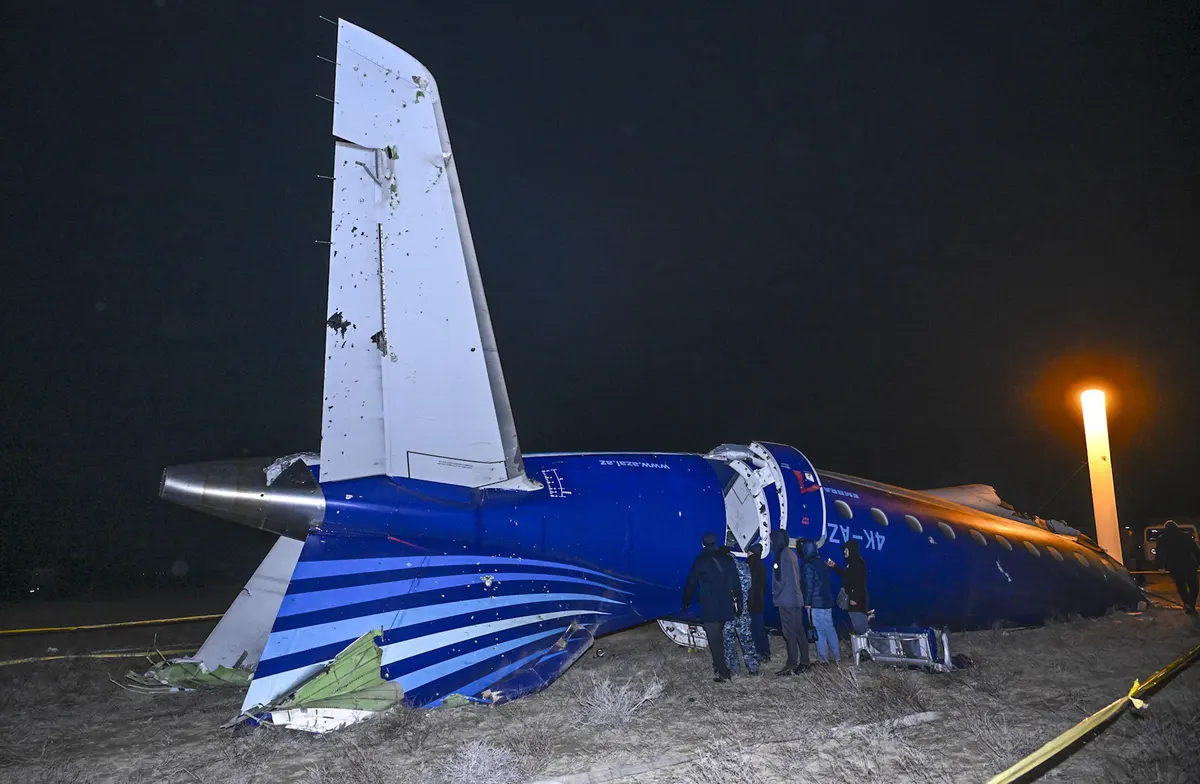
An Azerbaijani civilian aircraft, flight J28243 operated by Azerbaijan Airlines from Baku to Grozny, was reportedly shot down by a Russian anti-aircraft missile—information that is now nearly official.
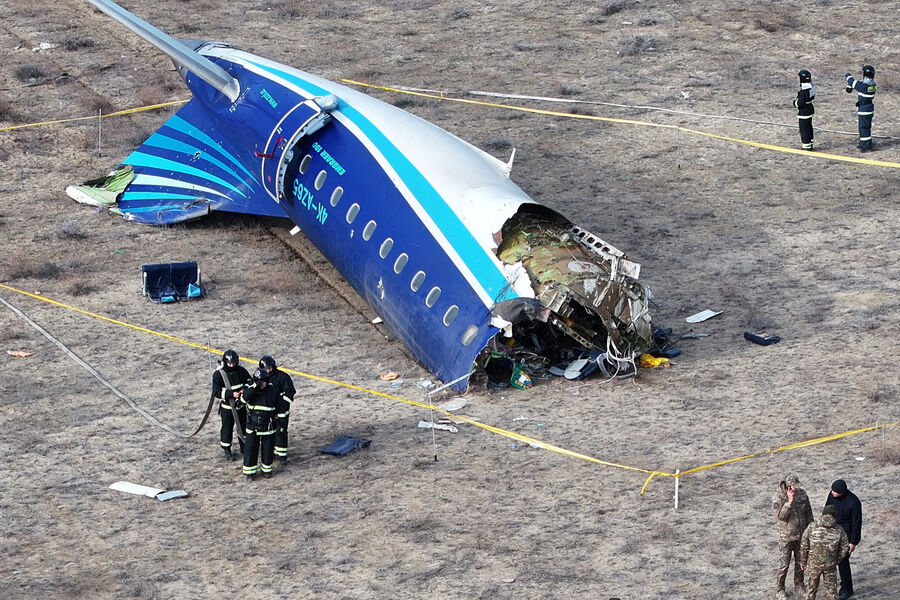
The crash of AZAL flight Baku-Grozny on December 25th serves as a grim reminder that joy and tragedy often stand side by side in life.
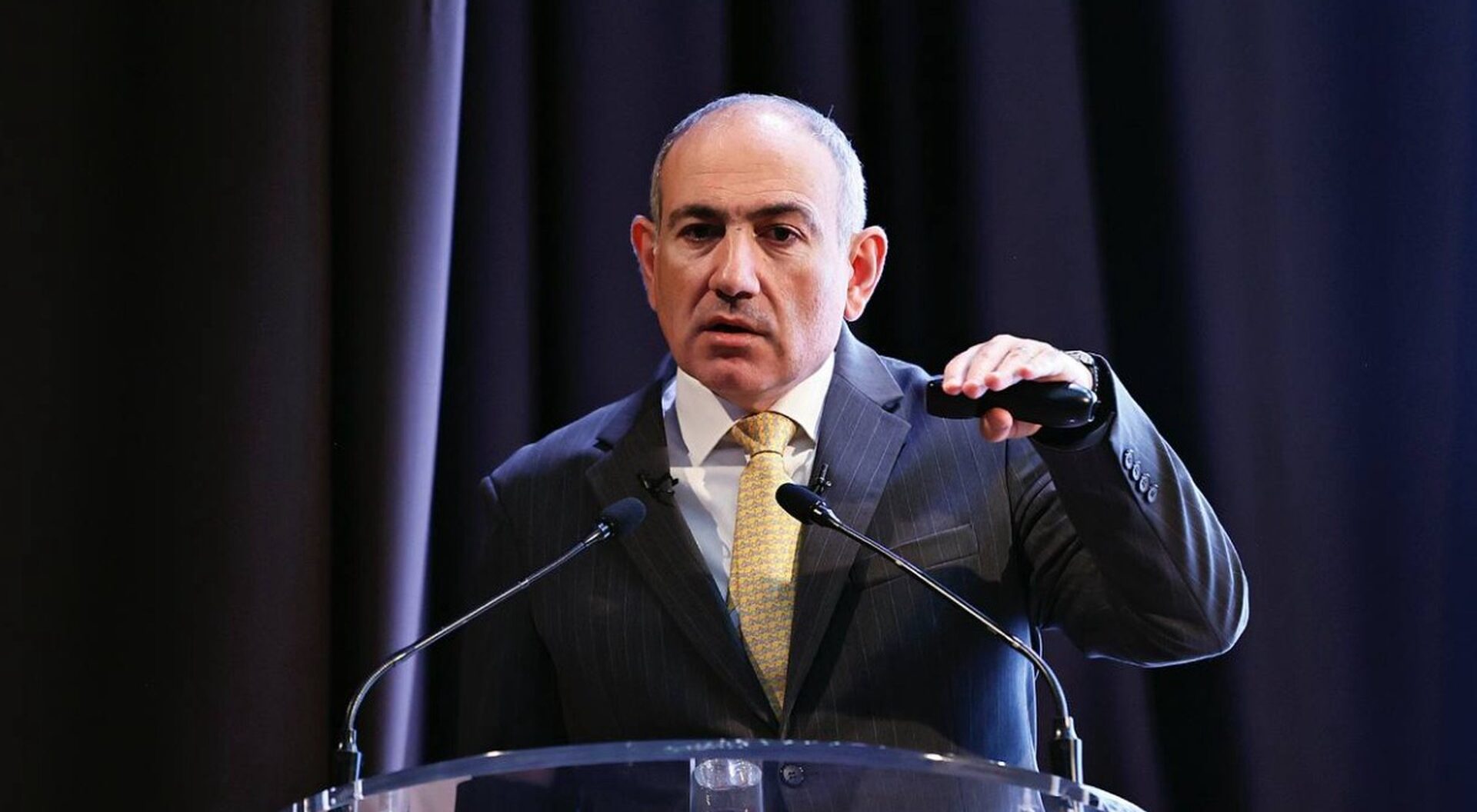
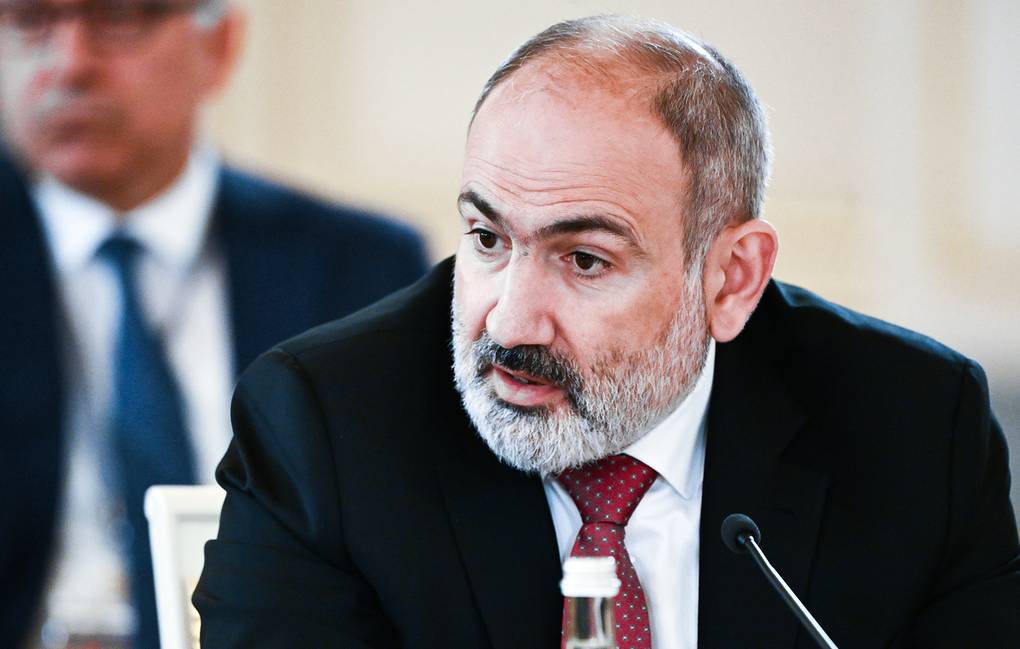
Pashinyan's recent revelations spark controversy, raising questions about trust, peace talks, and political accountability in the Armenia-Azerbaijan conflict.
The Second Karabakh War took place before Russia’s full-scale invasion of Ukraine in 2022. Since then, most of Russia’s army has been heavily committed to the Kremlin’s war against Ukraine and has not had the resources to assist either Armenia or Syria.
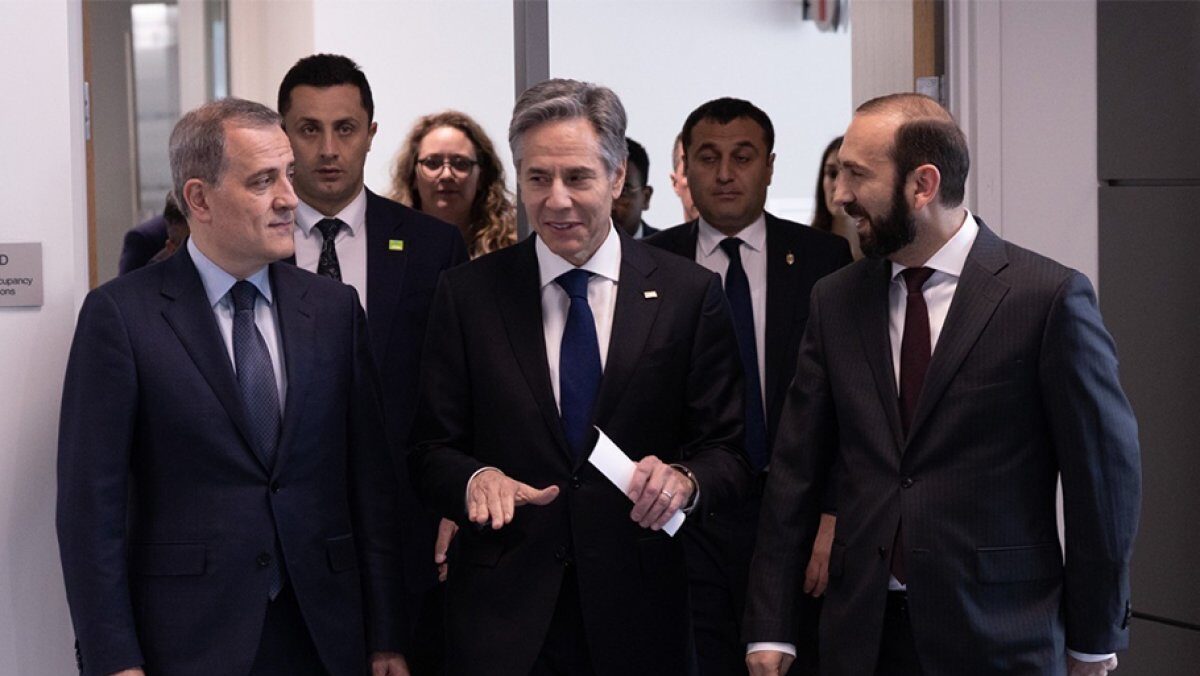
The Biden administration prioritized achieving peace between Azerbaijan and Armenia in the South Caucasus as part of its broader strategy to limit Russian influence in the region.
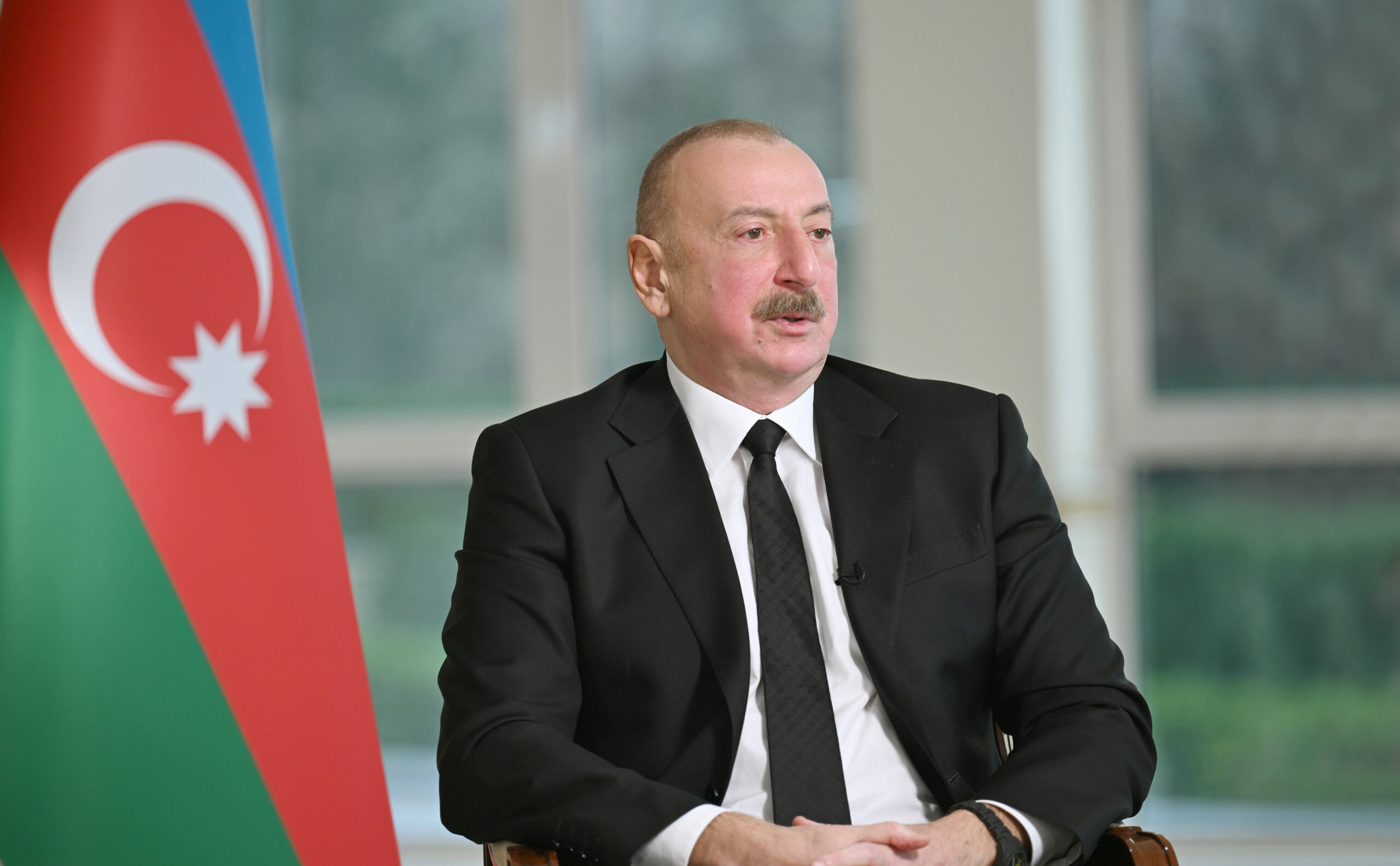
The interview of Azerbaijani President Ilham Aliyev with Russian TV host Dmitry Kiselyov proved to be truly programmatic.
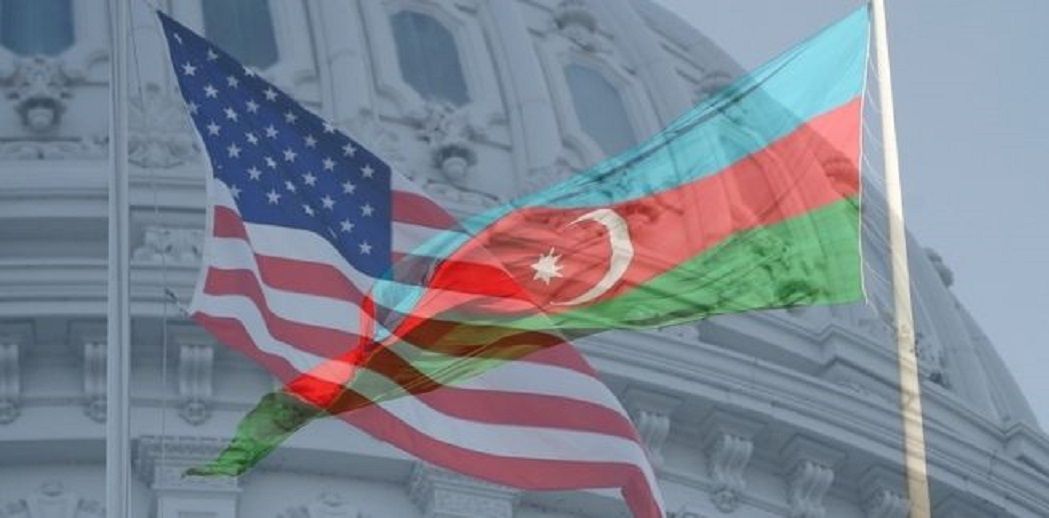
According to American diplomats, "International criticism of the government’s crackdown on free media and civil society is a result of one thing: the government’s crackdown on free media and civil society."
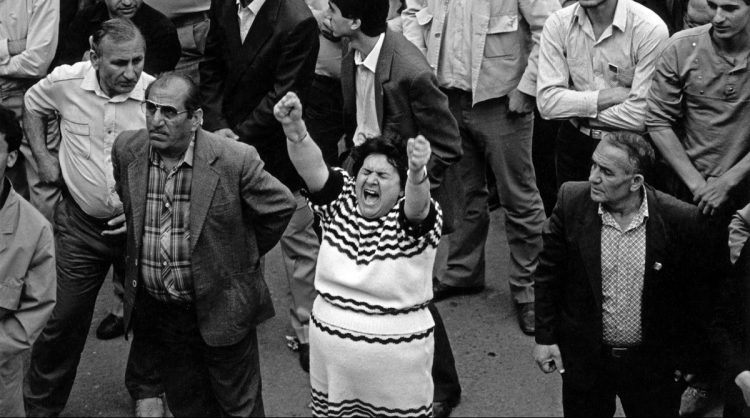
On December 18, on the eve of the anniversary of the death of Garegin Nzhdeh - the founder of Armenian neo-Nazism - members of the neo-Nazi political movement "Hosank" plan to hold a press conference in downtown Yerevan.
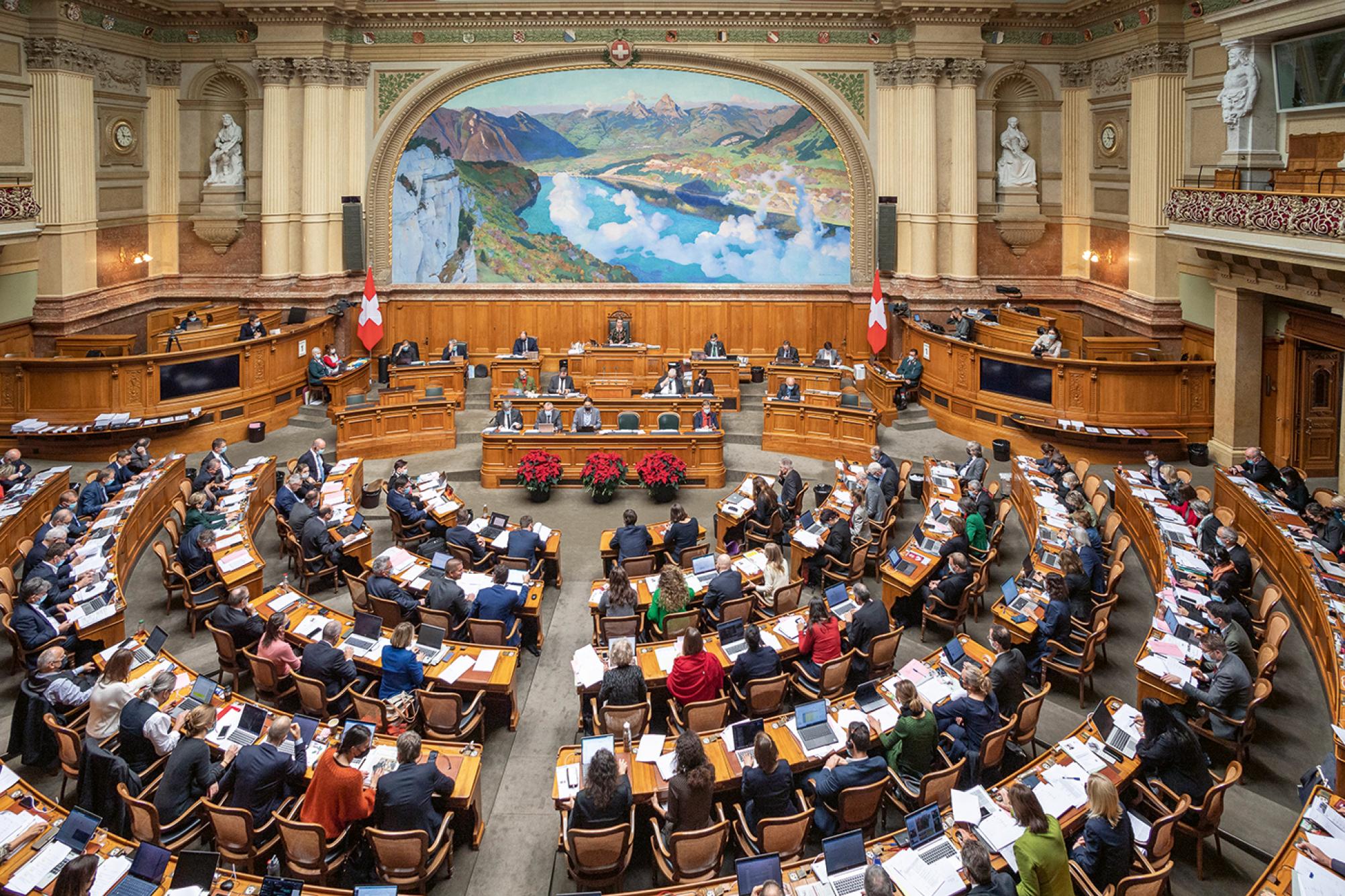
The Armenian "unofficial diplomacy" has suffered another defeat. Swiss Foreign Minister Ignazio Cassis rejected a proposal by MPs to convene an international conference on Karabakh.
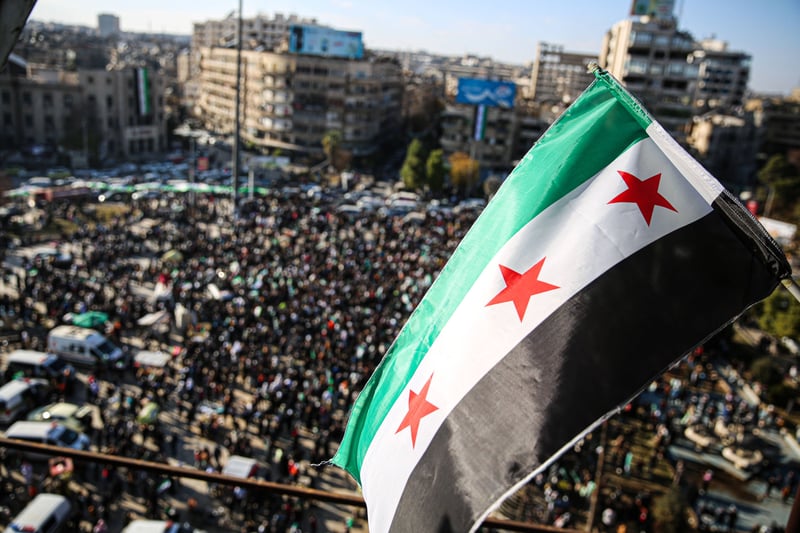
The specifics of potential humanitarian collaboration remain unclear. However, Azerbaijan’s expertise may soon prove valuable in Syria.
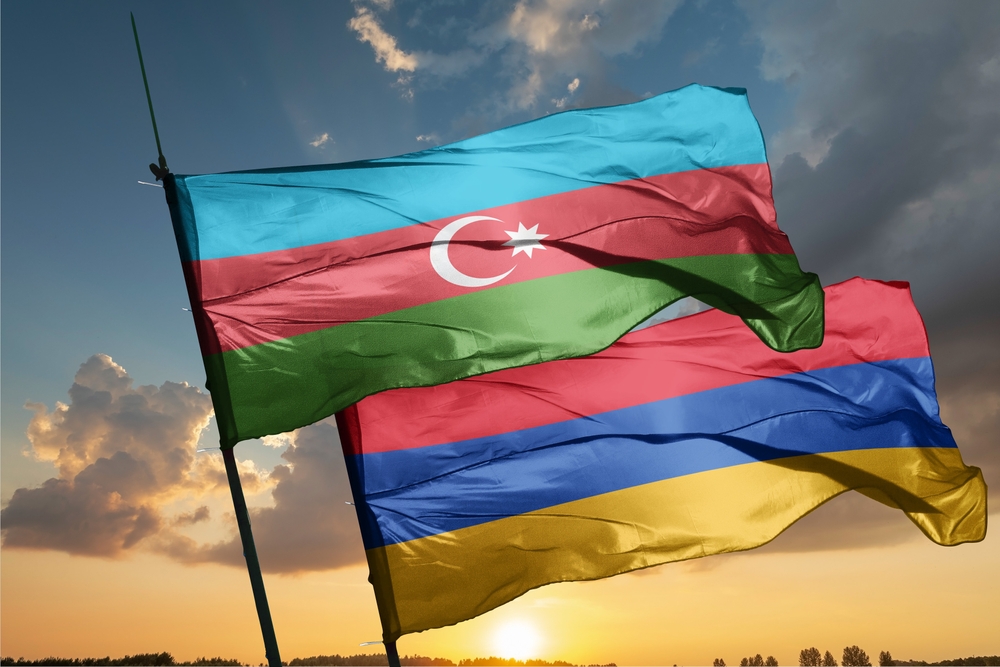
The decision of the Constitutional Court has made a referendum on the constitutional change the only way to remove the territorial claims from the document.
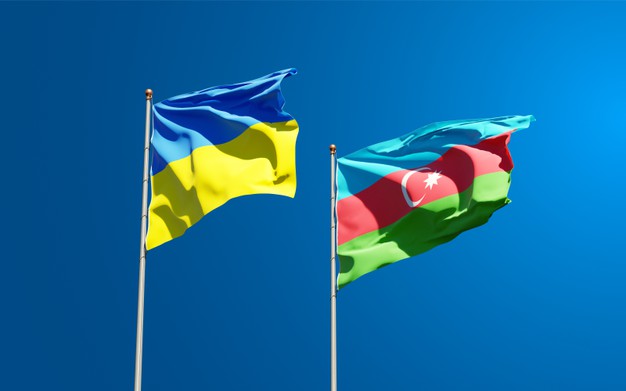
The war in Ukraine is entering another phase, where ceasefire negotiations could become possible. U.S. President-elect Trump has already met with Ukraine's president, and his representatives have held discussions with Ukraine’s leadership.
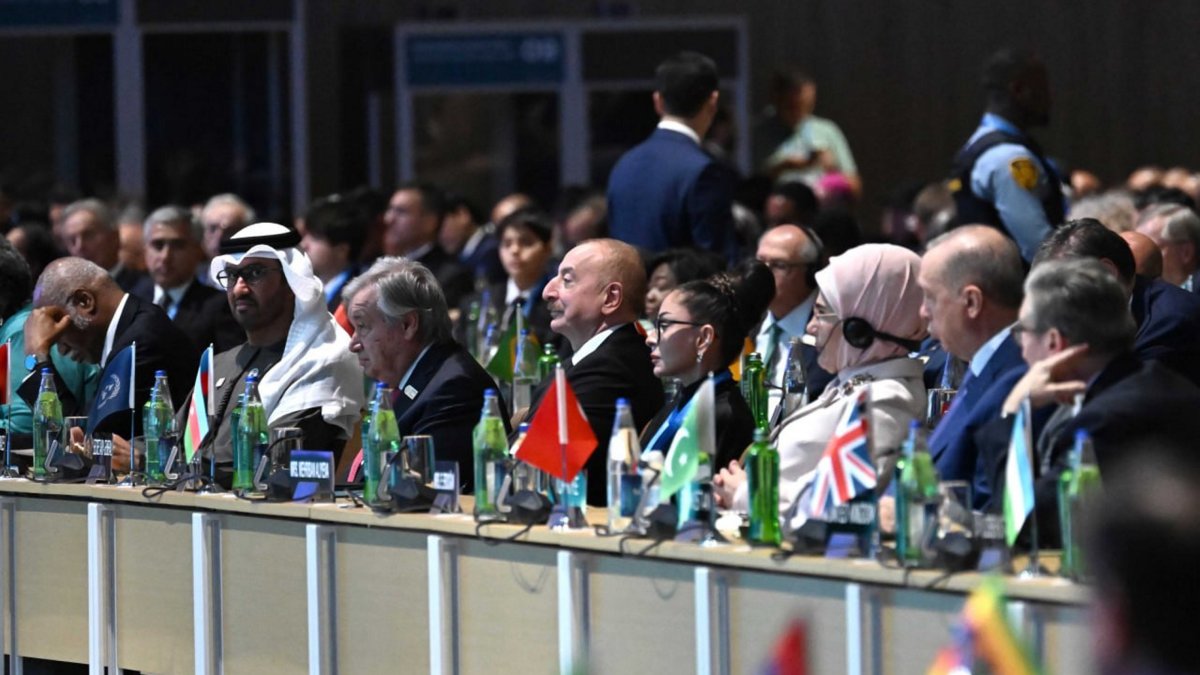
Azerbaijan and Türkiye continue to expand their green energy ties, aiming to boost renewable power exports to Europe.
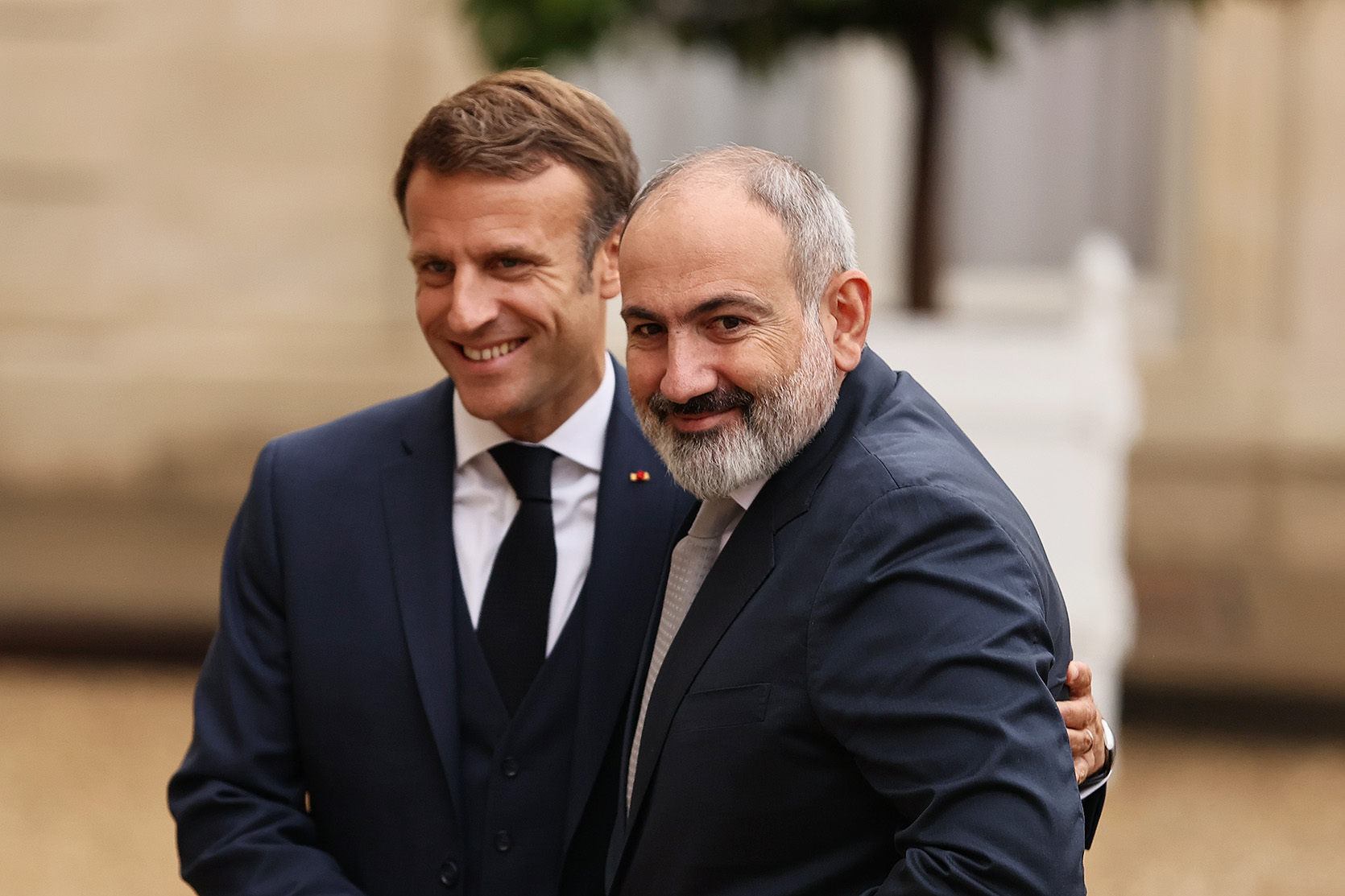
Betrayal can manifest in various forms, including at the highest levels of statecraft. Leaks of sensitive information, transfers of strategic goods to hostile nations, and voting patterns in international forums are just a few examples.