Pressure campaigns with a blackmail undertone against Baku have reached their peak. The United States and the European Union (EU) are intensifying their negative PR campaigns against Azerbaijan daily.

Pressure campaigns with a blackmail undertone against Baku have reached their peak. The United States and the European Union (EU) are intensifying their negative PR campaigns against Azerbaijan daily.
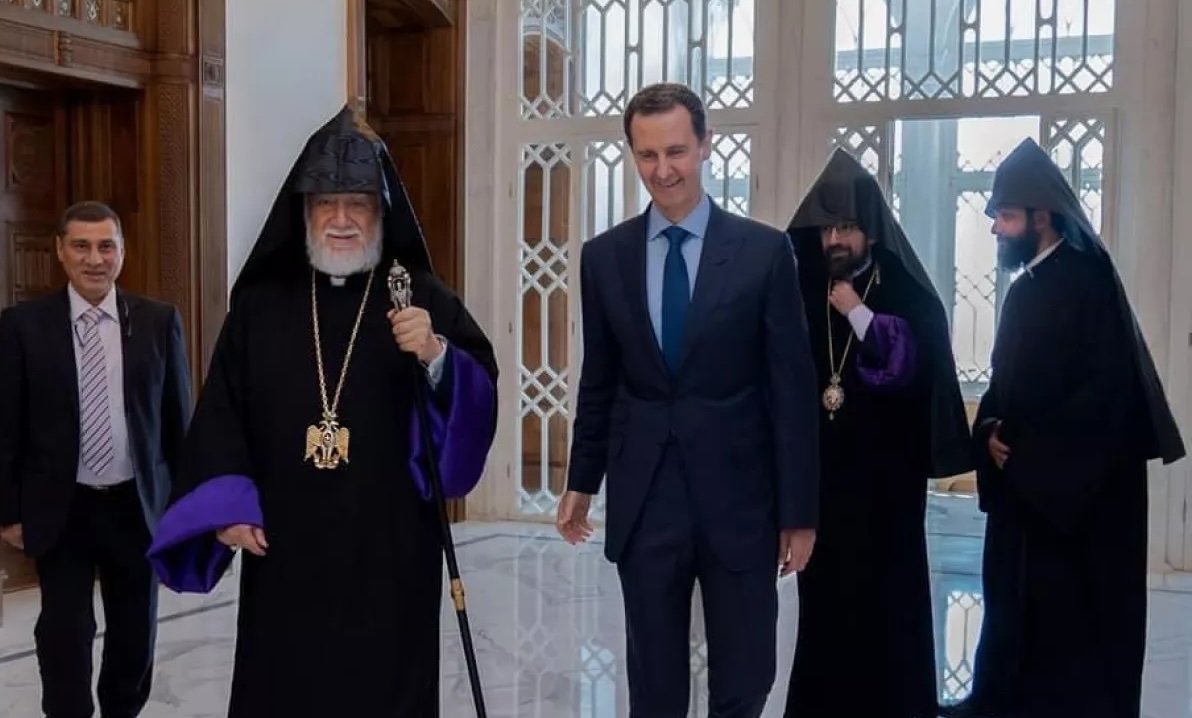
The radical and rapid change of power in Syria, the flight of longtime president Bashar al-Assad with his family, and the unexpectedly swift collapse of the Syrian army—these are all topics that continue to dominate the leading global media outlets.
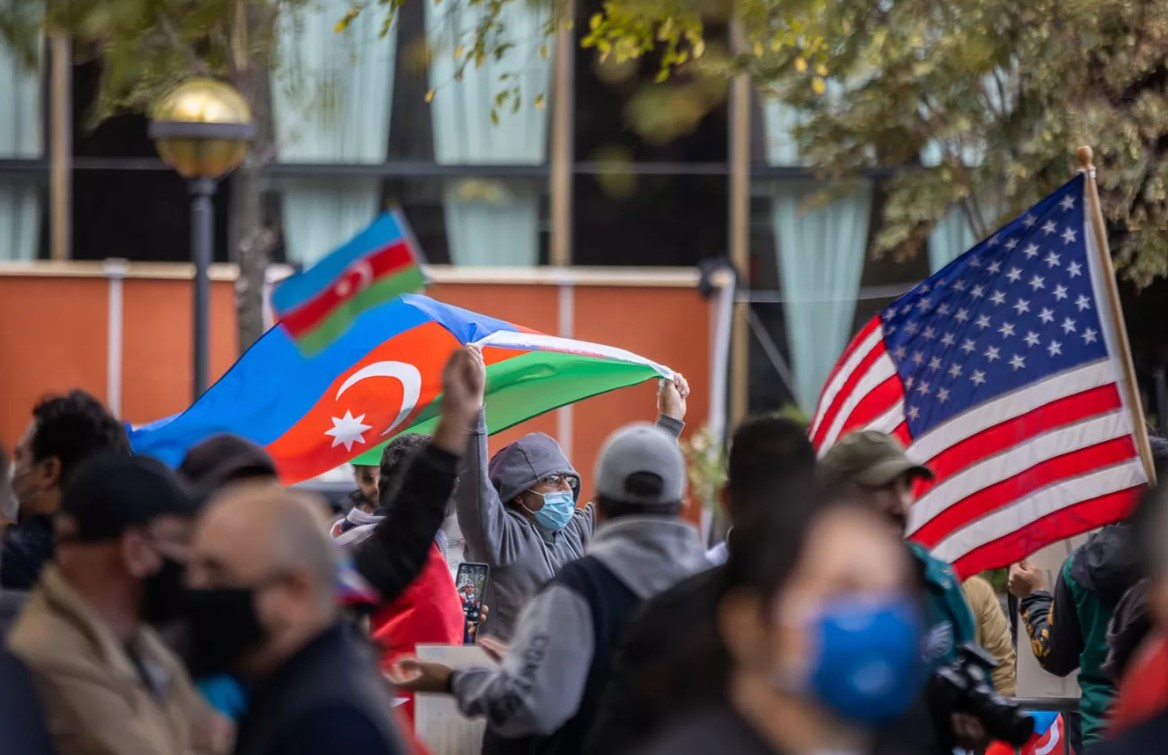
The outgoing year has been marked by numerous vivid events. Admittedly, most of them have been far from joyous, and some have not made us happier at all. But as our "friends" from distant yet oft-cited France like to say, c’est la vie — that's life, and there’s little one can do about it.
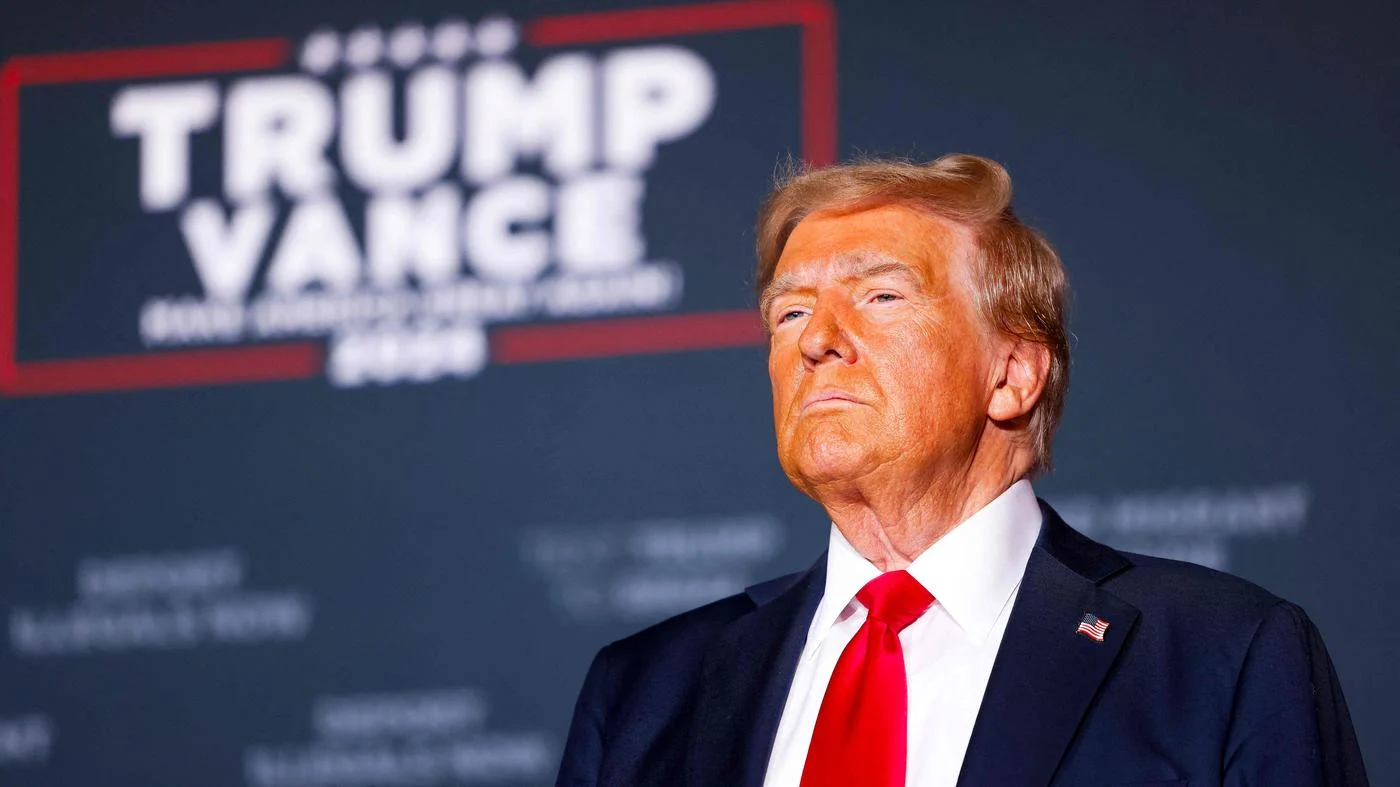
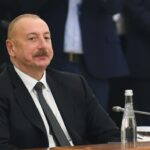
In July of this year, Azerbaijan’s President Ilham Aliyev voiced his frustration with the challenges in United States - Azerbaijan relations, criticizing the Biden administration for making what he described as “unrealistic demands” from Azerbaijan.

Another round of arrests has taken place in Azerbaijan, and it’s sure to be framed as a crackdown on “freedom of speech” and the like.
French public figures, inexplicably obsessed with Azerbaijan’s real and imagined problems, have once again tuned into their favorite venomous rhetoric.
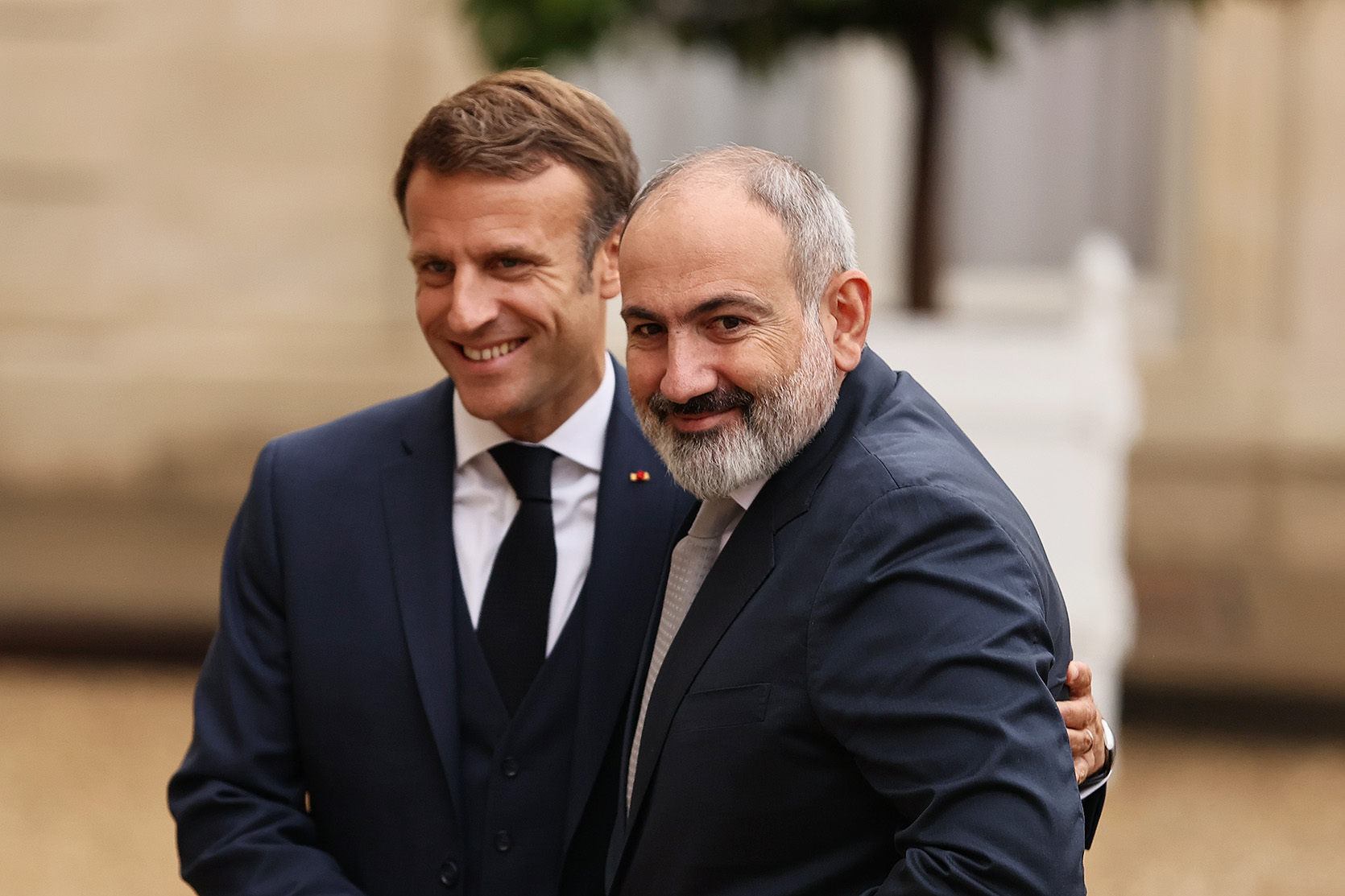
France, by providing military supplies to Yerevan, is encouraging Armenian revanchism.
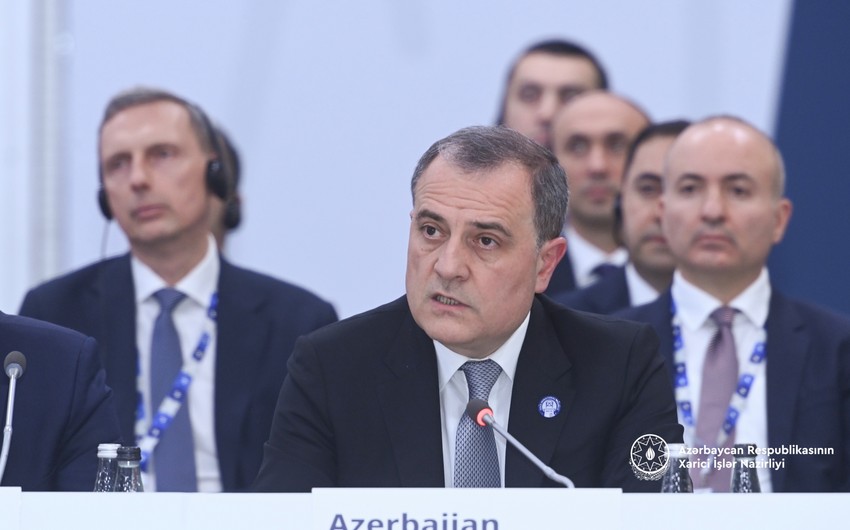
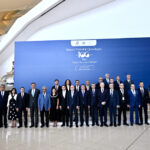
The tectonic geopolitical shifts in the Middle East, highlighted by the overthrow of the dictator Bashar al-Assad, have overshadowed the meeting of the Council of Ministers of Foreign Affairs of the Organization for Security and Co-operation in Europe (OSCE).
Diplomatic posts from French ambassador highlight growing Paris-Tehran ties amid regional tensions.
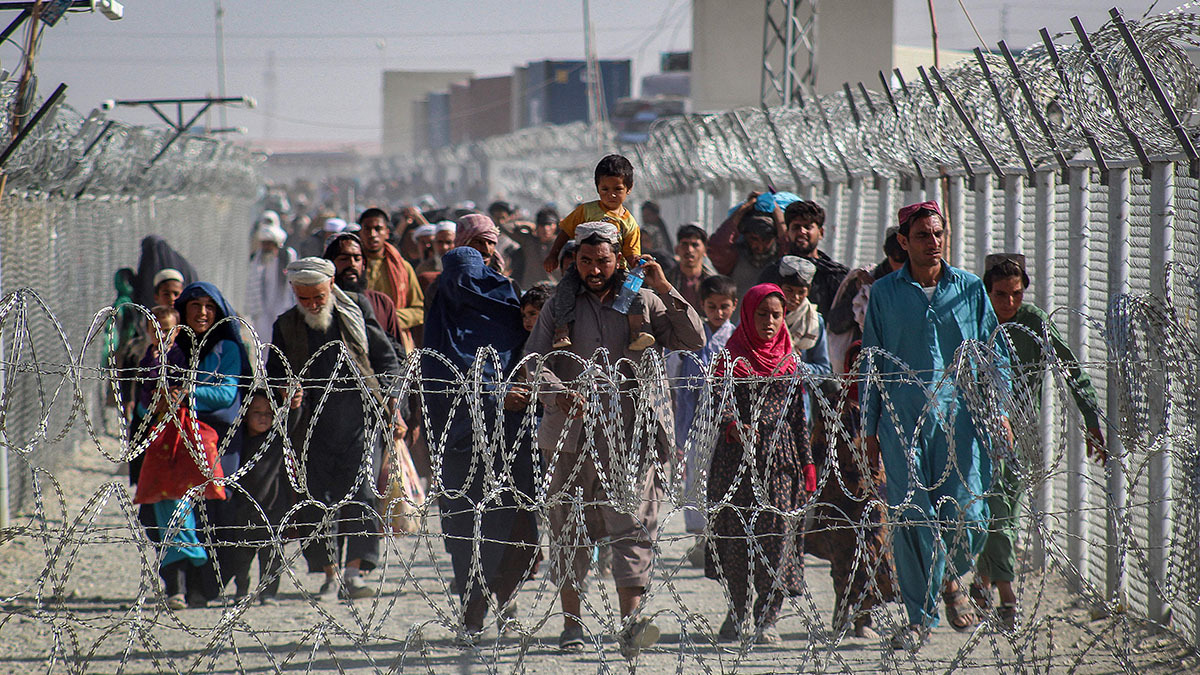
Afghan citizen Fawzan Mosa Khan, sentenced to 10 years in prison for planning terrorist activities on the territory of Azerbaijan, and his lawyer have filed an appeal with the higher court based on the decision of the Baku Court of Grave Crimes.
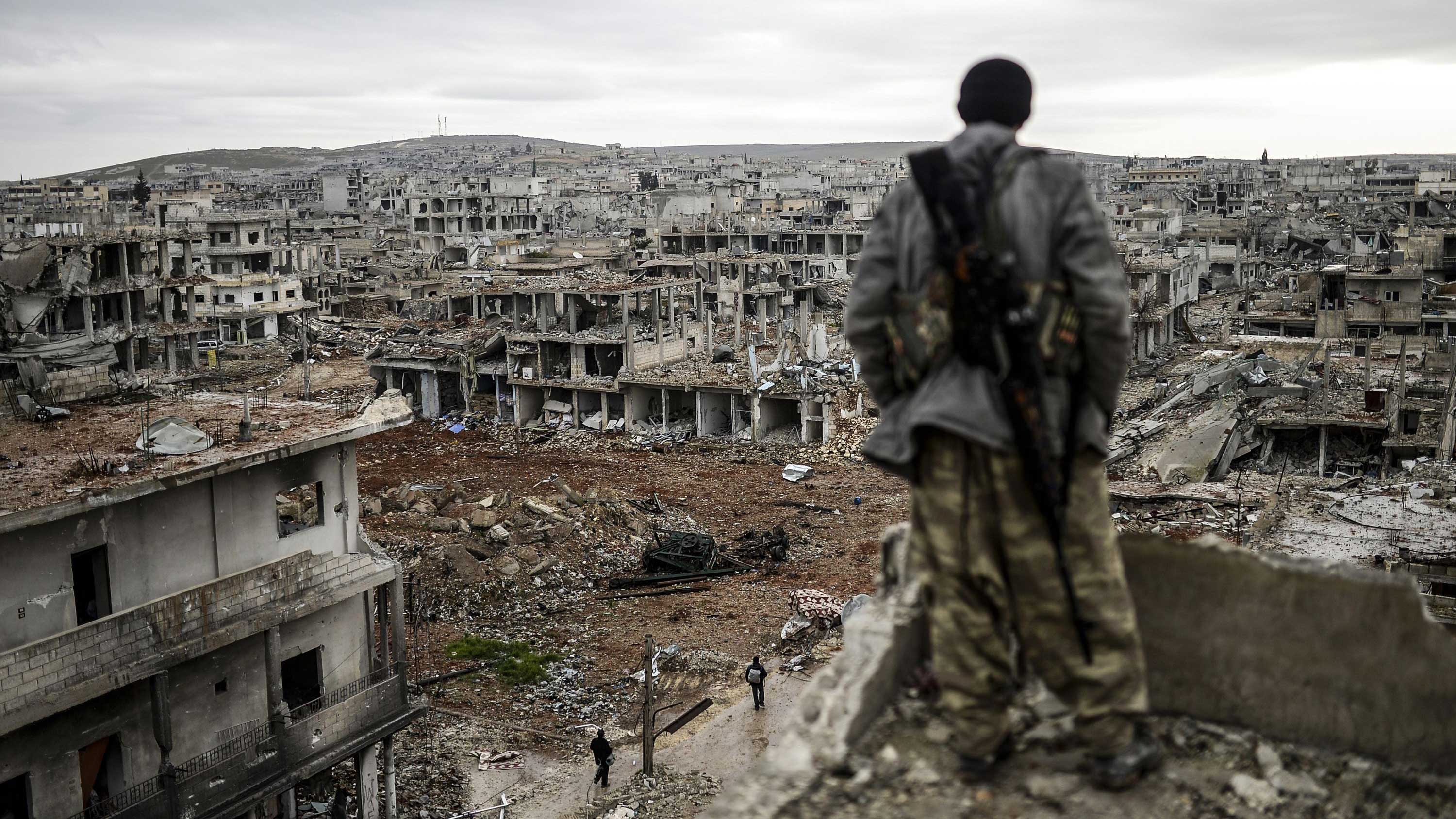
The military confrontation in Syria is spreading at an incredible speed and involves ever new territories.
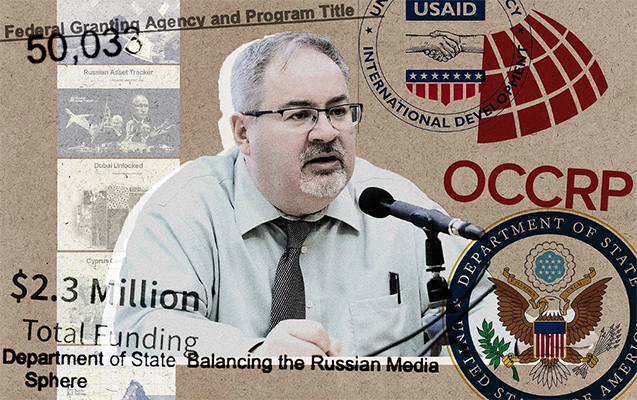
Interestingly, OCCRP’s main sponsors include the Soros Foundation, USAID, and the U.S. National Endowment for Democracy.
When Egypt and Israel moved towards peace in 1979 there were tangible benefits for both sides, particularly the former. Egypt has received substantial aid from the US, amounting to $1.3 billion in U.S. military aid and $250 million in economic assistance each year. Since 1979, Egypt has received $69 billion compared to $98 billion for Israel, becoming the two largest recipients of U.S. foreign aid.
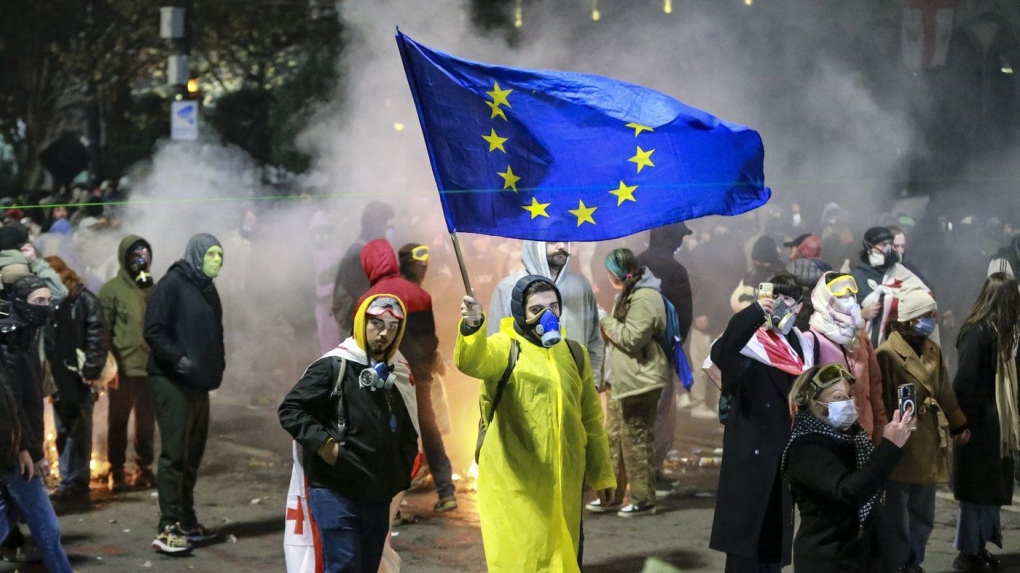
Georgia continues to be shaken by protests. The country's intelligence services have announced the prevention of a coup aimed at seizing power.
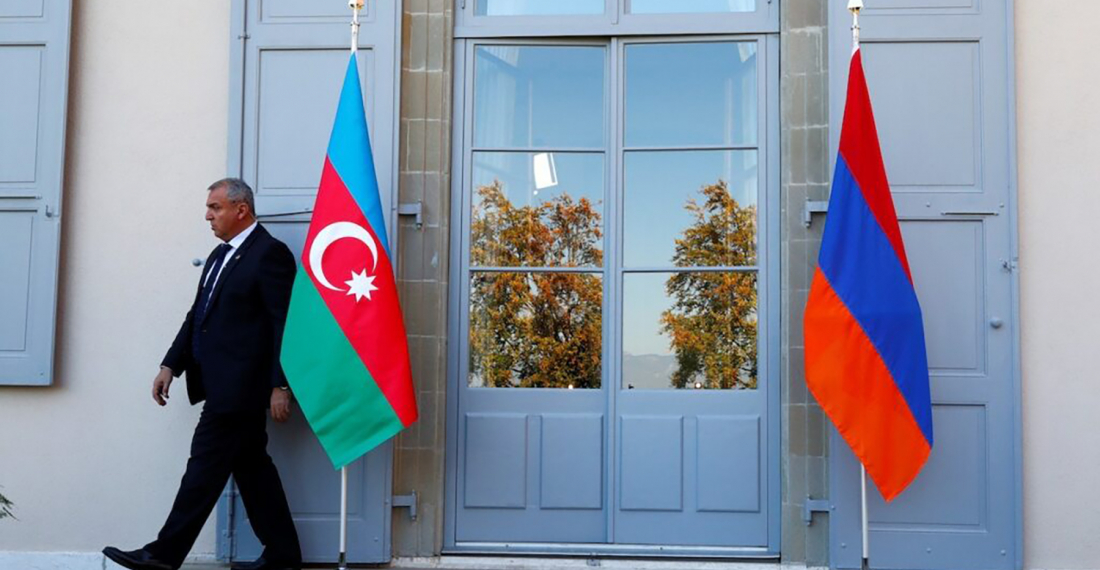
The recent BRICS summit held on 22-24 October in the Russian city of Kazan, featured the first talks in the last few months between the Azerbaijani and Armenian leadership.
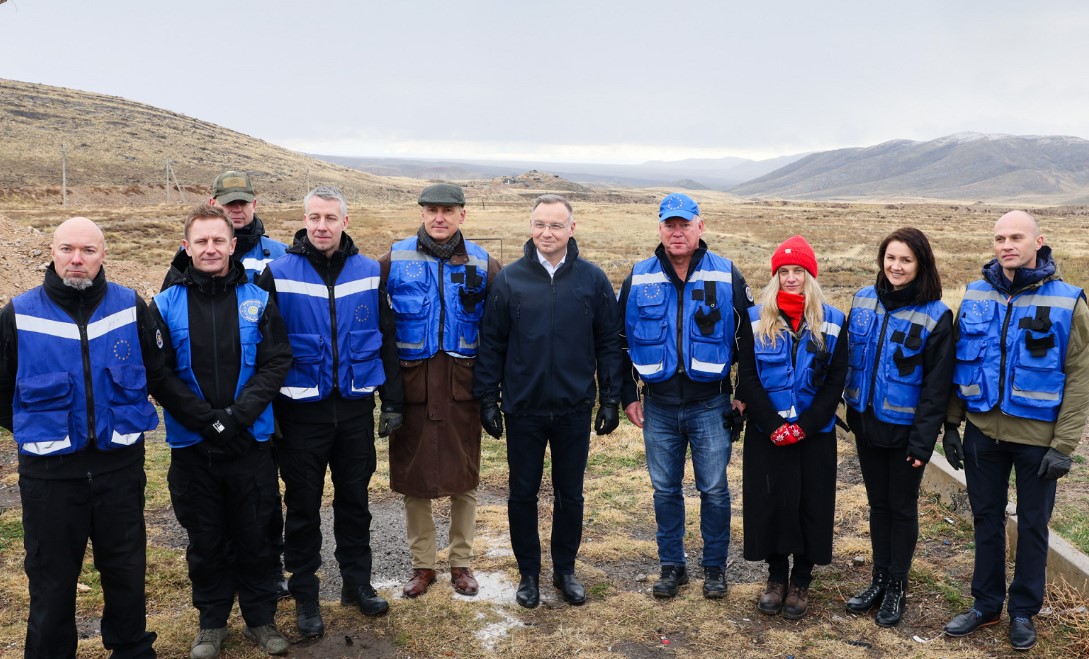
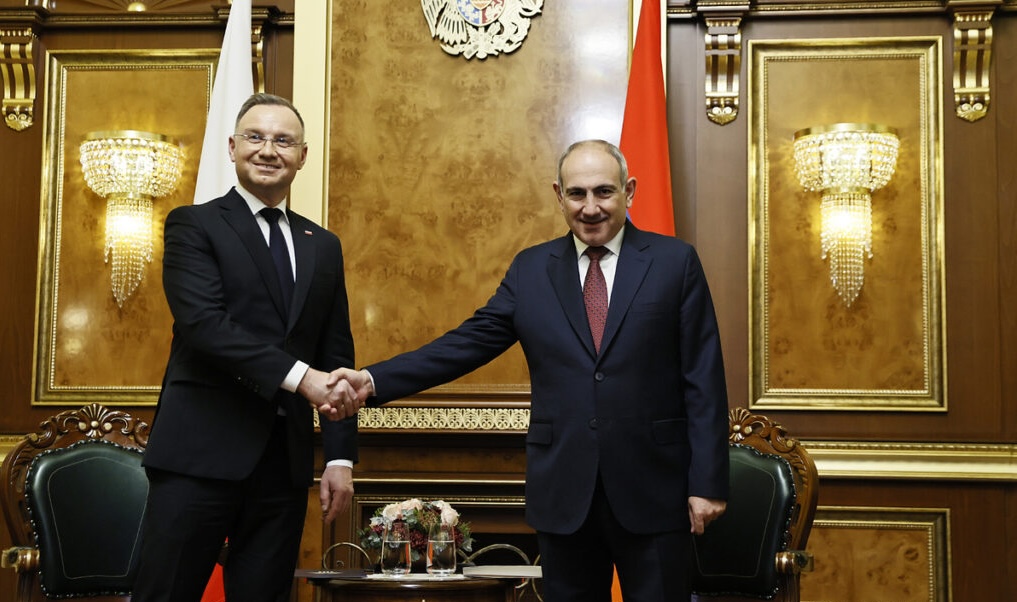
In diplomacy, details often determine the outcome — and the scandal surrounding Polish President Andrzej Duda's visit to Armenia serves as a vivid example of this principle.
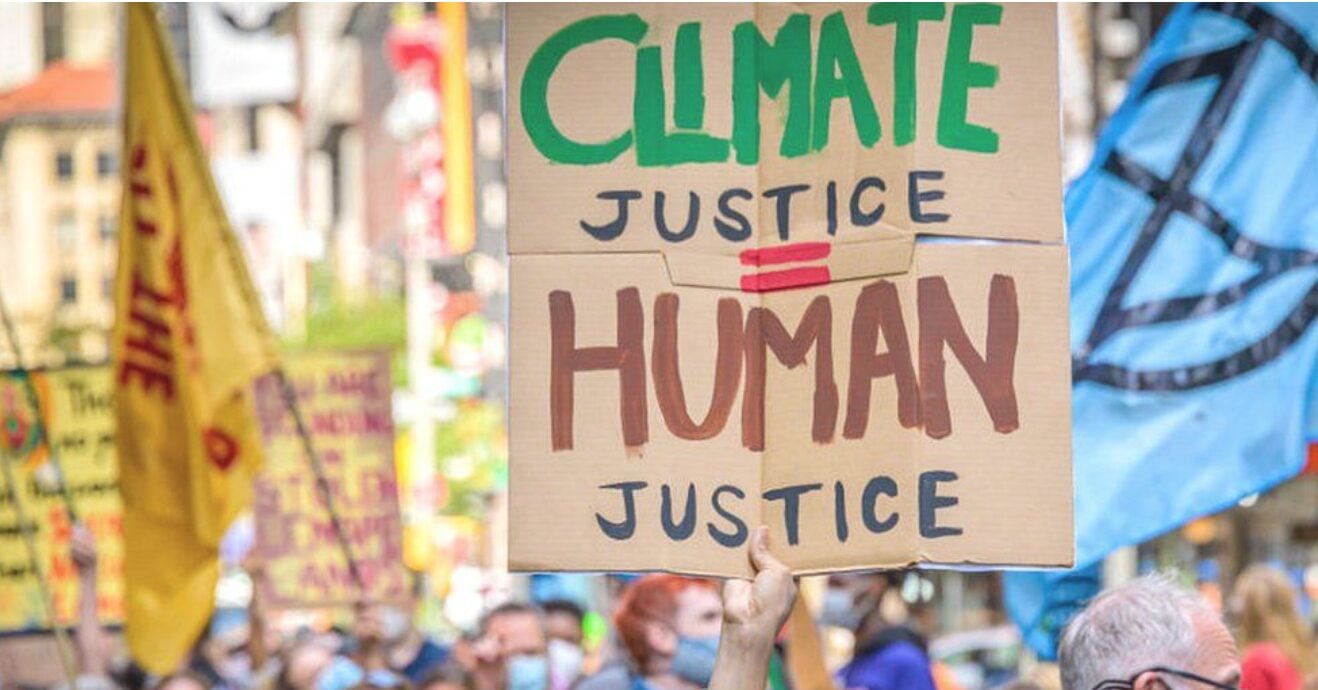
As we speak, millions of people who live in the Global South are experiencing the harsh reality of climate change, even though it was the Global North who disproportionately caused the problem.
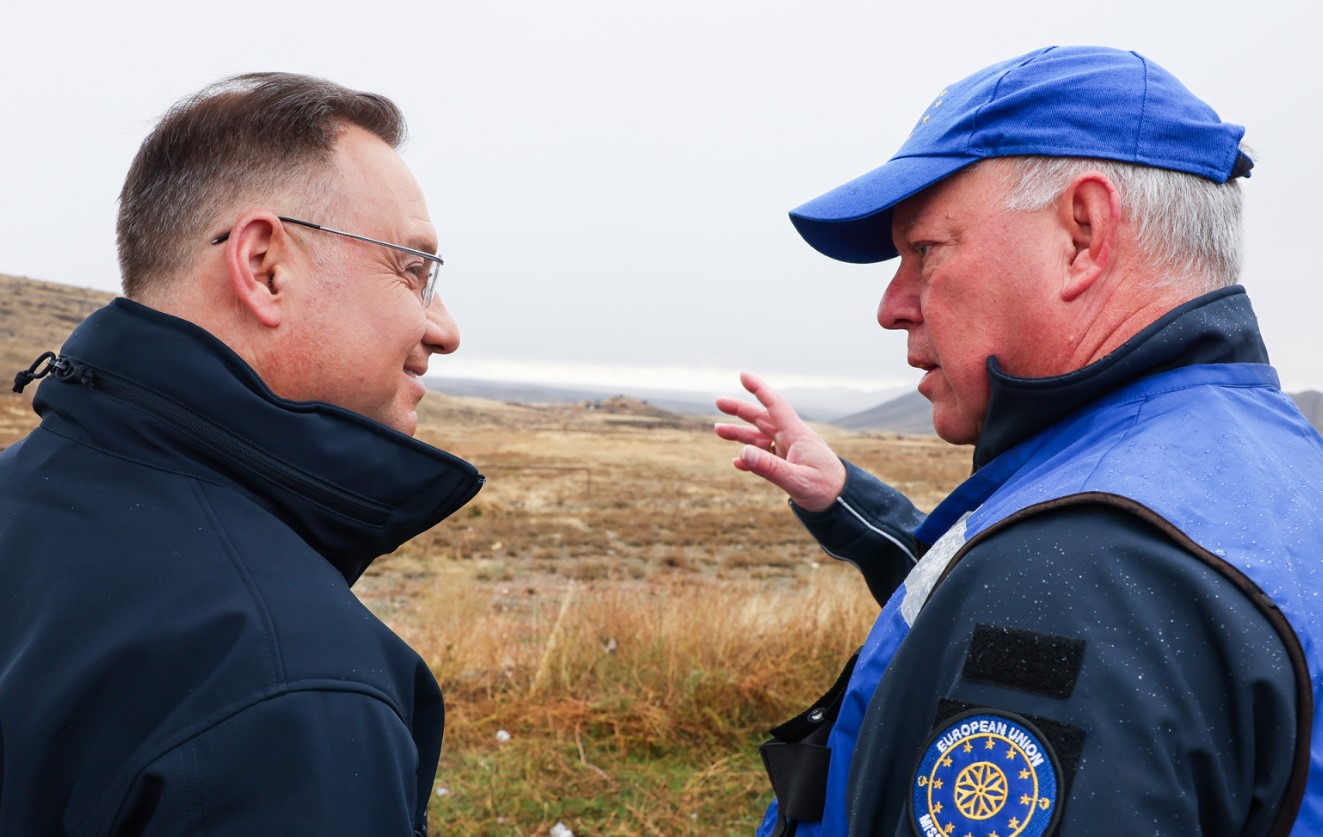
The fact that Polish President Andrzej Duda participated in the binocular show at the Armenia-Azerbaijan border is unflattering in itself, and the reaction of the Azerbaijani side is entirely understandable, logical, and expected.
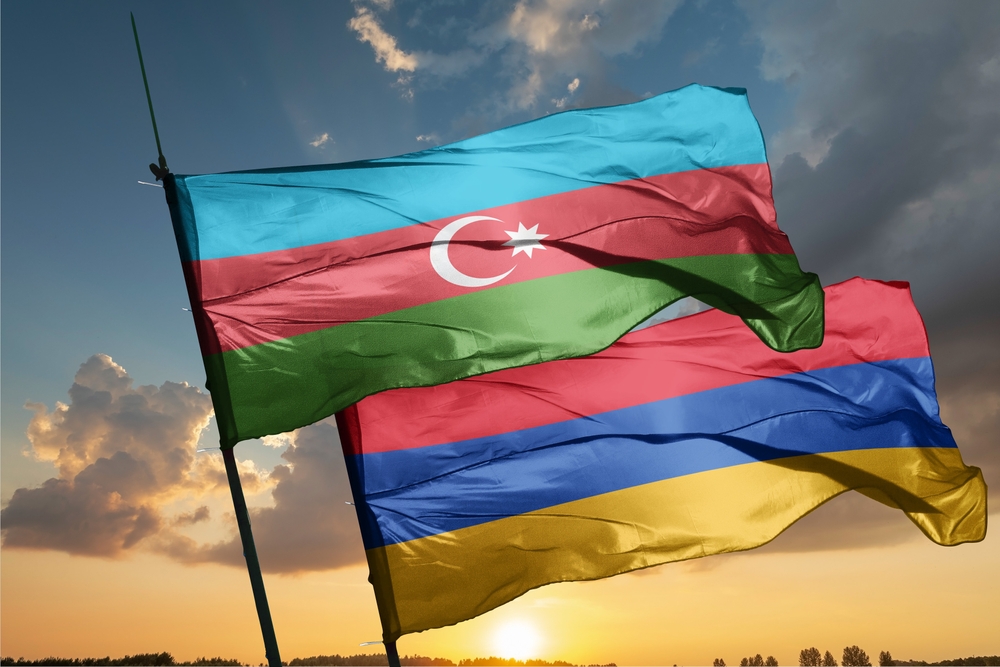
Over the past two years, numerous unofficial deadlines have been set for signing the Armenia-Azerbaijan peace treaty.
Western projects targeting the Global South are often fraught with war or turmoil. The evidence is abundant, and to see the duplicity of those behind such explosive plans, one only needs to observe how so-called peacekeeping emissaries hinder opposing sides from reaching consensus.
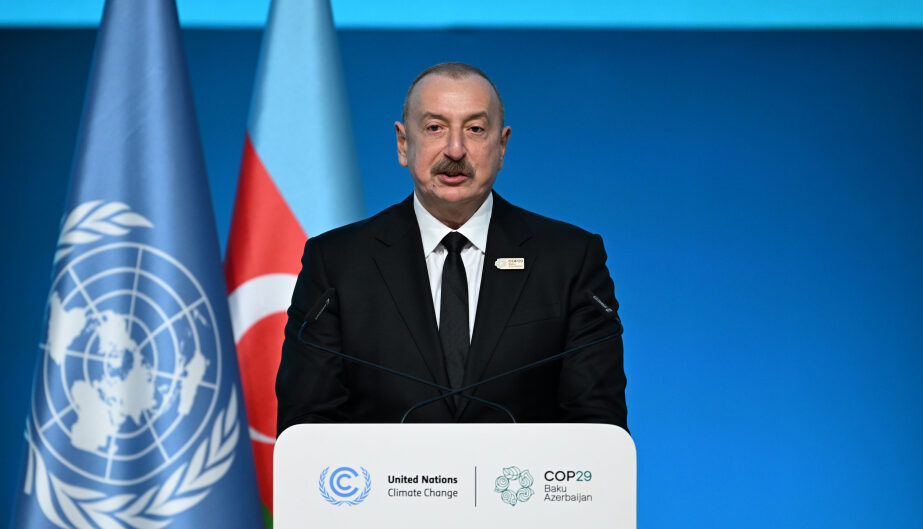
Concerned about the planet's dire environmental state, humanity was confronted with the cynical, civilization-defying politicization of the 29th session of the Conference of the Parties to the UN Framework Convention on Climate Change (COP29), held in Baku.
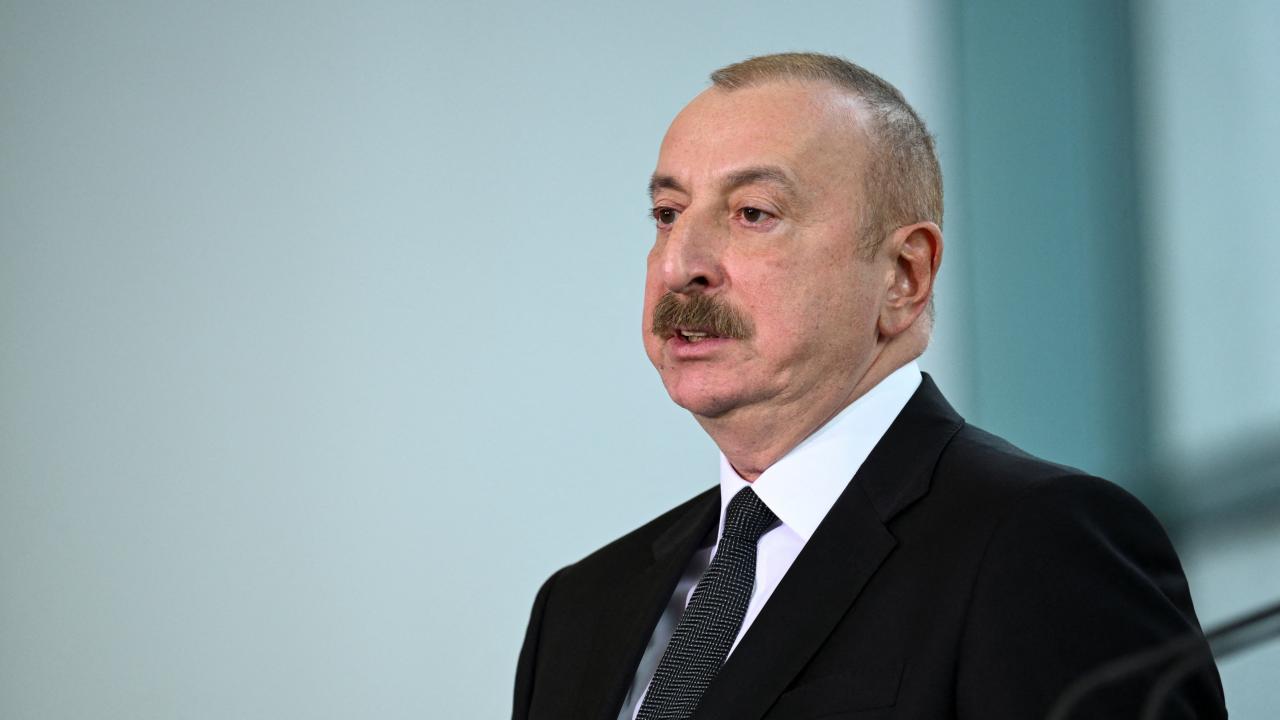
Azerbaijan's outreach to Africa, East Asia, and South America holds significant strategic potential.
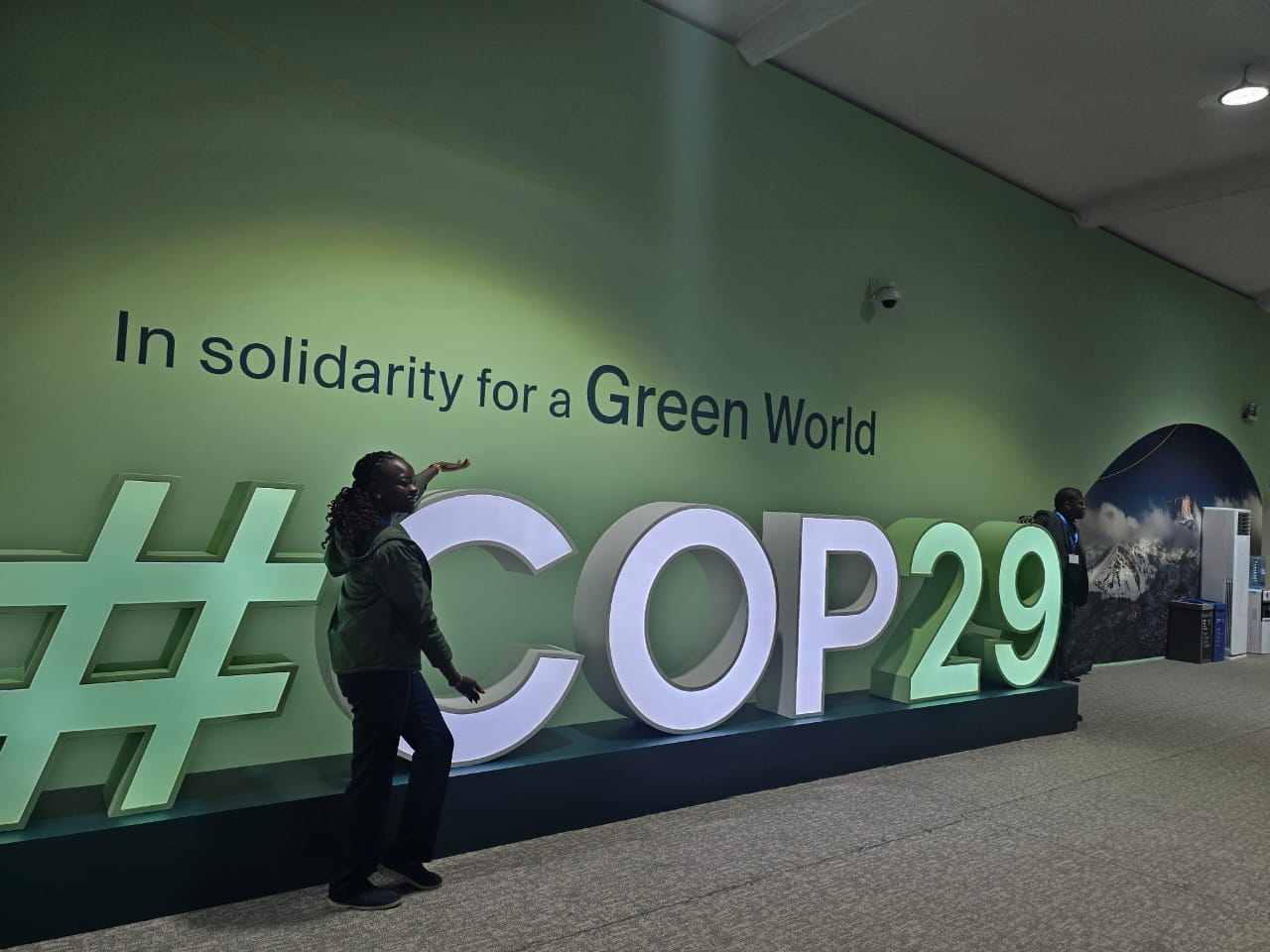
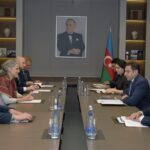
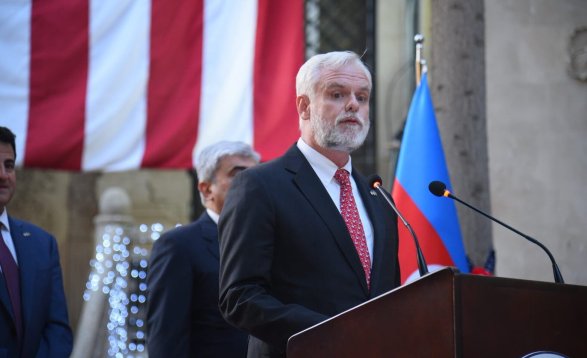
American diplomats sent to Baku to participate in the COP29 global climate summit and discuss the allocation of hundreds of billions of dollars annually to combat climate change have found themselves in a difficult situation.
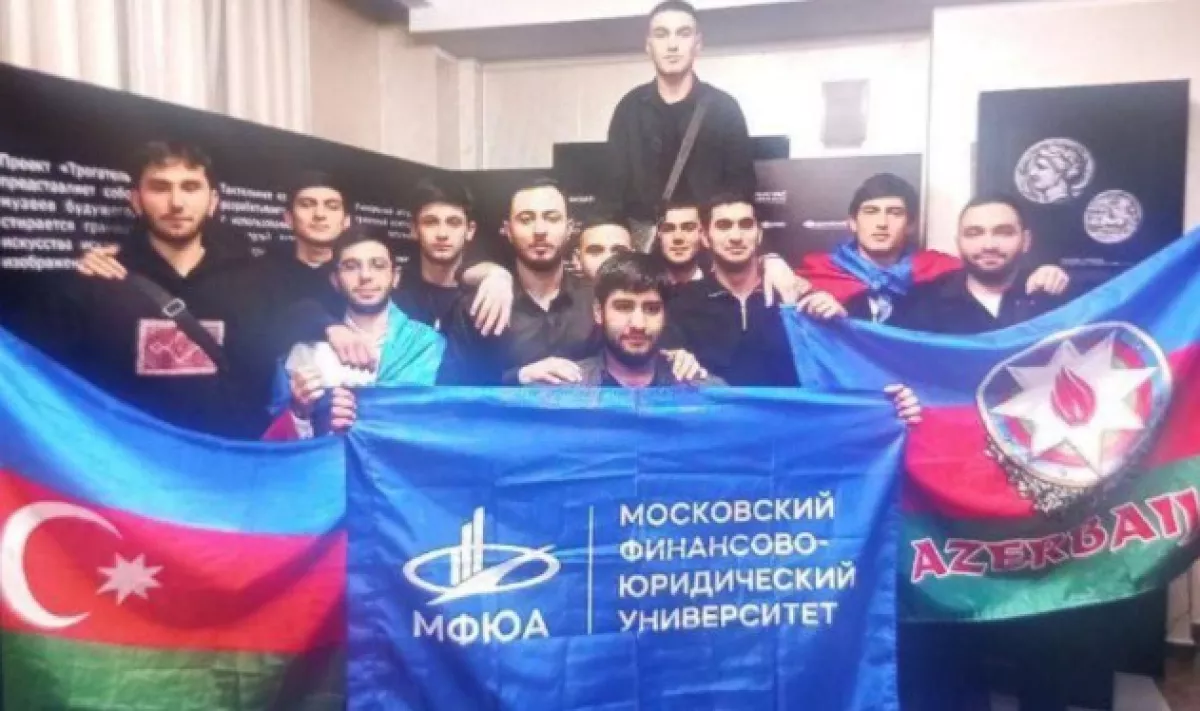
What happened on November 14 of this year at the Moscow University of Finance and Law (MFUA) under the Government of the Russian Federation is not an accident, but a pattern.