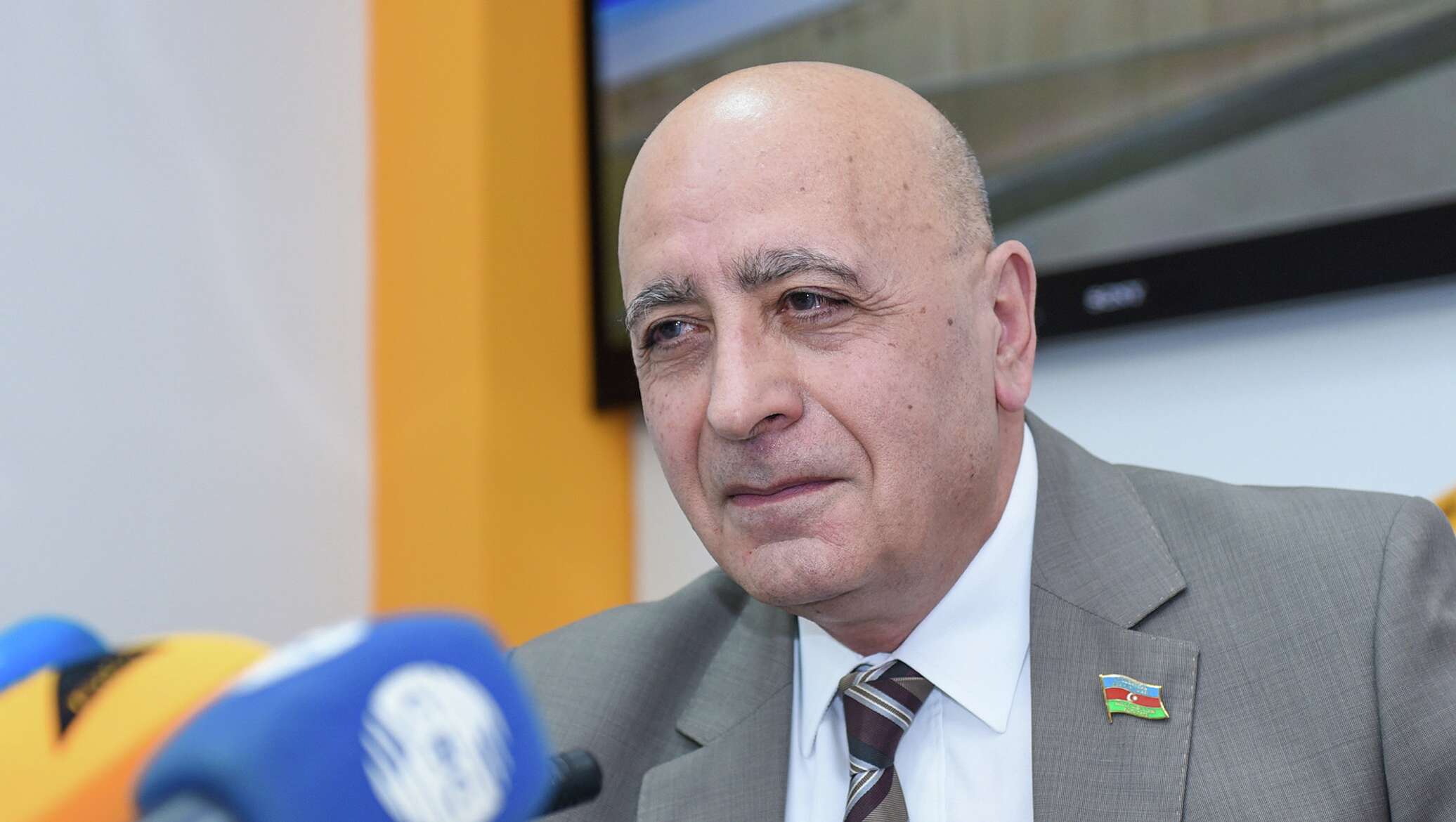
The political scientist also advised not to look for a link between the upcoming April meeting and NATO Secretary General Jens Stoltenberg's recent visit to the South Caucasus region.

The political scientist also advised not to look for a link between the upcoming April meeting and NATO Secretary General Jens Stoltenberg's recent visit to the South Caucasus region.
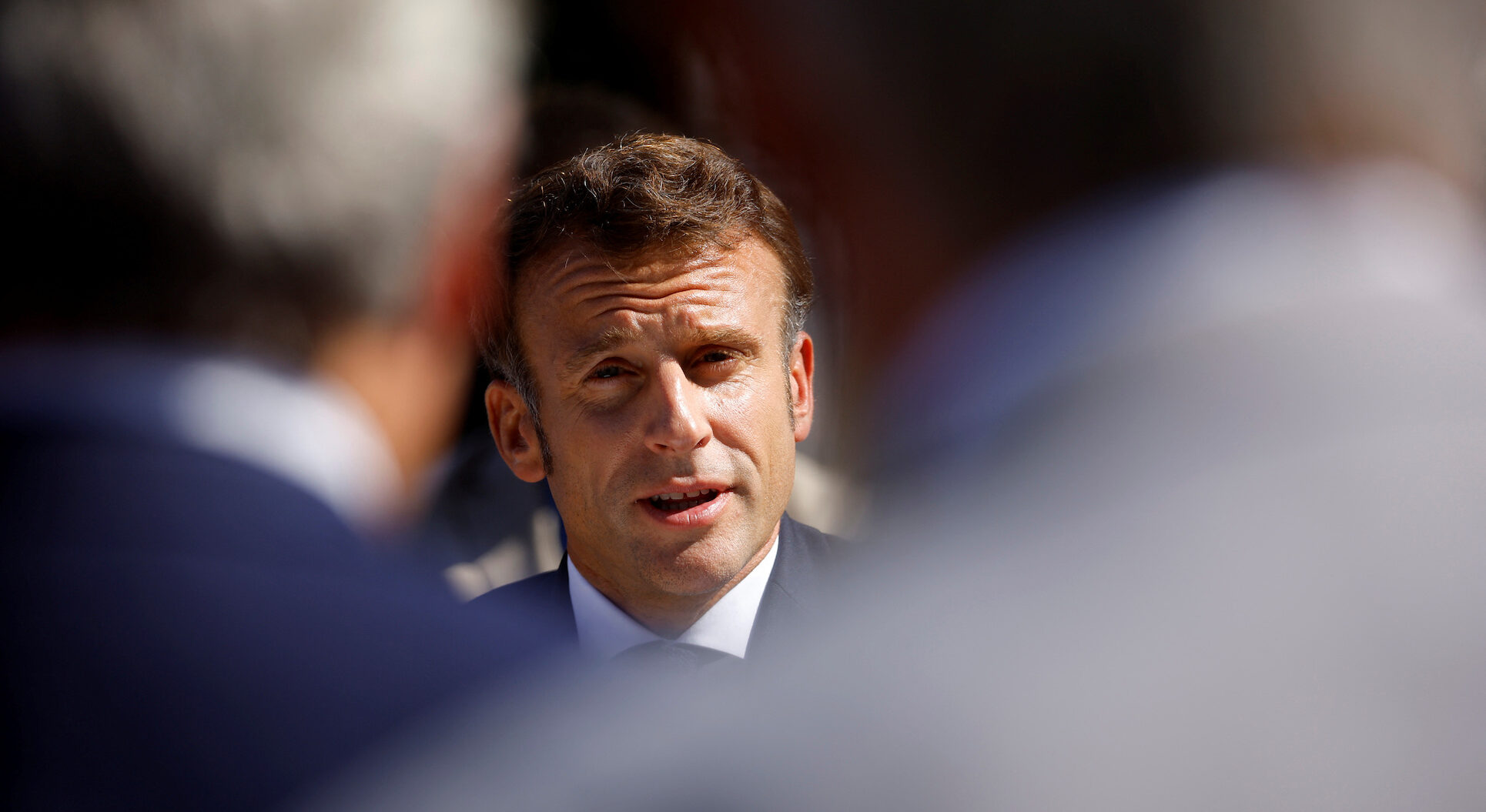
As Azerbaijani President Ilham Aliyev clearly noted when receiving the Secretary General of the Inter-Parliamentary Union Martin Chungong in February this year, Paris in this case proceeds from the principle of “adding gasoline to the fire.”
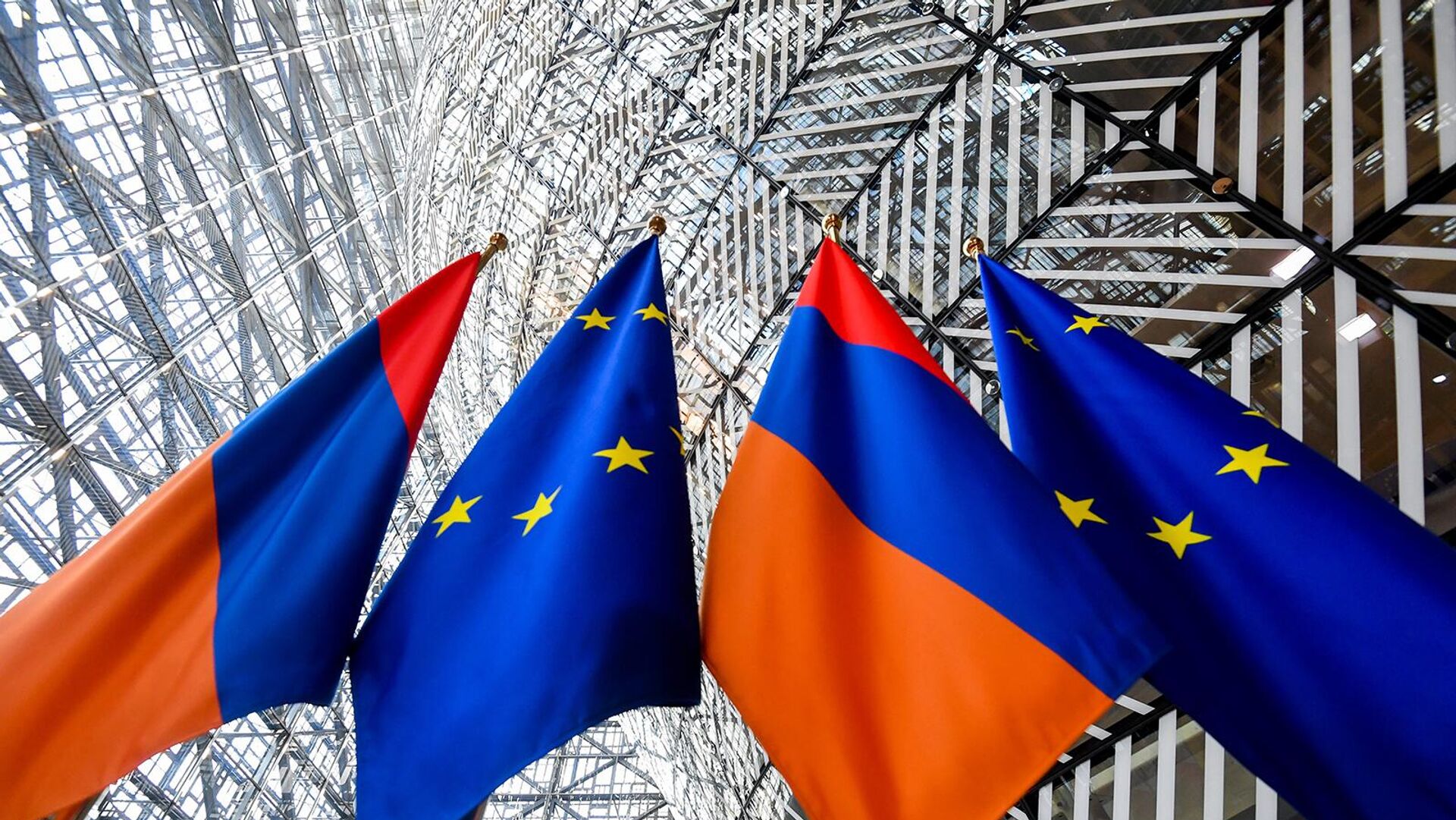
The West's concern about Armenia's fate is fascinating and endearing in the same way that God's acts to bring relief to those who suffer are endearing. The all-seeing guardians of Armenian interests have been inspired by the threats and challenges that allegedly loom ominously over the long-suffering nation, obstructing its proper growth.
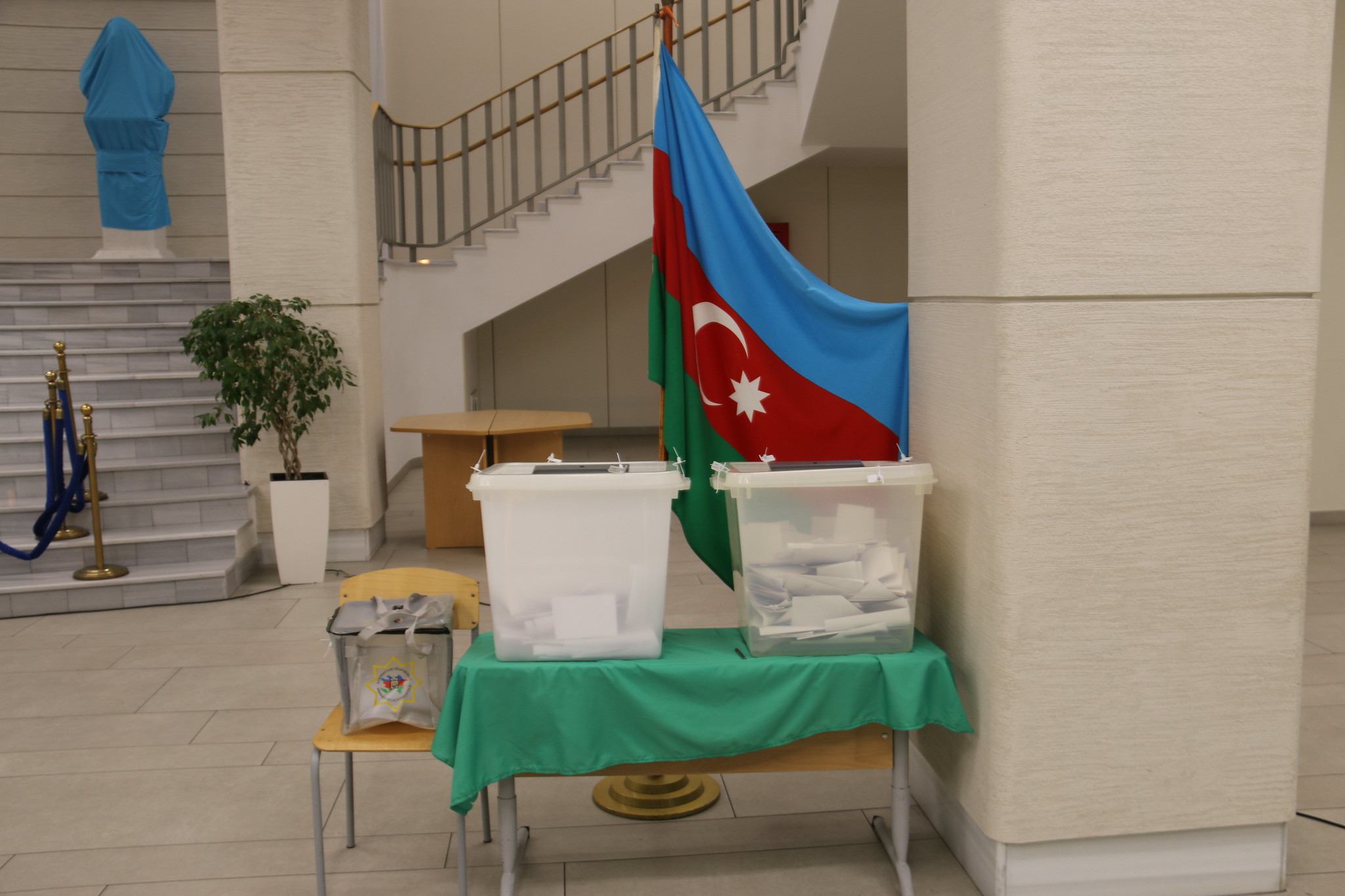
Azerbaijan’s recent presidential elections reveal a great amount about the country’s current political outlook. While the timing of the vote may be related to potential internal reforms, a possible peace agreement with Armenia remains the country’s top priority on the global stage.
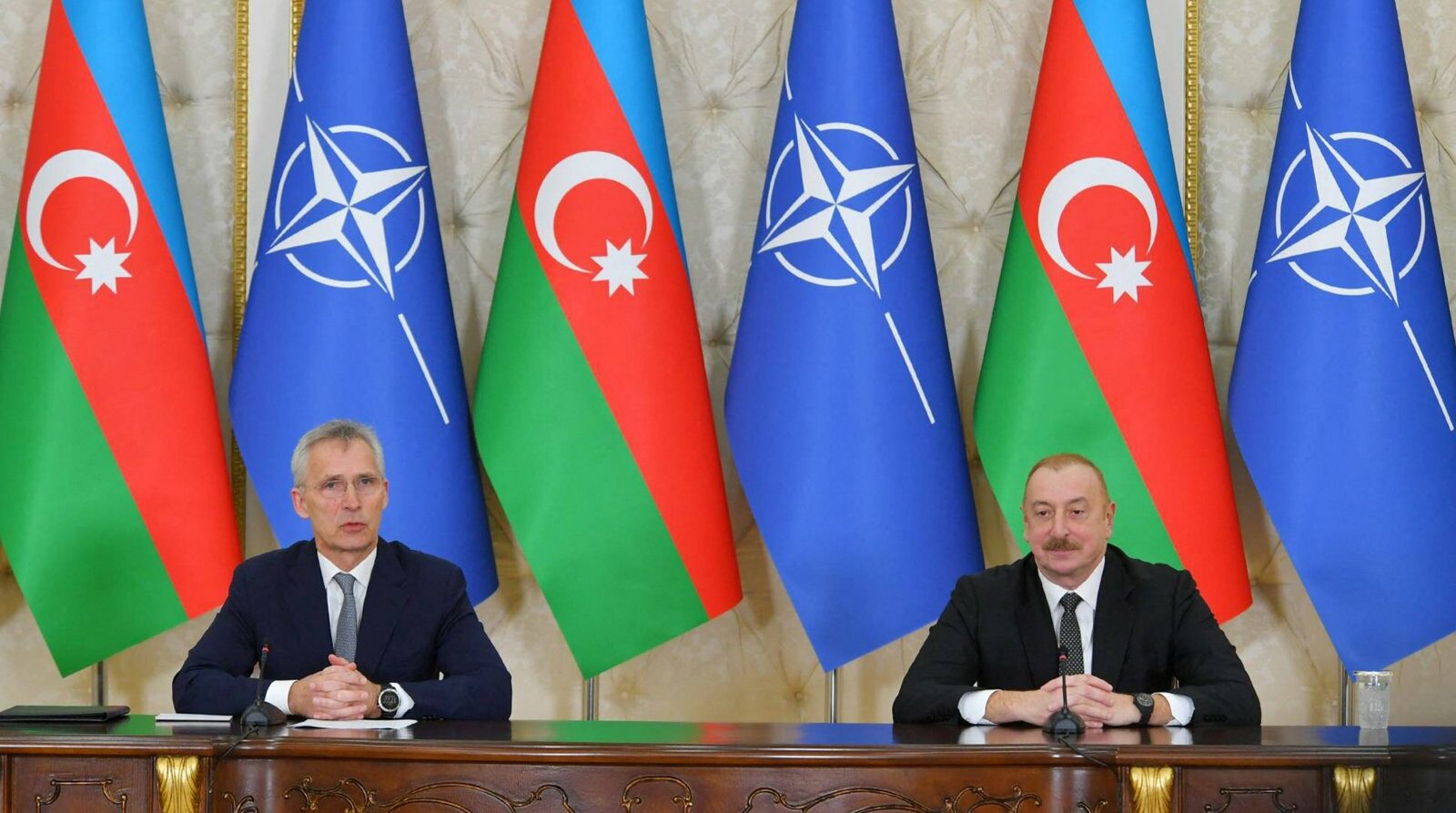
With the Russia-Ukraine war, Israel-Palestine conflict and Azerbaijan-Armenia peace talks ongoing, Stoltenberg's South Caucasus visit primarily focuses on their geopolitical implications.
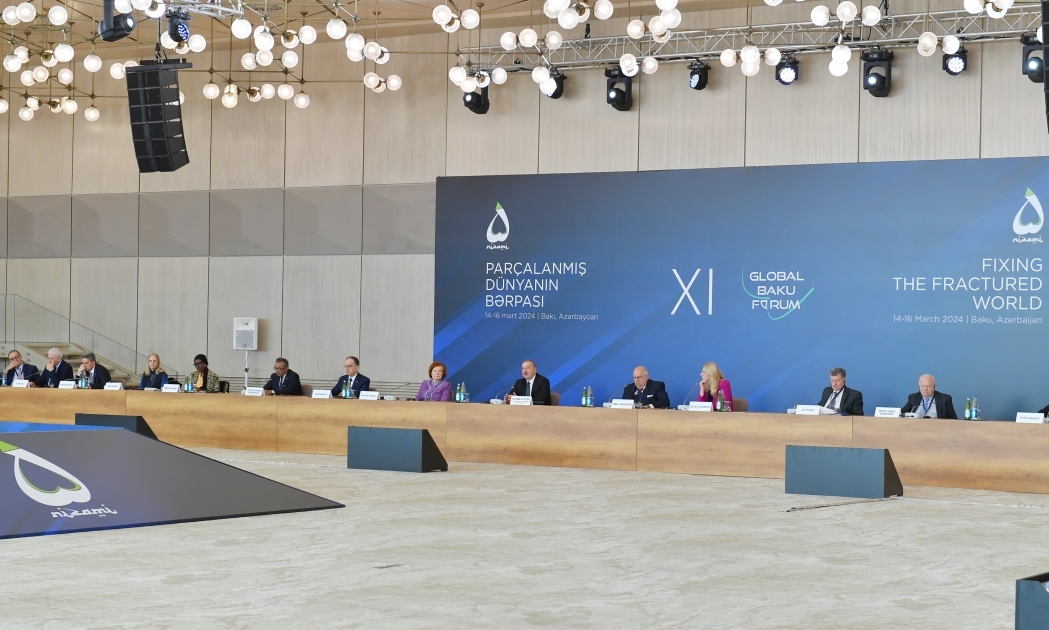
World leaders and policymakers convened at the XI Global Baku Forum in Azerbaijan to discuss common issues, as reported by Euronews.
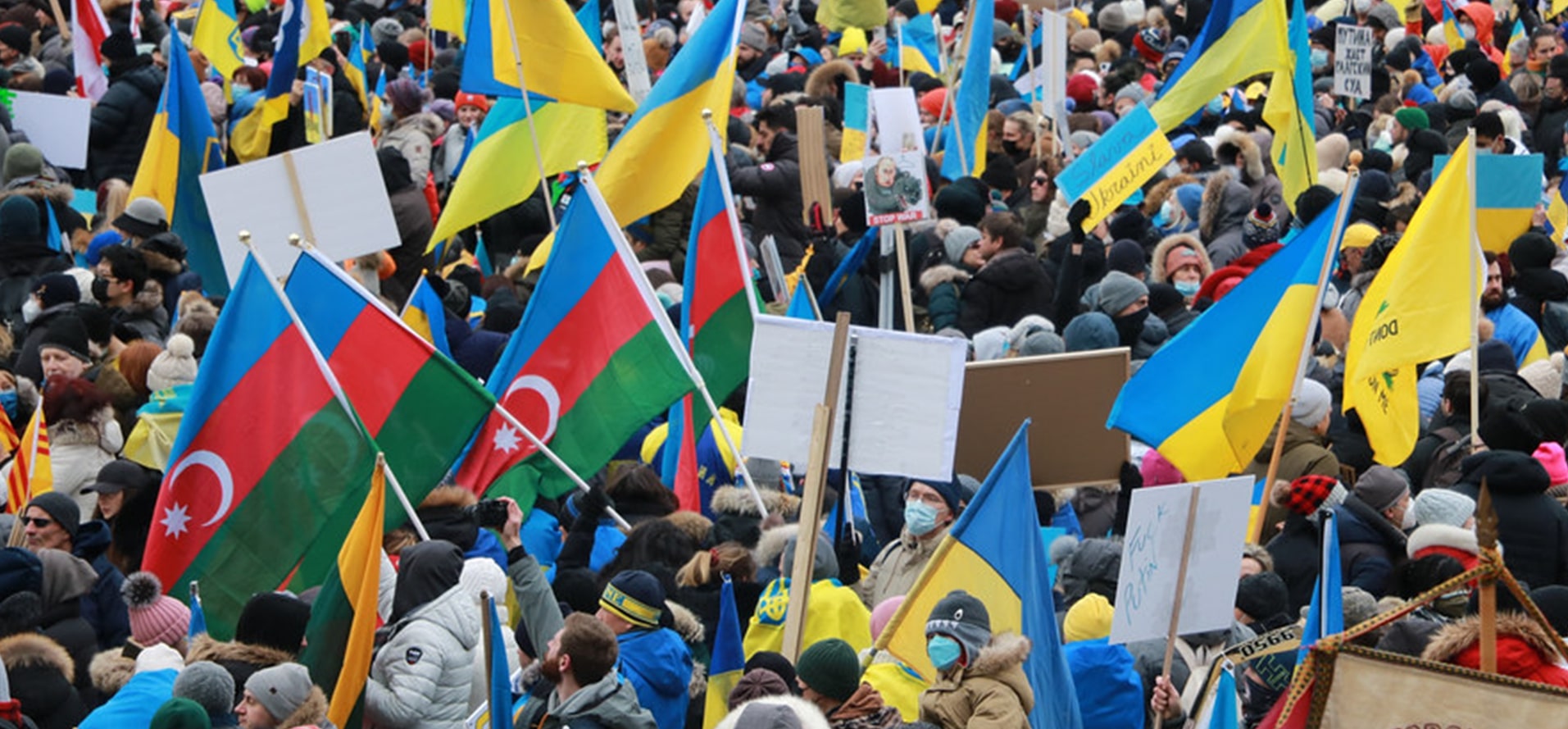
The Russian-Ukrainian war, or rather, the global confrontation between Russia and the West, is observed not only on the battlefields, but also in the information field.
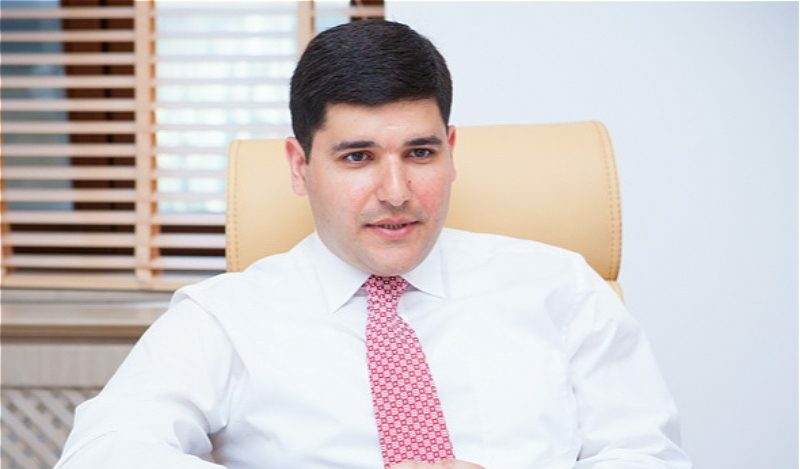
Farhad Mamedov, a political scientist and head of the Center for South Caucasus Studies, commented on the terrorist attack that took place in Crocus City Hall on his Telegram channel.
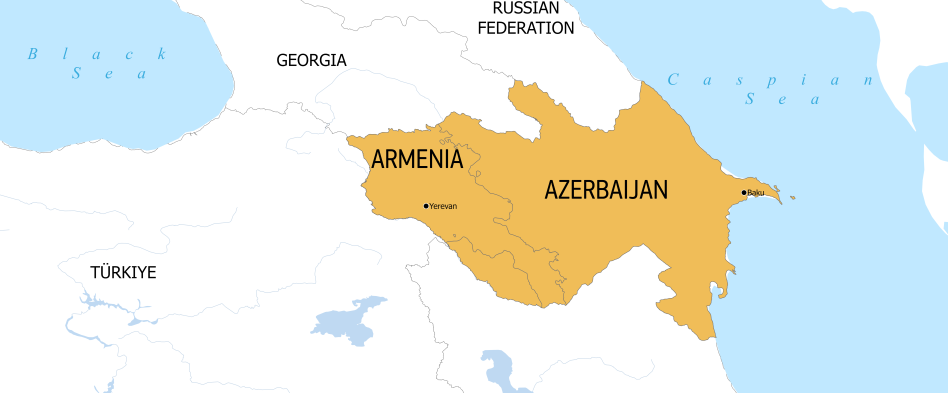
Armenia’s obstinacy will cost it an arm and a leg as long as Yerevan lacks the political will to sit at the negotiations table with Azerbaijan to sign a peace deal to prevent further aggravation of the explosive situation between the two sworn foes, promising unspeakable consequences.

The visit of NATO Secretary General Jens Stoltenberg to the South Caucasus should not be regarded as an isolated event, and certainly not as a routine trip of a bored official to fill his annual work schedule.
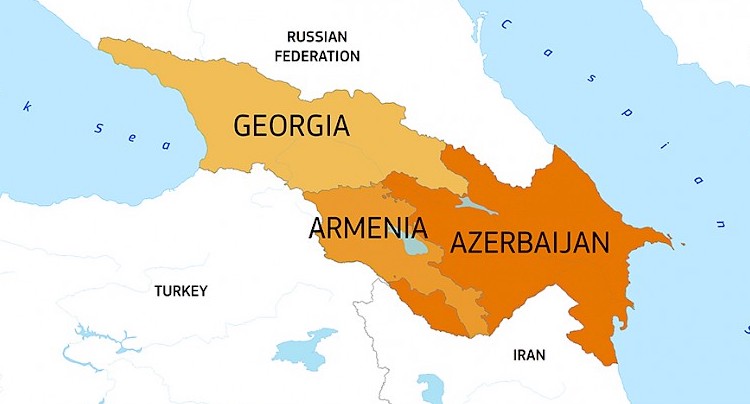
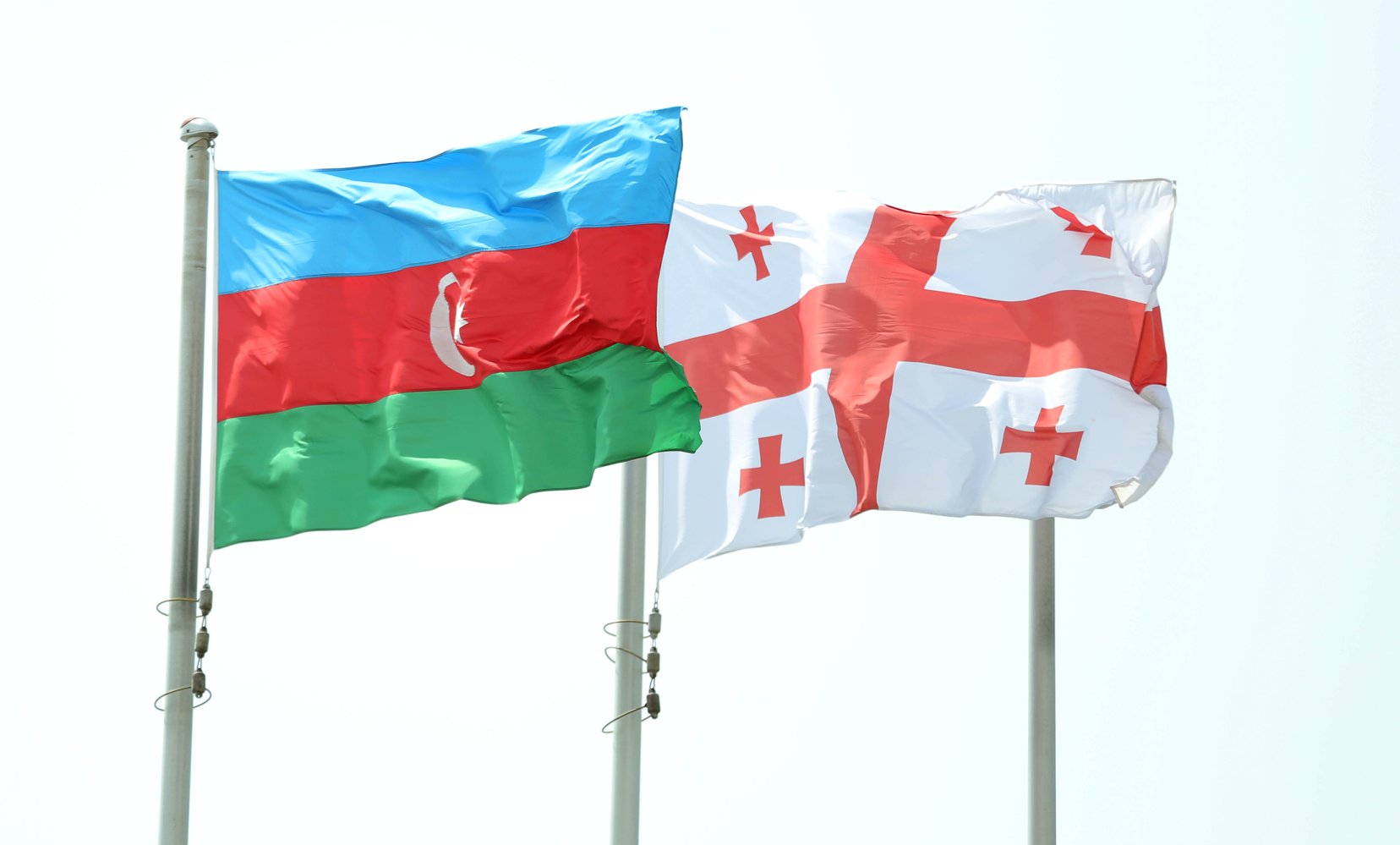
The wise peoples of Azerbaijan and Georgia have a long history of cordial interactions. Our relationships' pasts demonstrate how closely related and similar our fates are.
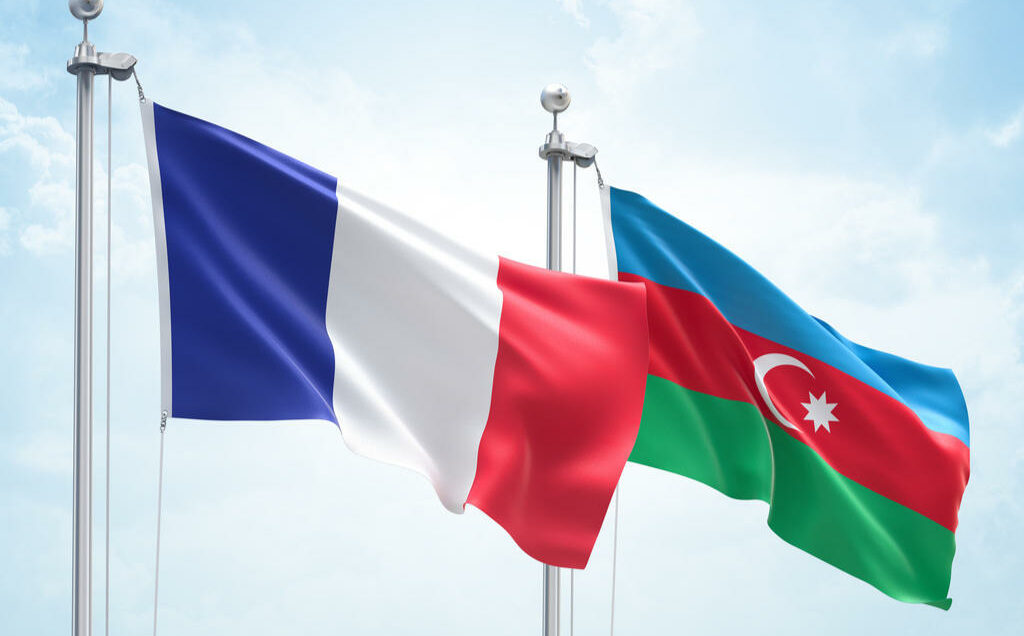
Although relations between France and Azerbaijan have had their warm periods, currently relations have deteriorated rapidly thanks to tectonic shifts in the geopolitical situation and there are little grounds for optimism for a quick resolution of existing problems. France is home to a large ethnic Armenia diaspora that makes it a natural ally of Yerevan.
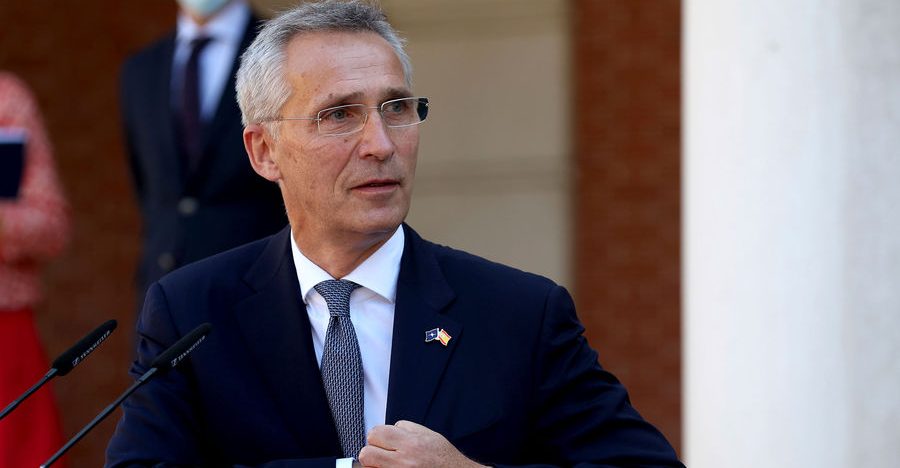
"30 years of good partnership"—this is how President Ilham Aliyev described Azerbaijan-NATO relations at a meeting with NATO Secretary General Jens Stoltenberg. In turn, Stoltenberg stressed on X following the talks: "Azerbaijan is a long-standing NATO partner and I look forward to further strengthening the partnership."
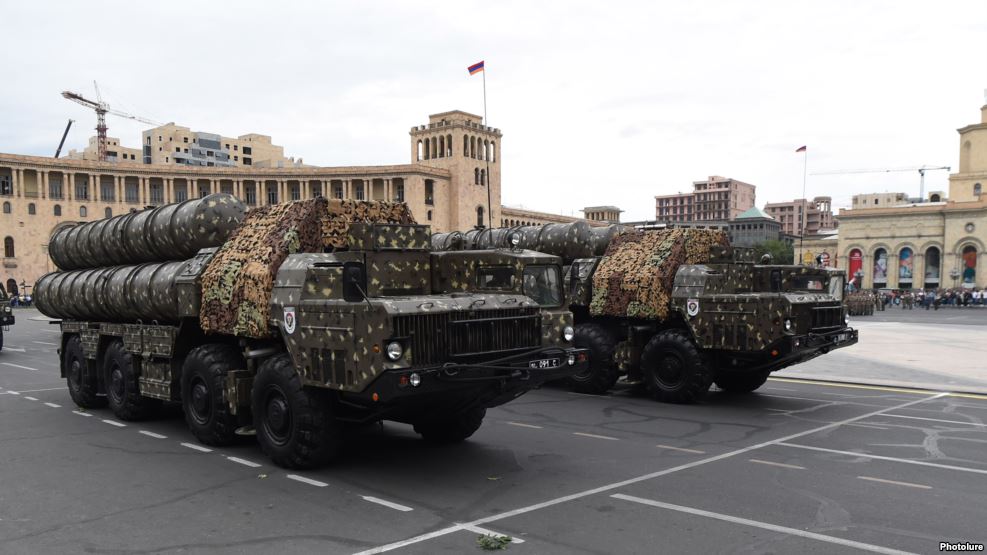
The long-lasting former Karabakh conflict between Armenia and Azerbaijan was a major challenge for regional integration and economic development in the South Caucasus. The Armenia-Azerbaijan conflict caused direct and indirect costs associated with military spending and the arms race.
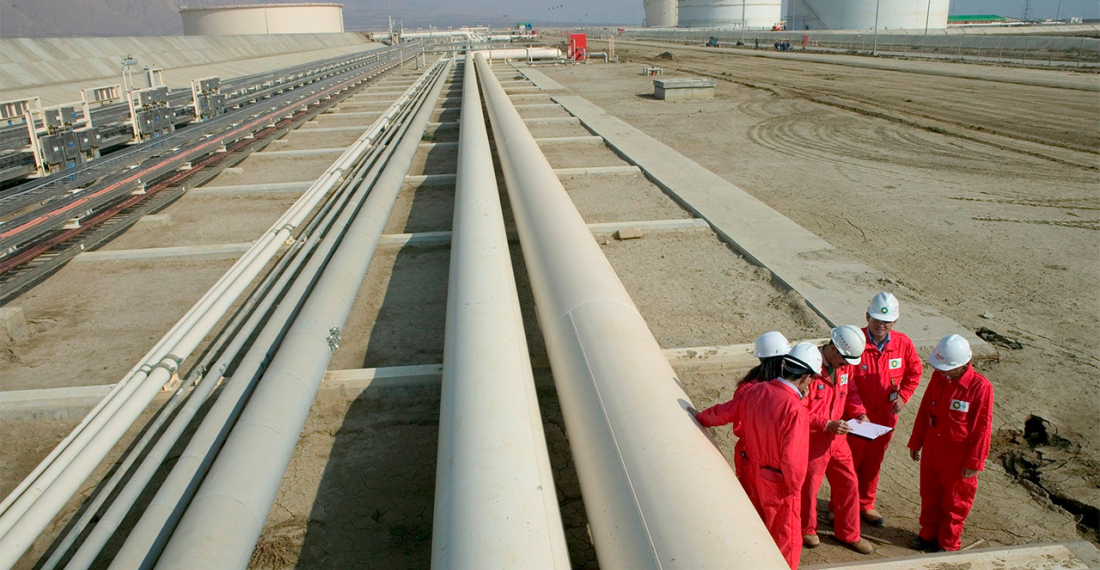
In the shifting landscape of global energy dynamics and geopolitical uncertainties, the relationship between Azerbaijan and the European Union (EU) has emerged as a beacon of mutually beneficial and strategic partnership.
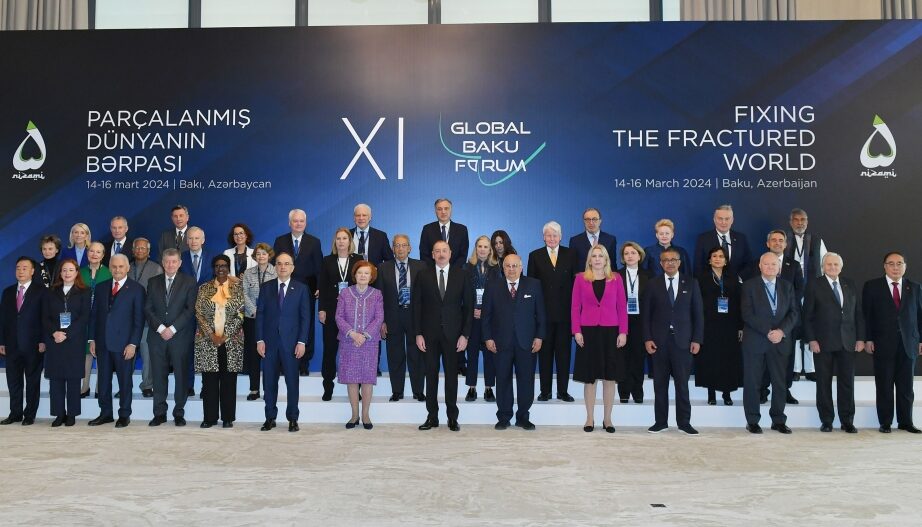
The 11th Global Baku Forum has kicked off in the Gulustan Palace in the capital of Azerbaijan. Its theme, "Fixing a Fractured World", is more than relevant in the current geopolitical context.
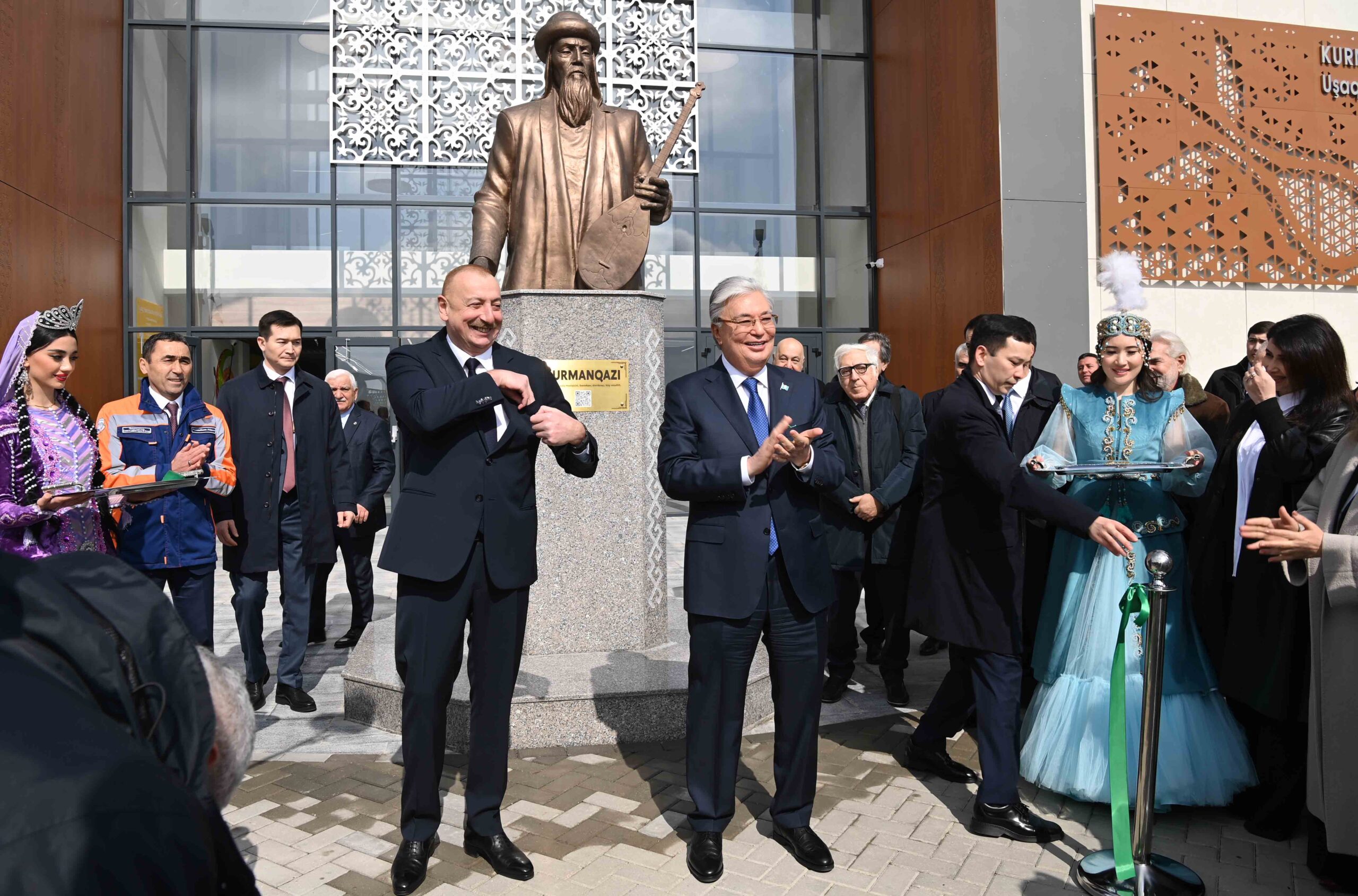
President Kassym-Jomart Tokayev paid a state visit to Baku, the capital of Azerbaijan, from March 11 to 12, further deepening the strategic and brotherly ties between the two nations and signifying a new chapter in Eurasian diplomacy.
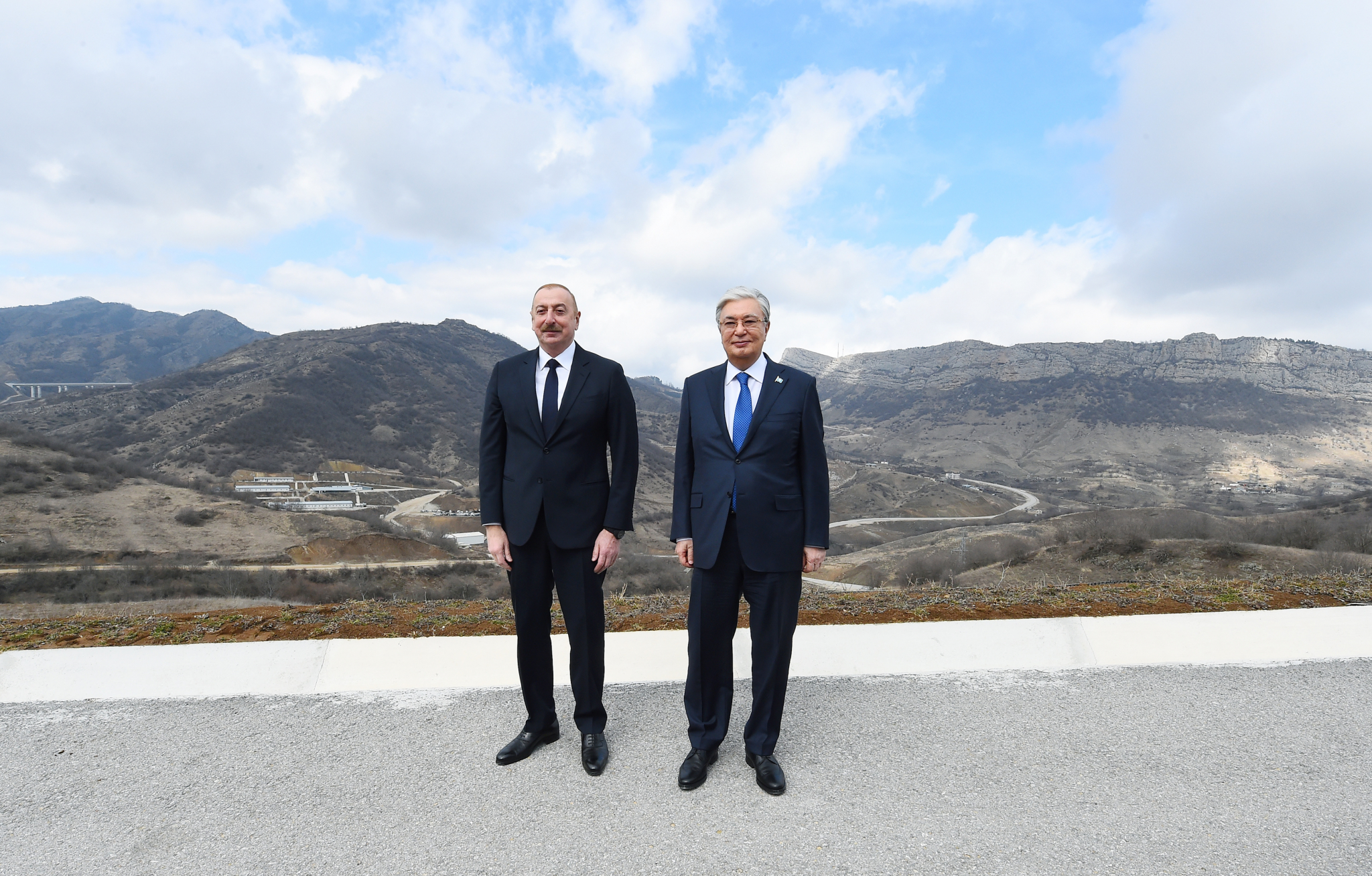
Less than a week ago, the Intergovernmental Committee on Trade and Economic Cooperation between Azerbaijan and Kazakhstan met in Astana.
The EU’s logic is very simple – the bloc wants to import not only fossil fuels from Azerbaijan, but also electricity that will be produced in “green zones” in the South Caucasus nation of around 10 million people.
Back in April of 2023, 32 members of the Knesset sent a letter to the Israeli foreign minister urging him to provide international support to the independence movement of South Azerbaijan.
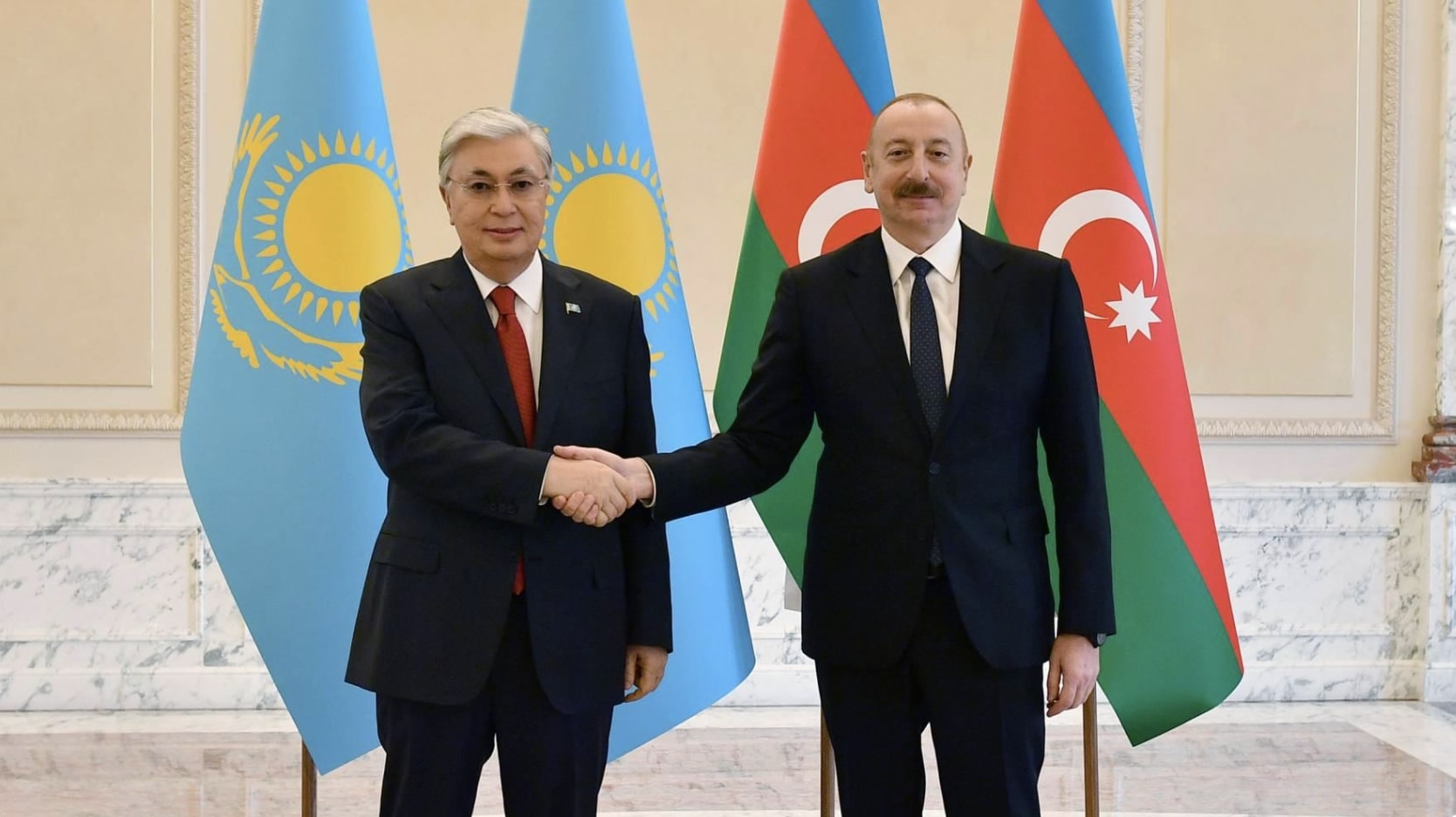
Middle and lower-tier powers like Kazakhstan and Azerbaijan often forge ties outside the purview of their larger, more powerful neighbors.
Thus, European, and by extension, Western politicians are not at all interested in peace in the South Caucasus, and now they are doing everything possible to destabilize the situation in the region, trying to provoke Azerbaijan into a new confrontation with Armenia.
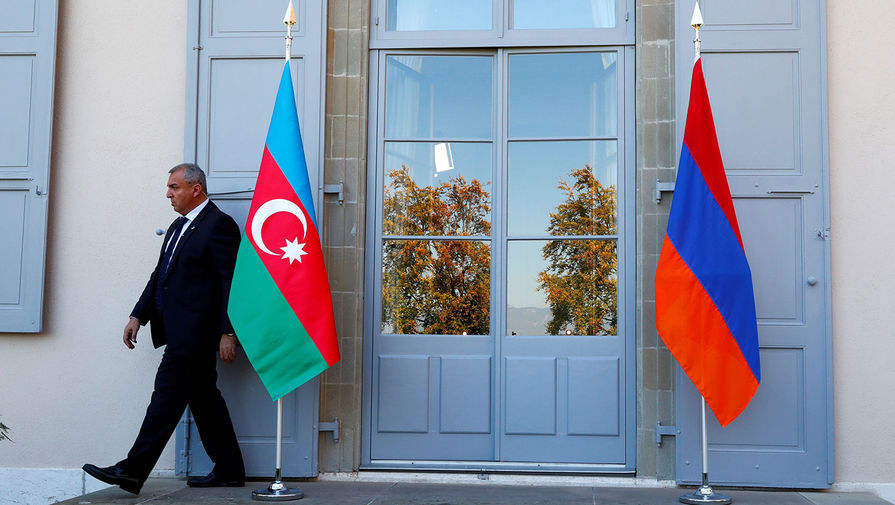
The restoration of sovereignty and integrity of Azerbaijan in the Karabakh region of the country in September last year has resolved the most important problem of the last 35 years.
As practice shows, illegal financing schemes regularly emerge when attempts are made to create various kinds of organizations under the guise of the mass media that are tailored to fulfil someone's political order to destabilize the situation in the country.