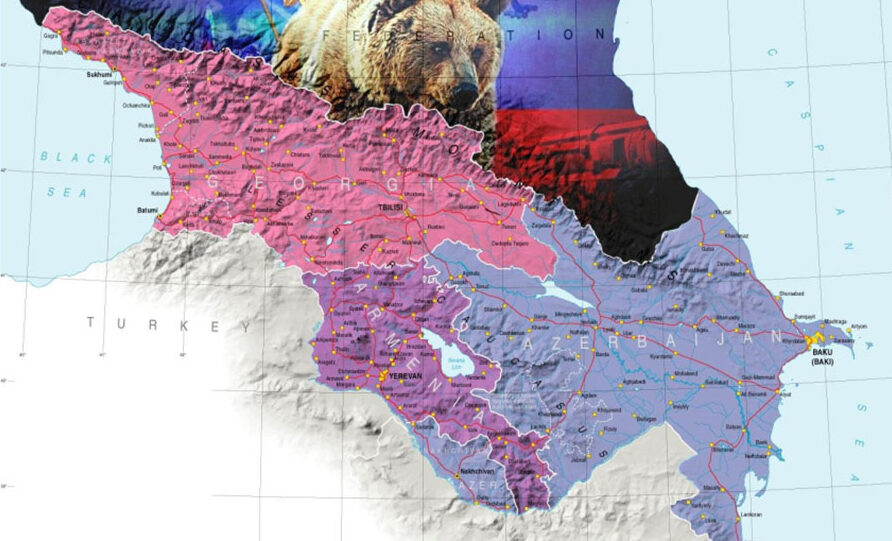
Has the South Caucasus become the new Middle East? Or has it become a second playing field for the Middle East’s geopolitical interests?

Has the South Caucasus become the new Middle East? Or has it become a second playing field for the Middle East’s geopolitical interests?
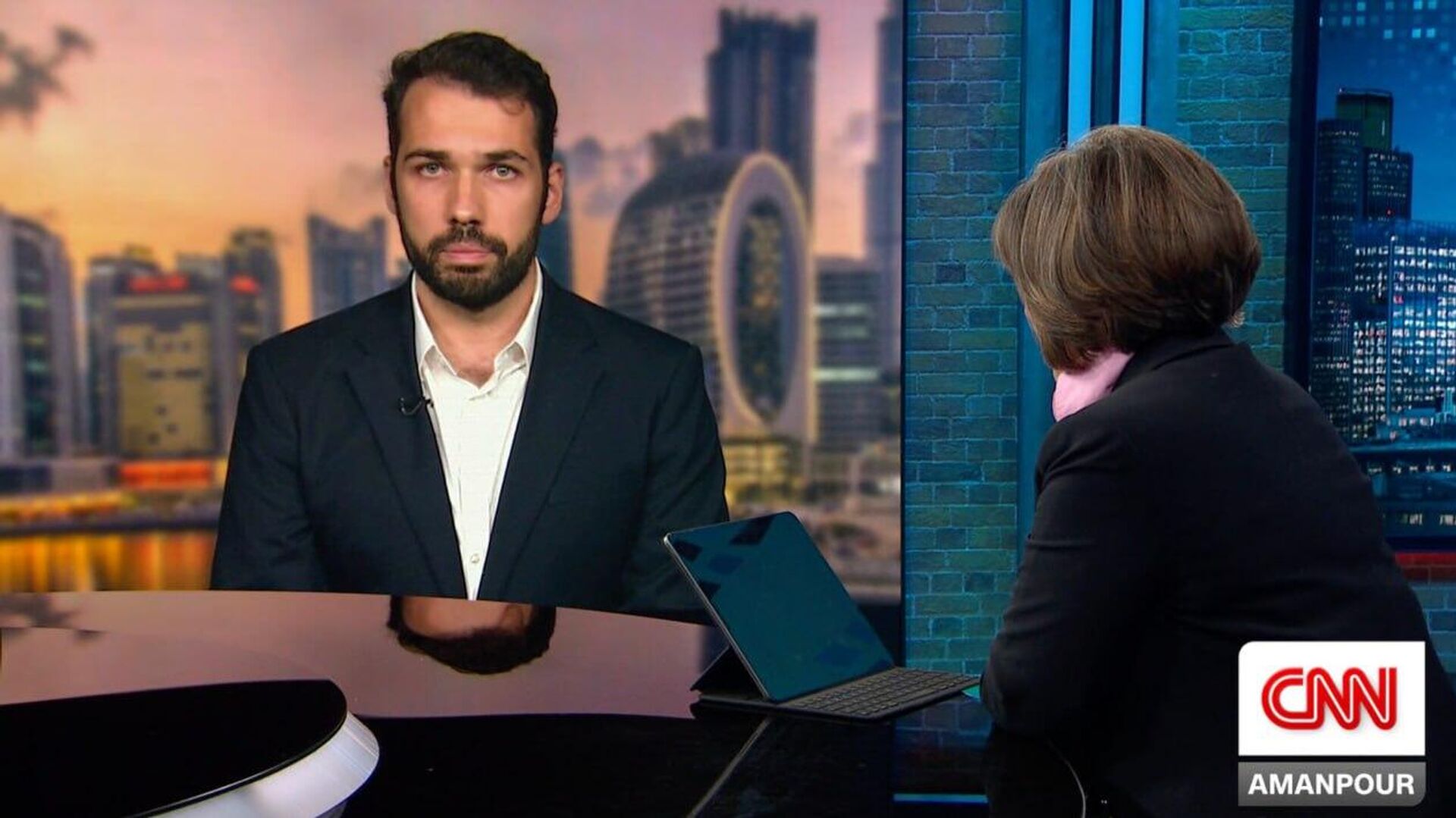
The propaganda campaign regarding Ruben Vardanyan, the former separatist leader in Karabakh who is now imprisoned in Azerbaijan, is gaining momentum.
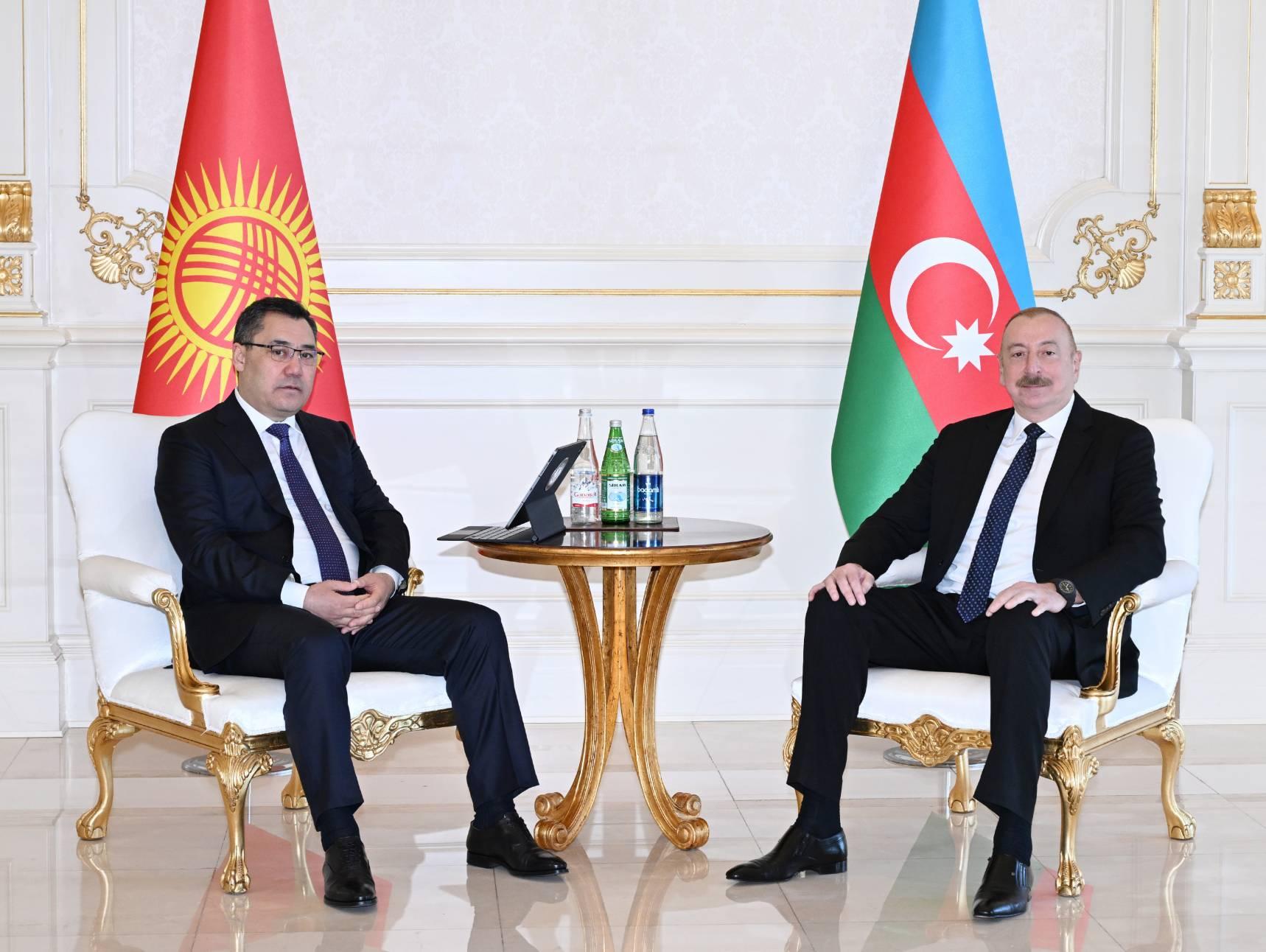
Azerbaijan and the Central Asian countries are consistently creating a strategic alliance based on joint trade, energy and transport initiatives.
The influential French newspaper Le Monde has offered a more objective perspective on the events in the South Caucasus and the growing role of Azerbaijan, in contrast to the approach of President Macron and his administration.
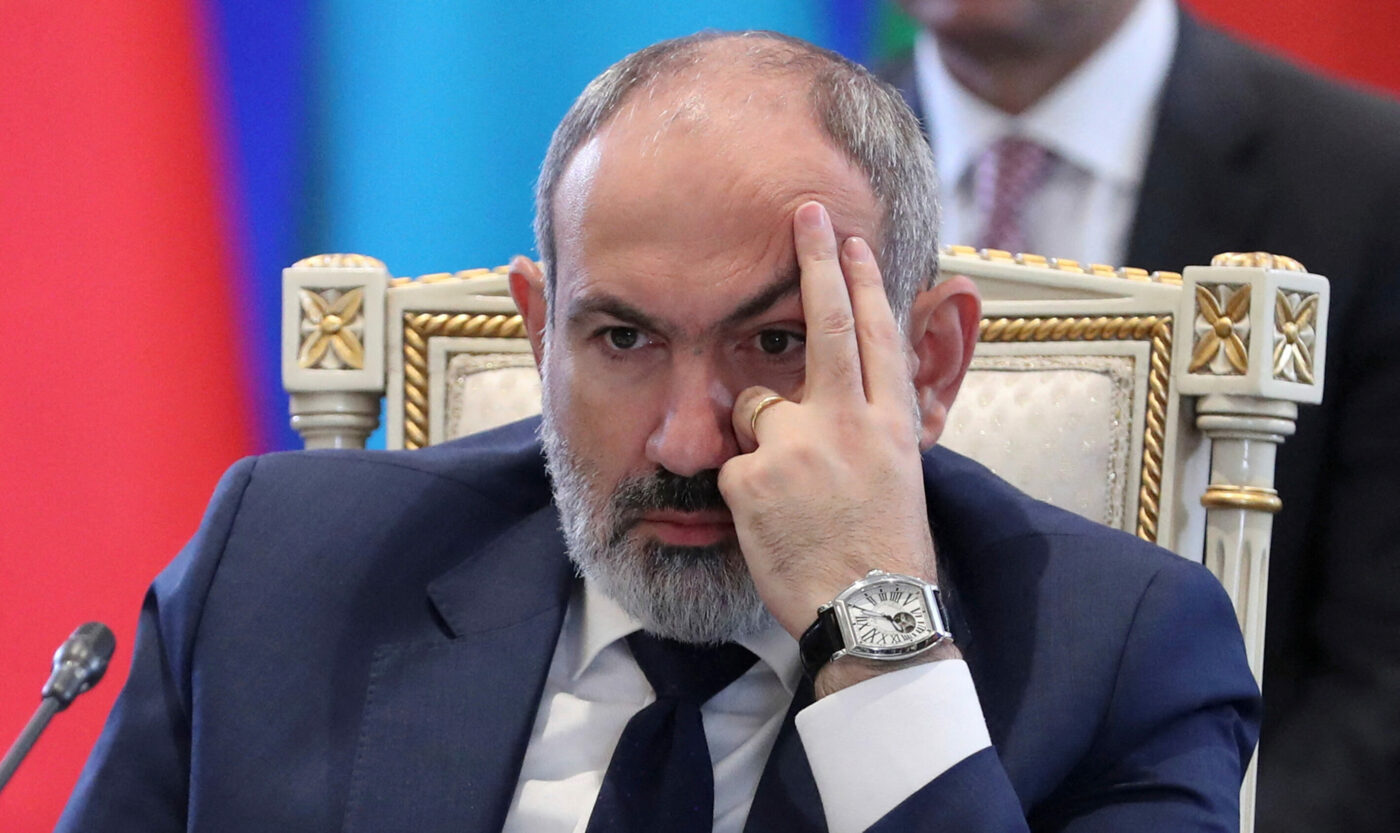
Today's speech by Armenian Prime Minister Nikol Pashinyan, related to the events in the Ottoman Empire during World War I, was eagerly anticipated both in Armenia and in the regional countries, as they tried to predict how exactly the Armenian leader would shape his stance on the events of 1915.
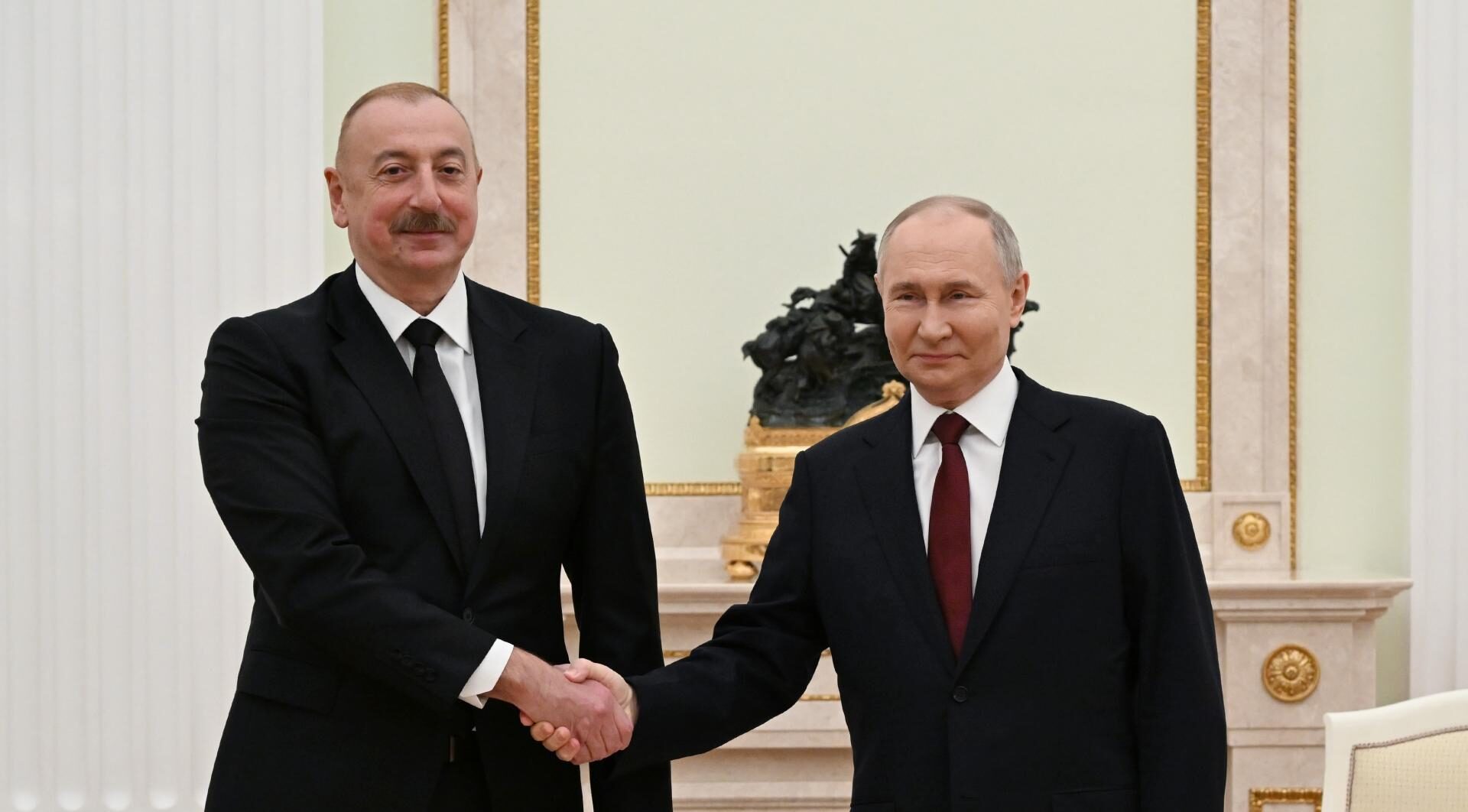
Azerbaijani President Ilham Aliyev's April 22 visit to Moscow, marked by a one-on-one meeting with President Vladimir Putin and a commemoration of the 50th anniversary of the Baikal-Amur mega project of the Soviet period alongside veteran workers, holds profound significance.
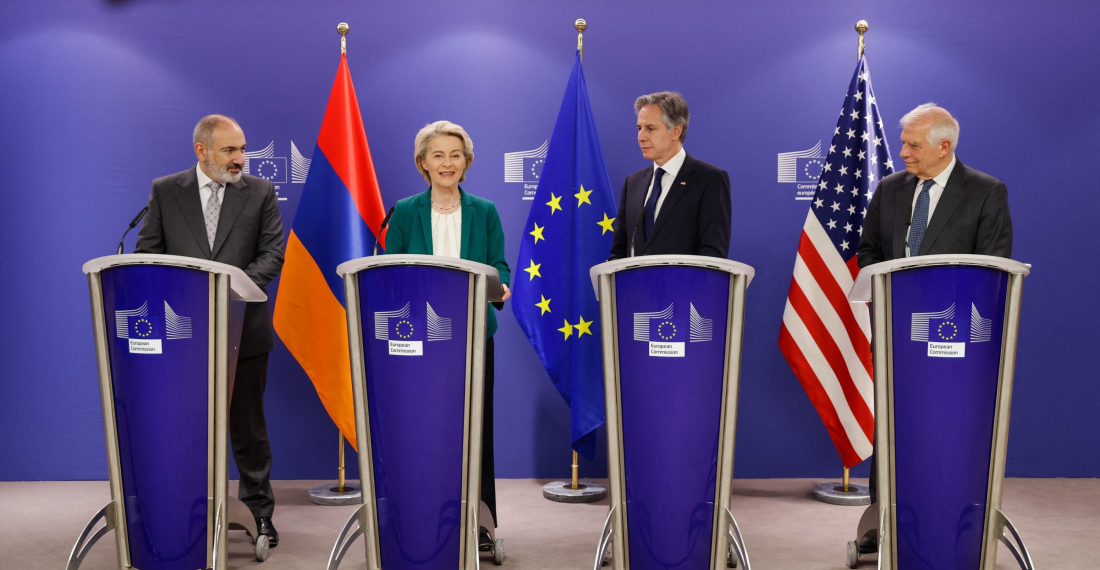
On 5 April, the long-awaited summit between Armenia, USA, and the EU took place in Brussels, where the parties were represented by Prime Minister Pashinyan, State Secretary Blinken and President of the European Commission von der Leyen, respectively.
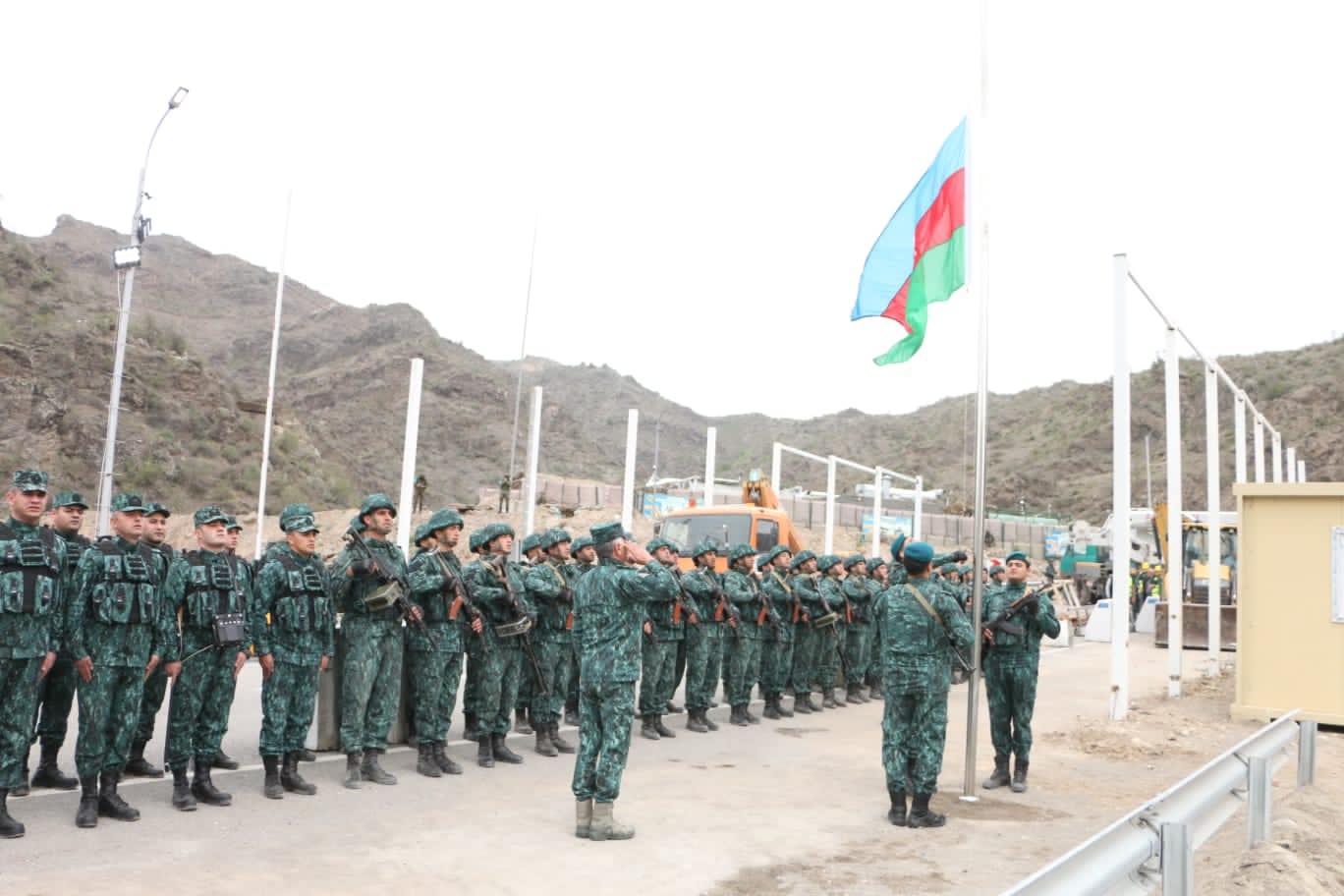
There is a well-known saying: “A state begins with borders”. Clearly defined state borders, control over one's own territory and borders are an essential component of state sovereignty.
Pashinyan's discourse on "historical and real Armenia" has manifested itself in all its glory in today's confrontations on the border with Azerbaijan. The decades-long ideology of aggression, exclusivity and permissiveness has created the current situation.
Azerbaijani media began to report about journalists detained about a month and a half ago for their ties with foreign sponsorship organizations. Photos of receipts of money transfers made to these persons from outside the country are published as material evidence.
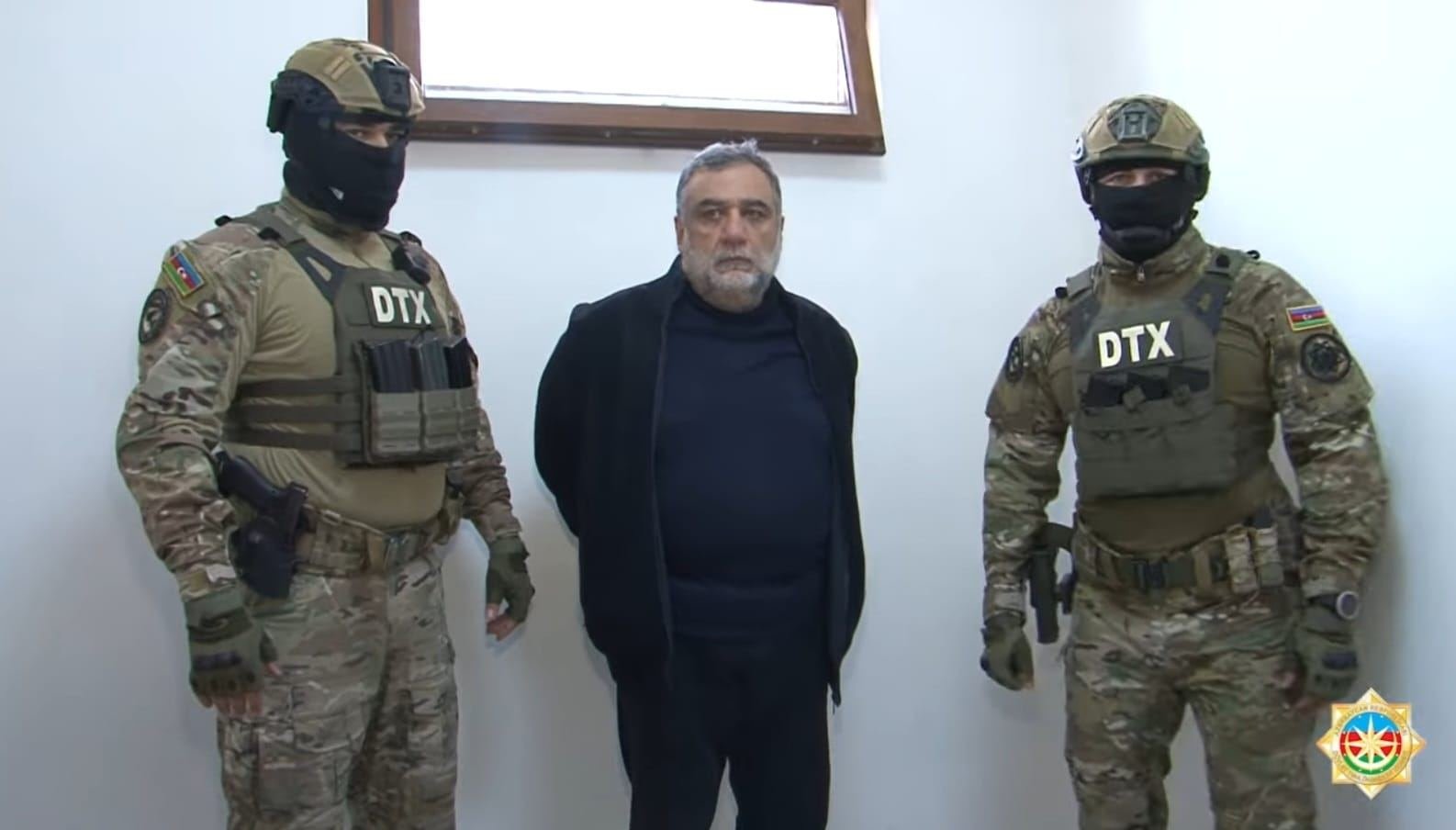
It became known yesterday that the family of Ruben Vardanyan, who remains in Baku pre-trial detention center on charges of financing terrorism and separatism, announced that he had started a hunger strike.
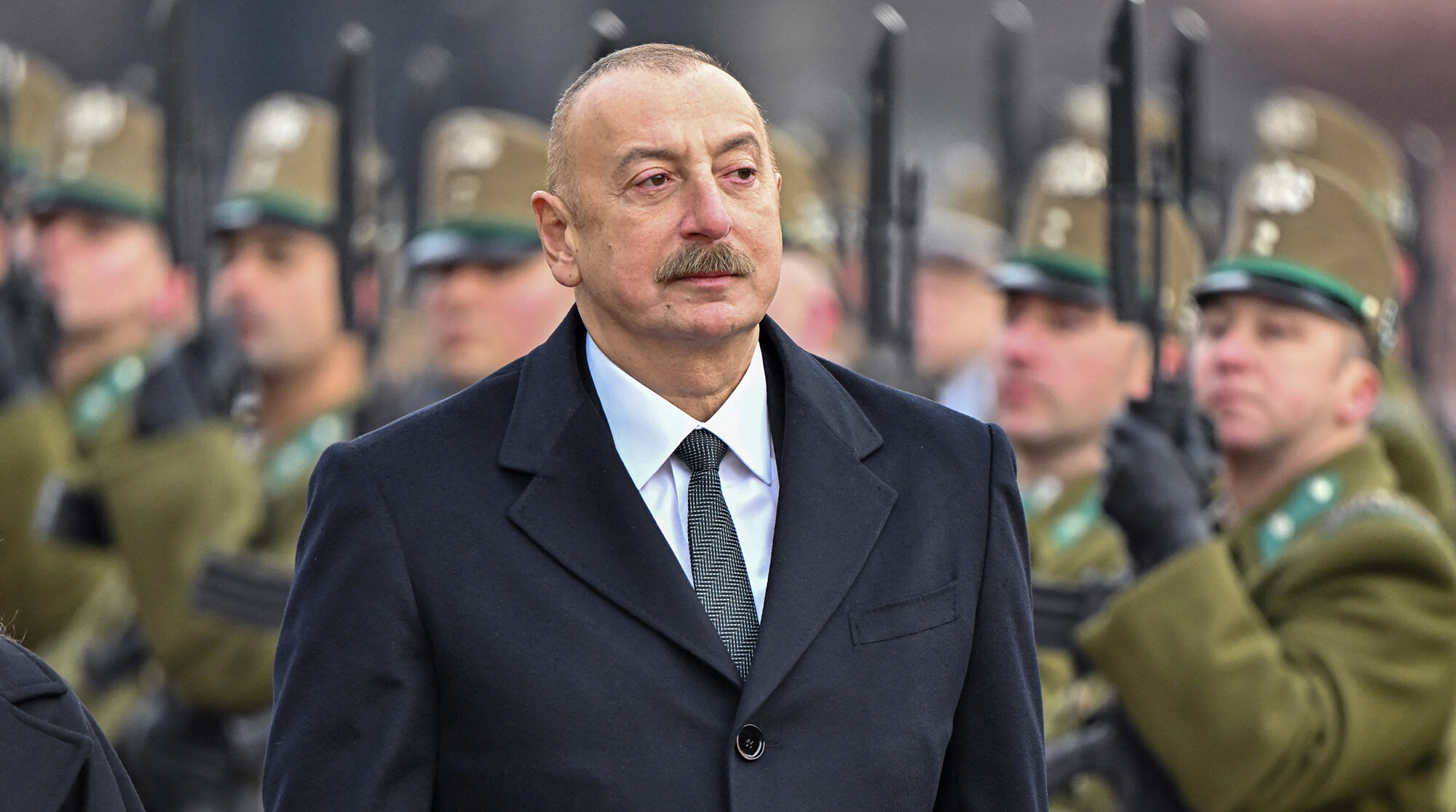
Azerbaijani diplomacy demonstrated another strong move in regional politics, masterfully defending the national interests of our country.
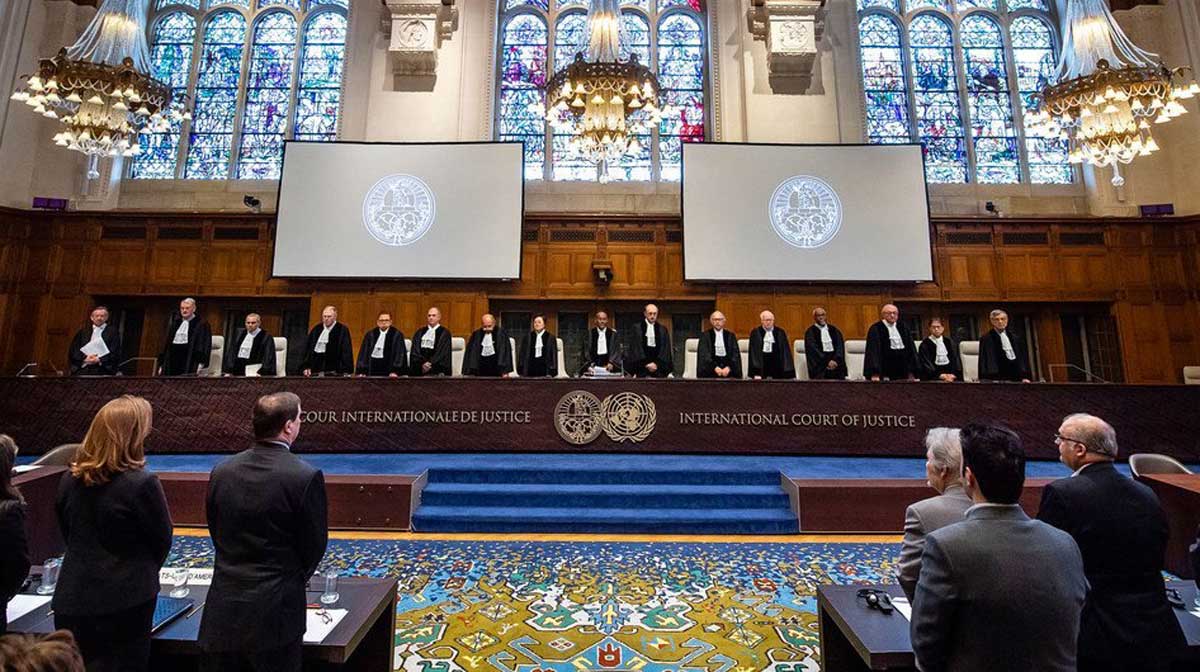
The ICJ will hold public hearings on the preliminary objections raised by Azerbaijan regarding the Court’s jurisdiction in the case concerning Application of the International Convention on the Elimination of All Forms of Racial Discrimination.
Despite certain legal similarities, Azerbaijan and Armenia’s reciprocal ICJ applications are not equivalent. Azerbaijan’s application is not a response to Armenia’s claims, and it raises distinct claims under CERD, which has a broader scope of alleged violations and the historical period it covers.
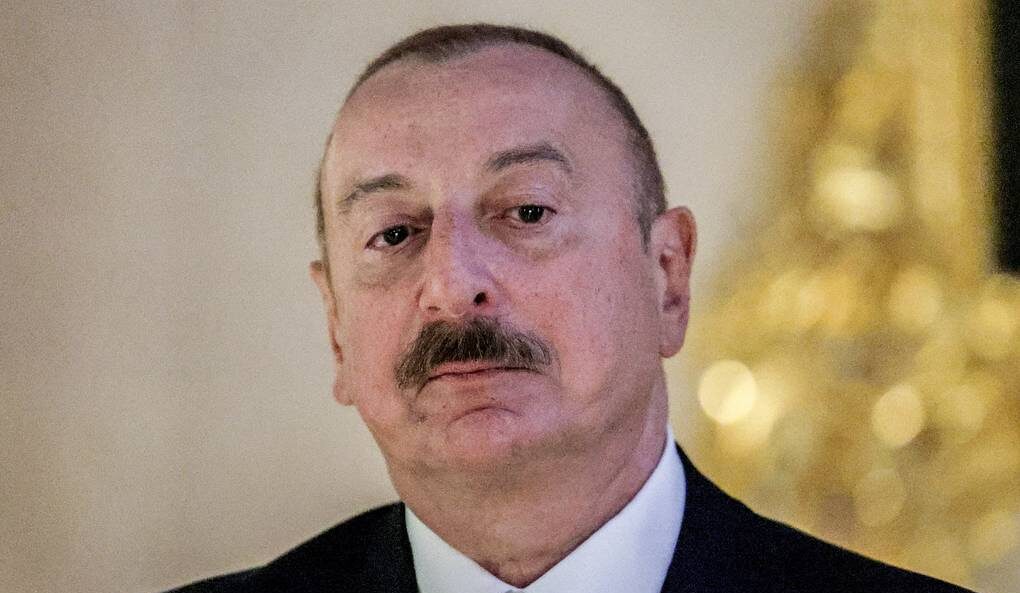
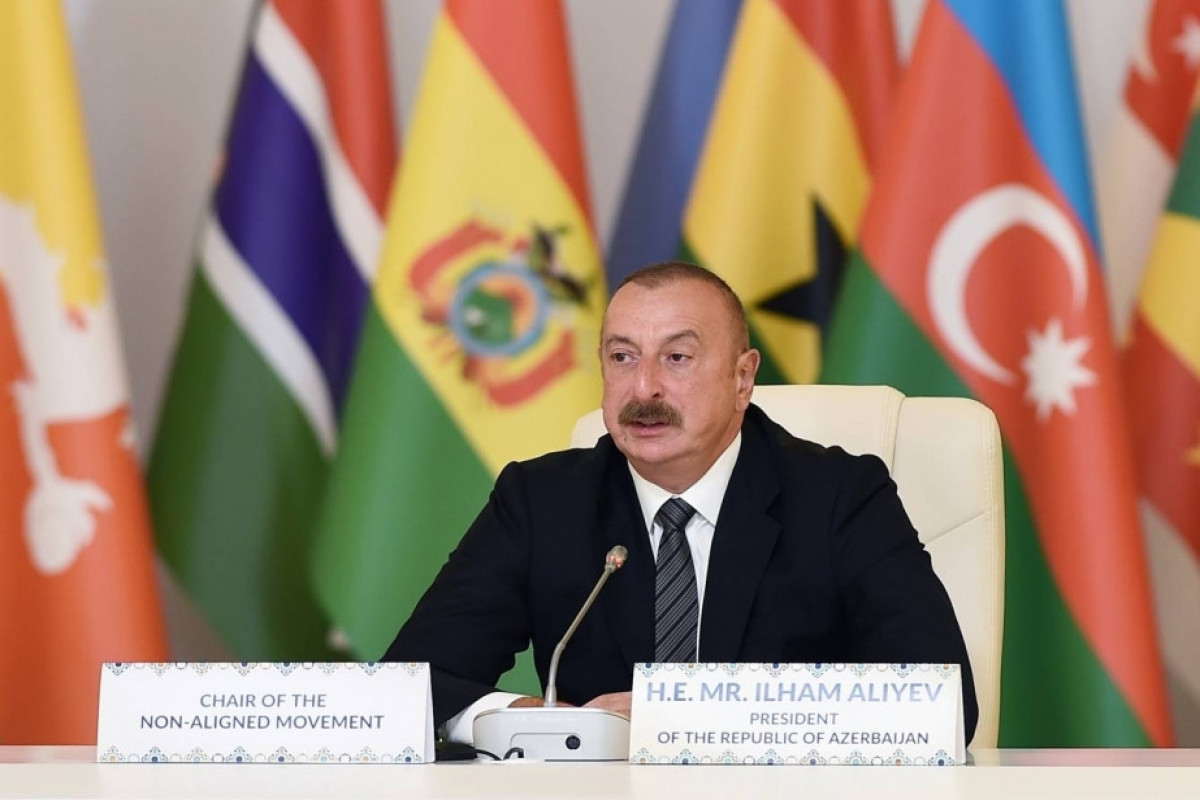
International chess master Ilham Aliyev sits at the great geopolitical chessboard. There is a string of opponents across the board. A fierce game is going on. Aliyev coolly continues his brilliant play without emotions or unnecessary strain... An incredible one-sided devastating game is unfolding before our eyes.
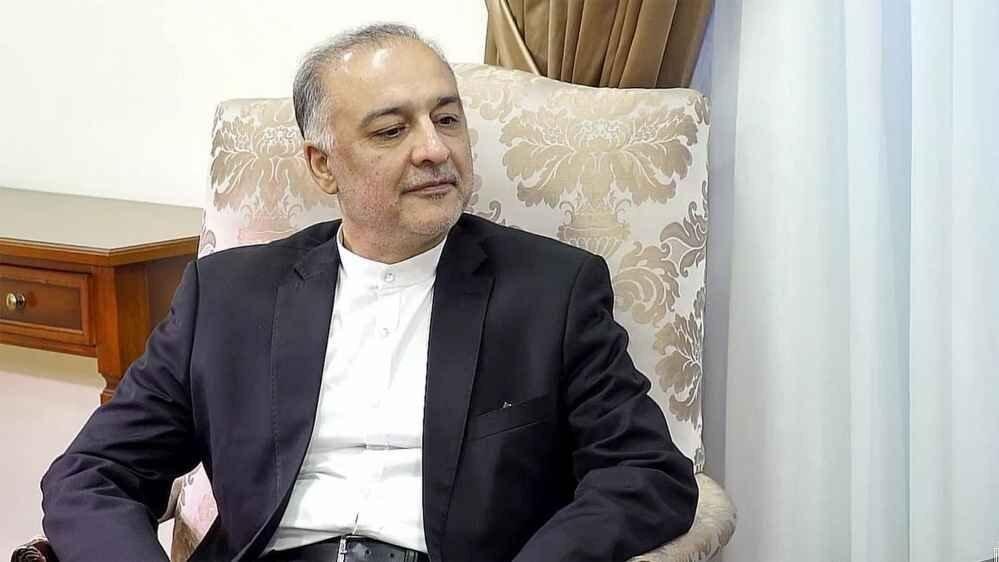
"Israel is one of the main sources of instability in the South Caucasus, and Armenian soldiers in Nagorno-Karabakh were killed with Israeli weapons," Iranian Ambassador to Armenia Mehdi Sobhani made such a provocative statement.
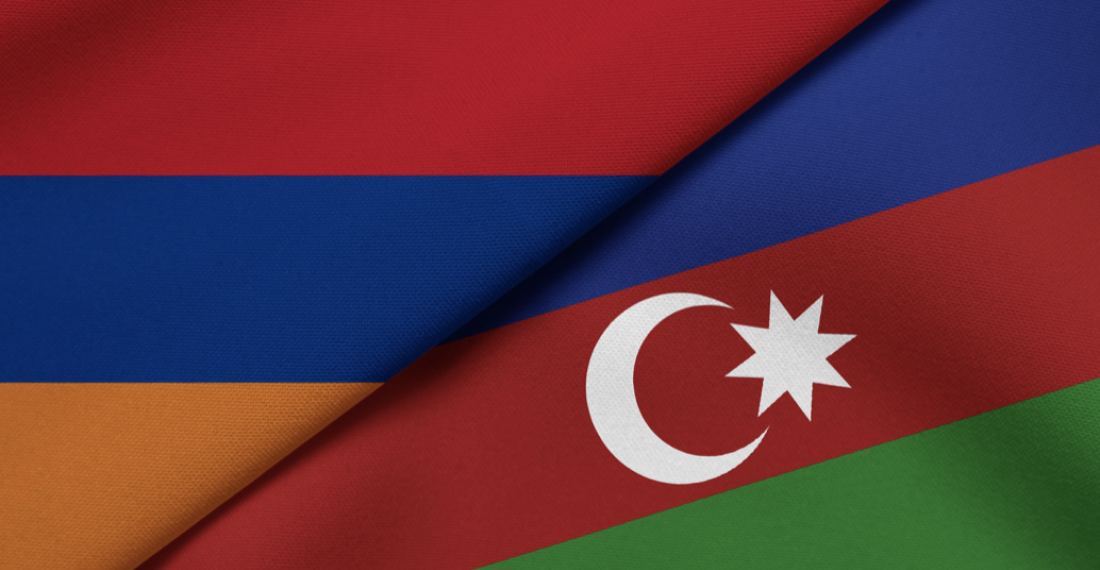
There were moments in Armenia-Azerbaijan relations over the last thirty years when co-operation was a dirty word. To even suggest it, as I often did to the two sides, was to open oneself to all kinds of insults and criticism.
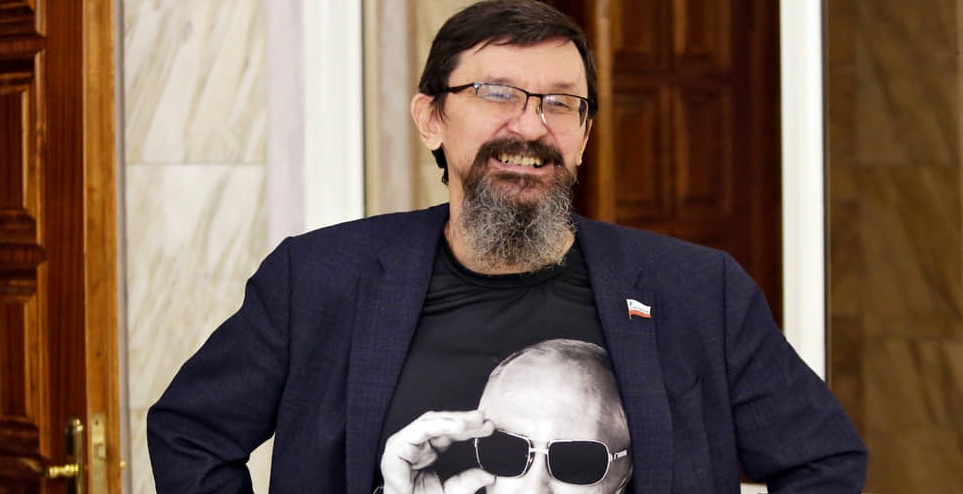
"Russia is leaving the South Caucasus forever. Russian troops first appeared there in 1813, and now in 2024, they are departing. This process is irreversible."
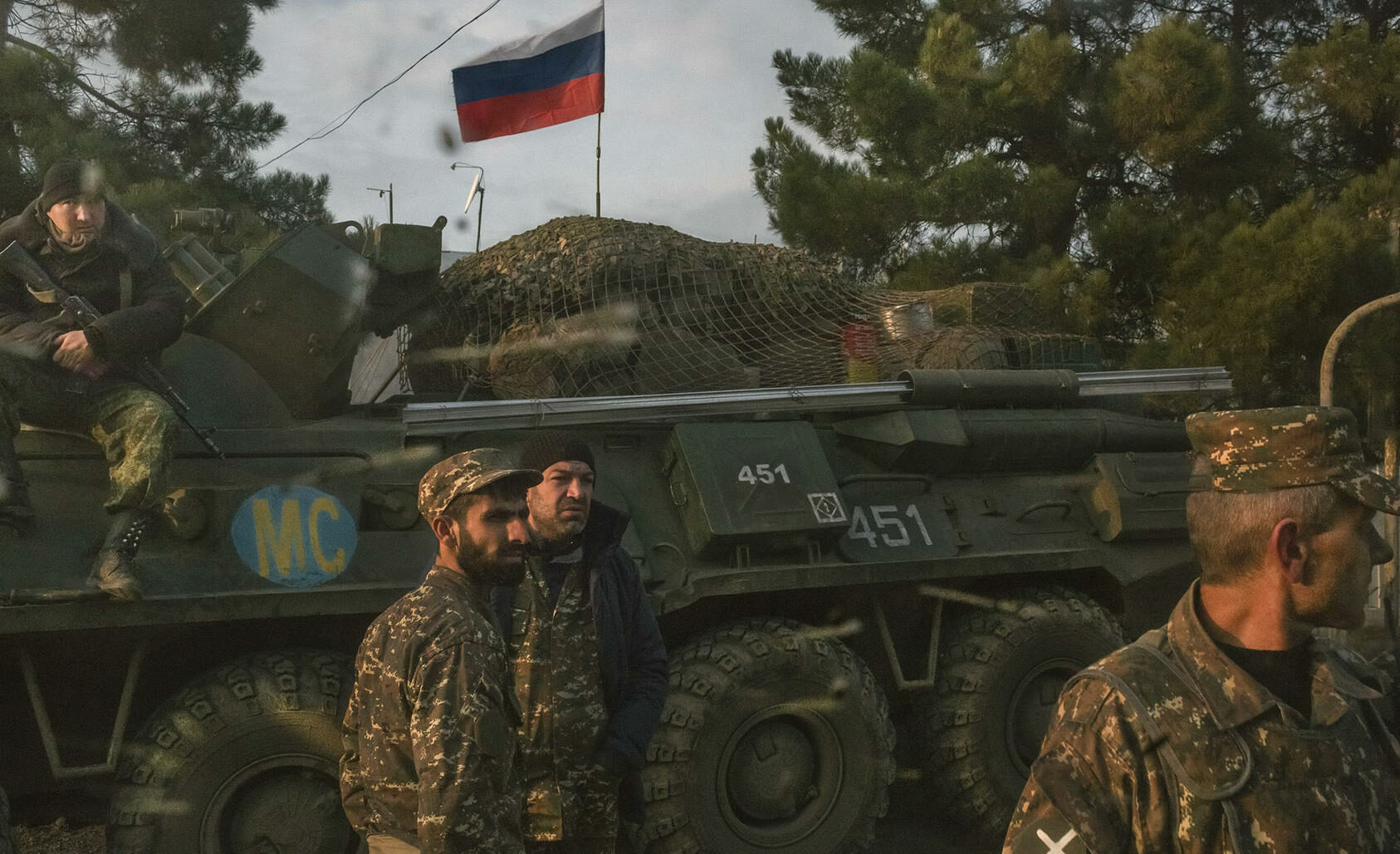
At the moment, we do not set ourselves the task of assessing and delving into an analysis of the results of the activities of Russian peacekeeping contingent in Azerbaijan.
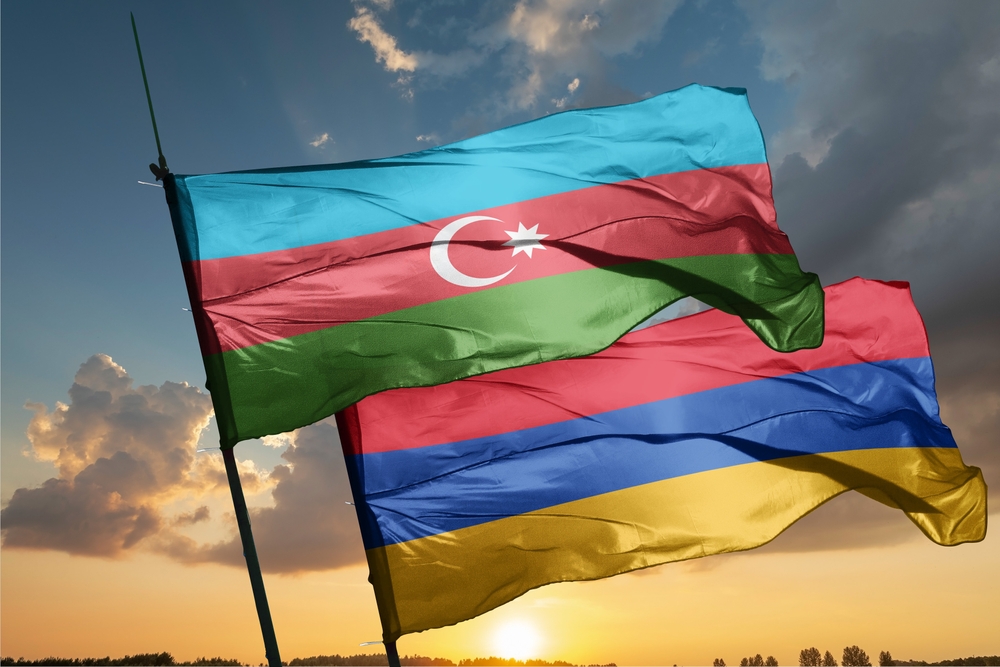
Every war and conflict experience pivotal moments that bring significant risks, often accompanied by suffering and devastation.
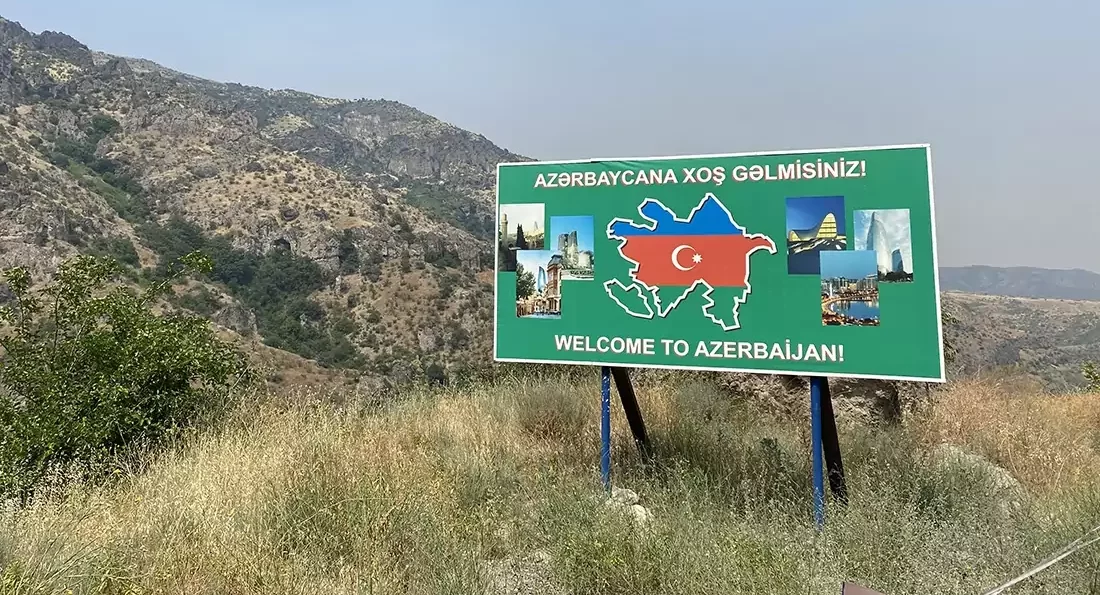
The standoff continues between Armenia and Azerbaijan over several border villages, and Baku seems determined to restore sovereignty over them soon.
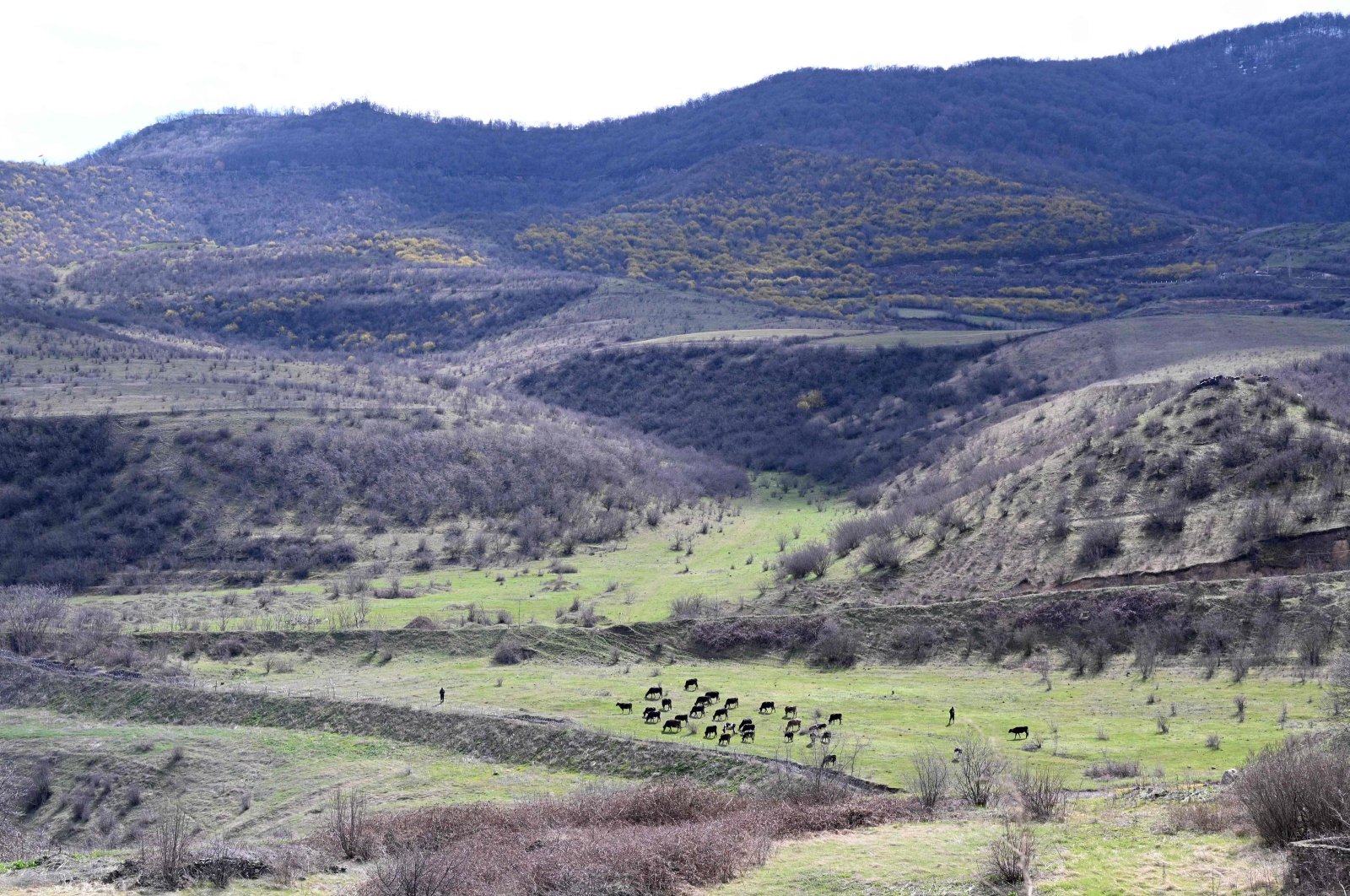
Azerbaijan and Armenia again crossed swords before the U.N.'s top court on Monday, with Baku asking the court to throw out a case brought by Yerevan accusing it of ethnic cleansing and allegedly violating a U.N. anti-discrimination treaty.
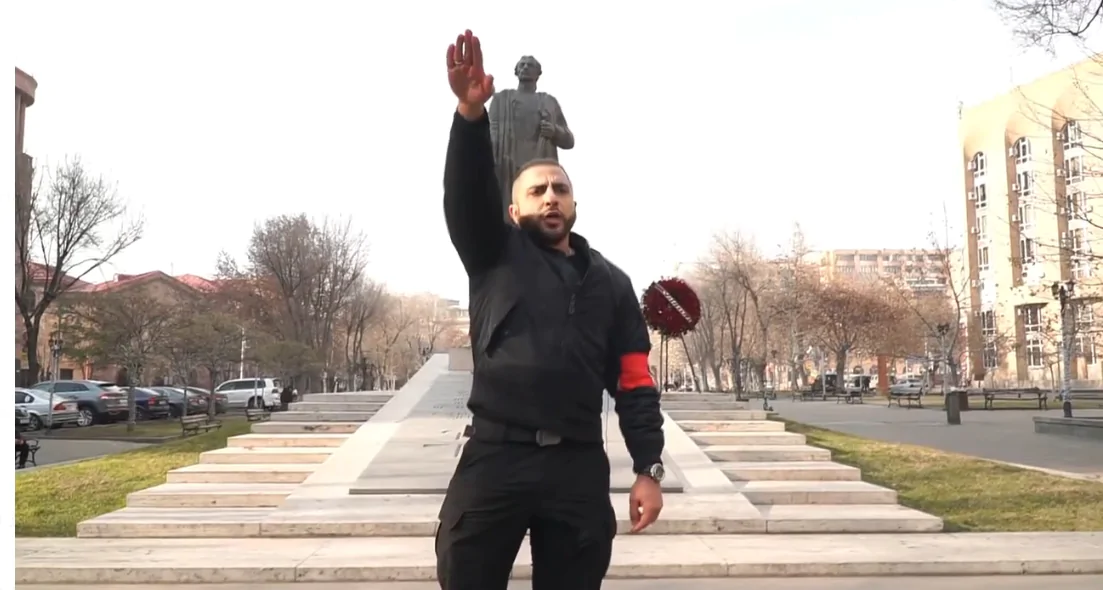
Armenia prefers to claim that Azerbaijan is waging a "hybrid war" against their country, and that antisemitic acts (including attempts to set fire to a synagogue in Yerevan) may have been organized by outside forces to discredit Armenians.
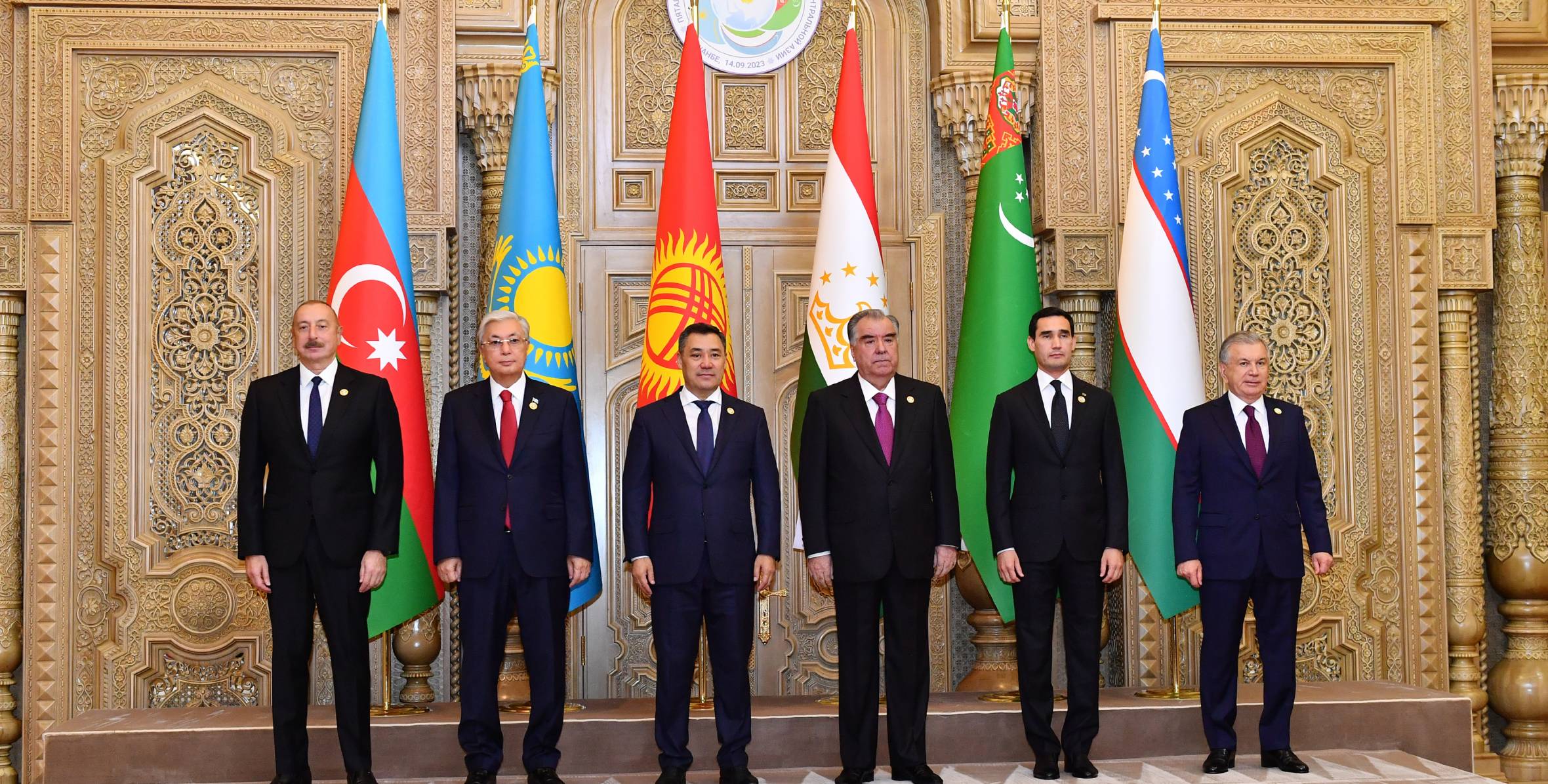
While continuing its equidistance policy regarding Russia and the West, Azerbaijan is looking towards Central Asia and identifying its position in the new Great Game.