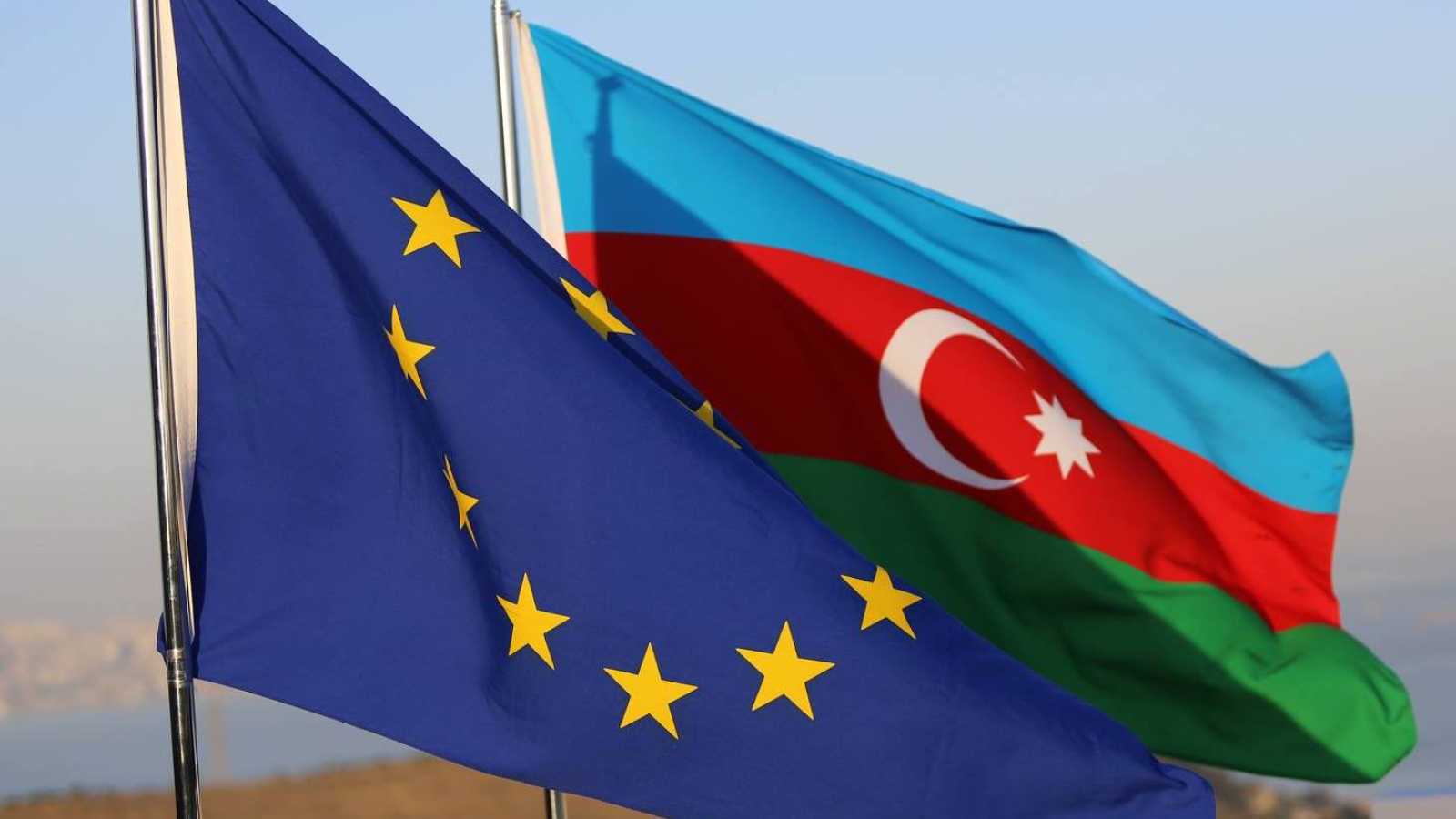
While Baku appears inclined to pursue a “business only” arrangement with the European Union, it’s unclear whether that would be acceptable for Brussels.

While Baku appears inclined to pursue a “business only” arrangement with the European Union, it’s unclear whether that would be acceptable for Brussels.
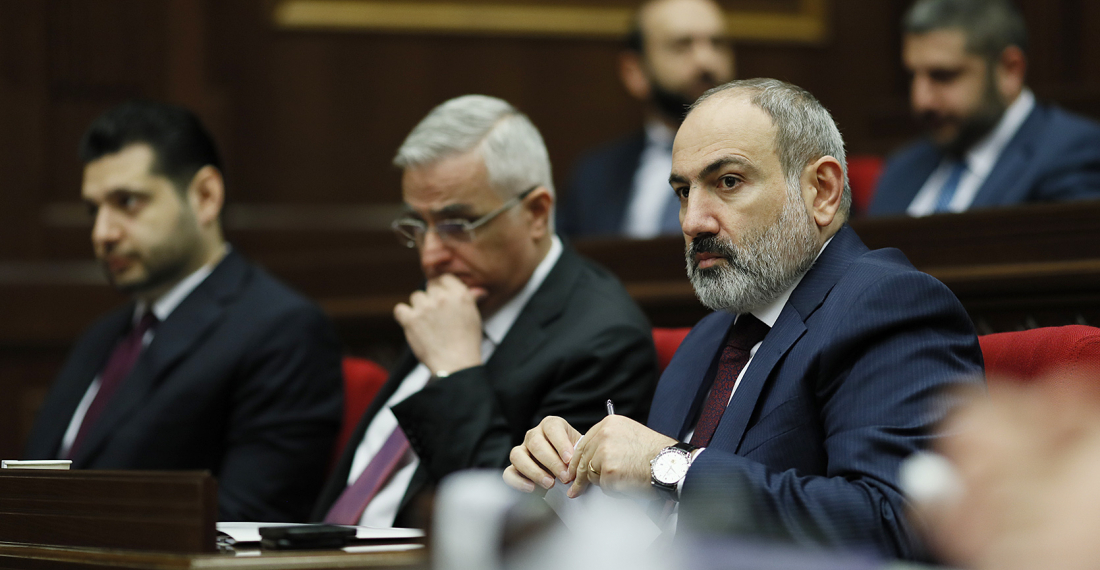
In Armenia, the official stance on their attempt to initiate a new arms race in the region was presented.
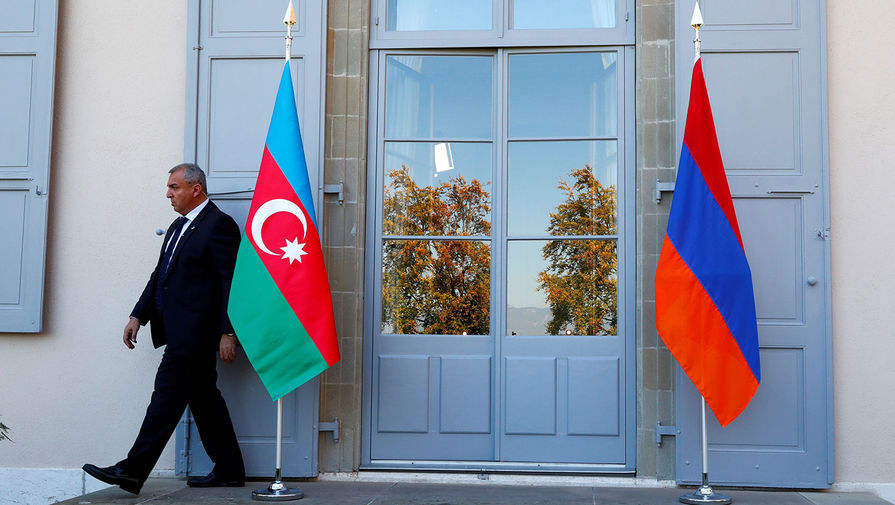
Mutual return of border and exclave villages could prove an ice breaker for peace in a three-decade long conflict between Armenia and Azerbaijan. A failure to agree, however, risks further border tensions.
The US national security strategy of the Biden-Harris administration identifies Russia as a dangerous country that must be contained at all costs. Russia's presence in the South Caucasus is extensive.
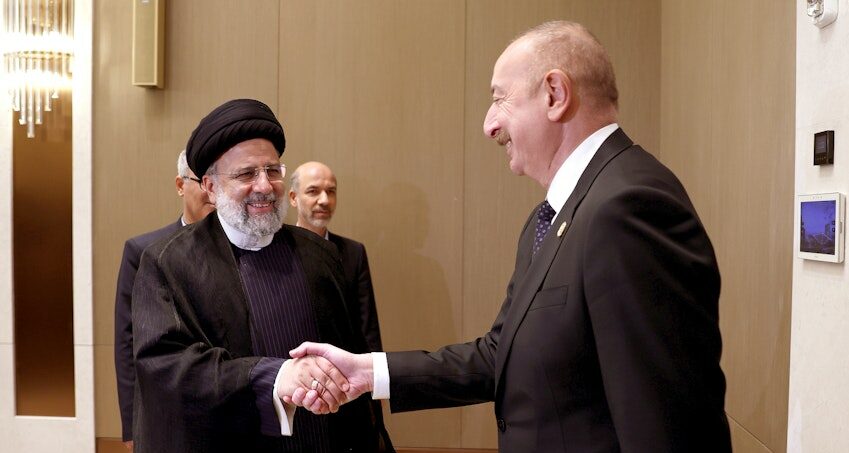
After rising confrontation and a war of words in recent years, Azerbaijan and Iran have returned to the diplomatic track—emphasizing regional connectivity and infrastructure projects based on pragmatism.
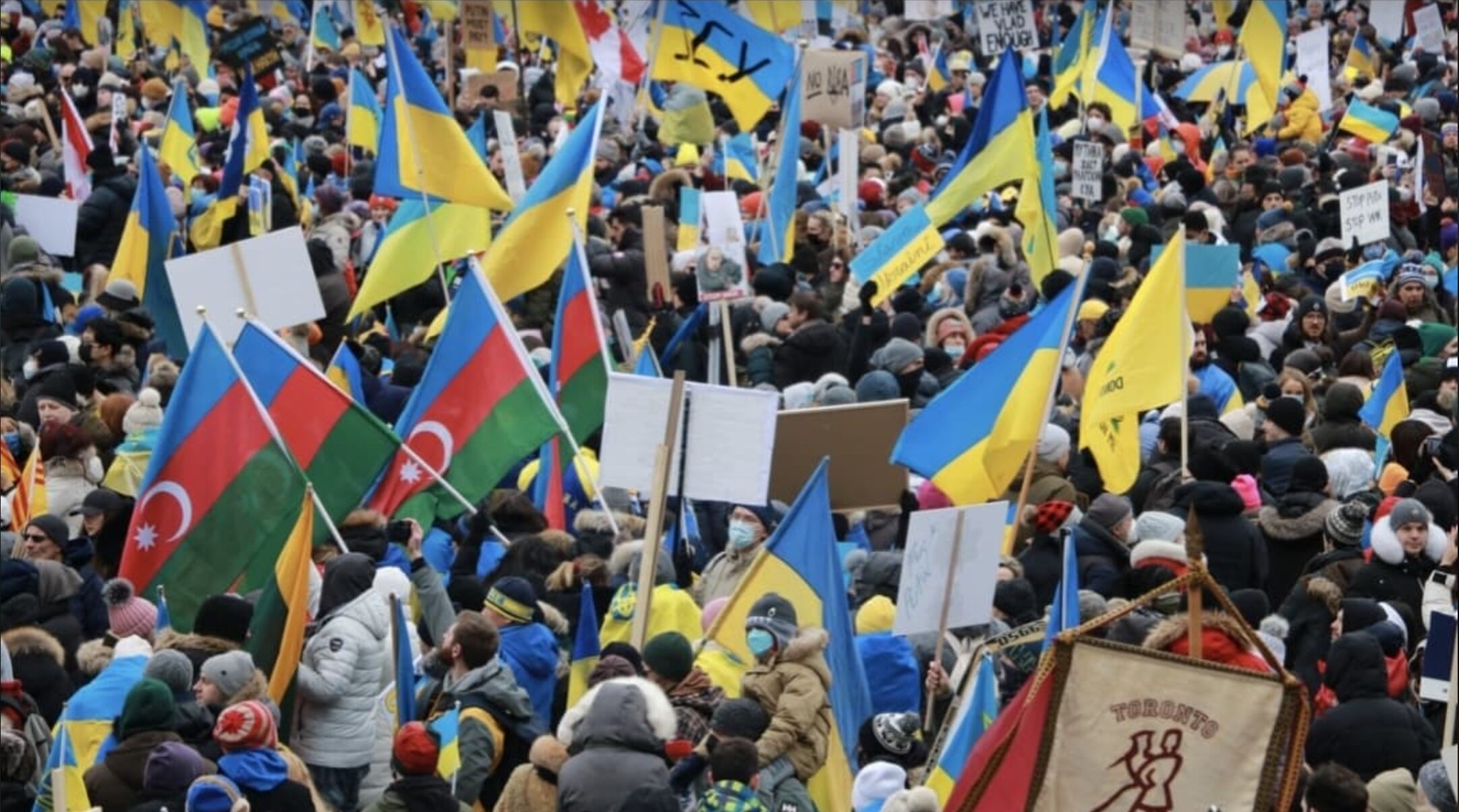
In an insightful article featured on Modern Diplomacy, Ayoob Kara, who has previously served as Israel’s Minister of Communications, sheds light on Azerbaijan's unique position to act as a mediator in the ongoing conflict between Ukraine and Russia.
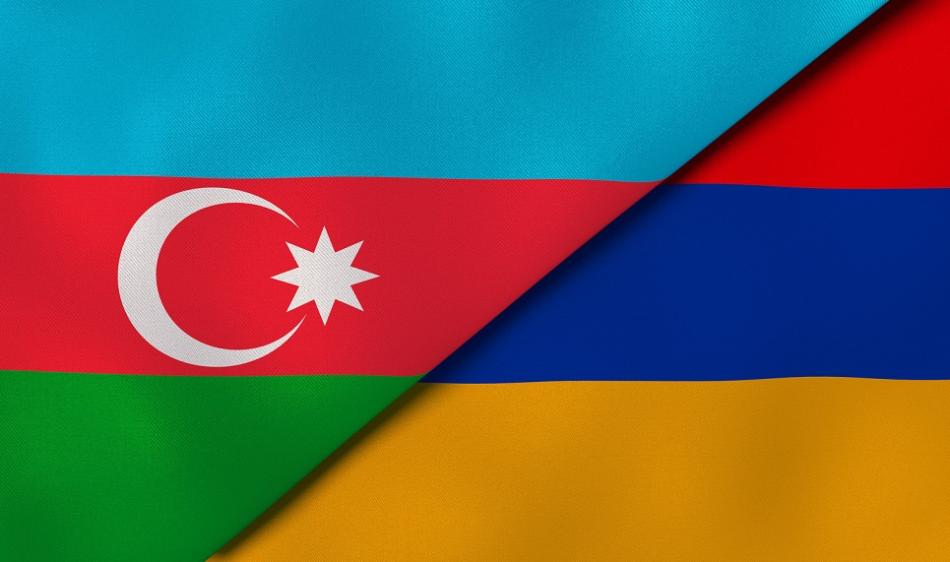
In the South Caucasus, there is never only one story unfolding at the same time; more often than not there are several, that may overlap here and there, but that have their own distinct dynamics.
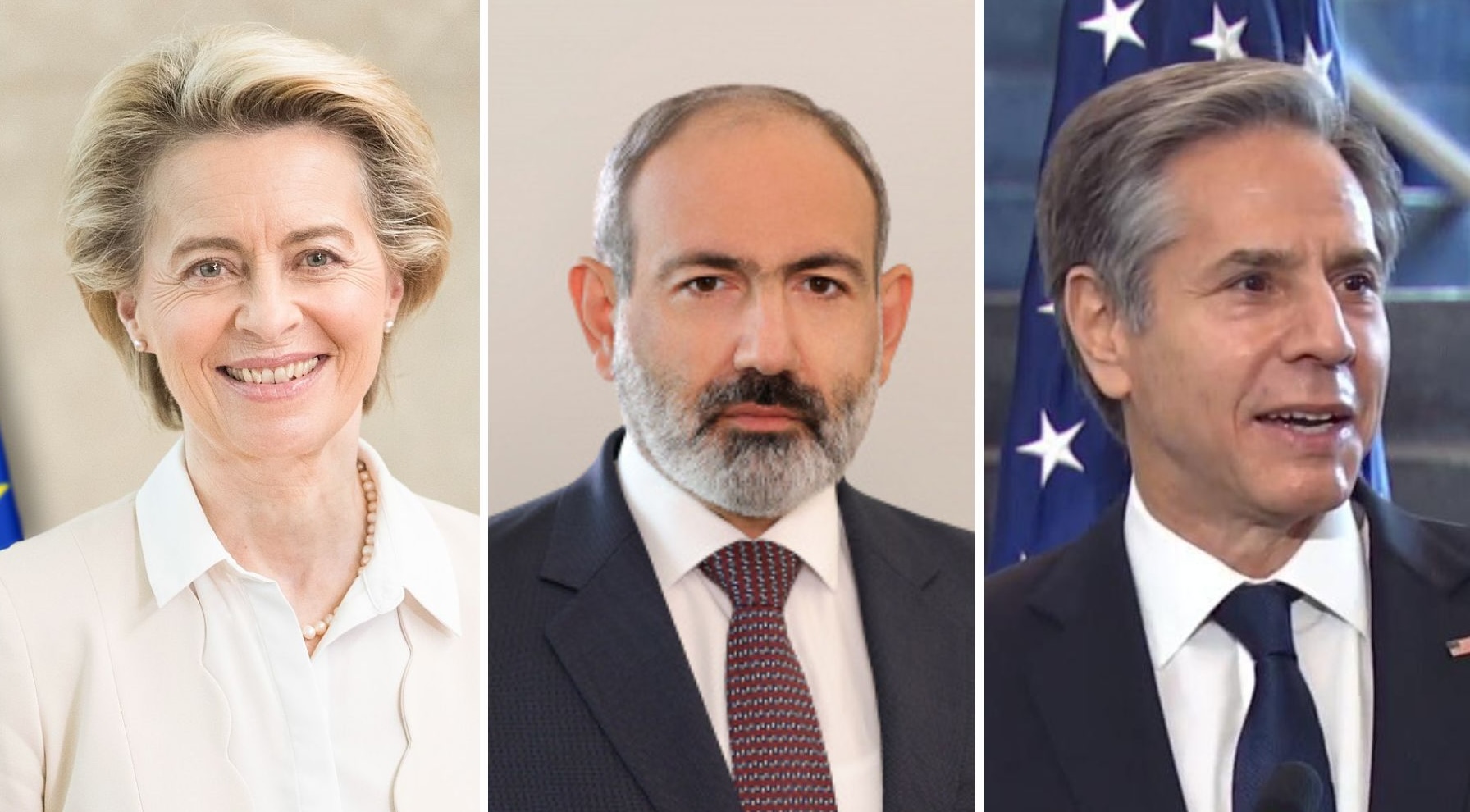
The trilateral meeting on 5 April hardly promises any good to the Armenia-Azerbaijan peace process either. In his phone call with Secretary Blinken, President Aliyev specifically mentioned “lack of inclusivity” as part of his criticism of the meeting.
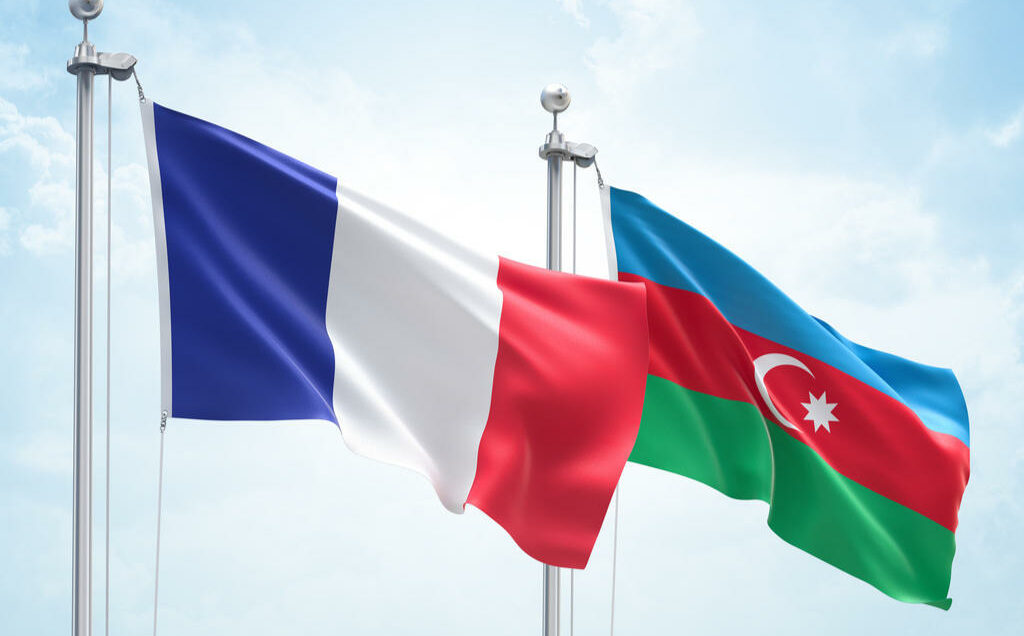
The conceited and the envious, especially if they have power, tend to antagonize those who cannot be deceived, who do not allow themselves to be manipulated. This pernicious tradition does not only manifest itself in everyday life.
![A zoomed in view of the waterfront promenade running along the shores of the Caspian Sea, Baku, Azerbaijan. [Photo via Getty Images]](https://aze.news/wp-content/uploads/2024/03/GettyImages-1178395339-e1723534011484.webp)
US Secretary of State Antony Blinken's phone call to President of Azerbaijan Ilham Aliyev revealed many political facts that would be unimaginable only yesterday. Blinken's call is yet another evidence of the increased political weight and authority of President Ilham Aliyev. It is also indicative of the surgical precision of his diplomacy and highest professionalism.
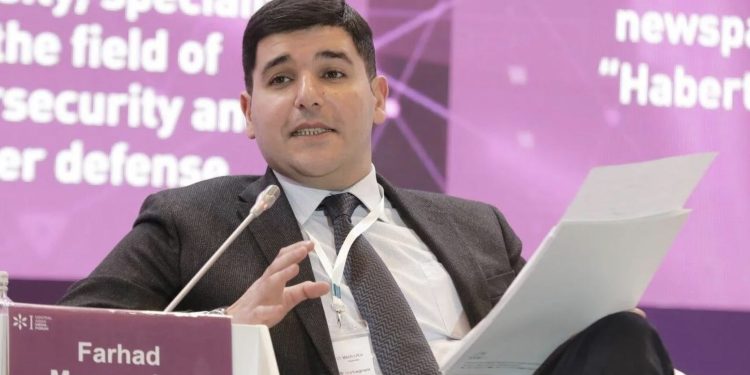
The call from Secretary of State Blinken to the President of Azerbaijan on the eve of the "Brussels Conspiracy" involving the Secretary of State of the USA, the High Commissioner of the EU, and the Prime Minister of Armenia demonstrates the West's belated realization that ignoring Azerbaijan's position on regional processes is counterproductive.
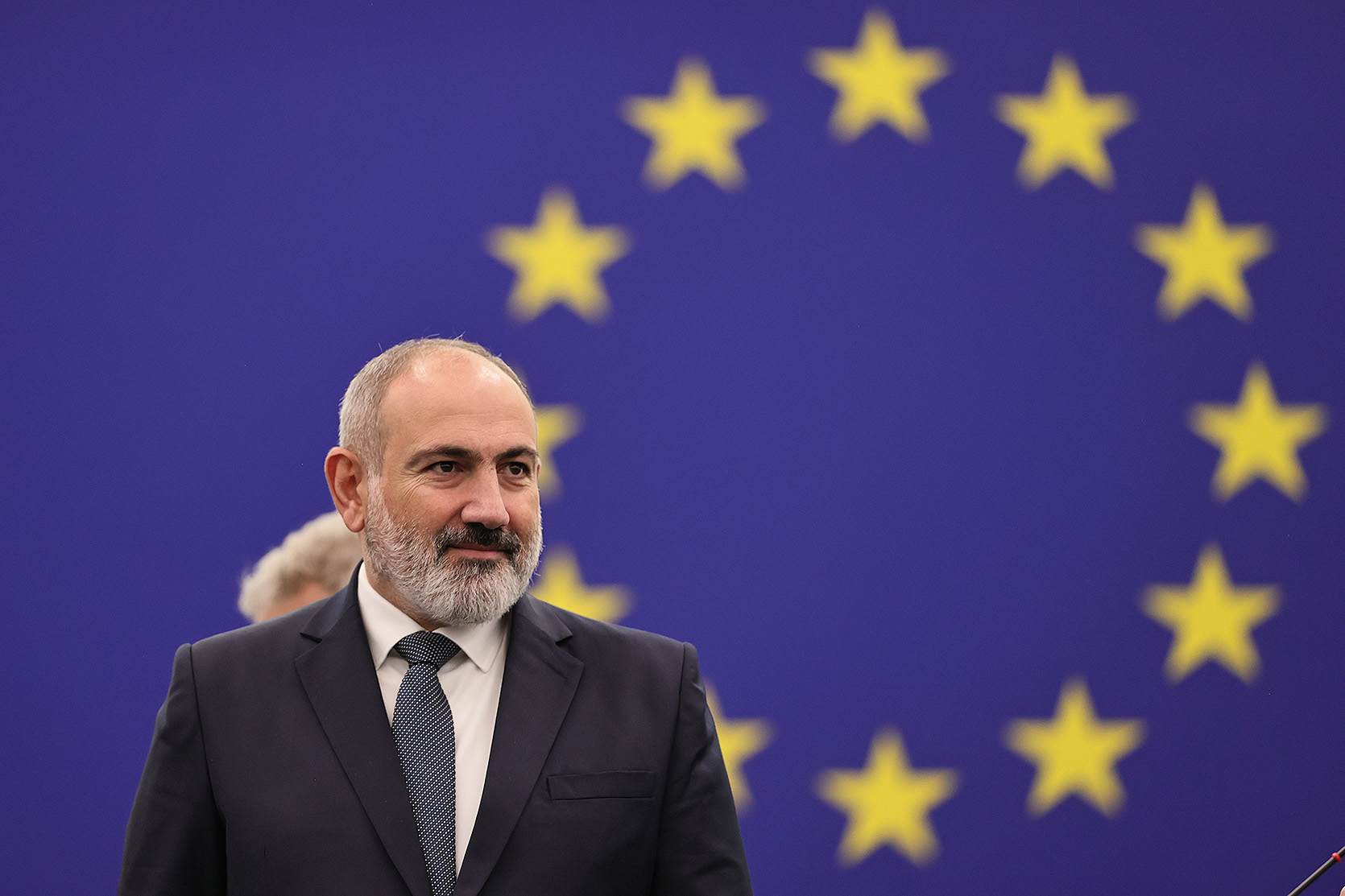
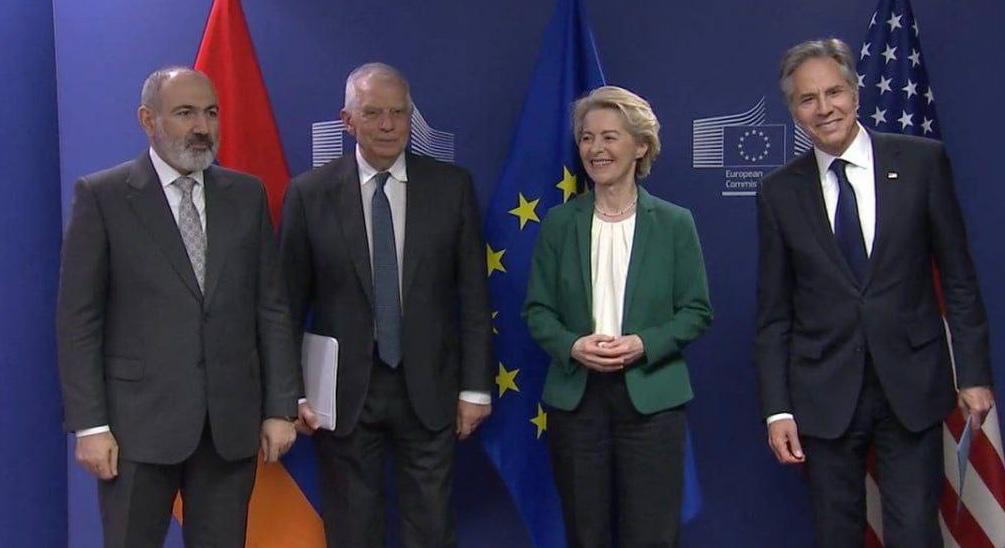
According to reliable sources, Nikol Pashinyan's April 5 meeting with Ursula von der Leyen and Antony Blinken in Brussels is expected to approve a plan of political, economic, military, and humanitarian assistance to Yerevan to initiate Armenia's integration into the Euro-Atlantic space. Among other things, it is expected to agree on security cooperation unprecedented for the CIS countries.
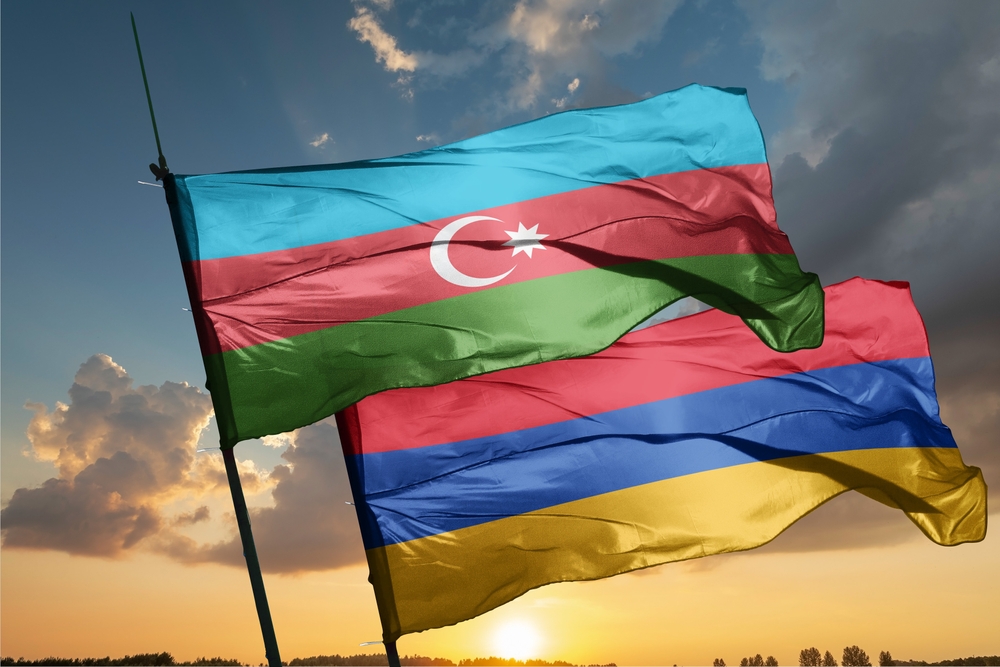
Occupied by Armenian forces during the first Karabakh war in the early 1990s, the four villages under discussion were situated within Azerbaijan's Gazakh District, and adjacent to Armenia's Tavush region when the Soviet Union dissolved in 1991.
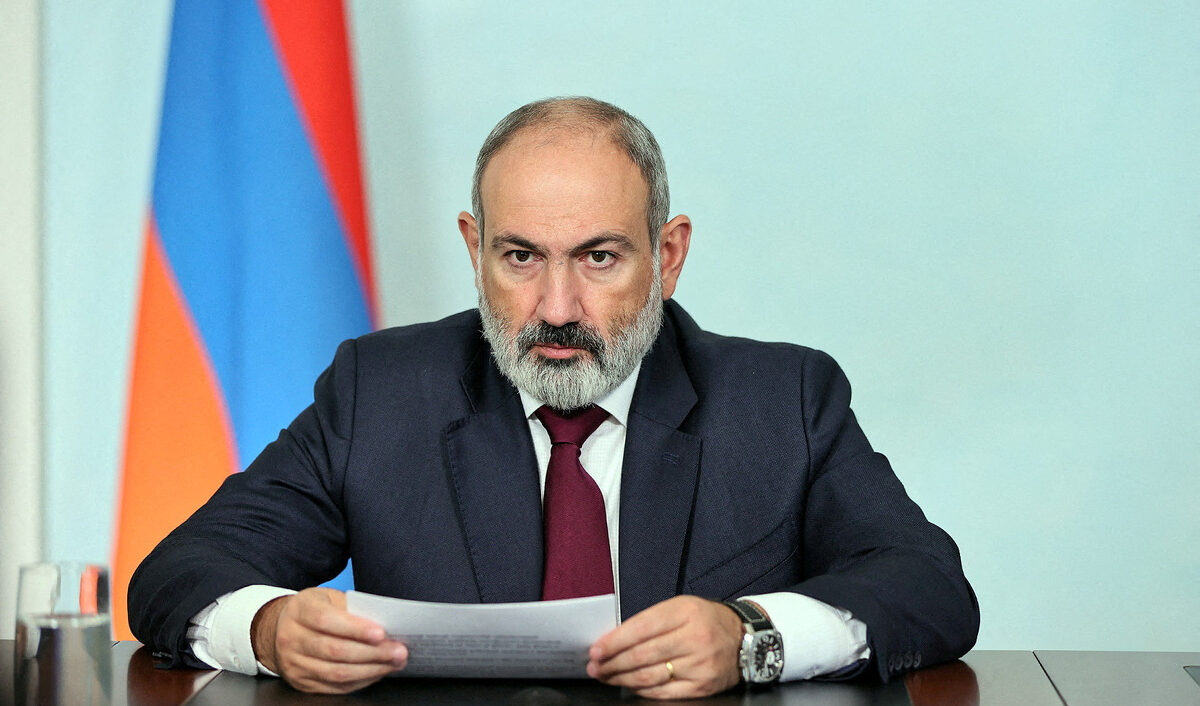
As Armenia finds itself at a crossroads, navigating the delicate balance between regional alliances and domestic stability becomes increasingly precarious, with the specter of external interference looming large.
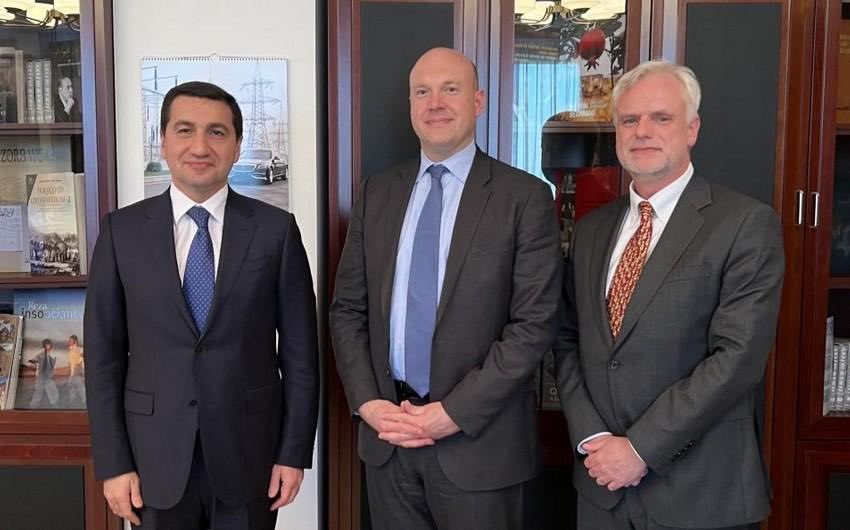
US Deputy Special Envoy for Iran Abram Paley embarked on a surprise diplomatic tour across the South Caucasus region, encompassing visits to Yerevan, Tbilisi, and Baku. Throughout his journey, Abram Paley engaged in a series of high-level meetings with government officials, and representatives from the banking sector to discuss Iran’s presence in the South Caucasus nations and possible threats it may pose to them and the wider region.
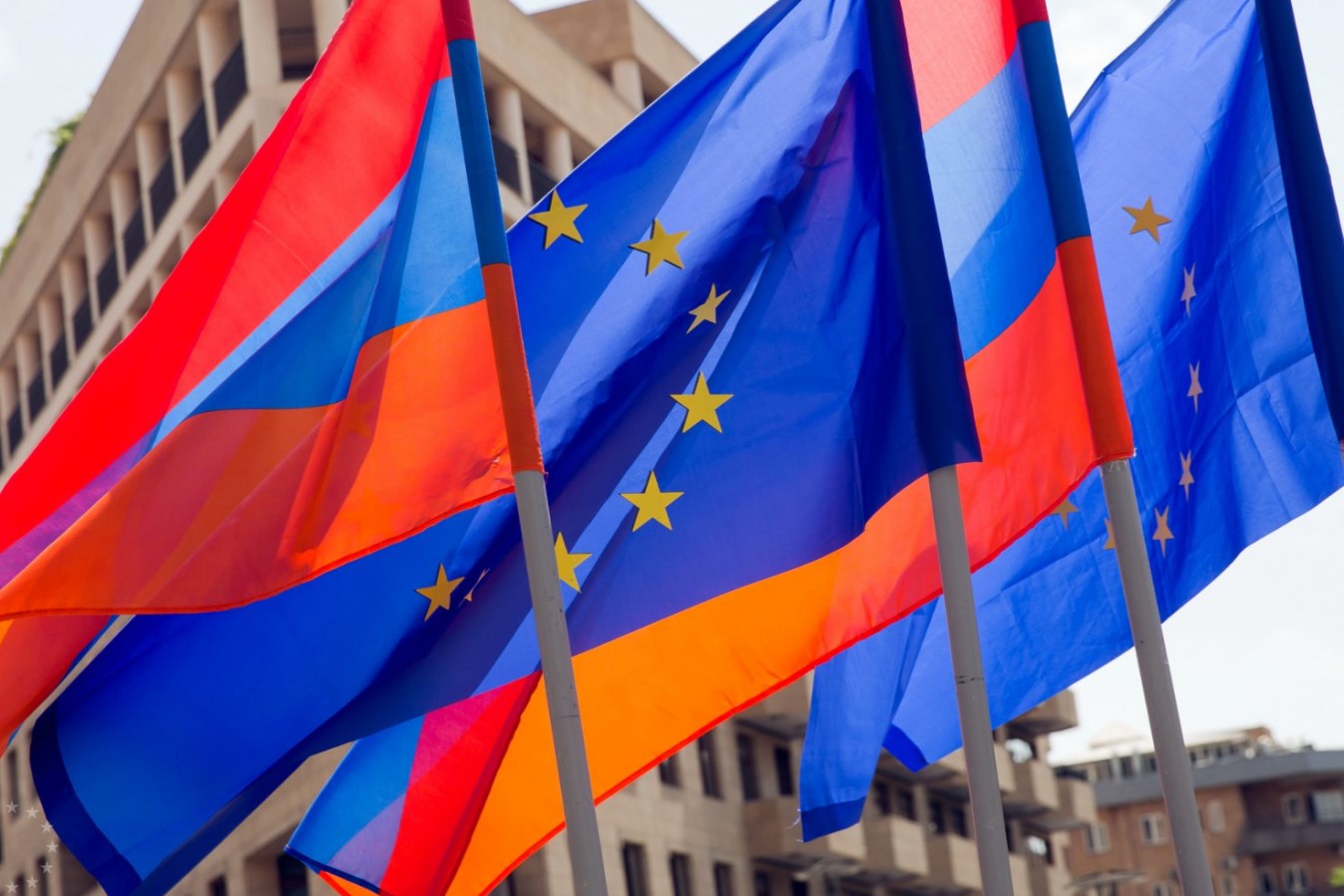
The EU will only take Armenia’s European integration seriously when its prime minister shows his country is committed to the territory integrity of states and supportive of regional cooperation.
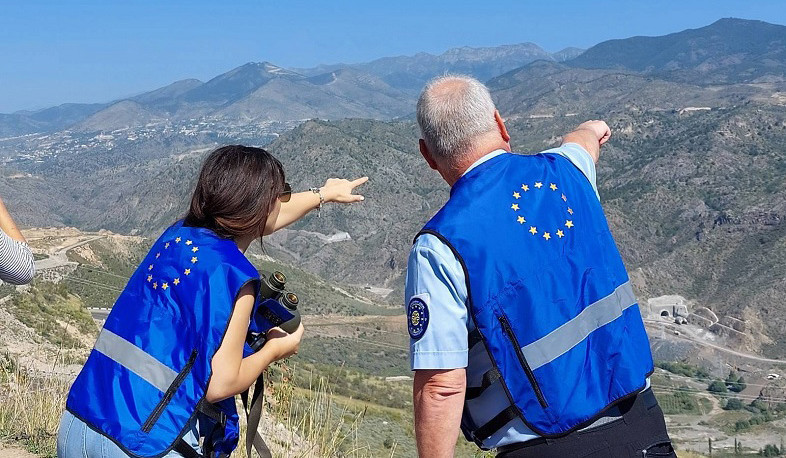
Markus Ritter, Head of the European Union Mission in Armenia, revealed in an interview to Armenian YouTube channel Armenian News Network some rather unpleasant for Yerevan details of the incident that had taken place in mid-August 2023.
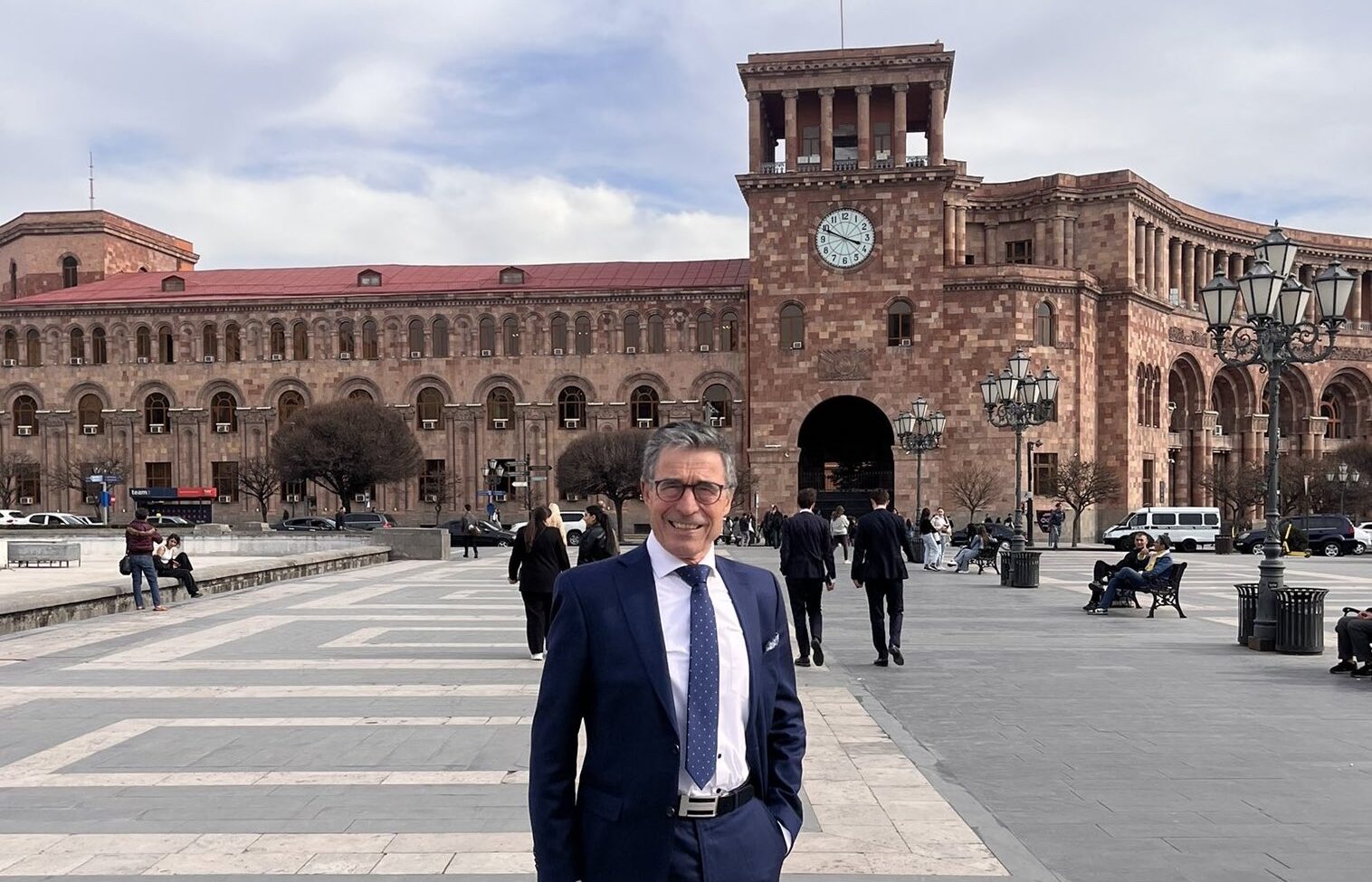
Armenia has found another reason for exuberant joy. A few days ago, the report of the high-level group "Friends of Armenia Network" headed by former NATO Secretary General Anders Fogh Rasmussen was released.
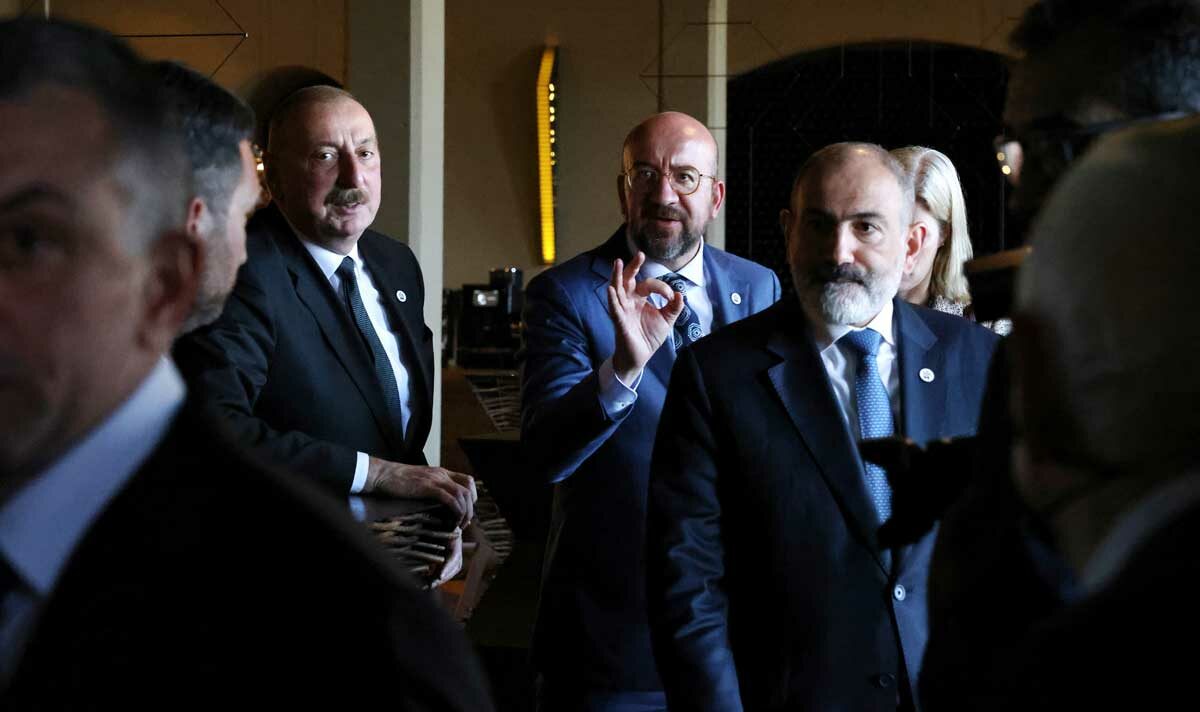
There are significant concerns that the upcoming meeting could exacerbate geopolitical tensions in the South Caucasus, thereby jeopardizing regional peace and security.
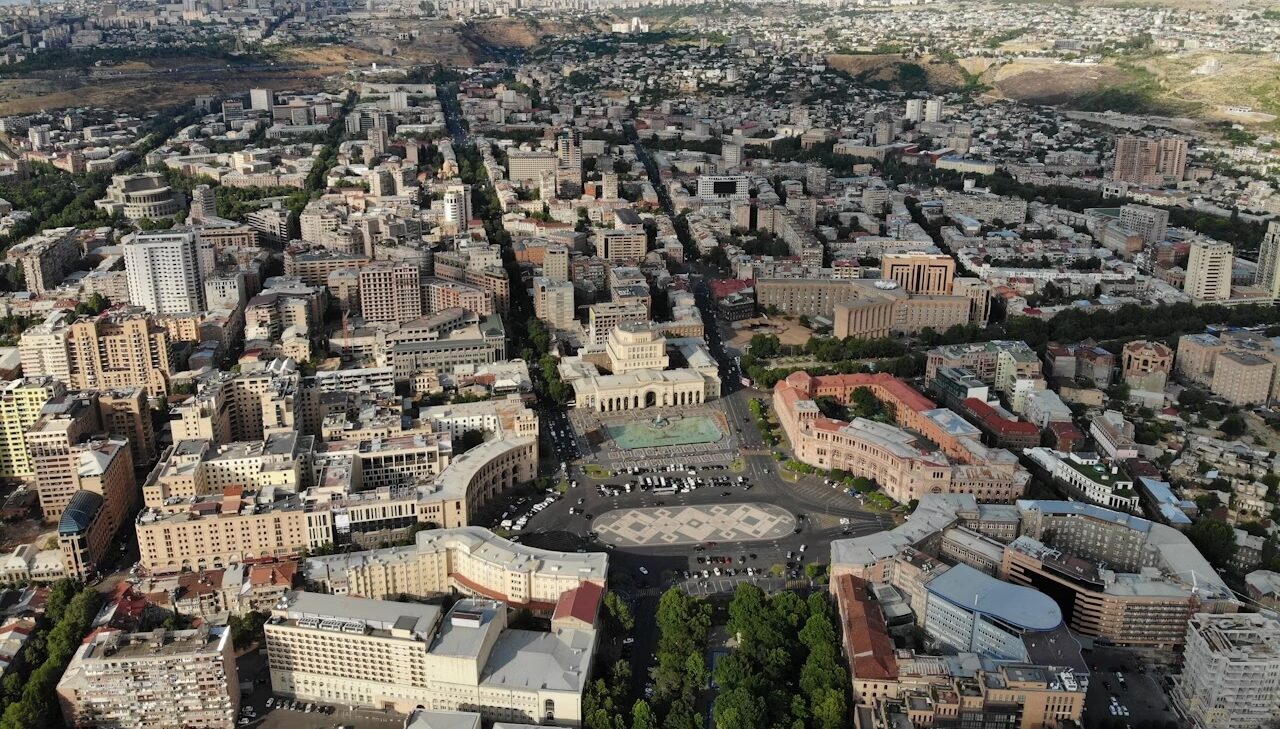
One important way relations between Armenia and Azerbaijan could be normalised and a peace treaty signed is by removing any doubts on either side of future territorial revanchism.
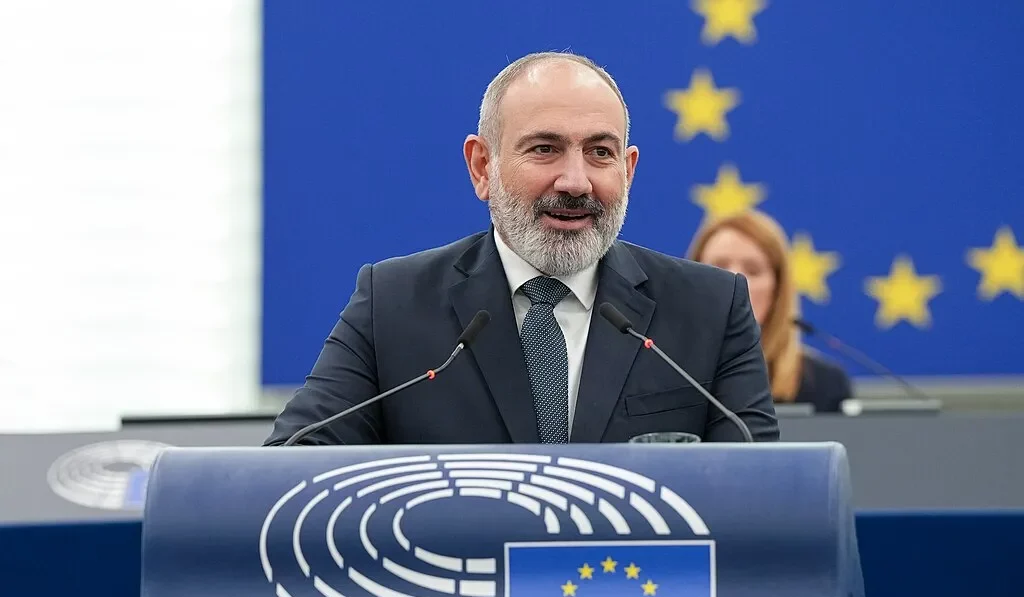
Yes, the West prefers to act through the hands of Armenia. The very Armenia that eagerly took on and continues to take on the role of an instrument in someone else's game. Often, simultaneously for two opposing camps.
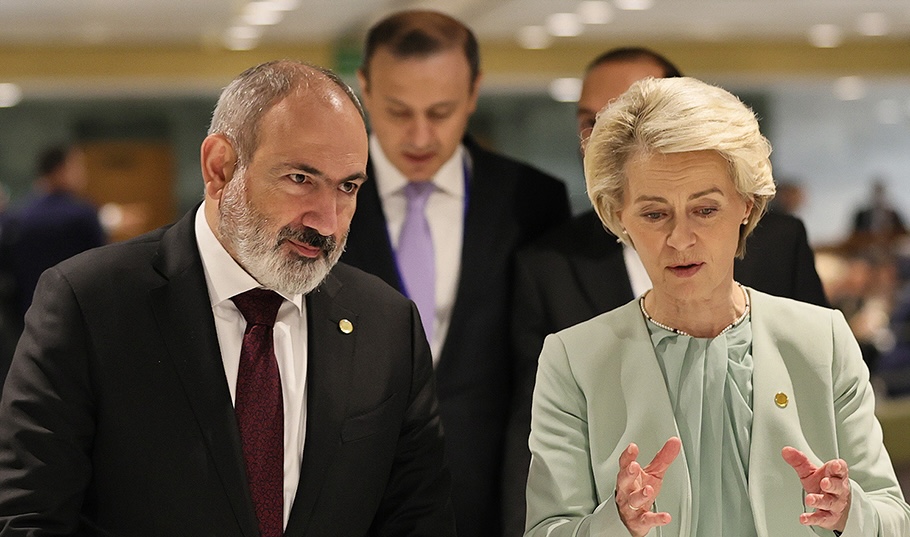
A lot has been said in recent days about the upcoming meeting between Armenian Prime Minister Nikol Pashinyan, US Secretary of State Antony Blinken, and European Commission President Ursula von der Leyen in Brussels on April 5, which will apparently be joined by NATO Secretary General Jens Stoltenberg.
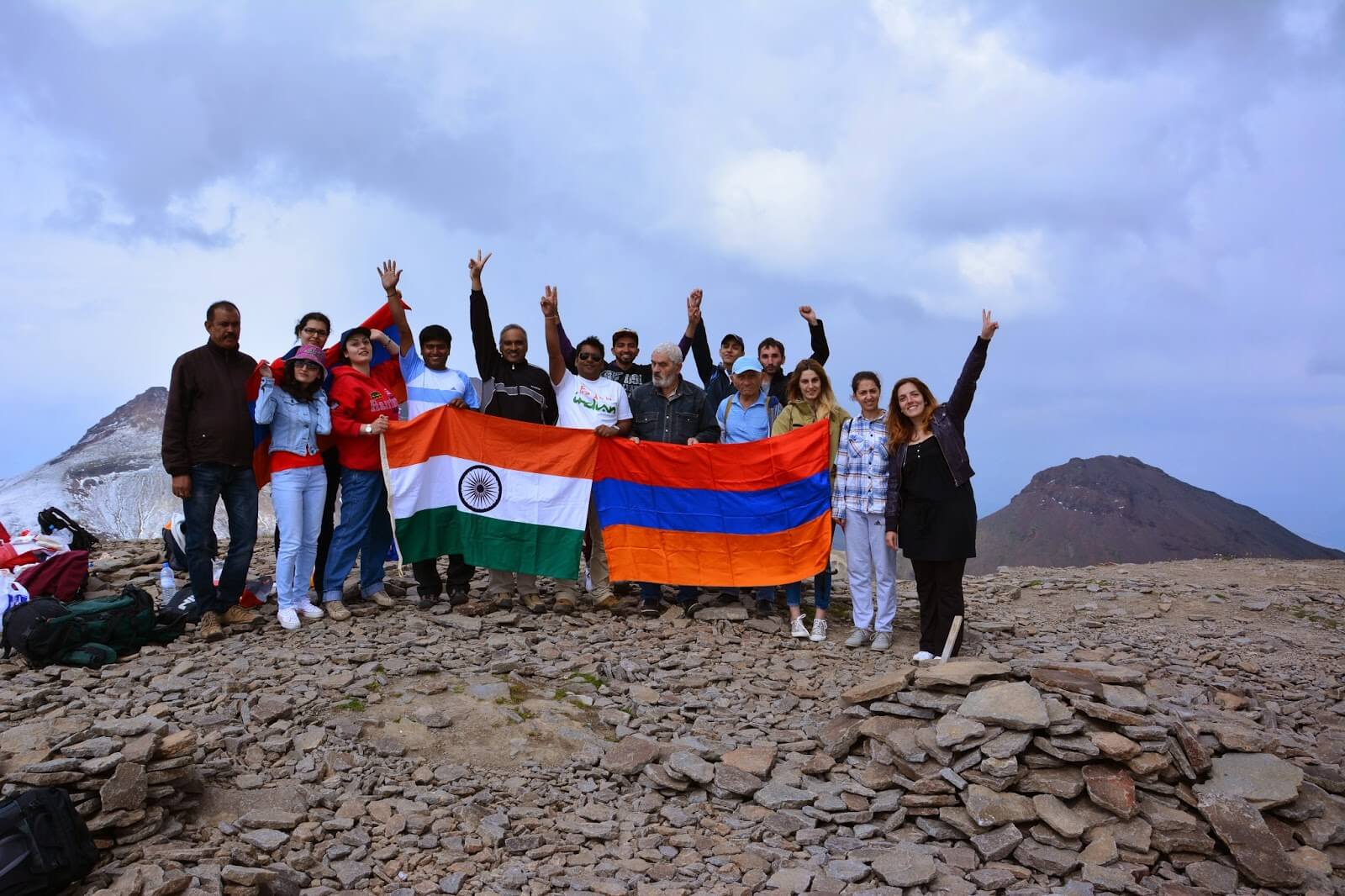
The development of military and defense relations between Azerbaijan and Pakistan and Armenia and India is an important consequence of the political arrangement and the balance of forces after the Second Karabakh War.
The relevance of Azerbaijan as an alternate energy supply and transportation route for the EU demonstrates that the EU cannot simply side with Armenia.