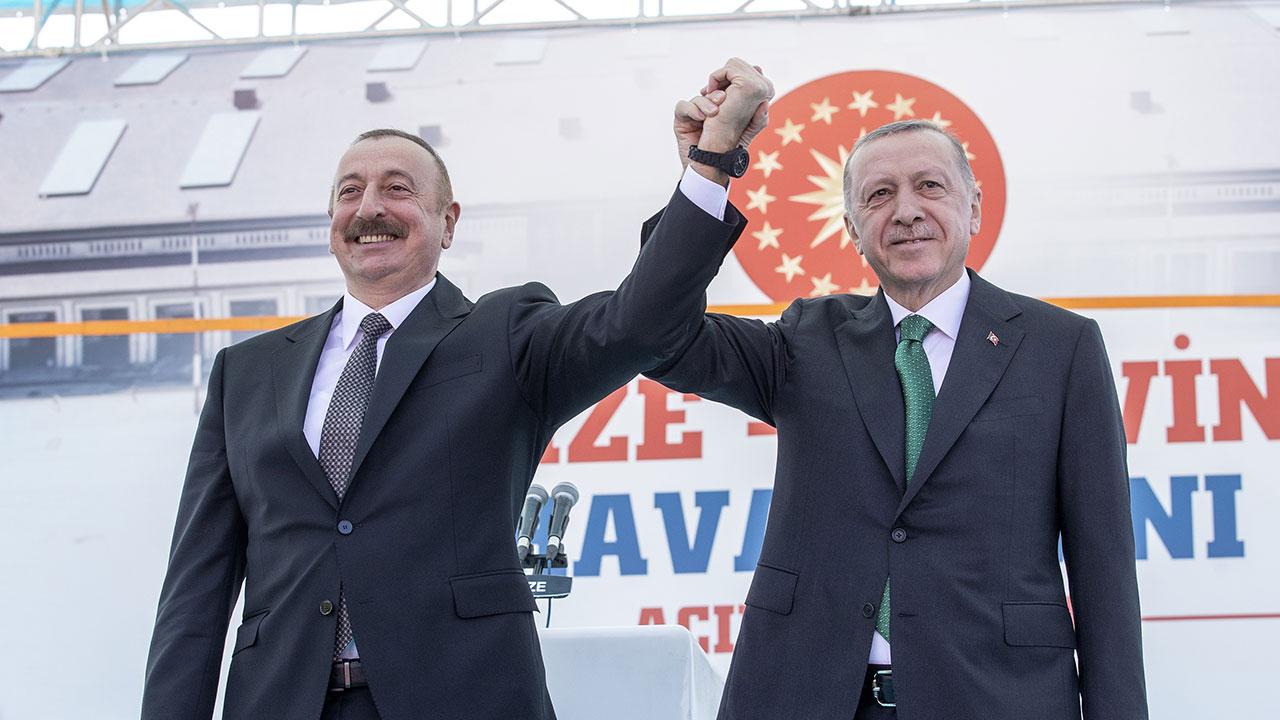
The inauguration ceremony of President of Türkiye Recep Tayyip Erdoğan is officially over. The breakdown and analysis of its backstage, or rather of the meetings on the sidelines, is just beginning.

The inauguration ceremony of President of Türkiye Recep Tayyip Erdoğan is officially over. The breakdown and analysis of its backstage, or rather of the meetings on the sidelines, is just beginning.
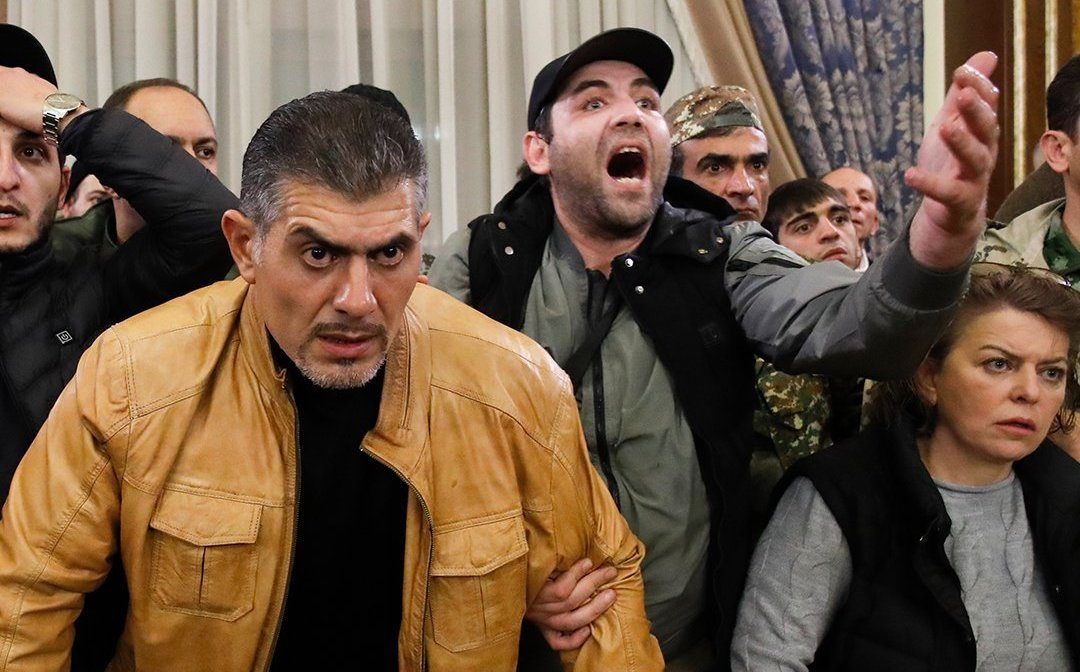
Perhaps we are mistaken, but the Armenian leadership, in particular the country's Foreign Ministry, seems to have removed the word "genocide" from its vocabulary in its comments on the Armenian-Azerbaijani settlement in recent days.
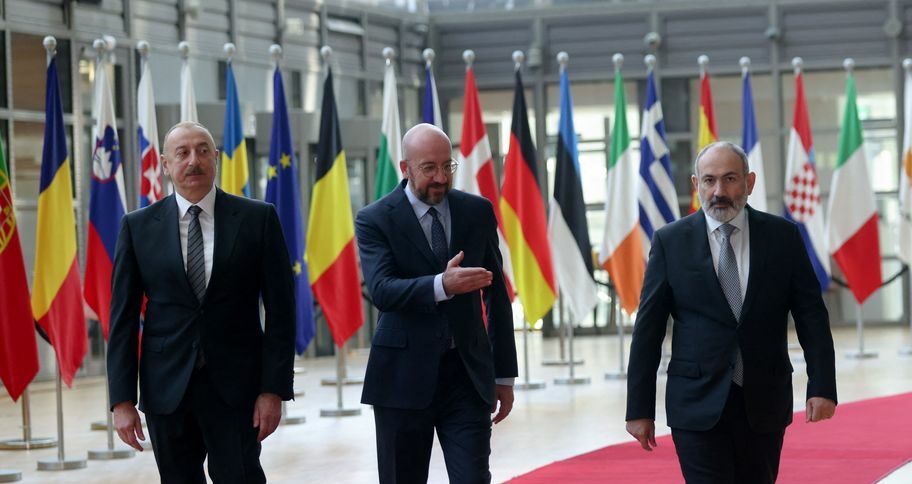
The Armenian-Azerbaijani peace talks are paradoxically dynamic — the closer to a common vision of peace, the higher the chance of military escalation.

China's vast economic reach necessitates a complex and flexible network of trade routes, rather than an over-reliance on a singular path.
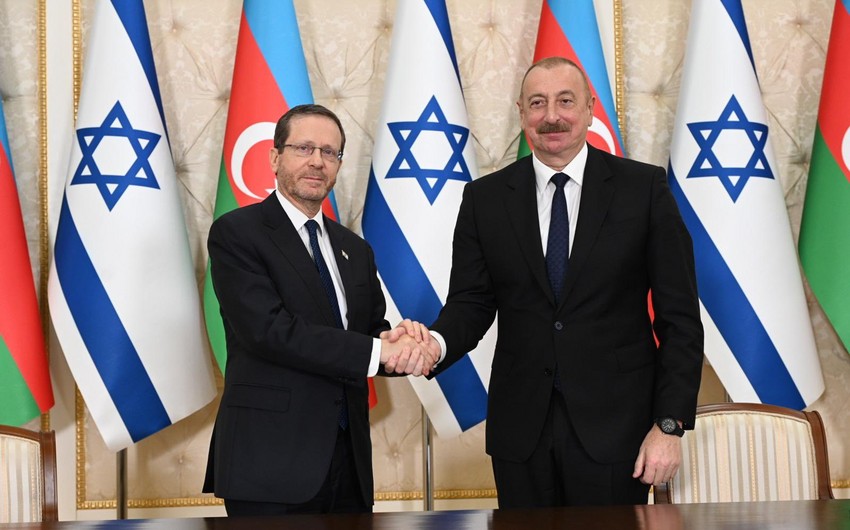
The two nations are steadily establishing a closer and more open relationship united by perceived threats.
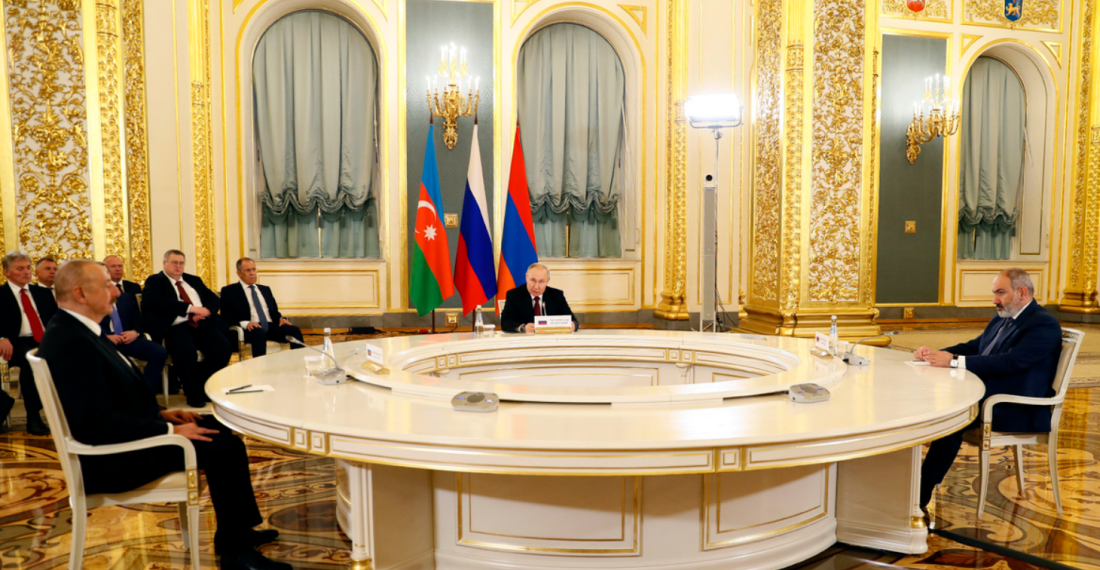
On 25 May, Russia managed to bring the leaders of Armenia and Azerbaijan, Prime Minister Nikol Pashinyan and President Ilham Aliyev, respectively, together for a trilateral meeting with President Vladimir Putin on the sidelines of the Eurasian Economic Union summit in Moscow.
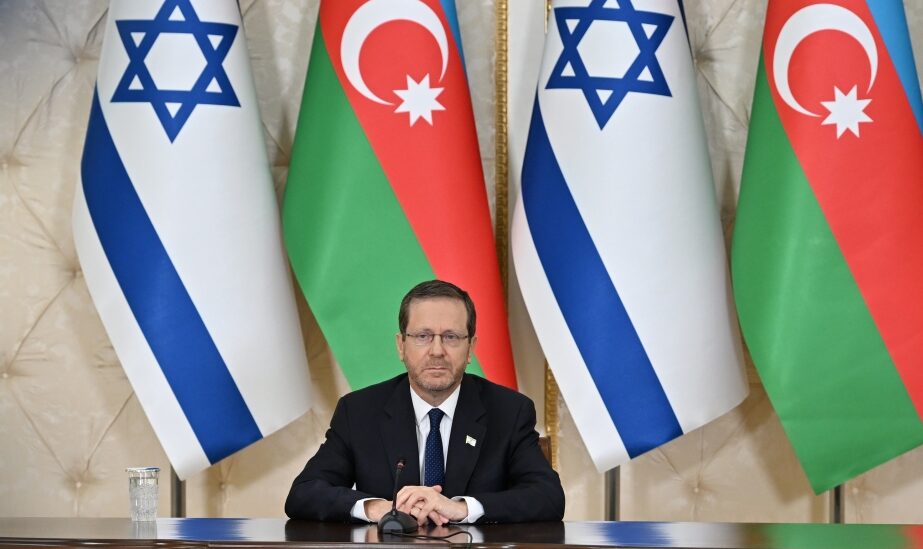
An important event is expected to take place on 30 May: Israeli President Isaac Herzog pays an official visit to Azerbaijan. The visit is a symbol of the strengthening of Azerbaijani-Israeli relations and underlines the determination of the two countries to further deepen and expand their ties.
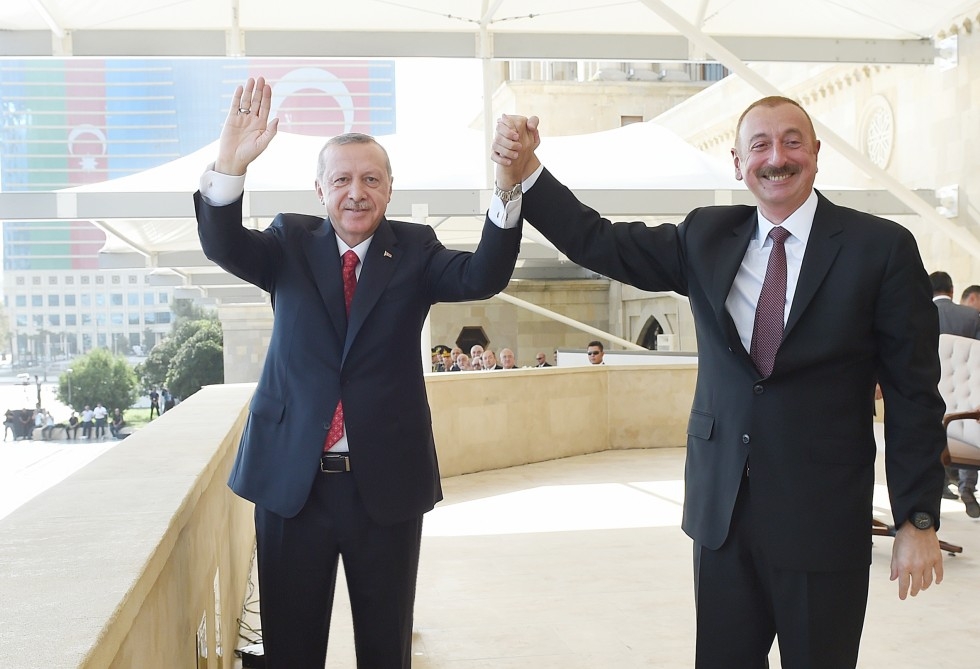
Perhaps never before has the world watched the vote count in a Turkish presidential election with such intense attention.
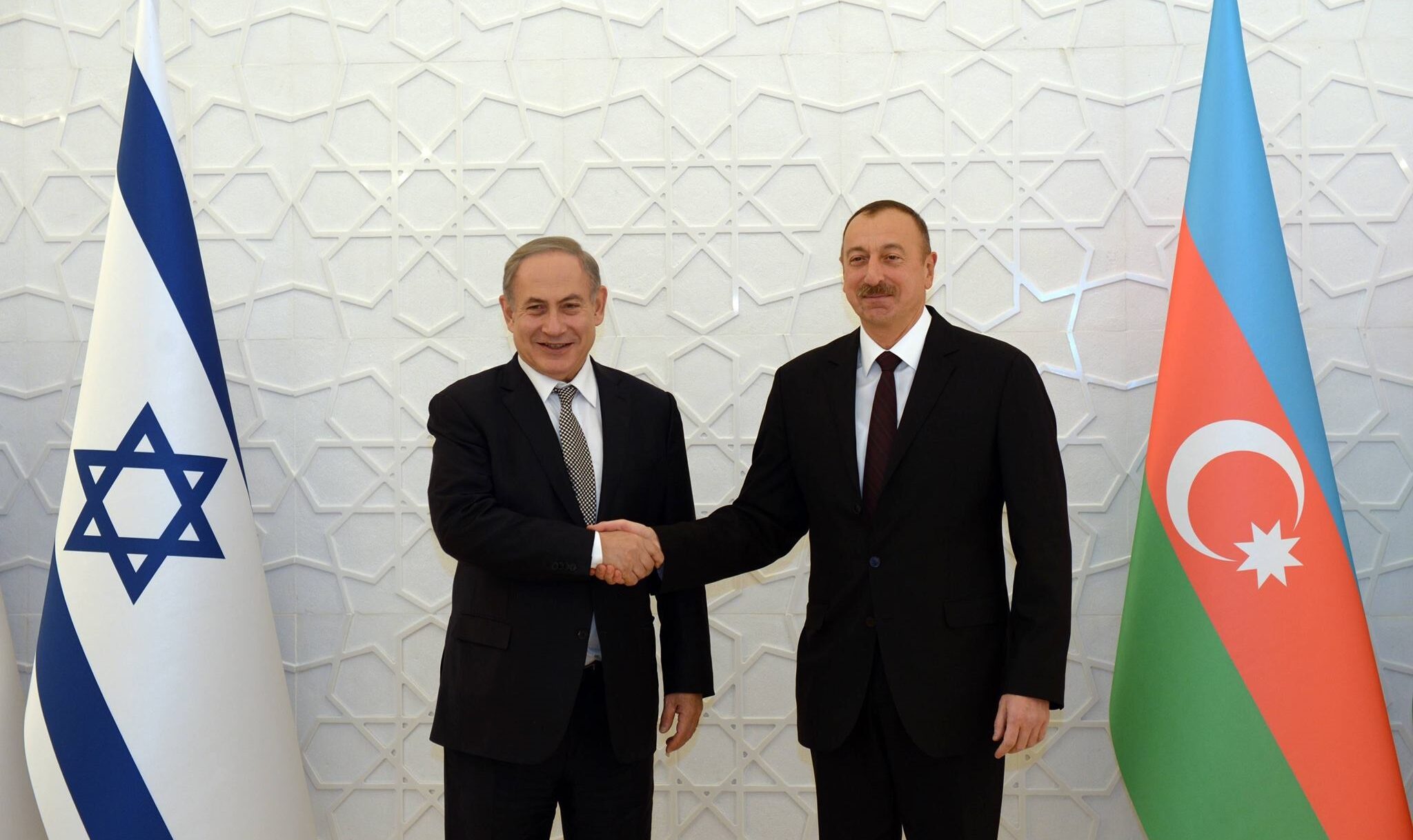
Forty-four years ago, in March 1979, Israel’s Prime Minister Menachem Begin and Egypt’s President Anwar Sadat signed a peace treaty that many thought impossible.
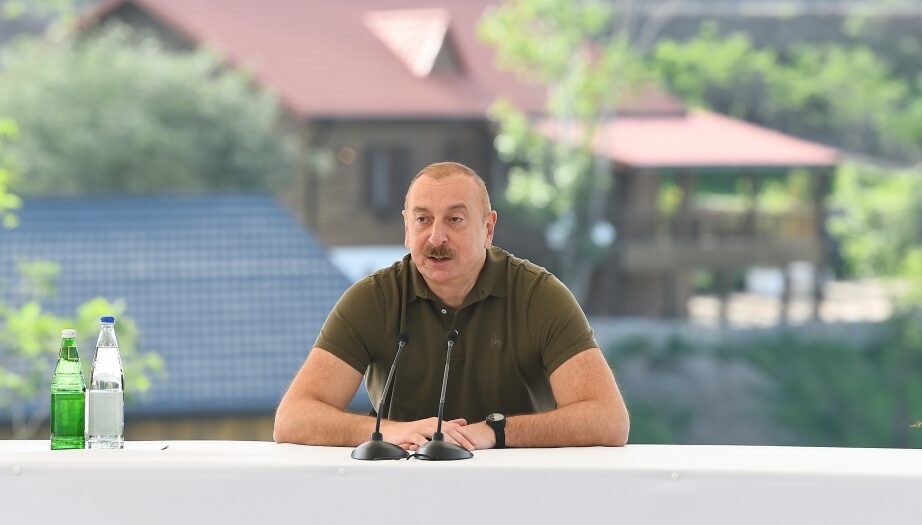
The country's main national holiday can be celebrated in different ways. One can follow the old tradition and hold a grand ceremony, talk about the country's achievements (especially if there really is something to talk about), and then a celebratory concert...
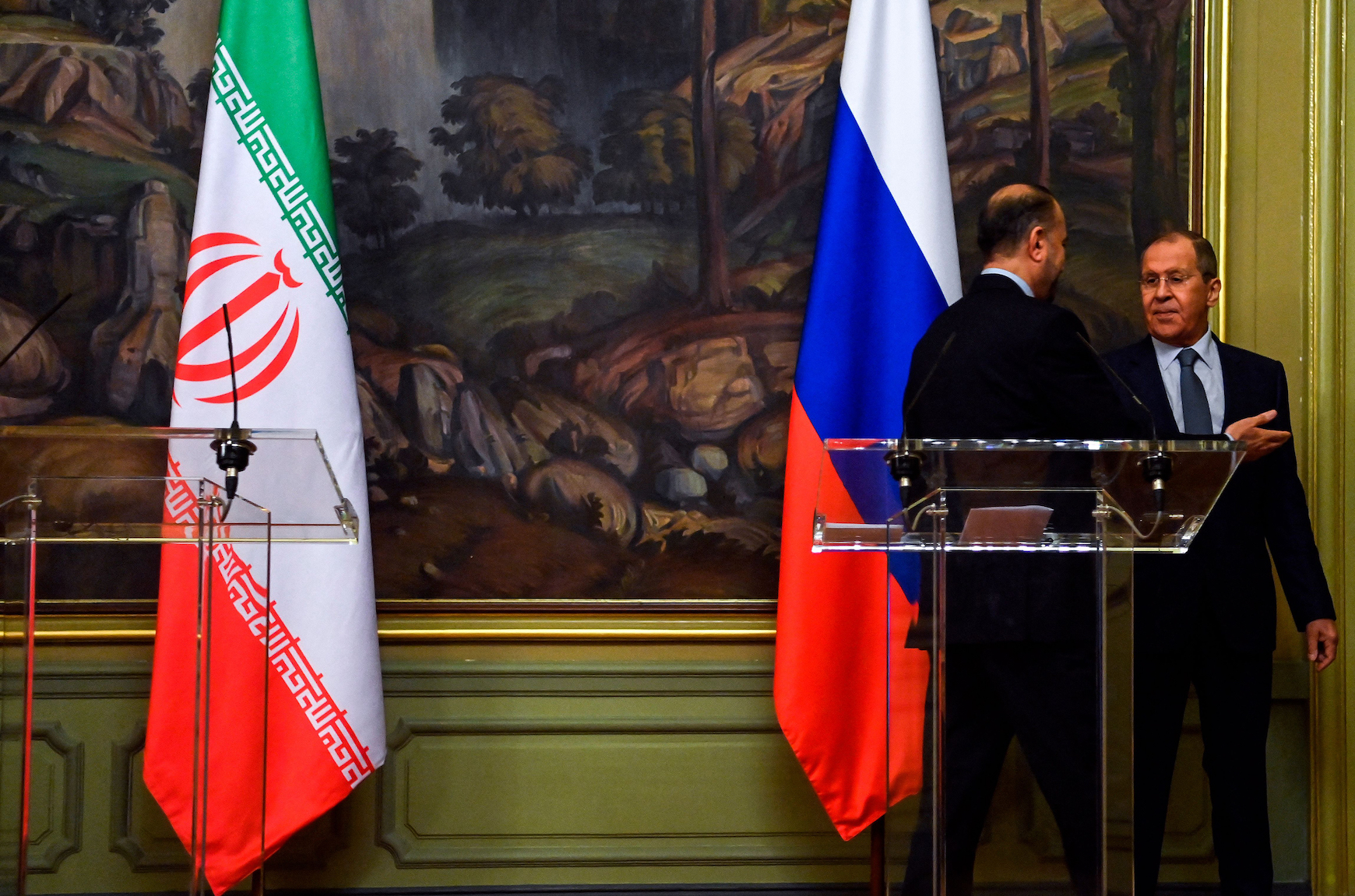
This article aims to delve deeper into this complex issue, offering a comprehensive analysis of the strategic implications of such a collaboration, the potential ramifications on NATO's eastern flank, and the possible countermeasures that could be taken by Western policymakers.
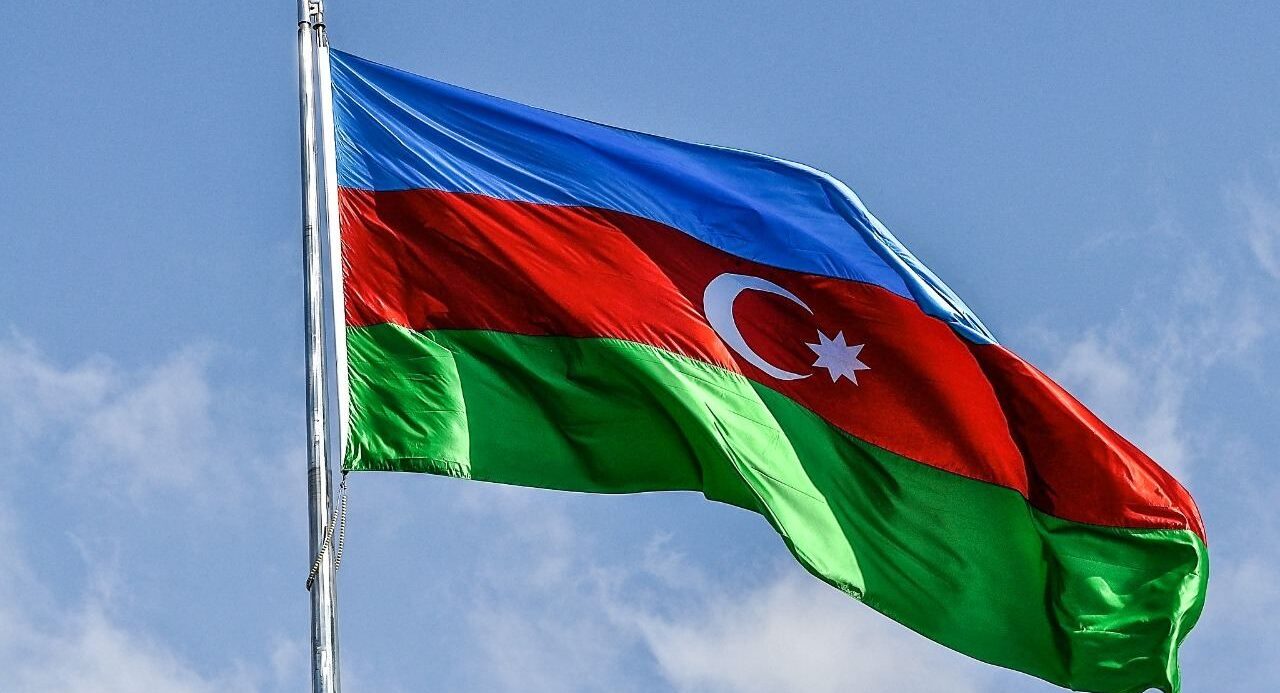
Today, 28 May, Azerbaijan is marking one of the most striking and significant days in its history –the 105th anniversary of the founding of the Azerbaijan Democratic Republic (ADR)—the first democratic and secular state with a parliamentary form of government in the Muslim World.
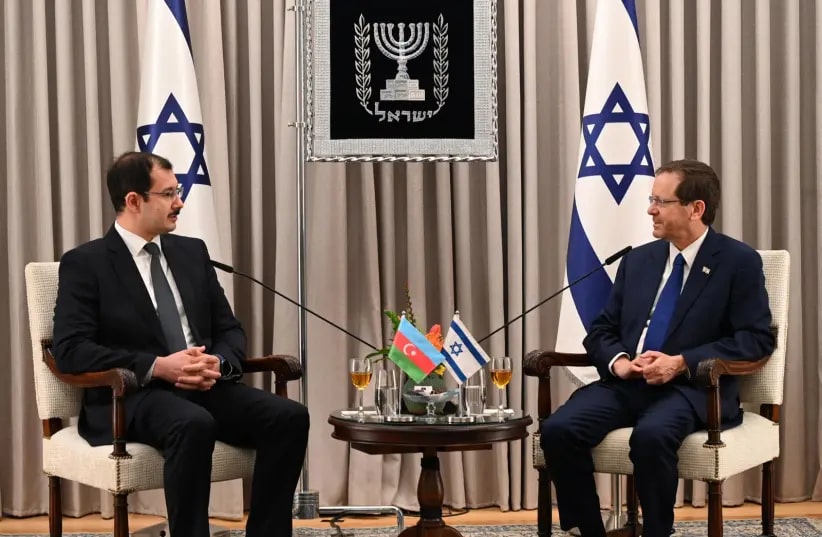
Israeli President Isaac Herzog's visit to Azerbaijan comes amid Baku-Tehran tensions; Foreign Minister Eli Cohen will visit Central Europe.
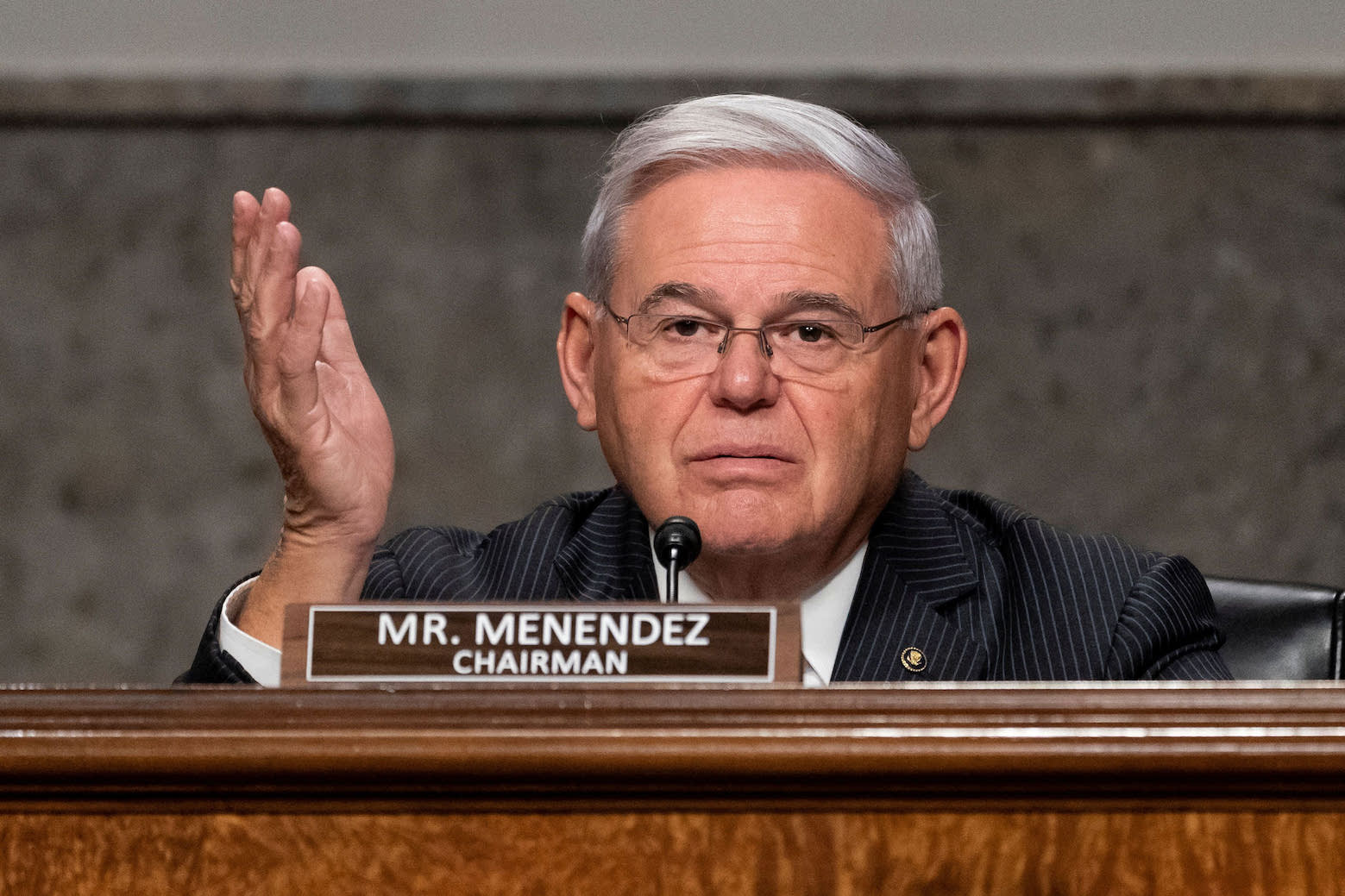
US Senator Robert Menendez, notorious for his pro-Armenian and anti-Turkish stance, may end up in jail. He is known for his numerous anti-Azerbaijani and anti-Turkish resolutions.
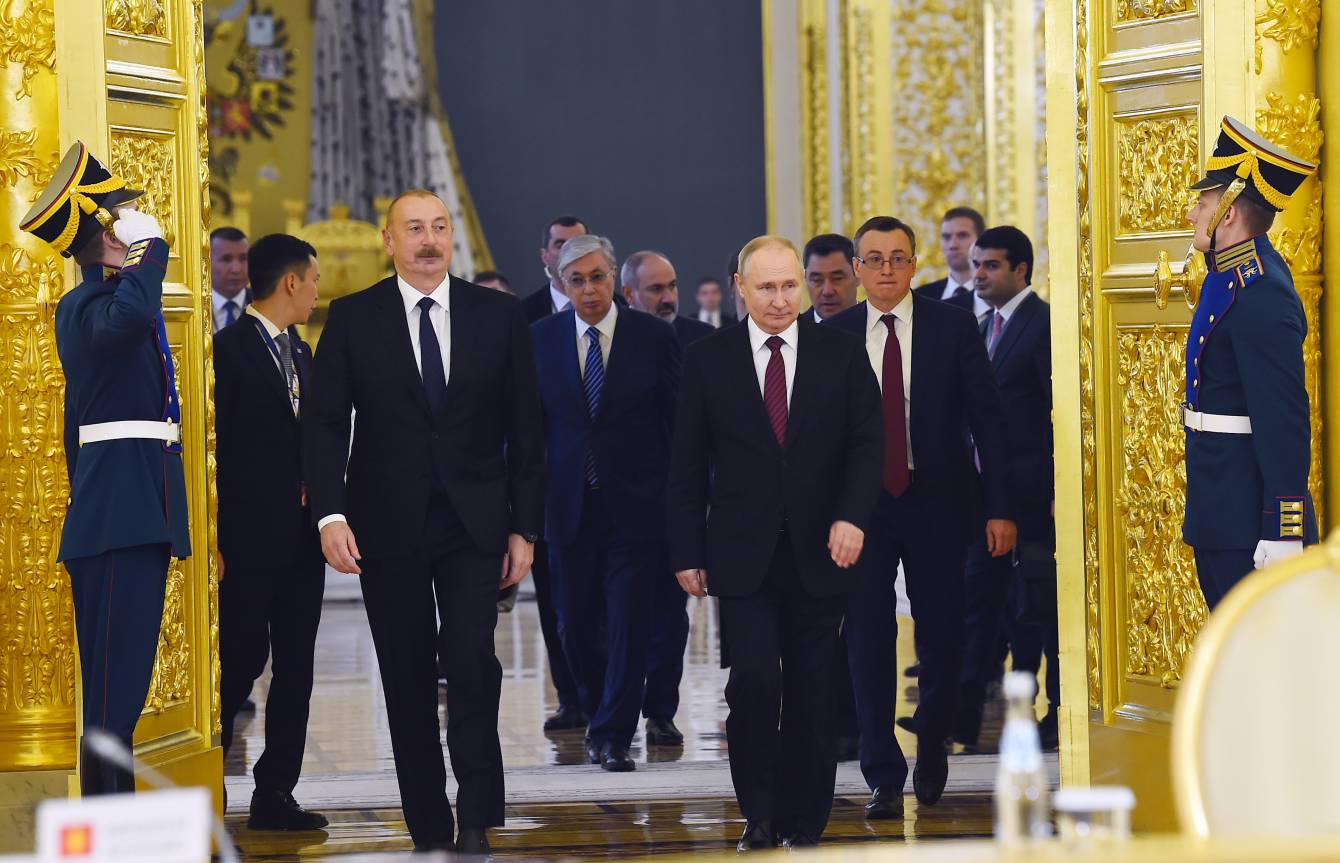
The Moscow diplomatic round is over. Formally without adopting any statements or documents, by which it is customary to judge and draw conclusions about success, failure, victory and defeat. But the "master class" demonstrated by the President of Azerbaijan is more than just a technical victory on points.
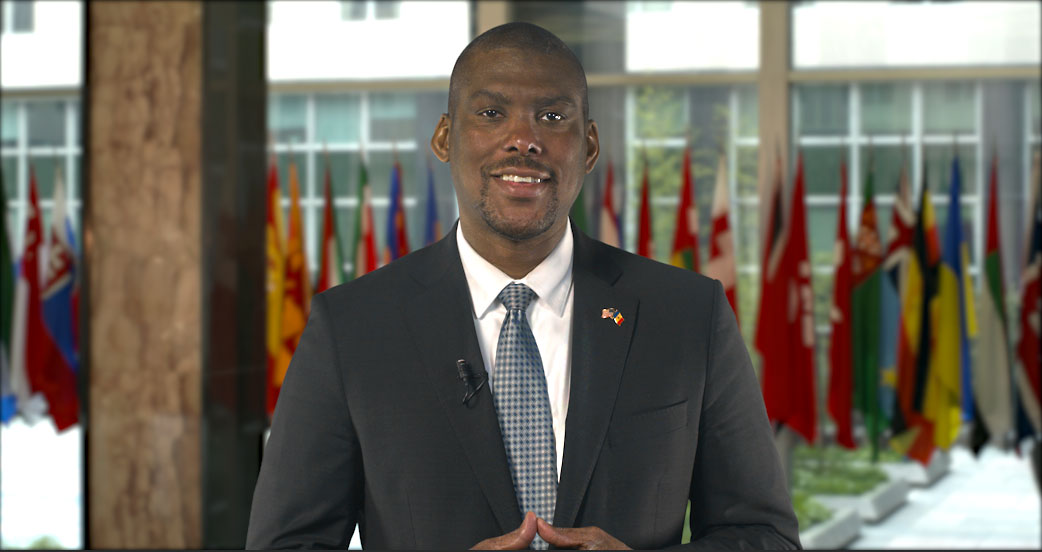
According to the US official, as quoted by TASS, some progress has been made in the negotiation process between the two countries.
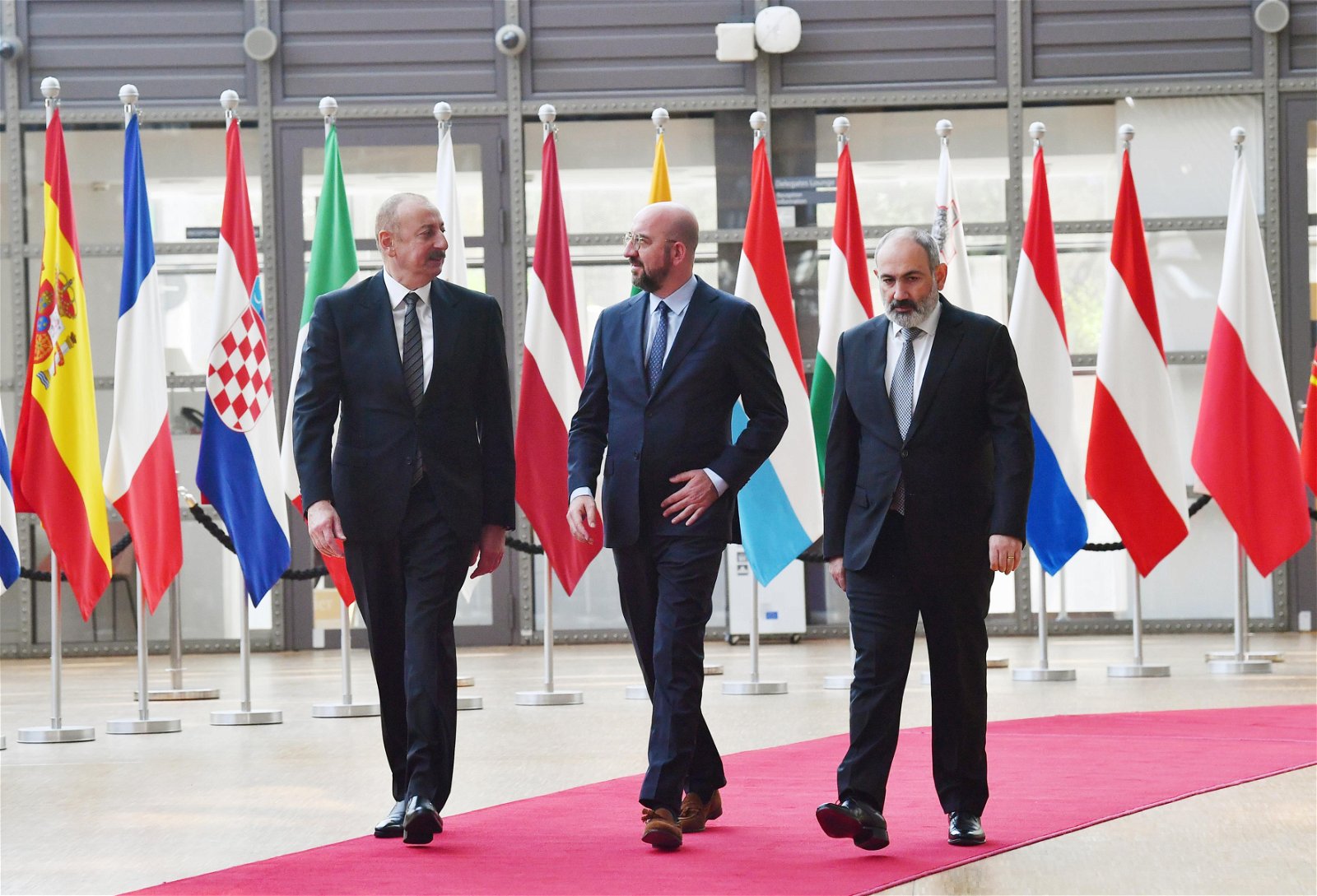
Another challenge is related to the presence of revanchist societal and political groups in Armenia who oppose any peace deal that would recognize Azerbaijan’s sovereignty over the Karabakh region.
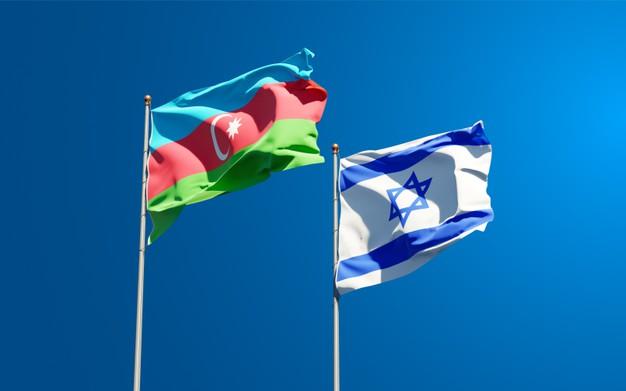
In mid-April, days before Azerbaijan opened its embassy in Tel Aviv, Israeli foreign minister Eli Cohen visited Baku to discuss regional security and Israeli diplomacy in Central Asia with President Ilham Aliyev and other senior officials.
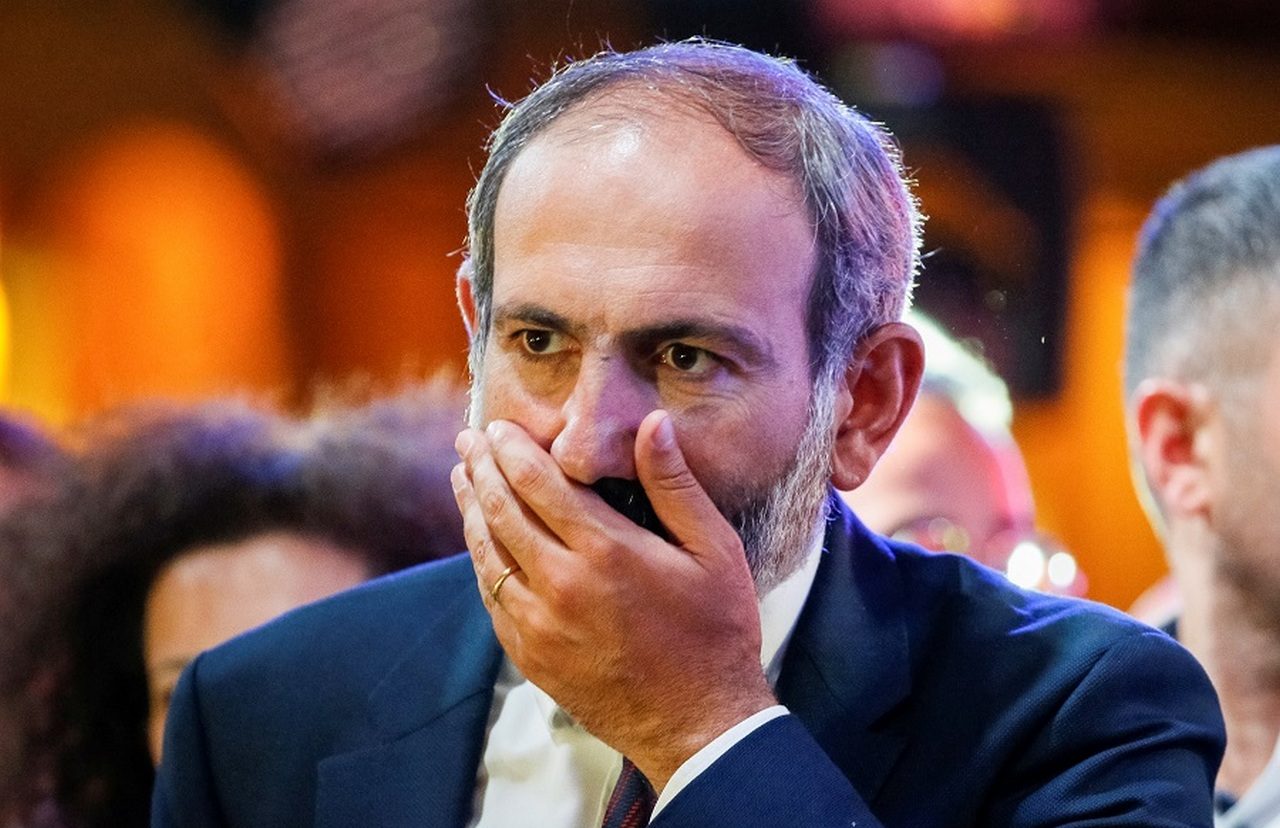
Yesterday, May 22, Armenian Prime Minister Nikol Pashinyan held a press conference in Yerevan. The occasion was the upcoming trilateral talks in Moscow with Vladimir Putin.

Azerbaijan has adjusted its foreign policy agenda to target the Balkan region that is more vulnerable to the energy crisis than the states of Central and Western Europe.
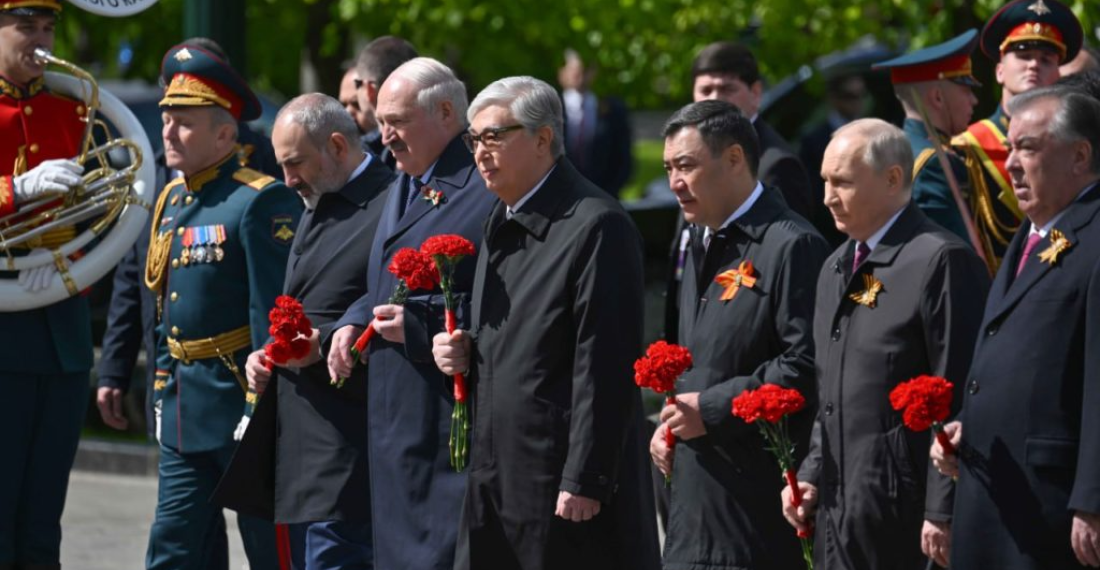
The victory of the USSR over Nazi Germany on 9 May 1945 is a day that has gone down in history, with grand military parades honoring Soviet soldiers becoming a staple of the Russian holiday calendar.
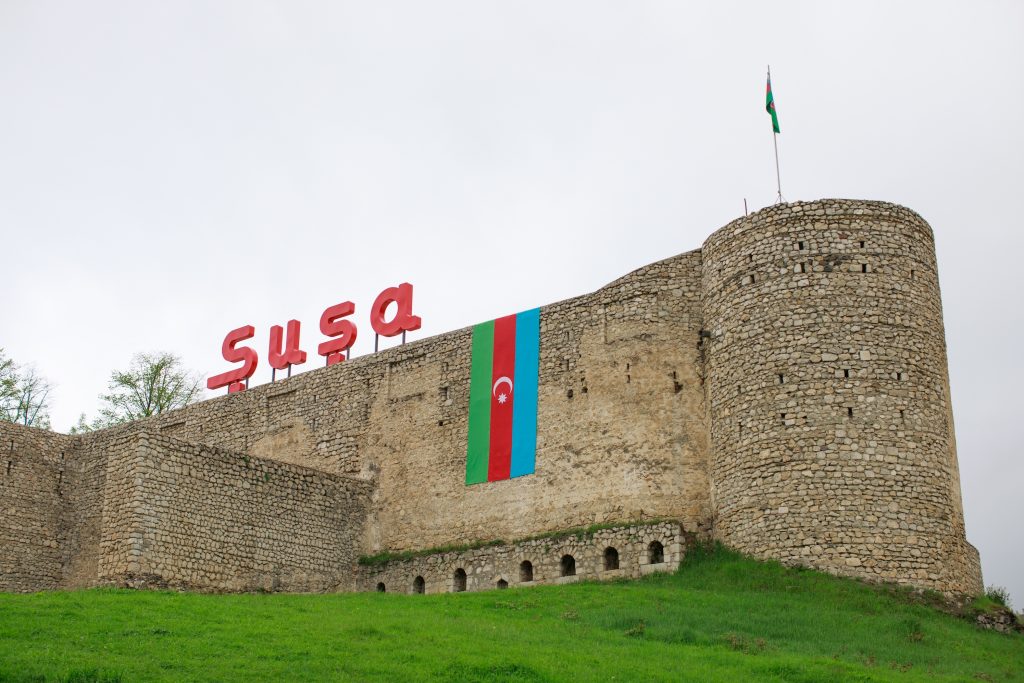
On May 28, Azerbaijan will celebrate its own Independence Day marking the founding of the Azerbaijan Democratic Republic (ADR) as the first secular democratic state in the Muslim world.
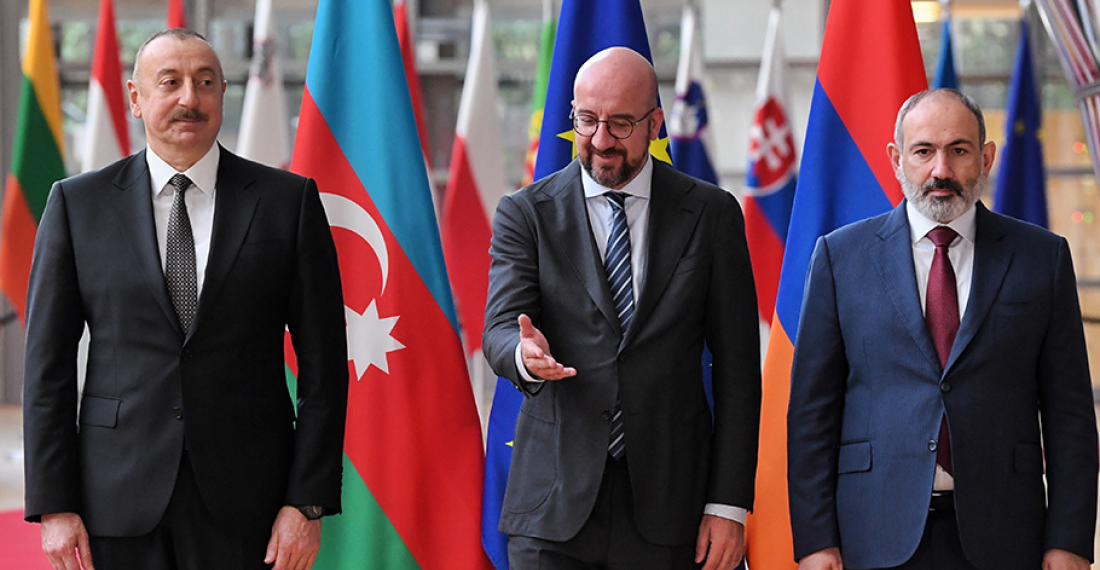
Despite two rounds of talks in Washington D.C. and Brussels, the mutual recognition of the principle of territorial integrity seems to be a bottleneck in Azerbaijan-Armenia negotiations.
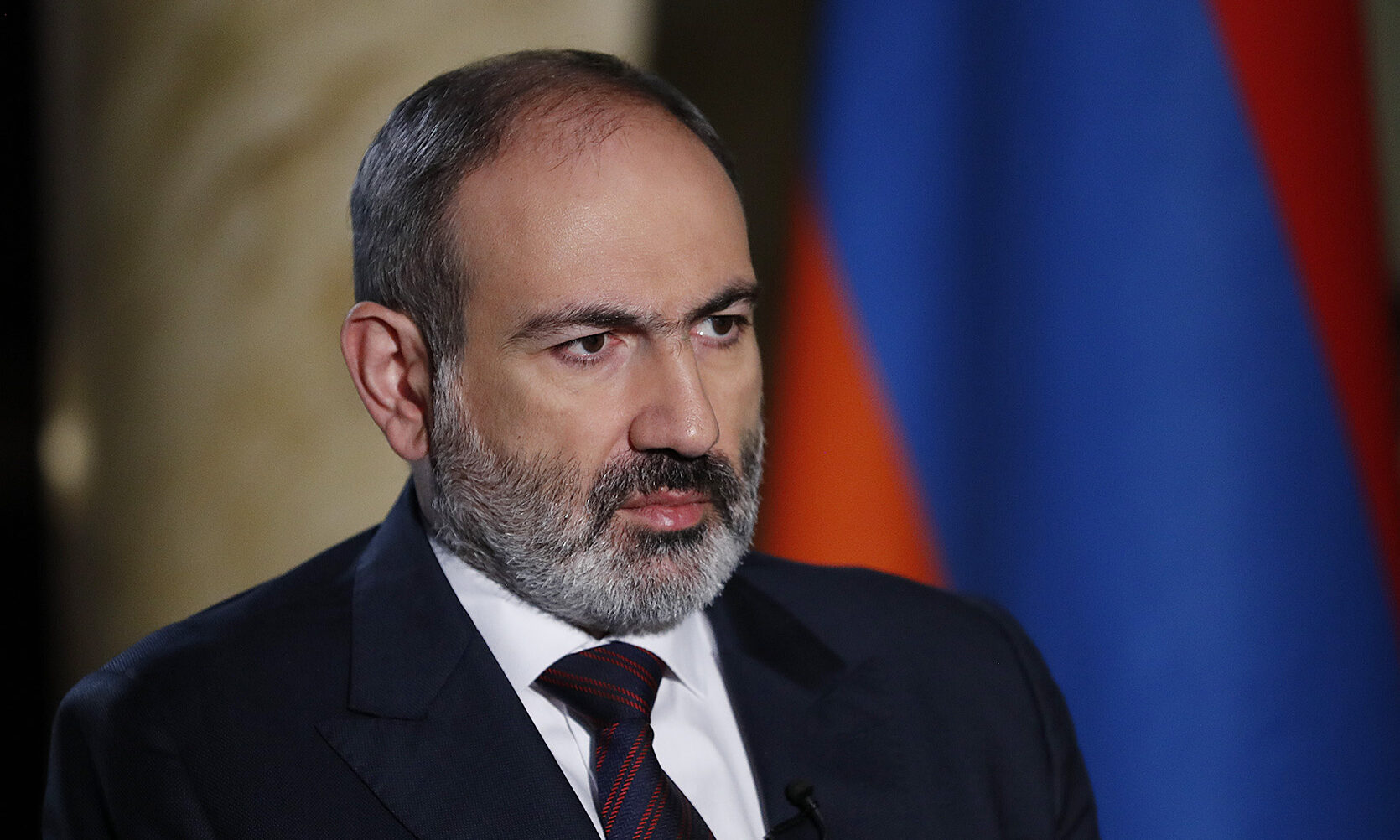
Renowned political scientist Fuad Akhundov calls on Armenian Prime Minister Nikol Pashinyan to allow scientists to access the archives in order to put an end to the circulating fabrications and distortions of historical facts.