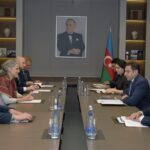
Diplomatic negotiations between Armenia and Azerbaijan have been suspended for a long time, which has led to an increase in military tensions between the two nations.

Diplomatic negotiations between Armenia and Azerbaijan have been suspended for a long time, which has led to an increase in military tensions between the two nations.
Another round of talks between foreign ministers Jeyhun Bayramov and Ararat Mirzoyan on a draft "peace treaty" is set to take place in Moscow today.
The public's response to the announcement of the closure of the International Monetary Fund (IMF) office in Baku has been rather passive.
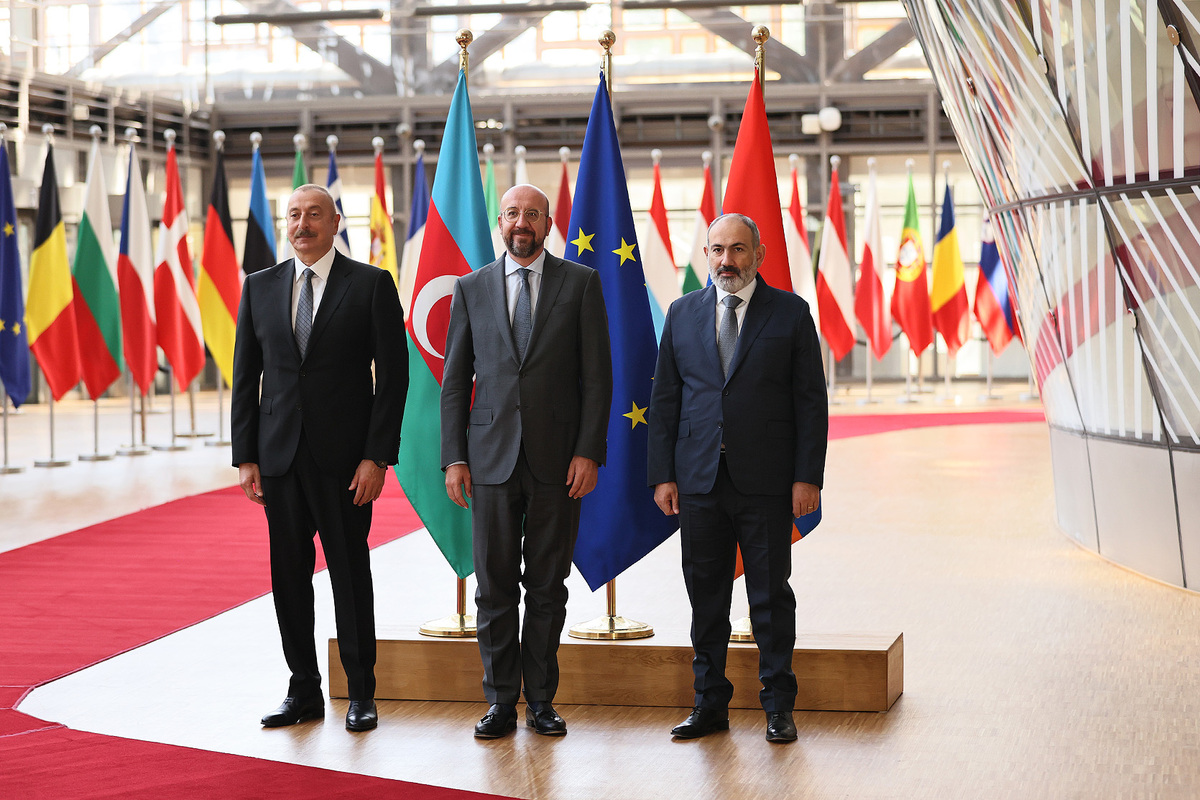
Two recent diplomatic events brokered by the West in the ongoing peace process between Armenia and Azerbaijan indicate that the United States and the European Union have become fully engaged in brokering a deal to normalize relations between the two sides.
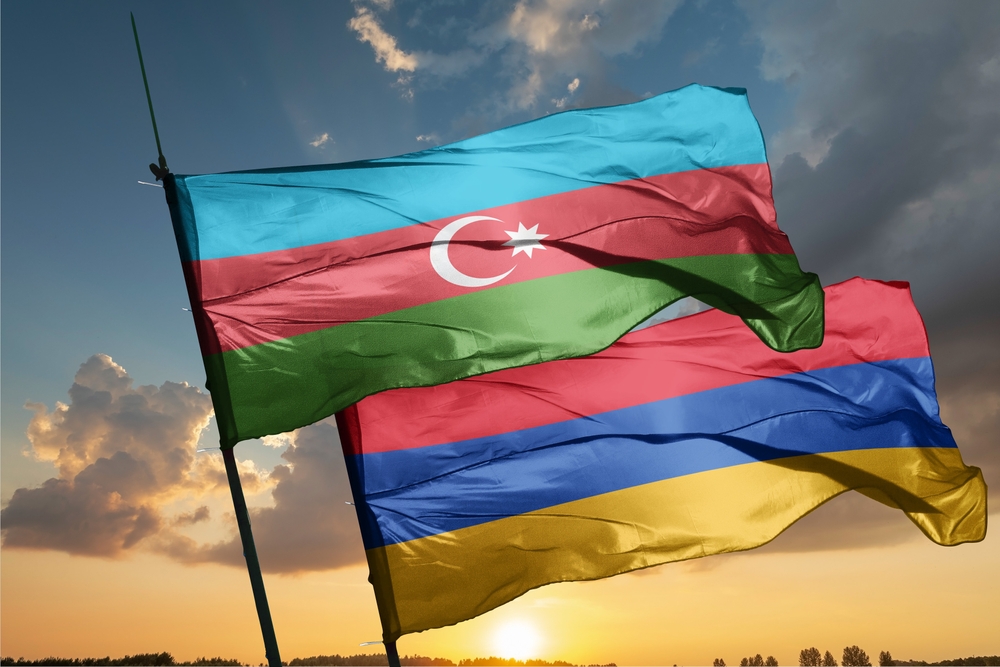
Two recent diplomatic events brokered by the West in the ongoing peace process between Armenia and Azerbaijan indicate that the United States and the European Union have become fully engaged in brokering a deal to normalize relations between the two sides.
One can conclude from the published results of the May 14 Brussels talks that the agreements reached a little earlier in Washington have gained clarity.
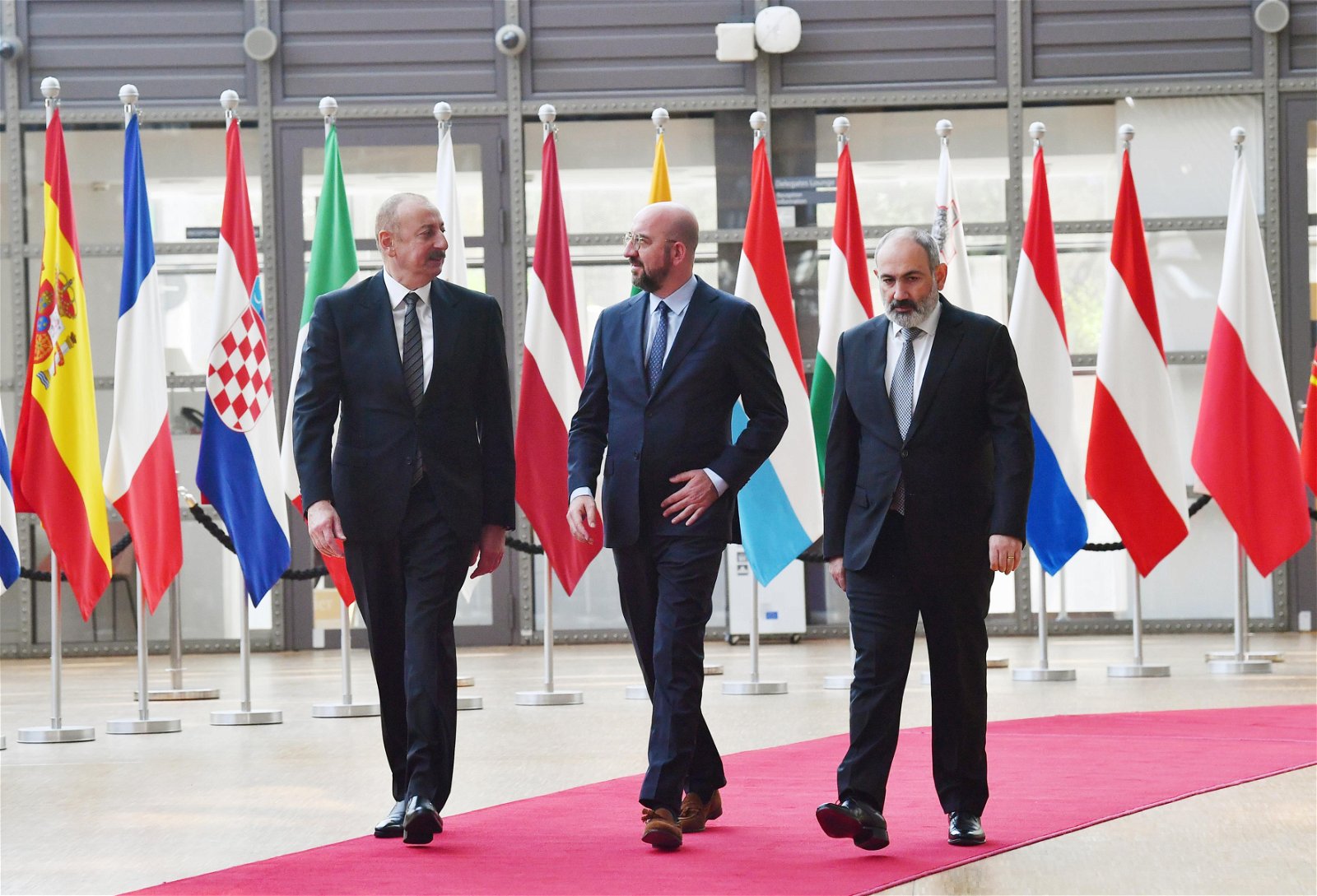
On May 14, President of Azerbaijan Ilham Aliyev, President of the European Council Charles Michel, and Armenian Prime Minister Nikol Pashinyan held talks that lasted four hours.
Moscow is once again trying to flex its muscle by appointing a new general in Nagorno-Karabakh. Durable peace would derail the Kremlin’s plans.
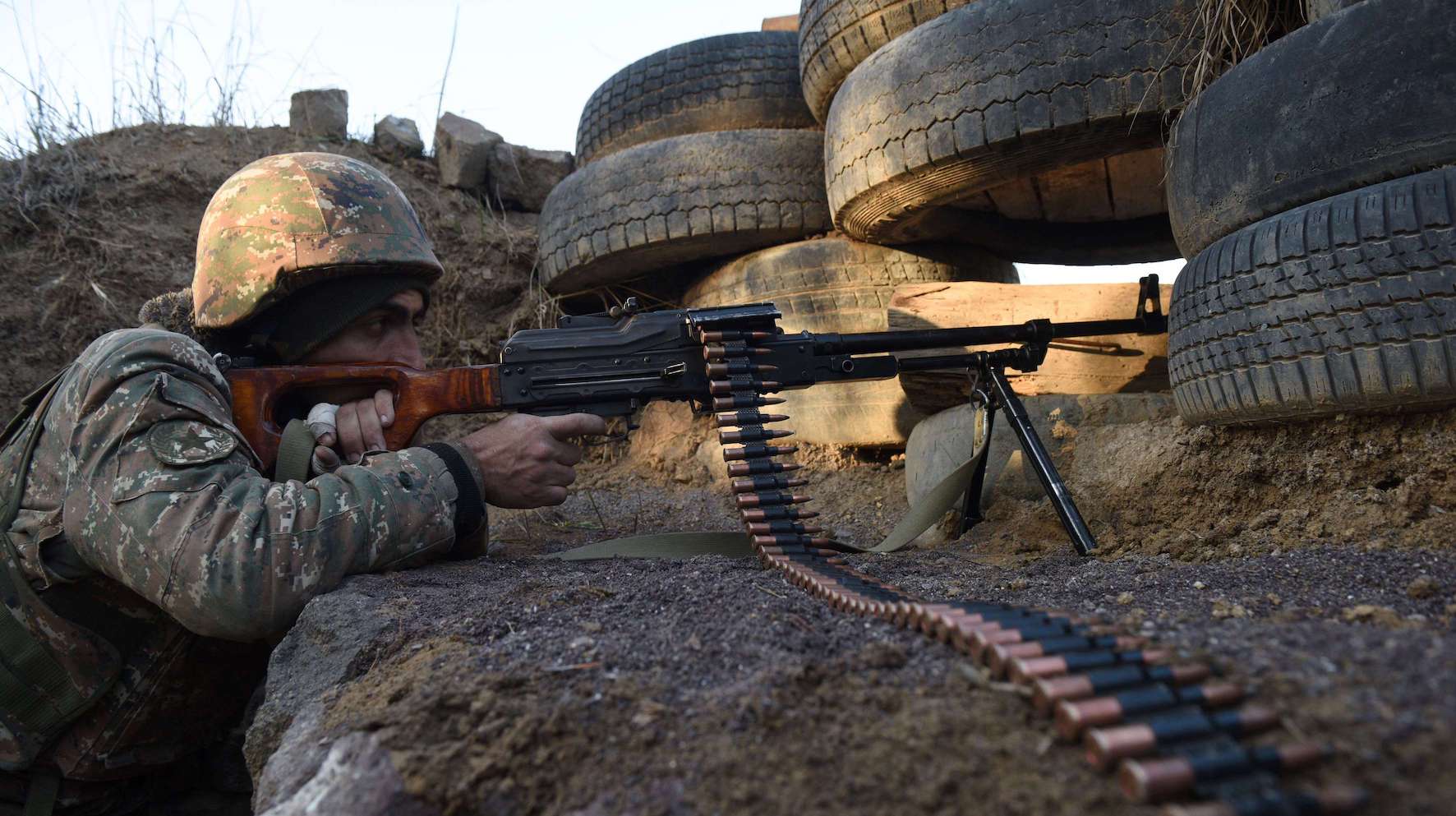
As already reported, starting from the evening of May 10, units of the Armenian Armed Forces resorted to a serious provocation in the direction of the Zod Pass, where positions of the Azerbaijani Army were fired on with various types of weapons.
Azerbaijan is one of the few Muslim countries to enjoy extensive cooperation and a strategic alliance with Israel. Despite differences in religion, belief and outlook, relations between the two countries today can be considered a unique historical example in international relations.
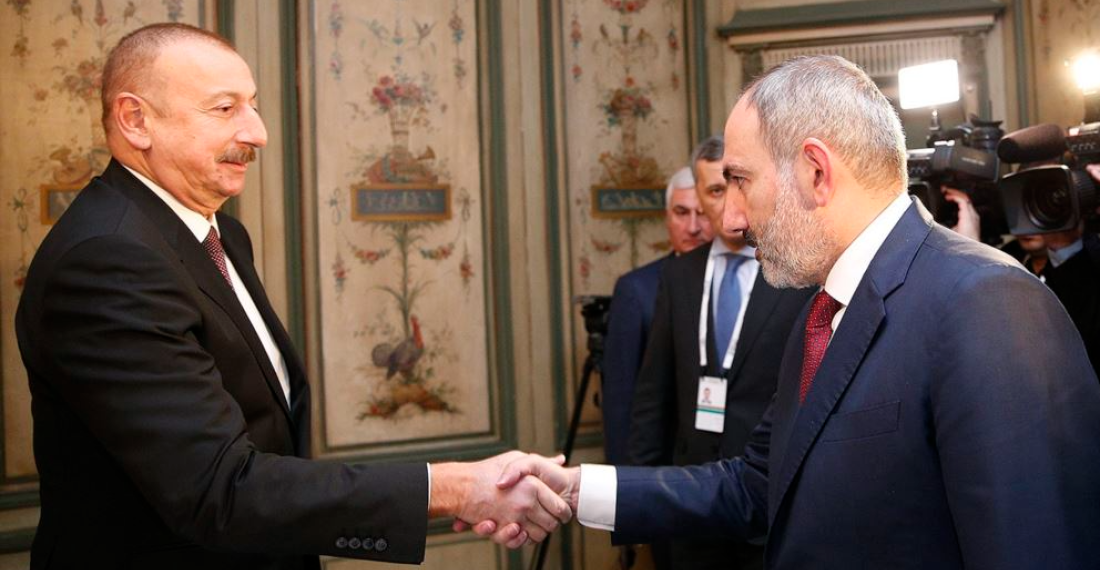
The Kremlin has been traditionally unhappy with the “intervention” of the West in the Armenian-Azerbaijani peace process. For the Russian side, the mediating efforts of the EU and United States represent their attempt to encroach on Russia’s “sphere of influence” and elbow Russia out of this region.
From day one of the independence of the Republic of Azerbaijan, Iran has been hostile toward Baku and consistently acted to undermine its security and independence.
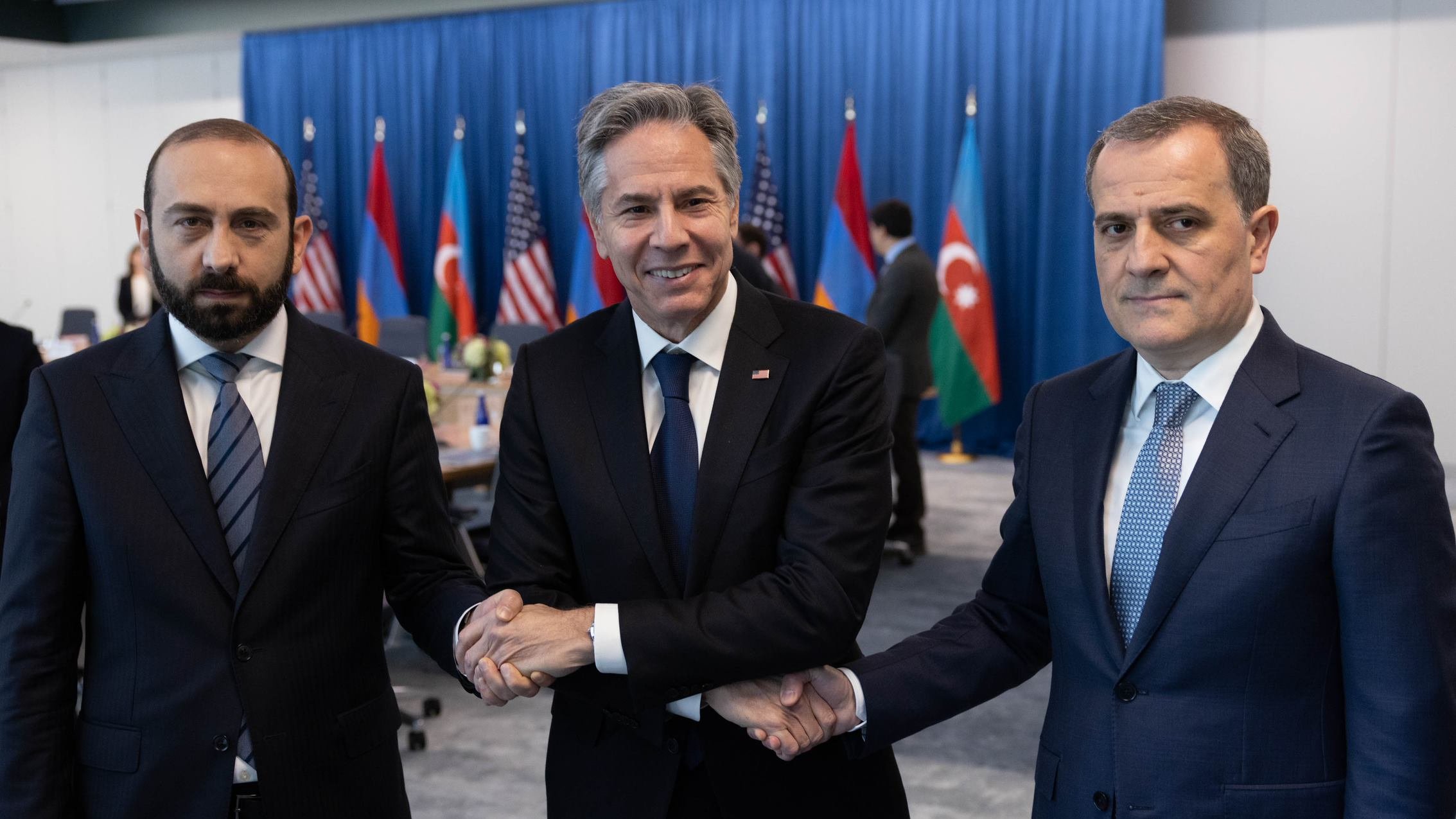
These talks, which represent the longest round of negotiations since the end of the Second Karabakh War in 2020, marked the third such ministerial meeting between Armenia and Azerbaijan as mediated by the United States since September 2022.
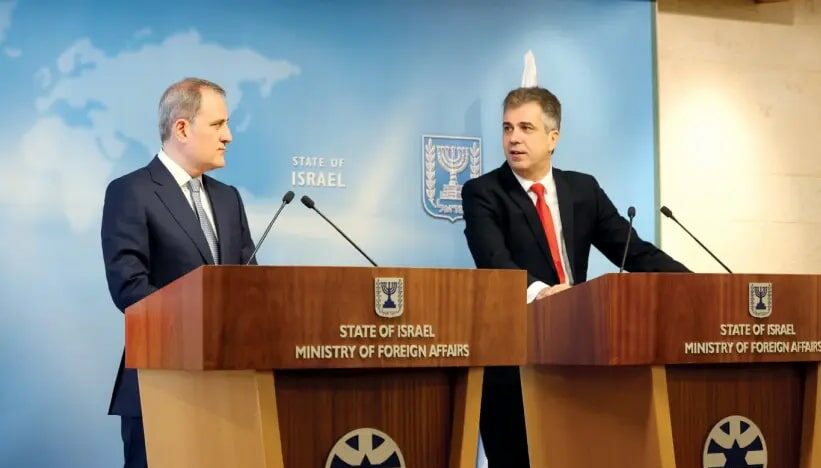
Despite the differences between Azerbaijan and Turkmenistan, Israel has always understood the political importance of maintaining close relations with both.
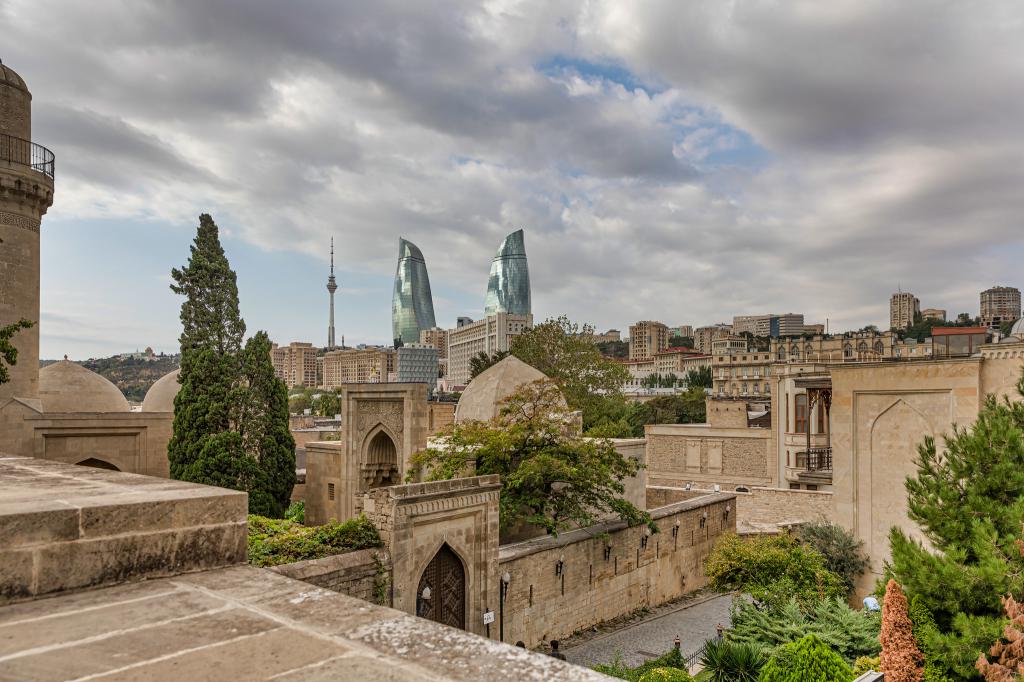
One area in which Azerbaijan has enormous potential is tourism, which will also enhance the country’s image on a global scale. Its hospitality sector should engage in strategic campaigns to encourage visitors with strong government support.
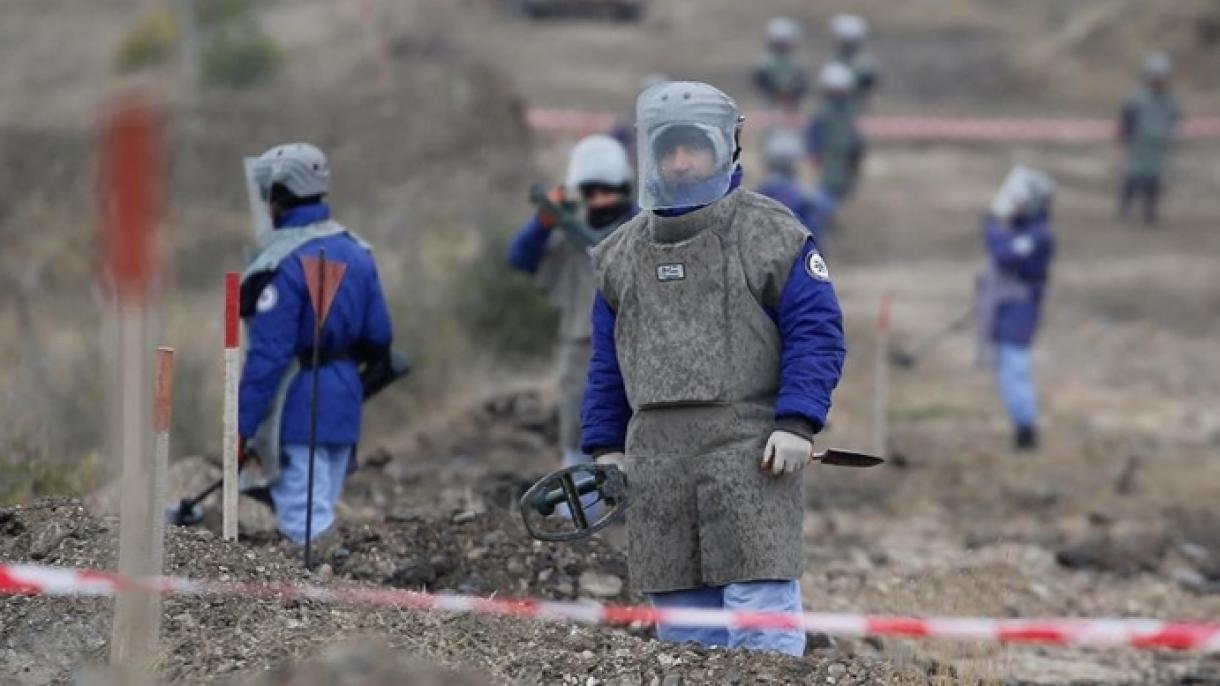
Ukraine will need at least a decade to clear the mines planted by the Russian occupational army in its territory. 30% of its land is dangerous to step on.
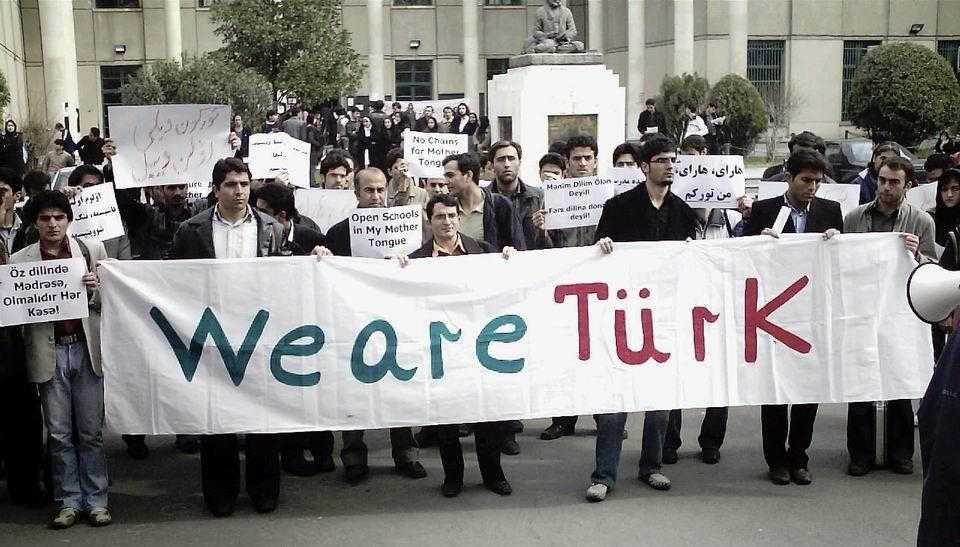
Most South Azerbaijanis do not wish to see the return of the Shah, despite their hatred of the ayatollah's regime. They want freedom.
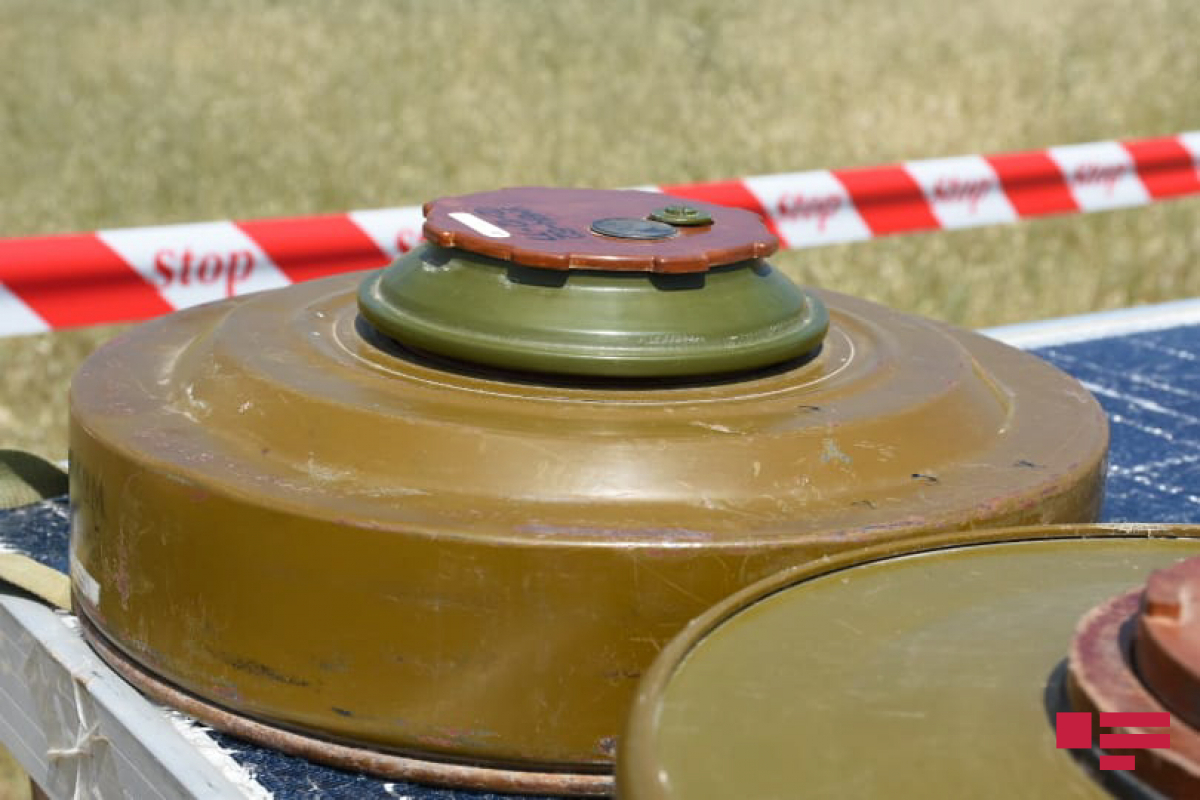
The aggressor's troops continue to sprinkle seeds of death into the occupied Ukrainian lands on a daily basis. In Karabakh, part of which remains under the control of the Russian military contingent, a similar situation persists.
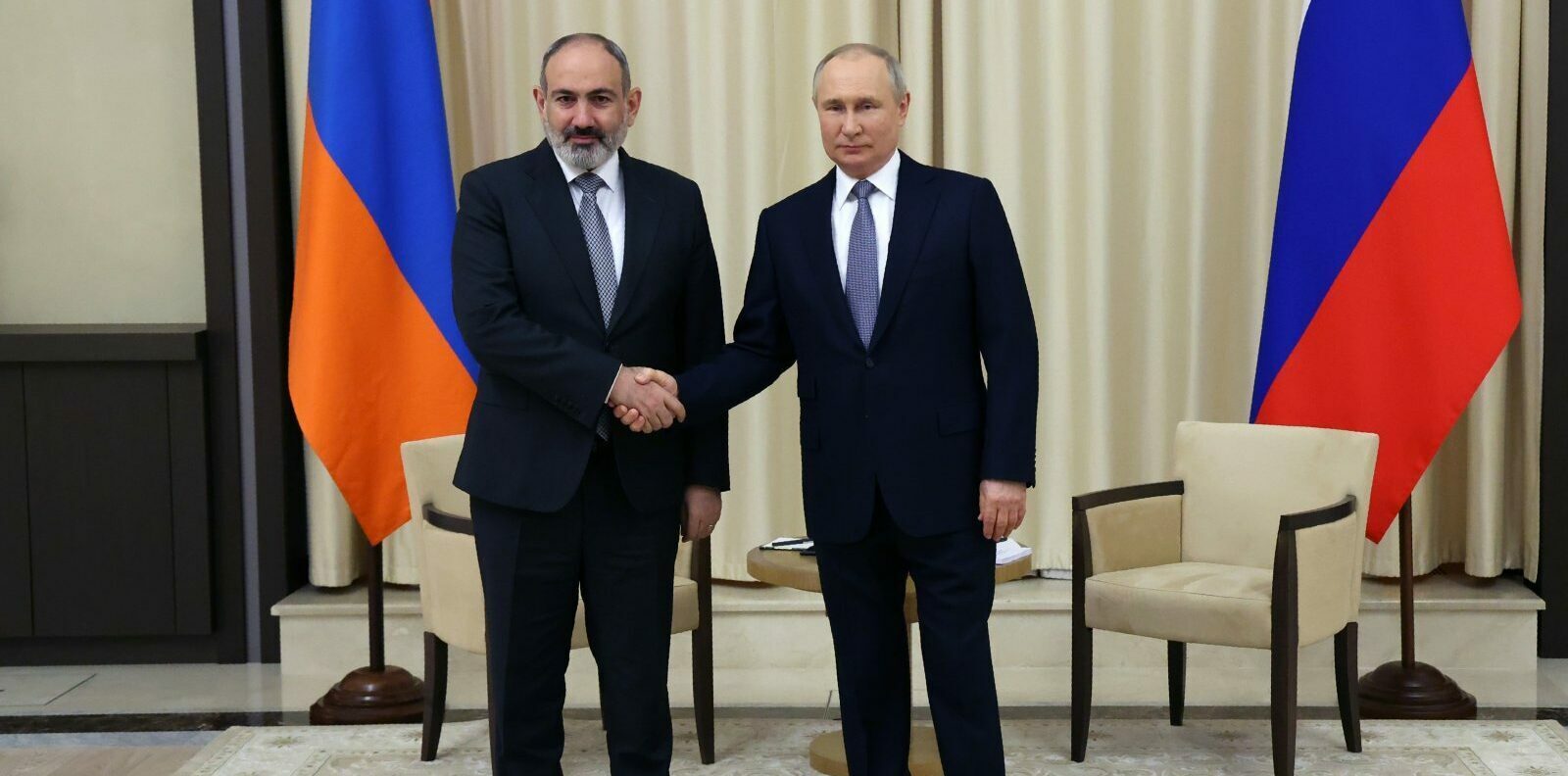
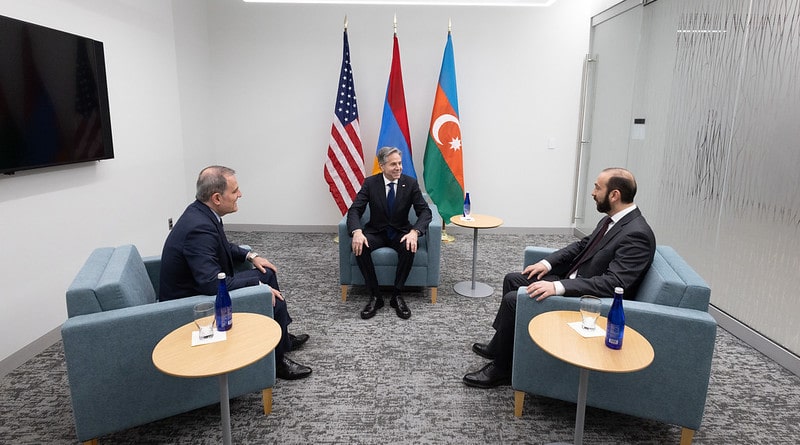
The four-day talks in Washington between the foreign ministers of Azerbaijan and Armenia ended with an optimistic statement from the US Secretary of State.
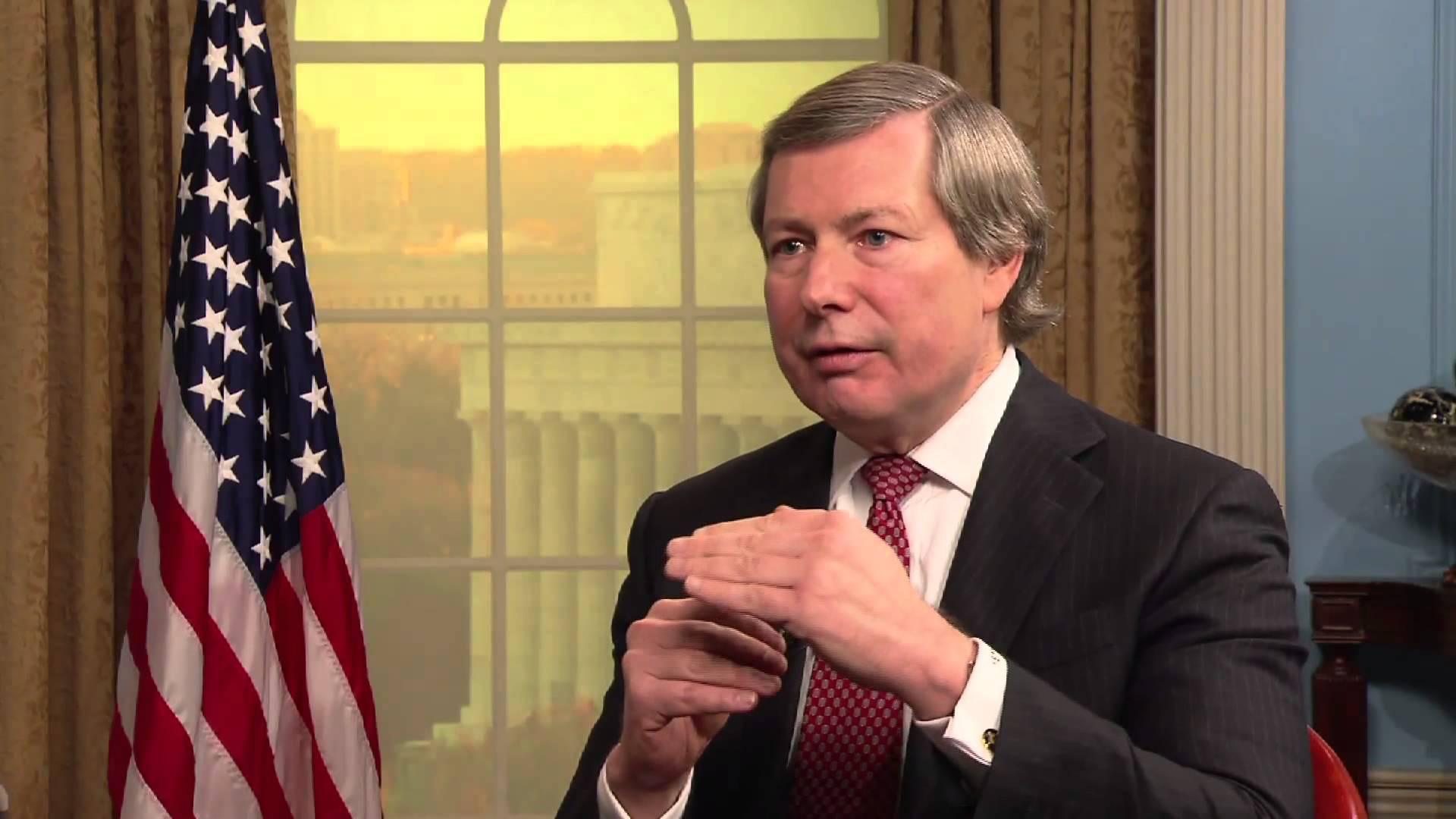
Former US Co-Chair of the OSCE Minsk Group James Warlick has resurfaced. In an interview with the Armenian service of Voice of America, the retired American diplomat said that he believes reaching a final agreement between the parties is unrealistic at this stage.
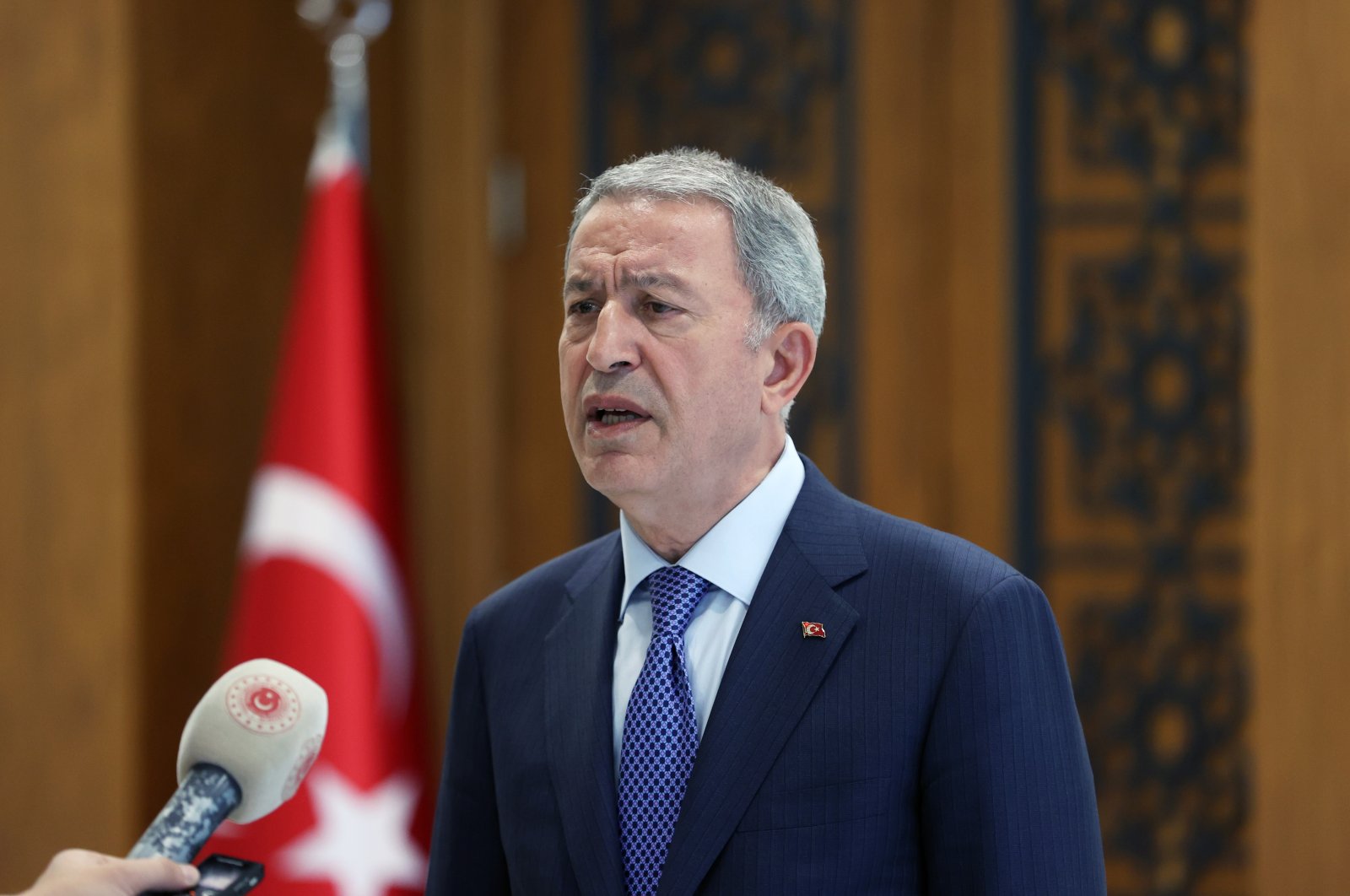
If the countries in the Caucasus choose to invest in peace, it will open new opportunities in the region, Defense Minister Hulusi Akar said Thursday.
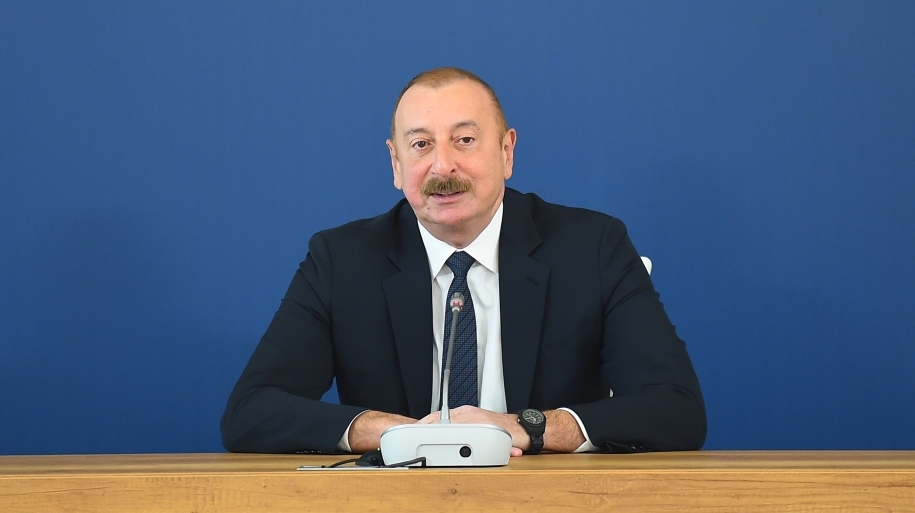
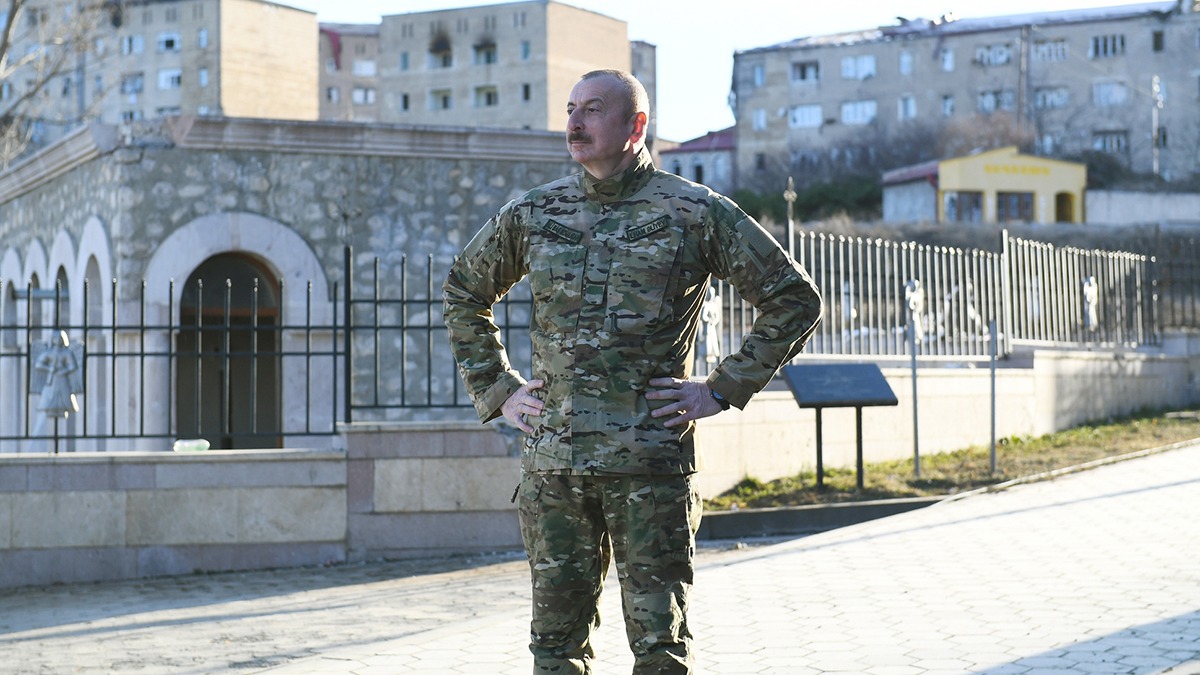
On May 3, speaking at an international conference in Shusha on “The Formation of the Geopolitics of Greater Eurasia: From the Past to the Present and Future,” Azerbaijani President Ilham Aliyev announced that “having become a military ally of Turkey, Azerbaijan has indirectly become, to a certain extent, a military ally of NATO.”
The talks between the foreign ministers of Azerbaijan and Armenia in Washington are coming to a close. According to the US Department of State, the final round of talks, to be attended by Secretary of State Antony Blinken, will be held tonight at 9:45 p.m. Baku time.
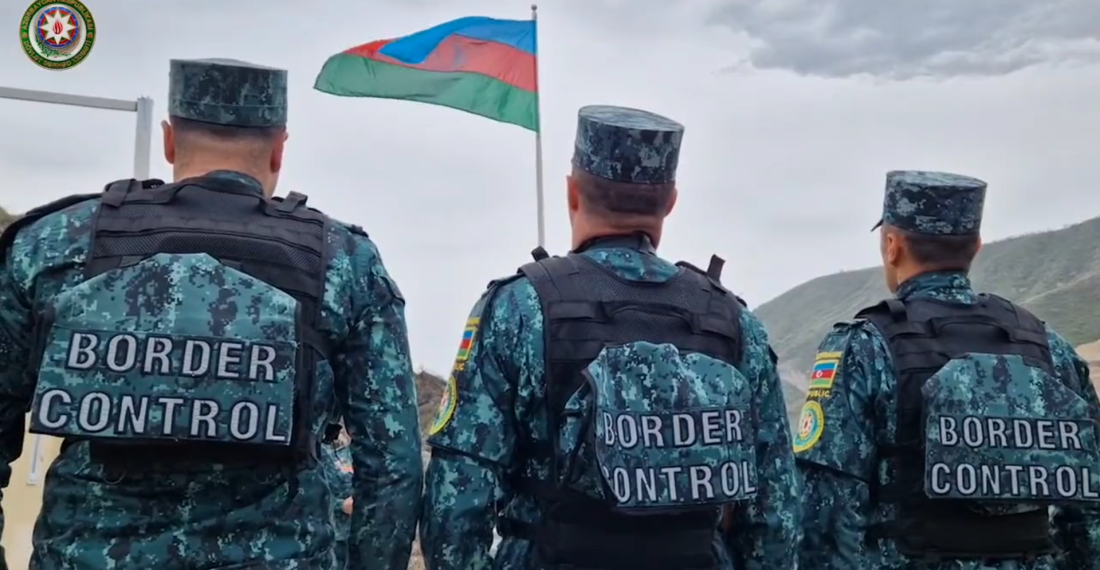
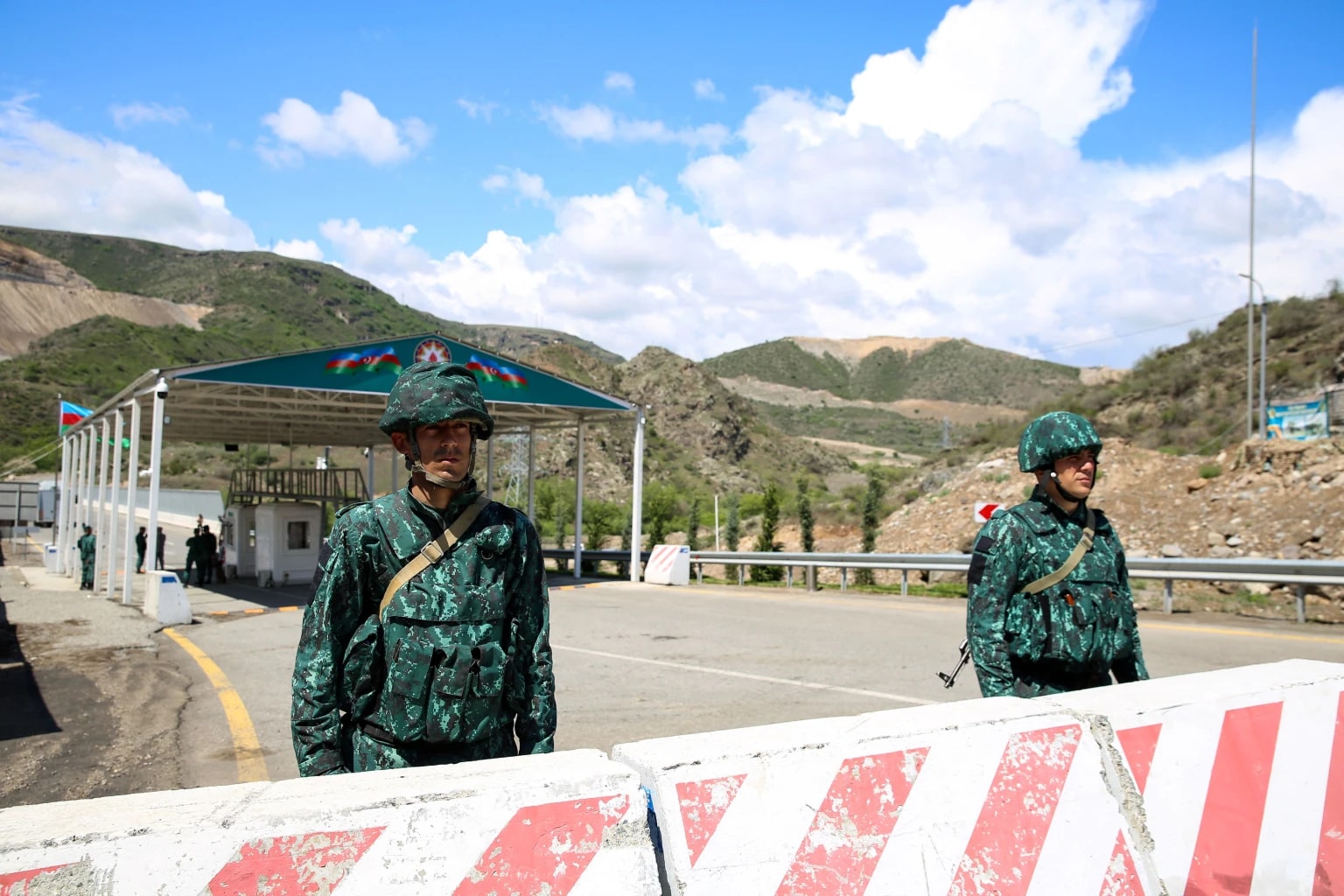
Subsequent insinuations by the Armenian side were not bolt from blue since the launch of the checkpoint stirred critics and pathetic emotions among the population of our neighbor and those residing in Khankendi.