The Middle East is complex and it is easy to cause offense or appear to play into the hands of adversaries, even unintentionally.

The Middle East is complex and it is easy to cause offense or appear to play into the hands of adversaries, even unintentionally.
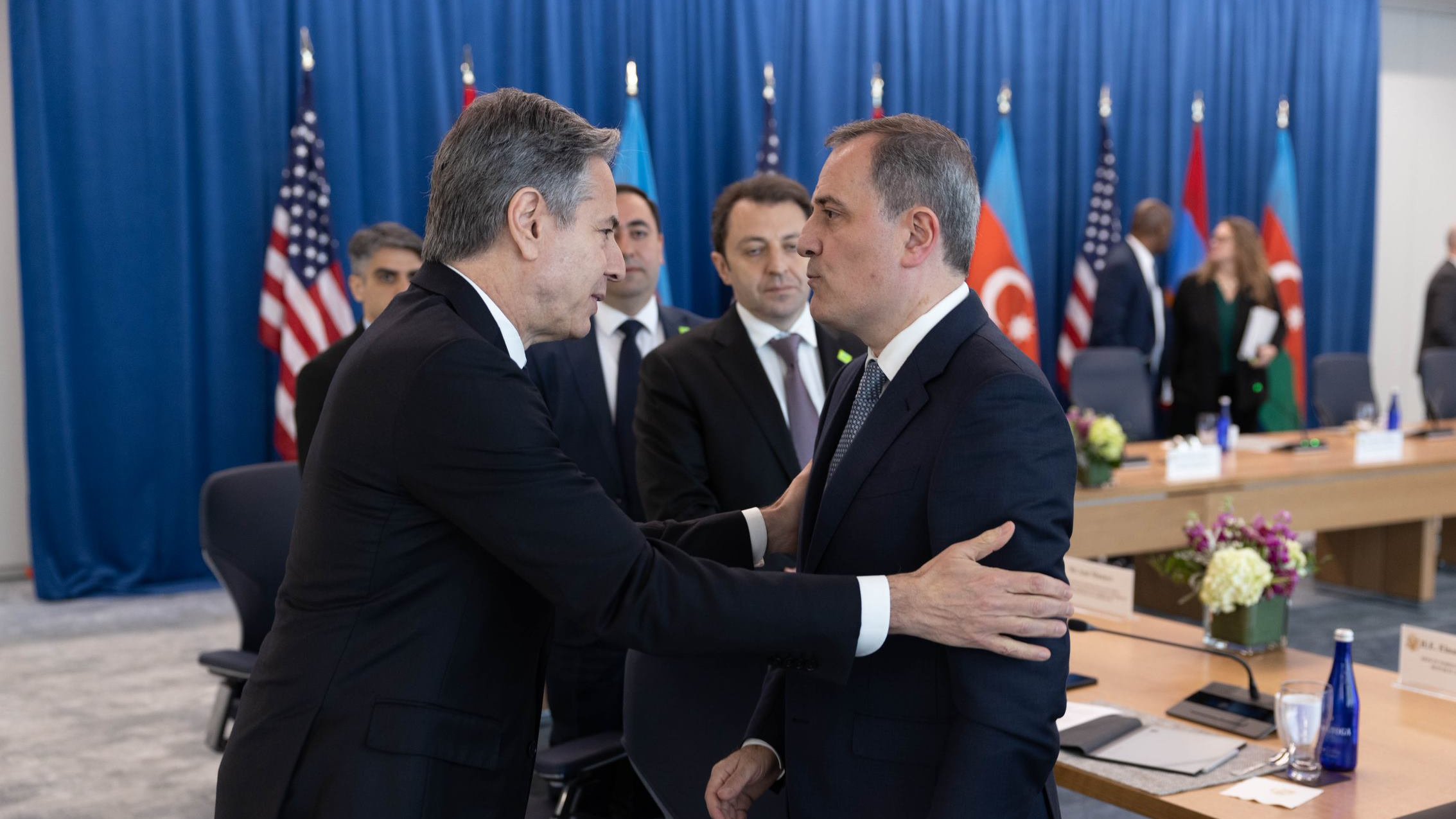
As Secretary of State Antony Blinken hosts talks, he needs to press Yerevan tomake peace with Azerbaijan.

Russia and Armenia have both promoted a discourse about threatened national minorities without any proof to back up their exaggerated claims.
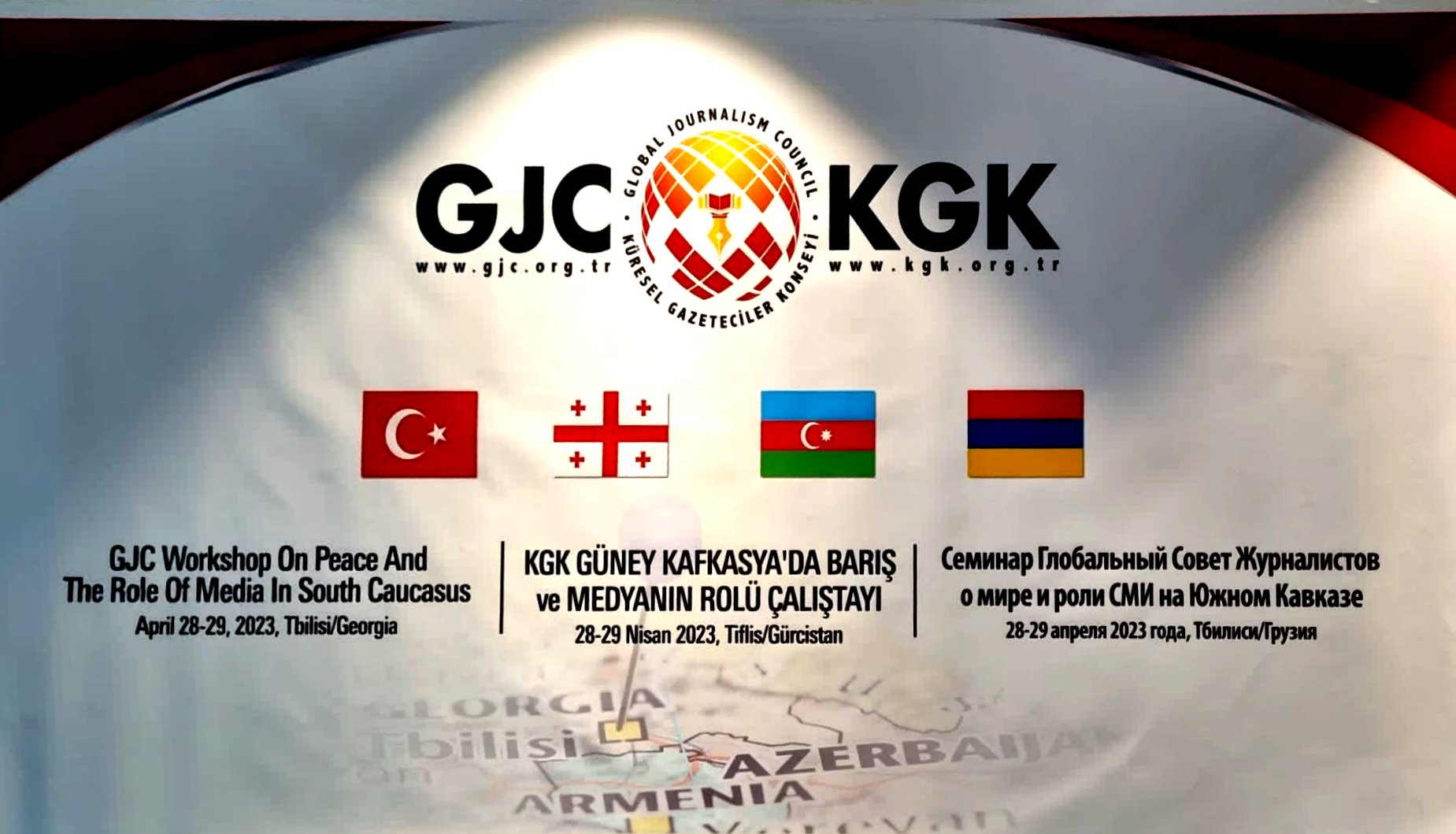
For the first time in 35 years, the Azerbaijani and Armenian journalists gathered at the same table during a workshop in Tbilisi. In a joint statement the journalists agreed to put a ban on “hate speech”.
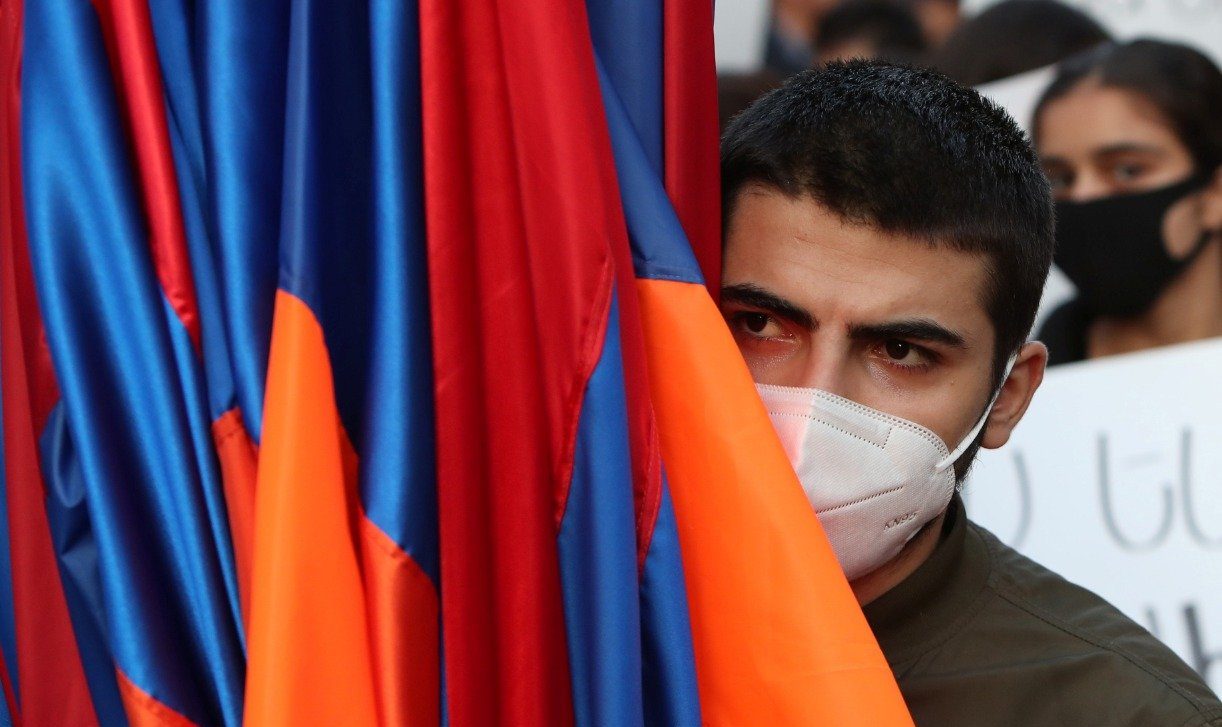
Political persecution, human rights violations, spying on opposition figures, and other instances of illiberal behavior should worry observers of the country.
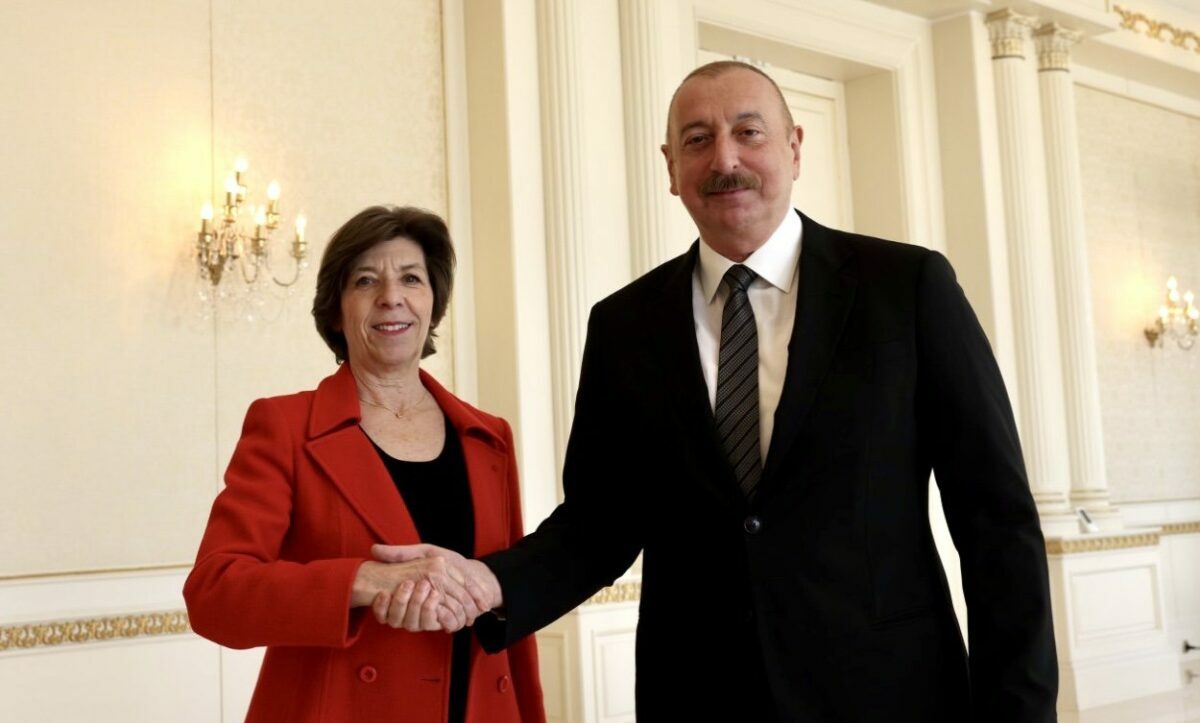
In the course of her visit to Armenia, French Foreign Minister Catherine Colonna visited "Jermuk" (Istisu), "affected by Azerbaijani aggression last year".
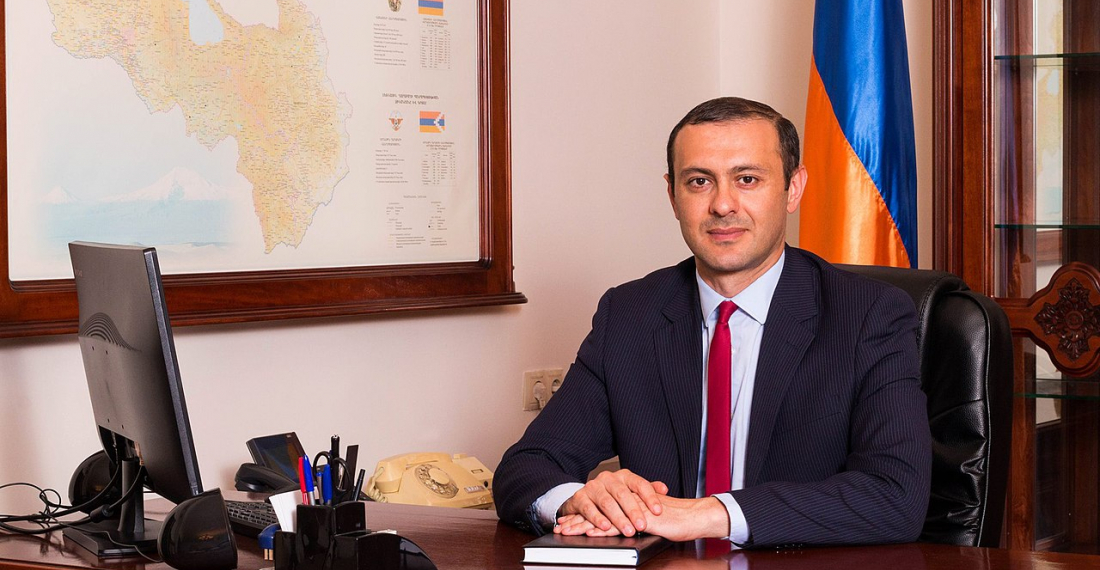
The Lachin corridor linking Karabakh with Armenia belongs to Russia, says Armenia's Security Council Secretary Armen Grigoryan.
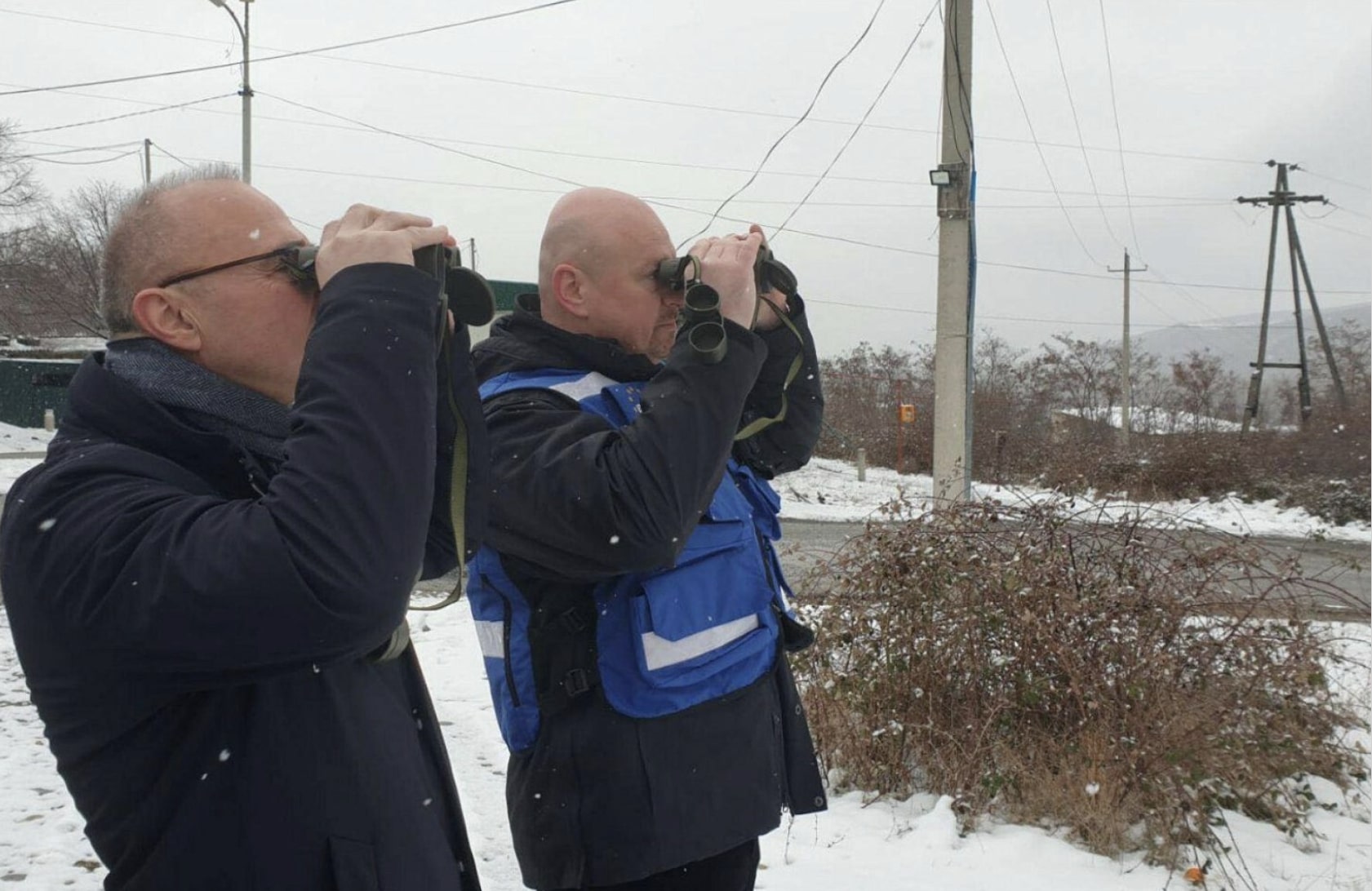
Last but not least, Korsten should realize that EUMA cannot in any way intervene in Azerbaijan’s internal policy agenda regarding its internationally recognized Karabakh economic region, including the “red line” narrative.

Baroness Caroline Cox, a member of the British House of Lords and a chairperson of a British-Armenian friendship group in the British Parliament, has always drawn attention with constant criticism of Azerbaijan.
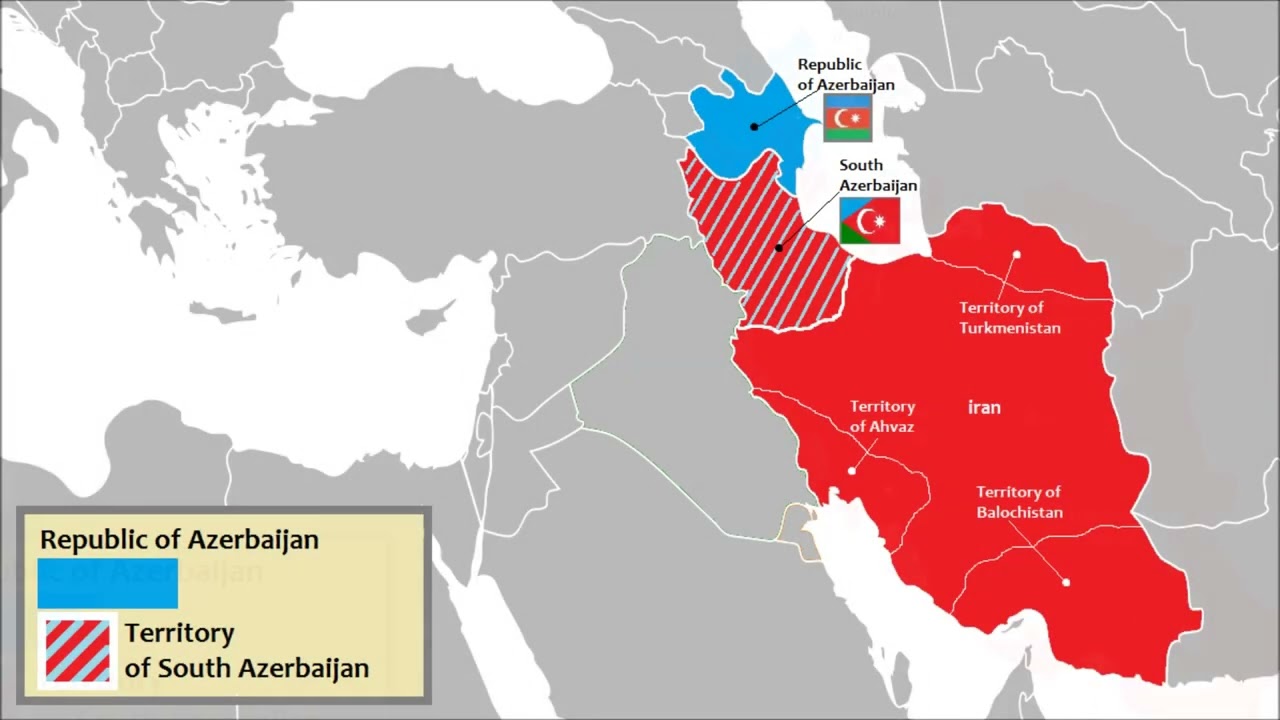
32 Israeli deputies sent an appеal to the Cabinet of Israel’s Minister of foreign Affairs with the call to provide “As wide an international support as possible to the national aspirations of the peoples of South Azerbaijan”.
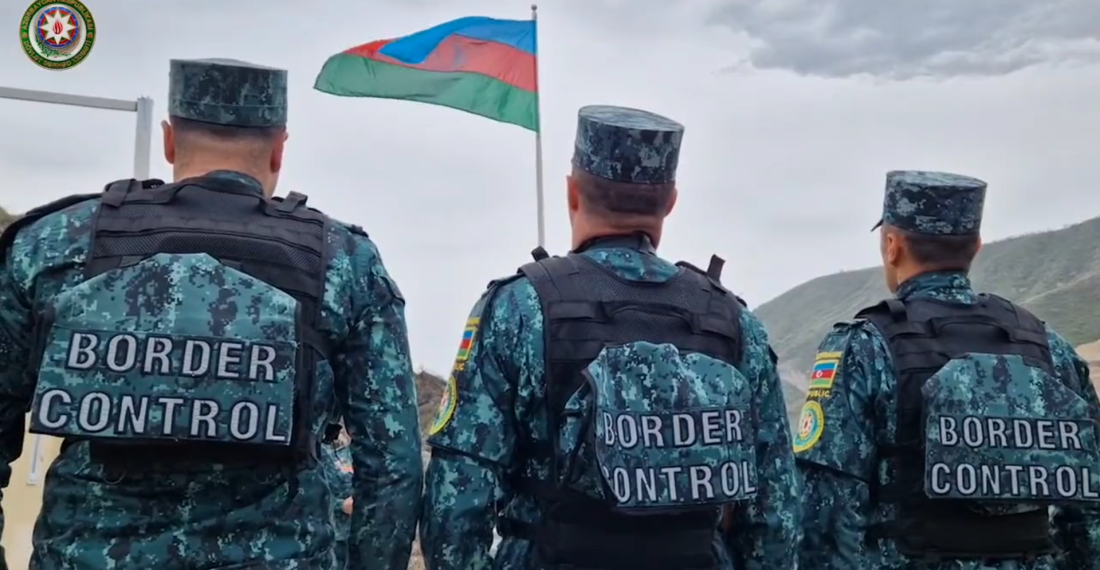
On Sunday (23 April), the Azerbaijani government issued a statement declaring that appropriate measures were taken "to establish control at the starting point of the road on the border between Azerbaijan and Armenia".
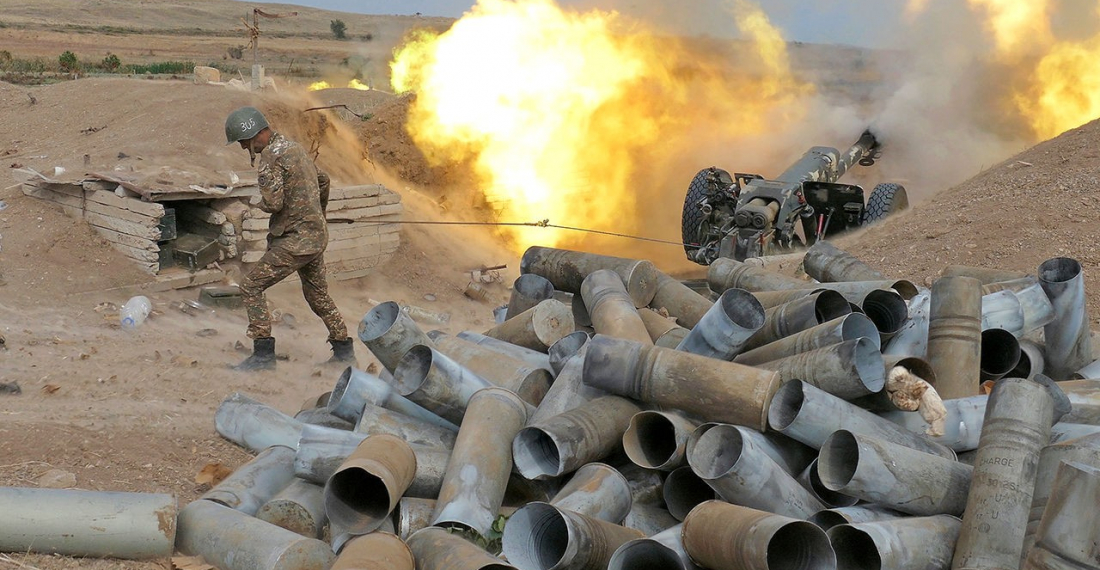
Armenian Prime Minister Nikol Pashinyan has recognized Azerbaijan’s sovereignty over Nagorno-Karabakh, the disputed territory that has fueled two wars since the collapse of the Soviet Union. Will his olive branch lead to a permanent settlement?
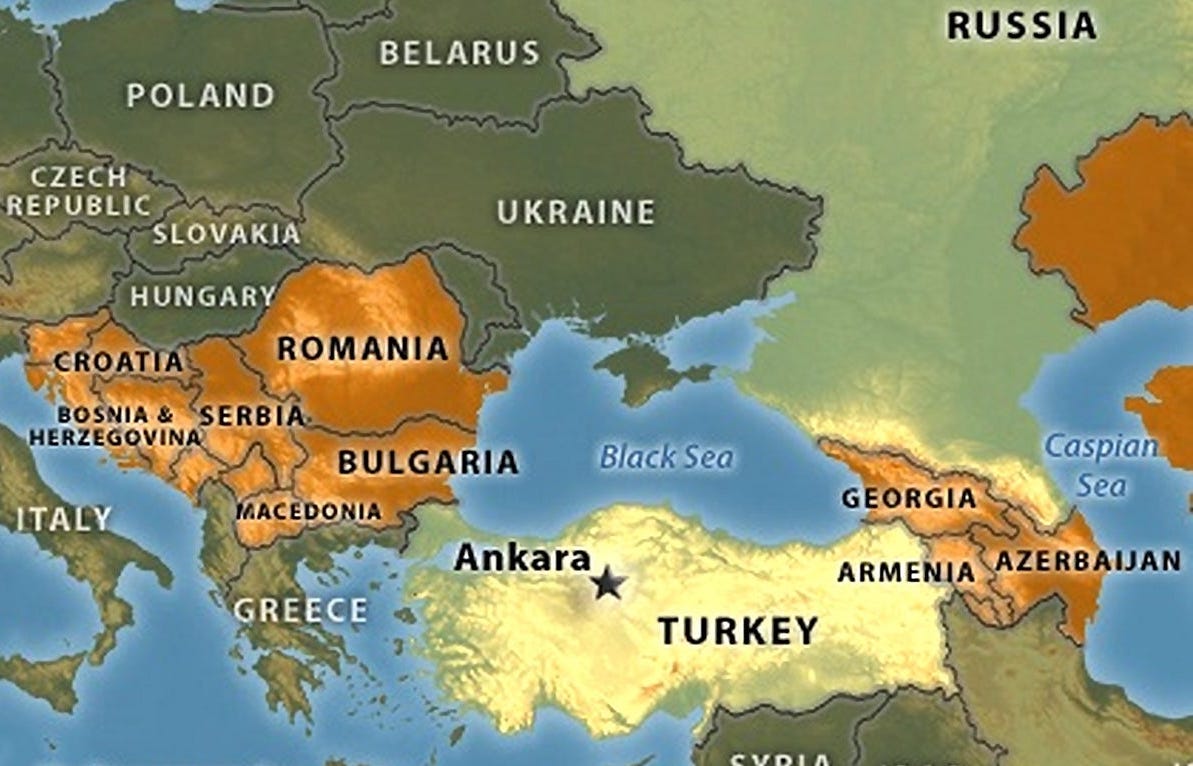
With the expansion of bilateral ties, Aliyev’s visit to Bosnia-Herzegovina fits into a broader framework, with Azerbaijan increasingly pivoting toward the Balkans.
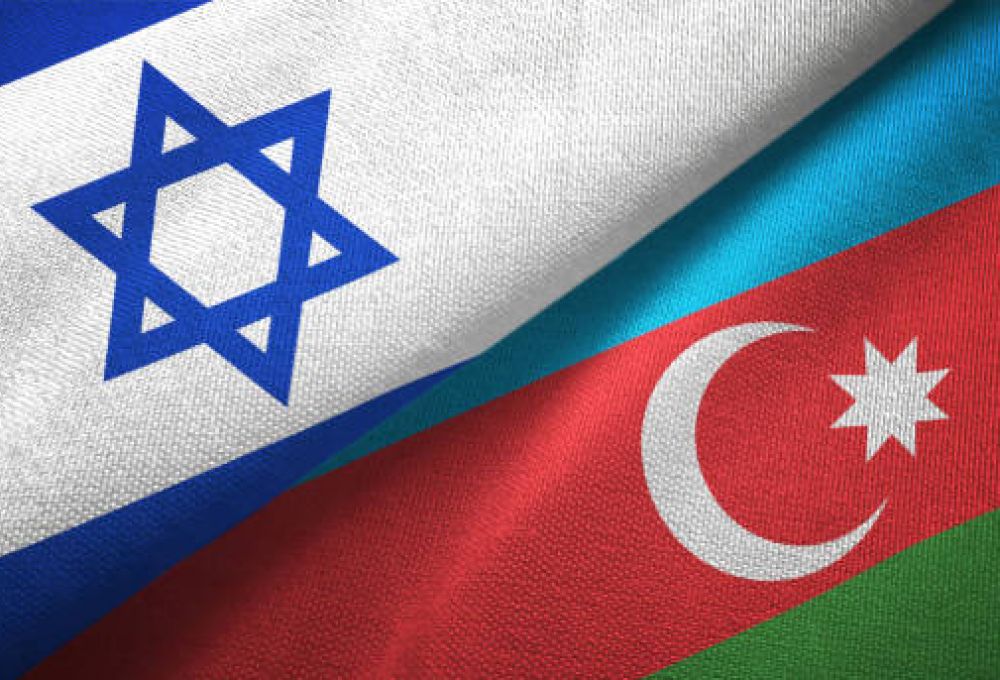
United by the growing threats they face in the Middle East, America, Israel and Azerbaijan possess the opportunity to act together.
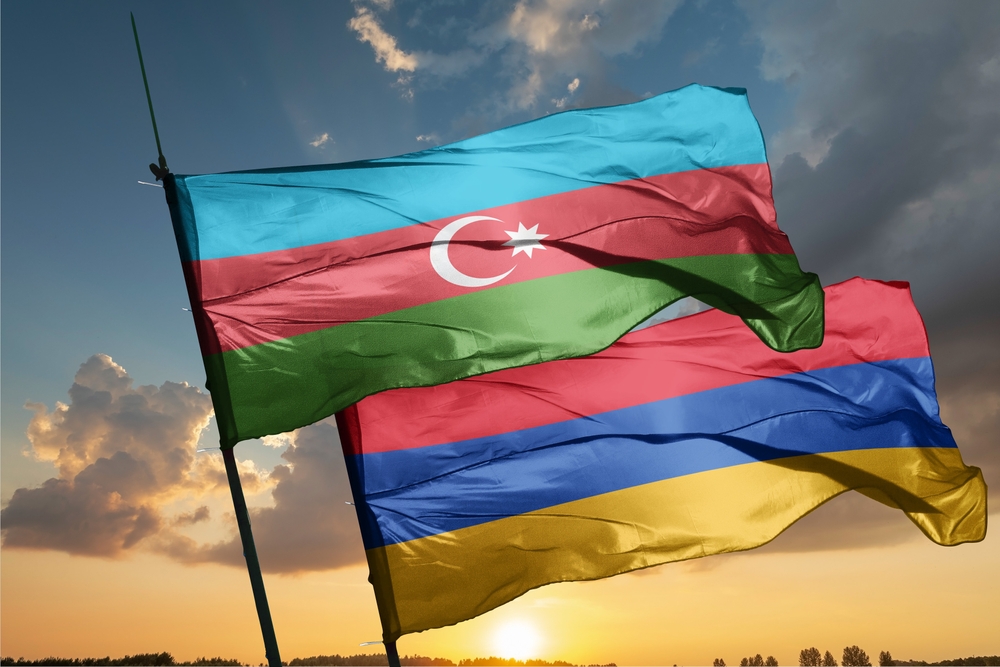
Armenian Telegram channels have allegedly "leaked" details of the closed-door talks between Baku and Yerevan that have been taking place since February of this year in the online format.
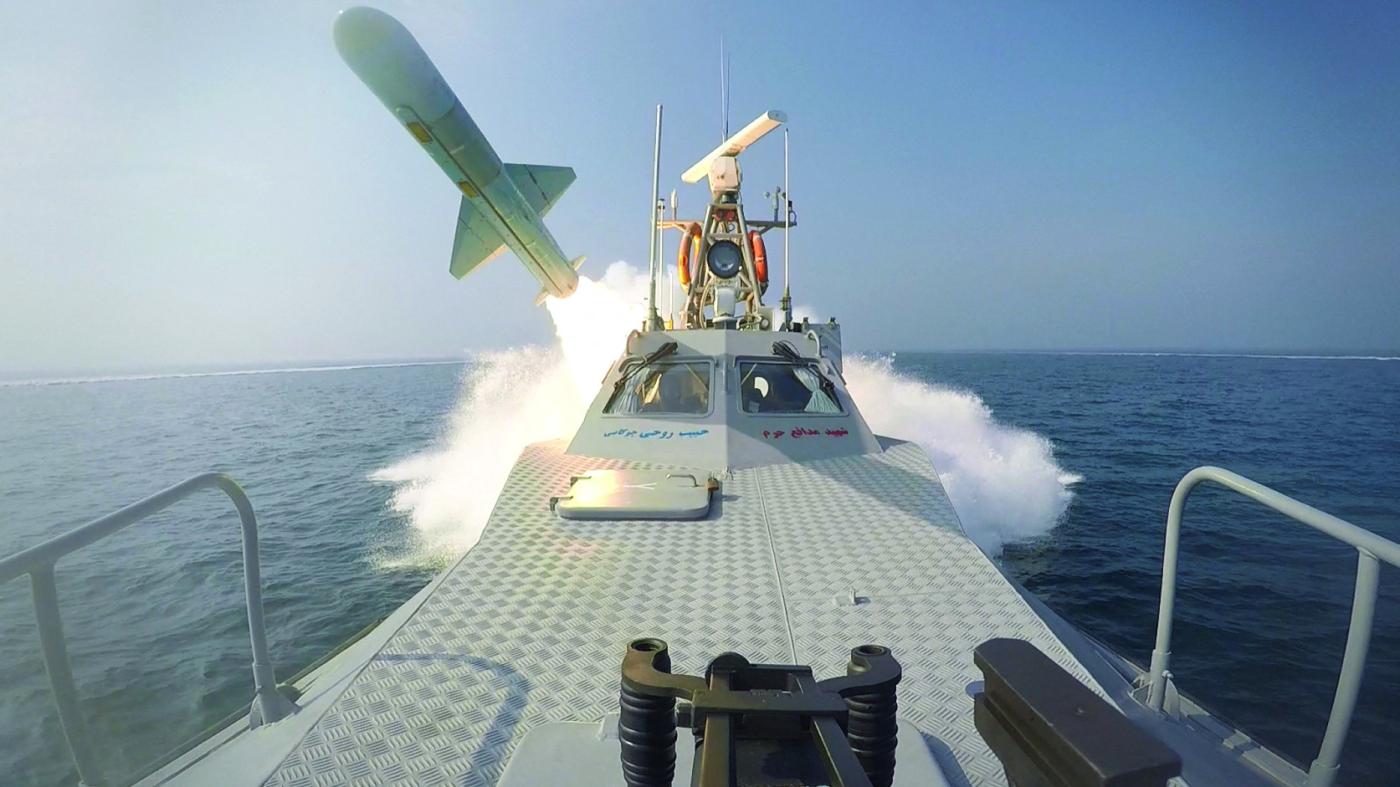
Wider regional concerns add to possibility of confrontation as Tehran clearly marks its line in the sand.
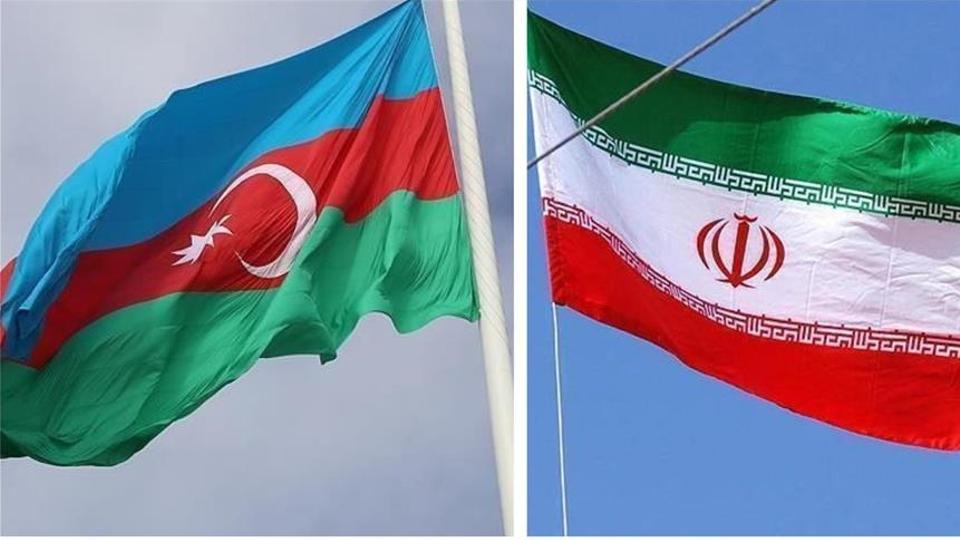
Aware of Azerbaijan's growing economic influence and strength, Iran is taking measures to ensure the tensions remain in its favor.
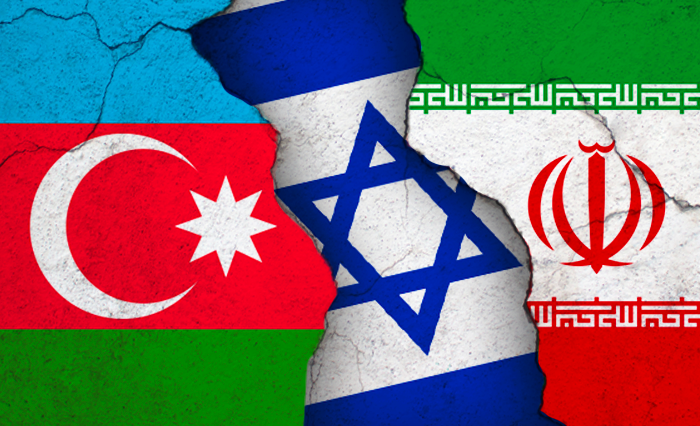
The Iranians feel that at a time when they are facing protests that threaten the very existence of their regime, they are being sandwiched in-between forces allied with a country, whose prime minister has issued threats of using military force to destroy Iran's nuclear program. For this reason, the Iranians are trying to break up these alliances.
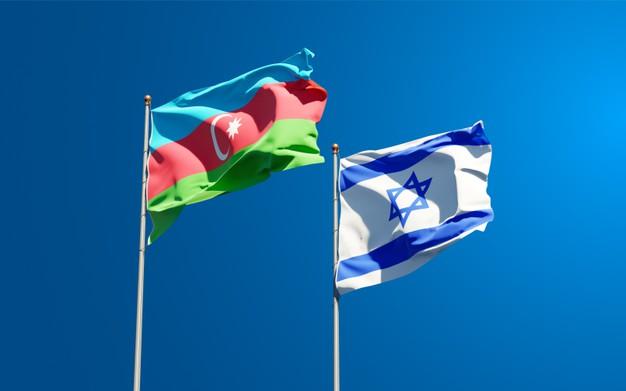
The trip to Azerbaijan had a large delegation and highlighted business and trade ties. Israel already has trade relations with Azerbaijan, but these are expected to increase.
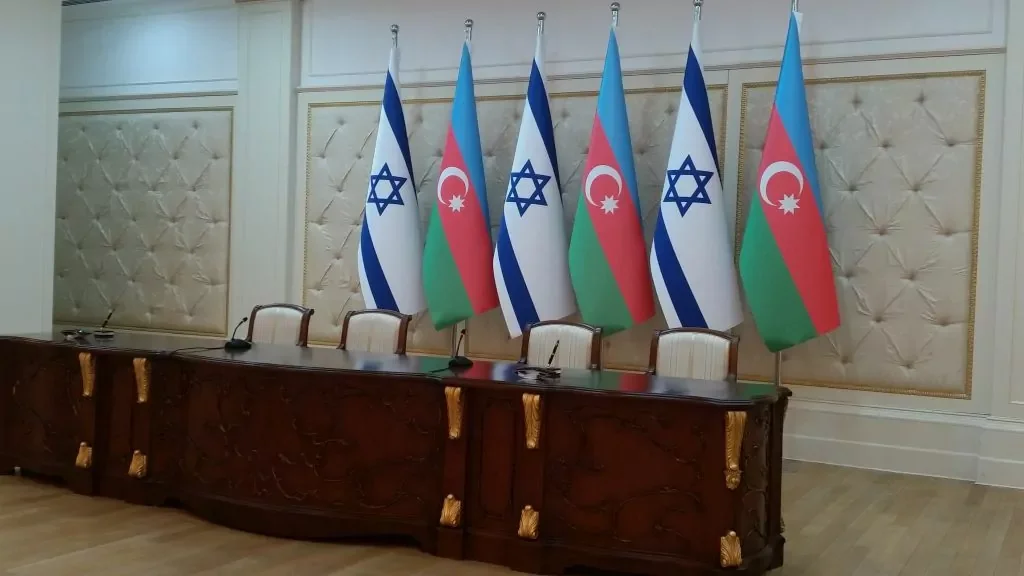
On March 30, Azerbaijan officially inaugurated its first embassy in Tel Aviv, Israel, after avoiding the move for three decades.
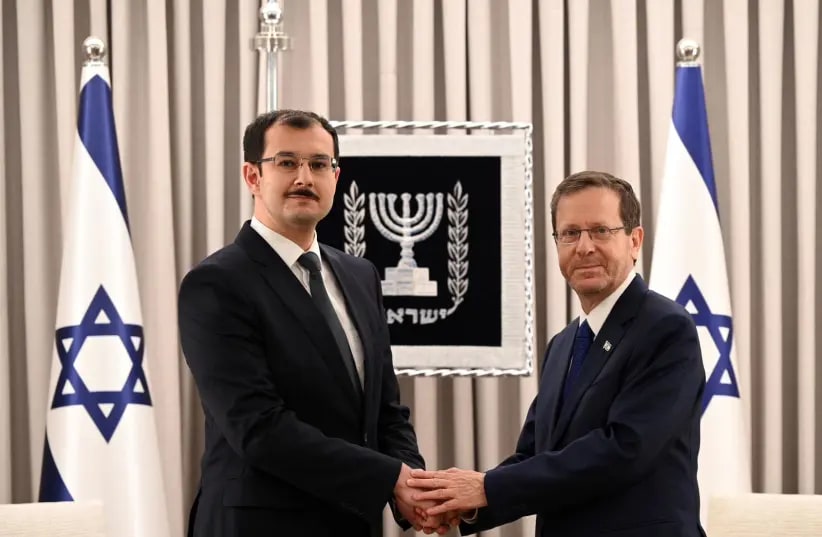
Israel’s flourishing ties with a slew of Middle Eastern and Central Asian countries demonstrate that these relationships are underpinned by far more than shared threats.
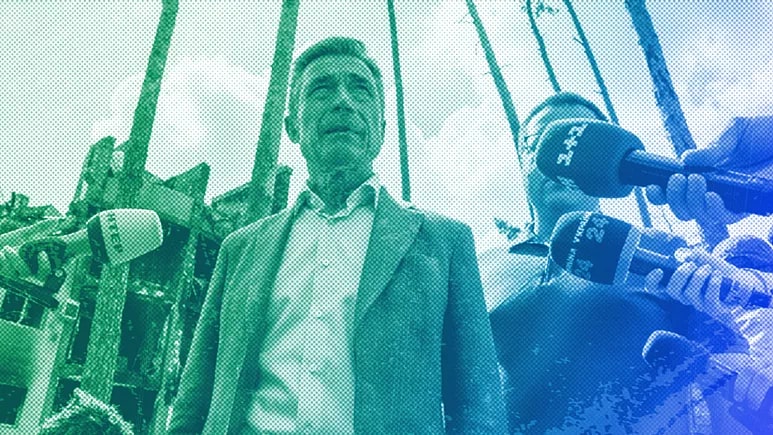
It is easy to forget in this time of war in Ukraine that NATO is an organisation supposed to enable peace.
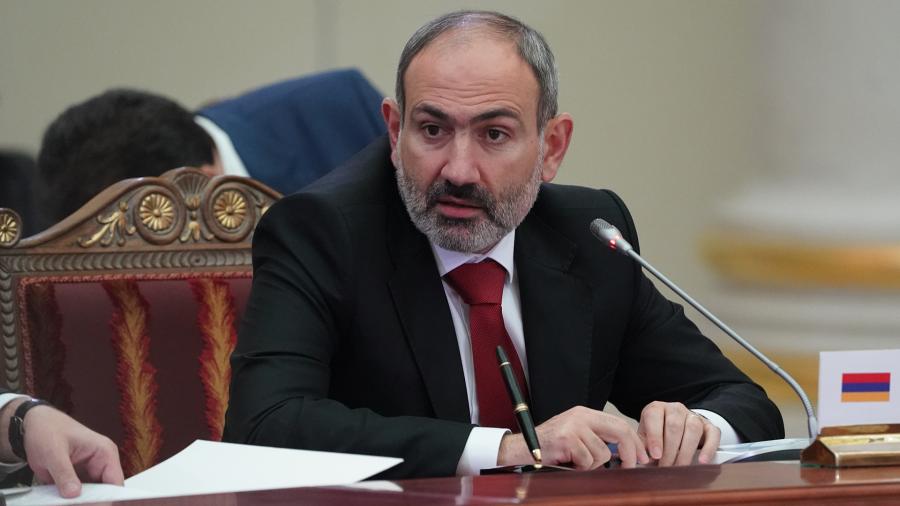
Three separate, seemingly unrelated events occurred recently in the South Caucasus, showing that Armenia cannot coexist peacefully with its neighbours. Another military escalation between Azerbaijan and Armenia, with the latter using Iranian drones.
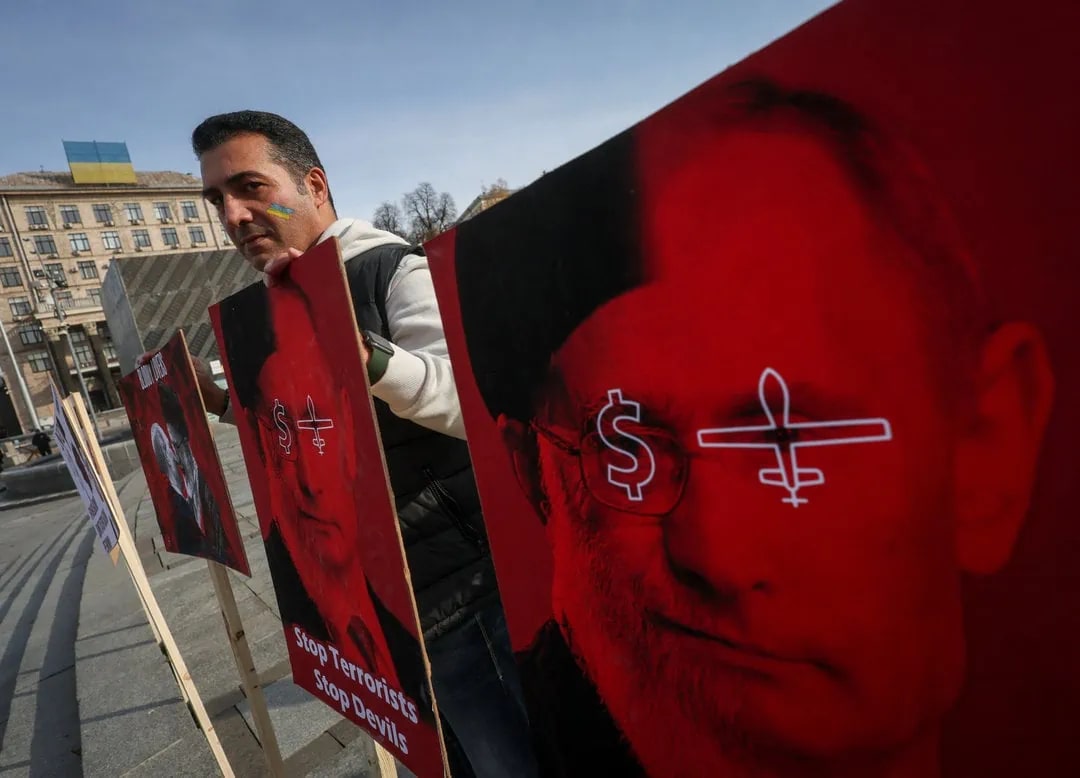
“The world’s second military power”, as Russia had been referred to before it waged war in Ukraine, is reportedly suffering from a severe shortage of both lethal and non-lethal weapons, including drones and missiles. Under sanctions, when it is impossible to obtain arms components and military goods in the usual way, the aggressor is forced to rely on supplies from rogue countries and their accomplices. One of the main accomplices ensuring the supply of sanctioned goods to Russia is Armenia.