The EU is trying its best, but it is not a magician. For a peace treaty to be brokered and signed requires one country – Armenia – to halt its support for separatism.

The EU is trying its best, but it is not a magician. For a peace treaty to be brokered and signed requires one country – Armenia – to halt its support for separatism.
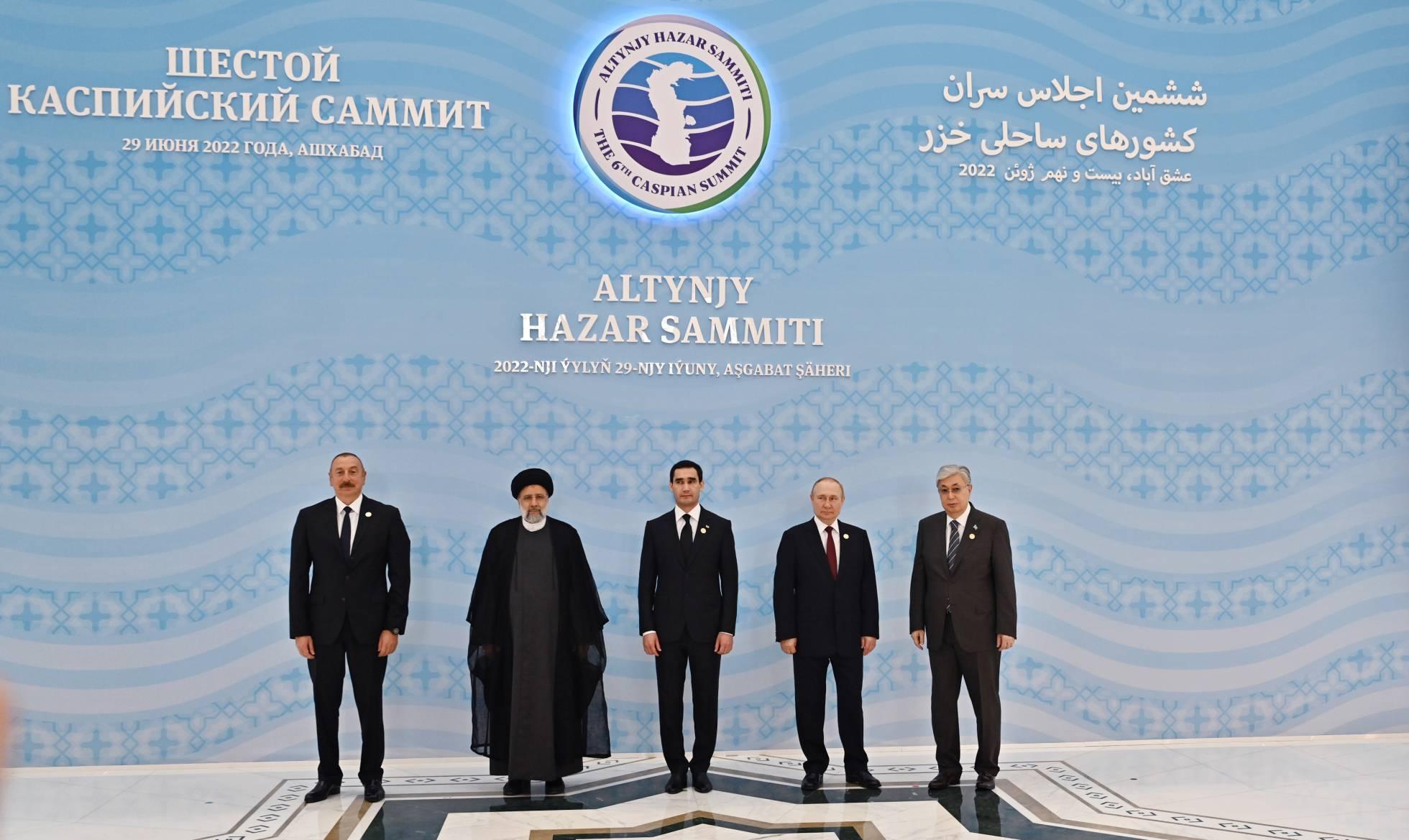
The sixth Caspian Summit with the participation of the leaders of the "G5" was not rich in surprises, but certainly outlined interesting trends in the new regional geopolitics.
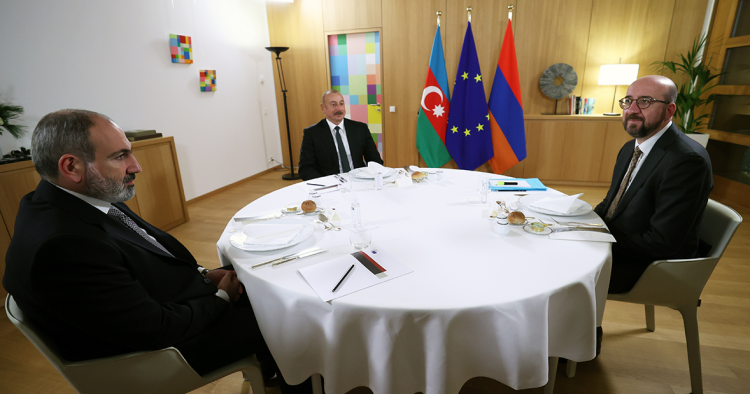
Armenia and Azerbaijan, two long-standing adversaries in the South Caucasus, are edging closer to a peace deal that could potentially alter regional geopolitics.
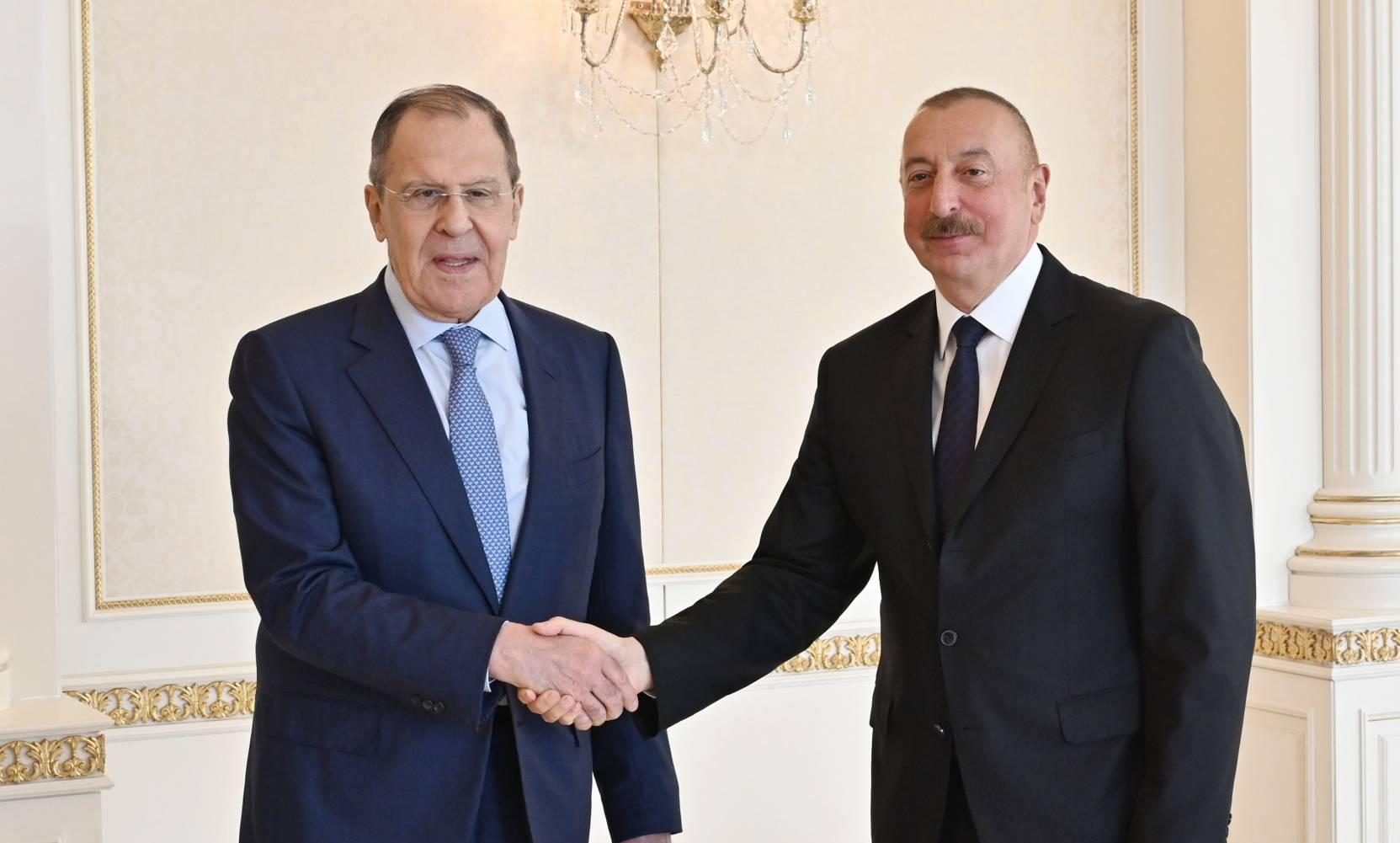
On June 25, Azerbaijani President Ilham Aliyev received Russian Foreign Minister Sergei Lavrov.
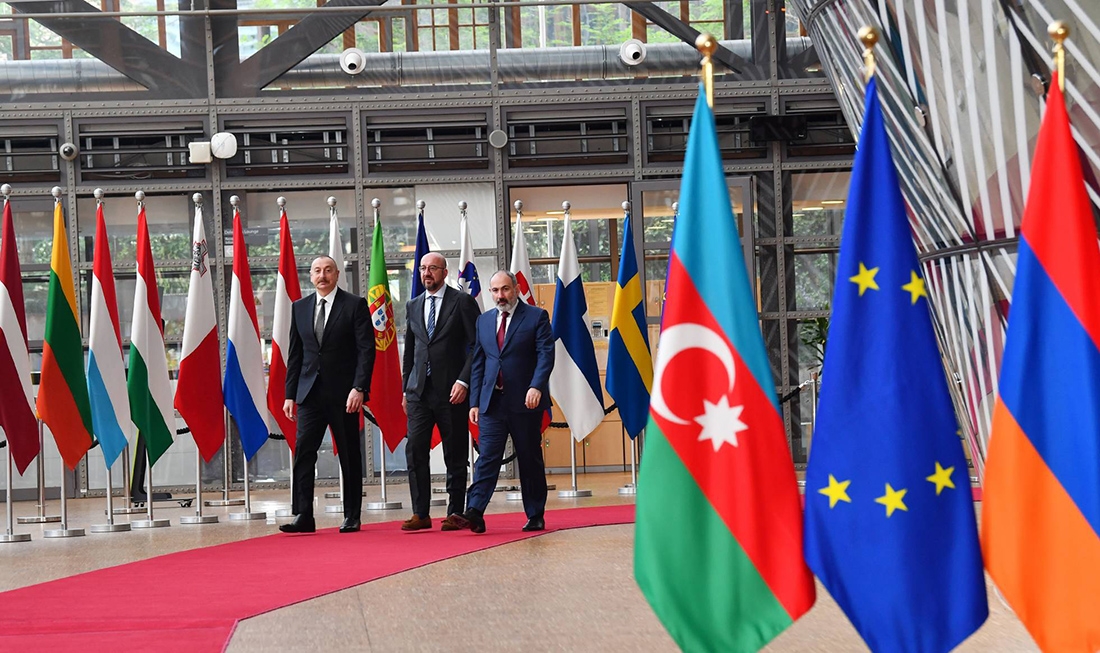
While Russia continues conducting its “special military operation” in Ukraine, Moscow’s ally, Armenia, has been seeking to normalize relations with its arch enemy, Azerbaijan.
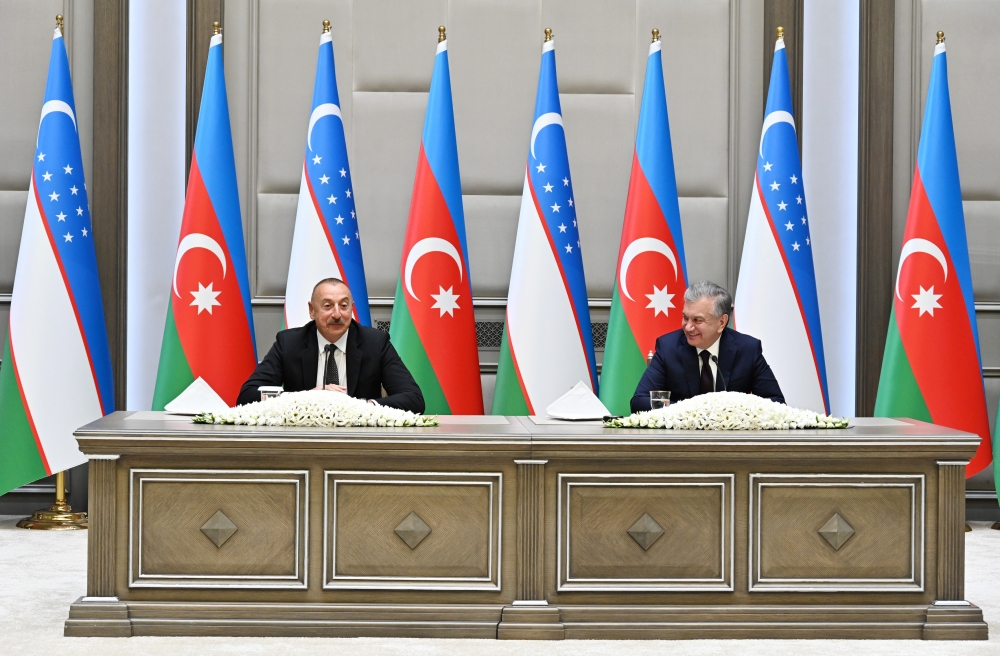
President Ilham Aliyev's visit to Uzbekistan continues, and the regional media are closely monitoring the protocol details, the statements, and the official communiqués.
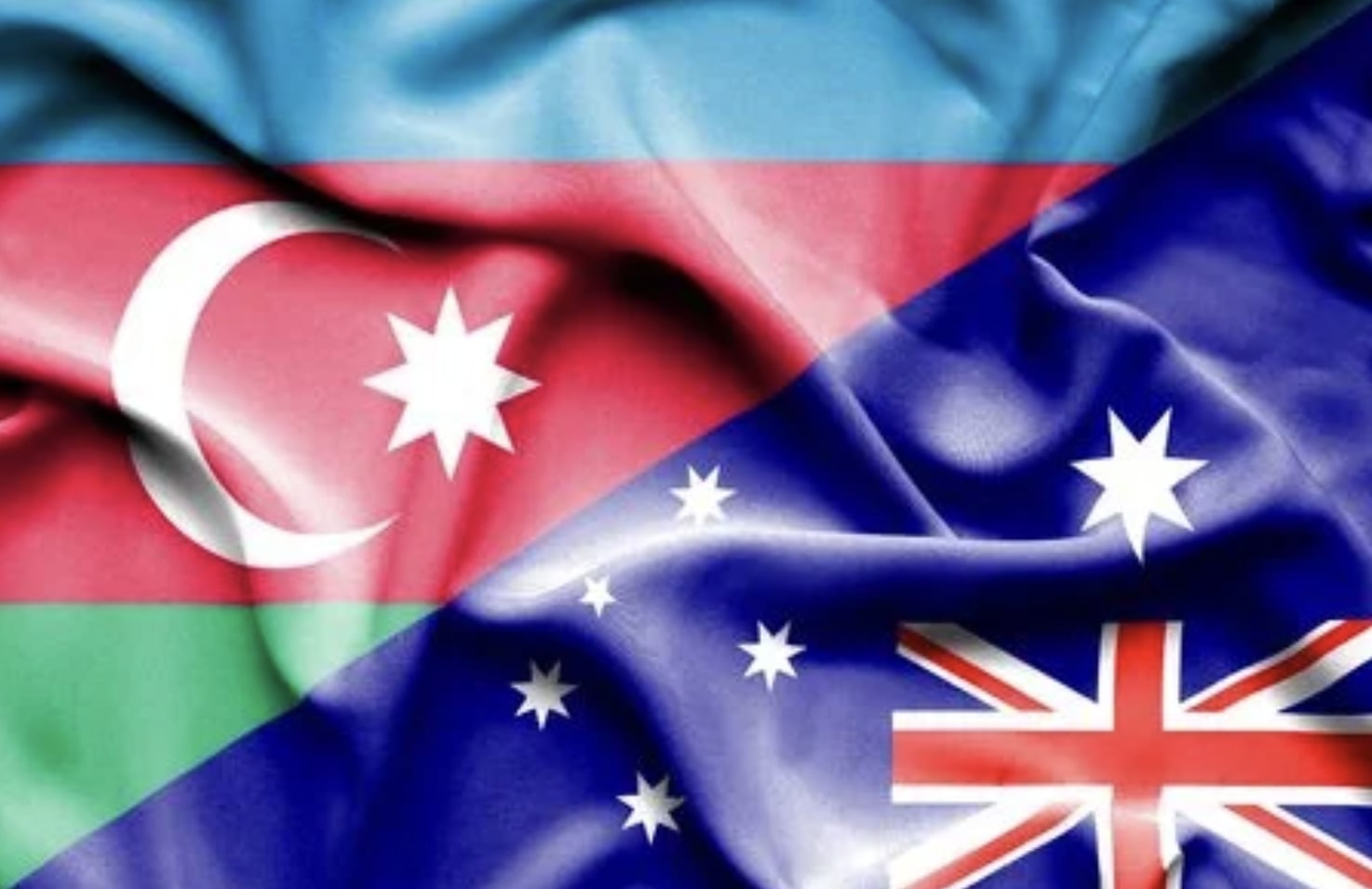
Geopolitical change opens the chance to capitalise on goodwill for a potentially valuable partnership.
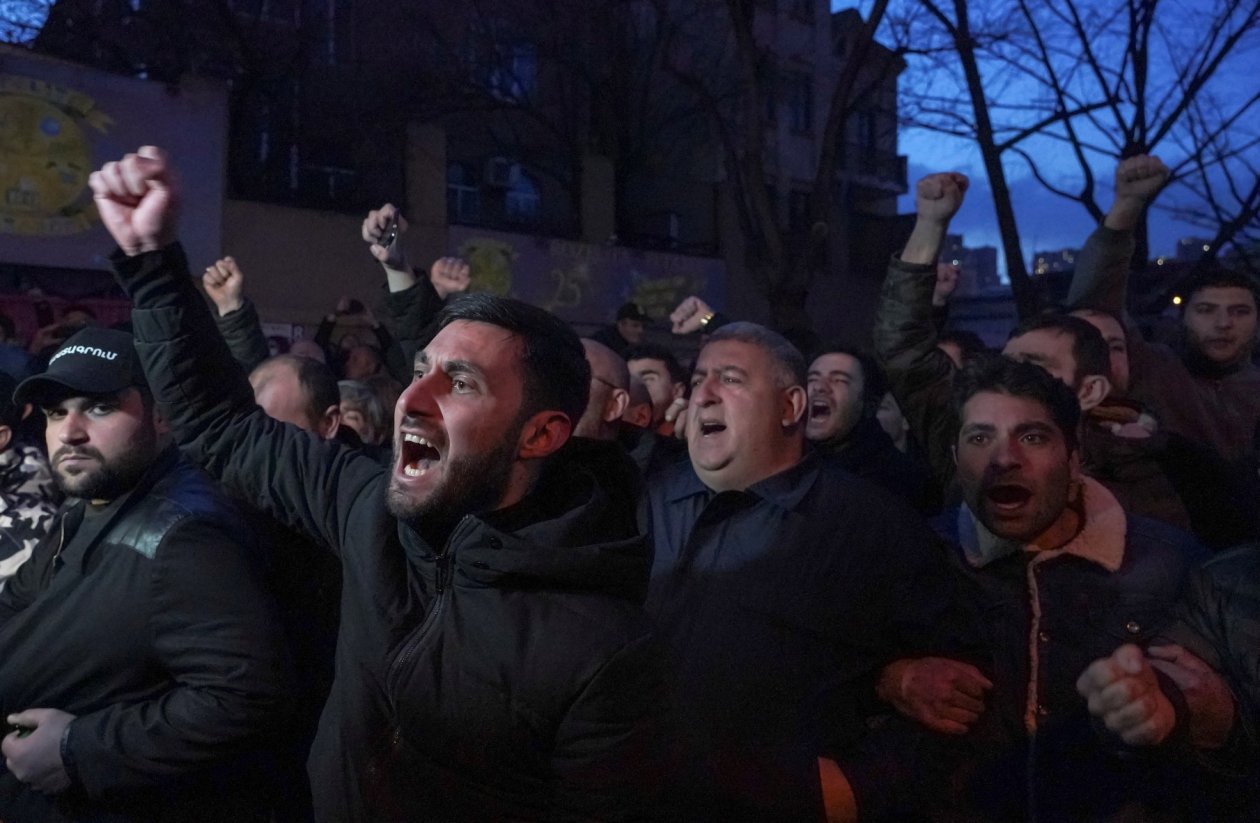
It's been several days now that the tent camp of the protesters, the one that the Armenian opposition used to proudly call "the core of the new revolution", was removed from the centre of the capital city.

An American church has a glaring double standard when it comes to settlements in the West Bank and Nagorno-Karabakh.
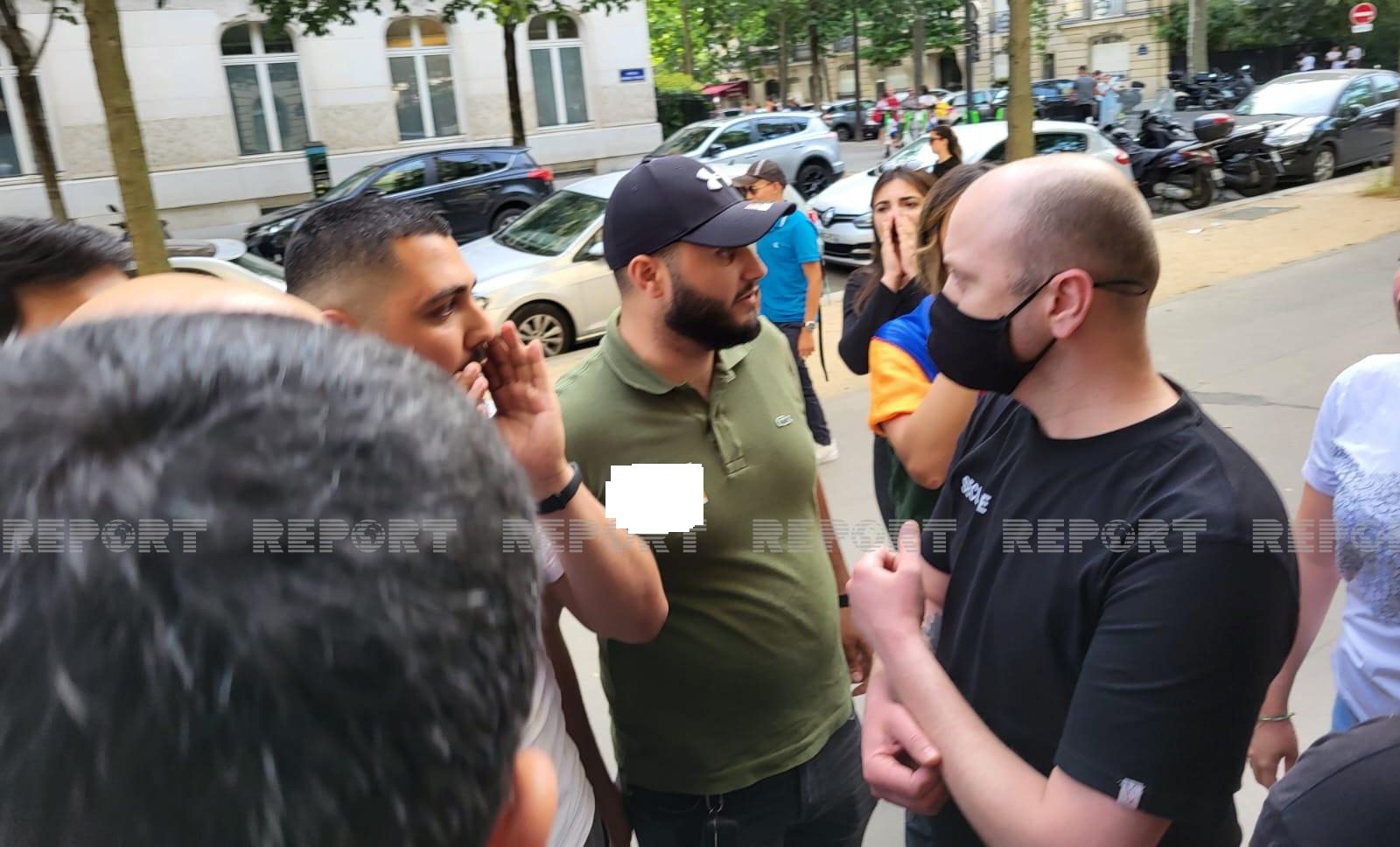
Armenians have once again hit rock bottom, showing their cowardly, shameful nature. The attack of a group of Armenians on the Cultural Center of the Azerbaijani Embassy in Paris was such a crime.
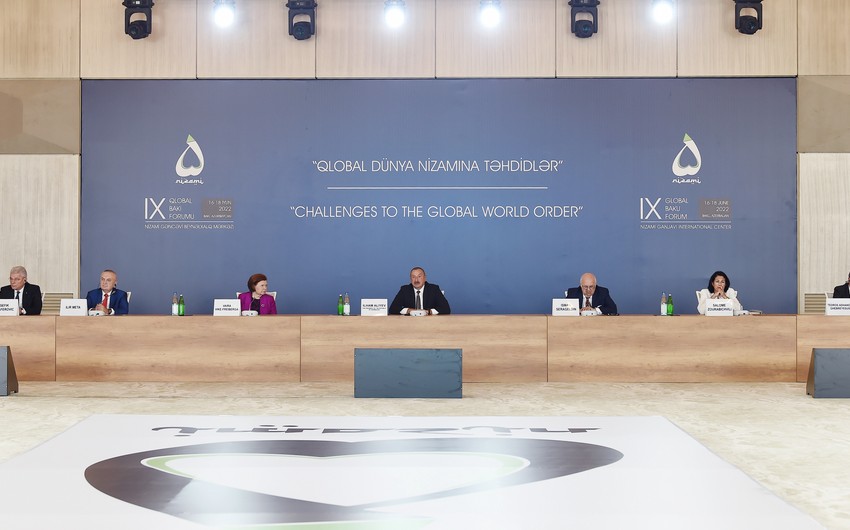
The traditional Global Forum kicked off in Baku yesterday. The event was first held in 2013 as part of the South Caucasus Forum.
For many years economic ties with the UK have been one of the priorities for Azerbaijan. And it is not surprising - companies from the Albion account for a considerable part of the $140 billion foreign investments allocated to our country over the last thirty years.
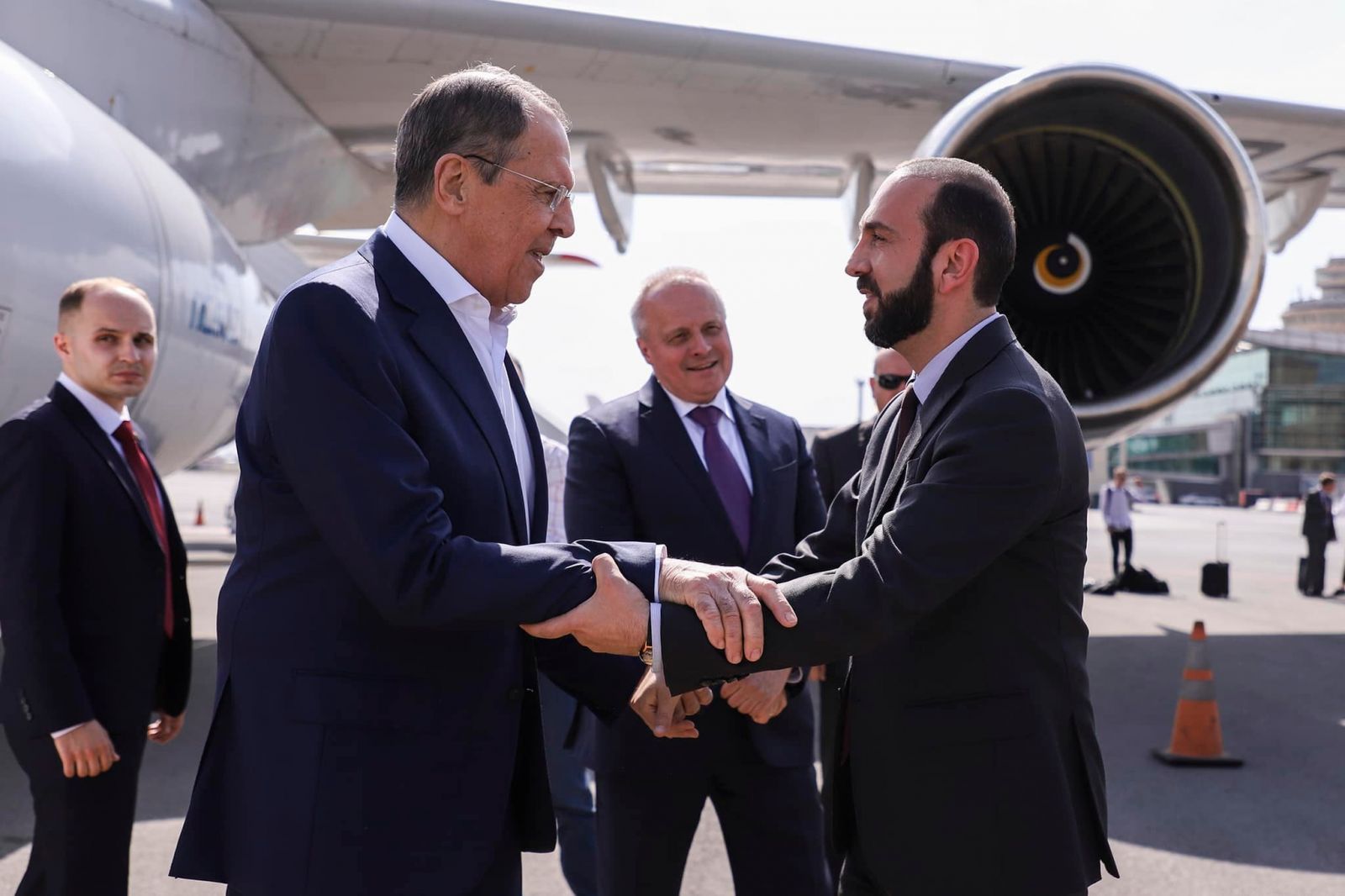
On June 8–10, Russia’s Foreign Minister Sergei Lavrov paid a two-day visit to Yerevan, where he met with Armenian leaders and attended a foreign ministerial session of the Collective Security Treaty Organization (CSTO).
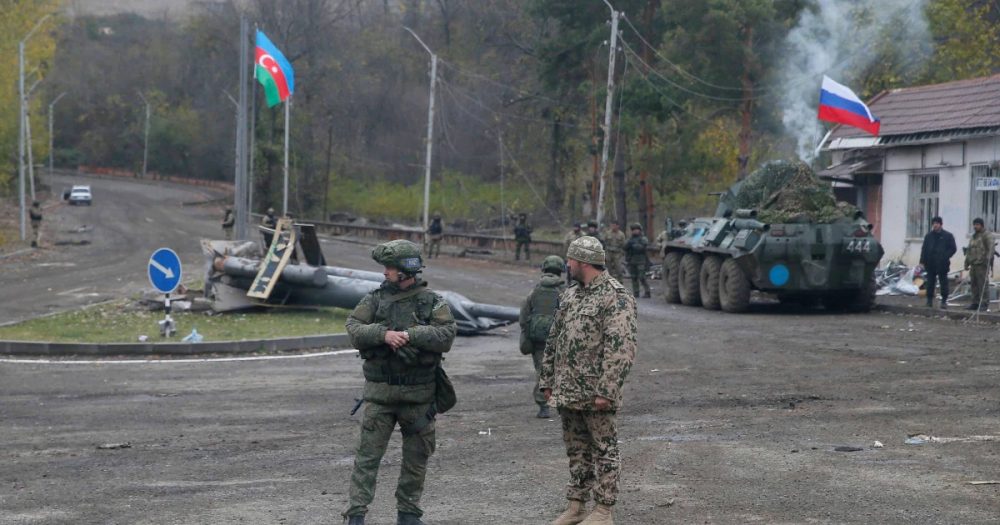
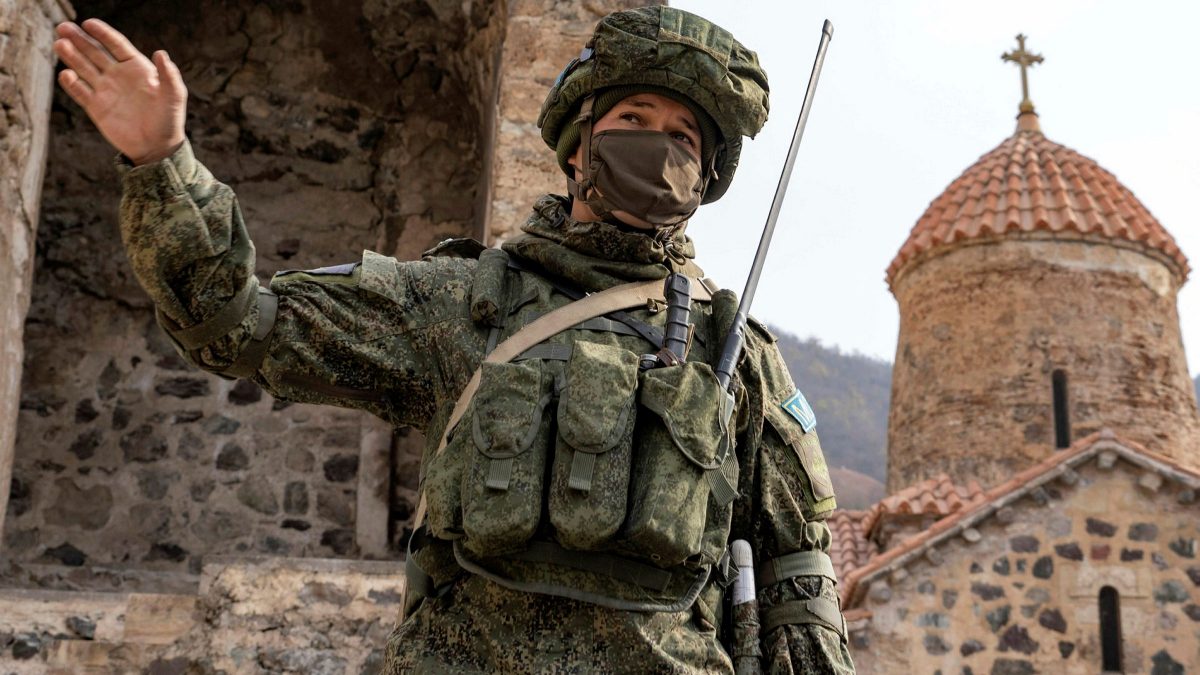
The legal foundation of the temporary presence of the Russian peacekeeping contingent in Karabakh is presently hinging on the 10 November 2020 trilateral declaration, yet its mandate remains shrouded in what one may call "constructive ambiguity".
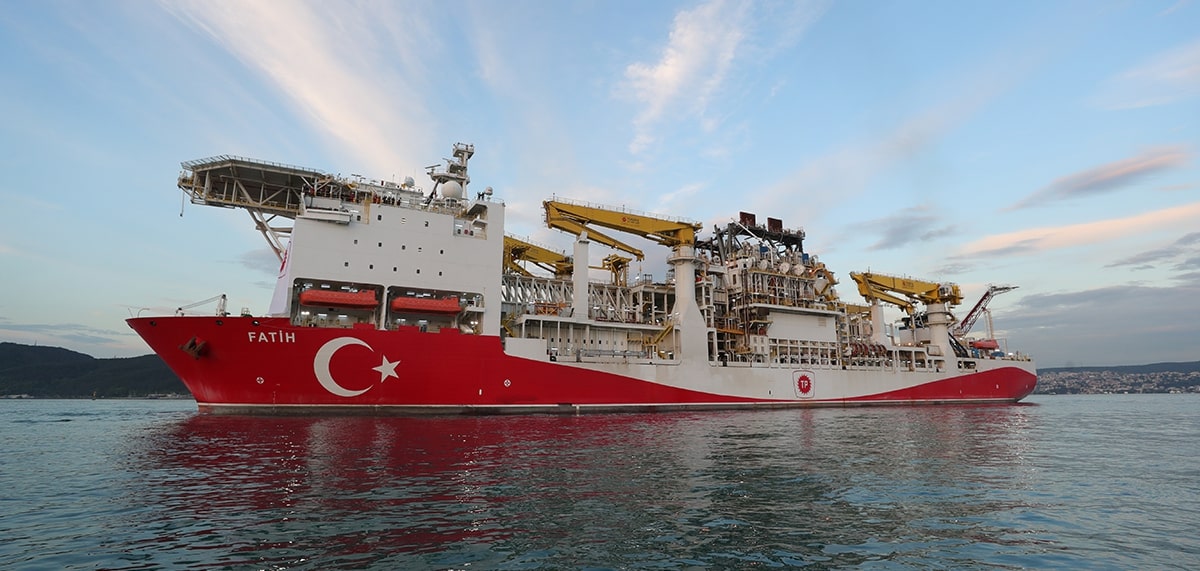
With its recent deepwater exploration success in the Black Sea and prominent geographic location for interregional hydrocarbon pipelines, Türkiye can play a material role in shaping the geopolitical landscape today, especially in the natural gas sector.
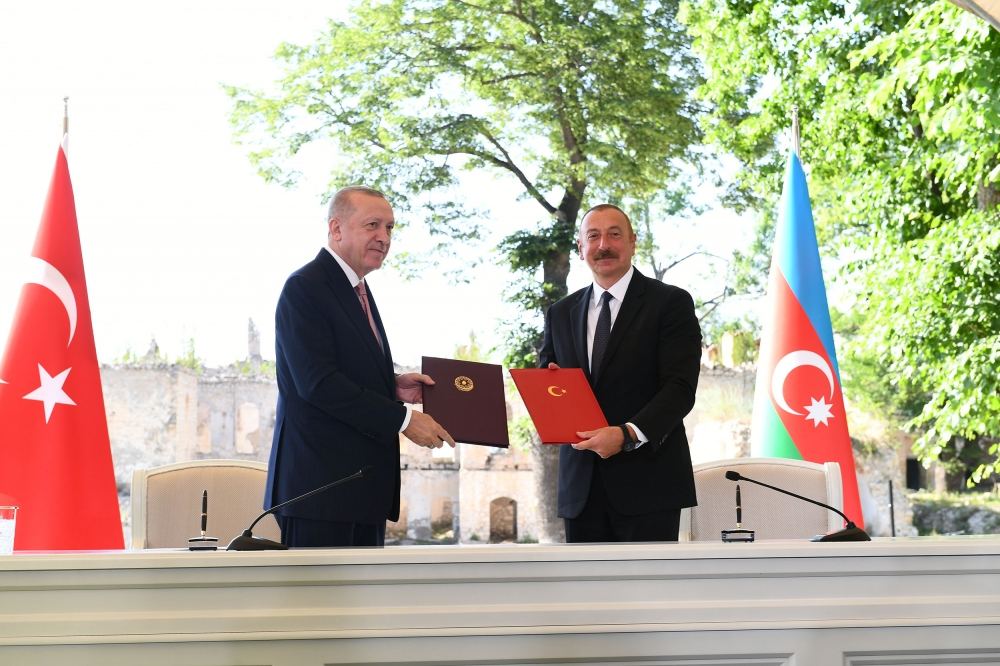
President of Azerbaijan pointed out that the Shusha Declaration had been signed by the leaders of Azerbaijan and Turkey 100 years after the conclusion of the Treaty of Kars.
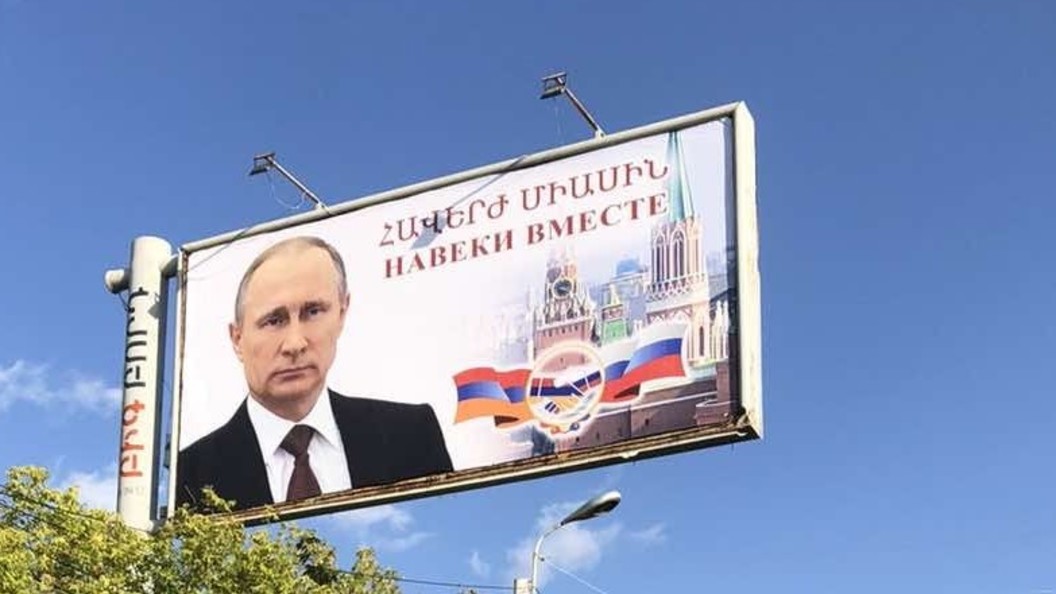
Analyzing the situation in Armenia over the past six months, one comes to the conclusion that everyone is against everyone there, and it would only take a spark to push the country to a domestic strife.
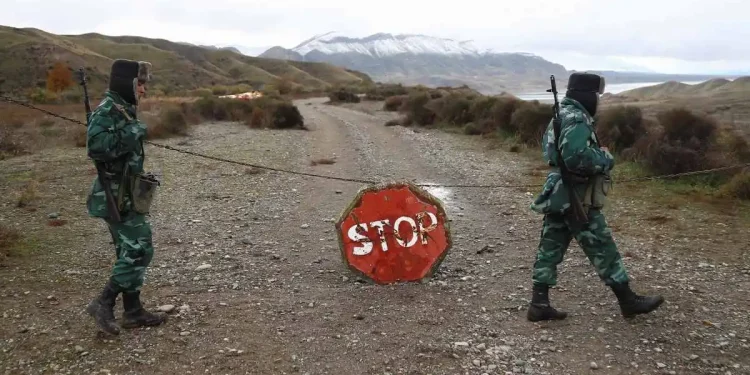
The second Karabakh war delivered a knockout punch to the internationals who spent nearly 30 years trying to get Armenia and Azerbaijan to hold peace talks.

Azerbaijan blocked a Russian state news agency after it published pro-Armenian articles; now Moscow is hitting back, threatening Azerbaijani state media for being pro-Ukraine.

The Russia-Ukraine war disrupted global supply chains and weakened economies worldwide, but it spells opportunity for Azerbaijan, the hinge of Europe and Asia.
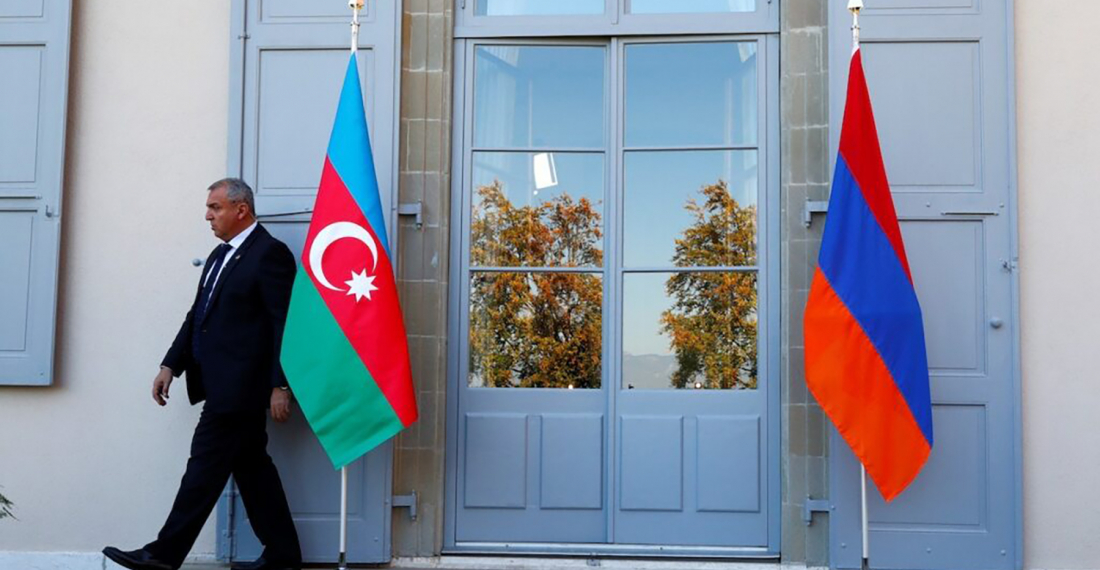
Because Moscow is focused on its war in Ukraine, the European Union has hosted two meetings with the presidents of Armenia and Azerbaijan simultaneously to press for an agreement on border delimitation between the two and to exclude Russia from the talks, Russian experts say.
Former Minister of Foreign Affairs of Azerbaijan Tofig Zulfugarov shared some details of his Q&A meeting with a Western diplomat.
Azerbaijan is no stranger to double games, intrigues and provocations of both its closest neighbours and formal allies and partners. In this sense, our country has literally gone through fire and water and has gained practical experience in solving these problems and perceives new tricky situations cold-bloodedly enough.
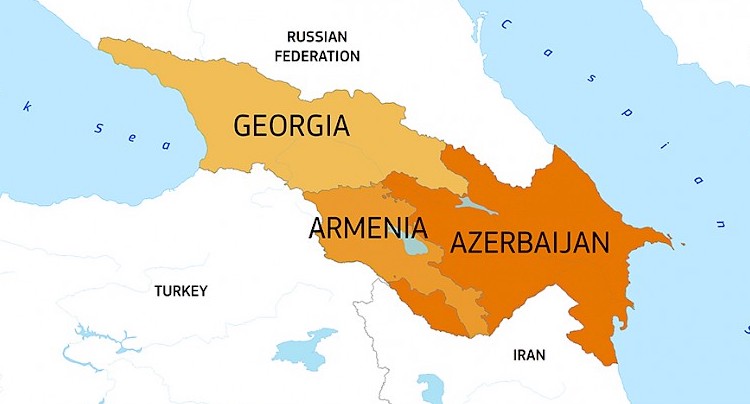
Since the collapse of the Soviet Union, the South Caucasus has been unable to find a model for regional cooperation or form regional organizations.