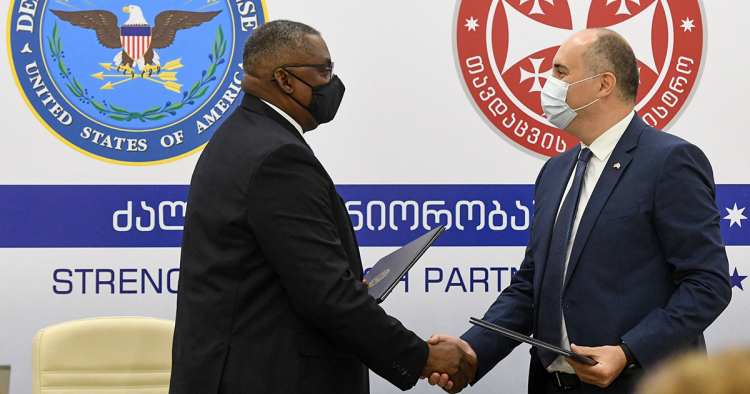
During his recent visit to Tbilisi, U.S. Defense Secretary Lloyd Austin poured cold water on the idea of American support for a so-called “3+3 format” in the South Caucasus.

During his recent visit to Tbilisi, U.S. Defense Secretary Lloyd Austin poured cold water on the idea of American support for a so-called “3+3 format” in the South Caucasus.
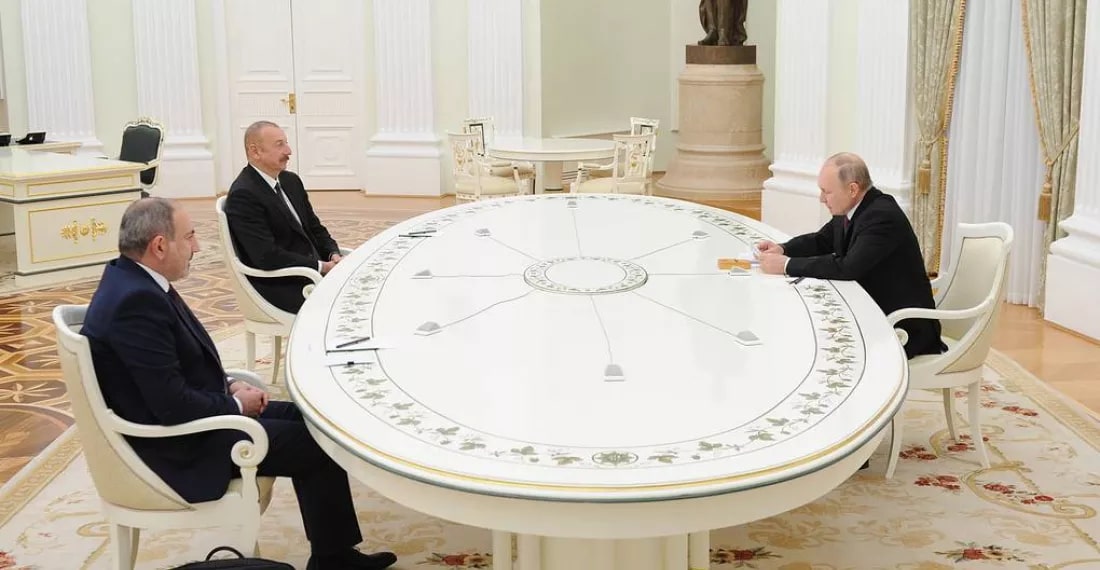
A year has passed since the end of the 44 day Karabakh War. Relations between Armenia and Azerbaijan are generally stable despite periodic escalations, writes Vasif Husseynov. "The statements of the leaders from both sides along with some major developments promise a more peaceful year ahead", he argues.
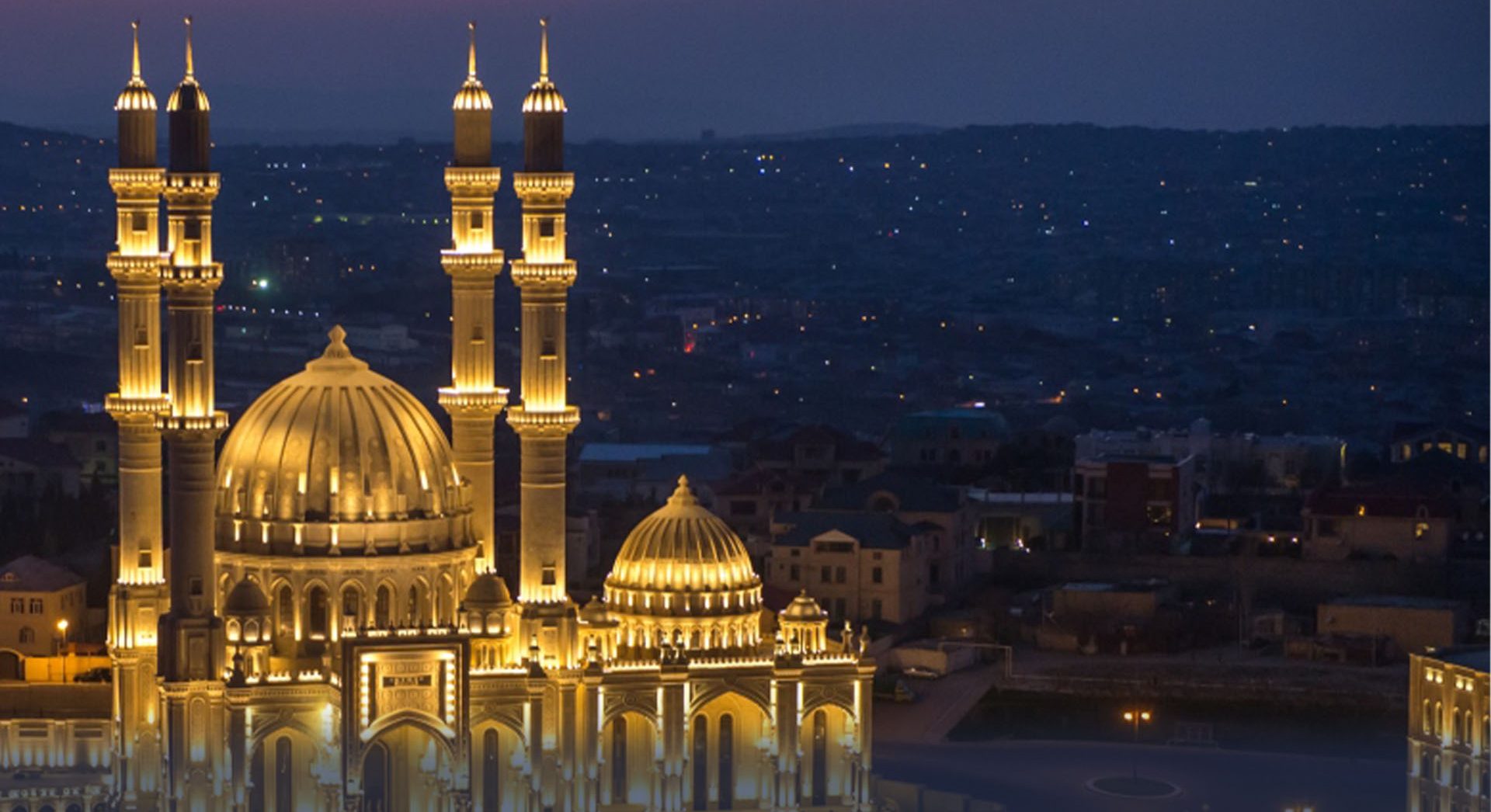
Secularism occupies a special place in the modernist discourse in Azerbaijan. This issue is constantly emphasized by government officials, public figures, thinkers and used in the country's propaganda in the international arena.
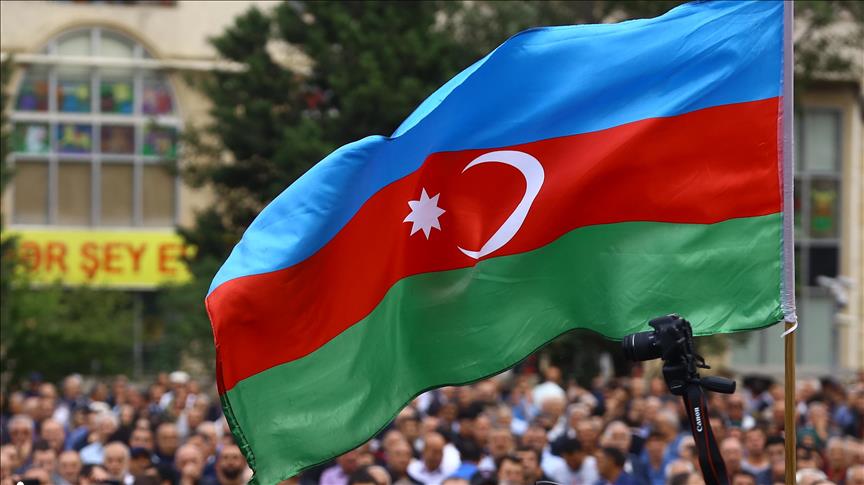
The timing of these provocations is no coincidence. In early October, Baku and Yerevan started to use each other’s airspace for civilian flights. Despite the fact that there had been no official ban on these flights before, both sides preferred not to fly over each other’s territories up until now.

The history of Azerbaijan is rich in numerous glorious dates to be proud of them. However, in the history of our national statehood, there have been very few cases of expelling enemies from our lands by force.
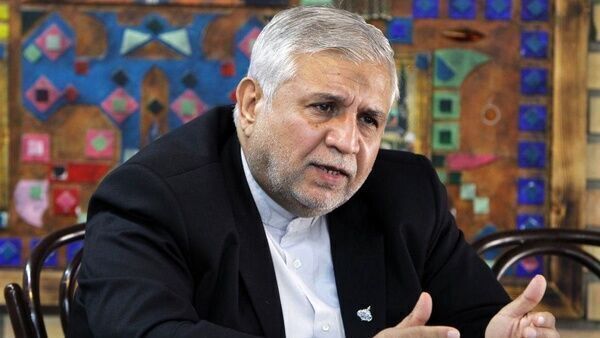
Fortunately, with the issuance of the notification of the country's road organization and the emphatic recommendation not to allow Iranian trucks to travel in the Nagorno-Karabakh region and the subsequent release of two Iranian truck drivers, a better situation has prevailed between the two countries.
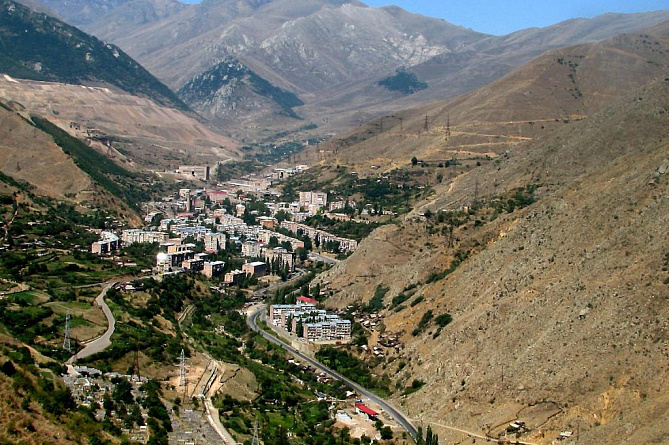
The end of the 44-Day War resulted in the signing of a Trilateral Statement between the Presidents of Azerbaijan and Russia and the Prime Minister of Armenia on November 10, 2020. One of the main purposes of the statement is to open all transport communications in the region that were closed due to the Armenian occupation.
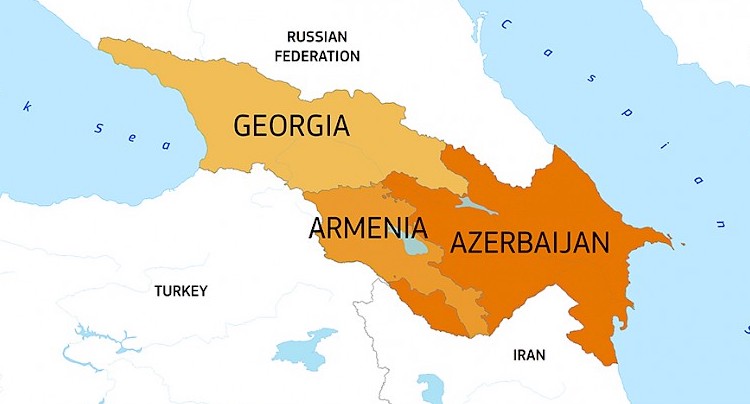
One of its most important points in the trilateral statement signed by Armenia’s prime minister Nikol Pashinyan, Azerbaijan’s president Ilham Aliyev, and Russia’s president Vladimir Putin in Moscow on 10 November 2020—which established the ceasefire and capitulation of armed forces of the Republic of Armenia in the Second Karabakh War—is the unblocking of transport communications in the South Caucasus region.

Since signing the 2010 Strategic Partnership Treaty, Turkey and Azerbaijan have transformed their rhetorically close ties, encapsulated in the oft-repeated slogan “one nation, two states,” into a real military alliance with a casus foederis clause, resembling Article V of the North Atlantic Treaty Organization’s (NATO) founding Washington Treaty.
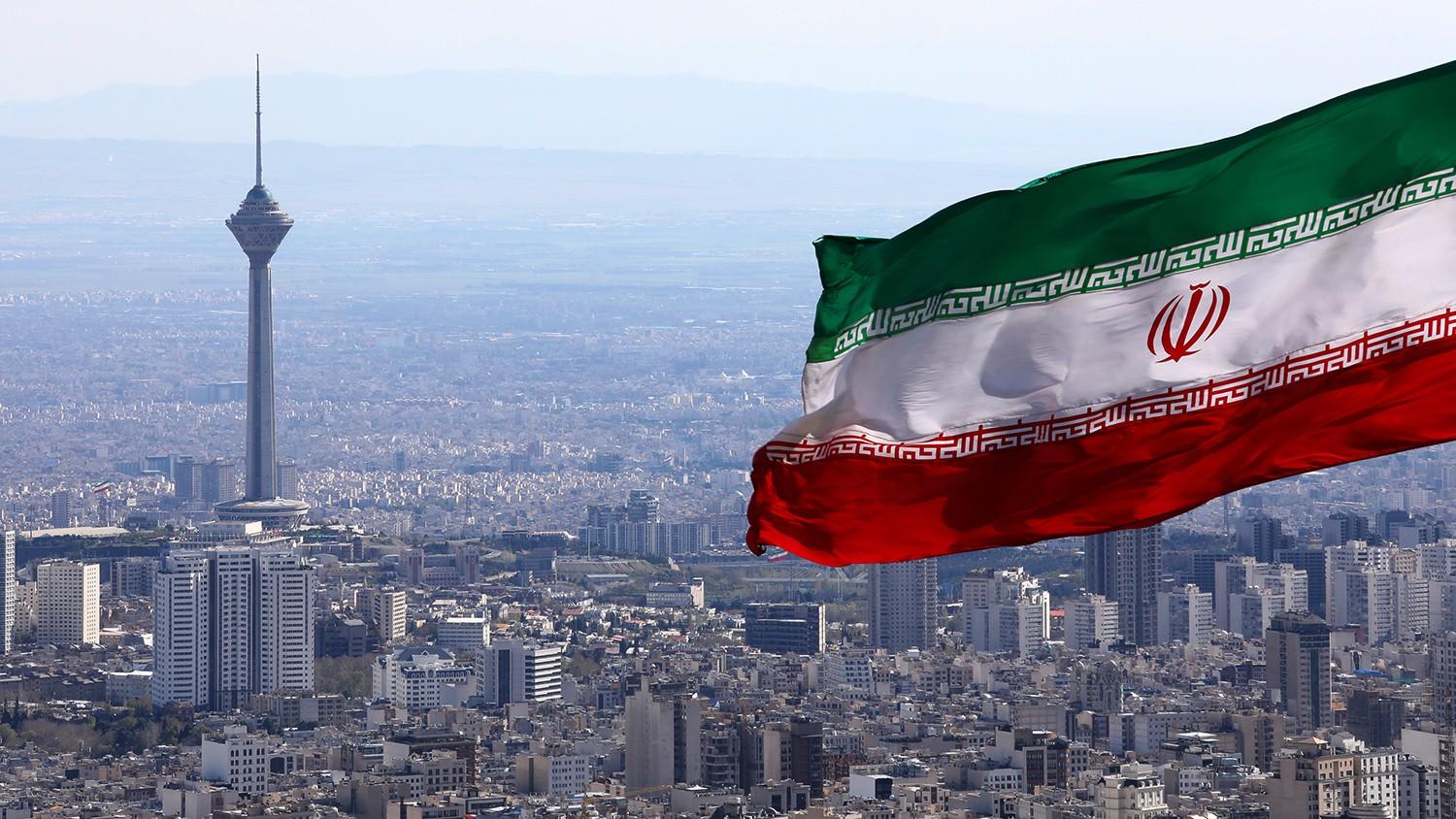
The diplomacy of the Persian Empire, which in the past stretched over vast territories, is called by some researchers the "gold diplomacy", that is, relations with the right states were sustained by substantial financial, food, military or other assistance.
American justice. It would hardly be a stretch to say that the Hollywood propaganda made sure that for the rest of the world American justice is synonymous with objectivity and impartiality, as well as absolute independence from the other two branches of government—executive and legislative powers.
The US has been absent from the South Caucasus for over a decade, has poor relations with Turkey and is traditionally focused on only Georgia, as during US Secretary of Defence Lloyd Austin’s October visit to the South Caucasus while ignoring Azerbaijan and Armenia.
That is, Armenian criminals hand in hand with German politicians have muzzled pseudo-independent German journalists. And now, dear reader, imagine what the German media would do to the Azerbaijani ambassador if he found himself in a similarly sticky situation.
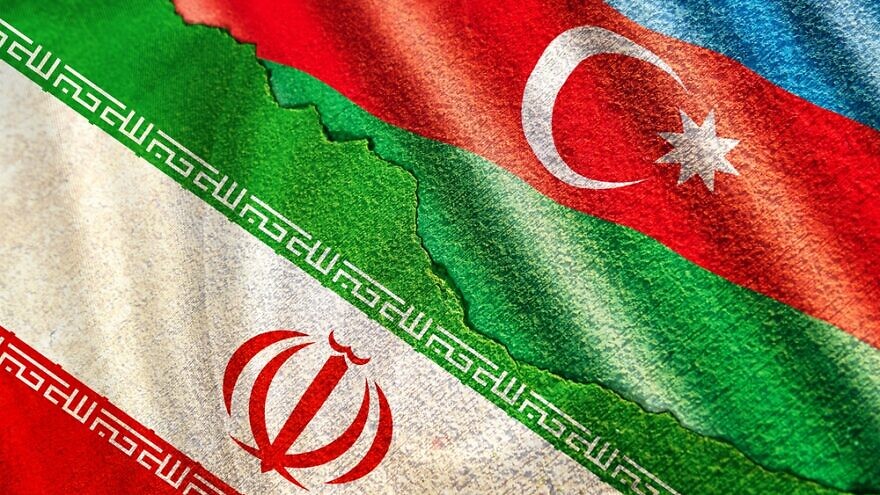
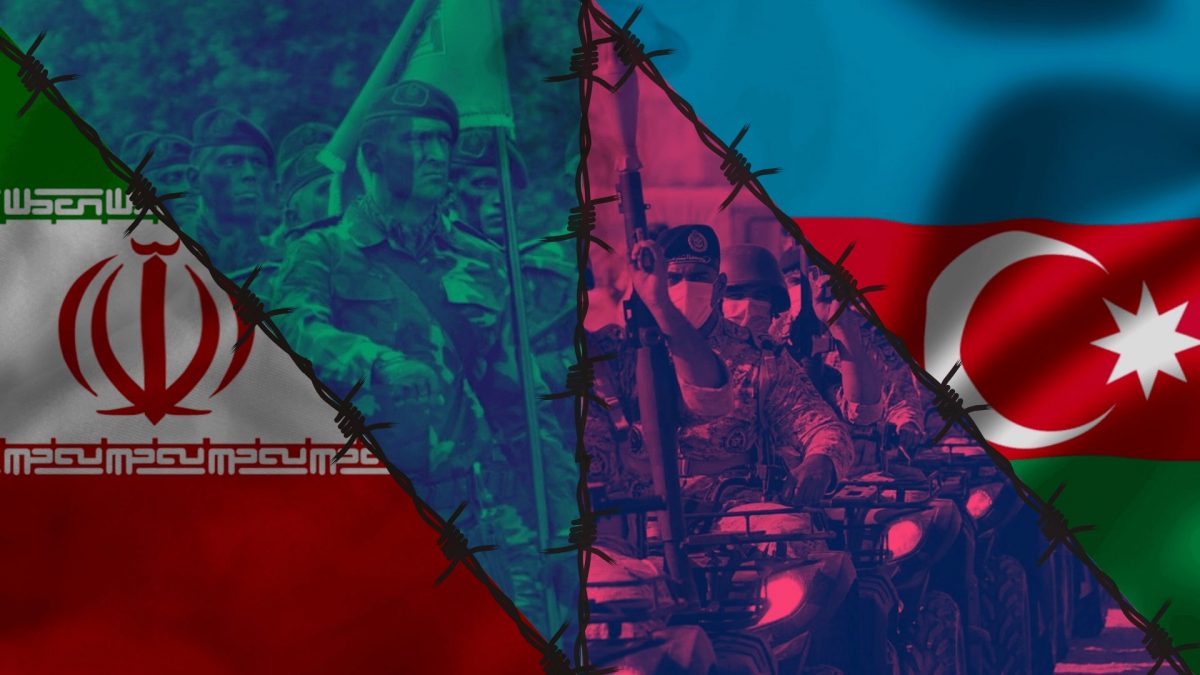
Continuing the friction is “not in the interest of Iran or Azerbaijan,” said Meir Javedanfar, a lecturer on Iranian politics at IDC Herzliya in Israel.
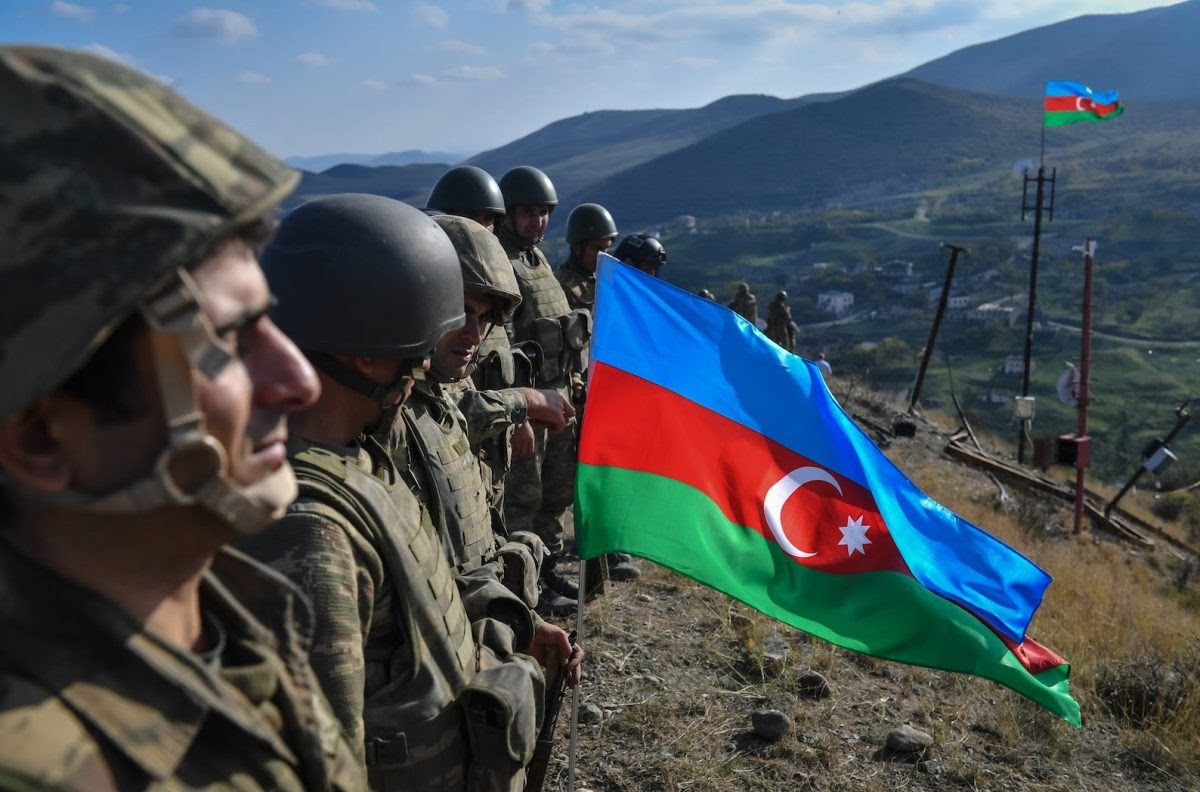
Developments in the South Caucasus continue to race ahead of Europe’s understanding of them. By the time an event has been noticed, recognized, digested, and interpreted (whether correctly or incorrectly), other events have followed in a wave that necessitates the revision of any understanding already reached.
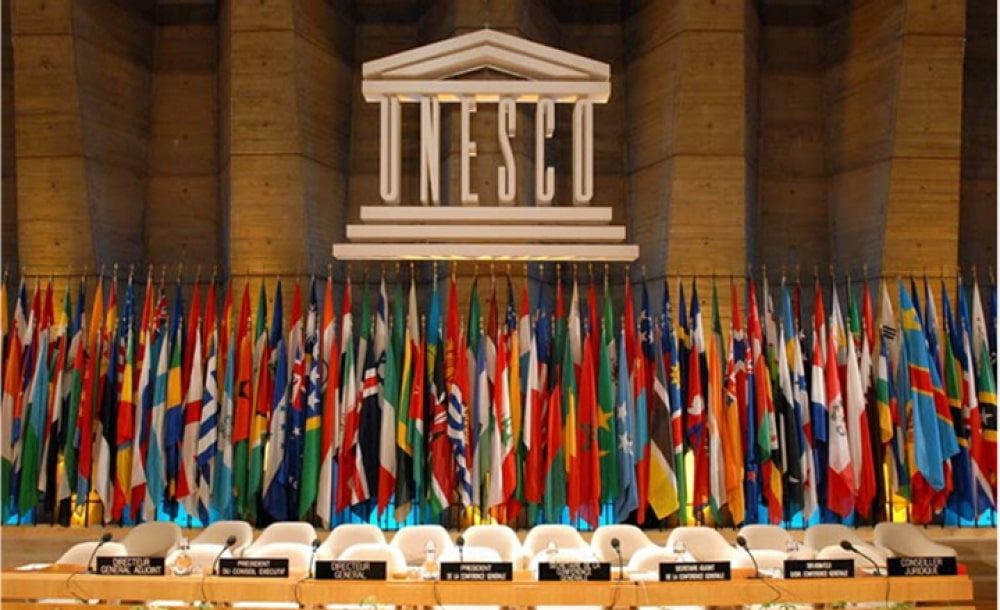
Before the Patriotic War, Azerbaijan repeatedly raised the issue of the state and fate of the cultural heritage destroyed and pillaged by Armenia in our occupied territories, officially appealing to UNESCO to take measures to protect it and send a mission to these territories. None of these appeals received an adequate response.
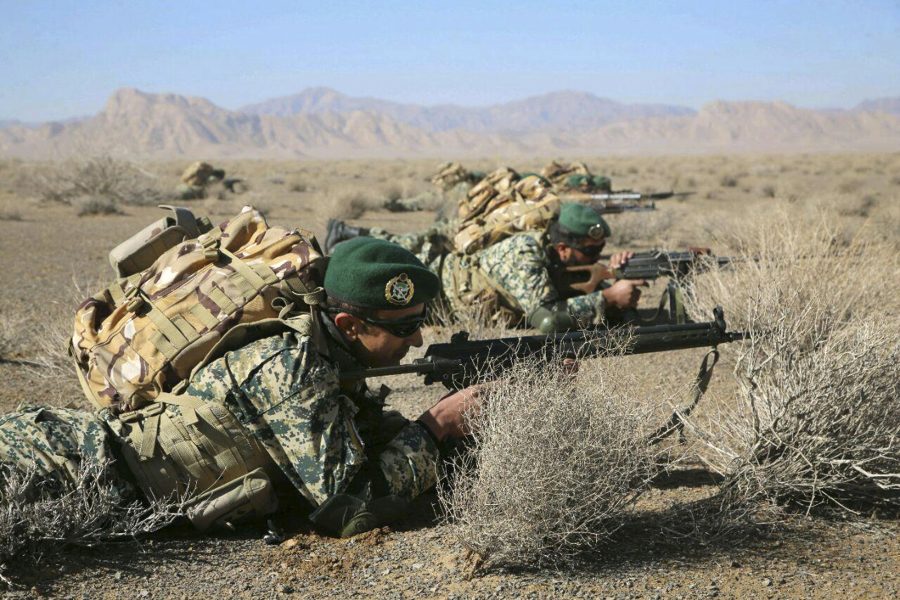
The implications of Iranian pressure on Baku extend well beyond the southern Caucasus, but Israel must tread carefully in this complex region.
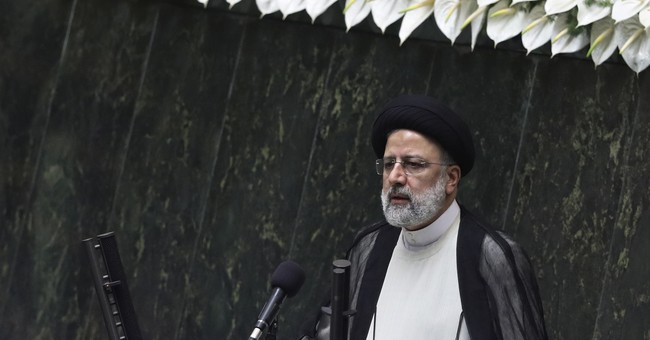
At its height 2,500 years ago, the Persian Empire was one of the world’s most advanced civilizations. Now, occupying the same homeland, the Iranian regime is one of the most backward governments on the planet.
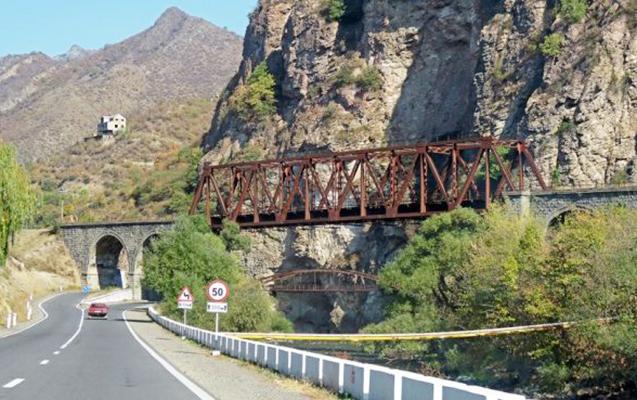
On October 15, Armenian Prime Minister Nikol Pashinian, in an online summit of the Commonwealth of Independent States (CIS), declared his country’s readiness to provide both railway and highway connection to Azerbaijan, via southern Armenian territories, that would link mainland Azerbaijan with its exclave of Nakhchivan Autonomous Republic.
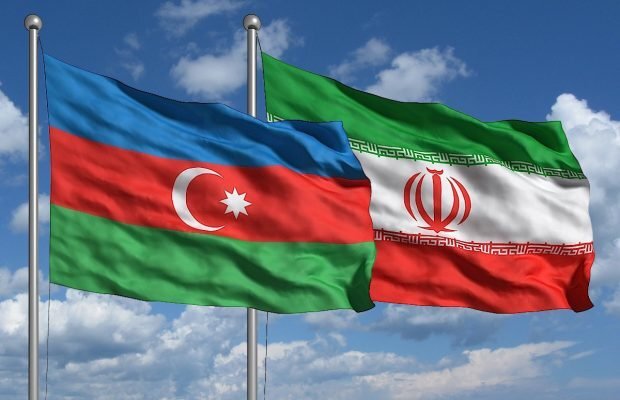
Tensions are likely to rise as Turkey seeks to gain more influence, and Iran balances Ankara by working with Russia to help Armenia stabilize its weakening position.
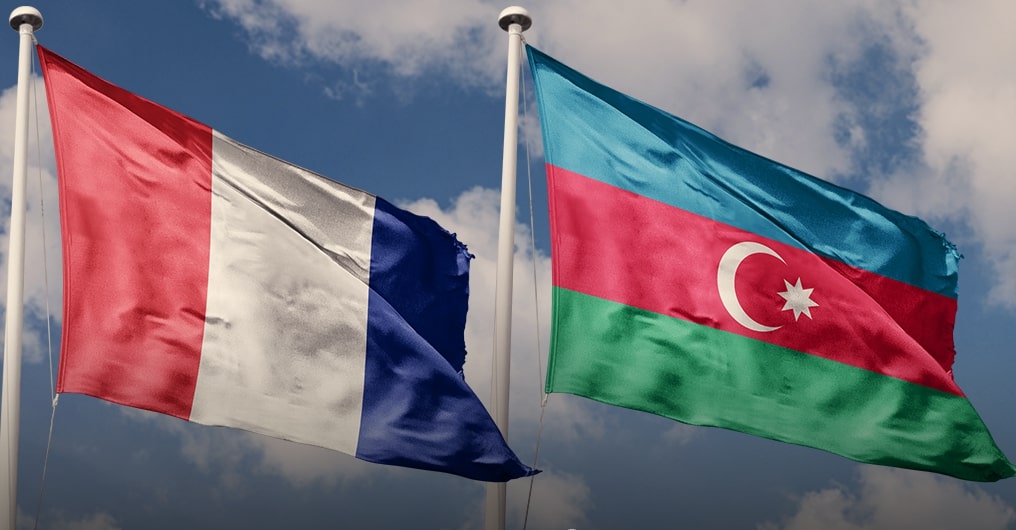
Azerbaijani President Ilham Aliyev’s interview with French television channel France 24 late last month (September 28) highlighted both current and future perspectives for bilateral relations between the two countries.
October 18 marks the 30th anniversary of the restoration of the state independence of the Republic of Azerbaijan.
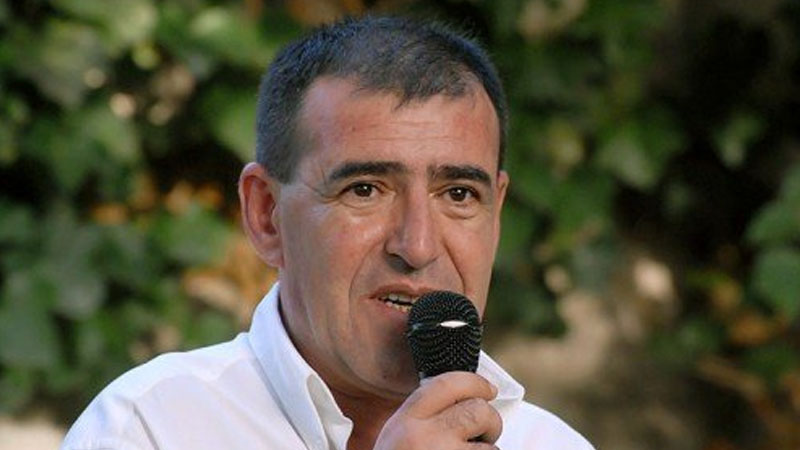
Sad news came on October 15. Georgi Vanyan, well-known Armenian human rights activist, head of the Caucasus Center for Peacekeeping Initiatives, died from coronavirus in a Tbilisi hospital. He was only 58 years old.
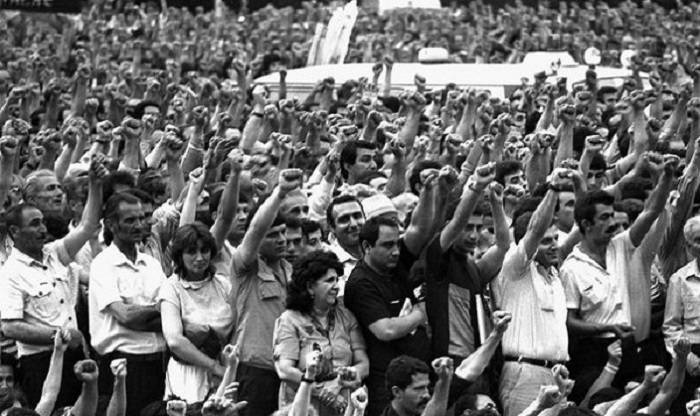
The Armenians of Baku were so different because they were part of the "Bakintsy" ("Bakuvians"), a nation of sorts formed by Azerbaijanis, Jews, Russians and other ethnicities living in the city.