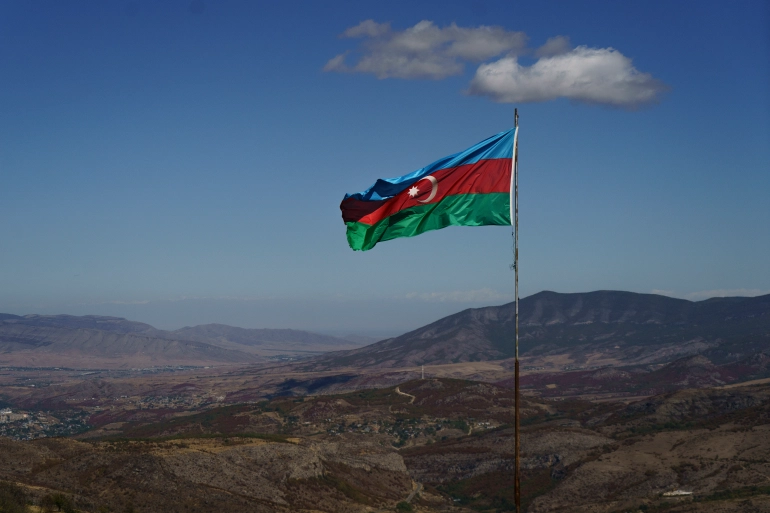
A year after a deadly conflict over the mountainous Nagorno-Karabakh region that killed thousands and led to accusations of war crimes from both sides, arch foes Armenia and Azerbaijan have shown some signs that they are open to improving relations.

A year after a deadly conflict over the mountainous Nagorno-Karabakh region that killed thousands and led to accusations of war crimes from both sides, arch foes Armenia and Azerbaijan have shown some signs that they are open to improving relations.
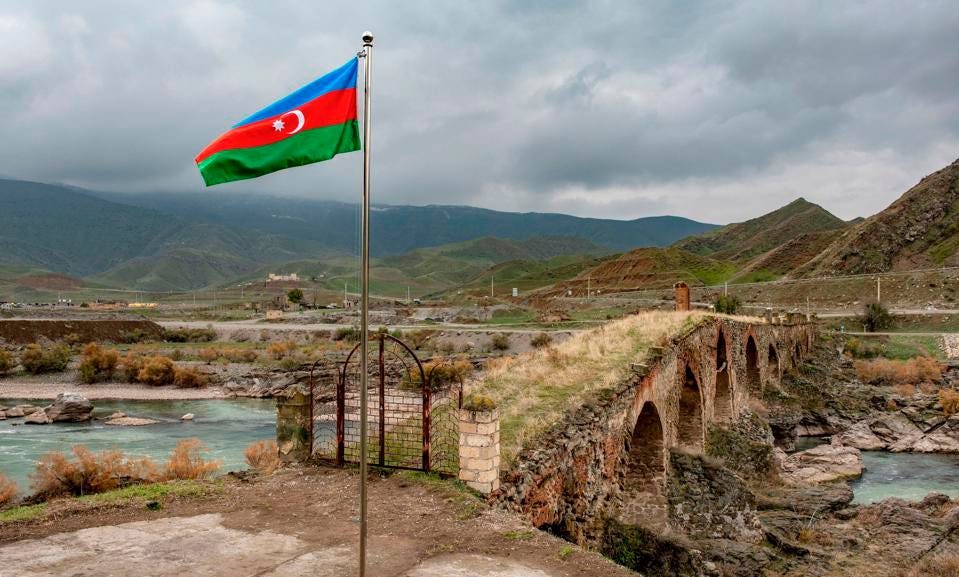
Tensions are flaring between Baku and Tehran after Iran’s Islamic Revolutionary Guard Corps (IRGC) launched widespread military drills in a show of force along their shared border. Iran’s exercises mark the first time in Azerbaijan’s thirty years of independence that a foreign state has directly threatened its sovereignty.
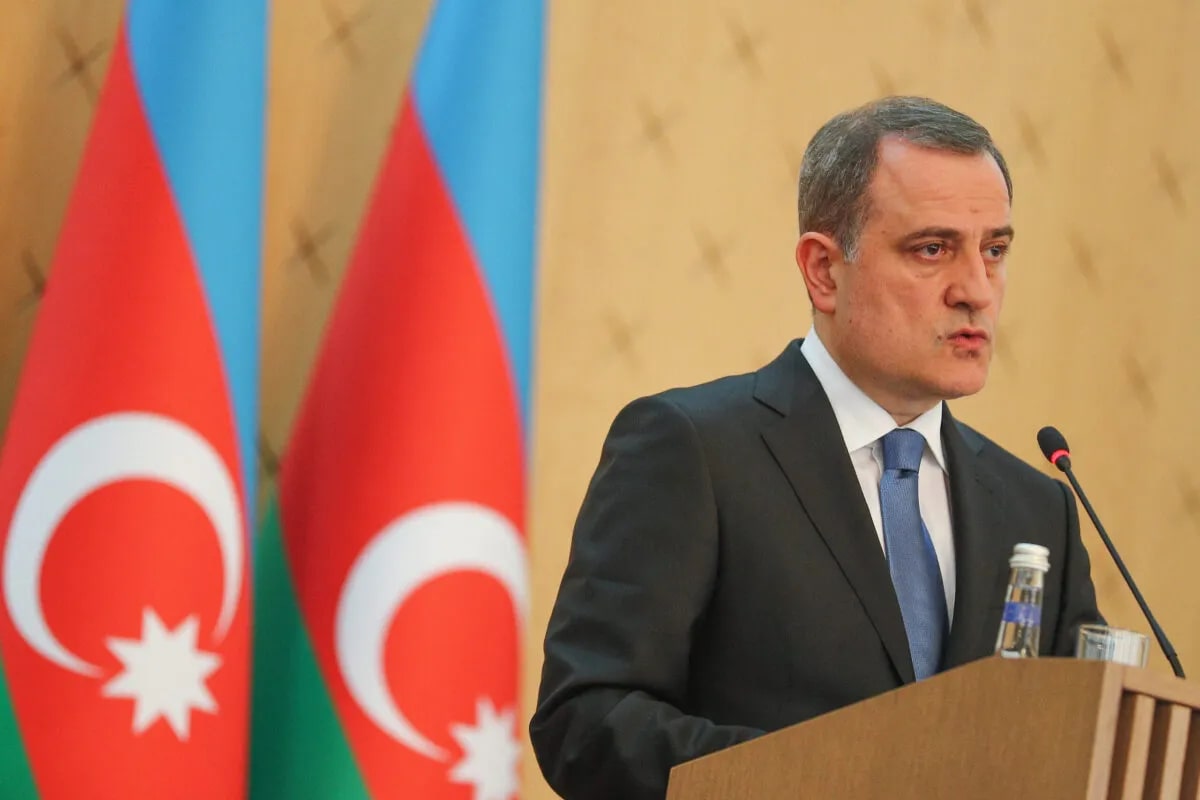
Azerbaijan has said that it is looking to repair its diplomatic ties with Iran through dialogue after the two fell out earlier this month following a series of allegations that the Israeli military was present in Azerbaijan and that Iran's military supported Armenia in last year's conflict.
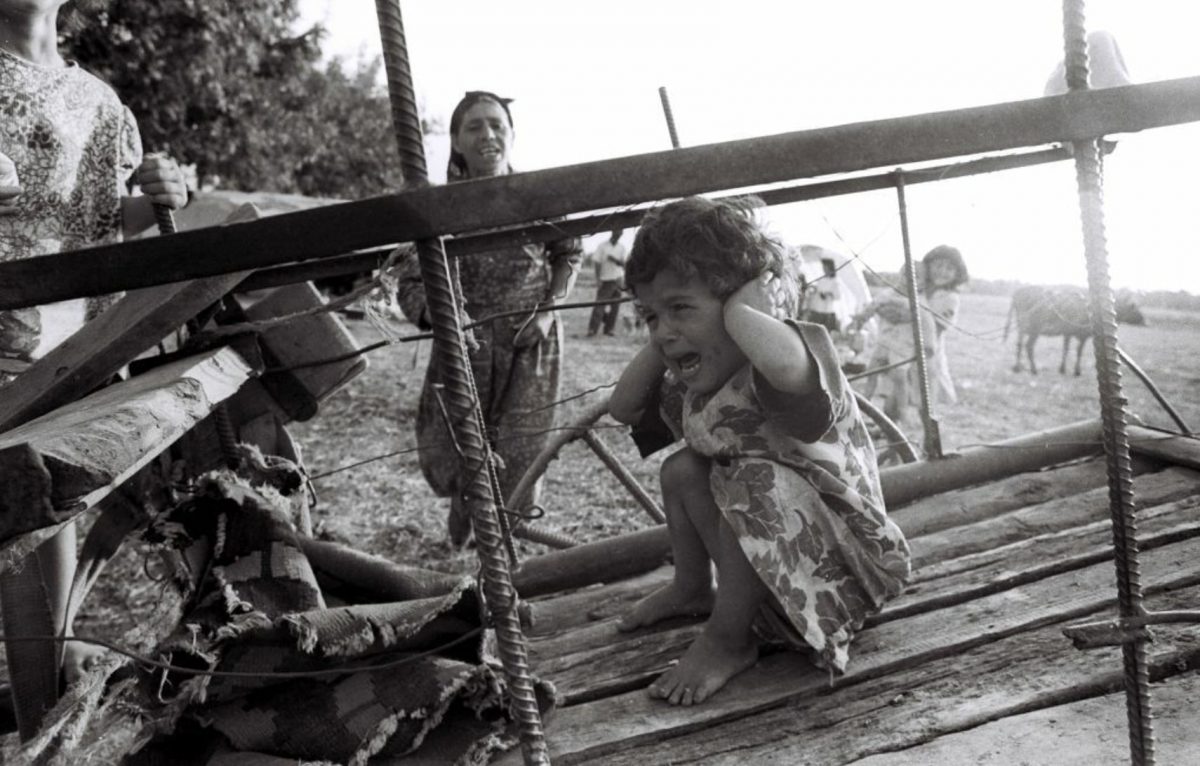
With the bar for success high, proceedings will likely turn into a forum to air grievances, throw mud at one another, and ultimately reinforce division between Armenians and Azerbaijanis. It is the exact opposite of what is currently needed; lawfare rather than diplomacy.
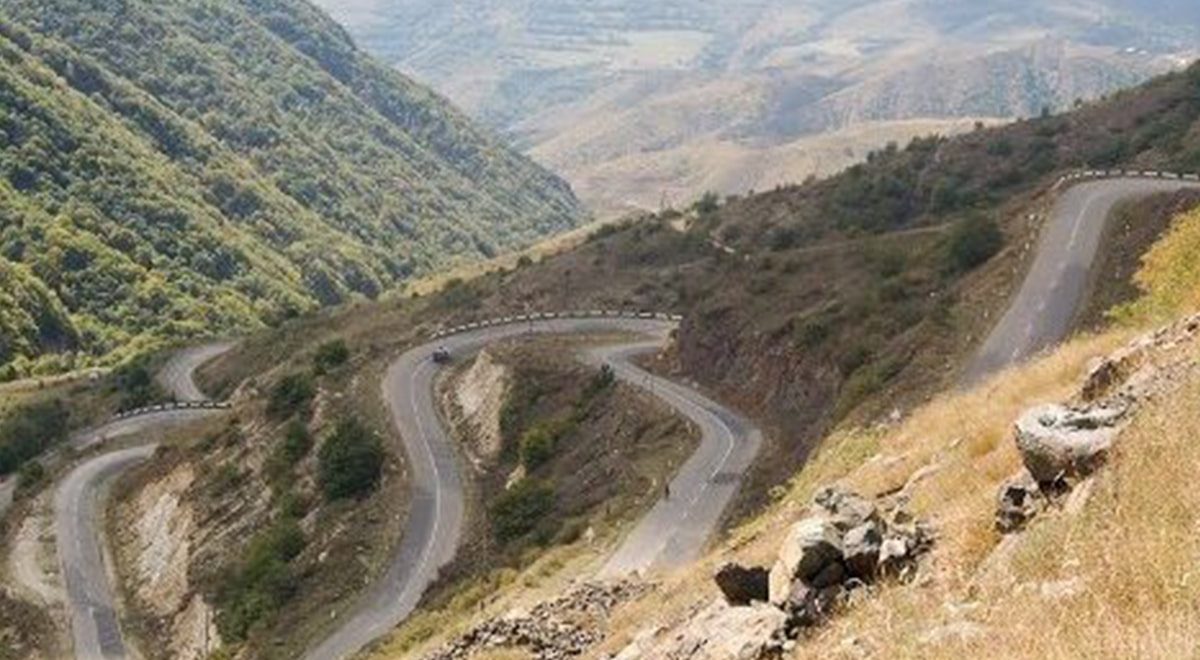
Tehran remains categorically against the opening of any corridor between Azerbaijan proper and Nakhichevan through the Zengezur corridor, but its pledge to help Armenia build a corridor between Armenia and Iran could unintentionally make progress on the Azerbaijani one possible.
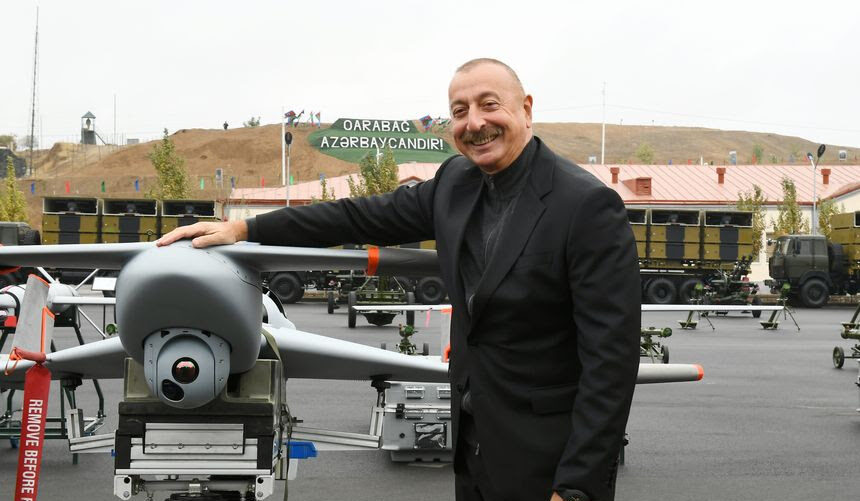
A picture is worth a thousand policy briefs. On Oct. 4, Ilham Aliyev, the president of Azerbaijan, mugged for the cameras. Beaming before reporters, he stroked, patted, and put a loving arm around a Harop, a kamikaze drone manufactured by Israel.
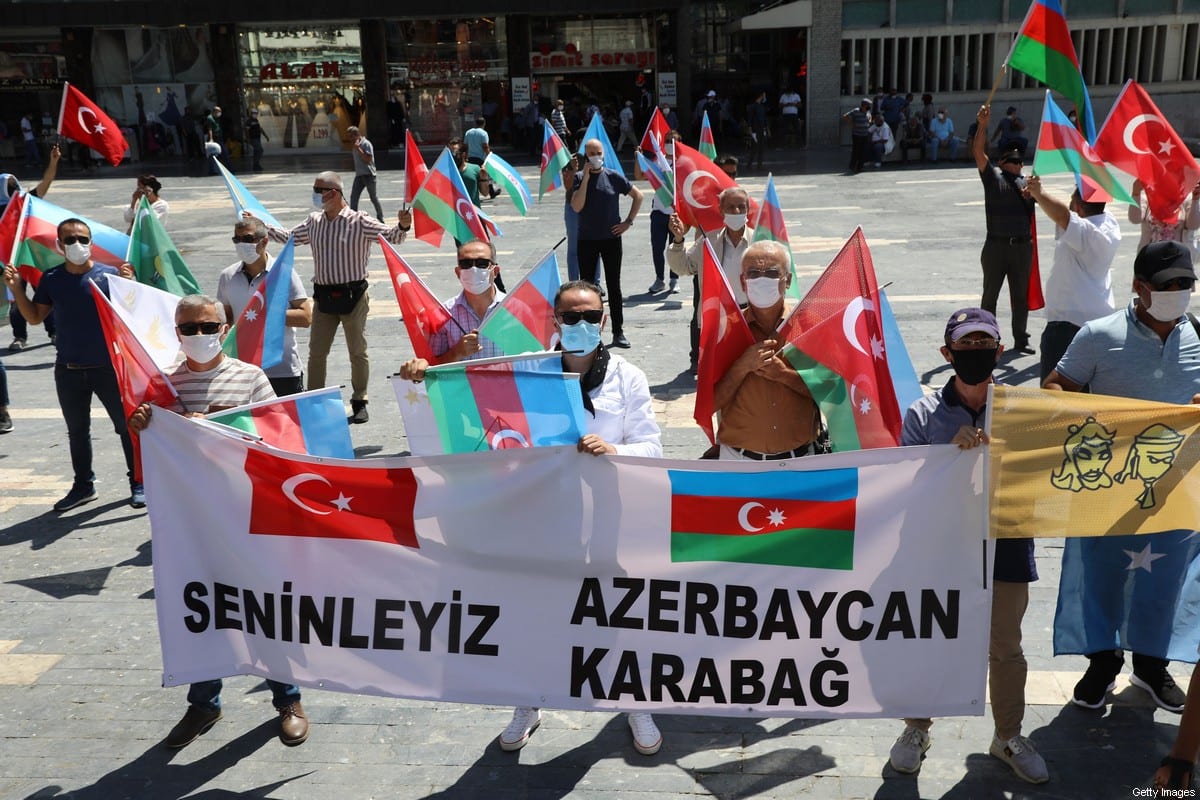
With the victory of Azerbaijan against Armenia in the Nagorno-Karabakh region almost completing its first year, the South Caucasus region does not yet seem ready to enter a phase of long-term stability.
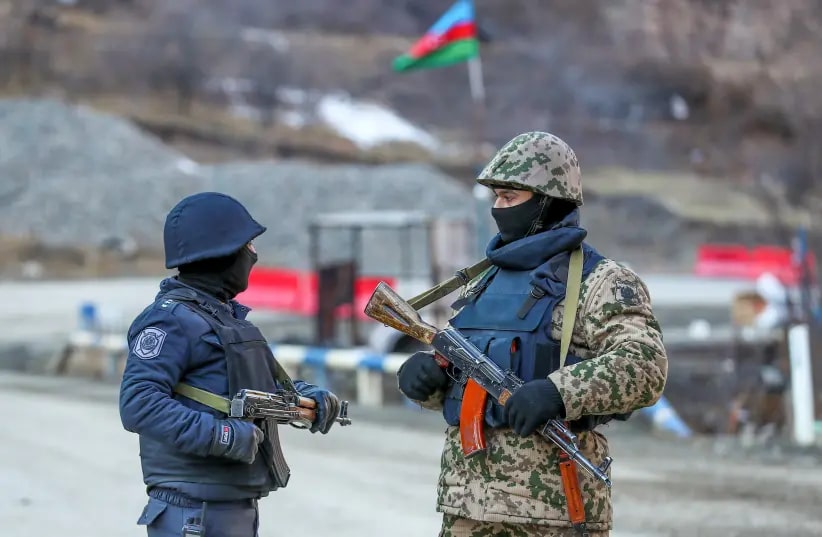
Azerbaijani officials rejected claims by Iranian officials that Israeli forces are present on the Azerbaijani-Iranian border.
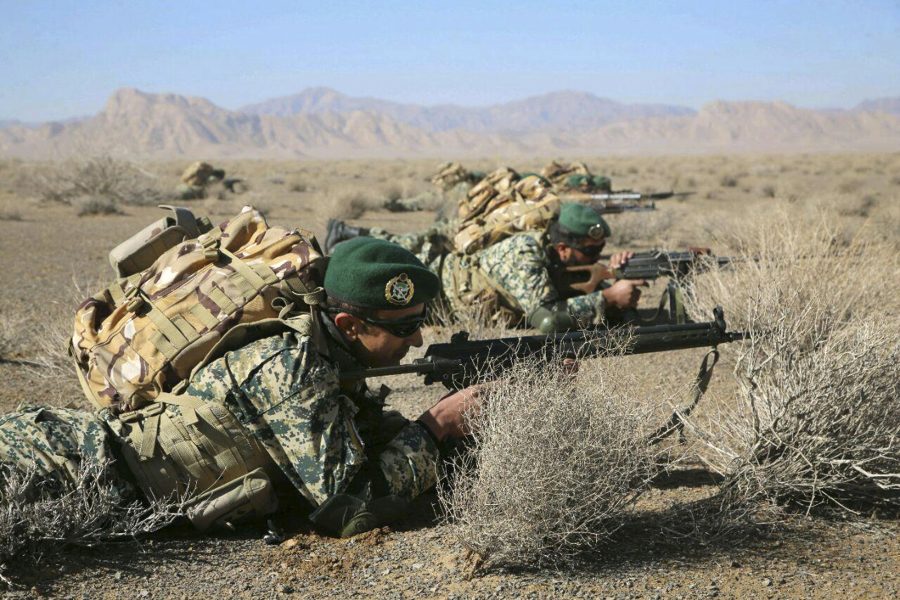
For the first time since the 2000s, tensions between Azerbaijan and Iran have dramatically escalated in recent weeks.
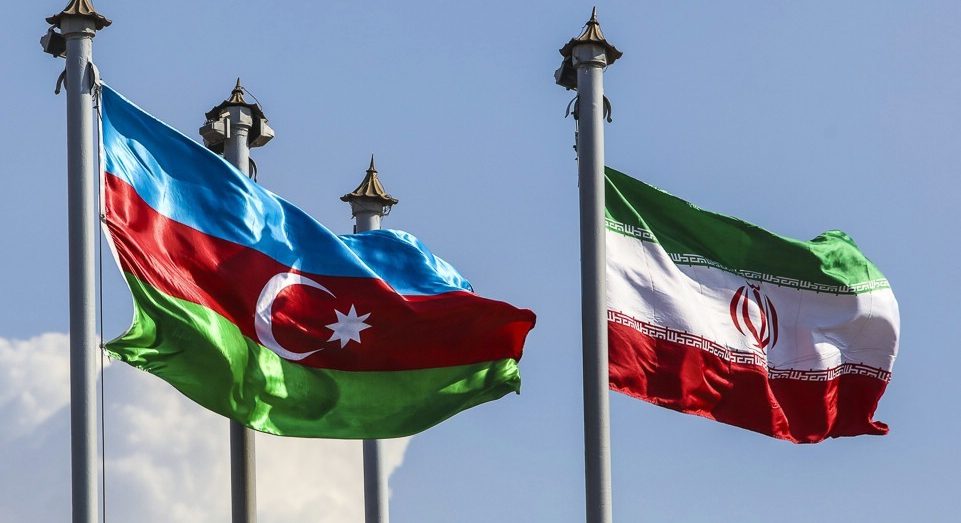
A year after the beginning of the Patriotic War, more and more details of the events of those difficult but historically important days for the entire Azerbaijani people continue to emerge.
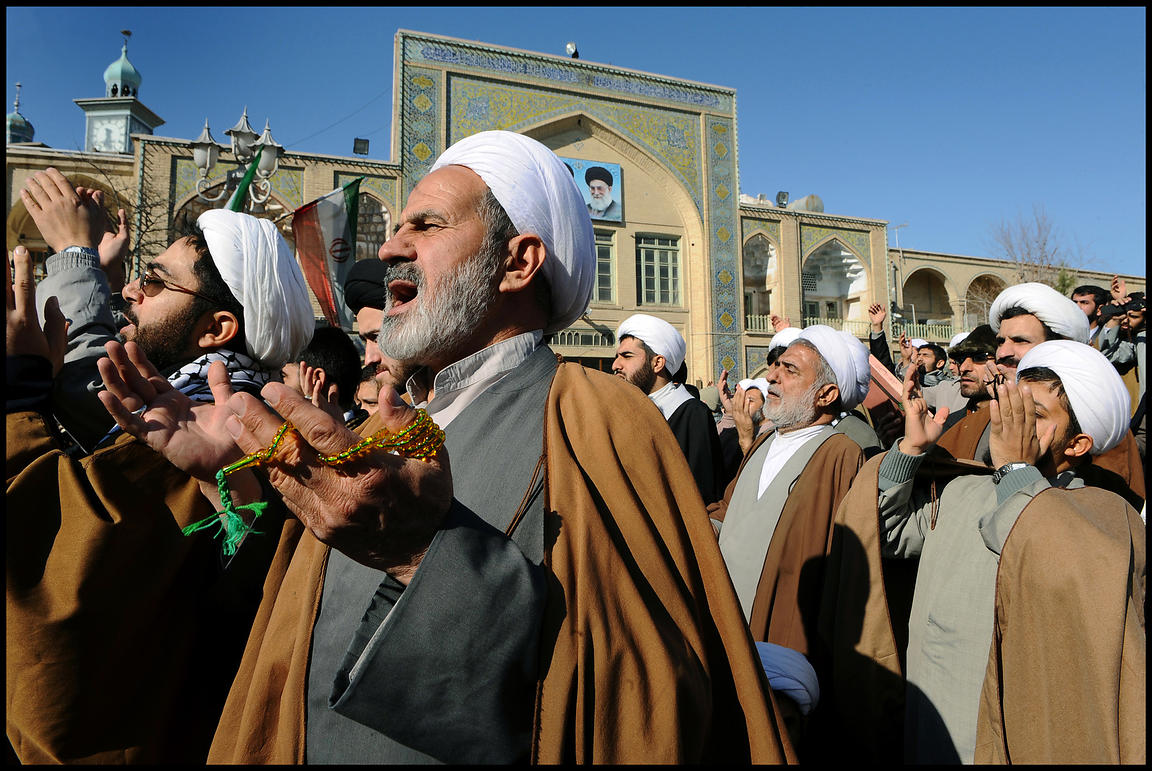
The current state of Azerbaijan's relations with Iran can be seen as a cold war with far-reaching consequences. For the third time in the history of the newborn Azerbaijan Republic, an escalation of confrontation reaches the point of bifurcation, leaving a deep negative imprint in the relations between the two countries.
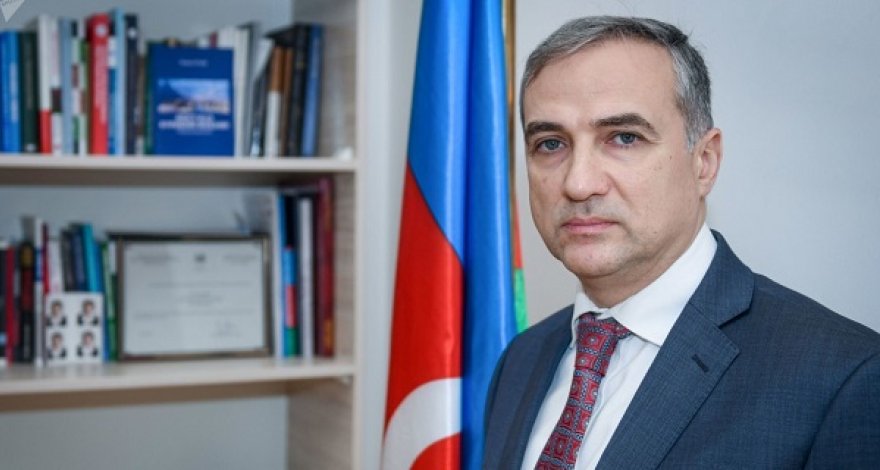
This is the opinion voiced by the chairman of the Center for Analysis of International Relations, political scientist Farid Shafiyev, as he comments on the latest events in the region.
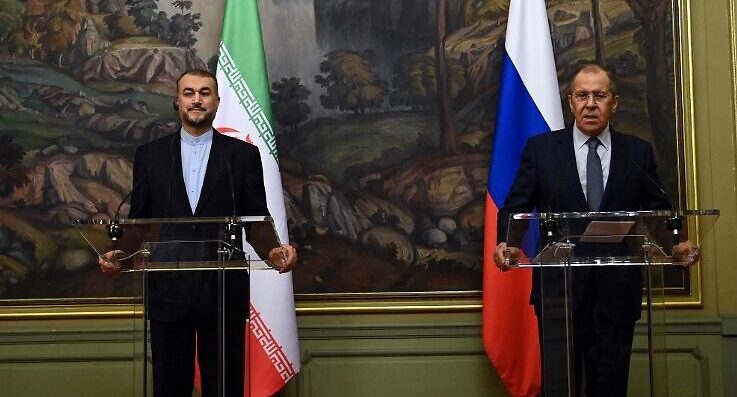
Iran wants Russia to know that it is concerned by both the presence of Israel-Azerbaijan relations as well as Turkey’s moves to open up a land corridor.
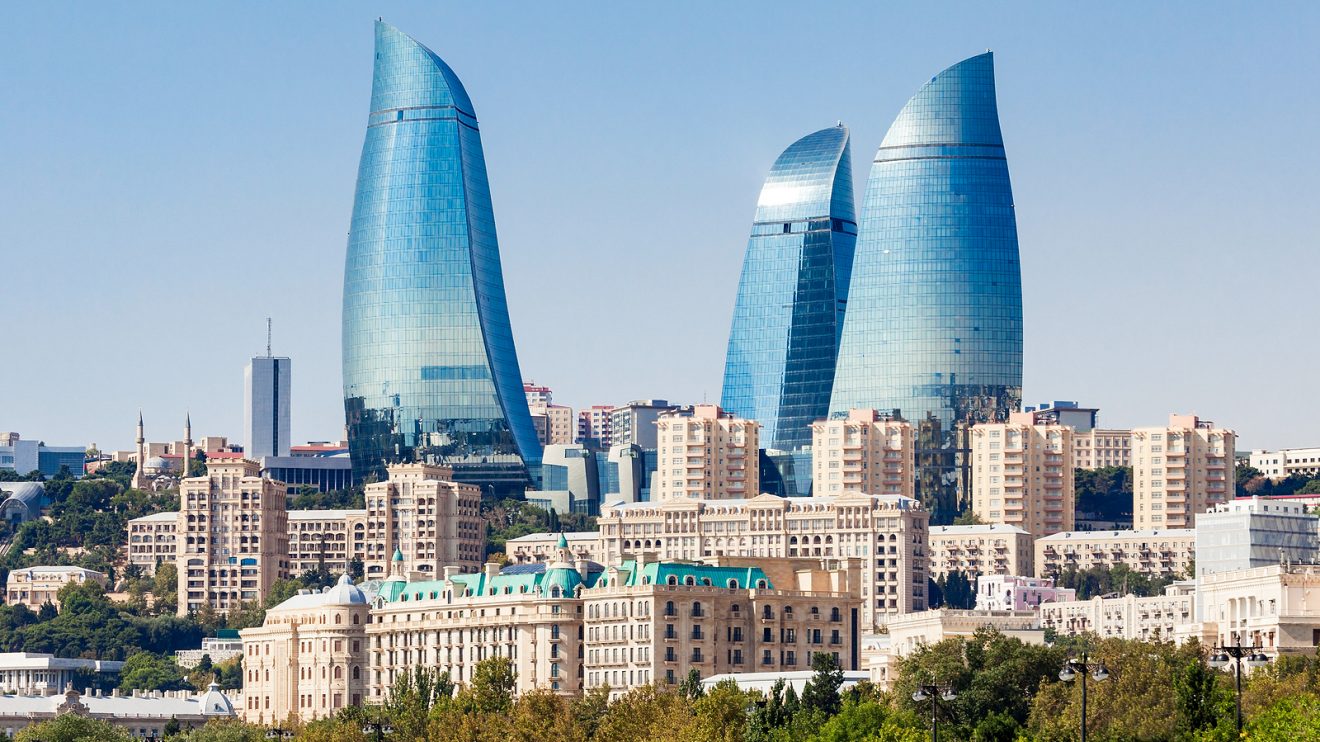
A year on from its victory over Armenian forces in the disputed region of Nagorno-Karabakh, Azerbaijan is now dealing with a new potential threat, this time from Tehran.
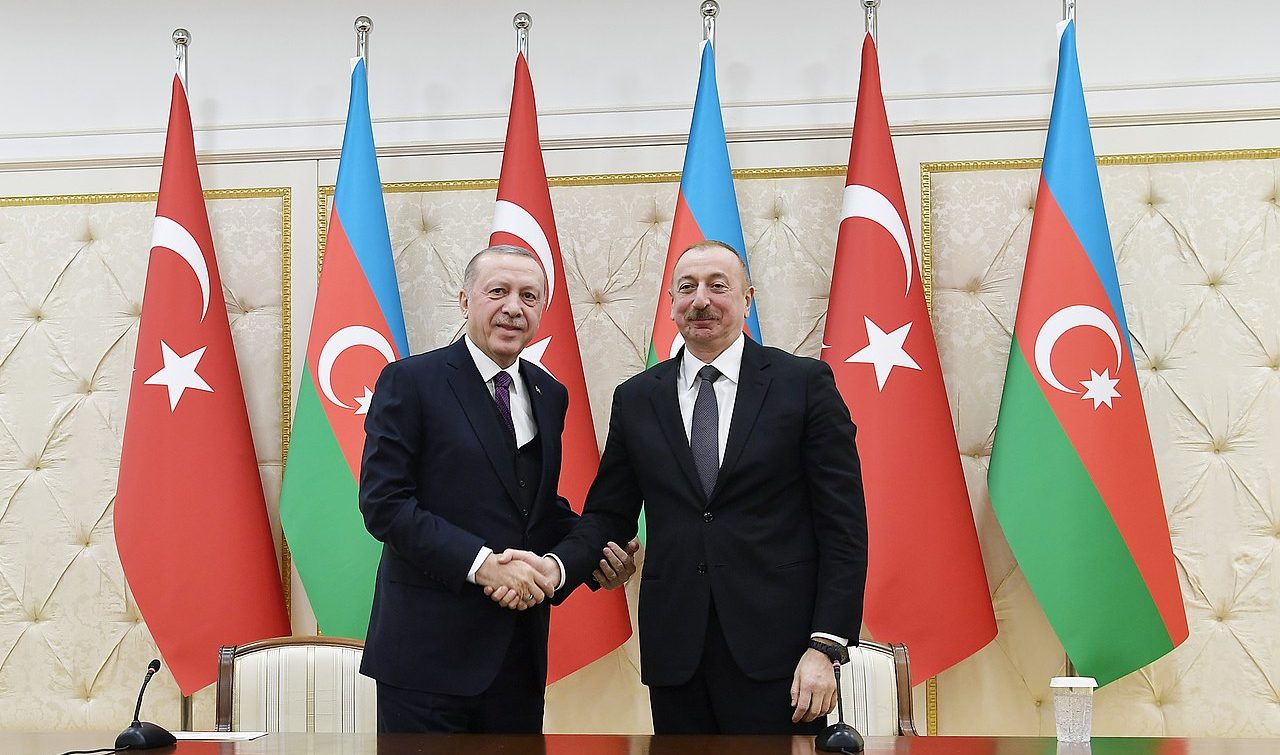
Azerbaijan’s decade-long balanced foreign policy between Russia and the West took a decisive turn after last year’s war in Nagorno-Karabakh, highlighted by a greater emphasis on military alignment with an increasingly assertive Turkey.
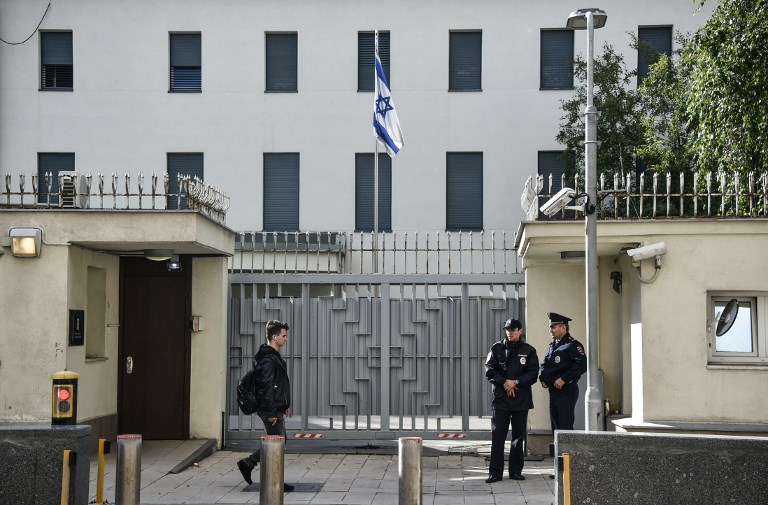
Israel has warned its missions around the world of a possible Iranian terror threat, a television report claimed on Wednesday, following the arrest of an Azeri national over an alleged plot to assassinate one or more Israeli businesspeople in Cyprus.
Relations between Iran and its neighbor Azerbaijan have steadily deteriorated over recent weeks, fueled by military drills on both sides of the border, allegations of an Israeli military presence and the imposition of border controls on a road straddling the Armenia-Azerbaijan border.
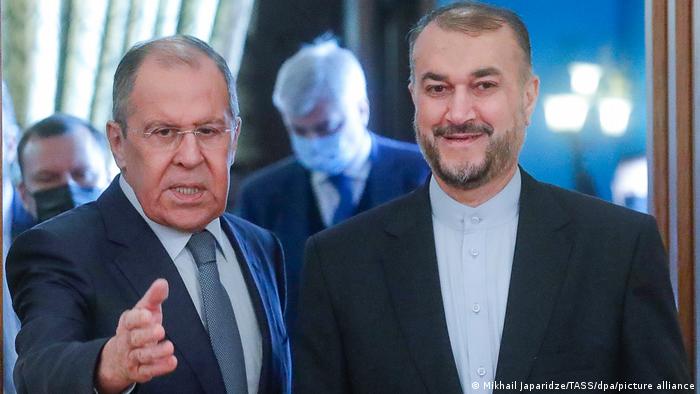
Iran's Foreign Minister Hossein Amirabdollahian says his country does not accept "geopolitical changes" in the Caucasus. Tensions between Iran and neighboring Azerbaijan have been on the rise of late.
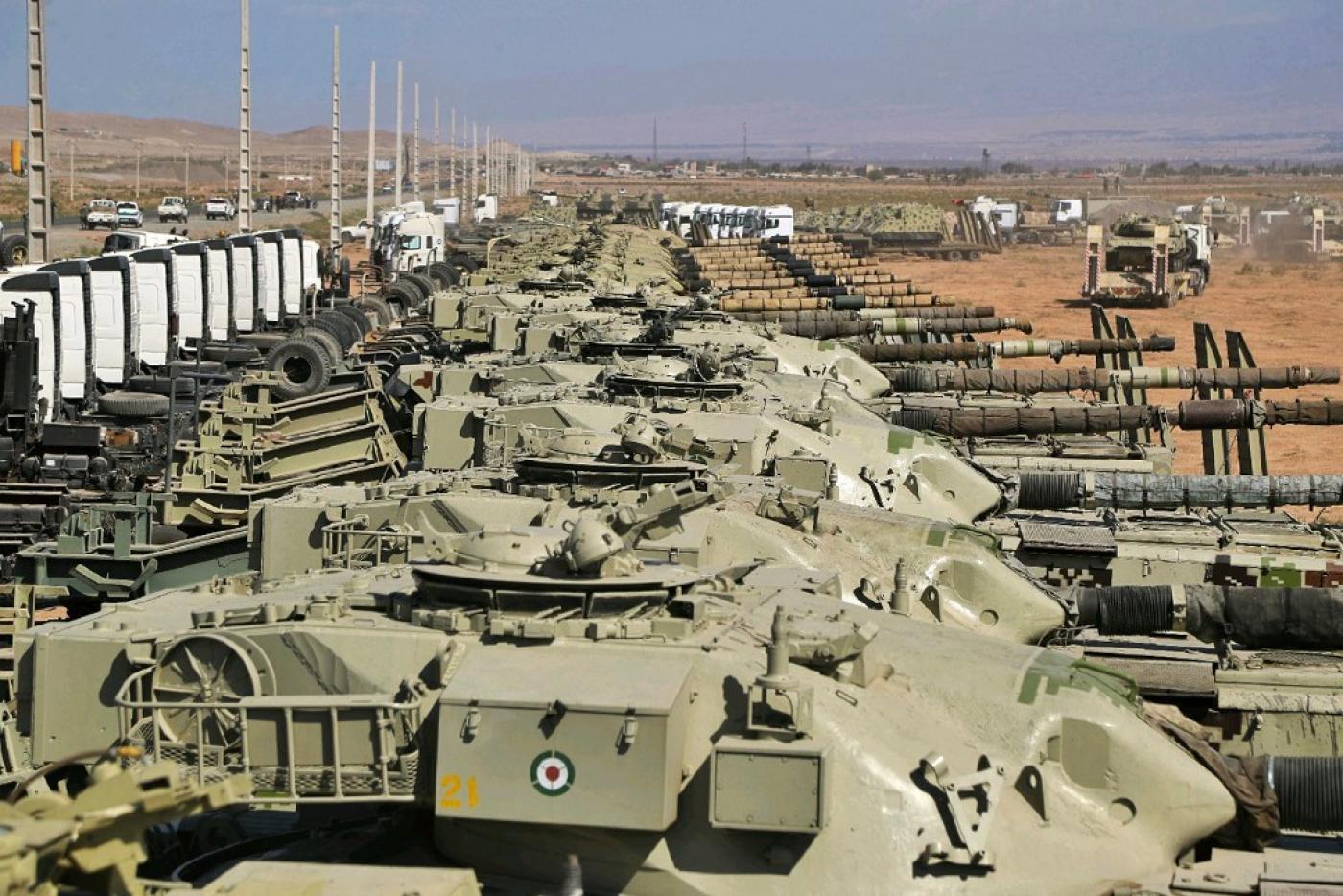
If the situation deteriorates and Baku opts not to address Tehran's concerns and warnings, a direct confrontation could be on the cards.
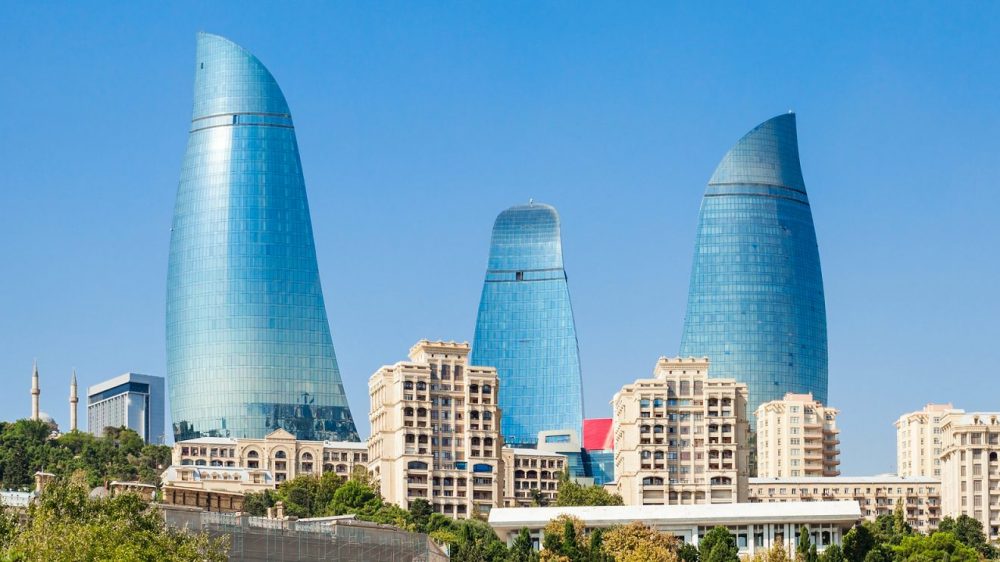
Azerbaijan has repeatedly declared its commitment to normalizing relations based on the principles of international law, but the revanchist statements and actions of the Armenian side show that Armenia is not yet ready for this.
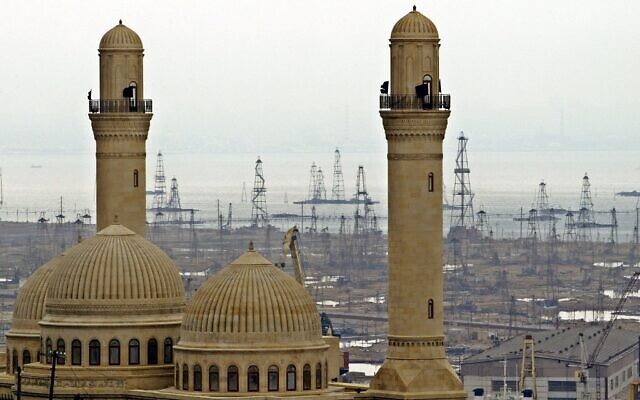
Closure attributed to ‘a surge in COVID-19 cases’ comes days after Tehran launched war games near Azeri border in a move denounced by Baku.
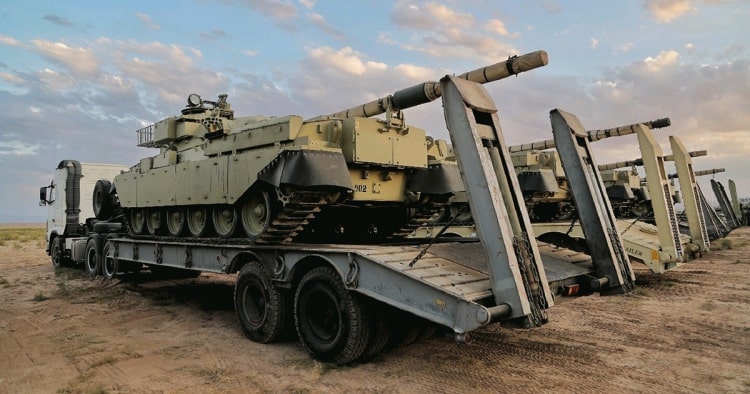
Tensions between Iran and Azerbaijan are high right now but both sides will very likely soon step down. Neither Tehran nor Baku can afford to let recent events lead to a full-fledged crisis or a military showdown between the two Shi’a Muslim-majority countries.
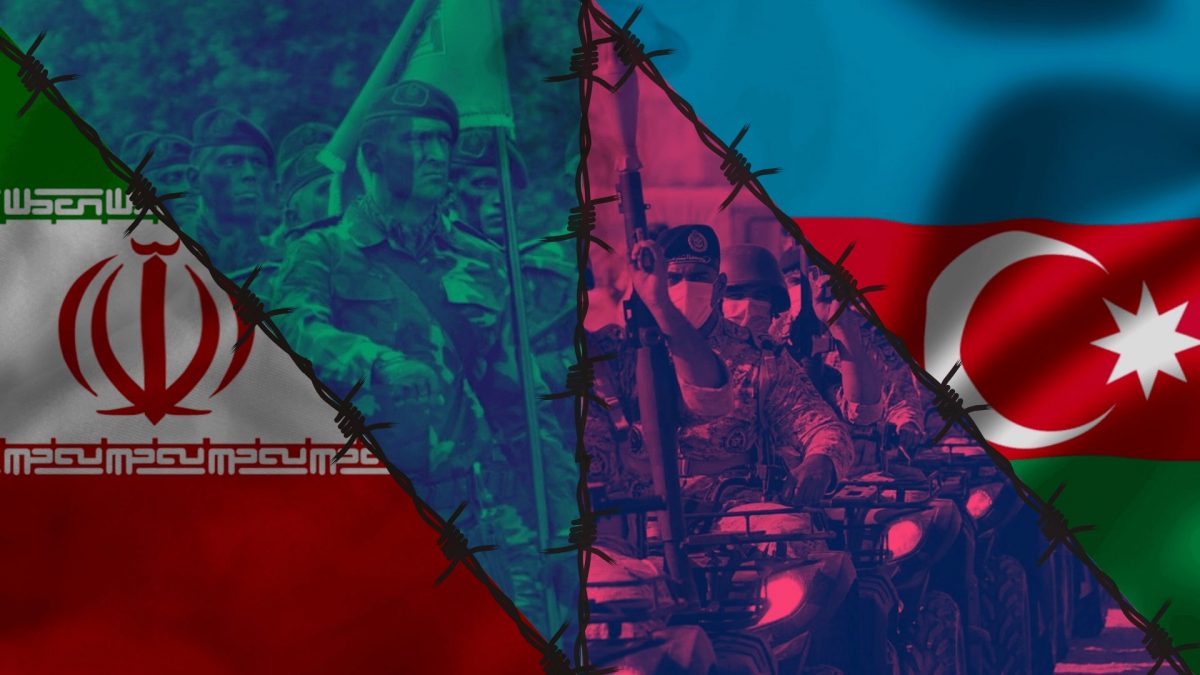
Iran’s media has begun to up the rhetoric against Azerbaijan, with a headline claiming that Baku has “denied the presence of the Zionist regime near the border with Iran,” a claim that appears to contrast with its insinuation that Israel’s close relationship with Azerbaijan is a threat to Tehran.
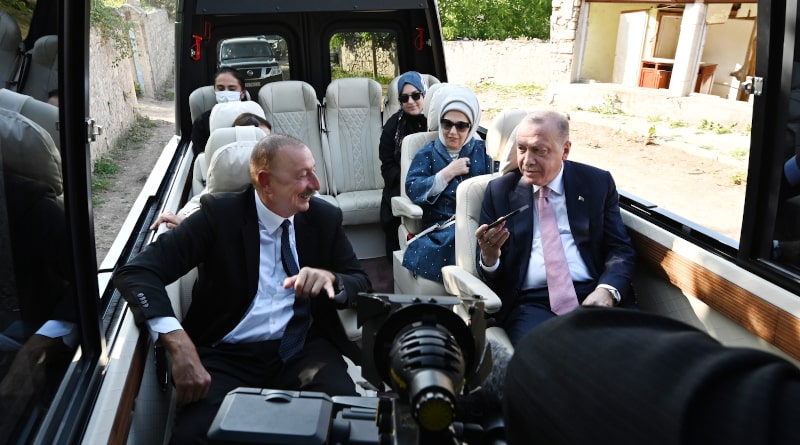
Turkey’s foray into the South Caucasus seems to be paying off, as the country nibbles away at Russia’s long-held hegemony in the region.